



When it comes to portable Bluetooth speakers, we're really looking at two entirely different approaches to solving the music-on-the-go challenge. Let's explore how these speakers, released in 2020 and 2017 respectively, serve different needs while sharing some core DNA.
Bluetooth speakers have evolved dramatically over the past decade. What started as tiny, tinny-sounding gadgets has expanded into a diverse ecosystem ranging from pocket-sized personal audio companions to powerful party machines. The key is matching your needs to the right category of speaker.
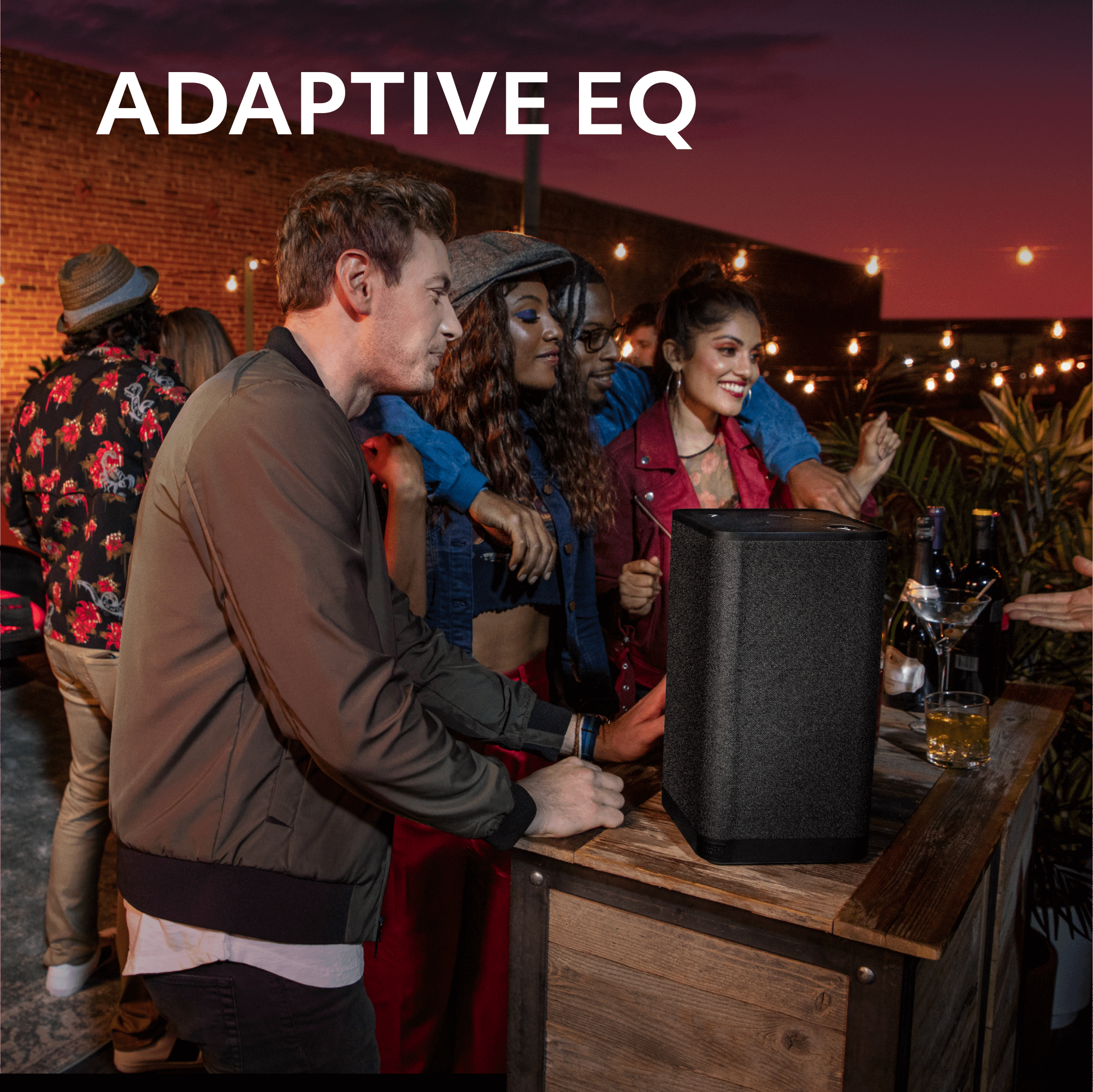
Today's high-end portable speakers like the HYPERBOOM pack impressive audio processing capabilities, with features like adaptive EQ (which automatically adjusts sound settings based on the environment) and multi-driver arrays that would have been unthinkable in portable speakers just a few years ago. Meanwhile, ultra-compact speakers like the SoundLink Micro have pushed the boundaries of what's possible in a tiny package.
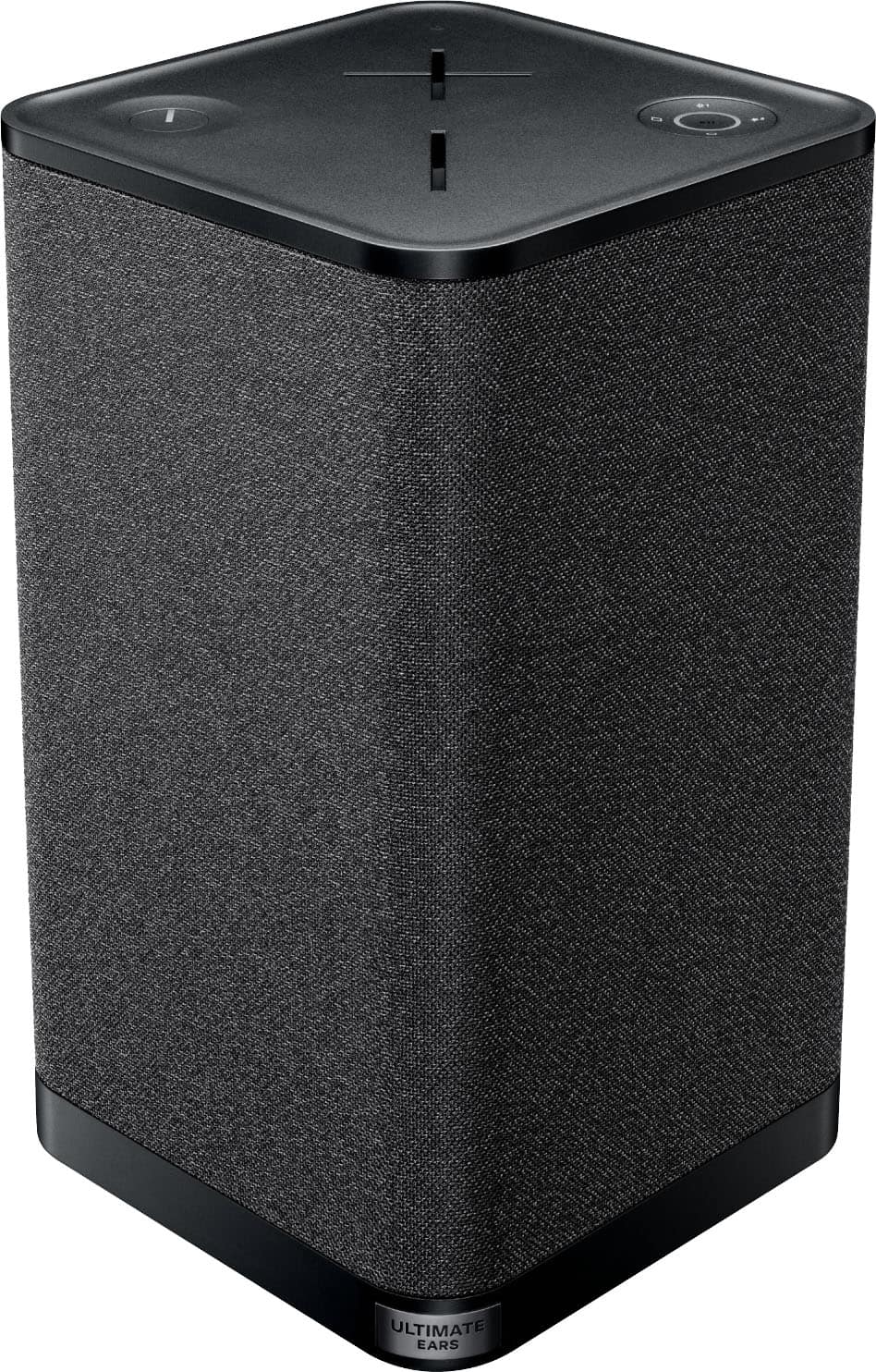
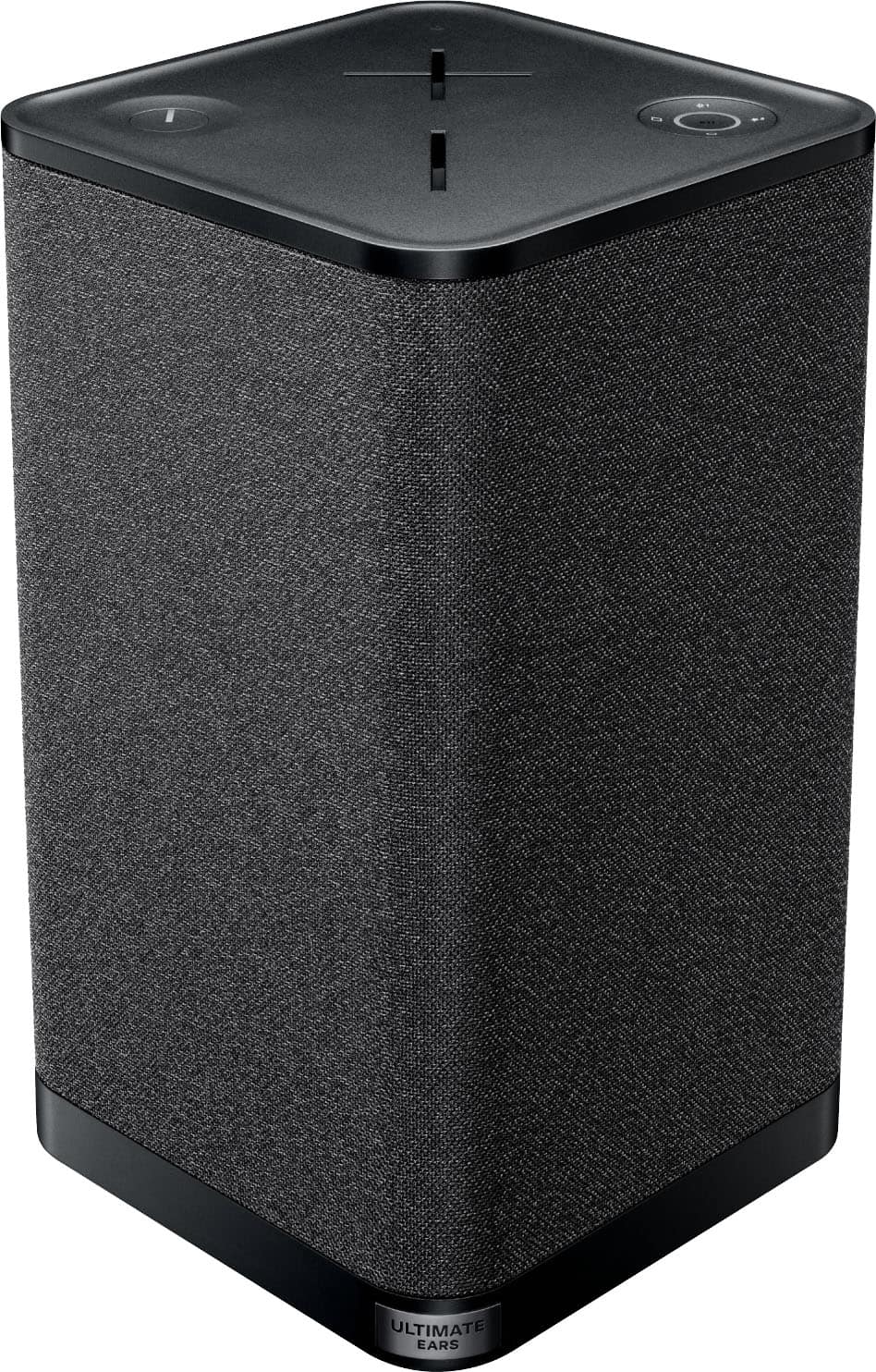
The HYPERBOOM uses a sophisticated speaker array consisting of two 4.5-inch woofers, two 1-inch tweeters, and two passive radiators (which help enhance bass response). This configuration allows it to produce room-filling sound with impressive clarity across the frequency spectrum.
What sets it apart is the adaptive EQ system, which uses built-in microphones to analyze the acoustic environment and adjust audio settings accordingly. When you move the speaker from an open outdoor space to a smaller room, it automatically rebalances the sound signature to maintain optimal performance.
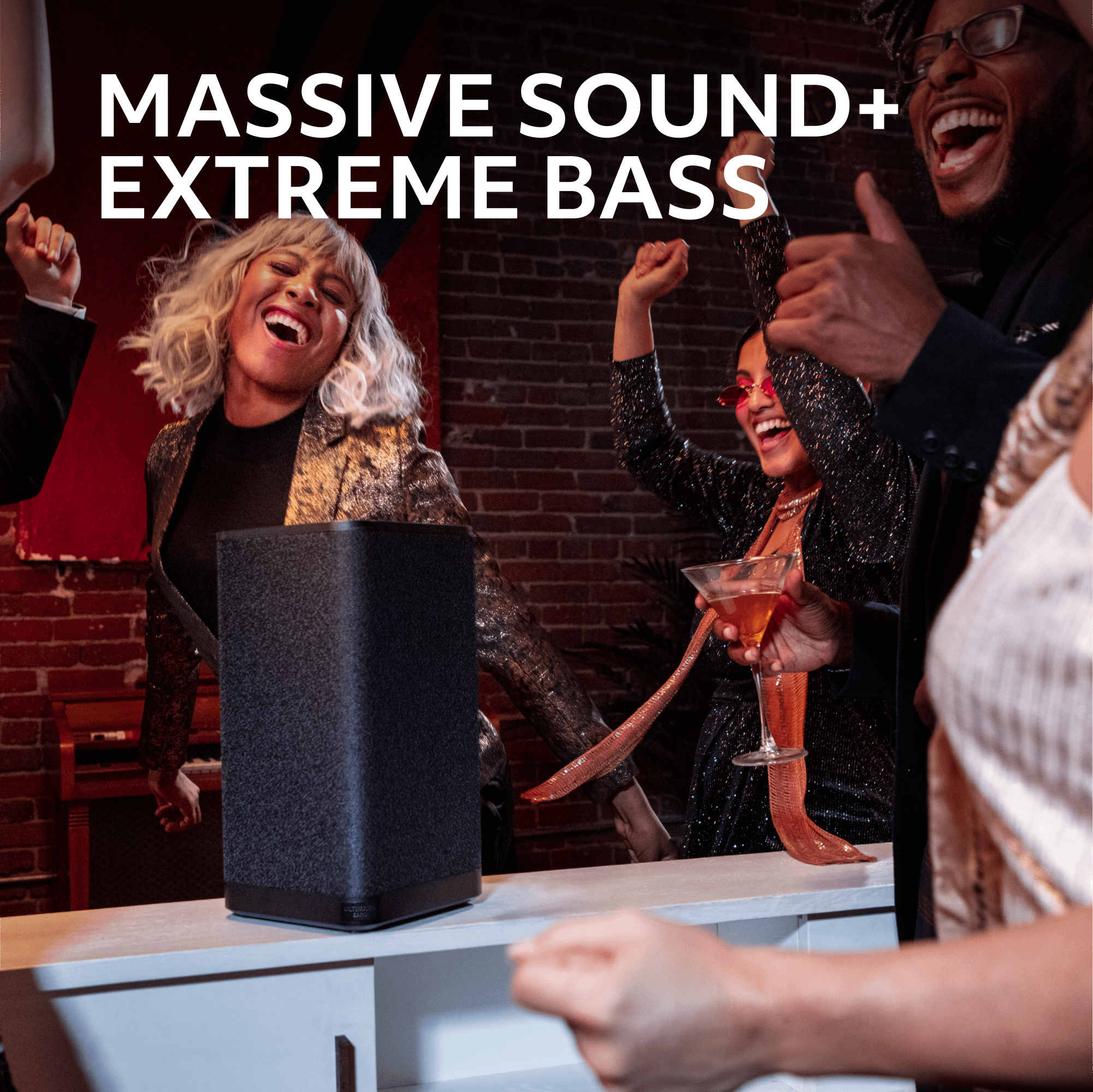
The speaker can reach impressive volume levels without distortion, thanks to digital signal processing (DSP) that prevents audio clipping at high volumes. In testing, it easily fills large outdoor spaces and can handle gatherings of 30+ people while maintaining clear, balanced audio.
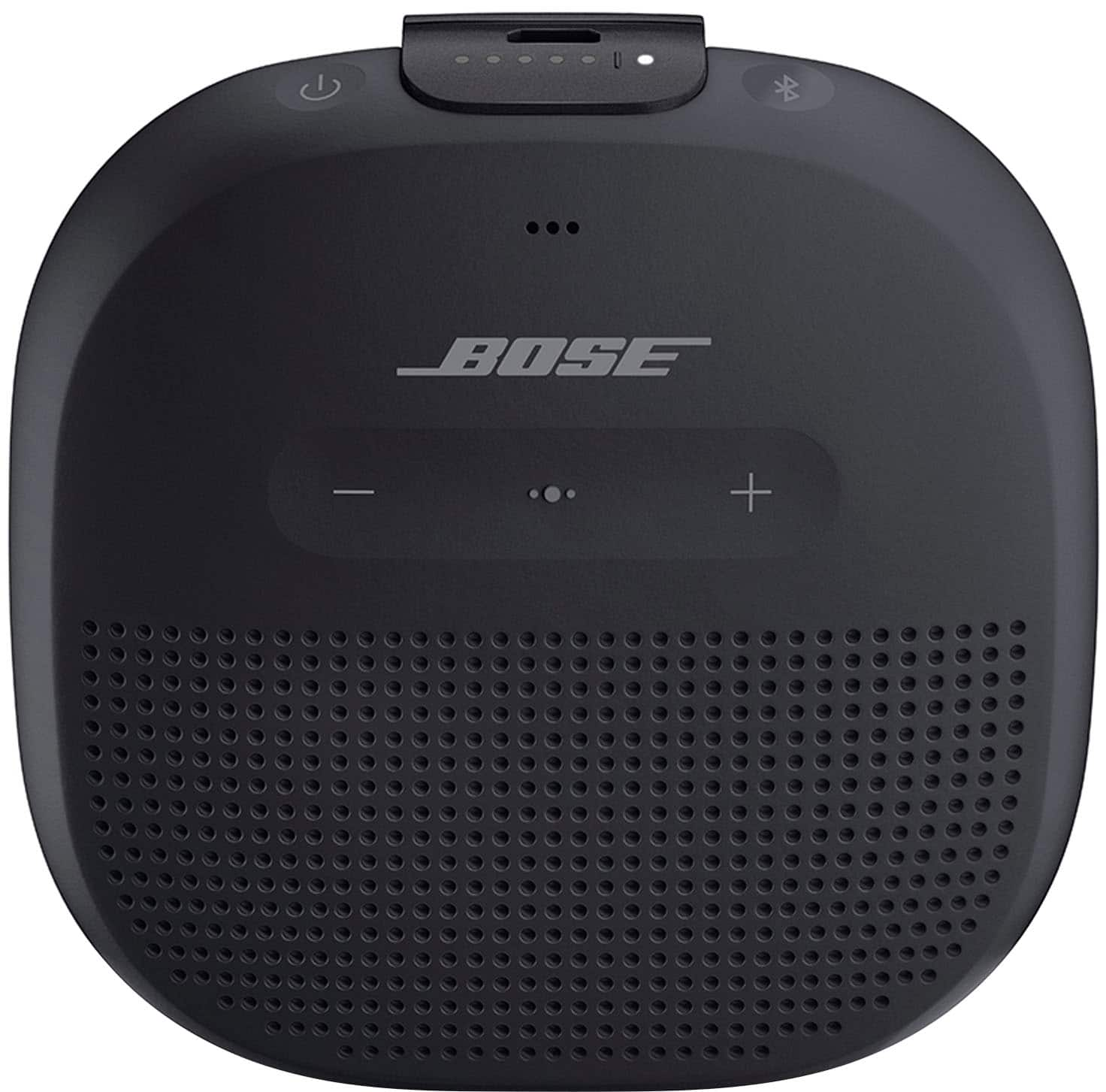
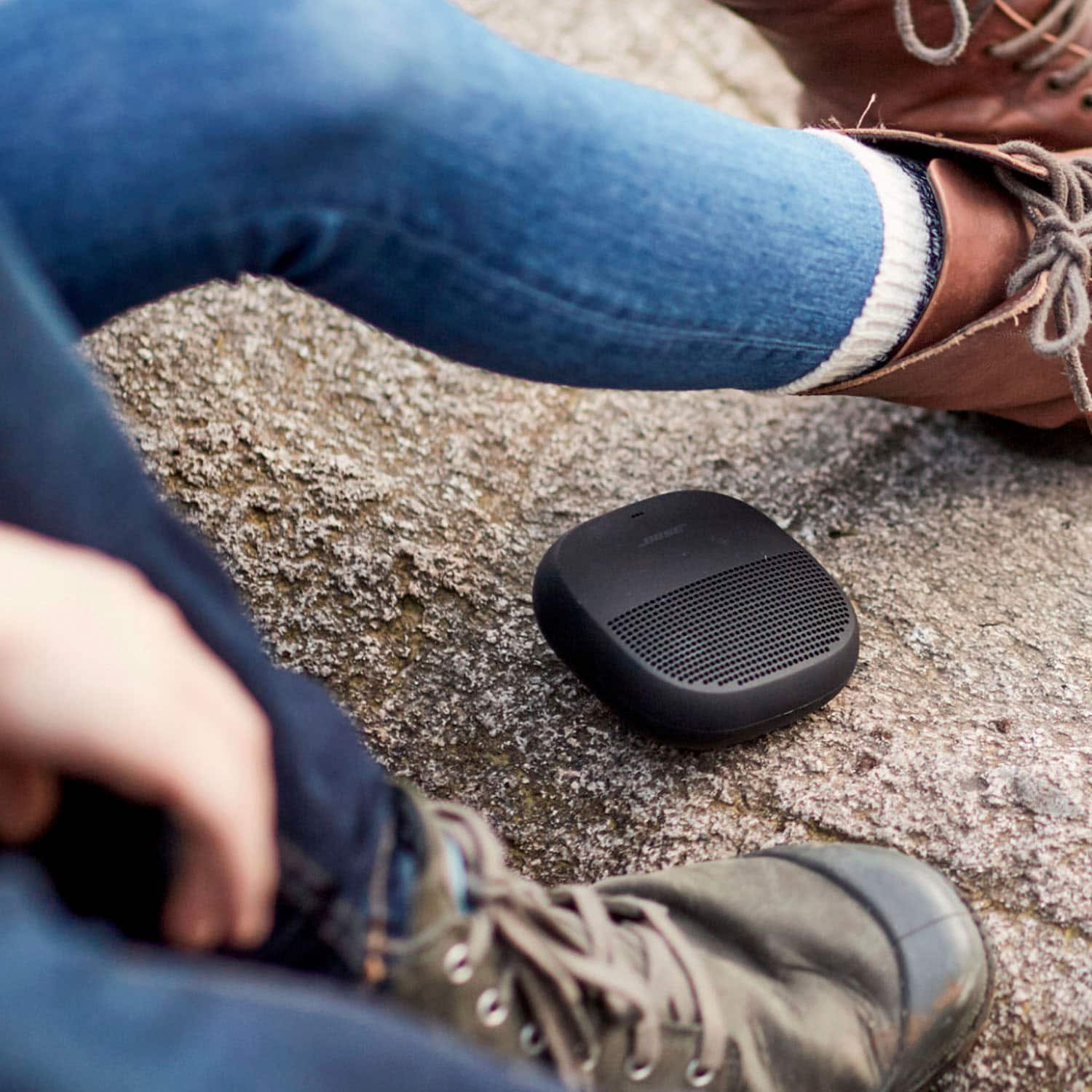
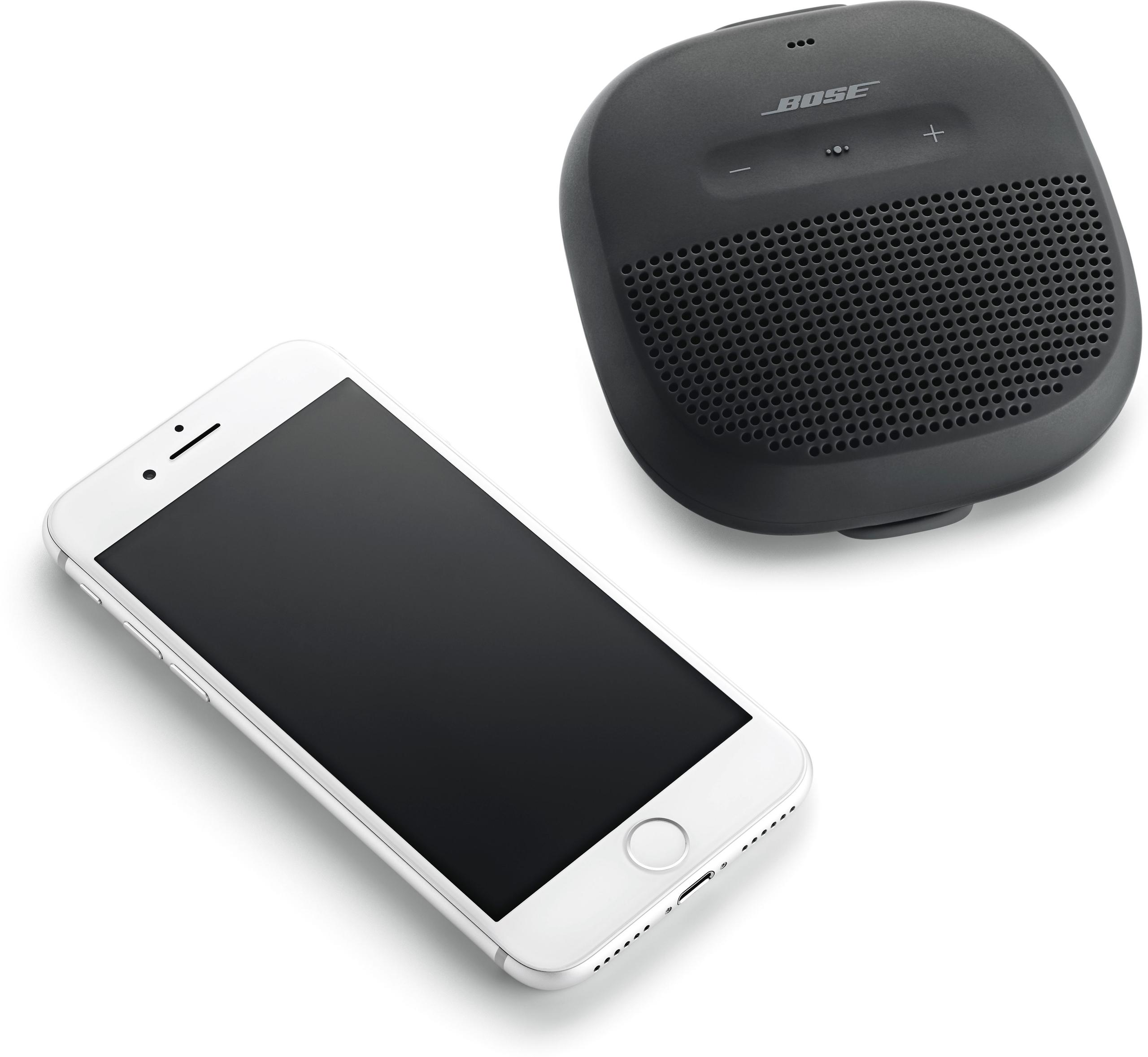
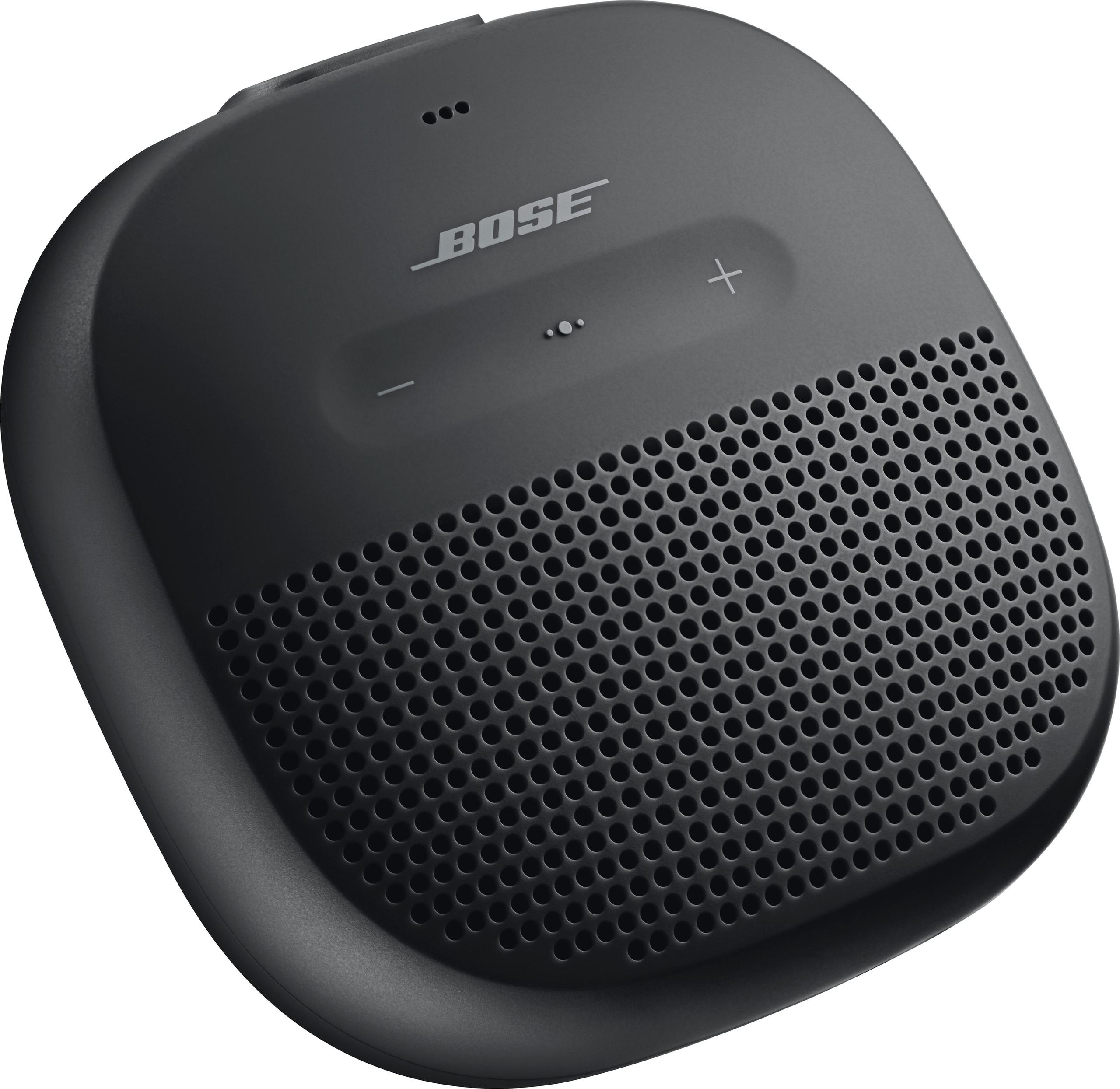
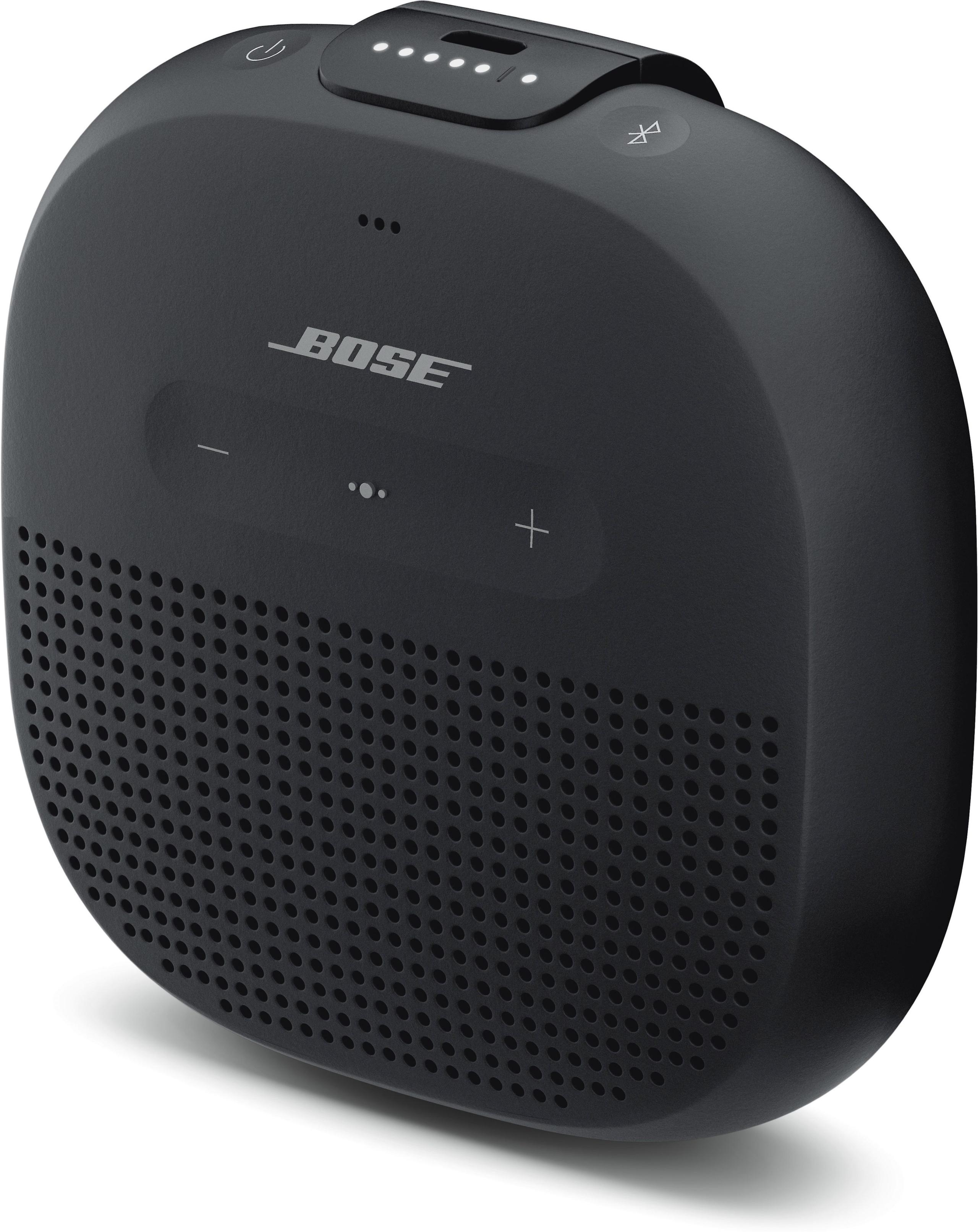
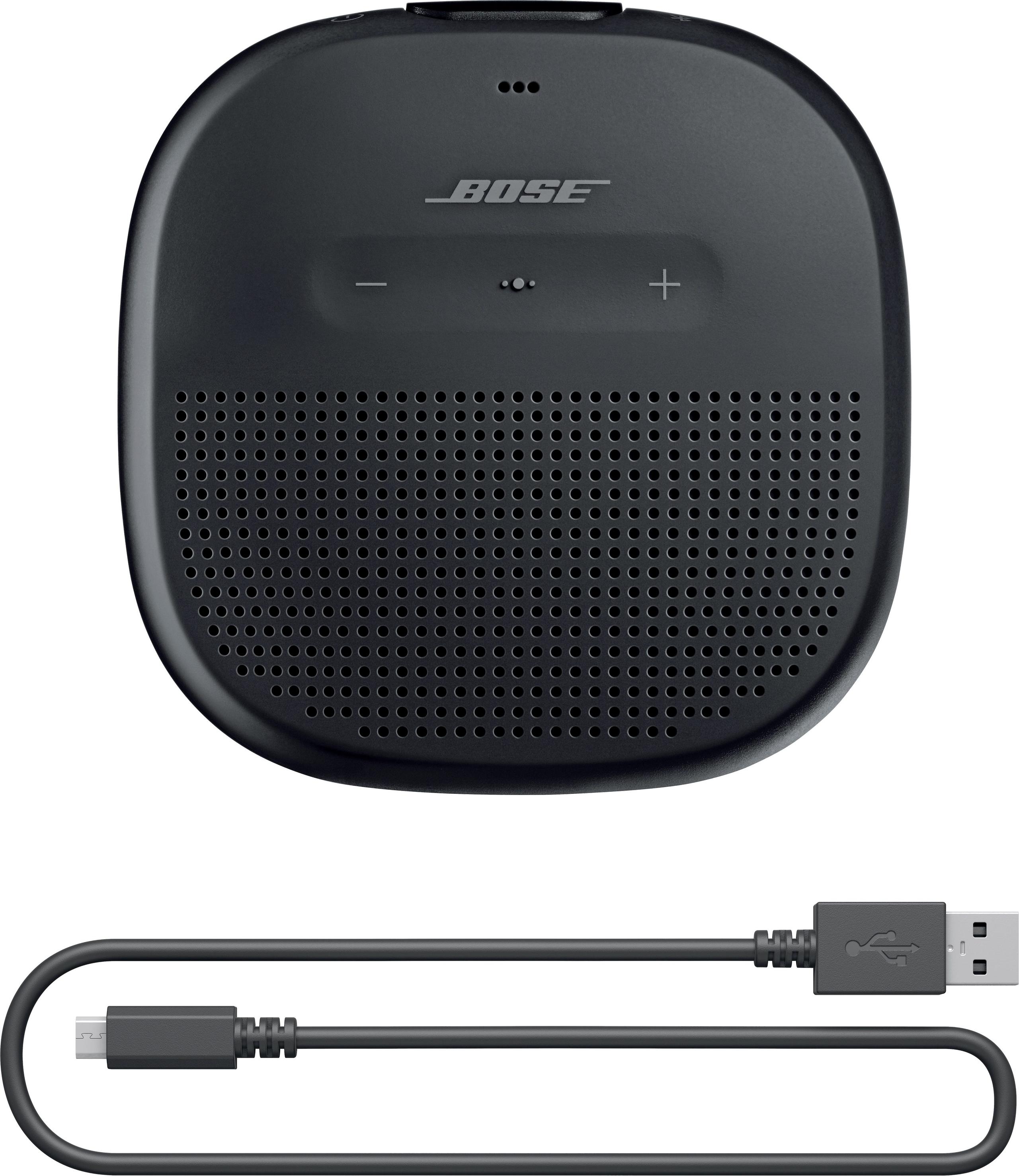
The SoundLink Micro takes a different approach, focusing on maximizing sound quality from a tiny form factor. It uses a custom-designed transducer (the part that converts electrical signals into sound) and paired passive radiators to produce surprisingly full sound from its small chassis.
While it can't match the raw power of the HYPERBOOM, the SoundLink Micro excels at near-field listening, producing clear vocals and surprisingly decent bass response for its size. It's particularly impressive with acoustic music and podcasts, where clarity matters more than sheer volume.
The size difference between these speakers drives many of their use cases. The HYPERBOOM weighs in at 13 pounds and stands 14.3 inches tall – you'll definitely notice when you're carrying it. However, it includes a smart carrying strap that makes transport manageable for short distances.
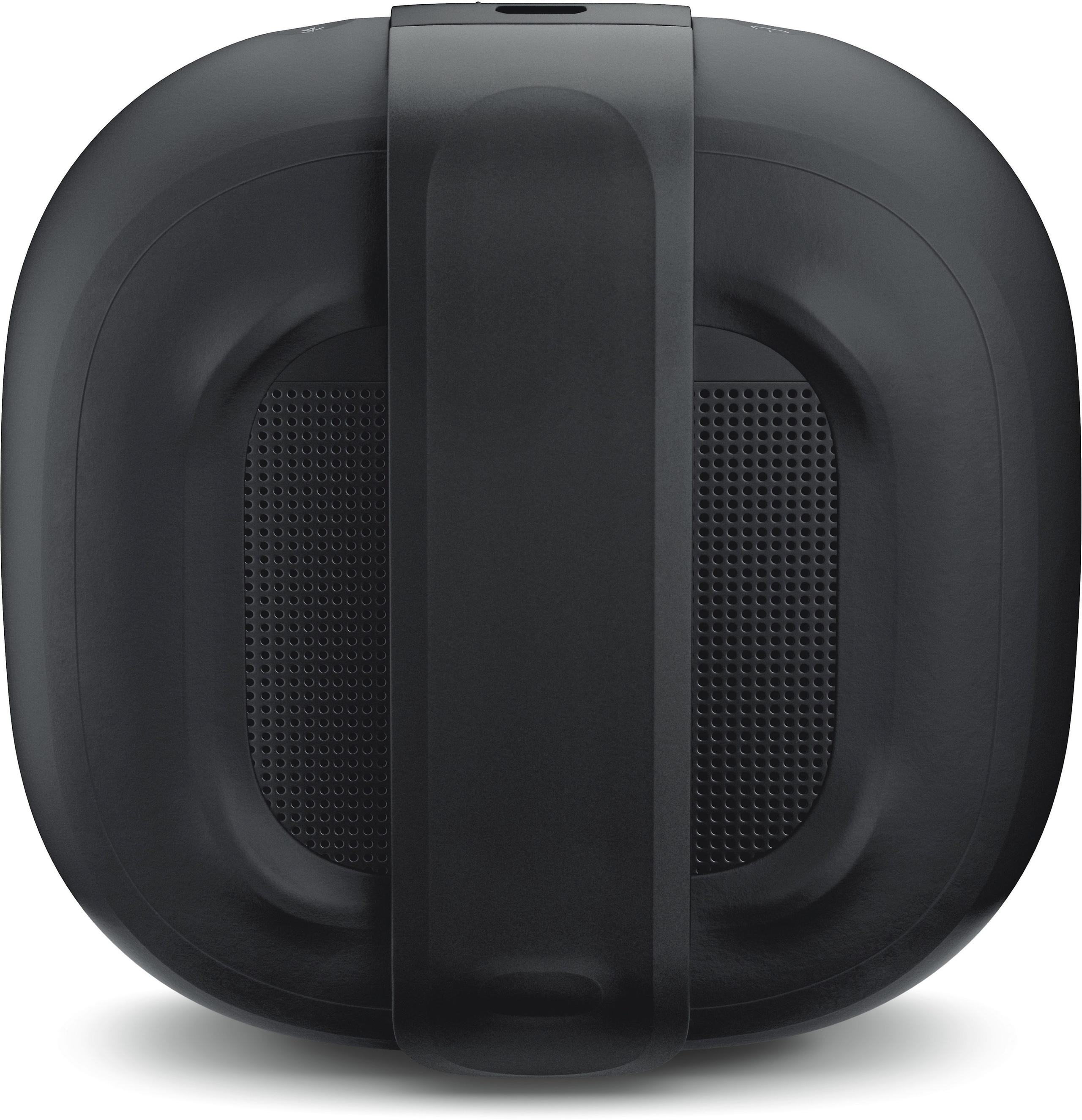
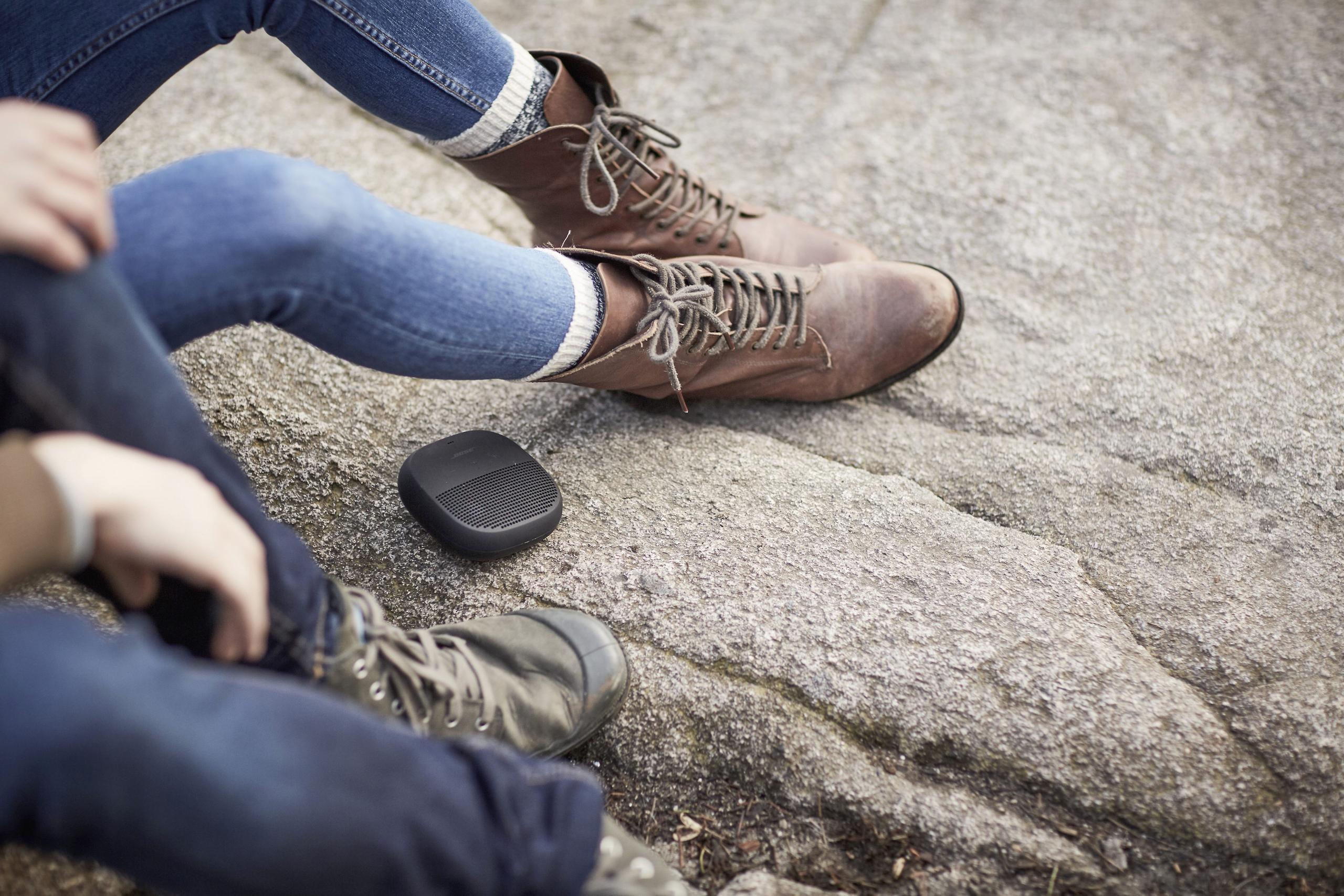
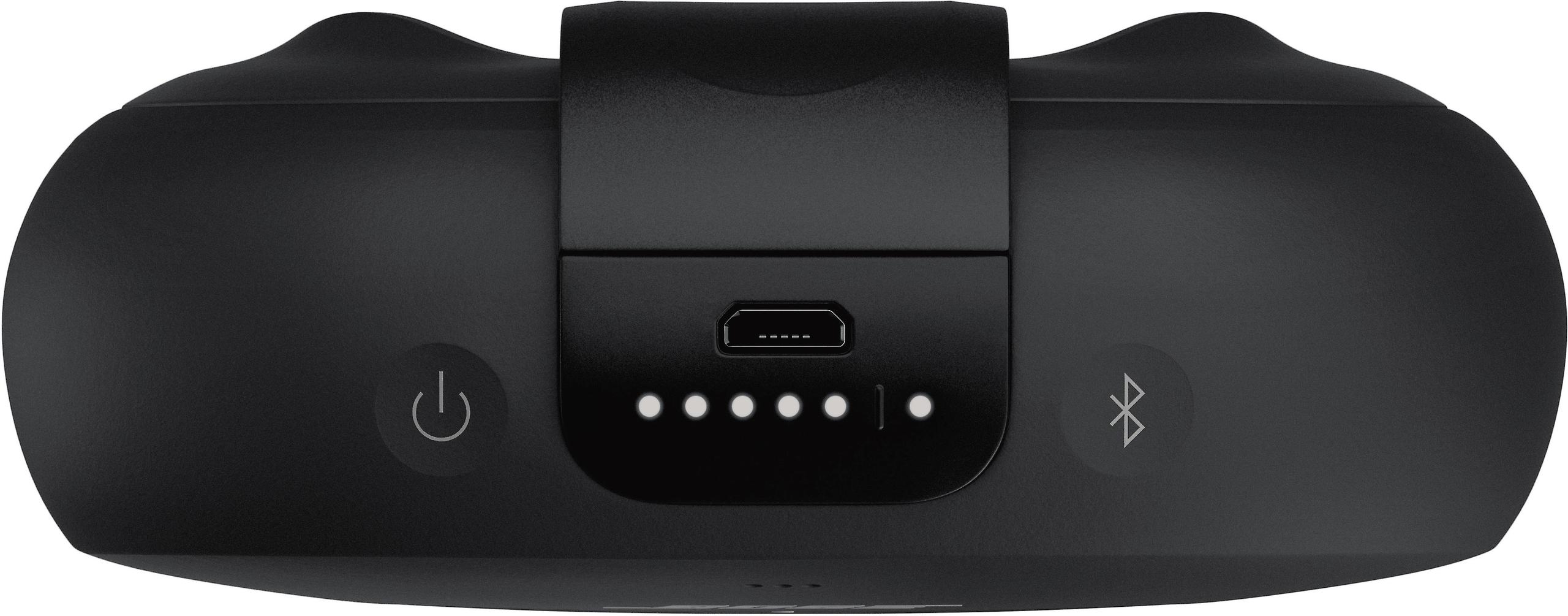
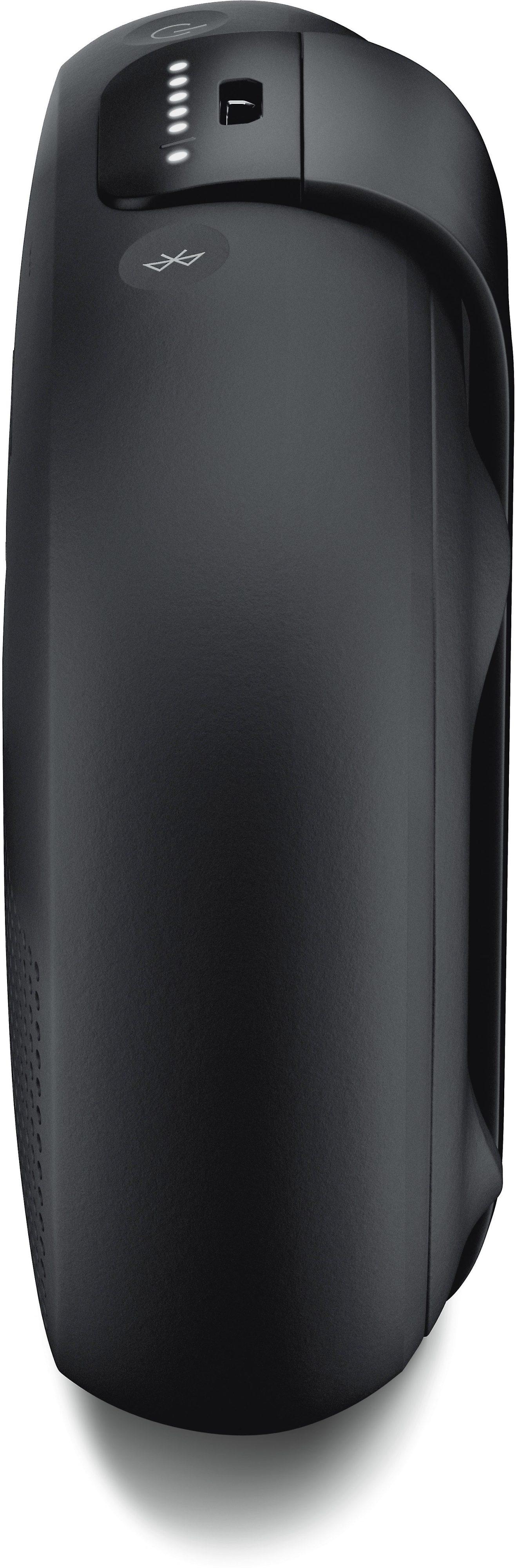
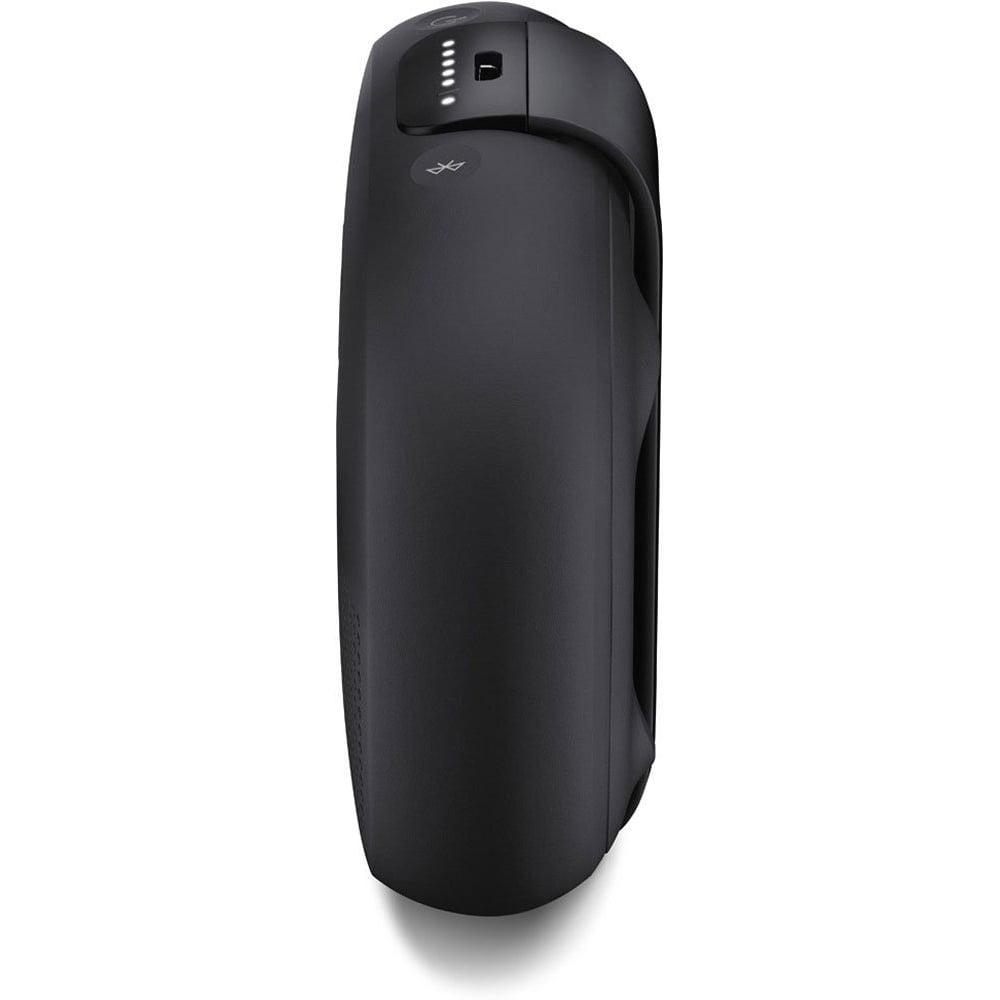
The SoundLink Micro, weighing just 0.64 pounds and measuring less than 4 inches in any dimension, can literally fit in a jacket pocket. Its tear-resistant strap can secure it to a backpack strap or bike handlebar, making it incredibly versatile for active users.
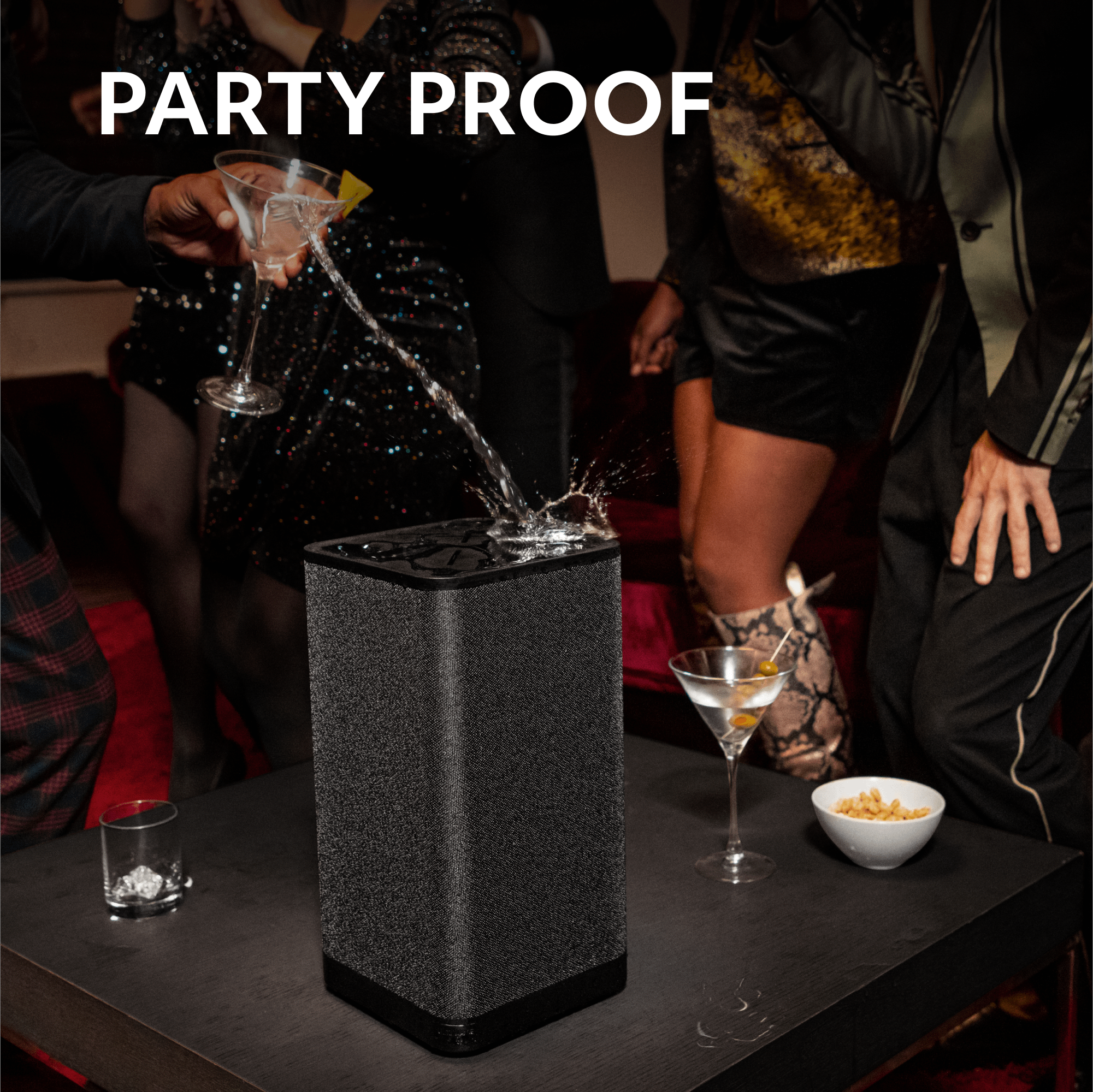
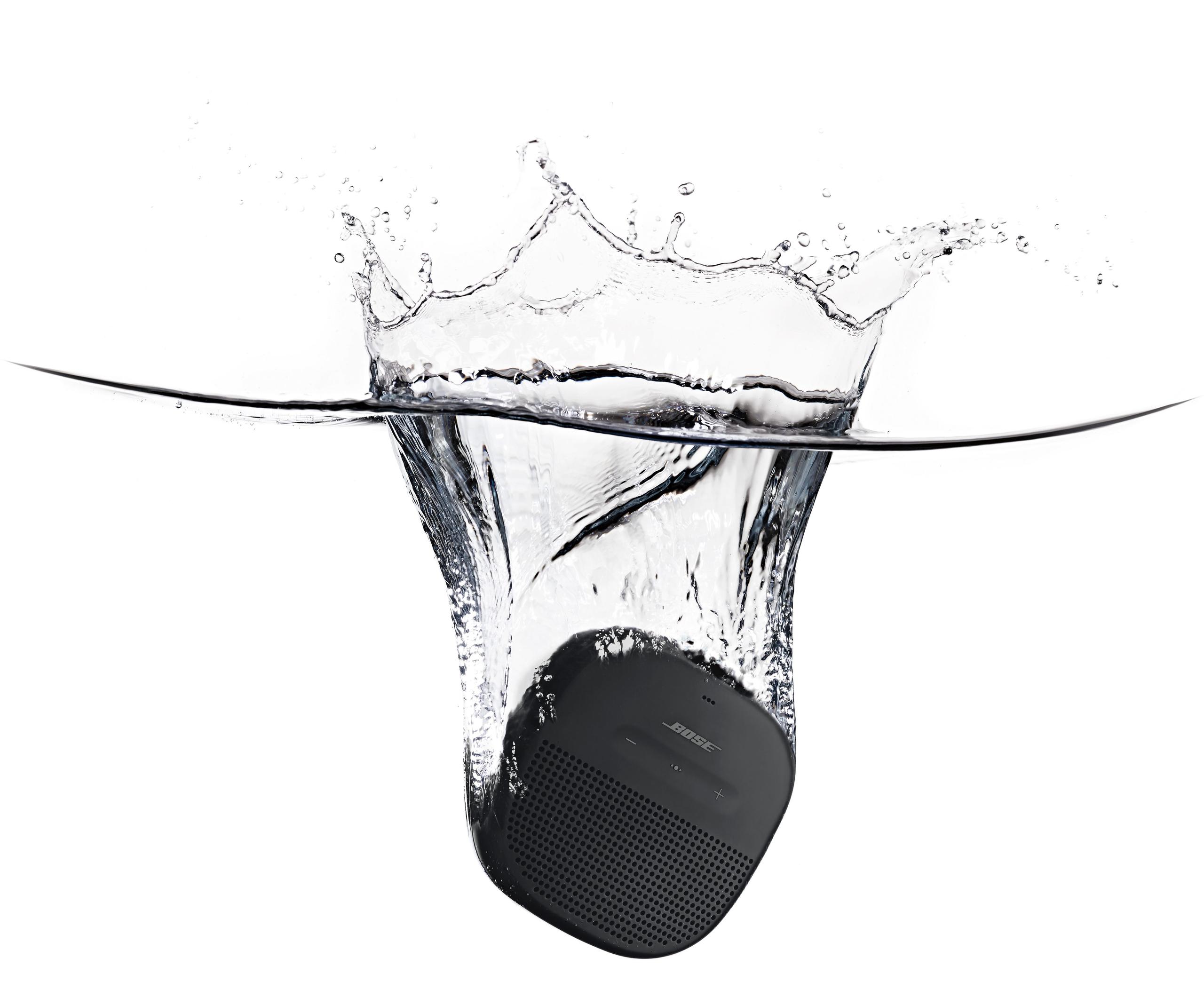
Weather resistance is measured using IP ratings, where the first number indicates dust protection and the second indicates water resistance. The HYPERBOOM's IPX4 rating means it can handle splashes from any direction but shouldn't be submerged. The SoundLink Micro's IP67 rating means it's fully dustproof and can be submerged in up to 1 meter of water for 30 minutes.
Modern battery technology has enabled significant improvements in playback time. The HYPERBOOM delivers an impressive 24 hours of playback and can even charge other devices through its USB port. The SoundLink Micro offers 6 hours, which reflects the engineering compromises required for ultra-portable design.
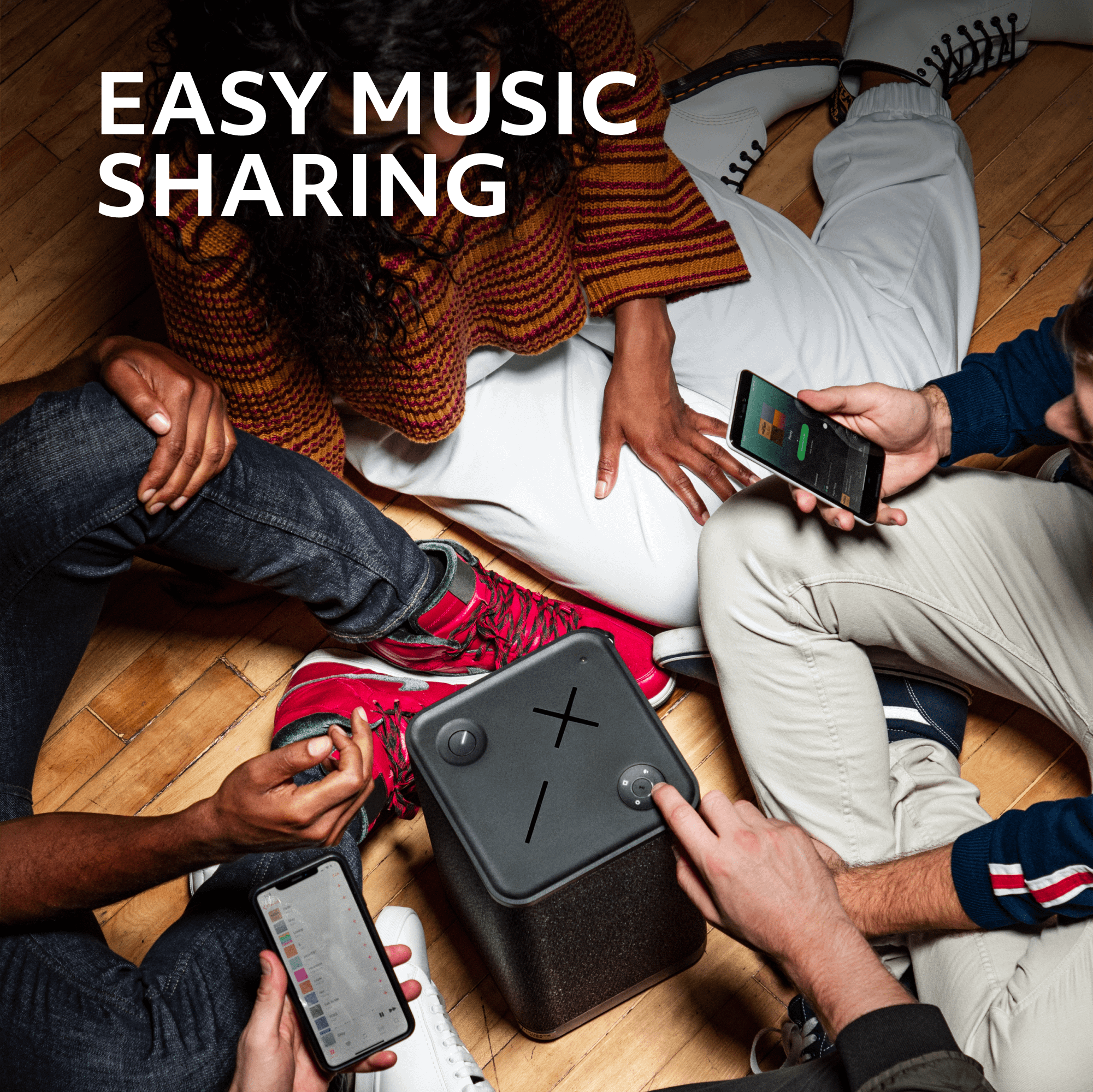
Both speakers support multi-device pairing, but the HYPERBOOM takes it further with four simultaneous device connections and multiple input options (including optical for home theater use). The SoundLink Micro handles two devices and focuses on Bluetooth simplicity.
Having tested both speakers extensively, here's how they perform in different scenarios:
Since their respective releases, both speakers have remained competitive in their categories. The HYPERBOOM introduced several features that have become industry standards, like adaptive EQ and multi-source mixing. The SoundLink Micro, while older, established new benchmarks for sound quality in ultra-portable speakers that few have matched.
Choose the HYPERBOOM if:
Choose the SoundLink Micro if:
Both speakers excel in their intended use cases, but they're designed for very different purposes. The HYPERBOOM is a premium party speaker that can fill large spaces with high-quality sound, while the SoundLink Micro is an ultra-portable companion for personal listening and small group settings.
Remember, the best speaker is the one that fits your specific needs and use cases. Consider how and where you'll use it most often, and choose accordingly.
| Ultimate Ears HYPERBOOM ($369) | Bose SoundLink Micro ($99) |
|---|---|
| Size & Weight - Determines portability and placement options | |
| 14.33 x 7.5 x 7.5 inches, 13 lbs | 3.87 x 3.87 x 1.37 inches, 0.68 lbs |
| Sound Output - Critical for intended use case and audience size | |
| Three drivers + dual passive radiators, room-filling sound for 20+ people | Single transducer + passive radiators, personal listening optimized |
| Battery Life - Important for extended use without charging | |
| 24 hours playtime | 6 hours playtime |
| Water Resistance - Determines outdoor and wet environment usability | |
| IPX4 (splash resistant) | IP67 (fully waterproof, submersible) |
| Connectivity Options - Affects versatility and ease of use | |
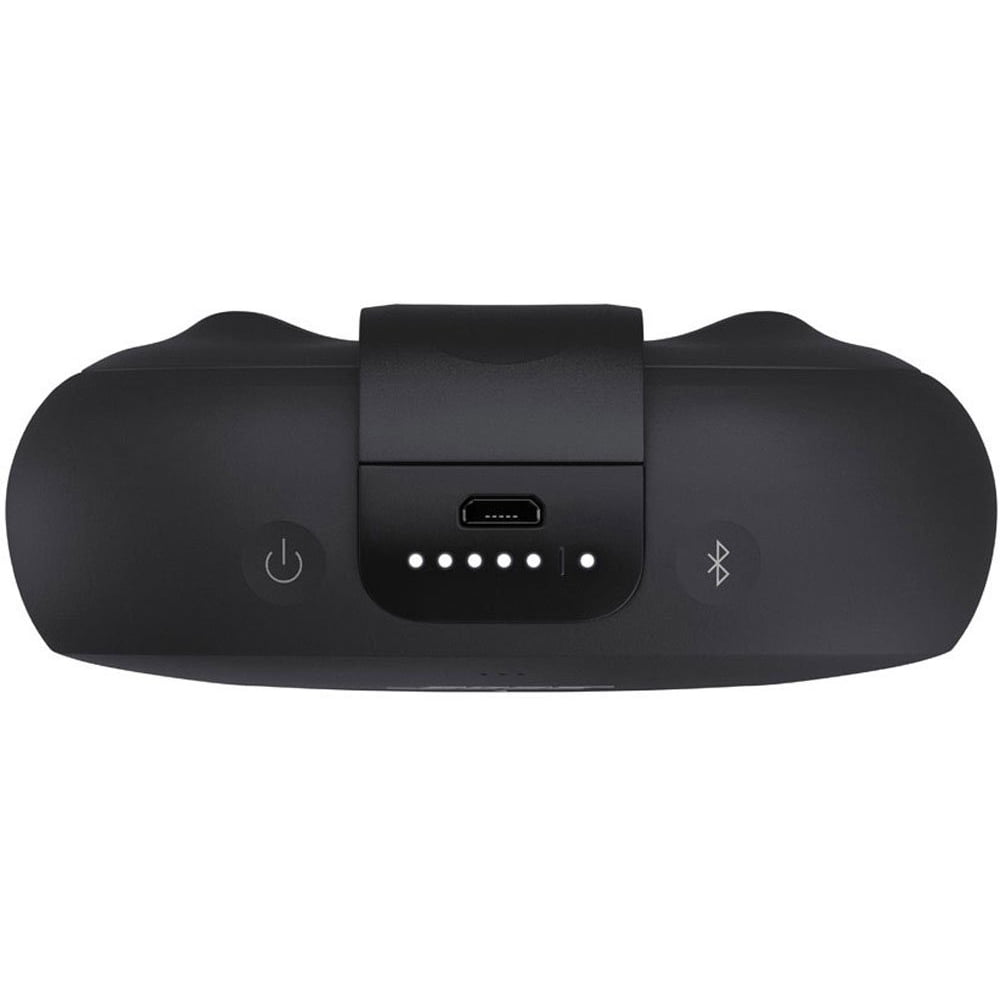
| Bluetooth 5.0, Optical, Aux, USB charging port | Bluetooth 4.2 only |
| Device Pairing - Important for party scenarios | |
| Up to 4 devices simultaneously | Up to 2 devices simultaneously |
| Special Features - Adds value beyond basic functionality | |
| Adaptive EQ, PartyUp feature, can charge other devices | Built-in speakerphone, tear-resistant strap, Bose Connect app |
| Charging Time - Affects usage flexibility | |
| 2.6 hours full charge | 4 hours full charge |
| Frequency Response - Determines sound quality range | |
| 45 Hz - 20 kHz (fuller bass response) | 87 Hz - 20 kHz (limited bass) |
| Maximum Volume - Critical for outdoor and party use | |
| 100 dB (party-capable volume) | 87 dB (personal listening volume) |
| Price-Performance Ratio - Value consideration | |
| Premium price but powerful performance for large spaces | Excellent value for personal use and portability |
The Ultimate Ears HYPERBOOM ($369) is significantly better for parties with its room-filling sound and 100 dB maximum volume. The Bose SoundLink Micro ($99) is designed for personal listening and wouldn't be loud enough for party scenarios.
The HYPERBOOM offers 24 hours of playback, while the SoundLink Micro provides 6 hours. The HYPERBOOM's battery life is substantially better for extended use.
The SoundLink Micro has superior water resistance with an IP67 rating, making it fully waterproof. The HYPERBOOM is only IPX4 rated, meaning it can handle splashes but not submersion.
The Bose SoundLink Micro is far more portable at just 0.68 pounds and pocket-sized dimensions. The HYPERBOOM weighs 13 pounds and requires dedicated carrying space.
The HYPERBOOM delivers superior overall sound quality with better bass response and clearer high volumes. The SoundLink Micro offers good sound for its size but can't match the HYPERBOOM's audio performance.
Yes, both speakers support multiple device connections. The HYPERBOOM can connect to 4 devices simultaneously, while the SoundLink Micro handles 2 devices.
It depends on the scenario. The HYPERBOOM is better for outdoor gatherings due to its volume and power, while the SoundLink Micro is better for personal outdoor activities due to its portability and waterproofing.
The $270 price difference reflects their different purposes. The HYPERBOOM costs more because it's a powerful party speaker, while the SoundLink Micro offers excellent value for personal use.
The HYPERBOOM features PartyUp for connecting with other Ultimate Ears speakers. The SoundLink Micro can pair with other Bose speakers through the Bose Connect app.
The HYPERBOOM offers more connectivity options including Bluetooth 5.0, optical input, and auxiliary input. The SoundLink Micro only provides Bluetooth 4.2 connectivity.
The HYPERBOOM charges in 2.6 hours, while the SoundLink Micro takes about 4 hours to fully charge.
Both are durable, but in different ways. The SoundLink Micro is more durable against water and small drops, while the HYPERBOOM is built tougher for party environments but less resistant to water.
We've done our best to create useful and informative comparisons to help you decide what product to buy. Our research uses advanced automated methods to create this comparison and perfection is not possible - please contact us for corrections or questions. These are the sites we've researched in the creation of this article: techradar.com - ultimateears.com - youtube.com - youtube.com - rtings.com - provantage.com - target.com - forum.mygolfspy.com - order.staplestechnologysolutions.com - youtube.com - publicsector.shidirect.com - ultimateears.com - rtings.com - mygolfspy.com - youtube.com - cnet.com - bose.com - bose.com - alwayswander.info - target.com - bose.com - bose.com

Privacy Policy
Terms and Conditions - Affiliate Policy
Home Security
© Copyright 2008-2026.
11816 Inwood Rd #1211, Dallas, TX 75244