



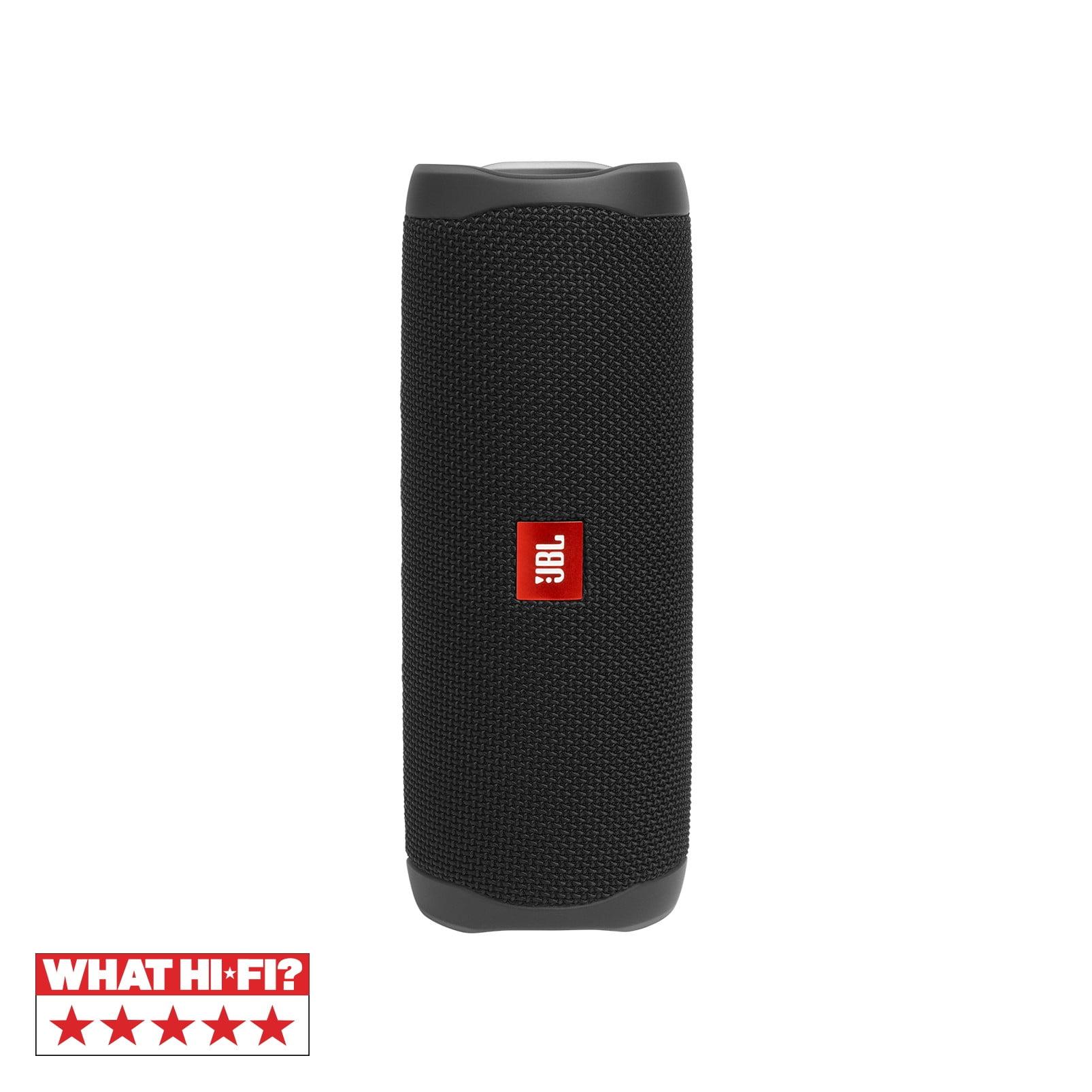
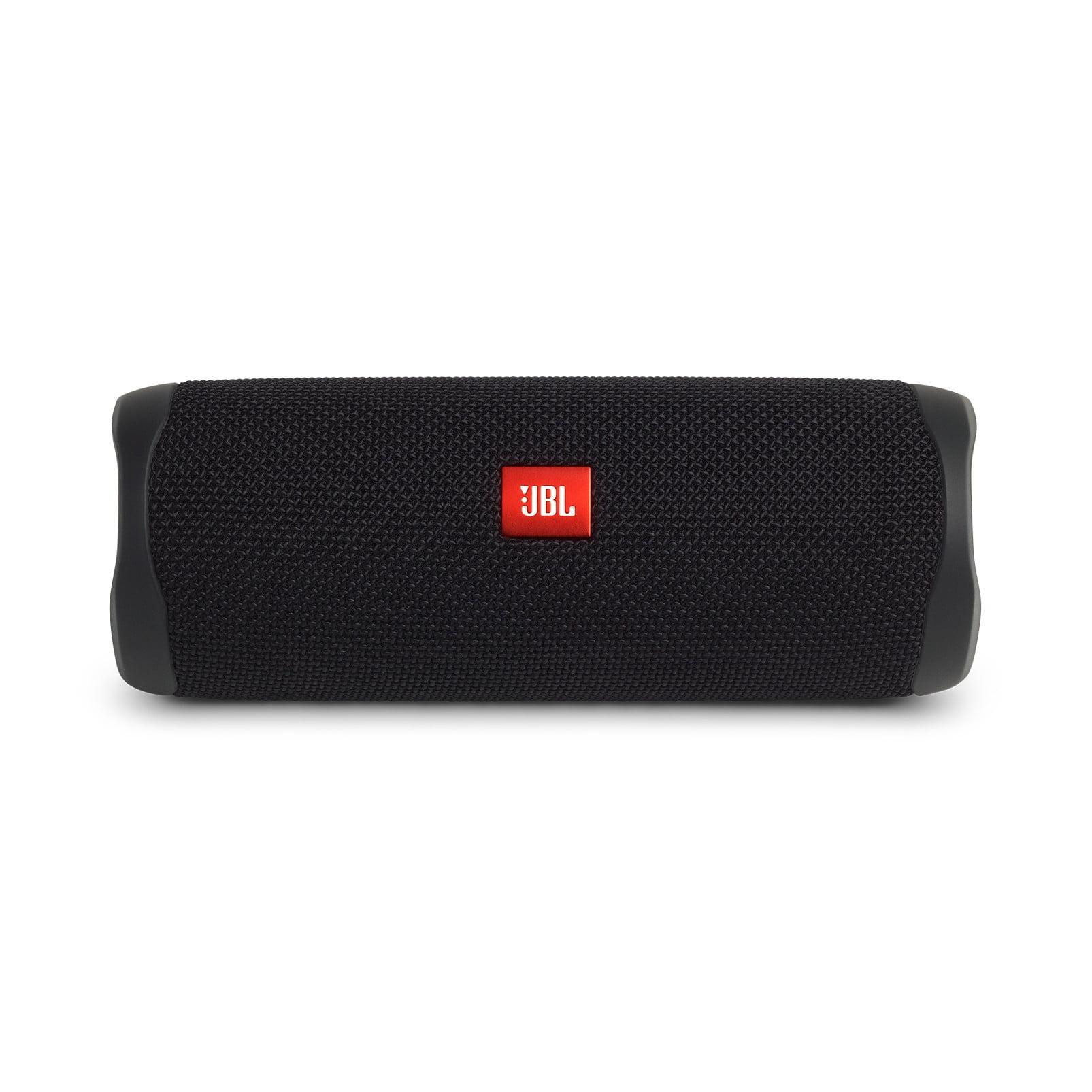
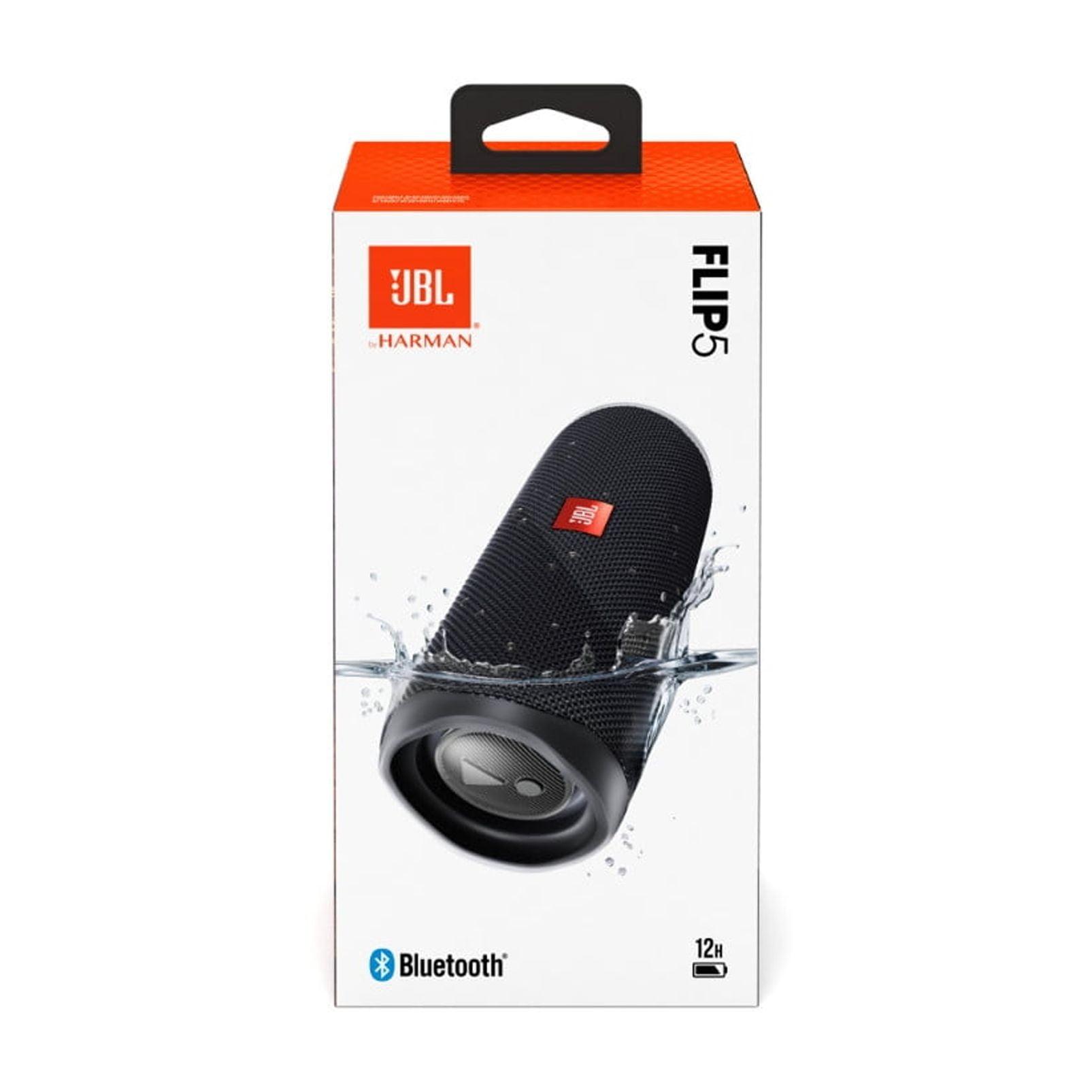
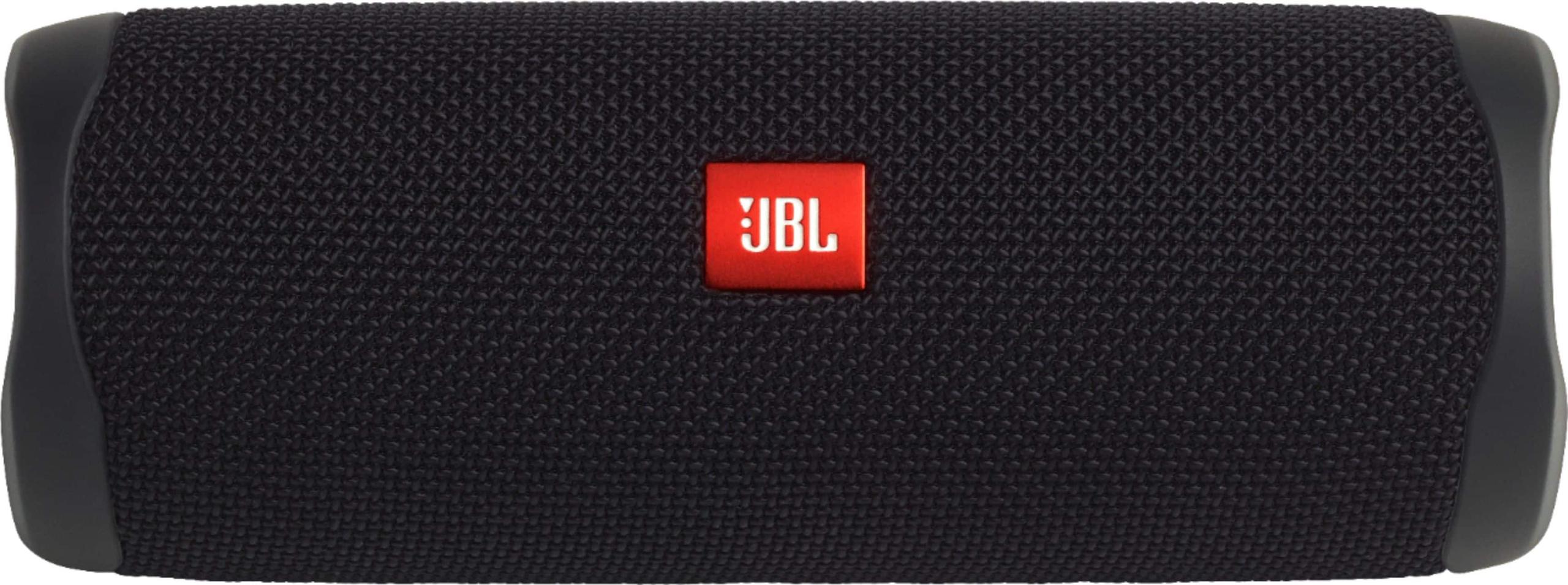
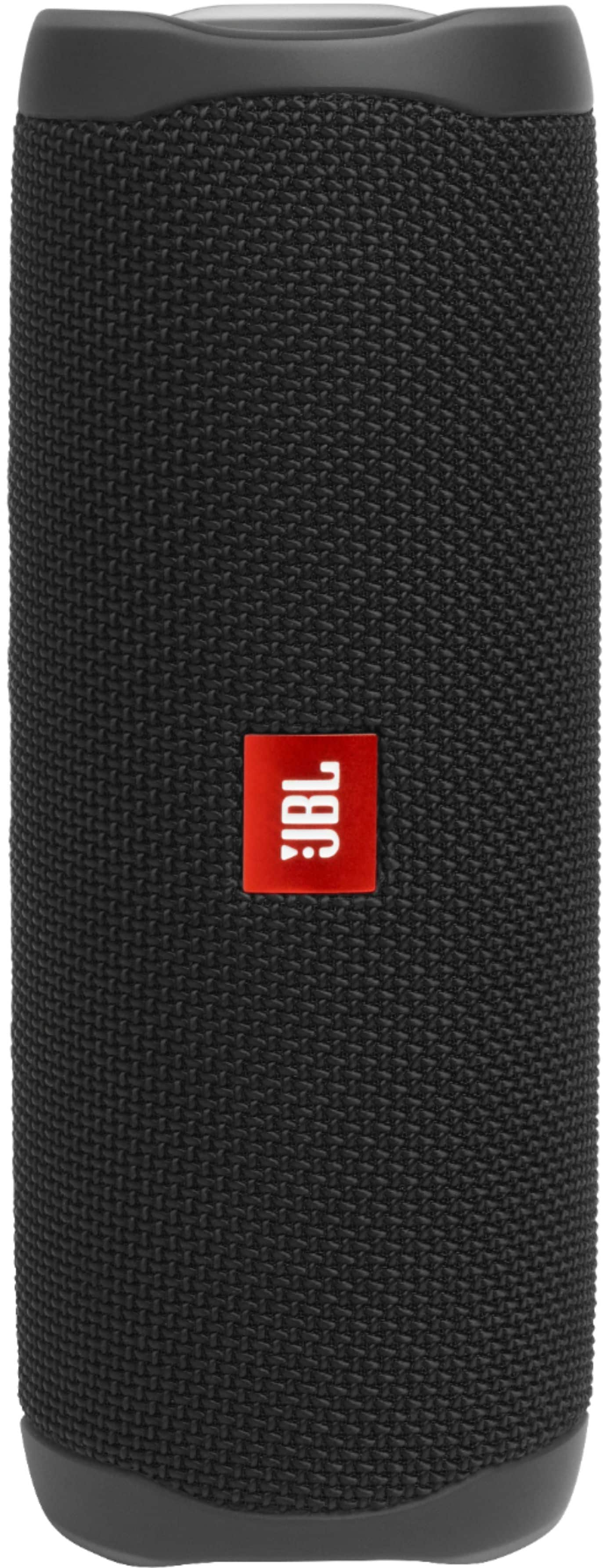
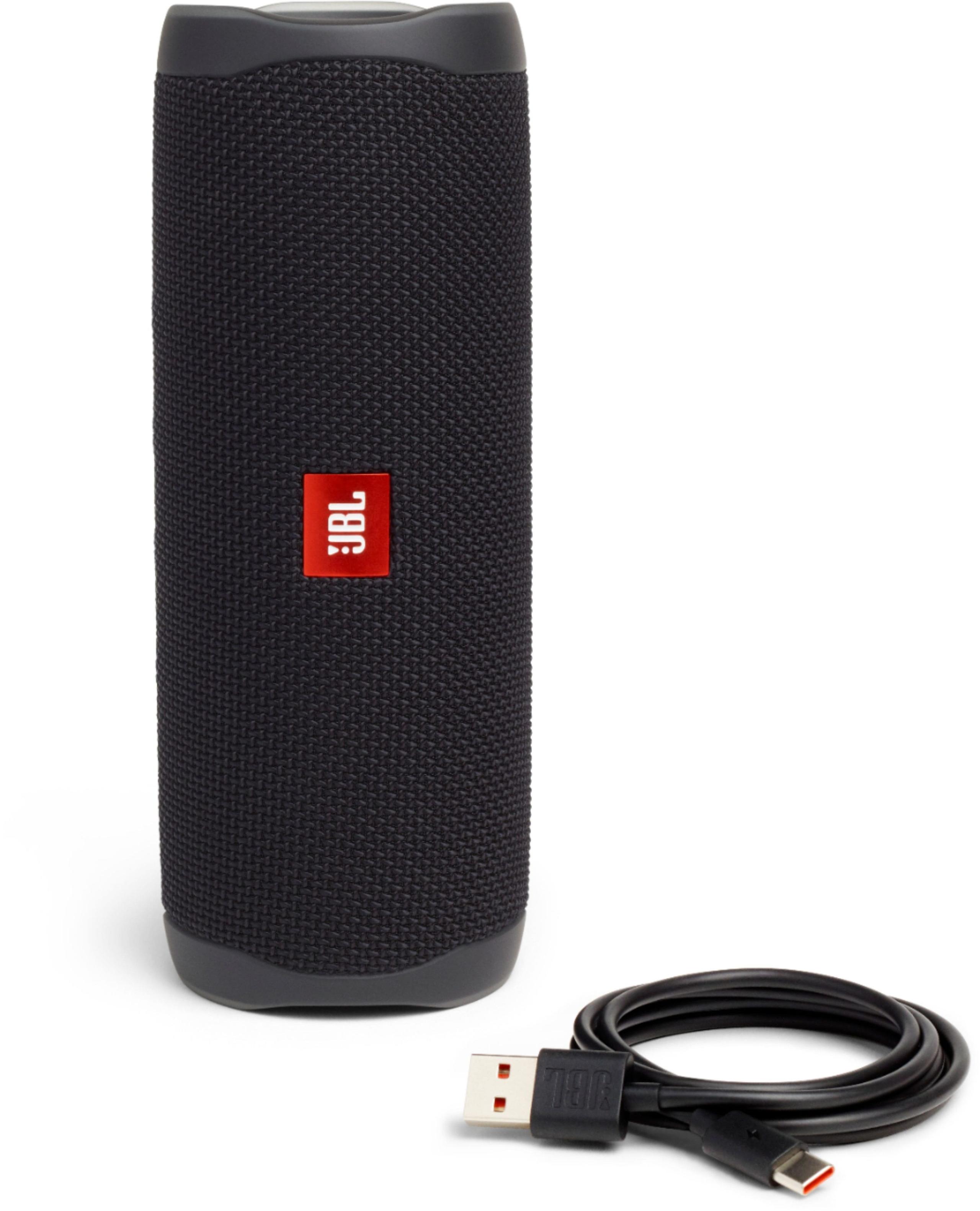
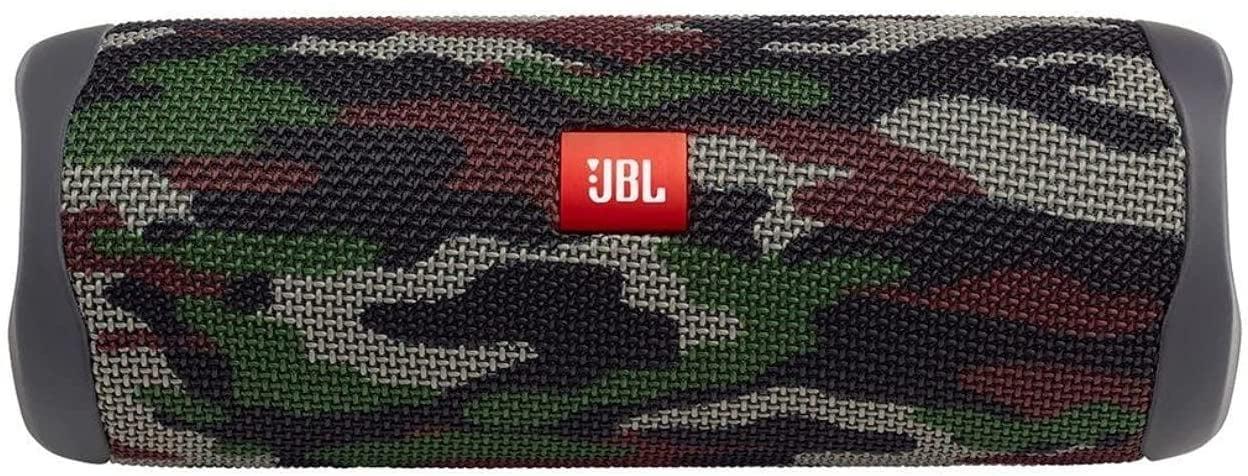
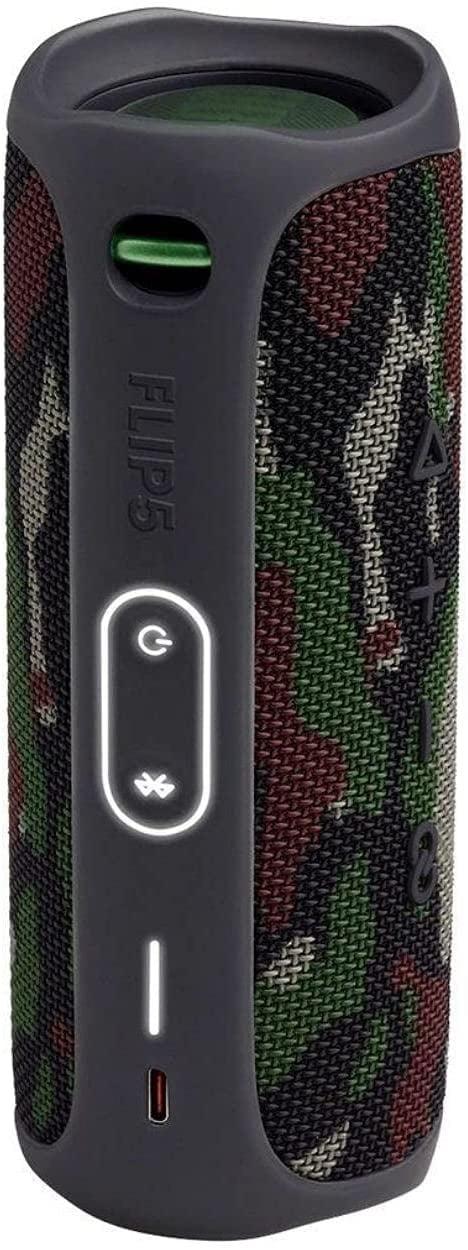
When it comes to portable speakers, the gap between personal audio and party-ready sound has never been wider. Let's dive into two popular but very different options: the Ultimate Ears HYPERBOOM ($369) and the JBL Flip 5 ($79), released in early 2020 and late 2019 respectively.
Portable Bluetooth speakers have evolved dramatically in the last five years. We've moved from compromised sound quality for the sake of portability to impressive audio performance across sizes. Today's market spans from pocket-sized personal speakers to substantial party boxes that can replace home audio systems.
The key considerations have shifted too. While battery life and durability remain important, features like adaptive EQ (which automatically adjusts sound settings based on the environment) and multi-speaker pairing have become significant differentiators.
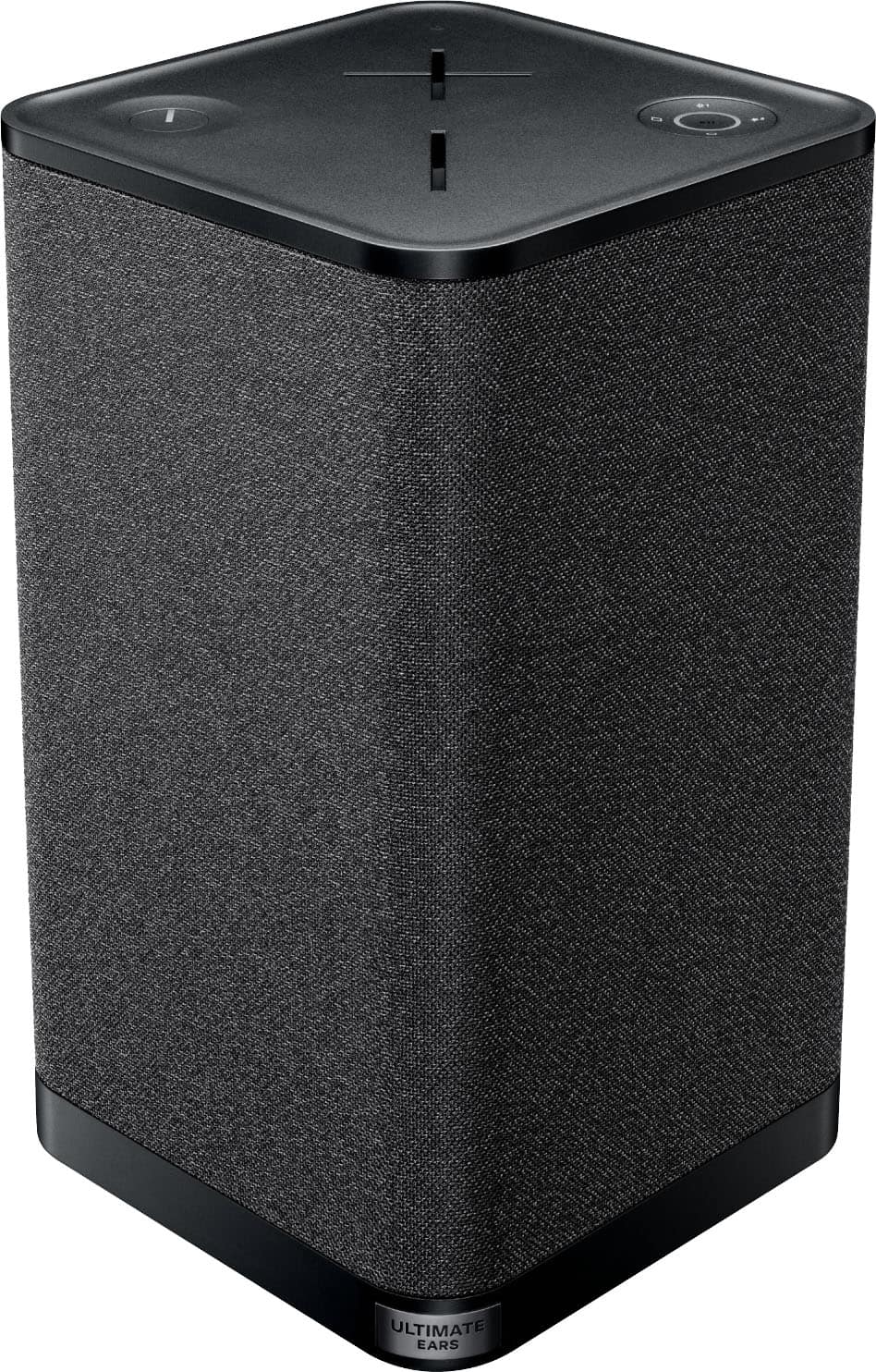
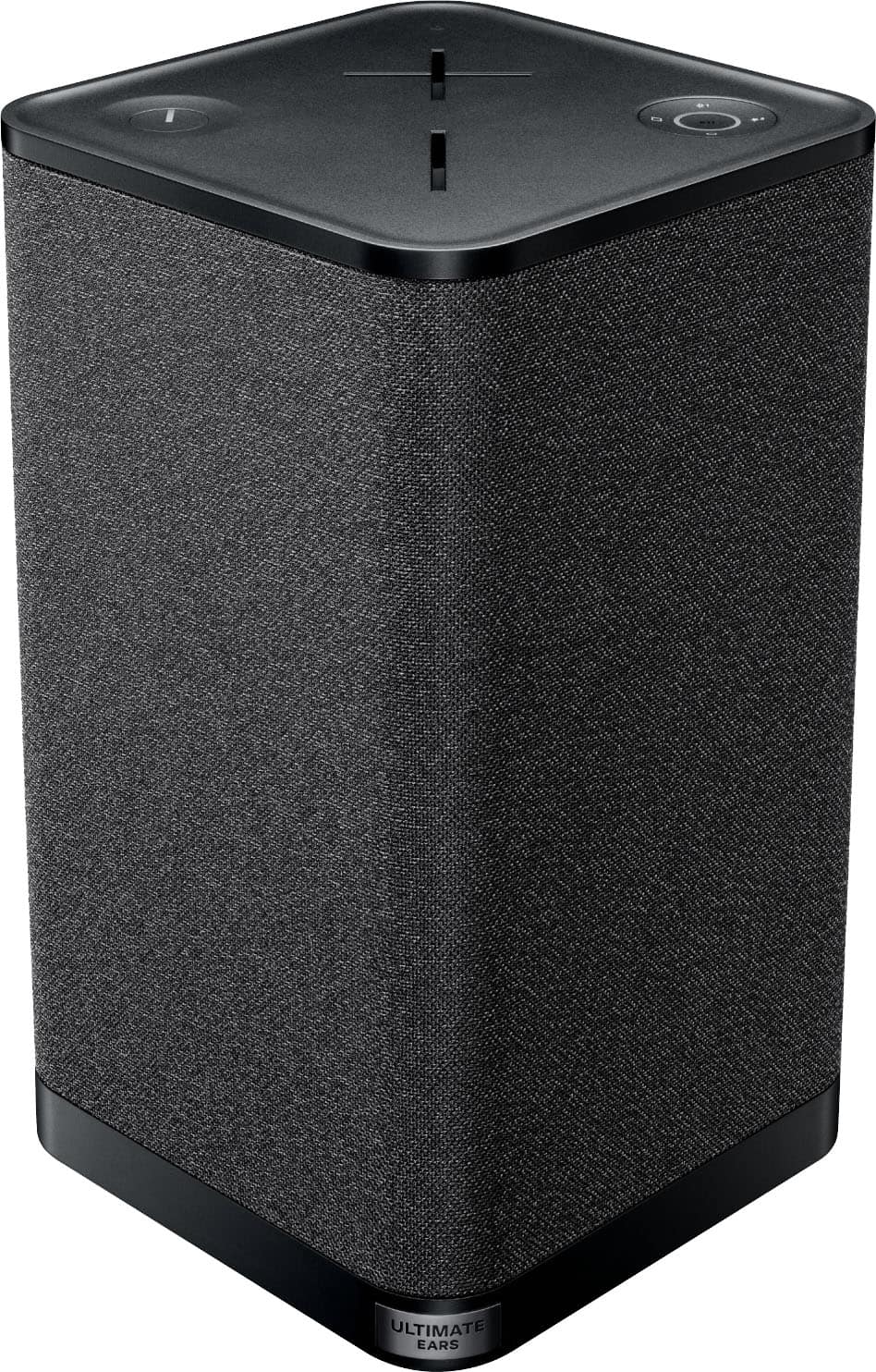
The HYPERBOOM employs a sophisticated speaker array: dual 4.5-inch woofers, two 1-inch tweeters, and two large passive radiators. This configuration delivers what I'd describe as room-filling sound with genuine authority in the bass region – something rare in portable speakers.
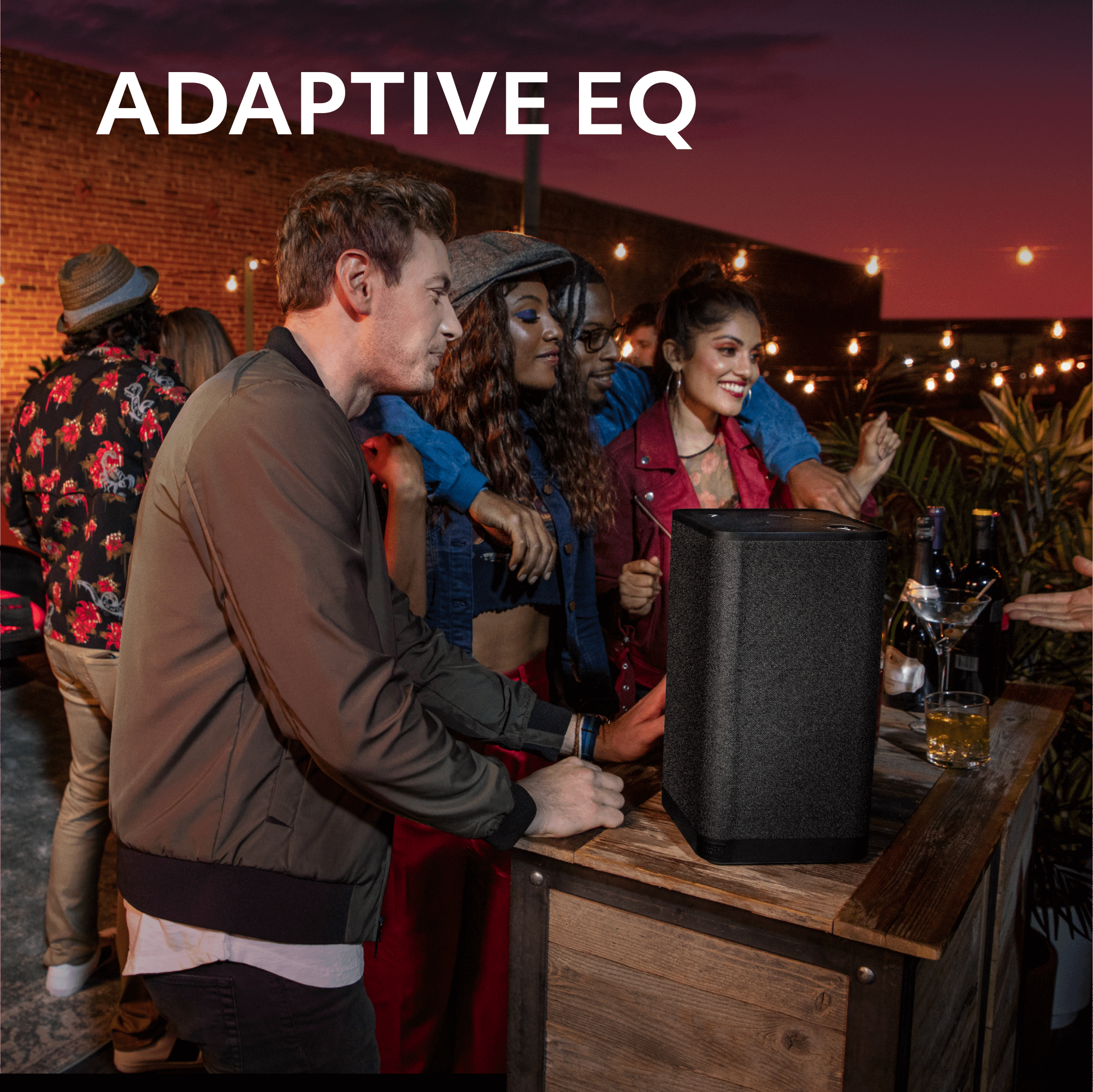
The adaptive EQ feature is particularly clever. Using built-in microphones, it constantly analyzes the acoustic environment and adjusts the sound profile accordingly. Moving from an open outdoor space to a reverberant room? The speaker automatically compensates.
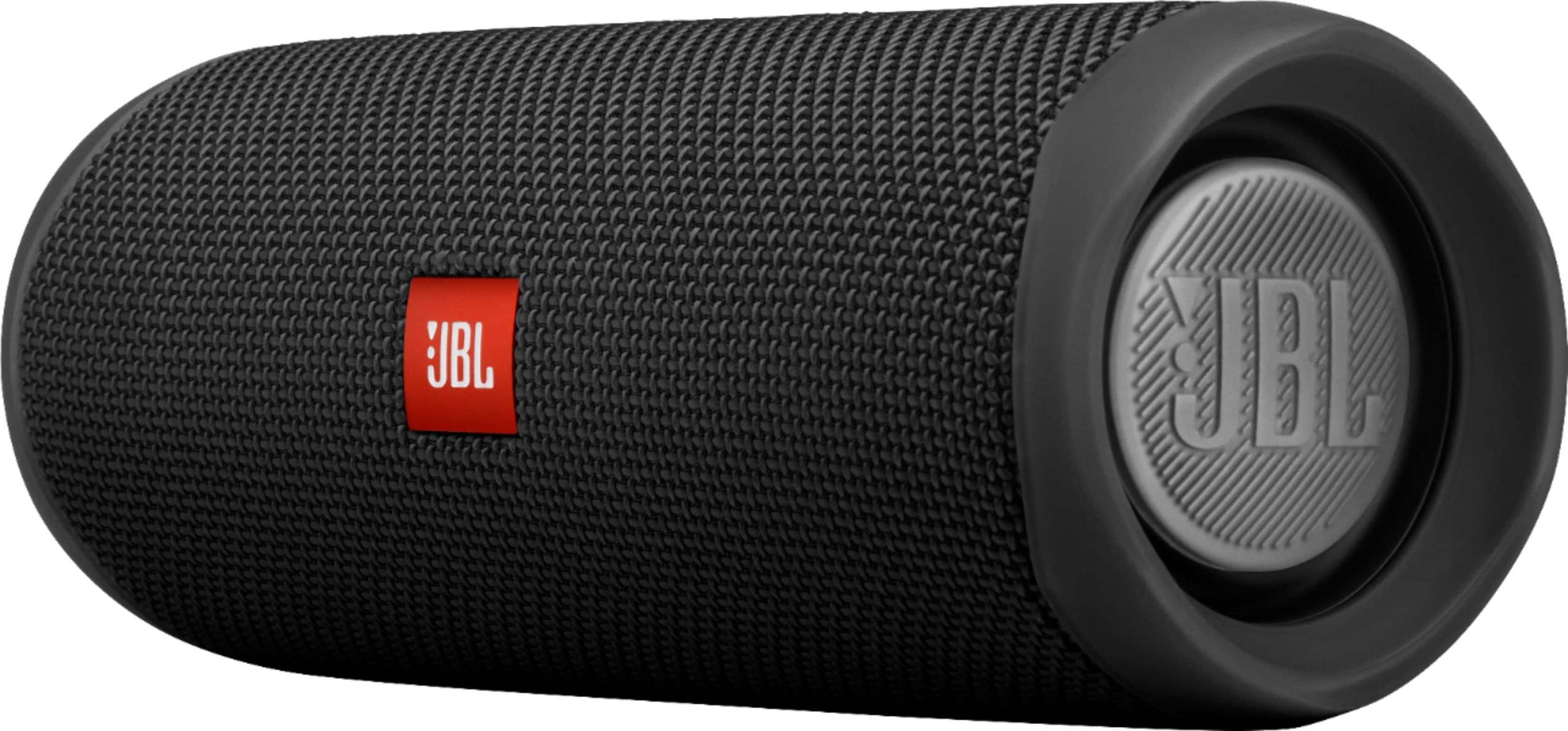
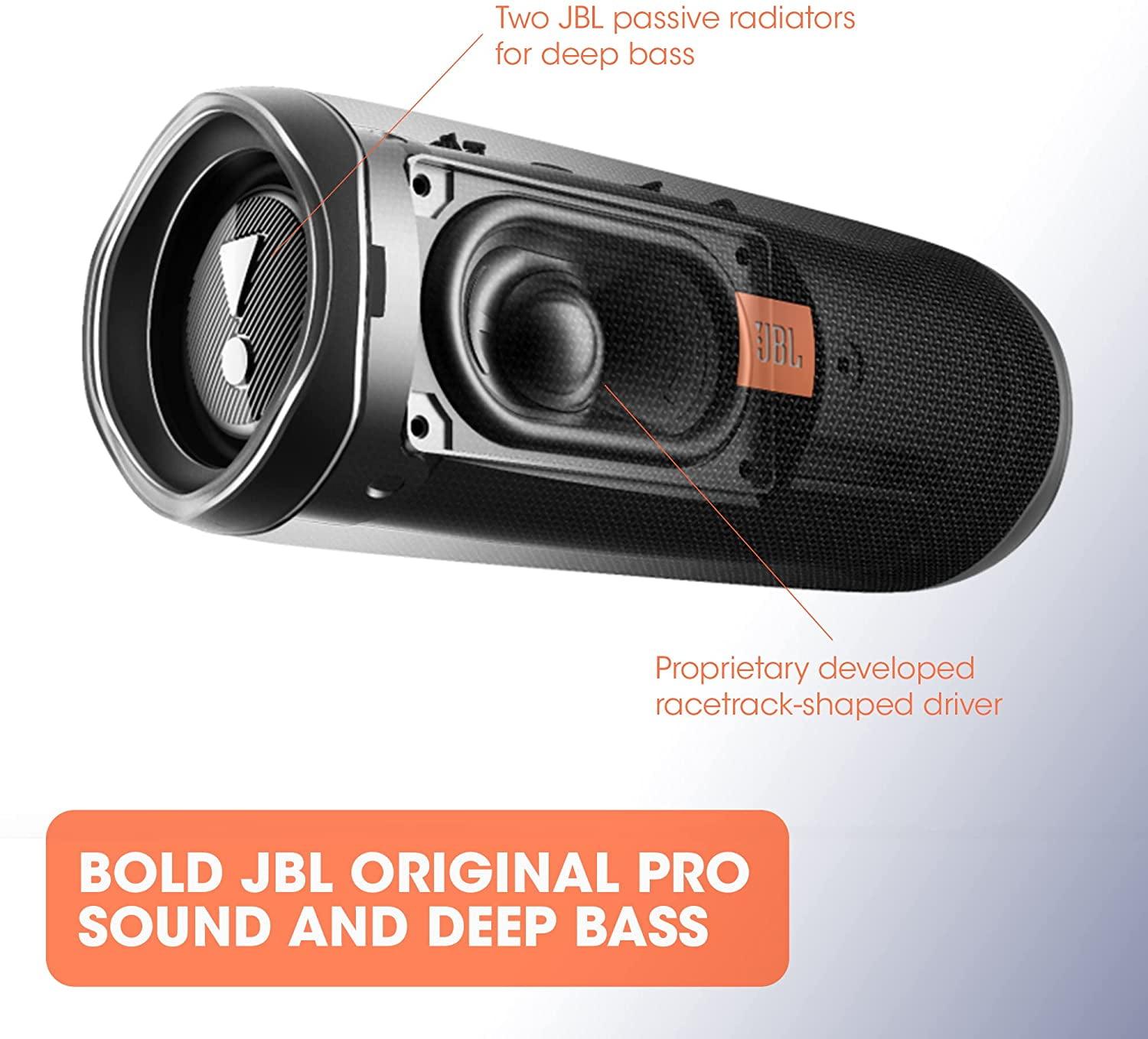
The Flip 5 takes a different path, using a single racetrack-shaped driver (roughly oval) that handles the entire frequency range. While this might seem limiting, JBL's engineering makes it work surprisingly well. The speaker produces clear, balanced sound that excels with vocal-focused content and modern pop music.
The HYPERBOOM lives up to its name, capable of driving serious volume without distortion. In testing, it easily fills a 30x30 foot outdoor space with clean, powerful sound. The bass remains composed even at high volumes – a significant achievement for a portable unit.
The Flip 5, while much smaller, still impresses within its scope. It's perfect for personal listening or small gatherings, though it will start to show strain at maximum volume. The bass response is punchy but naturally limited by the speaker's size.
Battery technology has seen significant improvements in recent years:
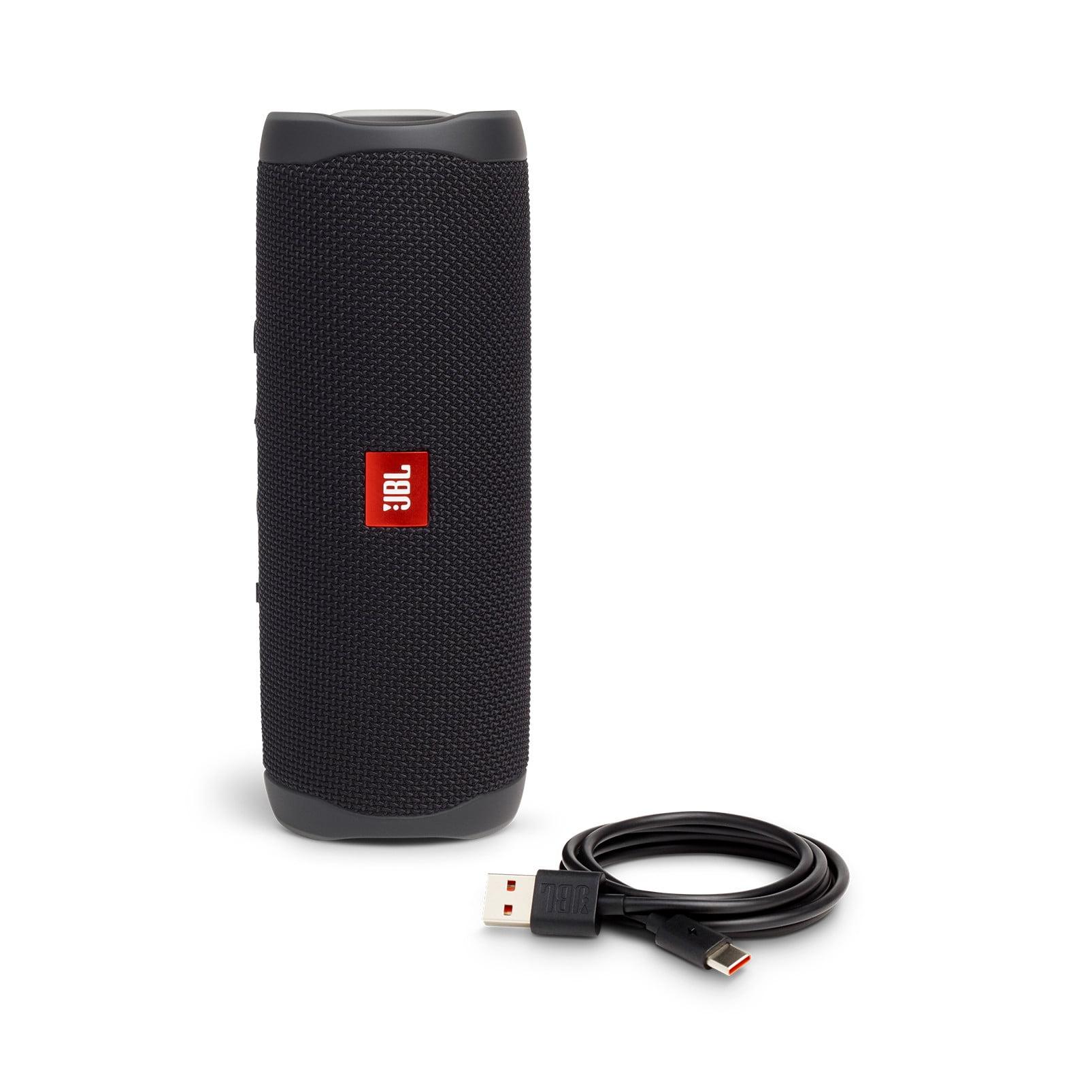
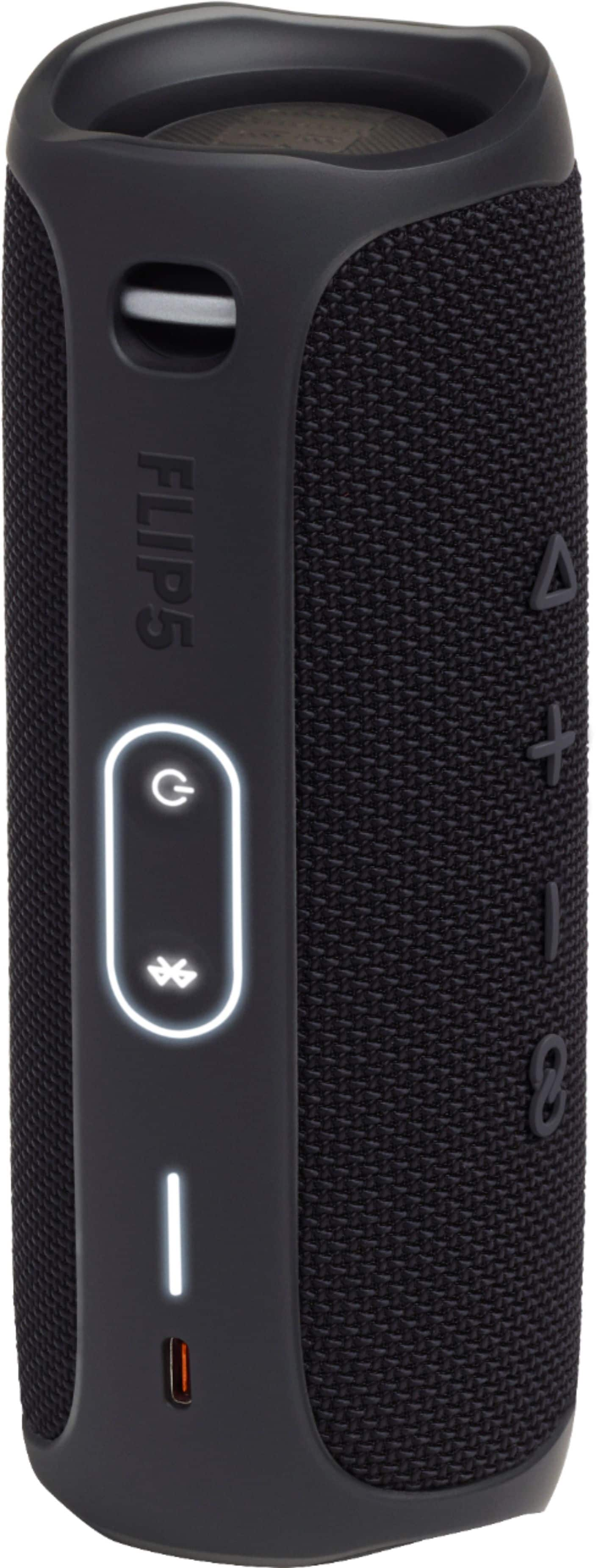
Both speakers have moved to USB-C from older standards, enabling faster charging times. The HYPERBOOM's larger battery does take longer to charge (2.6 hours vs 2.5 hours), but the extended playtime makes this worthwhile for its intended use.
One of the HYPERBOOM's standout features is its connectivity options:
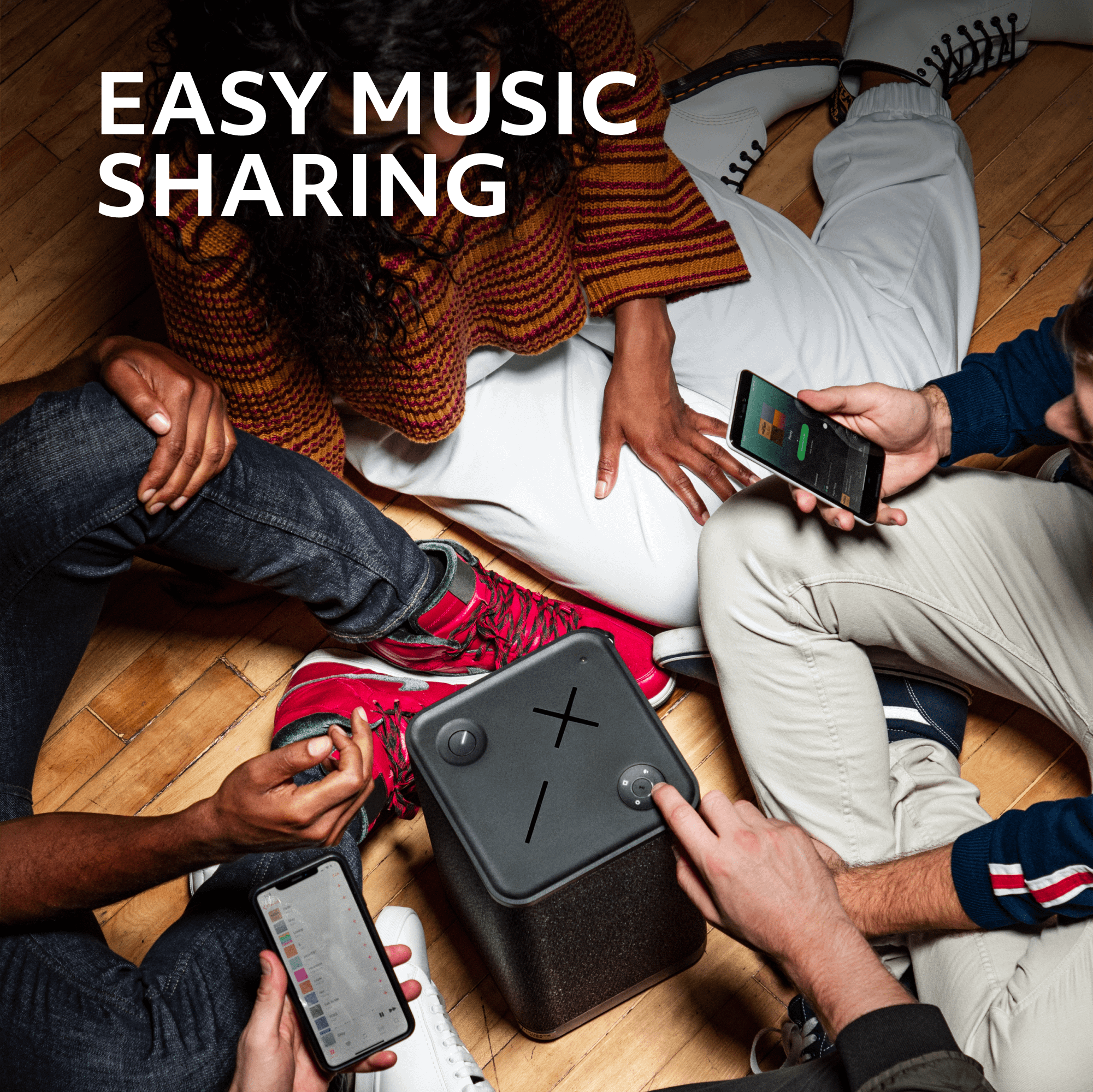
The optical input makes the HYPERBOOM viable as a home theater speaker, though it lacks true surround capabilities. The ability to switch between four sources (two Bluetooth, optical, aux) makes it surprisingly versatile in a home setting.
The Flip 5 focuses on core functionality:
While simpler, these features align well with the speaker's intended use as a personal audio device.
The waterproofing ratings tell an interesting story:
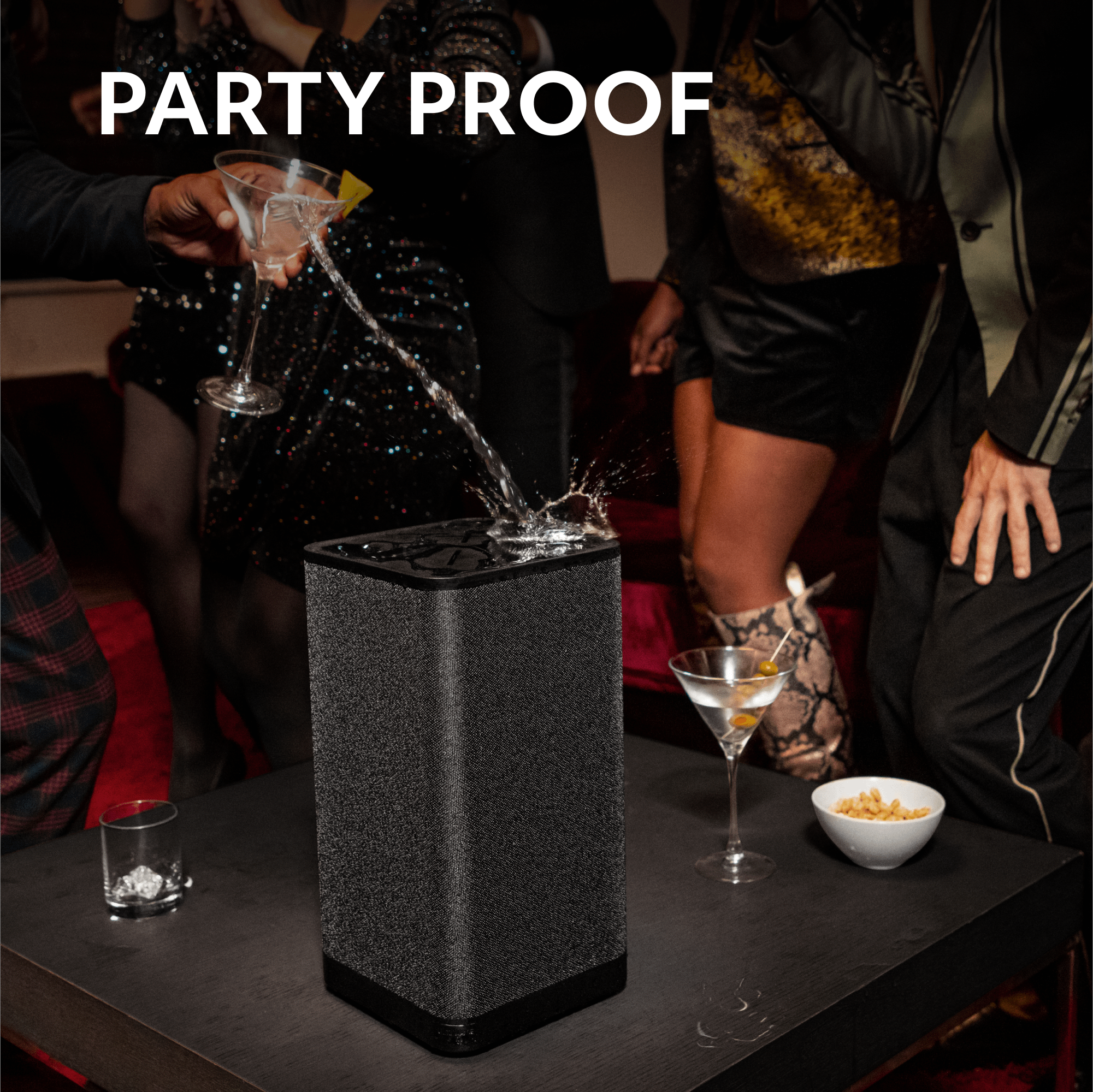
The Flip 5's superior water resistance makes it more suitable for pool parties or beach use. The HYPERBOOM, while resistant to splashes, shouldn't be exposed to serious water contact.
The HYPERBOOM at $369 represents a significant investment, but it's competing with home audio systems rather than typical portable speakers. If you're looking for a versatile audio solution that can handle both outdoor parties and home entertainment, it's reasonably priced for what it delivers.
The Flip 5 at $79 offers exceptional value for personal use. It's built well, sounds great within its limitations, and provides genuine portability. The price point makes it an easy recommendation for anyone seeking a reliable portable speaker.
Consider your primary use case:
Both speakers represent significant advances over their predecessors. The HYPERBOOM introduced adaptive EQ and multi-source switching to the portable category, while the Flip 5's move to USB-C and improved driver design showed JBL's commitment to evolving their portable line.
Looking forward, we're likely to see continued improvements in battery technology and wireless connectivity. The HYPERBOOM's adaptive features hint at more sophisticated DSP (Digital Signal Processing) capabilities coming to portable speakers, while the Flip series will likely continue to push the boundaries of sound quality from compact formats.
These speakers excel in their respective categories while taking very different approaches to portable audio. The HYPERBOOM aims to be the only speaker you need, whether indoors or out, while the Flip 5 focuses on being the perfect companion for personal listening and active lifestyles.
Both deliver on their promises, making the choice more about your specific needs than any significant shortcomings in either product. Whether you choose the room-filling power of the HYPERBOOM or the portable convenience of the Flip 5, you're getting a well-engineered speaker that represents the current state of portable audio technology.
| Ultimate Ears HYPERBOOM ($369) | JBL Flip 5 ($79) |
|---|---|
| Physical Size - Impacts portability and sound capability | |
| 14.3 x 7.5 x 7.5 inches, 13 lbs (party-sized) | 7.1 x 2.7 x 2.9 inches, 1.2 lbs (highly portable) |
| Sound Output - Determines volume capacity and coverage area | |
| Dual 4.5" woofers + two 1" tweeters (fills large spaces) | Single racetrack driver (good for small groups) |
| Battery Life - Critical for extended use without charging | |
| 24 hours playback (ideal for long events) | 12 hours playback (sufficient for daily use) |
| Water Resistance - Important for outdoor usage | |
| IPX4 (splash resistant only) | IPX7 (fully waterproof, submersible) |
| Connectivity Options - Affects versatility | |
| 2x Bluetooth, Optical, Aux-in (very versatile) | Bluetooth only (basic but functional) |
| Sound Features - Impacts audio quality and adaptability | |
| Adaptive EQ, customizable EQ, room correction | Basic EQ via app, no adaptive features |
| Multi-Speaker Pairing - Enables expanded coverage | |
| Pairs with other UE speakers | PartyBoost with other JBL speakers |
| Charging Time - Affects usability between sessions | |
| 2.6 hours (USB-C) | 2.5 hours (USB-C) |
| Frequency Response - Determines sound range capability | |
| 45Hz - 20kHz (deep bass capable) | 65Hz - 20kHz (limited bass range) |
| Maximum Volume - Important for larger spaces | |
| 100+ dB (party-capable) | 85-90 dB (personal listening level) |
| Primary Use Case - Helps determine best fit | |
| Large gatherings, home audio replacement | Personal use, travel, small gatherings |
The Ultimate Ears HYPERBOOM ($369) is significantly better for parties, with much louder volume, deeper bass, and 24-hour battery life. The JBL Flip 5 ($79) is designed for personal or small group listening.
We've done our best to create useful and informative comparisons to help you decide what product to buy. Our research uses advanced automated methods to create this comparison and perfection is not possible - please contact us for corrections or questions. These are the sites we've researched in the creation of this article: techradar.com - ultimateears.com - youtube.com - youtube.com - rtings.com - provantage.com - target.com - forum.mygolfspy.com - order.staplestechnologysolutions.com - youtube.com - publicsector.shidirect.com - ultimateears.com - whathifi.com - seriousinsights.net - youtube.com - youtube.com - harmanaudio.com - cdwg.com - gzhls.at - kh.jbl.com - support.jbl.com - mm.jbl.com - bestbuy.com - soundguys.com

Privacy Policy
Terms and Conditions - Affiliate Policy
Home Security
© Copyright 2008-2026.
11816 Inwood Rd #1211, Dallas, TX 75244