



When your phone's tiny speaker just isn't cutting it anymore, you're probably shopping for a portable Bluetooth speaker. But here's the thing – this category has exploded in the past few years, and the choices can be overwhelming. At the time of writing, you've got everything from pocket-sized options that barely outperform your phone to massive "party speakers" that could soundtrack a small festival.
Today, we're comparing two speakers that represent very different philosophies: the Monster Shock Plus S21, released in 2025, and the JBL Xtreme 4, which hit the market in 2024. One prioritizes versatility and value, while the other focuses on raw power and extreme durability. Let's dive into which one deserves your money.
Before we get into the nitty-gritty, let's talk about what actually makes a portable speaker worth buying. The most important factors boil down to audio performance, battery life, durability, and that crucial balance between size and power.
Audio performance isn't just about how loud a speaker gets – though that matters too. You want clear vocals, balanced sound across different music genres, and bass that adds punch without drowning out everything else. The frequency response range tells you how low (bass) and how high (treble) the speaker can reproduce sounds, measured in Hertz (Hz). Human hearing typically ranges from 20Hz to 20,000Hz, so speakers that get close to these numbers can reproduce most of what you'll want to hear.
Power output, measured in watts (W), gives you a rough idea of how loud a speaker can get, but it's not the whole story. A well-designed 20W speaker can sometimes sound better than a poorly tuned 40W one. The key is how efficiently the speaker converts electrical power into acoustic energy.
Then there's the eternal trade-off between portability and performance. Physics hasn't changed – bigger speakers generally sound better and get louder, but they're harder to carry around. The sweet spot depends entirely on how you plan to use your speaker.
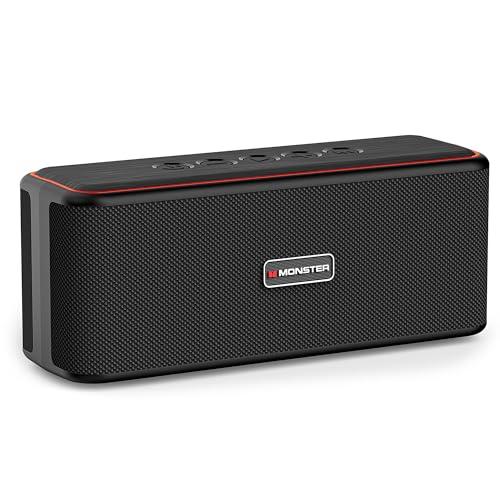
Released in 2025, the Monster Shock Plus S21 represents what happens when a company focuses on giving you the most bang for your buck. At the time of writing, it sits in the budget-friendly category while packing features you'd typically find in more expensive speakers.
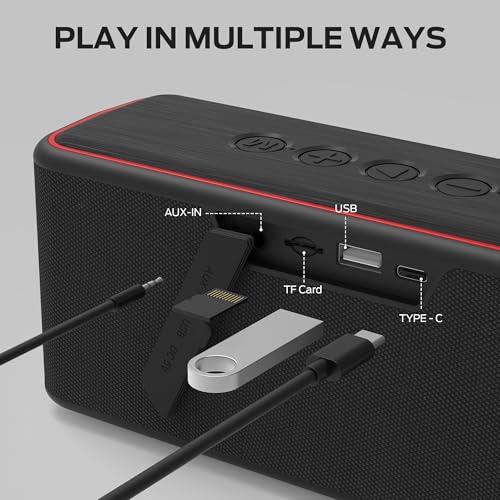
The standout feature is its connectivity options. While most speakers have gone Bluetooth-only, the Monster S21 includes AUX input (that's the traditional 3.5mm headphone jack connection), USB port, and even a TF card slot (basically a micro-SD card reader). This might seem old-fashioned, but it's incredibly practical. Dead phone battery? Plug in directly. Want to play music from a laptop without dealing with Bluetooth pairing? AUX has you covered. Got a playlist stored on a memory card? Pop it in and play.
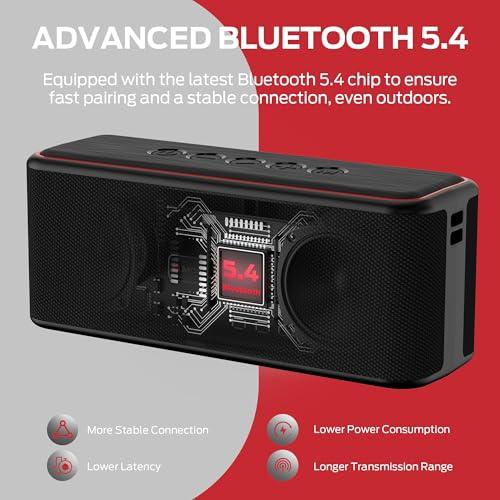
The speaker uses Bluetooth 5.4, which is the latest wireless standard as of 2025. This newer version offers better connection stability, lower latency (less delay between pressing play and hearing sound), and improved battery efficiency compared to older Bluetooth versions.
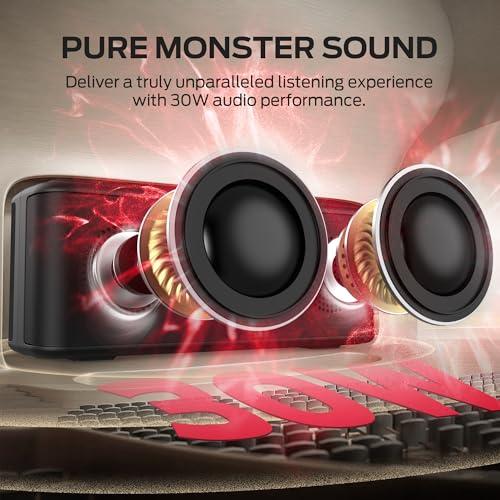
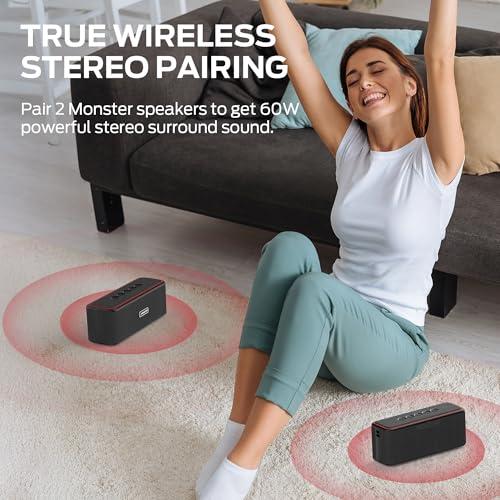
One clever feature is True Wireless Stereo (TWS) pairing. This lets you connect two Monster S21 speakers wirelessly to create a stereo setup – one speaker handles the left channel, the other handles the right. When paired this way, the combined output jumps from 30W to 60W, effectively doubling both volume and creating that spacious stereo effect you get from separating your audio sources.
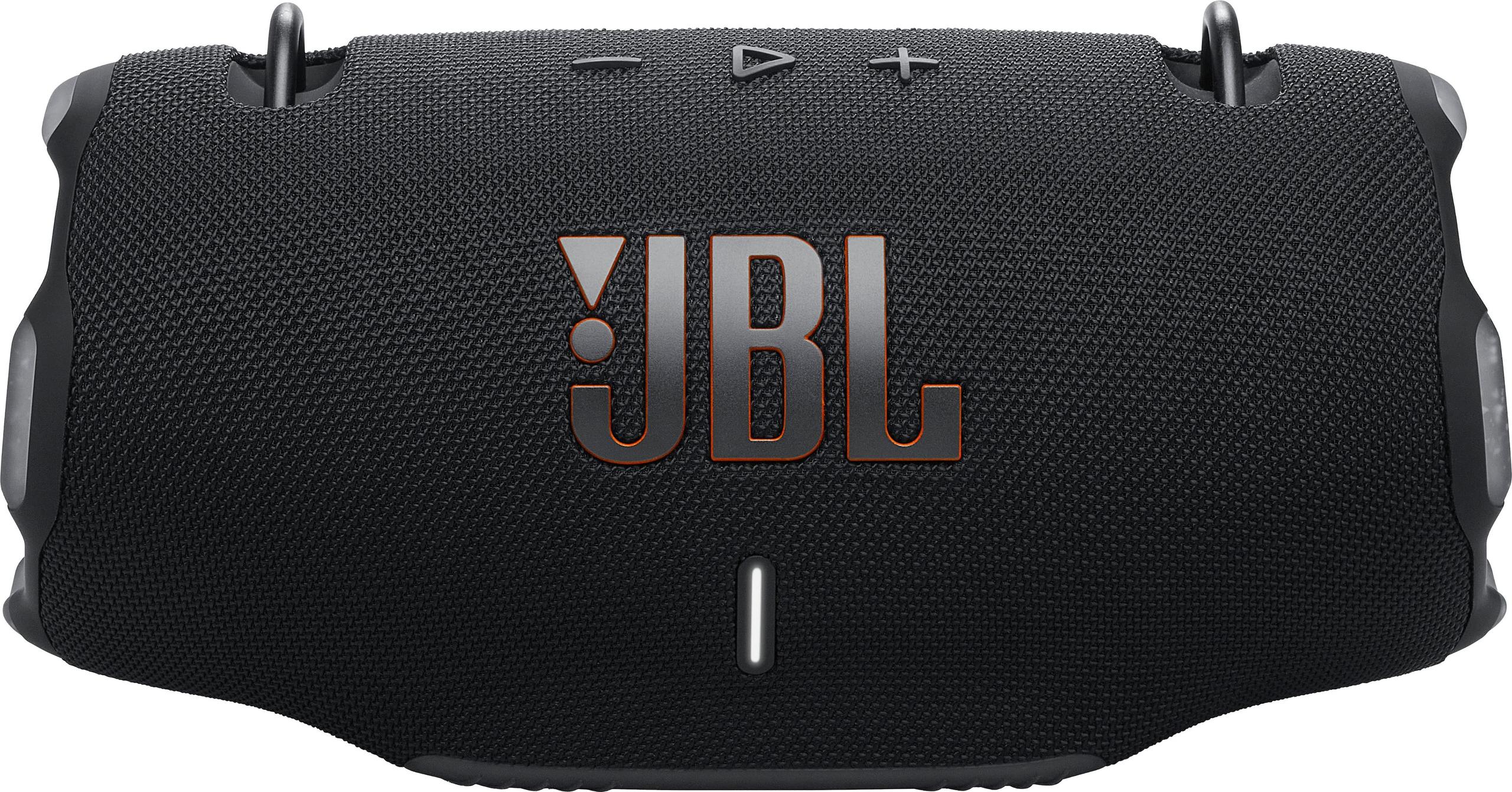
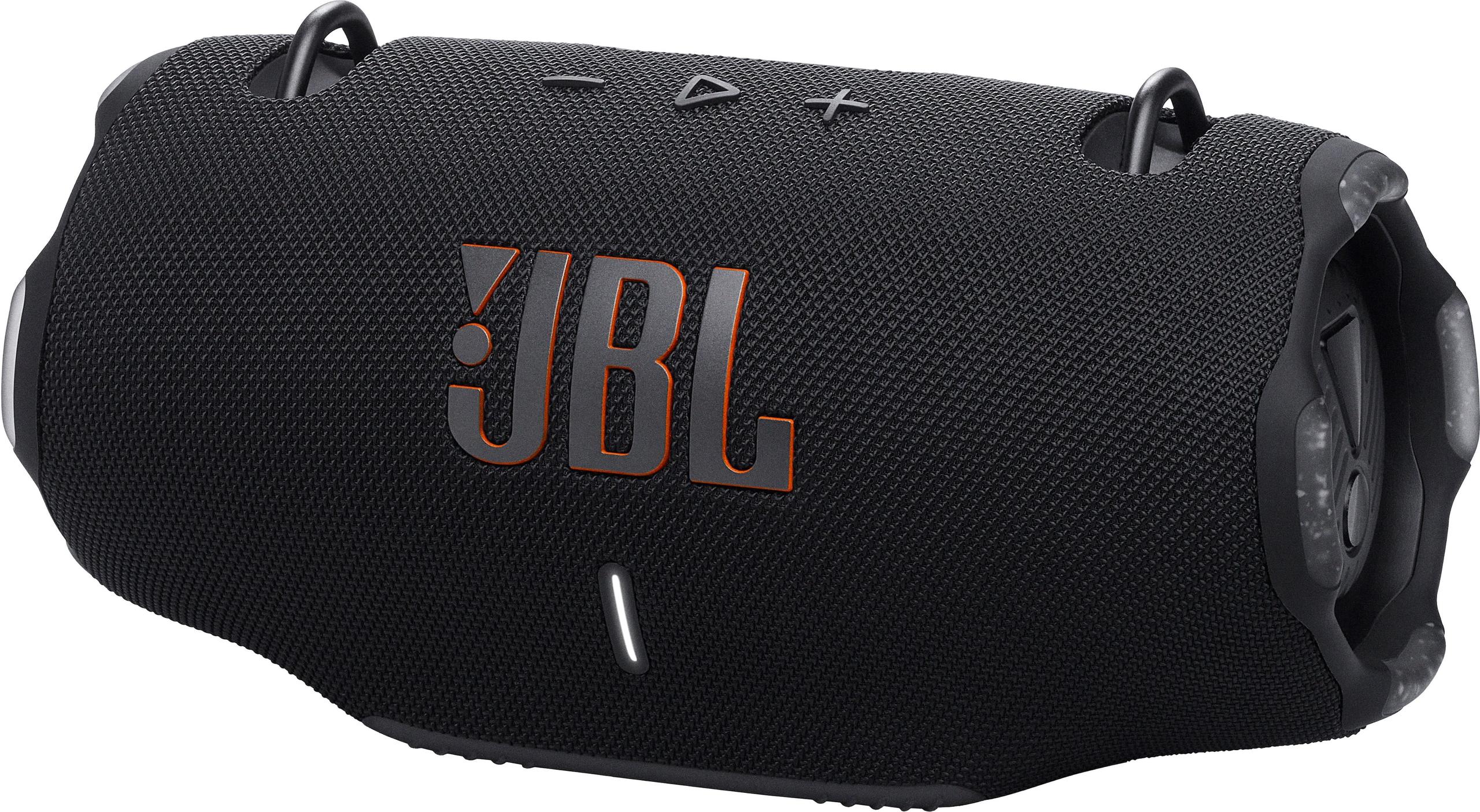
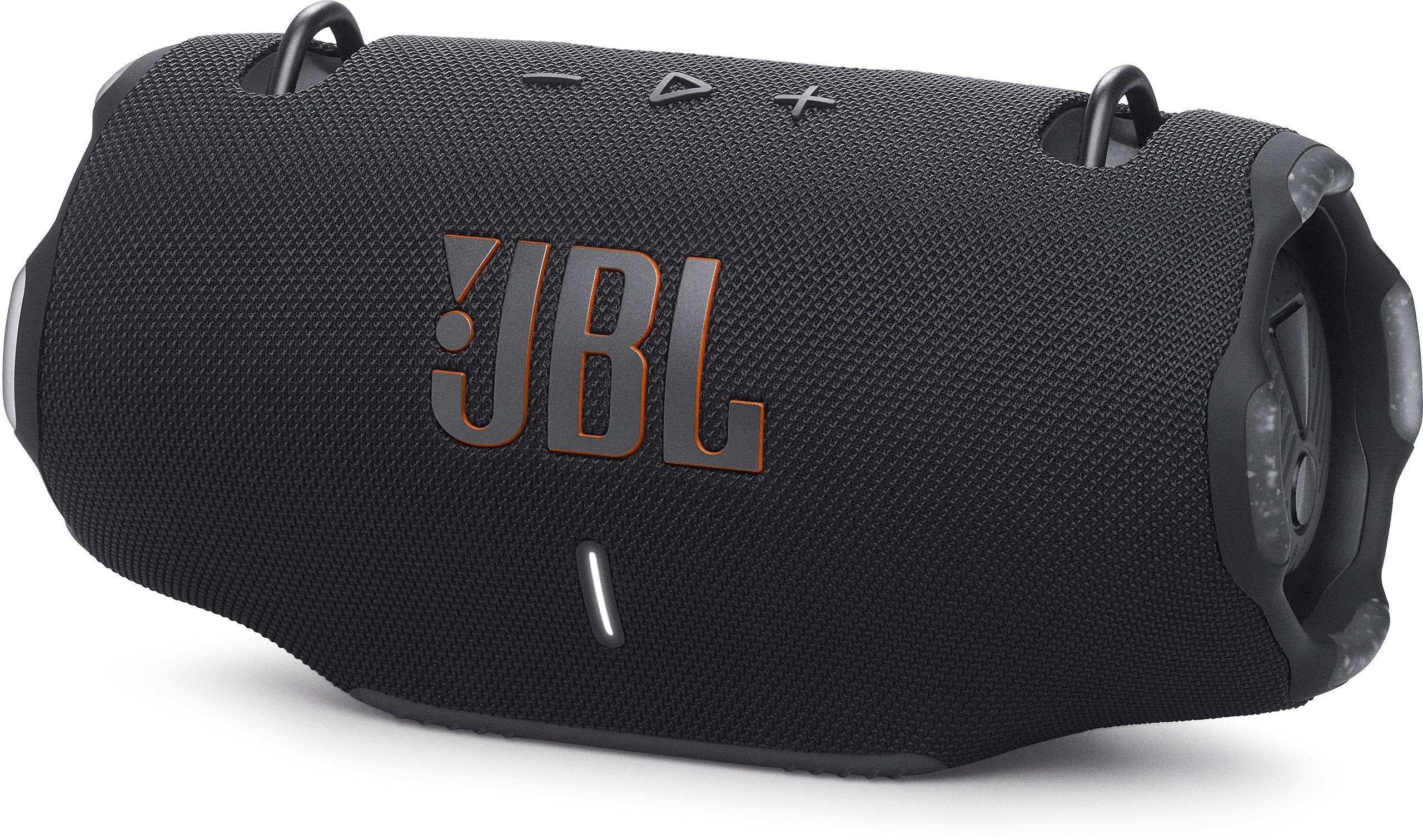
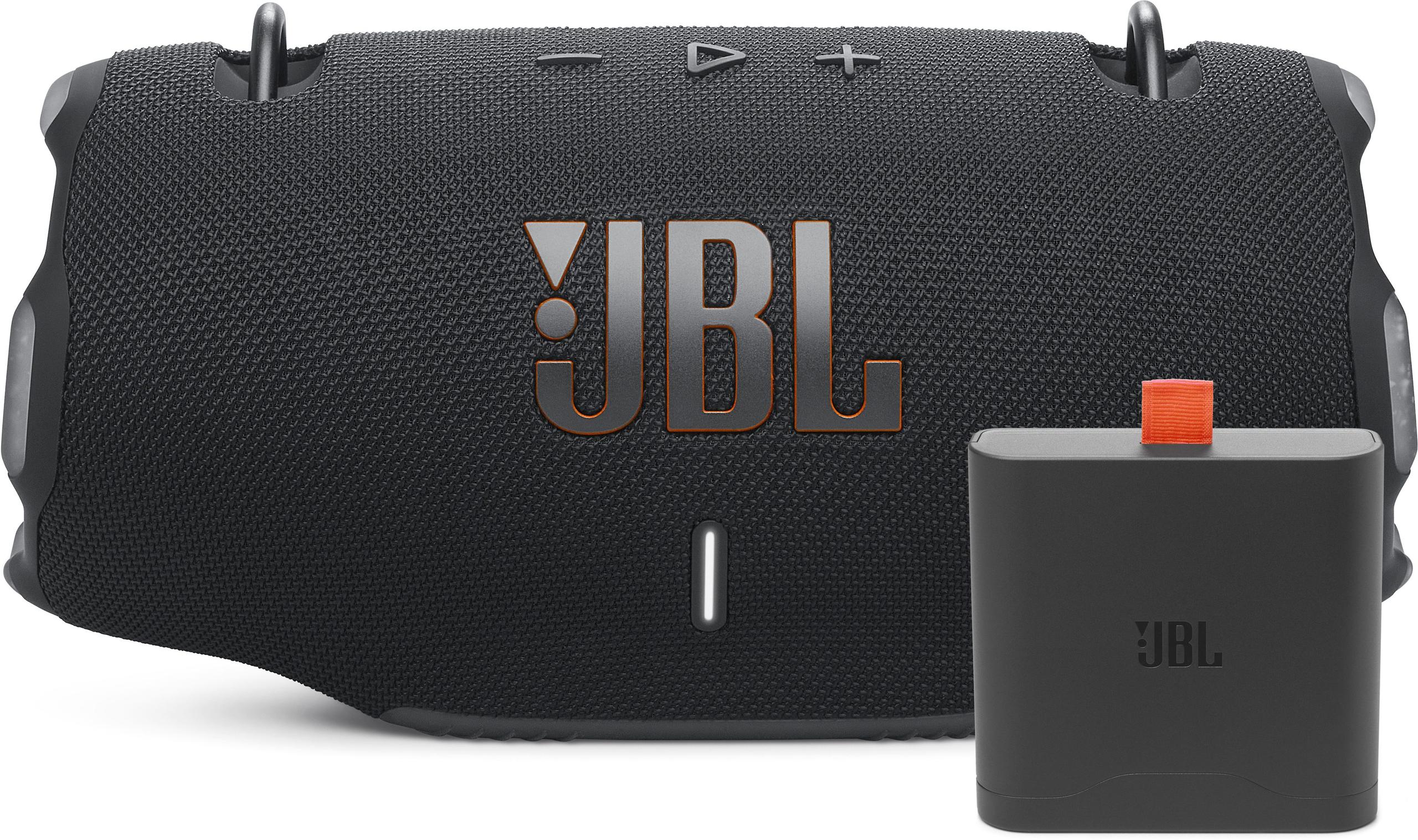
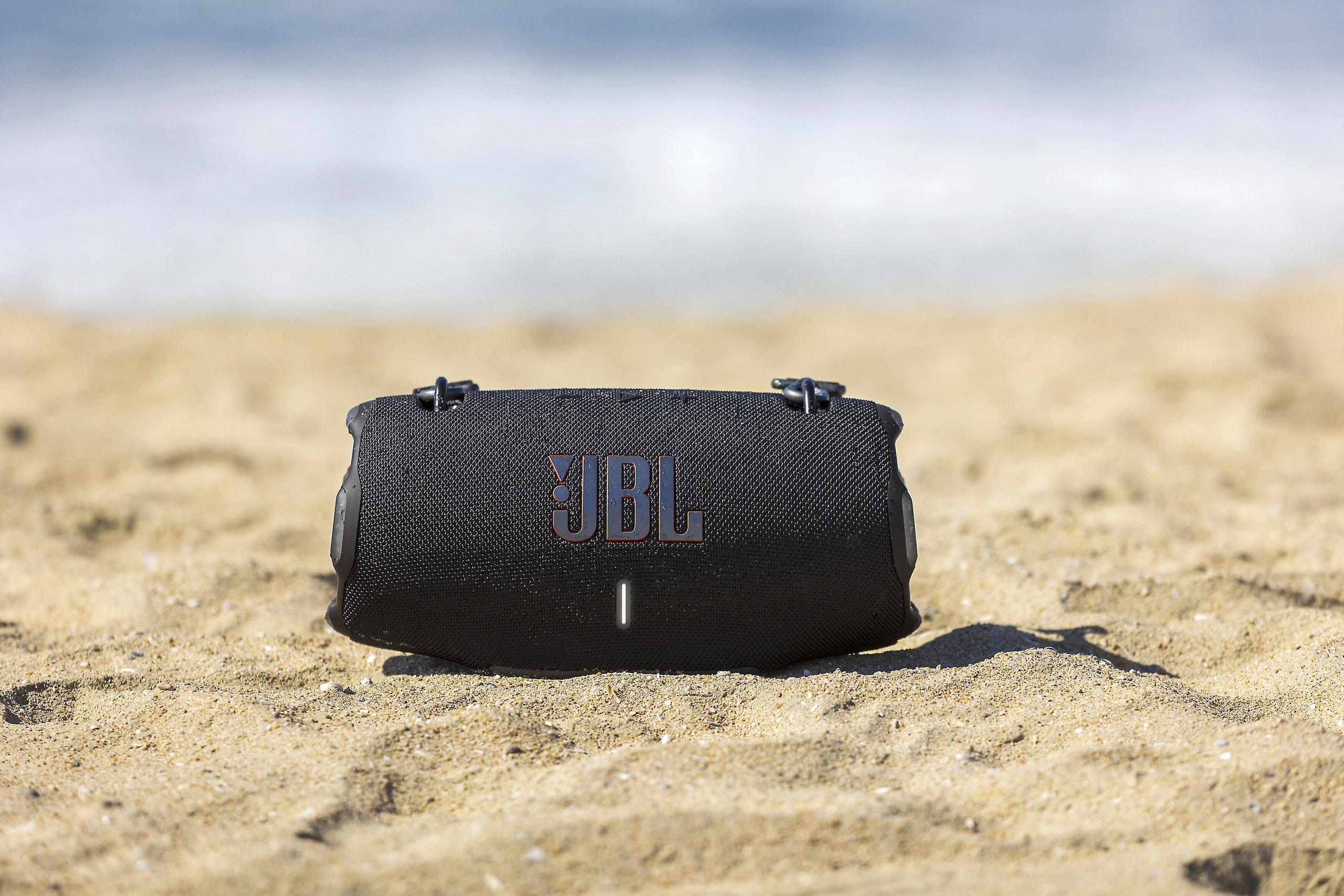
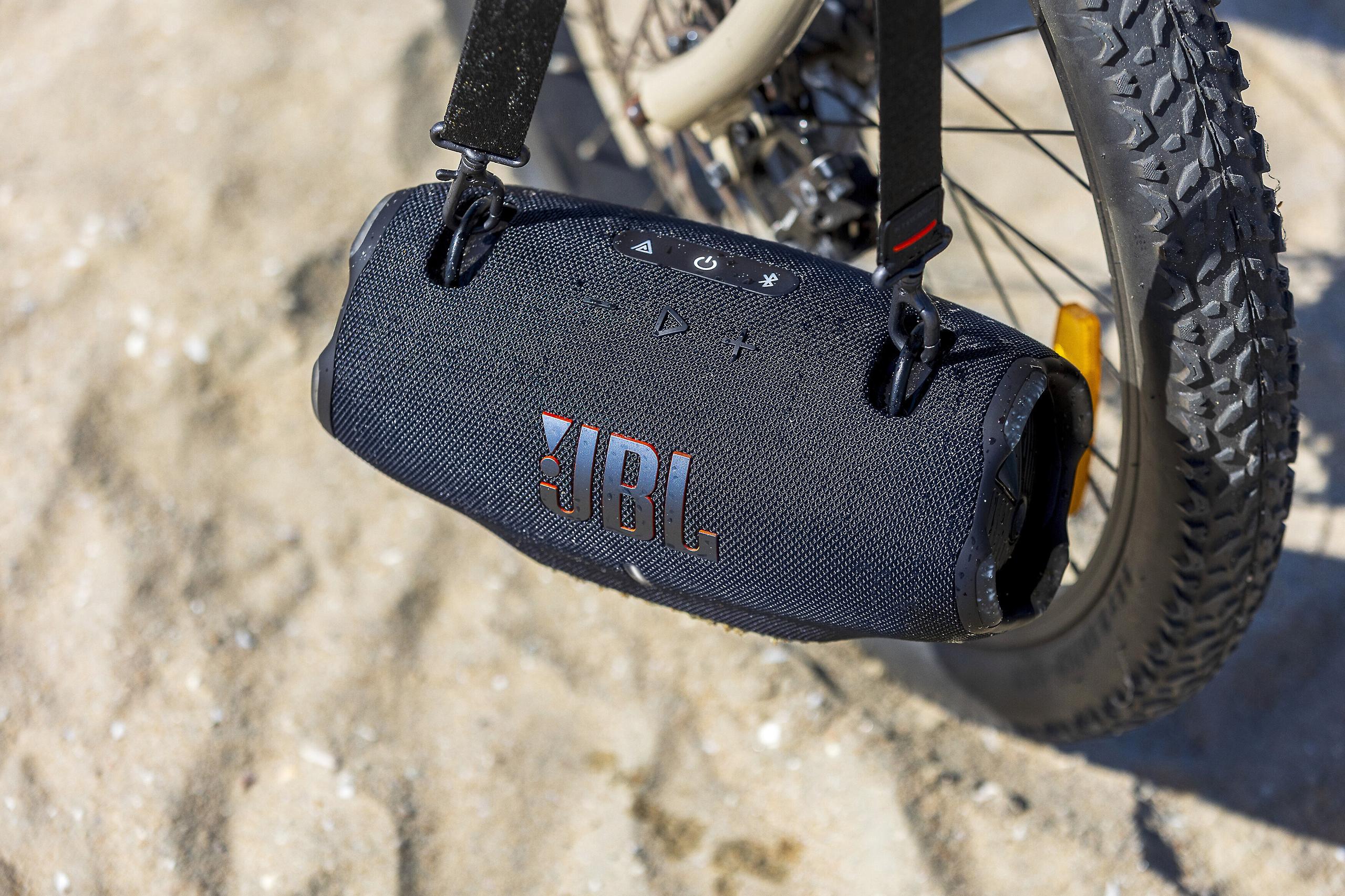
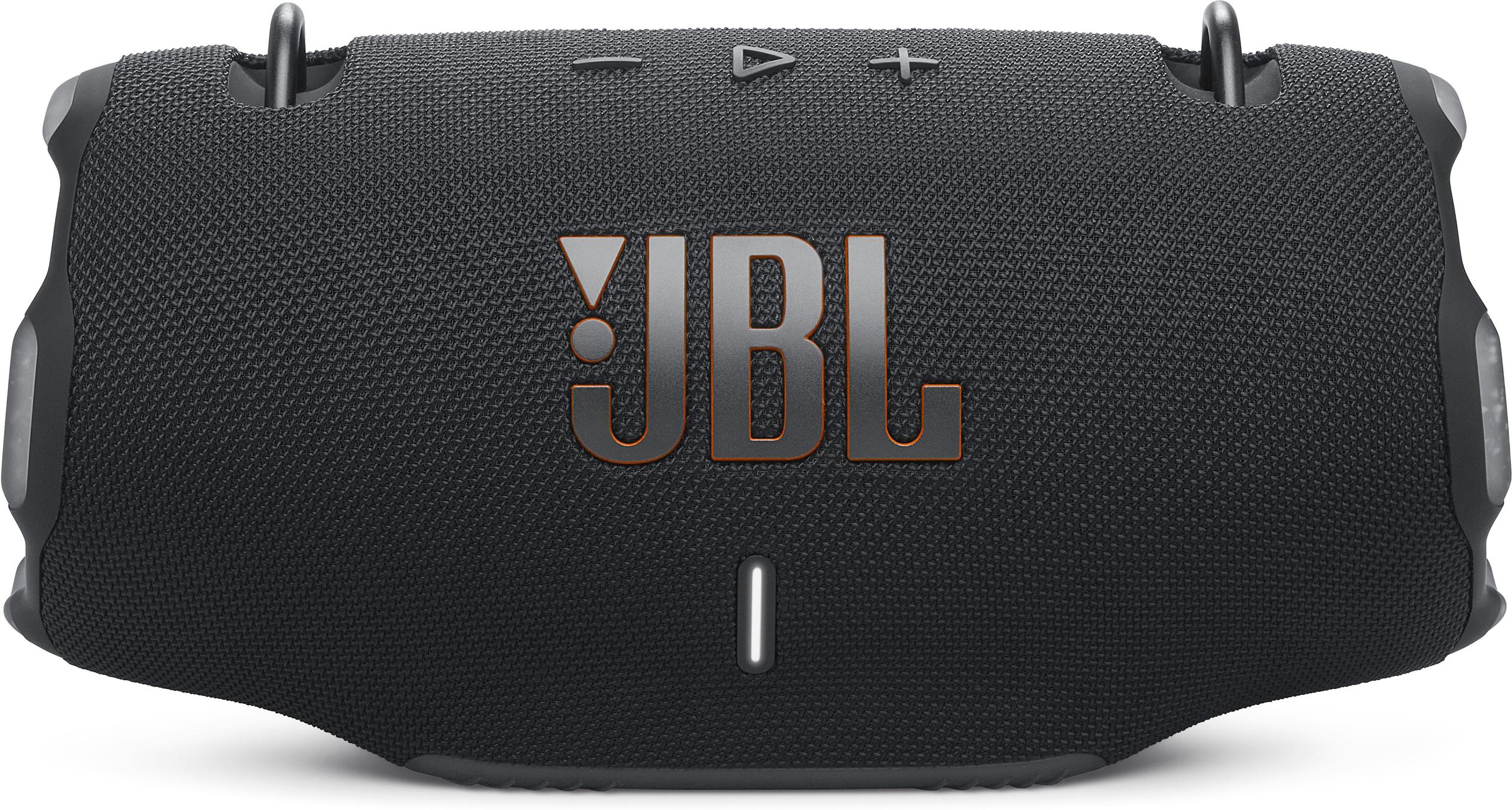
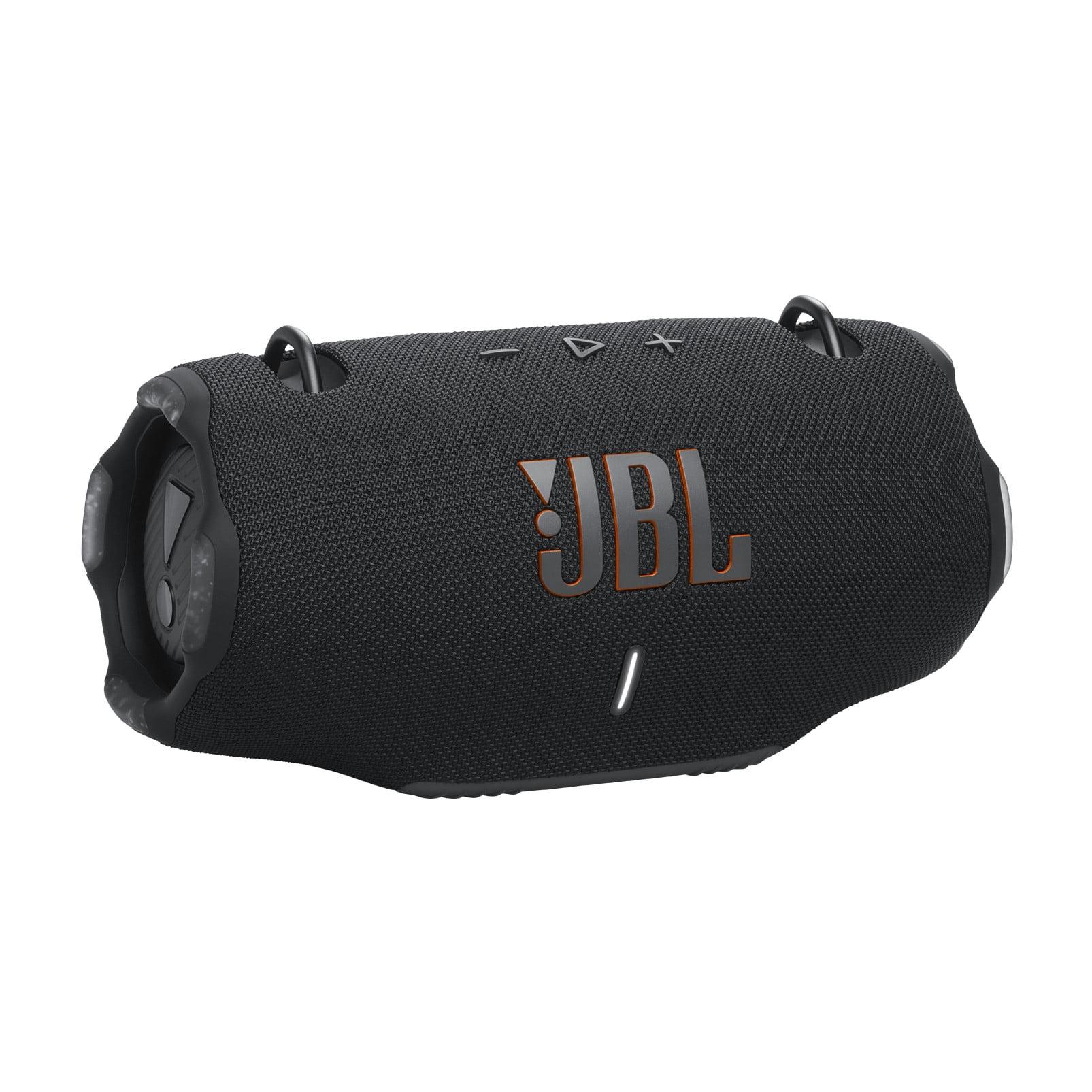
The JBL Xtreme 4, launched in 2024, takes a completely different approach. This speaker is built for situations where compromise isn't an option – pool parties, beach trips, camping adventures, or anywhere you need serious volume and bulletproof reliability.
The power difference is immediately obvious. Where the Monster S21 outputs 30W, the JBL Xtreme 4 delivers 80W on battery power and can push 100W when plugged into wall power. That's not just a numbers game – it translates to significantly louder maximum volume and more robust bass response.
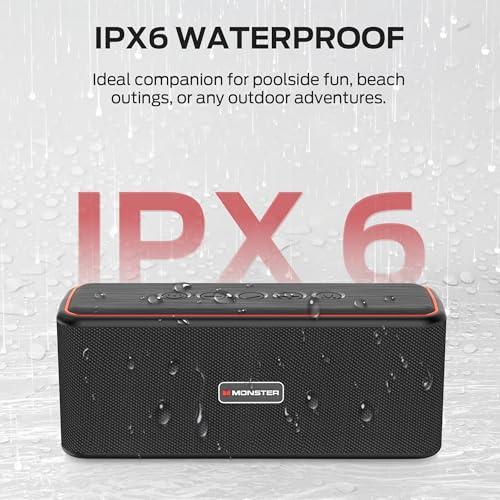
The build quality reflects its outdoor mission. That IP67 rating means it's completely dustproof and can handle being submerged in up to 1 meter of water for 30 minutes. The Monster S21's IPX6 rating, by comparison, only protects against powerful water jets – it's splash-resistant but not submersion-proof.
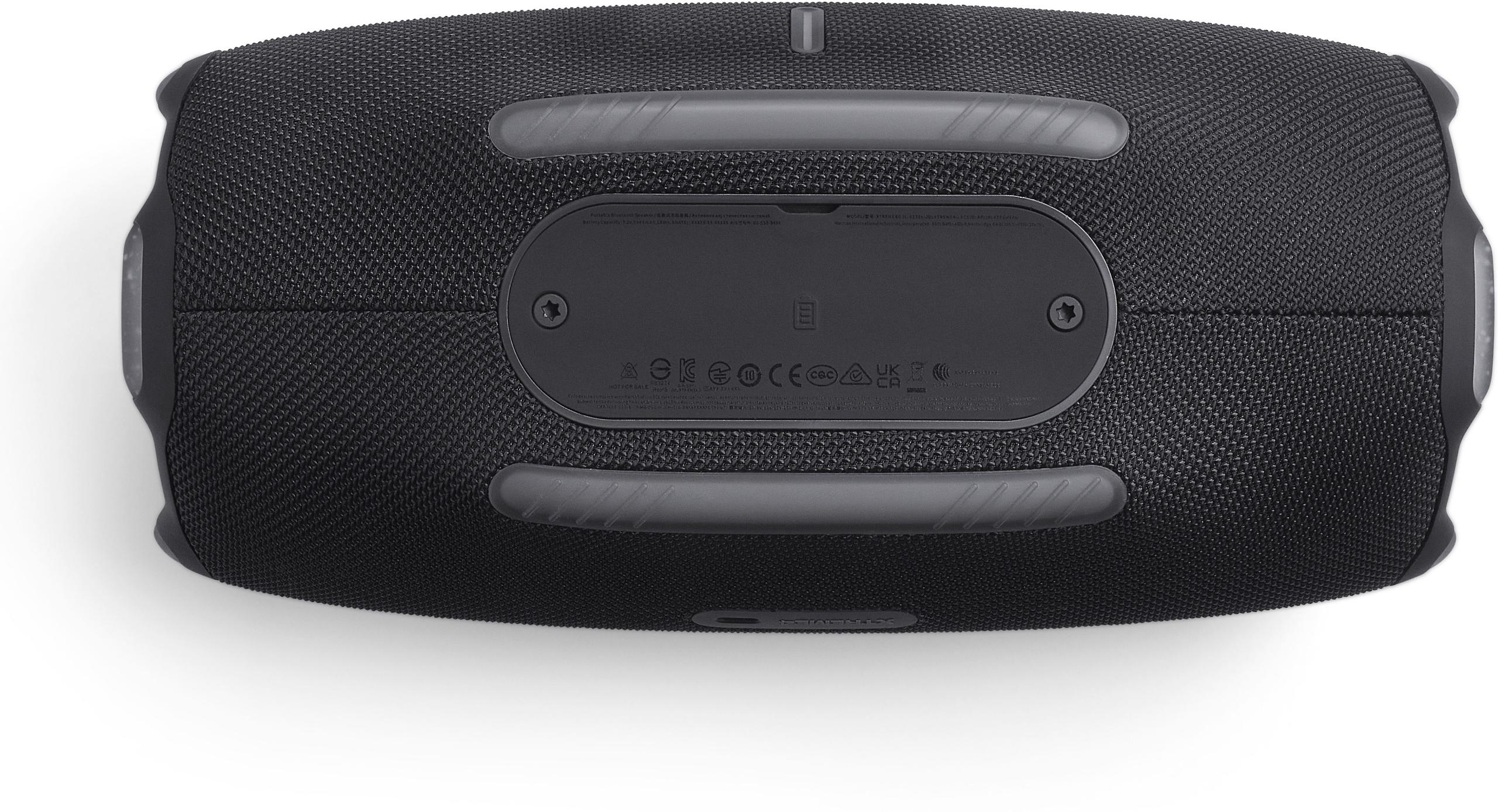
Perhaps most impressively, the JBL Xtreme 4 features a removable battery system. When the built-in battery dies after 24 hours of use, you can swap in a fresh one instead of waiting hours for recharging. This feature alone makes it invaluable for extended outdoor adventures or professional use where downtime isn't acceptable.
This is where things get interesting, and where your listening preferences will heavily influence the right choice.
The numbers tell part of the story, but real-world performance is more nuanced. The JBL Xtreme 4's 80-100W output creates a fundamentally different listening experience than the Monster S21's 30W. In practical terms, the JBL can fill a large backyard or compete with ambient noise at a busy beach, while the Monster works best for personal listening or smaller gatherings.
However, the Monster S21's TWS pairing capability changes this equation. Two paired units deliver 60W total, which gets you much closer to the JBL's output. The catch? You need to buy two speakers, which obviously affects your budget calculation.
Based on extensive user feedback and expert reviews, these speakers have distinctly different sound signatures. The Monster S21 aims for balance, with clear vocal reproduction and controlled bass that doesn't overwhelm the midrange frequencies where most vocals and instruments live. This makes it particularly good for podcasts, audiobooks, and vocal-heavy music genres.
The JBL Xtreme 4, true to JBL's party-speaker heritage, emphasizes bass response and maximum impact. It's tuned to sound exciting and energetic, which works brilliantly for electronic music, hip-hop, and rock. The trade-off is that it can sometimes make vocals sound slightly recessed compared to more neutral speakers.
Both speakers maintain their composure at moderate volumes, but their behavior at maximum volume differs significantly. The Monster S21 starts to show some compression and distortion as you push it to its limits, which is typical for speakers in this power range. The JBL Xtreme 4 can get much louder before hitting these limitations, though it's not immune to bass compression when you really crank it up.
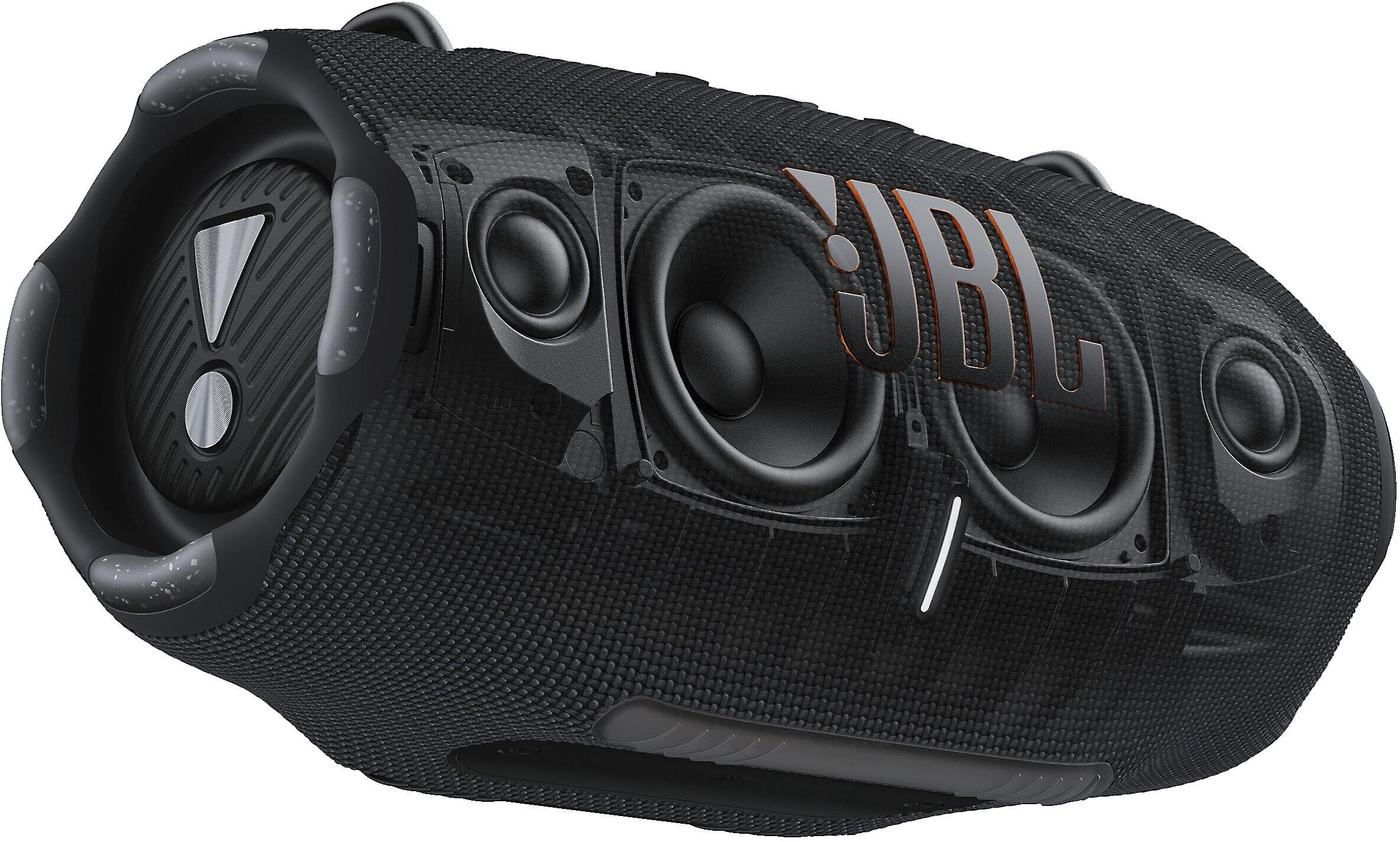
The JBL Xtreme 4 covers a frequency range from 44Hz to 20,000Hz, which is impressive for a portable speaker. That 44Hz low-end response means it can reproduce the fundamental frequencies of bass guitars and kick drums with authority. The Monster S21 doesn't publish official frequency specs, but user reports suggest it handles bass adequately without the deep extension of the JBL.
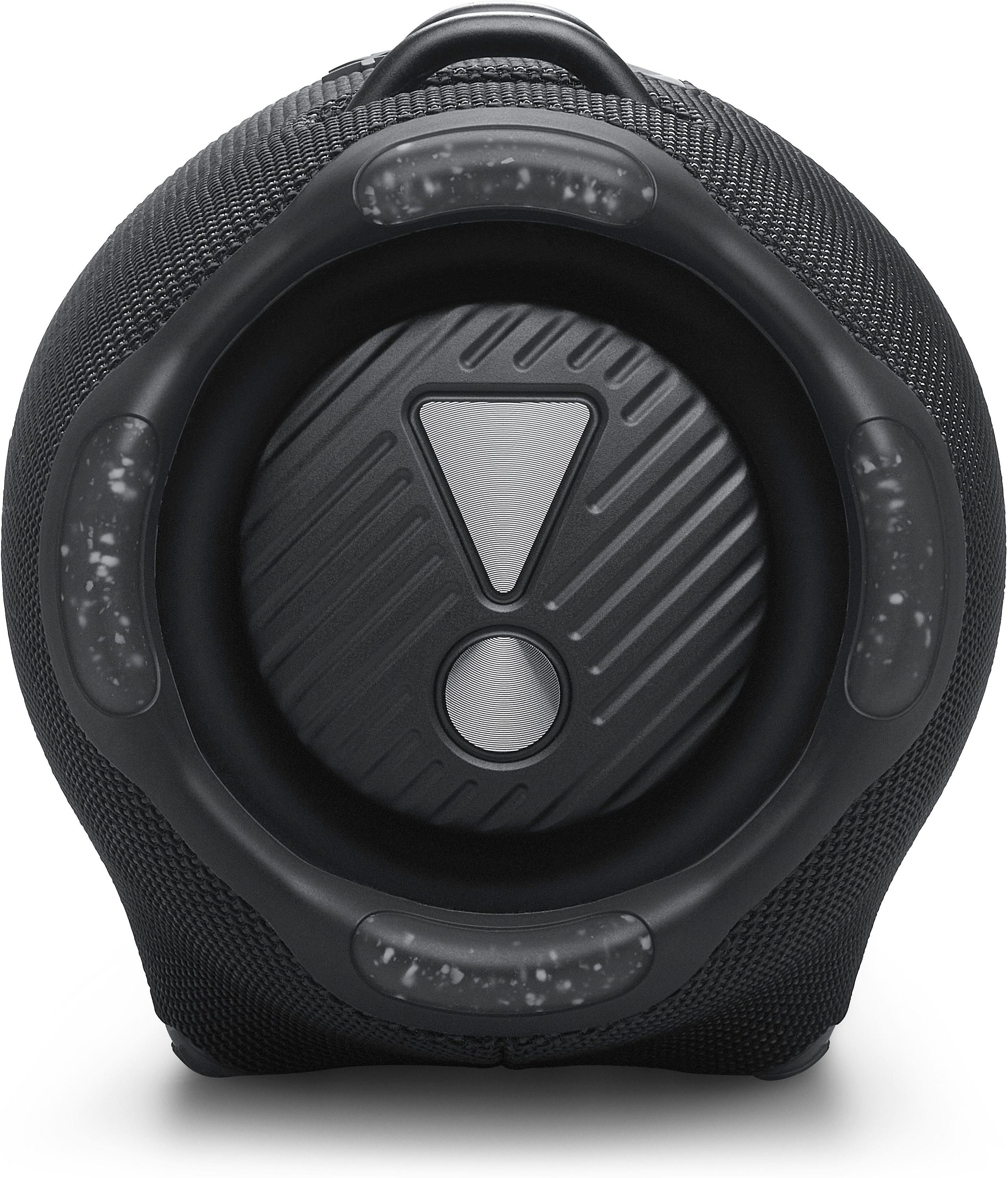
Both speakers use passive radiators – these are speaker-like elements that don't have their own power but move in response to the air pressure created by the main drivers. This technique helps extend bass response without requiring larger enclosures, though the effect is more pronounced in the larger JBL Xtreme 4.
Battery performance has become crucial as these speakers increasingly replace traditional home audio for many users. The JBL Xtreme 4's 24-hour battery life is genuinely impressive and represents a significant improvement over earlier JBL models. This kind of longevity means you can take it on weekend camping trips without worrying about power.
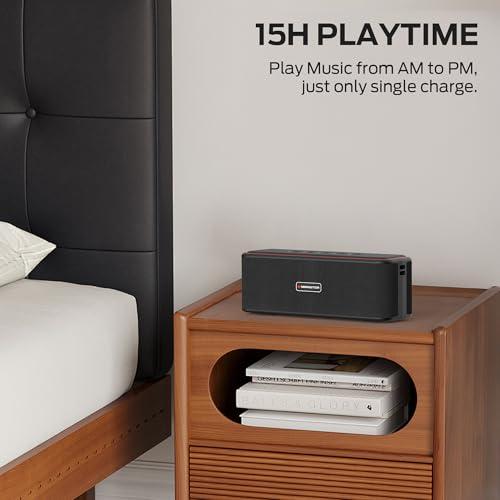
The Monster S21's 15-hour battery life is still excellent and more than adequate for daily use. What it lacks in total duration, it makes up for with a faster 2-hour charging time via USB-C. The practical difference comes down to usage patterns: if you frequently use your speaker for extended periods, the JBL's longer life wins. If you're more of a casual user who can charge overnight, the Monster's faster charging might be more convenient.
The JBL Xtreme 4's swappable battery system deserves special mention. While most users won't need this feature regularly, it's invaluable for specific scenarios – professional DJ use, multi-day festivals, or extended off-grid adventures. The fact that it can also charge your phone adds practical value, essentially functioning as a portable power bank.
This is where the price difference becomes most apparent. The Monster S21 uses plastic construction that feels solid for its price range but doesn't match the premium materials you'd find in higher-end speakers. It's perfectly adequate for normal use but won't win any awards for luxury feel.
The JBL Xtreme 4 justifies its higher price point with genuinely robust construction. The rubber bumpers aren't just cosmetic – they provide real protection against drops and impacts. The IP67 rating isn't marketing fluff either; this speaker can handle genuine outdoor abuse that would damage lesser speakers.
For most users, the Monster S21's IPX6 water resistance provides adequate protection. It'll survive splashes, light rain, and the occasional drink spill. The JBL Xtreme 4's full waterproofing only becomes essential if you're planning activities where submersion is a real possibility.
Here's where the Monster S21 shows its value-focused approach paying dividends. While the JBL Xtreme 4 relies solely on Bluetooth connectivity, the Monster offers multiple input options that solve real-world problems.
The Bluetooth 5.4 implementation in the Monster S21 versus the JBL Xtreme 4's Bluetooth 5.3 might seem like a minor difference, but newer Bluetooth versions offer tangible benefits: better connection stability, improved audio quality, and enhanced battery efficiency. As devices increasingly adopt Bluetooth 5.4, having a speaker that supports the latest standard provides some future-proofing.
The inclusion of AUX, USB, and TF card inputs in the Monster S21 addresses common frustrations with Bluetooth-only speakers. Bluetooth connection issues, battery drain on source devices, and audio latency problems all disappear when you can plug in directly.
At the time of writing, these speakers occupy different value territories. The Monster S21 positions itself as the budget-conscious choice that doesn't skimp on features, while the JBL Xtreme 4 commands a premium for its superior power and build quality.
For most users, the decision comes down to intended use cases. The Monster S21 excels as an everyday speaker that travels well, handles multiple audio sources gracefully, and provides solid performance without breaking the bank. It's particularly appealing for apartment dwellers, frequent travelers, and anyone who values connectivity flexibility.
The JBL Xtreme 4 justifies its higher price for users with specific needs: maximum volume output, extreme durability, or extended battery life. It's the clear choice for outdoor enthusiasts, party hosts, and professional applications where reliability is paramount.
Neither speaker is designed as a primary home theater solution, but both can serve as supplementary audio for casual TV watching or gaming. The Monster S21's AUX input makes it easy to connect to TV headphone outputs, while its balanced sound signature works reasonably well for dialogue-heavy content.
The JBL Xtreme 4's bass-heavy tuning and higher output power can add impact to action movies and games, though its single-point stereo design limits spatial audio effects. For serious home theater use, both speakers work better as portable solutions that you might occasionally bring to the living room rather than permanent installations.
After extensive research and evaluation of user experiences, both speakers succeed in their intended roles, but they're designed for different buyers.
Choose the Monster Shock Plus S21 if you want maximum versatility and modern features at a reasonable price. It's perfect for users who prioritize connectivity options, appreciate the latest Bluetooth technology, and don't need earth-shaking volume levels. The TWS pairing option provides a clear upgrade path if you later decide you need more power.
The JBL Xtreme 4 is worth its premium for users who need uncompromising performance and durability. If you regularly host gatherings, spend significant time outdoors, or simply want the loudest, most robust speaker possible, the extra cost pays dividends in real-world performance.
Both speakers represent solid value in their respective price ranges. The Monster S21 maximizes features per dollar, while the JBL Xtreme 4 maximizes performance per dollar. Your choice should align with whether you value versatility and connectivity or raw power and extreme durability.
| Monster Shock Plus S21 | JBL Xtreme 4 |
|---|---|
| Power Output - Determines maximum volume and bass response | |
| 30W (60W with TWS pairing) | 80W on battery / 100W with AC power |
| Battery Life - How long you can play music continuously | |
| Up to 15 hours | Up to 24 hours with swappable battery |
| Water Resistance - Protection level for outdoor use | |
| IPX6 (splash-resistant, not submersible) | IP67 (fully waterproof and dustproof, floats) |
| Weight - Impacts true portability for travel | |
| 1.83-2.01 lbs (genuinely portable) | 4.5+ lbs (requires dedicated carrying) |
| Bluetooth Version - Affects connection quality and future compatibility | |
| 5.4 (latest standard, better stability) | 5.3 (proven reliable, slightly older) |
| Connectivity Options - How many ways you can play music | |
| Bluetooth, AUX, USB, TF Card (maximum flexibility) | Bluetooth only (simple but limited) |
| Charging Time - How quickly you can get back to full battery | |
| ~2 hours via USB-C | Not specified, but has swappable battery system |
| Special Features - Unique capabilities that add value | |
| TWS pairing for stereo sound, hands-free calling | Removable battery, power bank function, Auracast |
| Sound Character - What type of music sounds best | |
| Balanced with clear vocals (great for podcasts/varied music) | Bass-forward party sound (excellent for electronic/hip-hop) |
| Target Use Case - Who this speaker is designed for | |
| Travel, casual listening, budget-conscious buyers | Outdoor parties, extreme conditions, power users |
The JBL Xtreme 4 is significantly better for outdoor use. It has an IP67 rating, meaning it's completely waterproof and dustproof, and it can even float if dropped in water. The Monster Shock Plus S21 only has IPX6 water resistance, which protects against splashes but not submersion. For camping, beach trips, or pool parties, the JBL Xtreme 4 is the clear winner.
The JBL Xtreme 4 delivers much more powerful sound with 80W output compared to the Monster Shock Plus S21's 30W. The JBL has a bass-heavy, party-focused sound signature that's great for electronic music and large gatherings. The Monster S21 offers more balanced audio with clearer vocals, making it better for podcasts and varied music genres. However, you can pair two Monster S21 speakers for 60W total output.
The JBL Xtreme 4 wins with up to 24 hours of battery life compared to the Monster Shock Plus S21's 15 hours. Additionally, the JBL Xtreme 4 has a removable battery system, so you can swap in a fresh battery when needed. The Monster S21 charges faster at about 2 hours, but the JBL's longer life and swappable battery make it better for extended use.
Yes, but only the Monster Shock Plus S21 offers multiple connection options including AUX input, USB port, and TF card slot. This makes it much more versatile for connecting older devices, laptops, or playing music from memory cards. The JBL Xtreme 4 only supports Bluetooth connectivity, which limits your options but keeps things simple.
The Monster Shock Plus S21 is much more portable, weighing only 1.83-2.01 pounds compared to the JBL Xtreme 4's 4.5+ pounds. The Monster easily fits in backpacks and travel bags, while the JBL requires more dedicated carrying space. If portability is your main concern, the Monster S21 is the obvious choice.
The JBL Xtreme 4 gets significantly louder with its 80W output (100W when plugged in), making it suitable for large parties and outdoor events. The Monster Shock Plus S21's 30W is adequate for personal listening and small gatherings. However, pairing two Monster S21 speakers gives you 60W total, which narrows the gap considerably.
The Monster Shock Plus S21 typically offers better value for budget-conscious buyers, providing modern features like Bluetooth 5.4, multiple connectivity options, and solid audio performance at a lower price point. The JBL Xtreme 4 costs more but justifies it with superior build quality, extreme durability, and much higher power output. Your choice depends on whether you prioritize features per dollar or performance per dollar.
Yes, both speakers support hands-free calling. The Monster Shock Plus S21 has a built-in microphone for clear voice calls, and the JBL Xtreme 4 also includes speakerphone functionality. Both provide good call quality, though the Monster's more balanced sound signature may offer slightly clearer voice reproduction.
For home use, the Monster Shock Plus S21 might be more practical due to its multiple input options, allowing easy connection to TVs, computers, and other devices via AUX or USB. Its balanced sound works well for diverse content. The JBL Xtreme 4 can overpower smaller rooms with its bass-heavy output, though it excels for home parties or larger living spaces.
The Monster Shock Plus S21 is better for gaming due to its AUX input option, which eliminates Bluetooth latency issues that can affect gaming audio sync. Its balanced sound profile also provides clearer directional audio cues. The JBL Xtreme 4's bass-heavy tuning can make explosions and action more impactful but may mask important audio details in competitive gaming.
The JBL Xtreme 4 has superior build quality with rugged rubber bumpers, premium materials, and extreme weather resistance. It's built to withstand serious abuse and outdoor conditions. The Monster Shock Plus S21 has solid plastic construction that's adequate for normal use but doesn't match the JBL's premium feel and durability. The price difference reflects this quality gap.
Yes, both support multi-speaker setups but differently. The Monster Shock Plus S21 uses TWS (True Wireless Stereo) pairing to connect two units for stereo sound and doubled power output. The JBL Xtreme 4 supports Auracast technology, allowing connection with other compatible JBL speakers for synchronized multi-room audio. Both systems work well but serve slightly different purposes.
We've done our best to create useful and informative comparisons to help you decide what product to buy. Our research uses advanced automated methods to create this comparison and perfection is not possible - please contact us for corrections or questions. These are the sites we've researched in the creation of this article: shopabunda.com - manuals.plus - popsci.com - armorsound.com - manuals.plus - youtube.com - shopstaff.net - thestreet.com - rtings.com - youtube.com - businessinsider.com - youtube.com - youtube.com - mensjournal.com - ratebud.ai - youtube.com - ebay.com - monsterstore.com - newegg.com - angelenaspensacola.com - bestbuy.com - pcrichard.com - digitaltrends.com - youtube.com - tomsguide.com - jbl.com - kh.jbl.com - harmanaudio.com - ro.harmanaudio.com - otza.com - audiolab.com - youtube.com - bhphotovideo.com

Privacy Policy
Terms and Conditions - Affiliate Policy
Home Security
© Copyright 2008-2026.
11816 Inwood Rd #1211, Dallas, TX 75244