

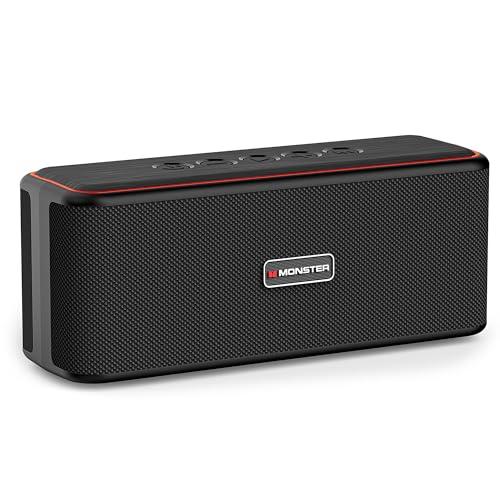



Portable Bluetooth speakers have evolved dramatically over the past few years, transforming from simple wireless audio devices into sophisticated entertainment hubs. Whether you're planning beach trips, backyard parties, or just want better sound around the house, choosing the right speaker can make a significant difference in your listening experience. Today, we're comparing two compelling options: the Monster Shock Plus S21 and the Sony SRS-XE200, both released in 2022 during a particularly innovative period for portable audio technology.
Understanding what makes a great portable speaker involves more than just looking at the price tag. The most important performance characteristics include power output (measured in watts, which determines how loud the speaker can get), battery life, sound quality across different frequencies, and durability features like water resistance ratings. These factors directly impact whether a speaker will meet your specific needs, from intimate indoor listening to energetic outdoor gatherings.
The portable speaker market has matured significantly since the early days of tinny, underpowered devices. Modern speakers like the Monster Shock Plus S21 and Sony SRS-XE200 represent the current generation's focus on balancing power, portability, and features. Both arrived in 2022 when manufacturers began seriously addressing previous limitations like short battery life, poor water resistance, and limited connectivity options.
When evaluating portable speakers, several key considerations determine which model will best serve your needs. Audio performance remains paramount – specifically power output, which determines maximum volume levels, and frequency response, which affects how well the speaker handles everything from deep bass to crisp highs. Battery performance has become equally crucial, with users expecting all-day playback without compromising sound quality. Durability features, particularly water and dust resistance ratings, separate speakers designed for occasional outdoor use from those built to withstand harsh conditions.
Connectivity options have also expanded beyond basic Bluetooth pairing. Modern speakers often include multiple input methods, app-based controls, and the ability to connect multiple speakers together for enhanced sound coverage. These features transform a simple speaker into a versatile audio system that adapts to different situations and preferences.
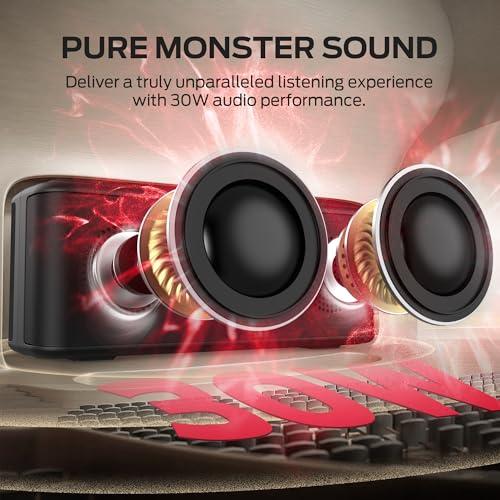
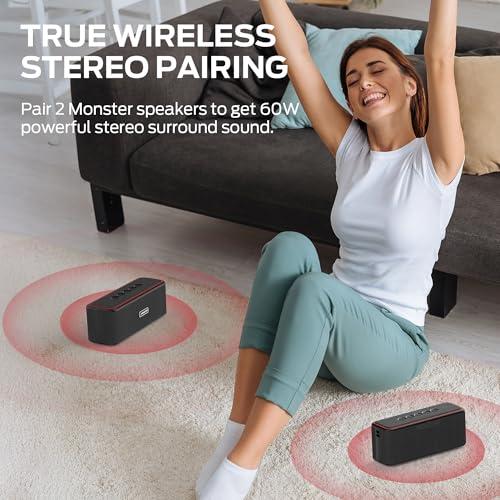
The most immediately noticeable difference between these speakers lies in their power output capabilities. The Monster Shock Plus S21 delivers 30 watts of stereo output, with the unique ability to expand to 60 watts when you pair two speakers together using True Wireless Stereo (TWS) technology. This TWS feature essentially creates a synchronized dual-speaker setup where one speaker handles the left audio channel and the other handles the right, providing genuine stereo separation and significantly more power.
In contrast, Sony doesn't specify the exact wattage for the SRS-XE200, but based on our research into user experiences and expert reviews, it clearly operates at lower power levels. This difference becomes immediately apparent in real-world usage scenarios. The Monster can easily fill larger outdoor spaces, making it ideal for backyard parties, beach gatherings, or camping trips where you need sound to carry across greater distances.
The volume difference isn't just about being louder – it's about maintaining audio quality at higher levels. The Monster Shock Plus S21 demonstrates impressive composure even when pushed to maximum volume, with minimal distortion creeping into the sound. This is largely due to its dual passive radiators, which are specialized speakers that don't receive direct electrical power but instead move in response to air pressure changes created by the main drivers. These passive radiators help reproduce lower frequencies more effectively while reducing the strain on the primary drivers.
The Sony SRS-XE200, while capable of producing pleasant sound at moderate volumes, begins to show compression artifacts when pushed hard. Audio compression in this context means the dynamic range – the difference between the quietest and loudest parts of your music – gets squashed together, making everything sound flatter and less engaging. This limitation makes the Sony more suitable for smaller gatherings or personal listening rather than larger group entertainment.
For home theater applications, the power difference becomes particularly relevant. If you're looking to enhance your TV's built-in speakers, the Monster's higher output provides better dialogue clarity and more impactful sound effects. The TWS capability also opens up interesting possibilities – you could place two Monster speakers on either side of your TV for a more immersive stereo experience, something that's not possible with the Sony's design.
Beyond pure volume, these speakers take notably different approaches to sound reproduction. The Monster Shock Plus S21 follows what we might call a "crowd-pleasing" philosophy, delivering a balanced sound signature that works well across various music genres and content types. Monster's engineering team, drawing on over 40 years of audio experience, has tuned this speaker to provide clear highs, solid midrange reproduction, and punchy bass that doesn't overwhelm the mix.
The speaker's X-Balanced driver units – a rectangular rather than traditional circular design – help achieve this balance. The non-circular shape allows for a larger surface area within the same physical constraints, which typically translates to better sound pressure and reduced distortion. This design choice particularly benefits the midrange frequencies where vocals and most instruments live, ensuring they remain clear and present even when the bass kicks in.
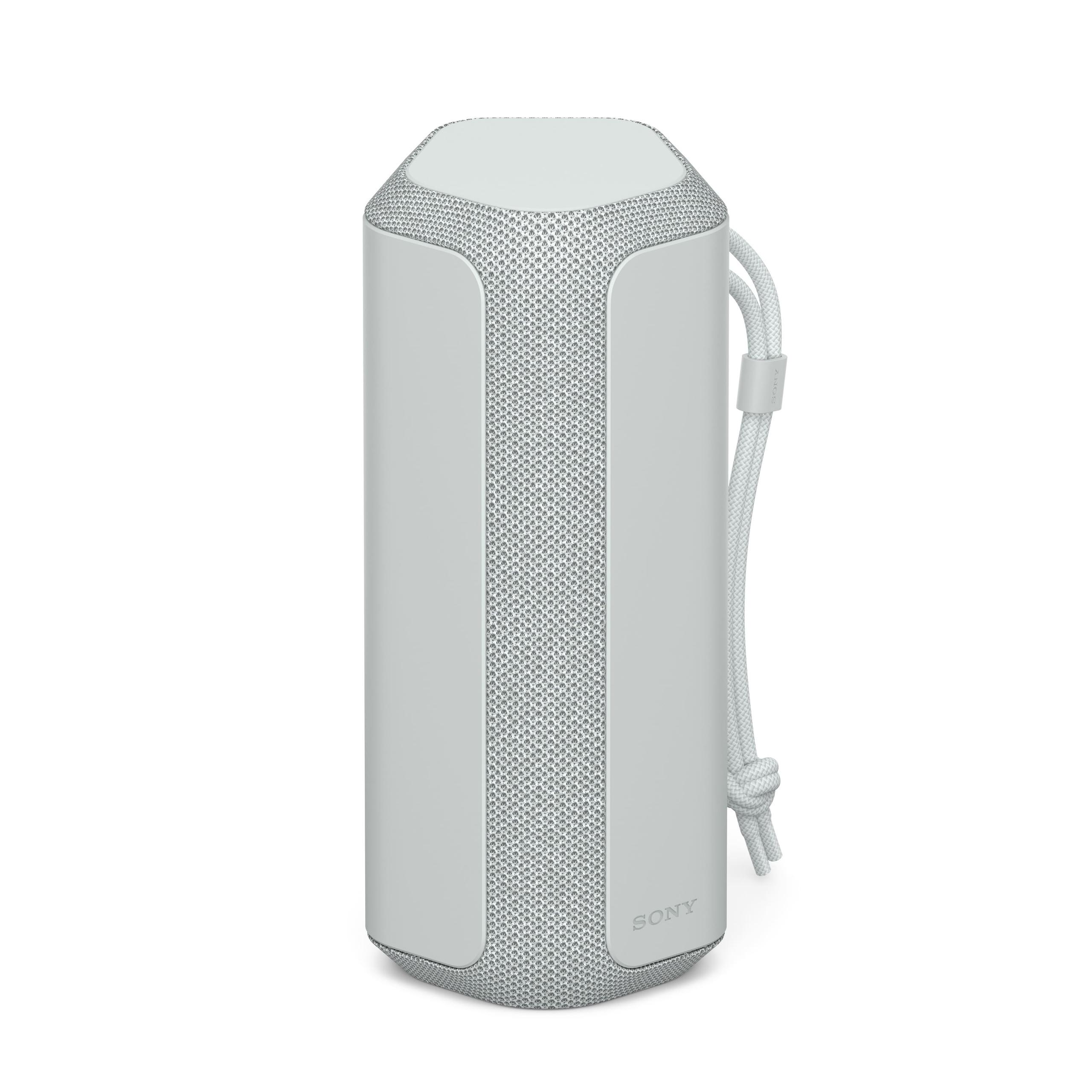
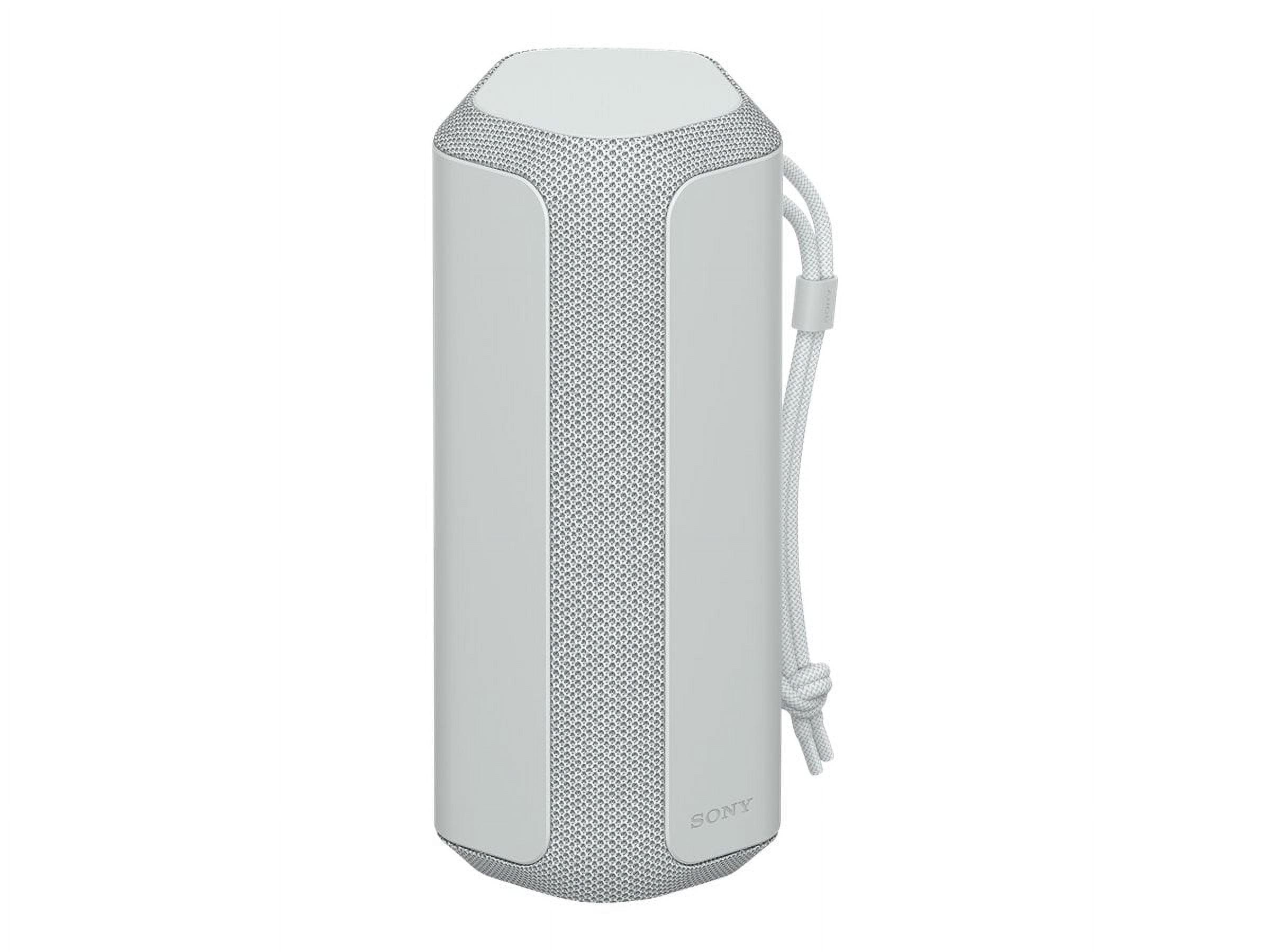
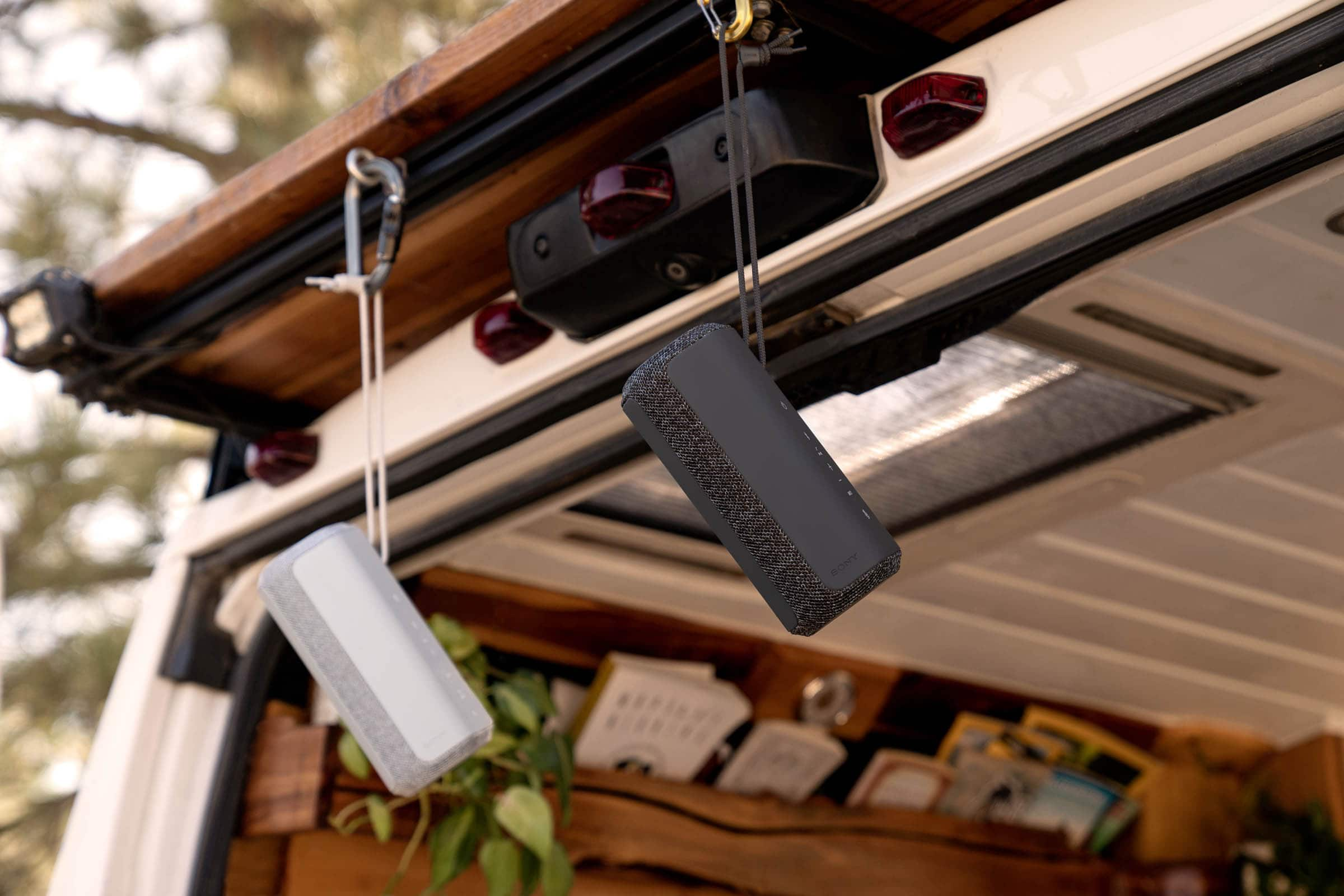
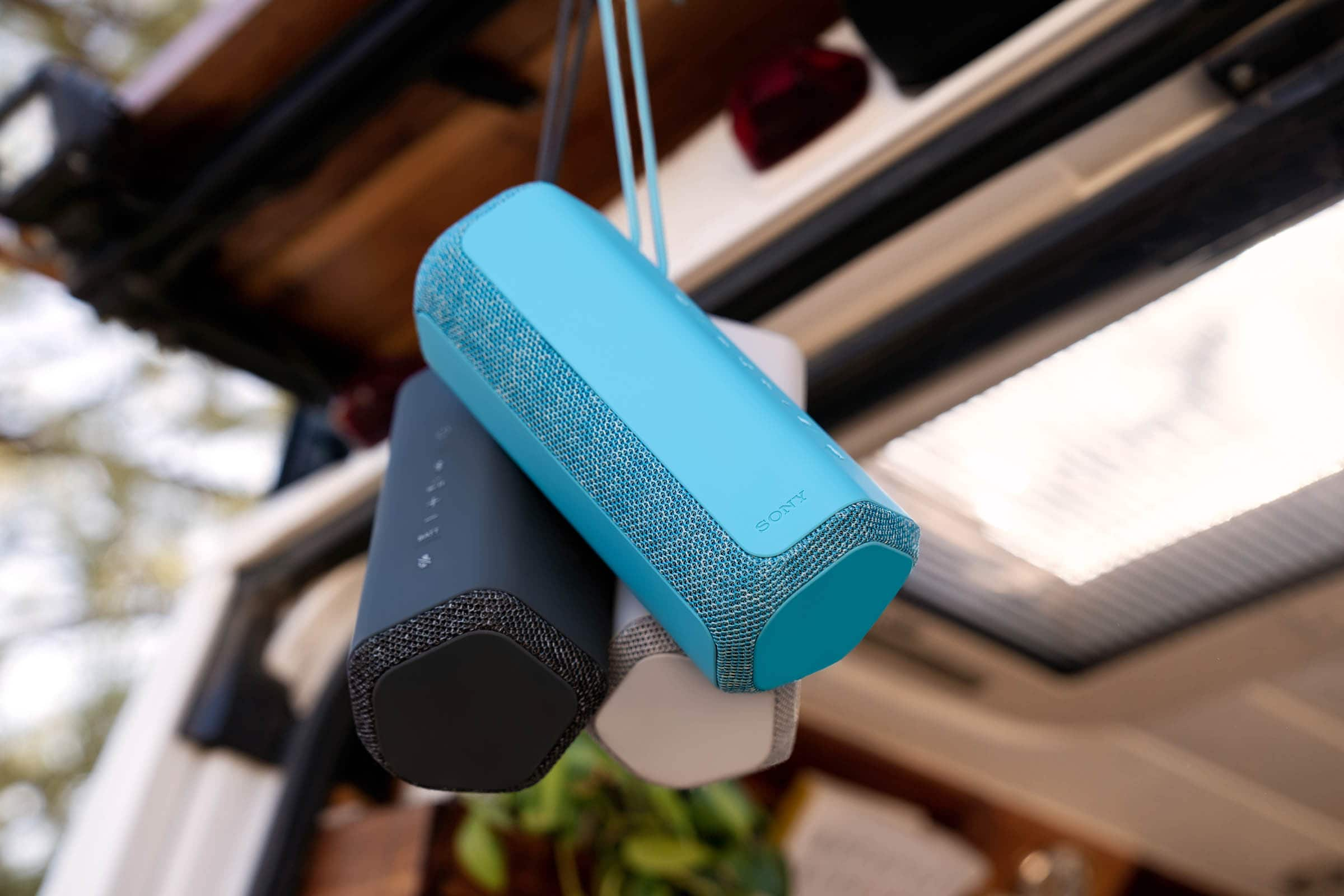
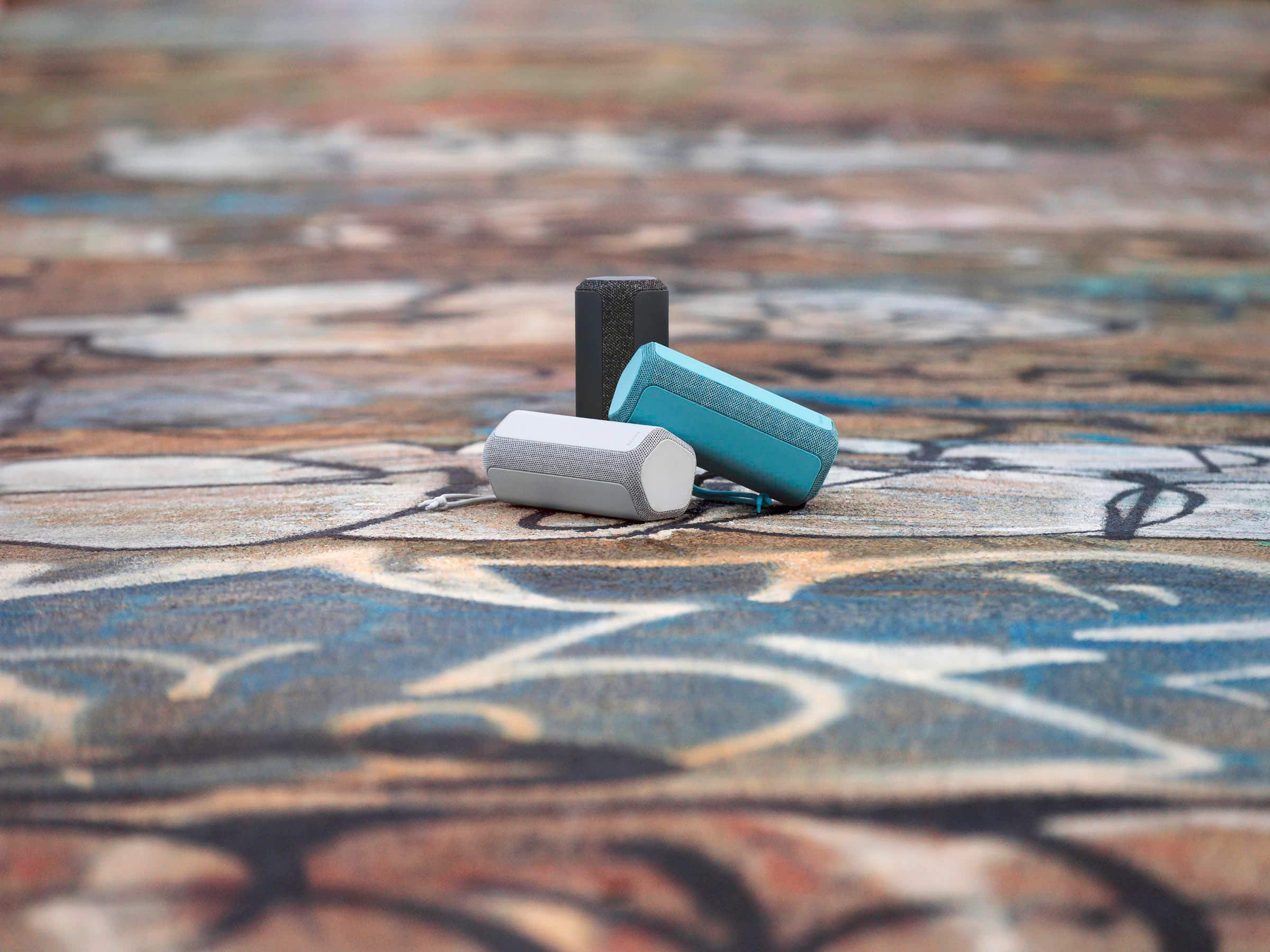
The Sony SRS-XE200 takes a different approach, employing what Sony calls a "Line-Shaped Diffuser" inspired by professional concert audio systems. This technology aims to spread sound more evenly across a wider area, theoretically ensuring everyone in a group gets consistent audio quality regardless of their position relative to the speaker. However, based on user feedback we've analyzed, the implementation results in a somewhat narrow and directional soundstage that doesn't always deliver on this promise.
Sony's default sound profile emphasizes bass response – what audio engineers call a "V-shaped" frequency response where bass and treble are boosted while midrange frequencies remain more neutral. While this can make music sound more exciting initially, it often comes at the expense of accuracy. The bass emphasis can mask important midrange details, and the treble boost sometimes makes higher frequencies sound harsh or artificial.
Where the Sony redeems itself is through its companion app and graphic equalizer functionality. Unlike the Monster, which offers limited sound customization, the Sony Music Center app provides detailed control over different frequency ranges. This means users can counteract the boomy default tuning and create a more balanced sound signature that suits their preferences. The graphic EQ includes presets for different music genres and allows for manual adjustment of multiple frequency bands.
The app also enables Sony's ClearAudio+ feature, which automatically adjusts the sound field based on content type. While this sounds impressive in theory, practical implementation can be hit-or-miss, sometimes making unwanted adjustments that interfere with your music rather than enhancing it.
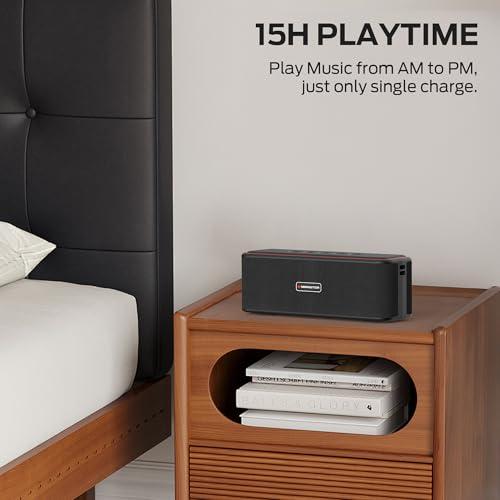
Both speakers deliver impressive battery performance that reflects modern lithium-ion technology improvements. The Monster Shock Plus S21 provides up to 15 hours of continuous playback on a single charge, with a reasonable 2-hour charging time via USB-C. What's particularly noteworthy is that the speaker maintains consistent audio output throughout its battery cycle – you won't notice sound quality degradation as the battery depletes, which was a common issue with earlier portable speakers.
The Sony SRS-XE200 matches this performance with 14.5 to 16 hours of playback, depending on volume levels and sound settings. Sony includes a clever "Stamina Mode" that extends battery life by reducing bass output, which is typically the most power-hungry aspect of audio reproduction. This feature makes sense when you consider that bass frequencies require more electrical energy to reproduce effectively.
Sony's quick charging implementation deserves special mention – 10 minutes of charging provides approximately 70 minutes of playback. This rapid charging capability uses higher amperage charging protocols that can be genuinely useful in real-world situations. Imagine you're packing for a beach trip and realize your speaker is dead; a quick 10-minute charge while you finish getting ready provides enough juice for over an hour of music.
Both speakers use USB-C charging, which has become the standard for modern portable devices. This standardization means you can likely use existing charging cables and power adapters, reducing the number of unique chargers you need to carry when traveling.
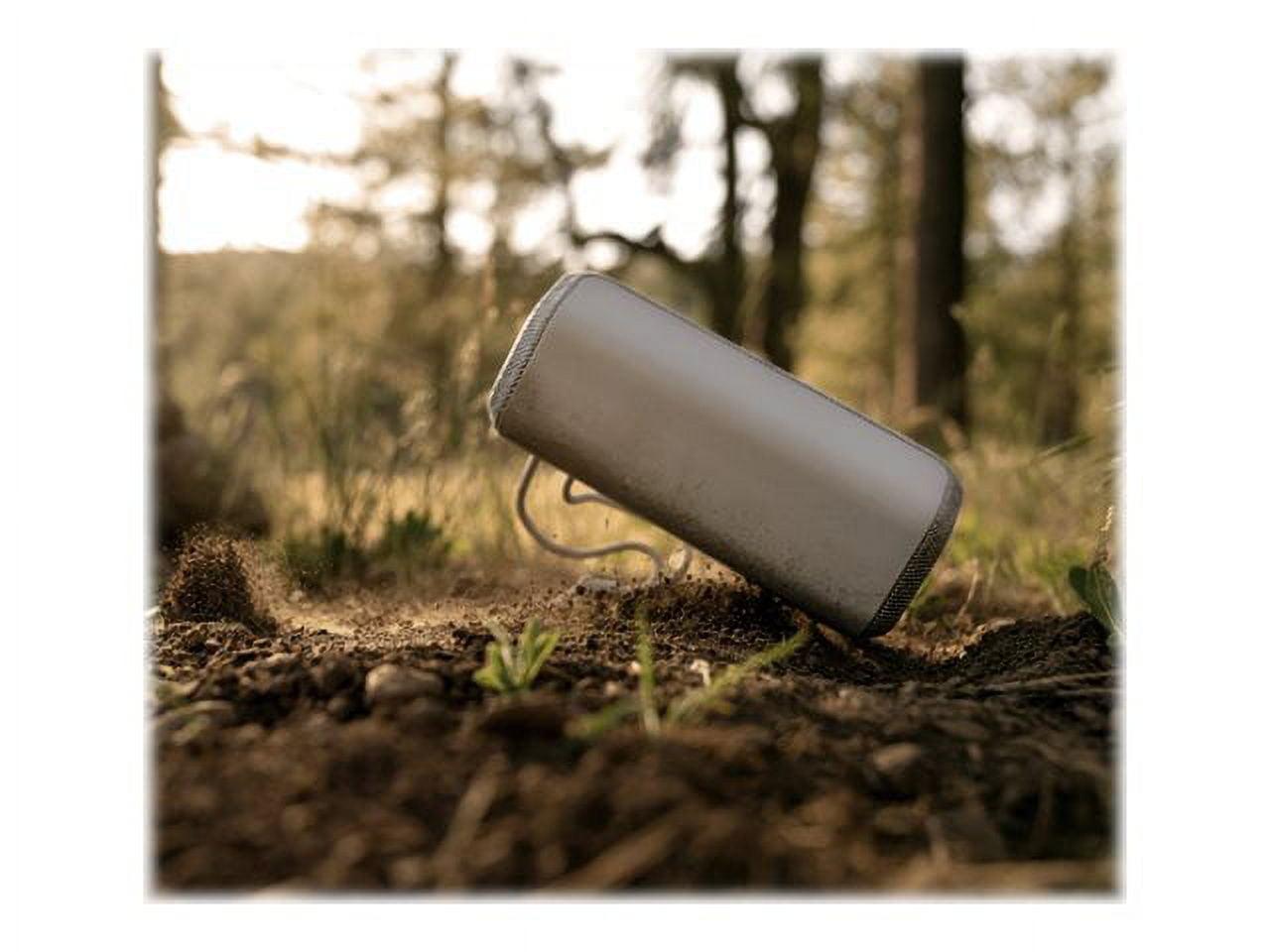
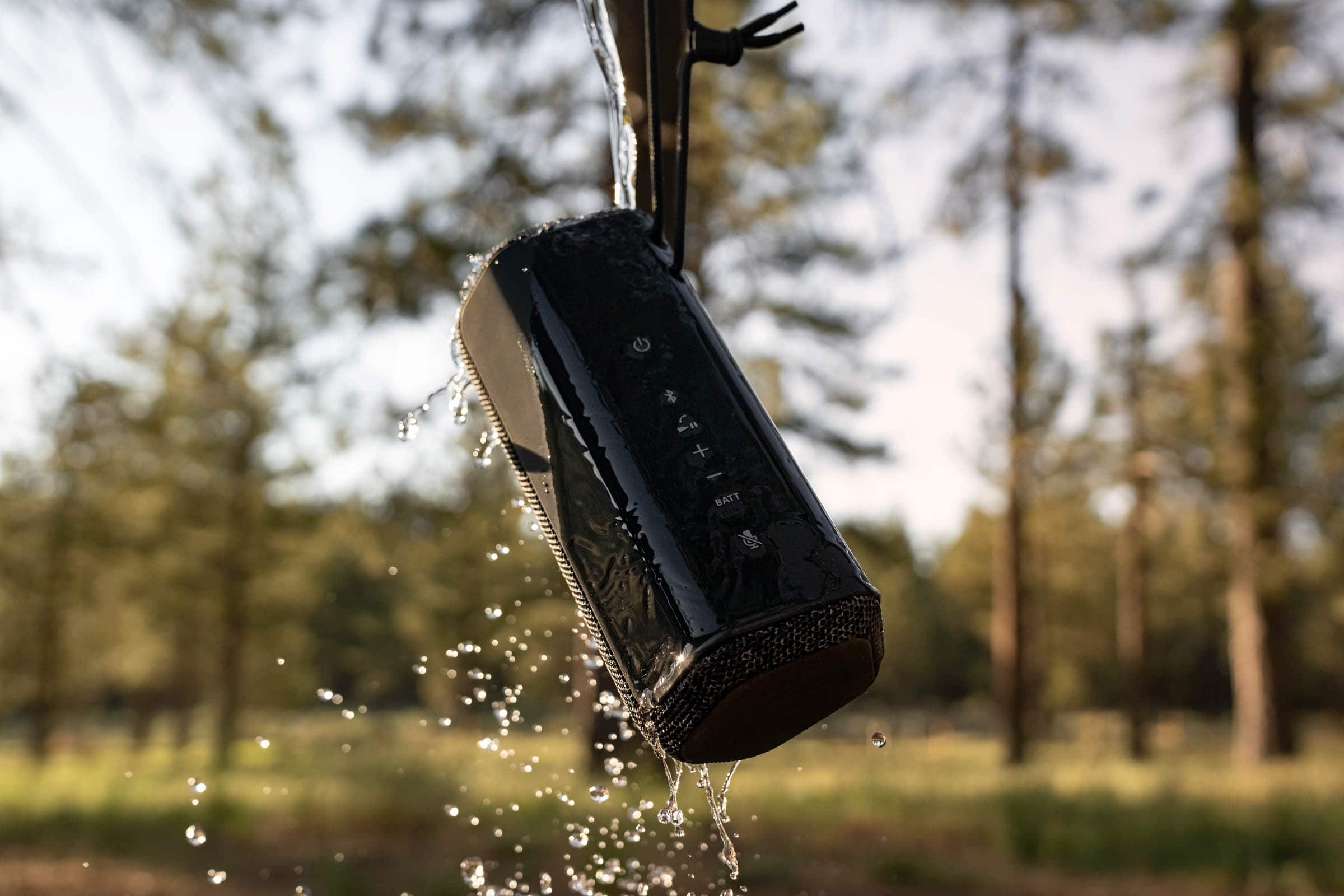
Water resistance ratings have become crucial differentiators in portable speakers, and here we see a clear advantage for the Sony SRS-XE200. Its IP67 rating provides comprehensive protection against both water and dust ingress. The "IP" stands for "Ingress Protection," with the first digit (6) indicating complete dust protection and the second digit (7) meaning the device can withstand water immersion up to one meter for up to 30 minutes.
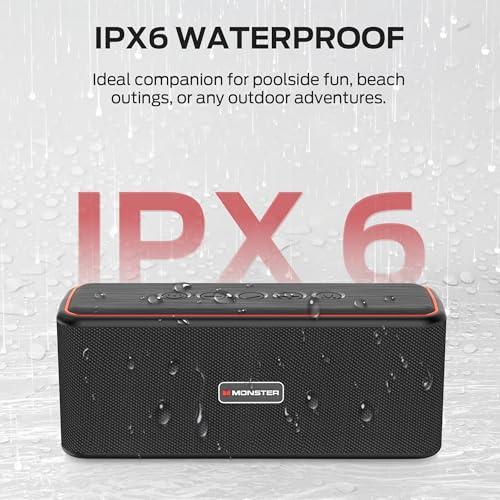
The Monster Shock Plus S21 offers IPX6 protection, which focuses solely on water resistance (the "X" indicates no dust protection rating was tested). IPX6 means the speaker can handle powerful water jets from any direction but isn't designed for submersion. This level of protection handles rain, poolside splashes, and accidental spills but won't survive being dropped in a pool or lake.
For most users, IPX6 protection proves sufficient for typical outdoor activities like barbecues, camping trips, or beach days where you're conscious of keeping electronics away from water. However, if you frequently engage in water sports, boating, or activities where submersion is a real possibility, the Sony's IP67 rating provides valuable peace of mind.
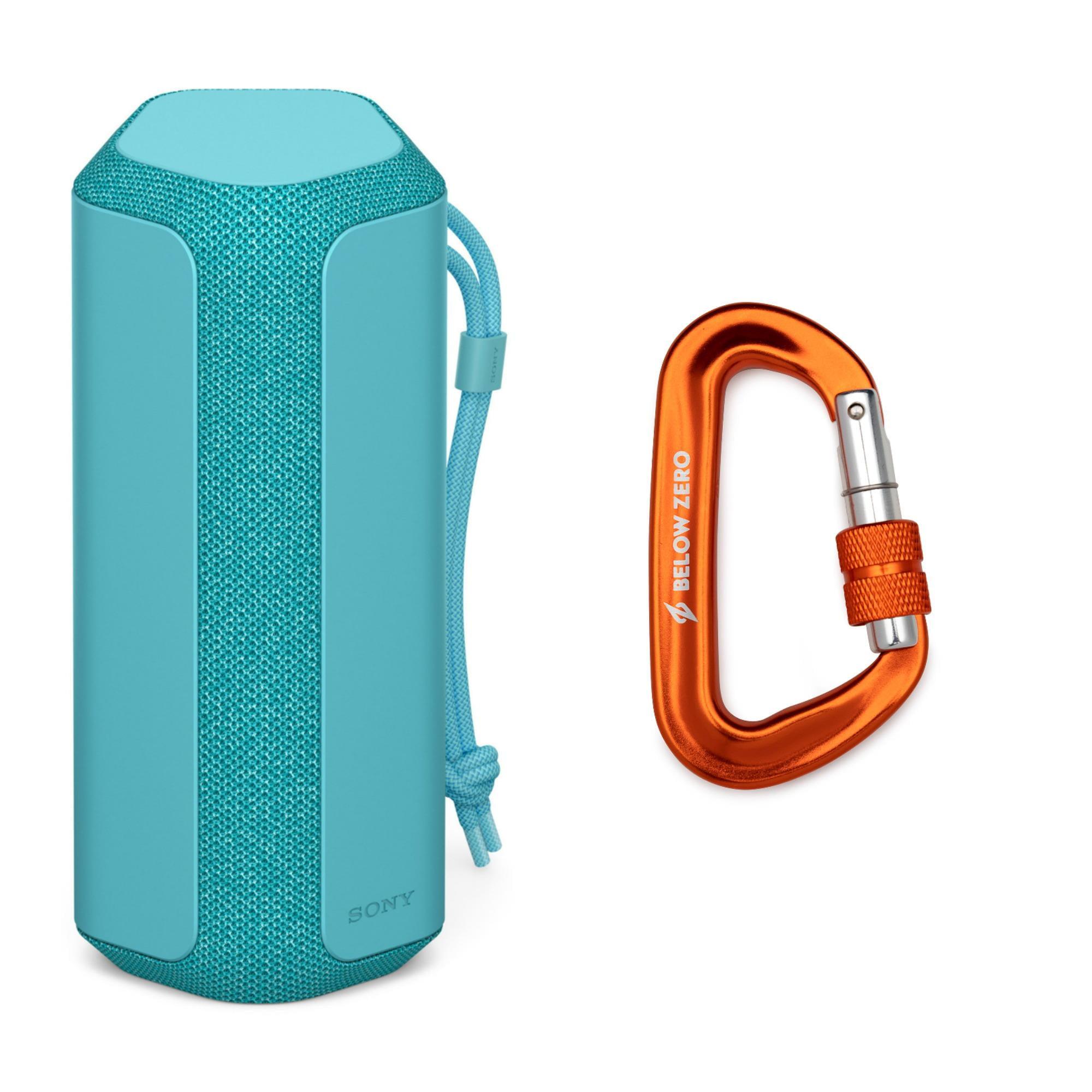
The build quality of both speakers reflects their different design philosophies. The Monster prioritizes a sturdy, straightforward construction that focuses resources on audio performance and power delivery. The Sony integrates its environmental protection into a more sophisticated design that includes features like a removable carrying strap and thoughtfully positioned controls that remain functional even when wet.
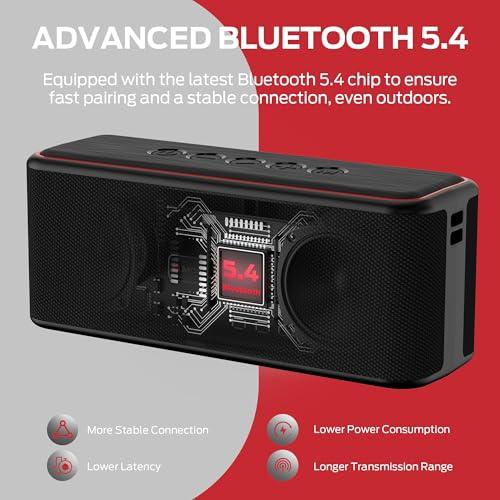
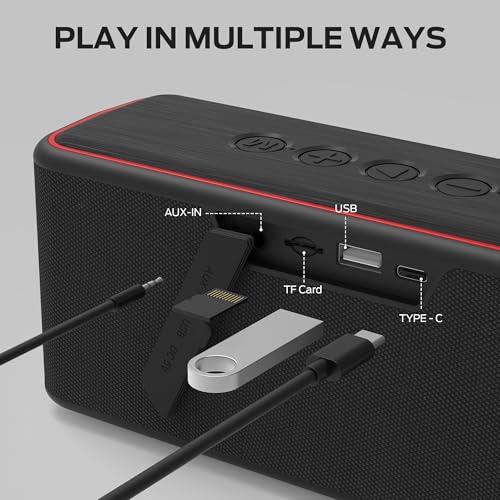
Modern portable speakers serve as more than just music players – they're communication hubs that need to integrate seamlessly with our increasingly connected lifestyles. The Monster Shock Plus S21 excels in connectivity versatility, offering Bluetooth 5.4 alongside traditional inputs including 3.5mm auxiliary, TF card slot, and USB port. This flexibility becomes particularly valuable when dealing with older devices that lack Bluetooth capability or when you want to play music directly from a memory card without draining your phone's battery.
Bluetooth 5.4 represents the latest iteration of wireless audio technology, providing improved connection stability, faster pairing, and better power efficiency compared to earlier versions. The 33-foot range typically handles most indoor and outdoor scenarios, though physical obstacles like walls or furniture can reduce effective range.
The Sony SRS-XE200's Bluetooth 5.2 implementation focuses more on smart connectivity features than raw versatility. Its multipoint technology allows simultaneous connection to two devices – incredibly useful when you want to seamlessly switch between playing music from your phone and taking calls from your laptop without manual re-pairing. The 30-meter (roughly 98-foot) range specification suggests better open-air performance than the Monster, though real-world range depends heavily on environmental factors.
Voice assistant integration represents another area where these speakers diverge significantly. The Sony provides excellent voice assistant support with dedicated microphone optimization that maintains recognition accuracy even in noisy environments. The built-in microphone mute button adds privacy control that's increasingly important as smart speakers become more prevalent in our homes.
The Monster offers basic hands-free calling capability but doesn't prioritize advanced voice assistant features. This simpler approach appeals to users who prefer straightforward operation without app dependencies or complex setup procedures.
The Sony Music Center app transforms the SRS-XE200 into a highly customizable audio device. Beyond the graphic equalizer mentioned earlier, the app enables Party Connect functionality for linking up to 100 compatible Sony speakers – though few users will ever approach this limit, it demonstrates the system's scalability for large events or permanent installations.
The app also provides battery monitoring, automatic standby configuration, and sound field adjustments that can optimize performance for different environments. However, this sophistication comes with complexity that some users find overwhelming, particularly those who simply want to pair a speaker and play music.
The Monster Shock Plus S21 takes the opposite approach with minimal app requirements and intuitive physical controls. The True Wireless Stereo pairing process uses dedicated buttons rather than app-based setup, making it accessible to users regardless of their smartphone preferences or technical comfort level.
While both speakers are designed primarily for portable use, they can serve as audio upgrades for indoor entertainment setups. The Monster's higher power output and stereo capabilities make it more suitable for enhancing TV audio, particularly in larger rooms where built-in TV speakers struggle to provide adequate volume and clarity.
The TWS functionality opens up interesting home theater possibilities. Two Monster speakers can create a proper stereo setup for your TV, with left and right channel separation that provides more immersive audio for movies and shows. This setup works particularly well for rooms where running speaker wire isn't practical or desirable.
The Sony's more modest volume output limits its effectiveness as a TV speaker replacement in larger rooms, but its superior voice assistant integration makes it valuable as a smart home hub. You can use voice commands to control music playback while simultaneously managing other smart home devices, creating a more integrated entertainment experience.
At the time of writing, both speakers compete in the premium portable segment where features and build quality command higher prices than basic Bluetooth speakers. The Monster Shock Plus S21 typically offers better value for users prioritizing pure audio performance, delivering more power and versatility at competitive pricing.
The Sony SRS-XE200 commands a premium for its brand reputation, superior environmental protection, and sophisticated app integration. Sony's established ecosystem and customer support infrastructure justify higher pricing for users who value these attributes over raw audio performance.
Choose the Monster Shock Plus S21 if you prioritize maximum audio impact and straightforward operation. This speaker excels for outdoor gatherings, parties, and situations where volume and clarity matter more than advanced features. The TWS pairing capability and versatile connectivity options provide excellent value for users who want flexibility without complexity.
The Sony SRS-XE200 better serves users who value customization, environmental durability, and smart features over peak performance. Its superior water resistance and app-based controls appeal to tech-savvy users who enjoy fine-tuning their audio experience and need reliable protection in harsh conditions.
For home theater enhancement, the Monster's higher power output and stereo capabilities provide better value. For integrated smart home functionality and premium build quality, the Sony justifies its higher price point.
Both speakers represent solid choices within their respective approaches to portable audio, but understanding these fundamental differences ensures you'll select the speaker that best matches your priorities and usage patterns.
| Monster Shock Plus S21 | Sony SRS-XE200 |
|---|---|
| Power Output - Determines maximum volume and room filling capability | |
| 30W stereo (60W with TWS pairing) | Not specified, but significantly lower based on performance |
| Water/Dust Protection - Critical for outdoor durability | |
| IPX6 (splash-proof, not submersible) | IP67 (fully waterproof and dustproof) |
| Battery Life - How long you can play without charging | |
| Up to 15 hours | 14.5-16 hours with Stamina Mode extension |
| Charging Speed - How quickly you get back to full power | |
| 2 hours for full charge via USB-C | 10 minutes = 70 minutes playback (quick charge) |
| Bluetooth Version - Affects connection stability and range | |
| Bluetooth 5.4 (33 ft range) | Bluetooth 5.2 (98 ft range) |
| Sound Customization - Control over audio tuning | |
| Basic controls, no app required | Graphic EQ and sound modes via Sony Music Center app |
| Connectivity Options - Flexibility beyond Bluetooth | |
| Bluetooth, AUX, TF card, USB inputs | Primarily Bluetooth with multipoint pairing |
| Multi-Speaker Capability - Expanding your sound system | |
| TWS pairing (2 speakers for 60W stereo) | Party Connect (up to 100 speakers) |
| Voice Assistant Integration - Smart home functionality | |
| Basic hands-free calling | Excellent voice recognition with mute button |
| Weight and Portability - How easy it is to carry around | |
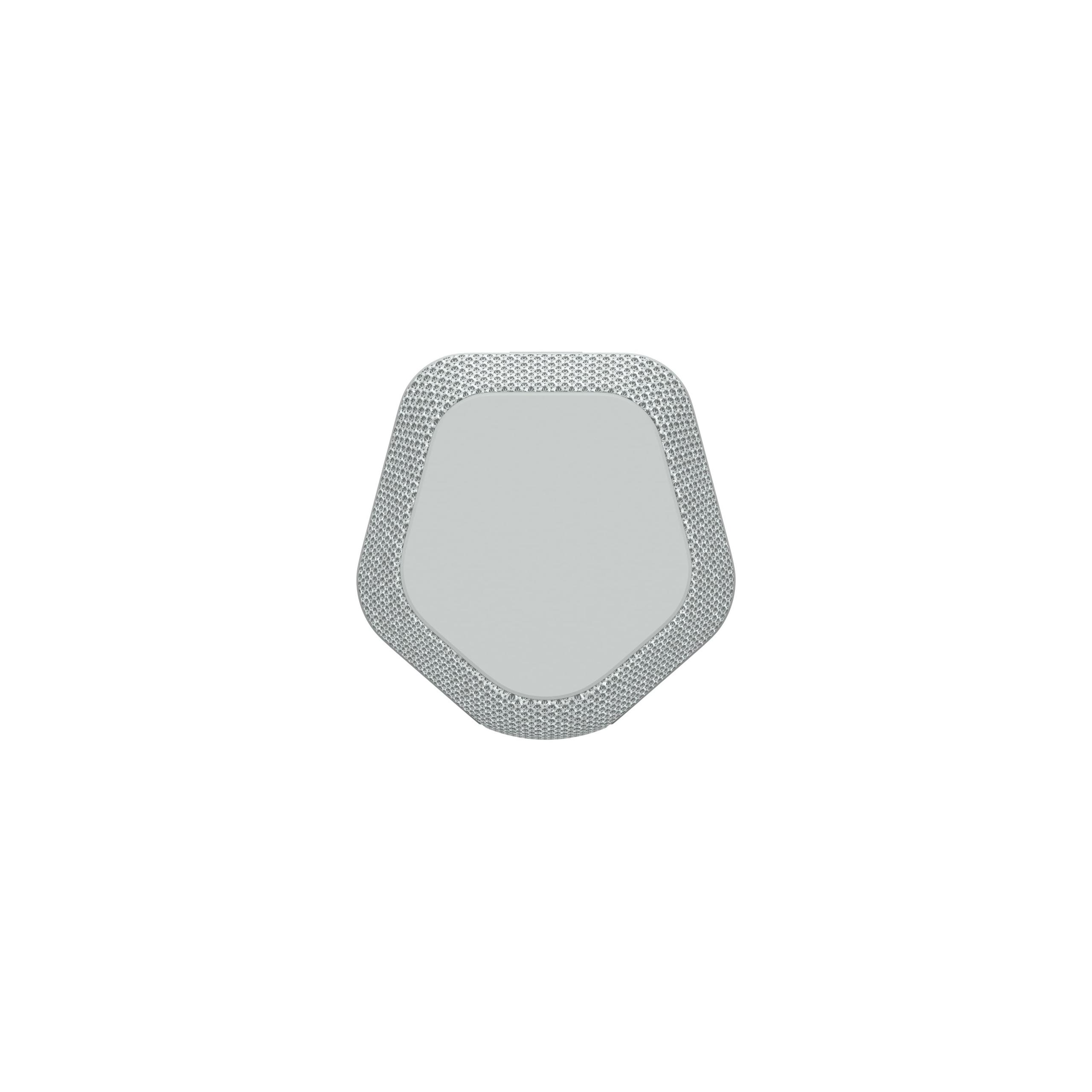
| ~2 pounds, rectangular design | ~2.2 pounds, pentagonal with carrying strap |
| Volume Performance at Maximum - Audio quality when pushed hard | |
| Maintains clarity with minimal distortion | Experiences compression and quality degradation |
| Best Use Cases - Where each speaker excels | |
| Outdoor parties, home theater enhancement, simple operation | Harsh environments, app-based customization, smart home integration |
The Monster Shock Plus S21 is significantly louder with 30W of power output, making it ideal for parties and outdoor gatherings. The Sony XE200 produces moderate volume levels suitable for small to medium rooms but struggles with compression at maximum volume, limiting its effectiveness in larger spaces.
The Sony XE200 offers superior protection with an IP67 rating, making it fully waterproof, dustproof, and shockproof - perfect for pool parties or beach trips. The Monster Shock Plus S21 has IPX6 water resistance, which handles splashes and rain but isn't designed for water submersion.
Yes, but they use different approaches. The Monster Shock Plus S21 supports True Wireless Stereo (TWS) pairing, allowing you to connect two speakers for 60W synchronized stereo sound. The Sony XE200 offers Party Connect for linking up to 100 speakers, though it's designed more for multi-room coverage than true stereo pairing.
Both speakers offer excellent battery performance. The Monster Shock Plus S21 provides up to 15 hours of playback, while the Sony XE200 delivers 14.5-16 hours with an additional Stamina Mode that extends battery life by reducing bass output when needed.
The Sony XE200 excels in sound customization with a graphic equalizer and multiple sound modes accessible through the Sony Music Center app. The Monster Shock Plus S21 offers a more straightforward approach with minimal app requirements but limited sound adjustment options.
The Monster Shock Plus S21 offers more connectivity versatility with AUX input, TF card slot, and USB port alongside Bluetooth. The Sony XE200 focuses primarily on Bluetooth connectivity with limited wired connection options.
The Monster Shock Plus S21 is better suited for home theater applications due to its higher 30W power output and TWS capability for creating true stereo separation. You can place two Monster speakers on either side of your TV for enhanced dialogue clarity and more immersive sound effects.
The Sony XE200 provides superior voice assistant integration with excellent recognition accuracy even in noisy environments and includes a dedicated microphone mute button. The Monster Shock Plus S21 offers basic hands-free calling but doesn't prioritize advanced voice assistant features.
The Sony XE200 features impressive quick charging with 10 minutes providing 70 minutes of playback time. The Monster Shock Plus S21 takes approximately 2 hours for a full charge via USB-C, which is standard but not as fast as Sony's rapid charging implementation.
While both are built for outdoor use, the Sony XE200 offers superior environmental protection with its IP67 rating for harsh conditions and water immersion. The Monster Shock Plus S21 provides solid IPX6 splash protection that handles most outdoor scenarios but isn't submersible.
The Monster Shock Plus S21 typically offers better value for users prioritizing audio performance, delivering significantly more power and versatility. The Sony XE200 commands a premium for its superior environmental protection, app integration, and brand reputation - justified for users who value these features over raw power.
For large outdoor gatherings, the Monster Shock Plus S21 is the clear winner with its 30W output that maintains clarity even at maximum volume. The ability to pair two Monster speakers for 60W total output makes it ideal for parties where you need sound to carry across larger areas, while the Sony XE200 is better suited for smaller, more intimate gatherings.
We've done our best to create useful and informative comparisons to help you decide what product to buy. Our research uses advanced automated methods to create this comparison and perfection is not possible - please contact us for corrections or questions. These are the sites we've researched in the creation of this article: shopabunda.com - manuals.plus - popsci.com - armorsound.com - manuals.plus - youtube.com - shopstaff.net - thestreet.com - rtings.com - youtube.com - businessinsider.com - youtube.com - youtube.com - mensjournal.com - ratebud.ai - youtube.com - ebay.com - monsterstore.com - newegg.com - angelenaspensacola.com - sony.com - gymcaddy.net - sony.co.uk - bestbuy.com - sony.com - bhphotovideo.com - youtube.com - sony.com - helpguide.sony.net - soundguys.com - sony.com - sonylatvija.com

Privacy Policy
Terms and Conditions - Affiliate Policy
Home Security
© Copyright 2008-2026.
11816 Inwood Rd #1211, Dallas, TX 75244