




When I first started reviewing headphones seriously, I quickly learned that the wireless headphone market can be overwhelming. You've got dozens of brands, different designs, and a massive range of features that can make your head spin. Today, I want to help you navigate two very different approaches to wireless audio: the Beats Solo3 Wireless and the Shure Aonic 50 Gen 2.
These headphones couldn't be more different in their philosophy, yet they both excel in their own ways. Understanding which one fits your needs requires diving deep into what makes each tick, and more importantly, what that means for your daily listening experience.
Before we dive into specifics, let's talk about what really matters when choosing wireless headphones. Sound quality obviously tops the list, but it's more nuanced than just "good" or "bad." You need to consider frequency response (how well the headphones reproduce different pitches), soundstage (how spacious the music feels), and dynamic range (the difference between the quietest and loudest sounds).
Comfort becomes crucial if you're planning longer listening sessions. Battery life has become a major selling point, especially as we use headphones throughout our workday. Connectivity features like Bluetooth codecs (compression algorithms that determine audio quality over wireless connections) can make or break your experience with high-quality streaming services.
Then there's the practical stuff: portability, noise cancellation, and whether the headphones play nicely with your specific devices. The Beats Solo3 and Shure Aonic 50 Gen 2 take remarkably different approaches to solving these challenges.
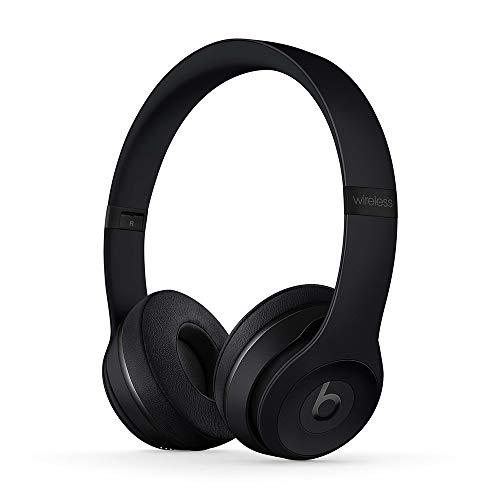
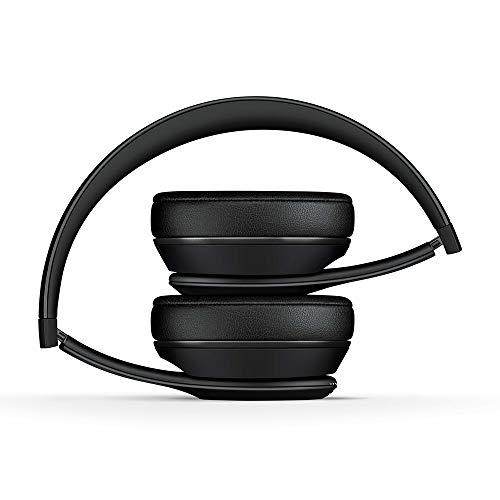
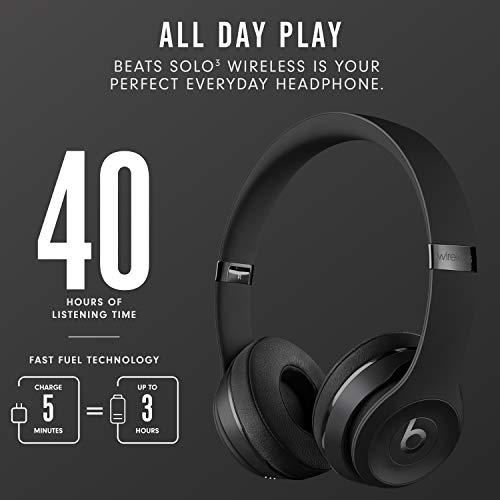
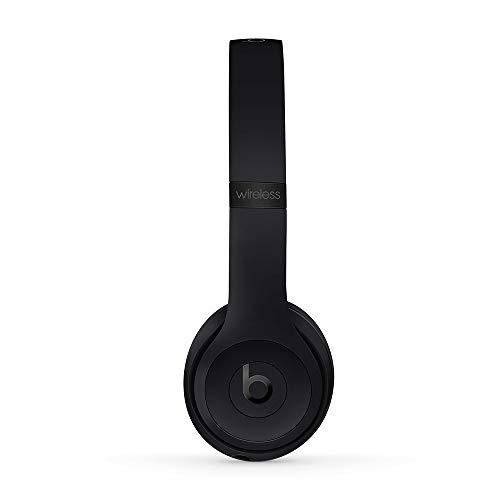
The Beats Solo3 launched in 2016 as part of Apple's push into wireless audio following their acquisition of Beats. These on-ear headphones embody the "lifestyle first" philosophy that Beats built its reputation on. The design prioritizes portability with a foldable mechanism that makes them genuinely pocket-friendly. At 215 grams, they're light enough that you'll forget you're carrying them.
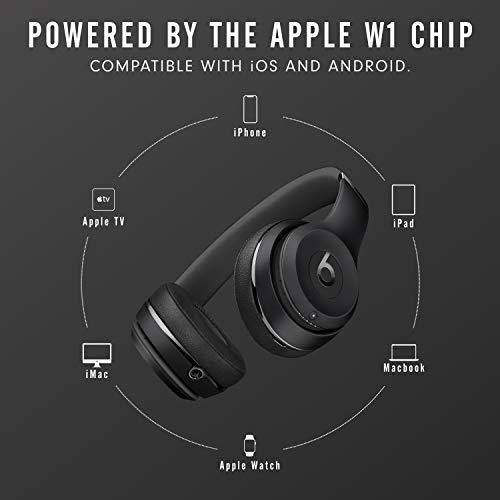
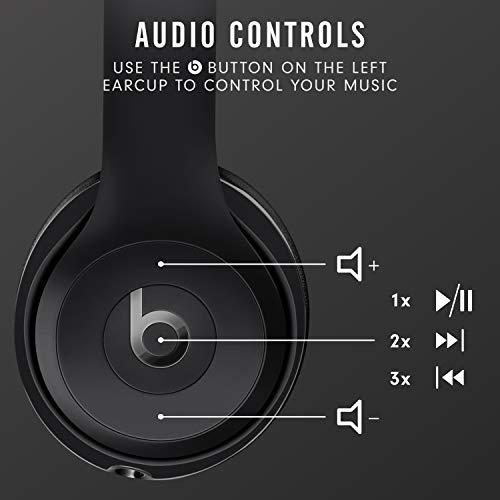
The on-ear design means the ear cups sit on your ears rather than around them. This creates a more intimate listening experience but comes with trade-offs we'll discuss later. What impressed me most about the Solo3 is how the Apple W1 chip integration makes pairing almost magical – especially if you're in the Apple ecosystem. The chip enables Class 1 Bluetooth, which provides better range and stability than the basic Bluetooth most headphones use.
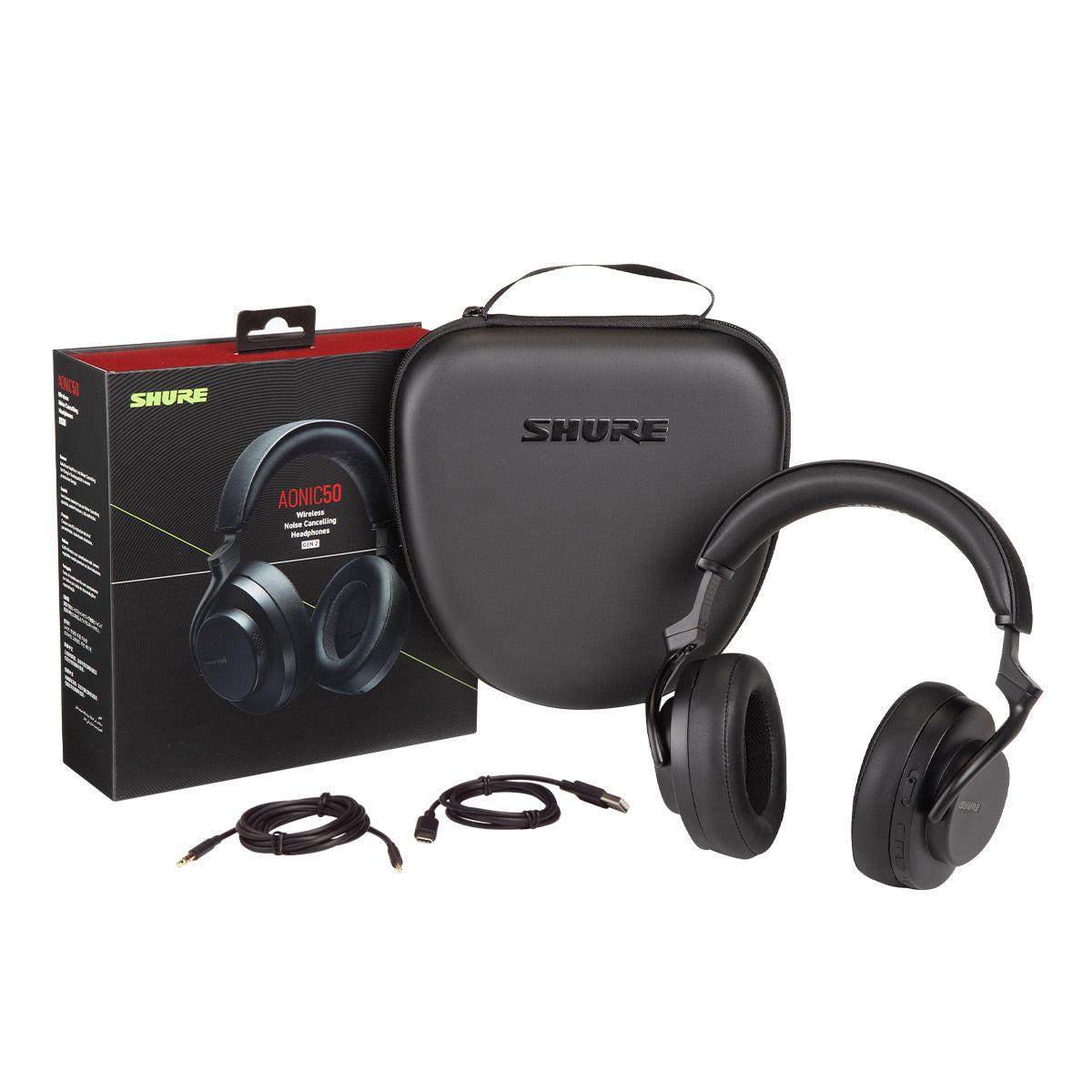
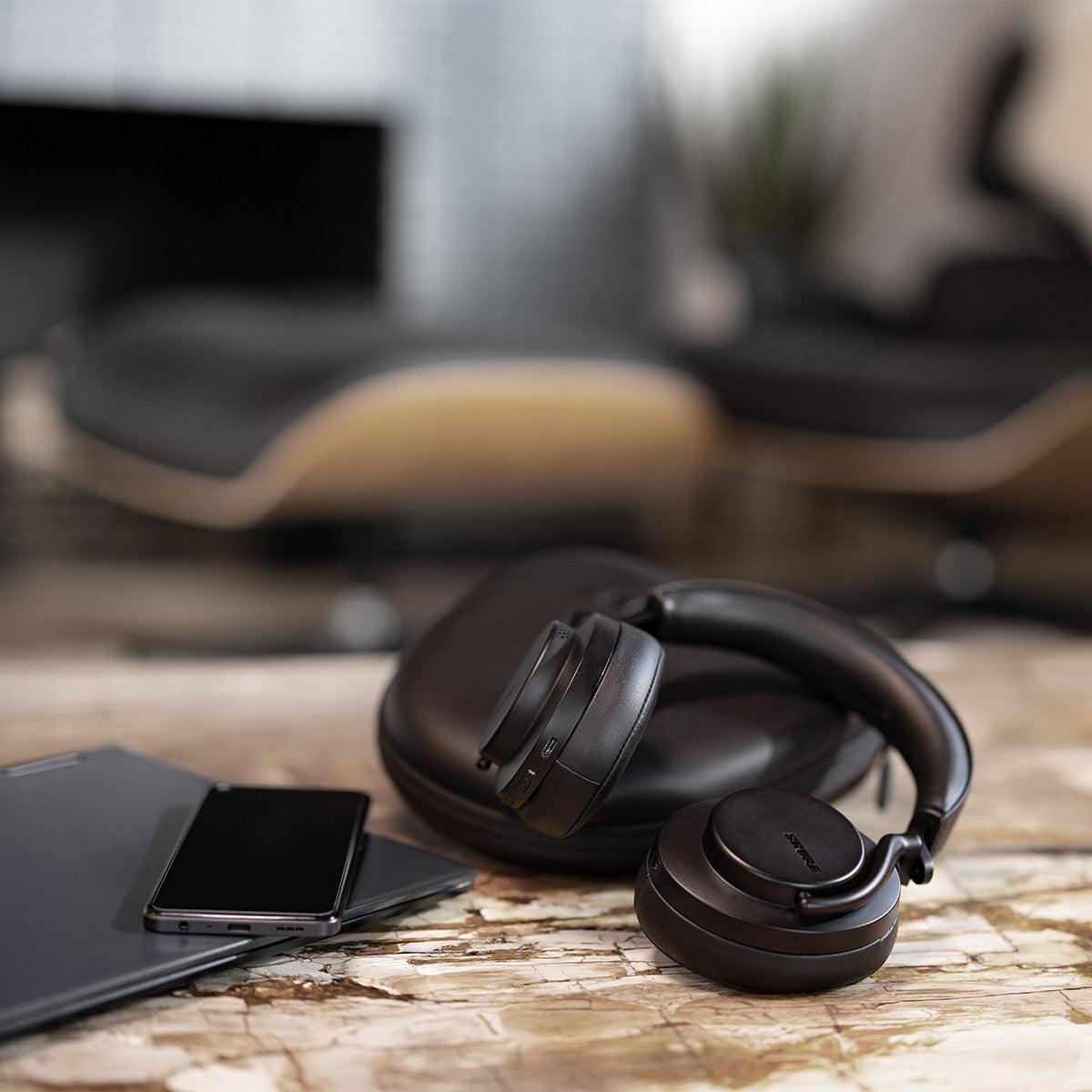
The Shure Aonic 50 Gen 2, released in 2022, comes from a completely different world. Shure has spent decades making microphones and in-ear monitors for professional musicians and audio engineers. When they decided to make consumer headphones, they brought that studio mindset with them.
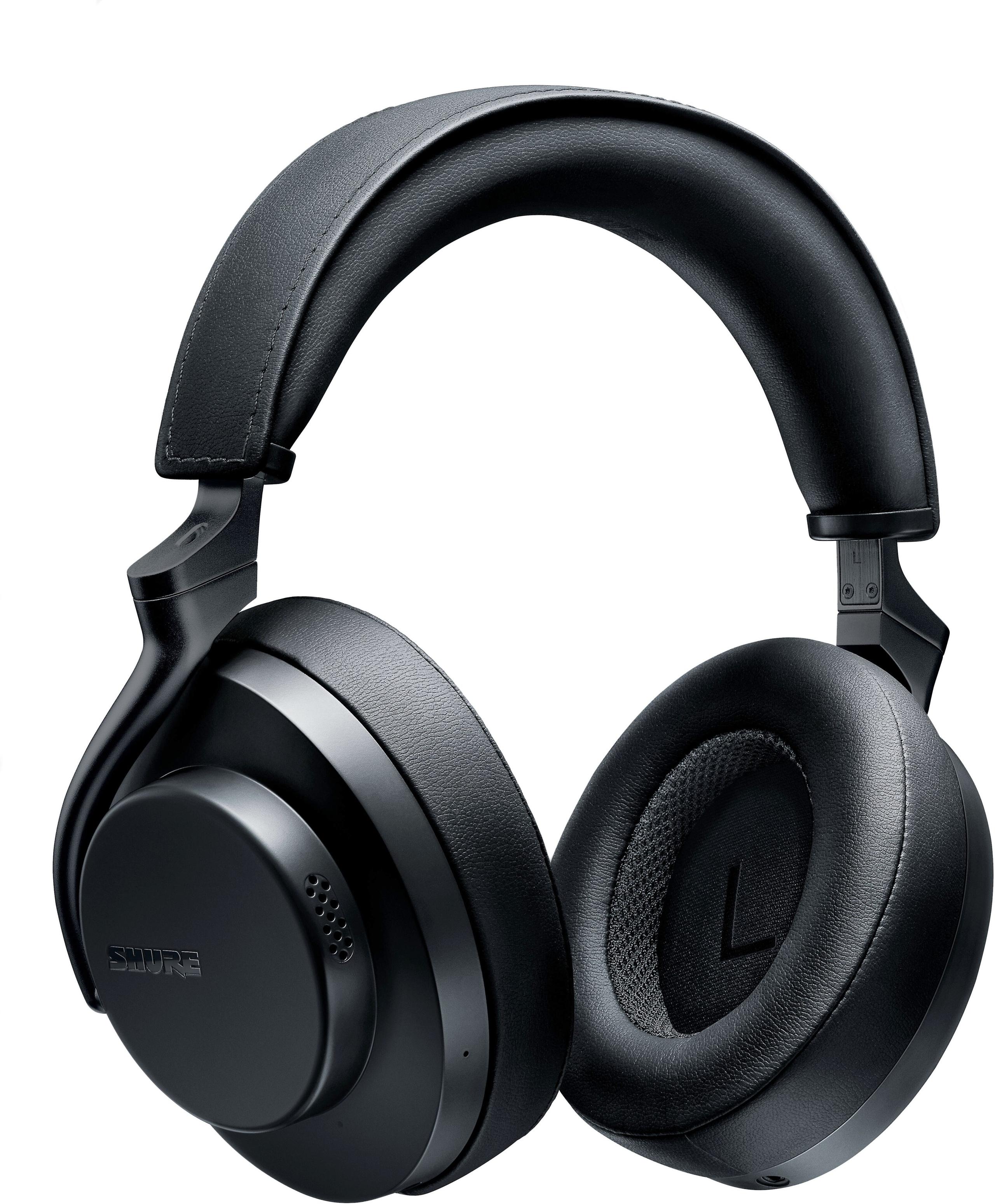
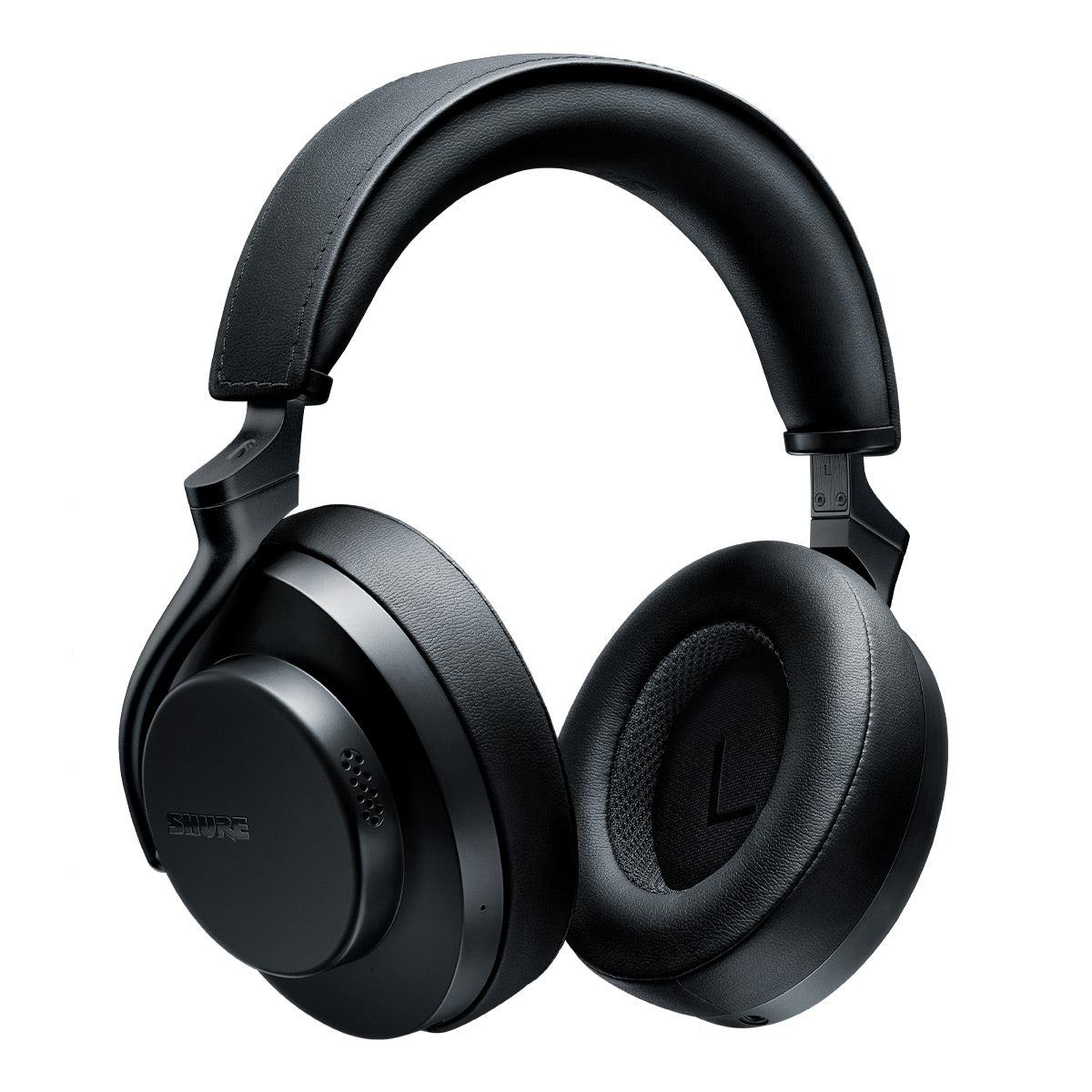
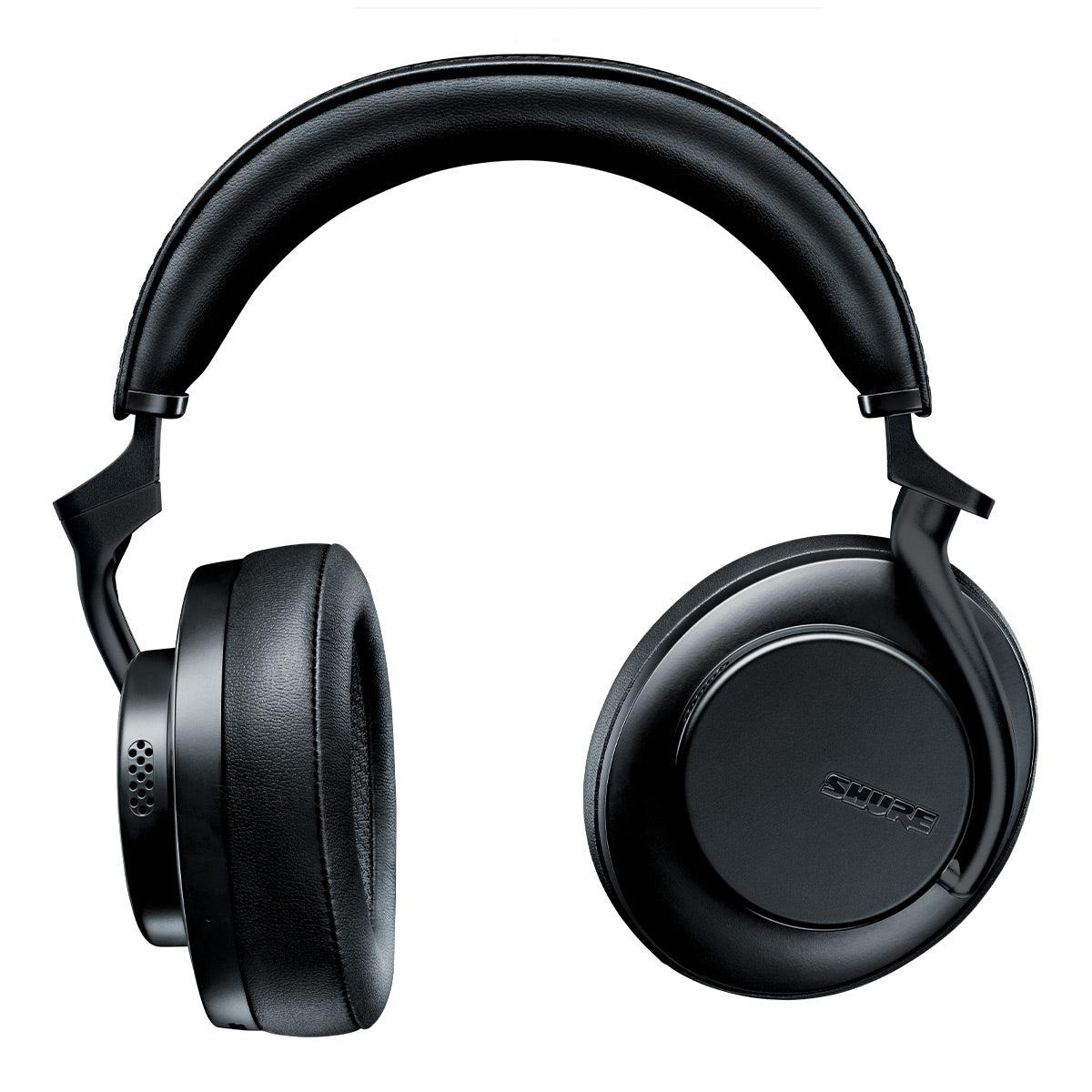
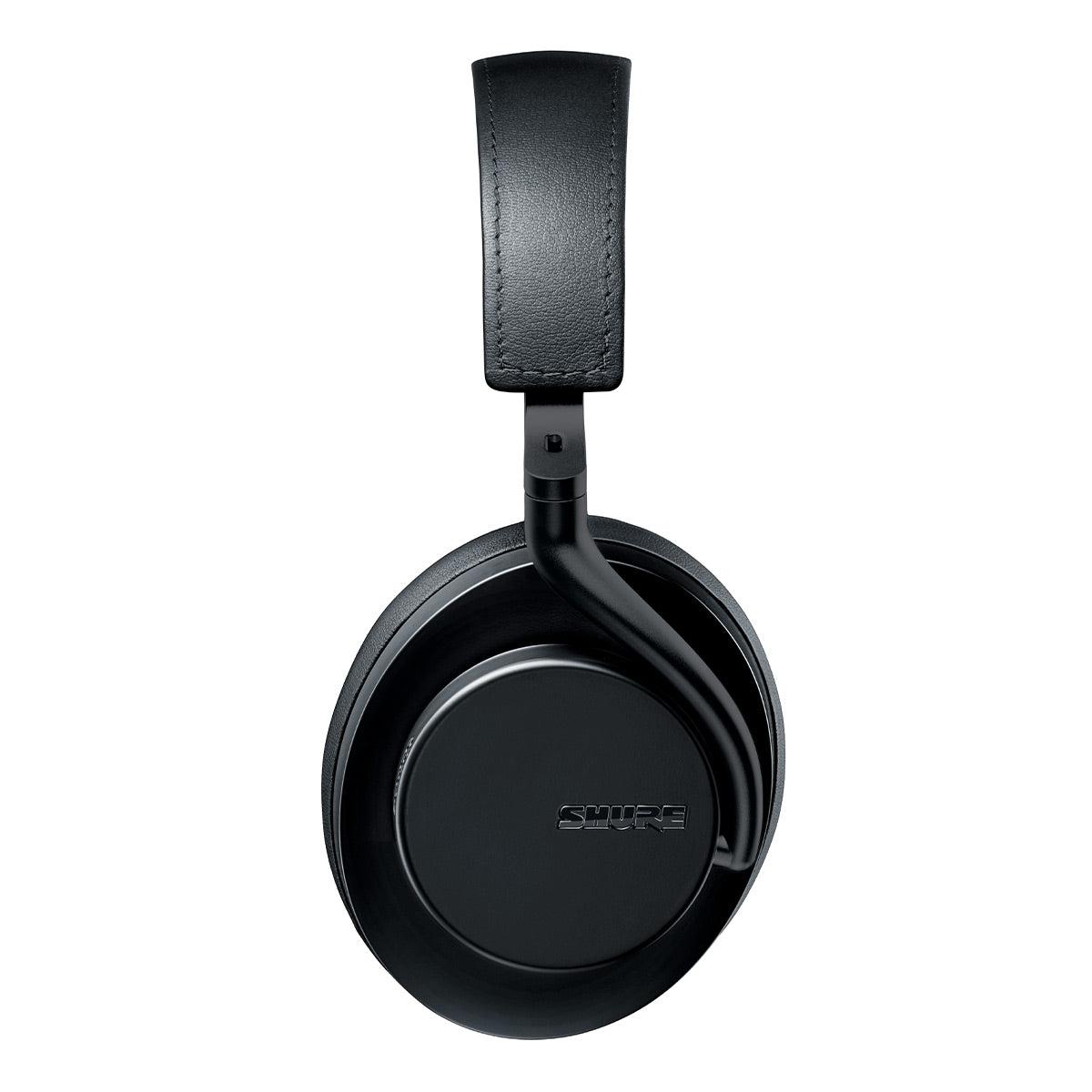
These are over-ear headphones, meaning the ear cups completely surround your ears. At 337 grams, they're significantly heavier than the Beats, but that weight comes with substantial benefits. The over-ear design creates better isolation from outside noise and typically provides more comfortable long-term wear since there's no pressure directly on your ears.
The Aonic 50 Gen 2 includes hybrid active noise cancellation (ANC) – a system that uses both internal and external microphones to detect and cancel unwanted noise. While the ANC isn't class-leading like Sony or Bose models, it's adjustable across four different modes, giving you control over how much outside world you want to let in.
This is where things get really interesting. The Beats Solo3 and Shure Aonic 50 Gen 2 have fundamentally different ideas about what headphones should sound like.
The Solo3 delivers what I call "enhanced reality" sound. It's tuned to make popular music – hip-hop, electronic, pop – sound exciting and engaging. The bass response is elevated and punchy, which makes kick drums hit harder and bass lines feel more prominent. The midrange is slightly forward, which brings vocals to the front of the mix and makes them feel more present.
However, the treble is rolled off, meaning high frequencies are deliberately reduced. This makes the headphones less fatiguing during long sessions but also means you lose some detail in cymbals, acoustic guitar strings, and vocal sibilance (those "s" and "t" sounds). The soundstage – how wide and spacious music feels – is limited, which is typical for on-ear, closed-back designs.
What the Beats does well is make music feel energetic and fun. When I'm listening to something like Kendrick Lamar or electronic music, the enhanced bass response makes everything feel more impactful. But when I switch to acoustic jazz or classical music, the limitations become apparent.
The Aonic 50 Gen 2 takes the opposite approach. It's tuned to be as accurate as possible, which means it tries to reproduce music exactly as the artist and engineer intended. The frequency response is much more neutral across the spectrum, with controlled bass that doesn't overwhelm other frequencies, clear and present midrange, and extended treble that preserves detail.
The soundstage is notably wider than the Beats, and the imaging – how precisely you can locate instruments in space – is exceptional. This makes the Shure headphones excellent for critical listening, where you want to hear every subtle detail in a recording.
But here's the key difference: the Aonic 50 Gen 2 includes a parametric EQ in its companion app. This isn't just bass and treble sliders – it's a professional-grade tool that lets you adjust specific frequency ranges with precision. If you want more bass for hip-hop or less treble to reduce harshness, you can dial it in exactly.
The headphones also feature something called Spatialized Audio, which uses digital processing to create a wider, more immersive soundstage. It offers three modes: Music (simulates listening in an acoustically treated room), Cinema (recreates movie theater sub-bass), and Podcast (focuses on vocal clarity). I find the Music mode particularly effective for making headphone listening feel more like listening to speakers in a good room.
This is where the fundamental design difference between on-ear and over-ear really matters. The Beats Solo3 sits directly on your ears, which creates an intimate listening experience but can become uncomfortable during extended sessions. I've found that after about an hour, the clamping pressure starts to cause fatigue, especially if you wear glasses.
However, the trade-off is incredible portability. The Solo3 folds flat and fits easily in a small bag or even a large jacket pocket. If you're commuting, traveling, or just want headphones that don't dominate your carry-on, this design makes sense.
The Shure Aonic 50 Gen 2 takes the opposite approach. The over-ear design with plush padding distributes weight around your ears rather than on them, making long listening sessions much more comfortable. I regularly wear these for 3-4 hours without discomfort, something that would be challenging with the Beats.
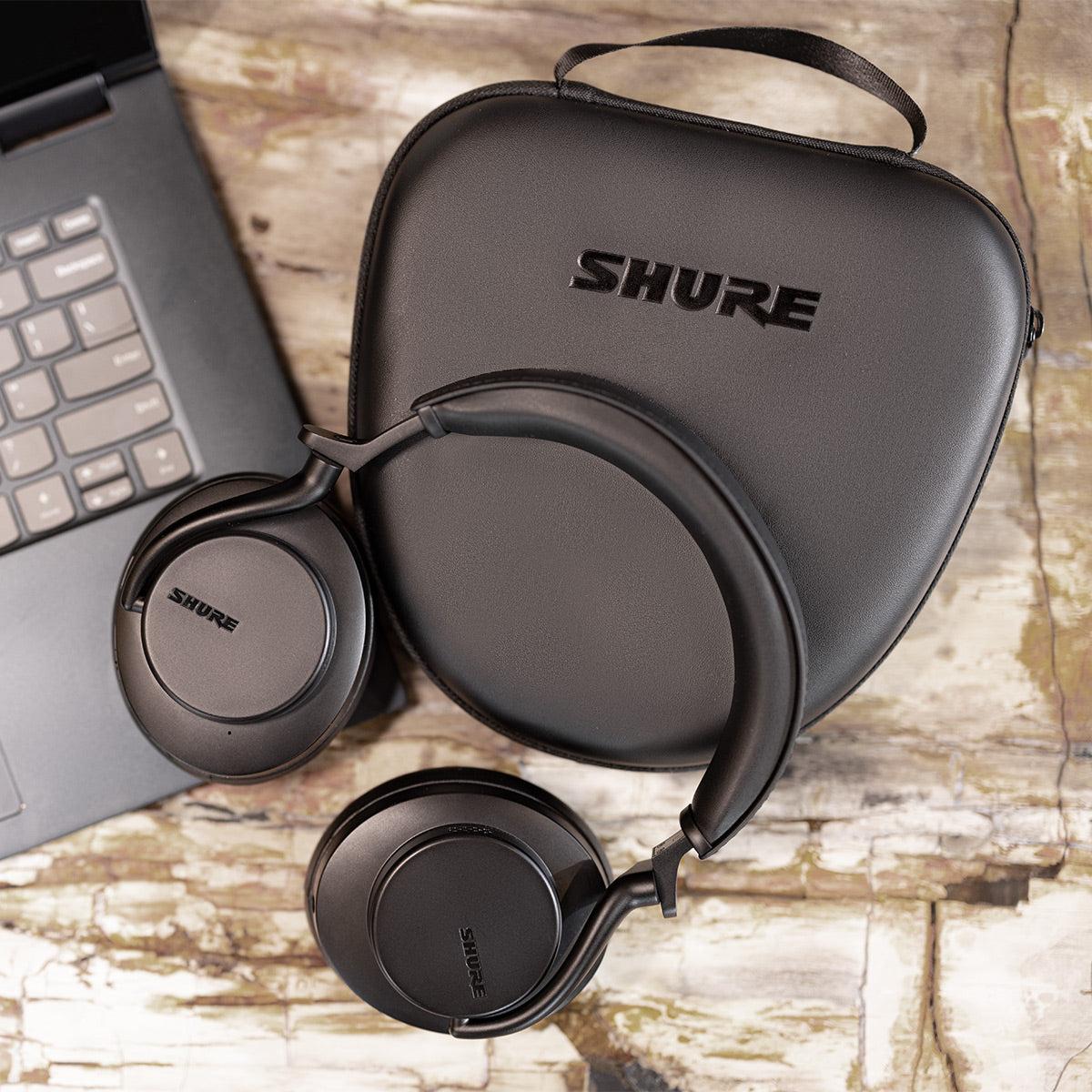
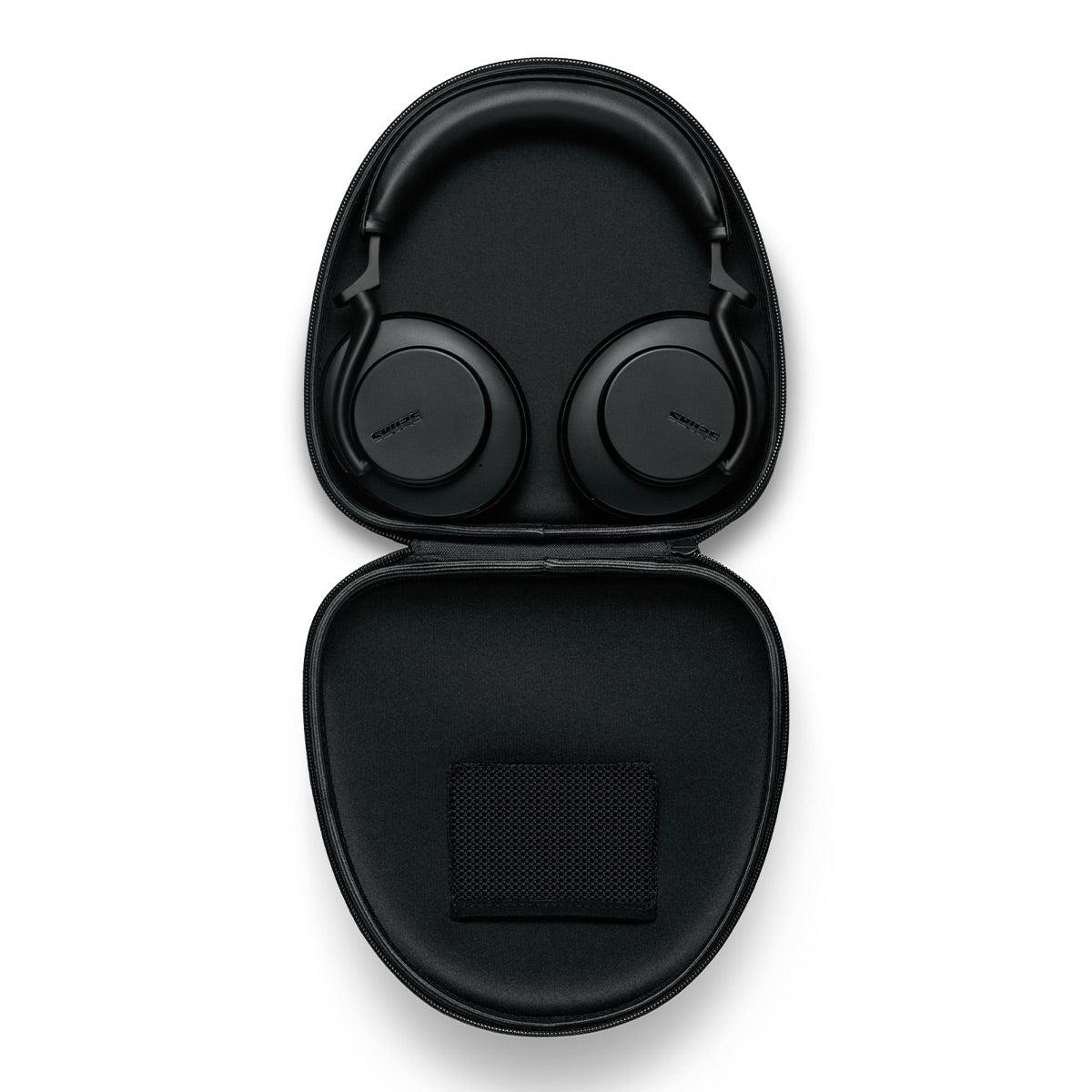
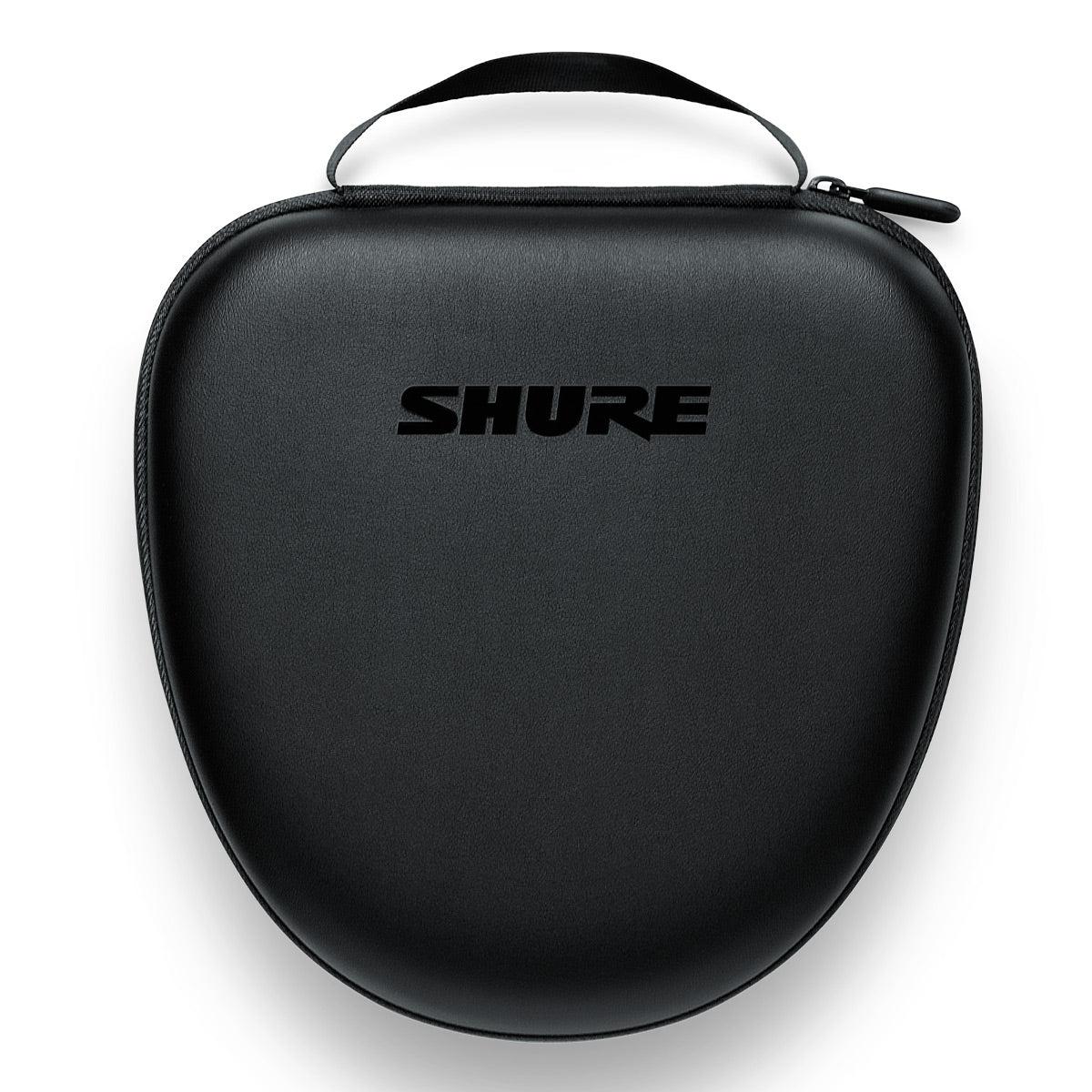
But they're significantly less portable. While they fold flat, they don't collapse inward, so they take up more space in a bag. The included carrying case is well-made but bulky compared to what you'd get with most on-ear headphones.
Both headphones excel in battery life, but with different approaches. The Beats Solo3 delivers up to 40 hours of playback, which was genuinely impressive when it launched in 2016 and remains competitive today. The Fast Fuel feature gives you 3 hours of listening from just 5 minutes of charging, which has saved me multiple times when I forgot to charge overnight.
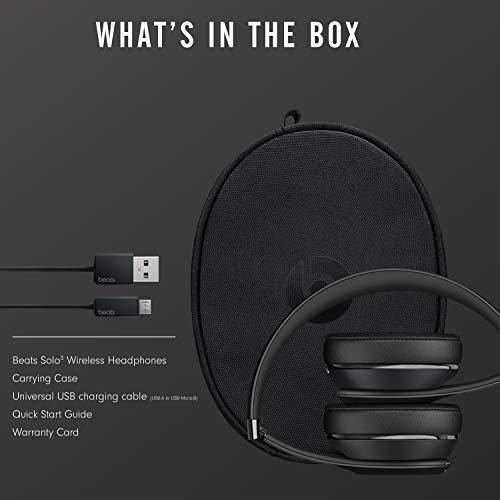
However, the Solo3 still uses micro-USB charging, which feels dated in 2024. Most devices have moved to USB-C, so you're likely carrying an extra cable just for these headphones.
The Aonic 50 Gen 2 pushes battery life even further with up to 45 hours of playback. The quick charge feature provides 5 hours from 15 minutes of charging, and it uses modern USB-C charging that's compatible with most other devices you're likely carrying.
Both headphones can be used while charging or in passive wired mode if the battery dies completely, which is essential for long flights or extended use.
This is where the age difference between these headphones becomes most apparent. The Beats Solo3 launched in 2016 with Bluetooth 4.0 and basic codec support (SBC and AAC). While the Apple W1 chip provides excellent stability and integration with Apple devices, Android users get a more limited experience.
The Shure Aonic 50 Gen 2 represents the current state of wireless audio technology. It supports Bluetooth 5.0 with an extensive list of high-quality codecs: aptX, aptX HD, aptX Adaptive, and Sony's LDAC. These codecs can transmit much more data than the basic ones in the Beats, resulting in noticeably better sound quality when streaming from compatible devices.
The Shure headphones also support multipoint pairing, meaning you can connect to two devices simultaneously – incredibly useful for switching between your phone and laptop without manually reconnecting.
For wired listening, both headphones include 3.5mm connections, but the Aonic 50 Gen 2 goes further with USB-C audio that supports up to 32-bit/384kHz digital audio. This essentially turns the headphones into a high-quality digital-to-analog converter, perfect for audiophile-level listening from your computer or phone.
The Beats Solo3 excels here due to pure portability. They fold small, the battery lasts through multiple long flights, and the on-ear design doesn't completely isolate you from important announcements. However, the lack of active noise cancellation means airplane engines and subway noise will be prominent.
The Shure Aonic 50 Gen 2 provides better noise isolation and some active cancellation, making flights and trains more pleasant. But the larger size means they take up more space in carry-on luggage.
This is where the Aonic 50 Gen 2 really shines. The comfort advantage becomes crucial during long work sessions, video calls benefit from the superior microphone system, and the ability to connect to two devices simultaneously means seamless switching between your phone and computer.
For home theater use specifically, the Shure headphones offer significant advantages. The Spatialized Audio's Cinema mode enhances movie soundtracks, the wider soundstage creates more immersive experiences, and the USB-C connection can provide higher quality audio from modern TVs and streaming devices that support it.
The Beats Solo3 wins for gym use due to lighter weight and more secure on-ear fit. The Aonic 50 Gen 2 is too bulky and heavy for most exercise activities.
At the time of writing, the Beats Solo3 typically costs significantly less than the Shure Aonic 50 Gen 2, though prices fluctuate regularly. The value equation depends entirely on your priorities.
The Beats offers excellent value for casual listeners who prioritize portability, battery life, and integration with Apple devices. You get solid build quality, impressive battery life, and a fun sound signature that makes popular music engaging.
The Shure headphones cost considerably more but deliver professional-grade features: superior sound quality, extensive customization options, advanced connectivity, and better long-term comfort. If you're a serious listener who spends several hours daily with headphones, the additional cost may be justified.
Choose the Beats Solo3 if you need highly portable headphones for commuting, travel, and casual listening. They're perfect for Apple users who want seamless integration and don't mind the on-ear design limitations. The battery life is excellent, and the sound signature works well for mainstream music genres.
Choose the Shure Aonic 50 Gen 2 if sound quality is your primary concern and you regularly engage in long listening sessions. They're ideal for home office use, critical listening, and situations where you want professional-grade audio performance. The advanced connectivity options and customization features justify the higher price for serious audio enthusiasts.
The fundamental question is whether you prioritize convenience and portability (Beats Solo3) or audio performance and advanced features (Shure Aonic 50 Gen 2). Both excel in their intended roles, but they serve very different types of listeners with different needs and expectations.
| Beats Solo3 Wireless On-Ear Headphones | Shure Aonic 50 Gen 2 Wireless Headphones |
|---|---|
| Design Type - Affects comfort and portability | |
| On-ear, foldable (215g, highly portable) | Over-ear, fold-flat (337g, better long-term comfort) |
| Sound Signature - Determines music enjoyment | |
| Bass-heavy, fun signature (great for pop/hip-hop) | Neutral, studio reference (accurate across all genres) |
| Battery Life - Critical for daily use | |
| 40 hours (5-min charge = 3 hours playback) | 45 hours (15-min charge = 5 hours playback) |
| Bluetooth & Codecs - Affects wireless audio quality | |
| Bluetooth 4.0, basic codecs (SBC, AAC only) | Bluetooth 5.0, advanced codecs (aptX HD, LDAC, etc.) |
| Active Noise Cancellation - Blocks outside noise | |
| None (passive isolation only) | Hybrid ANC with 4 adjustable modes |
| Sound Customization - Lets you tune the sound | |
| None (fixed sound signature) | Parametric EQ + 3 spatialized audio modes |
| Charging Port - Modern convenience | |
| Micro-USB (outdated, extra cable needed) | USB-C (matches most modern devices) |
| Device Integration - Seamless connectivity | |
| Apple W1 chip (perfect for iOS, limited Android features) | Multipoint pairing (connect 2 devices simultaneously) |
| Wired Audio Quality - For highest fidelity | |
| 3.5mm analog only | 3.5mm + USB-C (up to 32-bit/384kHz digital) |
| Comfort for Long Sessions - 2+ hours of use | |
| On-ear pressure causes fatigue | Over-ear design excellent for extended wear |
| Portability - Travel and commuting | |
| Exceptional (folds small, lightweight) | Good but bulky (larger carrying case required) |
| Best Use Cases - Who should buy each | |
| Commuters, Apple users, casual listeners | Audiophiles, home office, critical listening |
The Beats Solo3 Wireless are better for everyday portability and commuting due to their lightweight, foldable design and excellent Apple device integration. The Shure Aonic 50 Gen 2 are better for extended daily use at home or office thanks to superior comfort and sound quality during long listening sessions.
The Beats Solo3 use an on-ear design that sits directly on your ears, making them more portable but potentially uncomfortable during long sessions. The Shure Aonic 50 Gen 2 feature an over-ear design that surrounds your ears completely, providing better comfort for extended wear and superior noise isolation.
The Shure Aonic 50 Gen 2 offer superior sound quality with neutral, studio-reference tuning and extensive customization options through parametric EQ. The Beats Solo3 provide a bass-heavy, fun sound signature that's great for popular music but less accurate overall.
The Beats Solo3 Wireless excel with Apple devices thanks to the W1 chip but offer limited features on Android. The Shure Aonic 50 Gen 2 work equally well with both iOS and Android devices, supporting advanced Bluetooth codecs and multipoint pairing across all platforms.
The Shure Aonic 50 Gen 2 are significantly more comfortable for sessions longer than 2 hours due to their over-ear design and plush padding. The Beats Solo3 can cause ear fatigue during extended use because of on-ear pressure, though they're fine for shorter sessions.
Both offer excellent battery life, with the Shure Aonic 50 Gen 2 providing up to 45 hours and the Beats Solo3 delivering up to 40 hours. Both feature quick charging - the Beats give 3 hours from 5 minutes charging, while the Shure provide 5 hours from 15 minutes charging.
The Beats Solo3 Wireless are superior for travel due to their compact, foldable design and lightweight construction. The Shure Aonic 50 Gen 2 are bulkier and heavier, though they offer better noise cancellation for flights and trains.
Only the Shure Aonic 50 Gen 2 feature active noise cancellation with hybrid ANC and four adjustable modes. The Beats Solo3 rely solely on passive noise isolation, which is limited due to their on-ear design.
The Shure Aonic 50 Gen 2 offer extensive sound customization through a parametric EQ and three spatialized audio modes in their companion app. The Beats Solo3 Wireless have a fixed sound signature with no customization options available.
The Shure Aonic 50 Gen 2 are ideal for home office use, offering superior comfort during long video calls, multipoint pairing to switch between devices, and excellent microphone quality. The Beats Solo3 are less suitable for extended work sessions due to comfort limitations.
The Beats Solo3 use Bluetooth 4.0 with basic codecs (SBC, AAC) and Apple's W1 chip for seamless iOS integration. The Shure Aonic 50 Gen 2 feature Bluetooth 5.0 with advanced codecs including aptX HD and LDAC for higher quality wireless audio across all devices.
The Beats Solo3 Wireless typically offer better value for casual listeners prioritizing portability and Apple integration at a lower price point. The Shure Aonic 50 Gen 2 justify their higher cost with professional-grade sound quality, extensive features, and superior comfort for serious audio enthusiasts.
We've done our best to create useful and informative comparisons to help you decide what product to buy. Our research uses advanced automated methods to create this comparison and perfection is not possible - please contact us for corrections or questions. These are the sites we've researched in the creation of this article: soundguys.com - cornellstore.com - imore.com - bestbuy.com - headphonecheck.com - soundguys.com - recordingnow.com - corporategift.com - ifixit.com - rtings.com - youtube.com - mobileciti.com.au - beatsbydre.com - discussions.apple.com - target.com - bestbuy.com - jalc.ecampus.com - beats.fandom.com - support.apple.com - electronics.woot.com - tomsguide.com - headphonecheck.com - whathifi.com - majorhifi.com - rtings.com - versus.com - majorhifi.com - versus.com - audio46.com - youtube.com - bhphotovideo.com - techradar.com - soundpro.com - shure.com - americanmusical.com - pubs.shure.com - blog.zzounds.com - service.shure.com - fullcompass.com

Privacy Policy
Terms and Conditions - Affiliate Policy
Home Security
© Copyright 2008-2026.
11816 Inwood Rd #1211, Dallas, TX 75244