




Choosing the right wireless headphones can feel overwhelming with so many options available. Today, I'm diving deep into two popular models that represent very different approaches to personal audio: the Beats Solo3 Wireless and the Bose QuietComfort Wireless. These headphones might seem similar at first glance, but they're actually designed for completely different listening experiences.
Before we jump into specifics, let's talk about what makes wireless headphones tick. The main things you should consider are comfort (how they feel during long listening sessions), sound quality (how your music actually sounds), battery life (how long they last between charges), and features like noise cancellation (technology that blocks out background sounds).
The Beats Solo3 launched in 2016 as part of Apple's acquisition of Beats, while the Bose QuietComfort Wireless hit the market in 2023. That seven-year gap means we're comparing a proven older design against modern technology – which creates some interesting trade-offs we'll explore.
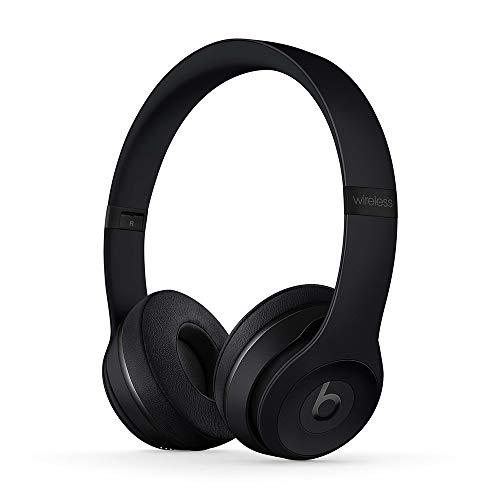
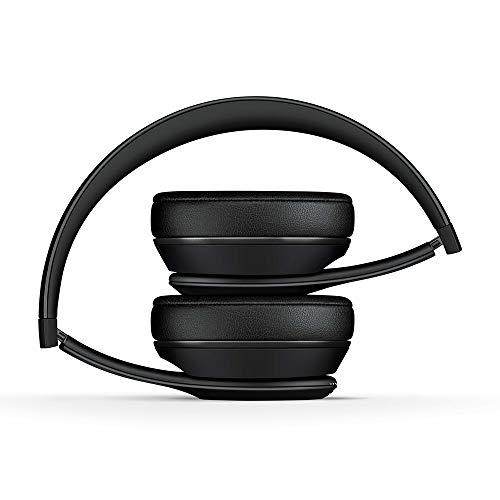
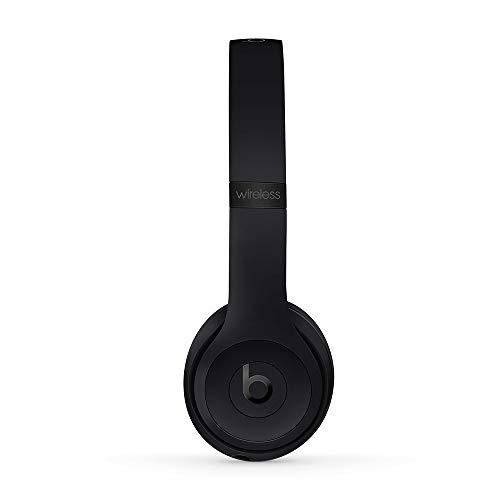
The Beats Solo3 Wireless follows what's called an "on-ear" design. This means the ear cups sit directly on your ears rather than around them. At just 215 grams, they're incredibly lightweight – about the same as a smartphone and case combined. The foldable design means they collapse down small enough to toss in a backpack or gym bag without taking up much space.
I've found this portability really shines when you're constantly on the move. The Solo3 practically disappears in your bag, and the fold-up design feels almost indestructible. However, there's a trade-off: that on-ear pressure can become uncomfortable during marathon listening sessions. After about two hours, I typically need a break, which might not work if you're planning to wear them for an entire workday.
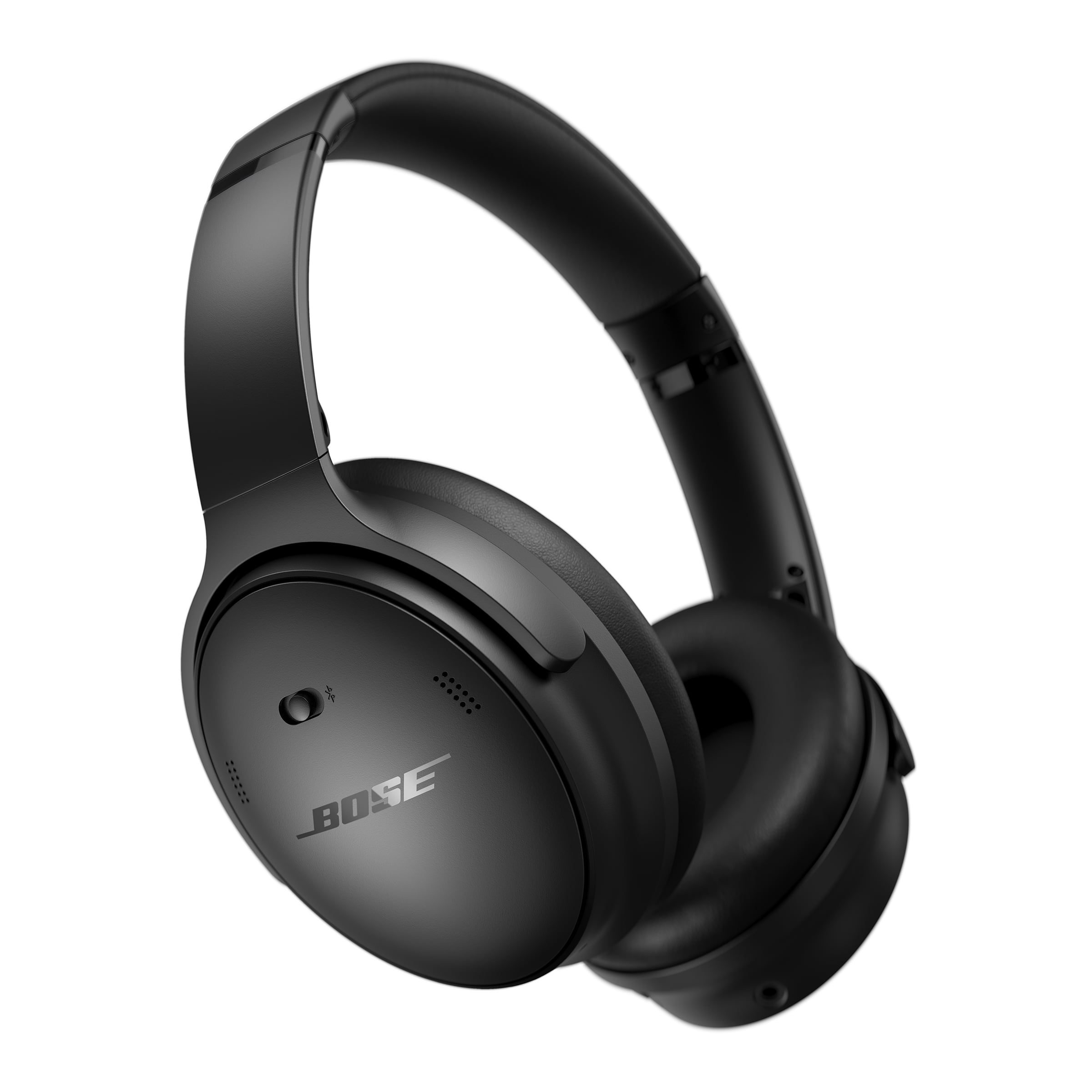
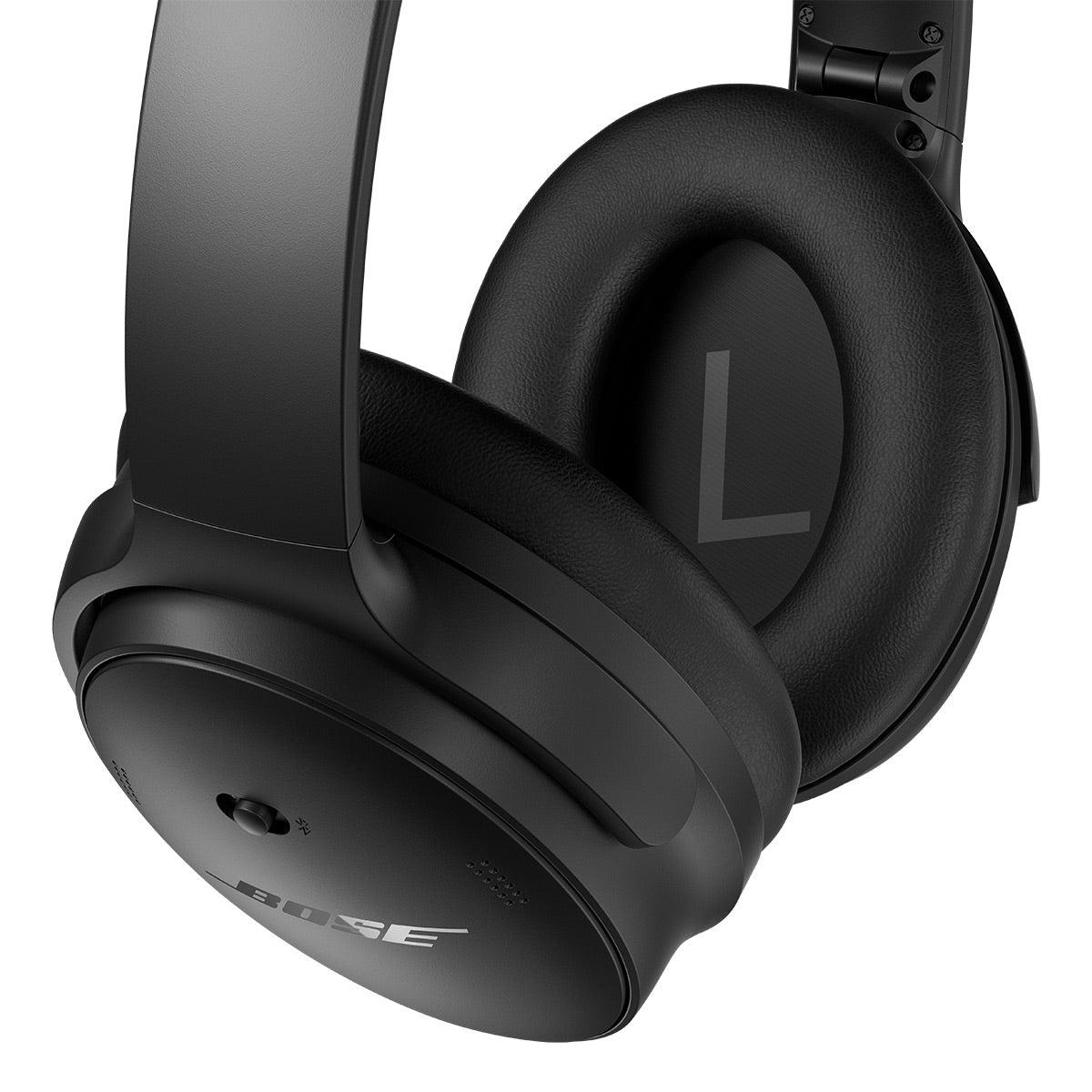
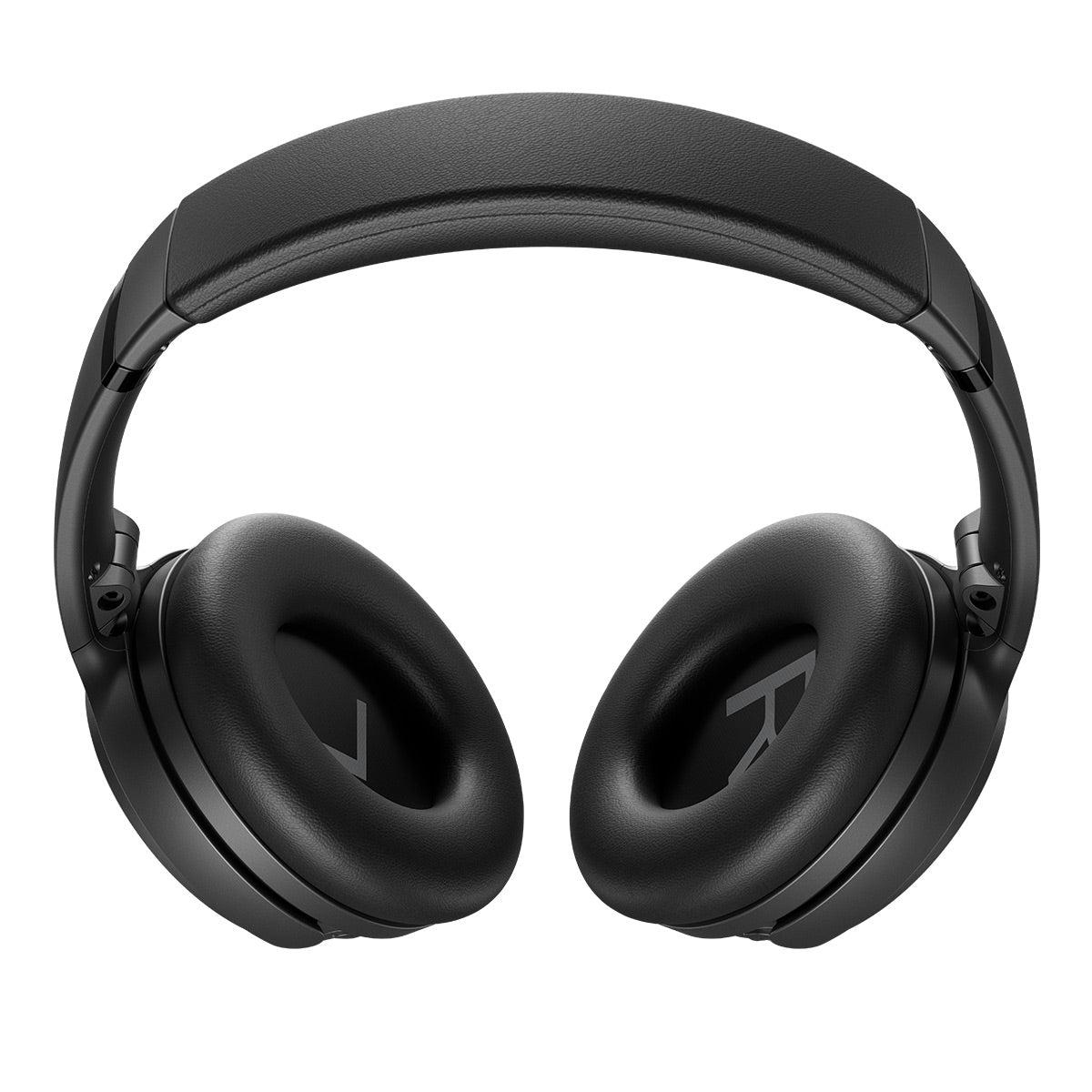
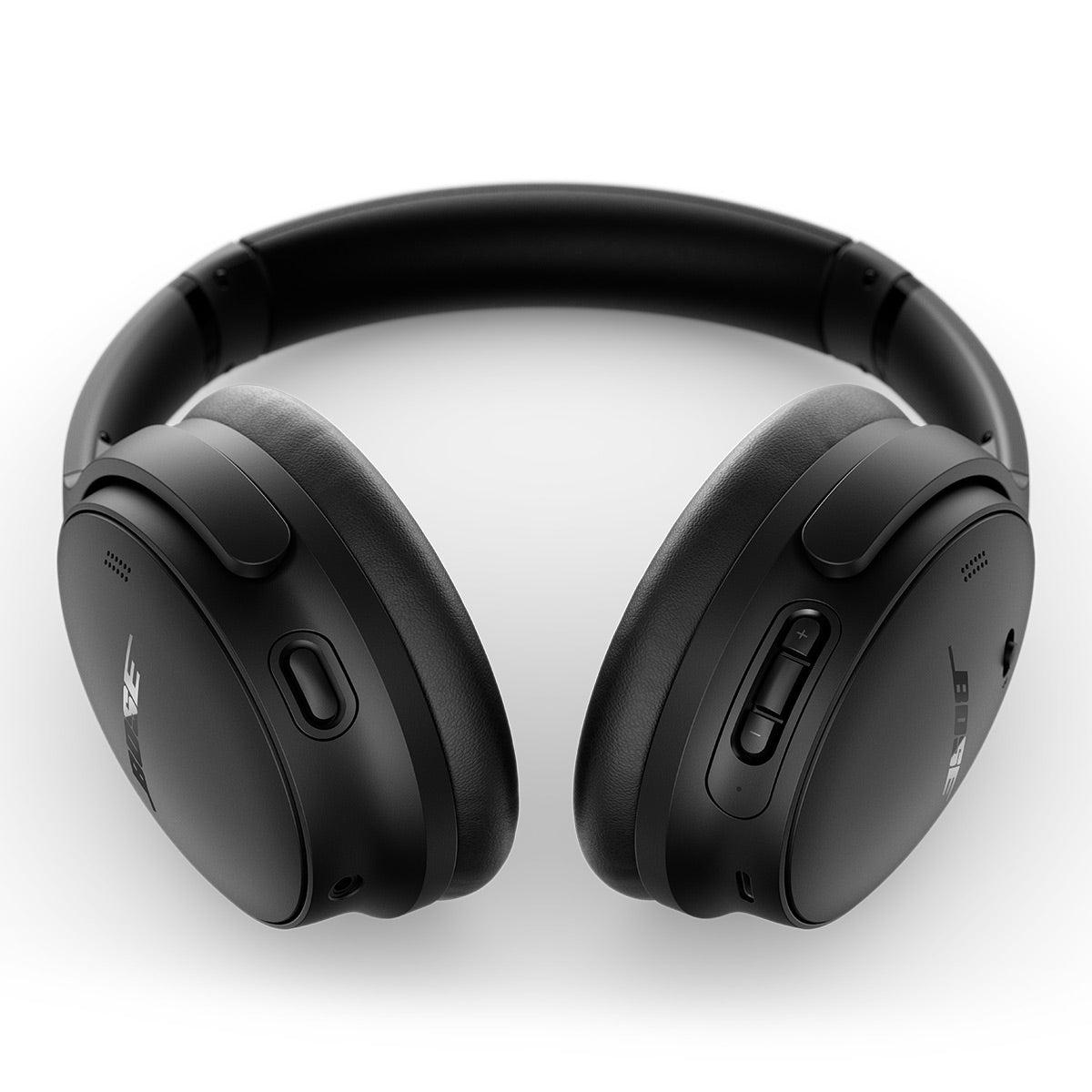
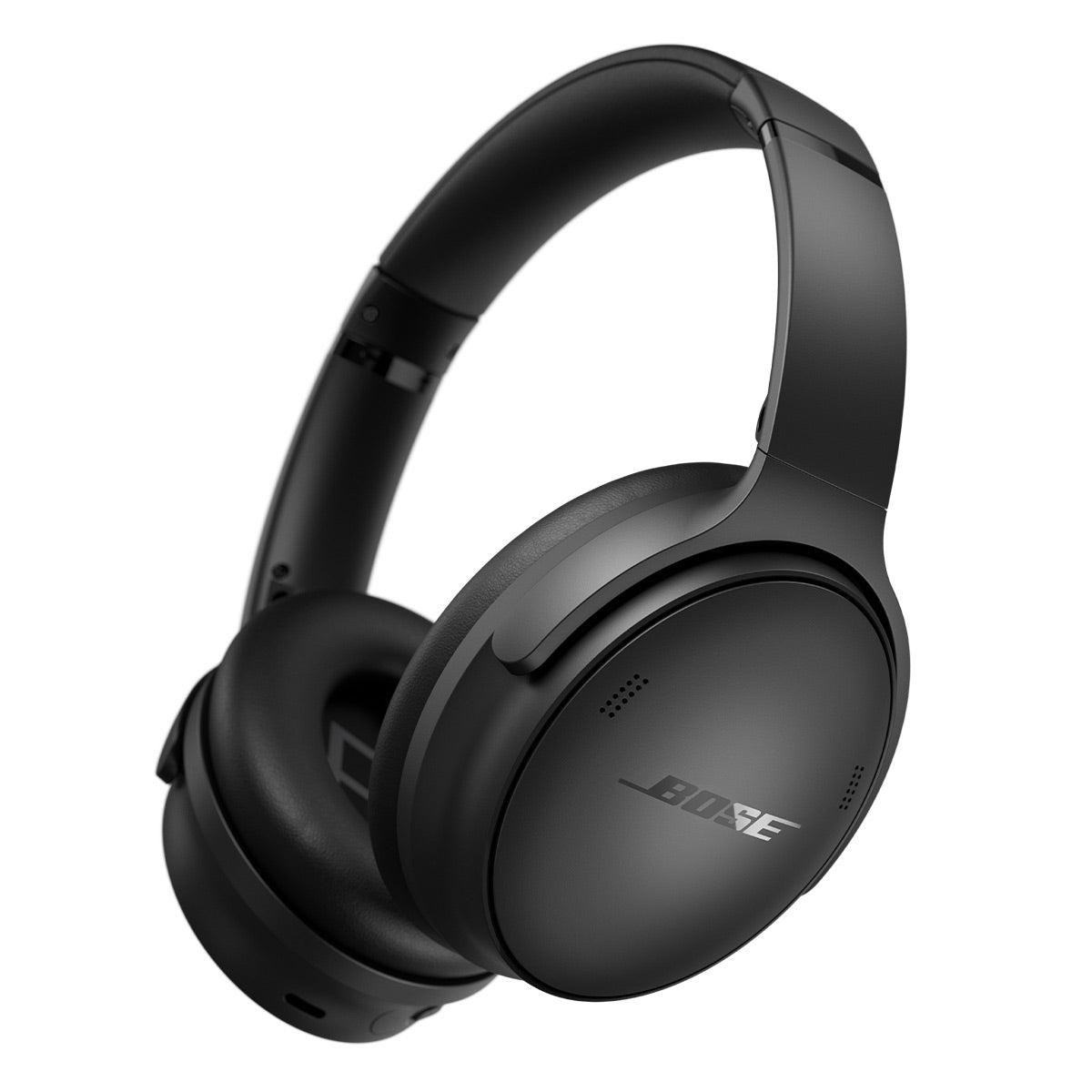
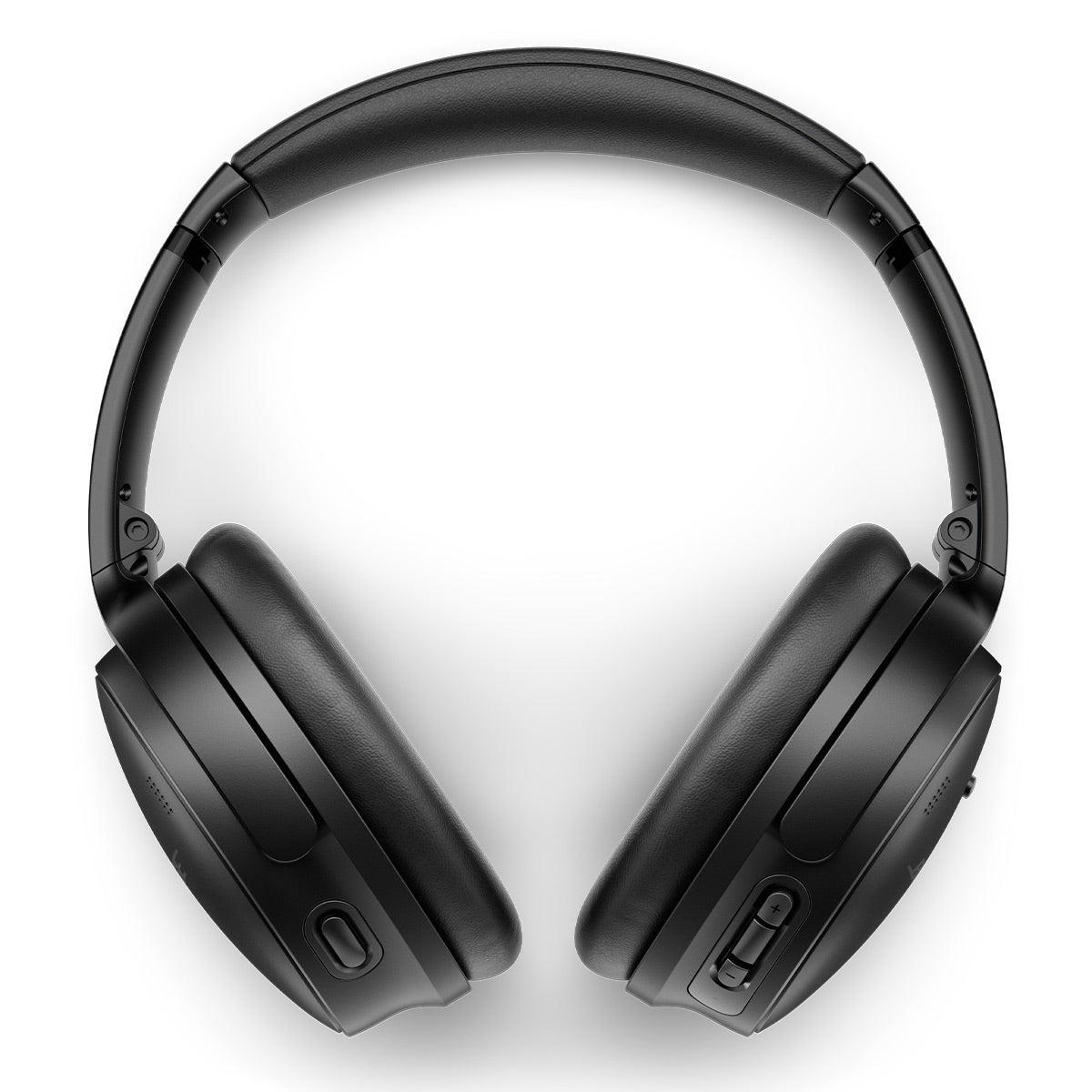
The Bose QuietComfort Wireless takes the opposite approach with an "over-ear" or "circumaural" design. The ear cups completely surround your ears, creating a seal around them rather than pressing against them. At 236 grams, they're only slightly heavier than the Beats, but the weight distribution feels completely different.
The protein leather cushioning (a synthetic material that mimics real leather but resists wear better) creates what Bose calls a "uniform, comfortable seal." In practice, this means you can wear the QuietComfort for hours without the ear fatigue that comes with on-ear designs. The trade-off? They're bulkier and less portable than the Solo3.
The Beats Solo3 uses what audio engineers call a "V-shaped" frequency response. Think of this like an audio equalizer where the bass (low frequencies) and treble (high frequencies) are turned up, while the midrange (where most vocals sit) is slightly reduced. In recent years, Beats actually boosted the midrange compared to their older models, which means vocals sound more forward and prominent than they used to.
This tuning creates what many people describe as a "fun" sound signature. Hip-hop, electronic music, and pop all sound energetic and exciting. The bass hits hard without completely overwhelming everything else, and the slight treble boost adds sparkle to cymbals and high-frequency details. However, if you're listening to acoustic music, classical, or anything where instrument separation matters, the Solo3 can sound somewhat artificial.
The soundstage (how wide and spacious music sounds) is limited due to the on-ear, closed-back design. Music feels like it's happening inside your head rather than in a room around you, which is typical for this style of headphone.
The Bose QuietComfort Wireless aims for what's called a "warm, balanced" sound signature. There's still a slight bass emphasis – most people prefer a bit of extra low-end – but the overall presentation is much more neutral than the Beats. Vocals sound natural and lifelike, instruments maintain their distinct characteristics, and the overall balance works well across different music genres.
The over-ear design creates a better soundstage, making music feel more spacious and natural. You can more easily pick out individual instruments and their placement in the mix. The QuietComfort also includes a basic EQ in the Bose app, letting you adjust bass, midrange, and treble to your preferences, though the options are somewhat limited compared to what you might find on other brands.
For home theater use, the Bose QuietComfort would be my clear choice. The balanced sound signature means dialogue in movies and shows sounds natural, while action sequences still pack punch. The active noise cancellation also means you can enjoy content at lower volumes without being distracted by household sounds.
This is where these two headphones diverge most dramatically. The Beats Solo3 offers only passive noise isolation – the physical blocking of sound by the ear cups pressing against your ears. This provides moderate reduction of higher-frequency sounds (like conversations) but does very little to block low-frequency noise like airplane engines, air conditioning, or traffic rumble.
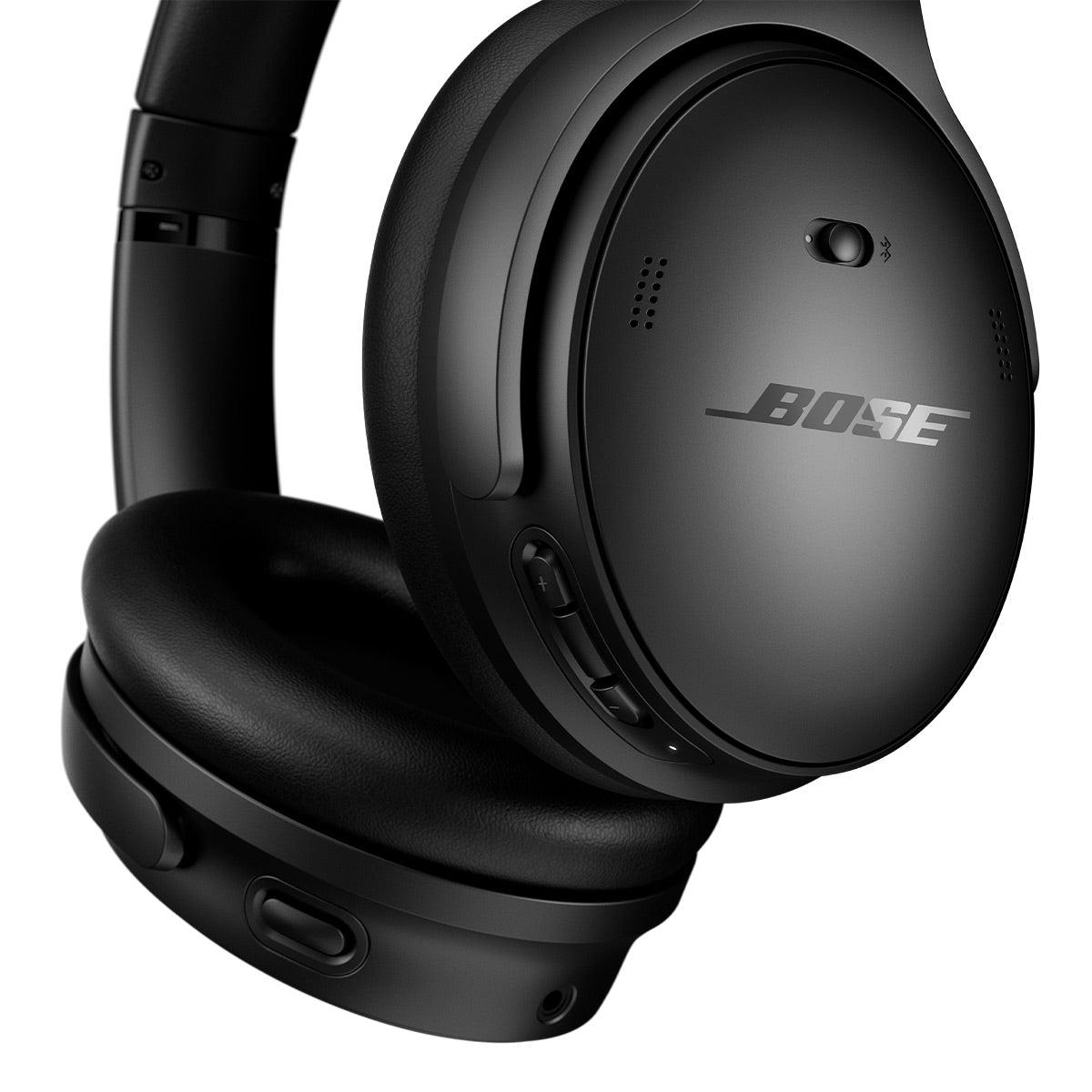
The Bose QuietComfort Wireless features active noise cancellation (ANC), which uses microphones both inside and outside the ear cups to detect ambient noise. The headphones then generate an opposing sound wave to cancel out that noise in real-time. It's like having a tiny computer constantly working to create silence around your ears.
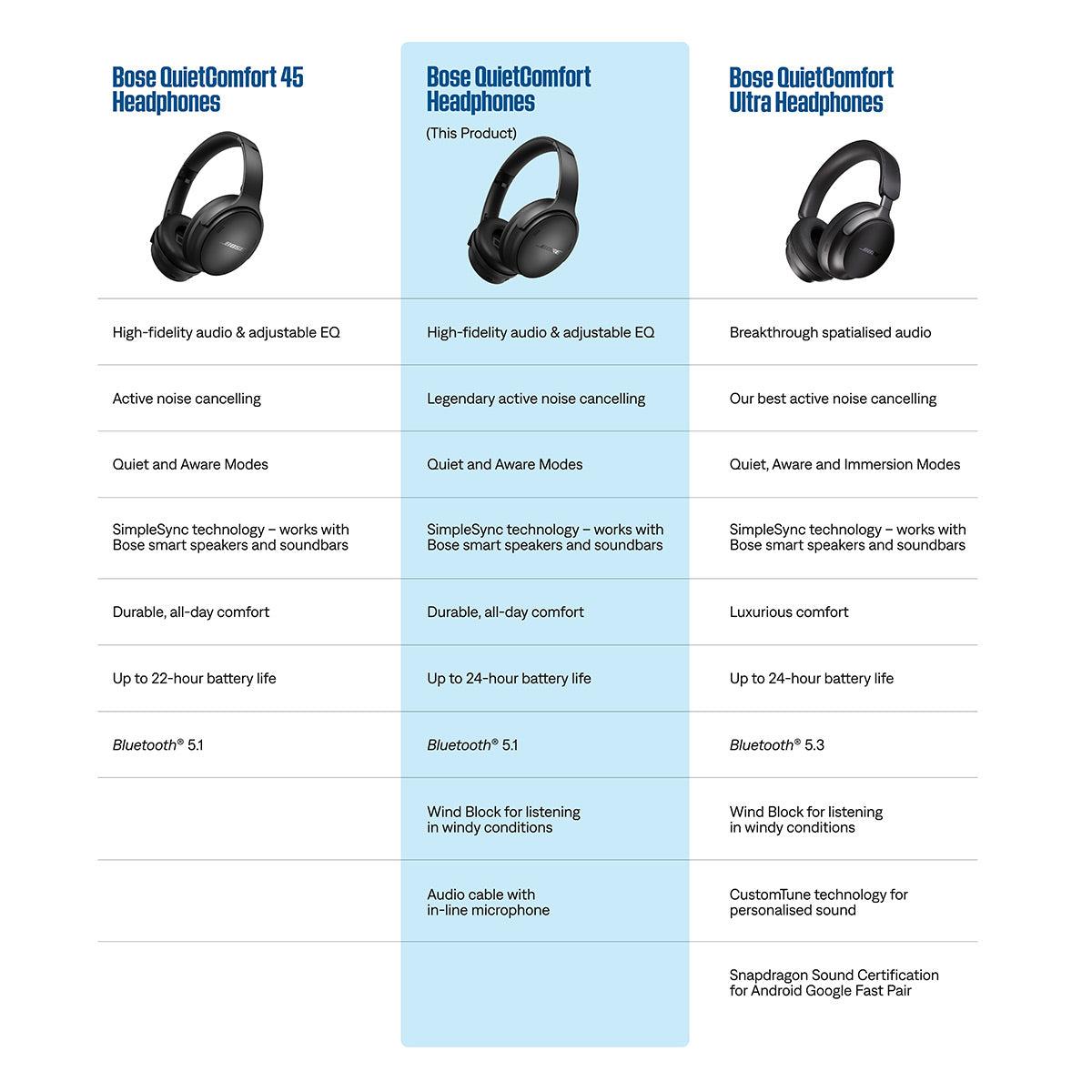
Bose's implementation includes multiple modes: Quiet Mode provides maximum noise cancellation, while Aware Mode uses the external microphones to let ambient sound through so you can hear announcements or have conversations. You can even create custom modes that blend noise cancellation with awareness, and there's a Wind Block feature that disables external microphones to reduce wind interference when you're outdoors.
The difference is night and day. With the QuietComfort, airplane engines become whispers, office chatter disappears, and you can enjoy your music at much lower volumes. This isn't just about convenience – it's genuinely better for your hearing health since you don't need to crank up the volume to overcome background noise.
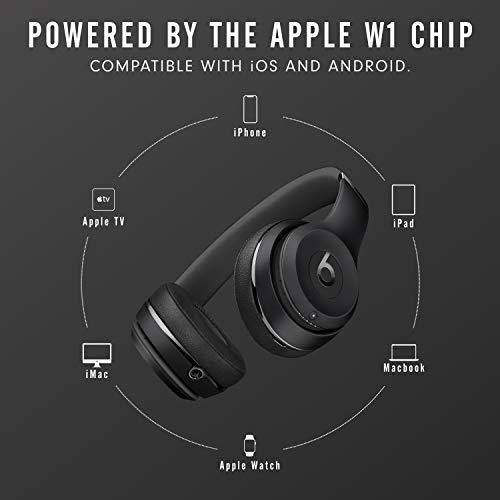
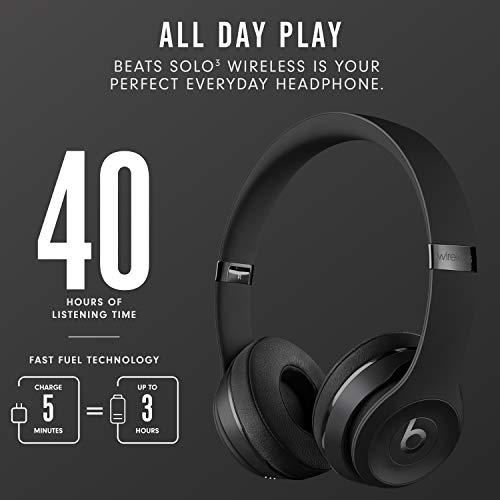
Here's where the Beats Solo3 still shines despite its age. The Apple W1 chip (a custom processor designed specifically for audio devices) enables an impressive 40 hours of playback time. Even more impressive is the "Fast Fuel" feature: just five minutes of charging provides three hours of playback. When you're running late and notice dead headphones, this feature is genuinely life-saving.
The Bose QuietComfort offers 24 hours of playback with ANC active, which is still excellent but notably less than the Solo3. However, Bose's quick charge provides 2.5 hours of playback from a 15-minute charge, and the headphones use modern USB-C charging instead of the Beats' outdated micro-USB port.
In practical terms, both offer more than enough battery life for most users. The Solo3 might go several days between charges for casual listeners, while the QuietComfort will easily handle daily commutes and work sessions.
The Beats Solo3 Wireless features Apple's W1 chip, which creates an almost magical experience for iPhone users. Turn on the headphones near your iPhone, and a connection popup appears automatically. They pair instantly with all your Apple devices signed into the same iCloud account, and switching between devices is seamless.
However, this Apple-focused design creates limitations. Android users don't get the same automatic pairing experience, and some features simply don't work as well. The headphones also only connect to one device at a time, meaning you can't seamlessly switch between your phone and laptop.
The Bose QuietComfort Wireless takes a more universal approach. Multi-point connectivity lets you connect to two devices simultaneously – your phone and laptop, for example. When a call comes in on your phone while you're listening to music on your computer, the headphones automatically pause the music and handle the call. This platform-agnostic design works equally well whether you use iOS, Android, Windows, or Mac.
Since the Solo3 launched in 2016, wireless audio technology has evolved significantly. The headphones use Bluetooth 4.2, while modern standards like Bluetooth 5.3 offer better connectivity, lower power consumption, and support for advanced audio codecs. The micro-USB charging port feels particularly dated in 2024, when most devices have moved to USB-C.
The QuietComfort, launching in 2023, includes modern conveniences like USB-C charging and up-to-date Bluetooth standards. However, it's worth noting that Bose doesn't support advanced audio codecs like aptX or LDAC, relying instead on standard SBC and AAC codecs. For most users, this won't matter, but audiophiles might prefer headphones with broader codec support.
When evaluating headphones, I focus on several key performance areas:
Comfort during extended use is paramount. The QuietComfort wins decisively here – the over-ear design and premium cushioning materials make hours-long listening sessions comfortable, while the Solo3 can cause ear fatigue.
Noise isolation capability depends entirely on your environment. If you work in noisy spaces, commute on public transport, or travel frequently, the QuietComfort's active noise cancellation is worth the premium price. For quiet environments, the Solo3's passive isolation might suffice.
Sound quality consistency across different music genres favors the QuietComfort. While the Solo3 makes certain genres sound exciting, the Bose headphones sound good with everything from classical to metal.
Battery convenience is more complex than just runtime. The Solo3's 40-hour battery means less frequent charging, but the QuietComfort's USB-C port means you can use the same cable as your phone, laptop, and other modern devices.
At the time of writing, the Beats Solo3 Wireless typically sells for significantly less than the Bose QuietComfort Wireless – often less than half the price. This creates an interesting value equation.
The Solo3 offers exceptional battery life, solid build quality, seamless Apple integration, and adequate sound quality at a budget-friendly price point. If you're primarily an iPhone user who values portability and doesn't need noise cancellation, they represent strong value.
The QuietComfort commands a premium price but delivers premium features: industry-leading comfort, effective noise cancellation, balanced sound quality, and modern connectivity. For users who can justify the higher cost, they provide clear advantages in daily usability.
Your choice between these headphones should start with honest self-assessment. Consider where and how you'll use them most.
Choose the Beats Solo3 Wireless if:
Choose the Bose QuietComfort Wireless if:
Both headphones excel in their intended roles, but they serve different audiences. The Beats Solo3 Wireless remains a compelling choice for Apple users who prioritize portability, battery life, and value. Despite being seven years old, the core experience holds up well for casual listening.
The Bose QuietComfort Wireless represents what modern wireless headphones can achieve: exceptional comfort, effective noise cancellation, and balanced performance across all use cases. The premium price reflects premium capabilities.
Neither choice is wrong – they're just different tools for different jobs. The Solo3 excels as a portable, long-lasting companion for active lifestyles, while the QuietComfort serves as a premium all-day listening solution for users who demand the best possible experience.
Consider your primary use cases, budget, and device ecosystem before deciding. Both headphones will serve you well within their intended roles, but understanding those roles is key to making the right choice for your needs.
| Beats Solo3 Wireless On-Ear Headphones | Bose QuietComfort Wireless Headphones |
|---|---|
| Design Type - Affects comfort and portability | |
| On-ear, 215g, foldable for maximum portability | Over-ear, 236g, circumaural design for all-day comfort |
| Active Noise Cancellation - Essential for noisy environments | |
| None (passive isolation only) | Advanced ANC with Quiet/Aware modes and customizable settings |
| Battery Life - Critical for daily use without frequent charging | |
| Up to 40 hours (exceptional longevity) | Up to 24 hours with ANC active (still excellent) |
| Quick Charge Feature - Saves you when battery dies unexpectedly | |
| Fast Fuel: 5 min = 3 hours playback | 15 min = 2.5 hours playback |
| Charging Port - Modern convenience vs outdated standard | |
| Micro-USB (outdated, requires separate cable) | USB-C (modern standard, same as most devices) |
| Sound Signature - Determines what music genres sound best | |
| V-shaped with boosted bass/treble, energetic presentation | Warm and balanced with slight bass emphasis, natural sound |
| Bluetooth Connectivity - Affects reliability and device compatibility | |
| Bluetooth 4.2, single device connection | Modern Bluetooth with multi-point (2 devices simultaneously) |
| Ecosystem Integration - Important for seamless device switching | |
| Apple W1 chip for seamless iOS integration, limited Android features | Platform-agnostic, works equally well across all devices |
| Comfort for Extended Use - Critical for work/study sessions | |
| On-ear pressure can cause fatigue after 2+ hours | Protein leather cushions allow all-day comfortable wear |
| Customization Options - Lets you tailor sound to preferences | |
| Fixed sound signature, no EQ options | Adjustable EQ via Bose app (bass, mid, treble) |
| Best Use Cases - Who each product serves best | |
| Apple users, gym/travel, casual listening, budget-conscious | Professionals, commuters, audiophiles, noise-sensitive environments |
The Bose QuietComfort Wireless are significantly better for extended use due to their over-ear design with protein leather cushions that distribute weight evenly around your ears. The Beats Solo3 Wireless use an on-ear design that can cause pressure and discomfort after 2+ hours of continuous wear.
If you work in noisy offices, travel frequently, or live in loud environments, the Bose QuietComfort Wireless active noise cancellation is worth the investment. The Beats Solo3 Wireless only offer passive noise isolation, which won't block low-frequency sounds like airplane engines or air conditioning effectively.
The Beats Solo3 Wireless excel with up to 40 hours of playback time, nearly double the Bose QuietComfort Wireless 24-hour battery life. However, both offer quick charging - the Solo3 provides 3 hours from a 5-minute charge, while the QuietComfort gives 2.5 hours from 15 minutes.
The Beats Solo3 Wireless are better for exercise due to their lightweight 215g design and secure on-ear fit that stays in place during movement. The Bose QuietComfort Wireless are bulkier and designed more for stationary listening than active use.
The Beats Solo3 Wireless are optimized for Apple devices with the W1 chip providing instant pairing and seamless switching between iOS devices. The Bose QuietComfort Wireless work equally well with both iPhone and Android, offering multi-point connectivity to connect two devices simultaneously.
The Beats Solo3 Wireless have a V-shaped sound with boosted bass and treble that makes pop, hip-hop, and electronic music sound energetic. The Bose QuietComfort Wireless offer more balanced, natural sound that works well across all music genres, plus customizable EQ settings.
The Bose QuietComfort Wireless are excellent for home theater use thanks to their balanced sound signature that makes dialogue clear and natural, plus active noise cancellation to block household distractions. The Beats Solo3 Wireless bass-heavy sound can make dialogue less clear in movies and shows.
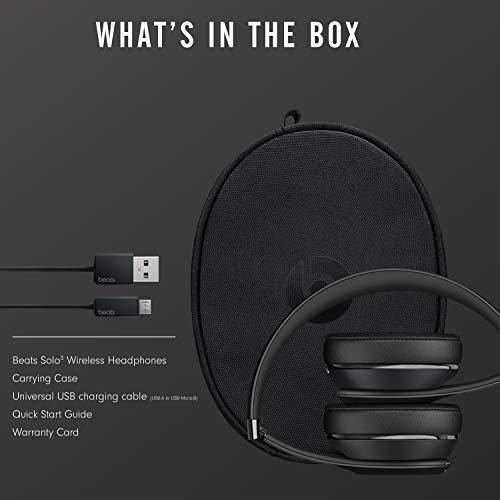
The Beats Solo3 Wireless are more travel-friendly with their compact foldable design and lighter weight. The Bose QuietComfort Wireless are bulkier but include a carrying case and offer superior noise cancellation for flights and noisy transportation.
The Bose QuietComfort Wireless are ideal for work environments with their all-day comfort, active noise cancellation to block distracting sounds, and multi-point connectivity to seamlessly switch between computer and phone calls. The Beats Solo3 may cause ear fatigue during long work sessions.
The Beats Solo3 Wireless typically cost significantly less while offering exceptional battery life and solid performance for casual listening. The Bose QuietComfort Wireless command a premium but deliver premium features like ANC, superior comfort, and balanced sound quality.
Both headphones handle calls adequately, but the Bose QuietComfort Wireless have better microphone performance with clearer voice reproduction and built-in noise reduction. The Beats Solo3 Wireless microphones work well for casual calls but may struggle in noisy environments.
The Bose QuietComfort Wireless are better for diverse music tastes with their balanced sound signature and customizable EQ that works well for everything from classical to rock. The Beats Solo3 Wireless excel with bass-heavy genres but may not sound as natural with acoustic or classical music.
We've done our best to create useful and informative comparisons to help you decide what product to buy. Our research uses advanced automated methods to create this comparison and perfection is not possible - please contact us for corrections or questions. These are the sites we've researched in the creation of this article: soundguys.com - cornellstore.com - imore.com - bestbuy.com - headphonecheck.com - soundguys.com - recordingnow.com - corporategift.com - ifixit.com - rtings.com - youtube.com - mobileciti.com.au - beatsbydre.com - discussions.apple.com - target.com - bestbuy.com - jalc.ecampus.com - beats.fandom.com - support.apple.com - electronics.woot.com - techradar.com - whathifi.com - bose.com - rtings.com - recordingnow.com - bose.com - ottorinobruni.com - whathifi.com - costco.com - recordingnow.com - youtube.com - bose.com - bestbuy.com - global.bose.com - boselatam.com - projectorscreen.com - bose.com - bose.com - bose.com

Privacy Policy
Terms and Conditions - Affiliate Policy
Home Security
© Copyright 2008-2026.
11816 Inwood Rd #1211, Dallas, TX 75244