

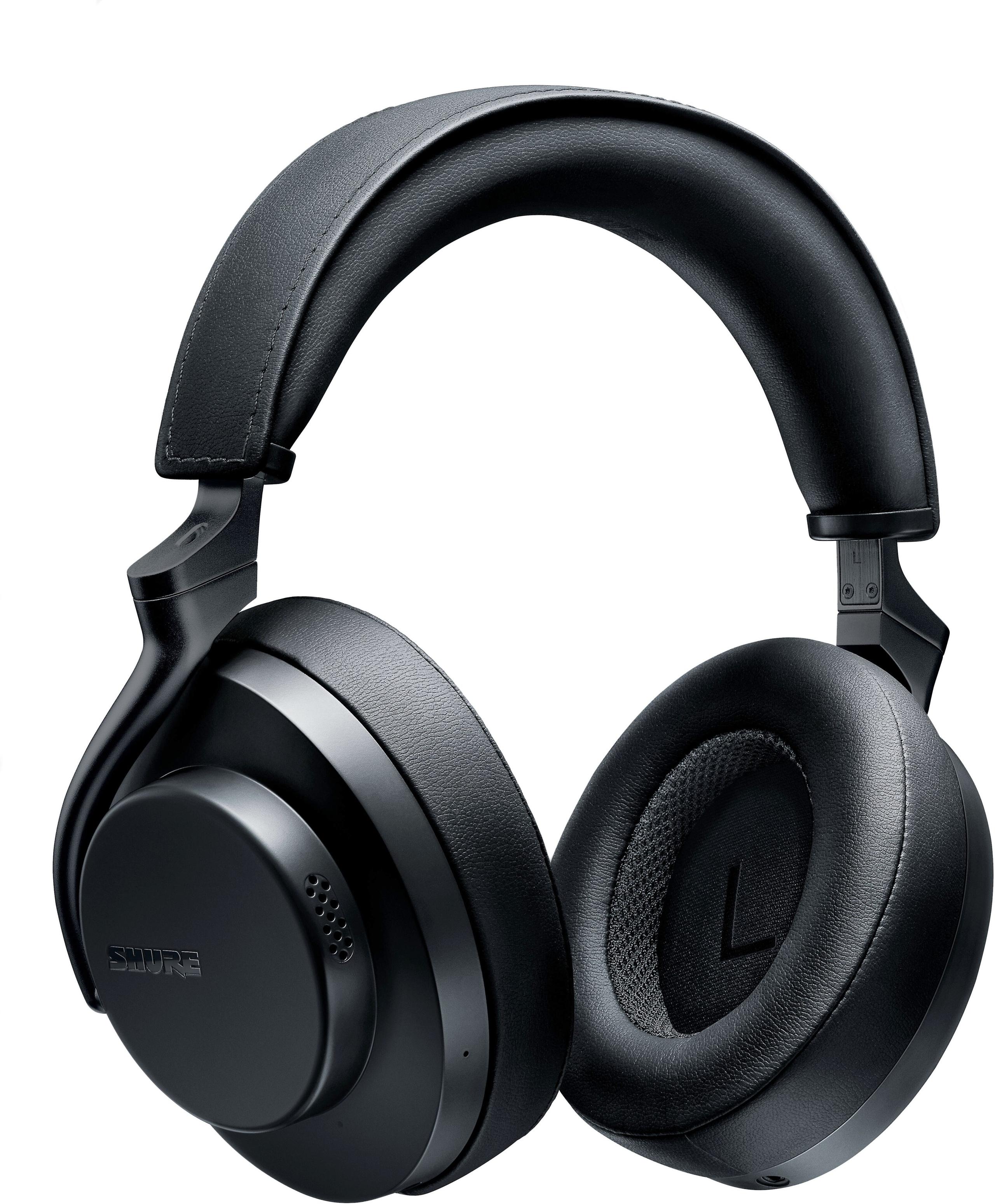
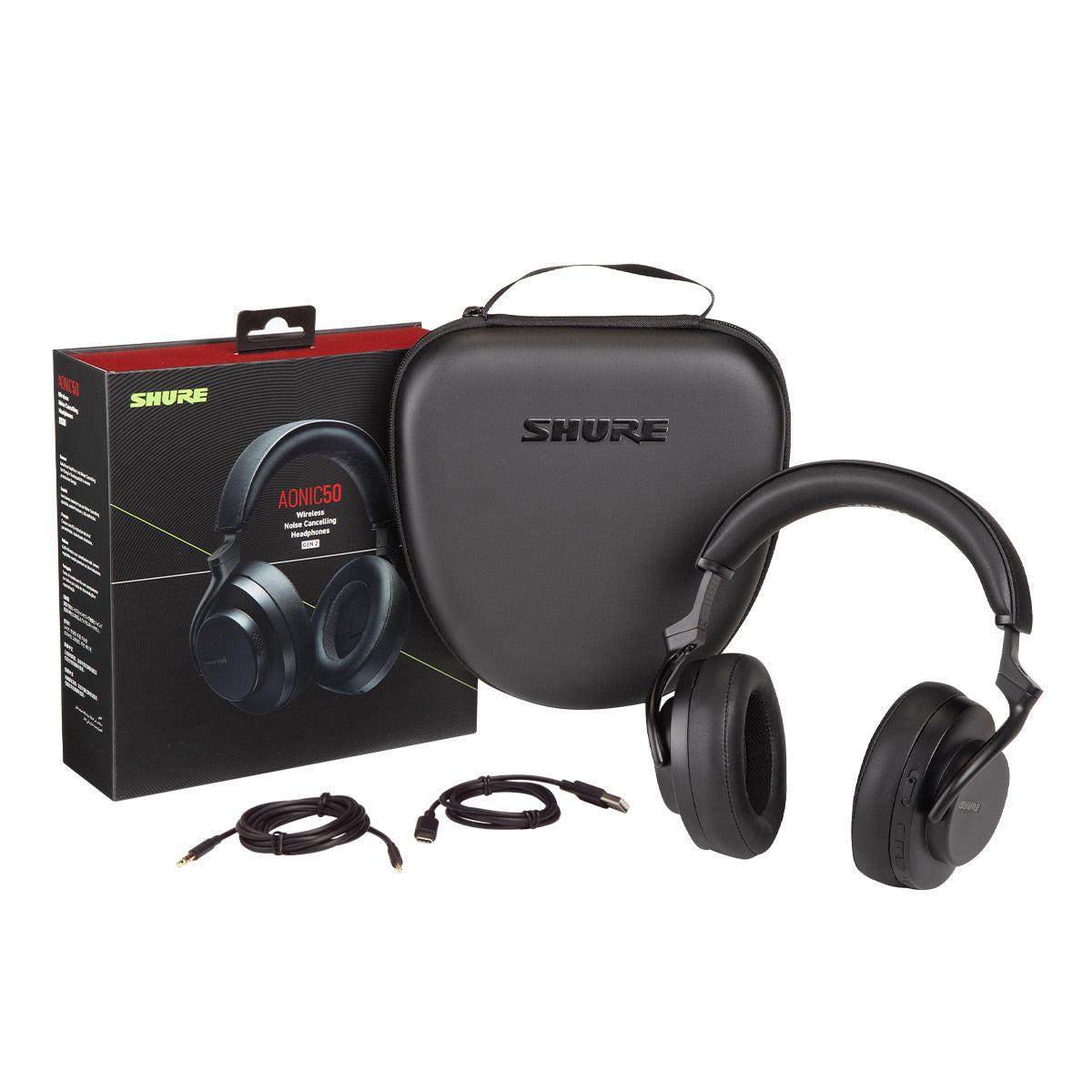
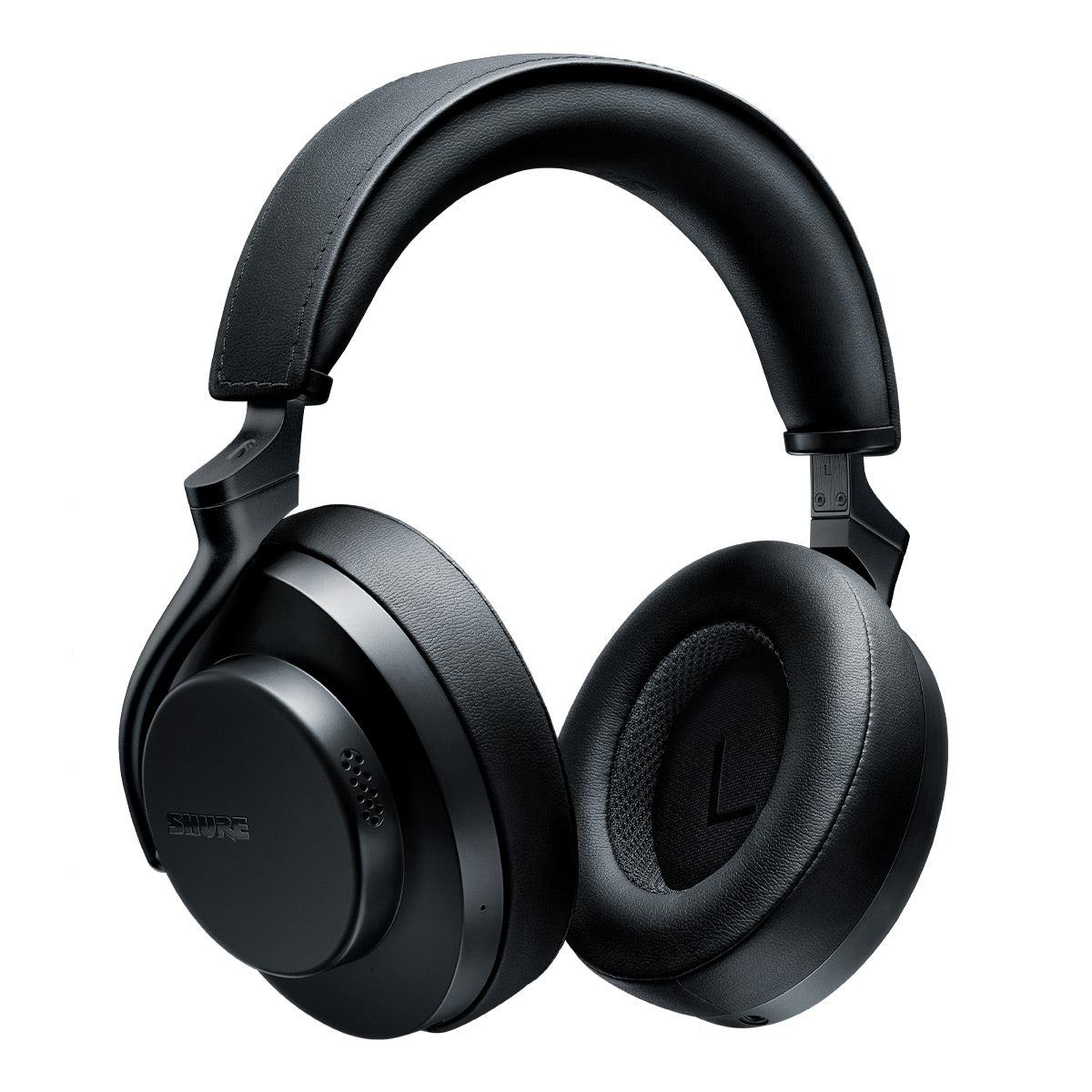

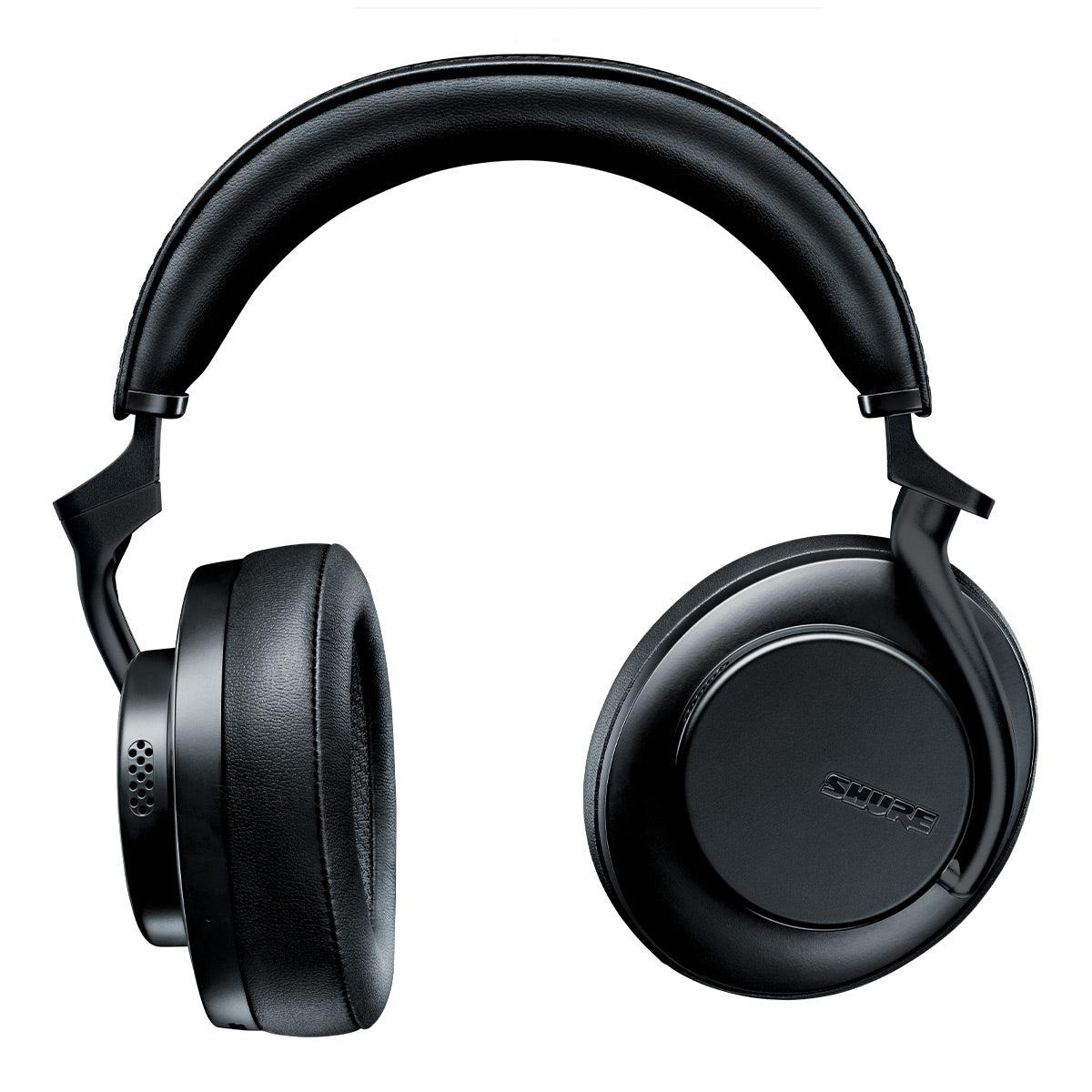
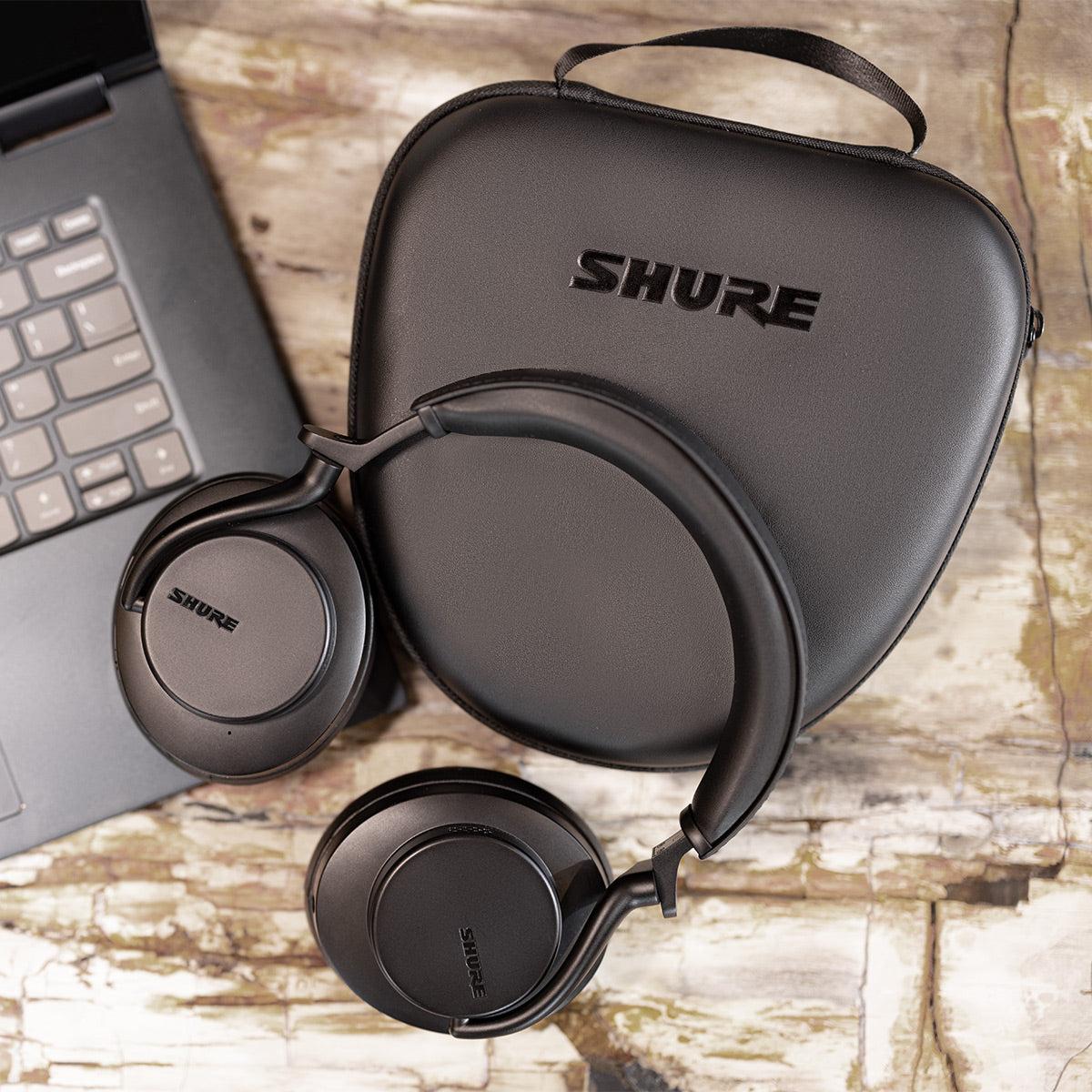
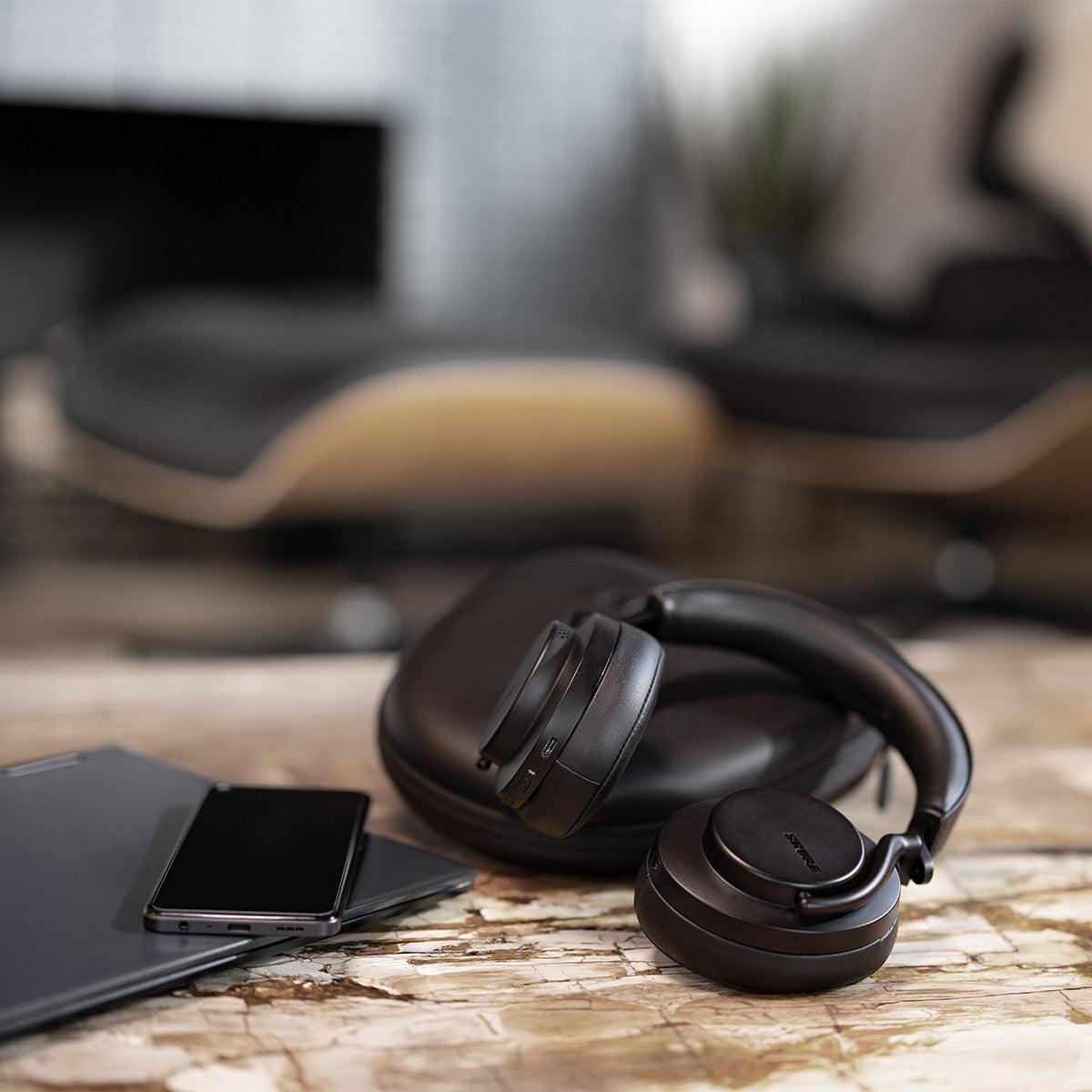



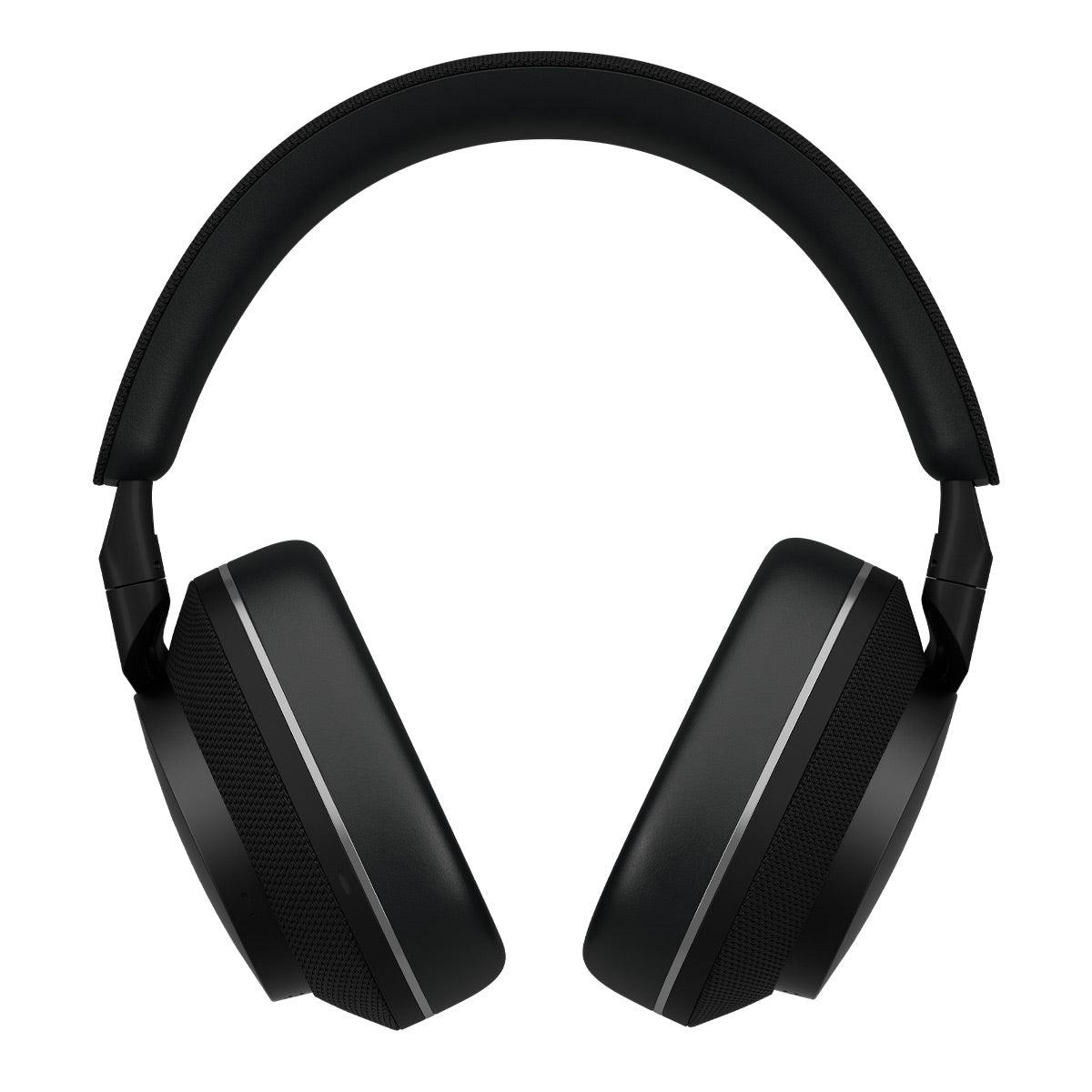
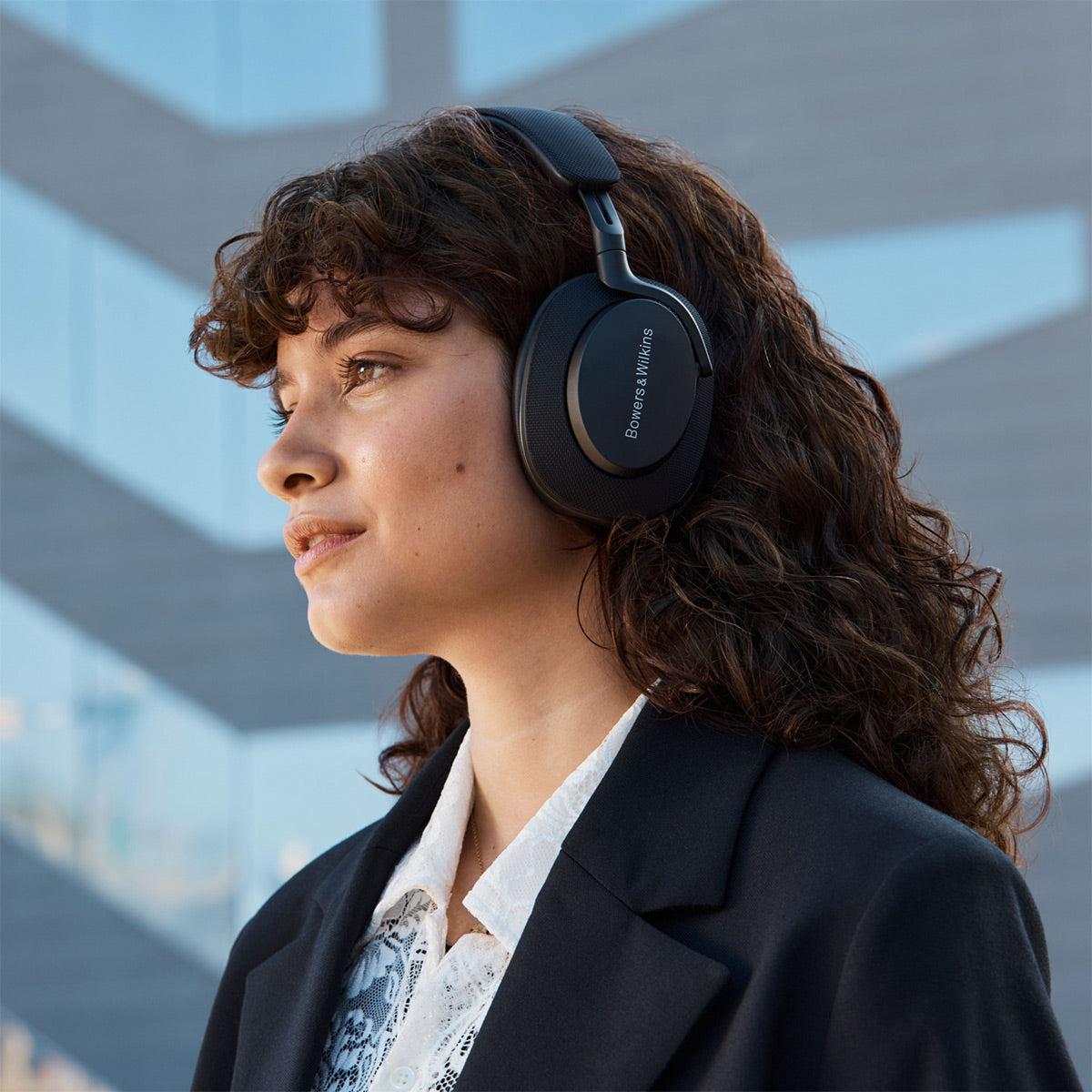
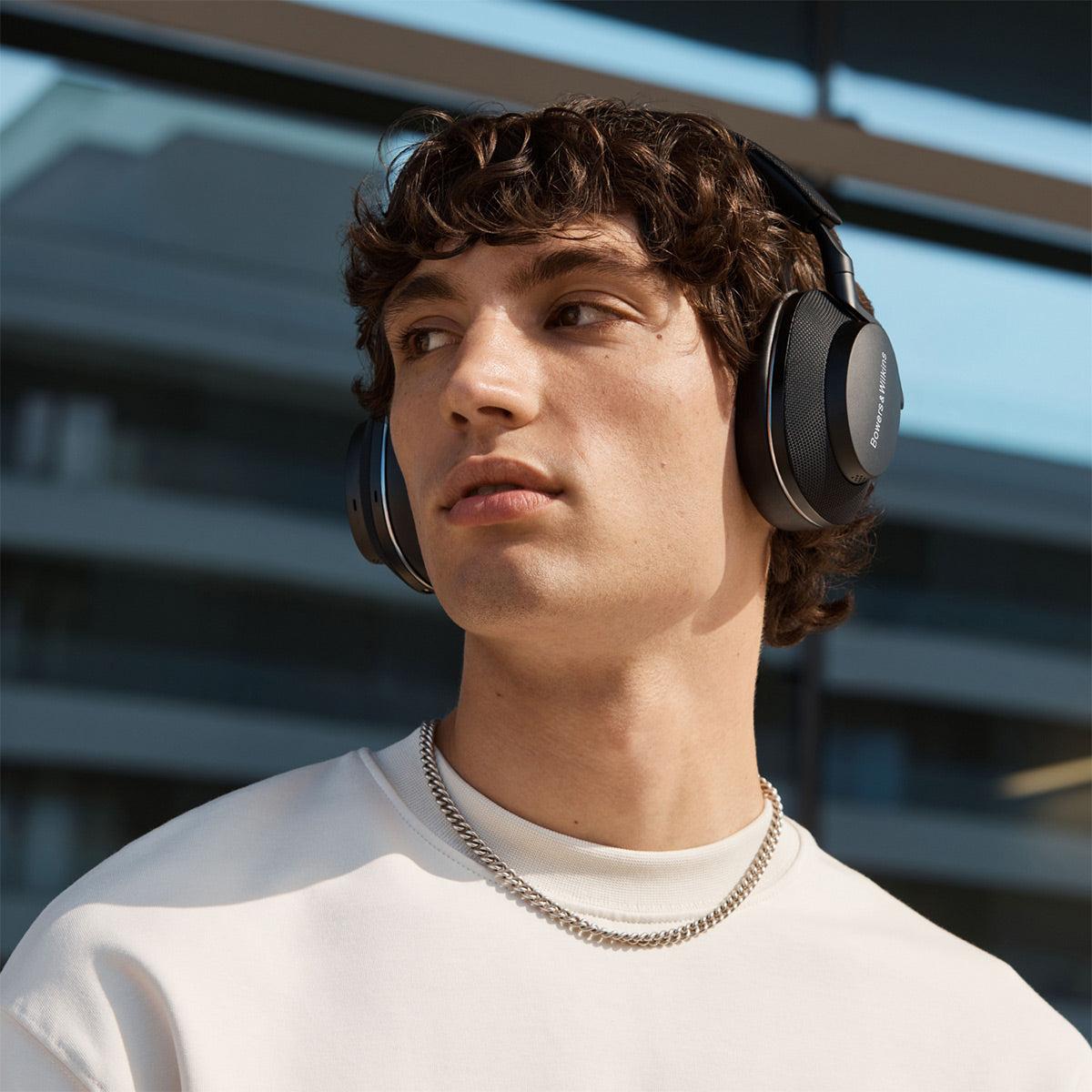
When you're ready to invest in premium wireless headphones, the decision can feel overwhelming. The market is flooded with options, each promising the ultimate listening experience. Today, I'm comparing two standout models that represent different philosophies in high-end audio: the Shure Aonic 50 Gen 2 and the Bowers & Wilkins Px7 S2e.
Having spent considerable time with both headphones, I can tell you that this isn't a simple "one size fits all" comparison. These products target different types of listeners, despite both sitting firmly in the premium wireless category. At the time of writing, the Shure Aonic 50 Gen 2 commands a significantly higher price point, while the Bowers & Wilkins Px7 S2e offers what many consider exceptional value in the premium segment.
Before diving into specifics, let's establish what makes a headphone "premium." We're talking about products that prioritize multiple aspects of the listening experience: exceptional sound quality, advanced noise cancellation, premium materials, and smart features that enhance daily use. These aren't your basic wireless headphones – they're designed for listeners who can hear the difference between good and great audio reproduction.
The key considerations when shopping in this category include driver technology (the tiny speakers inside each ear cup), active noise cancellation effectiveness, battery life, comfort for extended sessions, and connectivity options. Each of these elements contributes to the overall experience, but their relative importance varies depending on how you plan to use your headphones.
The Shure Aonic 50 Gen 2, released in 2024, represents Shure's consumer-focused evolution of their professional audio heritage. Shure has been crafting microphones and audio equipment for recording studios and live performances for decades, and this expertise shows in their approach to headphone design. The second generation brought significant improvements over the original, particularly in battery life and sound processing.
Meanwhile, the Bowers & Wilkins Px7 S2e, which arrived in late 2023, takes a more balanced approach. B&W has built their reputation on high-end speakers that grace luxury homes and recording studios worldwide. Their headphone philosophy centers on natural sound reproduction – the idea that audio should sound exactly as the artist intended, without artificial enhancement or coloration.
This is where things get fascinating. Both headphones excel in audio reproduction, but they achieve excellence through different means.
The Shure Aonic 50 Gen 2 employs larger 50mm dynamic drivers – these are the actual speakers inside each ear cup that convert electrical signals into sound waves. Larger drivers generally mean more surface area to move air, which can translate to better bass response and overall dynamics. Shure pairs these drivers with neodymium magnets, which provide stronger magnetic fields for more precise driver movement. The result is exceptionally detailed sound reproduction that reveals subtle elements in your music that smaller drivers might miss.
What sets the Shure apart is its Spatialized Audio technology. This proprietary processing creates three distinct listening modes: Music mode simulates sitting in an acoustically treated room with high-end speakers, Cinema mode recreates the sub-bass and clarity of a movie theater, and Podcast mode focuses on vocal clarity and intimacy. Having tested these modes extensively, I found the Cinema mode particularly impressive for home theater use – action sequences gain a sense of space and impact that standard stereo reproduction simply can't match.
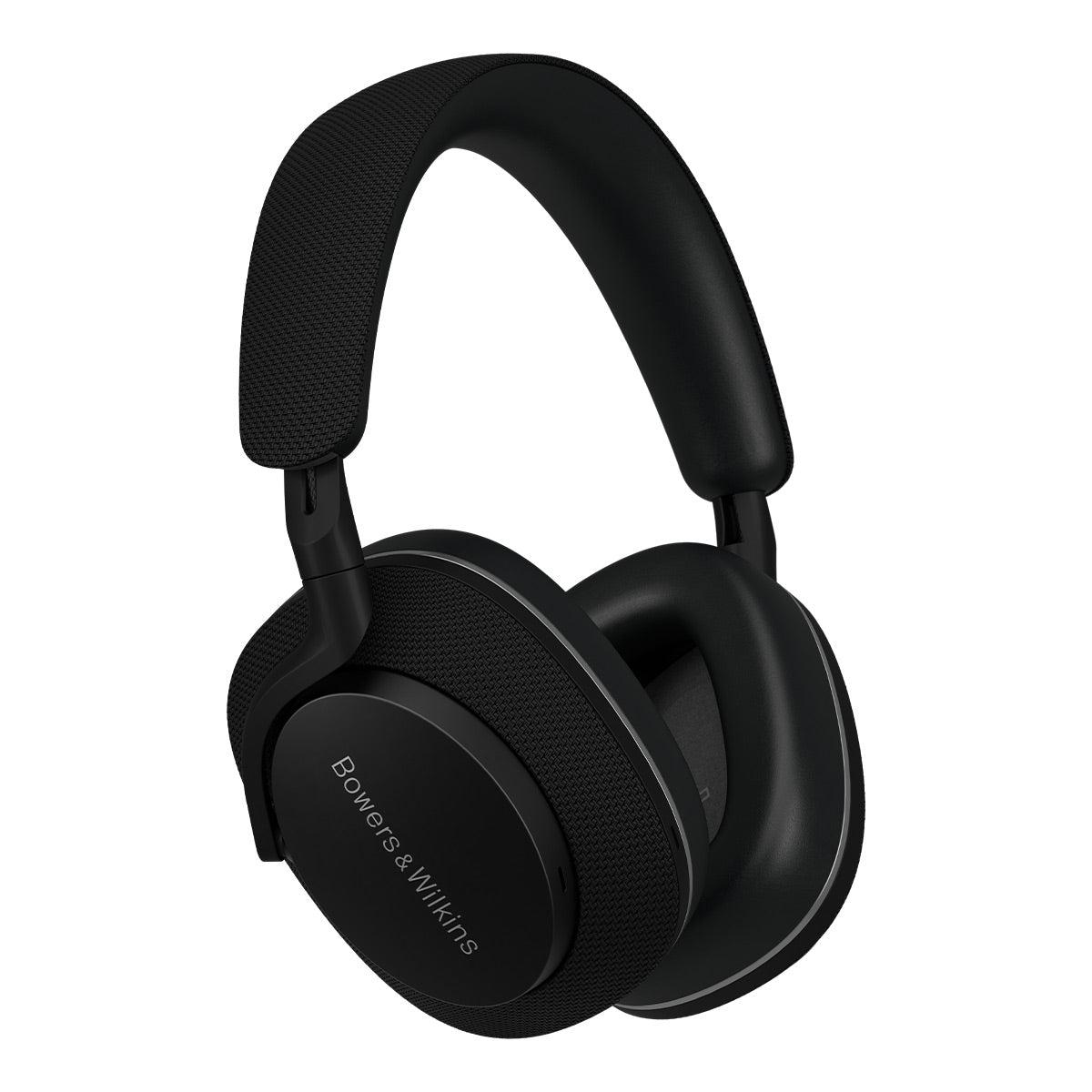
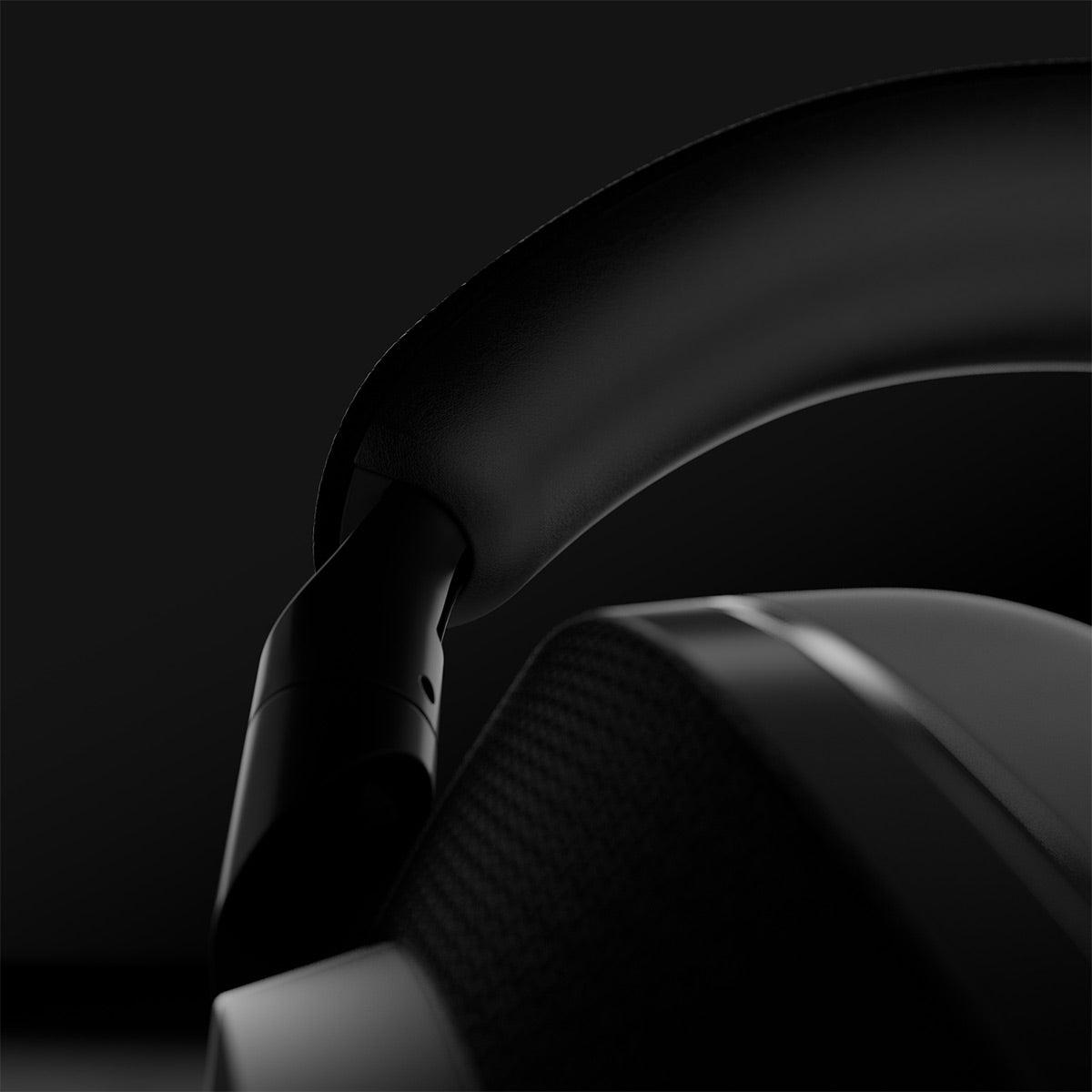
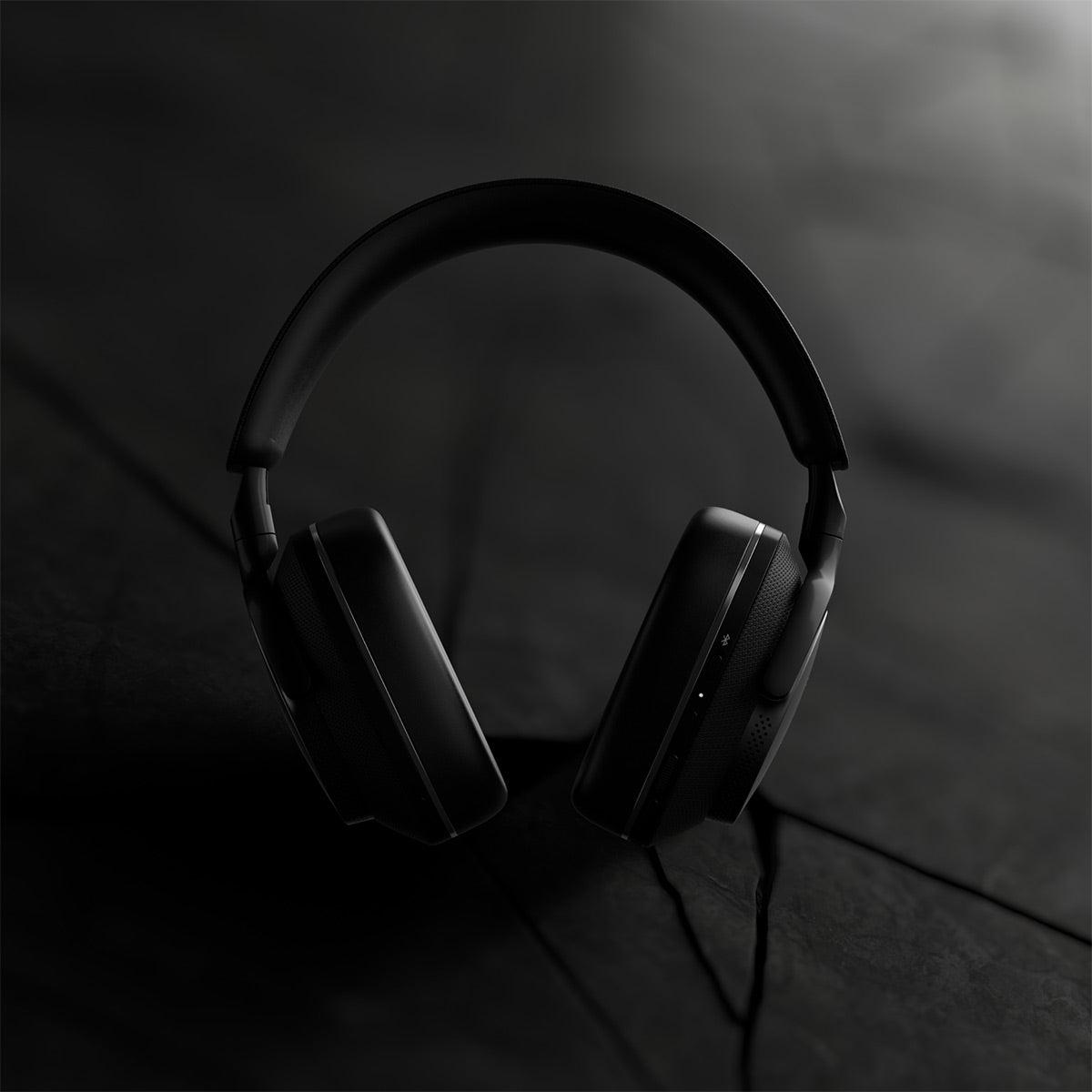
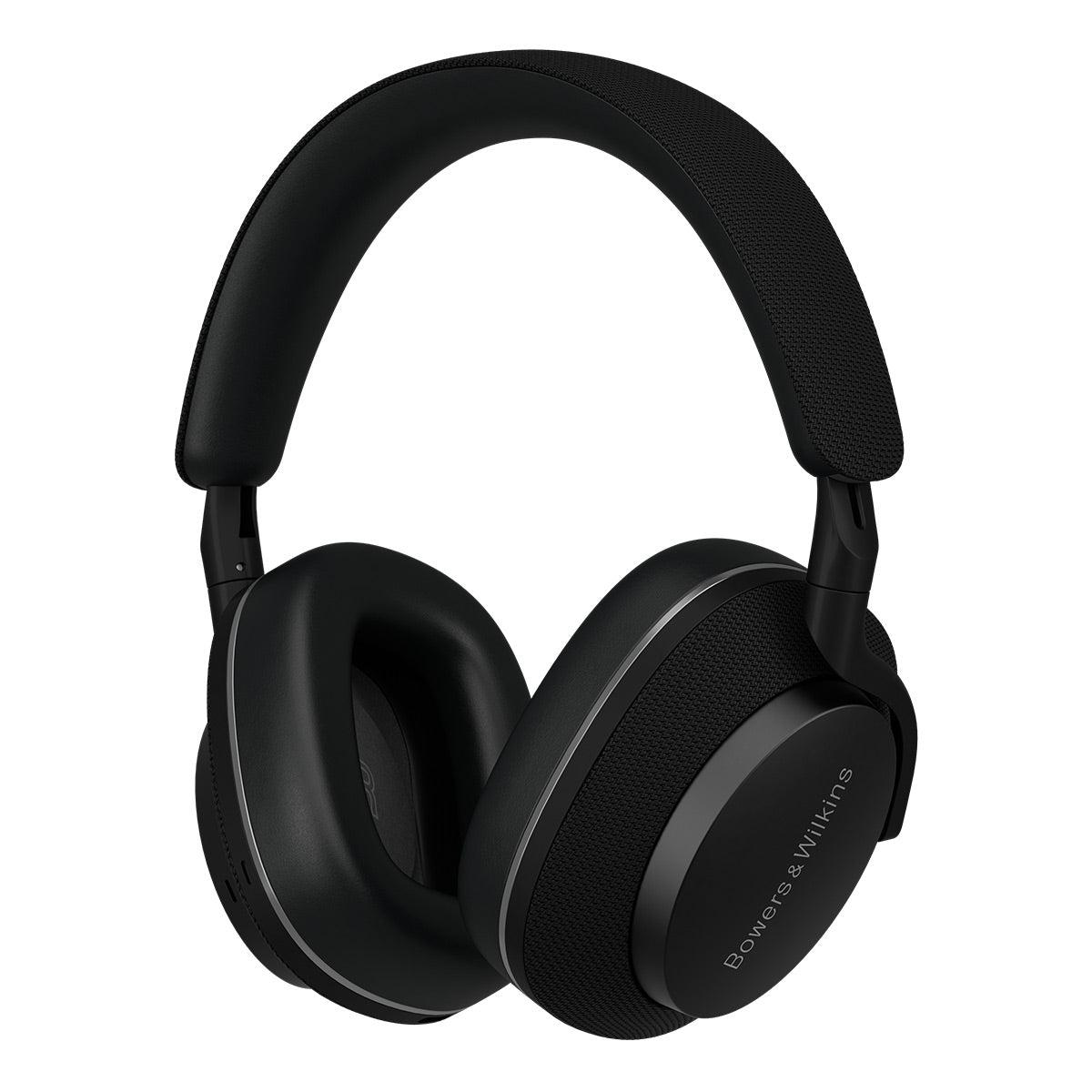
The Bowers & Wilkins Px7 S2e takes a different approach with custom 40mm bio-cellulose drivers. Bio-cellulose is a material that offers exceptional stiffness-to-weight ratio, meaning the drivers can respond quickly to electrical signals without unwanted resonances. B&W angles these drivers precisely within each ear cup and pairs them with 24-bit digital signal processing (DSP) – essentially a computer chip that optimizes the audio signal before it reaches your ears.
The magic of the Px7 S2e lies in its tuning. Where many headphones require equalization adjustments to sound their best, the B&W delivers what many reviewers call the "best stock sound profile" in its class. The bass extends deeper (down to 10Hz versus the Shure's 20Hz), providing more impactful low-end response, while maintaining exceptional control that prevents muddiness. Vocals possess a natural timbre that makes singers sound like they're performing in the same room.
For home theater applications, both headphones excel but in different ways. The Shure's Cinema mode creates an expansive soundstage that makes movie dialogue crystal clear while enhancing the impact of action sequences. The Px7 S2e's natural tuning means you won't need to adjust settings between music and movies – everything sounds balanced and engaging right out of the box.
Active Noise Cancellation (ANC) works by using microphones to detect external sounds and generating inverse sound waves to cancel them out. It's particularly effective against consistent, low-frequency noise like airplane engines or air conditioning units.
The Shure Aonic 50 Gen 2 features hybrid digital ANC with four selectable modes. "Hybrid" means it uses microphones both inside and outside the ear cups for more comprehensive noise detection. The Environmental Mode, adjustable across eleven stages, lets you fine-tune how much external sound you want to hear – useful for maintaining situational awareness while walking or when you need to hear announcements.
However, in my testing, the Shure's ANC performance falls short of expectations for a headphone in this price range. It struggles with wind noise and doesn't provide the consistent, powerful cancellation you'd expect when compared to category leaders like Sony or Bose.
The Bowers & Wilkins Px7 S2e employs a six-microphone hybrid ANC system – four microphones dedicated to noise cancellation and two for phone calls. While not class-leading either, it provides more consistent performance across different environments. The transparency mode (which lets external sound in) works effectively without introducing the hissing or artificial sound that plagues some competitors.
Neither headphone matches the ANC prowess of dedicated noise-canceling champions, but for most listening scenarios, both provide adequate isolation. If maximum noise cancellation is your priority, you might want to consider other options in this price range.
Battery life often gets overlooked until you're stuck with dead headphones during a long flight. This is where the Shure Aonic 50 Gen 2 truly shines, delivering an industry-leading 45 hours of playback time. This represents more than double the battery life of the original model – a substantial improvement that addresses one of the first generation's main complaints.
The practical implications are significant: you could use these headphones for several hours daily for over two weeks before needing to charge them. The quick-charge feature provides five hours of playback from just 15 minutes of charging, though this ratio isn't as impressive as some competitors.
The Bowers & Wilkins Px7 S2e offers a respectable 30 hours of playback, which puts it in line with most premium competitors. However, its quick-charge performance is superior, providing seven hours of playback from a 15-minute charge. In practical terms, both headphones offer more than enough battery life for most users, but the Shure's extended runtime provides genuine peace of mind for frequent travelers.
Connectivity is where technical specifications really matter. The Shure Aonic 50 Gen 2 supports an impressive array of audio codecs – the compression formats that determine how your music gets transmitted wirelessly. It handles SBC (the basic Bluetooth audio standard), AAC (preferred by Apple devices), aptX and aptX HD (higher quality Android formats), aptX Adaptive (which adjusts quality based on connection stability), and Sony's LDAC (capable of near-CD quality wireless transmission).
More impressively, the Shure supports wired hi-res audio up to 32-bit/384kHz through its USB-C connection. To put this in perspective, CD audio is 16-bit/44.1kHz, so this represents dramatically higher resolution audio reproduction. This capability exceeds even some dedicated audiophile headphones costing significantly more.
The Bowers & Wilkins Px7 S2e supports Bluetooth 5.2 with aptX Adaptive, providing stable connections and high-quality wireless audio. While its codec support isn't as extensive as the Shure's, it covers the essentials that most users will encounter. The 24-bit DSP processing ensures optimal sound quality from any source.
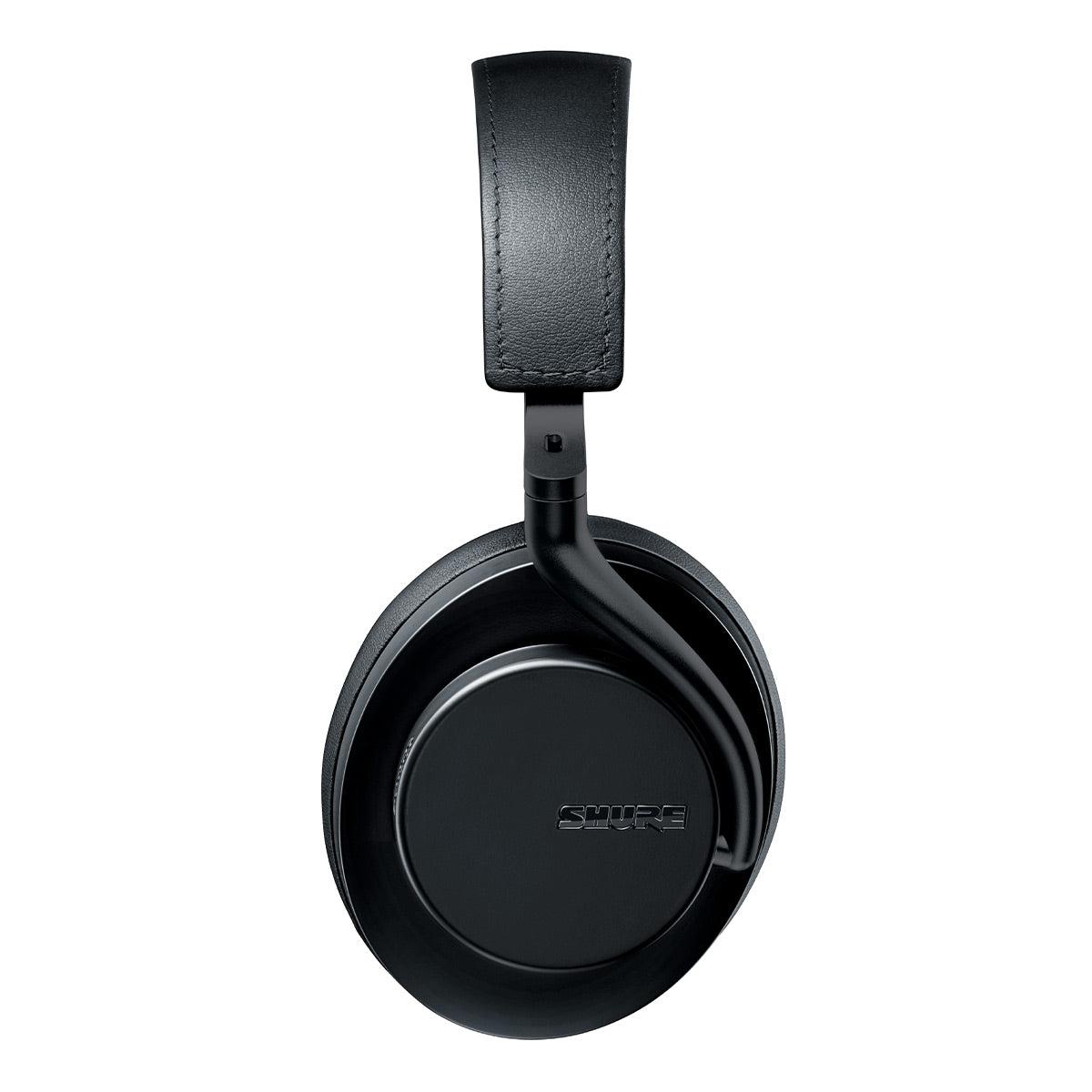
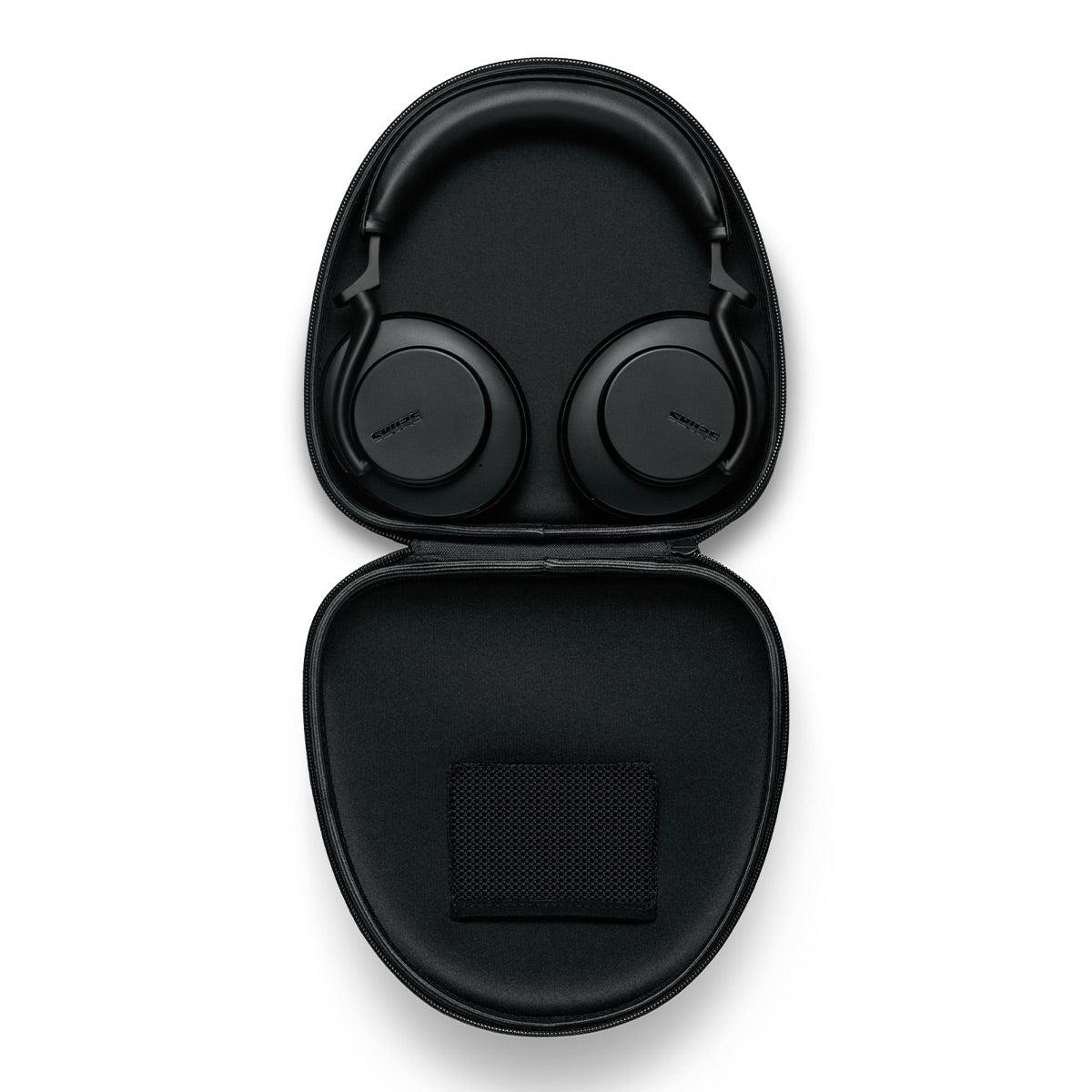
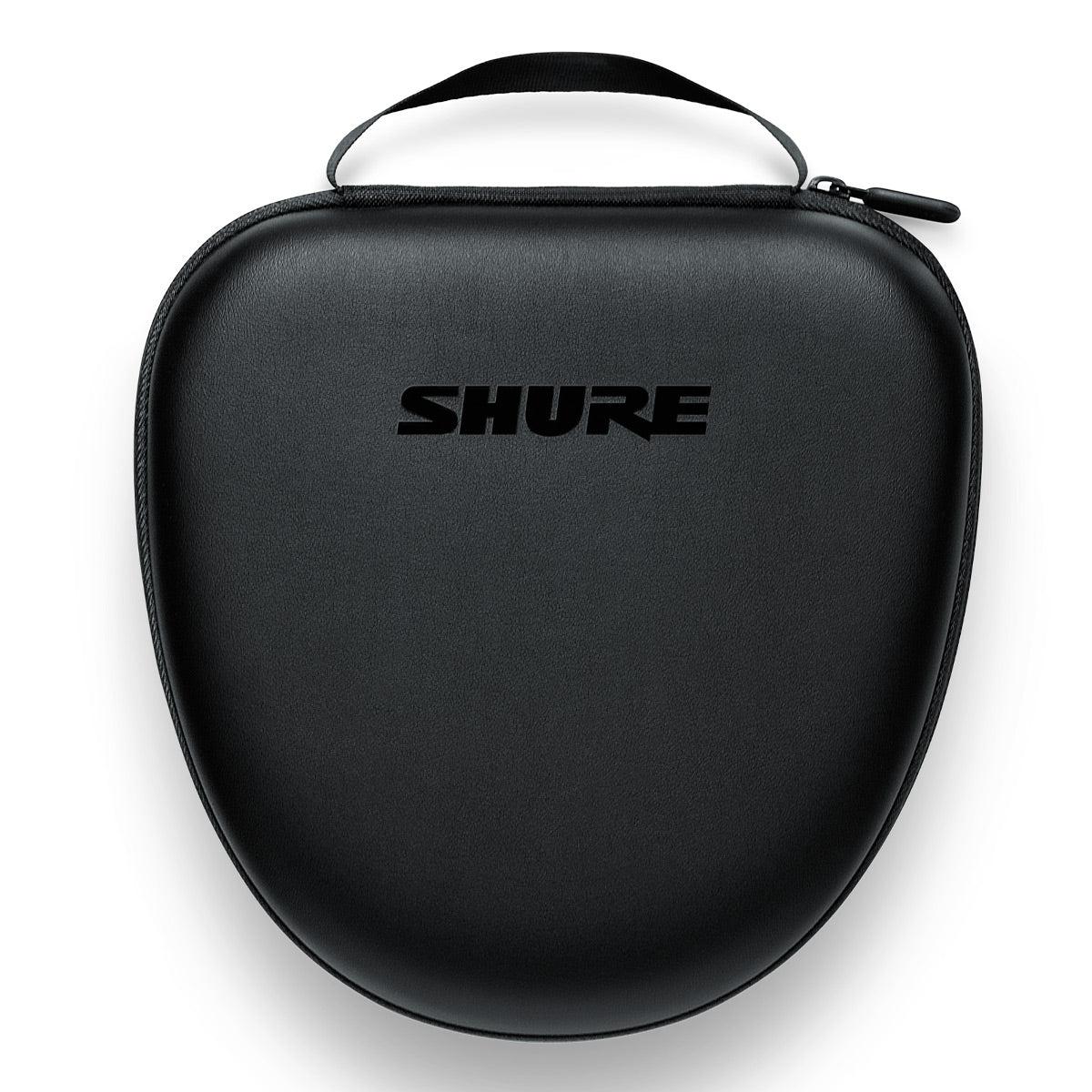
Comfort becomes crucial when you're wearing headphones for hours at a time. The Shure Aonic 50 Gen 2 weighs approximately 334-340 grams, making it noticeably heavier than many competitors. However, Shure has done excellent work with weight distribution, and the plush ear cushions help manage the additional mass. The fold-flat design aids portability, and the included carrying case provides good protection.
One significant limitation is the complete lack of weather protection. There's no IP rating, meaning these headphones aren't suitable for use in rain or particularly humid conditions like a gym. This limits their versatility as everyday companions.
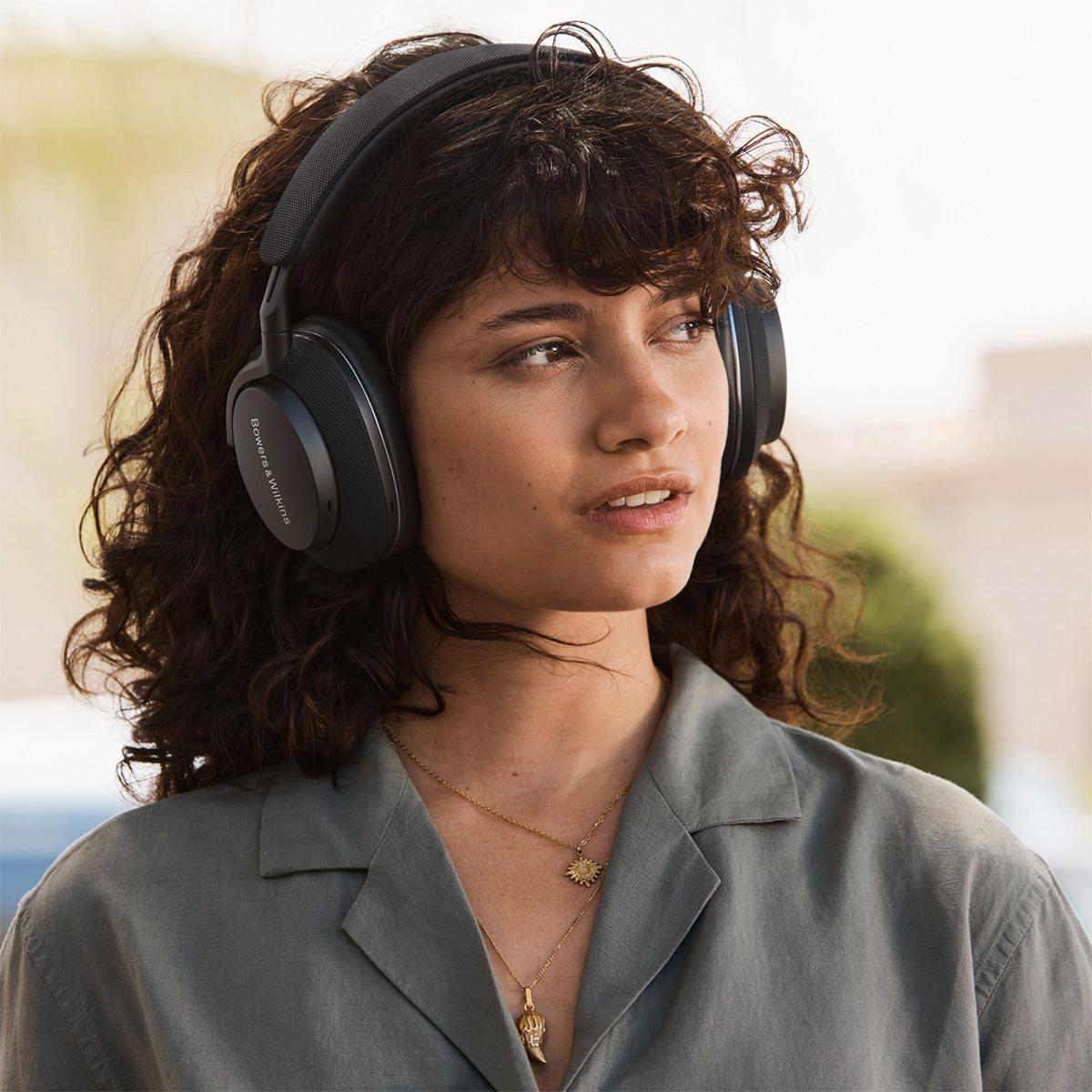
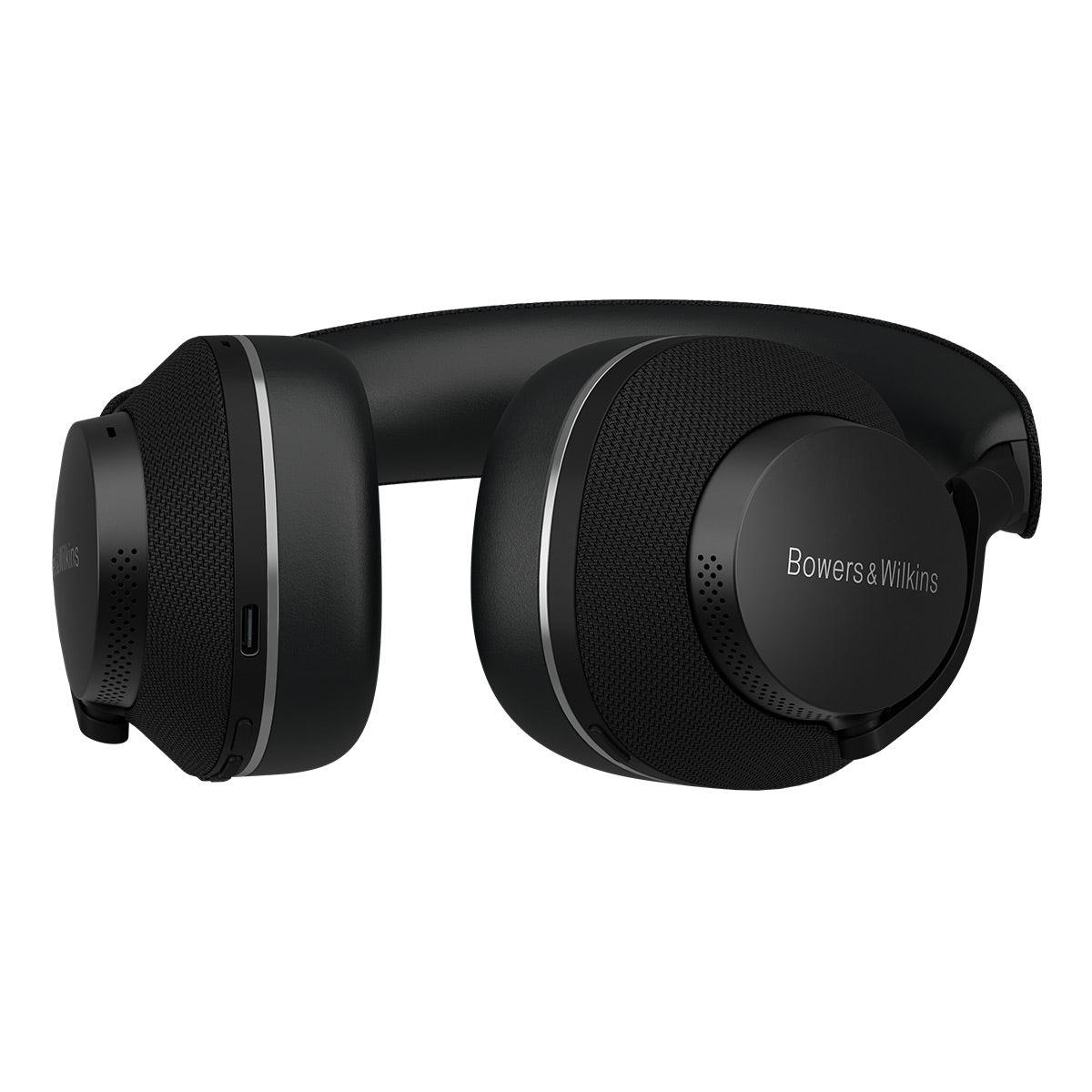
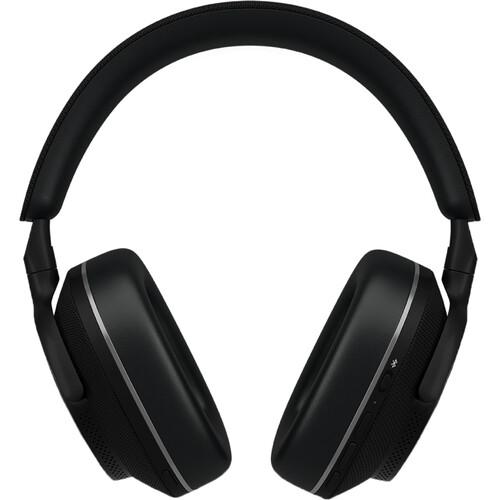
The Bowers & Wilkins Px7 S2e weighs about 307 grams and feels more balanced on your head. The memory foam ear pads with fabric finish provide luxurious comfort, and the metal detailing adds to the premium feel. More importantly, the IPX7 water resistance rating means these headphones can handle rain, sweat, and accidental spills – a significant practical advantage for daily use.
However, the Px7 S2e doesn't fold, which limits portability compared to the Shure's fold-flat design. It's a trade-off between structural integrity and travel convenience.
Modern premium headphones are essentially computers you wear on your head, and the software experience matters as much as the hardware.
The Shure Aonic 50 Gen 2 integrates with the ShurePlus PLAY app, which provides extensive customization options. You can adjust the four-band parametric equalizer, control ANC settings, select Spatialized Audio modes, and customize button controls. The app also supports direct streaming from various music services.
One notable omission is the lack of wear sensors – the headphones won't automatically pause when you remove them, a convenience feature that becomes surprisingly important in daily use.
The Bowers & Wilkins Px7 S2e includes wear-detection sensors that automatically pause playback when you remove the headphones and resume when you put them back on. The Bowers & Wilkins Music app provides streaming service integration and basic customization options, though it's less comprehensive than Shure's offering.
At the time of writing, the pricing difference between these headphones is substantial. The Shure Aonic 50 Gen 2 commands a significant premium, while the Bowers & Wilkins Px7 S2e offers what many consider exceptional value in the premium segment.
The Shure's higher price reflects its professional heritage, exceptional battery life, and extensive codec support. If you're an audio professional, serious enthusiast, or someone who values technical excellence above all else, the premium may be justified.
The Bowers & Wilkins Px7 S2e represents outstanding value, delivering roughly 80% of premium performance at a significantly lower price point. For most users, this represents the sweet spot between cost and capability.
Choose the Shure Aonic 50 Gen 2 if you prioritize maximum battery life for extended use, need professional-grade hi-res audio support, value extensive codec compatibility, primarily use headphones indoors, and are willing to pay a premium for technical excellence. These are ideal for audio professionals, serious audiophiles, or anyone who spends long periods in critical listening sessions.
Choose the Bowers & Wilkins Px7 S2e if you want exceptional sound quality at a more accessible price point, need weather protection for outdoor use, prefer lighter weight for extended wearing comfort, value natural sound tuning that requires no adjustment, and want the best overall daily-use experience.
Both headphones excel in their intended roles. The Shure represents the technical pinnacle for dedicated audio enthusiasts, while the Bowers & Wilkins offers the sweet spot of audiophile sound quality, practical features, and accessible pricing for most premium headphone buyers. Your choice ultimately depends on whether you prioritize absolute technical capability or well-rounded daily usability.
| Shure Aonic 50 Gen 2 | Bowers & Wilkins Px7 S2e |
|---|---|
| Driver Size - Larger drivers typically provide better bass response and dynamics | |
| 50mm dynamic drivers with neodymium magnets | 40mm bio-cellulose drivers with 24-bit DSP |
| Battery Life - Critical for travel and extended listening sessions | |
| 45 hours (industry-leading, 50% more than most competitors) | 30 hours (competitive standard for premium headphones) |
| Weight - Affects comfort during long listening sessions | |
| 334-340g (heavier but well-distributed) | 307g (lighter with better balance) |
| Active Noise Cancellation - Essential for commuting and noisy environments | |
| Hybrid ANC with 4 modes (average performance, struggles with wind) | 6-microphone hybrid system (good but not class-leading) |
| Weather Resistance - Important for outdoor use and durability | |
| No IP rating (indoor use only) | IPX7 rating (rain and sweat resistant) |
| Audio Codec Support - Determines wireless sound quality with different devices | |
| Extensive: SBC, AAC, aptX, aptX HD, aptX Adaptive, LDAC | Standard: SBC, AAC, aptX Adaptive |
| Hi-Res Audio Support - For audiophiles using high-quality sources | |
| 32-bit/384kHz via USB-C (exceeds most audiophile headphones) | 24-bit DSP processing |
| Frequency Response - Range of audible frequencies reproduced | |
| 20Hz - 22kHz (wider treble extension) | 10Hz - 20kHz (deeper bass extension) |
| Smart Features - Convenience features for daily use | |
| No wear sensors, extensive app customization, Spatialized Audio | Wear detection sensors, basic app, natural tuning |
| Portability - Important for travel and storage | |
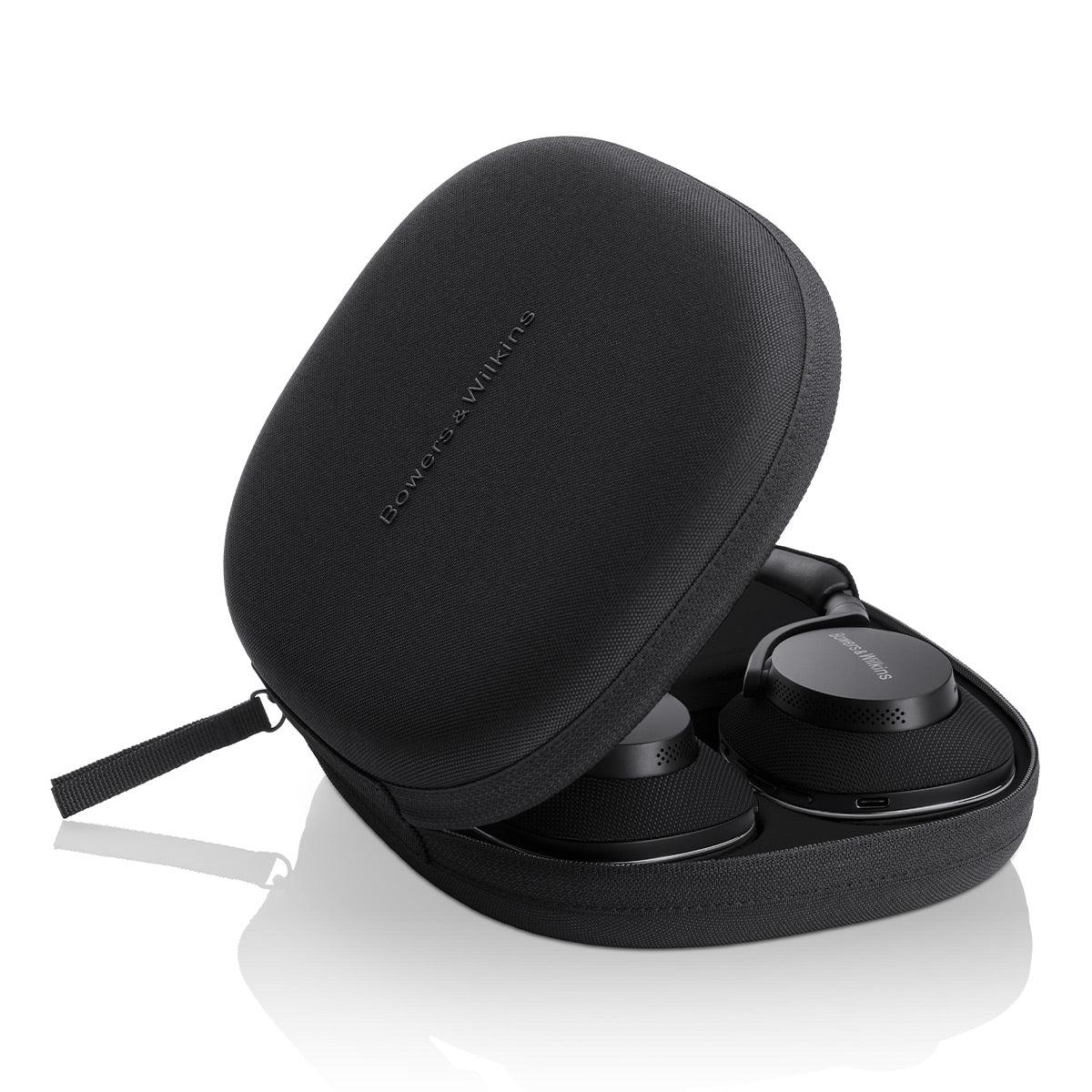
| Fold-flat design with carrying case | No folding but includes carry case |
| Quick Charge Performance - How much playback time from short charging | |
| 5 hours from 15 minutes | 7 hours from 15 minutes (better ratio) |
| Target User - Who benefits most from each product's strengths | |
| Audio professionals, serious audiophiles, long-session listeners | Daily users seeking premium sound with practical features |
Both the Shure Aonic 50 Gen 2 and Bowers & Wilkins Px7 S2e offer exceptional sound quality but with different strengths. The Shure Aonic 50 Gen 2 features larger 50mm drivers and provides highly detailed, reference-quality sound with extensive customization options. The Bowers & Wilkins Px7 S2e delivers more natural, immediately satisfying sound with superior bass control and requires no equalization adjustments. For most listeners, the Px7 S2e offers the better out-of-the-box experience.
The Shure Aonic 50 Gen 2 offers industry-leading battery life with up to 45 hours of playback time, making it ideal for frequent travelers and long listening sessions. The Bowers & Wilkins Px7 S2e provides 30 hours of battery life, which is competitive but 33% shorter than the Shure model. However, the Px7 S2e has better quick-charge performance, offering 7 hours of playback from just 15 minutes of charging.
The Bowers & Wilkins Px7 S2e is lighter at 307g compared to the Shure Aonic 50 Gen 2's 334-340g weight, making it more comfortable for extended wear. The Px7 S2e also features luxurious memory foam ear pads and better weight distribution. While both headphones are designed for comfort, the lighter Bowers & Wilkins typically causes less fatigue during all-day use.
Neither the Shure Aonic 50 Gen 2 nor the Bowers & Wilkins Px7 S2e leads the market in active noise cancellation. The Shure offers hybrid ANC with four selectable modes but struggles with wind noise and consistency. The Px7 S2e provides more reliable noise cancellation with its six-microphone system, though it's still not class-leading. Both are adequate for general use but don't match Sony or Bose for maximum noise isolation.
Both headphones excel for home theater use but in different ways. The Shure Aonic 50 Gen 2 features Spatialized Audio technology with a dedicated Cinema mode that recreates movie theater acoustics and enhances dialogue clarity. The Bowers & Wilkins Px7 S2e offers natural sound reproduction that works excellently for movies without requiring mode switching. For dedicated home theater enthusiasts, the Shure's Cinema mode provides a more immersive experience.
The Bowers & Wilkins Px7 S2e has a slight advantage for phone calls with its dedicated two-microphone telephony system that provides clear voice reproduction. The Shure Aonic 50 Gen 2 offers adequate call quality but lacks the specialized microphone setup of the Px7 S2e. Both headphones include noise-canceling microphones, but the Bowers & Wilkins generally delivers clearer call performance.
Only the Bowers & Wilkins Px7 S2e offers weather protection with its IPX7 rating, making it suitable for rain, sweat, and outdoor activities. The Shure Aonic 50 Gen 2 has no IP rating and should be kept away from moisture, limiting its use to indoor environments. For active users or those who need all-weather headphones, the Px7 S2e is the clear choice.
The Shure Aonic 50 Gen 2 features a fold-flat design that makes it more compact for travel, and it includes a protective carrying case. The Bowers & Wilkins Px7 S2e doesn't fold but still comes with a carry case. For frequent travelers who prioritize compact storage, the Shure's folding design offers a practical advantage despite being slightly heavier overall.
Both the Shure Aonic 50 Gen 2 and Bowers & Wilkins Px7 S2e work excellently with Android and iPhone devices. The Shure offers more extensive codec support including LDAC for Android devices and AAC for iPhones, potentially providing higher wireless audio quality. The Px7 S2e supports the essential codecs for both platforms and includes features like Google Fast Pair for easier Android connectivity.
The Bowers & Wilkins Px7 S2e typically offers better value, delivering approximately 80% of premium performance at a significantly lower price point than the Shure Aonic 50 Gen 2. While the Shure justifies its premium with exceptional battery life and professional-grade features, the Px7 S2e provides more practical features like weather resistance and lighter weight at a more accessible price.
Both headphones support wired connections through USB-C. The Shure Aonic 50 Gen 2 excels here with support for hi-res audio up to 32-bit/384kHz, exceeding even many dedicated audiophile headphones. The Bowers & Wilkins Px7 S2e also supports wired listening through USB-C and includes both USB-C to USB-C and USB-C to 3.5mm cables. For audiophiles seeking maximum wired audio quality, the Shure provides superior capabilities.
Both Shure and Bowers & Wilkins offer solid customer support backed by their established reputations in professional audio. The Px7 S2e comes with a 2-year warranty on both parts and labor. Shure has a long-standing reputation for supporting professional audio equipment and typically offers comprehensive customer service. Both brands provide mobile apps for firmware updates and customization, ensuring ongoing product support.
We've done our best to create useful and informative comparisons to help you decide what product to buy. Our research uses advanced automated methods to create this comparison and perfection is not possible - please contact us for corrections or questions. These are the sites we've researched in the creation of this article: tomsguide.com - headphonecheck.com - whathifi.com - majorhifi.com - rtings.com - versus.com - majorhifi.com - versus.com - audio46.com - youtube.com - bhphotovideo.com - techradar.com - soundpro.com - shure.com - americanmusical.com - pubs.shure.com - blog.zzounds.com - service.shure.com - fullcompass.com - recordingnow.com - whathifi.com - bowerswilkins.com - avnation.tv - tomsguide.com - rtings.com - audiograde.uk - youtube.com - soundguys.com - majorhifi.com - telquestintl.com - costco.com - bhphotovideo.com - headphones.com - bowerswilkins.com - thesourceav.com - sweetwater.com - telquestintl.com - sg.tcacoustic.asia - headphonecheck.com - bestbuy.com - img.computerunivers.net - audioadvisor.com

Privacy Policy
Terms and Conditions - Affiliate Policy
Home Security
© Copyright 2008-2026.
11816 Inwood Rd #1211, Dallas, TX 75244