

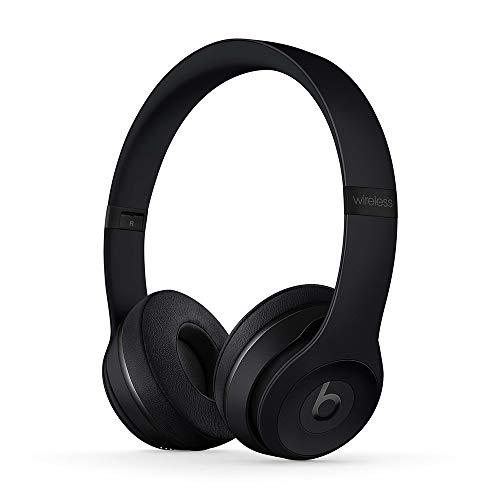
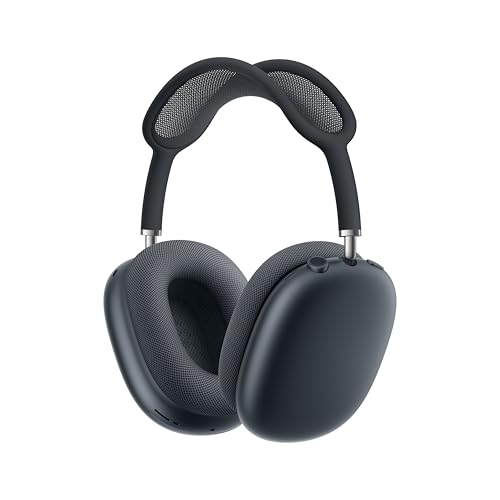
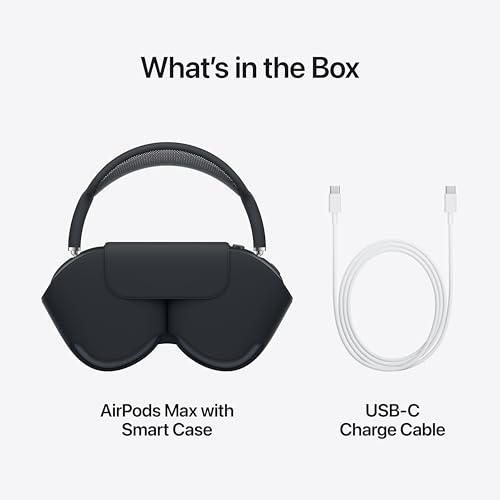
When it comes to choosing premium wireless headphones from Apple's ecosystem, you're likely considering two very different approaches to audio excellence. The Beats Solo3 Wireless and Apple AirPods Max might share some DNA through Apple's ownership of Beats, but they represent completely different philosophies in headphone design. Let me walk you through everything you need to know to make the right choice for your needs and budget.
The wireless headphone market has exploded over the past decade, and understanding the key differences between on-ear and over-ear designs is crucial to making the right choice. The Beats Solo3 Wireless, released in 2016, pioneered the use of Apple's W1 chip in headphones, bringing improved battery life and connectivity to the table. Meanwhile, the Apple AirPods Max, launched in 2020, represents Apple's flagship entry into premium over-ear headphones with their advanced H1 chip technology.
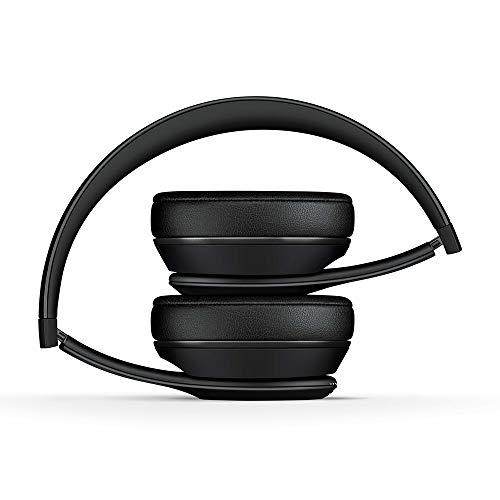
The fundamental difference lies in their form factors. On-ear headphones like the Solo3 rest directly on your ears, making them lighter and more portable but potentially less comfortable for extended use. Over-ear headphones like the AirPods Max completely surround your ears with larger ear cups, typically offering better sound isolation and comfort but at the cost of increased size and weight.
When shopping for wireless headphones, the main considerations include sound quality, active noise cancellation capabilities, battery life, comfort for your intended use cases, and how well they integrate with your existing devices. The price difference between these two models is substantial - at the time of writing, you can find the Beats Solo3 for significantly less than half the cost of the Apple AirPods Max, making this comparison as much about value as it is about features.
The most important aspect of any headphone is how it sounds, and these two models take dramatically different approaches to audio reproduction. The Beats Solo3 Wireless follows the classic Beats sound signature - a bass-heavy, energetic presentation that makes vocals pop and adds excitement to popular music genres like hip-hop, pop, and electronic music.
This sound signature is achieved through careful tuning of the frequency response curve. The bass frequencies (roughly 20-200 Hz) are emphasized to give that punchy, impactful low-end that Beats is known for. The midrange frequencies (200-2000 Hz), where most vocals live, are pushed forward to make singers sound like they're right in front of you. However, the treble frequencies (above 2000 Hz) are rolled off, meaning you lose some detail and sparkle in instruments like cymbals and the upper harmonics of vocals. This tuning reduces listening fatigue but can make the sound feel less detailed compared to more neutral headphones.
The Apple AirPods Max, on the other hand, aims for a more balanced, reference-quality sound. Apple's engineers tuned these headphones to reproduce audio as close to the original recording as possible. The bass is present and controlled without overpowering other frequencies, the midrange is natural and detailed, and the treble extends well without becoming harsh or sibilant (that sharp "s" sound that can be unpleasant in some headphones).
What makes the AirPods Max particularly impressive is their Adaptive EQ technology. Using inward-facing microphones, the headphones constantly measure what you're actually hearing based on how the ear cushions seal around your ears. If the seal isn't perfect, the headphones automatically adjust the frequency response to compensate. This means you get consistent sound quality regardless of your ear shape or how you're wearing the headphones.
For home theater use, the Apple AirPods Max has a significant advantage with Spatial Audio technology. This feature uses built-in accelerometers and gyroscopes to track your head movements and creates a surround sound experience that makes it feel like audio is coming from around you rather than just from the headphones. When watching movies or TV shows on an Apple device, this creates an incredibly immersive experience that the Solo3 simply cannot match.
Perhaps the most significant technical difference between these headphones is the presence or absence of Active Noise Cancellation (ANC). The Beats Solo3 Wireless relies entirely on passive noise isolation - the physical blocking of sound by the ear cups and cushions. With their on-ear design, this isolation is limited, especially for low-frequency sounds like airplane engines, air conditioning, or traffic noise.
The Apple AirPods Max features what many consider to be industry-leading Active Noise Cancellation. This system uses eight microphones - six outward-facing to detect environmental noise and two inward-facing to monitor what you're hearing. The headphones generate "anti-noise" - sound waves that are the exact opposite of the detected noise - effectively canceling it out before it reaches your ears.
ANC is most effective at reducing consistent, low-frequency sounds. If you've ever tried good noise-canceling headphones on an airplane, you know how dramatically they can reduce engine noise. The AirPods Max excels in these scenarios, making them excellent for commuting, working in noisy offices, or simply enjoying music without outside distractions.
The AirPods Max also includes Transparency mode, which uses those same external microphones to let ambient sound in when you need to hear your surroundings. This is incredibly useful for hearing announcements, having conversations, or staying aware of traffic while walking.
For home theater applications, ANC might seem less important, but it can actually enhance the experience by eliminating distractions like household noise, allowing you to focus entirely on your content even at lower volumes.
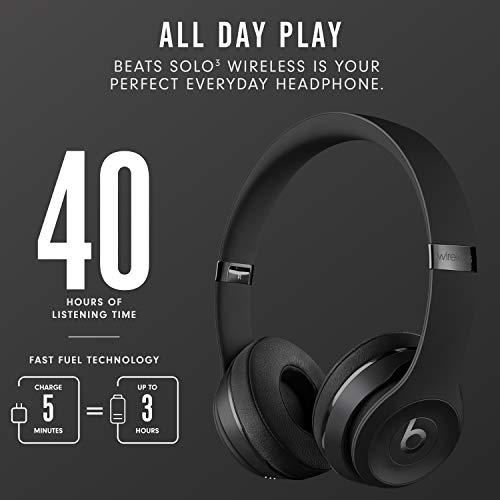
Battery life represents one of the few areas where the older Beats Solo3 Wireless significantly outperforms the newer Apple AirPods Max. The Solo3's 40-hour battery life is genuinely impressive and remains competitive even by today's standards. This extended battery life comes from the efficiency of the Apple W1 chip and the simpler feature set - no power-hungry ANC system to run constantly.
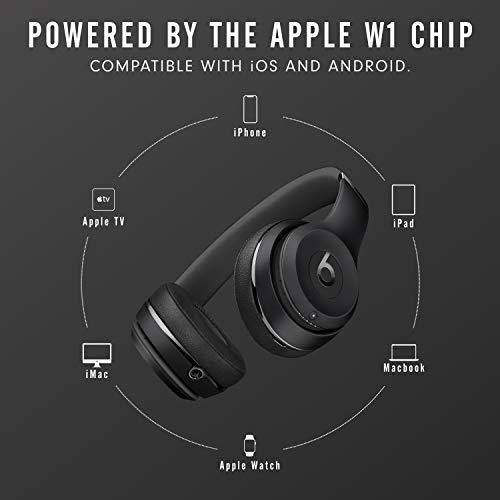
The W1 chip, introduced in 2016, was Apple's first custom wireless audio chip and brought several improvements over standard Bluetooth implementations. It offers better range, more stable connections, and significantly improved power efficiency. The Solo3 also includes Fast Fuel charging technology - just five minutes of charging provides three hours of playback, which is incredibly convenient when you're rushing out the door.
The Apple AirPods Max offers 20 hours of listening time with ANC enabled, which is actually quite good for over-ear headphones with active noise cancellation. The H1 chip in each ear cup enables the computational audio features that make these headphones special, but those features come at a cost in terms of power consumption.
The AirPods Max includes an interesting power management feature through its Smart Case. When you place the headphones in the case, they enter an ultra-low-power state that preserves battery life during storage. However, many users find the case design impractical, and the headphones don't have a traditional power button, which can be frustrating for some users.
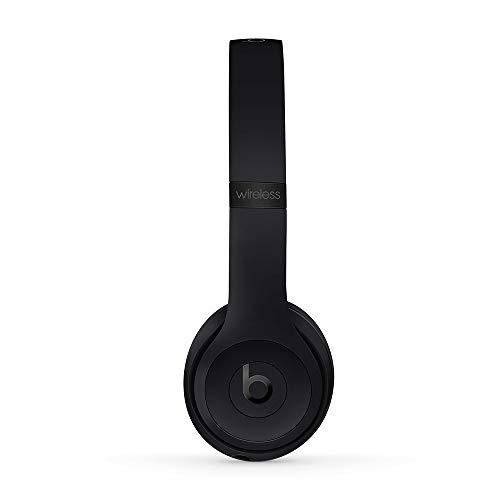
Comfort is highly subjective and depends greatly on your head shape, ear size, and intended use. The Beats Solo3 Wireless weighs just 215 grams, making them significantly lighter than the AirPods Max. This lighter weight makes them more suitable for active use, commuting, and situations where you'll be moving around frequently.
However, the on-ear design of the Solo3 means they rest directly on your ears, applying pressure that some users find uncomfortable during extended listening sessions. The clamping force needed to keep on-ear headphones in place can cause fatigue, especially if you wear glasses or have sensitive ears.
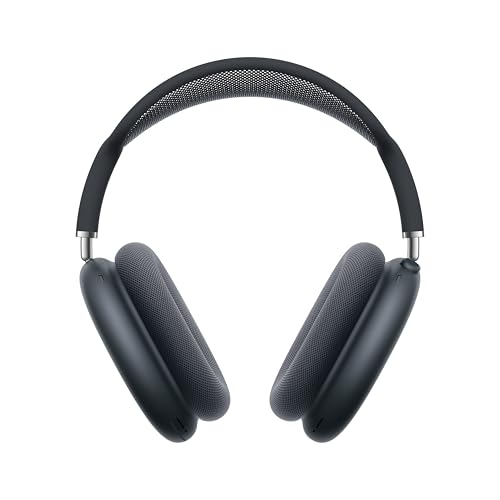
The Apple AirPods Max takes a completely different approach with premium materials and over-ear design. The ear cups are made from anodized aluminum, the frame is stainless steel, and the headband features a unique breathable mesh canopy that distributes weight evenly across your head. The memory foam ear cushions completely surround your ears rather than pressing on them.
While this premium construction feels luxurious and is generally more comfortable for long listening sessions, it comes with significant trade-offs. At 385 grams, the AirPods Max is quite heavy, and some users find this weight fatiguing during extended use. The headphones also don't fold, making them much less portable than the Solo3.
The build quality difference is substantial - the AirPods Max feels like a premium product with tight tolerances and high-end materials, while the Solo3 uses primarily plastic construction that, while perfectly adequate, doesn't feel as luxurious.
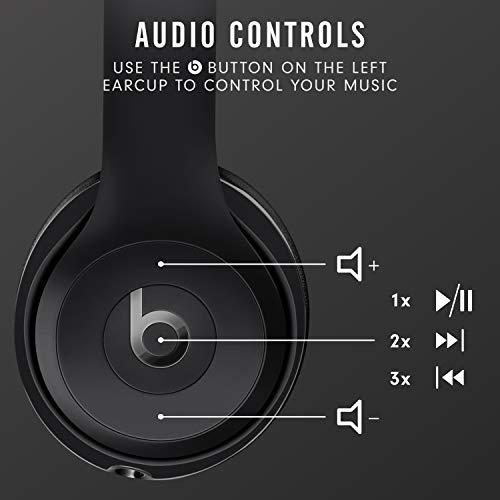
Both headphones benefit from Apple's custom wireless chips, but the technology gap between the W1 and H1 represents four years of advancement. The Beats Solo3 Wireless uses the W1 chip, which was revolutionary when it launched. It provides easy pairing with Apple devices, decent range, and excellent battery efficiency. You'll get the battery status in your iOS device's widget, and pairing is as simple as opening the case near your iPhone.
The Apple AirPods Max uses the H1 chip, which enables much more sophisticated features. Each ear cup contains its own H1 chip, providing the computational power necessary for real-time audio processing. This enables features like Adaptive EQ, which continuously adjusts sound based on ear seal, and the advanced ANC algorithms.
The H1 chip also enables "Hey Siri" voice activation, seamless device switching between your Apple devices, and ultra-low latency audio connections. When you switch from listening to music on your iPhone to taking a call on your Mac, the AirPods Max switches automatically without you having to manually disconnect and reconnect.
For users deeply embedded in the Apple ecosystem, these conveniences are genuinely valuable. However, if you primarily use one device or occasionally use non-Apple devices, the W1 chip in the Solo3 provides most of the benefits at a much lower cost.
Understanding how these headphones perform in different real-world scenarios can help you make the right choice for your lifestyle. For commuting and travel, the Apple AirPods Max clearly wins if you can manage the size and weight. The ANC makes flights, trains, and busy streets much more pleasant, and the superior sound quality makes long journeys more enjoyable.
However, the Beats Solo3 Wireless has significant advantages for active use. The lighter weight makes them more suitable for walking, jogging (though not ideal for serious running), and general movement. The 40-hour battery life means you can go days or even weeks without charging, which is incredibly convenient for travel.
For home use, especially home theater applications, the Apple AirPods Max provides a significantly superior experience. The Spatial Audio feature creates an immersive surround sound experience that works particularly well with movies and TV shows. The combination of high-quality audio reproduction and effective noise isolation makes them excellent for late-night viewing without disturbing others.
In office environments, the ANC of the AirPods Max can be transformative, allowing you to focus in open office environments or during video calls. However, the Solo3 might be more practical if you need to frequently take the headphones on and off or if you're concerned about the professional appearance of large over-ear headphones.
At the time of writing, the price difference between these headphones is substantial, with the Apple AirPods Max costing significantly more than the Beats Solo3 Wireless. This price gap raises important questions about value and what features justify the premium.
The Solo3 offers exceptional value for users who prioritize battery life, portability, and energetic sound without breaking the bank. You're getting Apple's W1 chip technology, solid build quality, and that signature Beats sound that many people genuinely prefer for popular music genres.
The AirPods Max justifies its premium pricing with genuinely advanced technology, premium materials, and features that simply aren't available in the Solo3. The ANC alone can be transformative for many users, and the superior audio quality and build materials provide a luxury experience.
However, diminishing returns definitely apply at the premium end of the market. The AirPods Max is undoubtedly better in most measurable ways, but whether it's worth the significant price premium depends entirely on your budget, priorities, and how much you value the advanced features.
Choosing between the Beats Solo3 Wireless and Apple AirPods Max ultimately comes down to understanding your priorities and use cases. If battery life is your primary concern - perhaps you travel frequently, forget to charge devices regularly, or simply want the convenience of rarely thinking about battery management - the Solo3 is hard to beat with its 40-hour rating.
Choose the Solo3 if you need headphones that are truly portable, if you prefer energetic, bass-forward sound, if you're budget-conscious, or if you'll be using them primarily for casual listening and don't need noise cancellation.
The Apple AirPods Max makes sense if you're willing to pay premium prices for premium features, if you're deeply integrated into the Apple ecosystem, if you need effective noise cancellation for your environment, or if audio quality is your top priority. They're also the clear choice for home theater applications and any situation where the advanced computational audio features provide genuine value.
Consider your typical usage patterns carefully. If you primarily listen to music at home or in quiet environments, the ANC advantage of the AirPods Max becomes less important. If you commute daily on noisy public transportation or work in a loud office, that same ANC feature could dramatically improve your daily experience.
Both headphones represent solid choices within their respective market segments, but they serve different users and use cases. The Beats Solo3 Wireless remains an excellent value-focused option that prioritizes practicality and longevity, while the Apple AirPods Max delivers a premium experience with cutting-edge features for users willing to pay for the best Apple has to offer in the headphone space.
| Beats Solo3 Wireless | Apple AirPods Max |
|---|---|
| Design Type - Affects comfort, portability, and sound isolation | |
| On-ear, foldable design (215g) | Over-ear, non-foldable design (385g) |
| Active Noise Cancellation - Essential for noisy environments | |
| None (passive isolation only) | Advanced ANC with 8 microphones |
| Battery Life - Critical for daily use and travel | |
| Up to 40 hours wireless playback | Up to 20 hours with ANC enabled |
| Sound Signature - Determines music enjoyment | |
| Bass-heavy, vocal-forward Beats sound | Balanced, audiophile-tuned with Adaptive EQ |
| Apple Chip Technology - Enables smart features | |
| W1 chip (basic Apple integration) | H1 chip in each ear cup (advanced computational audio) |
| Spatial Audio - Game-changing for movies and immersive content | |
| Basic stereo only | Full Spatial Audio with dynamic head tracking |
| Fast Charging - Convenience when battery runs low | |
| Fast Fuel: 5 min = 3 hours playback | Standard: 5 min = 1.5 hours playback |
| Build Materials - Affects durability and premium feel | |
| Plastic construction with fabric headband | Aluminum ear cups, stainless steel frame, mesh canopy |
| Portability - Important for travel and storage | |
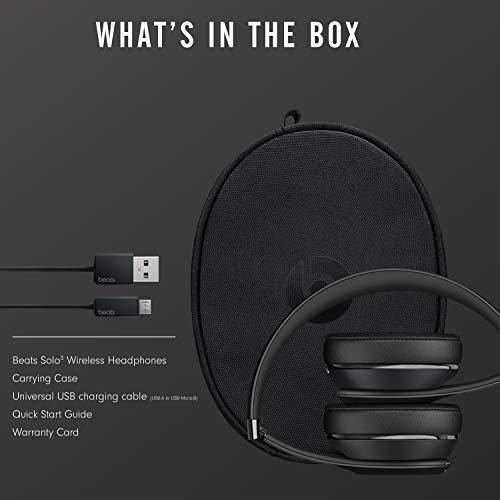
| Foldable with included carrying case | Non-foldable with minimal Smart Case protection |
| Wired Connection Option - Backup when battery dies | |
| Includes 3.5mm RemoteTalk cable | Lightning to 3.5mm adapter (USB-C on 2024 model) |
| Price Category - Major factor in purchasing decision | |
| Budget-friendly premium option | Luxury flagship pricing |
| Best For - Target user scenarios | |
| Students, travelers, casual listeners, active use | Audiophiles, Apple ecosystem users, home theater, professionals |
The Apple AirPods Max delivers superior sound quality with balanced, high-fidelity audio and Adaptive EQ technology that automatically adjusts to your ears. The Beats Solo3 Wireless offers a fun, bass-heavy sound signature that's great for pop and hip-hop but less accurate overall. For critical listening and audiophile-quality sound, the AirPods Max is the clear winner.
If you commute, work in noisy environments, or want to focus without distractions, active noise cancellation is incredibly valuable. The Apple AirPods Max features industry-leading ANC with 8 microphones, while the Beats Solo3 Wireless has no active noise cancellation at all - only basic passive isolation from the ear cups.
The Beats Solo3 Wireless offers exceptional 40-hour battery life, doubling the Apple AirPods Max's 20-hour runtime. If you frequently forget to charge devices or travel often, the Solo3's marathon battery life provides significant convenience and peace of mind.
Over-ear headphones like the Apple AirPods Max typically offer better long-term comfort by surrounding your ears rather than pressing on them. However, they're heavier at 385g compared to the Beats Solo3's lightweight 215g design. The Solo3 is more portable but may cause ear fatigue during extended listening sessions.
Both headphones integrate well with Apple devices, but the Apple AirPods Max offers superior integration with seamless device switching, "Hey Siri" activation, and advanced features like Spatial Audio. The Beats Solo3 Wireless provides basic Apple integration through the W1 chip but lacks the advanced computational audio features.
The Apple AirPods Max excels for home theater use with Spatial Audio technology that creates an immersive surround sound experience, making movies feel like you're in a theater. The Beats Solo3 Wireless lacks this feature and offers only basic stereo sound, making the AirPods Max significantly better for movie watching.
The Beats Solo3 Wireless wins for portability with its foldable design, lightweight construction, and compact carrying case. The Apple AirPods Max doesn't fold and comes with a minimal Smart Case that offers limited protection, making the Solo3 much more travel-friendly.
Yes, both headphones work with Android and other Bluetooth devices, though with limited features. The Beats Solo3 Wireless includes a 3.5mm cable for universal wired compatibility, while the Apple AirPods Max requires an adapter for wired connections to non-Apple devices.
The Beats Solo3 Wireless provides exceptional value with 40-hour battery life, Apple W1 chip integration, and solid sound quality at a much lower price point. The Apple AirPods Max costs significantly more but justifies the premium with advanced features like ANC, Spatial Audio, and superior build quality.
Both headphones handle calls well, with the Apple AirPods Max offering superior call quality thanks to its advanced microphone array and noise cancellation that reduces background noise. The Beats Solo3 Wireless provides decent call quality with its built-in microphone and on-ear controls for easy call management.
The Beats Solo3 Wireless is better suited for light exercise due to its lighter weight and secure on-ear fit. However, neither headphone is specifically designed for intense workouts - the AirPods Max is too heavy and expensive for gym use, while the Solo3 lacks sweat resistance ratings.
The primary decision comes down to whether you prioritize advanced features and premium audio quality (Apple AirPods Max) or exceptional battery life and portability at a lower price (Beats Solo3 Wireless). Consider your budget, how you'll primarily use the headphones, and whether features like noise cancellation and Spatial Audio justify the significant price difference between the Solo3 and AirPods Max.
We've done our best to create useful and informative comparisons to help you decide what product to buy. Our research uses advanced automated methods to create this comparison and perfection is not possible - please contact us for corrections or questions. These are the sites we've researched in the creation of this article: soundguys.com - cornellstore.com - imore.com - bestbuy.com - headphonecheck.com - soundguys.com - recordingnow.com - corporategift.com - ifixit.com - rtings.com - youtube.com - mobileciti.com.au - beatsbydre.com - discussions.apple.com - target.com - bestbuy.com - jalc.ecampus.com - beats.fandom.com - support.apple.com - electronics.woot.com - recordingnow.com - t3.com - telegraph.co.uk - soundguys.com - youtube.com - forums.macrumors.com - youtube.com - youtube.com - apple.com - support.apple.com - idownloadblog.com - media.distrelec.com - en.wikipedia.org - apple.com - apple.com - support.apple.com - rtings.com

Privacy Policy
Terms and Conditions - Affiliate Policy
Home Security
© Copyright 2008-2026.
11816 Inwood Rd #1211, Dallas, TX 75244