



Shopping for wireless headphones under $150 can feel overwhelming with so many options promising great sound and features. Two models that frequently appear in budget headphone discussions are the JBL Tune 720BT and the Beats Solo3. While both offer wireless convenience at accessible price points, they take fundamentally different approaches to portable audio that make each better suited for different users.
The budget wireless headphone market has exploded in recent years, offering features that were once exclusive to premium models. When evaluating headphones in this category, several key factors determine real-world satisfaction. Battery life becomes crucial since these are your daily drivers—running out of power during a commute or study session is frustrating. Sound quality matters too, but it's about finding the right balance for your music preferences rather than perfect accuracy. Comfort directly impacts how long you can actually wear them, while build quality affects whether they'll survive daily use.
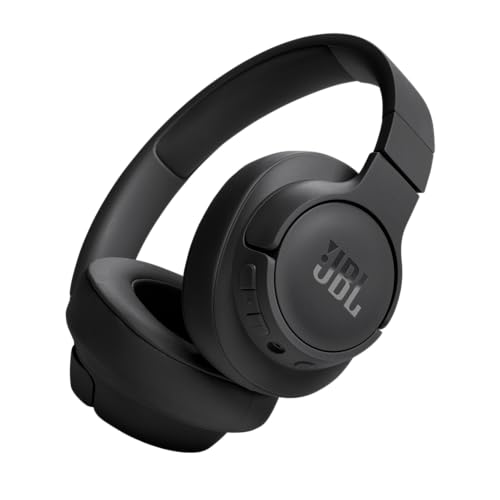
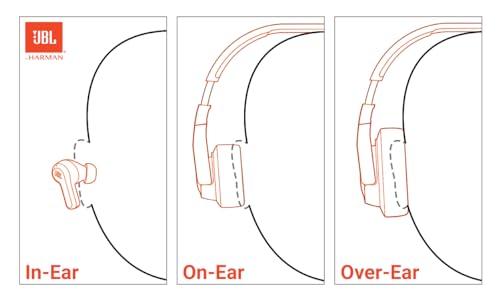
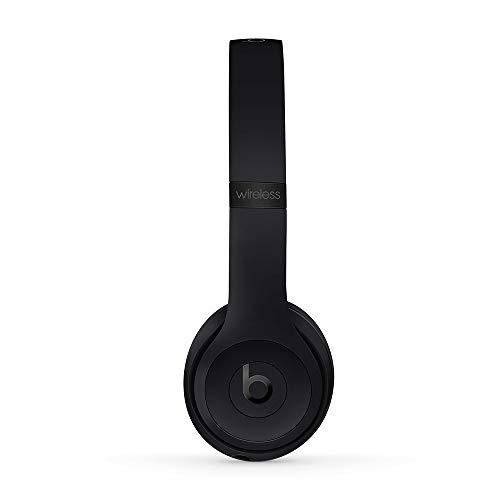
The form factor choice between on-ear and over-ear designs significantly impacts the entire experience. On-ear headphones like the Beats Solo3 rest directly on your ears, making them more portable but potentially less comfortable for extended wear. Over-ear models like the JBL Tune 720BT surround your ears completely, typically offering better comfort and sound isolation but with a slightly larger footprint.
Modern wireless technology has also become a differentiating factor. Newer Bluetooth versions (like 5.3 vs older 4.2) offer better connection stability, lower power consumption, and support for advanced features. The age of a product's underlying technology can significantly impact its long-term usability as devices and standards evolve.
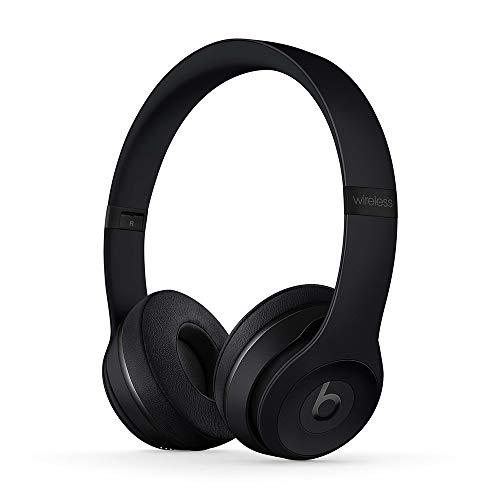
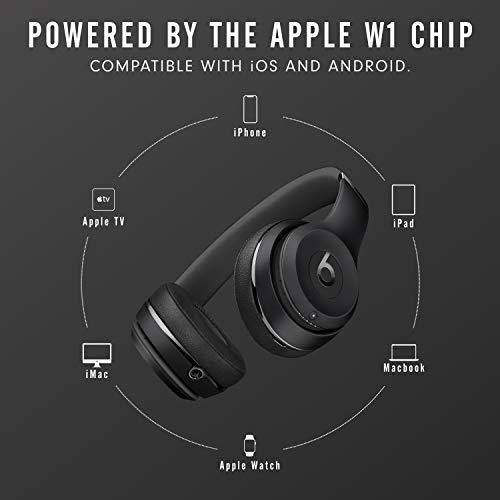
The Beats Solo3 launched in 2016, representing nearly eight years of market presence. This longevity speaks to their popularity but also means they're built on older technology standards. The Solo3 embodies the classic Beats approach: bold styling, bass-heavy sound signature, and tight integration with Apple devices through their proprietary W1 chip. At 215 grams, they maintain the on-ear tradition that prioritizes portability and the distinctive Beats aesthetic.
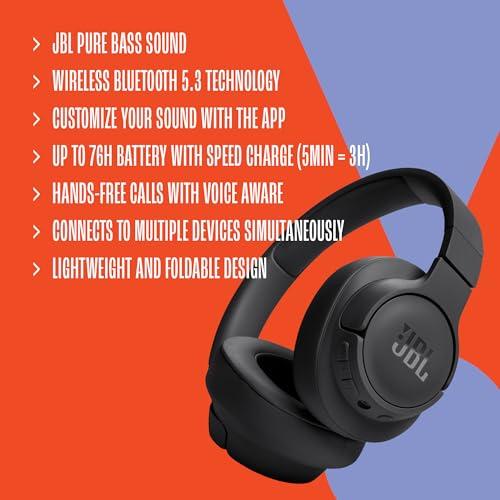
The JBL Tune 720BT, being a much more recent release, reflects modern headphone design trends and technology. Weighing just 5 grams more at 220 grams despite their over-ear design, they demonstrate how manufacturing has improved. JBL's philosophy here focuses on delivering balanced sound, exceptional battery life, and contemporary connectivity features at an accessible price point.
This generational difference matters more than you might expect. The Beats Solo3 uses Bluetooth 4.2, micro-USB charging, and lacks many features that have become standard in recent years. The JBL Tune 720BT incorporates Bluetooth 5.3, USB-C charging, and multipoint connectivity—features that significantly impact daily usability.
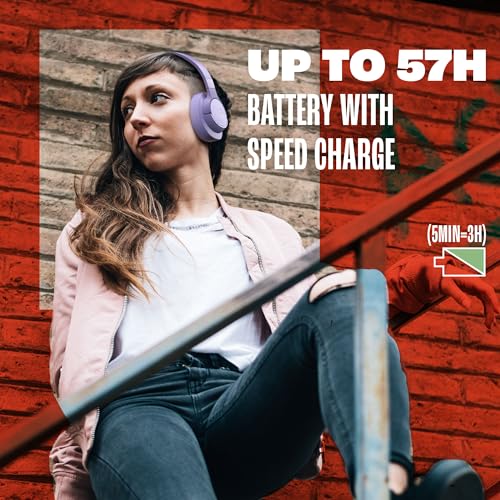
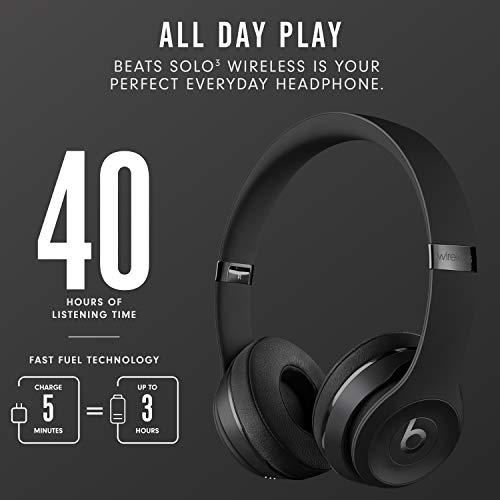
Battery life represents perhaps the most dramatic difference between these models. The JBL Tune 720BT delivers an impressive 76 hours of playback time, while the Beats Solo3 provides 40 hours. This isn't just a numbers game—it translates to fundamentally different usage patterns.
With the JBL Tune 720BT, you could theoretically listen for over three full days without charging. In practical terms, this means most users can go weeks between charges with typical daily use. The psychological benefit of rarely worrying about battery levels shouldn't be underestimated. Both models feature quick charging that provides about three hours of playback from a five-minute charge, but the JBL's superior baseline means you'll rarely need this emergency top-up.
The charging technology difference also matters for long-term convenience. The JBL Tune 720BT's USB-C port means you can use the same cable as most modern devices, while the Beats Solo3's micro-USB requires keeping an older cable type around—increasingly annoying as devices move to USB-C.
Battery performance becomes especially critical for students, commuters, and travelers who rely on their headphones daily. The difference between charging weekly versus every few days significantly impacts the ownership experience.
Sound quality represents where personal preference plays the largest role, but understanding each model's approach helps predict which you'll prefer. The JBL Tune 720BT pursues a more balanced sound signature with their "Pure Bass Sound" technology. This means strong bass response without overwhelming the midrange frequencies where vocals and most instruments live. The result is versatile performance across genres—pop, rock, classical, and podcasts all sound clear and engaging.
The frequency response extends from 20Hz to 20kHz, covering the full range of human hearing. The 40mm drivers (the speakers inside the headphones) have enough surface area to move air effectively, creating that satisfying bass response without distortion. Importantly, the JBL Tune 720BT includes a customizable EQ through their smartphone app, letting you adjust the sound to your preferences—something missing from the Beats Solo3.
The Beats Solo3 takes the classic Beats approach with emphasized bass and forward-leaning vocals. This signature works brilliantly for hip-hop, electronic music, and pop, making everything sound energetic and impactful. However, this tuning can make some genres like classical or acoustic music sound less natural. The treble (high frequencies) is deliberately rolled off to avoid harshness, which reduces listening fatigue but also makes detailed sounds like cymbal crashes or string instruments less crisp.
Both models use 40mm drivers with similar impedance levels (around 32-35 ohms), meaning they're equally easy to drive from smartphones and don't require dedicated amplifiers. The sensitivity ratings around 100-101 dB mean both get plenty loud for any reasonable listening scenario.
For home theater use, neither model excels compared to dedicated over-ear options, but the JBL Tune 720BT's more balanced sound signature makes it more suitable for movie dialogue and varied content. The Beats Solo3's bass emphasis might make action scenes exciting but could muddy dialogue clarity.
The fundamental design difference between on-ear and over-ear creates the most noticeable day-to-day experience gap. The JBL Tune 720BT's over-ear design means the ear cups completely surround your ears, distributing weight around your ears rather than pressing on them. This typically allows for much longer listening sessions without discomfort.
The Beats Solo3's on-ear design creates direct pressure on your ears. While some people find this secure and don't mind the sensation, others experience discomfort or even pain after extended use. User reports consistently mention this limitation, with many noting discomfort after about two hours of continuous wear. This makes them less suitable for all-day use, long study sessions, or extended travel.
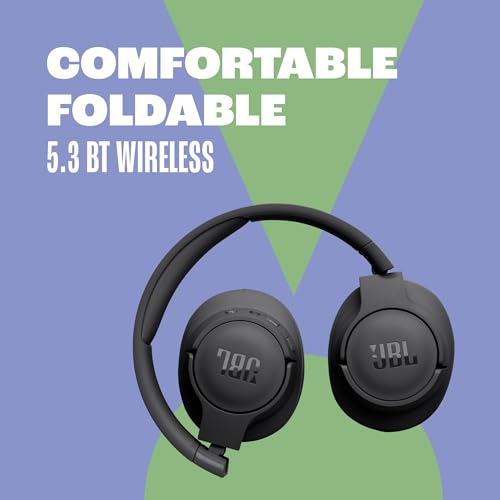
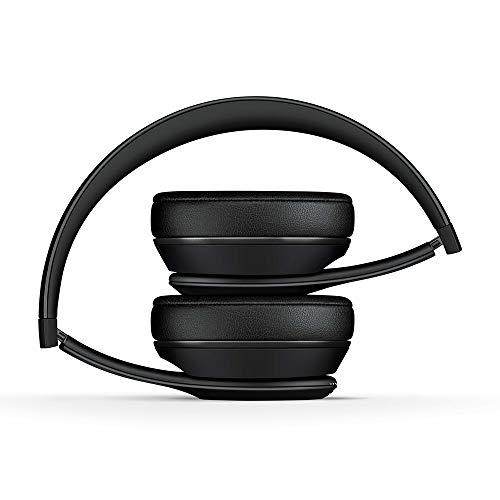
Both models feature adjustable headbands and fold for portability, but the JBL Tune 720BT's over-ear cups make it slightly bulkier when folded. However, the comfort advantage usually outweighs this minor portability trade-off for most users.
The padding quality affects long-term comfort too. The JBL Tune 720BT uses soft synthetic leather ear cushions that distribute pressure well, while the Beats Solo3's smaller on-ear cushions must work harder to maintain comfort with their direct contact design.
This category highlights the generational technology gap most clearly. The JBL Tune 720BT features Bluetooth 5.3, a significant upgrade from the Beats Solo3's Bluetooth 4.2. Newer Bluetooth versions offer more stable connections, better range, lower power consumption, and support for advanced codecs (audio compression methods that affect sound quality).
The JBL Tune 720BT supports multipoint connectivity, meaning it can connect to two devices simultaneously. You could have it connected to both your laptop and phone, automatically switching to handle calls without manual reconnection. This feature has become standard in modern headphones but remains absent from the Beats Solo3.
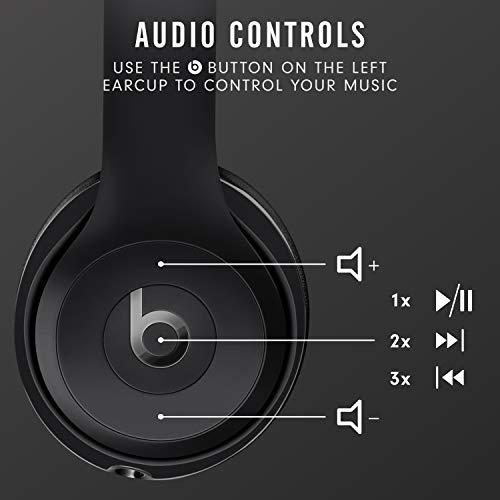
However, the Beats Solo3 offers something unique for Apple users: the W1 chip provides seamless integration with iOS devices. Pairing happens instantly, battery levels appear in iOS widgets, and switching between Apple devices logged into the same iCloud account happens automatically. This integration feels almost magical when it works but provides no benefit for Android users or mixed-device environments.
The JBL Tune 720BT includes an ambient sound mode, letting you hear your surroundings while music plays—useful for safety when walking or when you need to stay aware of your environment. Neither model offers active noise cancellation (ANC), which actively cancels outside noise using microphones and processing, but this omission is typical at these price points.
Both models prioritize affordability over premium materials, which is appropriate for their market positioning. The JBL Tune 720BT uses lightweight plastics that feel adequate for the price point, with a build that seems designed for daily use without major concerns.
The Beats Solo3 has garnered mixed durability reports over its longer market presence. Some users report issues with hinges weakening over time or intermittent audio problems developing. While individual experiences vary, the longer track record reveals potential weak points that prospective buyers should consider.
Neither model will impress anyone coming from premium headphones in terms of materials or construction refinement, but both appear adequate for their intended market. The key is setting appropriate expectations—these aren't heirloom products but rather functional tools designed to deliver good performance at accessible prices.
At the time of writing, the JBL Tune 720BT typically sells for significantly less than the Beats Solo3, while offering superior battery life, modern connectivity, and better comfort for most users. This creates a compelling value argument that's hard to ignore.
The Beats Solo3's higher typical price reflects brand premium, Apple ecosystem benefits, and their established market position. However, they frequently appear at substantial discounts, which can shift the value equation considerably. Even at reduced prices, the comfort limitations and older technology remain concerns.
For students or budget-conscious buyers, the JBL Tune 720BT delivers more features and better daily usability for less money. The exceptional battery life alone could justify the purchase for many users who prioritize convenience.
Choose the JBL Tune 720BT if you prioritize comfort for extended listening, want maximum battery life, need modern connectivity features, or prefer balanced sound that works well across different music genres. They're particularly suitable for students, commuters, or anyone who uses headphones for several hours daily. The over-ear design makes them better for home use, including casual movie watching or gaming.
The Beats Solo3 makes sense if you're heavily invested in the Apple ecosystem and value seamless device integration, prefer the compact on-ear form factor, or specifically enjoy bass-heavy sound signatures. They're better for shorter listening sessions and situations where maximum portability matters more than extended comfort.
Neither model excels for serious home theater use compared to dedicated over-ear options, but the JBL Tune 720BT's balanced sound makes it more versatile for mixed content consumption.
For most buyers, the JBL Tune 720BT represents superior value with modern features, exceptional battery life, and better comfort at a lower typical price. The technology advantages and practical benefits make it the safer choice for general use.
The Beats Solo3 remains relevant primarily for Apple users who value ecosystem integration above other factors, or for those who specifically prefer the on-ear design and bass-heavy sound signature. However, the aging technology and comfort limitations make it harder to recommend unless found at significant discounts.
Consider your primary use cases, device ecosystem, and comfort priorities when deciding. If you're unsure about the on-ear versus over-ear question, try to test both styles before purchasing, as this fundamental difference significantly impacts long-term satisfaction more than any other factor.
| JBL Tune 720BT Wireless Over-Ear Headphones | Beats Solo3 Wireless On-Ear Headphones |
|---|---|
| Design Type - Affects comfort and portability | |
| Over-ear (surrounds ears completely) | On-ear (rests directly on ears) |
| Weight - Important for extended wear | |
| 220g (slightly heavier but weight distributed around ears) | 215g (lighter but pressure concentrated on ears) |
| Battery Life - Critical for daily use without charging anxiety | |
| 76 hours (nearly double, charges weekly for most users) | 40 hours (still excellent, charges every few days) |
| Charging Port - Affects cable compatibility with modern devices | |
| USB-C (modern standard, same as most current devices) | Micro-USB (older standard, requires separate cable) |
| Bluetooth Version - Impacts connection stability and power efficiency | |
| 5.3 (latest standard, better stability and battery efficiency) | 4.2 (older standard from 2016, still functional but outdated) |
| Sound Signature - Determines which music genres sound best | |
| Balanced with customizable EQ (versatile across all genres) | Bass-heavy with rolled-off treble (excellent for hip-hop, pop) |
| Multipoint Connection - Ability to connect to multiple devices simultaneously | |
| Yes (connects to phone and laptop simultaneously) | No (manual switching between devices required) |
| Ecosystem Integration - Seamless pairing and device switching | |
| Standard Bluetooth pairing (works equally well with all devices) | Apple W1 chip (magical experience with iOS, basic with Android) |
| Active Noise Cancellation - Blocks external noise electronically | |
| No (passive isolation only through over-ear seal) | No (minimal isolation due to on-ear design) |
| Comfort for Extended Use - Based on user reports and design | |
| Excellent (over-ear design distributes pressure well) | Limited (on-ear pressure causes discomfort after 2+ hours) |
| Included Accessories - What comes in the box | |
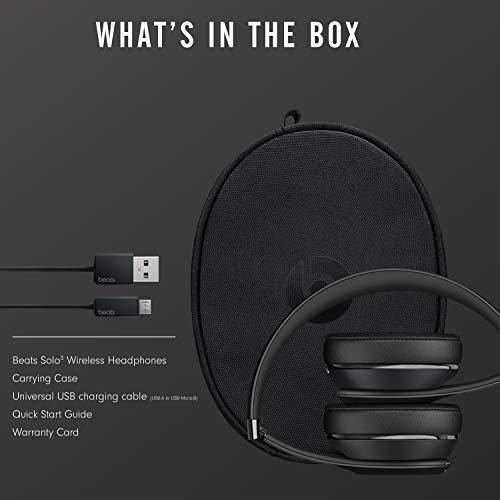
| Detachable audio cable, USB-C charging cable | Carrying case, 3.5mm RemoteTalk cable, micro-USB cable |
| Release Year - Indicates technology currency | |
| Recent release (modern features and standards) | 2016 (nearly 8-year-old technology) |
The JBL Tune 720BT offers significantly better battery life with 76 hours of playback compared to the Beats Solo3's 40 hours. This means the JBL Tune 720BT can go nearly twice as long between charges, making it more convenient for daily use and travel.
The JBL Tune 720BT is more comfortable for extended wear due to its over-ear design that surrounds your ears completely. The Beats Solo3 uses an on-ear design that rests directly on your ears, which many users find uncomfortable after 2+ hours of continuous use.
The JBL Tune 720BT offers more balanced sound that works well across all music genres, plus customizable EQ through their app. The Beats Solo3 has a bass-heavy sound signature that excels with hip-hop, pop, and electronic music but may not be ideal for classical or acoustic genres.
The Beats Solo3 works exceptionally well with iPhones thanks to the Apple W1 chip, offering instant pairing and seamless device switching within the Apple ecosystem. The JBL Tune 720BT uses standard Bluetooth and works equally well with all devices, including iPhones, but lacks the special Apple integration features.
The JBL Tune 720BT is better for Android users, offering modern Bluetooth 5.3 connectivity, multipoint connection, and app-based EQ customization. The Beats Solo3 works with Android but lacks the special features that make it shine with Apple devices.
Only the JBL Tune 720BT supports multipoint connectivity, allowing you to connect to two devices simultaneously (like your phone and laptop). The Beats Solo3 requires manual switching between devices, though Apple users get easier switching within the Apple ecosystem.
Both the JBL Tune 720BT and Beats Solo3 fold for portability, but the Beats Solo3 is slightly more compact due to its on-ear design. However, the JBL Tune 720BT's superior battery life means less frequent charging during travel, which many find more important than the small size difference.
Neither the JBL Tune 720BT nor the Beats Solo3 offer active noise cancellation. The JBL Tune 720BT provides better passive noise isolation due to its over-ear design that seals around your ears, while the Beats Solo3's on-ear design offers minimal noise isolation.
Both headphones charge in about 2 hours and offer quick charging (5 minutes for 3 hours of playback). However, the JBL Tune 720BT uses modern USB-C charging that matches most current devices, while the Beats Solo3 still uses the older micro-USB standard.
Both the JBL Tune 720BT and Beats Solo3 handle phone calls well with built-in microphones. The JBL Tune 720BT includes Voice Aware technology for more natural conversations, while the Beats Solo3 offers dual beam-forming microphones for clear voice pickup.
The JBL Tune 720BT typically offers better value with superior battery life, modern connectivity features, better comfort, and customizable sound at a lower price point. The Beats Solo3 commands a premium mainly for brand recognition and Apple ecosystem integration.
Both the JBL Tune 720BT and Beats Solo3 include detachable cables for wired listening when the battery runs out or when wireless isn't preferred. This makes both models versatile for different listening situations and ensures you're never completely without music.
We've done our best to create useful and informative comparisons to help you decide what product to buy. Our research uses advanced automated methods to create this comparison and perfection is not possible - please contact us for corrections or questions. These are the sites we've researched in the creation of this article: audio46.com - e-catalog.com - headphonedungeon.com - e-catalog.com - recordingnow.com - versus.com - youtube.com - versus.com - consumerreports.org - youtube.com - ca.jbl.com - jblstore.co.id - jbl.com.tw - th.jbl.com - jblonlinestore.com - onward.ph - youtube.com - jbl.com - ro.harmanaudio.com - device.report - en.jblthailand.com - soundguys.com - cornellstore.com - imore.com - bestbuy.com - headphonecheck.com - soundguys.com - recordingnow.com - corporategift.com - ifixit.com - rtings.com - youtube.com - mobileciti.com.au - beatsbydre.com - discussions.apple.com - target.com - bestbuy.com - jalc.ecampus.com - beats.fandom.com - support.apple.com - electronics.woot.com

Privacy Policy
Terms and Conditions - Affiliate Policy
Home Security
© Copyright 2008-2026.
11816 Inwood Rd #1211, Dallas, TX 75244