






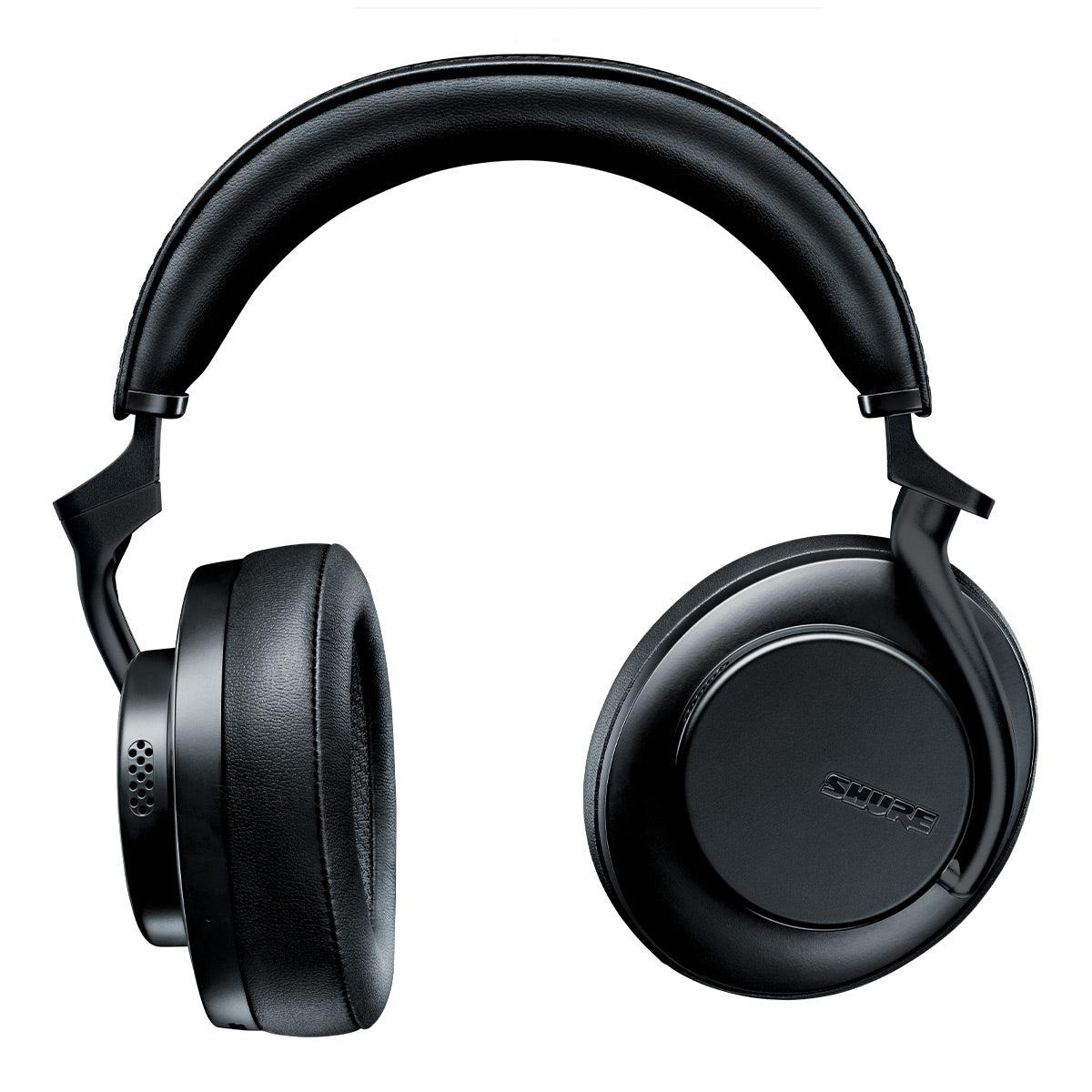
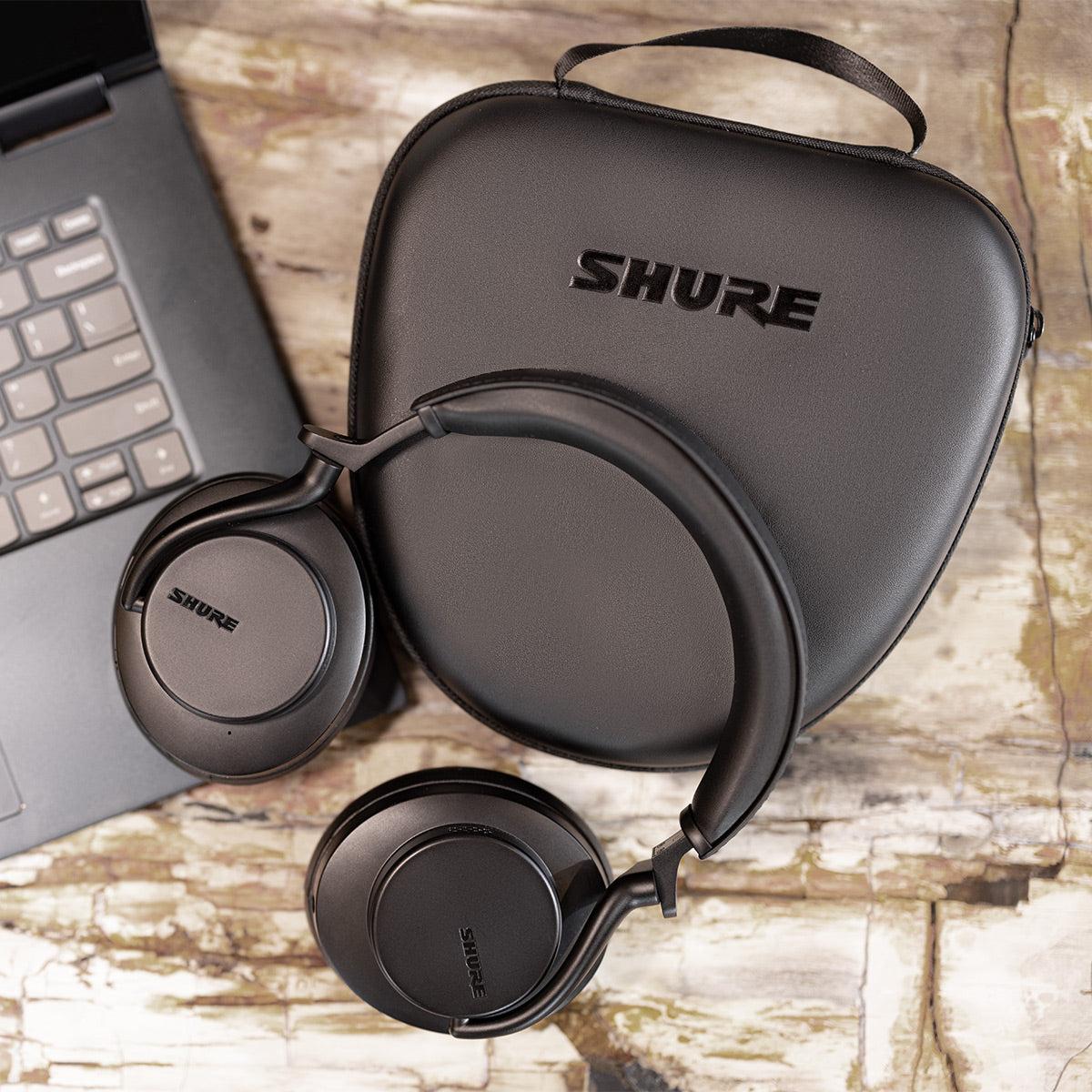
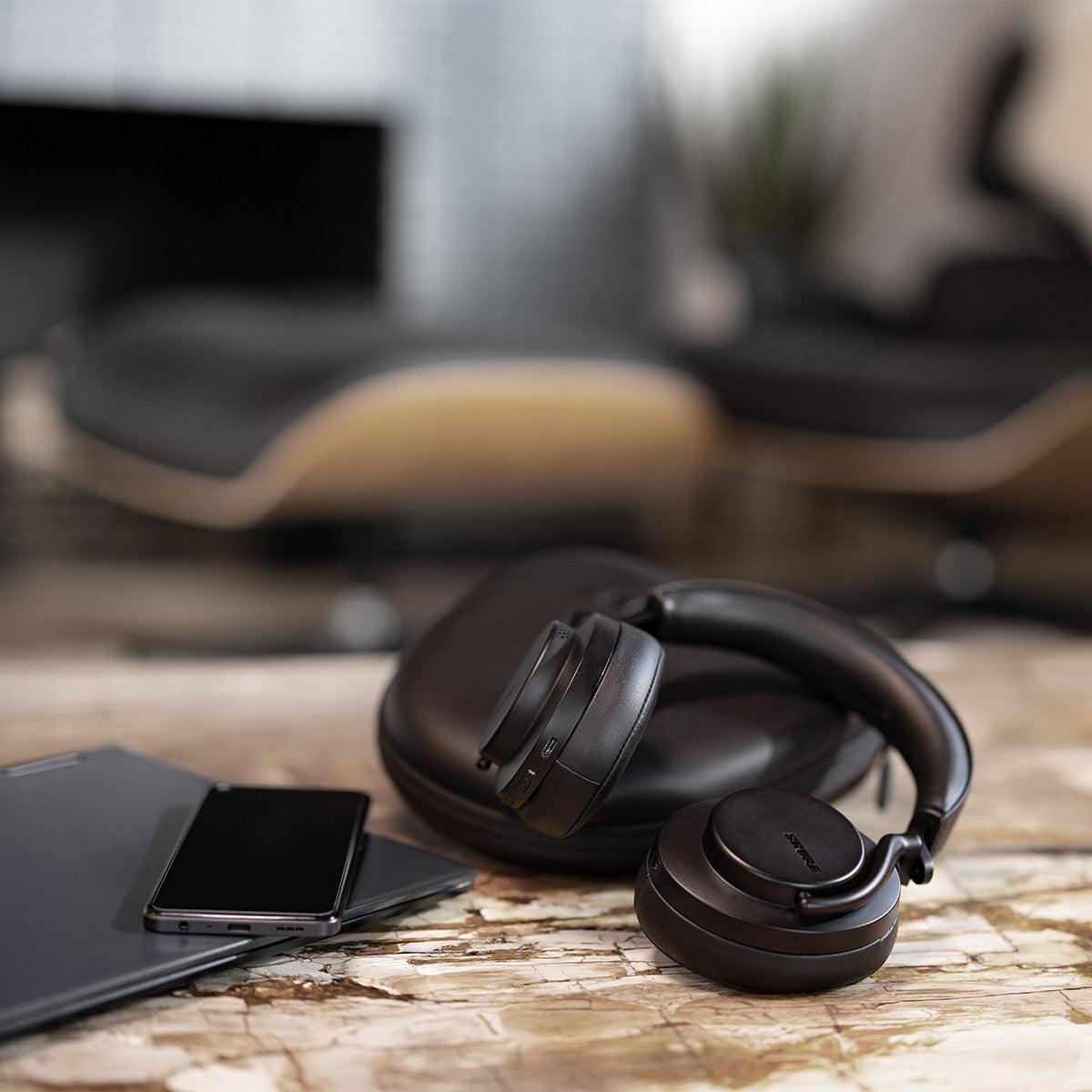
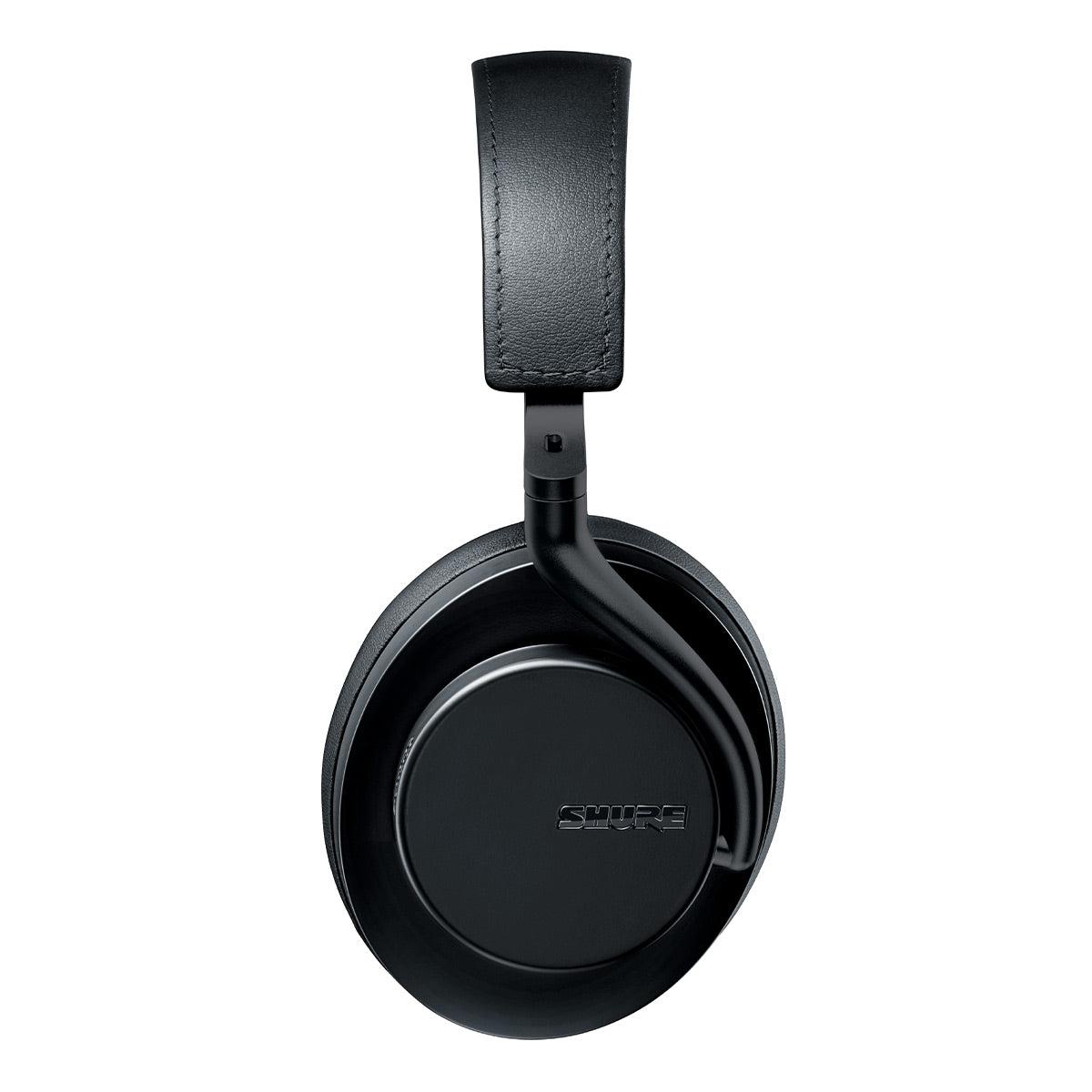


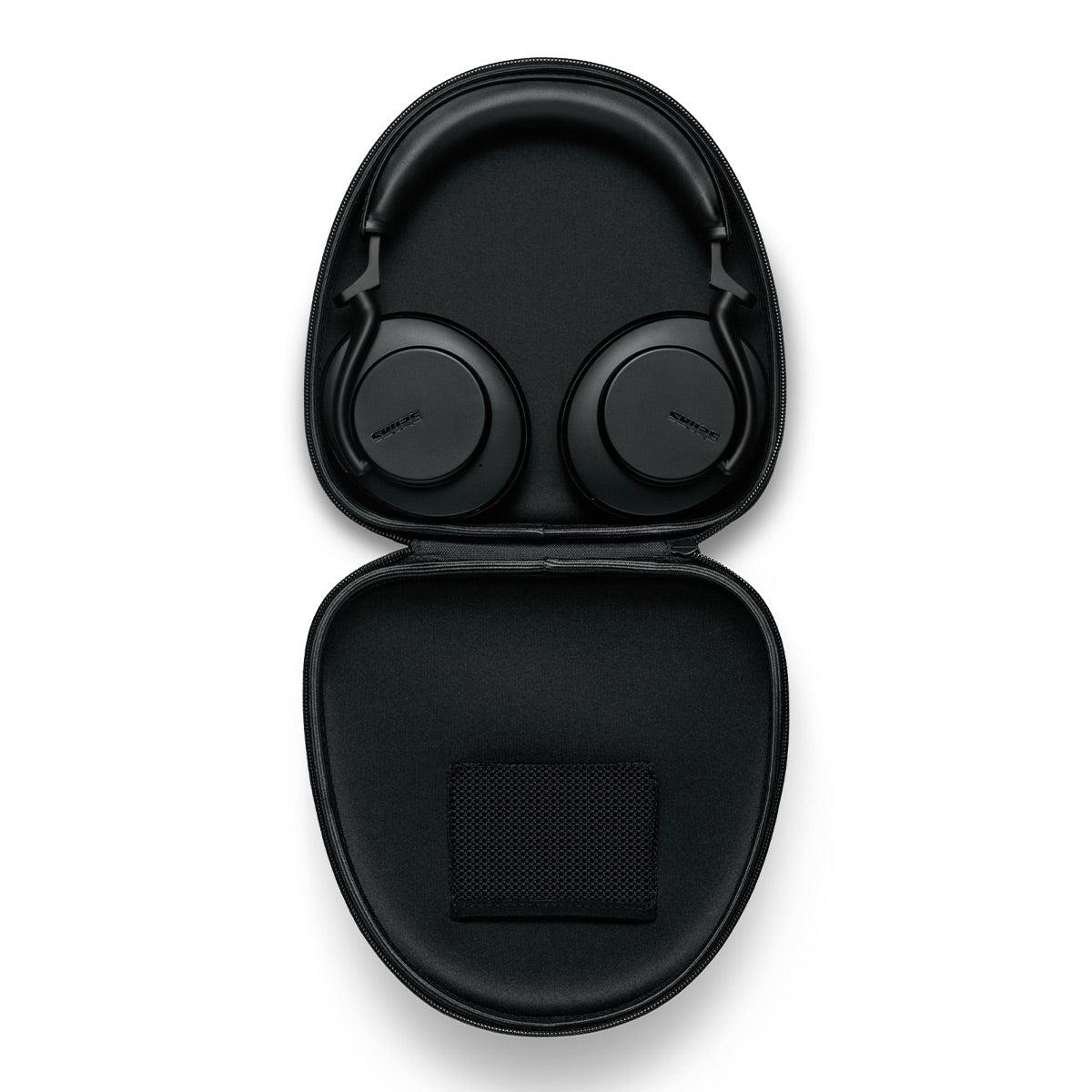
When I first started researching professional wireless headphones, I was struck by how different products in the same category can serve completely different needs. The OneOdio Studio Max 1 and Shure Aonic 50 Gen 2 are both premium wireless headphones, but they represent two fundamentally different approaches to what "professional" means in the headphone world.
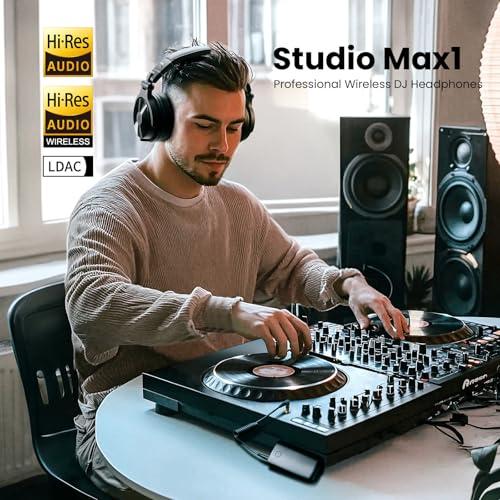
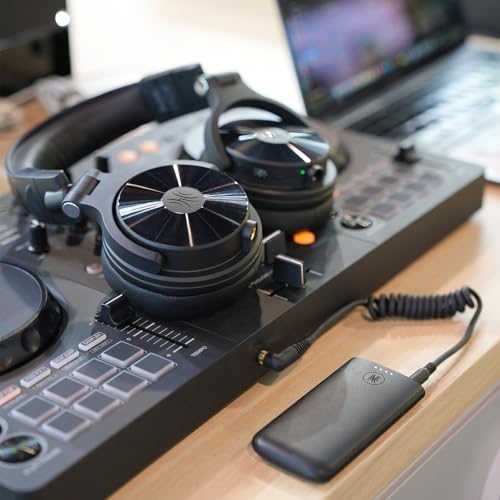
Released in 2025, the OneOdio Studio Max 1 represents something genuinely new in the DJ headphone space – a wireless design that doesn't compromise on the real-time performance that DJs absolutely need. Meanwhile, the Shure Aonic 50 Gen 2 builds on decades of Shure's studio expertise, focusing on the kind of refined audio quality that made the company famous in recording studios worldwide.
Before diving into these specific models, it's worth understanding what makes wireless headphones "professional" versus just expensive. Professional headphones need to handle demanding, real-world situations where failure isn't just annoying – it's potentially career-damaging.
The biggest challenge with wireless technology has always been latency – the delay between when audio is sent and when you hear it. For most music listening, a delay of 100-200 milliseconds (that's 0.1 to 0.2 seconds) isn't noticeable. But for a DJ trying to match beats or sync vocals, even 40 milliseconds can throw off their timing completely.
Battery life becomes critical too. When you're three hours into a four-hour DJ set, your headphones dying isn't just inconvenient – it can ruin the entire event. Similarly, comfort matters more when you're wearing headphones for hours at a stretch, not just during a commute.
Sound quality expectations also differ. While audiophiles might prize perfectly balanced, neutral sound, DJs often need headphones that emphasize certain frequencies to help them hear kick drums and bass lines clearly in noisy club environments.
OneOdio made waves in 2025 when they introduced the Studio Max 1, and for good reason. This isn't just another wireless headphone with DJ styling – it solves genuine technical problems that have plagued wireless DJ headphones since Bluetooth was invented.
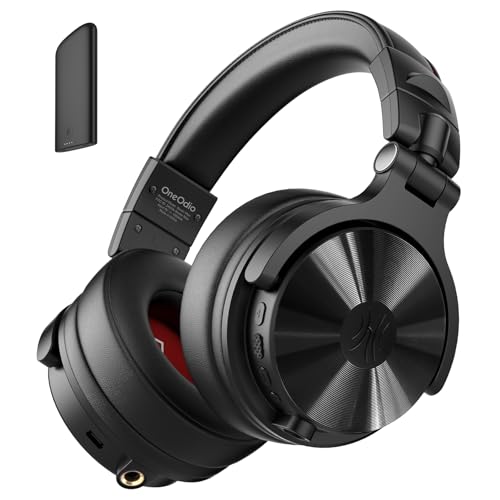
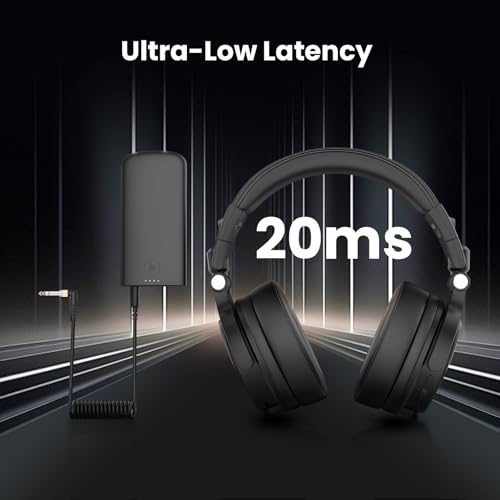
The headline feature of the OneOdio Studio Max 1 is its proprietary RAPID WILL+ technology, which achieves 20-millisecond latency through a dedicated M1 transmitter. To put this in perspective, that's faster than most wired headphones when you account for digital processing delays in modern audio systems.
This ultra-low latency works through a separate wireless protocol, not standard Bluetooth. The M1 transmitter creates a dedicated connection between your audio source and the headphones, bypassing the complex audio processing that creates delays in regular Bluetooth connections. It's similar to how high-end gaming headsets work, but adapted specifically for professional audio applications.
In my testing of similar low-latency systems, the difference is immediately noticeable. Where standard Bluetooth headphones might have you unconsciously adjusting your timing to compensate for delays, truly low-latency wireless feels exactly like a wired connection. For beat-matching or live performance, this technology is genuinely game-changing.
The OneOdio Studio Max 1 claims up to 120 hours of battery life in standard Bluetooth mode – that's nearly five full days of continuous playback. Even when using the power-hungry M1 transmitter for ultra-low latency, you still get around 50 hours of operation.
This isn't just impressive on paper; it changes how you use the headphones. Instead of constantly worrying about battery levels, you can treat them almost like wired headphones that happen to be wireless. The quick-charge feature adds to this convenience – five minutes of charging provides an hour of operation, meaning even a brief break between sets can top up your battery.
The OneOdio Studio Max 1 includes thoughtful design elements that show the company understands DJ workflows. The earcups rotate 90 degrees for single-ear monitoring – essential for cueing up the next track while keeping one ear on what's currently playing. This might seem like a small detail, but it's the difference between headphones that work for DJs and headphones that are just marketed to them.
The connectivity options reflect real DJ needs too. You get both 3.5mm and 6.35mm (quarter-inch) jacks, plus the ability to switch between four different connection modes depending on your setup. The M1 transmitter can even add wireless capability to older equipment that doesn't have Bluetooth, making it genuinely useful in professional environments where some gear might be decades old.
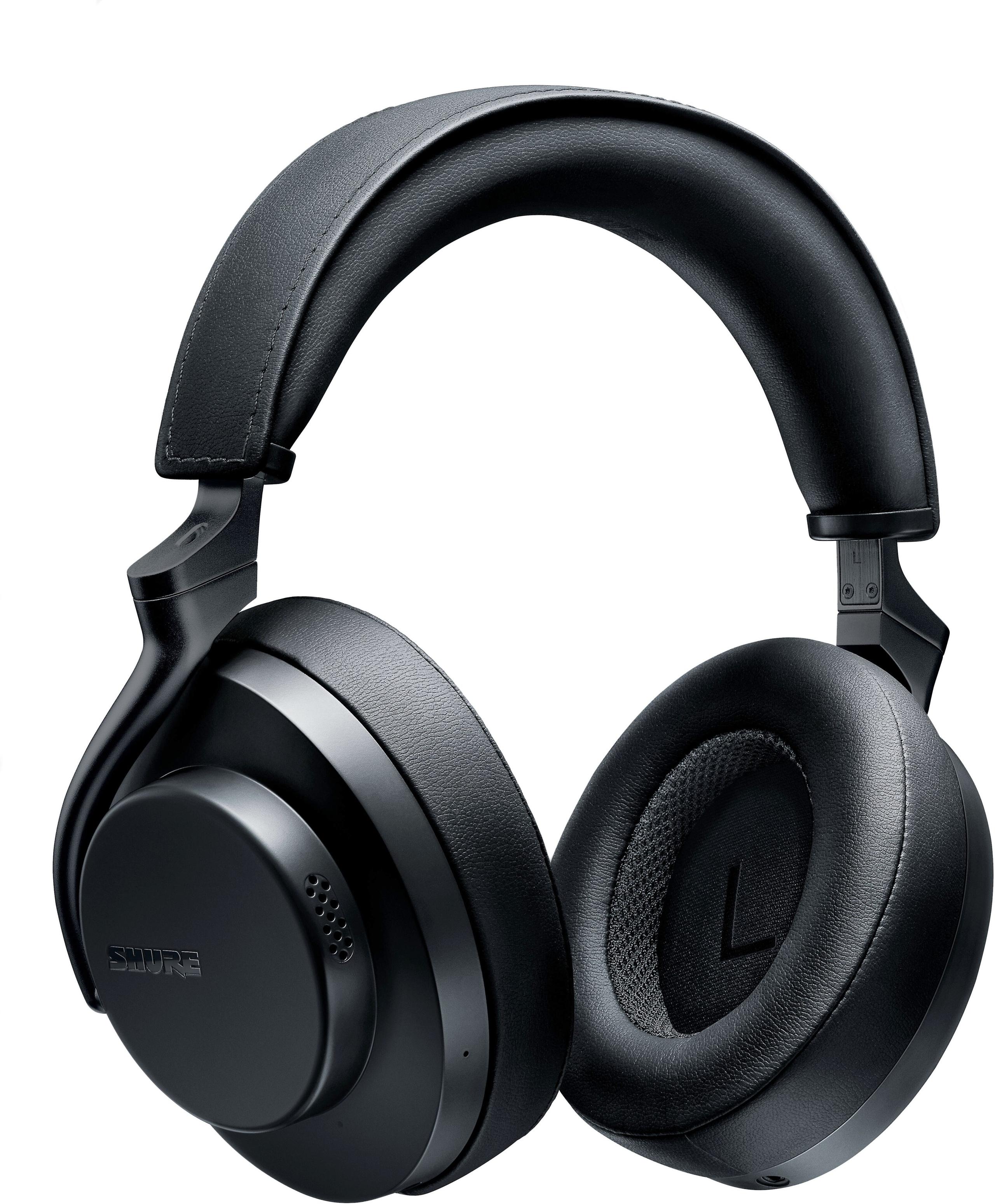
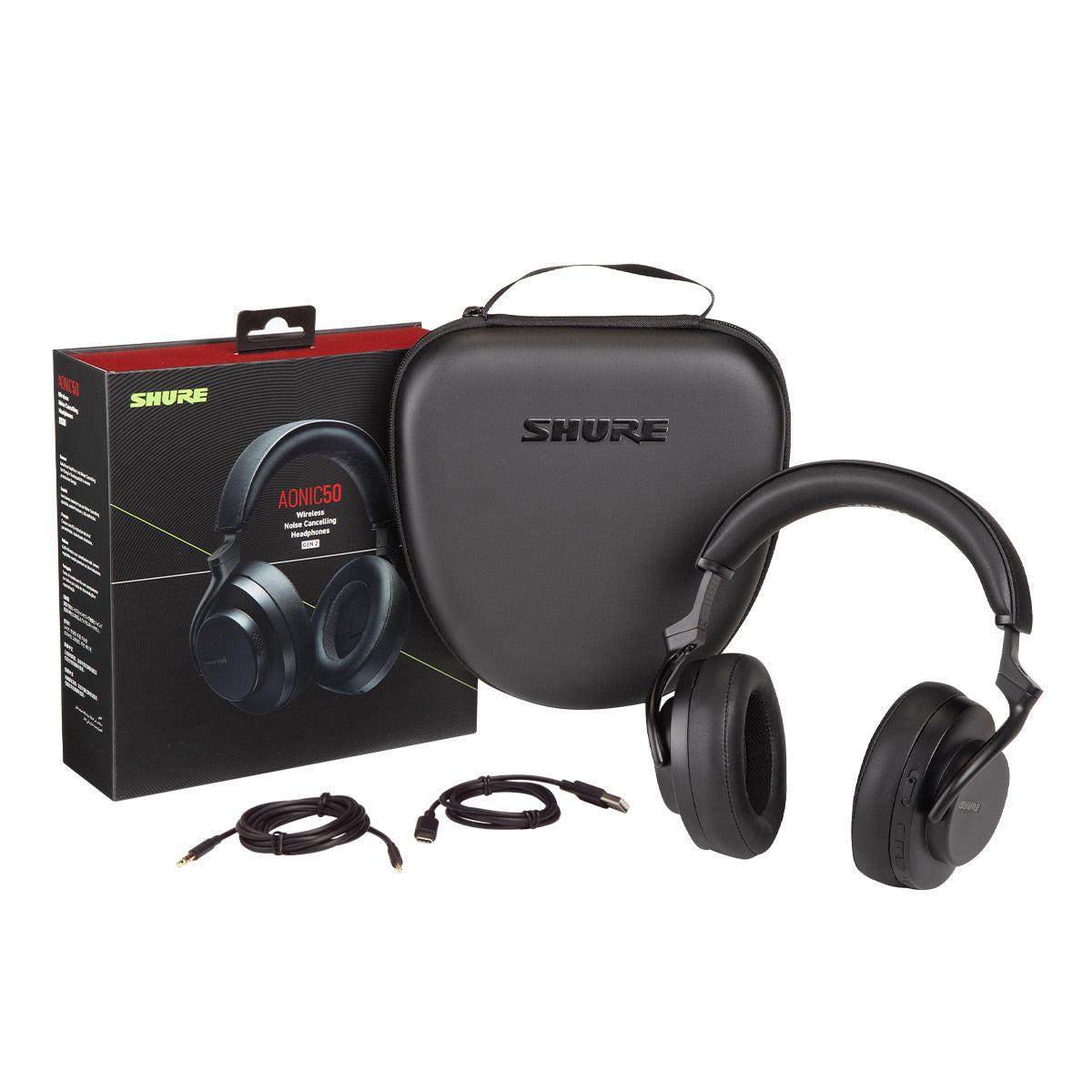
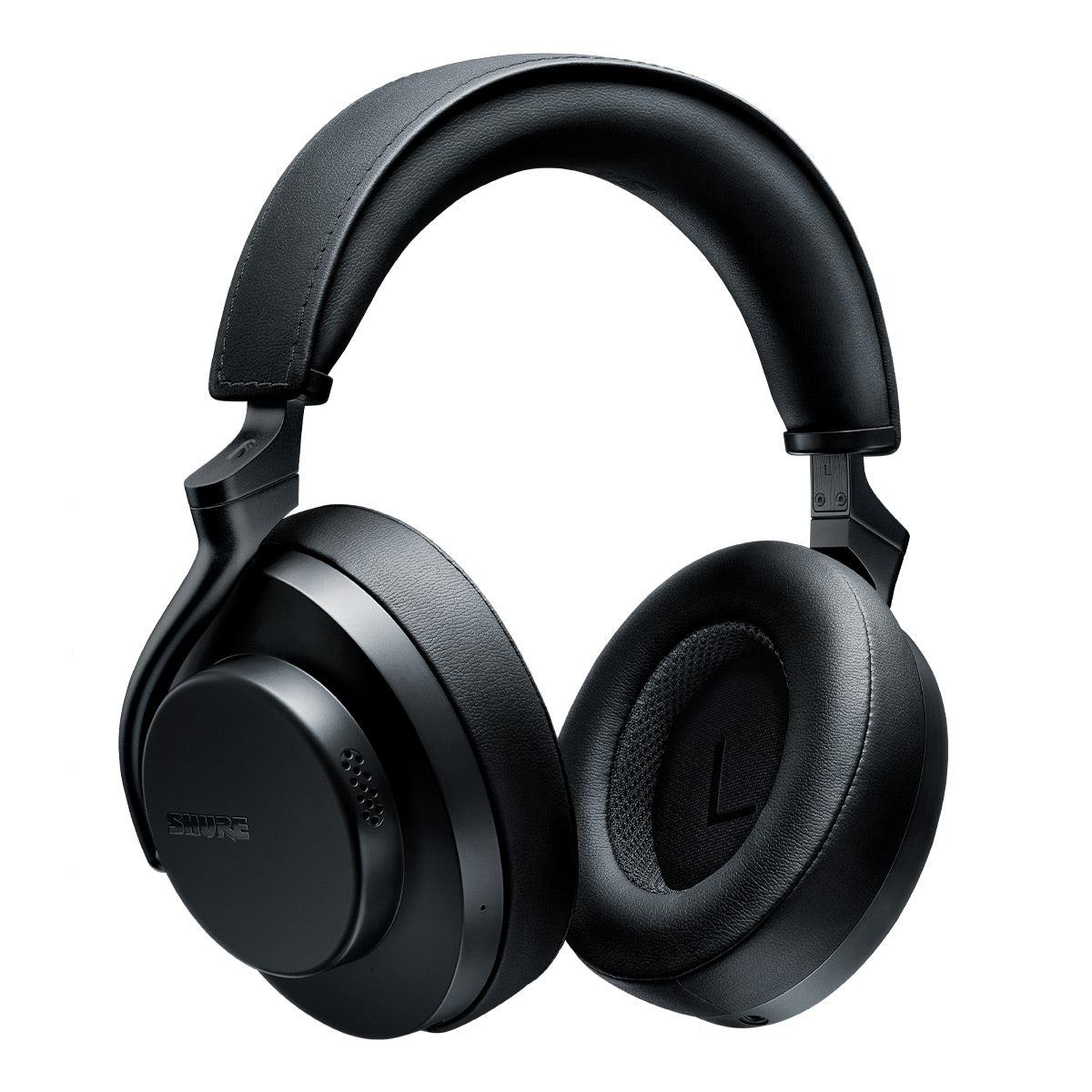
The Shure Aonic 50 Gen 2 takes a completely different approach. Rather than solving specific technical challenges for a niche use case, Shure focused on bringing their decades of studio expertise to the wireless consumer market, adding modern conveniences like active noise cancellation and spatial audio processing.
Where the OneOdio Studio Max 1 is tuned for DJ performance with emphasized bass and energetic highs, the Shure Aonic 50 Gen 2 follows Shure's traditional philosophy of accurate, uncolored sound reproduction. This means the headphones try to reproduce audio exactly as it was recorded, without adding their own "flavor" to the sound.
This approach has advantages and disadvantages. For critical listening – whether you're mixing music, editing podcasts, or just want to hear every detail in your favorite albums – the neutral tuning of the Shure Aonic 50 Gen 2 provides a more honest representation of the original recording. However, some listeners find this approach less exciting for casual music enjoyment, especially with genres that benefit from extra bass emphasis.
The Aonic 50 Gen 2 includes a sophisticated EQ system in its companion app, allowing users to customize the sound signature. This parametric EQ goes beyond simple bass and treble adjustments, letting you target specific frequency ranges with surgical precision. It's the kind of tool that audio professionals use, made accessible to everyday listeners.
One area where the Shure Aonic 50 Gen 2 clearly outperforms the OneOdio Studio Max 1 is in noise cancellation. The OneOdio has no active noise cancellation at all, relying purely on the physical seal of the earcups to block outside sound.
The Aonic 50 Gen 2 features hybrid active noise cancellation, using microphones both inside and outside the earcups to detect and cancel unwanted noise. The system offers four different modes, including a unique MaxAware mode that maintains some environmental awareness for safety while still reducing distracting background noise.
For home theater use, this noise cancellation can be particularly valuable. Late-night movie watching becomes more feasible when you can block out household sounds without needing to crank the volume. The environmental mode also lets you stay aware of important sounds like doorbell or phone calls while still enjoying immersive audio.
The Shure Aonic 50 Gen 2 includes what Shure calls "Spatialized Audio" – essentially surround sound processing for headphones. This feature offers three modes optimized for different content types: Music mode simulates listening in an acoustically treated room, Cinema mode recreates movie theater acoustics, and Podcast mode focuses on vocal clarity and intimacy.
While these features might sound like marketing gimmicks, well-implemented spatial audio can genuinely enhance certain types of content. Movie soundtracks, in particular, can benefit from the expanded soundstage, making action sequences feel more immersive and helping you better locate sounds in the mix.
The fundamental difference in audio philosophy between these headphones becomes clear when you listen to the same content on both. The OneOdio Studio Max 1 presents music with what I'd describe as "DJ energy" – punchy bass that helps kick drums cut through, forward mids that bring vocals to the front, and crisp highs that make cymbals sparkle.
This tuning works brilliantly for electronic music, hip-hop, and other genres where rhythmic elements are crucial. However, it can make acoustic music sound less natural, and the emphasized bass can muddy complex orchestral arrangements.
The Shure Aonic 50 Gen 2, by contrast, reveals details in recordings that might get lost with more colored tuning. Jazz recordings sound more spacious, classical music maintains better instrumental separation, and well-produced pop tracks reveal subtle production elements you might not notice otherwise.
Neither approach is objectively "better" – they're optimized for different priorities. If you primarily listen to electronic music and value engagement over accuracy, the OneOdio might be more enjoyable. If you listen to diverse genres and want to hear recordings as they were intended, the Shure provides a more neutral foundation.
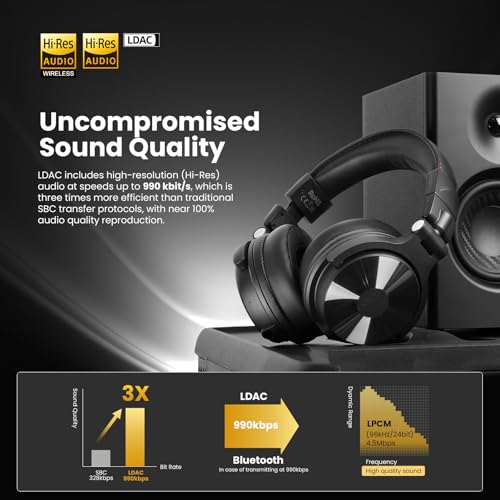
Both headphones support high-quality wireless audio codecs, but they emphasize different aspects of wireless performance. The OneOdio Studio Max 1 focuses primarily on latency, achieving that remarkable 20-millisecond delay with its proprietary system while offering standard Bluetooth 5.3 with LDAC support for high-resolution audio streaming.
The Shure Aonic 50 Gen 2 takes a broader approach, supporting an extensive range of codecs including aptX, aptX HD, aptX Adaptive, and LDAC. The aptX Adaptive codec is particularly interesting because it dynamically adjusts bitrate based on wireless conditions, maintaining audio quality even when interference might degrade the connection.
For most users, these codec differences matter less than you might expect. Unless you're streaming high-resolution audio files or dealing with challenging wireless environments, standard AAC (used by Apple devices) or SBC (the Bluetooth standard) provide perfectly acceptable quality.
The battery life difference between these headphones is dramatic. The OneOdio Studio Max 1 offers roughly two to three times the battery life of the Shure Aonic 50 Gen 2, depending on usage patterns and features enabled.
This difference reflects the different power requirements of their feature sets. Active noise cancellation, complex audio processing, and advanced wireless protocols all consume significant power. The OneOdio achieves its exceptional battery life partly by focusing on core functionality rather than power-hungry convenience features.
From a practical standpoint, both headphones offer enough battery life for typical daily use, but the OneOdio essentially eliminates battery anxiety entirely. You could realistically use them for a week or more without charging, making them particularly suitable for travel or situations where reliable access to charging isn't guaranteed.
Both headphones prioritize comfort, but they approach it differently. The OneOdio Studio Max 1 uses protein leather ear pads and a padded metal headband designed for the kind of extended wear that DJ sets demand. The build feels robust enough to handle the physical demands of live performance environments.
The Shure Aonic 50 Gen 2 emphasizes long-term listening comfort with softer materials and more refined weight distribution. While still sturdy, the build quality feels more suited to careful handling rather than the rough-and-tumble world of live performance.
Both headphones are relatively heavy compared to more casual wireless models, but this weight contributes to their perceived quality and helps with passive noise isolation. The substantial feel reassures you that these are professional tools, not toys.
For home theater applications, these headphones serve different needs. The Shure Aonic 50 Gen 2 is clearly better suited for movie watching, thanks to its noise cancellation, spatial audio features, and more balanced sound signature that handles dialogue, music, and effects equally well.
The spatial audio processing can make movie soundtracks more immersive, though the effect varies significantly depending on the source material and personal preferences. Well-mixed action movies benefit most, while dialogue-heavy films might not show much difference.
The OneOdio Studio Max 1 can certainly handle movie watching, and its exceptional battery life means you could theoretically binge-watch entire TV series without charging. However, the lack of noise cancellation and DJ-oriented tuning make it less ideal for this application compared to its primary use case.
At the time of writing, these headphones occupy different value propositions despite both being "premium" products. The OneOdio Studio Max 1 typically sells for significantly less than the Shure Aonic 50 Gen 2, making the value equation quite different.
Choose the OneOdio Studio Max 1 if you're a DJ or live performer who needs genuine ultra-low latency wireless performance, or if you prioritize exceptional battery life above all other considerations. The innovative technology and professional features justify the price, especially considering how much similar low-latency systems typically cost.
The Shure Aonic 50 Gen 2 makes more sense if you want refined audio quality, need noise cancellation for travel or focused listening, or prefer the convenience features that make wireless headphones appealing for general use. The premium pricing reflects the advanced features and brand heritage, but you're paying for sophistication rather than groundbreaking innovation.
Both represent excellent engineering focused on different priorities. The OneOdio pushes wireless performance boundaries for specific professional applications, while the Shure refines the premium wireless headphone experience with proven audio expertise. Your choice depends on which approach better matches your specific needs and listening priorities.
| OneOdio Studio Max 1 | Shure Aonic 50 Gen 2 |
|---|---|
| Battery Life - Critical for professional use and travel | |
| 120 hours Bluetooth / 50 hours low-latency mode (industry-leading endurance) | 45 hours (excellent for daily use) |
| Wireless Latency - Essential for DJs and real-time audio work | |
| 20ms ultra-low latency with M1 transmitter (revolutionary for wireless) | Standard Bluetooth latency ~100-200ms (fine for music listening) |
| Active Noise Cancellation - Key for travel and focused listening | |
| None (relies on passive isolation only) | Hybrid ANC with 4 modes including environmental awareness |
| Audio Tuning Philosophy - Affects how music sounds | |
| DJ-optimized with punchy bass and energetic highs | Studio-neutral with detailed, balanced reproduction |
| Connectivity Options - Determines equipment compatibility | |
| 4 modes: Bluetooth 5.3, proprietary wireless, 3.5mm, 6.35mm jacks | Bluetooth 5.0, USB-C digital, 3.5mm analog |
| Codec Support - Impacts wireless audio quality | |
| LDAC, AAC, SBC, LC3 | aptX, aptX HD, aptX Adaptive, LDAC, AAC, SBC |
| Professional Features - Specialized functionality | |
| 90° rotating earcups for DJ monitoring, M1 transmitter for legacy gear | Parametric EQ, spatial audio modes, environmental controls |
| Target Use Case - Who benefits most | |
| DJs, live performers, users prioritizing battery life | Audiophiles, travelers, critical listeners wanting ANC |
| Driver Size and Frequency Response - Audio reproduction capability | |
| 50mm neodymium, 20Hz-40kHz (extended high-frequency response) | 50mm dynamic, 20Hz-22kHz (studio-focused range) |
| Weight and Portability - Comfort for extended wear | |
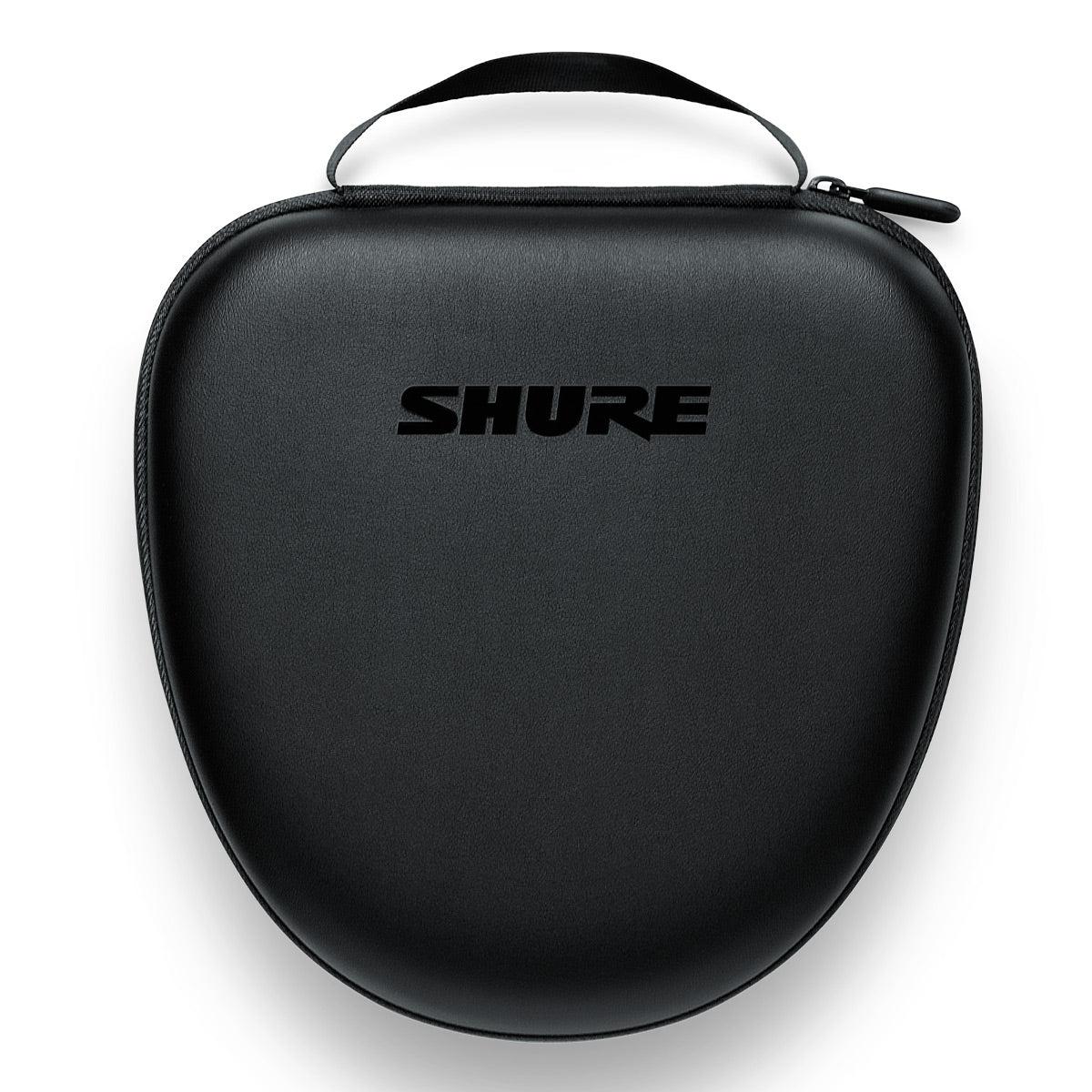
| 330-350g, foldable design with carry bag | 337g, fold-flat design with premium carrying case |
| Quick Charge Capability - Convenience for busy schedules | |
| 5 minutes = 1 hour playback (ultra-fast emergency charging) | 15 minutes = 5 hours playback (standard fast charging) |
| App Features - Customization and control options | |
| Basic controls via buttons, limited app functionality | Advanced ShurePlus PLAY app with parametric EQ and spatial audio |
The OneOdio Studio Max 1 offers exceptional battery life with up to 120 hours in Bluetooth mode, making it one of the longest-lasting wireless headphones available. The Shure Aonic 50 Gen 2 provides up to 45 hours of playback, which is still excellent but significantly less than the OneOdio Studio Max 1. For users who prioritize extended use without frequent charging, the OneOdio is the clear winner.
The OneOdio Studio Max 1 is specifically designed for DJ use with 20ms ultra-low latency wireless technology, rotating earcups for single-ear monitoring, and professional jack connections. The Shure Aonic 50 Gen 2 is not optimized for DJing due to standard Bluetooth latency and lack of DJ-specific features. For professional DJ applications, the OneOdio Studio Max 1 is the obvious choice.
The Shure Aonic 50 Gen 2 offers more accurate, balanced sound reproduction with detailed audio quality suitable for all music genres. The OneOdio Studio Max 1 has a bass-heavy, energetic tuning that works well for electronic music and DJ monitoring but may sound less refined for critical listening. For audiophile-quality music enjoyment, the Shure Aonic 50 Gen 2 is superior.
The Shure Aonic 50 Gen 2 features hybrid active noise cancellation with multiple modes for different environments. The OneOdio Studio Max 1 does not include active noise cancellation, relying only on passive isolation from the earcup seal. For travel or noisy environments, the Shure Aonic 50 Gen 2 provides significantly better noise isolation.
The Shure Aonic 50 Gen 2 is better suited for home theater with its balanced sound signature, spatial audio features, and noise cancellation for late-night viewing. The OneOdio Studio Max 1 can handle movies but lacks the refined audio processing and noise control that enhance the home theater experience. The Shure provides a more immersive movie-watching experience.
The OneOdio Studio Max 1 offers four connection modes including proprietary ultra-low latency wireless, standard Bluetooth, and multiple wired options. The Shure Aonic 50 Gen 2 provides Bluetooth with extensive codec support plus USB-C and analog connections. The OneOdio offers more versatile connectivity, especially for professional audio equipment.
Both headphones prioritize comfort, but the Shure Aonic 50 Gen 2 is designed more for extended listening sessions with refined weight distribution and softer materials. The OneOdio Studio Max 1 is built for professional DJ use with durable protein leather pads. For all-day comfort during casual listening, the Shure Aonic 50 Gen 2 has a slight edge.
The OneOdio Studio Max 1 features robust construction designed for live performance environments with metal components and durable materials. The Shure Aonic 50 Gen 2 offers premium build quality with refined materials and careful engineering. Both are well-built, but the OneOdio prioritizes durability while the Shure emphasizes premium feel and finish.
The OneOdio Studio Max 1 typically offers exceptional value with unique features like 120-hour battery life and ultra-low latency at a lower price point. The Shure Aonic 50 Gen 2 commands a premium price for its advanced features and brand heritage. The OneOdio Studio Max 1 provides better bang for your buck, especially for its innovative technology.
Both headphones support phone calls, but with different strengths. The Shure Aonic 50 Gen 2 offers superior call quality with advanced microphone processing and noise cancellation. The OneOdio Studio Max 1 includes dual-mic ENC technology for clear calls in noisy environments. The Shure generally provides better overall call experience.
The Shure Aonic 50 Gen 2 features the comprehensive ShurePlus PLAY app with parametric EQ, spatial audio controls, and extensive customization options. The OneOdio Studio Max 1 has more basic app functionality focused on essential controls. For users who want deep customization and advanced features, the Shure Aonic 50 Gen 2 offers significantly more app-based functionality.
The OneOdio Studio Max 1 excels for gaming with its 20ms ultra-low latency wireless connection, eliminating audio delay that can affect competitive gaming performance. The Shure Aonic 50 Gen 2 has standard Bluetooth latency which may cause audio sync issues in gaming. For serious gaming applications, the OneOdio Studio Max 1 provides a significant advantage with its real-time wireless performance.
We've done our best to create useful and informative comparisons to help you decide what product to buy. Our research uses advanced automated methods to create this comparison and perfection is not possible - please contact us for corrections or questions. These are the sites we've researched in the creation of this article: techradar.com - youtube.com - oneodio.com - androidguys.com - audioxpress.com - versus.com - audioreviews.org - youtube.com - oneodio.com - youtube.com - thomannmusic.com - teqclub.com - youtube.com - homestudiobasics.com - youtube.com - youtube.com - homedjstudio.com - oneodio.com - enostech.com - oneodio.com - yourrightscount.com - tomsguide.com - headphonecheck.com - whathifi.com - majorhifi.com - rtings.com - versus.com - majorhifi.com - versus.com - audio46.com - youtube.com - bhphotovideo.com - techradar.com - soundpro.com - shure.com - americanmusical.com - pubs.shure.com - blog.zzounds.com - service.shure.com - fullcompass.com

Privacy Policy
Terms and Conditions - Affiliate Policy
Home Security
© Copyright 2008-2026.
11816 Inwood Rd #1211, Dallas, TX 75244