




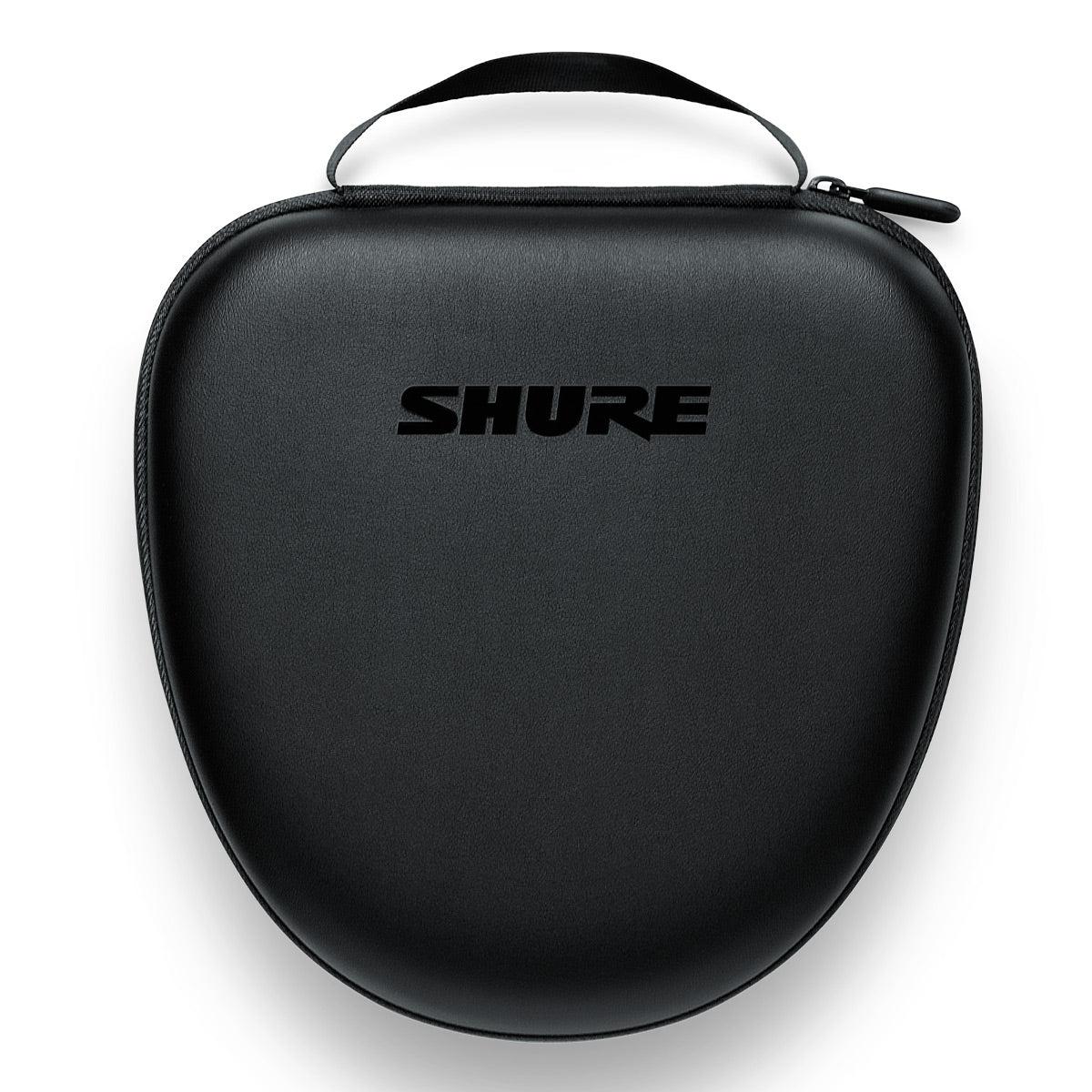
When you're shopping for headphones, the sheer number of options can feel overwhelming. But sometimes the most interesting comparisons happen between products that weren't really designed to compete with each other. That's exactly what we have here with the Pioneer DJ HDJ-X5 and the Shure Aonic 50 Gen 2 – two headphones that represent completely different philosophies about what makes great audio gear.
I've spent considerable time with both of these headphones, and while they're both over-ear designs that deliver impressive sound quality, they're aimed at entirely different users with vastly different needs. One is built for the unforgiving world of professional DJing, while the other caters to audiophiles who want cutting-edge wireless technology wrapped in premium materials.
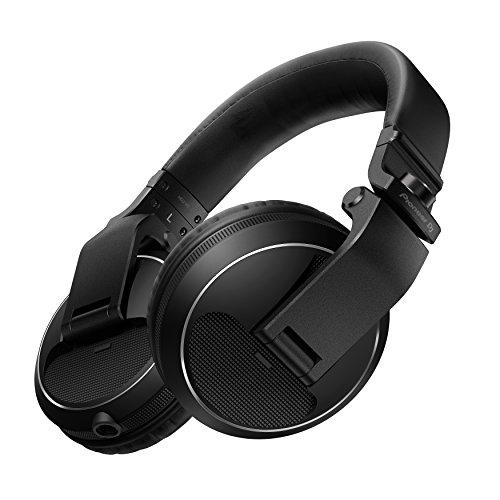
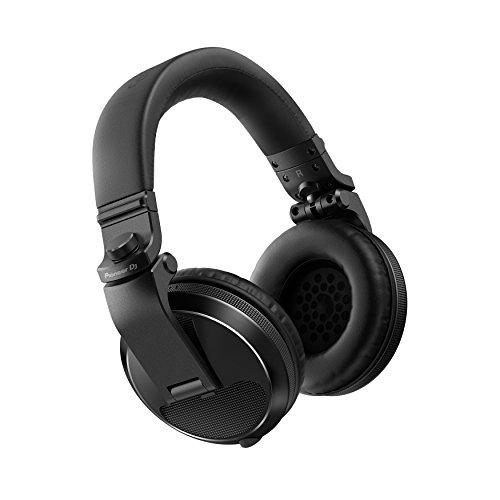
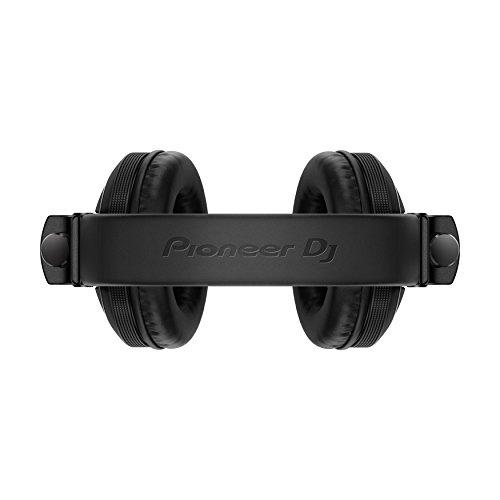
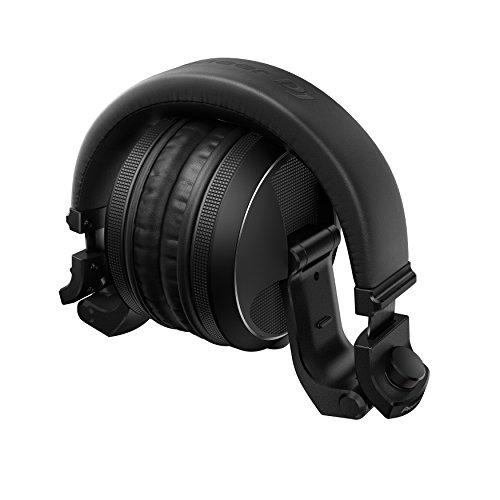
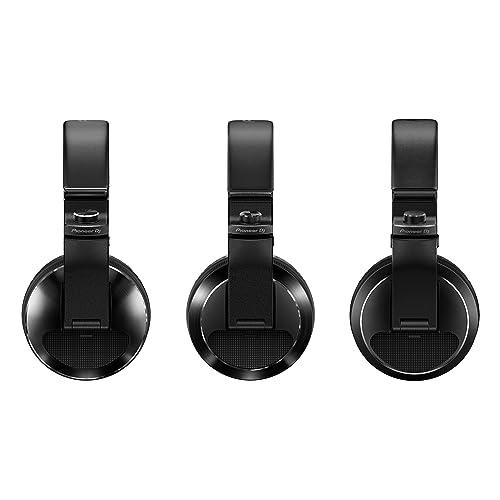
The Pioneer DJ HDJ-X5 represents the no-nonsense approach to professional audio. Released as part of Pioneer's HDJ-X series refresh in recent years, these headphones embody decades of DJ booth experience. Every design choice – from the coiled cable to the swiveling ear cups – serves a specific purpose in professional mixing and monitoring.
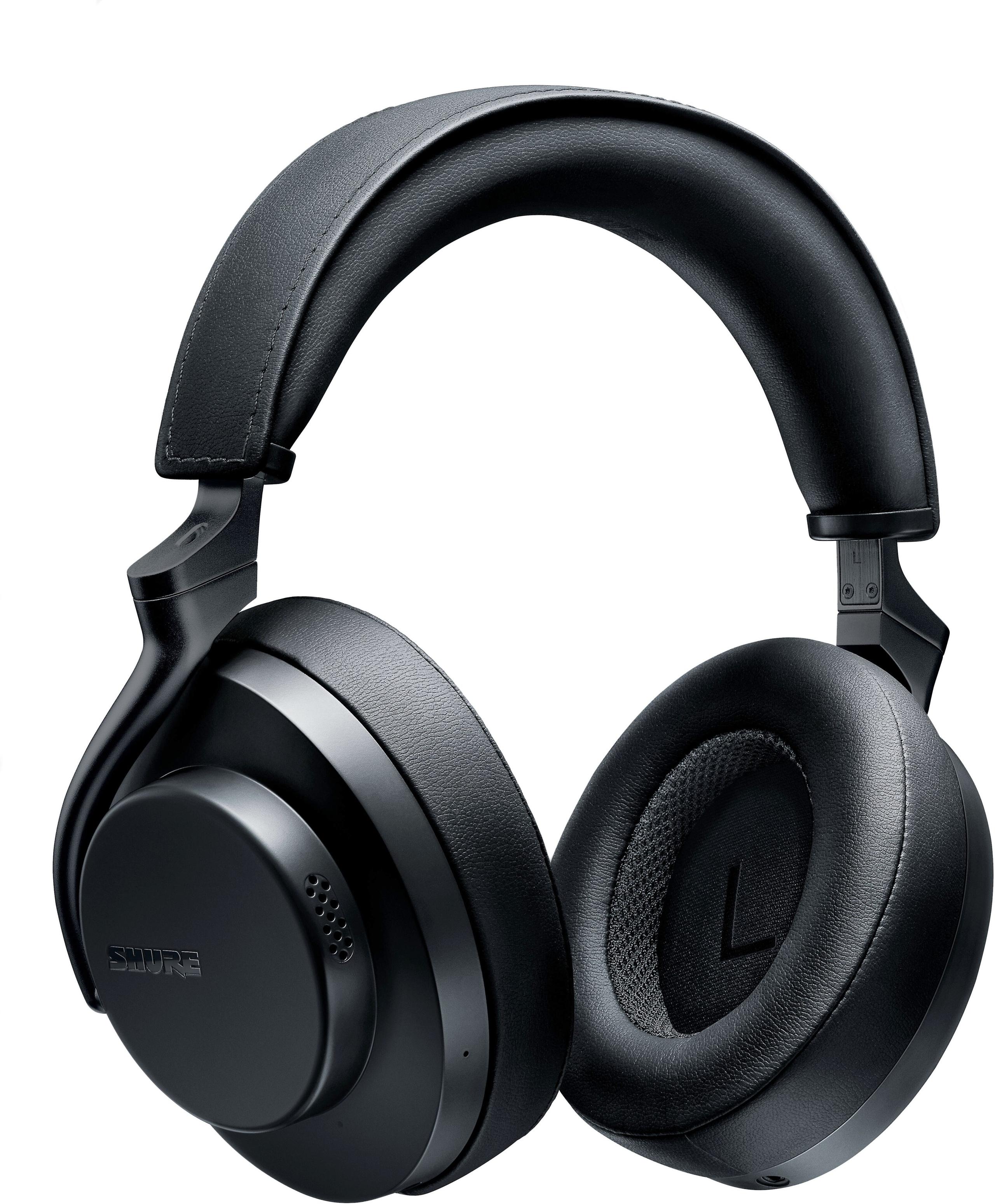
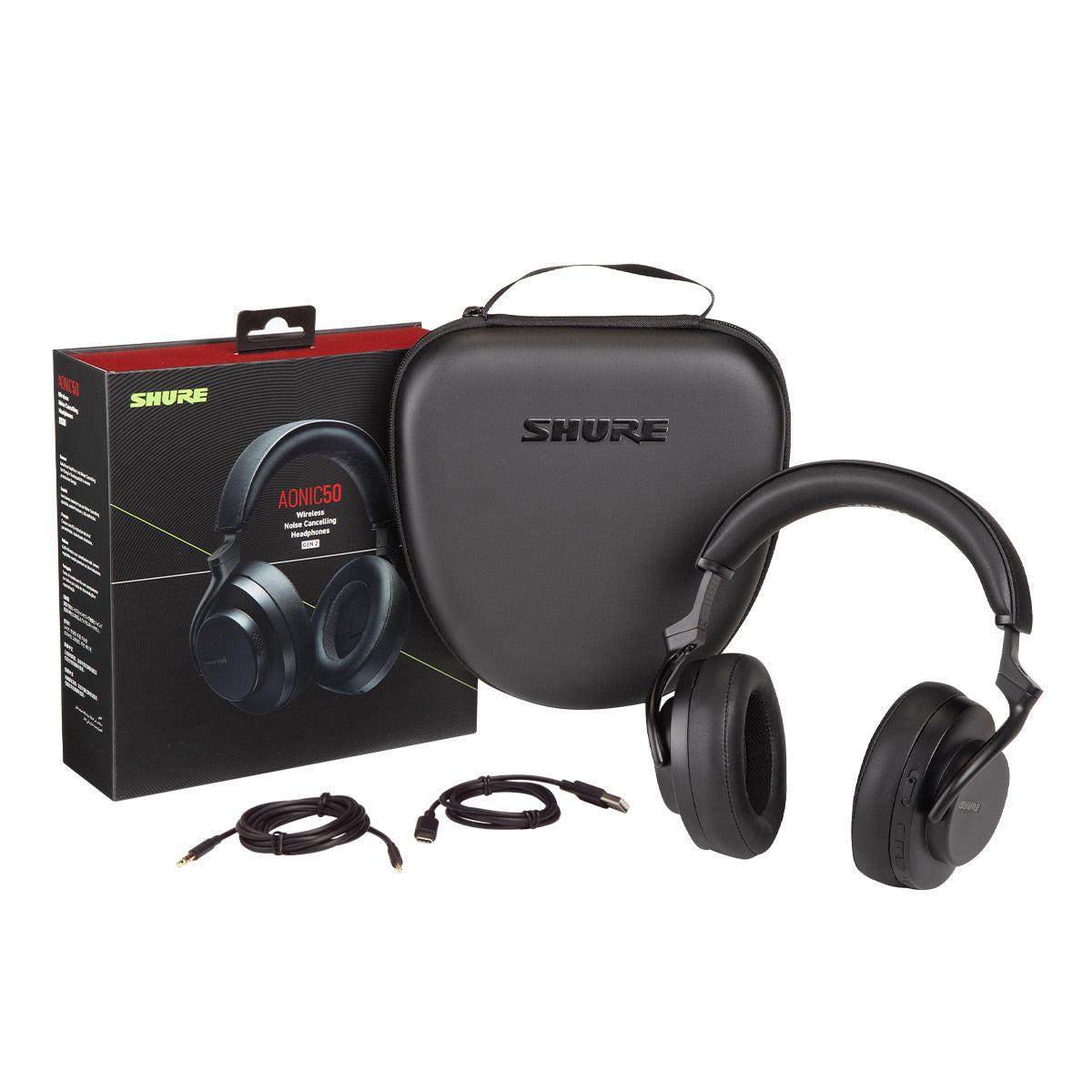
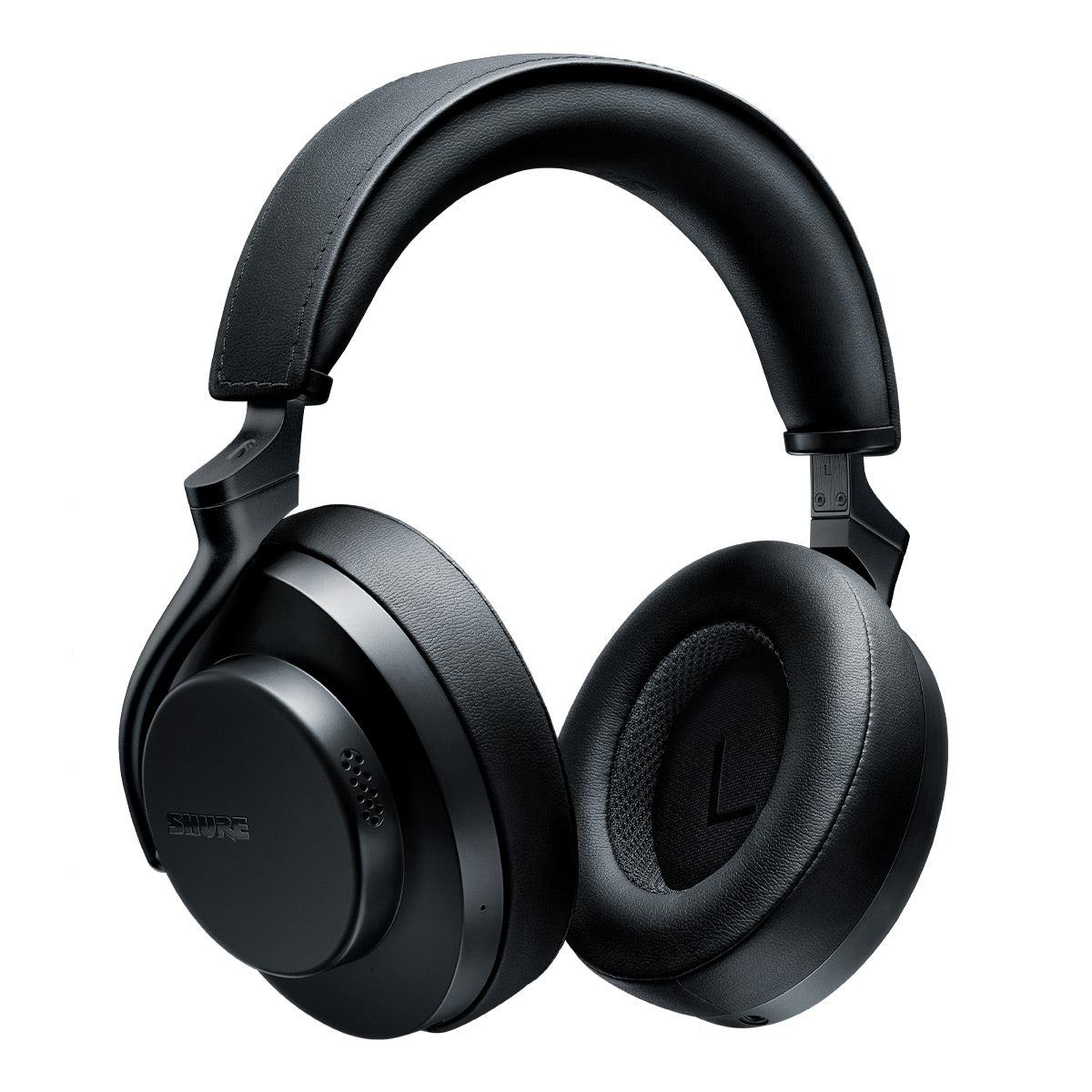
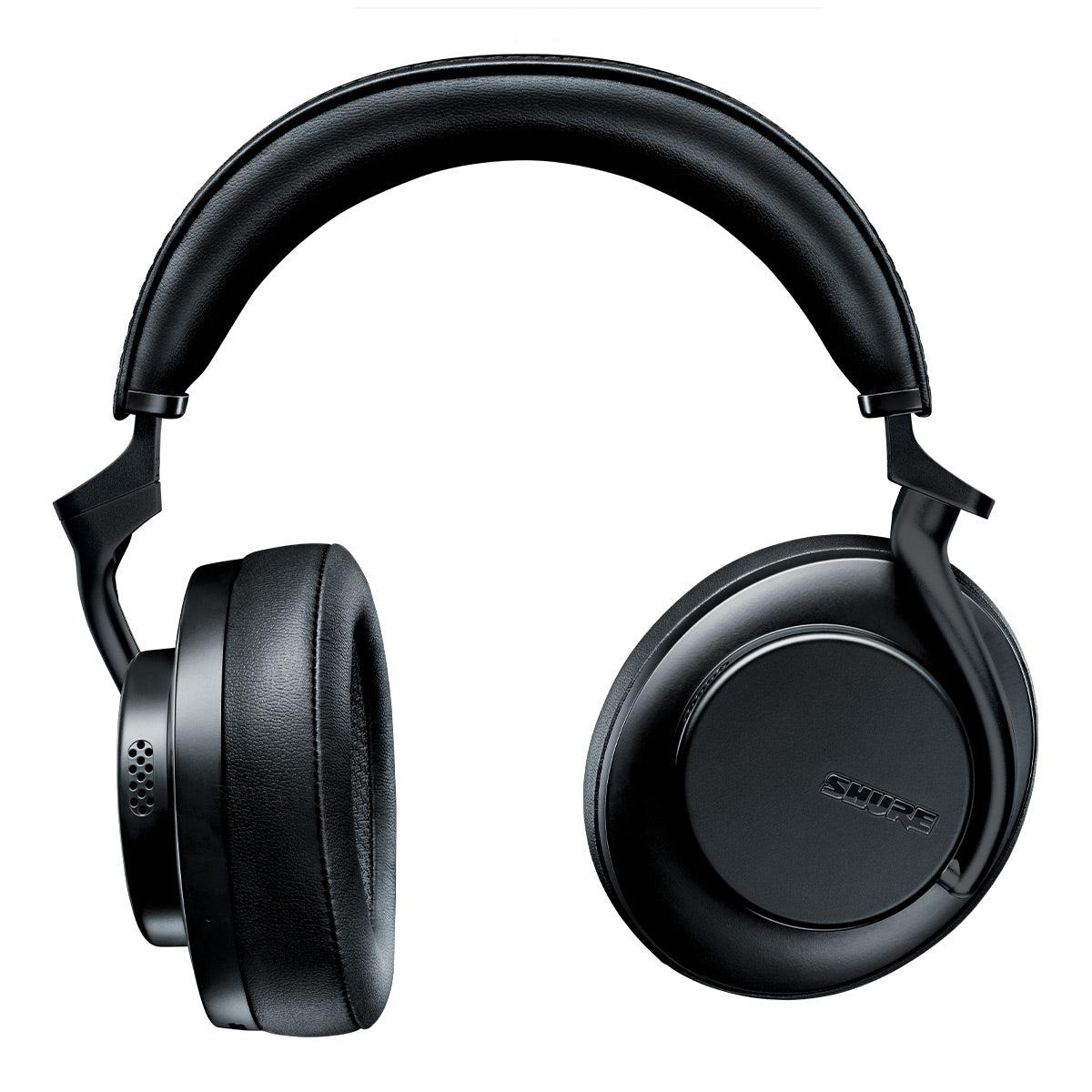
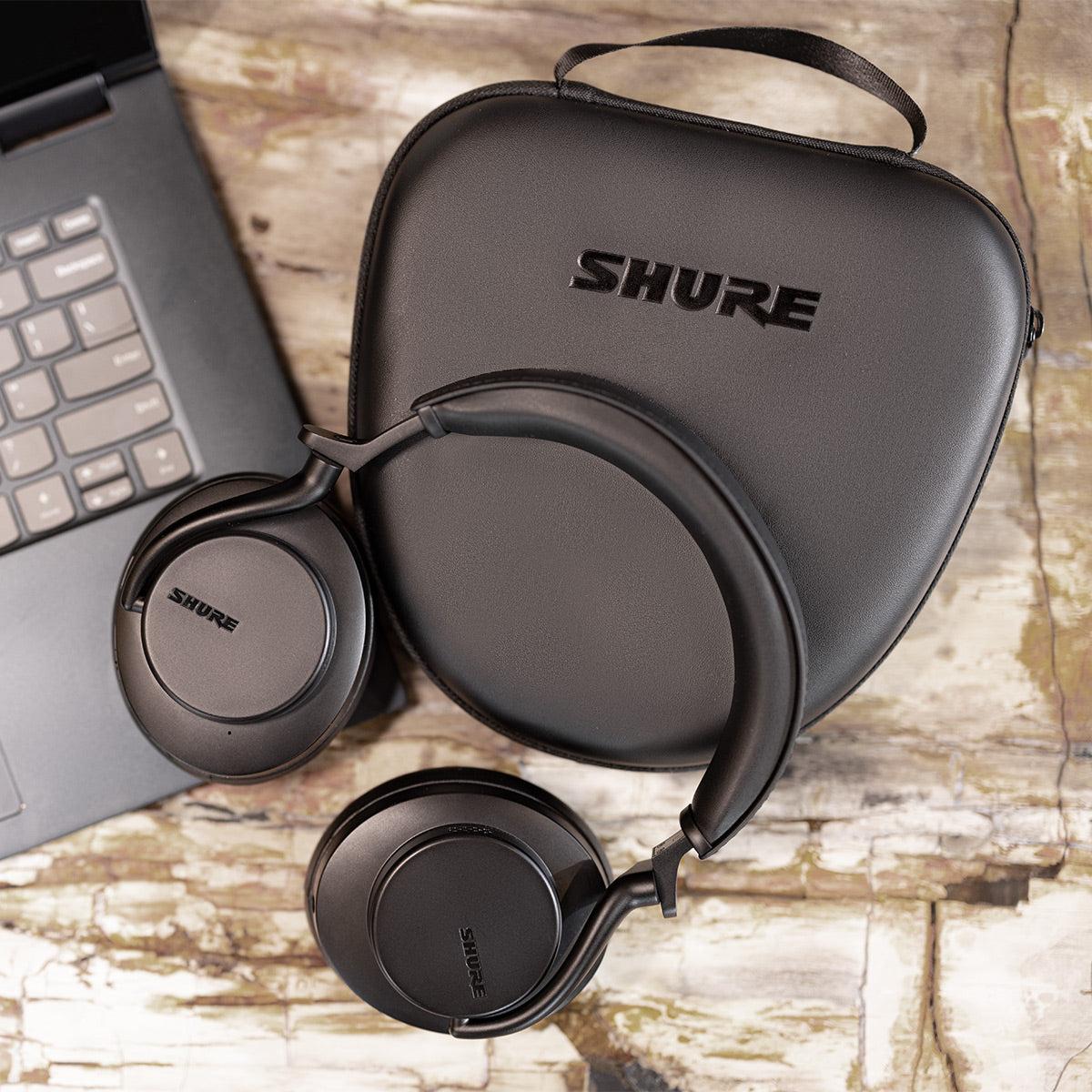
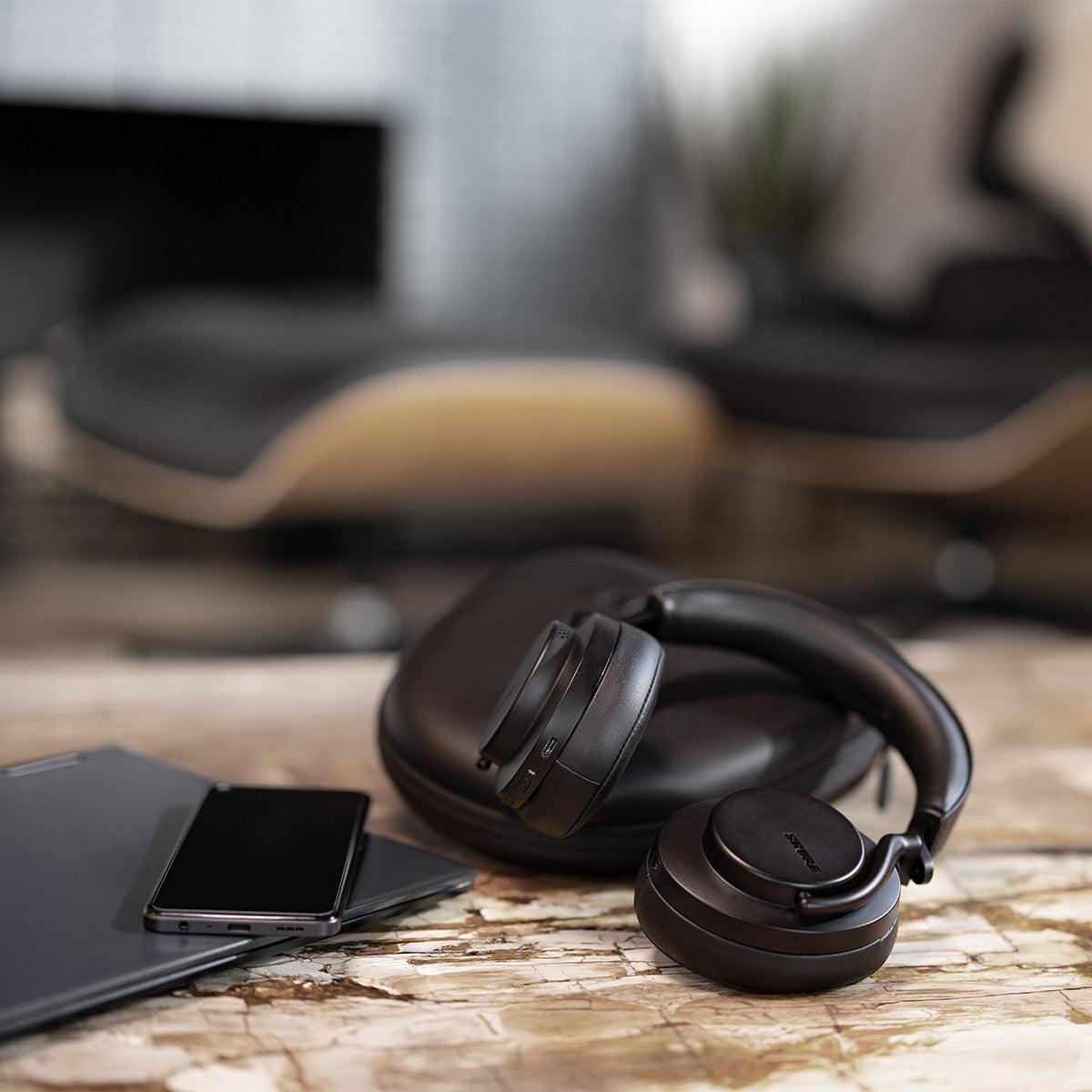
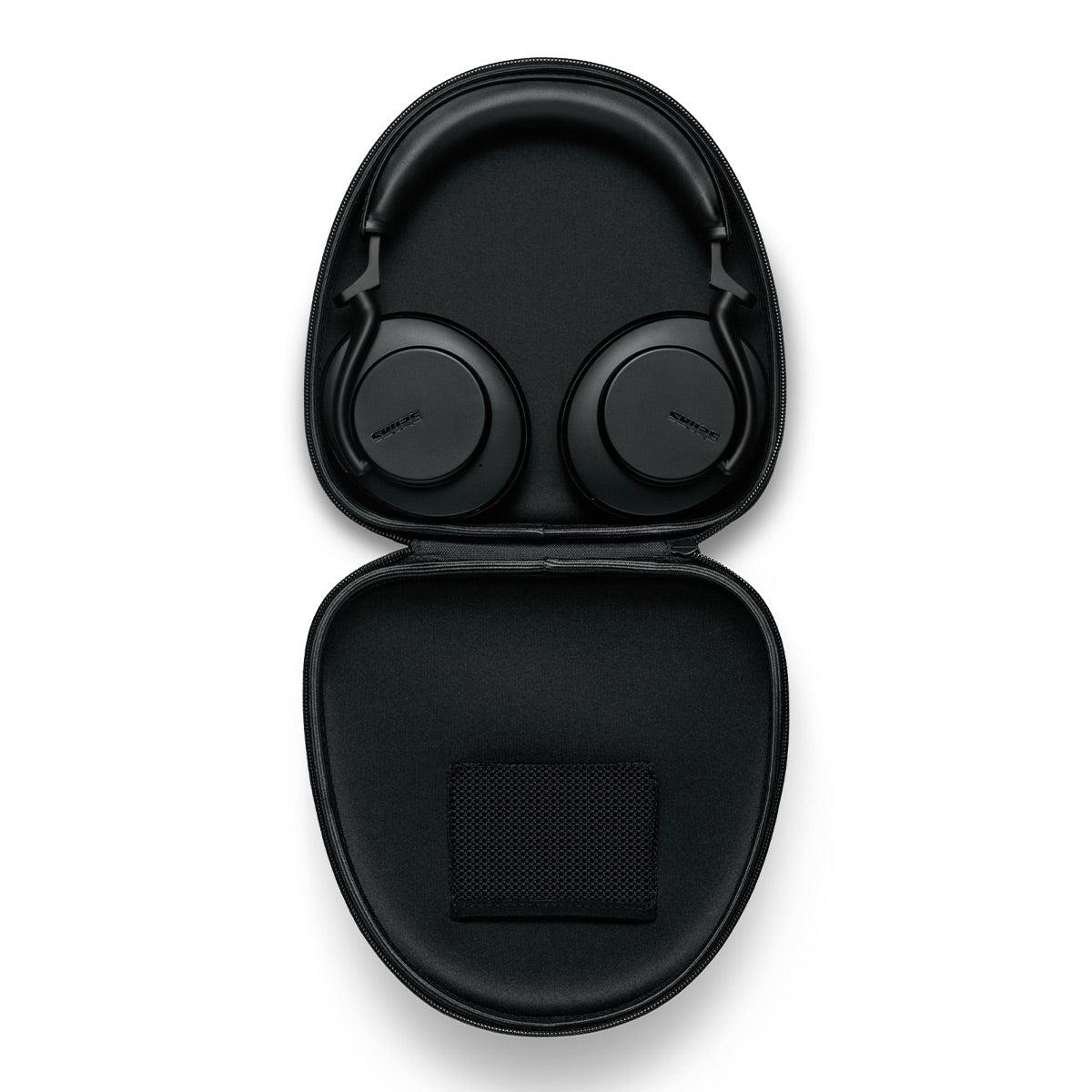
On the flip side, the Shure Aonic 50 Gen 2 arrived as Shure's answer to the premium wireless headphone market dominated by Sony and Bose. This second-generation model, launched more recently, addresses many of the criticisms leveled at the original Aonic 50, particularly around battery life and sound tuning. It's Shure's attempt to bring their legendary studio expertise into the consumer wireless space.
The key difference in philosophy is immediate: the Pioneer strips away anything that isn't essential for professional monitoring, while the Shure packs in every premium feature a discerning listener might want.
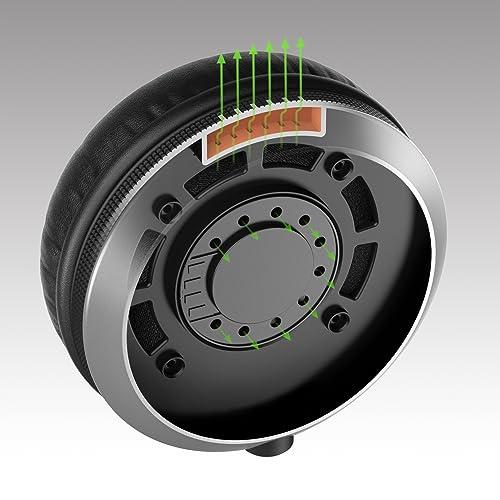
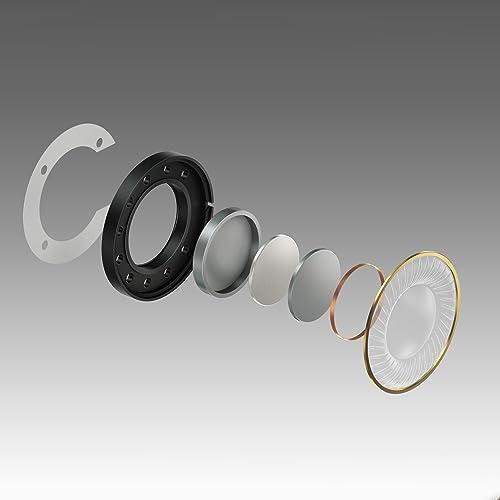
The Pioneer DJ HDJ-X5 delivers what I'd call "utility-focused" sound quality. These headphones feature 40mm drivers tuned specifically for DJ monitoring, with a frequency response that extends from 5 Hz all the way up to 30,000 Hz. That upper limit is particularly impressive – most consumer headphones tap out around 20,000 Hz, but DJs need to hear those ultra-high frequencies to catch subtle details in their mixes.
The sound signature leans bass-heavy, which might seem counterintuitive for "professional" headphones, but it makes perfect sense in context. When you're mixing in a club with massive subwoofers pounding, you need headphones that can reproduce those low frequencies accurately so you can match bass lines between tracks. The copper-clad aluminum wire voice coil in these drivers helps maintain clarity even when you're pushing serious volume – and trust me, DJs push serious volume.
What really impressed me about the Pioneer is how they handle distortion at high volumes. Thanks to their military-standard durability testing (they actually pass MIL-STD-810G shock tests), these headphones maintain their composure even when you're monitoring at levels that would make most consumer headphones cry uncle.
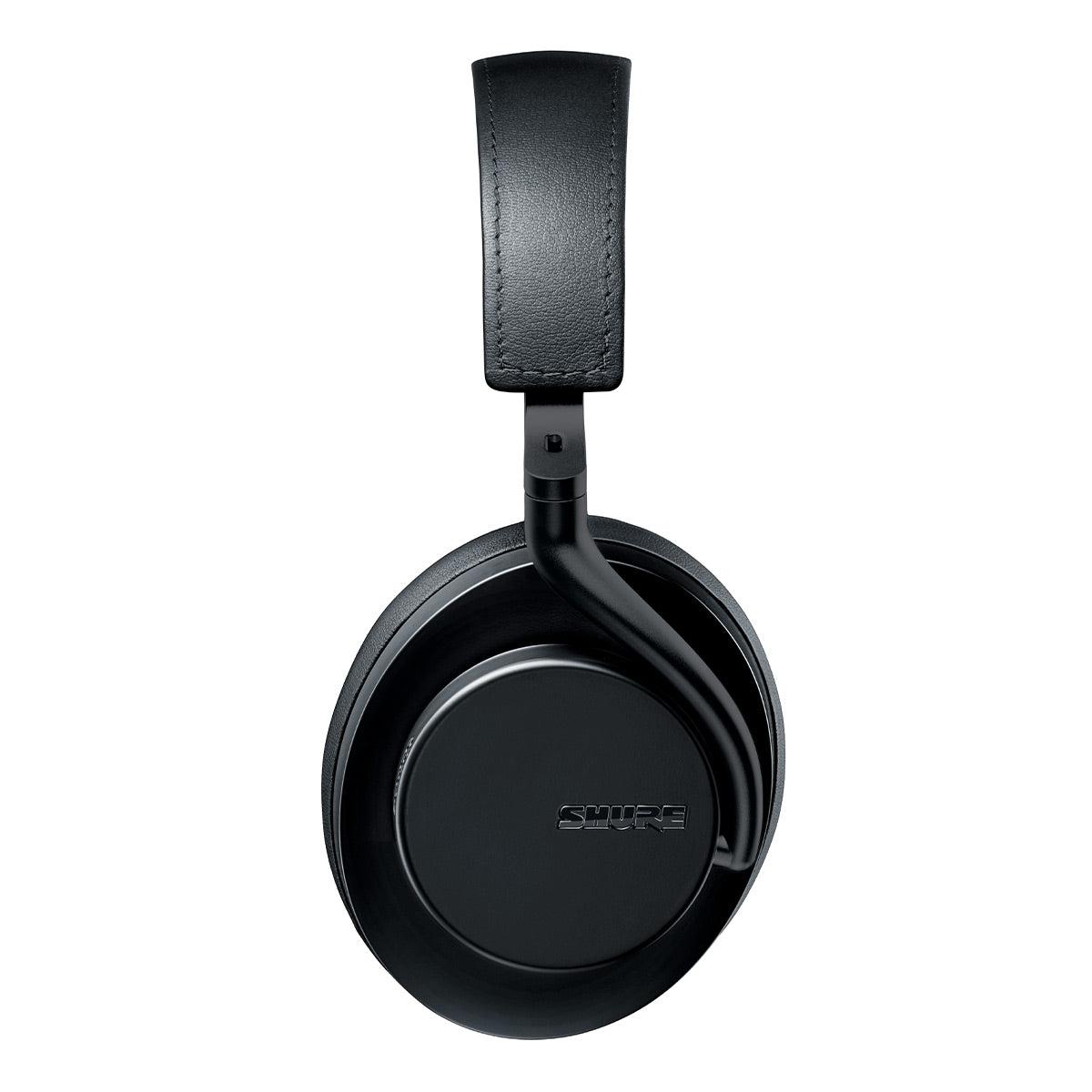
The Shure Aonic 50 Gen 2 takes a completely different approach with its larger 50mm drivers. These headphones aim for what audiophiles call "reference quality" sound – meaning they try to reproduce music exactly as the artist intended, without coloration or enhancement.
Out of the box, the sound signature is remarkably neutral, almost clinical. Some might find this boring initially, but it's actually a strength. The Shure gives you a clean canvas, then lets you paint your own picture through the companion app's parametric EQ. This is a full four-band parametric equalizer, which means you can adjust not just the volume of different frequency ranges, but also the width and shape of those adjustments. It's like having a professional mixing board for your headphones.
The soundstage – that's the sense of width and space in the music – is noticeably wider on the Shure. When I'm listening to something like Pink Floyd's "Dark Side of the Moon," the Shure creates a more expansive, three-dimensional sound field that makes you feel like you're sitting in the recording studio.
But here's where it gets really interesting: the Shure includes something called Spatialized Audio technology. This uses digital signal processing to create three different listening modes – Music, Cinema, and Podcast. The Music mode simulates listening in an acoustically treated room with high-end speakers, while Cinema mode adds that theater-like sub-bass rumble you'd get from a proper sound system.
This is where these headphones diverge most dramatically. The Pioneer DJ HDJ-X5 is unapologetically wired-only, and there's a very good reason for that: latency. In the DJ world, even a few milliseconds of delay between what you hear and what's actually playing can throw off your timing. Beatmatching – the fundamental skill of lining up the tempo of two songs – becomes nearly impossible with wireless headphones.
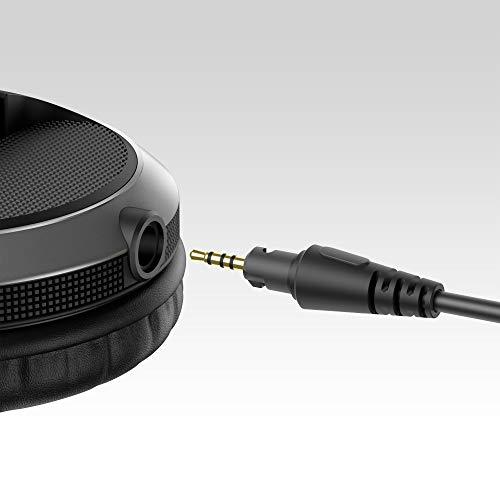
The Pioneer uses a clever 4-core twisted cable structure. Instead of the typical left and right channels, there are actually four separate conductors with independent ground wires for each channel. This dramatically improves channel separation, so when you're listening to a stereo mix, the left and right sides stay completely distinct. For DJs who need to isolate specific elements in a mix, this is crucial.
The Shure Aonic 50 Gen 2, meanwhile, represents the cutting edge of wireless audio technology. It supports an impressive array of Bluetooth codecs – that's the technology that compresses and transmits audio wirelessly. We're talking SBC, AAC, aptX, aptX HD, aptX Adaptive, and even Sony's LDAC codec, which can transmit high-resolution audio files with minimal quality loss.
But here's what really sets the Shure apart: it includes a USB-C DAC mode. DAC stands for Digital-to-Analog Converter, and it's what turns the digital files on your device into analog sound waves your ears can hear. The Shure's built-in DAC can handle audio files up to 32-bit/384kHz resolution – that's far beyond what most people will ever encounter, but it means these headphones won't be the limiting factor in your audio chain for years to come.
The Shure also supports multipoint Bluetooth pairing, meaning you can connect to your phone and laptop simultaneously. Take a call on your phone, and the music from your computer automatically pauses. It's one of those features that seems simple but makes daily life noticeably more convenient.
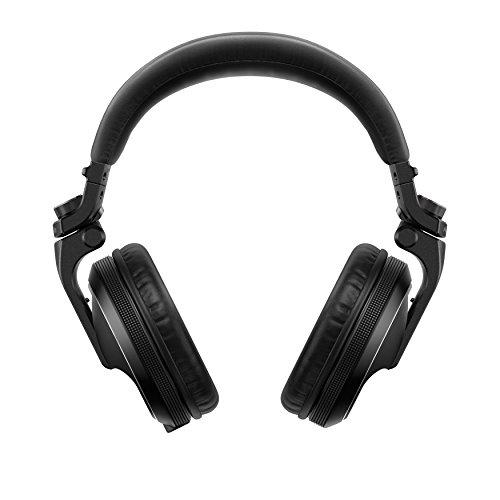
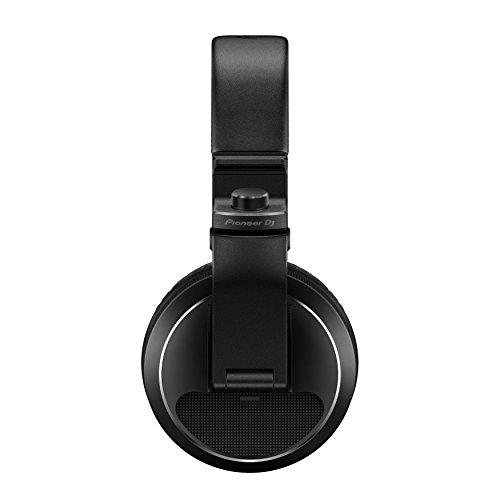
Both headphones need to be comfortable for extended wear, but they approach this challenge differently. The Pioneer DJ HDJ-X5 weighs in at a relatively light 269 grams, and every gram serves a purpose. The headband is designed to distribute weight evenly, and the ear cups swivel to accommodate different head shapes and wearing styles.
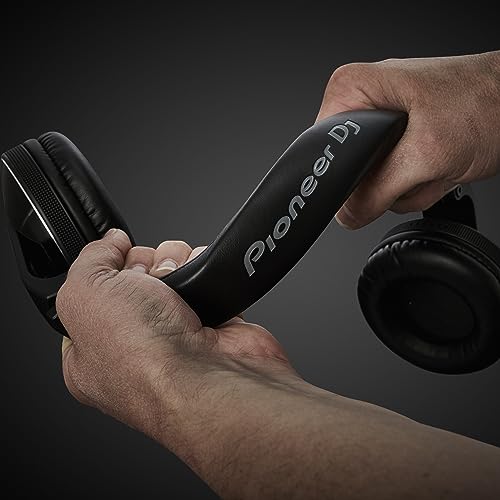
What really stands out about the Pioneer is the build quality. These headphones are designed to survive the kind of abuse that would destroy most consumer electronics – dropped on concrete floors, yanked around by cables, subjected to extreme volumes night after night. The moving parts use actual metal components, not plastic, and replacement parts like cables and ear pads are readily available.
The Shure Aonic 50 Gen 2 is noticeably heavier at 337 grams, but the extra weight comes with benefits. The larger drivers and more substantial construction create a more luxurious feel. The ear cushions are particularly impressive – they're made from memory foam wrapped in soft protein leather that forms a comfortable seal around your ears.
The Shure includes active noise cancellation, which uses microphones to detect outside noise and generates inverse sound waves to cancel it out. It's not the best ANC on the market – Sony and Bose still lead that particular race – but it's effective enough for airplane travel and noisy offices. The Environmental mode is particularly clever, letting you dial in exactly how much outside sound you want to hear through eleven different levels.
This is where the fundamental difference between these products becomes most apparent. The Pioneer DJ HDJ-X5 doesn't need batteries because it doesn't need to power any electronics. This might seem like a limitation, but it's actually a massive advantage in professional settings. You never have to worry about your headphones dying in the middle of a set, and there's no degradation in audio quality due to battery-powered amplification circuits.
The Shure Aonic 50 Gen 2 addresses one of the biggest complaints about the original model: battery life. This second-generation version delivers up to 45 hours of playback, which is genuinely impressive in the premium wireless headphone category. At the time of writing, that puts it ahead of most competitors in terms of pure endurance.
The quick-charge feature is equally impressive – fifteen minutes of charging provides about five hours of playback. For someone who travels frequently, this kind of rapid charging can be a lifesaver when you realize your headphones are dead just before a long flight.
If you're a DJ, the choice is pretty clear-cut. The Pioneer DJ HDJ-X5 delivers everything you need for professional mixing without any compromises. The zero-latency wired connection, high-volume handling, and durable construction make it ideal for club environments.
But DJs aren't the only ones who should consider the Pioneer. If you're doing any kind of audio production work – recording, mixing, mastering – the neutral sound signature and extended frequency response make these excellent monitoring headphones. I've used them for podcast editing, and the clarity in the midrange makes it easy to identify and remove unwanted mouth sounds or background noise.
The Pioneer also makes sense for anyone who values simplicity and reliability over features. There's something refreshing about headphones that just work, without apps to update or batteries to charge.
The Shure Aonic 50 Gen 2 is built for the discerning listener who wants premium wireless audio without compromises. If you're someone who has a large library of high-resolution audio files, the advanced codec support and USB DAC functionality make these headphones a worthy investment.
For home theater use, the Shure offers some compelling advantages. The Spatialized Audio feature's Cinema mode can enhance movie watching, creating a more immersive experience than traditional stereo headphones. The long battery life means you can watch extended Netflix sessions without worrying about power, and the USB-C connection option provides a reliable wired backup.
The customizable EQ makes the Shure particularly appealing for people with specific musical preferences. If you're a classical music lover who wants to emphasize string detail, or a hip-hop fan who wants more bass impact, the parametric EQ gives you the tools to fine-tune the sound exactly to your taste.
At the time of writing, these headphones occupy very different price brackets, which reflects their different target markets. The Pioneer DJ HDJ-X5 represents exceptional value for anyone needing professional monitoring capabilities, delivering features and build quality that typically cost much more.
The Shure Aonic 50 Gen 2 commands a premium price, but it's competing against other high-end wireless headphones from Sony, Bose, and Sennheiser. In that context, the advanced codec support, exceptional battery life, and Shure's reputation for audio quality help justify the investment.
The choice between these headphones ultimately comes down to your primary use case. If you need professional monitoring capabilities – whether for DJing, audio production, or critical listening – the Pioneer DJ HDJ-X5 delivers exactly what you need without unnecessary complexity or potential failure points.
If you want a premium wireless listening experience with all the modern conveniences, the Shure Aonic 50 Gen 2 offers sophisticated technology wrapped in excellent build quality. The ability to customize the sound signature through the app, combined with the advanced wireless features, makes it a compelling choice for audiophiles who refuse to compromise on convenience.
Neither headphone is objectively better than the other – they're both excellent at what they're designed to do. The Pioneer excels at professional monitoring, while the Shure delivers premium consumer listening. Your specific needs, usage patterns, and preferences should guide your decision, not abstract notions of which is "better."
In my experience, both headphones deliver on their promises. The Pioneer has never let me down during long mixing sessions, and the Shure has become my go-to choice for daily listening thanks to its combination of sound quality and wireless convenience. Choose based on how you'll actually use them, and either option will serve you well for years to come.
| Pioneer DJ HDJ-X5 Headphones | Shure Aonic 50 Gen 2 Wireless Headphones |
|---|---|
| Primary Design Purpose - Determines everything else about performance | |
| Professional DJ monitoring and mixing | Premium consumer wireless listening |
| Driver Size - Larger drivers typically provide better bass and soundstage | |
| 40mm dynamic drivers | 50mm dynamic drivers |
| Frequency Response - Extended range reveals more detail in music | |
| 5 Hz - 30,000 Hz (exceptional high-end for detecting mix details) | 20 Hz - 22,000 Hz (standard audiophile range) |
| Connectivity - Wired vs wireless determines latency and convenience | |
| Wired only with 4-core twisted cable (zero latency for mixing) | Bluetooth 5.0 + USB-C DAC + 3.5mm (maximum flexibility) |
| Audio Codecs - Higher quality codecs preserve more detail in wireless transmission | |
| Not applicable (wired connection) | SBC, AAC, aptX, aptX HD, aptX Adaptive, LDAC |
| Weight - Affects comfort during long sessions | |
| 269g (lightweight for extended DJ sets) | 337g (heavier but premium materials) |
| Active Noise Cancellation - Blocks outside noise for immersive listening | |
| Passive isolation only (designed for loud club environments) | Hybrid ANC with 4 modes plus 11-level ambient control |
| Battery Life - Critical for wireless headphones | |
| No battery required (always ready to use) | Up to 45 hours (exceptional for premium wireless) |
| Sound Signature - Affects how music sounds out of the box | |
| Bass-heavy, optimized for electronic music monitoring | Neutral with extensive EQ customization via app |
| Durability Testing - Important for professional or heavy use | |
| MIL-STD-810G military shock testing (extreme durability) | Premium build quality but not military-tested |
| Cable Design - Affects reliability and audio quality | |
| Detachable 1.2m coiled cable with independent ground wires | Multiple cable options including USB-C for high-res audio |
| Unique Features - What sets each apart from competitors | |
| Swivel cups for one-ear monitoring, replaceable parts | Spatialized Audio modes, parametric EQ, multipoint Bluetooth |
| Best Use Cases - Who should choose each product | |
| DJs, audio producers, studio monitoring, high-volume environments | Audiophiles, commuters, home theater, wireless convenience seekers |
The Pioneer DJ HDJ-X5 Headphones are specifically designed for DJing and professional mixing. They offer zero-latency wired connection, swiveling ear cups for one-ear monitoring, and can handle high volumes without distortion. The Shure Aonic 50 Gen 2 Wireless Headphones are not suitable for DJing due to wireless latency that would interfere with beatmatching and timing.
The Pioneer DJ HDJ-X5 uses only wired connections, providing zero latency and never needing to be charged, making them ideal for professional use. The Shure Aonic 50 Gen 2 offers advanced wireless connectivity with Bluetooth 5.0 and multiple high-quality audio codecs, plus the option to use wired connections when needed.
Both offer excellent sound quality but for different purposes. The Pioneer DJ HDJ-X5 delivers bass-heavy, reference-quality monitoring optimized for electronic music and mixing. The Shure Aonic 50 Gen 2 provides neutral, audiophile-grade sound with larger 50mm drivers and extensive EQ customization through its companion app.
The Shure Aonic 50 Gen 2 Wireless Headphones are excellent for home theater with their Spatialized Audio Cinema mode, 45-hour battery life, and comfortable over-ear design. The Pioneer DJ HDJ-X5 can work for home theater but lack wireless convenience and are optimized more for professional monitoring than movie watching.
Both are designed for extended wear. The Pioneer DJ HDJ-X5 weighs less at 269g with pressure-reducing housing designed for long DJ sets. The Shure Aonic 50 Gen 2 is heavier at 337g but features premium memory foam cushions and better weight distribution for all-day comfort.
The Pioneer DJ HDJ-X5 Headphones don't require batteries since they're wired-only, meaning they're always ready to use. The Shure Aonic 50 Gen 2 offers exceptional 45-hour battery life with quick charging that provides 5 hours of playback from just 15 minutes of charging.
The Shure Aonic 50 Gen 2 Wireless Headphones feature hybrid active noise cancellation with four adjustable modes and an 11-level ambient sound control. The Pioneer DJ HDJ-X5 relies on passive noise isolation only, which is optimized for loud club environments but doesn't actively cancel noise.
The Shure Aonic 50 Gen 2 offers extensive sound customization through its companion app, including a 4-band parametric EQ and three Spatialized Audio modes. The Pioneer DJ HDJ-X5 has a fixed sound signature optimized for DJ monitoring without app-based customization options.
The Pioneer DJ HDJ-X5 Headphones are built for professional abuse, passing MIL-STD-810G military shock testing with metal components in moving parts and replaceable cables and ear pads. The Shure Aonic 50 Gen 2 features premium build quality but isn't military-tested and is designed more for careful consumer use.
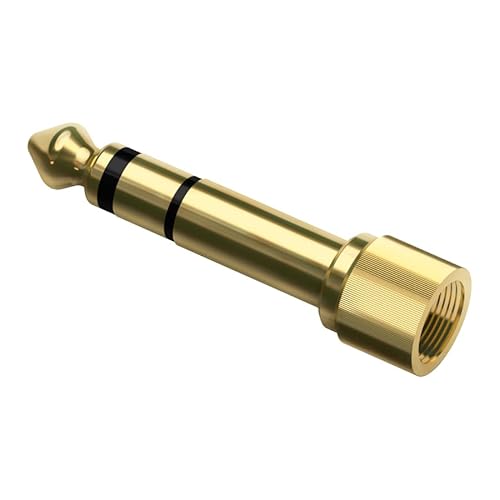
The Pioneer DJ HDJ-X5 connects to any device with a 3.5mm or 6.3mm headphone jack, including DJ equipment and audio interfaces. The Shure Aonic 50 Gen 2 offers more connection options including Bluetooth to multiple devices simultaneously, USB-C for high-resolution audio, and traditional 3.5mm wired connections.
Value depends on your needs. The Pioneer DJ HDJ-X5 provides exceptional value for DJs and audio professionals, offering military-grade durability and professional features. The Shure Aonic 50 Gen 2 justifies its premium positioning with advanced wireless technology, superior drivers, and extensive customization features for audiophiles.
The Pioneer DJ HDJ-X5 Headphones are excellent for music production with their neutral monitoring sound, extended frequency response up to 30,000 Hz, and zero-latency wired connection. The Shure Aonic 50 Gen 2 can work for production with their USB-C DAC mode supporting high-resolution audio, but the wireless latency makes them less ideal for recording and real-time monitoring.
We've done our best to create useful and informative comparisons to help you decide what product to buy. Our research uses advanced automated methods to create this comparison and perfection is not possible - please contact us for corrections or questions. These are the sites we've researched in the creation of this article: guitarcenter.com - pioneerdj.com - digitaldjtips.com - youtube.com - idjnow.com - youtube.com - youtube.com - wearecrossfader.co.uk - audio46.com - youtube.com - pioneerdj.com - pioneerdj.com - idjnow.com - milehighdjsupply.com - pioneerdj.com - store.djtechtools.com - pioneerdjstore.com - americanmusical.com - sweetwater.com - stars-music.com - store.djtechtools.com - pioneerdj.com - tomsguide.com - headphonecheck.com - whathifi.com - majorhifi.com - rtings.com - versus.com - majorhifi.com - versus.com - audio46.com - youtube.com - bhphotovideo.com - techradar.com - soundpro.com - shure.com - americanmusical.com - pubs.shure.com - blog.zzounds.com - service.shure.com - fullcompass.com

Privacy Policy
Terms and Conditions - Affiliate Policy
Home Security
© Copyright 2008-2026.
11816 Inwood Rd #1211, Dallas, TX 75244