

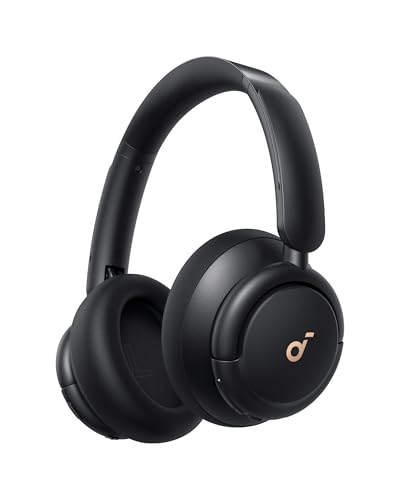
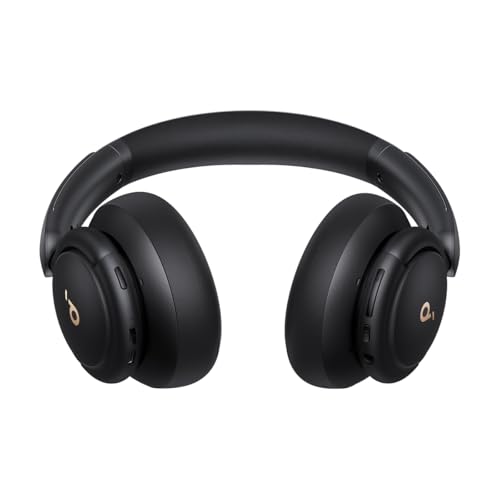
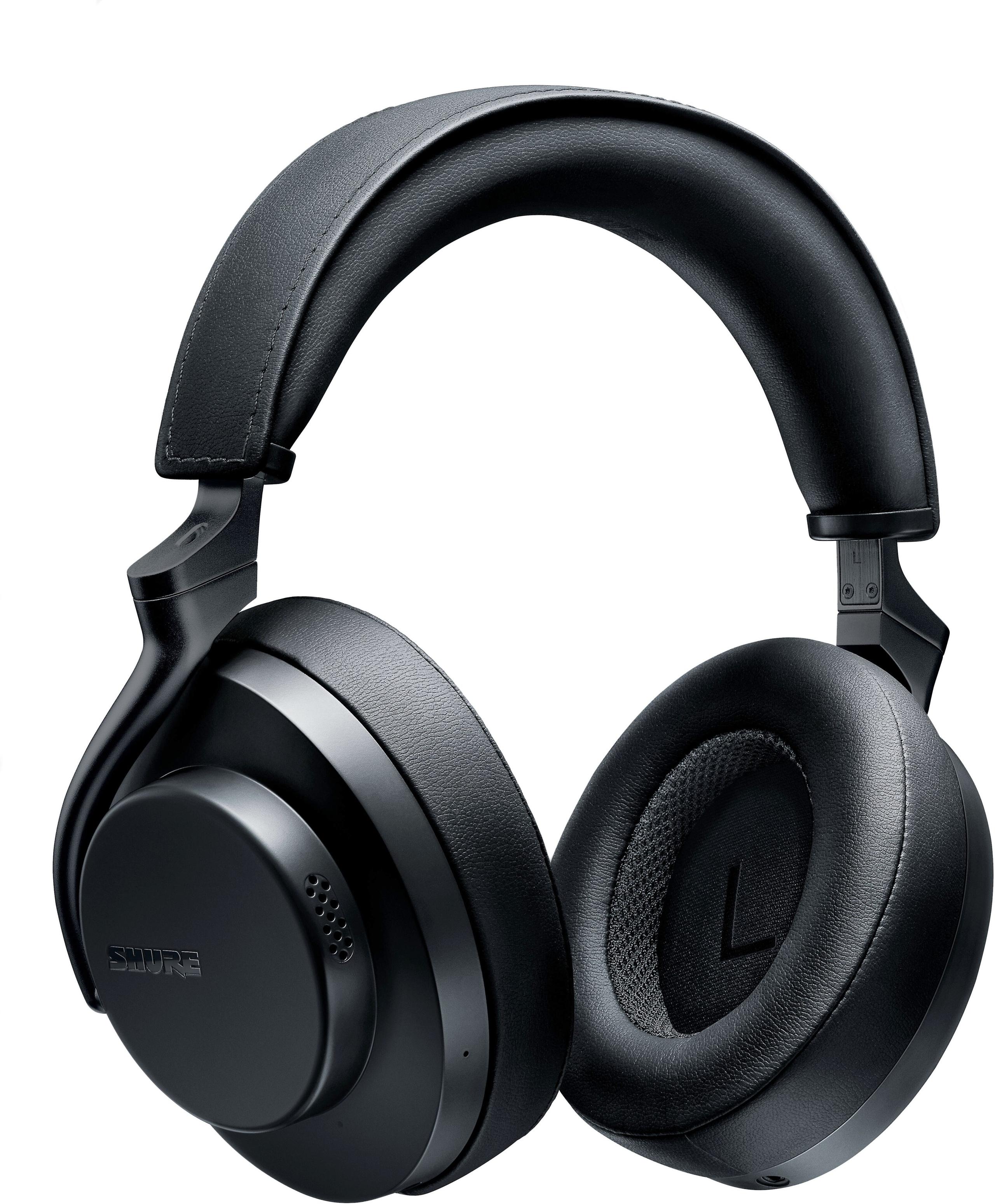
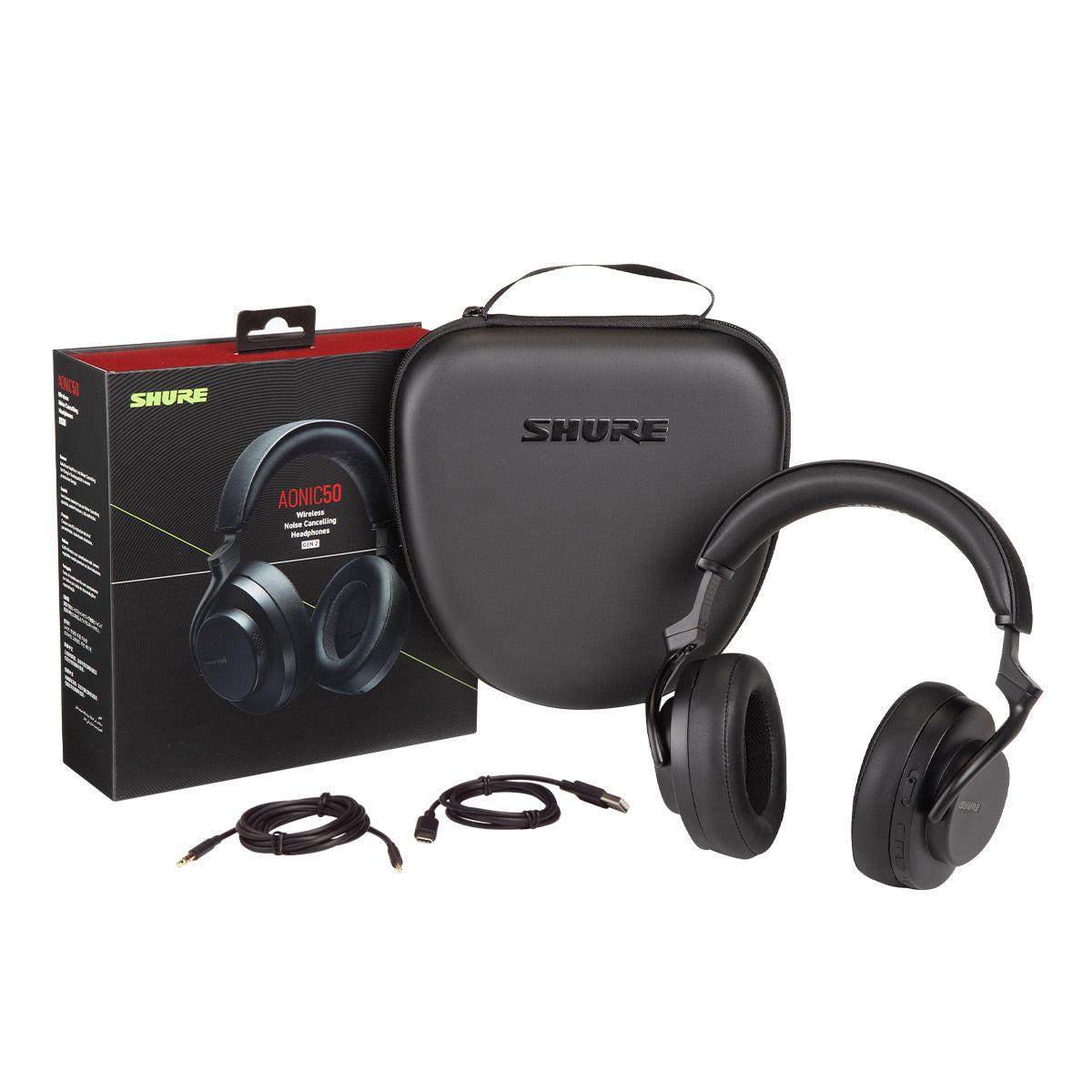
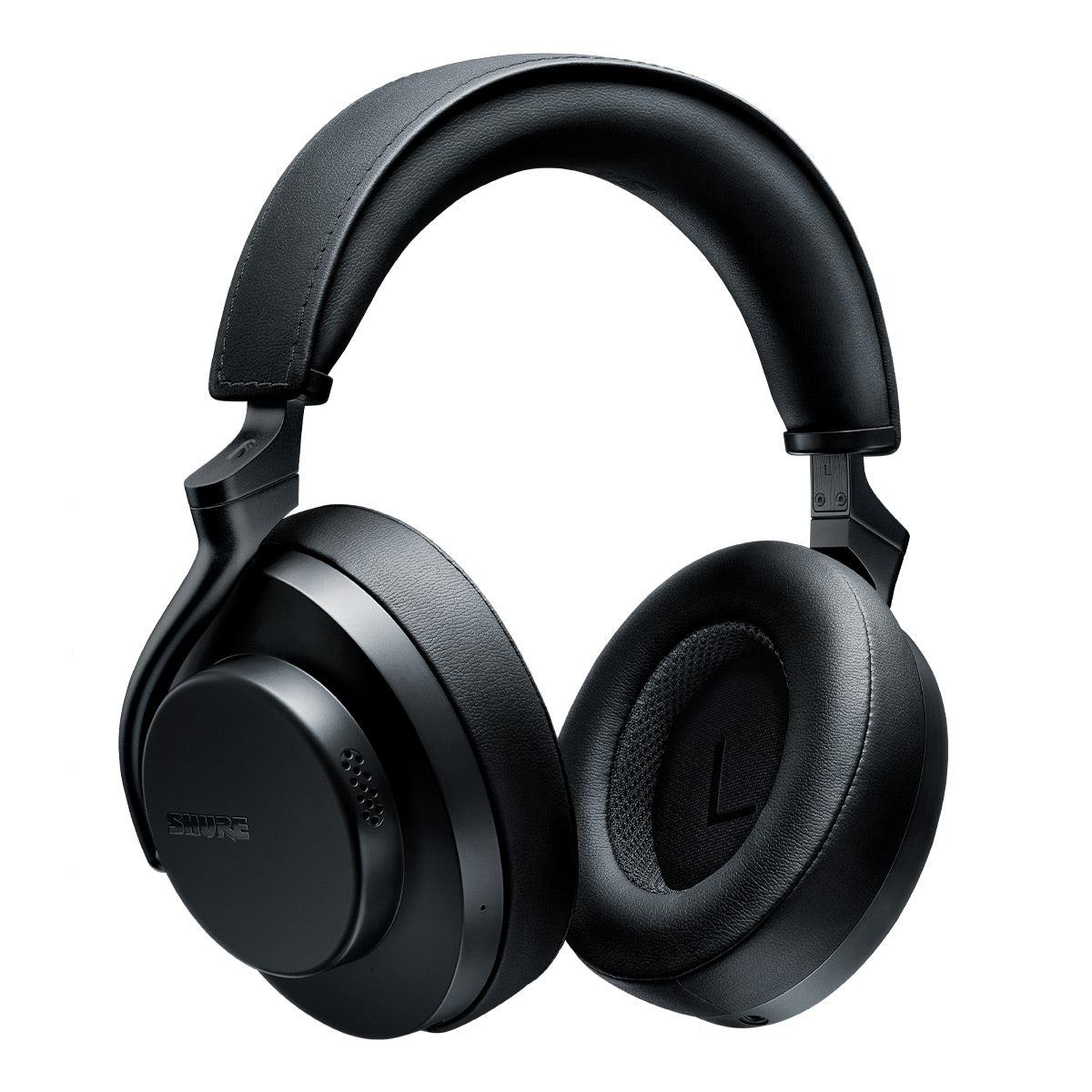

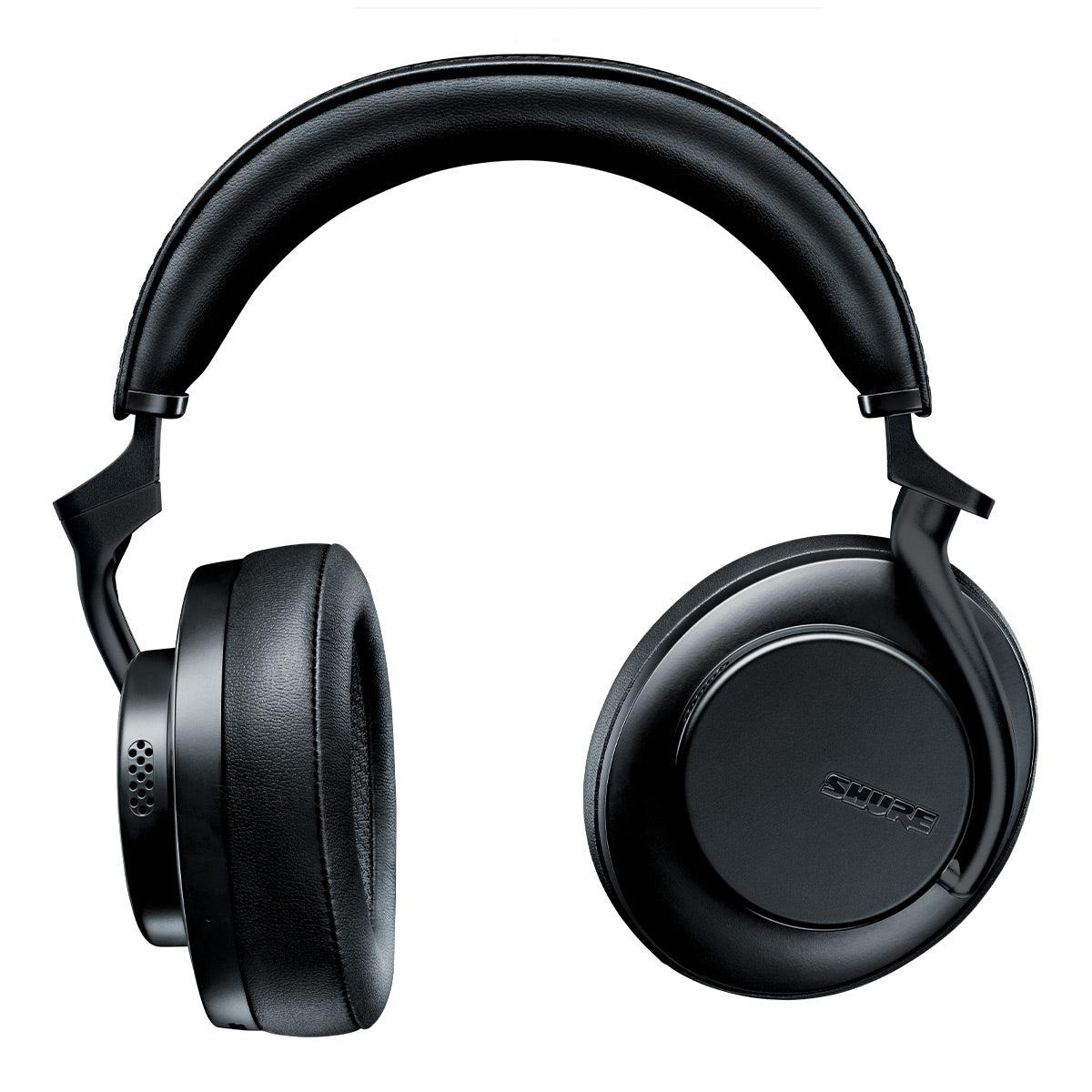
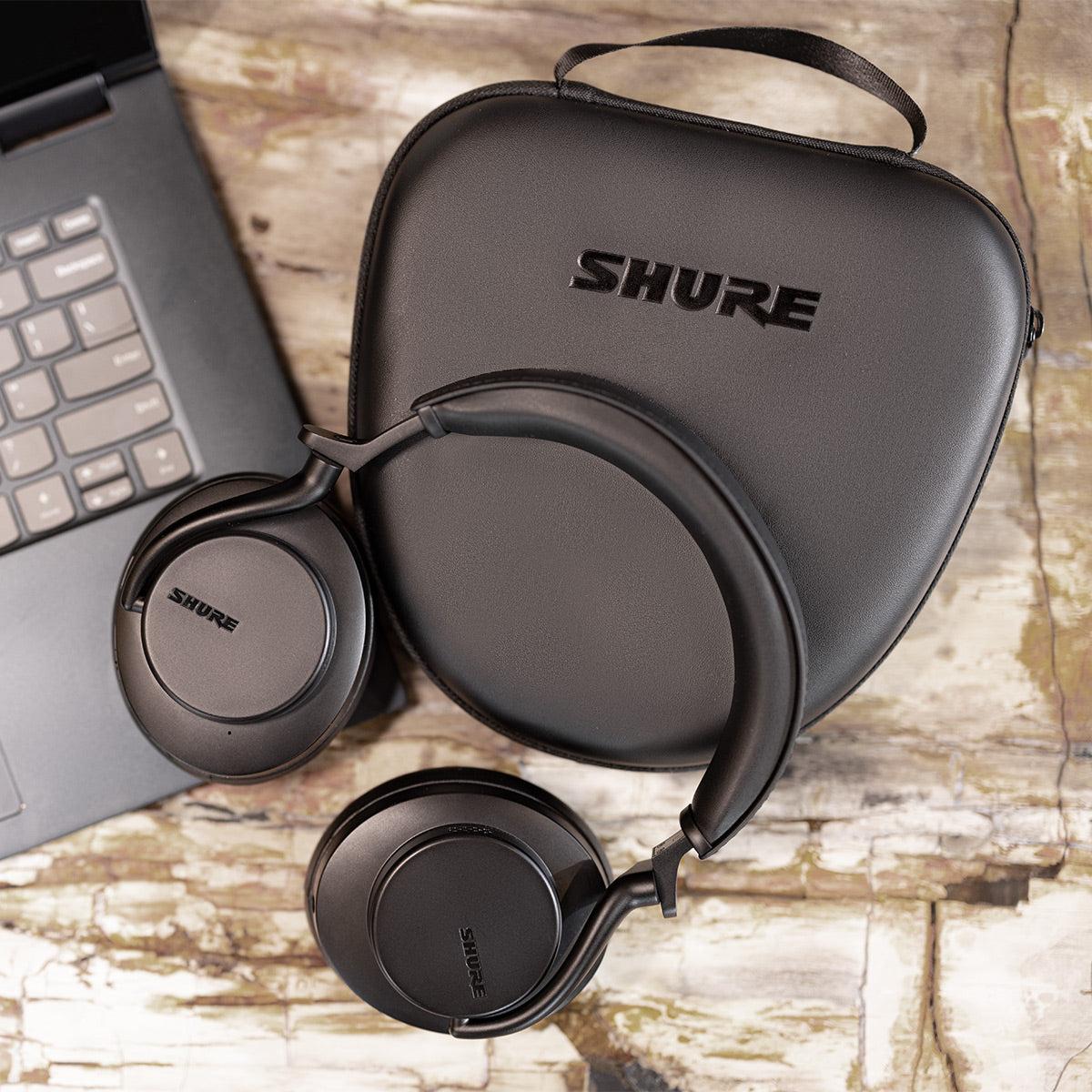
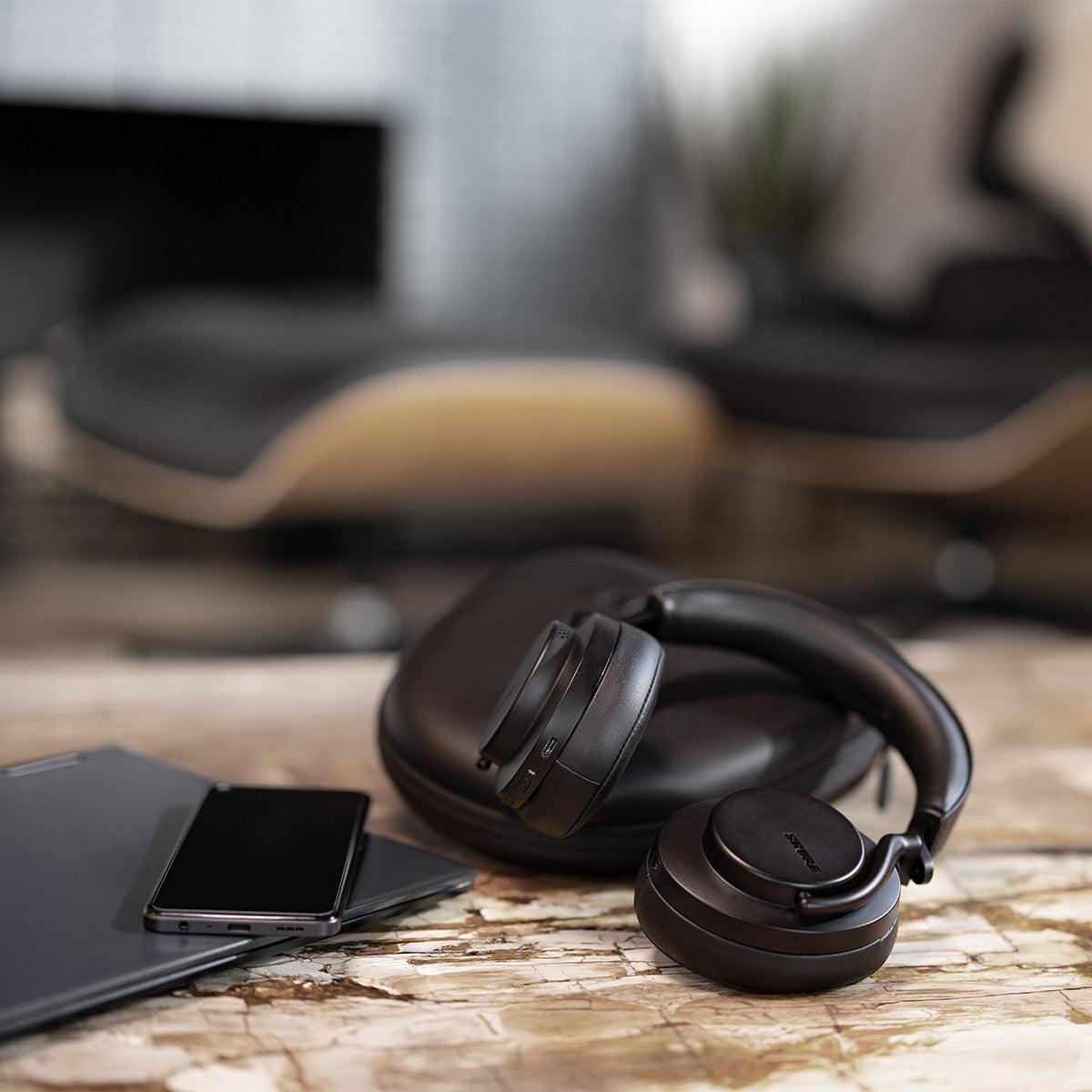
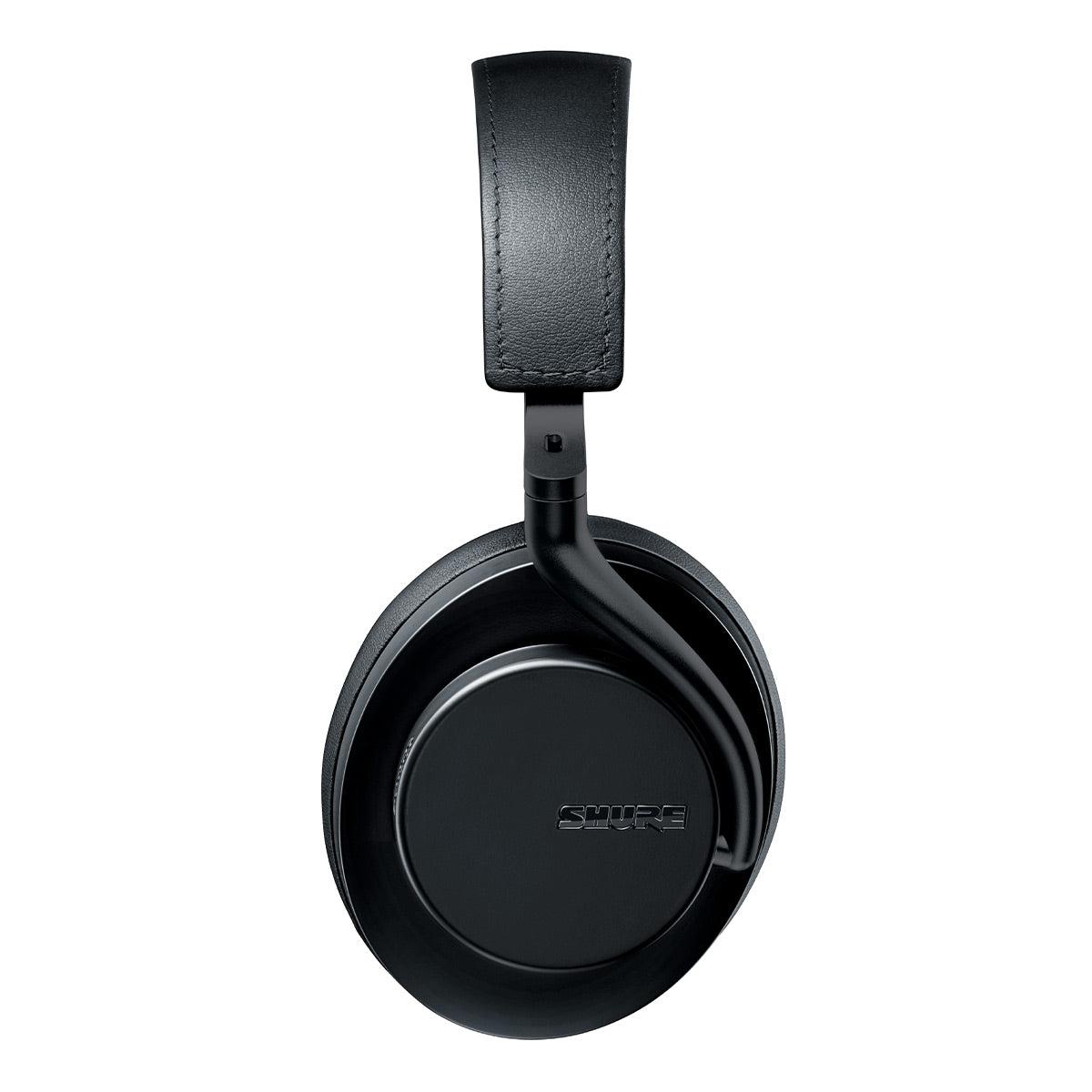


When shopping for wireless noise-canceling headphones, you'll quickly discover there's no one-size-fits-all solution. The market spans from budget-friendly options that punch above their weight to professional-grade models that cost several times more. Today, we're comparing two headphones that represent completely different philosophies: the Soundcore Life Q30, a value champion that maximizes features per dollar, and the Shure Aonic 50 Gen 2, a studio-heritage flagship that prioritizes audio accuracy above all else.
Understanding what separates these approaches—and which one matches your needs—can save you from buyer's remorse and help you get the most from your investment.
Before diving into specifics, let's establish what makes a great pair of wireless noise-canceling headphones. The technology has evolved dramatically since the early days of clunky, battery-draining models. Modern headphones must balance several competing priorities: sound quality, noise cancellation effectiveness, battery life, comfort, and build quality.
Sound quality encompasses more than just "sounds good." It includes frequency response (how well the headphones reproduce different pitches), detail retrieval (hearing subtle elements in your music), and soundstage (the sense of space and instrument placement). Active noise cancellation (ANC) uses microphones to detect external sounds and generates opposing sound waves to cancel them out—particularly effective for consistent, low-frequency noise like airplane engines.
Battery life has become increasingly important as we rely on headphones for longer periods, while comfort determines whether you can actually use those impressive battery specs. Finally, build quality affects not just durability but also how premium the experience feels during daily use.
The challenge is that improving one aspect often requires trade-offs elsewhere. Better drivers might add weight. Longer battery life might mean a larger, heavier battery pack. More advanced features typically increase cost. This is where the fundamental difference between our two contenders becomes clear.
Released in 2020, the Soundcore Life Q30 emerged during a period when budget headphones were rapidly improving, offering features previously reserved for premium models. Soundcore, Anker's audio brand, built a reputation for delivering impressive specifications at accessible prices, and the Life Q30 represents this philosophy perfectly.
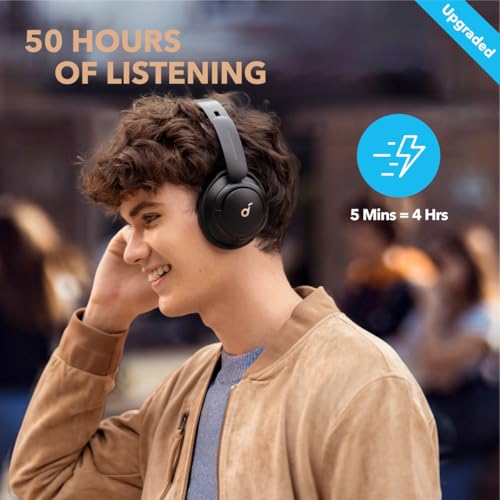
The most immediately striking aspect of the Life Q30 is its battery life claim: up to 60 hours with ANC off, or 40 hours with noise cancellation active. To put this in perspective, most competitors in any price range offer 20-30 hours. This isn't marketing fluff—real-world testing consistently confirms these numbers, making the Life Q30 a standout for travelers, students, or anyone who forgets to charge their devices regularly.
But impressive battery life means little if the sound disappoints. The Life Q30 uses 40mm silk diaphragm drivers, which produce a distinctly V-shaped sound signature. This means emphasized bass and treble with a slightly recessed midrange—a tuning that makes music sound exciting and engaging, particularly for genres like pop, hip-hop, and electronic music. The bass response is robust without being overwhelming, while the elevated treble adds sparkle to cymbals and vocals.
This tuning philosophy reflects a key difference from studio-focused headphones. Rather than pursuing flat, accurate reproduction, the Life Q30 aims to make music fun and engaging. The included Soundcore app reinforces this approach with 22 EQ presets and a customizable equalizer, letting users fine-tune the sound to their preferences.
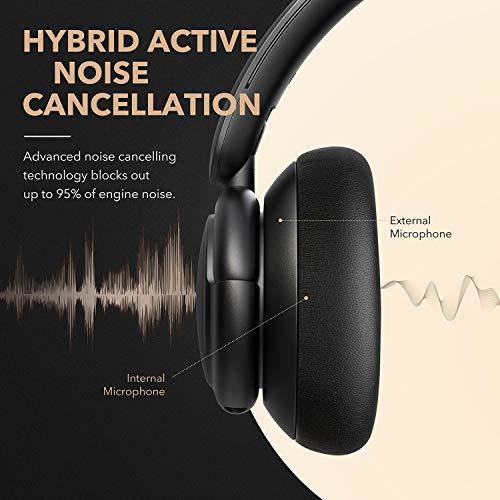
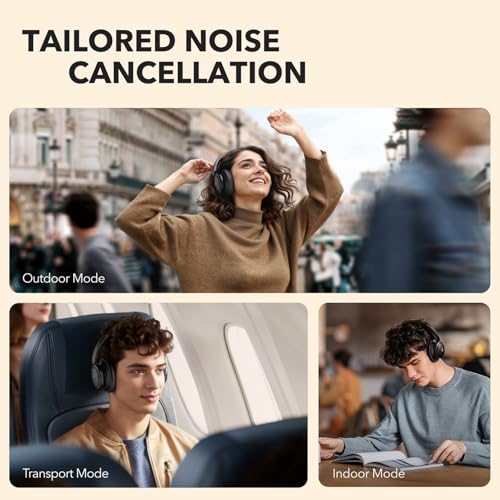
The active noise cancellation system deserves particular attention. Using hybrid ANC (microphones both inside and outside each earcup), the Life Q30 offers three distinct modes: Transport for blocking engine noise, Indoor for office environments, and Outdoor for street noise. While not matching the absolute performance of premium models, it effectively reduces low-frequency rumble and mid-frequency chatter—exactly what most users need for daily commuting or concentration.
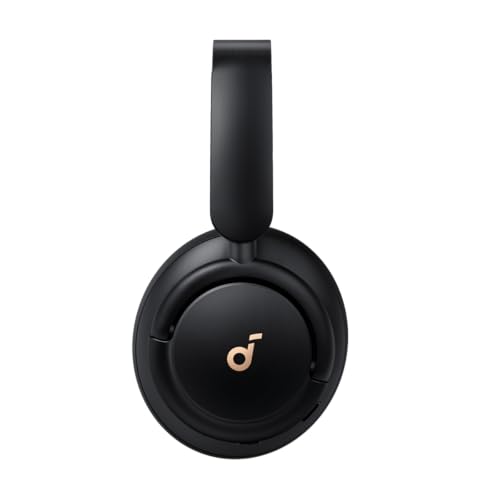
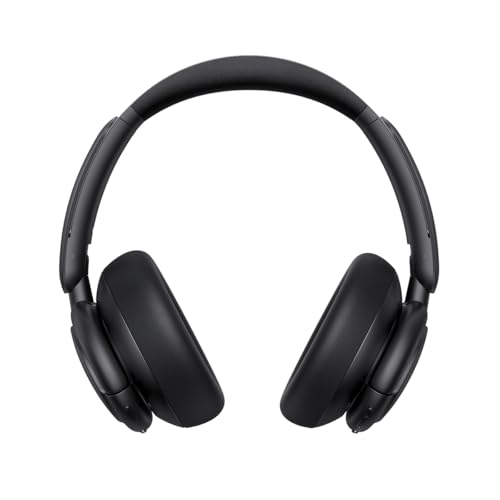
Physical comfort is another strength. At just 260 grams, the Life Q30 feels light during extended wear. The memory foam padding and protein leather earcups provide adequate cushioning, though the materials feel appropriate for the price point rather than luxurious. The headphones fold for travel and include a carrying case, making them genuinely portable.
However, the budget positioning shows in certain areas. The build quality, while solid, uses primarily plastic construction that might not survive years of heavy use. The microphone quality for calls is adequate but not exceptional. Most importantly, the Life Q30 supports only basic Bluetooth codecs (SBC and AAC), missing the high-quality options that can improve wireless audio fidelity.
When Shure released the second generation Aonic 50 in 2023, they addressed the main weakness of the original: battery life. The Gen 2 more than doubled playback time to 45 hours while adding sophisticated features that leverage Shure's decades of professional audio experience.
Shure's approach differs fundamentally from the Life Q30. Where Soundcore aims to please, Shure aims to inform. The Aonic 50 Gen 2 uses larger 50mm dynamic drivers tuned for accuracy rather than excitement. This neutral sound signature might initially seem less impressive than the punchy Life Q30, but it reveals details and nuances that colored tunings can mask.
This becomes particularly apparent with well-recorded music. Jazz recordings showcase instrument separation and spatial positioning. Classical music reveals the subtle interplay between different sections. Even modern pop benefits from the clarity, allowing you to hear production techniques and layered vocals that might get lost with more aggressive tuning.
The Aonic 50 Gen 2 introduces Spatialized Audio, Shure's proprietary technology for enhancing soundstage width and depth. Unlike simple "surround sound" effects that often sound artificial, this processing maintains naturalness while creating a more immersive experience. Three modes—Music, Cinema, and Podcast—optimize the effect for different content types.
For serious listeners, the ShurePlus PLAY app provides professional-level control. Rather than simple preset EQs, it offers parametric equalization where you can adjust specific frequencies with precision. This level of control appeals to audio engineers, musicians, or anyone who wants to fine-tune their listening experience based on room acoustics or personal hearing characteristics.
The Aonic 50 Gen 2 also supports premium Bluetooth codecs including aptX HD, aptX Adaptive, and Sony's LDAC. These high-quality codecs can transmit more audio data wirelessly, potentially improving sound quality with compatible sources. Additionally, the USB-C connection can function as a digital audio converter (DAC), supporting up to 32-bit/384 kHz audio for the highest possible quality.
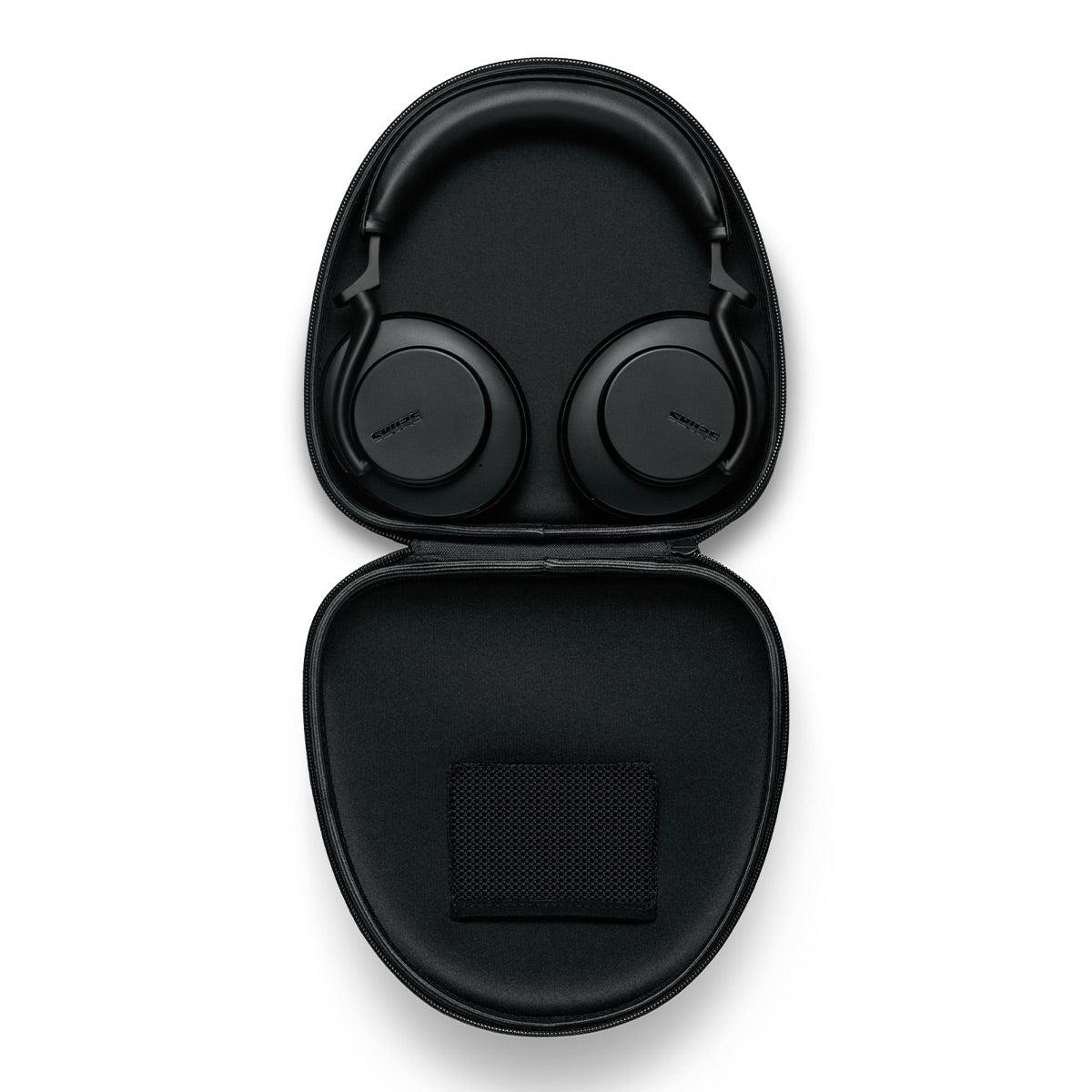
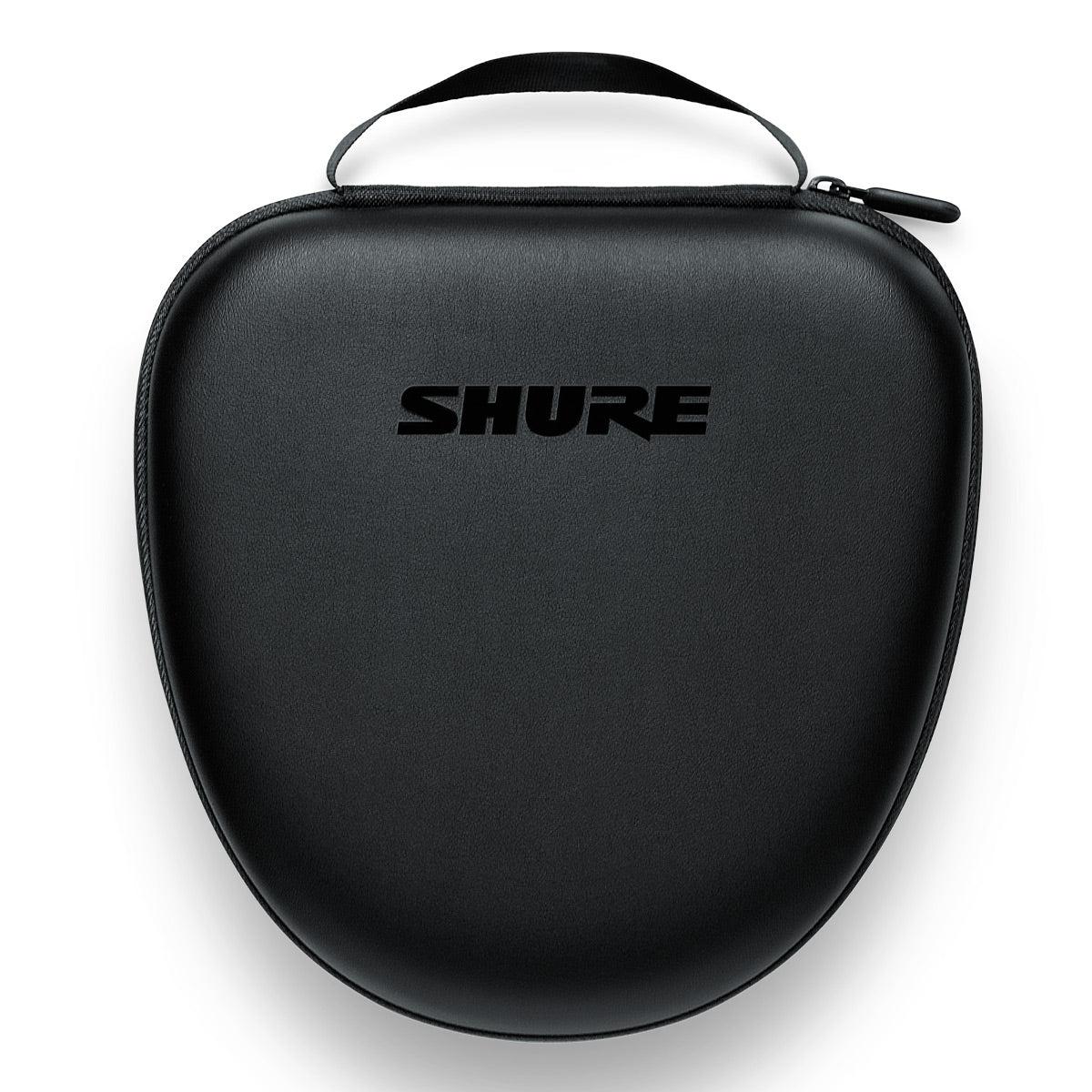
Build quality reflects the professional positioning. At 337 grams, the Aonic 50 Gen 2 feels substantial but not uncomfortable. Premium materials and careful engineering create a sense of durability that justifies the higher investment. The included accessories—multiple cables and a protective zippered case—reinforce the premium experience.
The noise cancellation system, while more sophisticated than the Life Q30 with four selectable modes and 11-stage ambient control, still doesn't match the absolute best from Sony or Bose. However, it's effective for most situations and offers more customization than typical implementations.
The sound quality difference between these headphones illustrates two valid but distinct approaches. The Life Q30 makes music immediately engaging. Bass lines thump with authority, vocals cut through clearly, and the overall presentation feels lively and dynamic. This tuning works brilliantly for casual listening, background music, or genres that benefit from enhanced impact.
The Aonic 50 Gen 2 takes a more analytical approach. Initial impressions might suggest it sounds "boring" compared to the Life Q30, but extended listening reveals superior detail retrieval and accuracy. Subtle guitar fingering, room ambiance in live recordings, and complex vocal harmonies become more apparent. This makes the Aonic 50 Gen 2 better for critical listening, discovering new elements in familiar music, or professional applications.
For home theater use, both headphones offer distinct advantages. The Life Q30's V-shaped tuning emphasizes dialogue clarity while providing satisfying bass for action sequences. The Aonic 50 Gen 2's Spatialized Audio Cinema mode creates a more immersive experience that can rival dedicated home theater headphones, while its superior detail resolution helps catch subtle sound effects and atmospheric elements.
Battery life differences extend beyond mere numbers. The Life Q30's exceptional 40-60 hour runtime means charging becomes a weekly rather than daily consideration. This proves particularly valuable for travel, where charging opportunities might be limited, or for users who frequently switch between devices.
The Aonic 50 Gen 2's 45-hour rating, while excellent, requires more attention to charging status. However, both headphones offer fast charging that provides several hours of playback from just minutes of charging, making occasional top-ups practical.
Comfort becomes crucial during extended use. The Life Q30's lighter weight provides immediate comfort advantages, particularly for users sensitive to headphone pressure. However, the Aonic 50 Gen 2's superior padding materials and weight distribution often prove more comfortable during multi-hour sessions despite the higher weight.
Build quality affects both durability and user experience. The Life Q30's plastic construction feels adequate but might show wear over time. The Aonic 50 Gen 2's premium materials and construction suggest better long-term durability, potentially making it more cost-effective despite the higher initial investment.
Codec support increasingly matters as streaming services offer higher-quality audio options. The Life Q30's limitation to basic codecs means missing potential quality improvements, while the Aonic 50 Gen 2's comprehensive codec support ensures compatibility with current and future high-quality wireless audio standards.
For subway, bus, or airplane travel, the Life Q30's combination of effective noise cancellation, exceptional battery life, and engaging sound makes it ideal. You won't worry about battery anxiety during long trips, and the fun sound signature helps pass time enjoyably. The portable design and included case make it travel-friendly.
Extended work sessions favor the Aonic 50 Gen 2's superior comfort materials and neutral sound signature that won't cause listening fatigue. The advanced ANC customization helps maintain concentration in varying environments, while the premium build quality justifies the investment for daily professional use.
Serious music listening reveals the Aonic 50 Gen 2's advantages. Its accurate reproduction and detail retrieval help discover new elements in familiar recordings. The Spatialized Audio technology adds another dimension to well-recorded music, while the parametric EQ allows fine-tuning for different genres or listening preferences.
For general entertainment consumption—streaming services, podcasts, gaming—the Life Q30 provides excellent value. Its engaging sound makes content enjoyable without requiring the investment or complexity of more professional options. The exceptional battery life suits irregular usage patterns perfectly.
Since the Life Q30's 2020 release, the budget headphone market has continued improving, but its core advantages—battery life and value proposition—remain competitive. The Aonic 50 Gen 2's 2023 release incorporated lessons learned from the original, particularly addressing battery life concerns while adding modern features like advanced spatial processing.
Both headphones represent mature approaches to wireless audio, with firmware updates continuing to refine performance. The Aonic 50 Gen 2's more advanced processing capabilities suggest better long-term software support potential.
The choice between these headphones ultimately depends on your priorities and usage patterns. At the time of writing, the Life Q30 typically costs significantly less than the Aonic 50 Gen 2—often three to four times less—making the value proposition clear for budget-conscious buyers.
Choose the Life Q30 if you prioritize maximum features and performance per dollar spent, need exceptional battery life, prefer engaging over analytical sound, or want solid performance without premium investment.
Choose the Aonic 50 Gen 2 if audio accuracy and professional quality justify higher cost, you value premium build materials and long-term durability, want advanced features like spatial processing and premium codec support, or need reference-quality sound for professional applications.
Both headphones excel within their intended contexts. The Life Q30 proves that budget doesn't mean compromise on core functionality, while the Aonic 50 Gen 2 demonstrates how professional audio expertise translates to consumer products. Your decision should align with how you actually use headphones rather than theoretical specifications, ensuring you get genuine value from whichever option you choose.
| Soundcore Life Q30 | Shure Aonic 50 Gen 2 |
|---|---|
| Battery Life - Critical for travel and daily use without charging anxiety | |
| Up to 60 hours (ANC off), 40 hours (ANC on) - industry leading | Up to 45 hours - excellent but requires more frequent charging |
| Sound Signature - Determines how music will actually sound to your ears | |
| V-shaped (enhanced bass/treble) - fun, engaging for most music | Neutral studio reference - accurate but may sound flat initially |
| Driver Size - Larger drivers can produce fuller sound and better bass | |
| 40mm silk diaphragm drivers | 50mm dynamic drivers with neodymium magnets |
| Weight - Affects comfort during long listening sessions | |
| 260g - very light, comfortable for extended wear | 337g - heavier but weight is well-distributed |
| Active Noise Cancellation - Essential for blocking distractions in noisy environments | |
| Hybrid ANC with 3 modes (Transport/Indoor/Outdoor) - effective but not class-leading | Hybrid ANC with 4 modes plus 11-stage ambient control - more sophisticated |
| Bluetooth Codecs - Higher quality codecs improve wireless audio fidelity | |
| SBC, AAC - basic codecs, adequate for most users | SBC, AAC, aptX, aptX HD, aptX Adaptive, LDAC - premium codecs for better quality |
| Wired Connection Options - Important for highest quality audio and device compatibility | |
| 3.5mm analog only | 3.5mm analog plus USB-C DAC mode (up to 32-bit/384kHz) |
| App Features - Controls customization and sound tuning capabilities | |
| Basic EQ with 22 presets - good customization for the price | ShurePlus PLAY with parametric EQ - professional-level control |
| Build Quality - Affects durability and premium feel during daily use | |
| Consumer-grade plastic construction - adequate but shows price point | Professional-grade materials - premium feel, better long-term durability |
| Special Features - Unique capabilities that differentiate from competitors | |
| Multi-point Bluetooth, NFC pairing - solid connectivity basics | Spatialized Audio with 3 modes, USB DAC, Snapdragon Sound - advanced processing |
| Fast Charging - How quickly you can get back to listening | |
| 5 minutes = 4 hours playback | 15 minutes = 5 hours playback |
| Target User - Who each headphone is designed for | |
| Budget-conscious users wanting maximum features per dollar | Audiophiles and professionals prioritizing accuracy and premium features |
The Shure Aonic 50 Gen 2 delivers superior sound quality with its neutral, studio-reference tuning and 50mm drivers that reveal more detail in music. The Soundcore Life Q30 offers a more fun, V-shaped sound with enhanced bass and treble that many casual listeners prefer. For critical listening and accuracy, the Shure Aonic 50 Gen 2 wins, while the Life Q30 excels for everyday entertainment.
The Soundcore Life Q30 significantly outperforms most competitors with up to 60 hours of playback (ANC off) or 40 hours with noise canceling active. The Shure Aonic 50 Gen 2 offers 45 hours maximum, which is still excellent but requires more frequent charging. For travelers or heavy users, the Life Q30 provides exceptional battery longevity.
Both offer good comfort but in different ways. The Soundcore Life Q30 weighs only 260g, making it very light for extended wear. The Shure Aonic 50 Gen 2 is heavier at 337g but uses premium padding materials that distribute weight well. Most users find both comfortable, with the Life Q30 having a slight edge due to its lighter weight.
The Shure Aonic 50 Gen 2 excels for home theater with its Spatialized Audio Cinema mode that creates an immersive surround-sound experience and superior detail retrieval for catching subtle sound effects. The Soundcore Life Q30 works well too, with its V-shaped tuning providing clear dialogue and satisfying bass for action scenes, but lacks the advanced spatial processing of the Aonic 50 Gen 2.
Both offer hybrid active noise cancellation but with different approaches. The Soundcore Life Q30 provides three preset modes (Transport, Indoor, Outdoor) that effectively reduce low and mid-frequency noise. The Shure Aonic 50 Gen 2 offers four ANC modes plus 11-stage ambient control for more precise customization. Neither matches premium Sony or Bose models, but both provide adequate noise reduction for most users.
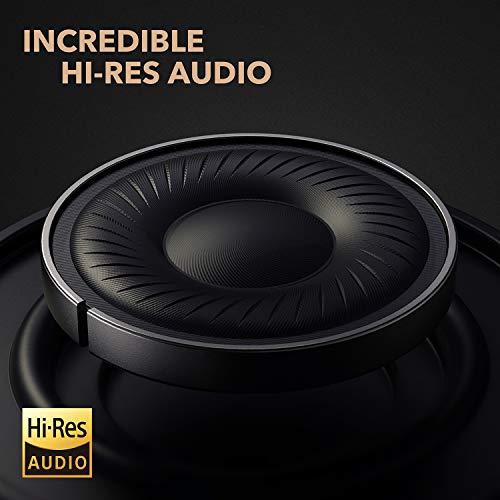
The Soundcore Life Q30 provides exceptional value, offering premium features like Hi-Res Audio certification, extensive battery life, and effective noise canceling at a budget-friendly price point. The Shure Aonic 50 Gen 2 costs significantly more but justifies the premium with professional-grade build quality, advanced features, and superior audio accuracy. Value depends on your budget and priorities.
Yes, both headphones support wired use. The Soundcore Life Q30 includes a 3.5mm analog cable for basic wired listening. The Shure Aonic 50 Gen 2 offers both 3.5mm analog and USB-C connections, with the USB-C functioning as a high-quality DAC supporting up to 32-bit/384kHz audio for audiophile-grade wired listening.
Both handle calls adequately, but neither excels in this area. The Soundcore Life Q30 provides clear voice pickup with basic noise reduction. The Shure Aonic 50 Gen 2 offers slightly better call quality with more sophisticated microphone processing and sidetone features. For heavy business use, dedicated business headphones would be preferable to either option.
The Soundcore Life Q30 uses the Soundcore app with 22 EQ presets and basic customization options, which is adequate for most users. The Shure Aonic 50 Gen 2 features the ShurePlus PLAY app with professional parametric EQ, detailed ANC controls, and spatial audio settings. The Shure app offers significantly more advanced control for users who want precise audio customization.
The Shure Aonic 50 Gen 2 supports premium codecs including aptX HD, aptX Adaptive, and Sony LDAC for higher-quality wireless audio transmission. The Soundcore Life Q30 is limited to standard SBC and AAC codecs. With compatible devices and high-quality audio sources, the Aonic 50 Gen 2 can deliver noticeably better wireless audio fidelity.
The Soundcore Life Q30 offers solid build quality appropriate for its price point, with mostly plastic construction that handles normal use well but may show wear over time. The Shure Aonic 50 Gen 2 features premium materials and professional-grade construction designed for long-term durability. For heavy daily use, the Shure headphones provide better long-term reliability.
For gaming, the Shure Aonic 50 Gen 2 offers advantages with Snapdragon Sound certification for low latency, superior detail retrieval for hearing positional audio cues, and Spatialized Audio for immersive experiences. The Soundcore Life Q30 works well for casual gaming with its engaging sound signature and good battery life. Both excel for movies, with the Life Q30 providing fun, dynamic sound and the Aonic 50 Gen 2 delivering cinema-quality audio processing.
We've done our best to create useful and informative comparisons to help you decide what product to buy. Our research uses advanced automated methods to create this comparison and perfection is not possible - please contact us for corrections or questions. These are the sites we've researched in the creation of this article: soundguys.com - recordingnow.com - soundcore.com - theaudiophilecafecom.wordpress.com - versus.com - noisyworld.org - blog.jonsdocs.org.uk - youtube.com - head-fi.org - youtube.com - fullspecs.net - anker-tr.com - soundcore.com - soundcore.com - rtings.com - youtube.com - newegg.com - ifixit.com - headphonesaddict.com - tomsguide.com - headphonecheck.com - whathifi.com - majorhifi.com - rtings.com - versus.com - majorhifi.com - versus.com - audio46.com - youtube.com - bhphotovideo.com - techradar.com - soundpro.com - shure.com - americanmusical.com - pubs.shure.com - blog.zzounds.com - service.shure.com - fullcompass.com

Privacy Policy
Terms and Conditions - Affiliate Policy
Home Security
© Copyright 2008-2026.
11816 Inwood Rd #1211, Dallas, TX 75244