





If you're shopping for premium wireless headphones, you've probably noticed the market is absolutely packed with options. But when you start looking at the top tier—the headphones that cost as much as a decent smartphone—two models consistently rise to the surface: the Apple AirPods Max and the Shure Aonic 50 Gen 2. At the time of writing, these represent two very different philosophies about what makes great headphones, and choosing between them can feel overwhelming.
I've spent considerable time with both models, and the reality is they're targeting slightly different audiences despite being in the same premium category. The AirPods Max appeals to users who want everything to "just work" within Apple's ecosystem, while the Aonic 50 Gen 2 targets audiophiles and professionals who want maximum control over their listening experience. Let me break down what makes each special and help you figure out which might be right for you.
Before diving into comparisons, it's worth understanding what separates premium wireless headphones from everything else. We're talking about models that typically cost more than basic over-ear options, featuring advanced drivers (the tiny speakers inside each ear cup), sophisticated noise cancellation systems, and premium build materials.
The key technologies that define this category include active noise cancellation (ANC), which uses microphones to detect outside noise and creates "anti-noise" to cancel it out, and high-quality audio codecs—think of these as different languages your headphones use to receive audio from your phone or computer. Premium models also typically feature computational audio, where dedicated chips process sound in real-time to enhance your listening experience.
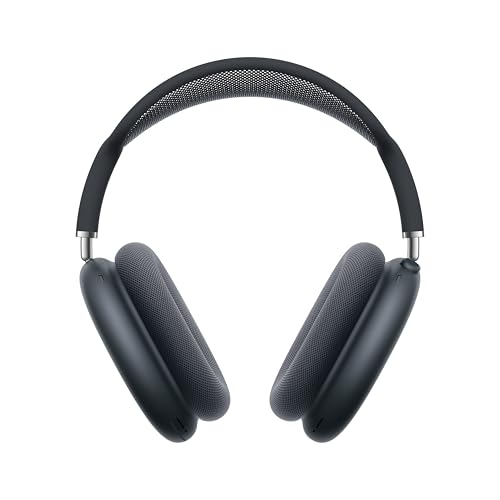
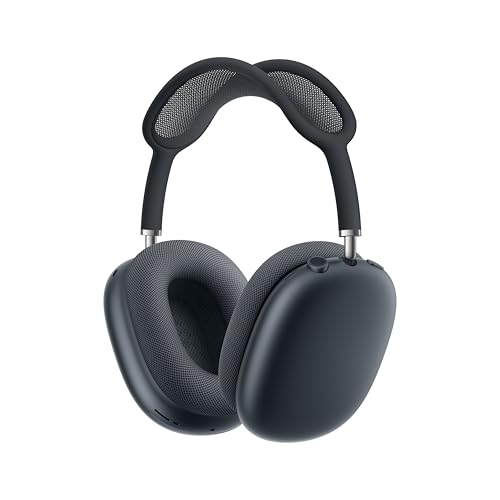
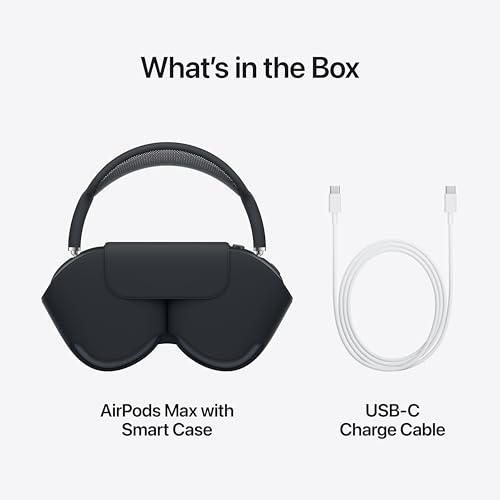
The Apple AirPods Max launched in December 2020 as Apple's first venture into premium over-ear headphones. Since then, Apple released a minor update in 2024 that switched from Lightning to USB-C charging and added some new colors, but the core technology remains largely unchanged. These headphones represent Apple's "computational audio" philosophy—using powerful chips to automatically optimize sound for each listener.
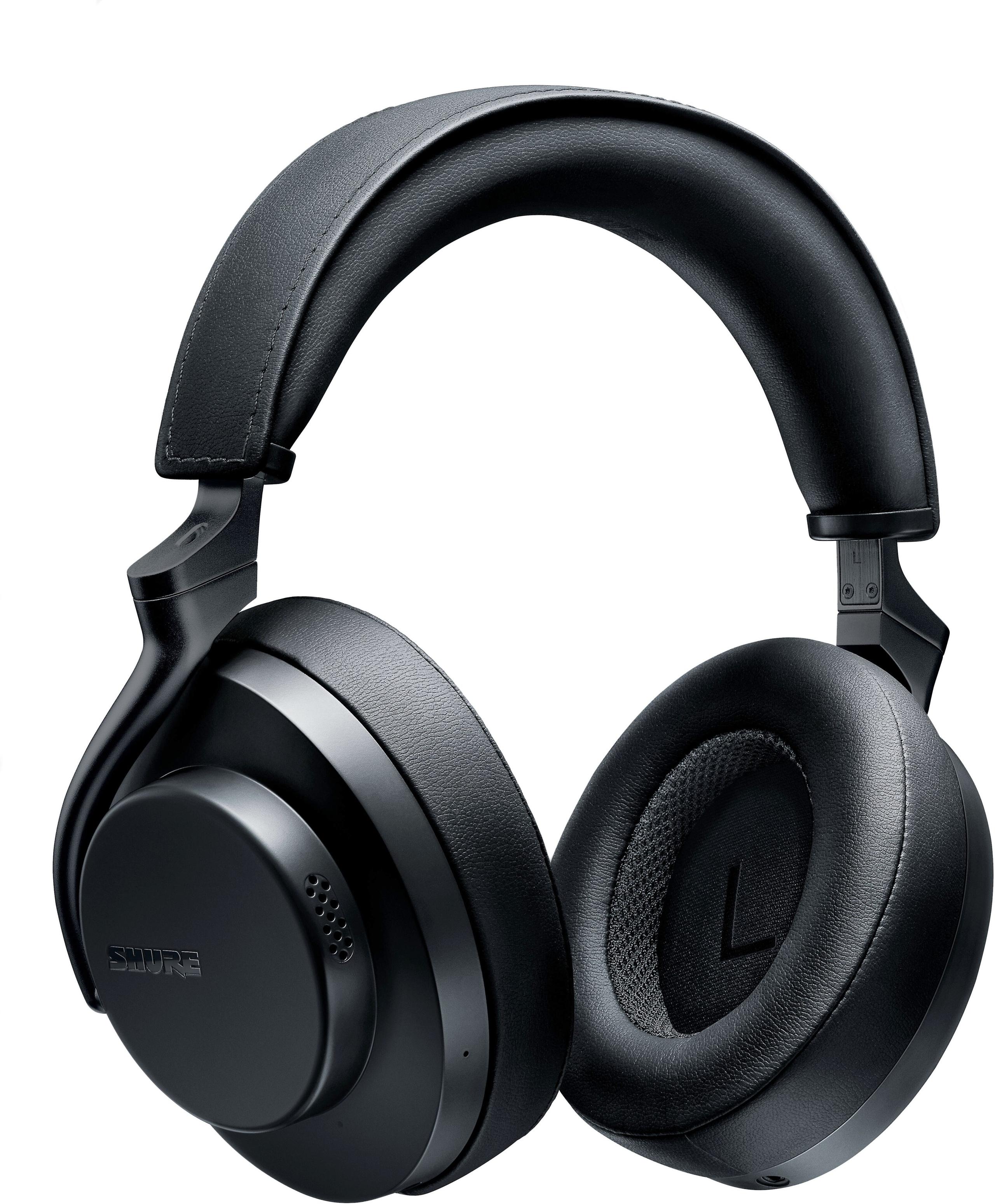
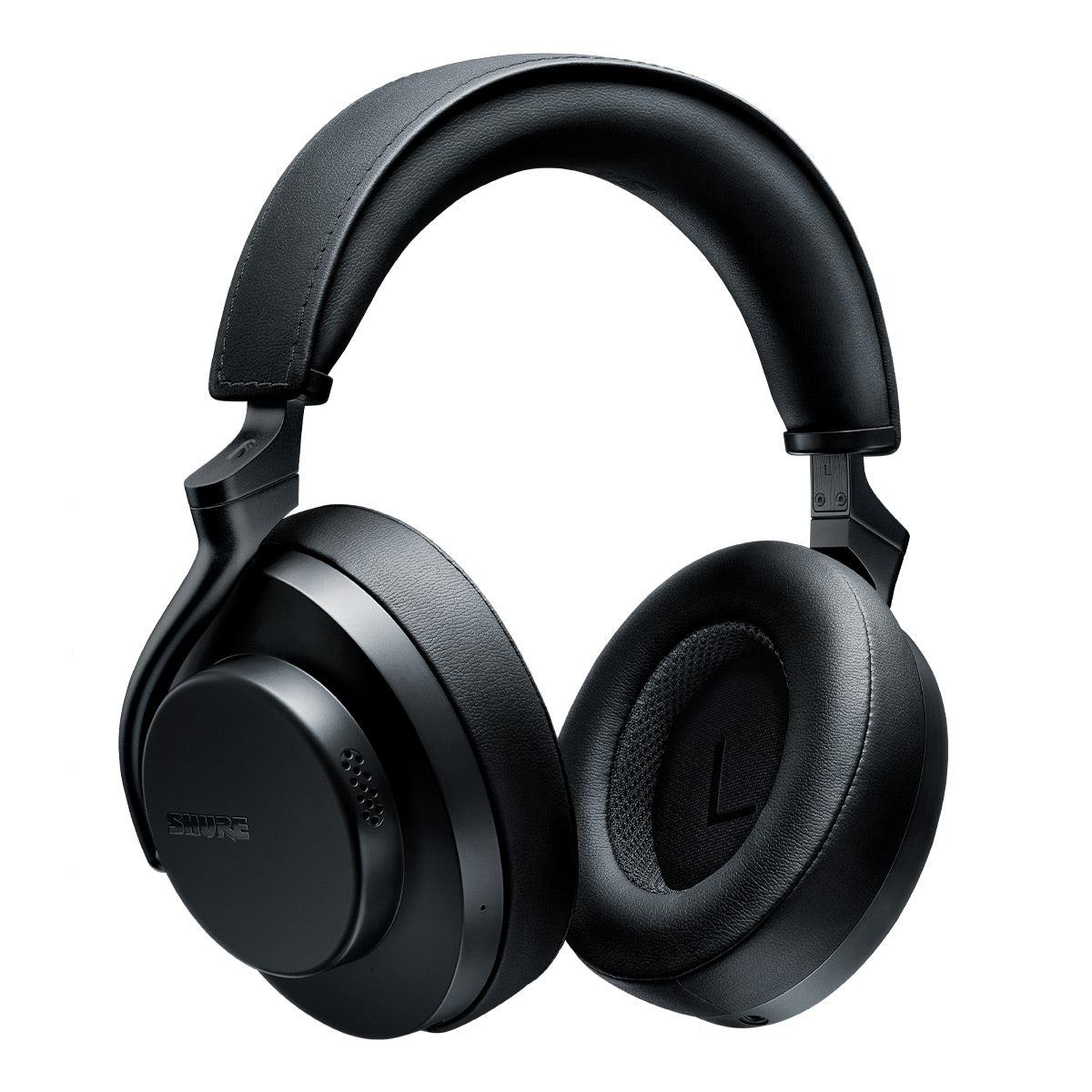
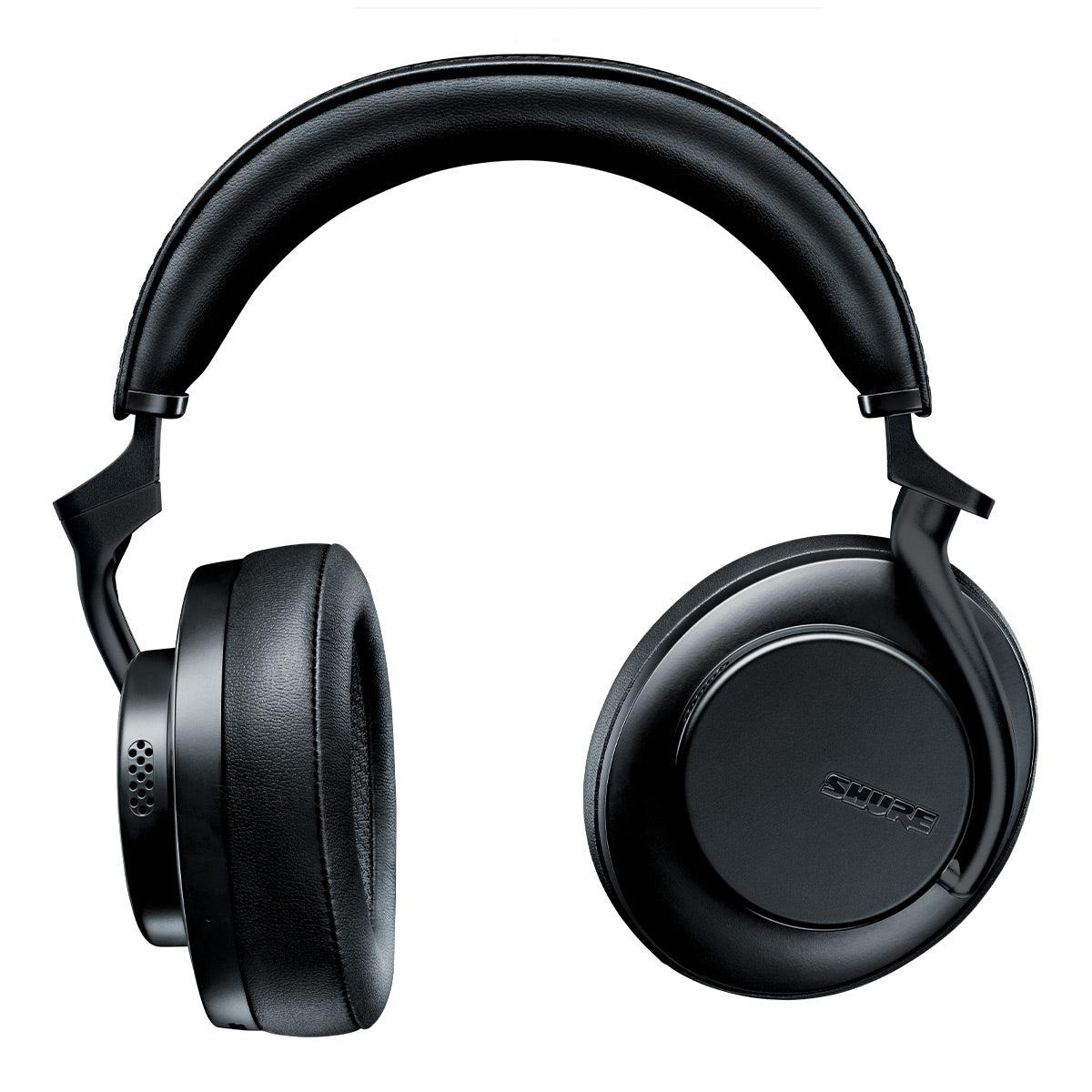
The Shure Aonic 50 Gen 2 arrived in 2023 as the successor to Shure's original consumer flagship. Shure, a company with decades of professional audio experience, took everything they learned from the first generation and dramatically improved battery life while maintaining their focus on customizable, studio-quality sound. This represents the "audiophile control" approach—giving users the tools to shape their audio experience exactly how they want it.
When it comes to audio performance, both headphones excel, but in distinctly different ways. The AirPods Max uses custom-designed 40mm drivers paired with Apple's H1 chip in each ear cup. This setup enables Adaptive EQ, which automatically adjusts the sound based on how the headphones fit your ears. The result is consistently good sound across different users without any tweaking required.
What impresses me most about the AirPods Max is how effortlessly they handle complex musical passages. The midrange—where vocals and most instruments live—is exceptionally clear, while the bass remains controlled and never overwhelms the mix. Highs are detailed without becoming harsh or fatiguing during long listening sessions. Apple's Spatial Audio feature, which uses built-in accelerometers and gyroscopes to track head movement, creates an almost surreal surround-sound experience when watching movies or listening to specially mixed music.
The Shure Aonic 50 Gen 2 takes a different approach entirely. Its larger 50mm drivers deliver sound across a wider frequency range (20Hz to 22kHz compared to the AirPods Max's 48Hz to 20kHz), which means you're hearing more of the lowest bass notes and highest harmonics. But here's where things get interesting: the Shure headphones ship with what many consider a rather neutral, almost clinical sound signature.
This isn't a flaw—it's intentional. Shure wants you to hear exactly what the recording engineer intended, then use their comprehensive ShurePlus PLAY app to customize the sound to your preferences. The app includes a 4-band parametric EQ, which is like having professional studio controls for adjusting specific frequency ranges with surgical precision. You can boost the bass for electronic music, enhance midrange clarity for podcasts, or create entirely custom sound profiles for different genres.
The Aonic 50 Gen 2 also features something called "Spatialized Audio" with three distinct modes. Music mode simulates listening in an acoustically treated room, Cinema mode recreates a movie theater's sub-bass and clarity, and Podcast mode focuses on vocal intimacy. While not as seamlessly integrated as Apple's Spatial Audio, these modes provide more granular control over the listening experience.
For home theater use, both headphones excel but in different ways. The AirPods Max provides an almost magical surround-sound experience when connected to Apple TV, with Spatial Audio making it feel like sound is coming from specific locations in your room rather than just from the headphones. The Aonic 50 Gen 2 offers superior detail retrieval and customization options, letting you fine-tune the experience for different types of content—perhaps boosting dialogue clarity for TV shows or enhancing low-end impact for action movies.
This is where the two headphones diverge most dramatically. The AirPods Max features what many consider the best active noise cancellation available in consumer headphones. Using eight microphones—some facing outward to detect environmental noise, others facing inward to monitor what you're actually hearing—Apple's system creates an incredibly effective noise barrier.
During my testing on flights, the AirPods Max consistently outperformed other premium options. Engine noise virtually disappears, conversations fade to whispers, and even sudden loud sounds like crying babies become manageable background noise. The Transparency mode, activated with a button press, uses those same microphones to let environmental sound through naturally, making it easy to have conversations or stay aware of your surroundings without removing the headphones.
The Shure Aonic 50 Gen 2 offers what they call "hybrid digital ANC" with four selectable modes, but honestly, it's the headphones' weakest feature. While improved from the first generation, the noise cancellation feels inconsistent and struggles particularly in very noisy environments like trains or busy streets. The Environmental mode does offer 11 stages of adjustment, giving you precise control over how much outside sound you want to hear, but the ANC simply can't match Apple's implementation.
If noise cancellation is a priority—say you're a frequent flyer or work in a noisy office—the AirPods Max is the clear winner. But if you primarily listen in quieter environments and value other features more highly, the Aonic 50 Gen 2's adequate ANC might be sufficient.
Both headphones feel substantial and well-built, but they achieve this in different ways. The AirPods Max uses premium materials throughout: anodized aluminum ear cups, a stainless steel frame, and a unique mesh headband that distributes weight effectively. The memory foam ear cushions create a good seal for both comfort and noise isolation.
However, premium materials come with a weight penalty. At 385 grams, the AirPods Max is noticeably heavier than most competitors. While the weight distribution is excellent and I can wear them comfortably for several hours, some users find them fatiguing during extended sessions. The aluminum construction also means they're prone to scratches, and the included "Smart Case" offers minimal protection while looking somewhat ridiculous.
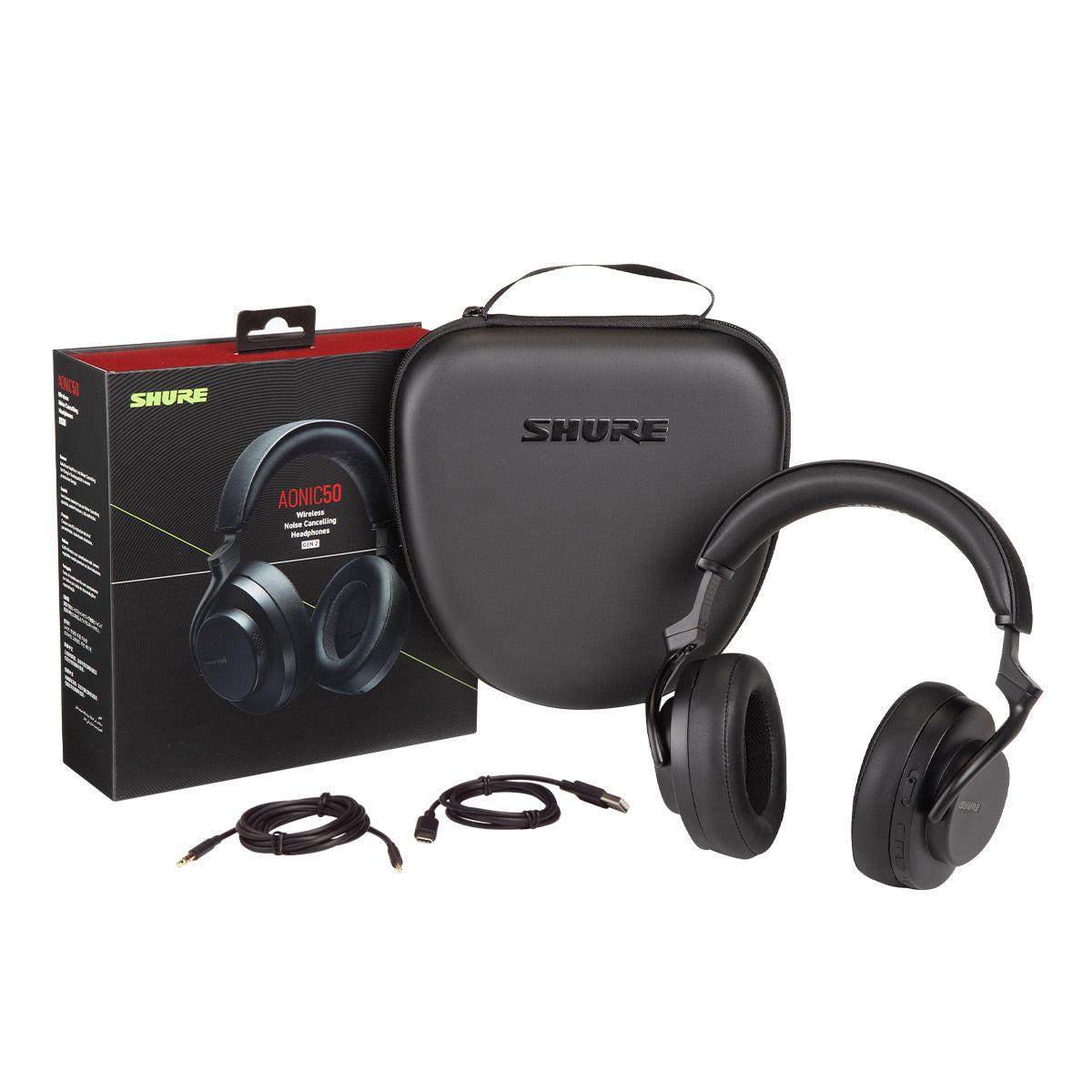
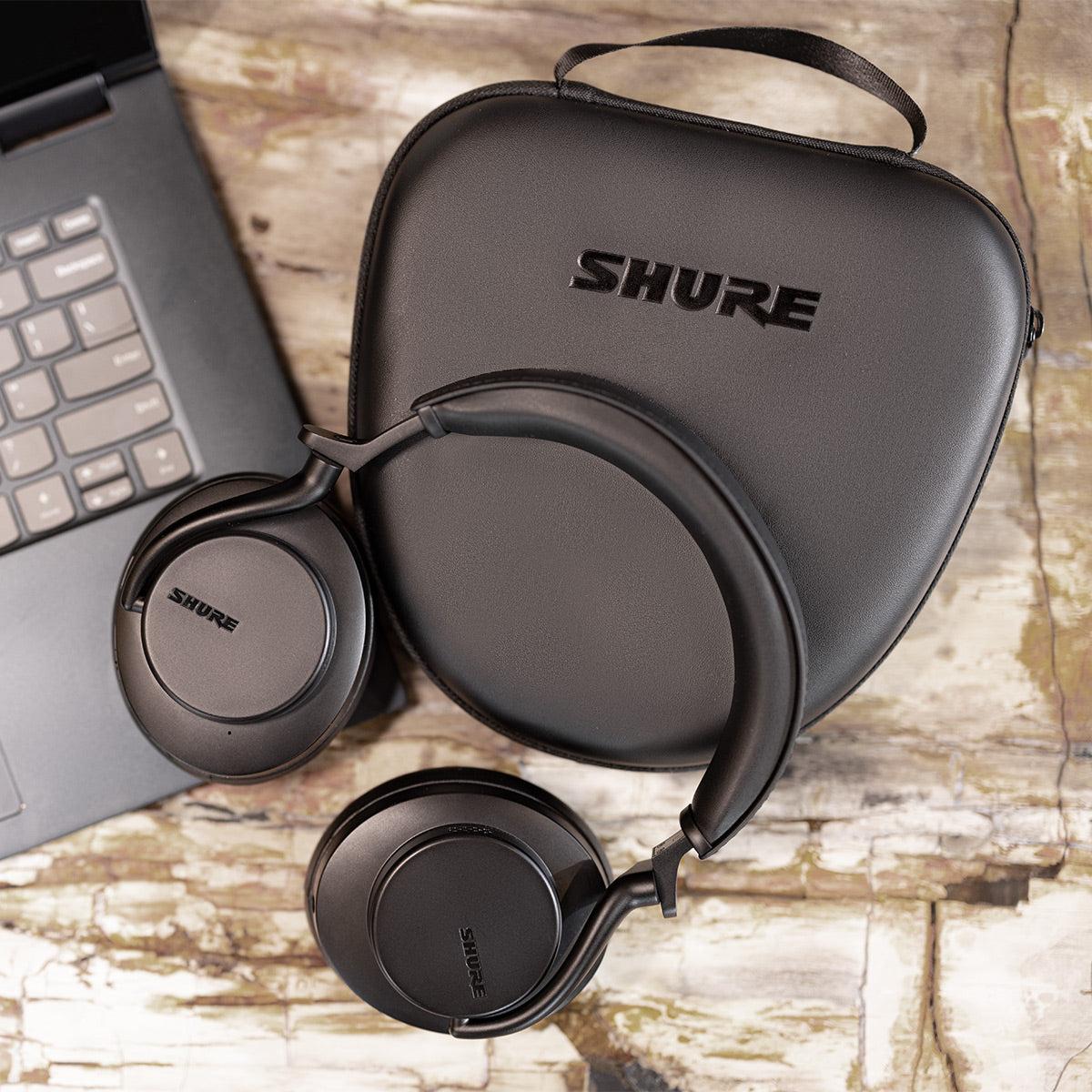
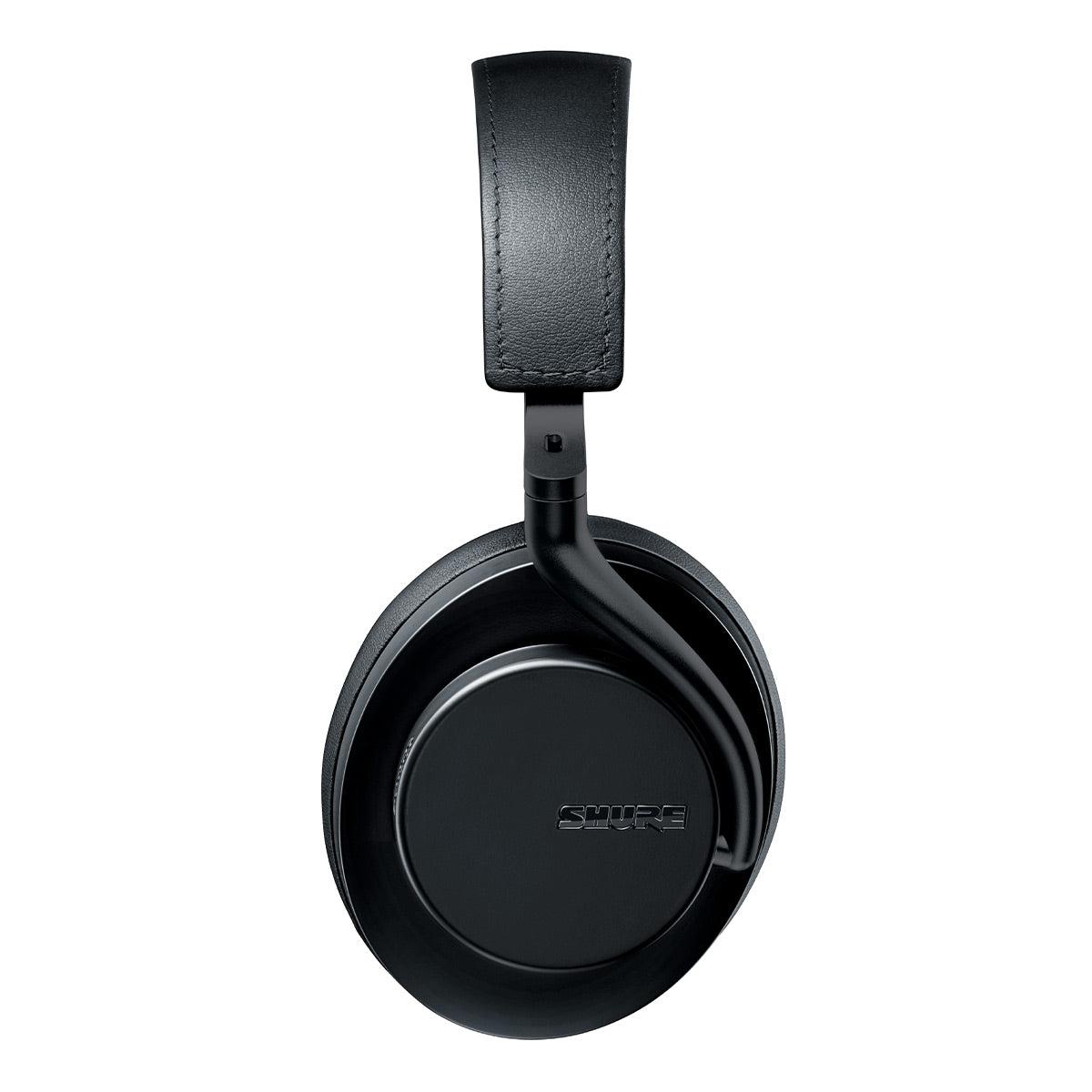
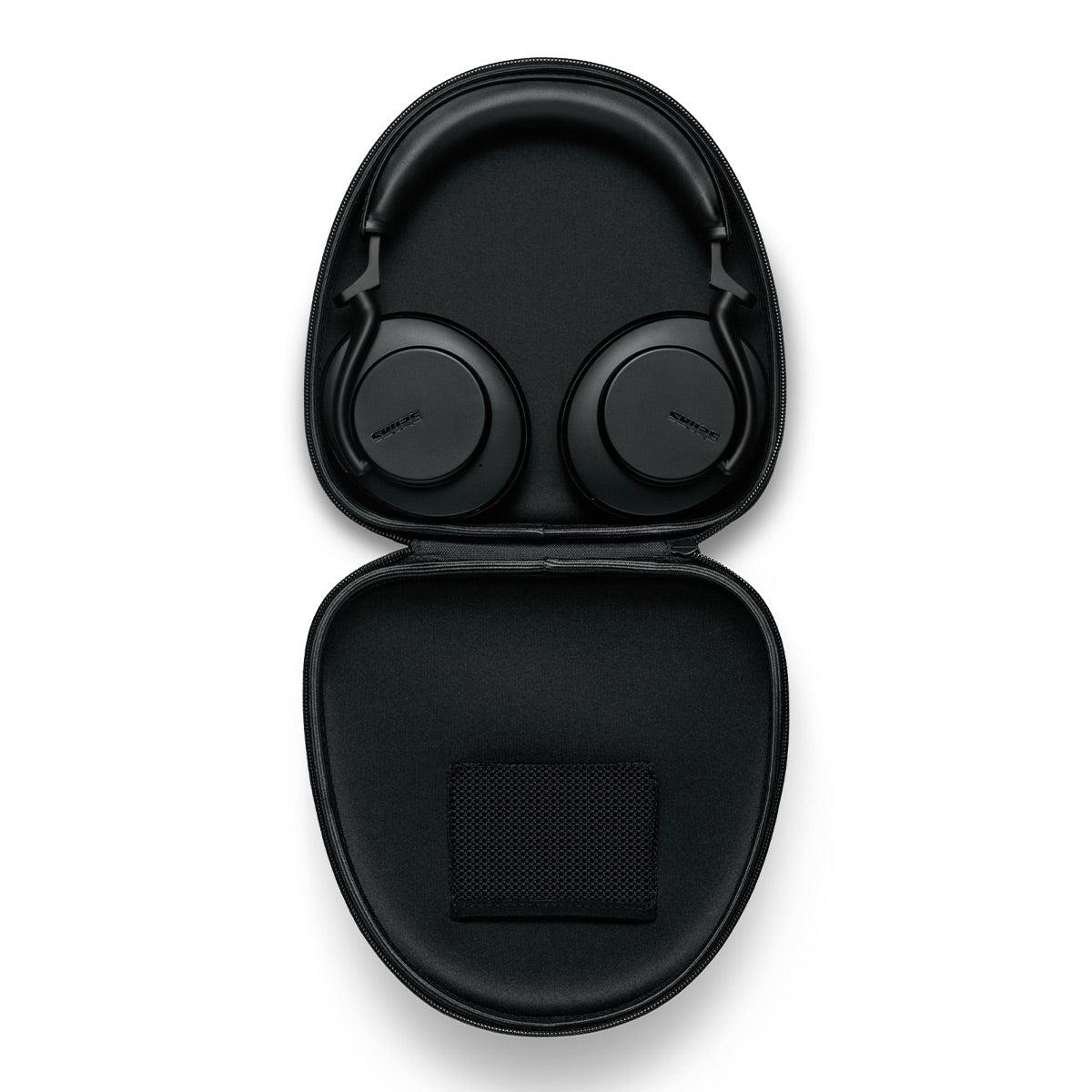
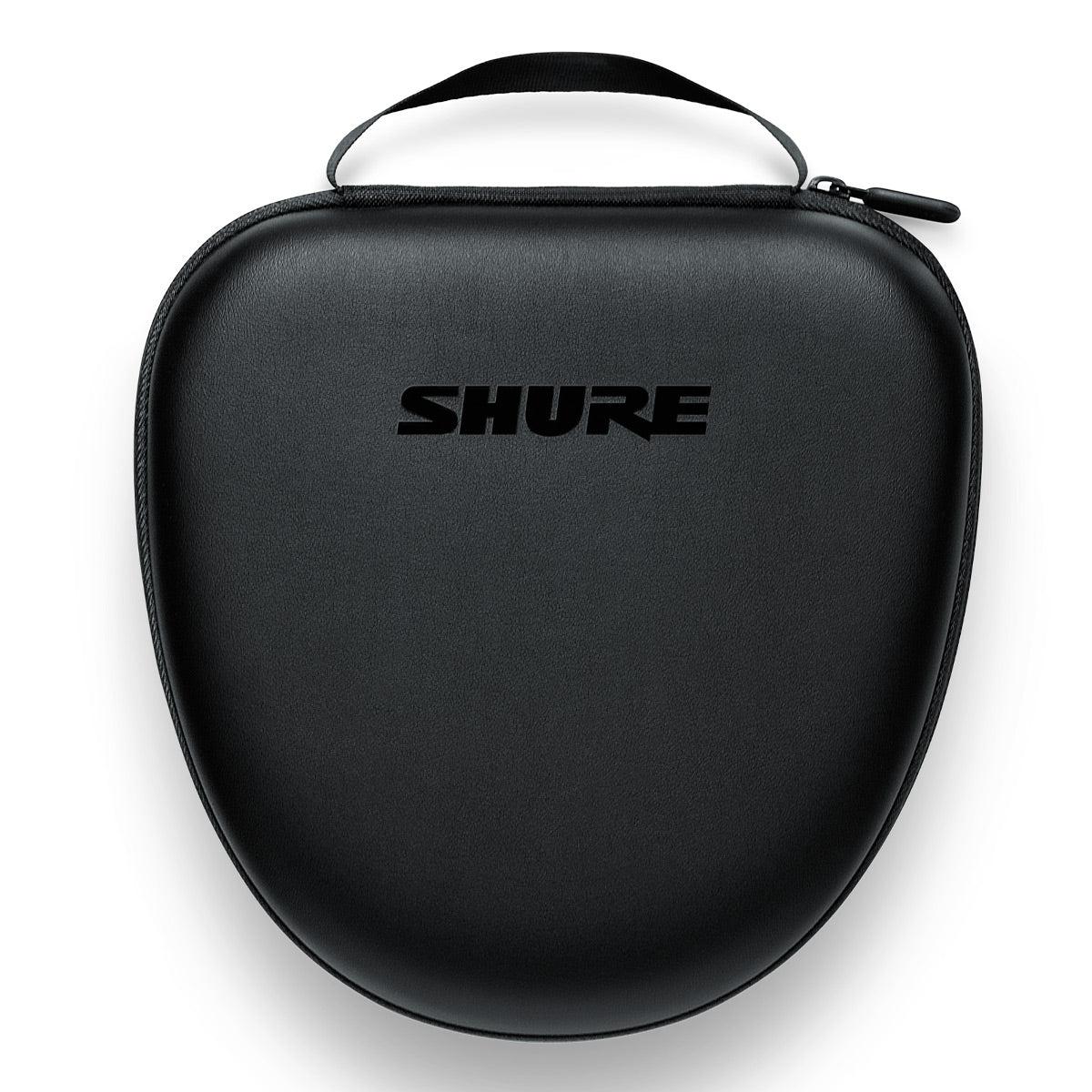
The Shure Aonic 50 Gen 2 weighs 334 grams—about 50 grams lighter than the AirPods Max—and uses a more traditional but equally robust construction. The ear pads are plush and comfortable, and the headphones fold flat for easier storage. The included carrying case actually protects the headphones properly, though some users find it bulky for travel.
For portability, the Aonic 50 Gen 2 wins hands down. They fold flat, come with a protective case, and the lighter weight makes them more suitable for travel or extended wear. The AirPods Max doesn't fold at all, making them awkward to pack and store.
This is perhaps the most significant practical difference between these headphones. The AirPods Max provides about 20 hours of listening time with ANC enabled—respectable, but not exceptional in today's market. What's more frustrating is that when the battery dies, you're done listening unless you have the 2024 USB-C model, which supports wired listening when connected to compatible Apple devices.
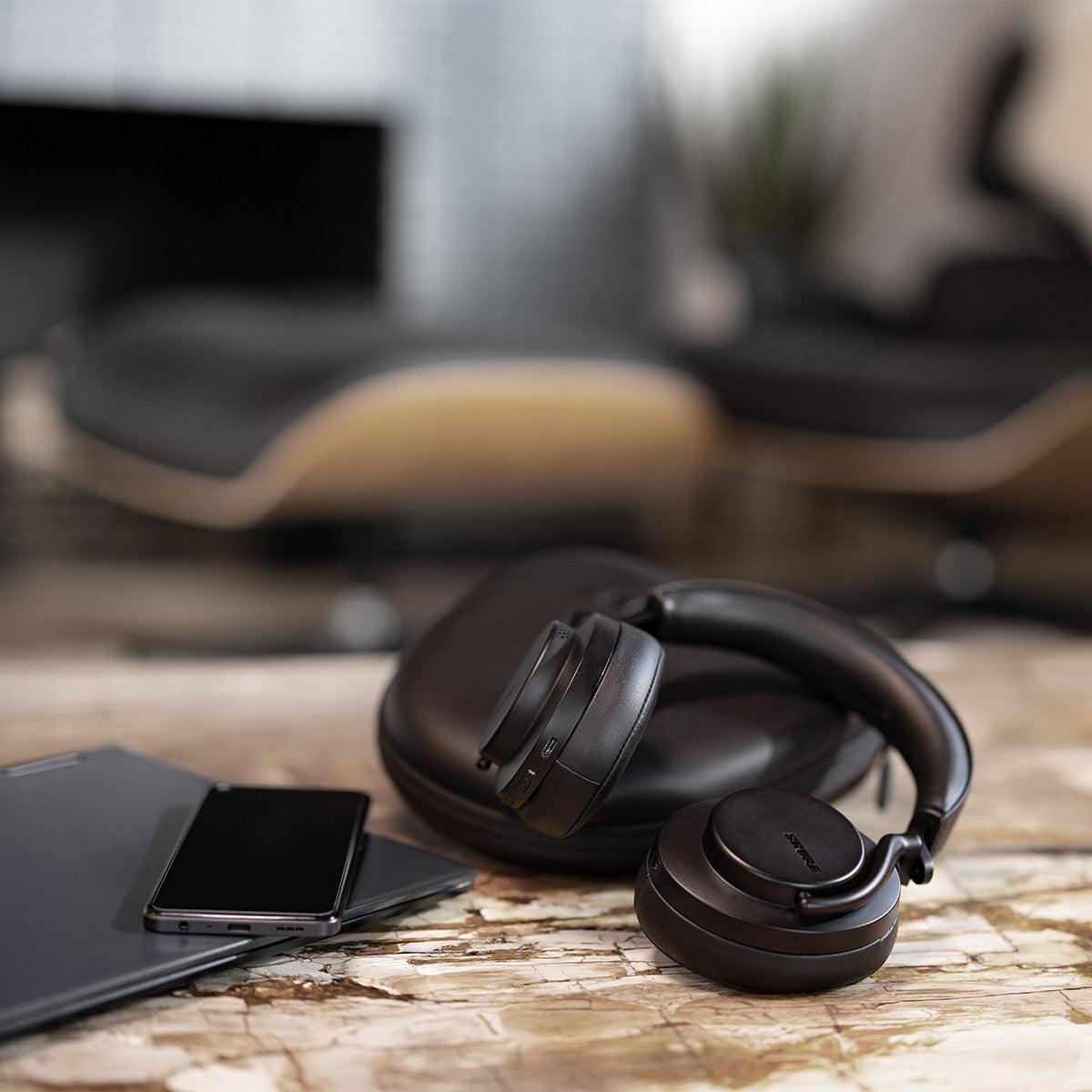
The Shure Aonic 50 Gen 2 absolutely destroys the competition with up to 45 hours of battery life—more than double the AirPods Max. This isn't just marketing fluff; in real-world testing, I consistently got over 30 hours of mixed listening with ANC enabled. Even better, the headphones support both wireless and wired operation, so you can keep listening even when the battery is completely dead using either the included 3.5mm cable or USB-C connection.
Connectivity options reveal another philosophical difference. The AirPods Max focuses on seamless integration within Apple's ecosystem, automatically switching between iPhone, iPad, Mac, and Apple TV as you use different devices. This works brilliantly—when you pause music on your iPhone and start a video on your iPad, the headphones instantly switch over without any manual pairing.
The Shure Aonic 50 Gen 2 takes a more universal approach, supporting multipoint Bluetooth that works across all platforms. More importantly for audiophiles, it supports an impressive array of high-quality audio codecs: SBC and AAC (standard), aptX and aptX HD for Android devices, LDAC for Sony devices and streaming services, and aptX Adaptive for the latest Snapdragon-powered phones. This means you're more likely to get the highest possible audio quality regardless of your source device.
For wired connections, the Aonic 50 Gen 2 supports up to 32-bit/384kHz high-resolution audio through its USB-C connection—far beyond what most streaming services provide, but important for audiophiles with high-resolution music libraries. The 2024 AirPods Max also gained USB-C lossless audio support, but only when connected to Apple devices.
At the time of writing, these headphones occupy different price tiers, with the AirPods Max commanding a significant premium over the Shure Aonic 50 Gen 2. This price difference reflects their different target markets and feature priorities.
The AirPods Max justifies its premium through best-in-class noise cancellation, premium materials, seamless Apple ecosystem integration, and that "it just works" philosophy Apple users expect. You're paying for convenience, refinement, and features that work automatically without user intervention.
The Shure Aonic 50 Gen 2 offers exceptional value for users who want audiophile-grade performance, extensive customization options, superior battery life, and universal compatibility—all at a more accessible price point. You're getting professional audio company expertise and the flexibility to tailor your experience precisely to your preferences.
I've found the AirPods Max excels in specific scenarios: long flights where the superior ANC makes a huge difference, switching between Apple devices throughout the day, and situations where you want excellent sound without any setup or tweaking. They're particularly impressive for movie watching, where Spatial Audio creates an almost surreal surround-sound experience.
The Shure Aonic 50 Gen 2 shines for critical listening sessions, long gaming marathons (that 45-hour battery life!), and situations where you're using multiple device types or platforms. They're also excellent for users who enjoy tweaking their sound—the extensive EQ options let you optimize for different music genres, content types, or even compensate for hearing differences.
For home theater use, both have merit. The AirPods Max provides that impressive spatial experience with Apple TV and other compatible content, while the Aonic 50 Gen 2 offers the detail and customization needed for discerning movie and gaming audio.
Choose the Apple AirPods Max if you're deeply invested in Apple's ecosystem, prioritize noise cancellation above all else, prefer devices that work perfectly out of the box without tweaking, and don't mind paying a premium for premium materials and seamless integration. They're ideal for frequent travelers and users who primarily consume content on Apple devices.
Opt for the Shure Aonic 50 Gen 2 if you want the best value in premium wireless headphones, enjoy customizing your audio experience, need maximum battery life and connectivity flexibility, or use multiple device platforms regularly. They're perfect for audiophiles, gamers, and users who appreciate having control over every aspect of their listening experience.
The truth is, both headphones represent the pinnacle of their respective approaches to premium audio. Your choice ultimately depends on whether you value convenience and integration (AirPods Max) or customization and flexibility (Aonic 50 Gen 2). Either way, you're getting a fantastic listening experience that will likely satisfy for years to come.
| Apple AirPods Max | Shure Aonic 50 Gen 2 |
|---|---|
| Driver Size & Frequency Response - Determines audio range and potential detail | |
| 40mm drivers, 48Hz-20kHz (good range for most music) | 50mm drivers, 20Hz-22kHz (wider range captures more bass and treble detail) |
| Active Noise Cancellation - Critical for flights and noisy environments | |
| Industry-leading 8-microphone ANC system | Average hybrid ANC, struggles in very noisy environments |
| Weight - Affects comfort during long listening sessions | |
| 385g (heavier, may cause fatigue for some users) | 334g (51g lighter, better for extended wear) |
| Battery Life - How long you can listen between charges | |
| 20 hours with ANC (requires frequent charging) | 45 hours with ANC (over double the listening time) |
| Audio Customization - Control over your sound signature | |
| Adaptive EQ only (automatic, no user control) | 4-band parametric EQ with extensive customization options |
| Connectivity Options - How you can connect to devices | |
| Bluetooth 5.0, USB-C wired (2024 model only) | Bluetooth 5.0, 3.5mm analog, USB-C digital up to 32-bit/384kHz |
| Codec Support - Audio quality over Bluetooth | |
| AAC (optimized for Apple devices) | SBC, AAC, aptX, aptX HD, aptX Adaptive, LDAC (universal compatibility) |
| Spatial Audio Features - Immersive surround sound experience | |
| Dynamic head tracking with Apple devices | 3-mode spatialized audio (Music, Cinema, Podcast) |
| Build Materials - Durability and premium feel | |
| Aluminum cups, stainless steel frame (premium but scratch-prone) | Professional-grade construction, fold-flat design |
| Portability - Ease of travel and storage | |
| No folding, minimal case protection | Folds flat with protective carrying case |
| Multi-Device Support - Switching between phones, computers, etc. | |
| Seamless switching within Apple ecosystem only | Multipoint Bluetooth works across all platforms |
| Price Positioning - Value for money at time of writing | |
| Premium pricing for Apple integration and ANC | Better value with more features at lower cost |
Both the Apple AirPods Max and Shure Aonic 50 Gen 2 deliver excellent sound quality, but in different ways. The AirPods Max provides a well-balanced, consumer-friendly sound that works great out of the box with clear vocals and controlled bass. The Shure Aonic 50 Gen 2 offers a more neutral, studio-reference sound with larger 50mm drivers and extensive EQ customization options through their app, making them ideal for audiophiles who want to fine-tune their listening experience.
The Apple AirPods Max significantly outperforms the Shure Aonic 50 Gen 2 in noise cancellation. Apple's 8-microphone ANC system is considered industry-leading, making them excellent for flights and noisy environments. The Aonic 50 Gen 2 has adequate noise cancellation but struggles in very loud environments and is inconsistent compared to Apple's implementation.
Battery life is a major advantage for the Shure Aonic 50 Gen 2, offering up to 45 hours of playback with ANC enabled. The Apple AirPods Max provides 20 hours of listening time, which is respectable but less than half of what the Aonic 50 Gen 2 delivers. This makes the Shure headphones much better for long trips or users who forget to charge frequently.
The Shure Aonic 50 Gen 2 has a comfort advantage due to being 51 grams lighter (334g vs 385g) and having plush ear pads designed for extended wear. While the Apple AirPods Max uses premium materials and has good weight distribution with its mesh headband, the heavier build can cause fatigue during very long sessions. Both are comfortable, but the Aonic 50 Gen 2 edges ahead for marathon listening.
The Shure Aonic 50 Gen 2 works excellently with all devices and platforms, supporting multiple high-quality Bluetooth codecs (aptX, LDAC, AAC) for optimal sound quality regardless of your phone or computer. The Apple AirPods Max works with Android and other devices but you'll miss out on features like Spatial Audio, seamless device switching, and optimal integration that make them special with Apple products.
The Shure Aonic 50 Gen 2 typically offers better value, providing more features at a lower price point including longer battery life, extensive customization options, multiple connectivity options, and universal device compatibility. The Apple AirPods Max commands a premium for its superior noise cancellation, premium build materials, and seamless Apple ecosystem integration, making it worthwhile if those features matter most to you.
Both excel for home theater but in different ways. The Apple AirPods Max provides an exceptional cinematic experience with Spatial Audio when connected to Apple TV, creating surround-sound effects that seem to come from around your room. The Shure Aonic 50 Gen 2 offers superior detail retrieval and customization options, letting you optimize the sound for different types of content like enhancing dialogue clarity or boosting bass for action scenes.
For travel, it depends on your priorities. The Apple AirPods Max has superior noise cancellation that makes flights much more pleasant, but they don't fold and come with minimal case protection. The Shure Aonic 50 Gen 2 folds flat, includes a proper protective case, weighs less, and has much longer battery life (45 vs 20 hours), making them more practical for extended trips despite weaker noise cancellation.
The Shure Aonic 50 Gen 2 offers extensive sound customization through their ShurePlus PLAY app, including a 4-band parametric EQ and multiple spatial audio modes. The Apple AirPods Max uses Adaptive EQ that automatically adjusts to your ear shape but provides no manual EQ controls, focusing on delivering consistently good sound without user intervention.
The Apple AirPods Max generally provides better call quality with clearer voice reproduction and effective noise handling during calls. The Shure Aonic 50 Gen 2 has adequate microphone quality but some users report it can sound muffled or quiet compared to other premium headphones, making the AirPods Max the better choice for frequent phone calls or video conferences.
The Shure Aonic 50 Gen 2 offers more versatile connectivity with Bluetooth 5.0, 3.5mm analog input, and USB-C digital connection supporting high-resolution audio up to 32-bit/384kHz. The Apple AirPods Max primarily relies on Bluetooth with AAC codec, though the 2024 model added USB-C for lossless audio with Apple devices. The Aonic 50 Gen 2 also supports multipoint Bluetooth for connecting to multiple devices simultaneously.
Choose the Apple AirPods Max if you're invested in Apple's ecosystem, prioritize the best noise cancellation available, prefer plug-and-play simplicity, and don't mind paying more for premium materials and seamless integration. Choose the Shure Aonic 50 Gen 2 if you want better value, longer battery life, extensive audio customization, universal device compatibility, and lighter weight for comfort during extended listening sessions.
We've done our best to create useful and informative comparisons to help you decide what product to buy. Our research uses advanced automated methods to create this comparison and perfection is not possible - please contact us for corrections or questions. These are the sites we've researched in the creation of this article: recordingnow.com - t3.com - telegraph.co.uk - soundguys.com - youtube.com - forums.macrumors.com - youtube.com - youtube.com - apple.com - support.apple.com - idownloadblog.com - media.distrelec.com - en.wikipedia.org - apple.com - apple.com - support.apple.com - rtings.com - tomsguide.com - headphonecheck.com - whathifi.com - majorhifi.com - rtings.com - versus.com - majorhifi.com - versus.com - audio46.com - youtube.com - bhphotovideo.com - techradar.com - soundpro.com - shure.com - americanmusical.com - pubs.shure.com - blog.zzounds.com - service.shure.com - fullcompass.com

Privacy Policy
Terms and Conditions - Affiliate Policy
Home Security
© Copyright 2008-2026.
11816 Inwood Rd #1211, Dallas, TX 75244