




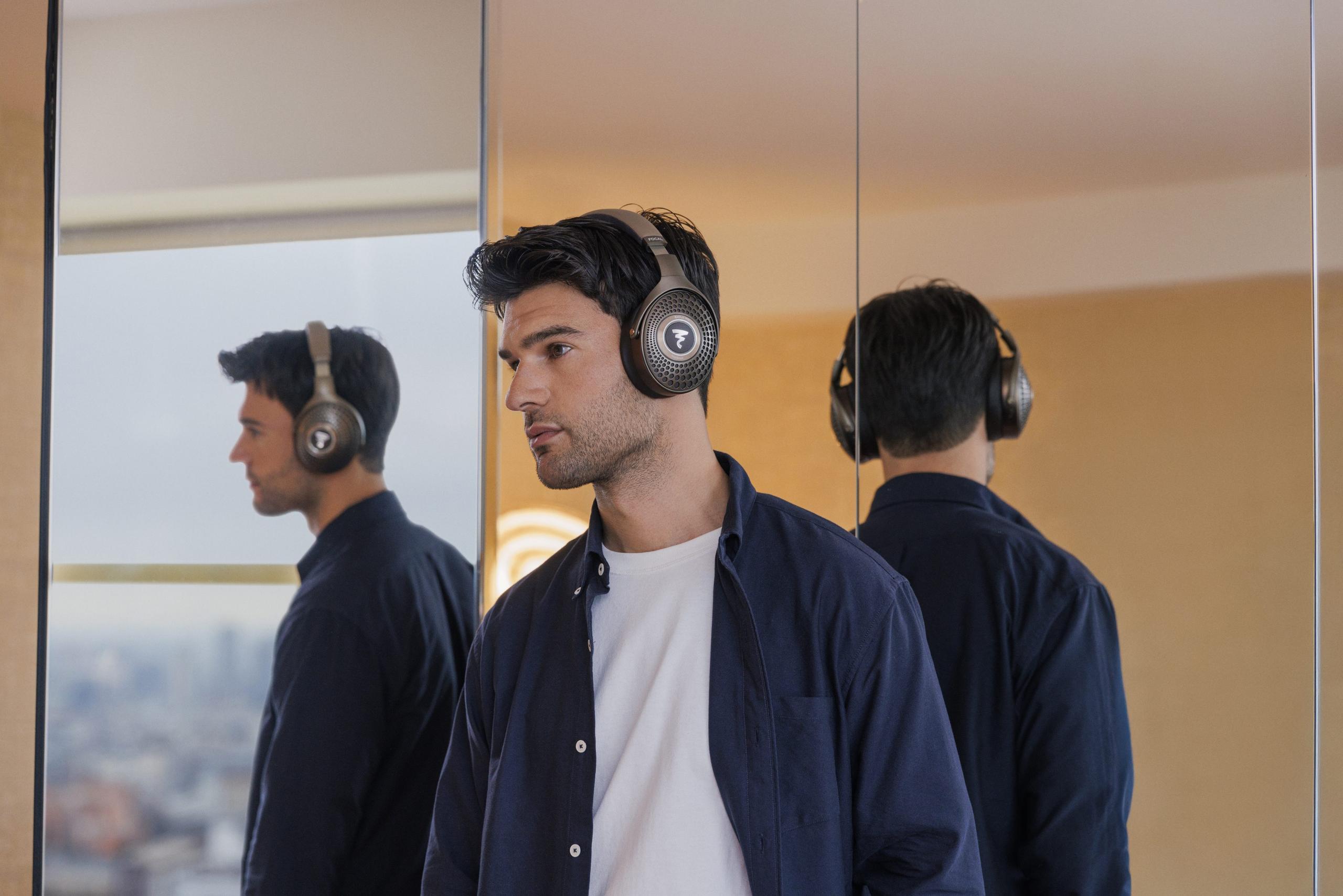
Premium wireless headphones have transformed how we experience music, movies, and calls. Unlike the budget options flooding the market, these high-end models target serious listeners who want studio-quality sound without sacrificing the convenience of wireless connectivity. When you're spending several hundred dollars on headphones, you're not just buying a way to listen to music – you're investing in advanced driver technology, sophisticated noise cancellation, and the kind of audio engineering that can reveal details in your favorite songs you've never noticed before.
The premium wireless headphone category sits at an interesting crossroads. These headphones need to excel at multiple tasks: delivering audiophile-quality sound, canceling out distracting noise, providing all-day comfort, and maintaining reliable wireless connections. It's a challenging balance, and different manufacturers approach these requirements in distinctly different ways.
Today, we're comparing two headphones that represent different philosophies in this premium space: the Shure Aonic 50 Gen 2 and the Focal Bathys. At the time of writing, these models occupy very different price tiers, with the Shure costing roughly half as much as the Focal. But does spending significantly more money actually get you better performance? Let's dive deep into what makes each of these headphones special.
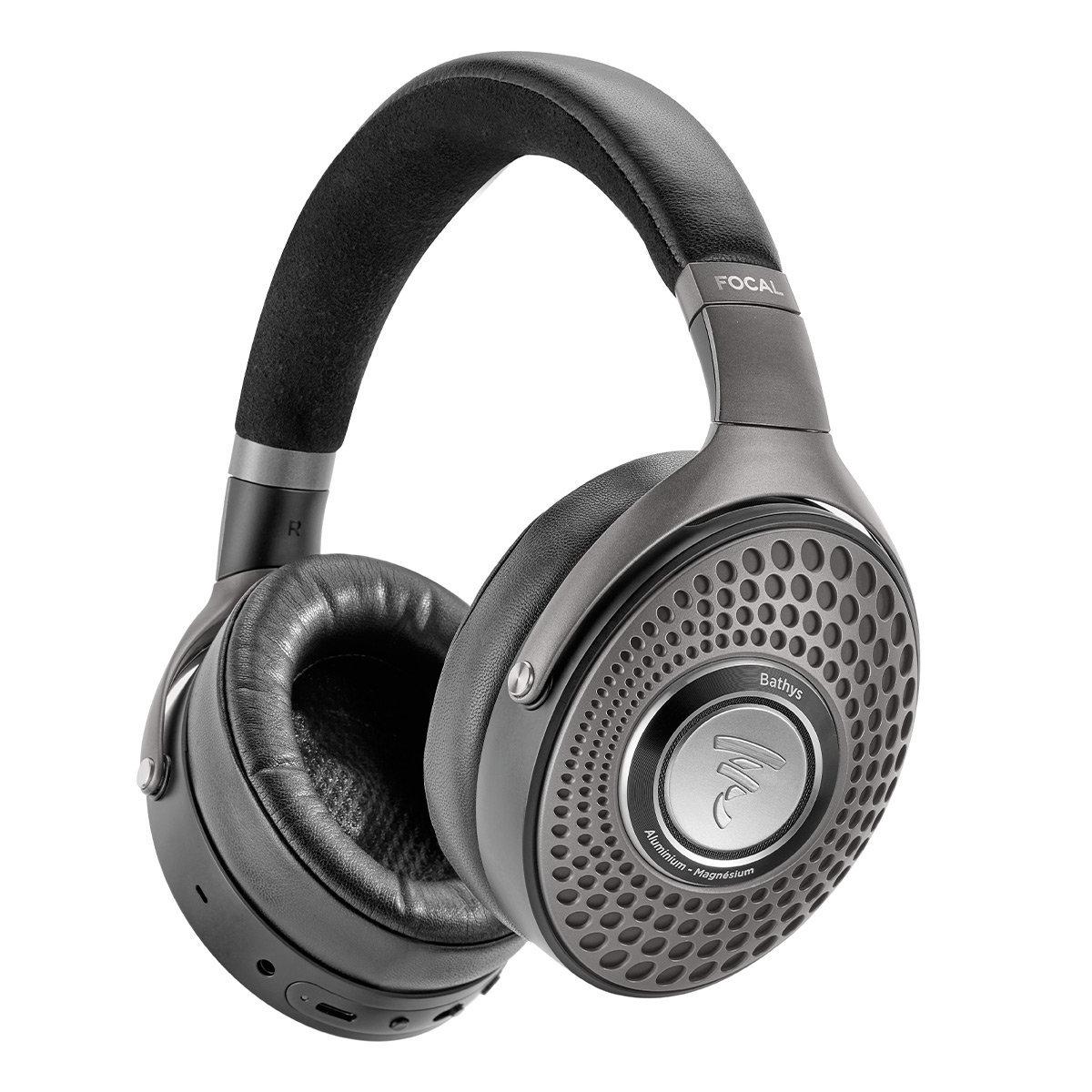
Before we compare specific models, it's worth understanding what separates premium wireless headphones from mainstream options. The most obvious difference is the drivers – the small speakers inside each ear cup. Premium headphones typically use larger, more sophisticated drivers with better materials and engineering. The Shure Aonic 50 Gen 2 uses 50mm neodymium magnet drivers, while the Focal Bathys features smaller but more exotic 40mm aluminum-magnesium drivers with Focal's signature 'M'-shaped dome design.
Driver size isn't everything, though. The quality of the materials, the precision of manufacturing, and the acoustic tuning all play crucial roles in determining how your music will sound. Neodymium magnets, found in the Shure, are stronger than regular magnets, allowing for more precise driver movement and better bass response. Meanwhile, Focal's aluminum-magnesium alloy combines the rigidity of aluminum (which reduces distortion) with magnesium's natural damping properties (which smooths out harsh frequencies).
Active noise cancellation (ANC) represents another major differentiator. This technology uses microphones to detect outside noise, then generates "anti-noise" signals to cancel it out. It's like having tiny sound engineers inside your headphones constantly working to create a quiet bubble around your ears. Both the Shure Aonic 50 Gen 2 and Focal Bathys offer ANC, but they implement it differently and with varying degrees of effectiveness.
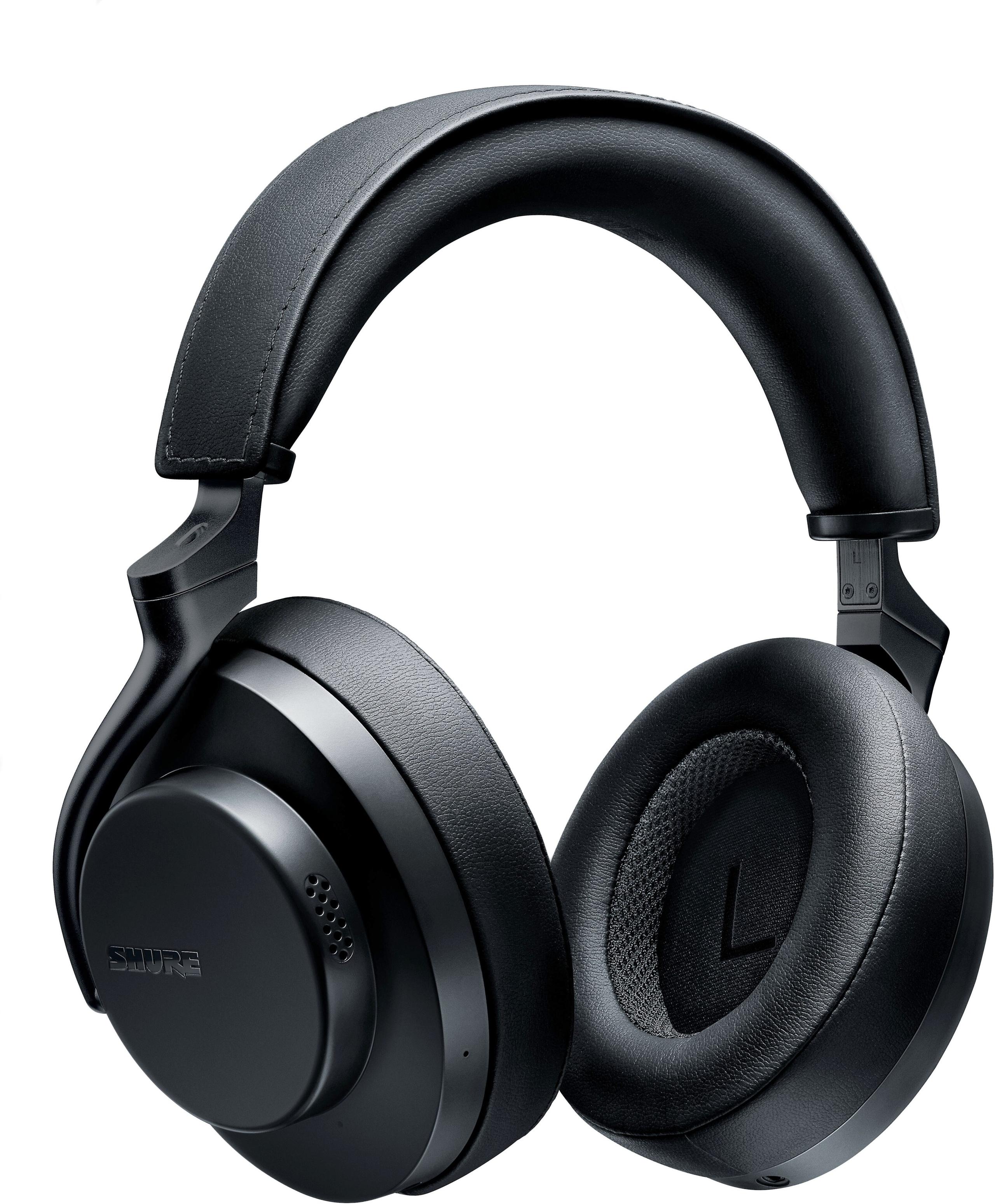
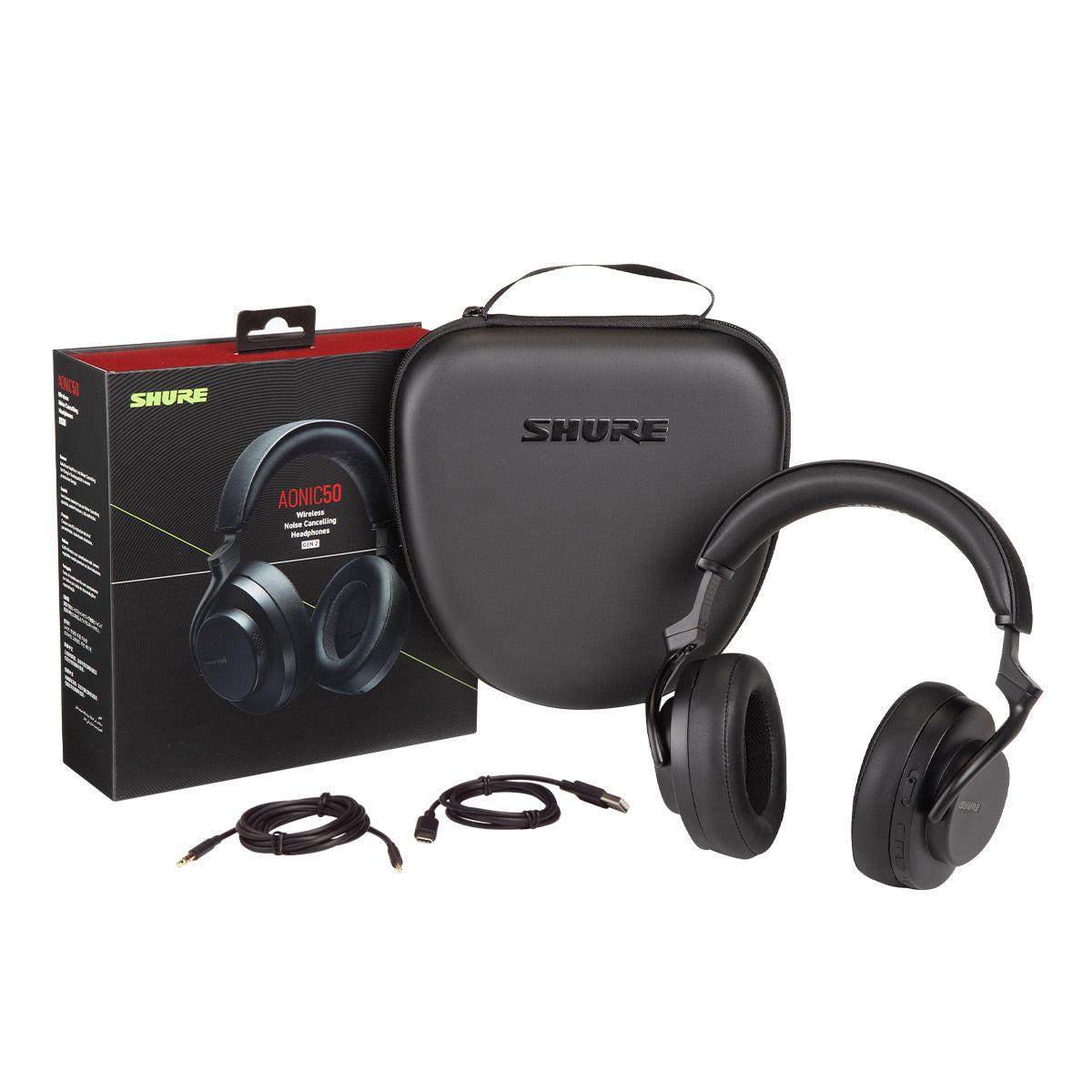
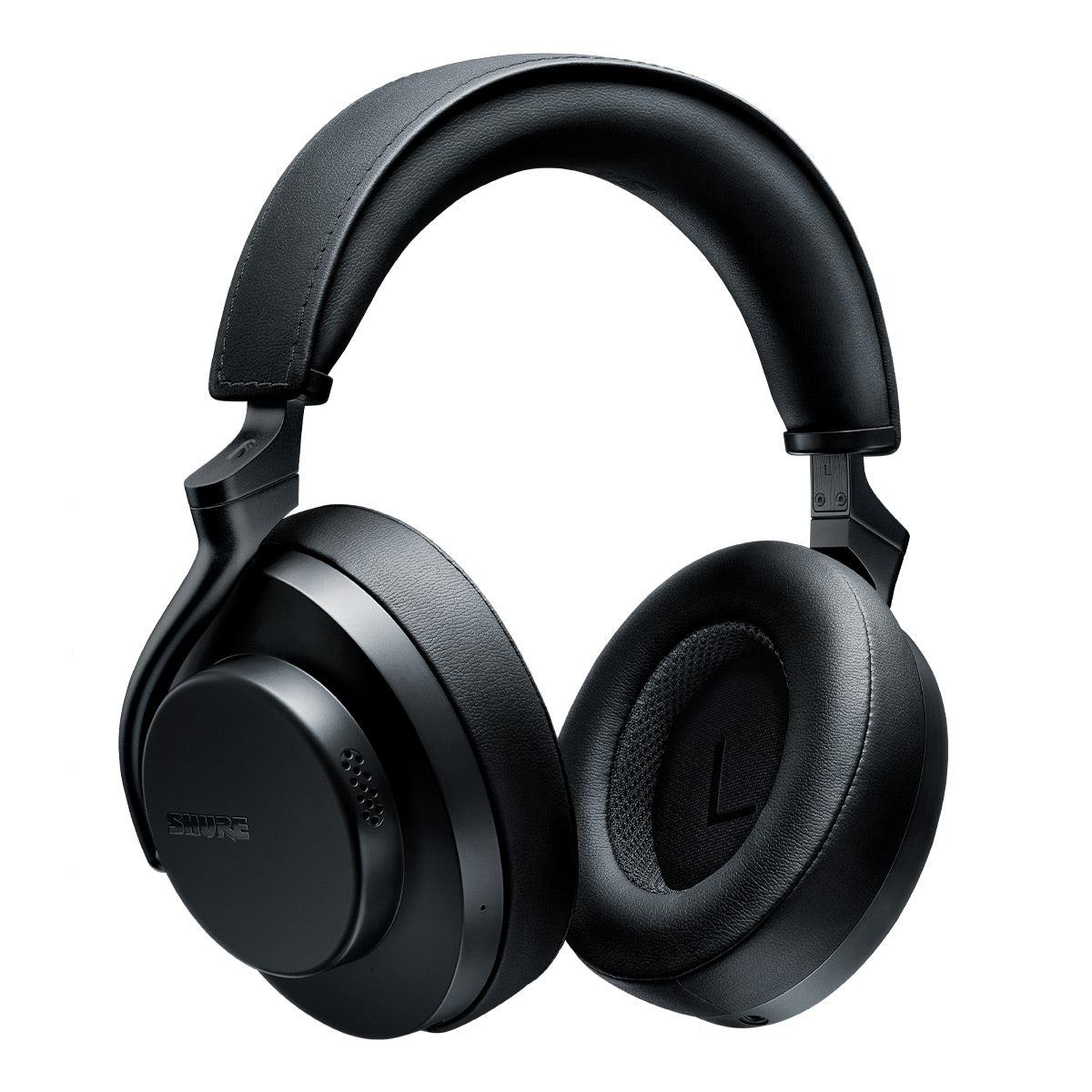
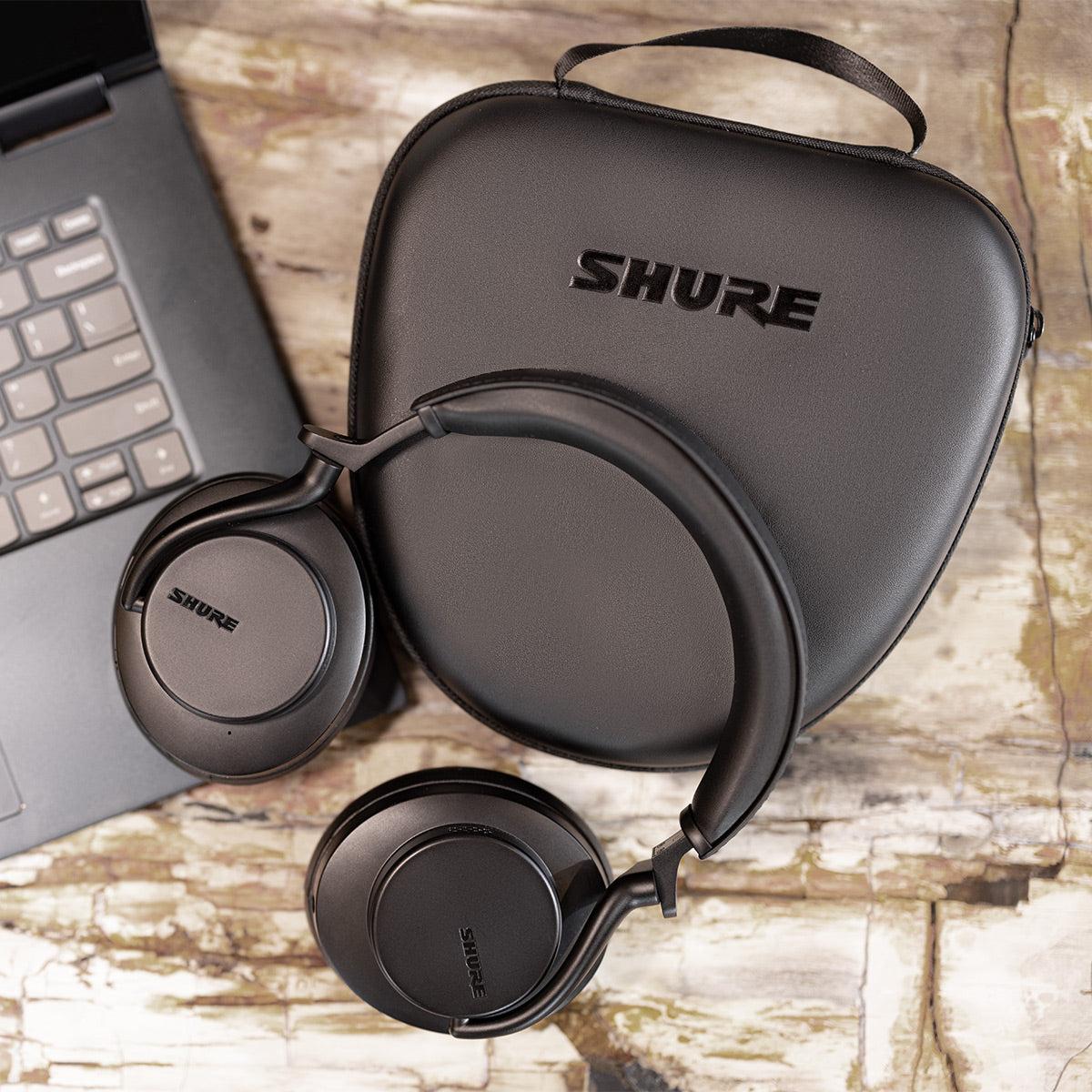
Released in 2023, the Shure Aonic 50 Gen 2 represents Shure's second attempt at cracking the consumer wireless headphone market. Shure has been making professional audio equipment for nearly a century – they're the company behind the microphones presidents use for speeches and the in-ear monitors rock stars wear on stage. This heritage shows in their approach to headphone design.
The most significant improvement in the Gen 2 model is battery life. While the original Aonic 50 managed about 20 hours of playback, the new version delivers an impressive 45 hours. That's enough for a round-trip flight to anywhere in the world, plus several days of commuting. The quick charge feature is equally practical – 15 minutes of charging provides five hours of listening time.
What sets the Shure Aonic 50 Gen 2 apart is its focus on accuracy and customization. These headphones don't try to flatter your music with artificial bass boosts or exaggerated treble. Instead, they aim to reproduce exactly what the artist and sound engineer intended. The included ShurePlus PLAY app offers a sophisticated 4-band parametric equalizer, which means you can adjust not just bass and treble, but specific frequency ranges with surgical precision.
The headphones also introduce Spatialized Audio technology, which creates a sense of three-dimensional space in your music. Unlike some spatial audio implementations that can sound artificial, Shure's approach focuses on expanding the soundstage – the perceived width and depth of the sound – without adding obvious processing artifacts.
The Focal Bathys, released in 2022, marked a significant moment in the headphone world. Focal, a French company renowned for their high-end speakers and headphones that can cost thousands of dollars, had never made a wireless headphone before. When a company with Focal's reputation finally enters the wireless market, people pay attention.
The Bathys brings Focal's decades of acoustic expertise to the wireless world. Their signature aluminum-magnesium drivers are manufactured in France using techniques developed for their flagship headphones. The 'M'-shaped dome design is a Focal innovation that helps control resonances and distortion, resulting in cleaner, more detailed sound.
One unique feature of the Focal Bathys is its USB-DAC mode. When connected to a computer or phone via USB-C, the headphones can process digital audio signals up to 24-bit/192kHz resolution. This means you can bypass your device's built-in audio processing entirely, using the Bathys' own high-quality digital-to-analog converter. It's like having a dedicated audio interface built into your headphones.
This is where things get interesting, and where spending more money can make a meaningful difference – though not always in the ways you might expect.
The Shure Aonic 50 Gen 2 takes a studio monitor approach to sound. These headphones won't lie to you about how your music sounds. If a recording is poorly mixed, you'll hear it. If it's brilliantly produced, every detail will shine through. The frequency response is relatively flat, meaning no particular range of frequencies is artificially emphasized. The bass is present and controlled, the midrange is clear and detailed, and the treble extends well without becoming harsh.
However, this accuracy can initially sound underwhelming if you're used to headphones that boost bass or add artificial sparkle to the treble. The Shure's neutral presentation can seem restrained or even boring until you realize you're hearing your music exactly as it was mixed in the studio. The extensive EQ options in the app allow you to tailor the sound to your preferences while maintaining the headphones' fundamental accuracy.
The Focal Bathys takes a different approach, offering what many describe as a more "musical" or "engaging" sound. While still fundamentally accurate, these headphones have a slight warmth and richness that makes music immediately appealing. The bass is deep and well-controlled, with the kind of texture and impact that makes electronic music and hip-hop sound particularly compelling.
Where the Focal really excels is in soundstage and imaging. Soundstage refers to how wide and spacious music sounds – whether instruments seem to come from a narrow space between your ears or from a broader, more three-dimensional environment. The Bathys creates one of the widest, most natural soundstages available in a closed-back wireless headphone. Individual instruments are precisely positioned in this soundstage, making it easy to follow different melodic lines in complex musical passages.
The difference in driver size becomes apparent in certain situations. The Shure's larger 50mm drivers can move more air, potentially creating more impactful bass and better dynamics in loud passages. However, Focal's smaller but more sophisticated drivers often sound more refined and controlled, especially in the critical midrange frequencies where most music lives.
For home theater use, both headphones offer compelling but different experiences. The Shure Aonic 50 Gen 2's Spatialized Audio modes include a specific Cinema setting designed to recreate the spaciousness of a movie theater. The neutral sound signature means dialogue remains clear and intelligible, while special effects have appropriate weight and impact. The 45-hour battery life is particularly valuable for binge-watching sessions.
The Focal Bathys excels in home theater applications thanks to its exceptional soundstage and USB-DAC capability. When connected directly to a computer or streaming device via USB, you can enjoy high-resolution audio from services like Tidal or Apple Music without any wireless compression. The wide soundstage makes action sequences feel more immersive, while the refined midrange ensures dialogue never gets lost in the mix.
Active noise cancellation has become a crucial feature for premium headphones, but implementation varies significantly between manufacturers.
The Shure Aonic 50 Gen 2 offers what they call adjustable hybrid ANC with four different modes. The "hybrid" part means they use microphones both inside and outside the ear cups to detect and cancel noise more effectively. However, in practice, the Shure's noise cancellation is merely adequate rather than exceptional. It'll handle the constant hum of an airplane or air conditioner reasonably well, but it's not in the same league as the best from Sony or Bose.
Where Shure gets more interesting is in their Environmental Mode, which has eleven different levels of adjustment. This transparency mode allows outside sound to pass through, but you can fine-tune exactly how much. This granular control is useful for everything from staying aware of traffic while walking to having quick conversations without removing your headphones.
The Focal Bathys takes noise cancellation more seriously, with a system of eight microphones working to analyze and counteract ambient noise. They offer three distinct modes: Silent mode for maximum noise reduction in environments like airplanes, Soft mode for gentler cancellation in quieter spaces like offices, and Transparency mode for environmental awareness.
In real-world testing, the Focal's ANC generally outperforms the Shure's, particularly in the low frequencies where things like engine noise and air conditioning live. However, some users report that engaging ANC on the Bathys can slightly degrade sound quality, introducing a subtle compression or loss of detail that's noticeable with high-quality source material.
This is one area where the Shure Aonic 50 Gen 2 clearly leads. The 45-hour battery life is genuinely exceptional – it's the kind of endurance that changes how you think about charging your headphones. You can use them for a week or more without worrying about battery levels, and the quick charge capability means even when you do run low, you're never stranded for long.
The Focal Bathys offers a more typical 30-35 hours of battery life, which is still excellent by industry standards but noticeably less than the Shure. However, the Bathys includes that unique USB-DAC mode, which can actually extend battery life to over 40 hours when using the wired connection.
Both headphones support Bluetooth multipoint connectivity, meaning you can connect to two devices simultaneously – perhaps your phone and laptop – and seamlessly switch between them. However, the Shure supports a broader range of high-quality Bluetooth codecs, including LDAC and various aptX variants. These codecs can transmit higher-quality audio over Bluetooth, though the difference is often subtle unless you're listening to high-resolution music files.
For wired listening, the Shure Aonic 50 Gen 2 has a significant advantage. It can handle audio resolutions up to 32-bit/384kHz when connected via USB-C, which is substantially higher than the Focal's 24-bit/192kHz limit. While few people have music files at these extreme resolutions, this capability demonstrates Shure's commitment to future-proofing and professional applications.
Both headphones represent significant investments, so build quality and long-term comfort are crucial considerations.
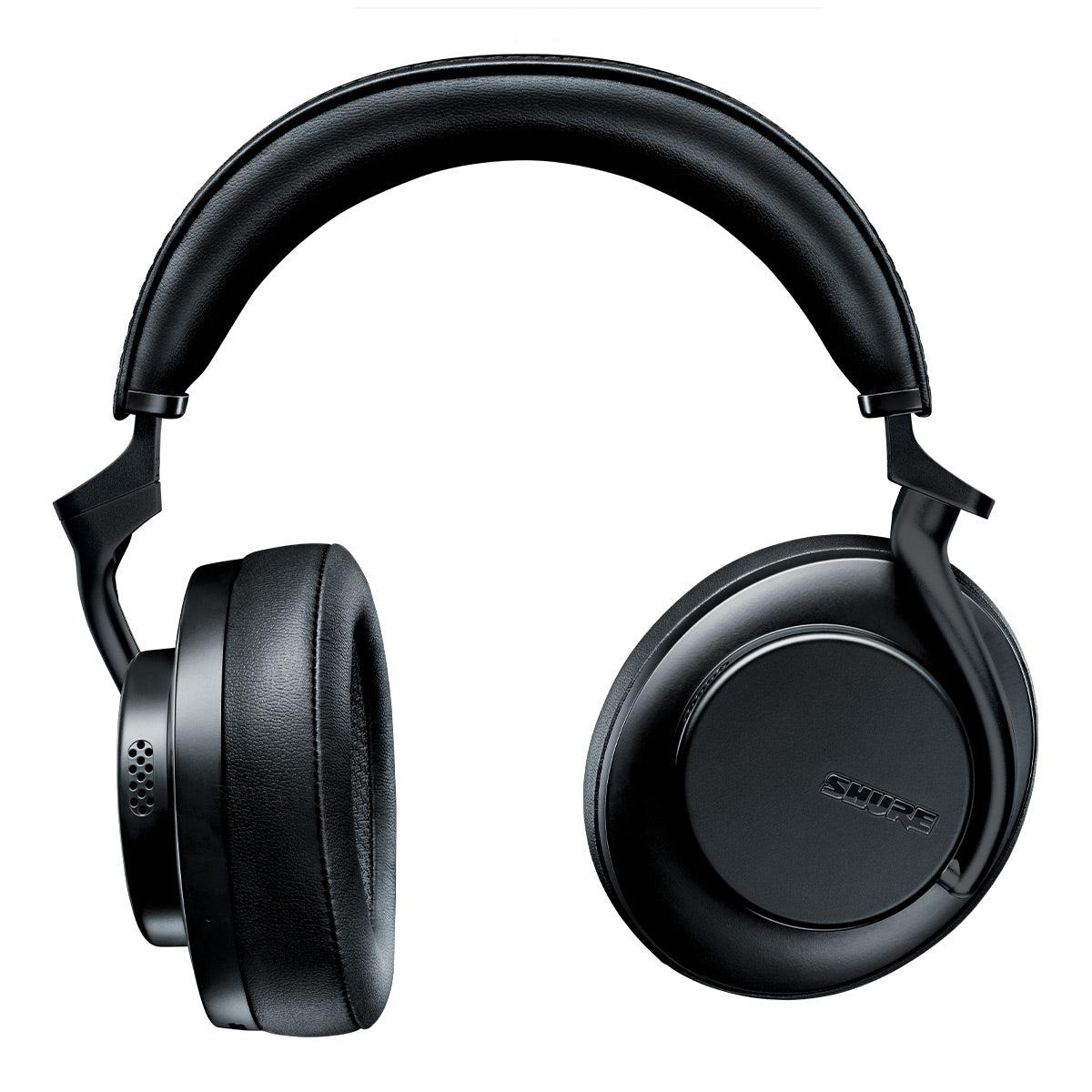
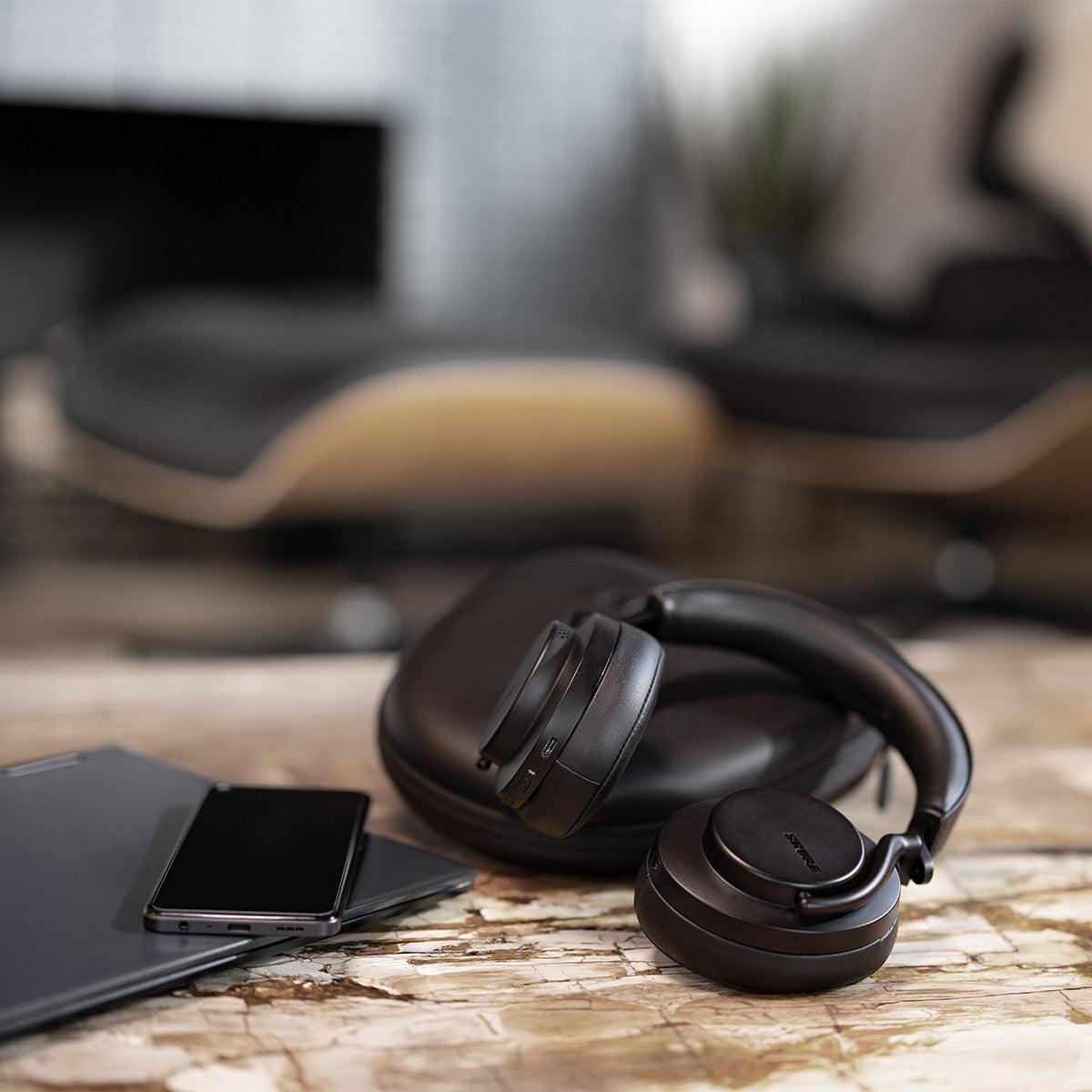
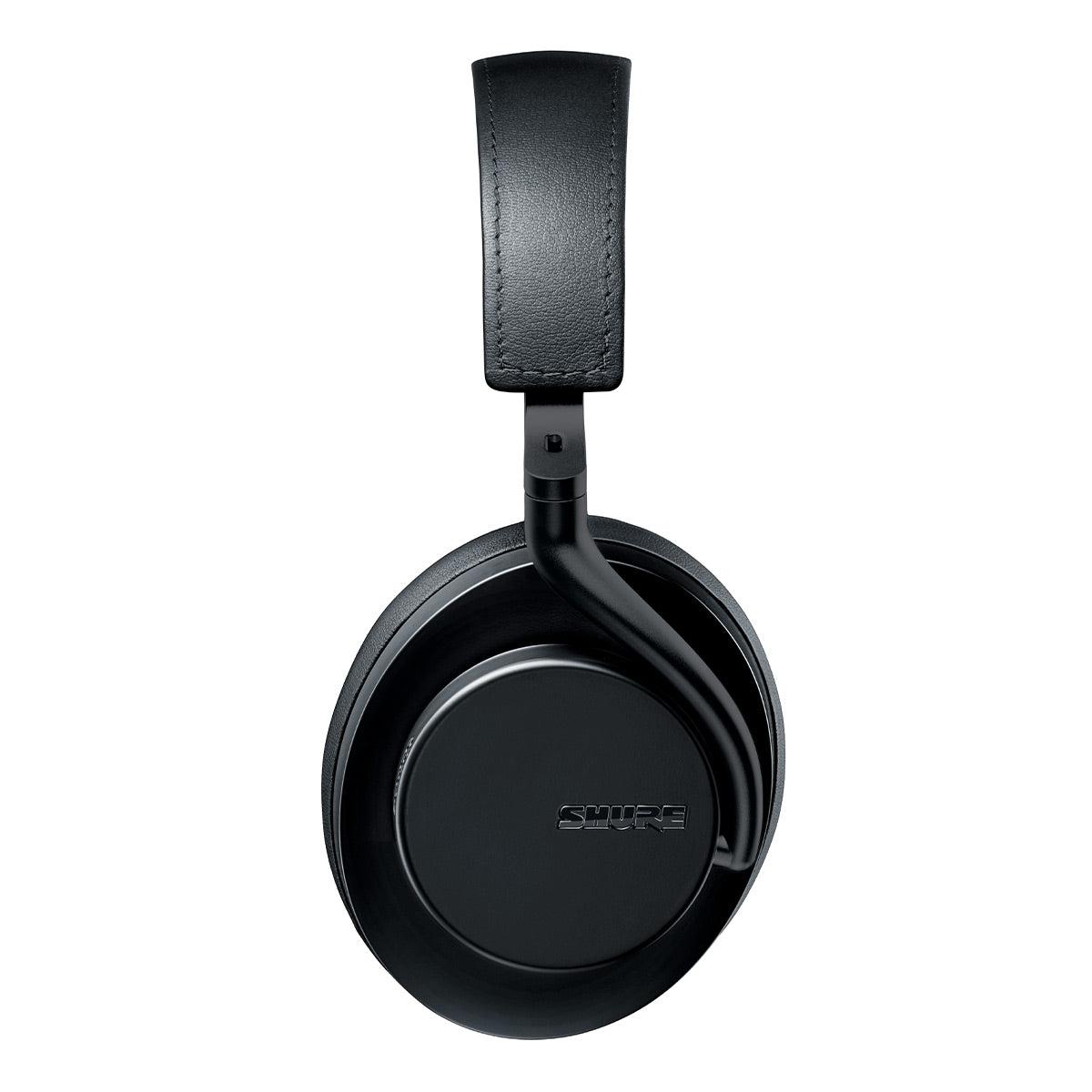
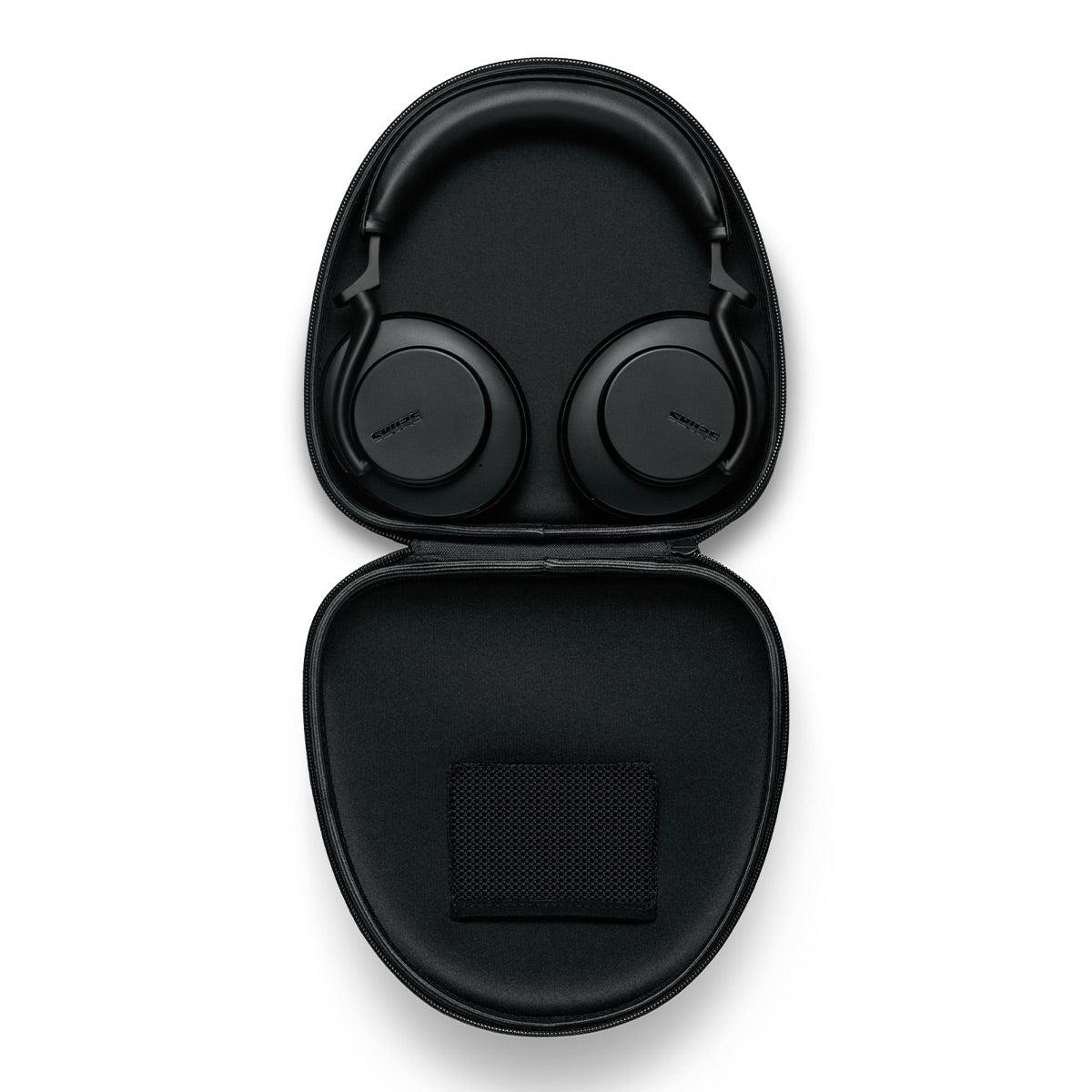
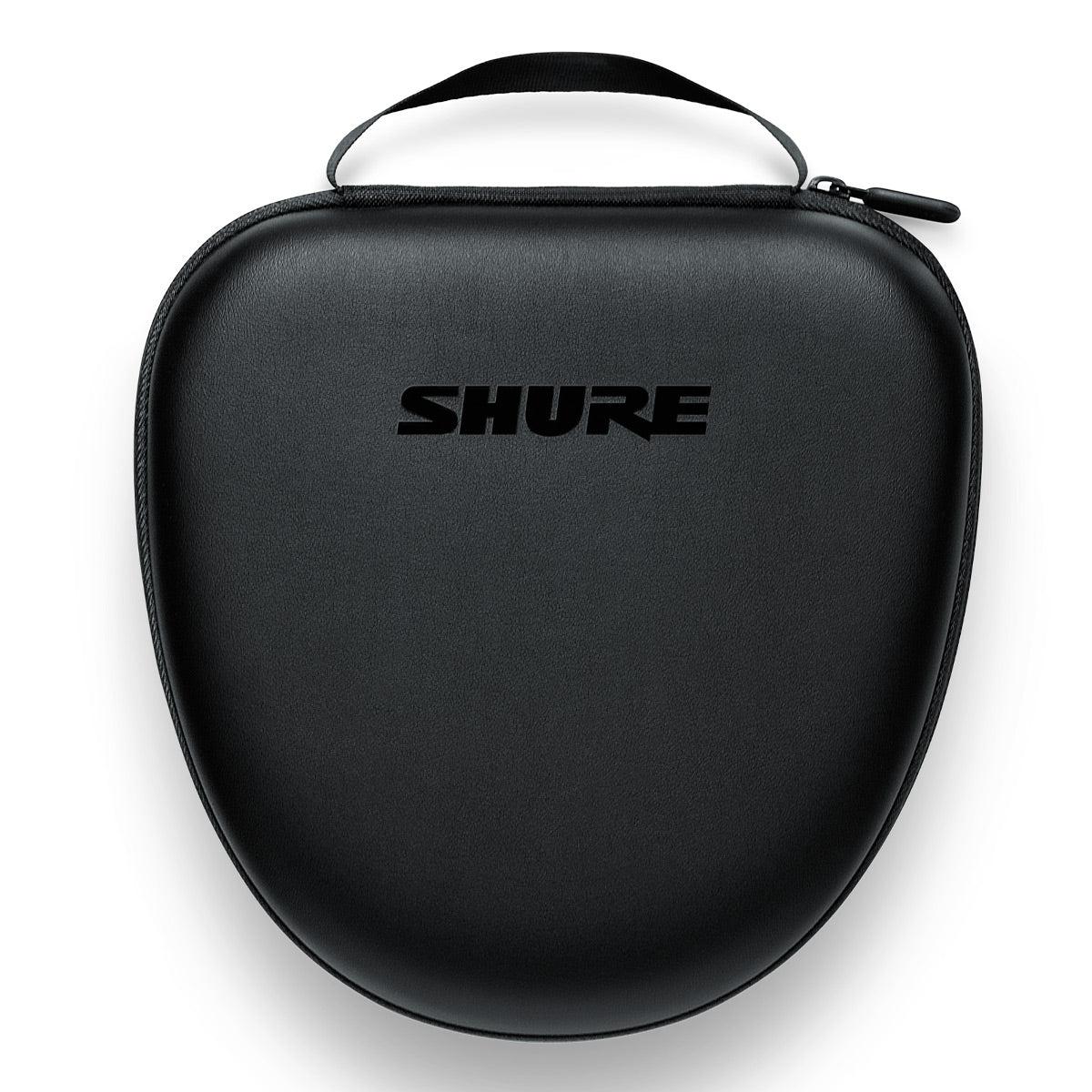
The Shure Aonic 50 Gen 2 feels robust and professional. The aluminum construction and firm, precise adjustment mechanisms inspire confidence that these headphones will last for years. The fold-flat design makes them relatively travel-friendly, and the included carrying case provides good protection. Weight distribution is excellent, making them comfortable for extended listening sessions.
The Focal Bathys takes a more luxurious approach, with premium materials like real leather and magnesium construction. The build quality feels exceptional, reflecting Focal's high-end heritage. However, comfort can be more subjective with the Bathys – some users find them perfectly comfortable, while others report that the clamping force or ear cup shape doesn't work as well for their particular head size and shape.
At the time of writing, the Focal Bathys costs roughly twice as much as the Shure Aonic 50 Gen 2. This price difference raises an important question: does doubling your budget double your performance?
The answer is nuanced. In terms of pure sound quality, the Focal offers a more refined, immediately engaging listening experience. The wider soundstage, more sophisticated driver technology, and premium tuning are audible improvements. However, these improvements are incremental rather than transformational.
The Shure Aonic 50 Gen 2 delivers perhaps 80% of the Focal's sound quality at half the price. For many listeners, especially those who appreciate the ability to customize sound through EQ and spatial processing, the Shure might actually be more satisfying. The superior battery life and comprehensive codec support add practical value that pure sound quality measurements can't capture.
If you're building a home theater system, the decision becomes even more complex. The Focal's USB-DAC mode and exceptional soundstage make it compelling for movie watching, but the Shure's Cinema mode and longer battery life offer their own advantages for extended viewing sessions.
Your choice between these headphones should align with your priorities and listening habits.
Choose the Shure Aonic 50 Gen 2 if you value versatility, customization, and practical features. These headphones excel when you want to fine-tune your listening experience, need exceptional battery life for travel, or appreciate having comprehensive connectivity options. They're also the smarter choice if you're building your first serious headphone setup and want to leave room in your budget for other components.
The Focal Bathys makes sense when sound quality is your primary concern and you're willing to pay significantly more for incremental but meaningful improvements. They're the choice for listeners who want the most refined wireless audio experience available and don't mind paying a premium for it.
For home theater use, both offer compelling but different strengths. The Shure's longer battery life and Cinema mode make it ideal for marathon viewing sessions, while the Focal's superior soundstage and USB-DAC capability provide a more premium experience for shorter, high-quality content.
Ultimately, both the Shure Aonic 50 Gen 2 and Focal Bathys represent excellent options in the premium wireless headphone market. Your choice comes down to whether you prioritize maximum value and versatility or are willing to invest in the finest sound quality and luxury materials available. Either way, you'll be getting headphones that can transform how you experience your favorite music and movies.
| Shure Aonic 50 Gen 2 | Focal Bathys |
|---|---|
| Driver Size & Technology - Larger drivers can move more air for better dynamics | |
| 50mm dynamic neodymium magnet drivers | 40mm aluminum-magnesium 'M'-shaped dome drivers |
| Sound Signature - Different tuning philosophies for different listener preferences | |
| Neutral, studio-accurate with customizable EQ | Neutral-warm, audiophile-tuned with natural musicality |
| Active Noise Cancellation - Critical for blocking distractions in noisy environments | |
| Adjustable hybrid ANC with 4 modes (adequate performance) | 8-microphone system with 3 modes (superior noise blocking) |
| Battery Life - Longer life means less charging hassle during travel | |
| 45 hours (industry-leading endurance) | 30-35 hours (excellent but standard for premium tier) |
| High-Resolution Wired Audio - Important for audiophiles with lossless music collections | |
| Up to 32-bit/384kHz via USB-C (exceptional capability) | Up to 24-bit/192kHz via USB-DAC mode (very good) |
| Bluetooth Codec Support - More codecs mean better compatibility with different devices | |
| Comprehensive: SBC, AAC, aptX, aptX HD, aptX Adaptive, LDAC | Limited: SBC, AAC, aptX, aptX Adaptive |
| Customization Features - More options let you tailor sound to your preferences | |
| Advanced app with 4-band parametric EQ, spatial audio modes | Basic app with standard EQ and hearing test integration |
| Build Materials - Premium materials affect durability and perceived value | |
| Aluminum construction with leatherette padding | Magnesium yokes, real leather headband, aluminum accents |
| Weight - Lighter headphones are more comfortable for extended wear | |
| 337g (well-balanced distribution) | 350g (slightly heavier but premium feel) |
| Unique Features - Standout capabilities that differentiate each model | |
| Spatialized Audio with Cinema/Music/Podcast modes, 11-stage transparency | USB-DAC mode bypasses device audio, backlit logo design |
The Focal Bathys delivers superior sound quality with more refined, audiophile-grade tuning and exceptional soundstage width. However, the Shure Aonic 50 Gen 2 offers excellent accuracy and extensive customization options through its advanced EQ system, making it highly versatile for different music genres and personal preferences.
The Focal Bathys provides significantly better active noise cancellation with its 8-microphone system and three dedicated modes (Silent, Soft, Transparency). The Shure Aonic 50 Gen 2 offers adequate ANC performance with four adjustable modes, but it's not as effective at blocking ambient noise, particularly in noisy environments like airplanes.
The Shure Aonic 50 Gen 2 clearly wins with an exceptional 45-hour battery life, making it ideal for extended travel without frequent charging. The Focal Bathys offers a respectable 30-35 hours of playback, which is still excellent but notably shorter than the Shure's industry-leading endurance.
Both headphones excel for home theater use but in different ways. The Shure Aonic 50 Gen 2 features dedicated Cinema mode in its Spatialized Audio system and exceptional battery life for binge-watching. The Focal Bathys offers superior soundstage and USB-DAC mode for high-resolution audio from streaming devices, creating a more immersive movie experience.
The Shure Aonic 50 Gen 2 provides exceptional value, delivering roughly 80% of premium performance at significantly lower cost. The Focal Bathys justifies its premium pricing with superior sound refinement and build quality, but represents a luxury purchase rather than a value-focused choice.
Both offer premium build quality with different approaches. The Shure Aonic 50 Gen 2 features robust aluminum construction with excellent weight distribution for long-term comfort. The Focal Bathys uses luxury materials like real leather and magnesium, but comfort can be more subjective due to varying head shapes and sizes.
The Shure Aonic 50 Gen 2 supports exceptional wired audio up to 32-bit/384kHz resolution via USB-C, surpassing most competitors. The Focal Bathys offers USB-DAC mode supporting 24-bit/192kHz, which is still excellent for high-resolution audio but lower than the Shure's capabilities.
The Shure Aonic 50 Gen 2 supports a comprehensive range of codecs including LDAC, aptX HD, and aptX Adaptive for superior wireless audio quality. The Focal Bathys supports fewer codecs but still includes essential ones like aptX and AAC. Both offer Bluetooth multipoint connectivity for seamless device switching.
The Shure Aonic 50 Gen 2 is better suited for professional use due to its neutral, accurate sound signature, extensive EQ customization, and superior wired audio capabilities. The Focal Bathys offers exceptional sound quality but is more tailored toward audiophile listening rather than professional monitoring applications.
The Shure Aonic 50 Gen 2 offers a significantly more advanced app experience with 4-band parametric EQ, spatial audio modes, and extensive customization controls. The Focal Bathys provides basic EQ functionality and hearing test integration through the Focal & Naim app, but with fewer customization options overall.
The Shure Aonic 50 Gen 2 features a fold-flat design that makes it more compact for travel, despite being slightly lighter. The Focal Bathys doesn't fold as compactly but includes a premium rigid carrying case. The Shure's exceptional battery life also makes it more practical for extended travel periods.
Choose the Shure Aonic 50 Gen 2 for exceptional value, longer battery life, extensive customization options, and superior wired audio capabilities. Choose the Focal Bathys for the best possible wireless sound quality, premium build materials, superior noise cancellation, and when budget is less of a concern than achieving audiophile-grade performance.
We've done our best to create useful and informative comparisons to help you decide what product to buy. Our research uses advanced automated methods to create this comparison and perfection is not possible - please contact us for corrections or questions. These are the sites we've researched in the creation of this article: tomsguide.com - headphonecheck.com - whathifi.com - majorhifi.com - rtings.com - versus.com - majorhifi.com - versus.com - audio46.com - youtube.com - bhphotovideo.com - techradar.com - soundpro.com - shure.com - americanmusical.com - pubs.shure.com - blog.zzounds.com - service.shure.com - fullcompass.com - rtings.com - majorhifi.com - stevehuffphoto.com - audio46.com - moon-audio.com - majorhifi.com - head-fi.org - recordingnow.com - headphones.com - moon-audio.com - focal.com - media.focal-naim.com - moon-audio.com - headphones.com - focal.com - audioadvice.com - audioadvisor.com - upscaleaudio.com - thegreatestsong.com - avluxurygroup.com

Privacy Policy
Terms and Conditions - Affiliate Policy
Home Security
© Copyright 2008-2026.
11816 Inwood Rd #1211, Dallas, TX 75244