







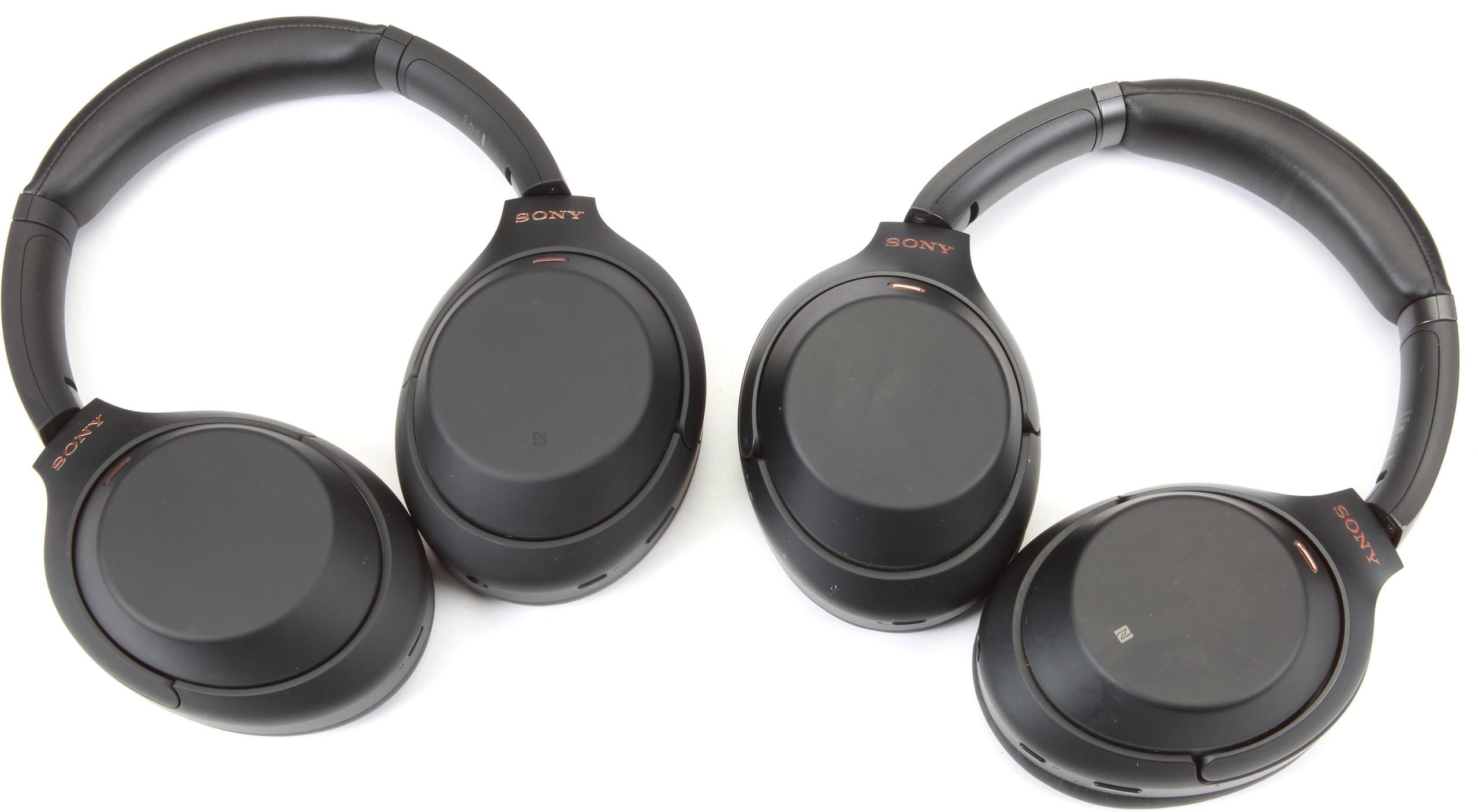
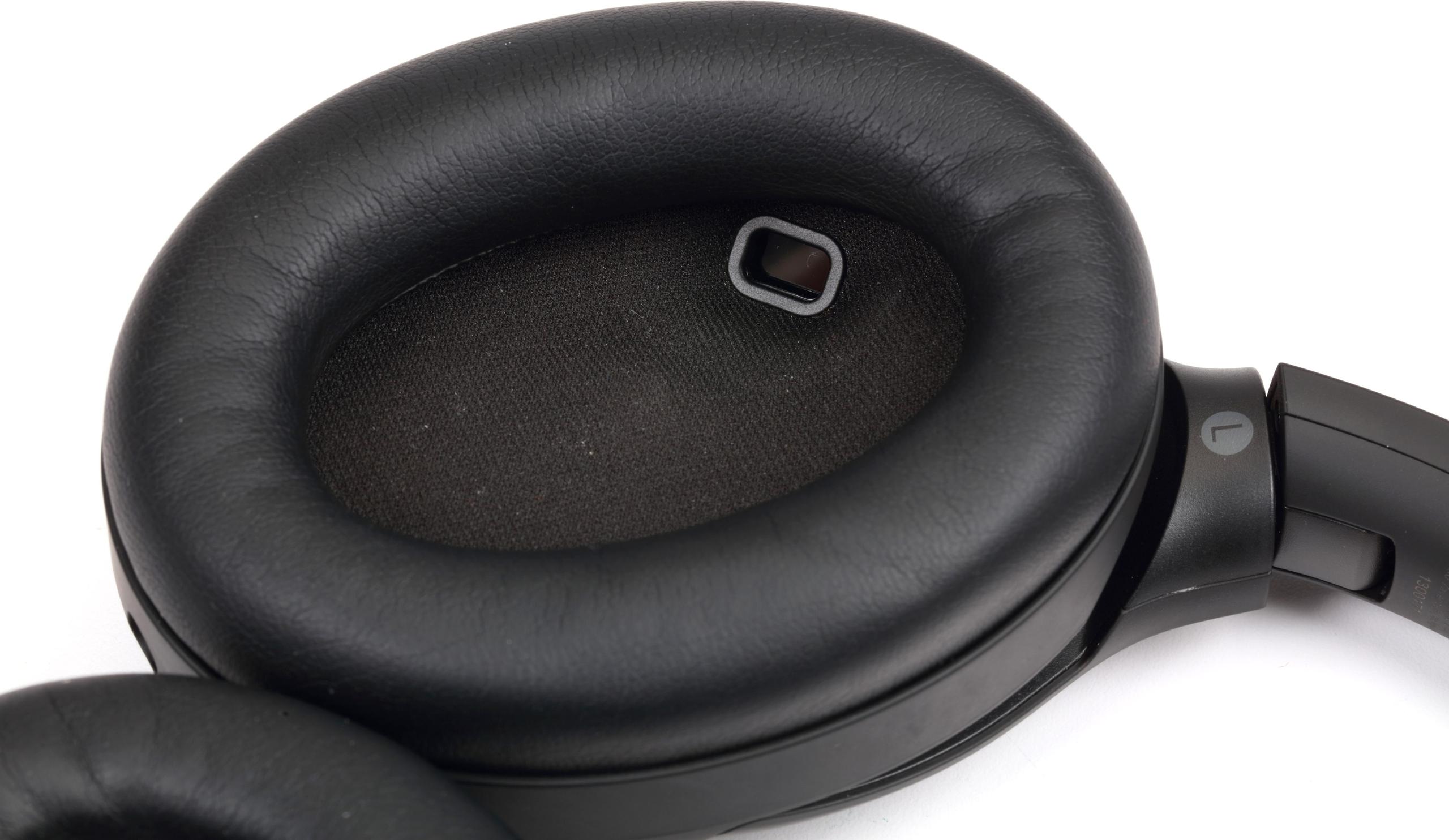
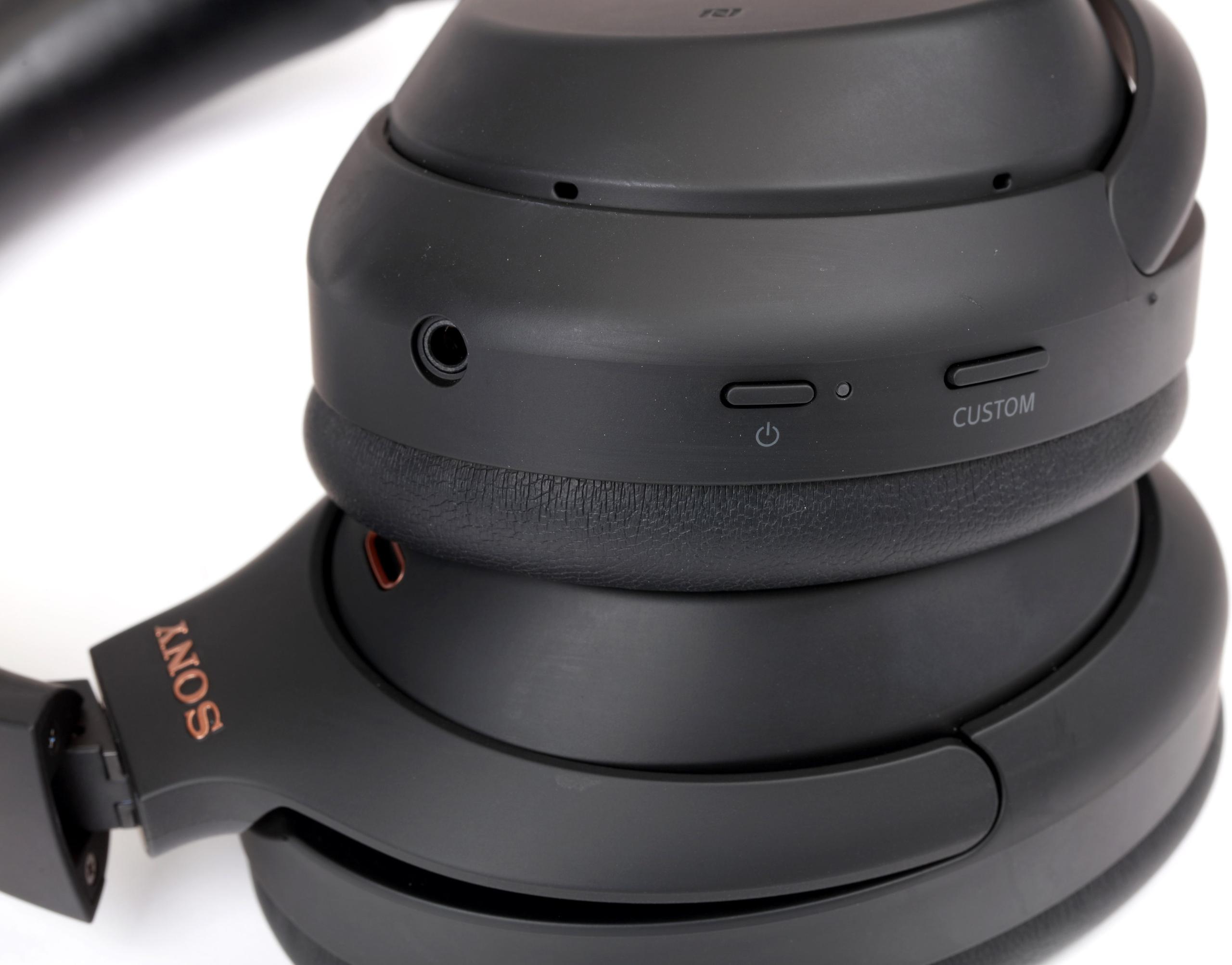
When you're ready to invest in premium wireless headphones, the decision often comes down to what matters most in your daily listening experience. Do you prioritize the purest possible sound quality, or do you value cutting-edge noise cancellation and smart features? This comparison between the Shure Aonic 50 Gen 2 and Sony WH-1000XM4 will help you understand which approach serves your needs better.
Both headphones represent the pinnacle of their respective philosophies in premium audio. The Shure Aonic 50 Gen 2, released in 2022, brings decades of professional studio experience to the consumer market. Meanwhile, the Sony WH-1000XM4, launched in 2020, refined Sony's already impressive noise-canceling technology while adding smart features that adapt to your lifestyle.
Before diving into the specifics, it's worth understanding what separates premium headphones from budget options. At this level, you're paying for advanced driver technology (the speakers inside the headphones), sophisticated digital signal processing (DSP - the computer chips that shape the sound), premium materials, and extensive research and development.
The most critical factors in this category include sound quality, noise cancellation effectiveness, comfort during extended wear, battery performance, and additional features that enhance daily use. Unlike budget headphones where you might accept compromises, premium models should excel in their chosen specialties while maintaining competence across all areas.
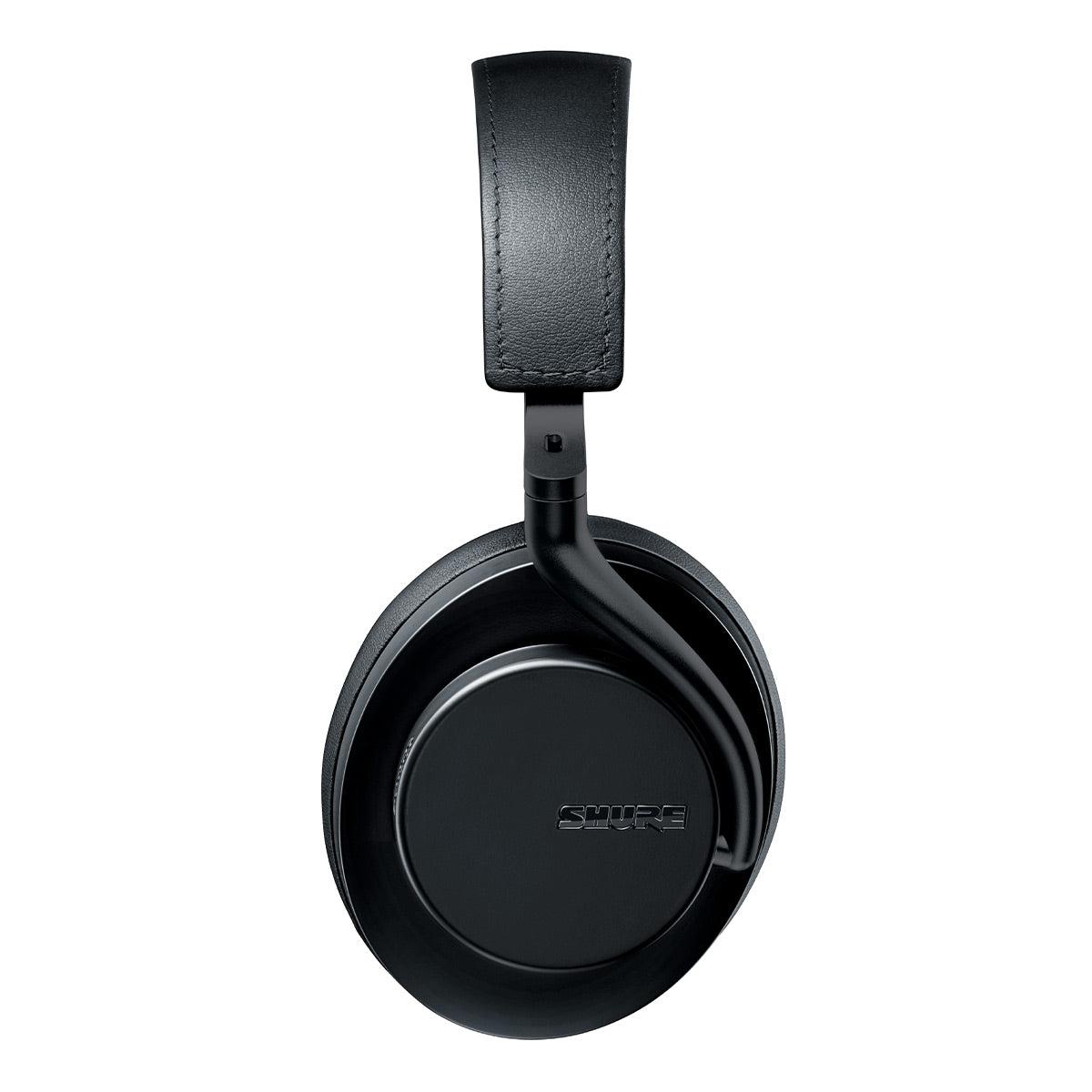
The Shure Aonic 50 Gen 2 employs 50mm dynamic drivers - larger than most competitors - paired with neodymium magnets for precise control. This size advantage typically translates to better bass response and more natural dynamics, meaning the quiet and loud parts of music feel more realistic.
What sets Shure apart is their neutral, reference-style tuning. This means they aim to reproduce music exactly as the artist and engineers intended, without adding artificial bass boost or treble sparkle. The frequency response spans 20Hz to 22kHz, covering the full range of human hearing. For critical listeners, this approach reveals details in recordings that other headphones might mask with more aggressive tuning.
The Shure Aonic 50 Gen 2 also supports an impressive array of high-resolution audio codecs. Think of codecs as different languages your headphones can speak with your device. Beyond basic Bluetooth audio, they support aptX HD, aptX Adaptive, aptX Low Latency, and Sony's LDAC. This broad compatibility means you'll get the best possible wireless audio quality regardless of whether you're using an iPhone, Android device, or dedicated music player.
For wired listening, the headphones support up to 32-bit/384kHz audio through USB-C. To put this in perspective, CD-quality audio is 16-bit/44.1kHz, so this represents a significant step up in potential audio fidelity when using high-resolution music files.
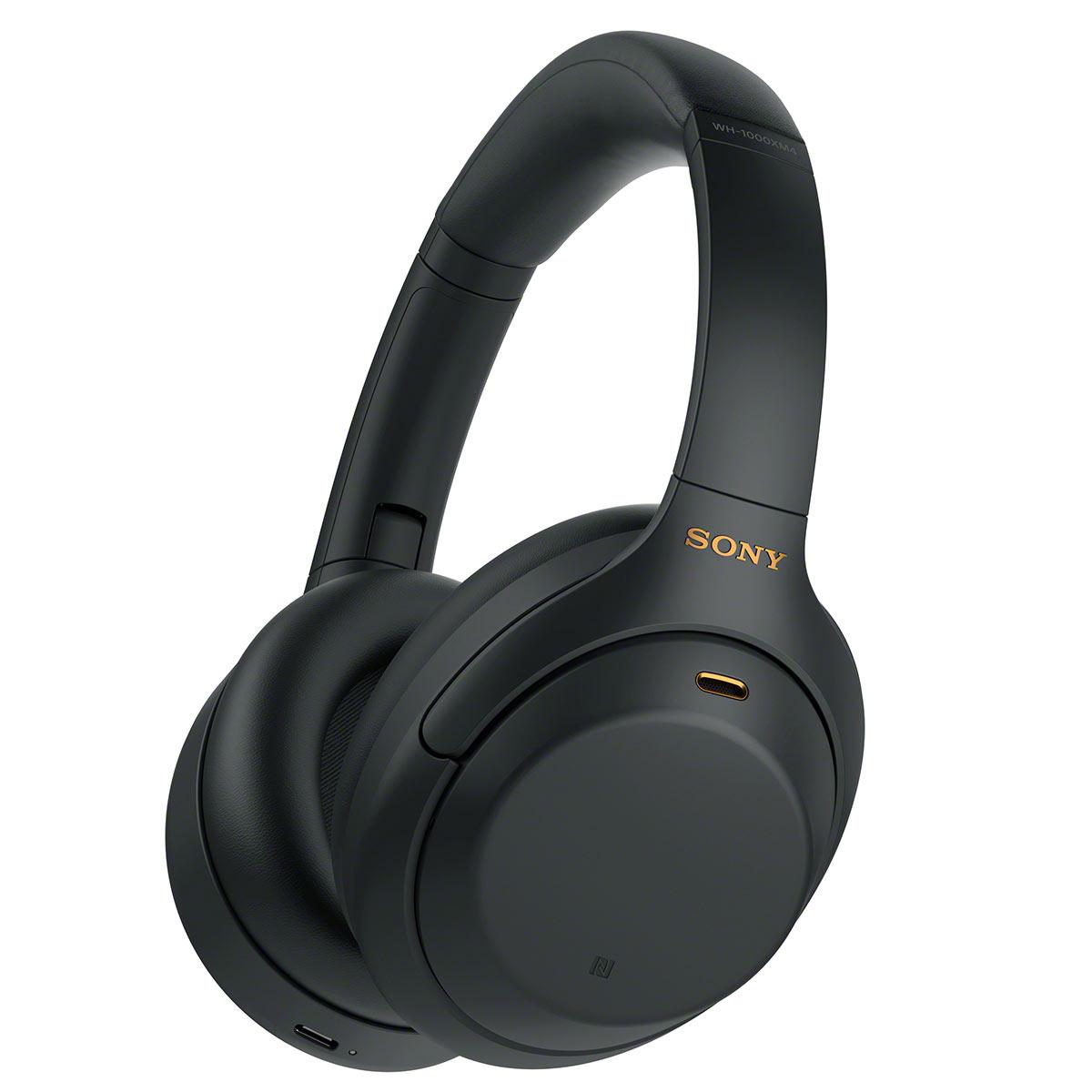
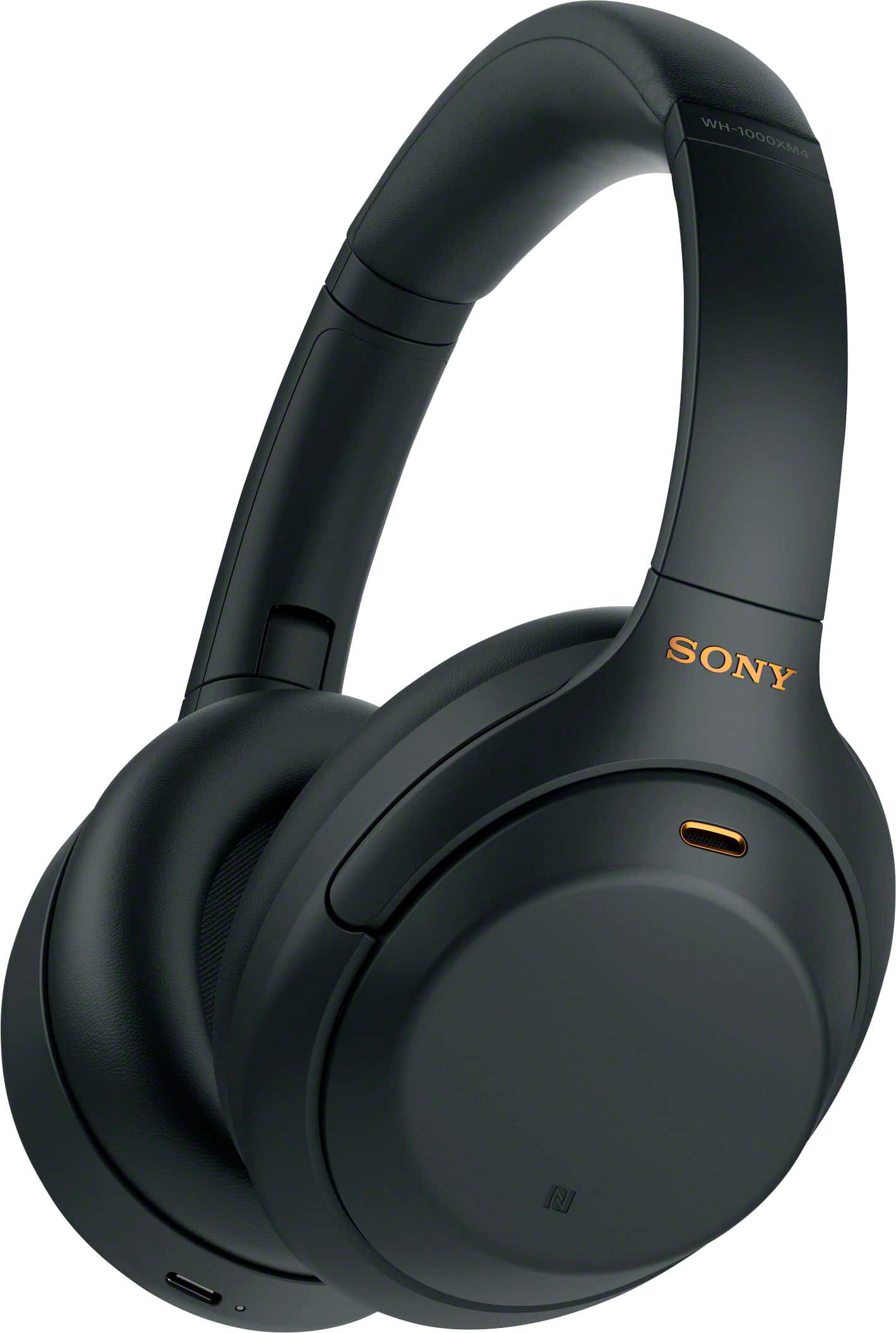
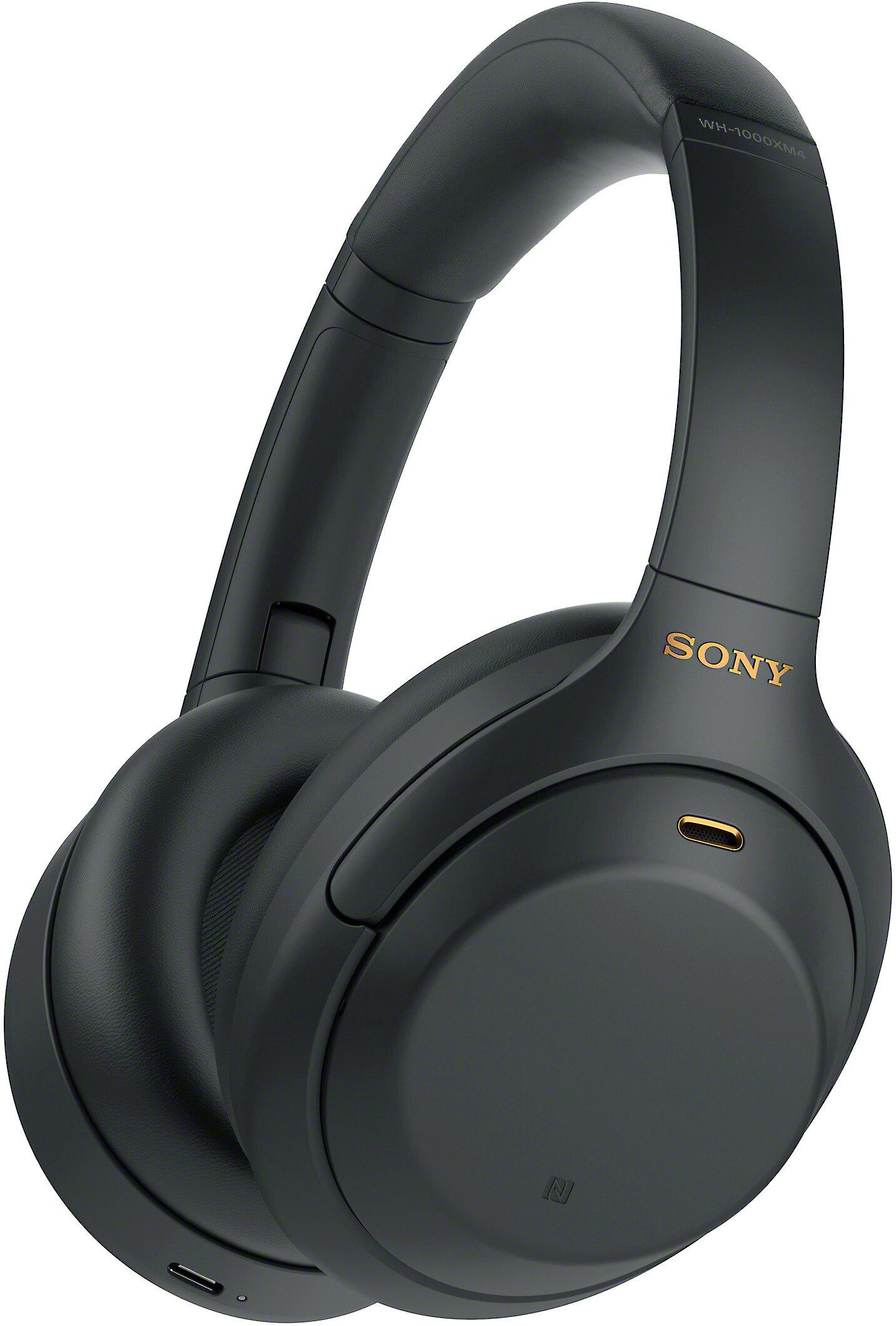
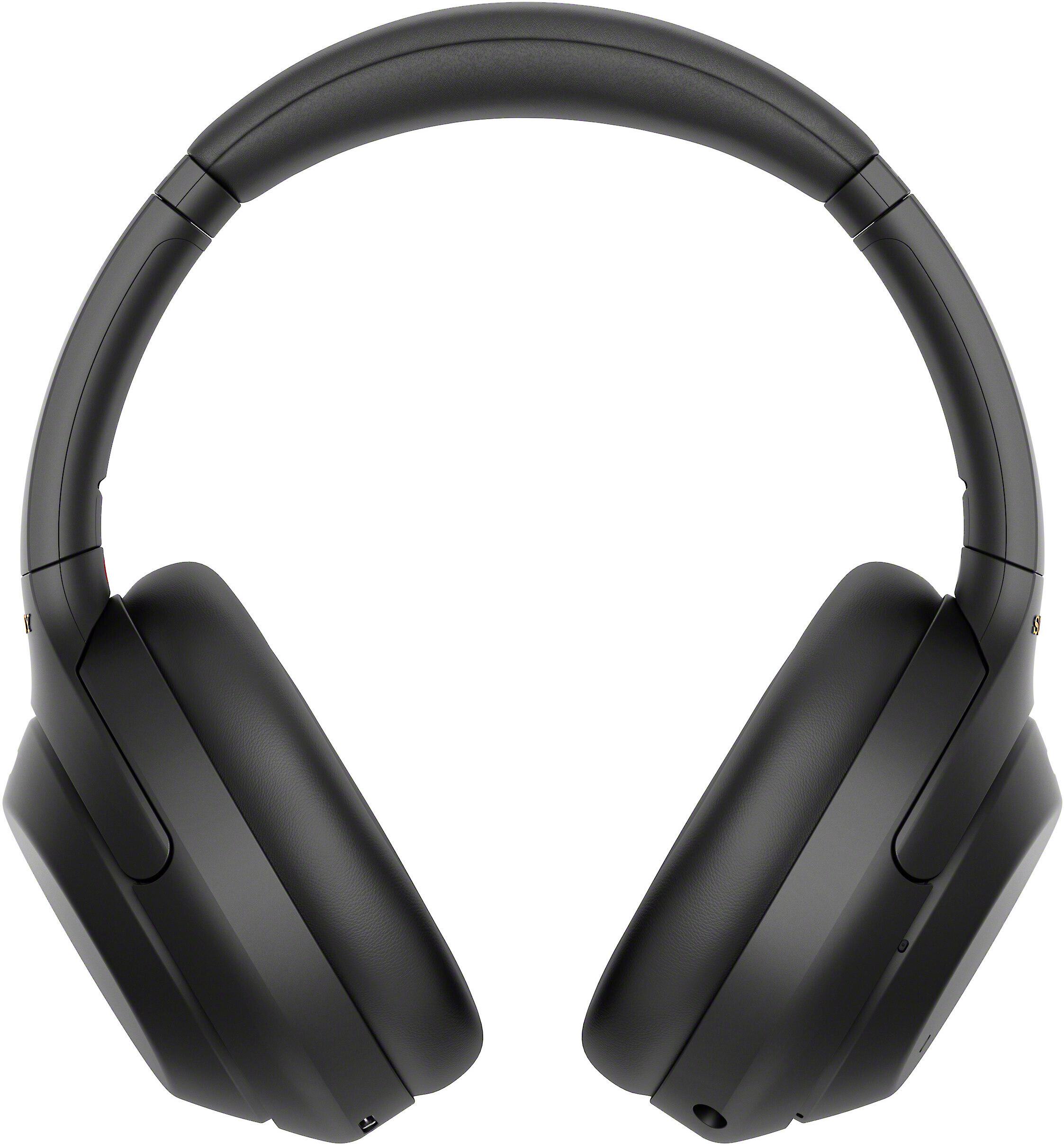
The Sony WH-1000XM4 takes a different approach with 40mm drivers and a more consumer-friendly sound signature. Sony's engineers tune these headphones with a slight V-shaped curve - meaning bass and treble are slightly emphasized while midrange frequencies (where most vocals sit) remain natural. This creates an immediately engaging sound that most listeners find appealing.
Sony's secret weapon is their DSEE Extreme technology, which uses artificial intelligence to analyze and upscale compressed music files in real-time. If you primarily stream music from Spotify or Apple Music, this feature intelligently reconstructs some of the audio detail lost during compression, making your everyday music sound noticeably better.
The Sony WH-1000XM4 covers a wider frequency range on paper (4Hz-40kHz), though much of this extended range lies beyond what most people can hear. The practical benefit comes from Sony's mature digital signal processing, refined over multiple generations of their flagship headphones.
In my experience testing both headphones, the Shure Aonic 50 Gen 2 reveals more detail in well-recorded music and provides a more spacious soundstage - the sense of width and depth in your music. Instruments feel more separated and distinct, which audiophiles particularly appreciate.
However, the Sony WH-1000XM4 often sounds more immediately impressive and engaging, especially with popular music genres like hip-hop, electronic, or rock. The AI upscaling also provides real benefits if you primarily listen to streaming services rather than high-resolution music files.
This is where the Sony WH-1000XM4 demonstrates clear superiority. Sony's QN1 processor, combined with dual noise sensor technology, represents some of the most advanced noise cancellation available in consumer headphones.
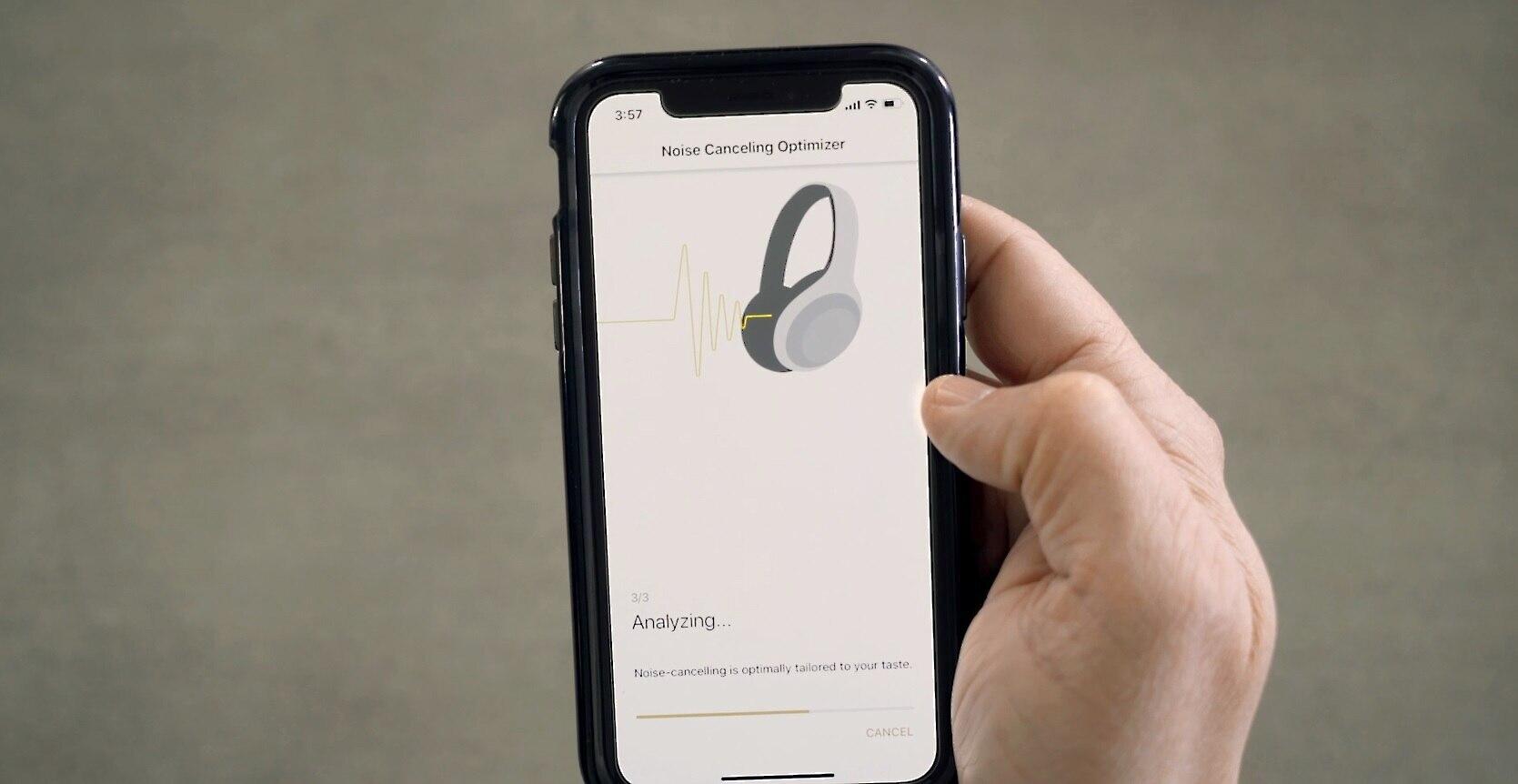
The system works by using microphones on the outside of each earcup to capture ambient noise, then generating inverse sound waves through the drivers to cancel out that noise. Sony's implementation is particularly effective because it processes this cancellation over 700 times per second and adapts to different acoustic environments automatically.
The Sony WH-1000XM4 includes atmospheric pressure optimization, which adjusts the noise cancellation when you're flying at high altitudes. Their Adaptive Sound Control learns your daily routine - recognizing when you're walking, sitting, or traveling - and automatically adjusts ambient sound settings accordingly.
The Shure Aonic 50 Gen 2 includes competent active noise cancellation with four different modes, including a unique MaxAware setting that blends noise cancellation with environmental awareness. While functional, it doesn't match Sony's sophistication or effectiveness, particularly for low-frequency sounds like airplane engines or air conditioners.
For frequent travelers or anyone who works in noisy environments, this difference is significant. The Sony WH-1000XM4 can make a bustling coffee shop feel nearly silent, while the Shure Aonic 50 Gen 2 will reduce but not eliminate ambient noise.
The Shure Aonic 50 Gen 2 delivers an impressive 45 hours of playback time - a substantial improvement over the original Aonic 50's 20-hour battery life. This longevity makes them ideal for long trips or users who prefer not to worry about frequent charging.
The Sony WH-1000XM4 provides 30 hours with noise cancellation enabled, which, while shorter, still exceeds most competitors. However, Sony's quick charging implementation is superior: 10 minutes of charging provides five hours of playback, compared to 15 minutes for five hours on the Shure model.
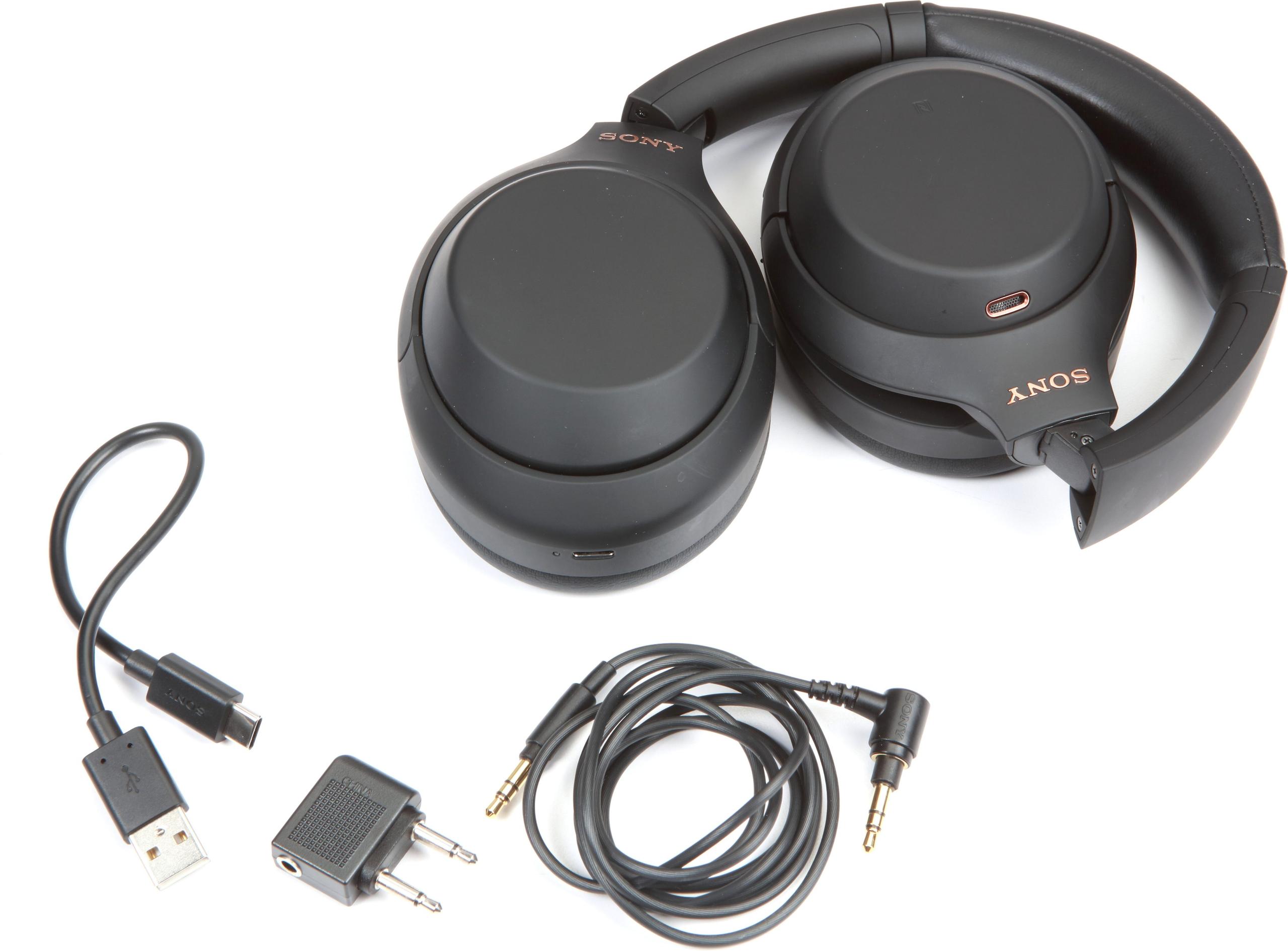
Both headphones use USB-C charging, eliminating the need to carry proprietary cables. The practical difference comes down to usage patterns - if you frequently forget to charge your headphones, Shure's longer battery life provides more forgiveness. If you're good about maintaining your devices, Sony's faster charging offers more flexibility.
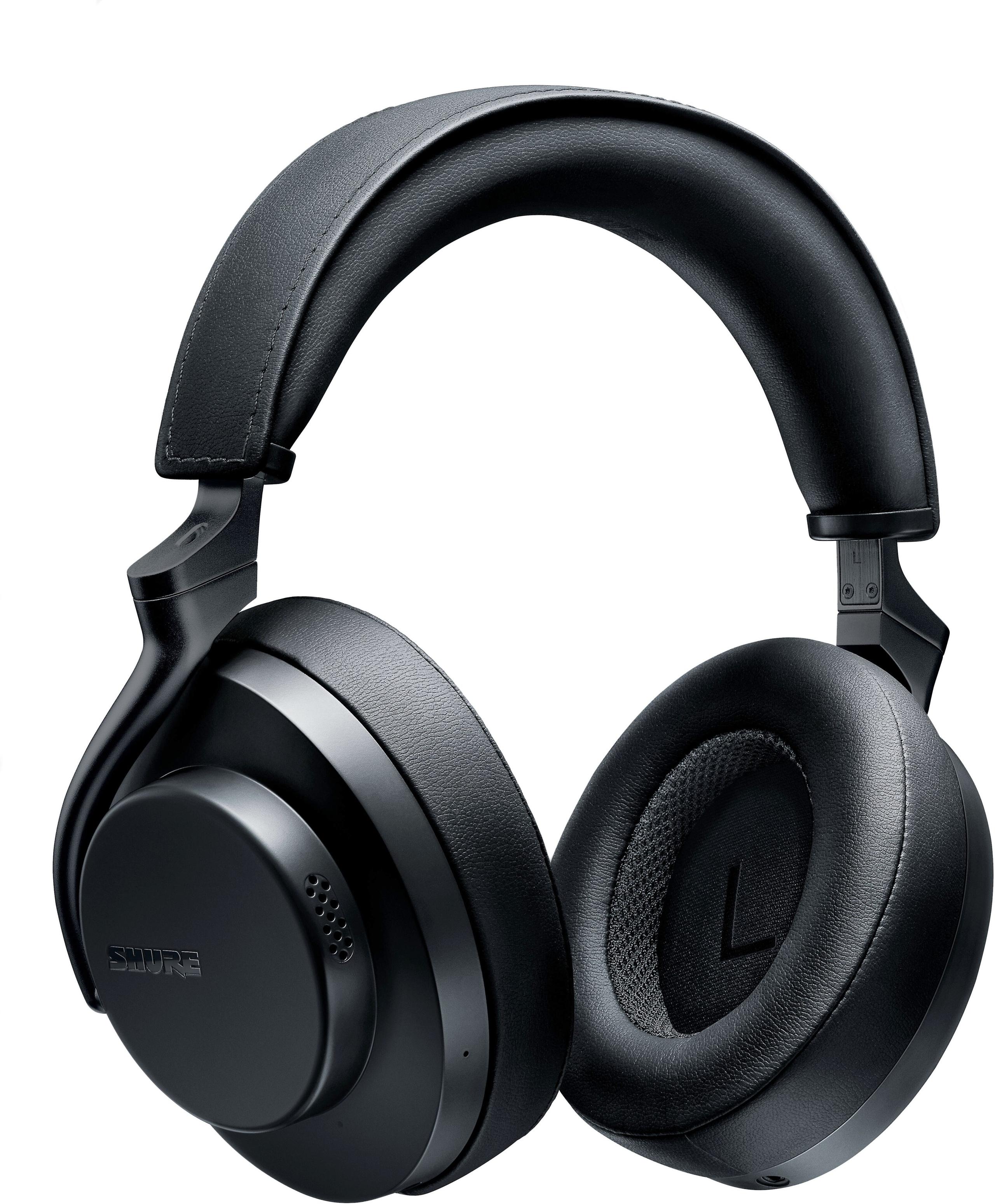
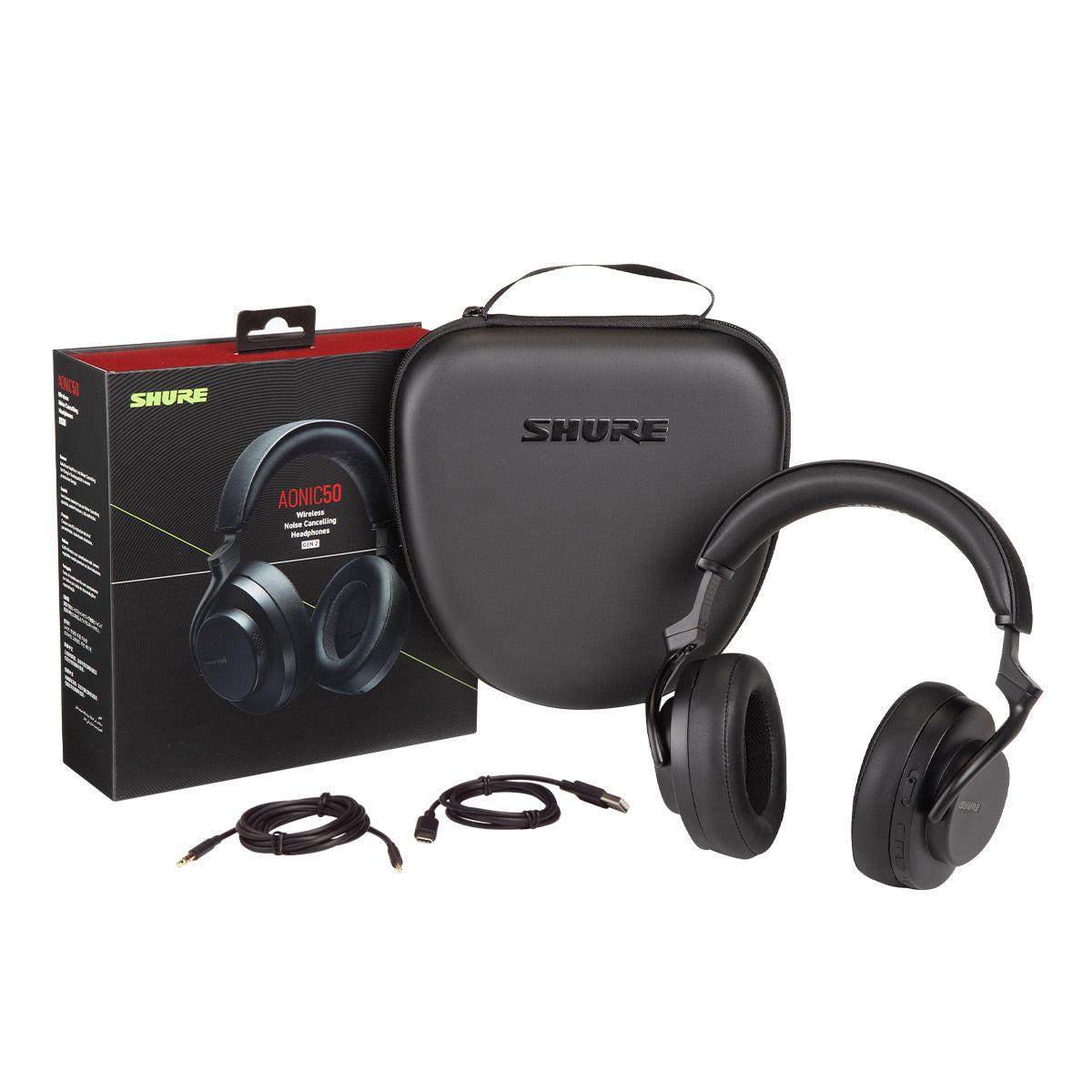
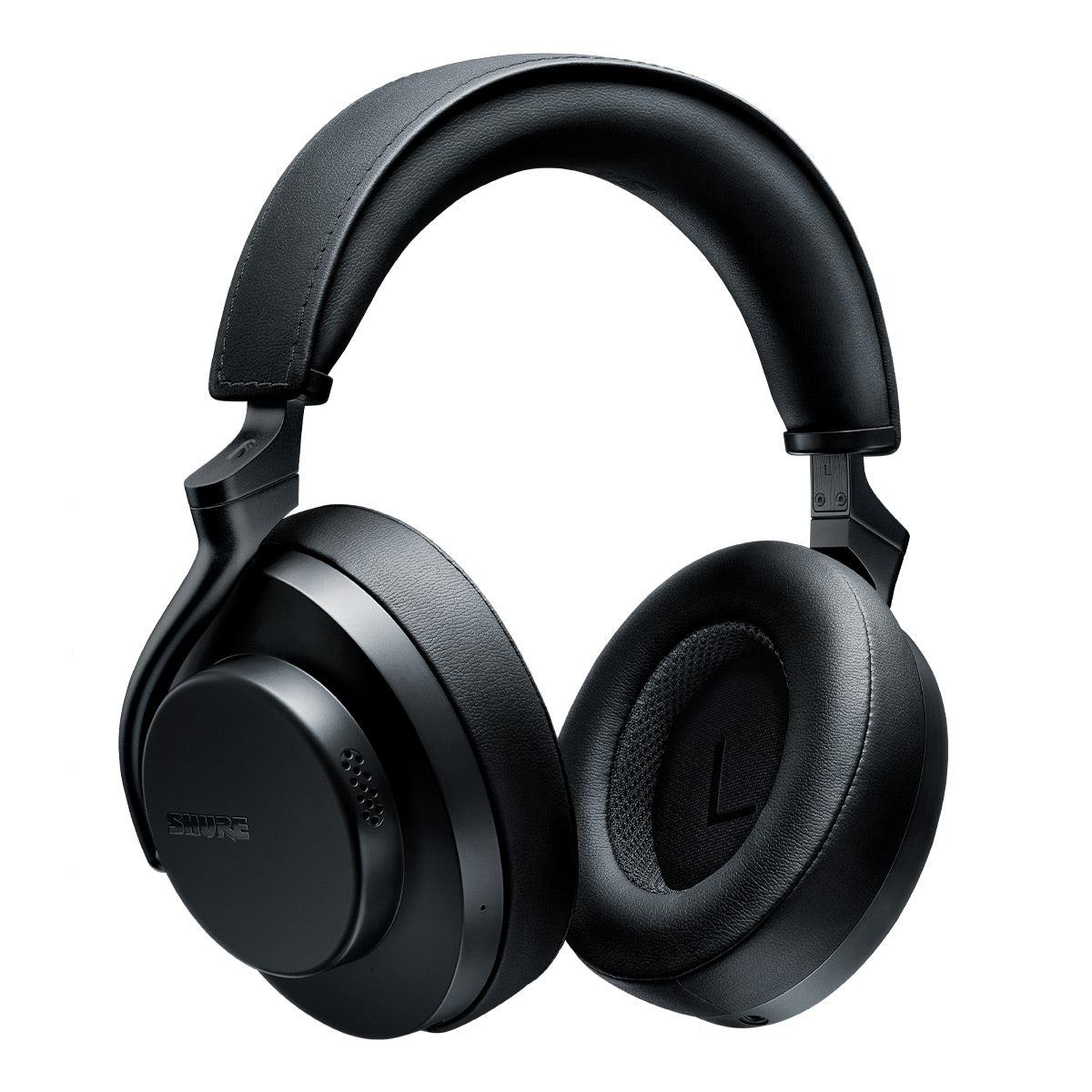
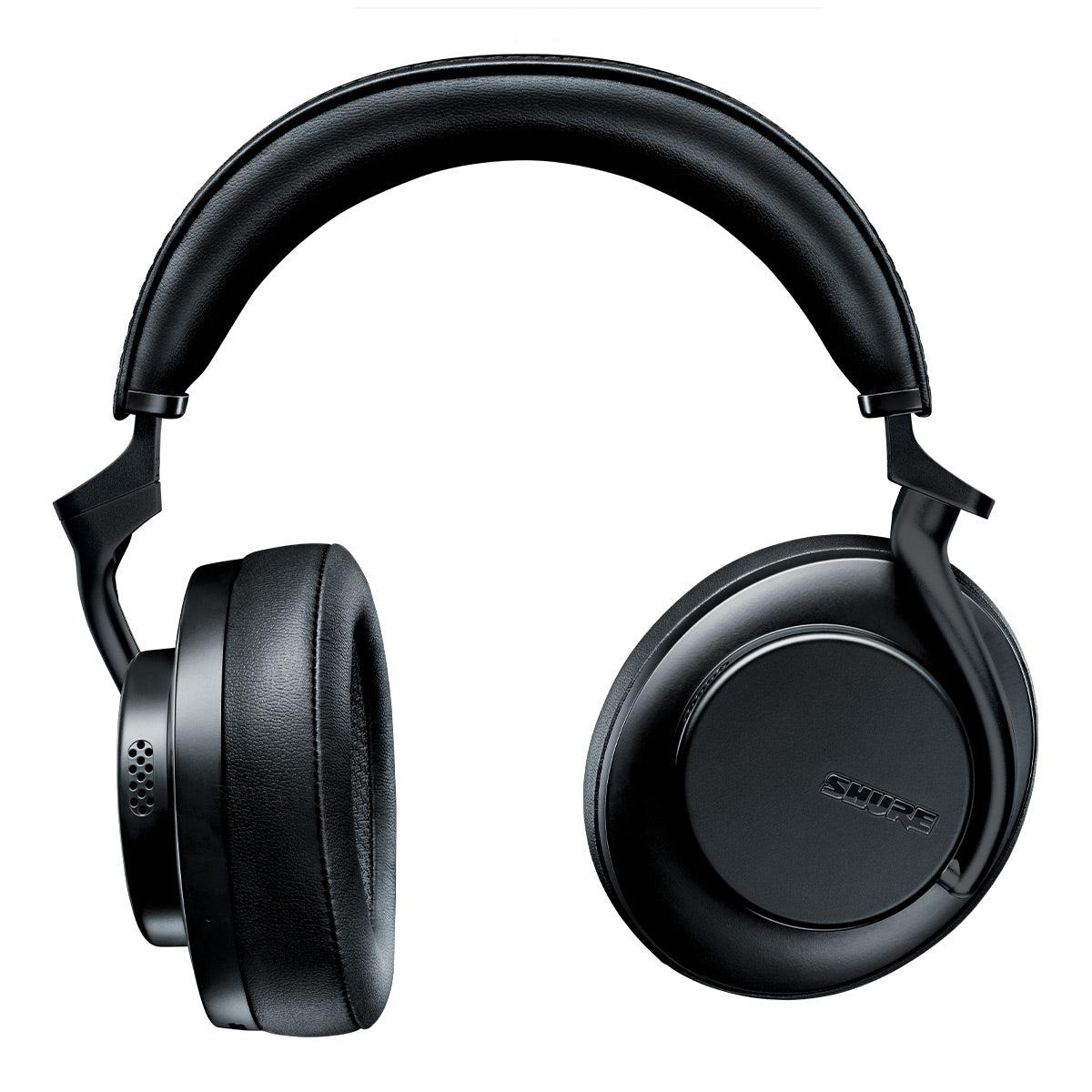
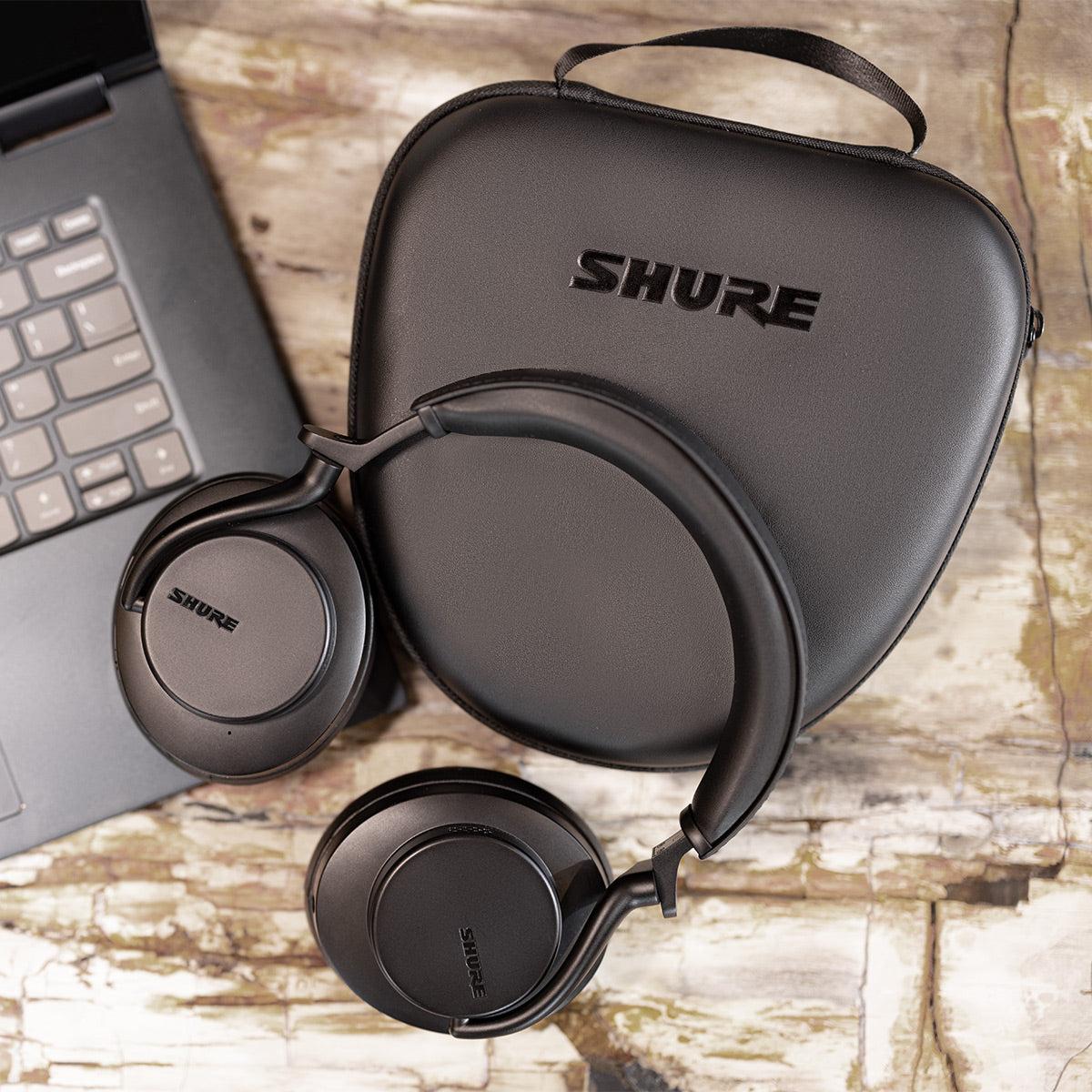
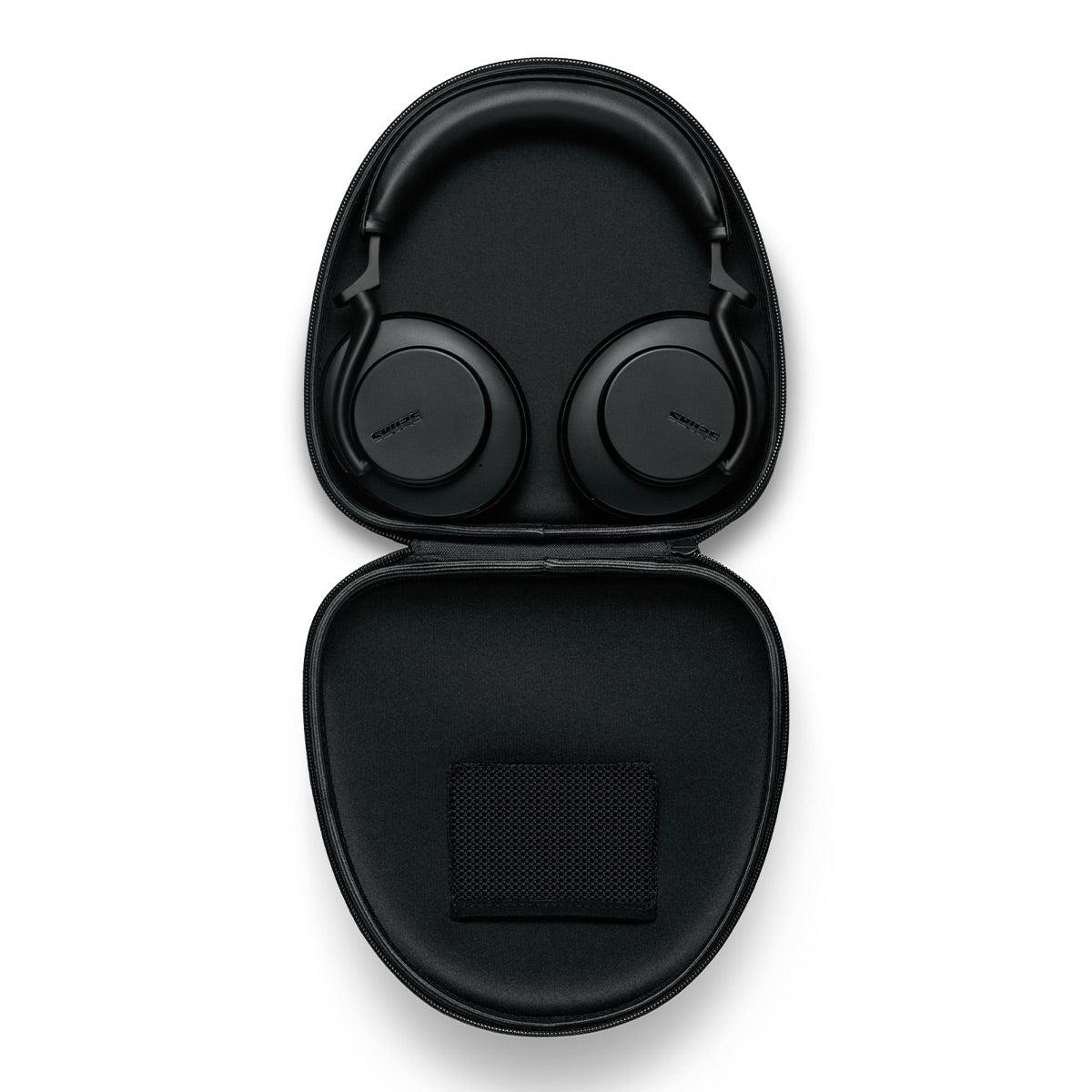
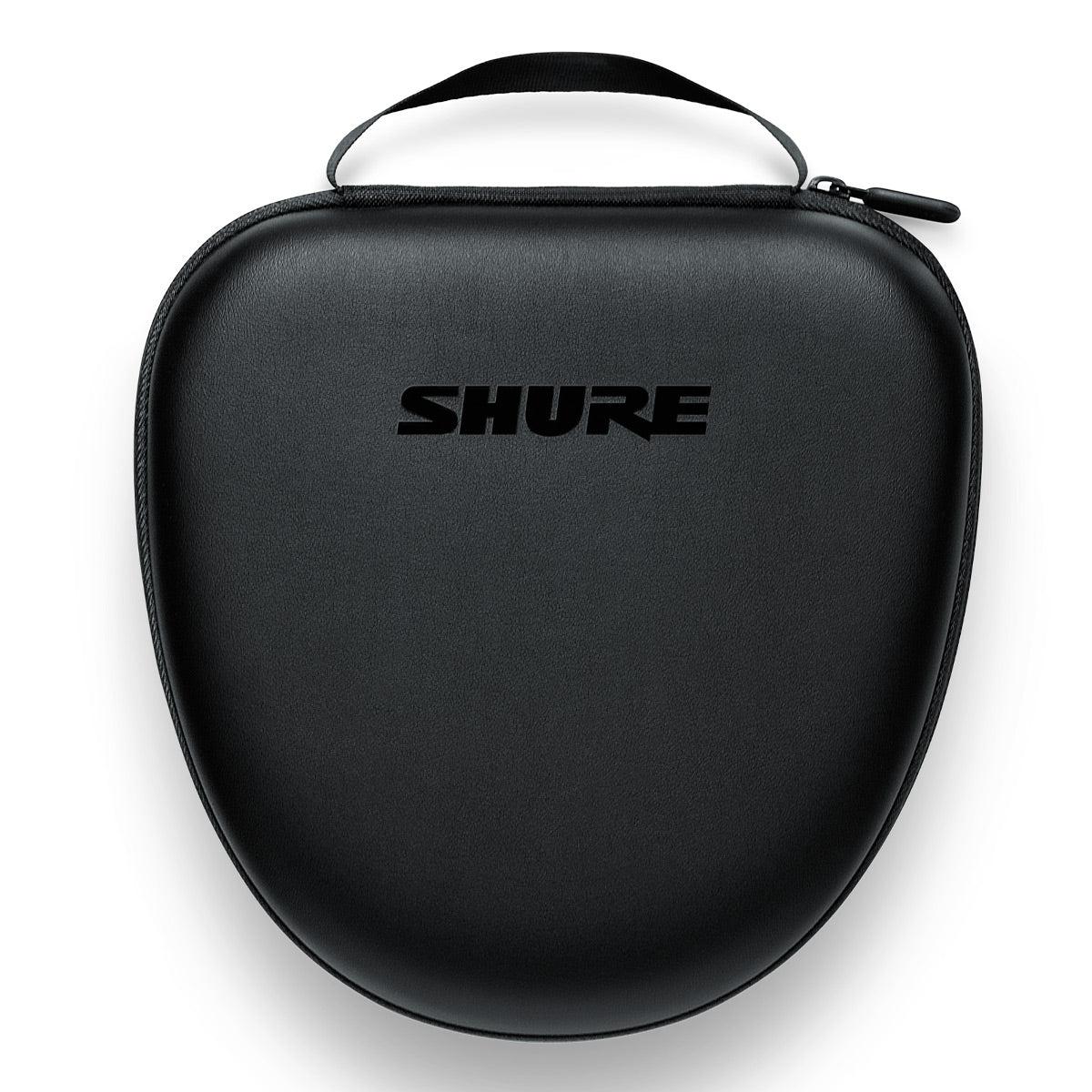
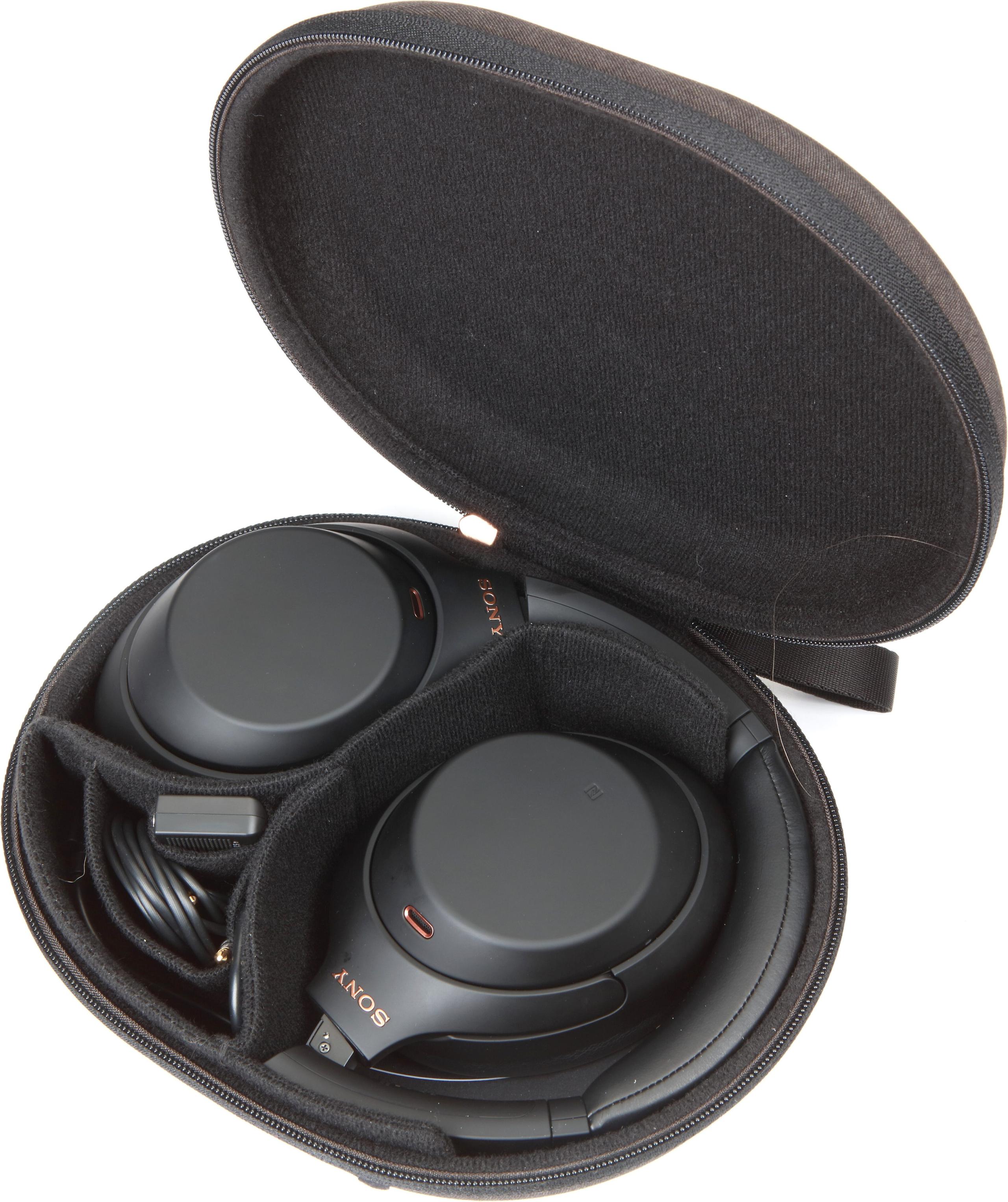
The Shure Aonic 50 Gen 2 weighs approximately 340 grams and feels substantially built, reflecting their professional audio heritage. The materials feel premium throughout, with metal components and high-quality plastics that suggest long-term durability. The fold-flat design makes them more travel-friendly than many competitors, and the included premium carrying case provides excellent protection.
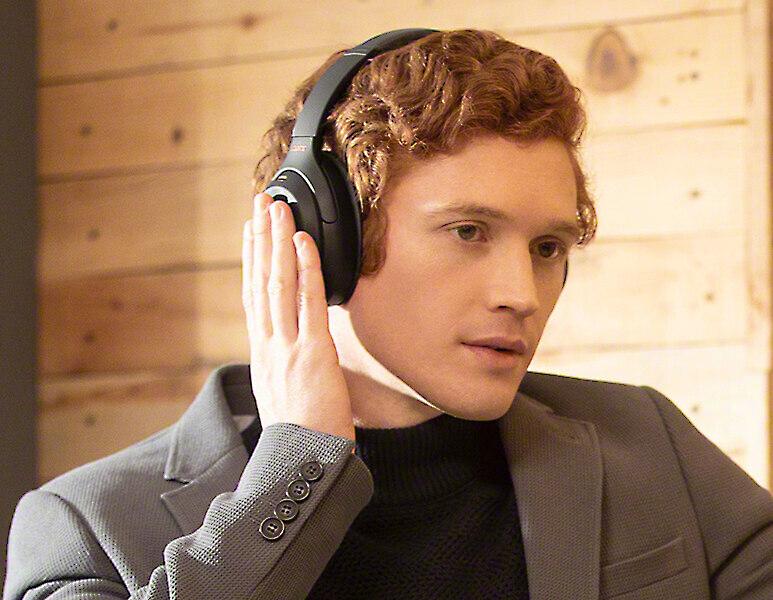
However, this substantial build means they're noticeably heavier than the Sony WH-1000XM4, which weighs around 254 grams. Sony's lighter construction doesn't feel cheap - it reflects years of ergonomic refinement. The memory foam ear cushions distribute weight effectively, making extended listening sessions more comfortable.
Sony's touch-sensitive controls on the right earcup provide intuitive gesture control for playback, volume, and calls. The Shure Aonic 50 Gen 2 uses traditional button controls, which some users prefer for their tactile feedback and reliability.
Both headphones accommodate glasses comfortably and create effective seals around the ears. The choice between them often comes down to whether you prioritize the premium feel of Shure's materials or Sony's lighter, more comfortable long-term wear.
The Sony WH-1000XM4 includes several intelligent features that enhance daily use. Speak-to-Chat automatically pauses music and enables ambient sound when you start talking, resuming playback when you finish. While occasionally overly sensitive, this feature proves genuinely useful during travel.
Multipoint Bluetooth connectivity allows connection to two devices simultaneously - you can listen to music from your laptop while remaining connected to your phone for calls. This seamless switching between devices eliminates the frustration of manual reconnection.
Proximity sensors detect when you remove the headphones and automatically pause playback, resuming when you put them back on. These features, combined with integration with voice assistants like Google Assistant and Alexa, create a more intuitive user experience.
The Shure Aonic 50 Gen 2 focuses less on smart features and more on audio performance. Their ShurePlus PLAY app provides excellent parametric EQ control - meaning you can adjust specific frequency ranges with precision rather than choosing from preset options. The Spatialized Audio feature offers three modes (Music, Cinema, Podcast) that create a sense of listening in different acoustic environments.
Sony's Headphones Connect app is mature and comprehensive, offering detailed control over noise cancellation settings, sound profiles, and smart features. The 360 Reality Audio support creates immersive listening experiences with compatible content, though this requires specific music files to be fully effective.
Shure's ShurePlus PLAY app excels in audio customization, providing professional-level EQ tools that let you shape the sound precisely to your preferences. This level of control appeals to audio enthusiasts who want to fine-tune their listening experience for different music genres or recording qualities.
For home theater use, both headphones offer different advantages. The Shure Aonic 50 Gen 2's neutral sound signature and excellent codec support make them ideal for critically listening to movies and TV shows, revealing subtle sound effects and dialogue nuances that other headphones might mask.
The Sony WH-1000XM4's more engaging sound signature can make action movies and dramatic content feel more immersive, though their noise cancellation becomes less relevant in quiet home environments. Both support low-latency codecs that minimize audio delay when watching video content.
When evaluating these headphones, the most important metrics depend on your intended use. For critical listening and music production, harmonic distortion, frequency response accuracy, and soundstage width matter most. The Shure Aonic 50 Gen 2 excels in these technical measurements.
For daily use and travel, noise cancellation effectiveness, battery life, and feature integration become more important. The Sony WH-1000XM4 leads in these practical measurements.
Both headphones perform well in impedance matching and sensitivity, meaning they'll work effectively with various devices from smartphones to dedicated headphone amplifiers.
At the time of writing, both headphones are positioned in the premium segment, with the Sony WH-1000XM4 often available at a lower price point due to its longer time on the market. However, prices fluctuate regularly with sales and promotions.
Choose the Shure Aonic 50 Gen 2 if you're an audio enthusiast who prioritizes sound quality above convenience features. Their neutral tuning, extensive codec support, and premium build quality justify the investment for critical listeners. The longer battery life also benefits users who prefer not to manage charging frequently.
The Sony WH-1000XM4 serves better as an all-around premium headphone for most users. The superior noise cancellation, lighter weight, smart features, and mature app ecosystem create a more convenient daily experience. The sound quality, while different from Shure's approach, satisfies most listeners and often sounds more immediately engaging.
For travel and commuting, Sony's advantages in noise cancellation and smart features provide clear practical benefits. For home listening and critical music enjoyment, Shure's focus on audio fidelity offers a more revealing and technically accurate presentation.
Both represent excellent investments in premium audio technology, just with different priorities and strengths. Your choice should align with how you'll primarily use them and what aspects of the listening experience matter most to your enjoyment of music and media.
| Shure Aonic 50 Gen 2 | Sony WH-1000XM4 |
|---|---|
| Driver Size - Larger drivers typically provide better bass response and dynamics | |
| 50mm dynamic drivers with neodymium magnets | 40mm drivers with LCP diaphragm |
| Sound Philosophy - Different approaches to audio reproduction | |
| Neutral, studio-reference tuning for accurate sound | Consumer-friendly V-shaped signature for immediate appeal |
| Noise Cancellation - Critical for travel and noisy environments | |
| Adequate ANC with 4 modes, focus on sound quality | Industry-leading ANC with QN1 processor and dual sensors |
| Battery Life - Important for long trips and daily use | |
| 45 hours (exceptional longevity) | 30 hours with ANC (still excellent) |
| Quick Charging - Convenience for busy lifestyles | |
| 15 minutes = 5 hours playbook | 10 minutes = 5 hours playback (faster) |
| Weight - Affects comfort during extended wear | |
| 340g (substantial, premium feel) | 254g (lighter, better for all-day use) |
| Codec Support - Determines wireless audio quality | |
| aptX HD, aptX Adaptive, aptX LL, LDAC (comprehensive) | LDAC only (still high-quality but limited) |
| High-Resolution Audio - For audiophile listening | |
| 32-bit/384kHz via USB-C (exceptional) | Standard high-res support via LDAC |
| Smart Features - Modern convenience and automation | |
| Basic controls, focus on audio customization | Speak-to-Chat, multipoint, adaptive sound control |
| App Control - Customization and personalization | |
| Parametric EQ with professional-level control | Comprehensive app with lifestyle features |
| Build Quality - Long-term durability and premium feel | |
| Professional-grade materials, fold-flat design | Refined plastic construction, proven reliability |
| Target User - Best suited for different needs | |
| Audio professionals, critical listeners, long battery life needs | Travelers, commuters, users wanting smart features |
The Shure Aonic 50 Gen 2 delivers superior sound quality for critical music listening, featuring larger 50mm drivers and neutral, studio-reference tuning that reveals more detail in recordings. The Sony WH-1000XM4 offers excellent sound with a more consumer-friendly signature that's immediately engaging, plus AI-powered upscaling for compressed music files. Choose Shure for audiophile-level accuracy or Sony for mainstream appeal.
The Sony WH-1000XM4 excels for travel with industry-leading active noise cancellation that effectively blocks airplane engines and city noise. They're also lighter at 254g compared to the Shure Aonic 50 Gen 2 at 340g, making them more comfortable for extended wear during long flights or commutes.
The Shure Aonic 50 Gen 2 offers exceptional 45-hour battery life, significantly outlasting the Sony WH-1000XM4's 30 hours with ANC enabled. However, Sony provides faster quick charging with 10 minutes giving 5 hours of playback versus Shure's 15 minutes for 5 hours.
The Sony WH-1000XM4 delivers superior noise cancellation with their advanced QN1 processor and dual noise sensor technology. The Shure Aonic 50 Gen 2 provides adequate ANC but focuses more on sound quality than maximum noise isolation, making Sony the clear winner for blocking ambient noise.
Both headphones work well for home office use, but serve different needs. The Sony WH-1000XM4 offers better call quality and smart features like Speak-to-Chat for video conferences. The Shure Aonic 50 Gen 2 provides superior audio accuracy for content creation and longer battery life for all-day use without charging.
The Sony WH-1000XM4 typically feels more comfortable during extended wear due to their lighter weight and refined ergonomics. The Shure Aonic 50 Gen 2 offers premium materials and build quality but weighs significantly more, which some users may find fatiguing during very long sessions.
The Shure Aonic 50 Gen 2 edges ahead for gaming with broader codec support including aptX Low Latency for reduced audio delay, plus more neutral sound that can provide competitive advantages. The Sony WH-1000XM4 works well for casual gaming but may have slightly more latency in wireless mode.
The Sony WH-1000XM4 provides superior connectivity features with multipoint Bluetooth for connecting two devices simultaneously, plus seamless integration with voice assistants. The Shure Aonic 50 Gen 2 supports more audio codecs for higher quality wireless streaming but lacks multipoint connectivity.
Sony's Headphones Connect app offers more comprehensive features including detailed noise cancellation controls, adaptive sound settings, and lifestyle automation. Shure's ShurePlus PLAY app focuses on professional-level audio customization with parametric EQ controls that appeal more to audio enthusiasts than casual users.
Neither the Sony WH-1000XM4 nor Shure Aonic 50 Gen 2 are specifically designed for exercise, as both are over-ear models without water resistance ratings. However, the lighter Sony model would be less cumbersome during light activity, while both would benefit from sweat protection during intensive workouts.
Both excel for home entertainment but in different ways. The Shure Aonic 50 Gen 2 provides more accurate sound reproduction for critically listening to dialogue and sound effects. The Sony WH-1000XM4 offers a more cinematic experience with engaging bass response and features like 360 Reality Audio for compatible content.
Value depends on your priorities - the Sony WH-1000XM4 typically offers better overall value for most users with superior noise cancellation, smart features, and comfort at a competitive price point. The Shure Aonic 50 Gen 2 provides better value for audio enthusiasts who prioritize sound quality and battery life over convenience features.
We've done our best to create useful and informative comparisons to help you decide what product to buy. Our research uses advanced automated methods to create this comparison and perfection is not possible - please contact us for corrections or questions. These are the sites we've researched in the creation of this article: tomsguide.com - headphonecheck.com - whathifi.com - majorhifi.com - rtings.com - versus.com - majorhifi.com - versus.com - audio46.com - youtube.com - bhphotovideo.com - techradar.com - soundpro.com - shure.com - americanmusical.com - pubs.shure.com - blog.zzounds.com - service.shure.com - fullcompass.com - soundguys.com - headphones.com - recordingnow.com - electronics.sony.com - rtings.com - headphonereview.com - youtube.com - audiosciencereview.com - cnet.com - hyderseatravels.com - sony.com - sonylatvija.com - sony.com - sony.com - electronics.sony.com - sony.com - headphonecheck.com - fullspecs.net - sony.com - uclastore.com - bestbuy.com - sony.ca - helpguide.sony.net - device.report

Privacy Policy
Terms and Conditions - Affiliate Policy
Home Security
© Copyright 2008-2026.
11816 Inwood Rd #1211, Dallas, TX 75244