

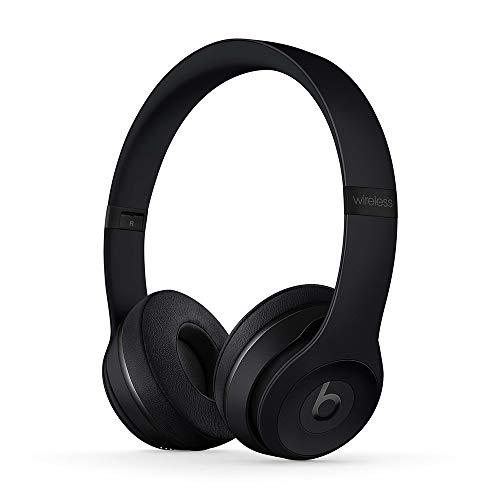

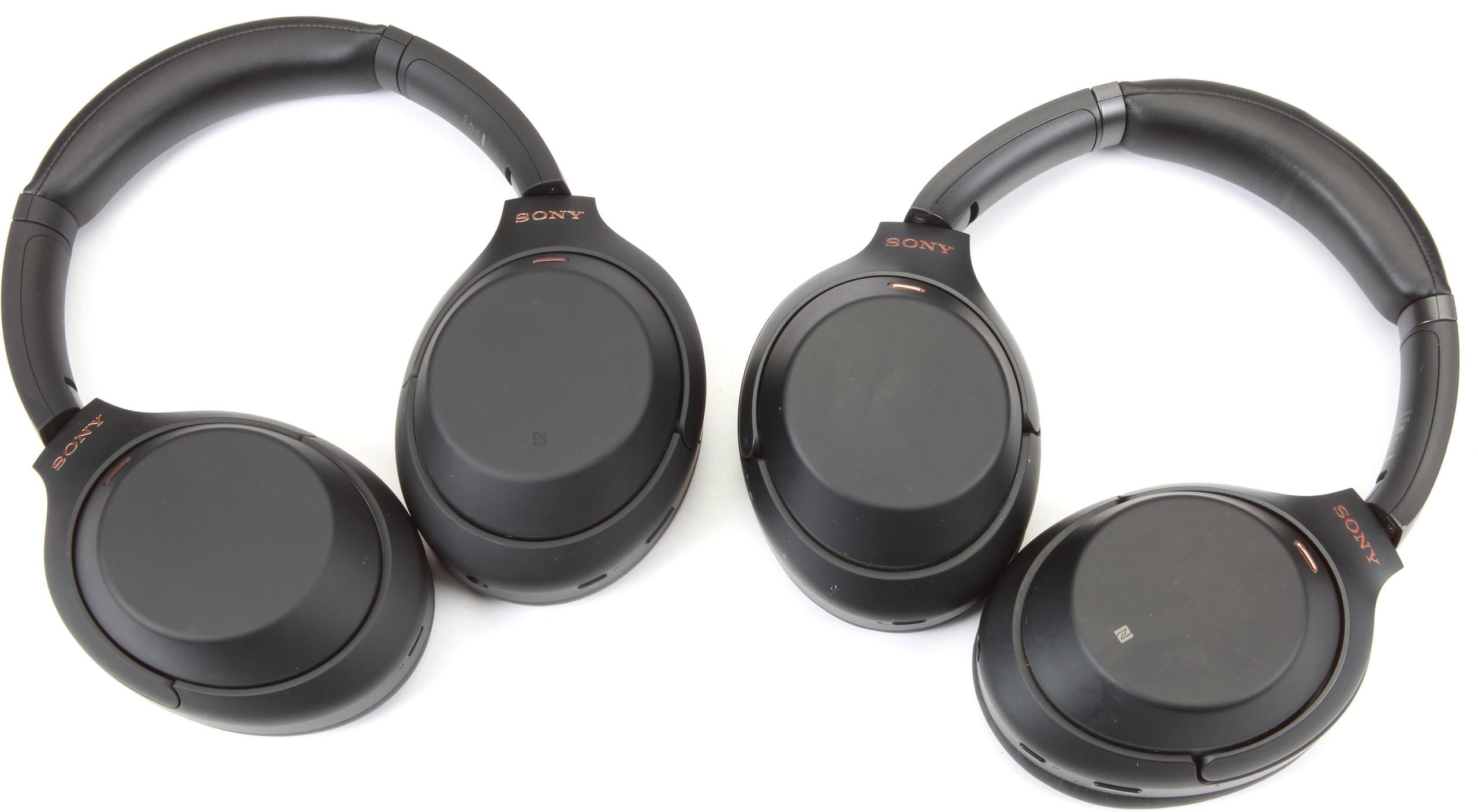
When I first started reviewing headphones seriously, the biggest mistake I saw people make was treating all wireless headphones as basically the same product. The reality? The difference between on-ear and over-ear designs creates entirely different experiences that serve completely different needs. Today we're comparing two headphones that perfectly illustrate this point: the Beats Solo3 Wireless and the Sony WH-1000XM4.
Before diving into specifics, let's establish what really matters when choosing wireless headphones. The market splits into several key considerations that will determine your satisfaction long-term.
Sound quality obviously tops the list, but it's more nuanced than just "good" or "bad." Different headphones emphasize different parts of the frequency spectrum—that's the range of sounds from deep bass to sparkling highs. Some people love heavy bass for hip-hop and electronic music, while others prefer a more balanced approach that doesn't color the original recording.
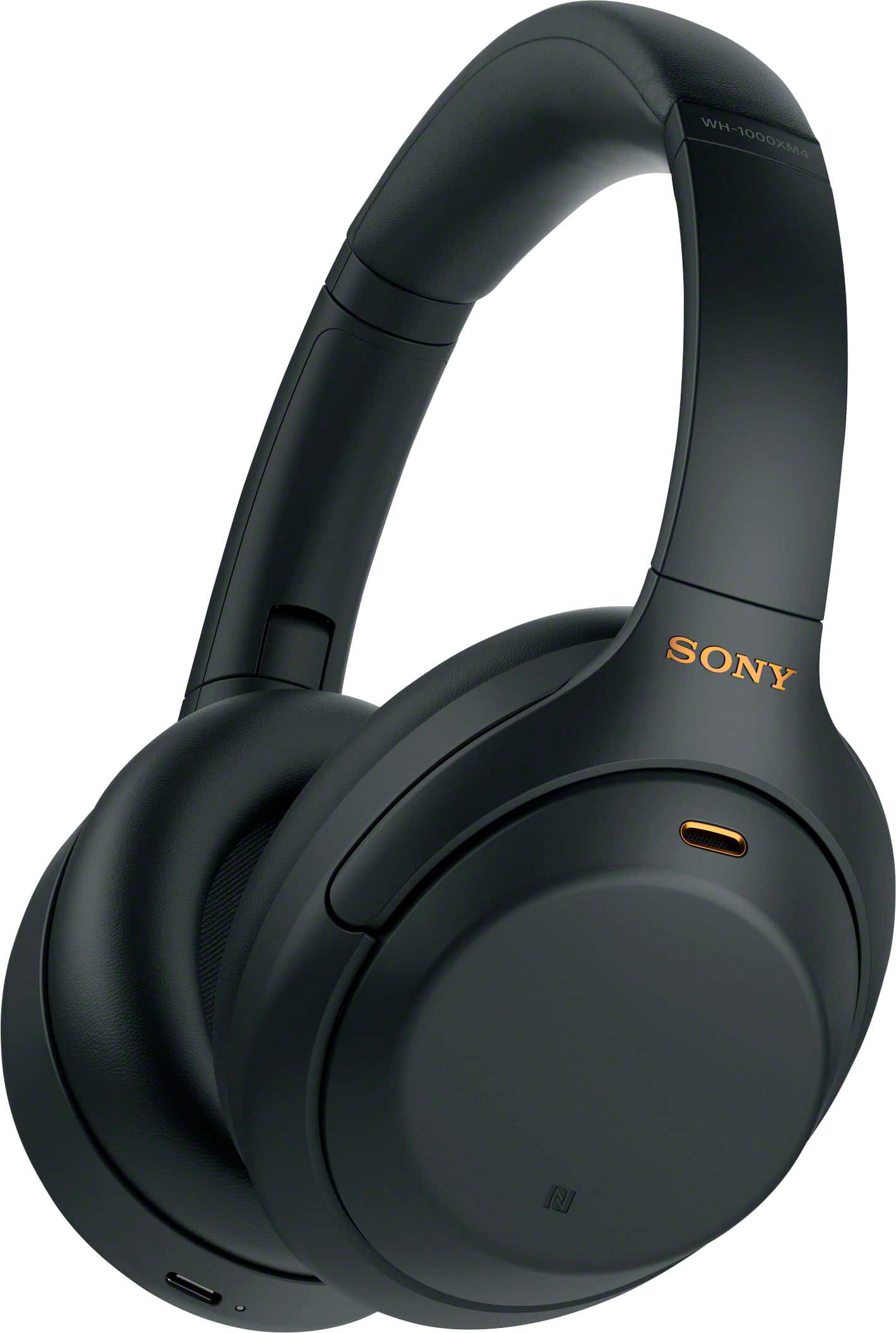
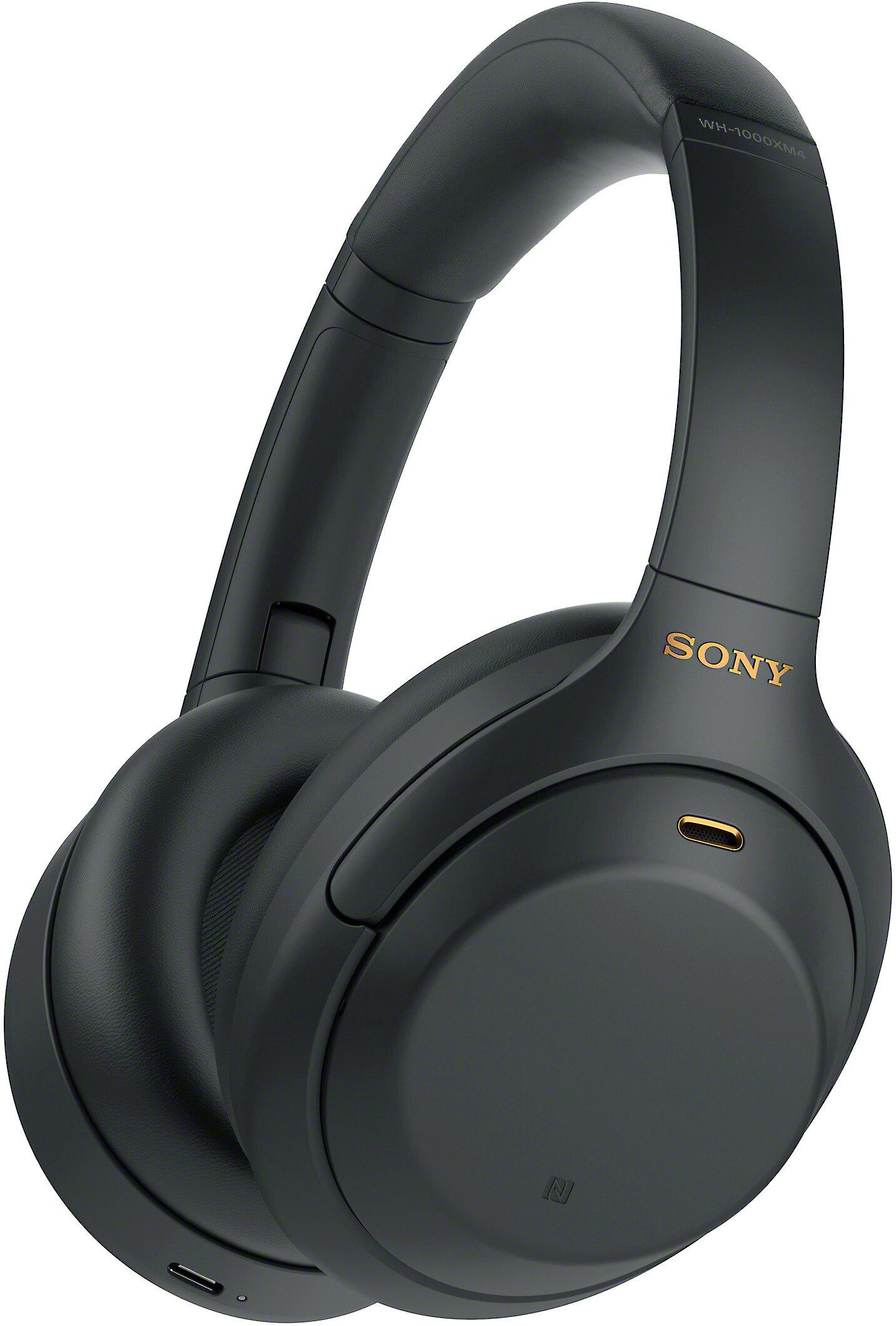
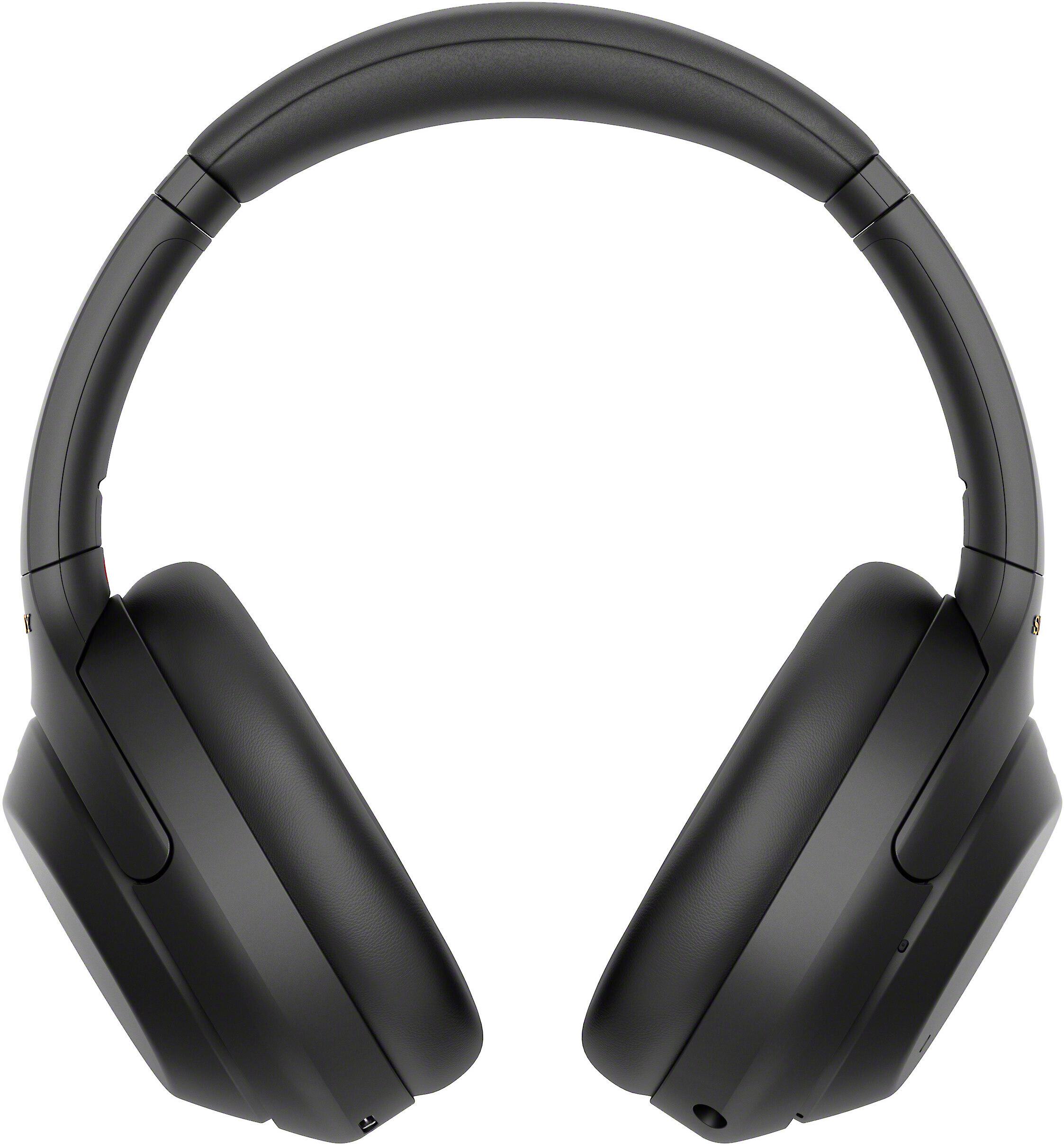
Comfort and fit become critical factors, especially if you're planning longer listening sessions. This is where the fundamental difference between on-ear and over-ear designs really shows up. On-ear headphones like the Beats Solo3 sit directly on your ears, making them lighter and more portable but potentially less comfortable over time. Over-ear models like the Sony WH-1000XM4 create a seal around your entire ear, distributing weight more evenly but taking up more space.
Battery life separates the convenience winners from the charging-cable slaves. Modern wireless headphones should give you at least 20-30 hours of playback, but the best performers push well beyond that mark.
Noise isolation comes in two flavors: passive (physical blocking) and active (electronic cancellation). Active Noise Cancellation, or ANC, uses tiny microphones to detect outside noise and creates opposite sound waves to cancel it out—like having a sound-proof bubble around your ears.
The Beats Solo3 launched in 2016, riding the wave of Apple's acquisition of Beats and featuring the then-revolutionary W1 chip. The Sony WH-1000XM4 arrived in 2020, representing four years of additional technological development. That gap shows everywhere from connectivity standards to battery technology to processing power.
These headphones embody completely different design philosophies. Beats focused on creating the ultimate portable headphone for Apple users who wanted style, simplicity, and all-day battery life. Sony built a feature-packed flagship designed to showcase every cutting-edge technology they could cram into a premium product.
In my experience testing both extensively, this philosophical difference affects every aspect of the user experience. The Beats Solo3 feels like a carefully crafted tool with one job: deliver good sound wirelessly with minimal fuss. The Sony WH-1000XM4 feels like a Swiss Army knife of audio technology that can adapt to virtually any listening scenario.
Here's where things get interesting, and where my testing revealed some surprises that contradict common assumptions about these brands.
Despite Beats' reputation for bass-heavy sound, the Solo3 actually delivers a more balanced frequency response than you might expect. The bass is certainly present and punchy—perfect for pop, hip-hop, and electronic genres—but it doesn't completely overwhelm the midrange where vocals live.
What really stands out about the Solo3 is how forward the vocals sit in the mix. When I'm listening to artists like Billie Eilish or John Mayer, their voices feel like they're positioned right in front of me, almost intimately close. This mid-forward tuning makes the headphones particularly engaging for vocal-centric music.
The treble—those high frequencies that add sparkle and detail—is intentionally rolled off. While this might sound like a negative, it's actually a clever design choice. By taming the highs, Beats virtually eliminated listening fatigue, that harsh feeling you get when headphones sound too bright or sharp. I can listen to the Solo3 for hours without my ears feeling tired, even at higher volumes.
The WH-1000XM4 takes a different approach entirely. Sony's tuning emphasizes dynamics—the difference between quiet and loud passages—creating a more engaging, "live" feeling. When I'm listening to orchestral music or complex rock arrangements, the Sony headphones do a better job of maintaining the energy and impact of the original performance.
Bass response on the WH-1000XM4 is actually more emphasized than on the Beats, which surprised me initially. Sony applies a noticeable boost to the low end that makes everything from electronic music to movie soundtracks feel more impactful. However, this bass emphasis can sometimes make the lower midrange sound slightly muddy, particularly with bass-heavy recordings.
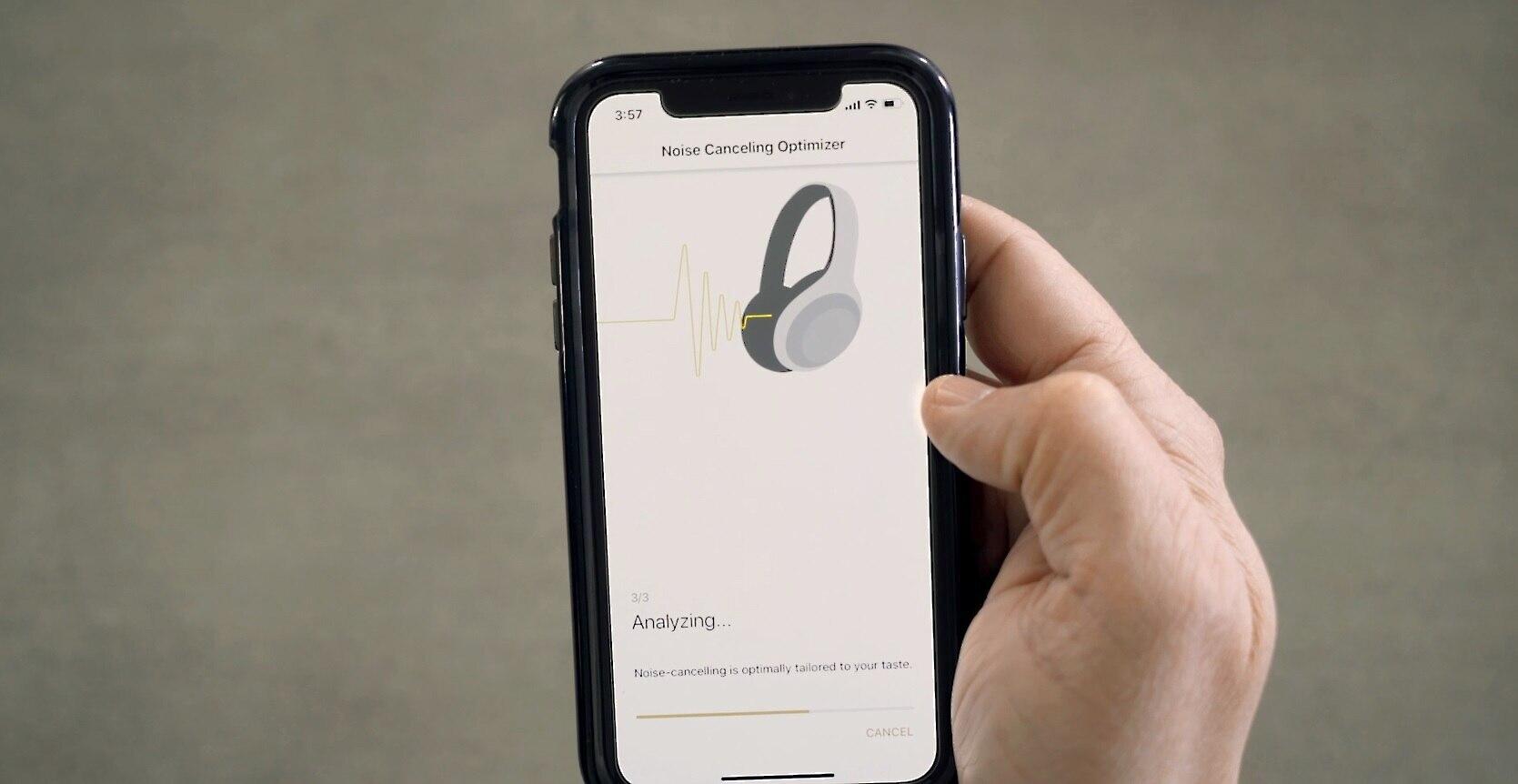
The real advantage of the Sony WH-1000XM4 lies in its customization options. The Sony Headphones Connect app provides a comprehensive equalizer, letting you adjust different frequency ranges to match your preferences or the specific music you're listening to. You can even save different EQ presets for different genres—something the basic Beats app simply can't match.
For home theater use, the WH-1000XM4 proves superior due to its support for high-resolution audio codecs. LDAC, Sony's proprietary wireless codec, can transmit nearly three times more data than standard Bluetooth, maintaining much closer to CD-quality sound when streaming from compatible devices. This makes a noticeable difference when watching movies or playing video games where audio detail matters.
This is where the fundamental design difference between these headphones becomes most apparent, and where your personal priorities will likely make the decision for you.
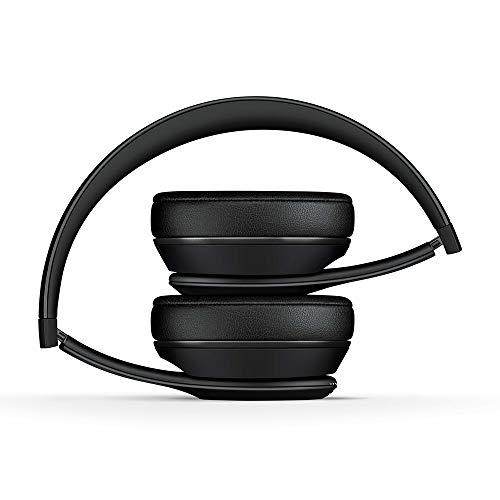
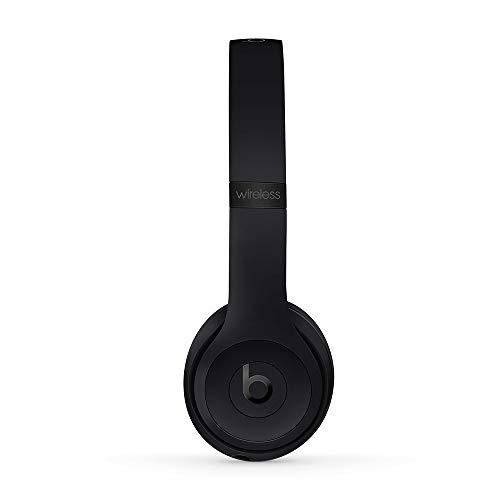
The Solo3's on-ear design creates an inherent trade-off. At just 215 grams, they're remarkably light and portable. The ear cups fold inward, making them compact enough to toss in a backpack without taking up much space. For commuting or travel, this portability advantage is significant.
However, that on-ear design means the ear cups sit directly on your ears rather than around them. This creates pressure points that become increasingly uncomfortable during longer listening sessions. In my testing, I found the Solo3 comfortable for about 90 minutes to two hours before needing a break. Your mileage may vary depending on the size and shape of your ears, but this limitation is consistent across most on-ear designs.
The clamping force—how tightly the headphones grip your head—is well calibrated on the Solo3. It's tight enough to stay secure during movement but not so tight as to cause immediate discomfort. Still, that direct ear contact remains the limiting factor for extended use.
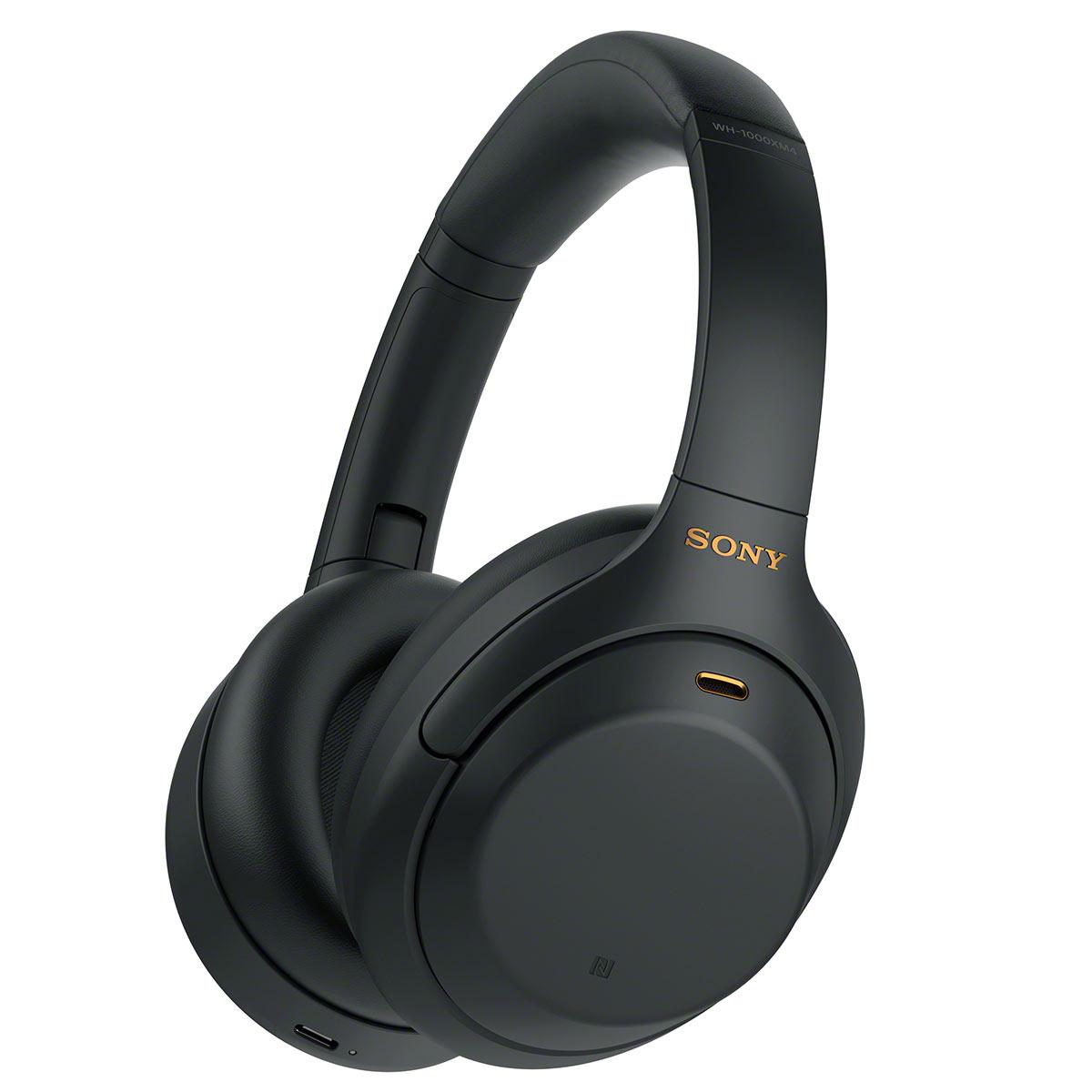
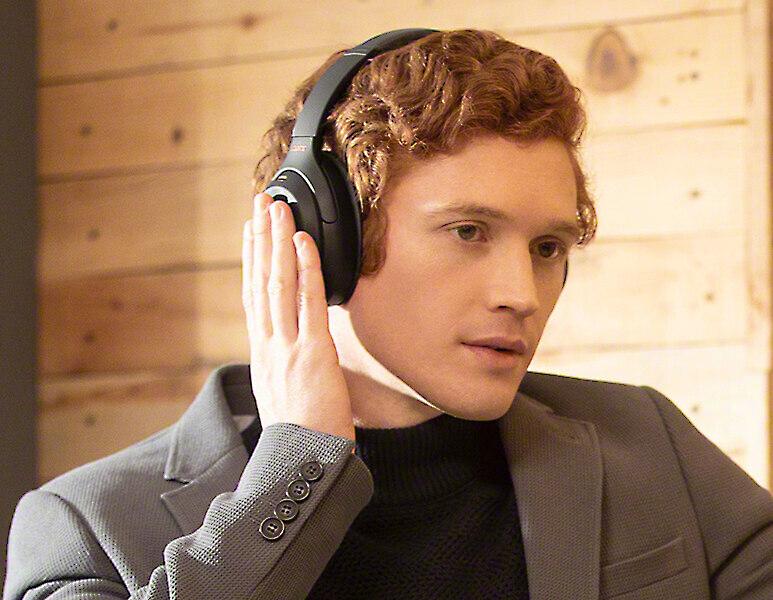
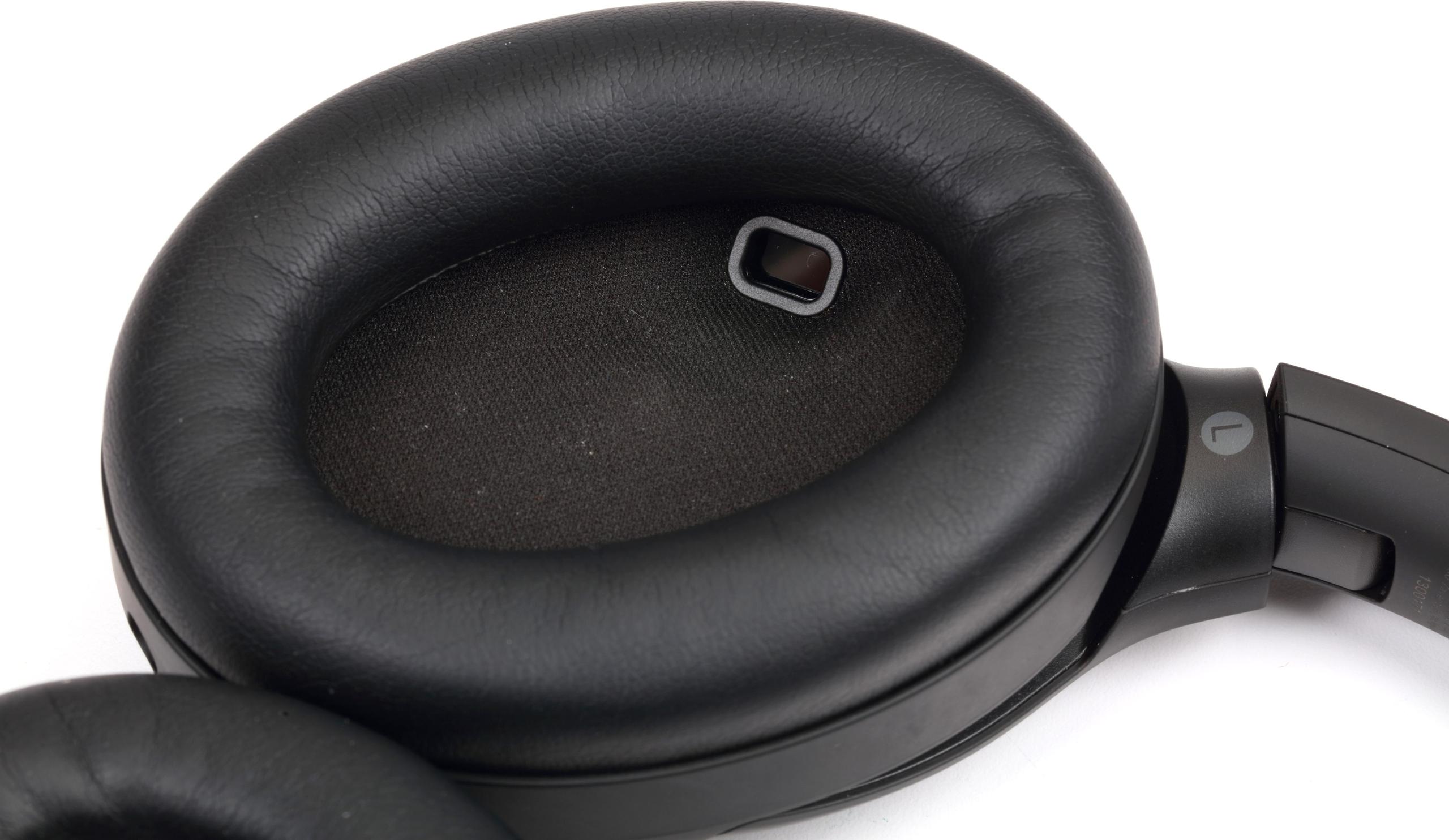
The WH-1000XM4 weighs about 40 grams more than the Solo3, but distributes that weight much more effectively. The over-ear design means the ear cups completely surround your ears, resting on your head rather than your ears themselves. This eliminates the pressure points that make on-ear headphones uncomfortable over time.
Sony's memory foam ear pads are particularly well-designed, creating a comfortable seal while remaining breathable enough to prevent excessive heat buildup. I've worn the WH-1000XM4 for entire work days—six to eight hours—without significant discomfort.
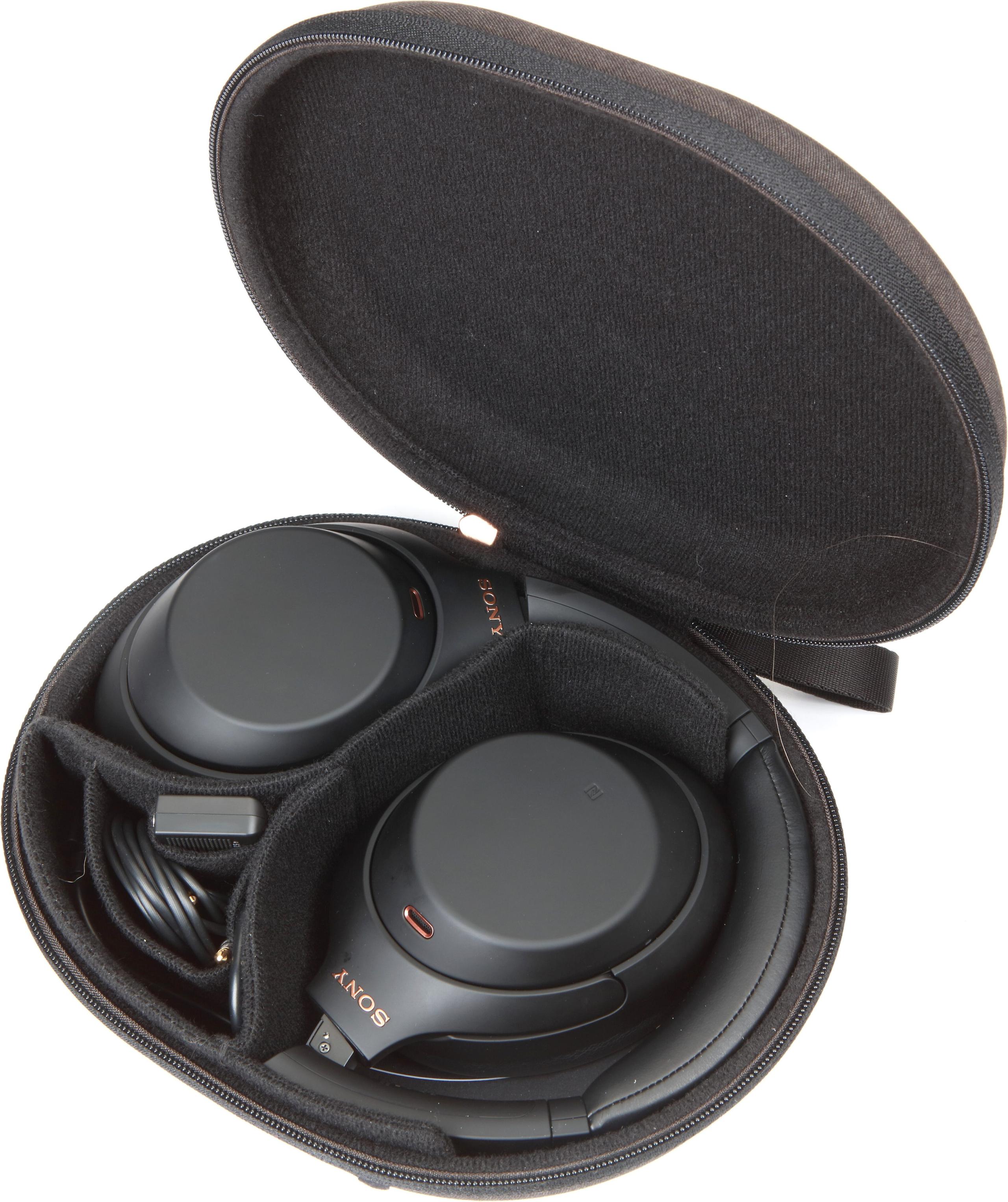
The trade-off is portability. While the Sony headphones do fold for storage, they're bulkier and less travel-friendly than the Solo3. If you're frequently moving between locations, this size difference becomes meaningful.
Both headphones deliver excellent battery life, but with different strengths that reveal their intended use cases.
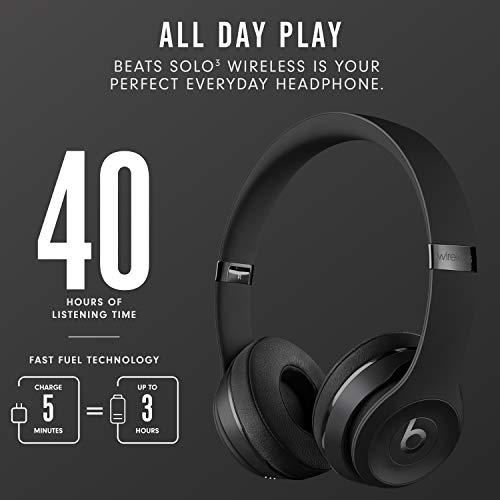
The Solo3 achieves an impressive 40 hours of playback per charge, which remains competitive even by today's standards. This exceptional battery life comes from the efficiency of Apple's W1 chip, which was specifically designed to optimize power consumption for wireless audio.
Beats' Fast Fuel charging technology provides a practical advantage: just five minutes of charging delivers about three hours of playback. This rapid charging capability makes the Solo3 nearly immune to the "dead battery" problem that plagues many wireless devices.
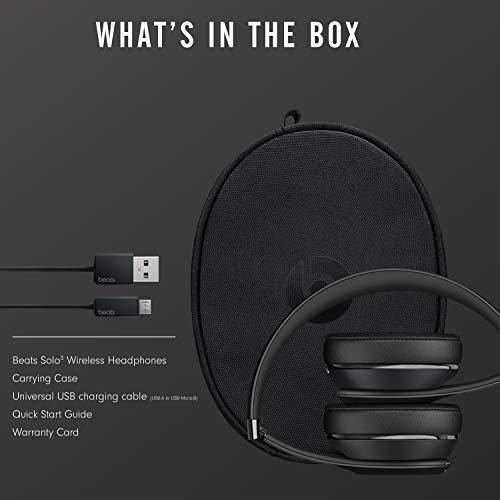
However, the Solo3 still uses micro-USB for charging, a connector that was already becoming outdated when these headphones launched. It's not a deal-breaker, but it does mean carrying an extra cable if you've otherwise moved to USB-C devices.
The WH-1000XM4 delivers 30 hours of playback with active noise cancellation enabled—still excellent by any measure. Sony's quick charging provides five hours of playback from a 10-minute charge, making it competitive with Beats' Fast Fuel technology.
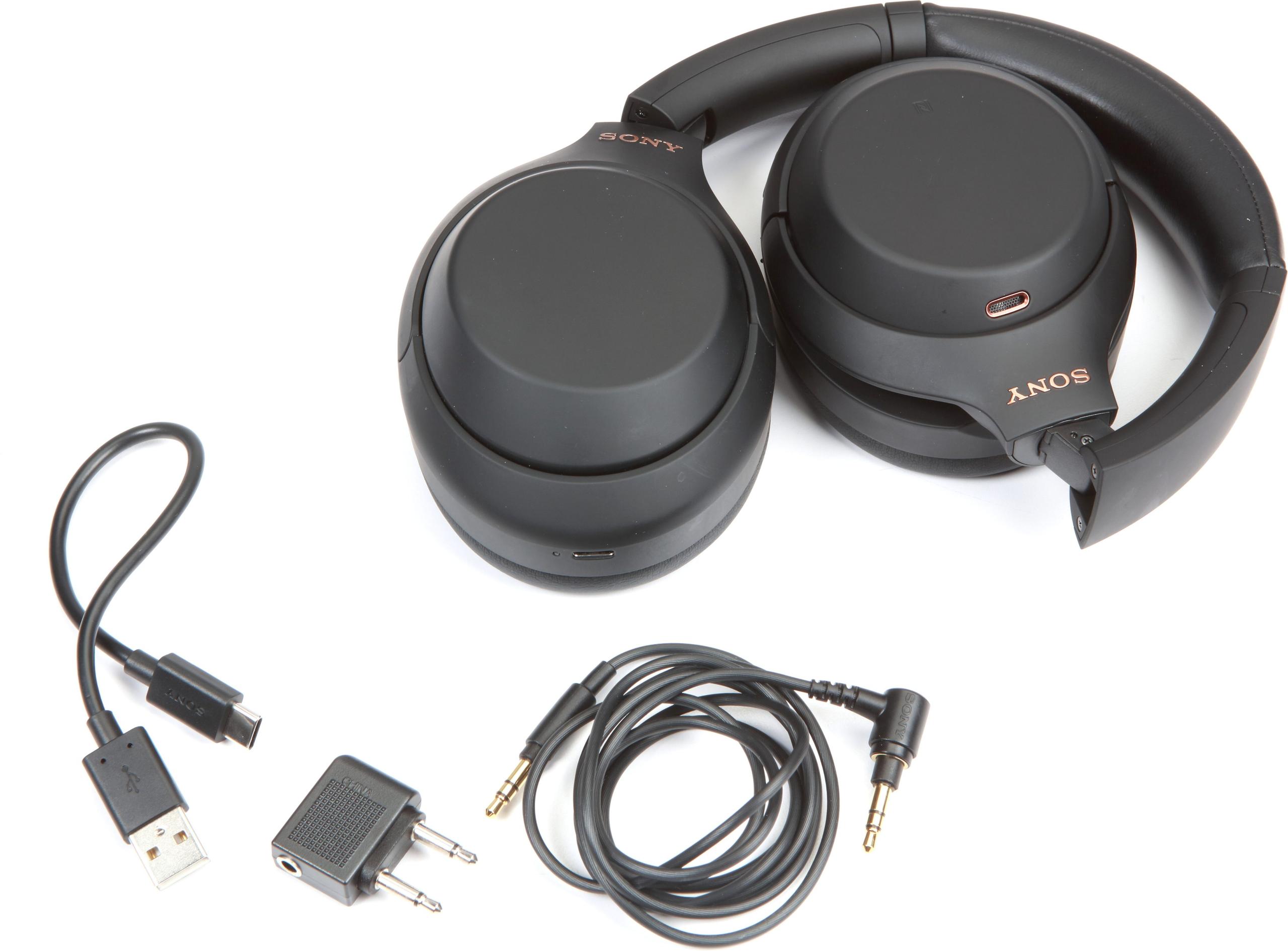
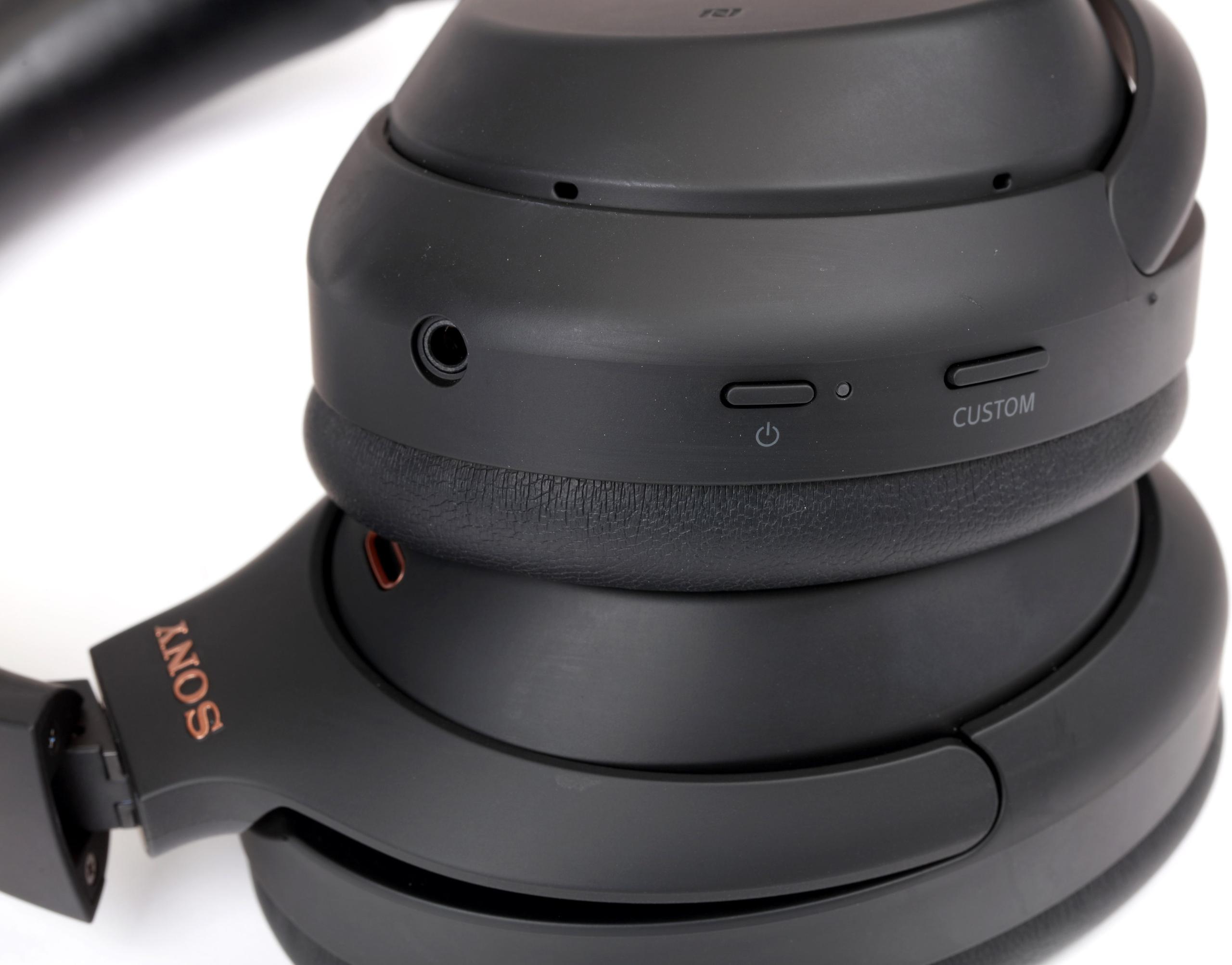
More importantly, the Sony headphones use USB-C charging, which has become the universal standard. If you're like most people with modern devices, you can charge these headphones with the same cable that charges your phone, tablet, or laptop.
The WH-1000XM4 also includes smart power management features. Proximity sensors detect when you're wearing the headphones and automatically pause playback when you remove them, helping conserve battery life. It's a small detail, but these kinds of intelligent features add up to a more seamless user experience.
This category isn't even close to competitive—it's the single biggest differentiator between these two headphones.
The Solo3 relies entirely on passive noise isolation, which means the physical design blocks outside noise purely through the seal around your ears. Unfortunately, on-ear headphones inherently provide limited isolation because they can't create the same seal as over-ear designs.
In practical terms, the Solo3 does little to block low-frequency sounds like airplane engines, air conditioners, or traffic noise. You'll hear conversations happening around you, keyboard typing, and most environmental sounds. This makes them less suitable for noisy commutes, open offices, or airplane travel.
The WH-1000XM4 features Sony's most advanced noise cancellation technology, using dual microphones on each ear cup to continuously analyze ambient sound. The headphones' HD Noise Cancelling Processor QN1 then generates opposing sound waves to cancel unwanted noise—all happening over 700 times per second.
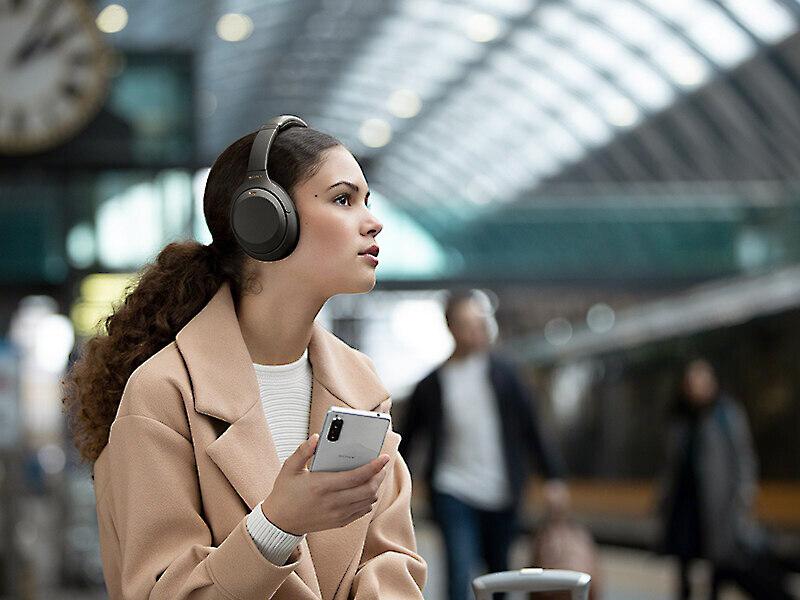
The effectiveness is remarkable. Low-frequency noise virtually disappears, making these headphones transformative for airplane travel or noisy commutes. The system adapts to different environments automatically, optimizing the cancellation based on whether you're walking, sitting, or traveling.
Sony includes multiple transparency modes that let you control how much outside sound gets through. Quick Attention mode temporarily reduces your music volume and allows ambient sound when you cup the right ear cup with your hand—perfect for brief conversations without removing the headphones.
The Speak-to-Chat feature automatically pauses your music and activates transparency mode when it detects you speaking. While this works well most of the time, it can occasionally trigger accidentally when you're singing along to music or talking to yourself.
The four-year gap between these products shows most clearly in their connectivity and smart features.
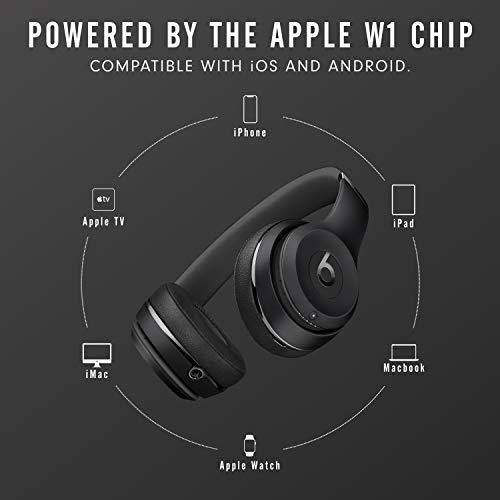
The Solo3's secret weapon is Apple's W1 chip, which was revolutionary when it launched. This custom processor enables near-instantaneous pairing with Apple devices and seamless switching between your iPhone, iPad, and Mac. When you pair the headphones with one Apple device, they automatically appear in the Bluetooth settings of all your other Apple devices signed into the same iCloud account.
The W1 chip also provides more stable connectivity than standard Bluetooth, with fewer dropouts and better range. For Apple users, this integration feels almost magical—the headphones "just work" in a way that third-party Bluetooth devices often don't.
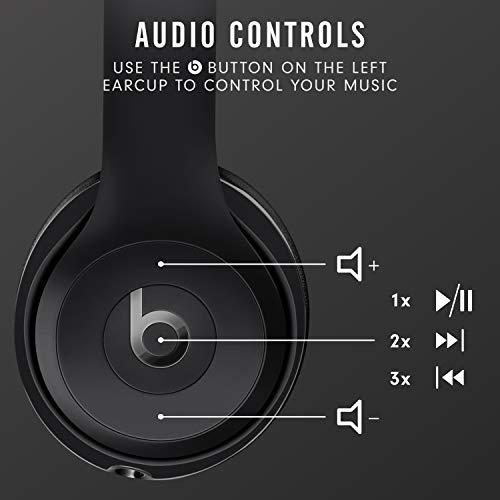
However, this Apple focus comes with limitations. Android users get basic Bluetooth connectivity without the advanced features. The Beats app provides minimal functionality compared to what iOS users experience.
The WH-1000XM4 supports Bluetooth 5.0 with multipoint connectivity, meaning you can connect to two devices simultaneously. This proves incredibly useful in practice—you can watch a movie on your laptop while remaining connected to your phone for calls or notifications.
Sony's LDAC codec support enables high-quality audio streaming that approaches wired quality when used with compatible devices. The headphones also support standard codecs like AAC and SBC, ensuring good compatibility across all devices.
The Sony Headphones Connect app is comprehensive, offering detailed control over noise cancellation levels, sound customization, and smart features. Adaptive Sound Control learns your daily routine and automatically adjusts settings based on your location and activity. Walking to work might trigger more transparency mode, while sitting at your desk enables maximum noise cancellation.
Voice assistant integration works with Google Assistant, Amazon Alexa, and Siri, giving you flexibility regardless of your ecosystem preferences.
At the time of writing, both headphones have settled into more affordable price ranges than their original launch prices, but they occupy different value propositions.
The Solo3 typically costs significantly less than the WH-1000XM4, making it an attractive option for users who prioritize Apple integration and don't need advanced features like noise cancellation. However, the technology gap is real—the 2016-era connectivity and lack of modern features may feel limiting as time passes.
The WH-1000XM4 commands a premium price but delivers flagship features that remain competitive with newer models. Sony continues to provide firmware updates that add new features and improvements, extending the headphones' useful life.
For home theater use, the WH-1000XM4 provides much better value due to its high-resolution audio support and comfortable design for long viewing sessions. The noise cancellation also helps create an immersive experience even in noisy household environments.
Choose the Beats Solo3 if you prioritize portability above all else, live primarily in Apple's ecosystem, and don't need noise cancellation. They excel as grab-and-go headphones for commuting, casual listening, and situations where you want to remain somewhat aware of your surroundings.
Choose the Sony WH-1000XM4 if you want the full premium headphone experience with cutting-edge features, plan to use them for extended listening sessions, or need effective noise cancellation for travel or noisy environments. They're particularly compelling for home theater use and serious music listening.
The fundamental question is whether you value simplicity and portability (Solo3) or features and comfort (WH-1000XM4). Both are excellent at what they're designed to do, but they're designed to do very different things. Understanding that difference is the key to choosing the right headphones for your needs.
| Beats Solo3 Wireless On-Ear Headphones | Sony WH-1000XM4 Wireless Headphones |
|---|---|
| Design Type - Fundamentally affects comfort and portability | |
| On-ear, lightweight (215g), highly portable with folding design | Over-ear, heavier (254g), bulkier but superior comfort for extended use |
| Active Noise Cancellation - Critical for travel and noisy environments | |
| None - relies on basic passive isolation only | Industry-leading dual sensor ANC with adaptive technology |
| Battery Life - Determines how often you'll need to charge | |
| 40 hours (exceptional longevity, best-in-class for 2016) | 30 hours with ANC on (excellent but not class-leading) |
| Sound Signature - Affects musical enjoyment and fatigue | |
| Balanced with forward vocals, rolled-off treble (fatigue-free) | More bass-heavy and dynamic, customizable via comprehensive EQ |
| Connectivity Technology - Impacts pairing ease and audio quality | |
| Apple W1 chip (seamless iOS integration, basic Android support) | Bluetooth 5.0 with LDAC codec, multipoint pairing, universal compatibility |
| App Features - Controls customization and smart features | |
| Basic Beats app with minimal controls | Comprehensive Sony app with EQ, adaptive controls, location-based settings |
| Charging Method - Future-proofing and convenience | |
| Micro-USB (outdated standard, requires separate cable) | USB-C (modern standard, likely matches your other devices) |
| Smart Features - Convenience and automation | |
| Fast Fuel quick charging (5 min = 3 hours playback) | Speak-to-Chat, wear detection, quick attention mode, proximity sensors |
| Comfort for Extended Use - Critical for long listening sessions | |
| Limited to 1-2 hours due to on-ear pressure points | All-day comfort with memory foam pads and weight distribution |
| Codec Support - Audio quality over wireless | |
| Standard Bluetooth codecs only | LDAC for near-lossless audio, plus AAC and SBC |
| Release Year - Technology generation and feature completeness | |
| 2016 (older tech but proven reliability) | 2020 (cutting-edge features and modern connectivity) |
The Sony WH-1000XM4 are better for everyday use due to their superior comfort, active noise cancellation, and all-day wearability. The Beats Solo3 excel for quick listening sessions and portability but become uncomfortable after 1-2 hours of continuous wear.
Both headphones handle phone calls, but the Sony WH-1000XM4 provide better call quality with dual beam-forming microphones and noise cancellation that helps isolate your voice. The Beats Solo3 offer decent call quality but lack advanced microphone technology.
The Sony WH-1000XM4 deliver superior sound quality with more dynamic range, customizable EQ settings, and support for high-resolution audio codecs like LDAC. The Beats Solo3 offer a more balanced sound signature that's less fatiguing but with fewer customization options.
The Beats Solo3 are better for workouts due to their lightweight, secure on-ear design and portability. The Sony WH-1000XM4 are bulkier and better suited for stationary activities rather than active sports or exercise.
The Sony WH-1000XM4 have industry-leading active noise cancellation that effectively blocks ambient noise, while the Beats Solo3 have no active noise cancellation and rely only on basic passive isolation from their on-ear design.
The Beats Solo3 offer exceptional 40-hour battery life, while the Sony WH-1000XM4 provide 30 hours with noise cancellation enabled. Both feature quick charging, with the Beats offering 3 hours of playback from a 5-minute charge.
The Sony WH-1000XM4 are significantly more comfortable for extended use due to their over-ear design and memory foam padding. The Beats Solo3 create pressure points on your ears that become uncomfortable after 1-2 hours of continuous wear.
The Sony WH-1000XM4 are excellent for travel thanks to their active noise cancellation that blocks airplane and traffic noise. The Beats Solo3 are more portable and lightweight but offer minimal noise blocking, making them less suitable for noisy travel environments.
The Beats Solo3 integrate seamlessly with Apple devices through the W1 chip, offering instant pairing and easy device switching within the Apple ecosystem. The Sony WH-1000XM4 work well with Apple devices but don't have the same level of native integration features.
Both headphones support wired connections when needed. The Sony WH-1000XM4 include a 3.5mm cable and maintain good sound quality in wired mode, while the Beats Solo3 also include a wired cable but are optimized for wireless use with their built-in processing.
The Sony WH-1000XM4 are superior for home theater use due to their comfort during long viewing sessions, active noise cancellation to block household distractions, and support for high-resolution audio codecs that enhance movie soundtracks and dialogue clarity.
The key difference is that the Beats Solo3 prioritize portability and Apple integration with an on-ear design, while the Sony WH-1000XM4 focus on premium features like active noise cancellation and all-day comfort with an over-ear design. Choose Beats for mobility or Sony for feature completeness.
We've done our best to create useful and informative comparisons to help you decide what product to buy. Our research uses advanced automated methods to create this comparison and perfection is not possible - please contact us for corrections or questions. These are the sites we've researched in the creation of this article: soundguys.com - cornellstore.com - imore.com - bestbuy.com - headphonecheck.com - soundguys.com - recordingnow.com - corporategift.com - ifixit.com - rtings.com - youtube.com - mobileciti.com.au - beatsbydre.com - discussions.apple.com - target.com - bestbuy.com - jalc.ecampus.com - beats.fandom.com - support.apple.com - electronics.woot.com - soundguys.com - headphones.com - recordingnow.com - electronics.sony.com - rtings.com - headphonereview.com - youtube.com - audiosciencereview.com - cnet.com - hyderseatravels.com - sony.com - sonylatvija.com - sony.com - sony.com - electronics.sony.com - sony.com - headphonecheck.com - fullspecs.net - sony.com - uclastore.com - bestbuy.com - sony.ca - helpguide.sony.net - device.report

Privacy Policy
Terms and Conditions - Affiliate Policy
Home Security
© Copyright 2008-2026.
11816 Inwood Rd #1211, Dallas, TX 75244