

When I first started comparing wireless headphones, I thought the choice was simple—just pick the ones with the best sound. But after years of testing different models and understanding how people actually use their headphones, I've learned that the decision between over-ear and on-ear designs shapes your entire listening experience more than any other factor.
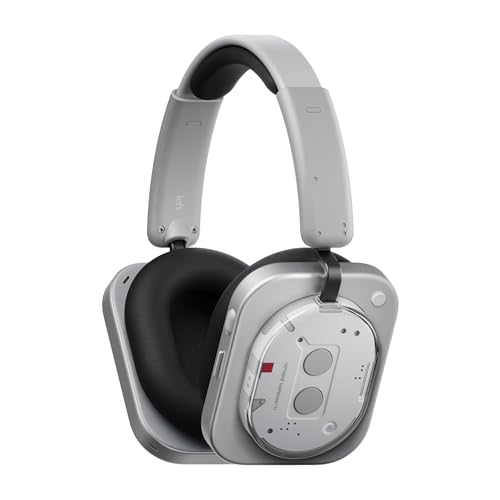
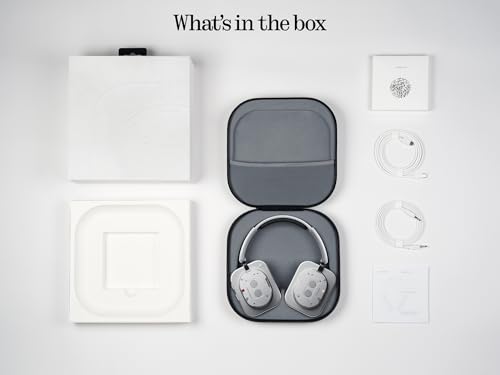
Today, we're diving deep into two headphones that represent fundamentally different philosophies: the Nothing Headphone (1), released in 2024 as Nothing's ambitious first venture into over-ear headphones, and the Beats Solo3, which launched back in 2016 but remains a popular choice thanks to its Apple integration and proven design.
Before we compare these specific models, let's talk about what makes wireless headphones tick. The wireless headphone market has exploded over the past few years, but not all wireless headphones are created equal. The fundamental choice between over-ear and on-ear designs affects everything from how long you can wear them to how they handle outside noise.
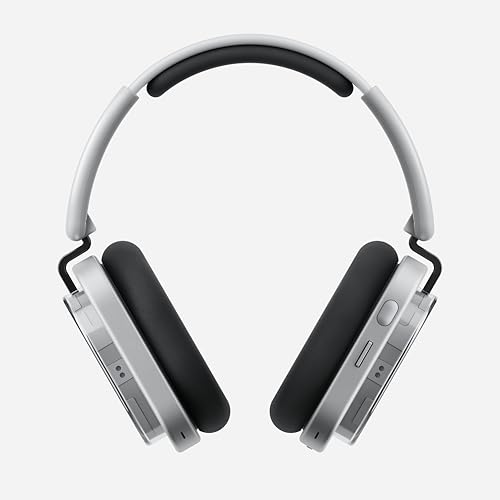
Over-ear headphones like the Nothing Headphone (1) completely surround your ears with their ear cups. This design naturally blocks more outside noise and typically feels more comfortable during long listening sessions because the weight distributes across your head rather than pressing directly on your ears. However, they're bulkier and less portable.
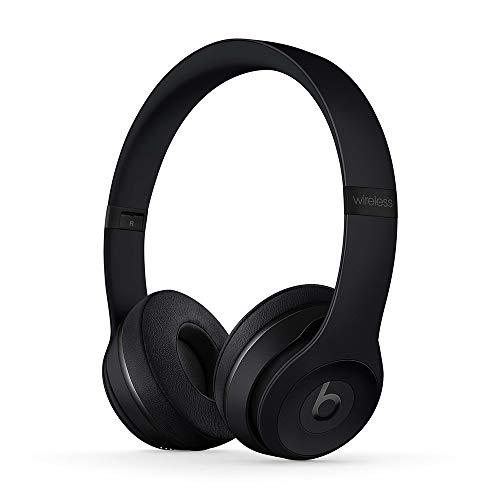
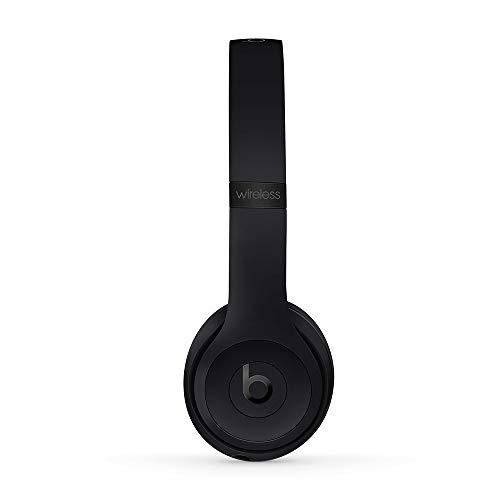
On-ear headphones like the Beats Solo3 rest directly on your ears. They're more compact and travel-friendly, but they rely on clamping force (how tightly they grip your head) to stay in place, which can cause fatigue over time. They also don't block as much external noise naturally.
The other major consideration is active noise cancellation (ANC)—a technology that uses microphones to detect outside noise and generates opposite sound waves to cancel it out. Think of it like noise-canceling magic that makes your plane ride or coffee shop work session much more peaceful. Some headphones have it, others don't, and this single feature can dramatically change how useful your headphones are in different environments.
The Nothing Headphone (1) represents Nothing's bold entry into the over-ear headphone market in 2024. Nothing, the company founded by former OnePlus co-founder Carl Pei, has made a name for itself with transparent designs and feature-rich products that challenge established players.
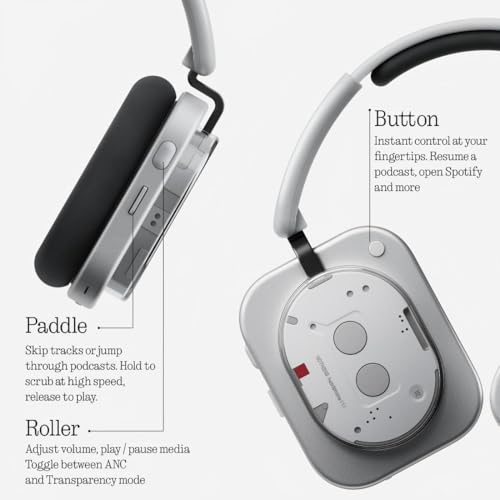
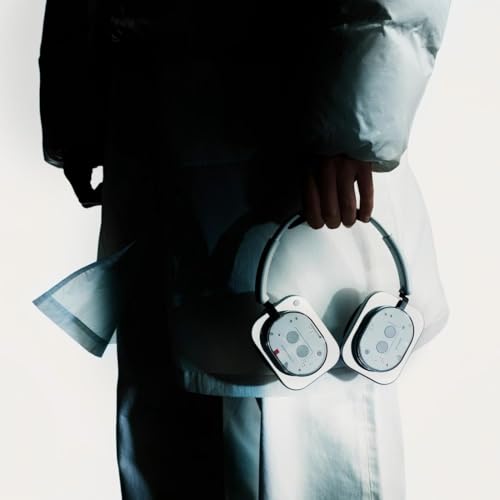
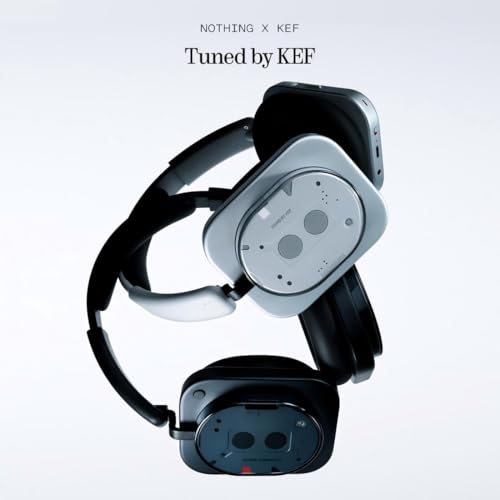
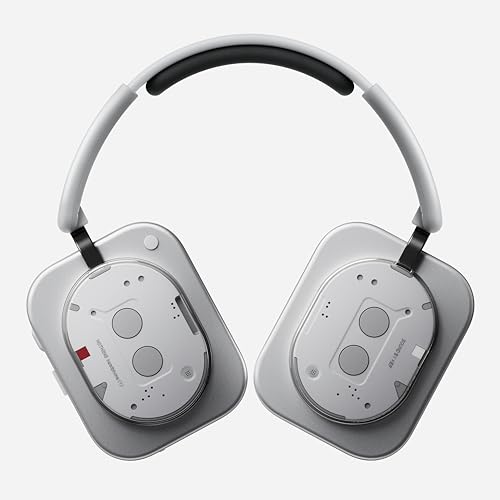
At its core, the Nothing Headphone (1) packs premium features you'd expect from headphones costing significantly more. We're talking about 40mm drivers (the speakers inside the headphones) that were tuned in collaboration with KEF, a respected British audio company known for their high-end speakers. The transparent design isn't just for show—it represents Nothing's philosophy of making technology more human and less mysterious.
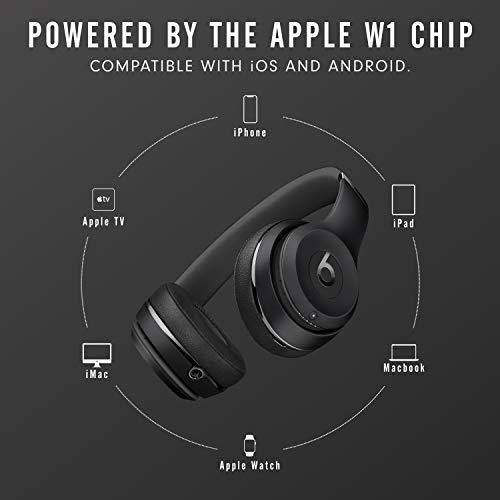
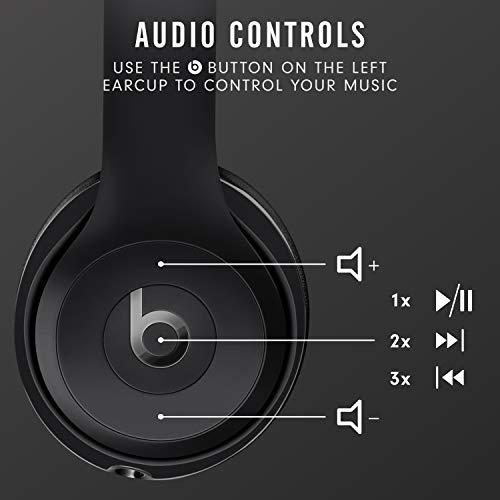
The Beats Solo3, launched in 2016, might seem old by tech standards, but it introduced Apple's W1 chip—a game-changing piece of technology that made pairing with Apple devices almost magical. While newer headphones have since adopted similar technologies, the Beats Solo3 established the template for seamless device switching that many of us now take for granted.
What makes the Beats Solo3 special isn't cutting-edge specs—it's the refined execution of on-ear design and the way it integrates with Apple's ecosystem. When you open the case near your iPhone, it immediately appears ready to pair. Switch from your iPhone to your MacBook, and the headphones follow along automatically.
Here's where things get really interesting. Both headphones sound good, but they achieve it in completely different ways.
The Nothing Headphone (1) takes a modern approach to sound quality—give users powerful tools to customize their audio experience. Out of the box, the sound is good but not exceptional. However, the companion Nothing X app includes an 8-band equalizer (EQ) that lets you adjust not just the bass and treble, but specific frequency ranges with precise control over how narrow or wide each adjustment affects the sound.
In my testing, spending 15-20 minutes with the EQ transforms these headphones from "pretty good" to "excellent." The 40mm drivers have plenty of headroom to handle heavy EQ adjustments without distortion, and the KEF tuning provides a solid foundation to build upon. The headphones support LDAC, a high-resolution Bluetooth codec that can transmit much more audio data than standard Bluetooth, resulting in clearer, more detailed sound when paired with compatible devices.
The Nothing Headphone (1) also includes spatial audio with head tracking—a feature that creates a more immersive, theater-like experience by adjusting the sound based on how you move your head. It's particularly noticeable when watching movies or playing games.
The Beats Solo3 takes the opposite approach—deliver great sound immediately without any tweaking required. The signature Beats sound profile emphasizes powerful bass and forward vocals, making music feel energetic and engaging right out of the box. This tuning works especially well with hip-hop, pop, and electronic music.
However, the Beats Solo3 offers limited customization options. What you hear initially is pretty much what you get, though most users find this perfectly satisfying. The sound signature is carefully crafted to be crowd-pleasing rather than reference-accurate.
One limitation worth noting: the Beats Solo3 uses older Bluetooth codecs, lacking support for high-resolution options like LDAC. For most listeners, this won't be noticeable, but audiophiles might prefer the Nothing Headphone (1)'s more advanced codec support.
If you enjoy tweaking settings and want maximum audio quality potential, the Nothing Headphone (1) is the clear winner. If you want headphones that sound great immediately and don't want to fuss with settings, the Beats Solo3 delivers exactly that experience.
This is where we see the biggest performance gap between these two headphones, and it's a difference that could be a dealbreaker depending on how you plan to use them.
The Nothing Headphone (1) features adaptive active noise cancellation that can reduce outside noise by up to 42 decibels—that's enough to make a noisy airplane cabin feel whisper-quiet. The system uses four microphones around each ear cup to constantly monitor and counteract ambient noise.
What's particularly impressive is the adaptive nature of the system. Rather than just offering on/off, the Nothing Headphone (1) provides multiple ANC levels (low, medium, high, and adaptive) plus a transparency mode that lets important sounds through while still reducing background noise. In adaptive mode, the headphones automatically adjust the ANC strength based on your environment.
I've found this particularly useful when working from home—the ANC eliminates distracting background noise like traffic or neighbors, while transparency mode lets me hear the doorbell or family members calling my name.
The Beats Solo3 has no active noise cancellation whatsoever. Your only noise isolation comes from the physical seal the ear cups make against your ears. Since they're on-ear rather than over-ear, this seal is inherently less effective.
This isn't necessarily a problem if you primarily use headphones in quiet environments, but it becomes a significant limitation for travel, commuting, or working in noisy spaces. The lack of ANC also means you might need to turn up the volume higher to overcome background noise, which can be fatiguing over time and potentially harmful to your hearing.
In quiet environments like your bedroom or a peaceful office, both headphones perform similarly well. But introduce background noise—airplane engines, traffic, chattering coworkers—and the Nothing Headphone (1) transforms the experience while the Beats Solo3 struggles to compete.
For home theater use, this difference becomes even more pronounced. The Nothing Headphone (1)'s ANC helps create an immersive bubble that makes you feel more connected to movies and shows, while the Beats Solo3 might let distracting household sounds break the illusion.
Comfort might seem subjective, but there are objective factors that affect how long you can wear headphones without discomfort.
The Nothing Headphone (1)'s over-ear design distributes weight across your entire head rather than concentrating pressure on your ears. The ear cups fully encompass your ears, eliminating the pressure points that on-ear designs can create. At 329 grams, they're not the lightest headphones available, but the weight distribution makes them comfortable for hours of wear.
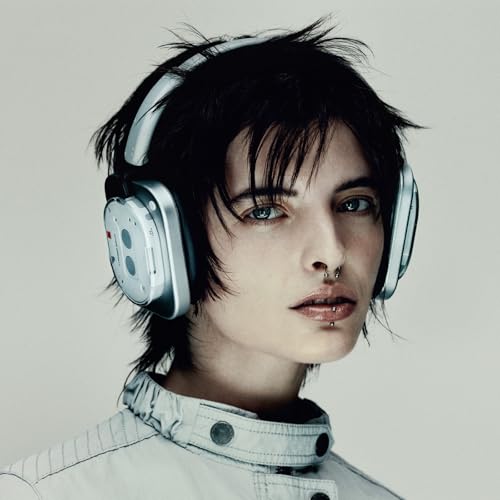
The transparent design is polarizing—some people love the tech-forward aesthetic, while others find it gimmicky. From a practical standpoint, the build quality feels premium with a good balance of metal and plastic components. The IP52 water resistance rating means they can handle light splashes and sweat, adding durability for active users.
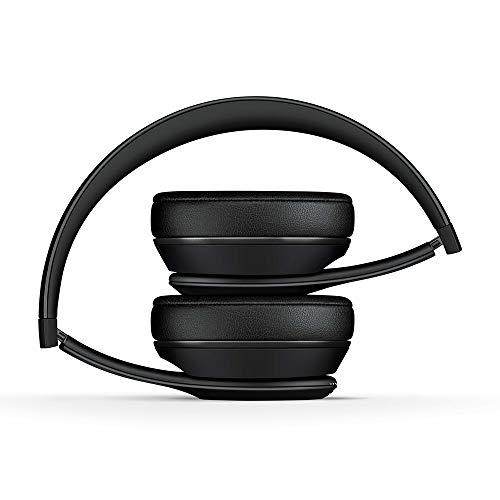
At 215 grams, the Beats Solo3 is noticeably lighter and more compact. The foldable design makes them excellent travel companions—they take up much less space in a bag than over-ear alternatives. The build quality is solid, with quality plastic construction that has proven durable over the years.
However, the on-ear design does create pressure points where the ear cups contact your ears. Some users find this uncomfortable after an hour or two of continuous wear. The clamping force (how tightly they grip your head) is calibrated to keep them secure during movement, but this can contribute to fatigue.
These represent two distinct design philosophies. The Nothing Headphone (1) prioritizes maximum comfort and feature integration, accepting the tradeoff of larger size. The Beats Solo3 prioritizes portability and convenience, accepting some comfort compromises for everyday carry.
Battery life has become increasingly important as we use headphones for longer periods and in more situations throughout the day.
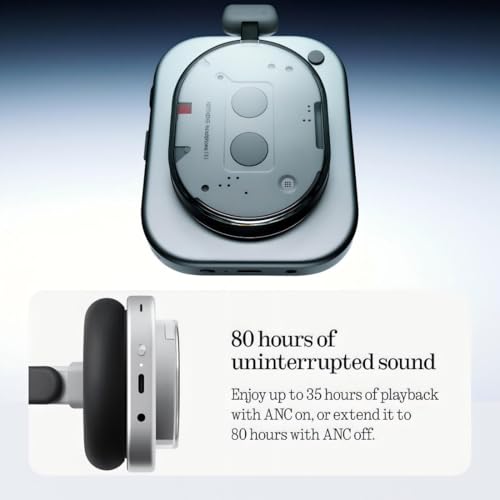
The Nothing Headphone (1) delivers exceptional battery performance that puts most competitors to shame. With ANC enabled, you get up to 35 hours of playback—that's nearly a full work week of 8-hour days. With ANC disabled, the battery life extends to an almost ridiculous 80 hours.
The fast charging is equally impressive: just 5 minutes of charging provides 5 hours of playback (with ANC off). This means even if you forget to charge overnight, a quick morning charge while you shower and get ready provides most of a day's listening.
The Nothing Headphone (1) charges via USB-C, which is convenient since most modern devices use the same connector.
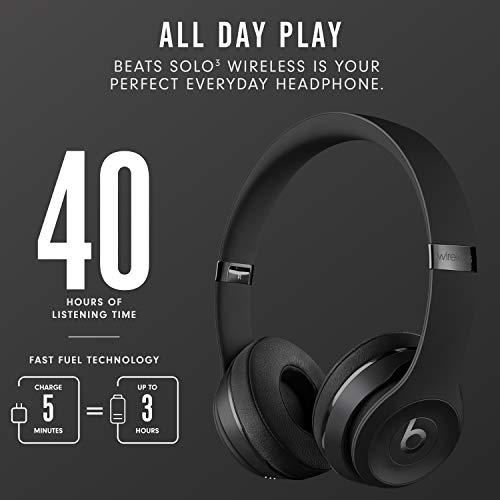
The Beats Solo3 offers up to 40 hours of playback—impressive for 2016 and still competitive today. The Fast Fuel charging provides 3 hours of playback from a 5-minute charge, though this falls short of the Nothing Headphone (1)'s rapid charging.
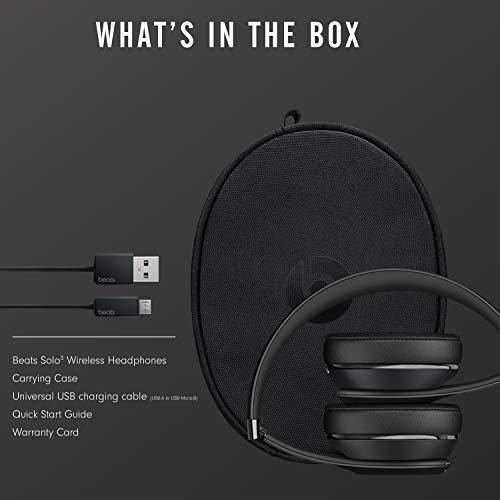
One dated aspect is the micro-USB charging port. While this was standard when the Beats Solo3 launched, most devices have since moved to USB-C, meaning you'll need to carry an additional cable type.
Both headphones use lithium-ion batteries that naturally degrade over time. However, the Nothing Headphone (1)'s newer battery management technology and larger battery capacity should provide better longevity. Some Beats Solo3 users report battery degradation after 2-3 years, though this varies significantly based on usage patterns.
How headphones connect to your devices affects daily usability more than you might expect.
The Nothing Headphone (1) uses Bluetooth 5.3—the latest standard that provides more stable connections, better range, and improved power efficiency compared to older versions. The headphones support multipoint connectivity, meaning you can connect to two devices simultaneously and seamlessly switch between them.
Codec support is comprehensive, including LDAC for high-resolution audio, AAC (preferred by Apple devices), and SBC (universal compatibility). The headphones also offer both USB-C and 3.5mm wired connections, providing flexibility for different devices and situations.
The companion Nothing X app works well on both iOS and Android, providing equal functionality regardless of your phone choice.
The Beats Solo3's W1 chip creates an almost magical experience within the Apple ecosystem. Pairing is instant, device switching is seamless, and the headphones appear in your iOS battery widget alongside your iPhone and AirPods.
However, this Apple integration comes at the cost of broader compatibility. Android users get basic Bluetooth functionality but miss out on many convenience features. The Bluetooth 4.0 standard is also dated by current standards, though the W1 chip's optimizations help maintain stable connections.
If you use multiple device platforms (Android phone, Windows laptop, iPad), the Nothing Headphone (1)'s universal approach is significantly more convenient. If you're fully committed to Apple devices, the Beats Solo3's integration is beautifully seamless.
At the time of writing, pricing varies significantly between retailers and availability, but general patterns help inform the value discussion.
The Nothing Headphone (1) typically commands a premium price that reflects its comprehensive feature set. You're paying for active noise cancellation, extended battery life, modern connectivity, and customizable sound quality. Compared to other premium over-ear headphones with similar features, the pricing is competitive and often undercuts established competitors by significant margins.
The Beats Solo3 usually offers more accessible pricing, especially during sales periods. The value proposition centers on proven reliability, excellent Apple integration, and good sound quality without the complexity of advanced features.
For home theater use, the differences between these headphones become more pronounced. The Nothing Headphone (1)'s over-ear design and active noise cancellation create a more immersive experience that better isolates you from household distractions. The spatial audio feature adds a cinematic quality to movie watching, while the extended battery life means you won't need to worry about charging mid-movie.
The customizable EQ also lets you optimize the sound for different content types—boosting dialogue clarity for TV shows or enhancing bass for action movies.
The Beats Solo3 works fine for casual home theater use, but the lack of noise cancellation means you'll be more aware of background household sounds, potentially breaking immersion.
Choose the Nothing Headphone (1) if you want the most comprehensive wireless headphone experience available. The combination of excellent noise cancellation, exceptional battery life, customizable sound, and modern connectivity makes it ideal for users who want their headphones to excel in multiple situations—work calls, travel, music listening, and home theater.
The over-ear design makes it particularly suitable for people who wear headphones for extended periods or need the focus benefits of noise cancellation. The learning curve for the EQ customization is minimal, and the payoff in sound quality is significant.
Choose the Beats Solo3 if you prioritize portability, simplicity, and seamless Apple integration. They're perfect for users who want headphones that sound great immediately, travel easily, and work effortlessly with Apple devices. The lack of noise cancellation isn't a problem if you primarily use headphones in quiet environments.
The fundamental question comes down to your priorities: maximum capability and performance (Nothing Headphone (1)) versus optimized simplicity and portability (Beats Solo3). Both approaches have merit, but understanding which aligns with your needs and usage patterns will guide you to the right choice.
In my experience, users who choose feature-rich headphones like the Nothing Headphone (1) tend to discover new ways to use them that they hadn't initially considered, while users who choose simplified designs like the Beats Solo3 appreciate the lack of complexity and decisions to make. Neither approach is wrong—they just serve different user preferences and lifestyles.
| Nothing Headphone (1) | Beats Solo3 |
|---|---|
| Design Type - Fundamentally affects comfort and noise isolation | |
| Over-ear (surrounds ears completely) | On-ear (rests directly on ears) |
| Active Noise Cancellation - Essential for travel and noisy environments | |
| Yes, adaptive ANC up to 42dB reduction | No ANC, passive isolation only |
| Battery Life - Critical for daily use without charging anxiety | |
| Up to 80 hours (ANC off), 35 hours (ANC on) | Up to 40 hours |
| Audio Drivers - Larger drivers typically mean better sound quality | |
| 40mm dynamic drivers tuned by KEF | Standard drivers with Beats tuning |
| Bluetooth Version - Newer versions offer better connectivity and efficiency | |
| Bluetooth 5.3 with LDAC, AAC, SBC codecs | Bluetooth 4.0 with Apple W1 chip |
| Sound Customization - Important for audiophiles and specific preferences | |
| Advanced 8-band EQ with detailed controls | Limited customization, optimized out-of-box |
| Multi-Device Support - Useful for switching between phone, laptop, tablet | |
| Dual-device simultaneous connection | Apple ecosystem switching with W1 chip |
| Weight - Affects comfort during extended wear | |
| 329g (heavier but weight distributed over head) | 215g (lighter but pressure concentrated on ears) |
| Water Resistance - Protection against sweat and light moisture | |
| IP52 rating (dust and splash resistant) | No official rating |
| Charging Port - Modern USB-C vs older Micro-USB standard | |
| USB-C (fast charging: 5 min = 5 hours) | Micro-USB (Fast Fuel: 5 min = 3 hours) |
| Spatial Audio - Immersive experience for movies and gaming | |
| Yes, with head-tracking support | No |
| Transparency Mode - Lets ambient sound through while wearing headphones | |
| Multiple transparency levels available | No transparency mode |
| Wired Connection Options - Backup when battery dies or for audiophile setups | |
| USB-C and 3.5mm analog connections | 3.5mm connection only |
The Nothing Headphone (1) is significantly better for extended wear due to its over-ear design that distributes weight around your entire ear rather than pressing directly on it. The Beats Solo3 on-ear design can cause ear fatigue after 1-2 hours of continuous use, while the Nothing Headphone (1) remains comfortable for all-day wear.
Only the Nothing Headphone (1) features active noise cancellation with up to 42dB of noise reduction and multiple ANC levels. The Beats Solo3 has no active noise cancellation and relies only on passive noise isolation, which is limited due to its on-ear design that doesn't fully seal around your ears.
The Nothing Headphone (1) offers superior battery life with up to 80 hours playback (ANC off) or 35 hours (ANC on), compared to the Beats Solo3's 40 hours. Both offer fast charging, but the Nothing Headphone (1) provides 5 hours of playback from just 5 minutes of charging.
The Nothing Headphone (1) is excellent for home office use thanks to its active noise cancellation that blocks distracting household sounds and its comfortable over-ear design for video calls. The Beats Solo3 works for quiet home environments but won't block background noise as effectively.
The Beats Solo3 offers seamless Apple ecosystem integration with the W1 chip, providing instant pairing and automatic device switching between iPhone, iPad, and Mac. The Nothing Headphone (1) works well with Apple devices but doesn't have the same level of ecosystem optimization, though it offers broader compatibility across all platforms.
The Nothing Headphone (1) offers extensive sound customization with an advanced 8-band equalizer that lets you fine-tune specific frequencies. The Beats Solo3 provides minimal customization options and is designed to sound great out-of-the-box with its signature bass-heavy profile.
The Beats Solo3 is more travel-friendly due to its compact on-ear design, lighter weight (215g vs 329g), and foldable construction that takes up less bag space. The Nothing Headphone (1) is bulkier but offers superior noise cancellation for airplane travel.
The Nothing Headphone (1) supports advanced audio codecs including LDAC for high-resolution wireless audio, plus AAC and SBC. The Beats Solo3 uses older Bluetooth 4.0 technology with standard codecs, though the Apple W1 chip optimizes performance with Apple devices.
The Nothing Headphone (1) provides superior call quality with its four-microphone array and AI-powered voice enhancement, plus the over-ear design creates better isolation from background noise. The Beats Solo3 offers decent call quality but lacks advanced microphone technology.
The Nothing Headphone (1) excels for home theater with its immersive over-ear design, active noise cancellation that blocks household distractions, spatial audio support, and exceptional battery life for movie marathons. The Beats Solo3 works for casual viewing but doesn't provide the same cinematic isolation.
The Nothing Headphone (1) typically offers better value for users who want premium features like ANC, extensive customization, and long battery life, often undercutting competitors with similar features. The Beats Solo3 provides good value for users prioritizing Apple integration, portability, and plug-and-play simplicity at a generally lower price point.
Both headphones offer wired connectivity as backup options. The Nothing Headphone (1) provides both USB-C and 3.5mm wired connections for maximum flexibility, while the Beats Solo3 includes a 3.5mm connection. The Nothing Headphone (1) also supports high-quality wired audio through its USB-C connection.
We've done our best to create useful and informative comparisons to help you decide what product to buy. Our research uses advanced automated methods to create this comparison and perfection is not possible - please contact us for corrections or questions. These are the sites we've researched in the creation of this article: recordingnow.com - loudnwireless.com - markellisreviews.com - tomsguide.com - tomsguide.com - youtube.com - cnet.com - soundguys.com - 9to5google.com - youtube.com - notebookcheck.net - techradar.com - us.kef.com - soundguys.com - alexreviewstech.com - walmart.com - us.nothing.tech - youtube.com - youtube.com - soundguys.com - cornellstore.com - imore.com - bestbuy.com - headphonecheck.com - soundguys.com - recordingnow.com - corporategift.com - ifixit.com - rtings.com - youtube.com - mobileciti.com.au - beatsbydre.com - discussions.apple.com - target.com - bestbuy.com - jalc.ecampus.com - beats.fandom.com - support.apple.com - electronics.woot.com

Privacy Policy
Terms and Conditions - Affiliate Policy
Home Security
© Copyright 2008-2026.
11816 Inwood Rd #1211, Dallas, TX 75244