

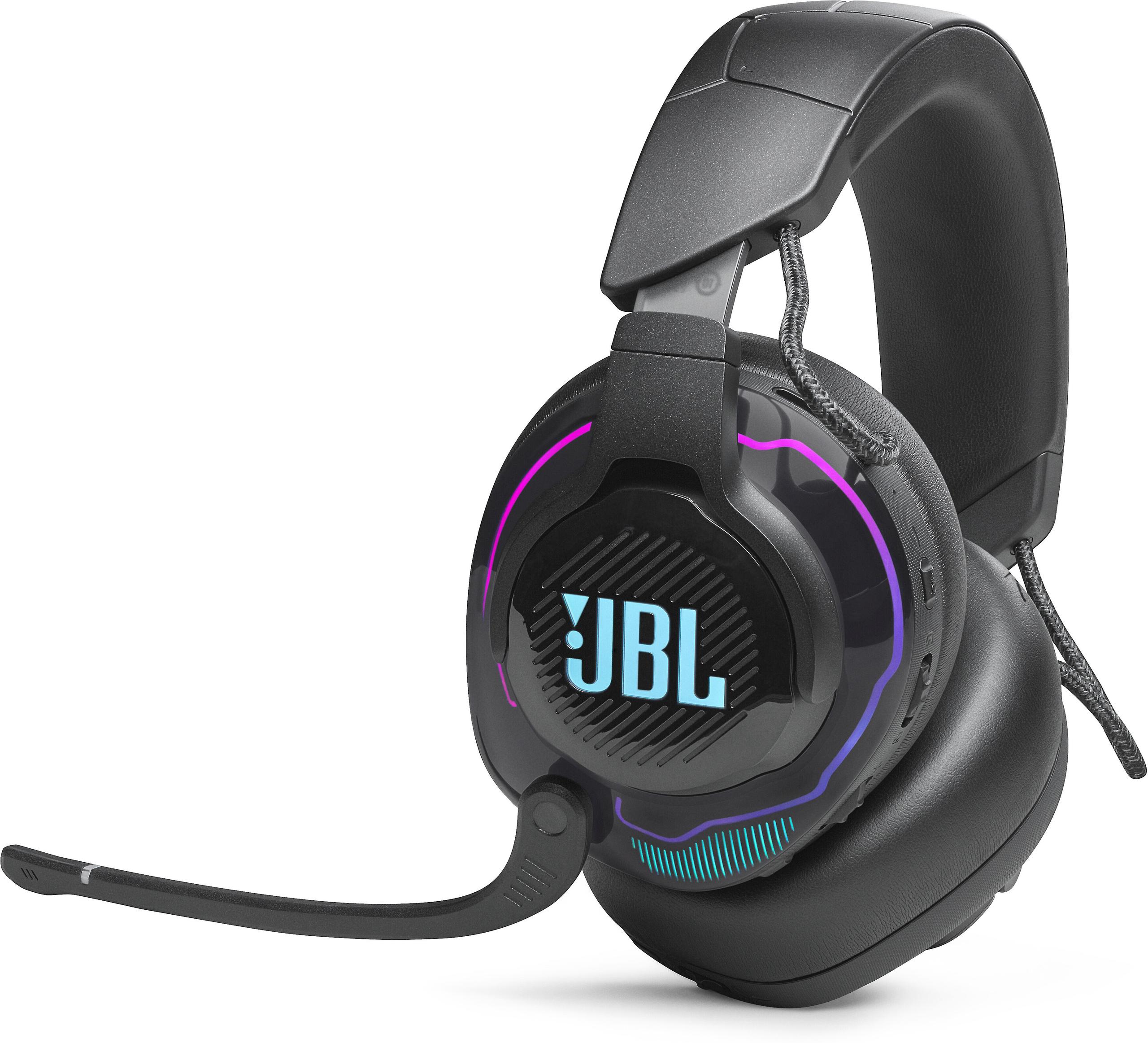
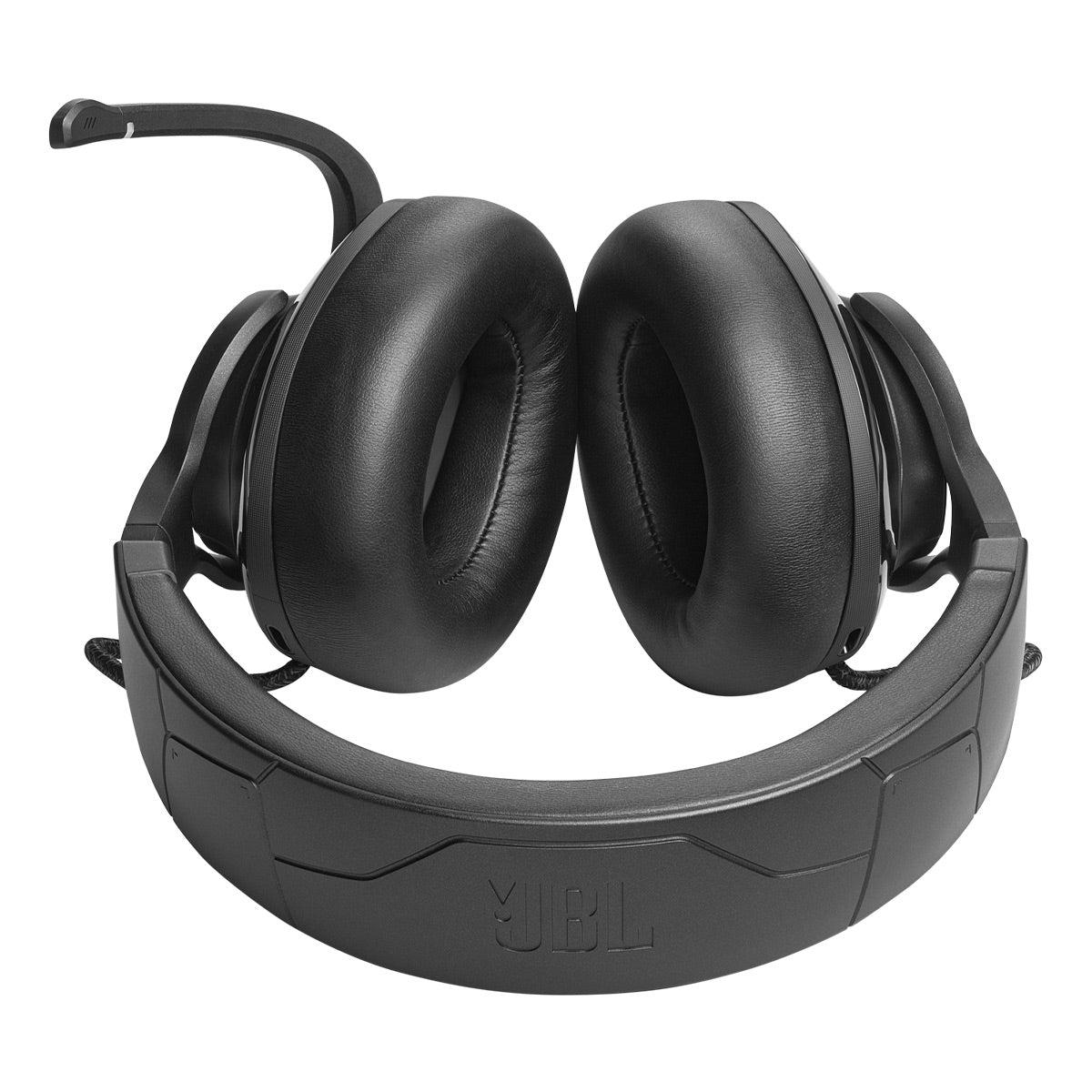
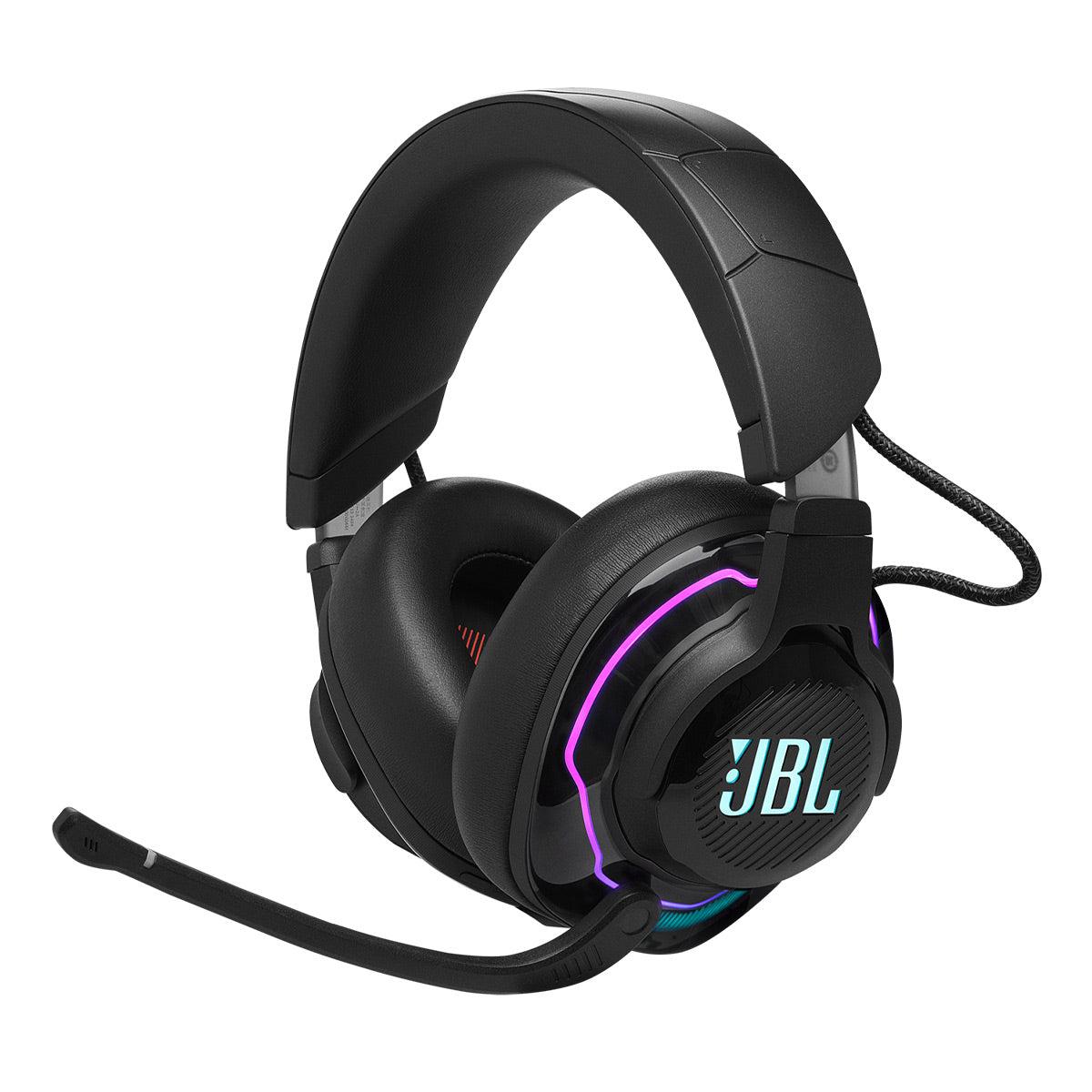
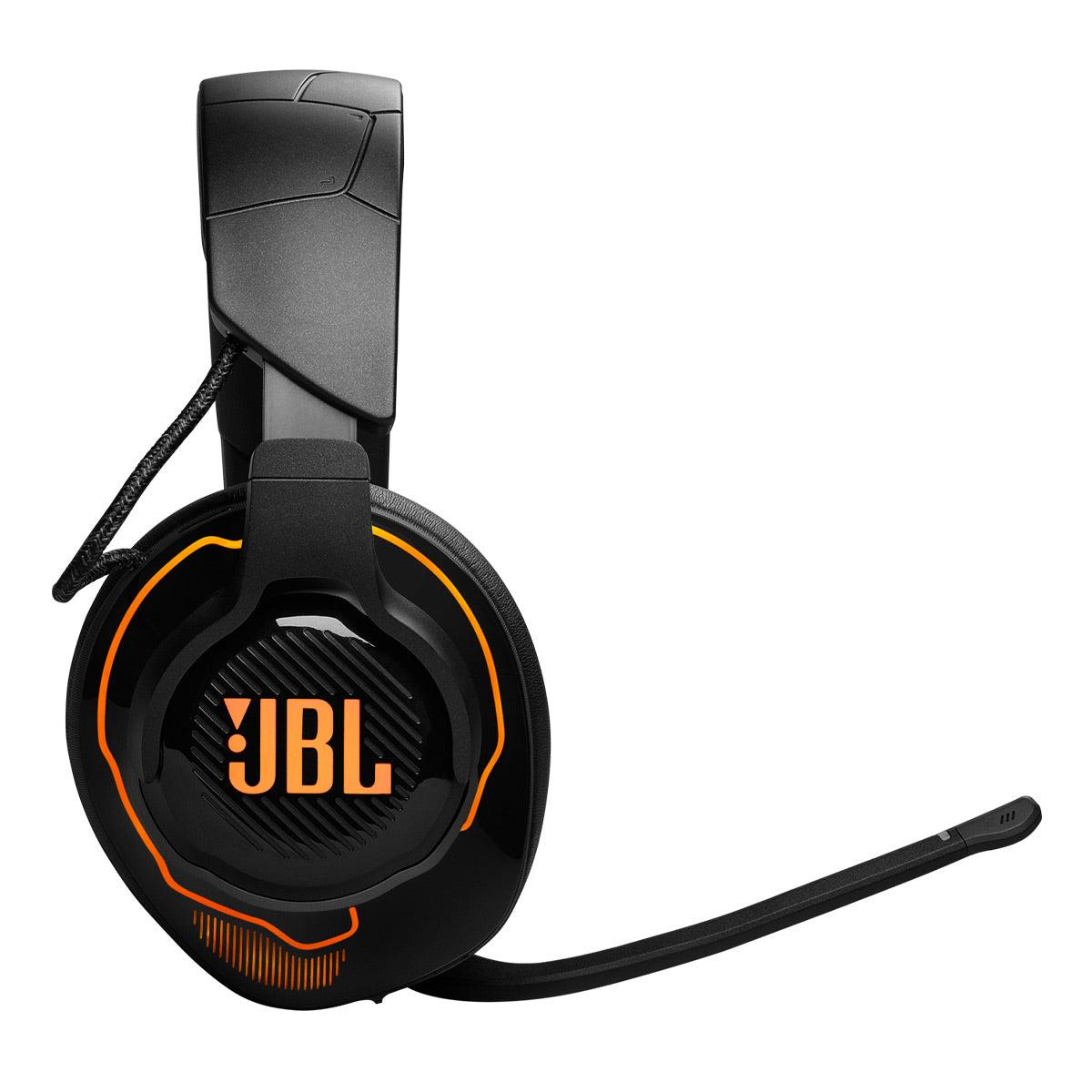
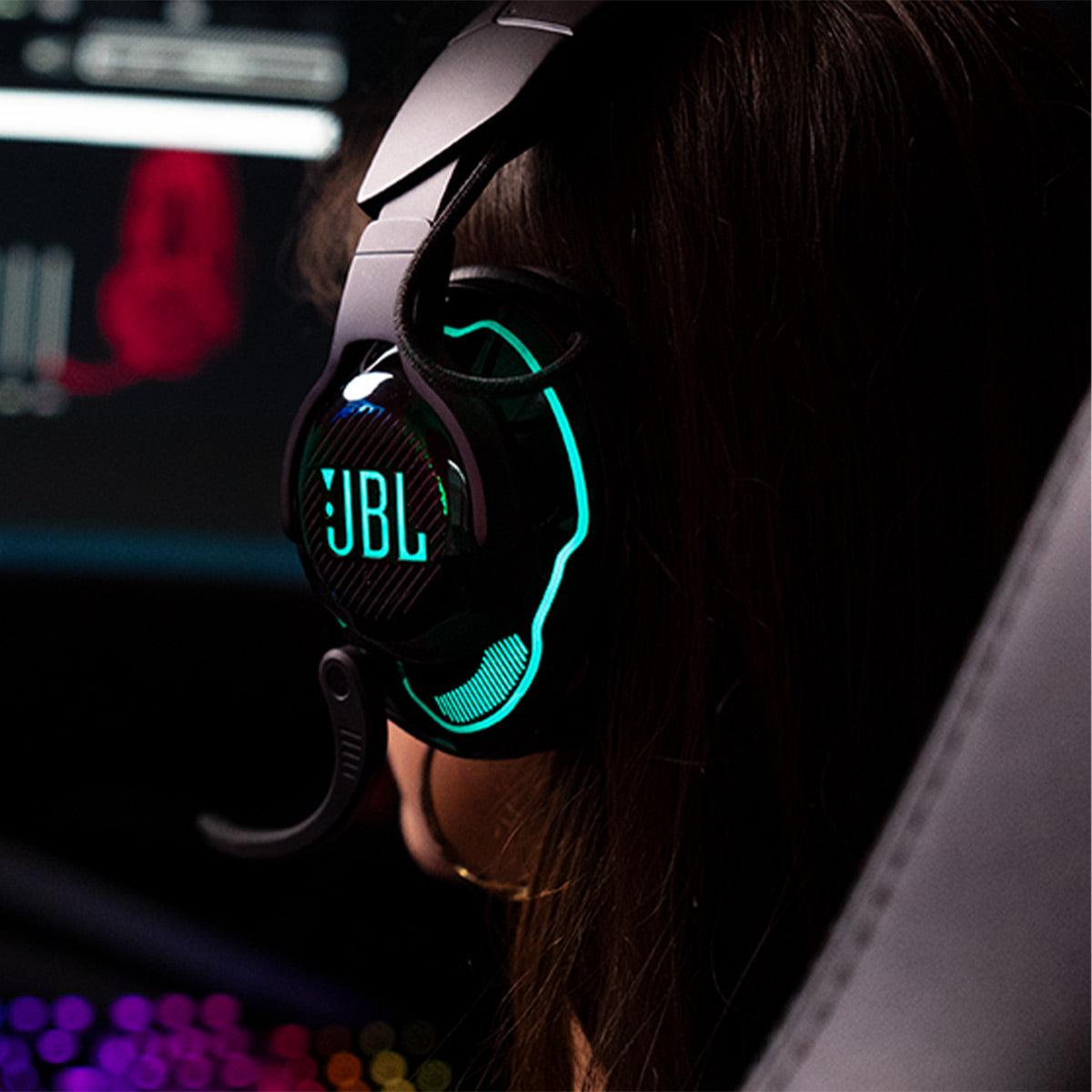
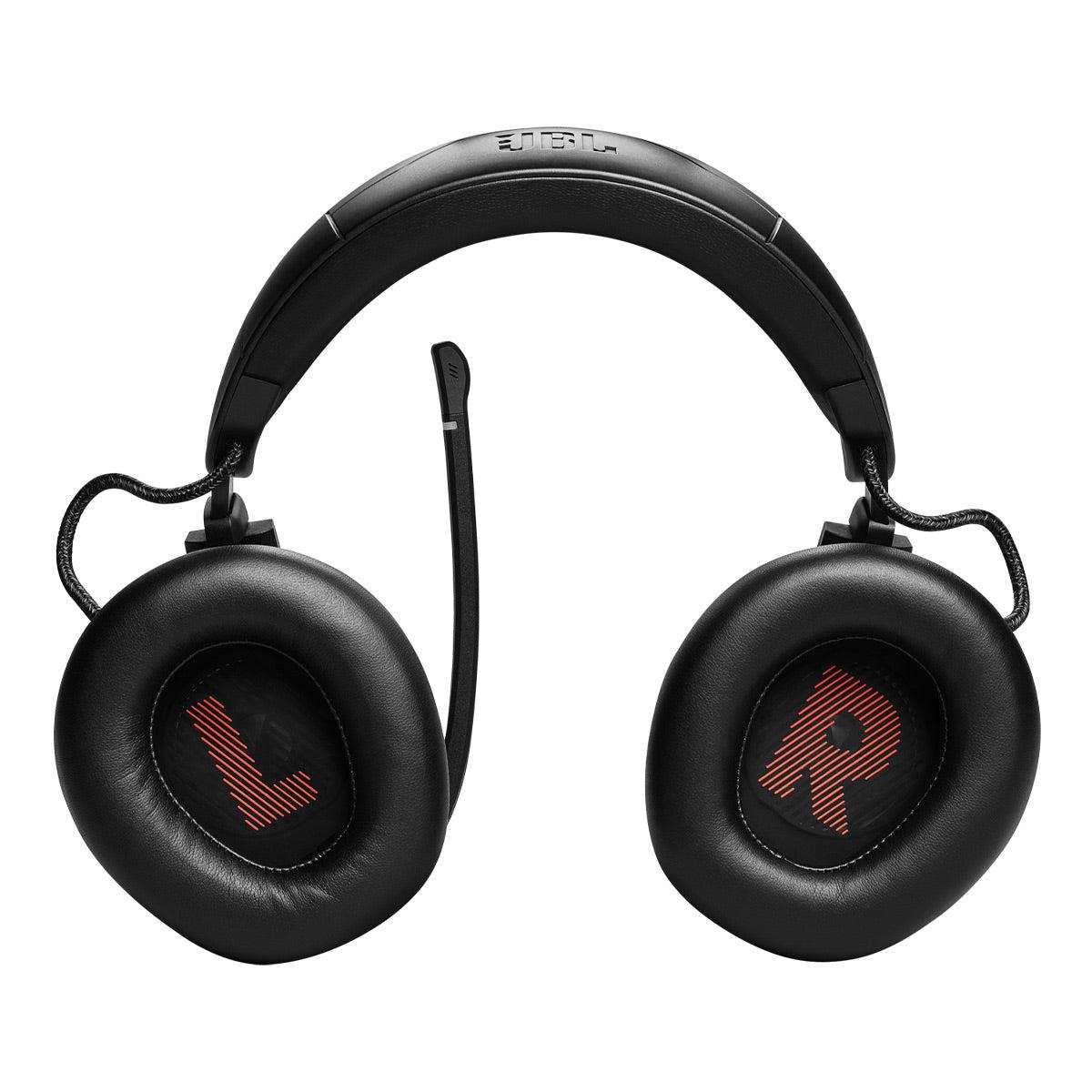

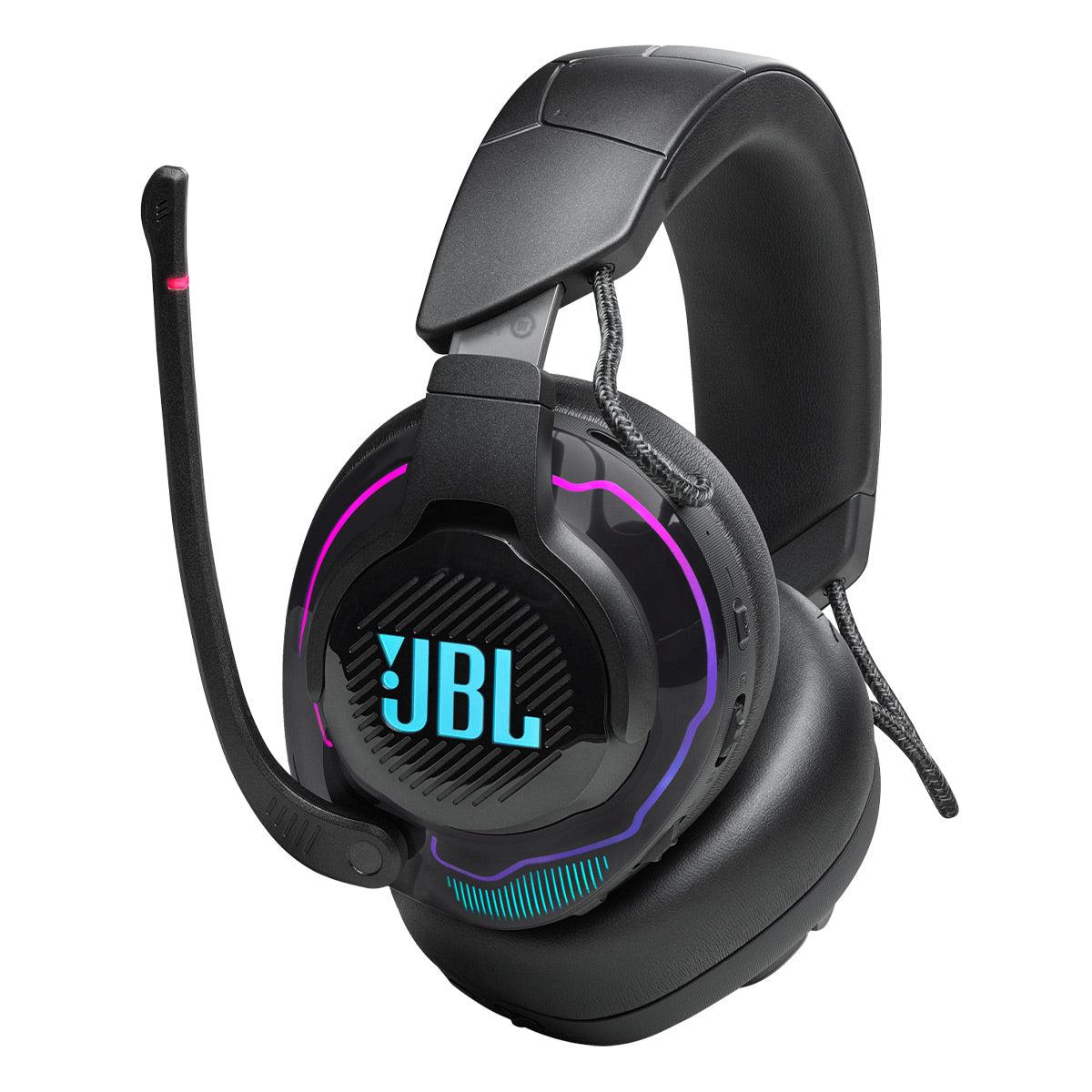
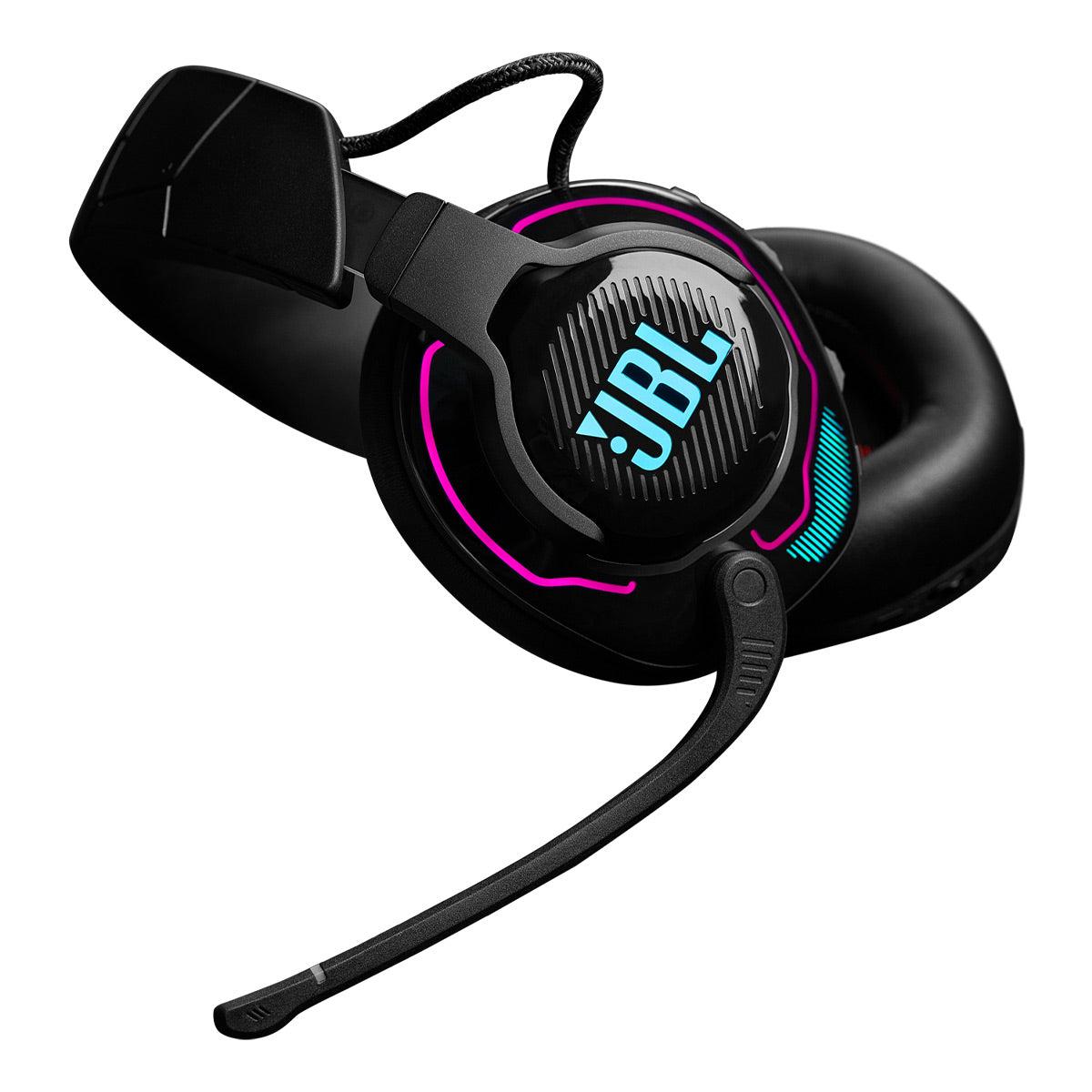
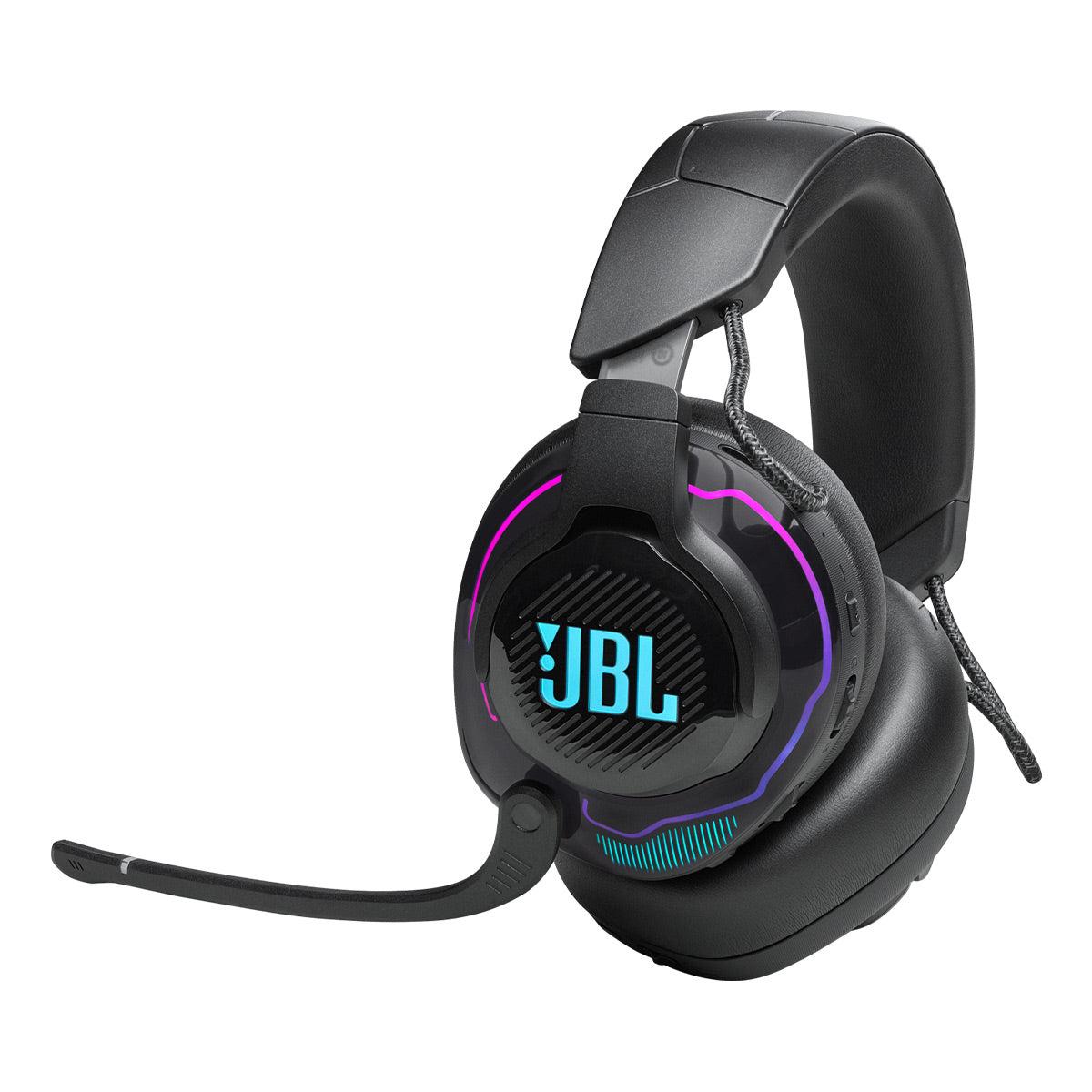
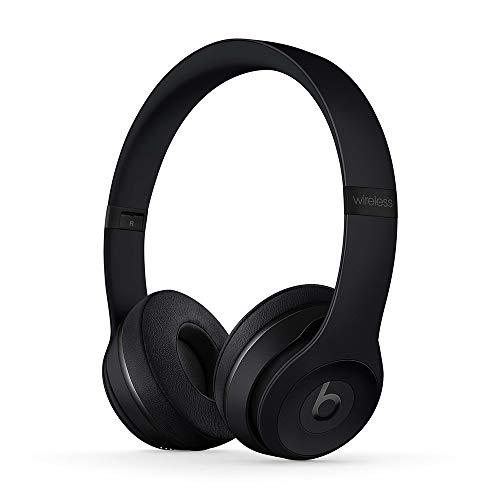
When you're shopping for wireless headphones, you might think all premium options are roughly the same. That's far from the truth. The JBL Quantum 910 Wireless Gaming Headset and Beats Solo3 Wireless On-Ear Headphones represent two completely different philosophies in audio design, even though both deliver high-quality wireless sound.
Released in 2021, the JBL Quantum 910 arrived as JBL's flagship gaming headset, packed with professional-grade features that most consumer headphones simply don't offer. Meanwhile, the Beats Solo3 launched in 2016 as Apple's W1 chip showcase—a consumer-focused design that prioritized battery life and Apple ecosystem integration above all else.
Gaming headphones and consumer headphones might both go on your head, but that's where the similarities end. Gaming headsets like the JBL Quantum 910 are engineered around competitive performance. They need to help you hear enemy footsteps in Call of Duty, communicate clearly with your team, and provide precise audio positioning that can mean the difference between winning and losing.
Consumer headphones like the Beats Solo3 focus on versatility and everyday convenience. They're designed for music enjoyment, phone calls, commuting, and general entertainment. The priorities are completely different: portability, style, battery life, and broad compatibility matter more than millisecond-perfect audio timing.
The key consideration isn't which is "better"—it's which approach matches your needs. Think of it like comparing a race car to an SUV. Both are excellent vehicles, but asking which is better misses the point entirely.
The JBL Quantum 910 uses massive 50mm neodymium drivers—that's the magnetic component that actually moves air to create sound. Larger drivers generally produce more accurate bass and can handle higher volumes without distortion. With a frequency response extending from 20Hz to 40kHz when wired (far beyond human hearing), this headset reproduces audio with remarkable precision.
More importantly, JBL tuned these specifically for gaming. The "JBL QuantumSOUND Signature" isn't just marketing speak—it's an audio profile developed by JBL's audiologists to enhance crucial gaming sounds. Footsteps cut through background noise more clearly, explosions have controlled bass that doesn't overwhelm dialogue, and environmental cues remain distinct even during chaotic gameplay.
The Hi-Res audio certification means the Quantum 910 meets strict technical standards for reproducing high-quality audio files. This matters most when gaming on PC with high-bitrate audio or listening to lossless music files.
The Beats Solo3 takes a completely different approach with its signature bass-heavy tuning. This isn't about accuracy—it's about making music enjoyable and exciting. Hip-hop, electronic, and pop music sound punchy and engaging, with prominent low-end that adds energy to your favorite tracks.
However, this comes with trade-offs. The rolled-off treble (reduced high frequencies) means you lose some detail in cymbal crashes, vocal nuances, and instrument separation. For casual music listening, this actually reduces listening fatigue and makes the headphones more pleasant for extended use. But if you're an audiophile who values accuracy, the Solo3 might sound too colored.
The on-ear design also limits soundstage—the sense of space and instrument placement in a recording. Music feels more "inside your head" rather than surrounding you, which is typical for this form factor but noticeable compared to over-ear alternatives.
Here's where the JBL Quantum 910 shows its professional pedigree. It operates two completely separate wireless systems simultaneously. The 2.4GHz connection handles game audio with ultra-low latency (essentially zero delay), while Bluetooth 5.2 manages phone calls or music from your smartphone.
This dual-system approach solves a real problem for gamers: you can stay connected to your game while taking calls or listening to Spotify between matches. The 2.4GHz system uses its own wireless protocol optimized for real-time audio, not general Bluetooth standards that prioritize compatibility over speed.
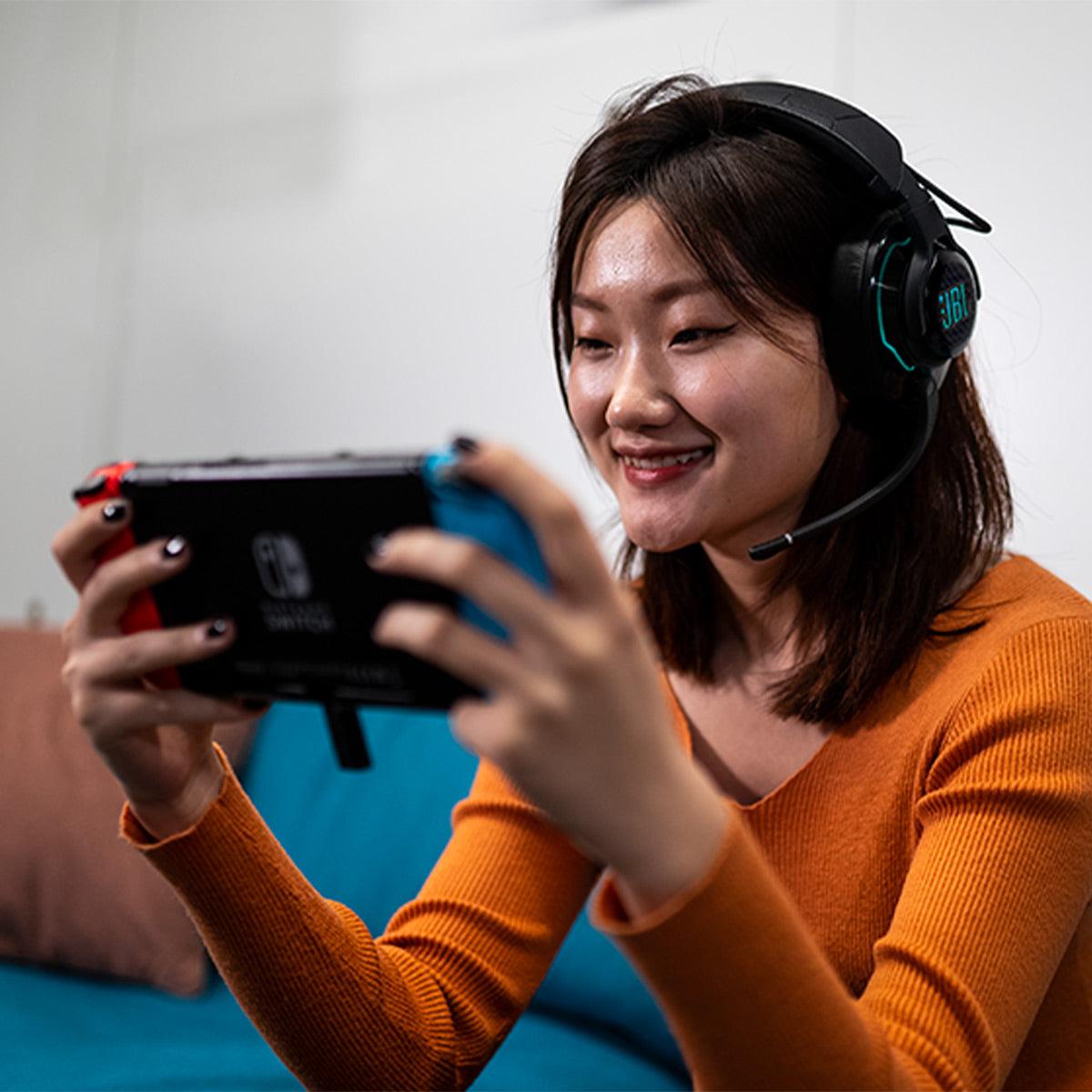
The included USB dongle ensures consistent performance across platforms. Whether you're gaming on PC, PlayStation 5, or Nintendo Switch (when docked), you get the same low-latency experience.
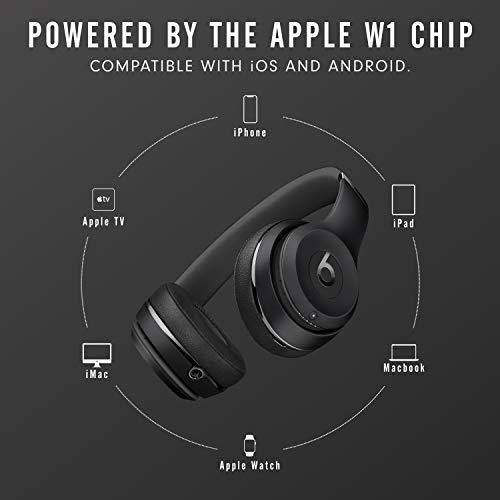
The Beats Solo3 showcases Apple's W1 chip, which was groundbreaking when it launched. This custom processor handles Bluetooth connectivity more efficiently than standard implementations, contributing to the impressive 40+ hour battery life.
For Apple users, the W1 chip provides genuinely seamless experiences. Your headphones automatically appear in your device list after pairing with one Apple product. Battery levels show up in iOS widgets, and switching between your iPhone, iPad, and Mac requires minimal effort.
However, Android users miss many of these benefits. While the Solo3 works with Android devices, you lose the smart pairing, battery widgets, and optimized power management that make these headphones special.
The JBL Quantum 910 includes an integrated head tracking sensor—a tiny accelerometer and gyroscope that monitors your head movement in real-time. Combined with JBL QuantumSPHERE 360 technology, this creates a "fixed" audio environment where sounds maintain their position as you move your head.
Imagine you're playing a first-person shooter. With traditional headphones, audio moves with your head—turn left, and the enemy's footsteps seem to move right. With head tracking, those footsteps stay in their actual game-world position, creating much more natural and immersive spatial awareness.
The included calibration microphone measures your ear canal acoustics to personalize the 3D audio algorithms. This isn't a gimmick—it's professional audio technology adapted for gaming, similar to systems used in movie theaters and recording studios.
The Beats Solo3 offers standard stereo reproduction without any spatial audio processing. For music listening, this isn't necessarily a disadvantage—most recordings are mixed for stereo playback anyway. But it means you miss the immersive experiences possible with newer audio technologies.
Gaming communication demands clarity under pressure. The JBL Quantum 910 includes a flip-up boom microphone with echo and noise suppression technology. The unidirectional pickup pattern (meaning it mainly captures sound from one direction) minimizes background noise while maintaining voice clarity.
The Discord certification isn't just a badge—it means the microphone meets specific standards for voice chat applications. The dedicated chat balance dial lets you adjust game audio versus voice chat levels independently, using separate audio channels for each.
When you flip the microphone up, it automatically mutes—a crucial feature during competitive gaming when you need instant silence.
The Beats Solo3 includes built-in microphones suitable for phone calls and voice assistants. Call quality is adequate for casual conversations, but the microphones aren't designed for extended voice chat or professional communication.
For most people making occasional phone calls, this is perfectly sufficient. But if you spend hours in video conferences or team chat, dedicated gaming headsets provide noticeably better voice quality.
At 420 grams, the JBL Quantum 910 is substantial but distributes weight well across the over-ear design. The memory foam ear cushions with leather wrapping provide good isolation and comfort, though some users report fatigue during extremely long sessions (think 6+ hours).
The over-ear design means your ears sit inside the cups rather than having pressure applied directly to them. This generally provides better comfort for extended use compared to on-ear alternatives, though individual head shapes vary significantly.
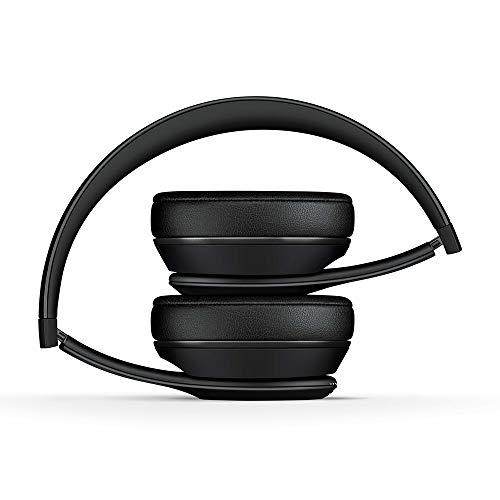
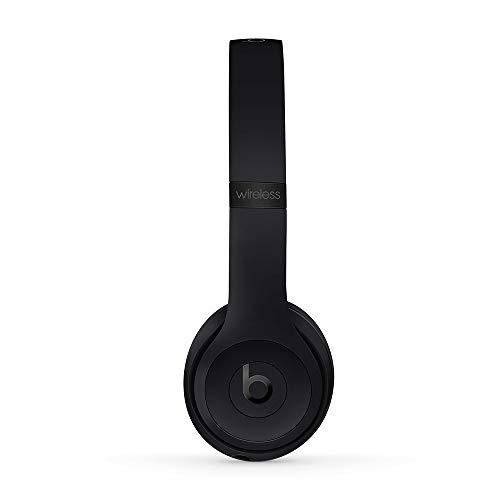
The Beats Solo3 weighs just 215 grams and folds into a compact form factor ideal for backpacks or travel bags. The on-ear design keeps them smaller than over-ear alternatives, but this comes with comfort trade-offs.
On-ear headphones apply pressure directly to your ears to maintain their position. This can become uncomfortable after an hour or two, especially if you wear glasses or have sensitive ears. However, for commuting, workouts, or casual listening, the portability advantages often outweigh the comfort limitations.
The JBL Quantum 910 delivers 39 hours of battery life with RGB lighting disabled (about 30 hours with lighting on). The play-and-charge functionality means you can continue gaming while plugged in, essentially providing unlimited usage time.
The 3.5-hour full charge time is reasonable for overnight charging, and the headset includes both wireless and wired operation modes. USB-C charging aligns with modern device standards.
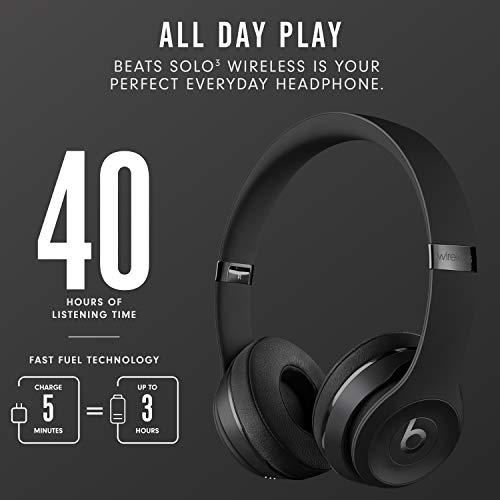
The Beats Solo3 achieves over 40 hours of battery life through the W1 chip's power management. But the real convenience comes from Fast Fuel technology—five minutes of charging provides three hours of listening time.
This addresses the common scenario where you grab your headphones and discover they're dead. A quick bathroom break provides enough power for your commute or workout. However, the micro-USB charging port feels dated compared to the USB-C standard most devices now use.
The JBL Quantum 910 provides full functionality on PC through the JBL QuantumENGINE software, which controls RGB lighting, audio profiles, and head tracking calibration. Console support varies: PlayStation 5/4 and Nintendo Switch get wireless audio and some spatial features, while Xbox requires the specialized 910X variant for optimal performance.
The multiple connection options (2.4GHz wireless, Bluetooth, and 3.5mm wired) ensure compatibility across virtually any gaming platform, though advanced features require specific setups.
The Beats Solo3 works with any Bluetooth device but truly shines within Apple's ecosystem. iOS users get battery widgets, automatic device switching, and optimized audio codecs. Android users get basic Bluetooth functionality without the smart features that define the Solo3 experience.
This isn't necessarily a problem if you use mixed platforms—the headphones still sound good and last forever on battery. You just miss the seamless integration that makes them special for Apple users.
For home theater use, the JBL Quantum 910 offers compelling advantages through its spatial audio processing and wireless flexibility. The head tracking creates a more immersive movie experience, especially for action films where positional audio enhances the excitement. The 2.4GHz wireless connection provides reliable, low-latency audio for TV watching without lip-sync issues.
The Beats Solo3 works for casual TV watching but lacks the immersive features and comfort needed for movie marathons. The on-ear design becomes uncomfortable during long films, and the bass-heavy tuning doesn't suit all content types.
Since the Solo3 launched in 2016, wireless audio has evolved significantly. Modern headphones feature Bluetooth 5.0+ for better efficiency, USB-C charging as standard, and improved codecs like aptX and LDAC for higher-quality wireless audio. The Solo3's Bluetooth 4.2 and micro-USB feel dated by current standards.
The Quantum 910 arrived in 2021 with more current technology, but even it lacks some newer features like multipoint Bluetooth (connecting to multiple devices simultaneously) and the latest Bluetooth 5.3 standard found in 2023+ models.
For gaming headsets, latency (audio delay) matters most—even 30 milliseconds can hurt competitive performance. Spatial accuracy helps with positioning, while microphone clarity ensures effective team communication. Comfort during extended use becomes crucial during long gaming sessions.
For consumer headphones, battery life and charging convenience typically top the priority list, followed by comfort for daily wear and broad device compatibility. Sound signature preference varies individually—some prefer accurate reproduction while others enjoy enhanced bass.
You're serious about gaming and want every competitive advantage. The spatial audio, head tracking, and ultra-low latency provide tangible benefits in competitive multiplayer games. The professional microphone and dual wireless systems solve real problems for gamers who communicate with teammates while staying connected to other devices.
At the time of writing, the Quantum 910 commands a premium price reflective of its professional features. If gaming represents your primary audio use case and you value the advanced functionality, the investment makes sense.
You need versatile headphones for music, calls, and general entertainment with exceptional battery life and Apple ecosystem integration. The portable design suits daily commuting and travel, while the bass-focused tuning makes popular music genres sound engaging and fun.
Despite being an older model, the Solo3 often represents strong value at current pricing, especially during sales. The 40+ hour battery life remains competitive with much newer models.
These headphones excel in completely different scenarios, making direct comparison somewhat unfair. The JBL Quantum 910 is specialized equipment for serious gamers who want professional-grade features and are willing to accept higher weight and cost for competitive advantages.
The Beats Solo3 serves the broader consumer market effectively with excellent battery life, Apple integration, and portable convenience. While technologically dated, it remains competitive for its core use cases.
Choose based on your primary use case rather than trying to find a compromise. If you game seriously, the JBL's features justify the investment. If you want great everyday headphones with incredible battery life, the Beats deliver proven performance at increasingly attractive pricing.
Both represent successful products in their respective categories—they just happen to be very different categories that serve very different users.
| JBL Quantum 910 Wireless Gaming Headset | Beats Solo3 Wireless On-Ear Headphones |
|---|---|
| Design Type - Determines comfort and portability | |
| Over-ear gaming headset (420g) - Better for extended sessions | On-ear consumer headphones (215g) - More portable for daily use |
| Driver Size - Affects bass response and overall sound quality | |
| 50mm neodymium drivers - Larger drivers provide better bass control | Driver size not specified - Typical consumer-grade drivers |
| Audio Tuning - Impacts how music and games sound | |
| Gaming-optimized with Hi-Res certification - Prioritizes accuracy and detail | Bass-heavy consumer tuning - Makes popular music more exciting |
| Wireless Technology - Determines latency and device compatibility | |
| Dual wireless: 2.4GHz + Bluetooth 5.2 - Zero-lag gaming plus phone connectivity | Bluetooth 4.2 with Apple W1 chip - Seamless Apple integration but dated standard |
| Spatial Audio - Creates immersive 3D sound experience | |
| JBL QuantumSPHERE 360 with head tracking - Professional-grade positioning | No spatial audio features - Standard stereo only |
| Active Noise Cancelling - Blocks distracting background sounds | |
| Gaming-tuned ANC - Filters ambient noise while preserving important game audio | No ANC - Basic passive isolation from on-ear design |
| Microphone Quality - Critical for gaming communication and calls | |
| Professional flip-up boom mic with noise suppression - Discord certified | Built-in mics for basic calls - Adequate for phone conversations |
| Battery Life - Determines how long you can use wirelessly | |
| 39 hours (RGB off) with play-and-charge capability | 40+ hours with Fast Fuel (3 hours from 5-minute charge) |
| Platform Compatibility - Shows which devices work best | |
| Multi-platform gaming focus: PC, PlayStation, Nintendo Switch | Apple ecosystem optimized - Full features require iOS devices |
| Charging Standard - Affects convenience and future-proofing | |
| USB-C - Modern standard compatible with most new devices | Micro-USB - Outdated standard but still functional |
| Special Gaming Features - Advanced functionality for competitive play | |
| Head tracking, dual audio channels, chat balance dial | None - Focus on music and general entertainment |
| Best Use Cases - Who should choose each product | |
| Serious gamers wanting competitive advantages and team communication | Music lovers, commuters, and Apple users prioritizing portability |
The JBL Quantum 910 Wireless Gaming Headset is significantly better for gaming. It features ultra-low latency 2.4GHz wireless, head tracking technology, spatial audio, and a professional boom microphone for team communication. The Beats Solo3 Wireless On-Ear Headphones lack gaming-specific features and use standard Bluetooth which introduces audio delay.
The JBL Quantum 910 offers Hi-Res certified audio with 50mm drivers tuned for gaming accuracy and detail. The Beats Solo3 has a bass-heavy consumer tuning that makes music sound more exciting but less accurate. For gaming and critical listening, the JBL provides superior sound quality, while the Beats excel at making popular music genres enjoyable.
Both offer excellent battery life, with the Beats Solo3 delivering 40+ hours and the JBL Quantum 910 providing 39 hours. The Beats have a slight edge with Fast Fuel technology offering 3 hours of playback from just 5 minutes of charging, making them more convenient for quick top-ups.
The JBL Quantum 910 is more comfortable for extended use thanks to its over-ear design with memory foam cushions, though it's heavier at 420g. The Beats Solo3 weighs only 215g but uses an on-ear design that can cause ear pressure and discomfort after 1-2 hours of continuous use.
The Beats Solo3 are specifically designed for Apple devices with the W1 chip providing seamless pairing, battery widgets, and device switching. The JBL Quantum 910 works with Apple devices but lacks the specialized integration features that make the Beats shine in Apple's ecosystem.
The JBL Quantum 910 features Active Noise Cancelling specifically tuned for gaming environments. The Beats Solo3 only provide basic passive noise isolation through their on-ear design, with no active cancelling technology.
The JBL Quantum 910 has a superior communication setup with its professional boom microphone, echo suppression, and flip-to-mute functionality. The Beats Solo3 use built-in microphones that are adequate for casual phone calls but not ideal for extended voice conversations or video conferencing.
Yes, the JBL Quantum 910 supports play-and-charge functionality, allowing continuous use while plugged in. The Beats Solo3 can also be used while charging, though this is less commonly needed due to their exceptional 40+ hour battery life.
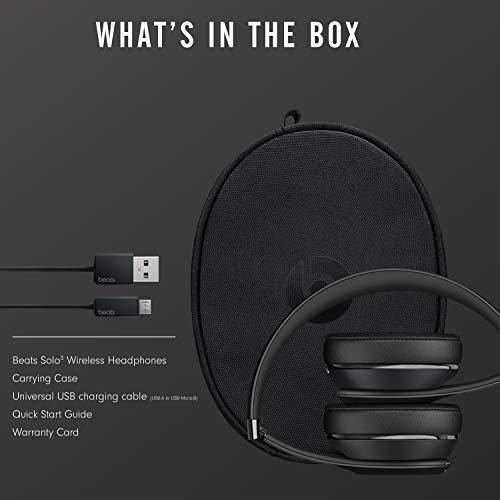
The Beats Solo3 are significantly more portable, weighing 215g with a foldable design and included carrying case. The JBL Quantum 910 weighs 420g and is designed more for stationary gaming setups, though it can certainly be transported when needed.
The JBL Quantum 910 excels for home theater with its spatial audio, head tracking technology, and low-latency wireless connection that prevents lip-sync issues. The Beats Solo3 work for casual TV watching but lack the immersive features and long-term comfort needed for movie marathons.
The JBL Quantum 910 provides superior wireless performance with dual connectivity (2.4GHz + Bluetooth 5.2) and ultra-low latency for real-time audio. The Beats Solo3 use older Bluetooth 4.2 technology but benefit from Apple's W1 chip for improved efficiency and seamless device pairing within Apple's ecosystem.
Choose the JBL Quantum 910 if gaming is your primary use case and you want competitive advantages like spatial audio, head tracking, and professional communication features. Choose the Beats Solo3 if you need versatile headphones for music, calls, and daily use with exceptional battery life and Apple device integration.
We've done our best to create useful and informative comparisons to help you decide what product to buy. Our research uses advanced automated methods to create this comparison and perfection is not possible - please contact us for corrections or questions. These are the sites we've researched in the creation of this article: techradar.com - stereoguide.com - ausdroid.net - majorhifi.com - ign.com - youtube.com - soundguys.com - versus.com - impulsegamer.com - versus.com - jbl.com - jbl.com.tw - crutchfield.com - th.jbl.com - harmanaudio.com - jbl.com - jbl.com - youtube.com - bestbuy.com - harmanaudio.com - jbl.com - th.jbl.com - bhphotovideo.com - soundguys.com - cornellstore.com - imore.com - bestbuy.com - headphonecheck.com - soundguys.com - recordingnow.com - corporategift.com - ifixit.com - rtings.com - youtube.com - mobileciti.com.au - beatsbydre.com - discussions.apple.com - target.com - bestbuy.com - jalc.ecampus.com - beats.fandom.com - support.apple.com - electronics.woot.com

Privacy Policy
Terms and Conditions - Affiliate Policy
Home Security
© Copyright 2008-2026.
11816 Inwood Rd #1211, Dallas, TX 75244