

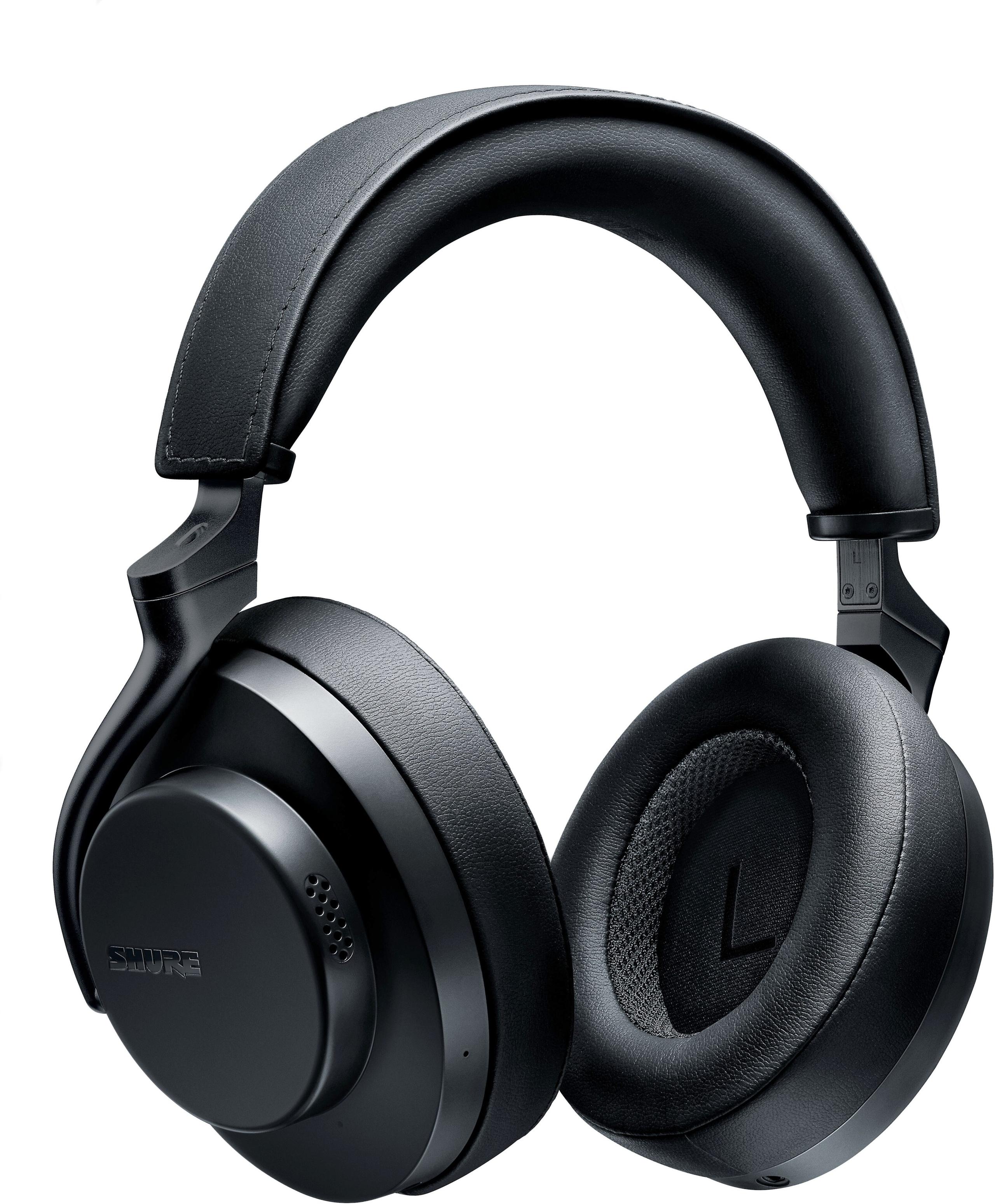
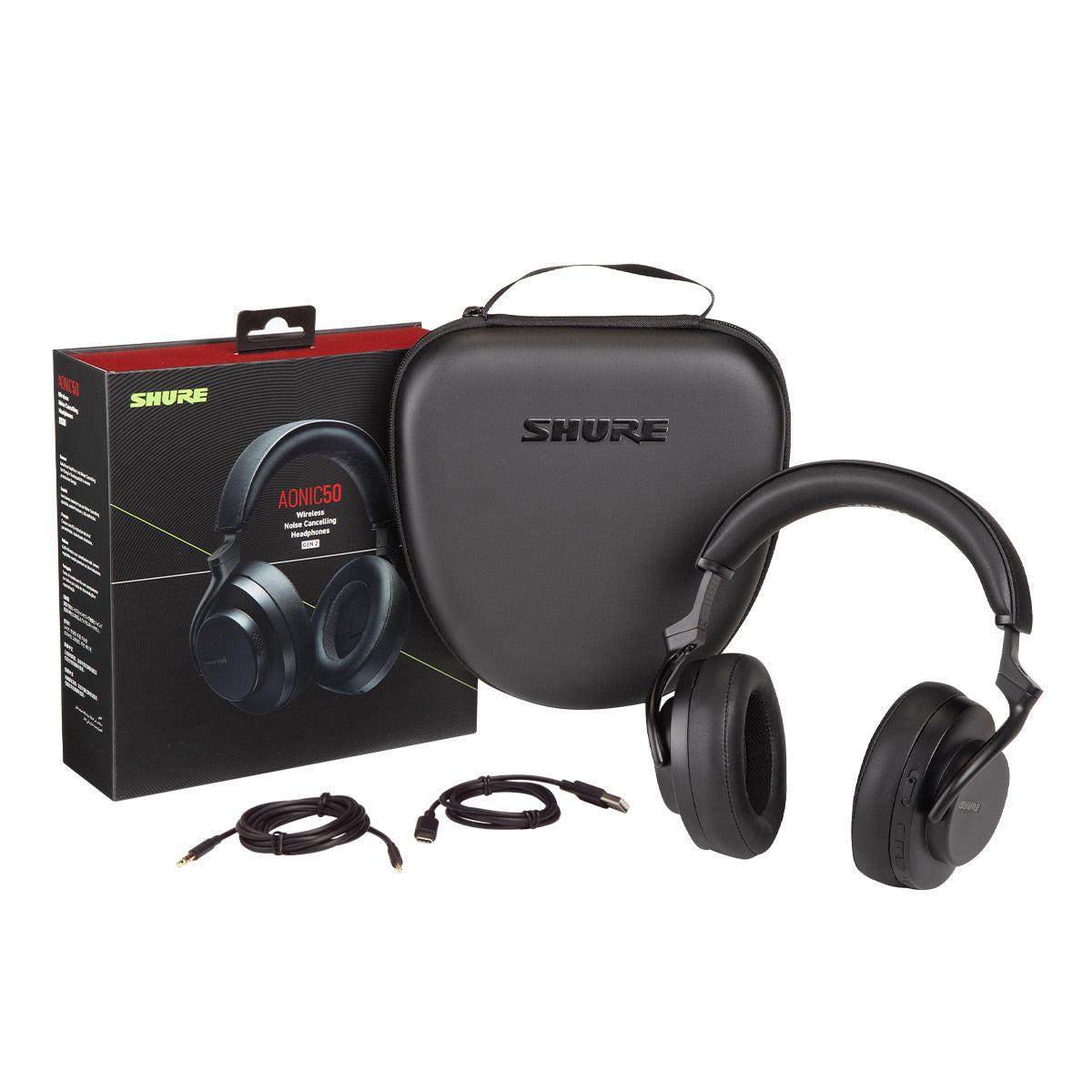
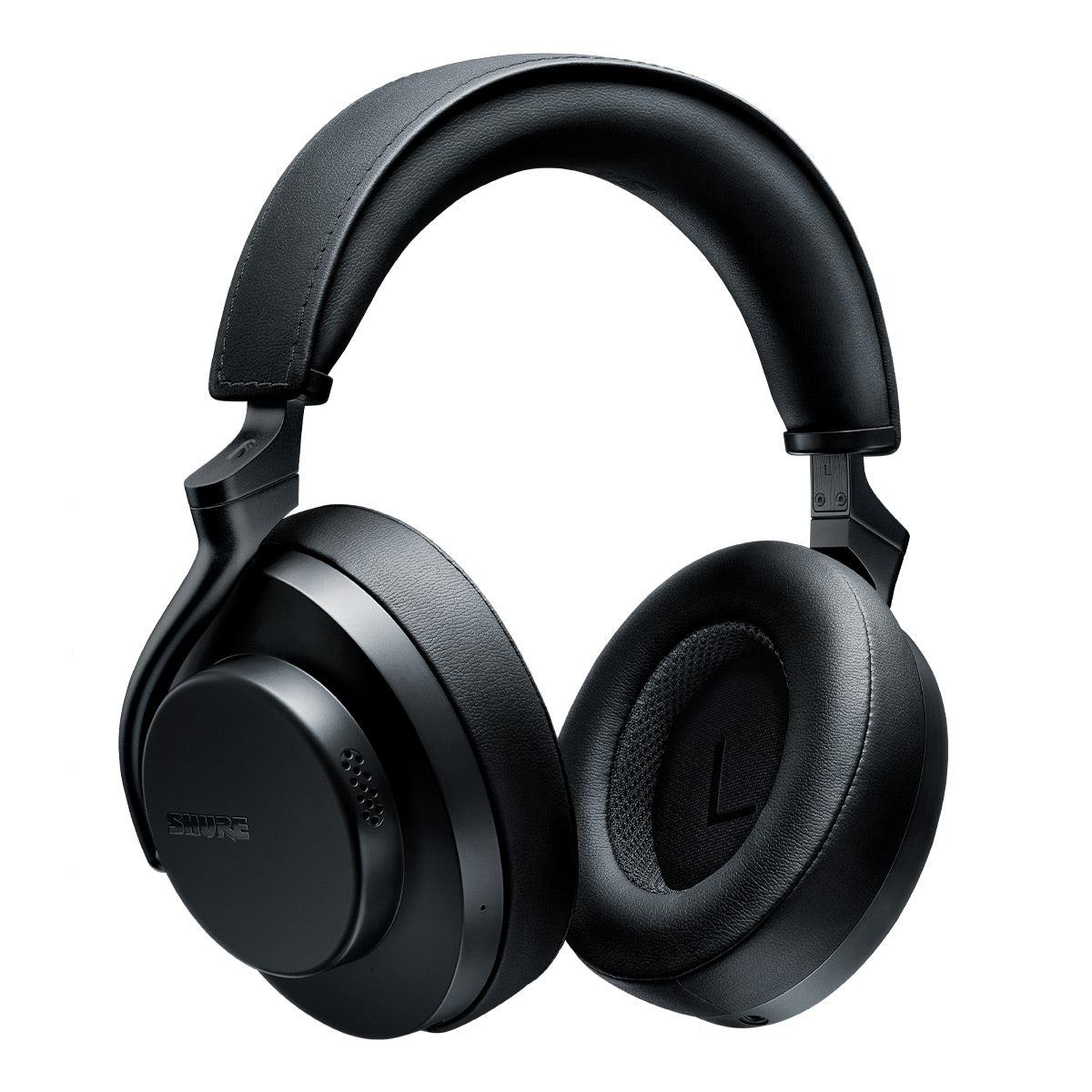

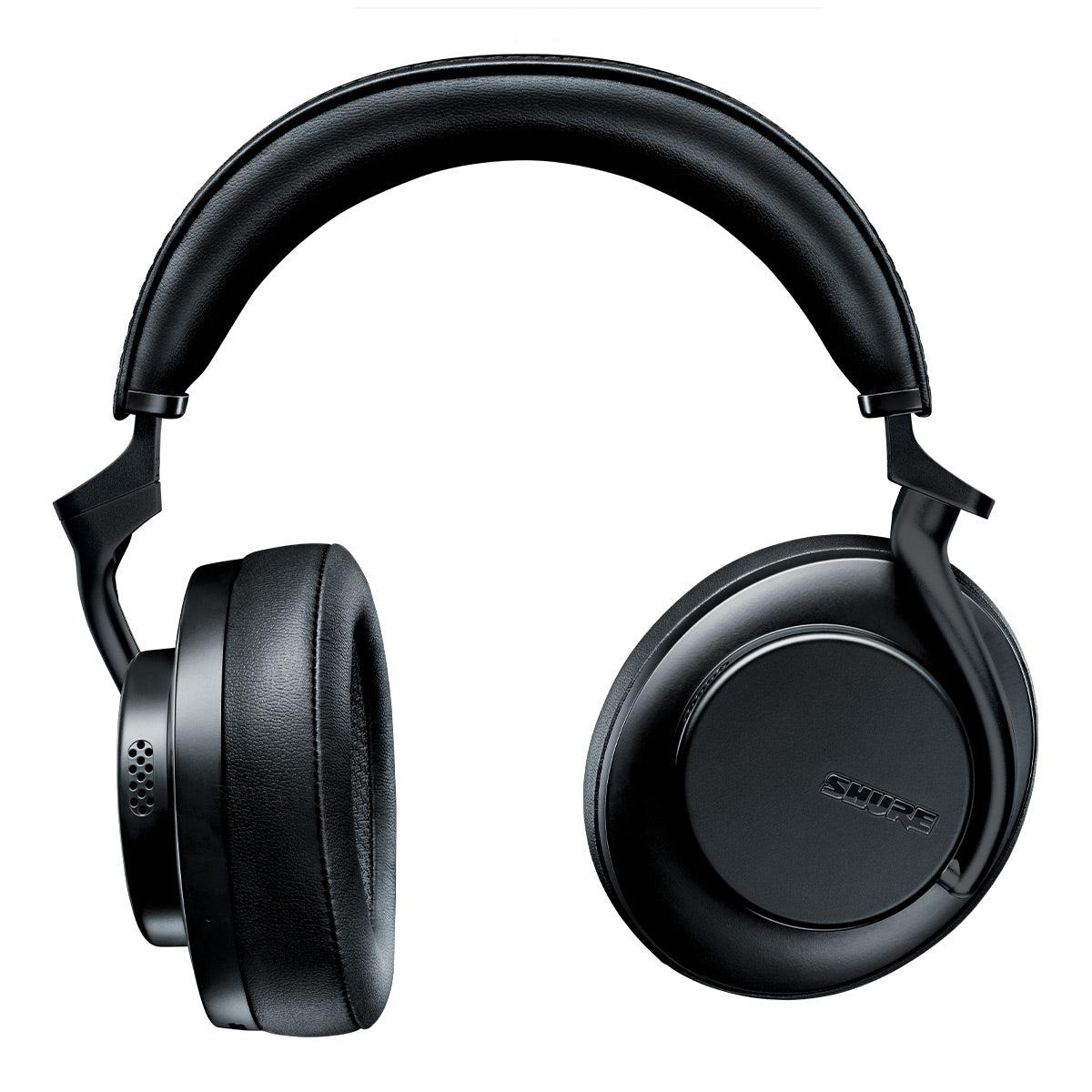
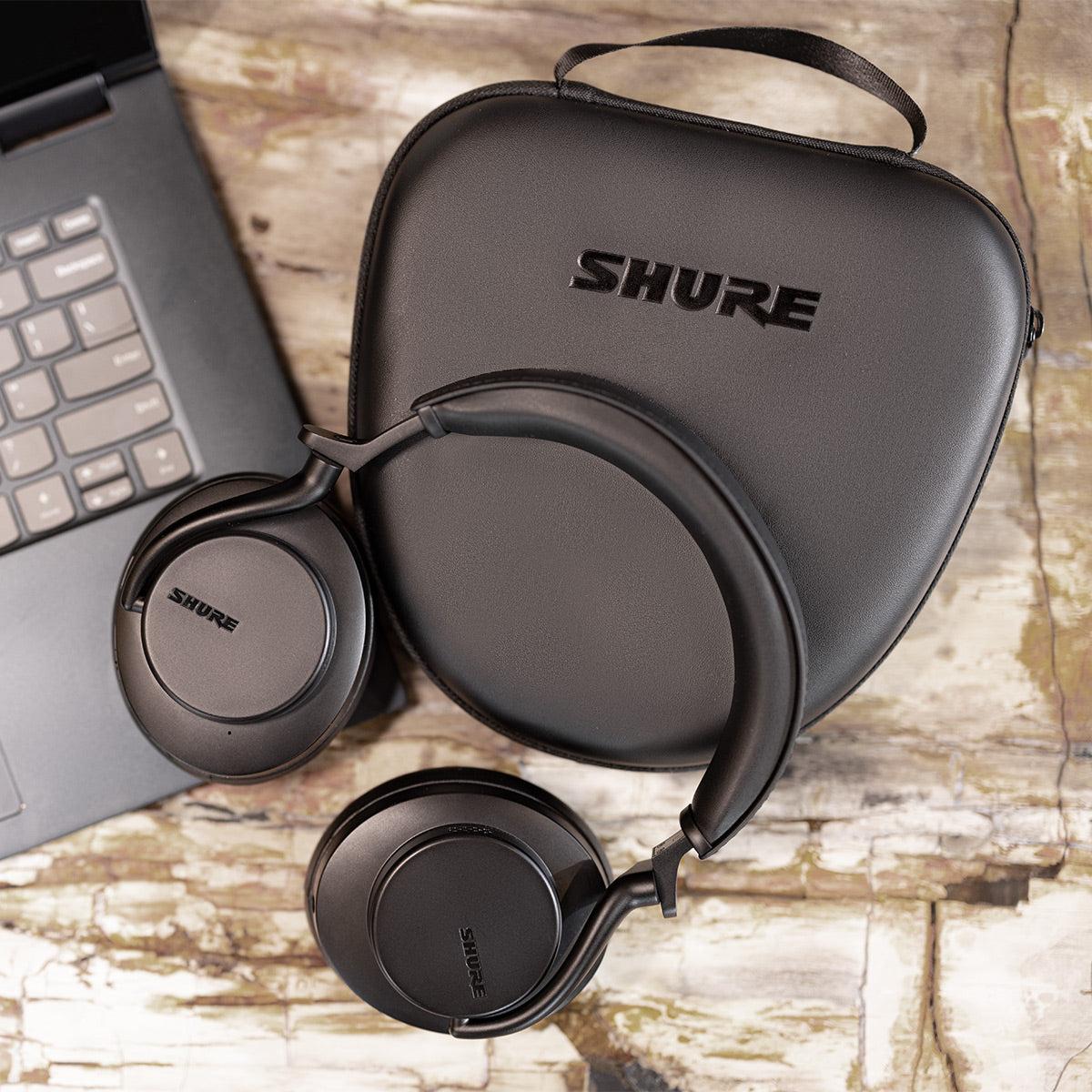
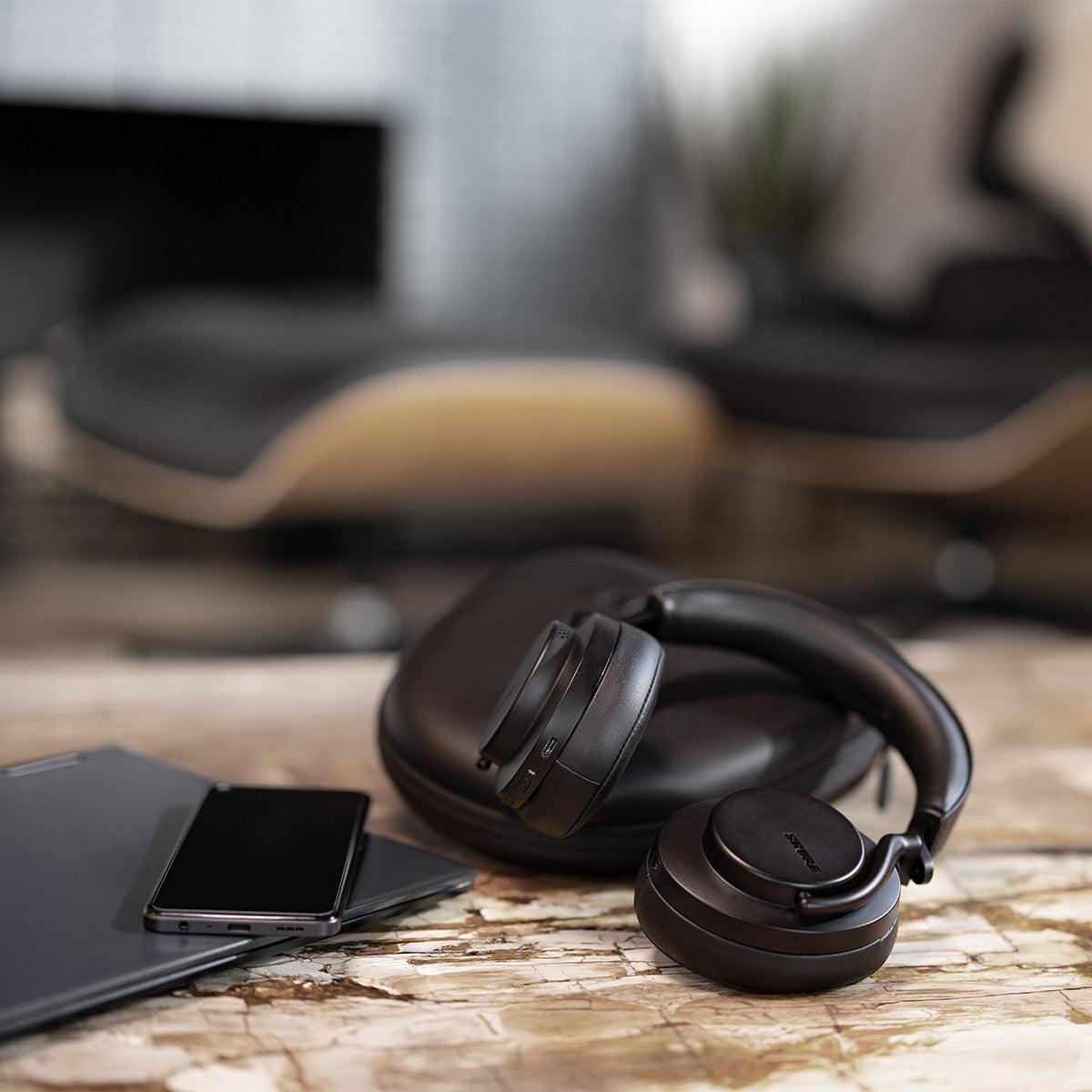
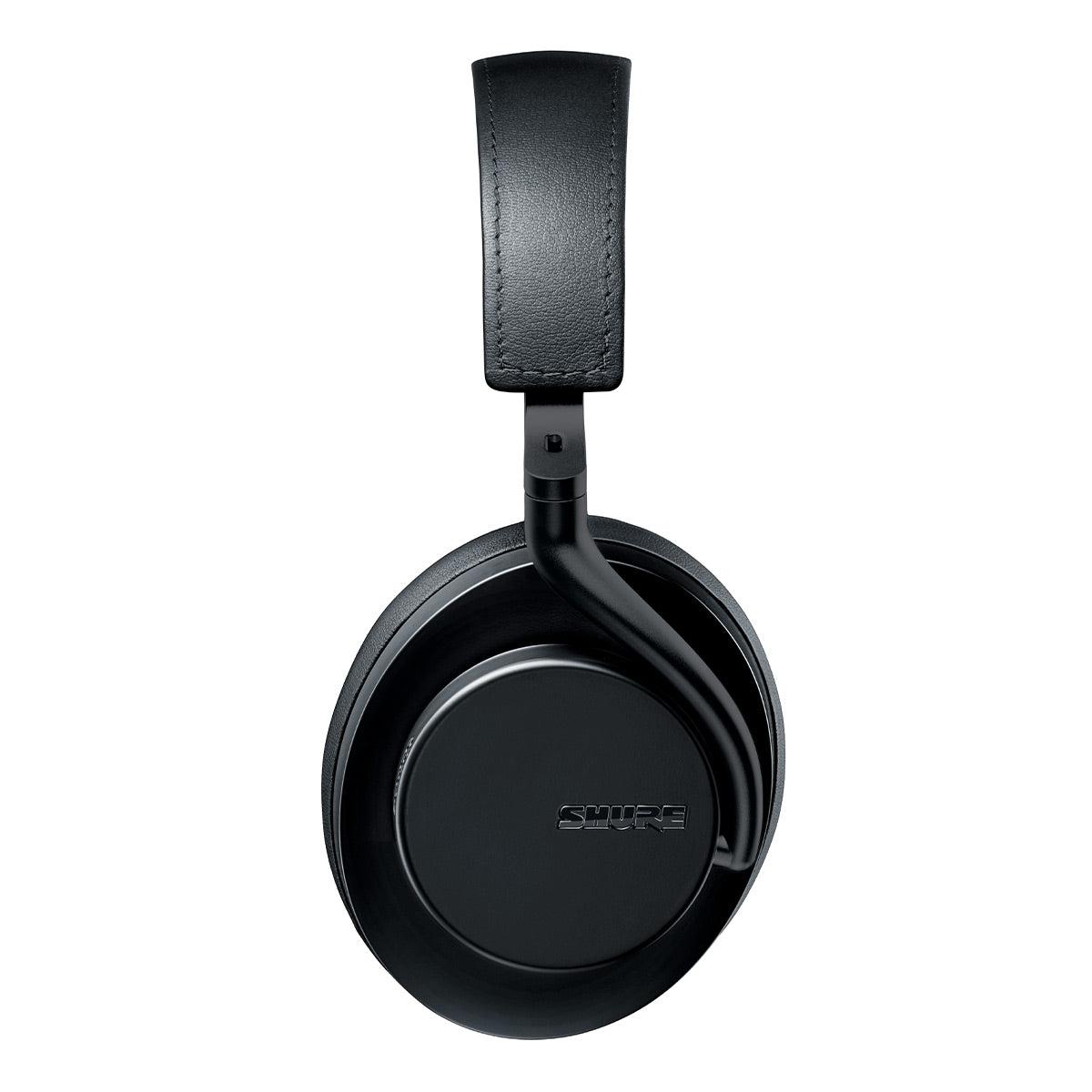


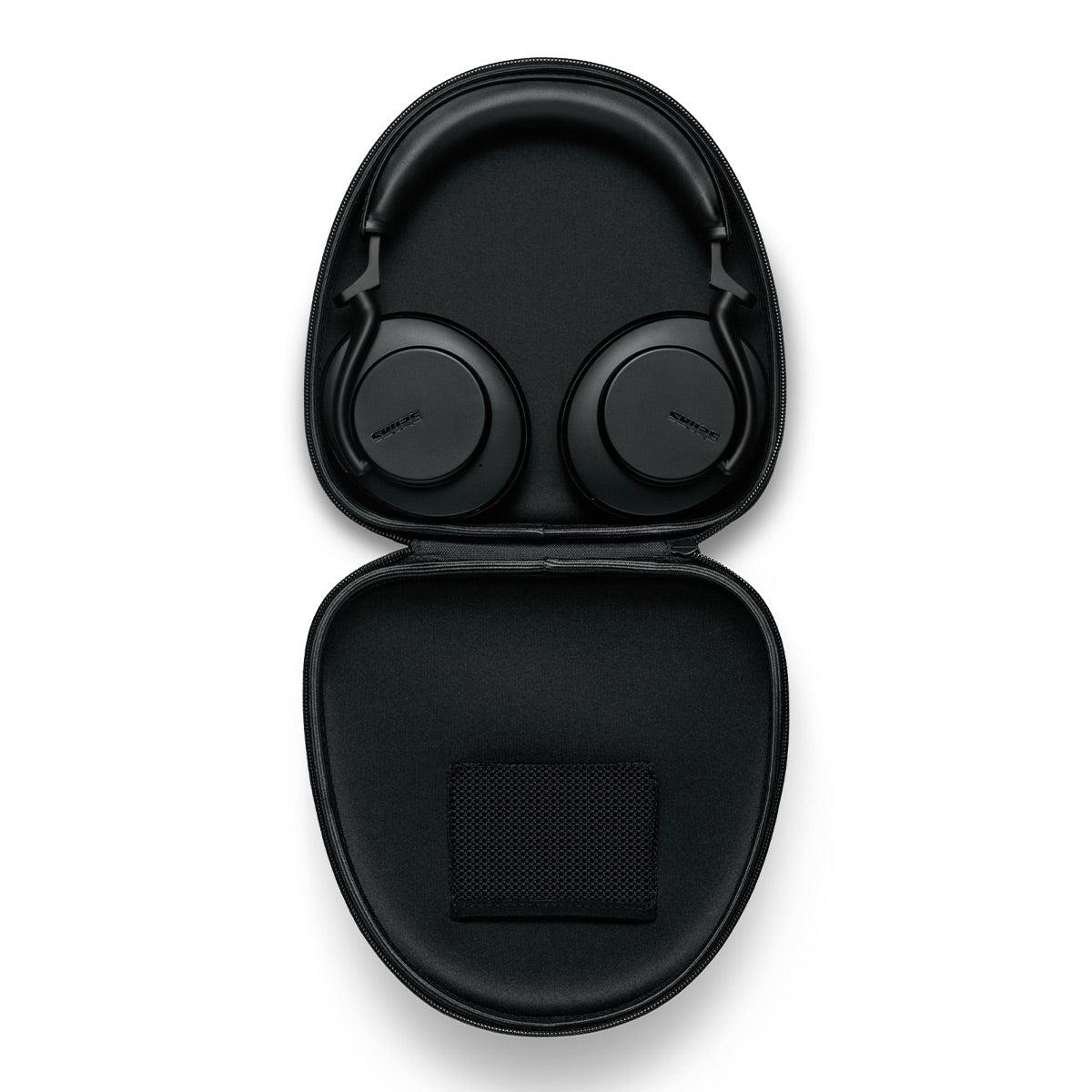
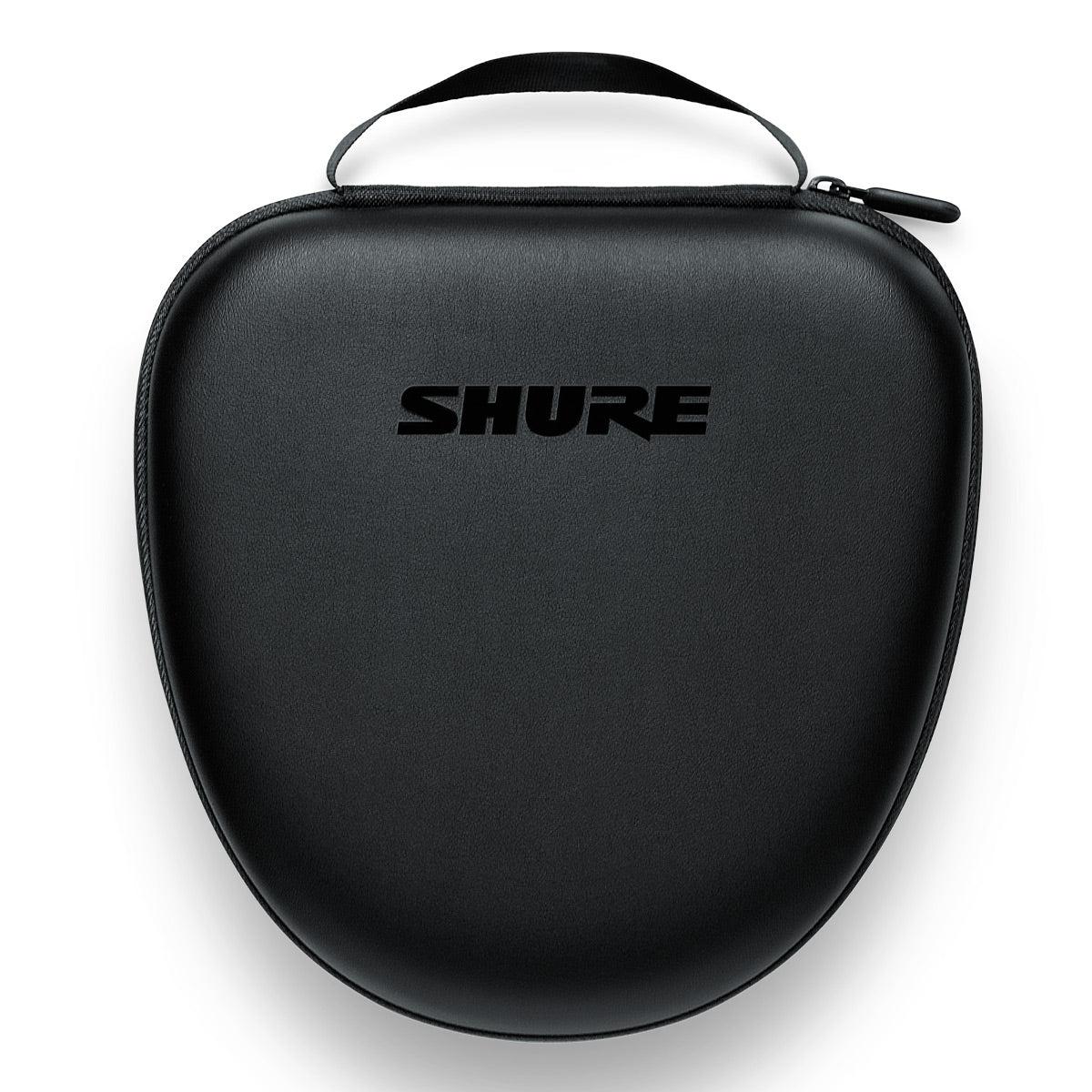
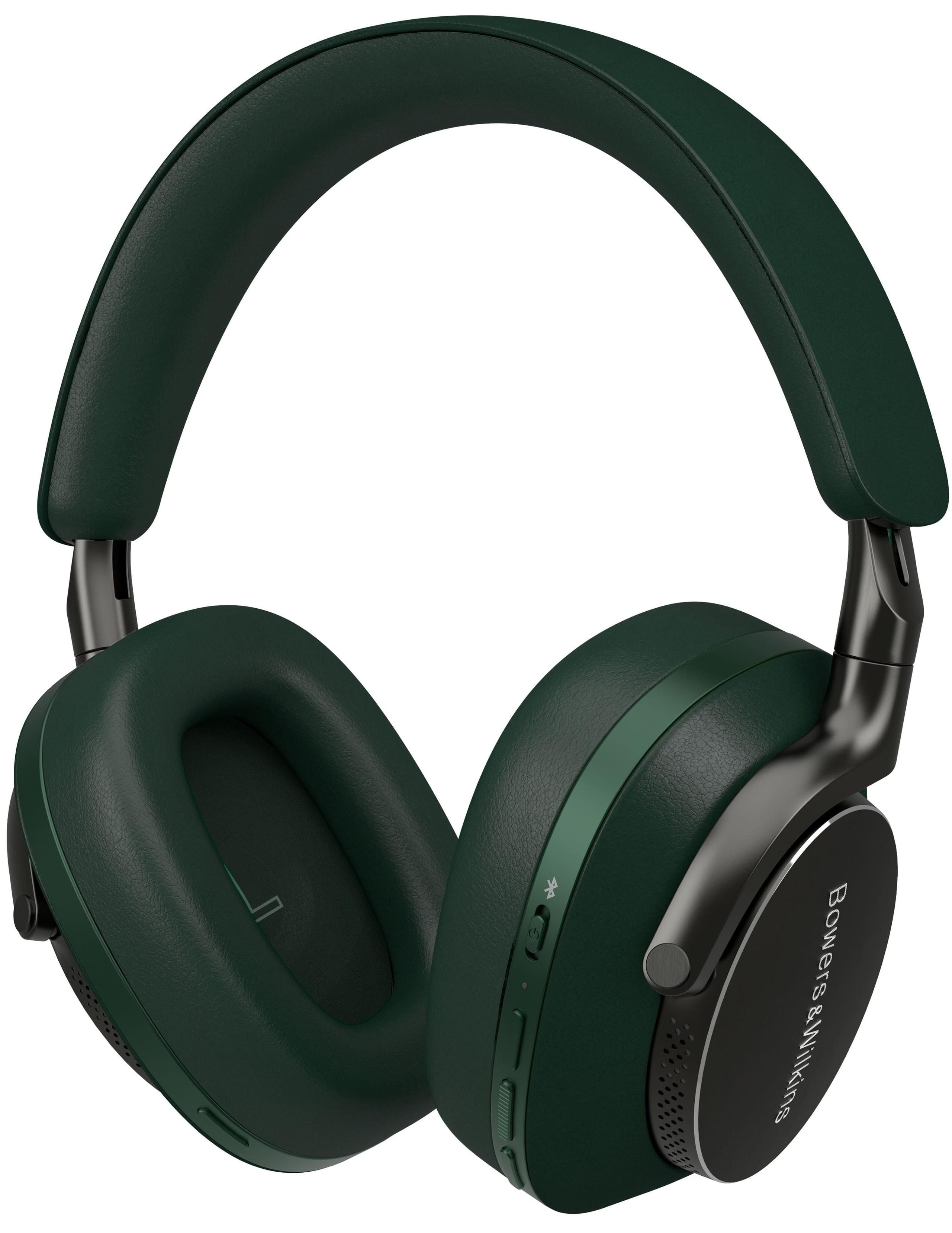
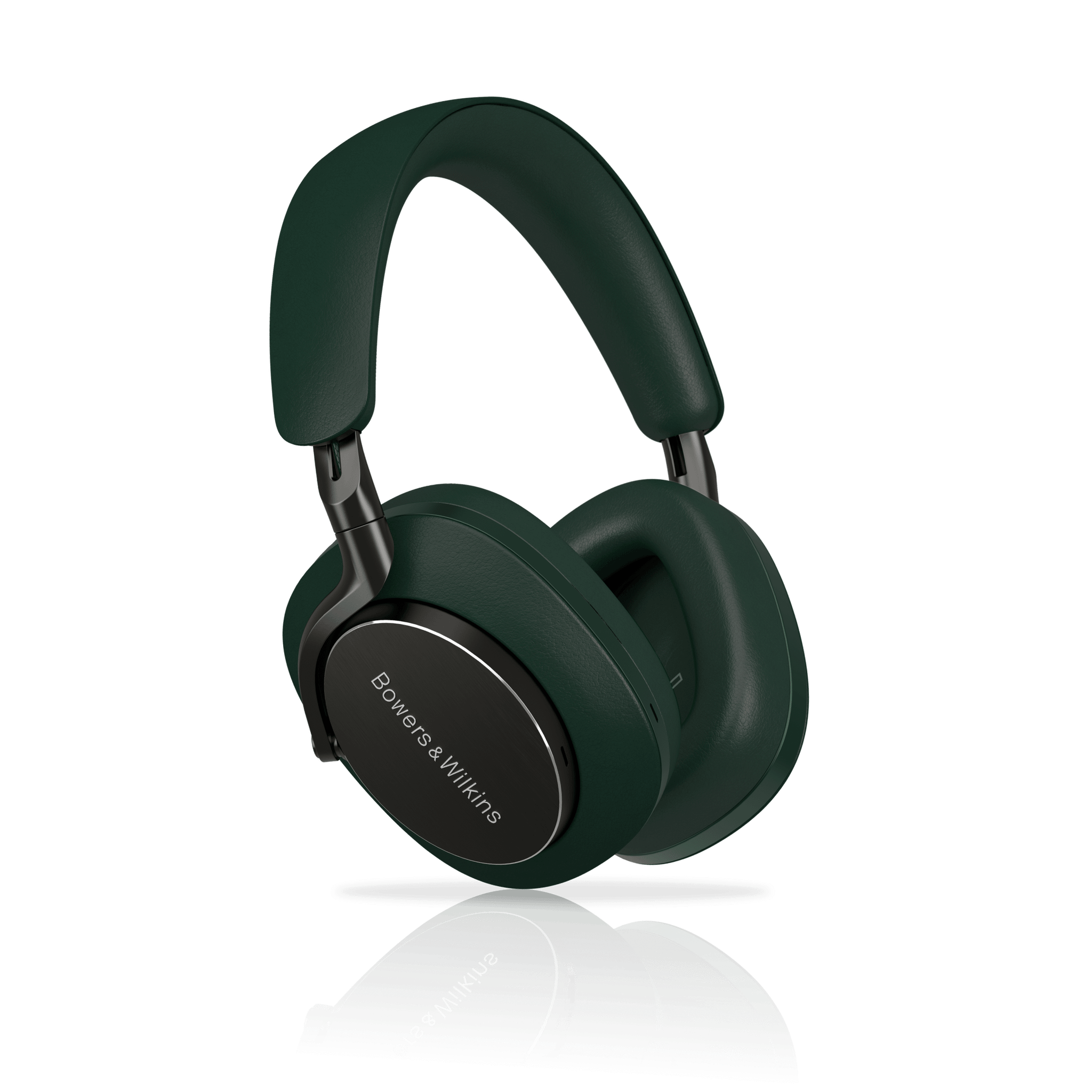
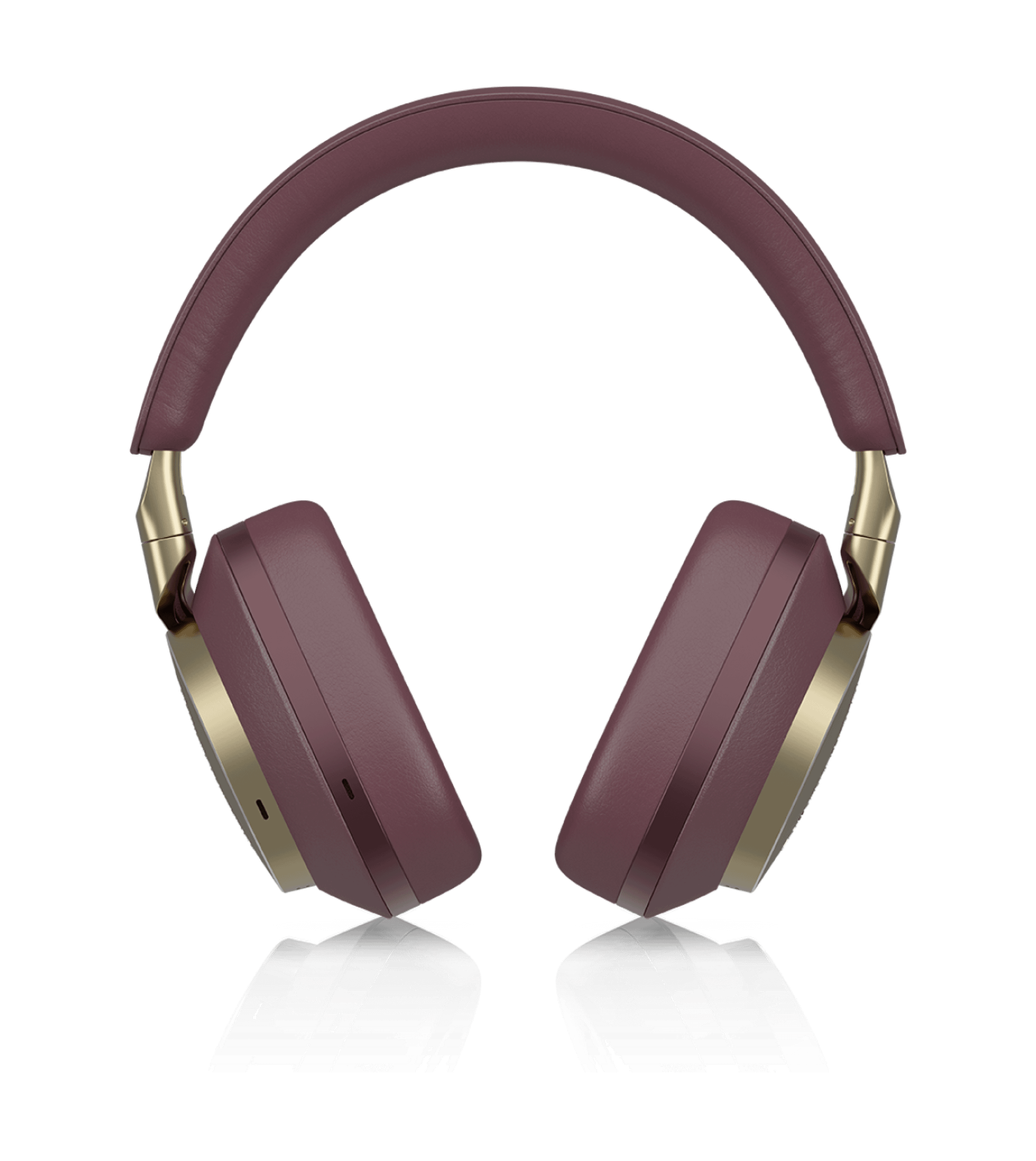
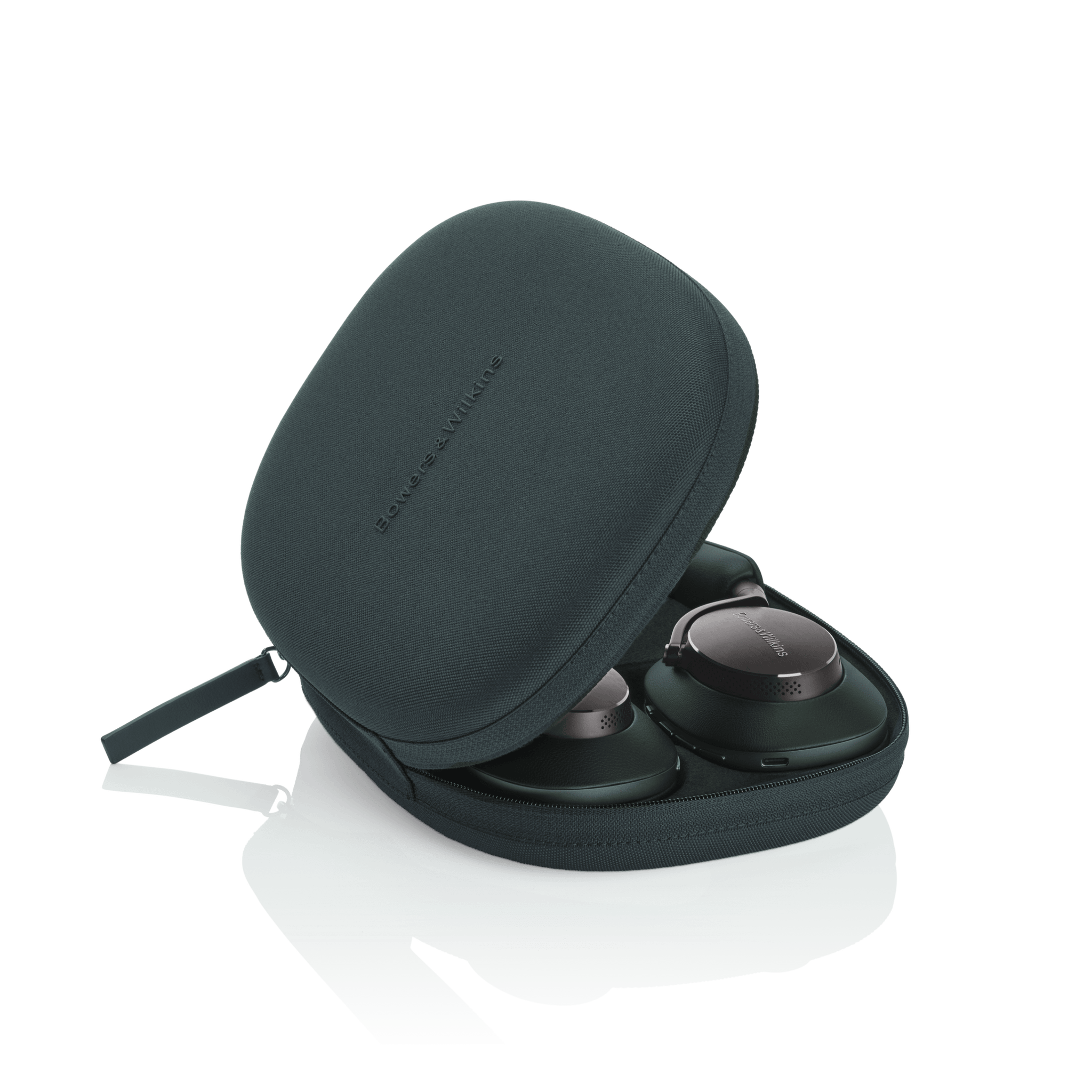
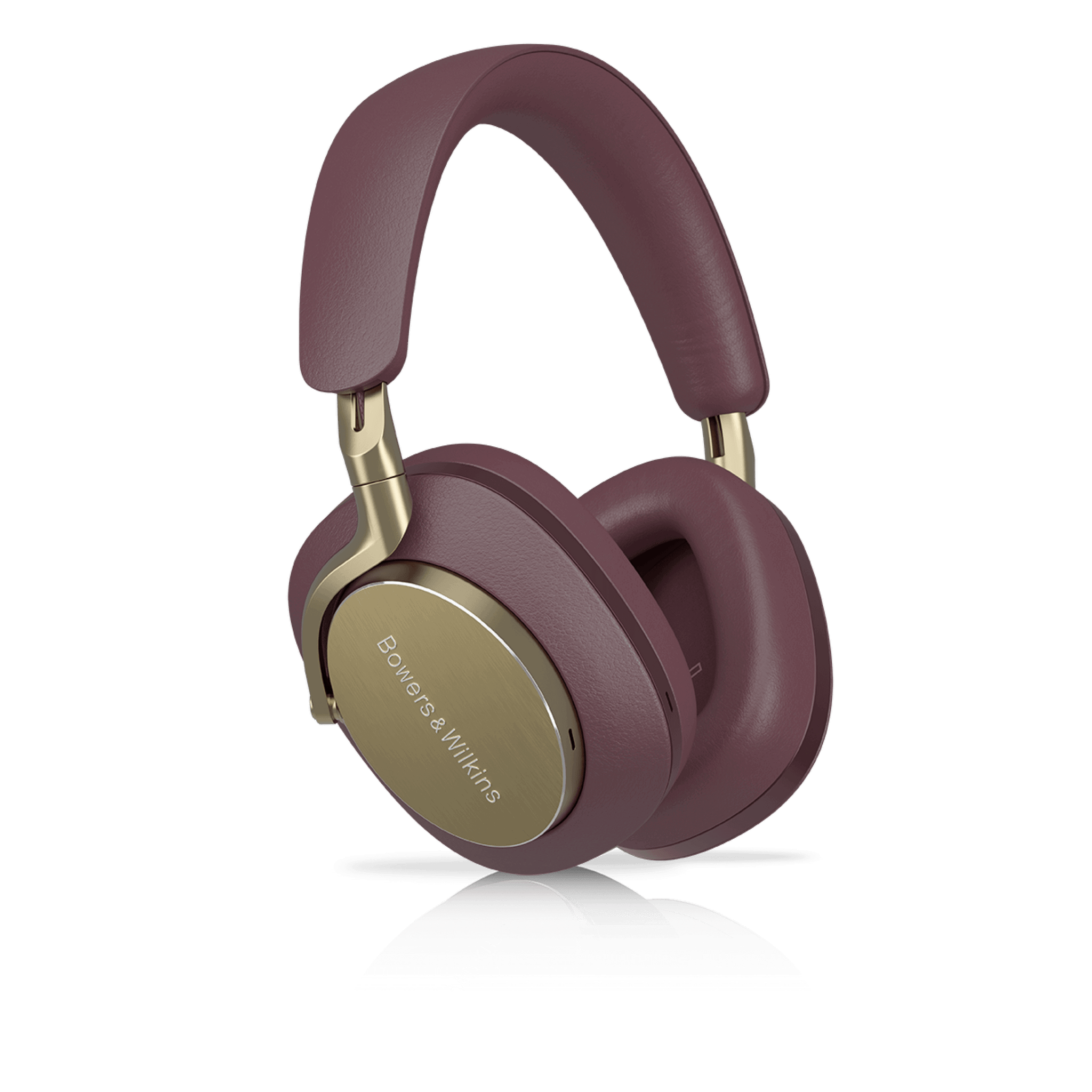
When you're shopping for premium wireless headphones, you're not just buying a way to listen to music—you're investing in a complete audio experience. The headphone market has evolved dramatically over the past few years, with manufacturers pushing the boundaries of what's possible in wireless audio. Two standout models that represent very different approaches to premium audio are the Shure Aonic 50 Gen 2 and the Bowers & Wilkins Px8.
These headphones sit in the premium wireless category, where you'll typically find features like active noise cancellation (which uses microphones to detect and cancel out unwanted sounds), high-quality drivers (the tiny speakers inside the headphones), and advanced Bluetooth codecs (compression algorithms that determine how audio data is transmitted wirelessly). At this price point, you're looking at headphones that cost several hundred dollars but deliver performance that rivals much more expensive studio equipment.
The most important considerations in this category aren't just about sound quality—though that's crucial. You also need to think about build quality, comfort for long listening sessions, battery life, and how well the noise cancellation works. Some headphones excel at technical accuracy, making them perfect for music production or critical listening. Others prioritize a more engaging, fun sound that makes your favorite songs come alive.
The Shure Aonic 50 Gen 2, released in 2024, represents Shure's evolution from their professional audio roots. Shure has been making microphones and audio equipment for recording studios and live venues for decades, so they bring that technical precision to consumer headphones. The Gen 2 model addressed many complaints about the original 2020 version, particularly improving the battery life from a modest 20 hours to an industry-leading 45 hours.
On the other side, the Bowers & Wilkins Px8, also from 2024, comes from a company famous for high-end speakers that you'd find in luxury homes and recording studios. B&W's approach focuses on creating an engaging, musical experience wrapped in premium materials. They're less concerned with clinical accuracy and more interested in making music sound captivating and emotionally engaging.
These different philosophies become apparent the moment you pick up each pair of headphones. The Shure Aonic 50 Gen 2 feels substantial and purposeful, like a professional tool. The Px8 feels luxurious, with soft Nappa leather (high-quality Italian leather) and cast aluminum construction that screams premium craftsmanship.
Here's where things get really interesting. The Shure Aonic 50 Gen 2 uses larger 50mm drivers compared to the Px8's 40mm units. Generally, larger drivers can move more air and potentially produce better bass response and overall dynamics, though size isn't everything in headphone design.
The Shure's sound signature is what audiophiles call "neutral"—it tries to reproduce music exactly as it was recorded, without adding its own coloration. This means you hear the recording studio's acoustics, the producer's decisions, and sometimes even the flaws in a recording. It's like having a high-quality microscope for your music. The frequency response (how loud different frequencies sound) is carefully tuned to match studio monitoring standards.
This technical accuracy comes with trade-offs. Some recordings might sound a bit clinical or lacking in excitement on the Shure, especially if they weren't mastered particularly well. However, when you play a well-produced album, the detail retrieval is exceptional. You'll hear subtle reverb tails, the room acoustics where vocals were recorded, and instrument placement in the stereo field (how sounds are positioned from left to right).
The Px8 takes a different approach with its angled carbon cone drivers. Carbon fiber is incredibly rigid and light, which helps reduce distortion—unwanted changes to the original audio signal. B&W angles these drivers slightly to improve stereo imaging (how accurately sounds are positioned in space around your head). The result is a warmer, more engaging sound that emphasizes musicality over technical accuracy.
Where the Shure reveals everything, the Px8 makes everything sound good. Bass is slightly emphasized for impact, mids are rich and full for vocals and instruments, and the treble is smooth rather than revealing. It's the difference between a professional studio monitor and a high-end home audio system designed for enjoyment.
For customization, the Shure wins hands down with its parametric EQ. Unlike simple bass and treble controls, a parametric EQ lets you adjust specific frequency ranges with surgical precision. You can boost the presence range around 3kHz to make vocals more forward, or dial down a harsh peak at 6kHz if certain recordings sound sibilant (overly sharp S sounds). The ShurePlus PLAY app also includes spatial audio processing with different modes for music, movies, and podcasts.
The Px8 offers basic tone controls through the B&W Music App, but nothing approaching the Shure's level of customization. This actually fits their philosophy—they've tuned the headphones to sound good out of the box without requiring adjustment.
This is where the Shure Aonic 50 Gen 2 really pulls ahead. Effective noise cancellation requires sophisticated signal processing—the headphones use external microphones to detect ambient noise, then generate an inverse sound wave to cancel it out. The Shure implements what's called hybrid ANC, using both feedforward (external) and feedback (internal) microphones for more complete cancellation.
The results are impressive. The Shure's noise cancellation earned high marks in professional testing, effectively reducing everything from airplane engine drone to coffee shop chatter. It offers four different ANC modes, letting you choose between maximum cancellation or more natural-sounding isolation. There's also an Environmental Mode with 11 different levels of transparency, so you can dial in exactly how much outside sound you want to hear.
The Px8's noise cancellation is functional but unremarkable. It uses six microphones—four for ANC and two for phone calls—but the implementation isn't as sophisticated as what Shure has achieved. Wind noise can be problematic, as the external microphones pick up air movement and create unwanted artifacts in the audio.
For home theater use, this difference becomes important. While you might not need noise cancellation at home, good ANC systems often provide better isolation from household noises like air conditioning, traffic, or family members in other rooms. The Shure's superior passive isolation (physical blocking of sound) also helps create a more immersive movie-watching experience.
Battery technology has improved significantly in recent years, but the Shure Aonic 50 Gen 2's 45-hour battery life still stands out. This isn't just marketing fluff—in real-world testing with ANC enabled and moderate volume levels, these headphones can actually deliver close to their claimed runtime. Compare that to the Px8's 30 hours, which is still good but not exceptional by 2024 standards.
The charging implementations differ slightly. Both use USB-C, which is becoming the standard for premium headphones (goodbye, proprietary charging cables). The Shure offers 5 hours of playback from a 15-minute charge, while the Px8 provides 7 hours from the same quick charge time. For daily use, this difference rarely matters, but the Shure's overall battery life means fewer charging sessions.
Connectivity is where things get technical, and the Shure shows its professional heritage. Both headphones support advanced Bluetooth codecs—think of these as different levels of audio compression for wireless transmission. The Shure supports LDAC, Sony's high-resolution codec that can transmit up to 990 kbps of data (compared to standard Bluetooth's 328 kbps). This means less compression and potentially better sound quality from compatible devices.
More importantly, the Shure offers dual USB-C audio modes. In communication mode, it operates at 16-bit/48kHz for video calls and gaming. In high-resolution mode, it supports up to 32-bit/384kHz audio—that's far beyond CD quality (16-bit/44.1kHz) and allows for pristine audio from high-resolution music files or digital audio workstations.
This makes the Shure incredibly versatile for home theater setups. You can connect them directly to a computer, gaming console, or audio interface without any quality loss. The Px8 supports USB-C audio as well, but without the specialized modes and high sample rate support.
Here's where personal preference really matters. The Px8 is simply more luxurious to handle. The Nappa leather earpads feel soft and supple, the cast aluminum construction feels solid without being heavy, and the overall aesthetic is elegant and refined. At 320g, it's also slightly lighter than the Shure's 334g.
The Shure prioritizes function over form. The materials feel durable and professional rather than luxurious. The earpads are comfortable for long sessions, and the headband distributes weight well, but you won't mistake these for jewelry the way you might with the Px8.
Both headphones fold flat for storage, though neither folds inward for maximum portability. For home use, this isn't a major concern, but it's worth noting if you plan to travel frequently.
The Px8 includes wear-detection sensors that automatically pause music when you remove the headphones—a convenient feature that the Shure lacks. These small quality-of-life improvements add up to a more refined user experience with the B&W model.
In practice, these philosophical differences translate to distinct user experiences. The Shure Aonic 50 Gen 2 excels when you want to hear exactly what the artist and producer intended. Playing a well-mastered jazz recording reveals the spatial relationship between instruments, the decay of cymbals, and the subtle room acoustics. It's equally impressive with poorly recorded material—you'll hear the problems, but you'll also understand why certain production choices were made.
For home theater use, the Shure's technical accuracy translates well to movie soundtracks. Dialog is clear and naturally positioned, sound effects have proper spatial placement, and the extended frequency response handles both the subtle atmospheric sounds and dramatic explosions in action movies. The superior noise cancellation also helps maintain immersion by blocking out household distractions.
The Px8 makes almost everything sound engaging and musical. Pop music has punch and energy, classical music sounds warm and enveloping, and even compressed streaming audio maintains an appealing character. For casual movie watching, the slightly warm sound signature can make dialog more pleasant and music soundtracks more emotionally engaging.
Gaming performance favors the Shure, particularly for competitive gaming where audio positioning matters. The neutral frequency response doesn't artificially emphasize bass or treble that might mask important audio cues like footsteps or weapon reloads. The low-latency USB-C connection also eliminates any potential Bluetooth delay.
At the time of writing, these headphones are positioned at similar price points in the premium category, though specific pricing fluctuates with sales and availability. The value proposition comes down to what you prioritize.
The Shure Aonic 50 Gen 2 delivers measurably superior performance in key technical areas: noise cancellation, battery life, connectivity options, and customization features. For users who plan to use their headphones across multiple scenarios—music listening, movie watching, gaming, video calls—the versatility justifies the investment.
The Bowers & Wilkins Px8 offers a more focused luxury experience. The premium materials, refined aesthetics, and engaging sound signature appeal to users who primarily want an elevated music listening experience. If you value brand prestige and premium materials over maximum technical performance, the value equation shifts in B&W's favor.
Choose the Shure Aonic 50 Gen 2 if you're someone who appreciates technical excellence and versatility. These headphones suit users who might analyze their music, work with audio professionally, or simply want to hear recordings as accurately as possible. The superior noise cancellation makes them excellent for travel or noisy environments, while the extensive connectivity options ensure they'll work well with any setup, from high-end home theater systems to professional audio interfaces.
The Px8 appeals to users who prioritize the luxury experience and want headphones that make music consistently enjoyable rather than revealing. If you primarily listen to music for relaxation or entertainment rather than critical analysis, and you appreciate premium materials and elegant design, these headphones offer a more refined everyday experience.
For home theater applications specifically, the Shure's technical advantages—superior isolation, accurate sound reproduction, and flexible connectivity—generally translate to better performance. However, if you prefer a warmer, more cinematic sound that enhances the emotional impact of movies, the Px8's character might be preferable.
Both headphones represent the current state of premium wireless audio technology, incorporating years of advancement in driver design, digital signal processing, and wireless connectivity. The choice ultimately comes down to whether you prioritize technical accuracy and versatility or luxury materials and engaging musicality. Either way, you're getting headphones that would have been unimaginable just a few years ago, delivering performance that rivals much more expensive audiophile equipment in a convenient, wireless package.
| Shure Aonic 50 Gen 2 | Bowers & Wilkins Px8 |
|---|---|
| Driver Size - Larger drivers typically provide better bass response and dynamics | |
| 50mm dynamic drivers | 40mm angled carbon cone drivers |
| Weight - Affects comfort during extended listening sessions | |
| 334g (heavier but well-distributed) | 320g (lighter for better long-term comfort) |
| Battery Life - Critical for travel and extended use without charging | |
| 45 hours (industry-leading, reduces charging frequency) | 30 hours (good but requires more frequent charging) |
| Quick Charge - How much playback time from brief charging sessions | |
| 15 minutes = 5 hours playback | 15 minutes = 7 hours playback |
| Active Noise Cancellation - Essential for travel and noisy environments | |
| Excellent hybrid ANC with 4 modes (9/10 performance rating) | Average ANC performance (struggles with wind noise) |
| Bluetooth Version & Codecs - Determines wireless audio quality and compatibility | |
| Bluetooth 5.0 with aptX, aptX HD, aptX Adaptive, LDAC | Bluetooth 5.2 with aptX HD, aptX Adaptive (no LDAC) |
| Wired Audio Support - Important for high-resolution sources and zero latency | |
| USB-C up to 32-bit/384kHz, 3.5mm analog | USB-C and 3.5mm (resolution not specified) |
| Sound Signature - Fundamental difference in how music is presented | |
| Neutral, studio-accurate (reveals true recording quality) | Warm, engaging with slight bass emphasis (musicality-focused) |
| Customization Options - Ability to tailor sound to personal preferences | |
| 4-band parametric EQ plus spatial audio modes | Basic bass/treble sliders only |
| Build Materials - Affects durability, comfort, and perceived value | |
| Professional-grade materials, fold-flat design | Premium Nappa leather, cast aluminum (luxury feel) |
| Smart Features - Convenience features for daily use | |
| Environmental mode with 11 levels, no wear sensors | Wear-detection sensors, basic ambient mode |
| Gaming/Professional Use - Suitability for demanding applications | |
| Excellent for gaming/studio work with low-latency USB modes | Primarily designed for casual music listening |
The Shure Aonic 50 Gen 2 offers more technically accurate, studio-reference sound quality with larger 50mm drivers, while the Bowers & Wilkins Px8 provides a warmer, more musical sound signature with 40mm carbon cone drivers. The Shure excels at revealing recording details and offers extensive EQ customization, whereas the Px8 delivers consistently engaging sound that makes all music enjoyable without adjustment.
The Shure Aonic 50 Gen 2 significantly outperforms the Bowers & Wilkins Px8 in noise cancellation. The Shure features hybrid ANC with four selectable modes and earned a 9/10 performance rating, while the Px8 offers only average noise cancellation that struggles with wind noise and doesn't match leading competitors.
The Shure Aonic 50 Gen 2 provides up to 45 hours of battery life, significantly outlasting the Bowers & Wilkins Px8's 30-hour runtime. However, the Px8 offers faster quick charging with 7 hours of playback from a 15-minute charge compared to the Shure's 5 hours from the same charging time.
Both headphones offer good comfort, but with different approaches. The Bowers & Wilkins Px8 is lighter at 320g and features premium Nappa leather earpads for luxury comfort. The Shure Aonic 50 Gen 2 weighs 334g but distributes weight well across the headband, making both suitable for extended use.
The Shure Aonic 50 Gen 2 is better suited for home theater use due to its neutral sound signature that accurately reproduces dialogue and sound effects, superior noise isolation for blocking household distractions, and low-latency USB-C connectivity. The Px8 can work well for casual movie watching with its warm, engaging sound.
The Bowers & Wilkins Px8 offers more premium materials with Nappa leather earpads, cast aluminum construction, and elegant aesthetics. The Shure Aonic 50 Gen 2 prioritizes durability and professional-grade construction over luxury materials, resulting in a more utilitarian but robust build quality.
The Shure Aonic 50 Gen 2 provides superior wireless connectivity with support for LDAC (up to 990 kbps), aptX Adaptive, and multiple USB-C audio modes up to 32-bit/384kHz. The Bowers & Wilkins Px8 supports Bluetooth 5.2 with aptX Adaptive but lacks LDAC support, limiting high-resolution wireless streaming options.
Sound customization heavily favors the Shure Aonic 50 Gen 2, which offers a 4-band parametric EQ, spatial audio modes, and extensive app controls through ShurePlus PLAY. The Bowers & Wilkins Px8 provides only basic bass and treble sliders in its app, reflecting its philosophy of sounding good without adjustment.
The Shure Aonic 50 Gen 2 excels for gaming and professional applications with its neutral sound signature for accurate audio positioning, low-latency USB-C modes, and studio-grade monitoring capabilities. The Bowers & Wilkins Px8 is primarily designed for casual music listening rather than professional or competitive gaming use.
The Bowers & Wilkins Px8 includes wear-detection sensors that automatically pause music when removed, while the Shure Aonic 50 Gen 2 lacks this feature but compensates with an 11-level Environmental Mode for precise ambient sound control and more advanced noise cancellation options.
The Shure Aonic 50 Gen 2 generally offers better value with superior noise cancellation, 50% longer battery life, extensive connectivity options, and professional-grade customization features. The Bowers & Wilkins Px8 provides value through premium materials and brand prestige but offers fewer technical advantages for the price point.
The Shure Aonic 50 Gen 2 excels across all genres due to its neutral signature and customization options, making it ideal for jazz, classical, and well-recorded music where accuracy matters. The Bowers & Wilkins Px8 enhances most music genres with its warm, engaging sound, particularly excelling with pop, rock, and electronic music that benefits from its musical coloration.
We've done our best to create useful and informative comparisons to help you decide what product to buy. Our research uses advanced automated methods to create this comparison and perfection is not possible - please contact us for corrections or questions. These are the sites we've researched in the creation of this article: tomsguide.com - headphonecheck.com - whathifi.com - majorhifi.com - rtings.com - versus.com - majorhifi.com - versus.com - audio46.com - youtube.com - bhphotovideo.com - techradar.com - soundpro.com - shure.com - americanmusical.com - pubs.shure.com - blog.zzounds.com - service.shure.com - fullcompass.com - whathifi.com - marius.ink - bowerswilkins.com - rtings.com - whathifi.com - whathifi.com - soundguys.com - audio46.com - youtube.com - futureaudiophile.com - listenup.com - telquestintl.com - bowerswilkins.com - bowerswilkins.com - bestbuy.com - bhphotovideo.com - audioholics.com - bowerswilkins.com - bowerswilkins.com - headphone.guru - bhphotovideo.com - bowerswilkins.com

Privacy Policy
Terms and Conditions - Affiliate Policy
Home Security
© Copyright 2008-2026.
11816 Inwood Rd #1211, Dallas, TX 75244