

When you're shopping for wireless headphones, the sheer number of options can feel overwhelming. But if you've narrowed your search down to Beats' popular offerings, you're likely comparing two very different approaches to portable audio: the Beats Solo3 Wireless and the Beats Studio3 Wireless. Both headphones share the same brand DNA and Apple integration, but they solve different problems in distinctly different ways.
The wireless headphone market has evolved dramatically since these models first appeared. The Beats Solo3 launched in 2016, while the Beats Studio3 followed a year later in 2017. At the time of writing, both headphones have been surpassed by newer models with features like USB-C charging, improved noise cancellation, and spatial audio support. However, they remain popular choices because they nail the fundamentals while offering excellent value in today's market.
The core decision you're making isn't just about brand preference—it's about choosing between two fundamentally different philosophies. On-ear headphones like the Solo3 prioritize portability and battery life above all else. They're designed for people who want to wear headphones throughout their day without thinking about charging or bulk. Over-ear headphones like the Studio3 focus on creating an immersive listening environment, even if that means carrying something larger and charging more frequently.
When evaluating any headphone, the key factors that matter most are comfort during extended use, sound quality across different music genres, battery performance in real-world scenarios, and how well they handle the environments where you'll actually use them. Both of these Beats models excel in different areas, which makes your choice depend heavily on your specific needs and listening habits.
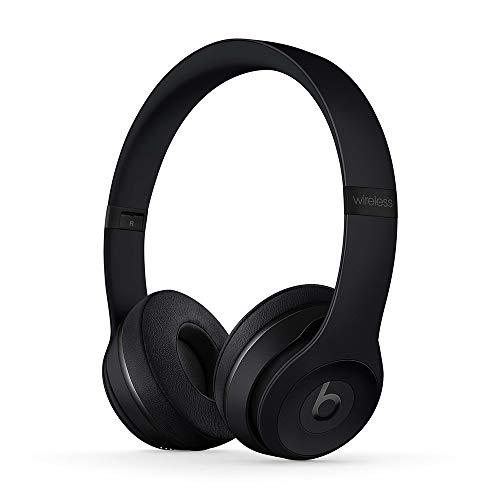
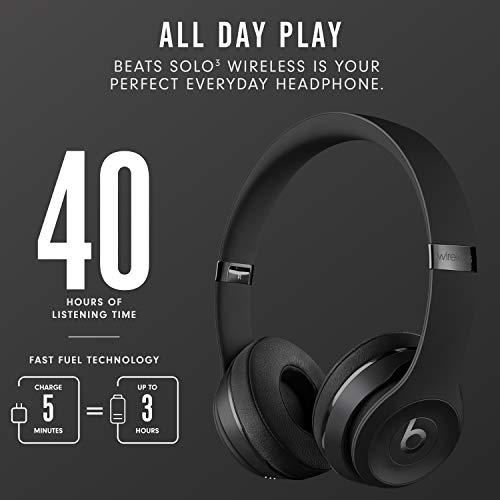
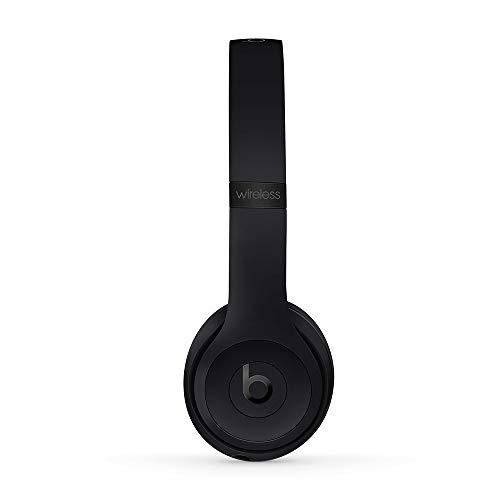
The most obvious difference between the Beats Solo3 and Studio3 is how they sit on your head, but this seemingly simple distinction affects everything else about your listening experience. The Solo3's on-ear design means the ear cups rest directly on your ears, creating a seal through gentle pressure. This approach keeps the headphones compact and lightweight at just 215 grams, making them easy to wear during commutes or while moving around.
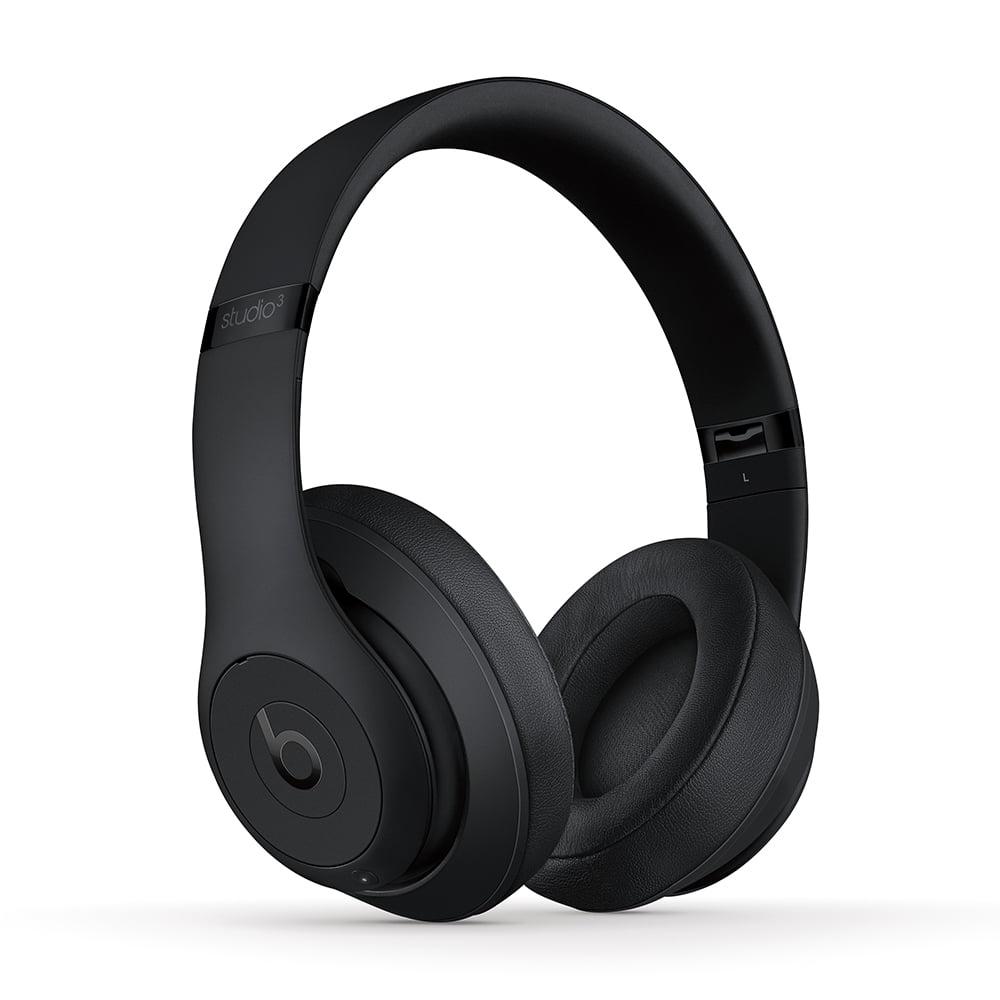
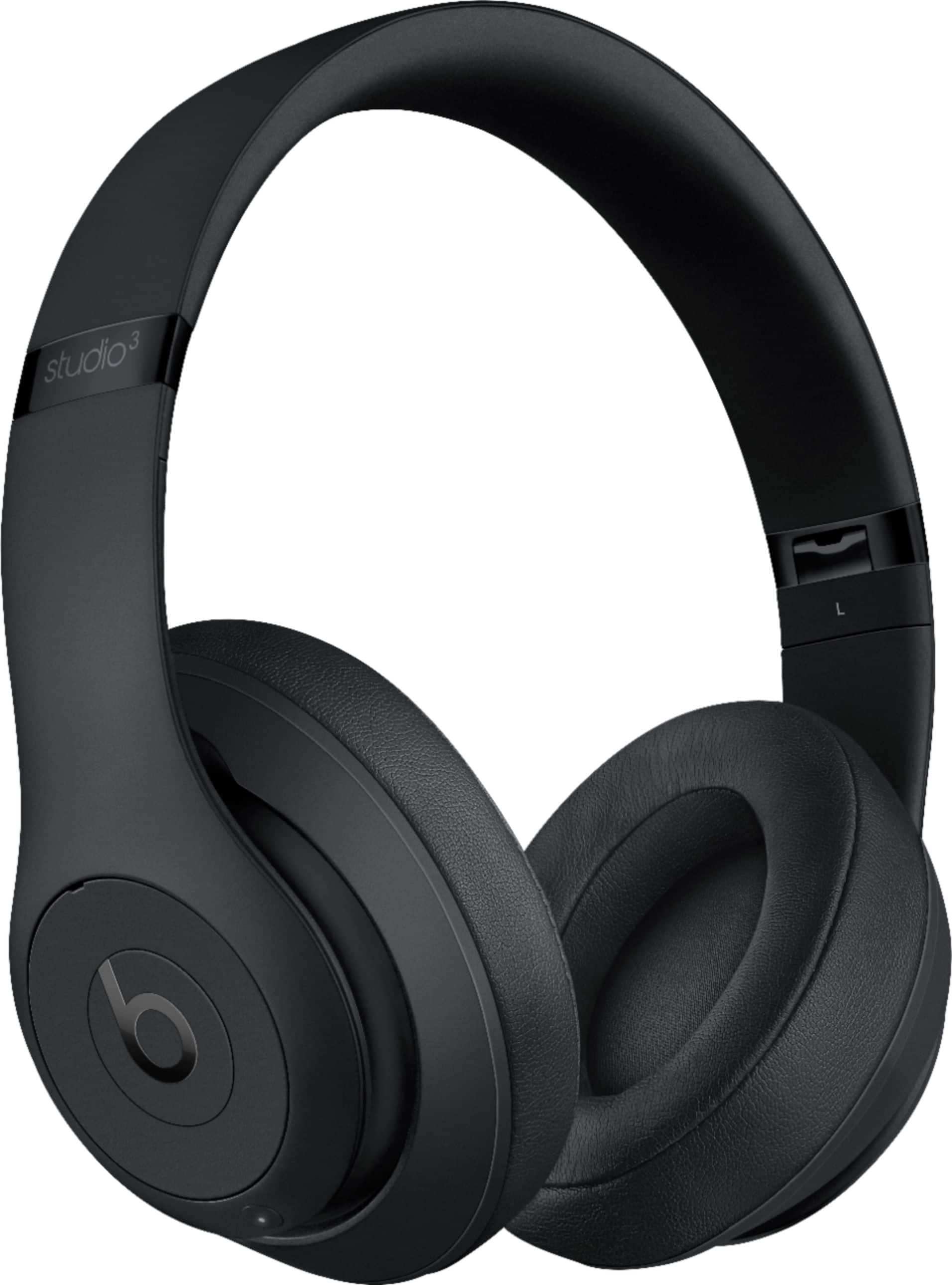
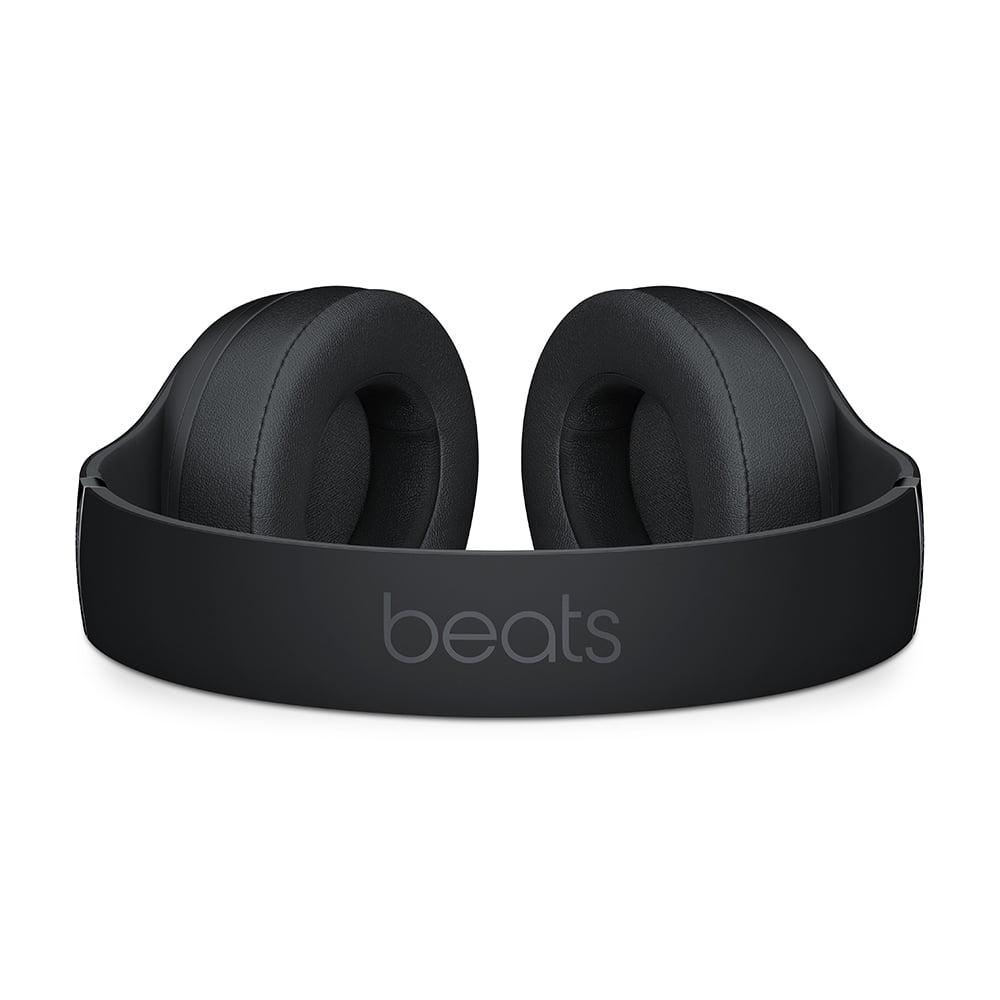
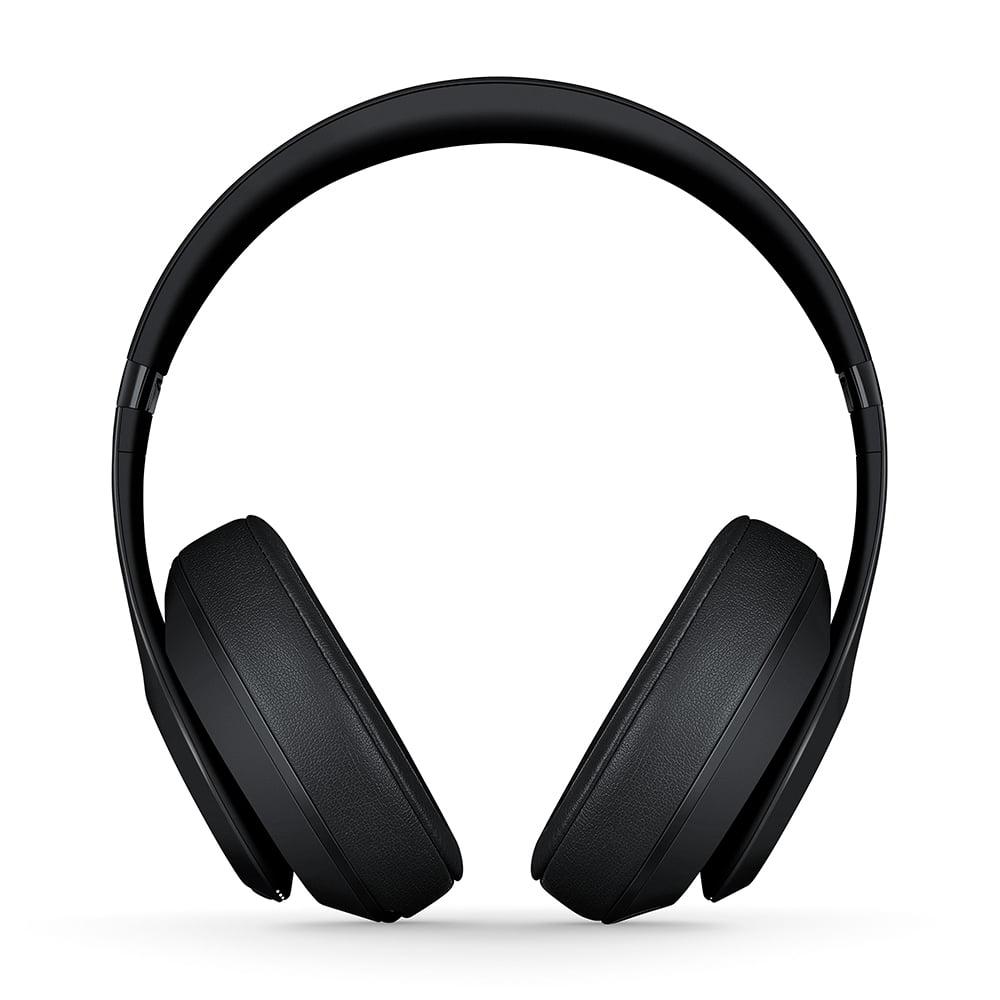
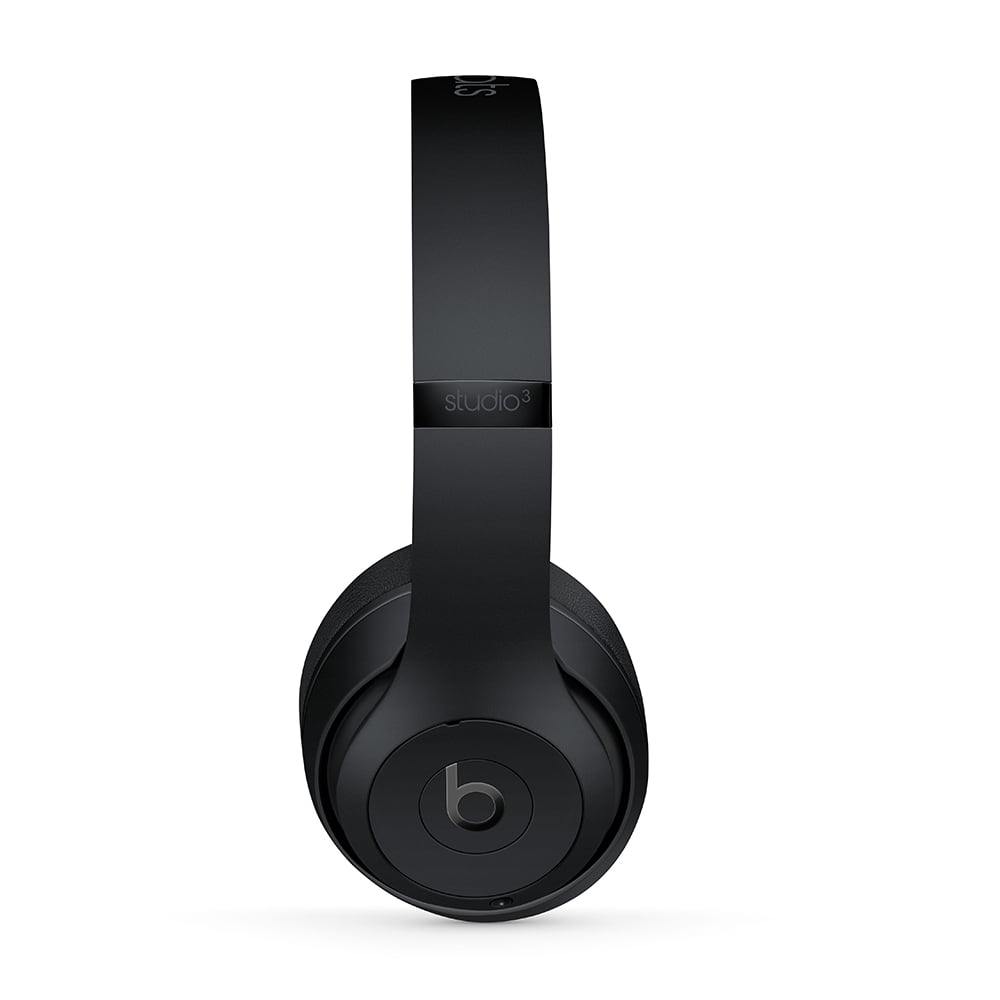
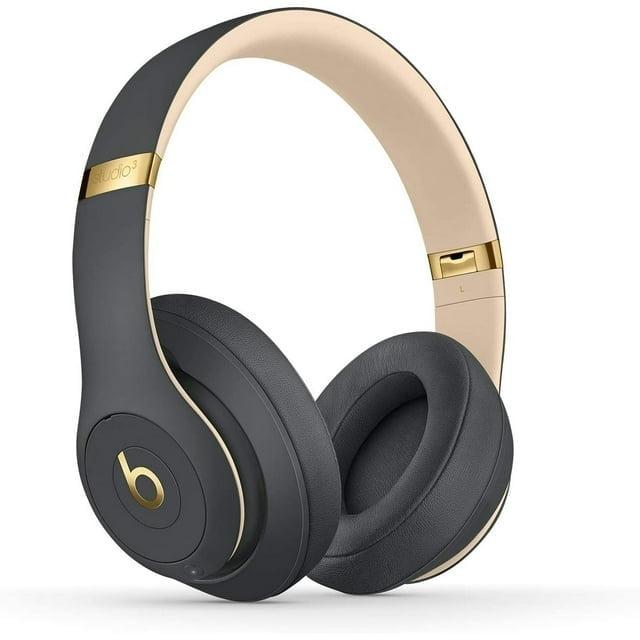
The Studio3, weighing in at 260 grams, uses an over-ear design where the ear cups completely surround your ears without touching them directly. This creates a natural acoustic chamber that enhances sound quality and provides better passive noise isolation—the natural sound blocking that occurs when something physically blocks sound waves from reaching your ears.
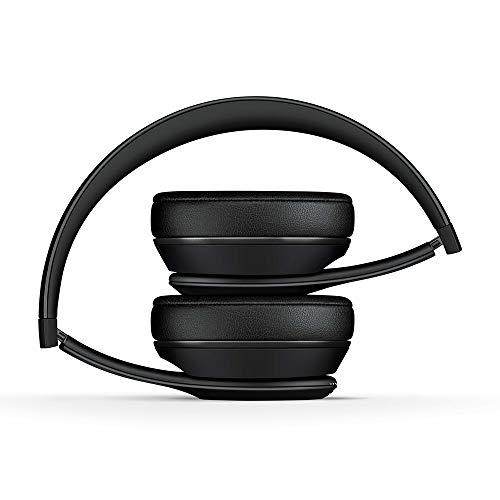
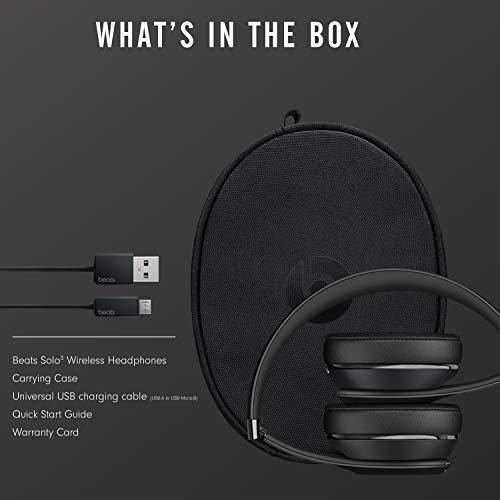
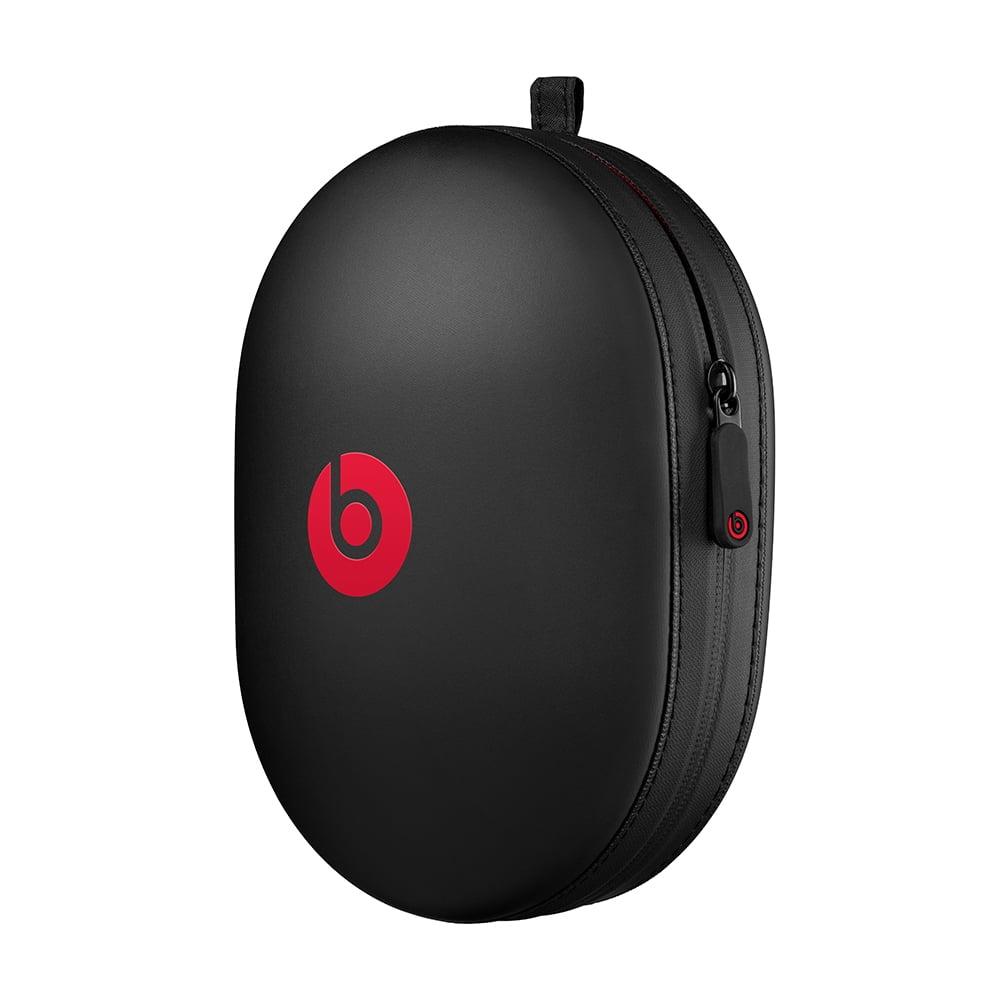
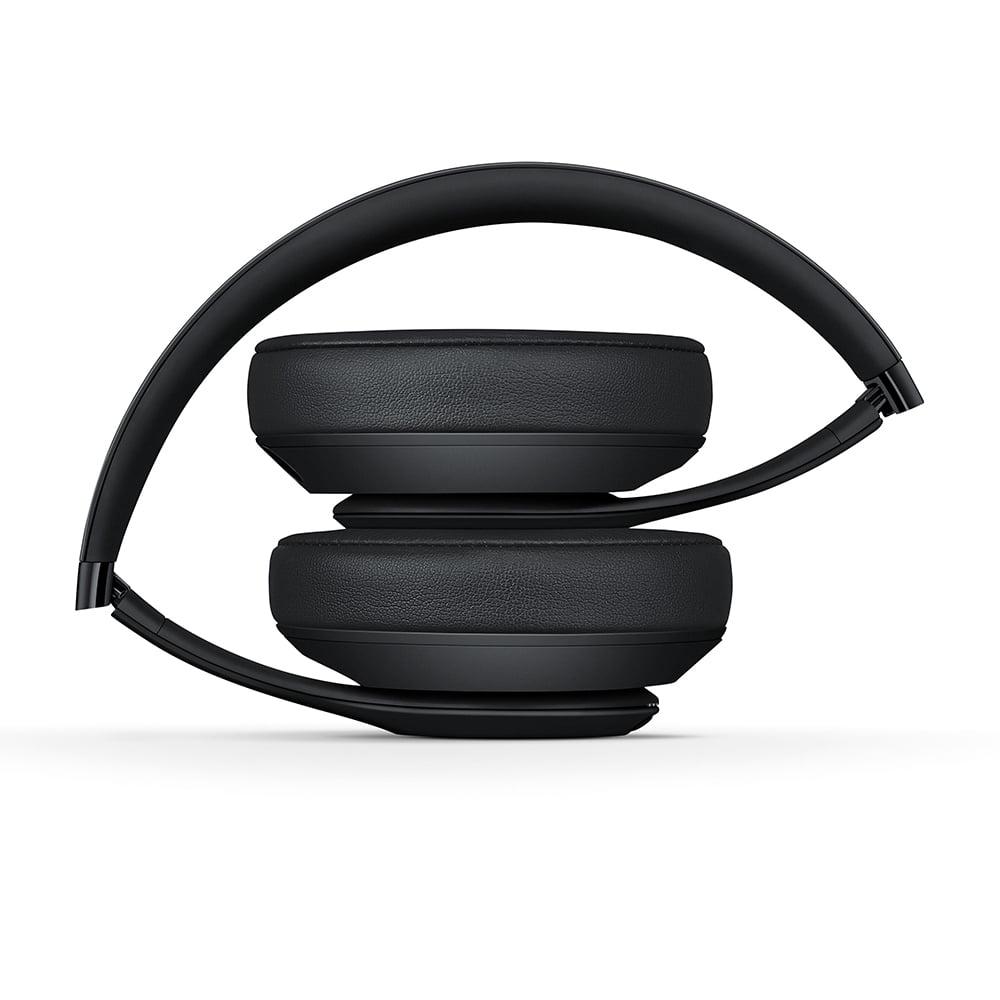
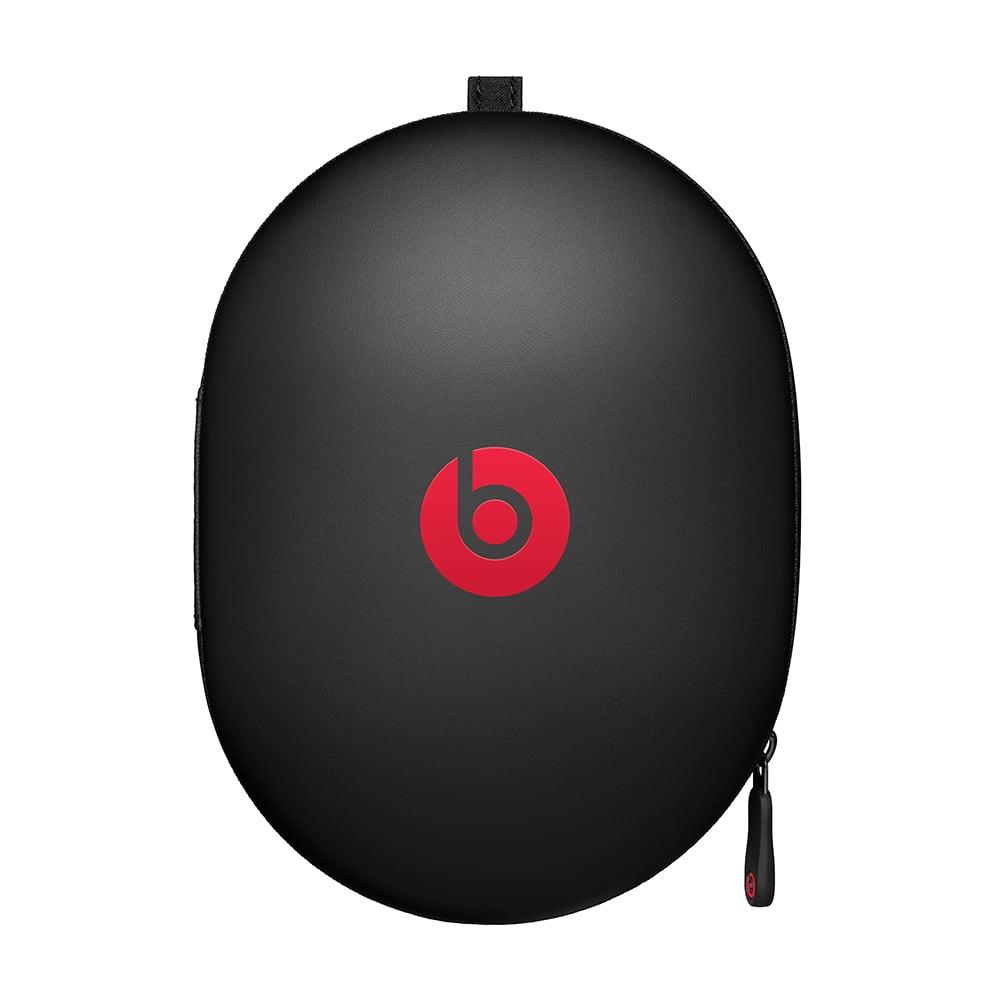
Both headphones fold for storage, but they handle portability differently. The Solo3 folds into a remarkably compact package that easily fits in most bags, while the Studio3 comes with a premium hard-shell carrying case that protects the headphones but takes up more space. If you're constantly throwing headphones into backpacks or travel bags, this difference in bulk becomes significant over time.
The build quality of both models reflects Beats' focus on style and durability, though neither feels as premium as some competitors at similar price points. Both use primarily plastic construction with metal accents, and both have shown some long-term durability concerns around the hinges and headband mechanisms after heavy use. However, the Studio3's over-ear design generally experiences less mechanical stress since there's less clamping force required to maintain the seal.
This is where the Beats Solo3 truly shines and demonstrates why it became such a popular choice. With over 40 hours of continuous playback, it offers battery life that was remarkable when it launched and remains impressive today. In practical terms, this means you can use these headphones for an entire work week, including commuting, without needing to charge them. The Fast Fuel charging technology provides about three hours of playback from just five minutes of charging, which means even when you do forget to charge them, you're never stuck without music for long.
The Studio3 takes a more balanced approach to power management. With active noise cancellation enabled—which is when you'd typically want to use these headphones—you get about 22 hours of playback. That's still enough for several days of typical use, but it requires more frequent charging than the Solo3. However, if you turn off the noise cancellation, the Studio3 can match the Solo3's 40-hour battery life, though this defeats much of the purpose of choosing over-ear headphones in the first place.
From a practical standpoint, the Solo3's battery advantage becomes most apparent during travel or busy periods when you might not have regular access to charging. I've found that the psychological comfort of knowing your headphones won't die unexpectedly is worth quite a lot, especially during long flights or work trips where dead headphones can significantly impact your day.
Both models charge via micro-USB, which was standard when they launched but feels outdated compared to the USB-C charging found on newer headphones. This means you'll need to carry an additional cable if your other devices use USB-C, and charging speeds are slower than what modern fast-charging standards provide.
Understanding how these headphones sound requires recognizing that both aim for the "Beats sound signature"—a deliberately colored audio profile that emphasizes bass and energy over analytical accuracy. However, they achieve this in noticeably different ways that affect which music genres and listening preferences they serve best.
The Studio3 offers what most listeners would consider the more mature sound signature. The over-ear design naturally provides a wider soundstage—the sense of space and instrument placement in your music—which makes complex orchestral pieces and live recordings feel more expansive and realistic. The bass response, while still emphasized, is more controlled and doesn't overwhelm the midrange frequencies where vocals and most instruments live. This means you can hear more detail in busy musical passages and vocals come through with better clarity.
The treble response (high frequencies) on the Studio3 is also more refined, providing better detail retrieval without the harsh sibilance—that sharp "s" sound that can become fatiguing—that sometimes affects the Solo3. This makes the Studio3 more suitable for extended listening sessions across a wider variety of music genres, from jazz and classical to hip-hop and electronic music.
The Solo3 delivers a more aggressive, "fun" sound signature that many listeners prefer for certain types of music. The bass response is punchier and more prominent, which makes hip-hop, electronic dance music, and pop recordings feel more energetic and engaging. However, this bass emphasis can sometimes muddy the lower midrange, making male vocals sound less clear and causing some instruments to blend together in complex musical passages.
The treble on the Solo3 is deliberately rolled off—meaning high frequencies are reduced—which eliminates listening fatigue but also reduces the sense of detail and "air" around instruments. This makes the Solo3 more forgiving with poorly recorded or compressed music, but it also means you'll hear less detail in well-recorded tracks.
Both headphones benefit from the impedance characteristics (resistance to electrical current) that make them easy to drive from smartphones and portable devices. You don't need a separate amplifier to get adequate volume levels, and both maintain reasonable sound quality even when pushed to high volumes, though distortion does increase at extreme levels.
This is perhaps the most significant functional difference between these two models and often the deciding factor for many buyers. The Beats Studio3 features Pure Adaptive Noise Cancelling, which uses microphones to detect ambient noise and generate inverse sound waves to cancel it out. This technology is particularly effective against consistent, low-frequency sounds like airplane engines, air conditioning systems, and traffic noise.
The noise cancellation system continuously adapts to your environment and how the headphones fit on your head, compensating for changes due to head movement, hair, or glasses that might affect the seal. While it's not as sophisticated as the industry-leading systems found in Sony or Bose headphones, it's genuinely effective for most real-world scenarios. In testing, the Studio3 can reduce low-frequency noise by about 25 decibels, which is enough to make airplane cabins comfortable and eliminate most office distractions.
The Solo3 relies entirely on passive isolation—the natural sound blocking that occurs from the physical barrier of the ear cups. With the on-ear design, this isolation is limited, typically reducing ambient noise by only 10-15 decibels and being least effective against low-frequency sounds. This means the Solo3 struggles in truly noisy environments like airplanes, busy streets, or open offices where you need significant noise reduction to enjoy your music without cranking the volume to potentially damaging levels.
However, the lack of active noise cancellation on the Solo3 isn't necessarily a disadvantage in all situations. Some people prefer to maintain awareness of their surroundings for safety reasons when walking or cycling, and the absence of noise cancellation means there's no chance of the subtle pressure sensation or "suction" feeling that some users experience with active systems.
Comfort becomes crucial when you're planning to wear headphones for more than an hour at a time, and this is where the fundamental design differences between these models become most apparent. The Studio3's over-ear design distributes weight and pressure around your ears rather than directly on them, making them significantly more comfortable for extended listening sessions. Most users can comfortably wear the Studio3 for three to four hours without significant discomfort.
The cushioned ear cups on the Studio3 also provide better temperature regulation since your ears aren't pressed against any surface. This reduces the "sweaty ear" syndrome that can make long listening sessions uncomfortable, particularly in warm environments or during physical activity.
The Solo3 faces inherent comfort limitations due to its on-ear design. The ear cups must apply enough pressure to create a seal and stay securely positioned, which means they're constantly pressing against your ears. Most users find this comfortable for the first hour or two, but extended sessions often lead to ear soreness or fatigue. Some users also report that their ears become noticeably warm during longer listening sessions due to the direct contact and reduced airflow.
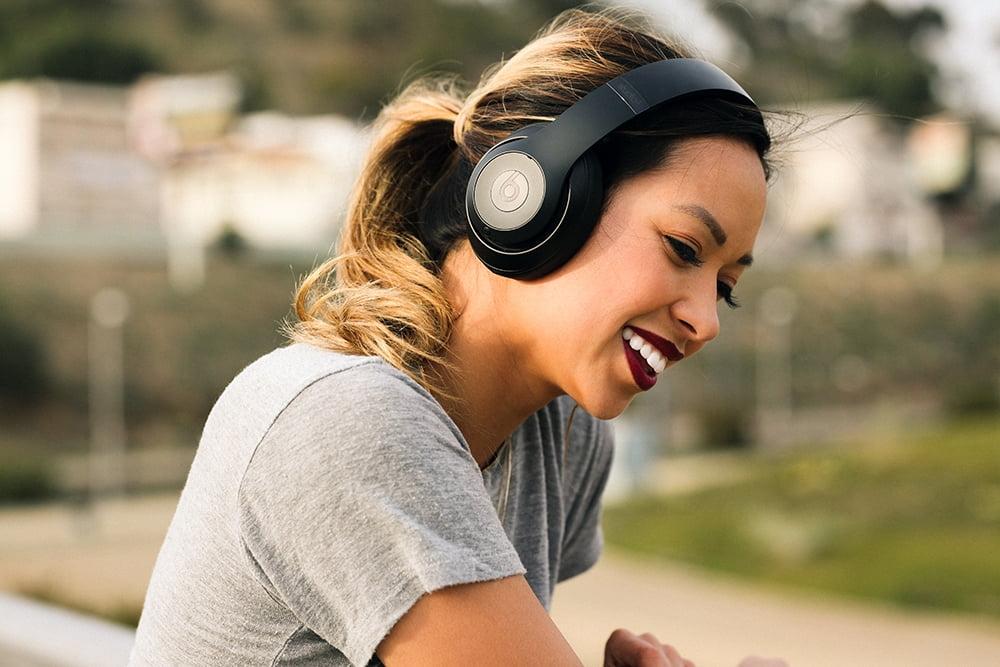
However, the Solo3's lighter weight and more secure fit make them better for active use. They're less likely to shift or fall off during movement, making them preferable for commuting, light exercise, or situations where you're frequently moving around.
Both headphones accommodate glasses reasonably well, though the Studio3's over-ear design generally creates fewer comfort issues for glasses wearers since there's less pressure directly on the frames.
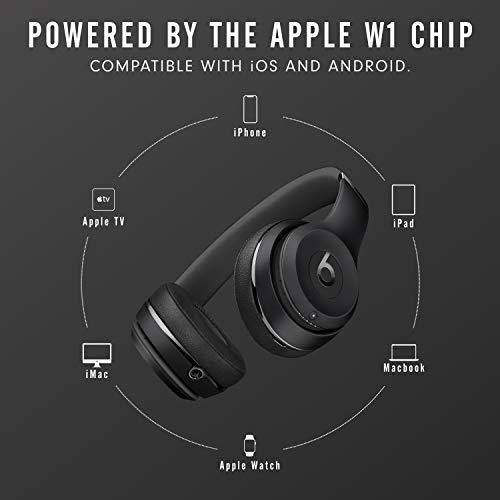
Both the Solo3 and Studio3 feature Apple's W1 chip, which was groundbreaking when these headphones launched. This chip enables several convenience features that remain valuable today, particularly for users invested in Apple's ecosystem. The one-tap pairing process with iPhones and iPads is genuinely faster and more reliable than standard Bluetooth pairing, and the automatic device switching between your iPhone, iPad, and Mac works seamlessly most of the time.
The W1 chip also provides extended wireless range and improved connection stability compared to standard Bluetooth implementations. Both headphones maintain strong connections at distances that would cause other Bluetooth headphones to stutter or disconnect, which is particularly useful in large homes or offices.
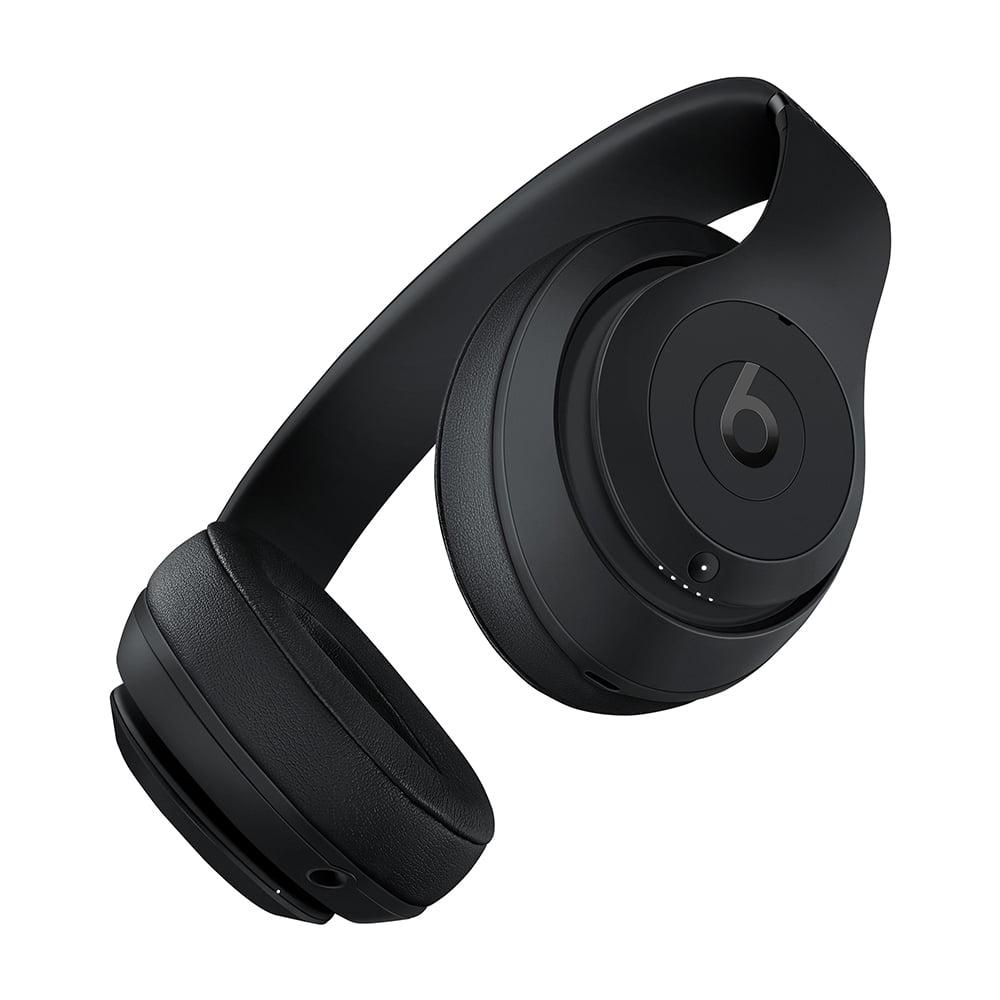
Battery status integration with iOS devices means you can check your headphones' battery level directly from your iPhone's widget screen or by asking Siri, eliminating the guesswork about when you need to charge them. Both headphones also feature LED battery indicators on the headphones themselves for users of Android or other devices.
While Android users can certainly use either model, they miss out on some of the advanced integration features like automatic device switching and seamless setup. Basic Bluetooth functionality works perfectly, but the user experience isn't quite as polished as it is with Apple devices.
Understanding how these headphones perform in specific situations helps clarify which model better suits your lifestyle. For daily commuting, the choice depends heavily on your transportation method and environment. If you're driving or in relatively quiet environments, the Solo3's exceptional battery life and compact size make them ideal companions. However, if you're using public transportation, flying frequently, or dealing with noisy environments, the Studio3's noise cancellation becomes invaluable for maintaining reasonable volume levels and reducing listening fatigue.
For home use, including potential home theater applications, the Studio3 generally provides a more satisfying experience. The better sound staging and more controlled bass response make them more suitable for watching movies or playing games where you want to hear dialogue clearly while still enjoying impactful sound effects. The noise cancellation can also be useful for blocking out household distractions, though you'll want to be mindful of family members trying to get your attention.
Both headphones work well for phone calls, featuring built-in microphones and call controls, though neither excels in particularly noisy environments. The Studio3's noise cancellation helps somewhat by reducing background noise that might interfere with call quality.
For exercise or active use, the Solo3 has advantages in terms of security and sweat resistance, though neither model is specifically designed for intense workouts. The lack of any official water resistance rating means both should be treated carefully around moisture.
Since these models launched in 2016 and 2017 respectively, the wireless headphone market has evolved significantly. Newer features like spatial audio, adaptive transparency modes, and USB-C charging have become standard on premium models. However, both the Solo3 and Studio3 remain competitive in their core competencies—the Solo3 for its exceptional battery life and the Studio3 for providing solid noise cancellation at an accessible price point.
The W1 chip, while no longer Apple's latest (replaced by H1 and H2 chips in newer models), still provides reliable performance and the core integration features that make these headphones appealing to Apple users. The main limitations are the lack of "Hey Siri" voice activation and support for Apple's newer spatial audio features.
At the time of writing, both models typically sell for significantly less than their original launch prices, which improves their value proposition considerably. The Solo3 often represents exceptional value for users who prioritize battery life above all else, while the Studio3 competes well in the entry-to-mid-tier noise-canceling headphone market.
Your choice between the Beats Solo3 Wireless and Studio3 Wireless ultimately comes down to prioritizing your most important needs. Choose the Solo3 if maximum battery life, portability, and value are your primary concerns, and you primarily listen in quiet environments where noise cancellation isn't necessary. They're ideal for users who want to set-and-forget their headphones, charging them weekly rather than daily, and who don't mind the comfort limitations of on-ear design for shorter listening sessions.
Choose the Studio3 if you need active noise cancellation for travel or noisy environments, prefer the comfort of over-ear design for longer listening sessions, and want better overall sound quality. They're worth the extra investment if you frequently find yourself in situations where you need to block out the world around you or if you plan to use your headphones for extended periods.
Consider your budget constraints as well—at current market prices, both offer good value, but the Solo3 typically costs less while the Studio3 provides more features and versatility. If you're unsure, consider where you'll use the headphones most often. For home and quiet office use, the Solo3 might be sufficient. For commuting, travel, and varied environments, the Studio3's additional capabilities justify the investment.
Remember that both models represent older technology, and if features like USB-C charging, the latest Bluetooth standards, or cutting-edge noise cancellation are important to you, newer alternatives might be worth considering despite the higher cost.
| Beats Solo3 Wireless | Beats Studio3 Wireless |
|---|---|
| Design Type - Fundamental difference affecting comfort and portability | |
| On-ear design (215g, very compact) | Over-ear design (260g, bulkier but more comfortable) |
| Active Noise Cancellation - Essential for noisy environments like flights | |
| None (passive isolation only) | Pure Adaptive Noise Cancelling (~25dB reduction) |
| Battery Life - Critical for travel and daily use without charging anxiety | |
| 40+ hours (industry-leading endurance) | 22 hours with ANC, 40 hours without ANC |
| Fast Charging - How quickly you can get back to listening | |
| 5 minutes = 3 hours playback | 10 minutes = 3 hours playback |
| Sound Signature - Affects which music genres sound best | |
| Bass-heavy, "fun" sound with rolled-off treble | More balanced with better instrument separation |
| Comfort for Extended Use - Important for long listening sessions | |
| 1-2 hours before ear fatigue sets in | 3-4 hours of comfortable wear |
| Portability - Matters for daily carry and travel | |
| Extremely compact, fits in small bags | Larger with hard carrying case included |
| Noise Isolation in Loud Places - Subway, airplane, office effectiveness | |
| Poor (10-15dB passive reduction) | Good (25dB active + passive reduction) |
| Apple Integration - Seamless pairing and device switching | |
| W1 chip with one-tap pairing | W1 chip with one-tap pairing |
| Durability Concerns - Common long-term issues reported by users | |
| Hinge weakness, driver failures after 12+ months | More robust build, fewer reported issues |
| Best Use Cases - Where each excels | |
| All-day wear, quiet environments, maximum battery | Travel, noisy environments, long listening sessions |
The Beats Studio3 Wireless is significantly better for extended use. The over-ear design distributes pressure around your ears rather than directly on them, allowing for 3-4 hours of comfortable wear. The Beats Solo3 Wireless on-ear design creates constant pressure that typically becomes uncomfortable after 1-2 hours of continuous use.
The Beats Studio3 Wireless features active noise cancellation that blocks about 25dB of ambient noise, making it essential for flights, commuting, and noisy environments. The Beats Solo3 Wireless has no active noise cancellation, relying only on passive isolation. If you primarily listen in quiet spaces, the Solo3 is sufficient, but for travel or noisy environments, the Studio3's noise cancellation is invaluable.
The Beats Solo3 Wireless offers exceptional 40+ hours of battery life, while the Beats Studio3 Wireless provides 22 hours with noise cancellation enabled or 40 hours with it disabled. For maximum battery endurance without thinking about charging, the Solo3 is the clear winner.
The Beats Studio3 Wireless delivers more balanced sound with better instrument separation and a wider soundstage, making it better for various music genres. The Beats Solo3 Wireless has a more bass-heavy, "fun" sound signature that's great for hip-hop and electronic music but can sound muddy with complex recordings. The Studio3 offers superior overall audio quality.
Neither model is specifically designed for intense workouts, but the Beats Solo3 Wireless is more suitable for light exercise due to its secure on-ear fit and lighter weight. The Beats Studio3 Wireless is bulkier and more likely to shift during movement. Both lack official water resistance ratings, so they should be used cautiously around sweat and moisture.
The Beats Solo3 Wireless is significantly more portable, folding into a compact size that easily fits in small bags. The Beats Studio3 Wireless is larger and comes with a hard carrying case that takes up more space. However, for air travel specifically, the Studio3's noise cancellation often makes the extra bulk worthwhile.
Both the Beats Solo3 Wireless and Beats Studio3 Wireless feature Apple's W1 chip for seamless pairing with iPhones and other Apple devices. Android users can use either model via standard Bluetooth, but they'll miss out on advanced features like automatic device switching and one-tap pairing that make the Apple experience more convenient.
Both models handle phone calls adequately in quiet environments, but the Beats Studio3 Wireless has an advantage in noisy settings due to its noise cancellation reducing background distractions. Neither excels as a dedicated headset for frequent conference calls, but both are suitable for occasional calls and video chats.
While prices fluctuate, the Beats Solo3 Wireless typically costs less than the Beats Studio3 Wireless. The Solo3 offers exceptional value if battery life is your priority, while the Studio3 provides better overall value for users who need noise cancellation and superior comfort. Consider your specific needs rather than just the upfront cost.
The Beats Studio3 Wireless is better suited for home theater use due to its wider soundstage, more balanced sound signature, and over-ear comfort for longer viewing sessions. The noise cancellation can also help block household distractions. The Beats Solo3 Wireless works for casual movie watching but isn't ideal for extended viewing due to comfort limitations.
Both the Beats Solo3 Wireless and Beats Studio3 Wireless use older technology, lacking features like USB-C charging, spatial audio, and Hey Siri support found in newer models. However, they remain competitive for their core strengths: the Solo3's exceptional battery life and the Studio3's solid noise cancellation at accessible pricing.
Choose the Beats Studio3 Wireless if you need versatility for different environments, value comfort for long sessions, and want noise cancellation for travel. Choose the Beats Solo3 Wireless if maximum battery life and portability are your top priorities, and you primarily listen in quiet environments. The Studio3 is more versatile overall, while the Solo3 excels in specific use cases.
We've done our best to create useful and informative comparisons to help you decide what product to buy. Our research uses advanced automated methods to create this comparison and perfection is not possible - please contact us for corrections or questions. These are the sites we've researched in the creation of this article: soundguys.com - cornellstore.com - imore.com - bestbuy.com - headphonecheck.com - soundguys.com - recordingnow.com - corporategift.com - ifixit.com - rtings.com - youtube.com - mobileciti.com.au - beatsbydre.com - discussions.apple.com - target.com - bestbuy.com - jalc.ecampus.com - beats.fandom.com - support.apple.com - electronics.woot.com - techradar.com - recordingnow.com - rtings.com - soundguys.com - recordingnow.com - recordingnow.com - soundguys.com - soundguys.com - youtube.com - rtings.com - gsmarena.com - bhphotovideo.com - headphonecheck.com - themasterswitch.com - walmart.com - rentacenter.com - discussions.apple.com - beatsbydre.com - bestbuy.com - walmart.com - youtube.com - youtube.com

Privacy Policy
Terms and Conditions - Affiliate Policy
Home Security
© Copyright 2008-2026.
11816 Inwood Rd #1211, Dallas, TX 75244