

When you're shopping for headphones, you might find yourself comparing products that seem similar but serve completely different purposes. That's exactly what happens when you look at the Pioneer DJ HDJ-X5 and the Beats Solo3 Wireless. While both are headphones designed for music, they approach the task from opposite ends of the spectrum – one built for professional DJ work, the other crafted for wireless convenience and lifestyle appeal.
The headphone world has evolved dramatically over the past decade. What used to be a simple choice between cheap and expensive has expanded into specialized categories serving distinct needs. Professional monitoring headphones prioritize accuracy and durability, while consumer lifestyle headphones focus on convenience features and sound signatures that make popular music more enjoyable.
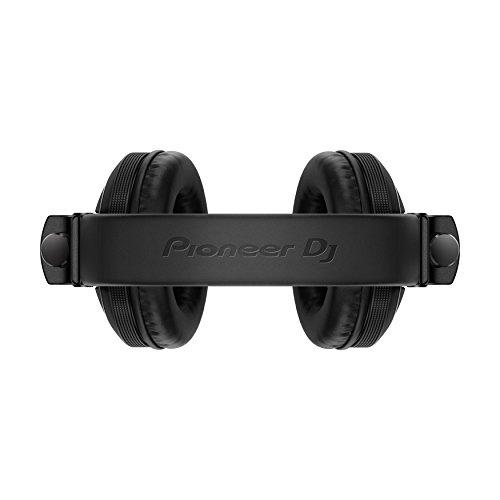
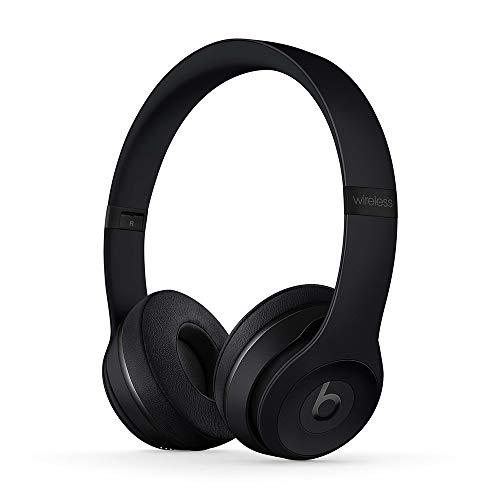
The Pioneer DJ HDJ-X5, released in 2017, represents the professional monitoring approach. It's designed as a tool – much like a carpenter's hammer or a photographer's lens – built to perform a specific job reliably under demanding conditions. The Beats Solo3 Wireless, also from 2017, embodies the lifestyle approach, emphasizing wireless freedom and a sound signature that makes your favorite songs pop with energy.
This distinction matters because it affects everything from how the headphones sound to how long they'll last. Professional monitors need to reveal every detail in a mix so DJs can beatmatch accurately and identify problems. Consumer headphones aim to make music sound exciting and engaging, even if that means coloring the sound in pleasing ways.
The Pioneer DJ HDJ-X5 delivers sound with the precision of a surgical instrument. Its frequency response spans from 5 Hz to 30,000 Hz – that's an incredibly wide range covering everything from the deepest bass drum thuds to the highest cymbal crashes. More importantly, it's tuned to reveal what's actually in your music rather than what might sound most impressive.
This professional tuning philosophy means the HDJ-X5 has some quirks that might surprise casual listeners. The midrange frequencies (where most vocals and instruments live) are slightly hollowed out around 400 Hz, with a noticeable dip between 1.5 kHz and 3.5 kHz. This might make some music sound less warm and full compared to consumer headphones. However, there's a strategic boost at 5.5 kHz that brings vocals forward in the mix – essential when you're trying to hear a singer over pounding club music.
The bass response emphasizes accuracy over impact. While it reproduces low frequencies cleanly and powerfully, it's designed to help you distinguish between a kick drum at 60 Hz and a bass line at 80 Hz – crucial for beatmatching tracks. The high frequencies are modest, with some air and detail but not the exaggerated sparkle you might expect from consumer headphones.
The Beats Solo3 Wireless takes an entirely different philosophy. Its sound signature is unapologetically bass-heavy, designed to make hip-hop, pop, and electronic music sound exciting and engaging. The low-end is punchy and prominent, giving drums real thump and making bass lines feel powerful.
The midrange is forward and energetic, pushing vocals to the front of the mix. This creates an intimate, in-your-head feeling that works well for most popular music genres. However, the treble is deliberately rolled off – meaning high frequencies are reduced – which creates a warmer, less fatiguing sound but sacrifices some detail and clarity.
This tuning approach means the Solo3 excels with modern, bass-heavy music but might make acoustic recordings or classical music sound muddy or dull. The soundstage (how wide and spacious music sounds) is limited, which is typical for on-ear, closed-back designs but restricts the sense of space in your music.
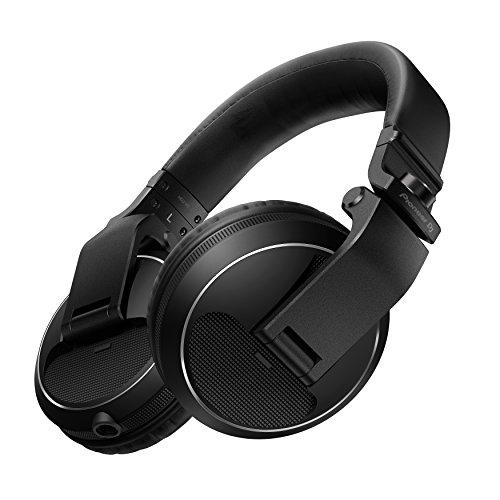
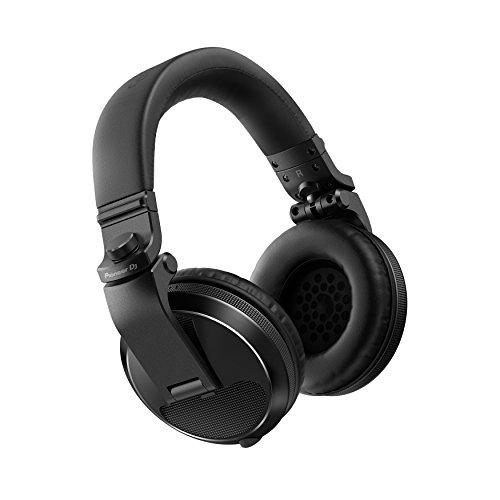
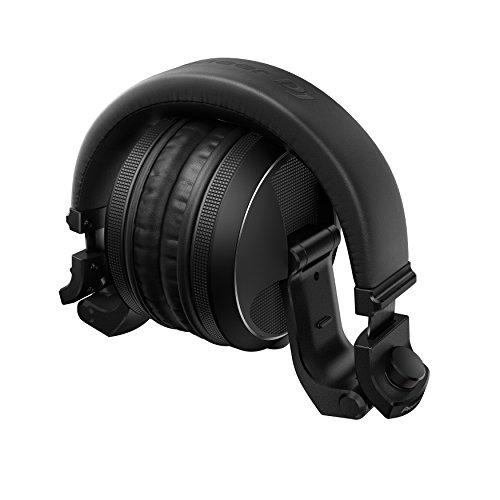
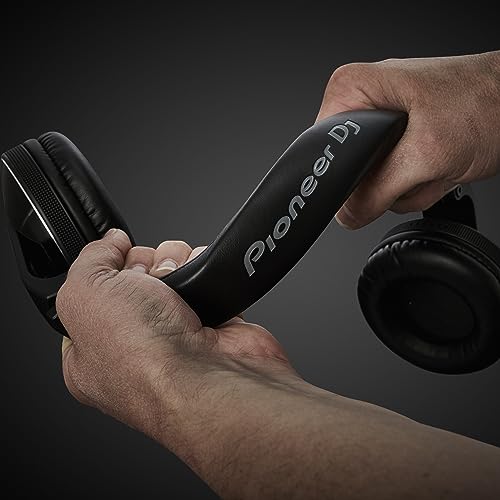
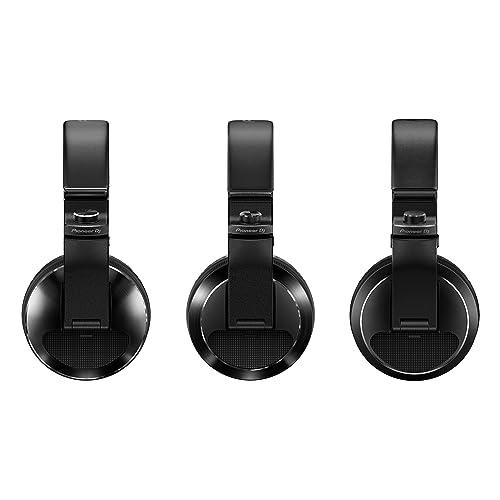
The Pioneer DJ HDJ-X5 undergoes testing that would make most consumer electronics weep. It's certified to the US Military Standard MIL-STD-810G for shock resistance – the same standard used for equipment that might be dropped from helicopters or bounced around in armored vehicles. Pioneer reinforces all moving parts with metal rather than plastic, and the headband flexes and swivels in ways designed to survive the chaos of DJ booths.
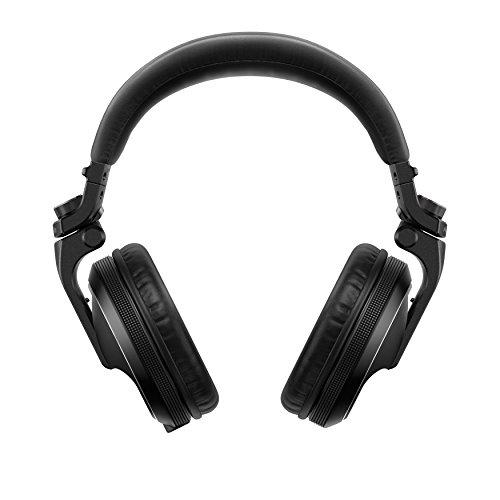
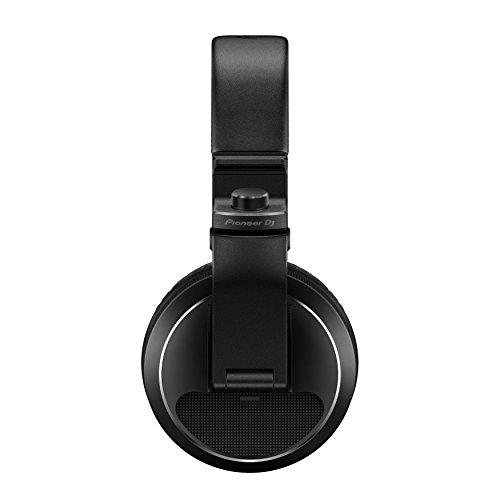
At 269 grams, the HDJ-X5 carries its professional-grade construction in every ounce. The housing uses a pressure-reducing design that distributes weight evenly around your ears, while the exterior texture provides extra grip when you're adjusting them quickly during a set. Most importantly, key components like cables and ear pads are replaceable, meaning these headphones can potentially last decades with proper maintenance.
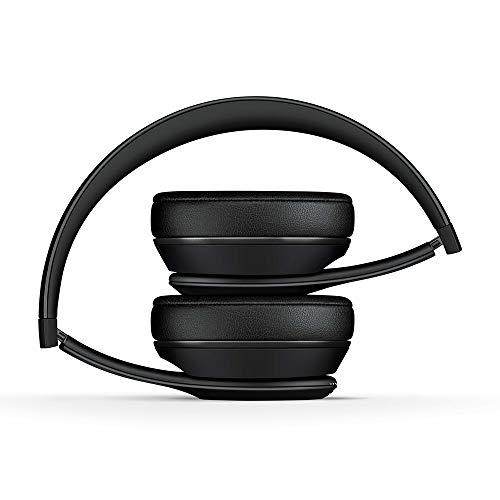
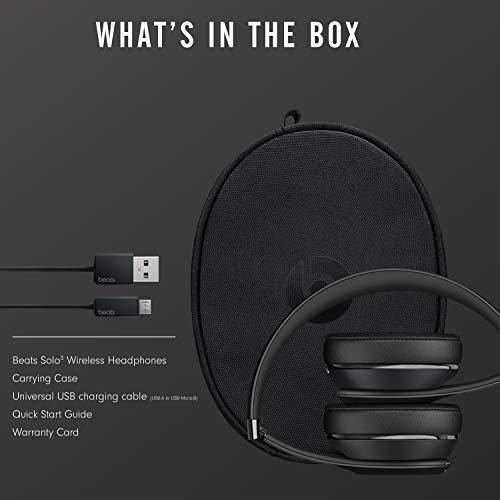
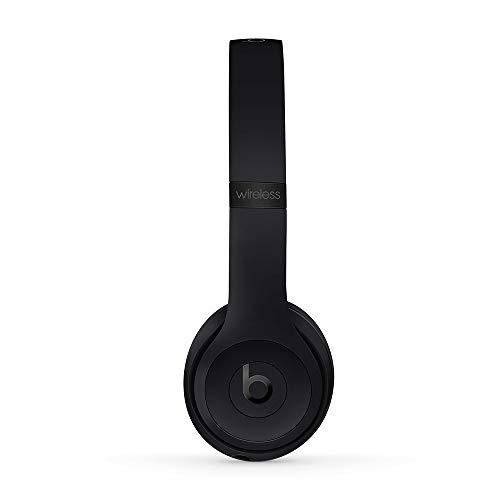
The Beats Solo3 Wireless prioritizes different qualities. At 215 grams, it's notably lighter and more portable, with a sleek plastic construction that folds down for easy transport. The build quality is solid for consumer standards, but it's not designed to survive the abuse that professional equipment faces nightly.
The Solo3's lighter weight and on-ear design make it more comfortable for casual, shorter listening sessions. However, the clamping force required to keep on-ear headphones in place can cause fatigue during extended use – something the over-ear HDJ-X5 handles better through weight distribution.
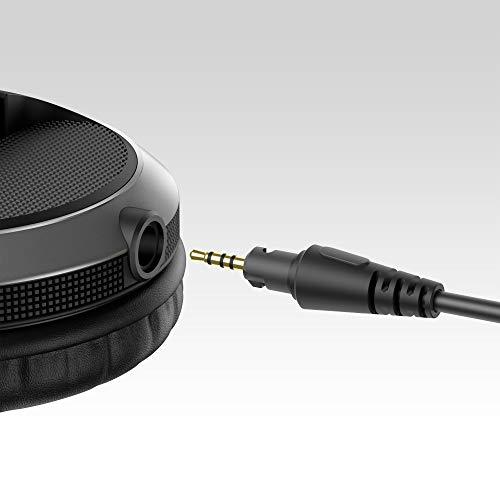
The Pioneer DJ HDJ-X5 uses a sophisticated 4-core twisted-structure cable that includes an independent ground wire for each channel. This might sound like overkill, but it provides superior left and right channel separation – crucial when you're trying to cue up the next track in one ear while monitoring the main mix in the other.
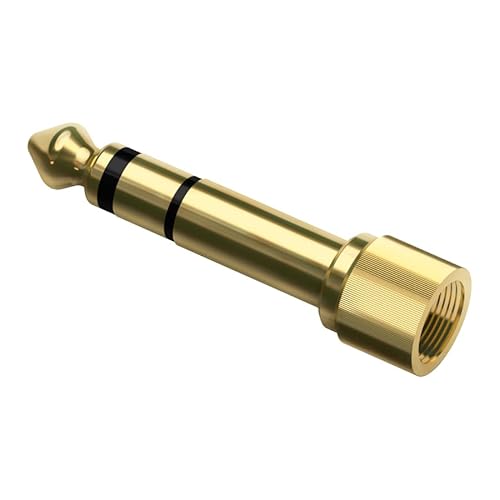
The included 1.2-meter coiled cable extends to 1.8 meters, giving you flexibility without excess length that could tangle in equipment. The L-shaped connector prevents accidental disconnection – a disaster when you're in the middle of a set – while the included 6.3mm adapter ensures compatibility with professional audio equipment.
This wired approach means the HDJ-X5 is always ready. No battery anxiety, no connection drops at crucial moments, no compatibility issues with devices that don't support the latest Bluetooth standards.
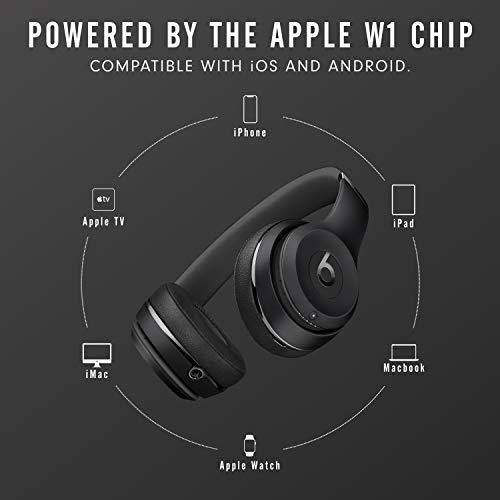
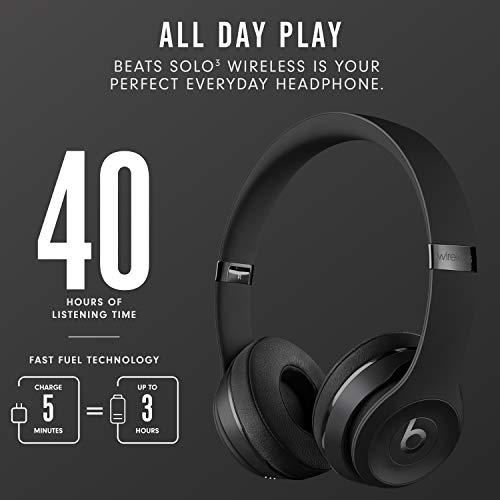
The Beats Solo3 Wireless represents the pinnacle of wireless convenience as of its 2017 release. The Apple W1 chip (a predecessor to the more advanced H1 chip in newer models) enables seamless pairing with Apple devices and contributes to the headphones' standout feature: 40+ hours of battery life.
This battery performance was revolutionary when the Solo3 launched and remains impressive today. The Fast Fuel feature provides three hours of playback from just five minutes of charging – perfect for those "forgot to charge them last night" moments we all experience.
The W1 chip also provides Class 1 Bluetooth connectivity, which offers better range and stability than the basic Bluetooth found in cheaper wireless headphones. However, by current standards, the Bluetooth 4.2 implementation is outdated, lacking support for newer codecs and features that have become standard.
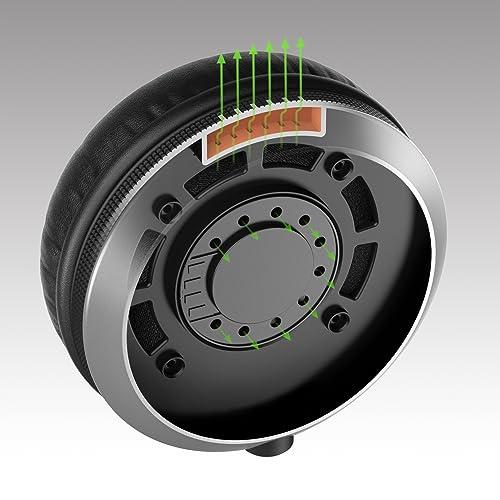
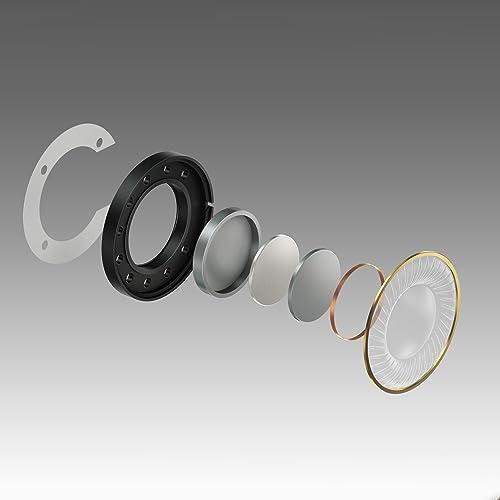
The Pioneer DJ HDJ-X5 excels in noisy environments through superior passive isolation. The over-ear design creates a better seal around your ears compared to on-ear headphones, while the bass reflex chamber actually uses sound engineering principles to improve both bass response and isolation simultaneously.
This isolation capability is crucial in DJ booths where you might be surrounded by massive speakers pumping out 110+ decibels of sound. The HDJ-X5 can provide enough isolation to let you hear subtle details in tracks even when the main system is thundering around you.
The Beats Solo3 Wireless offers poor noise isolation due to its on-ear design and lack of active noise cancellation. While this might seem like a flaw, it's actually somewhat intentional – many users want to maintain some awareness of their surroundings for safety while walking or commuting.
However, this limited isolation means the Solo3 struggles in truly noisy environments like airplanes or busy streets. You'll find yourself cranking the volume to overcome ambient noise, which can be both fatiguing and potentially harmful to your hearing.
While designed for DJing, the Pioneer DJ HDJ-X5 actually works well for home theater applications where accuracy matters. If you're editing videos, mixing audio, or want to hear exactly what directors intended, the HDJ-X5's neutral-leaning tuning and excellent isolation make it a solid choice.
The wide frequency response and good imaging (ability to place sounds accurately in stereo space) help with positional audio in games or movies. However, the lack of a microphone limits gaming applications, and some users might find the sound signature less exciting than consumer-tuned alternatives for pure entertainment.
The Beats Solo3 Wireless shines for casual home theater use, especially if you're watching content with lots of music or action scenes. The bass-heavy tuning makes explosions feel impactful and music sequences engaging. The wireless convenience means you can move around freely without cable management issues.
However, the rolled-off treble and limited soundstage can make dialogue less clear and reduce the sense of space in well-mixed surround content. For serious home theater enthusiasts who want to hear every detail in movie soundtracks, the Solo3's entertainment tuning might feel limiting.
For professional applications, the most important metrics are frequency response accuracy, impedance matching, and maximum sound pressure level. The Pioneer DJ HDJ-X5 delivers 102 dB sensitivity with 32-ohm impedance, making it efficient enough to drive properly from most DJ mixers and controllers without additional amplification.
The 2000 mW maximum input power handling means these headphones can handle serious volume without distortion – crucial when you need to cue tracks over loud monitor speakers. The wide frequency response ensures you won't miss important details in any part of the audio spectrum.
For lifestyle use, battery life, connection stability, and comfort during extended wear become the priority metrics. The Beats Solo3 Wireless excels in the first two categories but struggles with the third due to on-ear pressure.
The 40+ hour battery life essentially eliminates battery anxiety for most users, while the W1 chip provides connection reliability that was remarkable for its time. However, the outdated Bluetooth standard and lack of advanced features like adaptive EQ or spatial audio support show the headphones' age.
Both headphones launched in 2017, and the wireless audio landscape has evolved significantly since then. The Beats Solo3 Wireless now seems dated compared to newer models with Bluetooth 5.0+, USB-C charging, and support for higher-quality audio codecs like aptX HD or LDAC.
The Pioneer DJ HDJ-X5 remains more current because professional audio standards change more slowly. Wired connectivity standards haven't shifted dramatically, and the core requirements for DJ monitoring remain consistent. However, newer DJ headphones often include detachable cables with locking mechanisms and improved materials for even better durability.
You're serious about audio quality and need headphones that reveal truth rather than flattery. DJs, music producers, audio engineers, and critical listeners will appreciate the accuracy and durability. If you work in loud environments, need isolation, or want headphones that will last for years with replaceable parts, the HDJ-X5 represents excellent long-term value.
The Pioneer DJ HDJ-X5 also makes sense if you prioritize reliability over convenience. There's something to be said for headphones that are always ready, always work, and never leave you stranded with a dead battery.
You prioritize convenience and are heavily invested in the Apple ecosystem. The wireless freedom and exceptional battery life make these ideal for commuting, casual listening, and situations where cables would be inconvenient. If you enjoy bass-heavy music and want headphones that make your favorite songs sound exciting rather than analytical, the Solo3 delivers.
The Beats Solo3 Wireless works best for users who want a lifestyle accessory that happens to be headphones, rather than a precision audio tool. The brand recognition and style options appeal to users who see headphones as part of their personal expression.
At the time of writing, both headphones occupy similar price ranges in the premium market, but they deliver completely different value propositions. The Pioneer DJ HDJ-X5 offers professional-grade durability, accuracy, and long-term value through replaceable parts. The Beats Solo3 Wireless provides cutting-edge (for its time) wireless convenience and consumer-friendly sound tuning.
Neither is objectively better – they're designed for different users with different priorities. The HDJ-X5 succeeds as a professional tool that happens to work well for serious listening. The Solo3 succeeds as a lifestyle product that makes music enjoyable and convenient to access.
If you can only have one pair of headphones and do any serious audio work, lean toward the Pioneer DJ HDJ-X5. If your primary use is casual music listening and you value convenience above all else, the Beats Solo3 Wireless will serve you well, though you might want to consider newer wireless models with updated technology.
The key is matching the tool to the job. Both headphones excel in their intended roles – the question is which role better matches your needs.
| Pioneer DJ HDJ-X5 | Beats Solo3 Wireless |
|---|---|
| Design Type - Affects comfort and isolation | |
| Over-ear circumaural (around the ear) | On-ear supra-aural (sits on the ear) |
| Weight - Important for extended wear | |
| 269g (heavier but weight distributed over ears) | 215g (lighter but pressure concentrated on ears) |
| Connectivity - Core functionality difference | |
| Wired only with detachable cable | Wireless Bluetooth with wired backup option |
| Battery Life - Key convenience factor | |
| No battery needed (always ready) | 40+ hours wireless (industry leading when released) |
| Sound Tuning - How music will sound | |
| Professional monitoring (accurate, revealing) | Consumer bass-heavy (exciting, engaging) |
| Frequency Response - Audio range coverage | |
| 5 Hz - 30,000 Hz (exceptionally wide range) | Not specified (typical consumer range ~20Hz-20kHz) |
| Noise Isolation - Performance in noisy environments | |
| Excellent passive isolation for loud venues | Poor isolation due to on-ear design |
| Durability Rating - Long-term reliability | |
| MIL-STD-810G military shock certified | Standard consumer build quality |
| Replaceable Parts - Long-term value | |
| Cables and ear pads user-replaceable | No user-replaceable components |
| Target Use Case - Who they're designed for | |
| DJs, producers, critical listening | Commuting, casual listening, Apple ecosystem users |
| Maximum Input Power - Volume headroom | |
| 2000 mW (can handle professional equipment levels) | Not specified (consumer-level power handling) |
| Cable Design - Audio quality impact | |
| 4-core twisted structure with independent grounds | Standard cable design when wired |
| Charging Method - Convenience factor | |
| No charging required | Micro-USB (outdated standard as of 2024) |
| Wireless Technology - Connection quality | |
| Not applicable | Bluetooth 4.2 with Apple W1 chip (dated but stable) |
| Warranty Coverage - Purchase protection | |
| 2 years manufacturer warranty | 1 year standard Apple/Beats warranty |
The Pioneer DJ HDJ-X5 are specifically designed for professional use, featuring MIL-STD-810G military shock certification, replaceable parts, and professional monitoring tuning. The Beats Solo3 Wireless are consumer lifestyle headphones focused on wireless convenience and entertainment listening rather than professional applications.
Choose the Pioneer DJ HDJ-X5 if you need reliable, always-ready performance without battery concerns - ideal for DJs and studio work. Pick the Beats Solo3 Wireless if you prioritize wireless freedom for commuting, exercising, or casual listening, offering 40+ hours of battery life.
The Pioneer DJ HDJ-X5 deliver more accurate, detailed sound with a wide 5Hz-30kHz frequency range, perfect for critical listening and professional monitoring. The Beats Solo3 Wireless offer bass-heavy, consumer-tuned sound that makes popular music more exciting but less accurate.
The Pioneer DJ HDJ-X5 use an over-ear design that distributes weight evenly and reduces pressure, making them more comfortable for extended use despite being heavier. The Beats Solo3 Wireless are lighter but use on-ear design that can cause ear fatigue during long sessions due to clamping pressure.
The Pioneer DJ HDJ-X5 provide excellent passive noise isolation through their over-ear design and bass reflex chamber, making them ideal for loud venues or noisy environments. The Beats Solo3 Wireless offer poor noise isolation due to their on-ear design and lack of active noise cancellation.
The Beats Solo3 Wireless feature Apple's W1 chip for seamless pairing, device switching, and battery widgets on iOS devices, making them excellent for Apple users. The Pioneer DJ HDJ-X5 work with any device that has a 3.5mm or 6.3mm audio output but lack special Apple integration features.
The Pioneer DJ HDJ-X5 are built for professional abuse with military-grade shock certification, metal-reinforced moving parts, and replaceable components for long-term use. The Beats Solo3 Wireless have standard consumer build quality that's adequate for normal use but not designed for heavy professional wear.
The Pioneer DJ HDJ-X5 work well for gaming due to their accurate sound reproduction and good imaging for positional audio, though they lack a microphone. The Beats Solo3 Wireless can be used for gaming but their bass-heavy tuning may mask important audio cues, and they include a microphone for voice chat.
The Beats Solo3 Wireless are specifically tuned for bass-heavy music with powerful low-end that makes hip-hop, EDM, and pop music sound exciting and impactful. The Pioneer DJ HDJ-X5 provide accurate bass reproduction but prioritize precision over impact, making them less exciting for casual bass-heavy music listening.
The Pioneer DJ HDJ-X5 don't require batteries and are always ready to use, eliminating battery anxiety entirely. The Beats Solo3 Wireless offer exceptional 40+ hour battery life with Fast Fuel charging that provides 3 hours of playback from just 5 minutes of charging.
The Pioneer DJ HDJ-X5 work well for critical home theater listening where accuracy matters, providing clear dialogue and precise sound effects placement. The Beats Solo3 Wireless are better for casual movie watching with action films and music-heavy content, though their bass emphasis may muddy dialogue clarity.
The Pioneer DJ HDJ-X5 provide superior long-term value through replaceable parts, professional-grade durability, and timeless wired connectivity that won't become obsolete. The Beats Solo3 Wireless may require replacement sooner due to non-replaceable batteries and outdated Bluetooth technology, but offer immediate wireless convenience.
We've done our best to create useful and informative comparisons to help you decide what product to buy. Our research uses advanced automated methods to create this comparison and perfection is not possible - please contact us for corrections or questions. These are the sites we've researched in the creation of this article: guitarcenter.com - pioneerdj.com - digitaldjtips.com - youtube.com - idjnow.com - youtube.com - youtube.com - wearecrossfader.co.uk - audio46.com - youtube.com - pioneerdj.com - pioneerdj.com - idjnow.com - milehighdjsupply.com - pioneerdj.com - store.djtechtools.com - pioneerdjstore.com - americanmusical.com - sweetwater.com - stars-music.com - store.djtechtools.com - pioneerdj.com - soundguys.com - cornellstore.com - imore.com - bestbuy.com - headphonecheck.com - soundguys.com - recordingnow.com - corporategift.com - ifixit.com - rtings.com - youtube.com - mobileciti.com.au - beatsbydre.com - discussions.apple.com - target.com - bestbuy.com - jalc.ecampus.com - beats.fandom.com - support.apple.com - electronics.woot.com

Privacy Policy
Terms and Conditions - Affiliate Policy
Home Security
© Copyright 2008-2026.
11816 Inwood Rd #1211, Dallas, TX 75244