



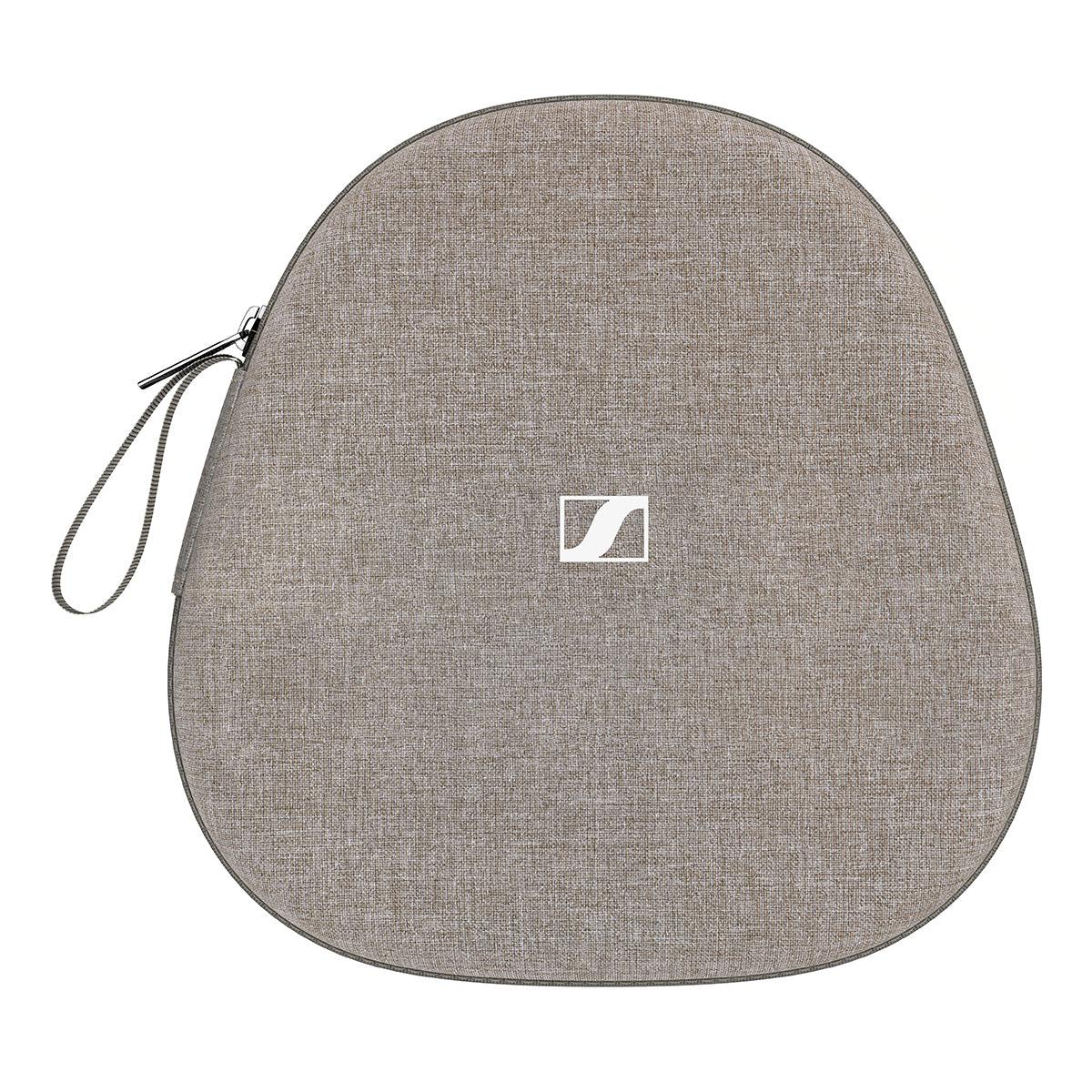
When you're shopping for wireless headphones, you'll quickly discover that not all models are created equal. Today, we're comparing two headphones that represent fundamentally different approaches to portable audio: the Beats Solo3 Wireless and the Sennheiser Momentum 4. While both deliver music wirelessly, they're designed for entirely different users and use cases.
Before diving into these specific models, let's talk about what really matters in wireless headphones. The most important considerations include the physical design (how they sit on your head), sound quality, battery life, connectivity features, and overall comfort during extended use.
The form factor—whether headphones sit on your ears (on-ear) or completely surround them (over-ear)—dramatically affects everything from portability to sound isolation. Sound quality involves frequency response (how well they reproduce different pitches), clarity, and whether the tuning matches your preferences. Battery life determines how long you can listen before needing to recharge, while connectivity features like Bluetooth codecs (data compression methods for wireless audio) affect both sound quality and device compatibility.
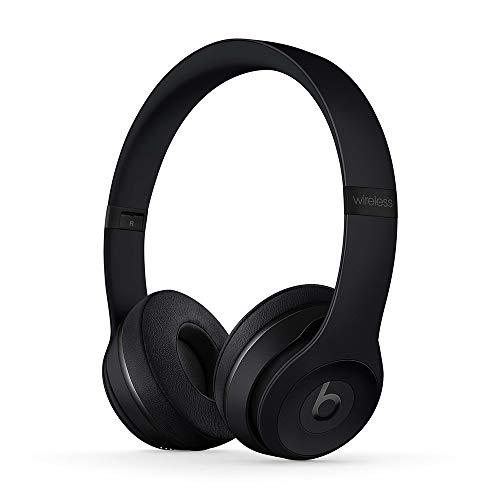
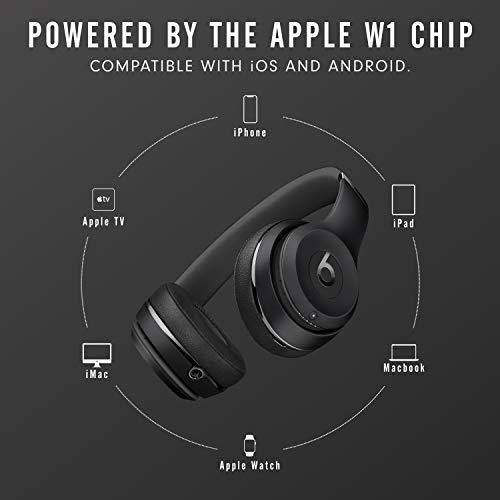
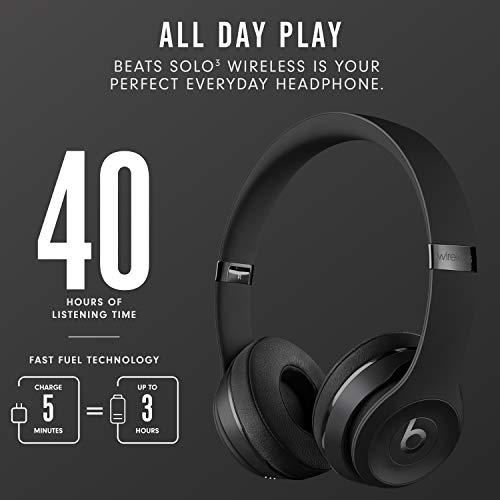
Released in 2016, the Beats Solo3 Wireless was designed as Apple's answer to mainstream wireless headphones. At the time of writing, these headphones typically sell for well under $150, making them an attractive entry point into quality wireless audio. The Solo3 features Apple's W1 chip, which was groundbreaking technology when it launched, enabling seamless pairing and switching between Apple devices.
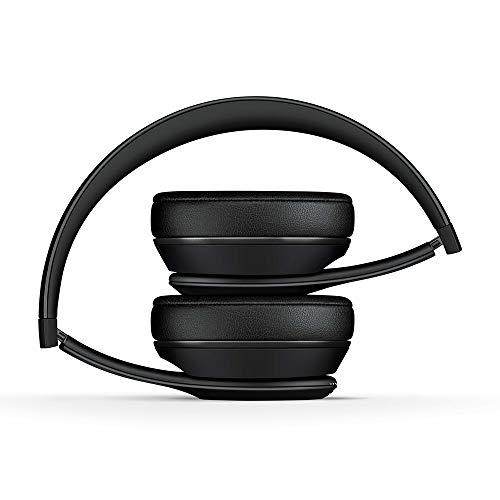
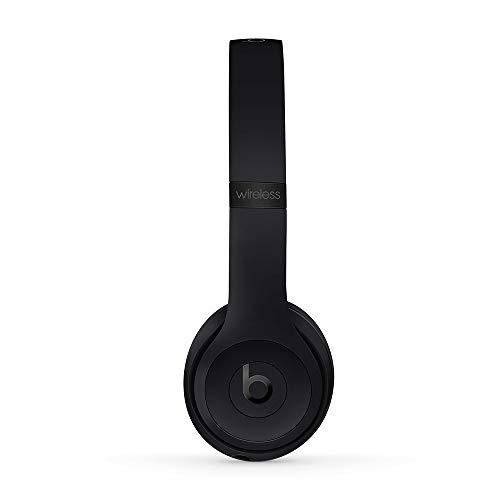
The on-ear design prioritizes portability—these headphones fold flat and weigh just 213 grams, making them easy to toss in a backpack. However, this compact approach comes with trade-offs in comfort and sound isolation that become apparent during longer listening sessions.
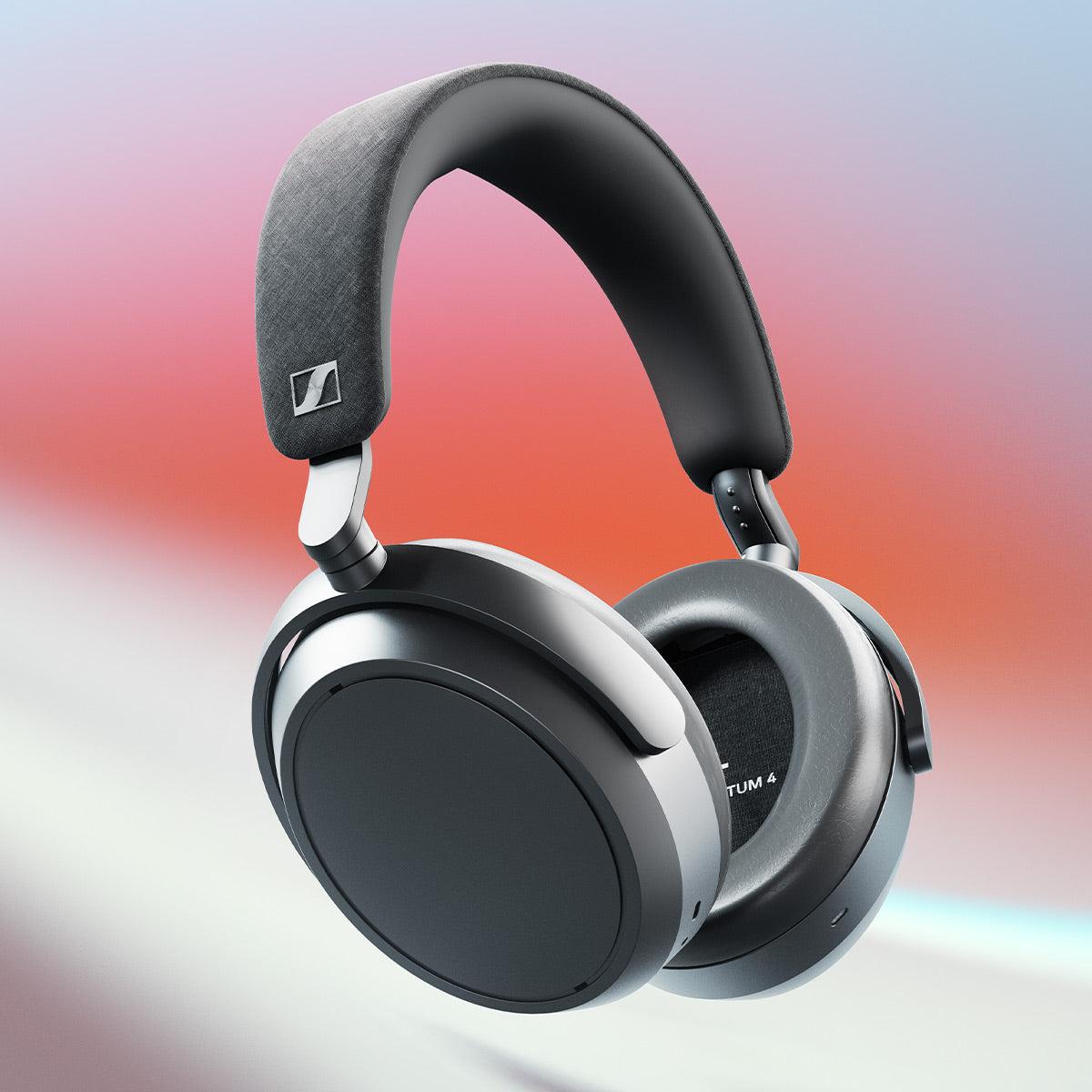
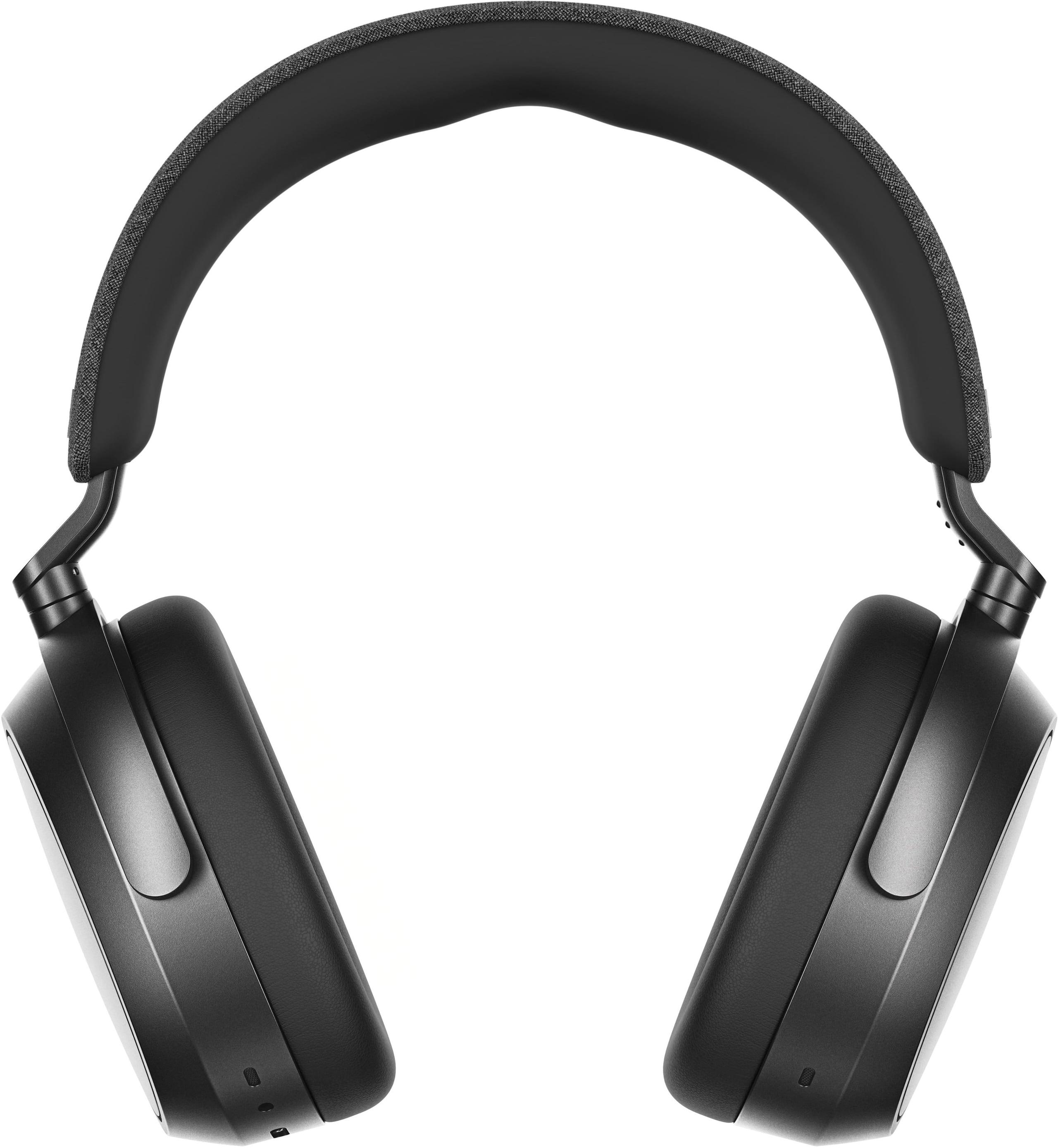
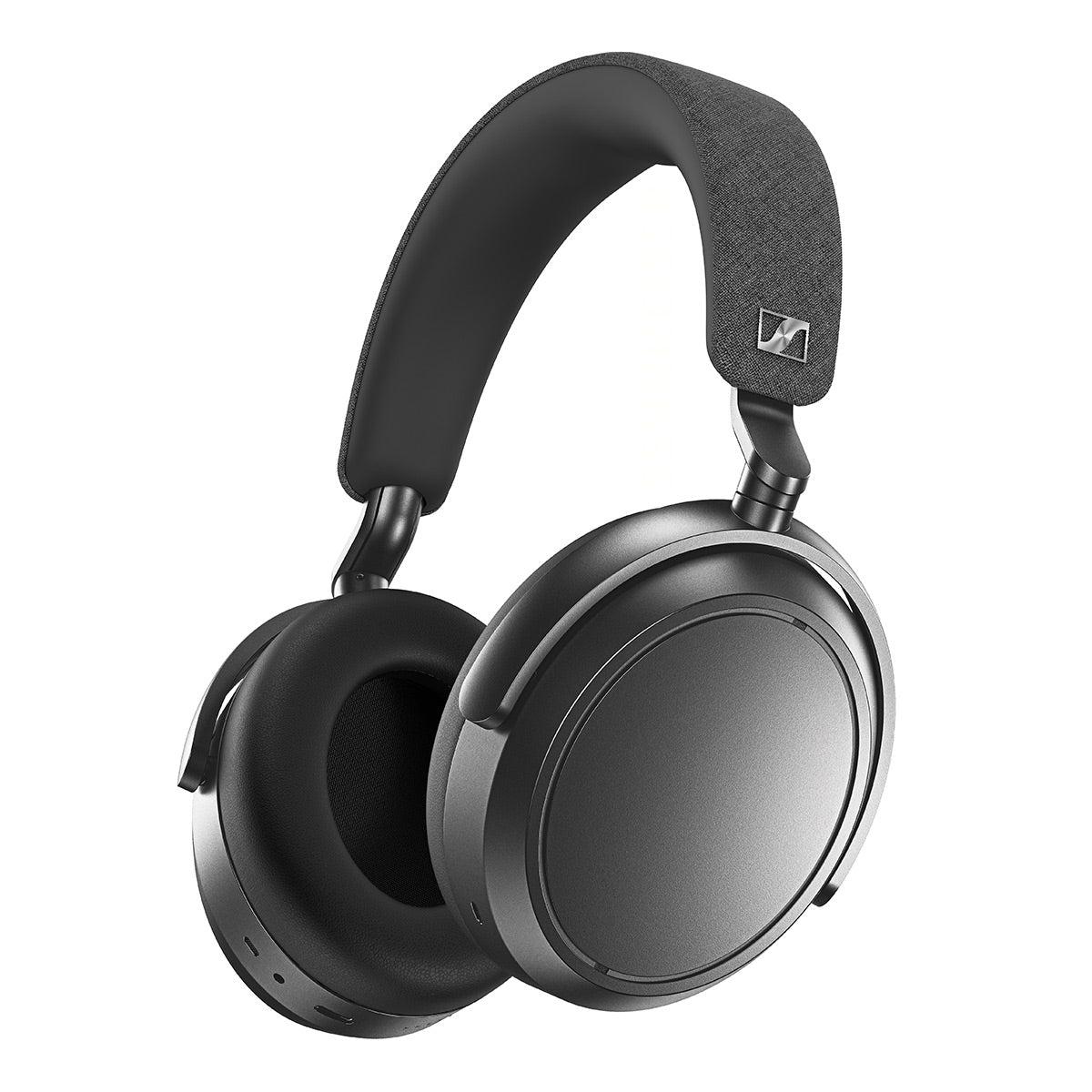
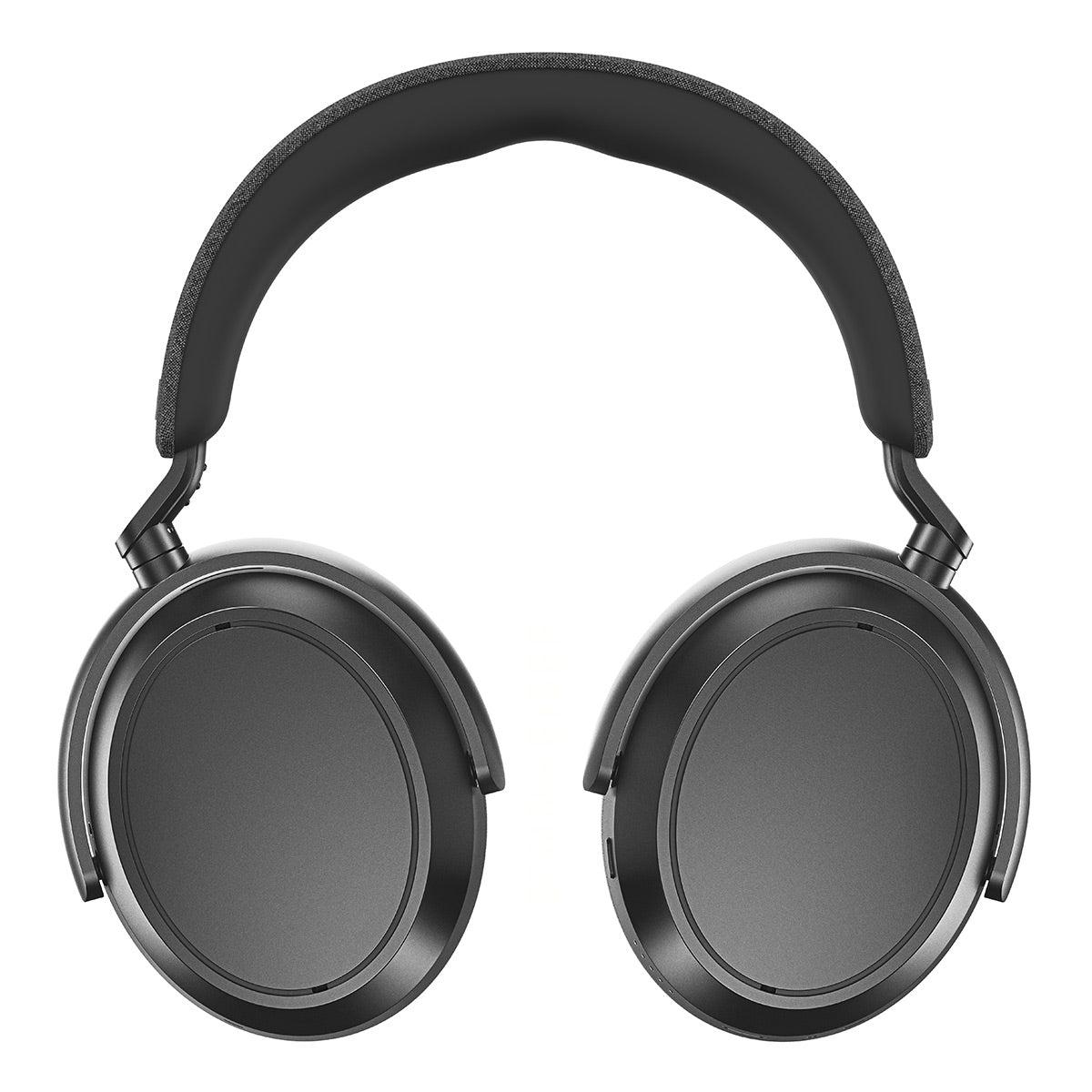
Fast-forward to 2022, and Sennheiser released the Momentum 4 as a flagship over-ear headphone designed to compete with premium models from Sony and Bose. At the time of writing, these typically retail for around $300, though sales often bring them closer to $250. The six-year gap between these releases represents significant technological advancement in wireless audio.
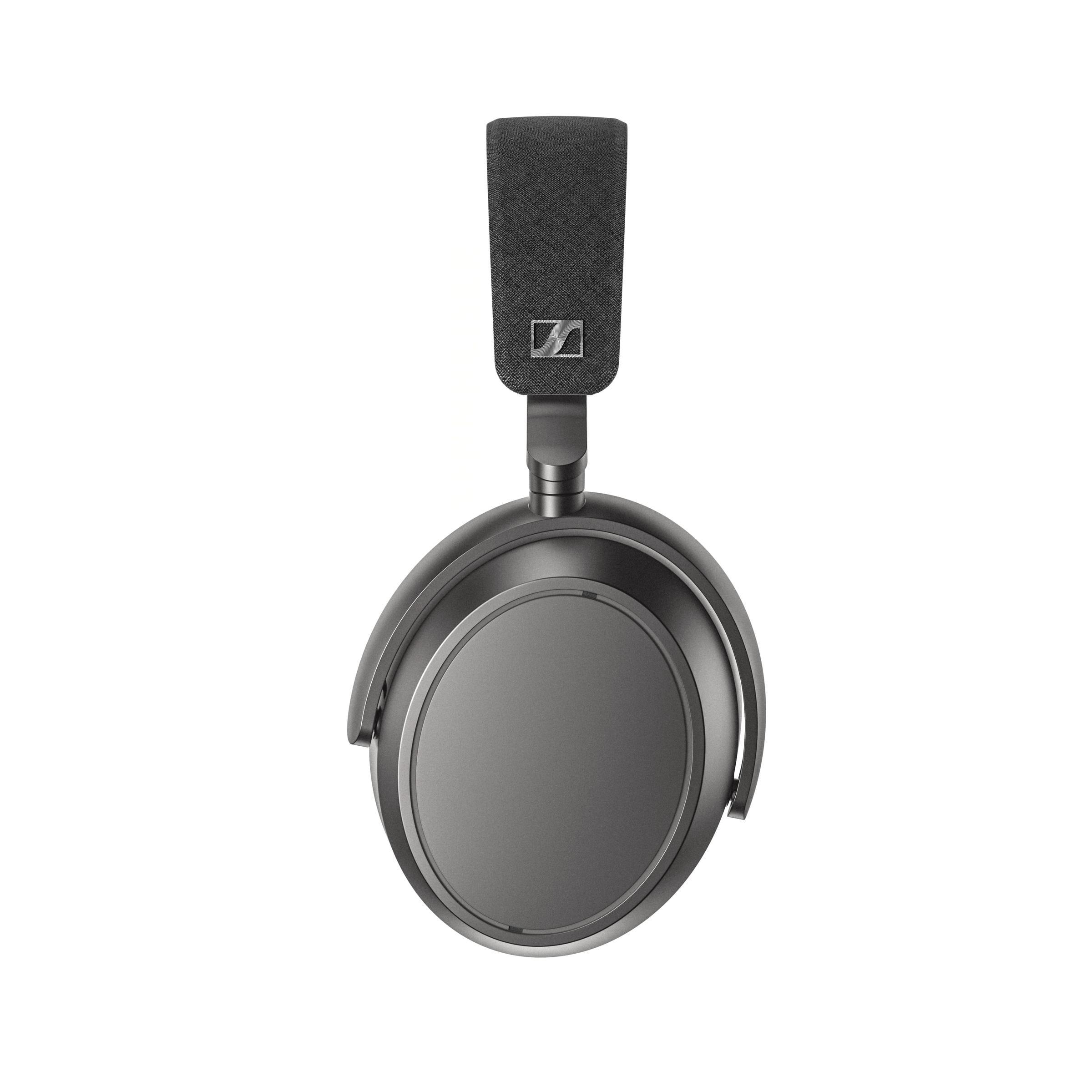
The Momentum 4 takes a completely different approach, prioritizing comfort, sound quality, and modern features like active noise cancellation (ANC)—technology that uses microphones and processing to reduce ambient noise by generating opposing sound waves.
The Solo3 delivers what audio enthusiasts call a "V-shaped" sound signature—elevated bass and treble with slightly recessed midrange frequencies. This creates an immediately engaging, fun listening experience where bass lines thump and vocals cut through the mix with energy and presence.
The bass response is particularly strong, which works wonderfully for genres like hip-hop, electronic music, and pop. However, this emphasis can sometimes overwhelm more delicate musical details. The rolled-off high frequencies (reduced treble response) actually serve a purpose—they reduce listening fatigue, allowing you to crank up the volume without your ears becoming tired as quickly.
One limitation of the on-ear design is soundstage—the perceived width and depth of the audio. Because the drivers sit directly on your ears rather than around them, the Solo3 creates a more intimate, "in-your-head" listening experience rather than the spacious feeling you get with larger headphones.
The Momentum 4 takes a more sophisticated approach to sound reproduction. Out of the box, it offers better overall fidelity, with clearer separation between instruments and a wider soundstage that makes music feel more three-dimensional. The 42mm dynamic drivers (the components that convert electrical signals to sound waves) are larger than typical headphones in this category, contributing to the fuller, more detailed sound.
What sets the Momentum 4 apart is its customization options. The Sennheiser Smart Control app includes both traditional equalizer controls and a unique "Sound Personalization" feature developed with the Fraunhofer Institute. This technology actually analyzes your hearing and adjusts the sound profile accordingly—think of it as prescription glasses for your ears.
The stock tuning can be somewhat bass-heavy initially, but unlike the Solo3, you have extensive control over the sound signature. Many users find that slight EQ adjustments transform these headphones into incredibly balanced and natural-sounding audio devices.
The on-ear design of the Solo3 creates a fundamental comfort challenge. These headphones need to clamp onto your ears with enough force to stay secure and create a decent seal for bass response. For many users, this pressure becomes uncomfortable after an hour or two of listening.
The lightweight construction helps somewhat—at 213 grams, they won't cause neck strain. The ear pads are reasonably soft, and the adjustable headband accommodates different head sizes. However, if you have larger ears or are sensitive to pressure, extended listening sessions might become uncomfortable.
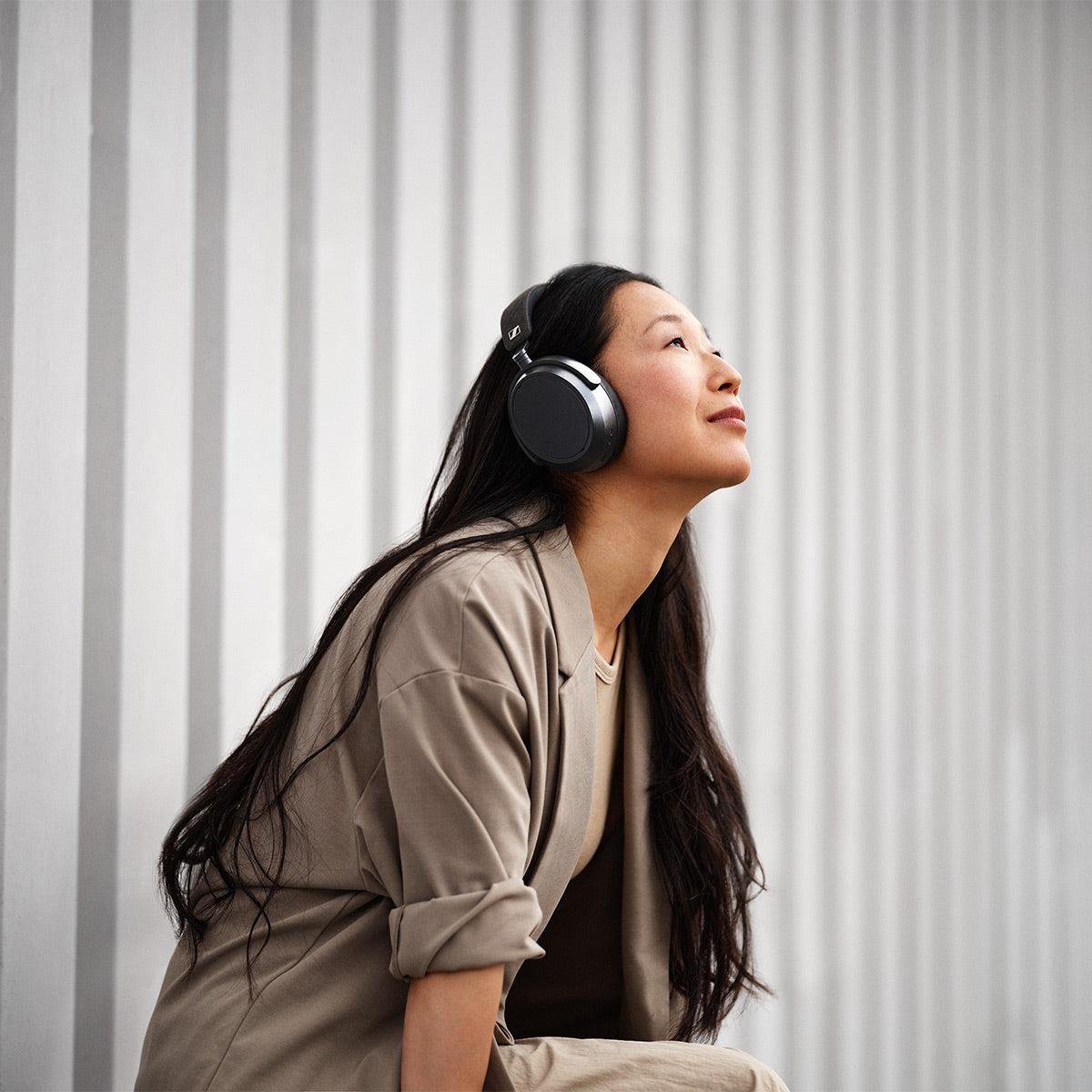
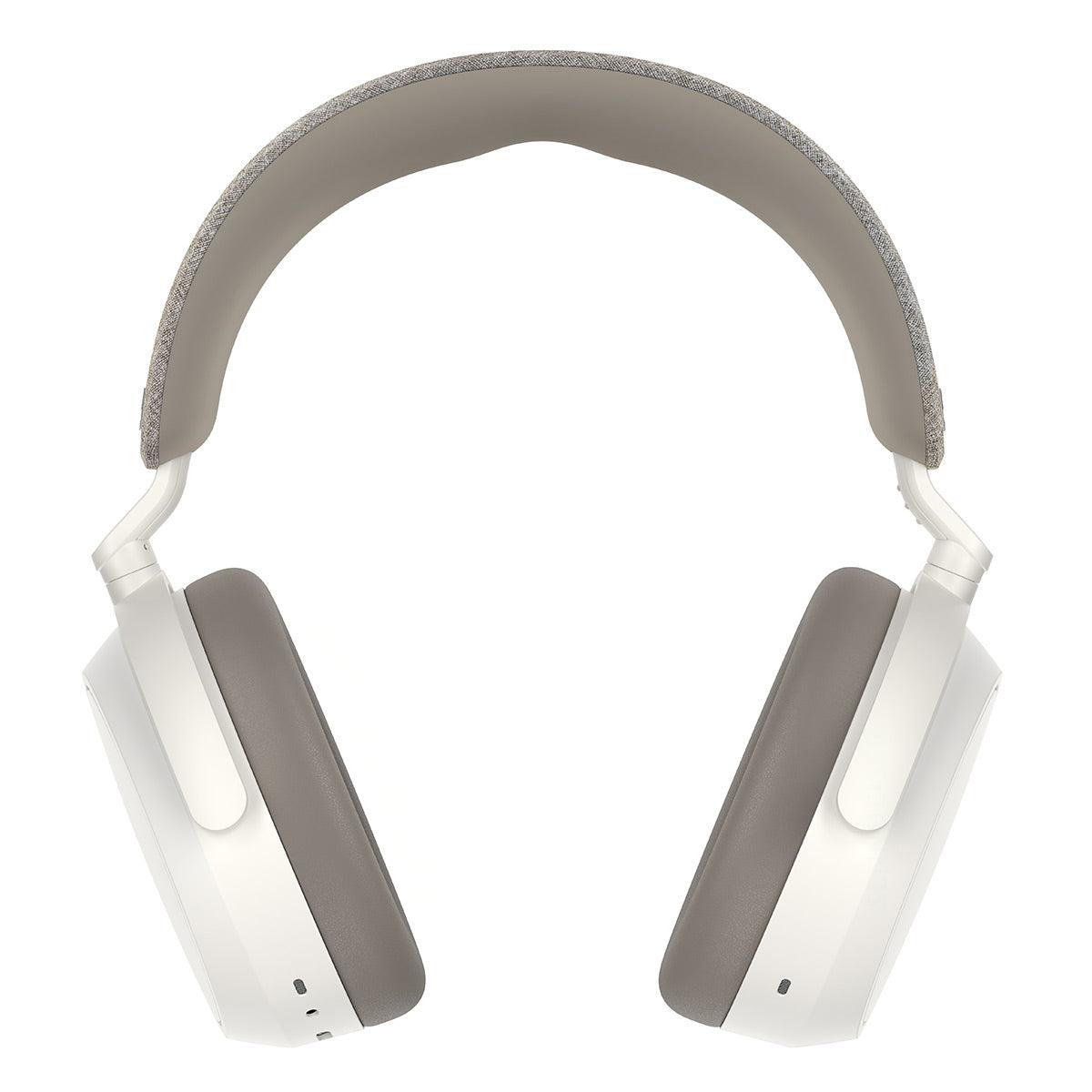
The Momentum 4 represents a completely different comfort philosophy. At 294 grams, they're heavier than the Solo3, but this weight is distributed around your entire ear rather than pressing down on it. The over-ear design means the ear cups rest against your head around your ears, not on them.
This approach dramatically reduces pressure points and allows for much longer listening sessions. The deep, cushioned ear pads create a comfortable seal that also helps with passive noise isolation (blocking sound through physical barriers rather than electronic cancellation). Many users report wearing these headphones comfortably for 4-6 hours without discomfort.
Both headphones deliver impressive battery performance, though through different approaches. The Solo3 achieves 40+ hours of playback through the efficiency of Apple's W1 chip and a smart standby mode that puts the headphones into a near-zero power consumption state when not actively playing audio.
The Momentum 4 pushes battery life even further, delivering up to 60 hours of playback even with active noise cancellation engaged. However, these headphones lack a true standby mode—they're always "on," actively monitoring for noise to cancel and maintaining Bluetooth connections. This means they'll drain battery even when not playing music, though the large 700mAh battery provides plenty of capacity.
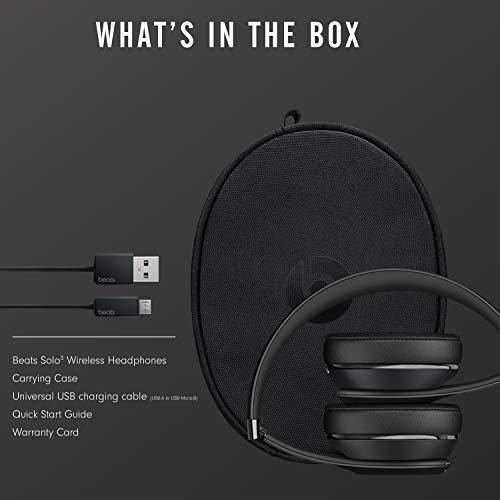
Both models offer fast charging, but the Momentum 4 uses modern USB-C charging while the Solo3 still relies on the now-outdated micro-USB connector.
The six-year gap between these releases showcases how rapidly wireless audio technology has evolved. The Solo3 uses Bluetooth 4.2, which was perfectly adequate in 2016 but lacks the efficiency and advanced codec support of newer versions.
The Momentum 4 features Bluetooth 5.2 with support for advanced codecs like aptX Adaptive, which can dynamically adjust audio quality based on your environment and connection stability. This newer technology provides more stable connections, better range, and higher quality audio transmission.
Perhaps most significantly, the Momentum 4 includes active noise cancellation—technology that simply wasn't common in consumer headphones when the Solo3 launched. The ANC system uses four beamforming microphones (two on each ear cup) to detect ambient noise and generate opposing sound waves to cancel it out.
The Solo3's biggest strength lies in its integration with Apple devices. The W1 chip enables features that Android headphones simply can't match within the Apple ecosystem. Pairing is nearly instantaneous—open the case near an iPhone, and they connect automatically. Switch from your iPhone to your MacBook, and the headphones follow seamlessly.
The wireless range is also impressive thanks to the W1 chip's efficiency. Many users report being able to walk throughout their entire house while maintaining a stable connection to a device left in one room.
However, this Apple optimization comes at the cost of Android functionality. While the Solo3 will work with Android devices, you lose many smart features and the seamless experience that makes them special.
The Momentum 4 takes a more universal approach, working equally well with any Bluetooth device. The comprehensive Sennheiser app provides extensive customization options regardless of your phone's operating system. Features like auto-pause when you remove the headphones, touch controls for playbook and volume, and voice assistant integration work across all platforms.
The newer Bluetooth implementation also enables multipoint connectivity, allowing you to connect to two devices simultaneously—perhaps your laptop and phone—and automatically switch between them based on which one is actively playing audio.
This is one area where the technological advancement really shows. The Solo3 includes basic call functionality with a single microphone system that provides adequate but unremarkable call quality.
The Momentum 4 features four digital beamforming microphones with automatic wind noise suppression. This sophisticated microphone array can focus on your voice while filtering out background noise, making calls much clearer even in challenging environments. If you frequently take calls with your headphones, this difference is substantial.
The Solo3 provides only passive noise isolation, and not very much of it. The on-ear design means external sounds leak in readily, making these headphones less suitable for noisy environments like airplanes, busy offices, or public transportation.
The Momentum 4 combines passive isolation from the over-ear design with active noise cancellation. While the ANC isn't quite as aggressive as models from Sony or Bose, it's effective enough to significantly reduce ambient noise during travel or in busy environments. The transparency mode lets you hear important announcements or conversations without removing the headphones.
For home theater use, the differences between these headphones become even more pronounced. The Solo3's limited soundstage and lack of noise isolation make them less ideal for immersive movie watching. However, their lightweight design makes them comfortable for casual content consumption.
The Momentum 4 excels in this application. The larger soundstage creates a more cinematic experience, while the noise cancellation helps you focus on dialogue and subtle audio details. The 60-hour battery life means you won't need to worry about charging during long binge-watching sessions. The comfort factor also becomes crucial during multi-hour viewing sessions.
When evaluating headphone performance, several metrics stand out as most important for real-world use:
Sound Quality: This encompasses frequency response accuracy, clarity, and soundstage width. The Momentum 4 significantly outperforms the Solo3 in objective measurements, with better driver technology and more sophisticated tuning.
Comfort Sustainability: How long can you wear them comfortably? The Solo3 typically becomes uncomfortable after 1-2 hours, while the Momentum 4 can be worn all day without issues.
Versatility: Can the headphones handle different use cases well? The Solo3 excels at portable, casual listening but struggles in noisy environments. The Momentum 4 handles everything from critical listening to travel to calls with competence.
The choice between the Solo3 and Momentum 4 ultimately depends on your priorities and budget constraints.
Choose the Beats Solo3 if you're budget-conscious, deeply embedded in the Apple ecosystem, and primarily need headphones for casual, shorter listening sessions. They're excellent for commuting, working out, or any situation where portability matters more than ultimate sound quality. The seamless Apple integration is genuinely valuable if you switch between multiple Apple devices throughout the day.
The Sennheiser Momentum 4 is the better choice if you prioritize sound quality, comfort, and modern features. They're ideal for anyone who plans to use headphones for extended periods, travels frequently, takes a lot of calls, or simply wants the best possible audio experience. The higher price point reflects genuinely better performance across almost every metric that matters.
At the time of writing, the price difference is substantial—the Solo3 costs roughly half what you'll pay for the Momentum 4. However, the performance gap is even larger than the price gap, making the Sennheiser model a better value for users who can afford the higher initial investment.
Both headphones serve their intended audiences well, but they're designed for fundamentally different users and use cases. The six-year technology gap between them really shows, making this less about choosing between comparable products and more about deciding whether you want basic wireless functionality or a premium, modern headphone experience.
| Beats Solo3 Wireless | Sennheiser Momentum 4 |
|---|---|
| Design Type - Impacts comfort and portability | |
| On-ear, lightweight at 213g, folds flat for travel | Over-ear, heavier at 295g, premium comfort for long sessions |
| Sound Quality - Core listening experience | |
| Bass-heavy, energetic V-shaped tuning, limited customization | Superior fidelity with 42mm drivers, extensive EQ and Sound Personalization |
| Active Noise Cancellation - Essential for travel and focus | |
| None - passive isolation only, poor in noisy environments | Hybrid adaptive ANC with transparency mode, effective for travel |
| Battery Life - Determines daily usability | |
| 40+ hours with excellent standby mode, Fast Fuel charging | 60 hours with ANC on, no standby mode, fast charging via USB-C |
| Comfort Rating - Critical for extended use | |
| 5.7/10 due to on-ear pressure, uncomfortable after 1-2 hours | 8.4/10 with plush over-ear design, all-day wearability |
| Connectivity - Affects device compatibility and features | |
| Apple W1 chip, seamless iOS integration, limited Android features | Bluetooth 5.2, universal compatibility, multipoint pairing |
| Call Quality - Important for work and communication | |
| Basic single microphone, adequate for casual calls | Four beamforming mics with wind suppression, professional quality |
| Charging Port - Future-proofing consideration | |
| Micro-USB (outdated standard) | USB-C (modern, reversible connector) |
| Release Year - Technology generation difference | |
| 2016 (limited by older Bluetooth and lack of ANC) | 2022 (modern features and connectivity standards) |
| Best Use Cases - Where each excels | |
| Apple users, casual listening, portability, budget-conscious | Premium audio, travel, office work, extended listening sessions |
The Sennheiser Momentum 4 delivers superior sound quality with larger 42mm drivers, better frequency response, and extensive customization options through the Smart Control app. The Beats Solo3 Wireless offers a fun, bass-heavy sound that's energetic but less detailed. If audio fidelity is your priority, the Momentum 4 is the clear winner.
The Sennheiser Momentum 4 is significantly more comfortable with its over-ear design that surrounds your ears rather than pressing on them. The Beats Solo3 Wireless sits directly on your ears, which can cause discomfort after 1-2 hours. For all-day listening, the Momentum 4 is much better suited.
The Sennheiser Momentum 4 offers up to 60 hours of playback with ANC enabled, while the Beats Solo3 Wireless provides 40+ hours. Both have excellent battery life, but the Momentum 4 edges out with longer runtime and modern USB-C charging versus the Solo3's outdated micro-USB port.
The Beats Solo3 Wireless excels with Apple devices thanks to the W1 chip, offering seamless pairing and device switching. However, it has limited functionality on Android. The Sennheiser Momentum 4 works equally well with both iOS and Android, offering full features regardless of your phone choice.
The Sennheiser Momentum 4 has active noise cancellation that effectively reduces ambient noise, making it ideal for travel and noisy environments. The Beats Solo3 Wireless has no active noise cancellation and poor passive isolation due to its on-ear design, making it unsuitable for noisy situations.
The Sennheiser Momentum 4 excels at call quality with four beamforming microphones and wind noise suppression, making it professional-grade for work calls. The Beats Solo3 Wireless has basic call functionality that's adequate for casual conversations but not ideal for important business calls.
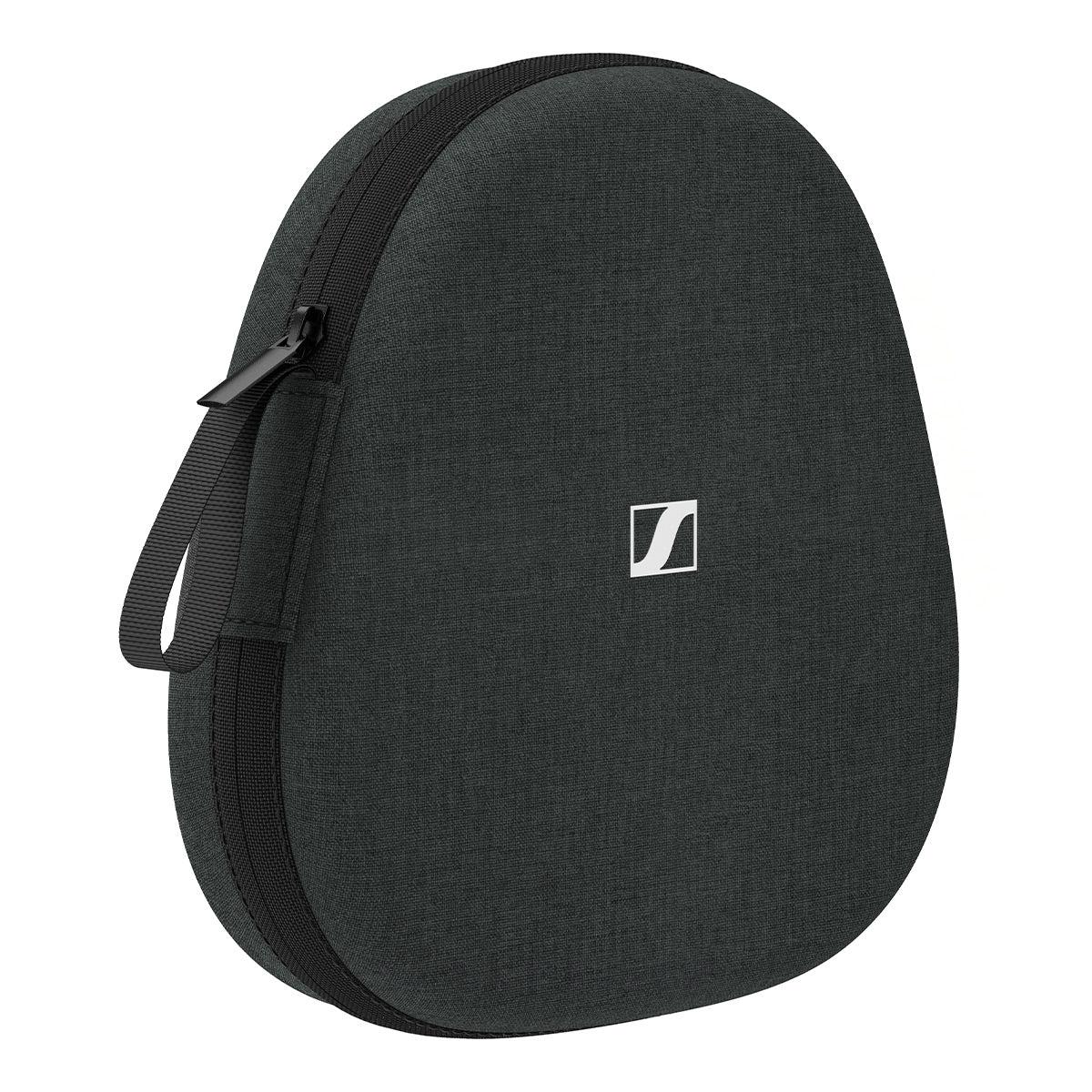
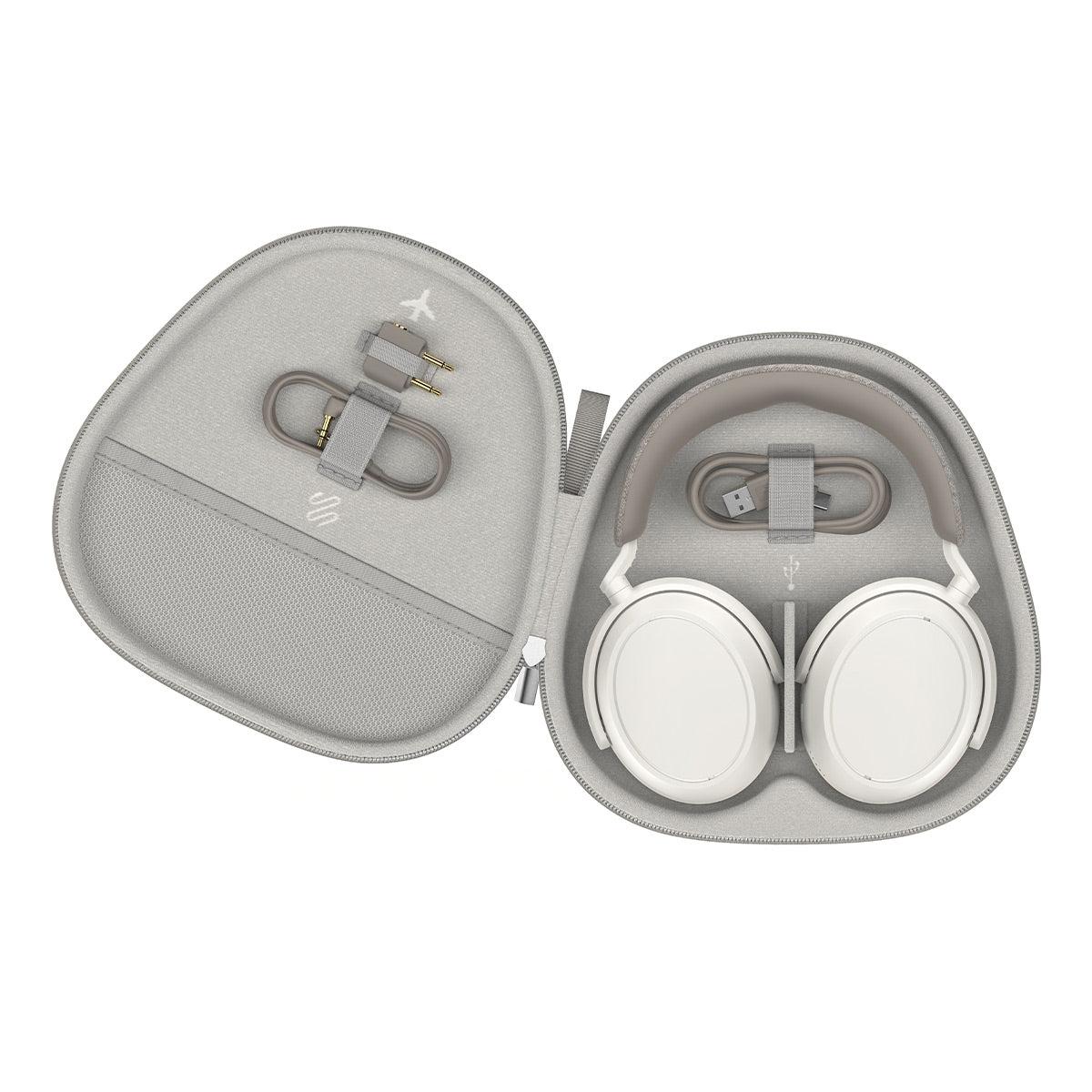
The Beats Solo3 Wireless is more portable, weighing just 213g with a compact, foldable design perfect for travel. The Sennheiser Momentum 4 is bulkier at 295g but includes a hard carrying case and active noise cancellation that's valuable for flights and hotels.
The Sennheiser Momentum 4 is superior for home entertainment with its wider soundstage, noise cancellation for focusing on dialogue, and all-day comfort for binge-watching sessions. The Beats Solo3 Wireless works for casual viewing but lacks the immersive experience and comfort needed for extended movie sessions.
This depends on your budget and needs. The Beats Solo3 Wireless offers good value for Apple users wanting basic wireless functionality at a lower price point. The Sennheiser Momentum 4 provides better overall value with superior performance, modern features, and comfort that justify the higher investment.
The Sennheiser Momentum 4 offers extensive sound customization through its app, including traditional EQ controls and unique Sound Personalization that adapts to your hearing. The Beats Solo3 Wireless has very limited customization options, essentially locked to its bass-heavy signature sound.
The Beats Solo3 Wireless is better for workouts due to its lighter weight, secure on-ear fit, and more sweat-resistant design. The Sennheiser Momentum 4 is too bulky and premium for exercise use, better suited for stationary listening sessions.
The Sennheiser Momentum 4 excels for gaming with superior spatial audio, comfortable over-ear design for long sessions, and excellent microphone quality for team communication. The Beats Solo3 Wireless has limited gaming performance due to comfort constraints and basic audio positioning capabilities.
We've done our best to create useful and informative comparisons to help you decide what product to buy. Our research uses advanced automated methods to create this comparison and perfection is not possible - please contact us for corrections or questions. These are the sites we've researched in the creation of this article: soundguys.com - cornellstore.com - imore.com - bestbuy.com - headphonecheck.com - soundguys.com - recordingnow.com - corporategift.com - ifixit.com - rtings.com - youtube.com - mobileciti.com.au - beatsbydre.com - discussions.apple.com - target.com - bestbuy.com - jalc.ecampus.com - beats.fandom.com - support.apple.com - electronics.woot.com - recordingnow.com - recordingnow.com - soundguys.com - tomsguide.com - headphones.com - thegreatestsong.com - forum.headphones.com - loudnwireless.com - bloomaudio.com - loudnwireless.com - sennheiser-hearing.com - bhphotovideo.com - audio46.com - techpowerup.com - moon-audio.com - bloomaudio.com - pianoclack.com - gsmarena.com - rtings.com

Privacy Policy
Terms and Conditions - Affiliate Policy
Home Security
© Copyright 2008-2026.
11816 Inwood Rd #1211, Dallas, TX 75244