

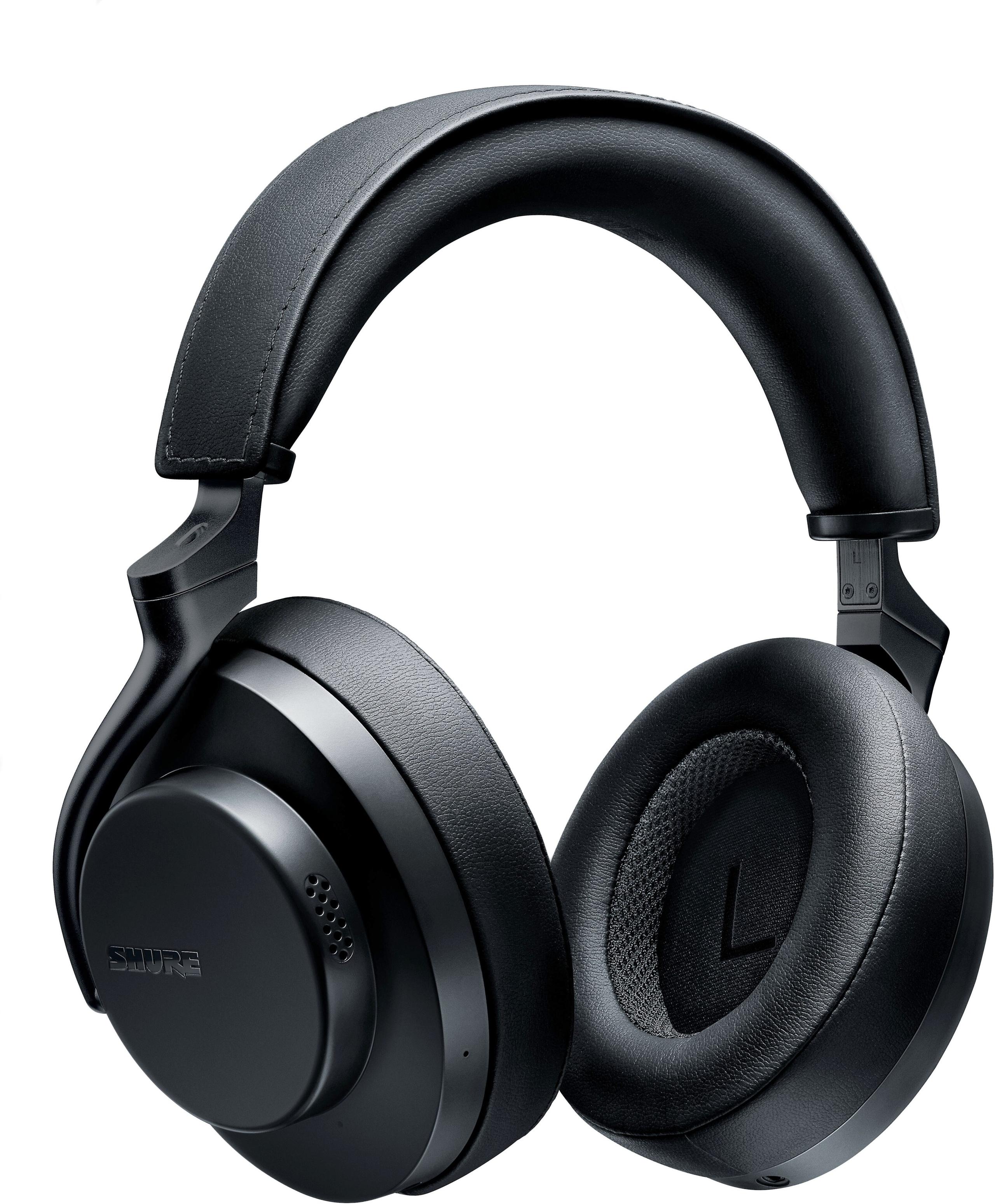
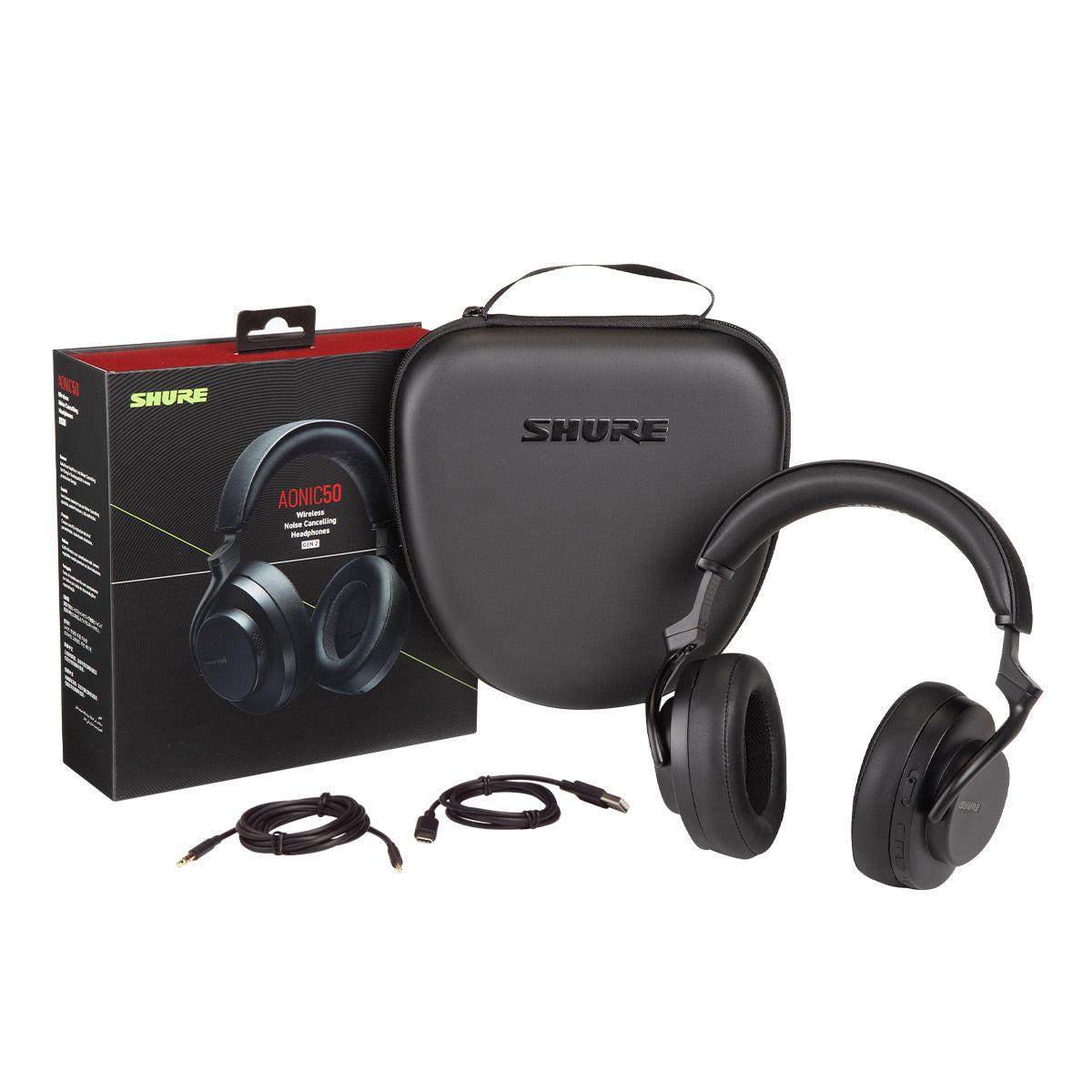
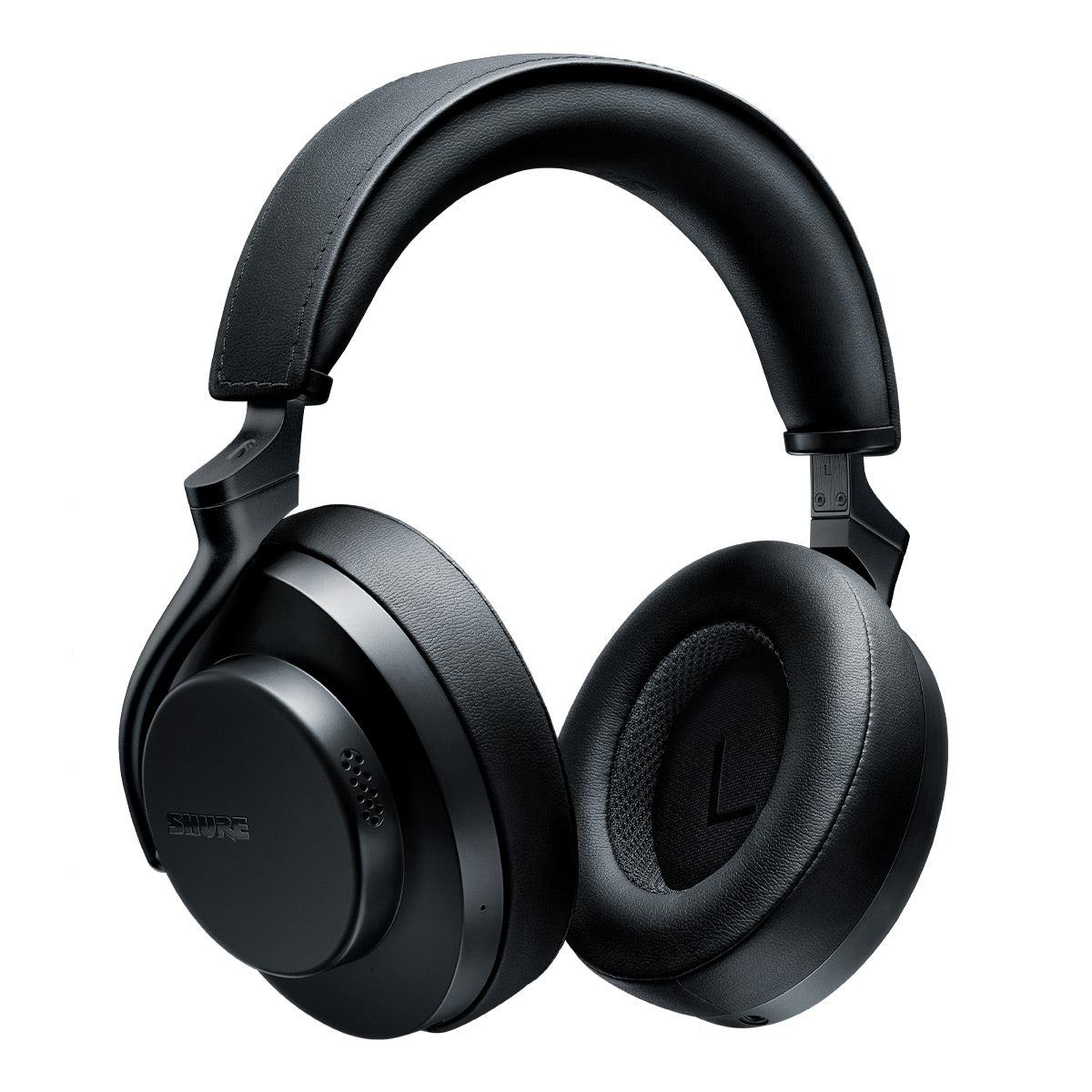

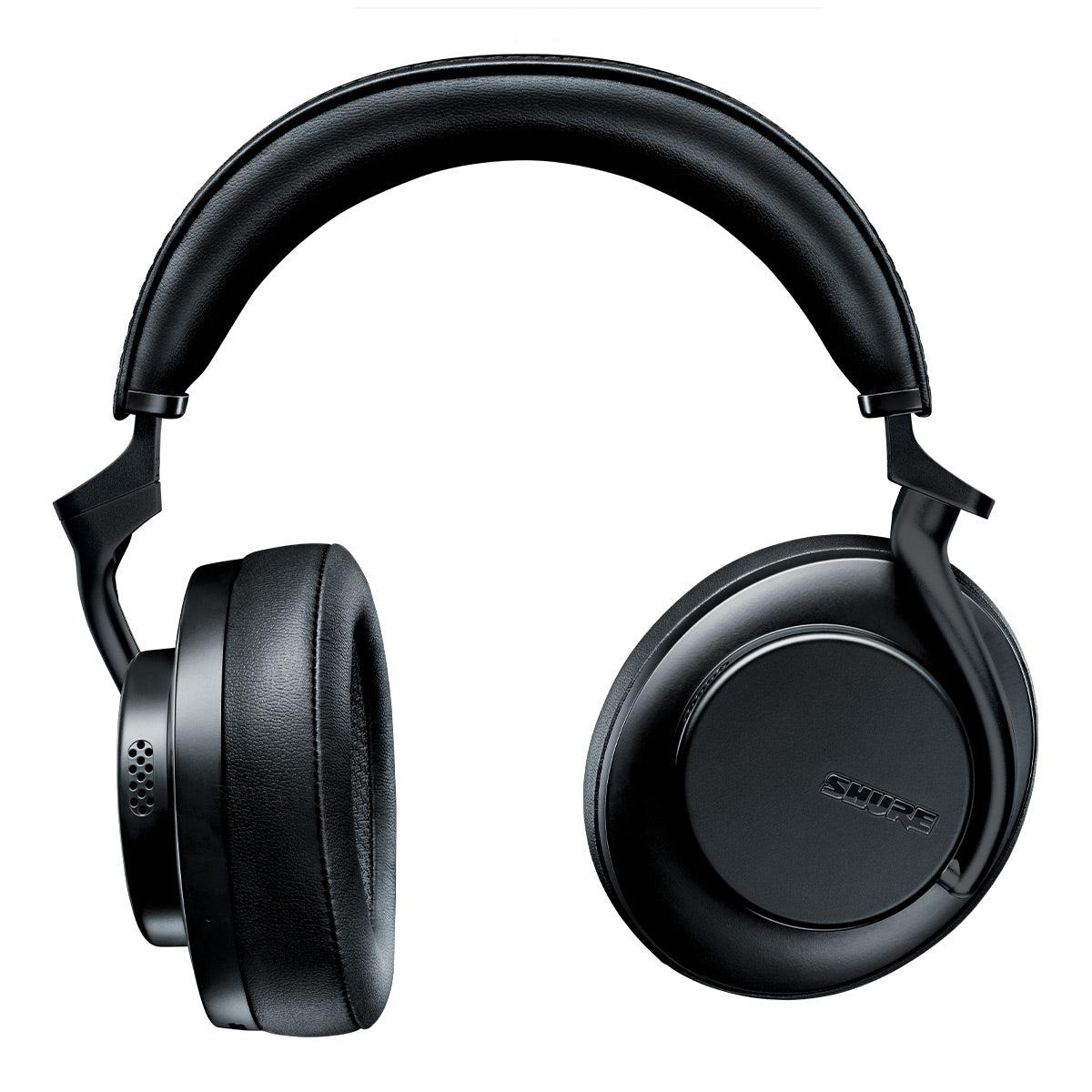
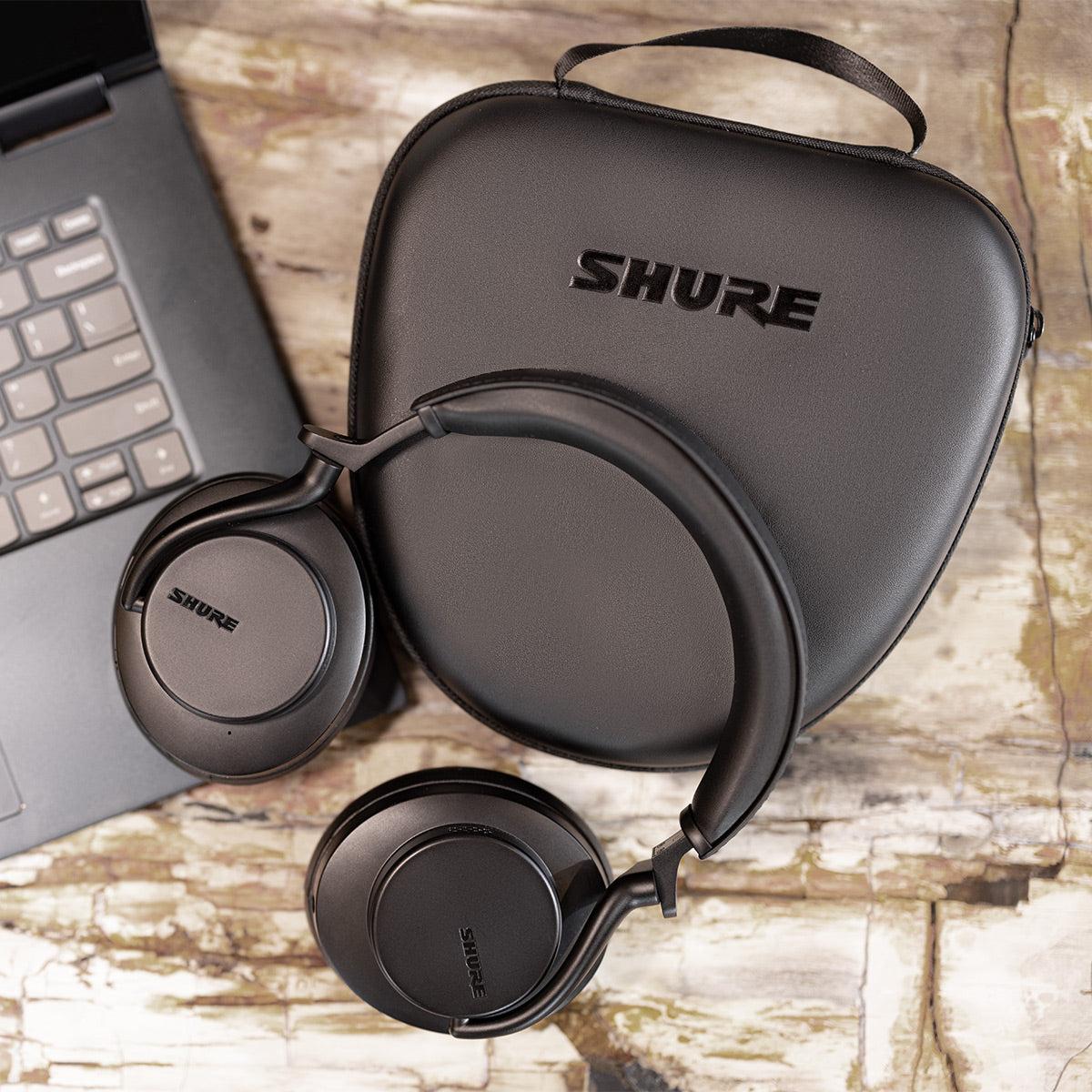

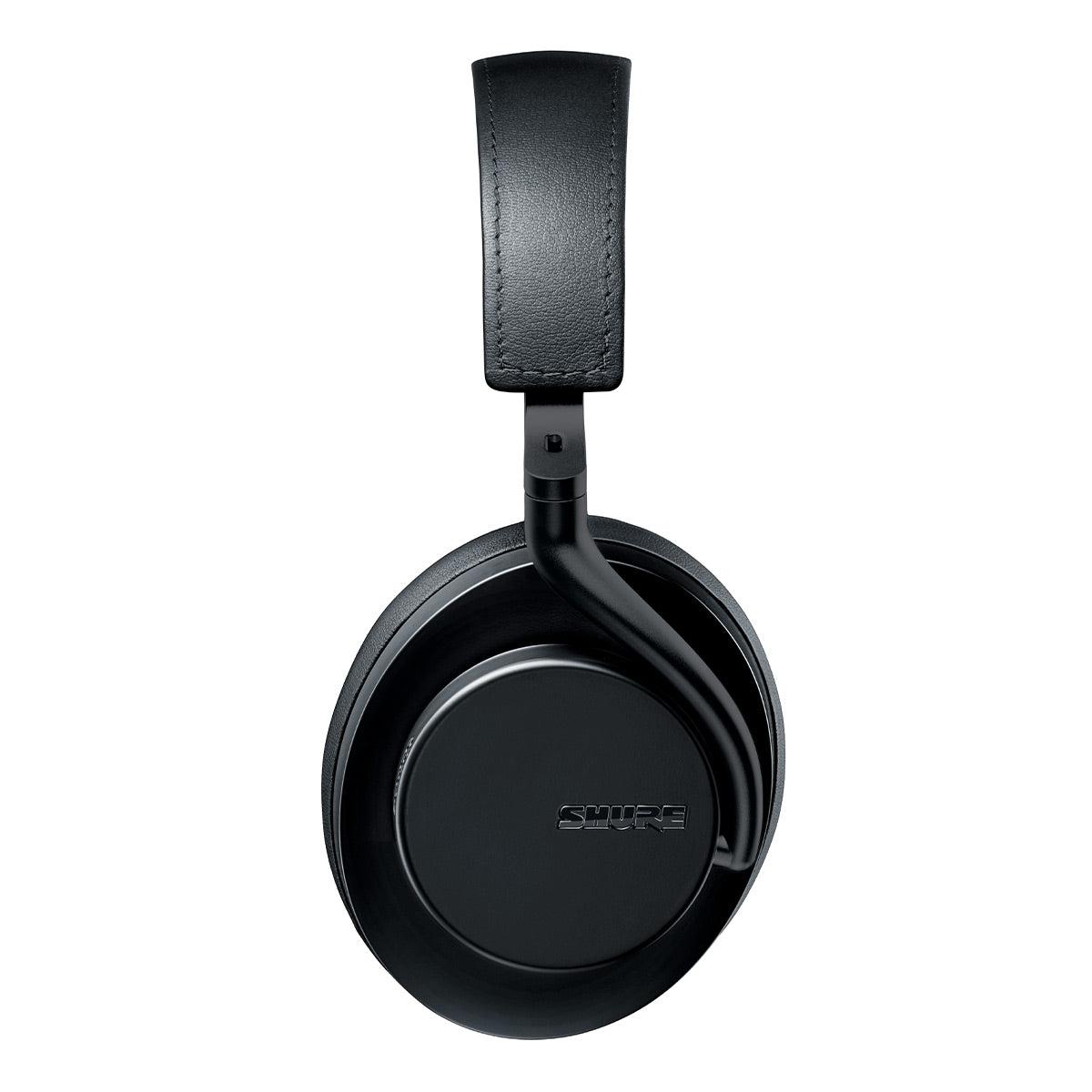


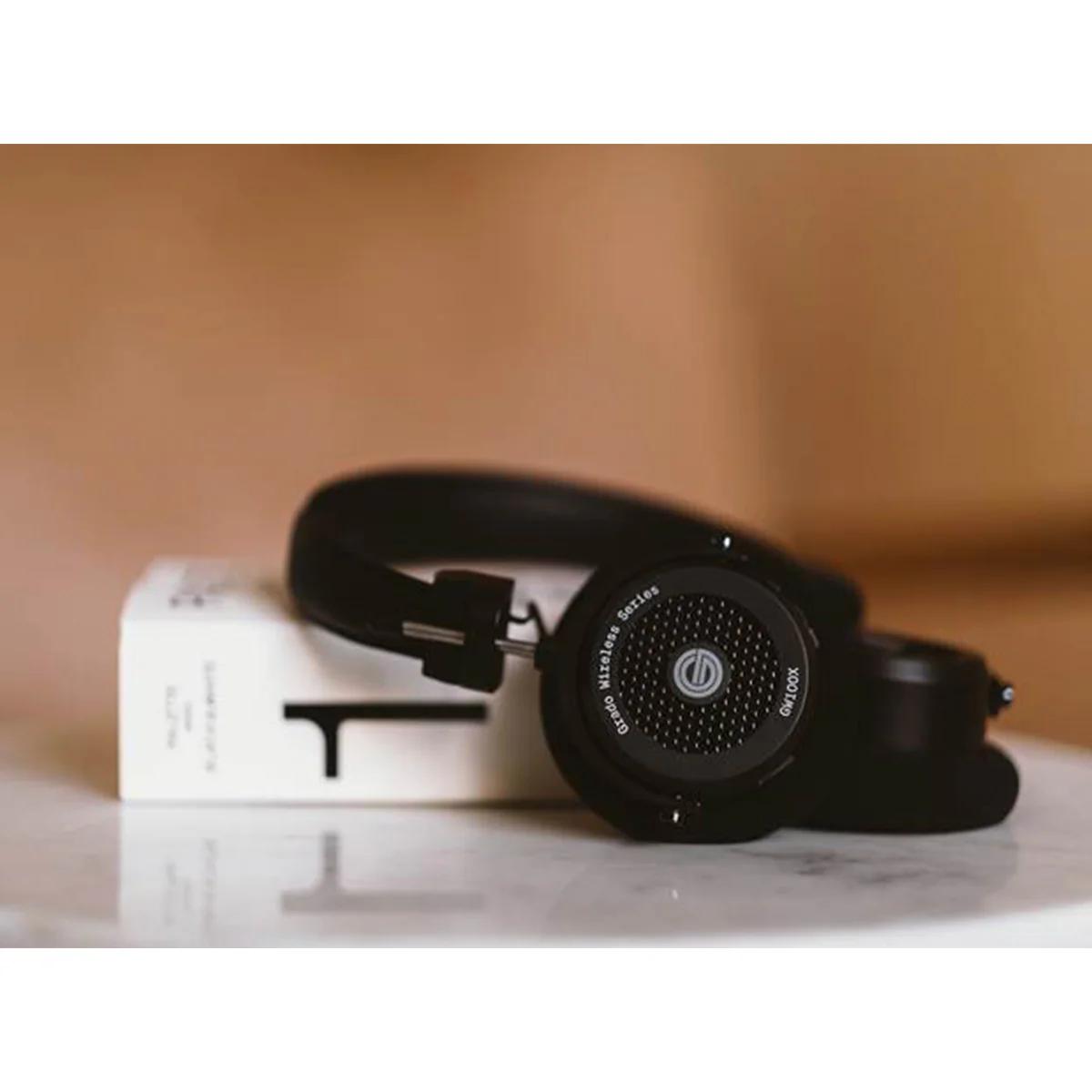

When shopping for premium wireless headphones, you'll quickly discover that not all models are created equal. Today we're comparing two fascinating options that represent completely different approaches to wireless audio: the Shure Aonic 50 Gen 2 ($369.55) and the Grado GW100x ($275.00). These headphones couldn't be more different in their design philosophy, yet both deliver exceptional performance in their own unique ways.
Before diving into our comparison, it's worth understanding the key factors that separate good wireless headphones from great ones. Sound quality remains paramount, but wireless headphones must also balance battery life, connectivity stability, and practical features like noise cancellation. The challenge for manufacturers is delivering all of this without compromising the pure audio experience that audiophiles demand.
The wireless headphone market has essentially split into two camps: those prioritizing convenience and versatility (like noise cancellation and smart features), and those focusing purely on sound quality. The Shure Aonic 50 Gen 2 clearly falls into the first category, while the Grado GW100x represents the latter approach.
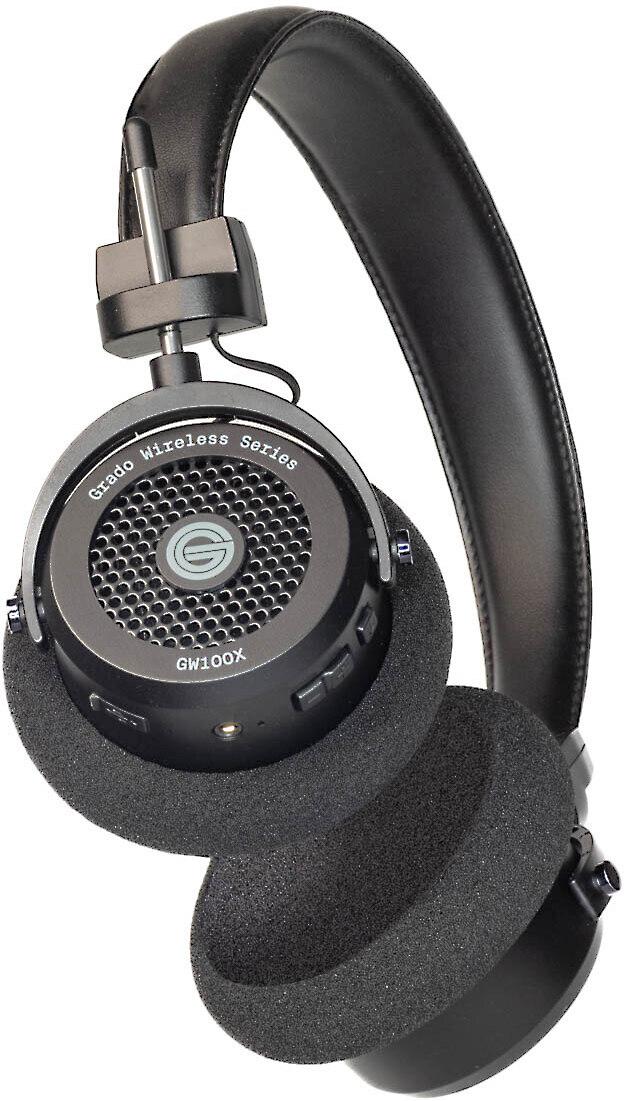
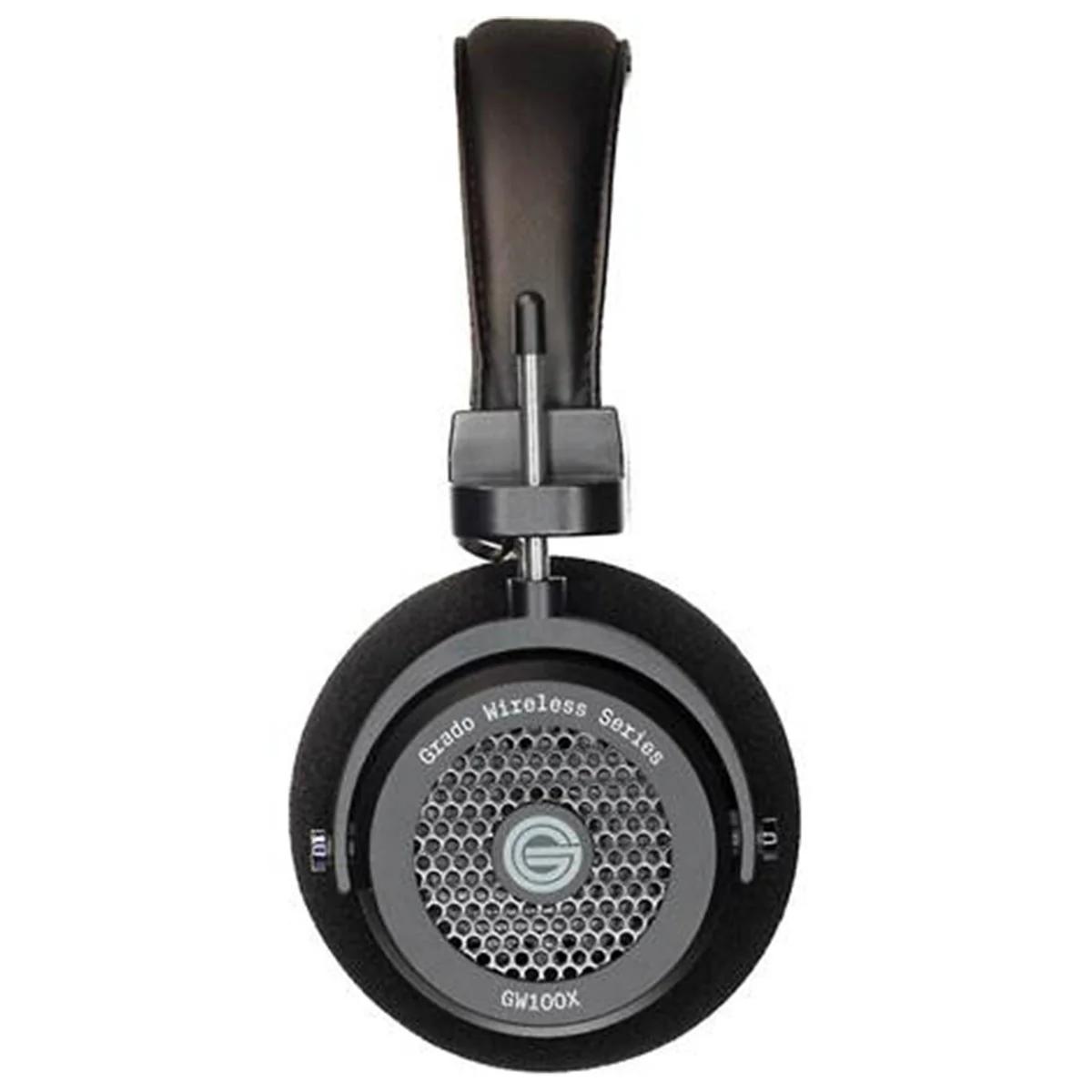
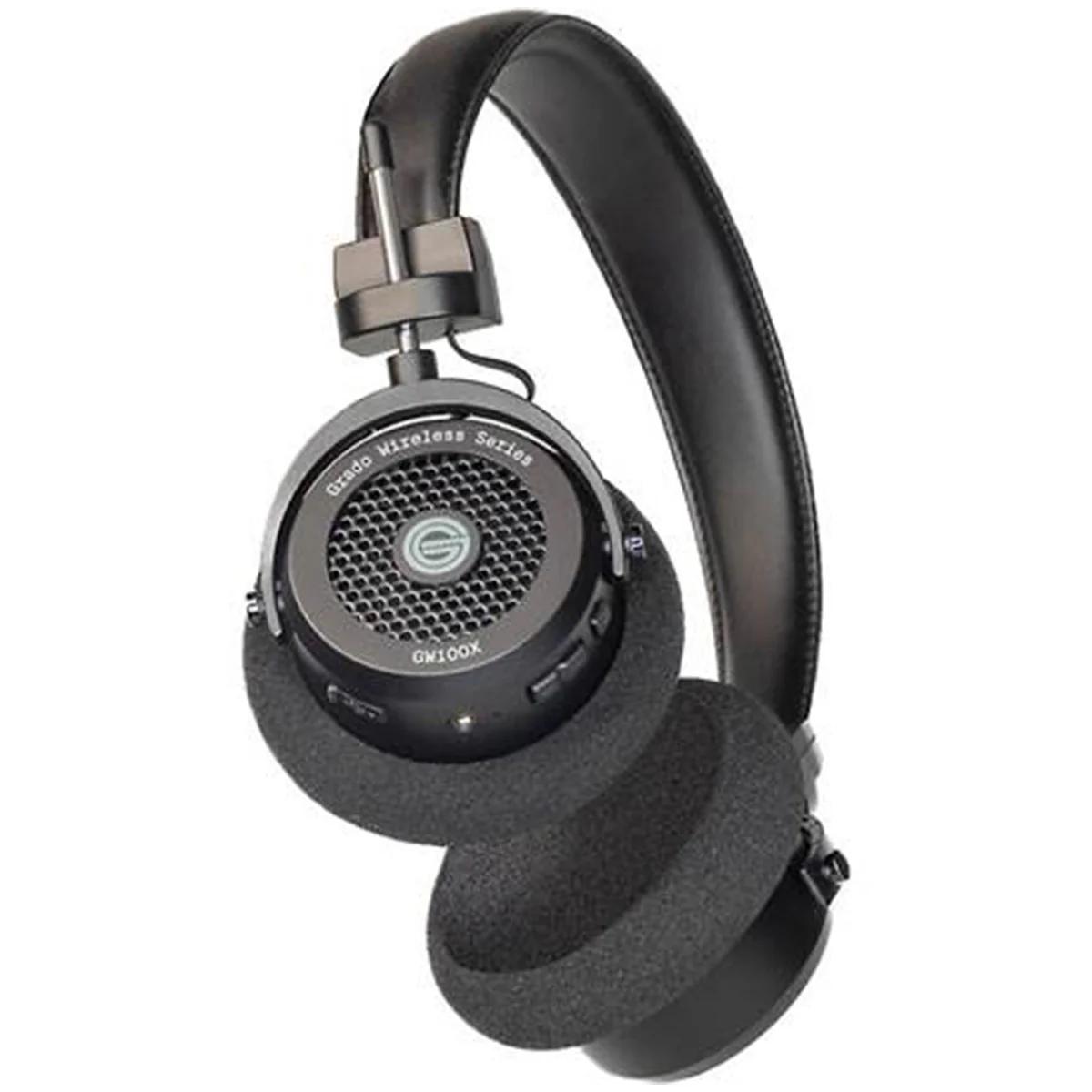
The Grado GW100x hit the market in June 2021, representing Grado's first serious attempt at wireless headphones. This Brooklyn-based company has been crafting legendary open-back headphones since 1953, and the GW100x was their answer to audiophiles asking "can you make your incredible sound wireless?" The result maintains Grado's signature open-back design – something almost unheard of in wireless headphones.
The Shure Aonic 50 Gen 2, released in June 2023, represents the evolution of Shure's wireless headphone lineup. Shure, famous for their professional microphones used by everyone from presidents to rock stars, brought their studio expertise to consumer headphones. The Gen 2 model addressed many of the original's limitations, particularly battery life and sound processing.
Since their respective releases, both have received firmware updates that improved connectivity and battery management, though the core audio characteristics remain unchanged.
The Grado GW100x uses Grado's fourth-generation X-series drivers – 44mm units specifically engineered for wireless use. What makes these special is their open-back design, which means the back of each driver is open to the air. This creates a massive, three-dimensional soundstage that makes music feel like it's happening around you rather than inside your head.
When I first put on the GW100x, the difference was immediately apparent. Listening to a well-recorded jazz album, I could pinpoint exactly where each instrument sat in the recording space. The saxophone seemed to float in front of me, while the double bass anchored everything from the left side. This spatial presentation is something closed-back headphones simply can't replicate.
The trade-off is significant sound leakage – anyone nearby will hear your music clearly. Grado claims they've reduced leakage by 60% compared to earlier models, but you'll still disturb others in quiet spaces. This makes the GW100x strictly a private listening experience.
The frequency response stays true to Grado's house sound: natural, uncolored, and revealing. Bass is present but not emphasized, mids are clear and forward, and treble sparkles without being harsh. There's no EQ adjustment available – what you hear is what Grado intended.
The Shure Aonic 50 Gen 2 takes a fundamentally different approach with its closed-back design and 50mm neodymium drivers. These headphones aim to deliver studio-quality monitoring in a consumer-friendly package, complete with active noise cancellation and extensive customization options.
Out of the box, the Aonic 50 Gen 2 presents a more neutral, analytical sound signature. It's the kind of tuning that reveals every detail in your music – sometimes brutally so. Poorly recorded tracks will sound worse, but well-mastered albums shine with incredible clarity and precision.
The real magic happens when you open the ShurePlus PLAY app. The four-band parametric EQ gives you surgical control over the sound signature. Unlike basic bass and treble sliders, parametric EQ lets you adjust specific frequency ranges with precision. Want to reduce harsh sibilance in vocals? Lower the 6-8kHz range. Need more sub-bass impact? Boost around 50Hz. This level of control is rare in consumer headphones.
The spatialized audio feature attempts to create a more three-dimensional sound, but honestly, it feels artificial compared to the GW100x's natural openness. The Cinema mode works reasonably well for movies, but I found myself turning it off for music listening.
This is where the fundamental design differences become most apparent. The Shure Aonic 50 Gen 2 features hybrid active noise cancellation (ANC), which uses microphones both inside and outside the earcups to cancel unwanted sound. The system works reasonably well for constant, low-frequency noise like airplane engines or air conditioning, but struggles with sudden, sharp sounds.
The ANC has four modes, including an interesting "MaxAware" setting that balances noise cancellation with environmental awareness. This is useful when you need to stay alert to your surroundings while still enjoying some isolation from background noise.
In contrast, the Grado GW100x offers zero isolation by design. The open-back construction means you'll hear everything around you, and everyone around you will hear your music. This isn't a flaw – it's intentional. Many audiophiles prefer this approach because it maintains natural spatial cues and prevents the claustrophobic feeling some experience with closed-back designs.
For home theater use, this difference is crucial. The Shure works well for late-night movie watching when you need to isolate sound, while the Grado excels for critical music listening sessions where you want the most natural, unprocessed sound possible.
Both headphones support modern Bluetooth standards, but with different emphases. The Shure Aonic 50 Gen 2 runs Bluetooth 5.0 and supports an impressive array of high-quality codecs: aptX Adaptive, LDAC, aptX HD, AAC, and SBC. This means excellent compatibility with virtually any source device, from iPhones (which use AAC) to Android phones supporting LDAC for near-lossless wireless transmission.
The codec support really matters for sound quality. LDAC, Sony's high-resolution codec, can transmit up to three times more data than standard Bluetooth audio. When streaming high-resolution files from services like Tidal or Qobuz, the difference is audible – more detail, better dynamics, and improved spatial information.
The Grado GW100x uses the newer Bluetooth 5.2 standard with aptX Adaptive, AAC, and SBC support. While the codec selection is more limited, aptX Adaptive is particularly clever because it dynamically adjusts the bitrate based on your environment and connection stability. In a crowded area with lots of wireless interference, it prioritizes connection stability. In quiet spaces with good signal strength, it maximizes audio quality.
Both headphones offer multipoint pairing, letting you connect to two devices simultaneously and switch between them seamlessly. This is incredibly useful if you want to stay connected to both your phone and laptop without constant re-pairing.
Battery performance is excellent on both models, though achieved through different approaches. The Shure Aonic 50 Gen 2 delivers up to 45 hours with ANC enabled – a significant improvement over the original model's 20-hour rating. The quick charge feature provides five hours of playback from just 15 minutes of charging, which has saved me multiple times when I forgot to charge overnight.
The Grado GW100x achieves 46 hours at 50% volume, which is impressive for such a lightweight design. The lack of power-hungry features like ANC helps extend battery life. Both use USB-C charging, which is convenient for traveling with a single cable type.
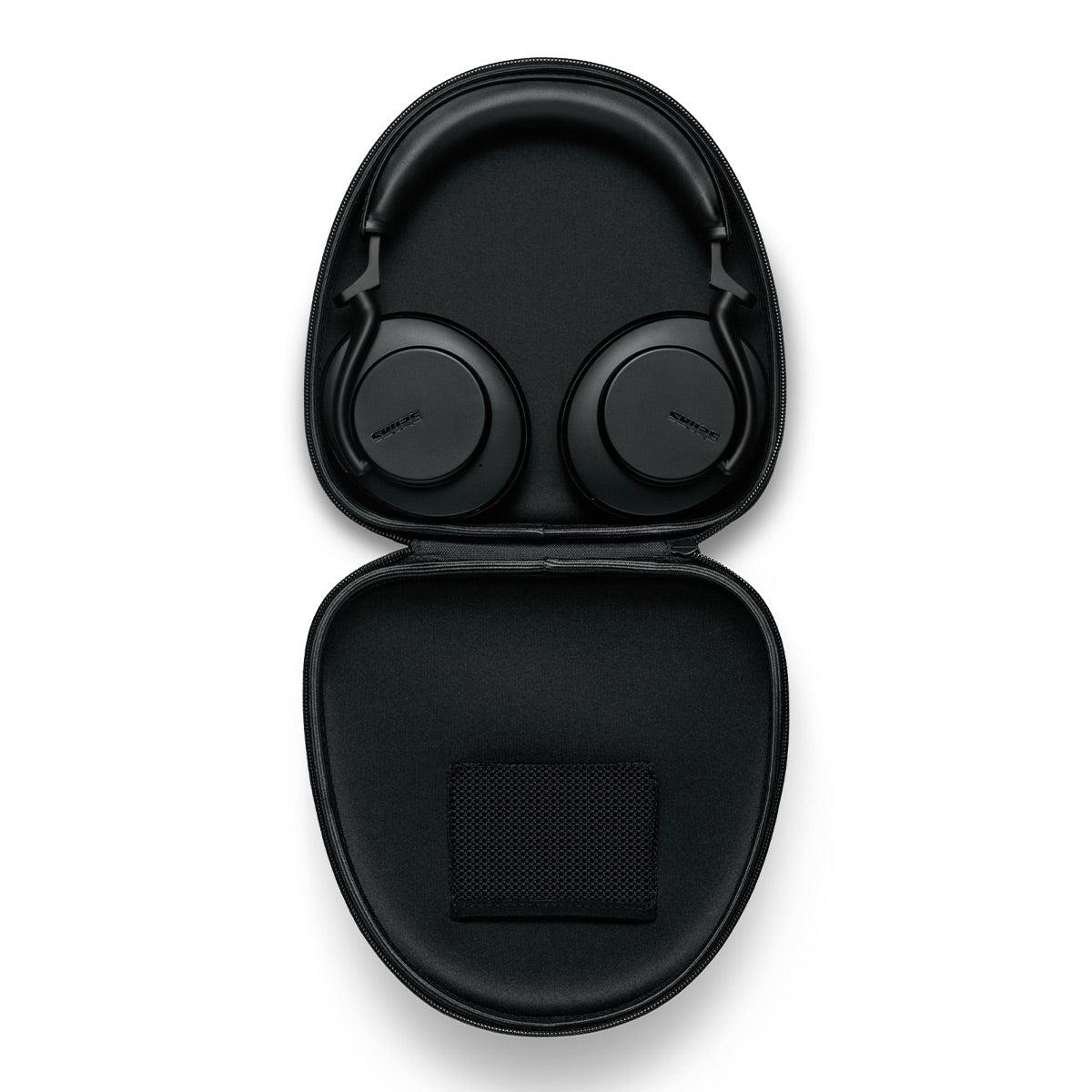
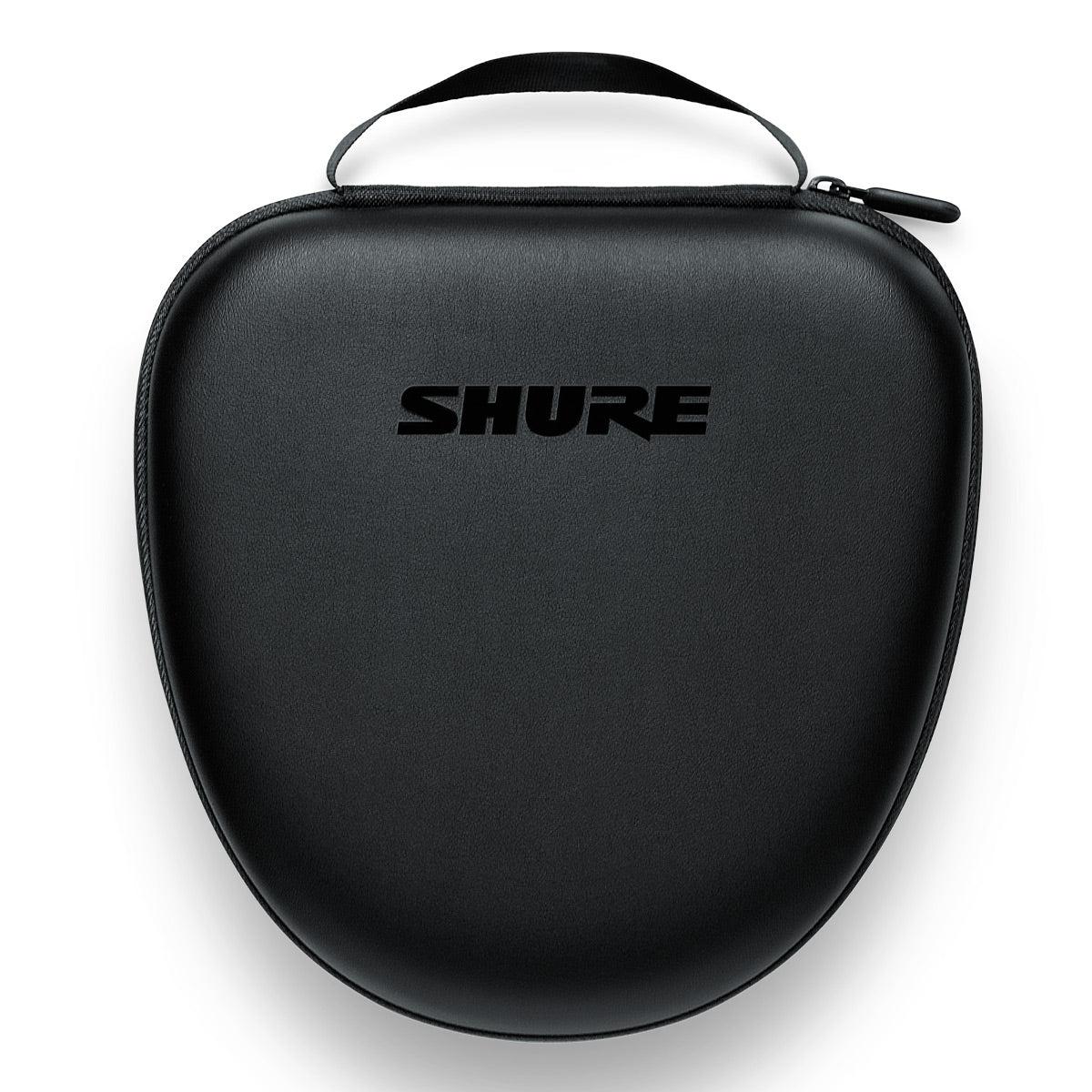
Where they differ significantly is portability. The Shure folds flat and comes with a premium carrying case, making it genuinely travel-friendly. The GW100x doesn't fold at all – it's designed for desktop use rather than commuting.
This is where the Shure Aonic 50 Gen 2 pulls far ahead. The ShurePlus PLAY app is genuinely useful, offering detailed EQ controls, preset management, and fine-tuning of noise cancellation settings. You can customize button functions, adjust sidetone for calls (so you can hear your own voice), and even update firmware.
The app also includes presets for different content types and listening environments. The "Podcast" preset enhances vocal clarity, while "Music" provides a more balanced presentation. These aren't just marketing gimmicks – they make noticeable improvements for their intended purposes.
The Grado GW100x takes the opposite approach with zero app support. The three physical buttons handle all functions: volume, play/pause, track skipping, and pairing. It's refreshingly simple but limits customization options. Some users appreciate this no-nonsense approach, while others miss the flexibility of app-based control.
Neither headphone excels at voice calls, but for different reasons. The Shure Aonic 50 Gen 2 has a sophisticated six-microphone array designed for clear voice pickup, but reviews consistently report that voice quality sounds muffled or distorted, particularly in noisy environments. The ANC microphones sometimes interfere with voice clarity.
The Grado GW100x has a simpler microphone setup that provides adequate clarity for occasional calls but nothing spectacular. The open-back design means background noise will be clearly transmitted to the other party, making these unsuitable for calls in noisy environments.
For home theater use, voice quality isn't typically crucial, but it's worth noting if you plan to use either headphone for gaming or video calls.
The design differences reflect each company's heritage. The Shure Aonic 50 Gen 2 looks and feels professional – all black with clean lines and premium materials. At around 337 grams, they're substantial but comfortable for extended use. The over-ear design with plush padding distributes weight well.
The Grado GW100x maintains Grado's distinctive aesthetic – functional rather than flashy. At just 187 grams, they're remarkably light, though the on-ear design may cause pressure points during very long sessions. The build feels solid despite the minimal appearance.
Both are well-constructed, but the Shure feels more "premium" in terms of materials and finishing touches. The Grado focuses on function over form, which aligns with their audiophile-first philosophy.
At $275, the Grado GW100x offers exceptional value purely for sound quality. If you listen primarily in quiet spaces and prioritize audio fidelity above all else, it's hard to beat. The lack of features isn't a bug – it's a feature for purists who want their money spent on drivers and audio engineering rather than ANC chips and app development.
The Shure Aonic 50 Gen 2 at $369.55 costs nearly $95 more but provides significantly more versatility. You're paying for noise cancellation, comprehensive codec support, app integration, and the flexibility to use these headphones in various environments and situations.
For home theater use, both headphones offer distinct advantages. The Grado GW100x excels for late-night music listening sessions where you want the most natural, unprocessed sound. The open soundstage makes orchestral pieces and acoustic recordings particularly engaging.
The Shure Aonic 50 Gen 2 is better for movies and mixed content. The spatialized audio Cinema mode, while not perfect, does add some immersion for film soundtracks. More importantly, the closed design lets you crank up the volume for action sequences without disturbing others.
Choose the Grado GW100x ($275.00) if you're primarily a music lover who listens in private spaces. If you appreciate natural, uncolored sound and want the closest thing to Grado's legendary wired headphones in wireless form, these are exceptional. They're perfect for audiophiles who don't need or want modern conveniences getting in the way of pure musical enjoyment.
Choose the Shure Aonic 50 Gen 2 ($369.55) if you need headphones that adapt to different environments and uses. If you commute, work in noisy spaces, or want the flexibility to customize your sound signature extensively, the extra cost is justified. They're ideal for users who want professional-grade audio quality without sacrificing modern wireless conveniences.
Both represent excellent value in their respective niches. The Grado offers uncompromising sound quality at a reasonable price, while the Shure provides comprehensive features and versatility. Your choice should depend on how and where you listen most often – and whether you prioritize pure audio performance or practical versatility.
The $94.55 price difference ultimately buys you noise cancellation, extensive app control, and the flexibility to use your headphones anywhere. For some users, that's money well spent. For others who listen primarily at home, those extra dollars might be better invested in higher-quality source material or a dedicated headphone amplifier to pair with the Grado GW100x.
| Shure Aonic 50 Gen 2 Wireless Headphones | Grado GW100x Wireless Headphones |
|---|---|
| Price - Budget impact and value proposition | |
| $369.55 (premium features justify higher cost) | $275.00 (exceptional audio value, limited features) |
| Design Type - Fundamentally affects use cases and sound character | |
| Closed-back, over-ear (isolation and versatility) | Open-back, on-ear (natural soundstage, sound leakage) |
| Active Noise Cancellation - Essential for noisy environments | |
| Hybrid ANC with 4 modes (average performance vs competitors) | None (by design - maintains audio purity) |
| Sound Leakage - Privacy and public use considerations | |
| Minimal (suitable for offices and public spaces) | Significant (private spaces only - others will hear your music) |
| Driver Size and Technology - Core audio performance foundation | |
| 50mm dynamic drivers with neodymium magnets | 44mm 4th-gen Grado X drivers (optimized for wireless) |
| Sound Customization - Tailoring audio to personal preferences | |
| 4-band parametric EQ via app + spatialized audio modes | No EQ - pure Grado house sound signature |
| Battery Life - Practical daily use without charging anxiety | |
| 45 hours with ANC (excellent for travel) | 46 hours at 50% volume (slightly better efficiency) |
| Bluetooth and Codec Support - Audio quality over wireless connection | |
| Bluetooth 5.0, aptX Adaptive/HD, LDAC, AAC, SBC | Bluetooth 5.2, aptX Adaptive, AAC, SBC |
| Wired Audio Support - Backup option and potential quality boost | |
| 3.5mm + USB-C (up to 32-bit/384kHz hi-res) | 3.5mm included (standard quality) |
| Weight and Comfort - Long listening session viability | |
| 337g, over-ear padding (heavier but well-distributed) | 187g, on-ear design (much lighter, may cause pressure) |
| Portability - Travel and storage practicality | |
| Folds flat, premium carrying case included | Non-folding, no case (desktop/home use focused) |
| App Integration - Modern features and control options | |
| Full ShurePlus PLAY app with extensive controls | No app support (physical buttons only) |
| Best Use Cases - Where each product excels | |
| Commuting, offices, travel, mixed content consumption | Home listening, critical music appreciation, quiet spaces |
The Grado GW100x ($275) offers better value purely for audio quality, while the Shure Aonic 50 Gen 2 ($369.55) provides more features and versatility for the higher price. If you listen mainly at home and prioritize sound quality, the Grado is the better deal. For daily use with noise cancellation and app control, the Shure justifies its premium cost.
The fundamental difference is design philosophy: the Shure Aonic 50 Gen 2 uses a closed-back design with active noise cancellation for versatile daily use, while the Grado GW100x features an open-back design that prioritizes natural sound quality but leaks audio to your surroundings.
The Grado GW100x delivers superior pure audio quality with its legendary open-back sound signature and exceptional soundstage. The Shure Aonic 50 Gen 2 offers more customizable sound through its app and EQ controls, making it better for users who want to tailor their audio experience.
The Shure Aonic 50 Gen 2 is designed for public use with its closed-back design and noise cancellation. The Grado GW100x is not suitable for public spaces due to significant sound leakage - others will clearly hear your music, making them best for private listening only.
Both offer excellent battery life: the Grado GW100x provides 46 hours at 50% volume, while the Shure Aonic 50 Gen 2 delivers 45 hours with noise cancellation enabled. The difference is negligible in real-world use, with both easily lasting multiple days of typical listening.
Neither excels at phone calls. The Shure Aonic 50 Gen 2 has a six-microphone array but users report muffled voice quality. The Grado GW100x provides adequate call quality for occasional use, but the open-back design means background noise will be transmitted to callers.
Comfort depends on preference: the Shure Aonic 50 Gen 2 has plush over-ear padding that distributes its 337g weight well, while the Grado GW100x is much lighter at 187g but uses on-ear design that may cause pressure points during extended use.
The Shure Aonic 50 Gen 2 is better for home theater use with its closed design for late-night viewing and Cinema mode for enhanced movie audio. The Grado GW100x excels for music listening but isn't ideal for movies due to sound leakage that could disturb others.
The Shure Aonic 50 Gen 2 offers comprehensive app support through ShurePlus PLAY with parametric EQ, noise cancellation controls, and customizable settings. The Grado GW100x has no app support, relying on simple physical button controls for a minimalist experience.
The Shure Aonic 50 Gen 2 provides extensive sound customization through its 4-band parametric EQ and spatialized audio modes. The Grado GW100x offers no EQ adjustment - you get Grado's signature sound tuning with no ability to modify it.
The Shure Aonic 50 Gen 2 is designed for travel with its fold-flat design, carrying case, and noise cancellation for flights and commuting. The Grado GW100x doesn't fold and lacks noise isolation, making it impractical for travel use.
Choose the Shure Aonic 50 Gen 2 ($369.55) if you need versatile headphones for various environments with noise cancellation and modern features. Choose the Grado GW100x ($275) if you're an audiophile who listens primarily at home and wants exceptional sound quality without extra features getting in the way.
We've done our best to create useful and informative comparisons to help you decide what product to buy. Our research uses advanced automated methods to create this comparison and perfection is not possible - please contact us for corrections or questions. These are the sites we've researched in the creation of this article: tomsguide.com - headphonecheck.com - whathifi.com - majorhifi.com - rtings.com - versus.com - majorhifi.com - versus.com - audio46.com - youtube.com - bhphotovideo.com - techradar.com - soundpro.com - shure.com - americanmusical.com - pubs.shure.com - blog.zzounds.com - service.shure.com - fullcompass.com - techradar.com - crutchfield.com - whathifi.com - moon-audio.com - majorhifi.com - rockonav.com - forums.stevehoffman.tv - newegg.com - audiosciencereview.com - gradolabs.com - decibelaudio.com - addictedtoaudio.com.au - s3.eu-west-1.amazonaws.com - audioadvice.com - analogmatters.com - nyczaj.audio - parts-express.com

Privacy Policy
Terms and Conditions - Affiliate Policy
Home Security
© Copyright 2008-2026.
11816 Inwood Rd #1211, Dallas, TX 75244