

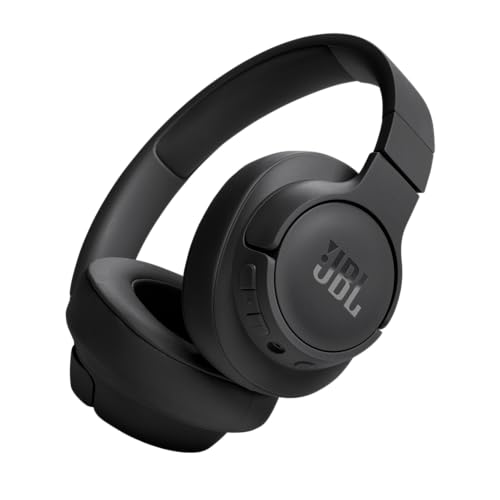

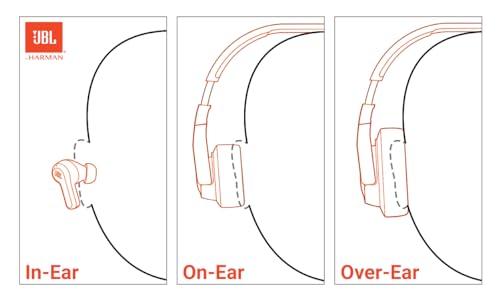


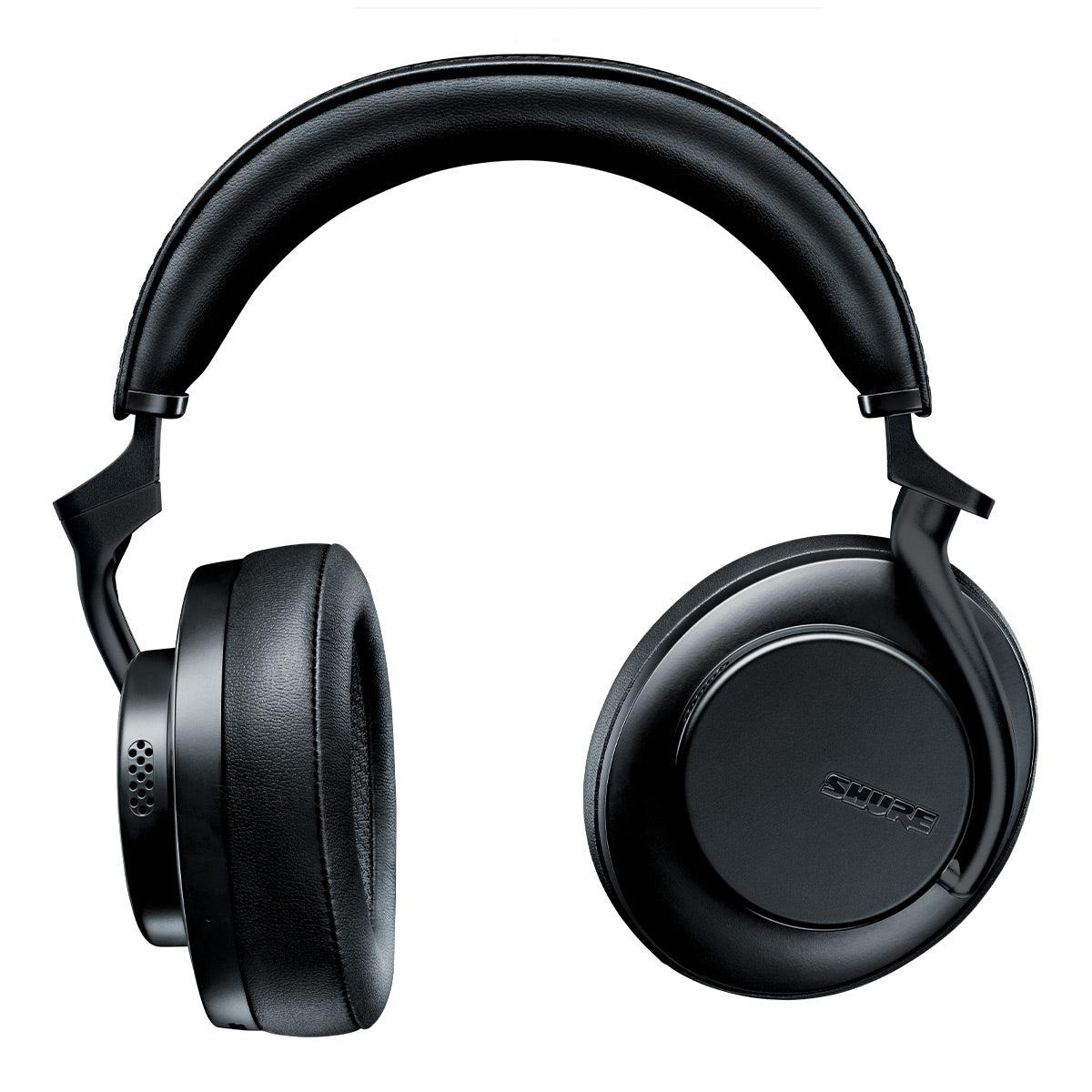
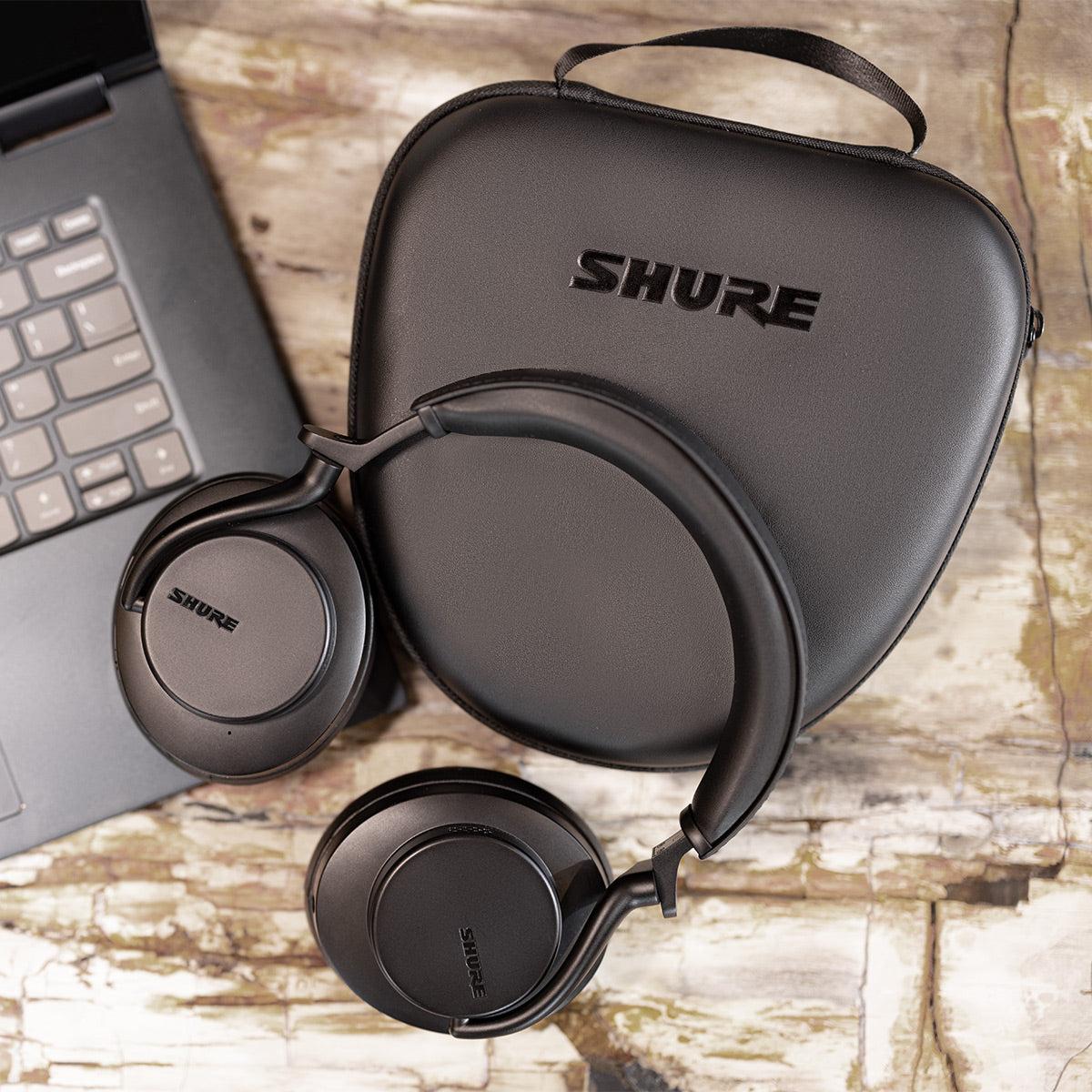
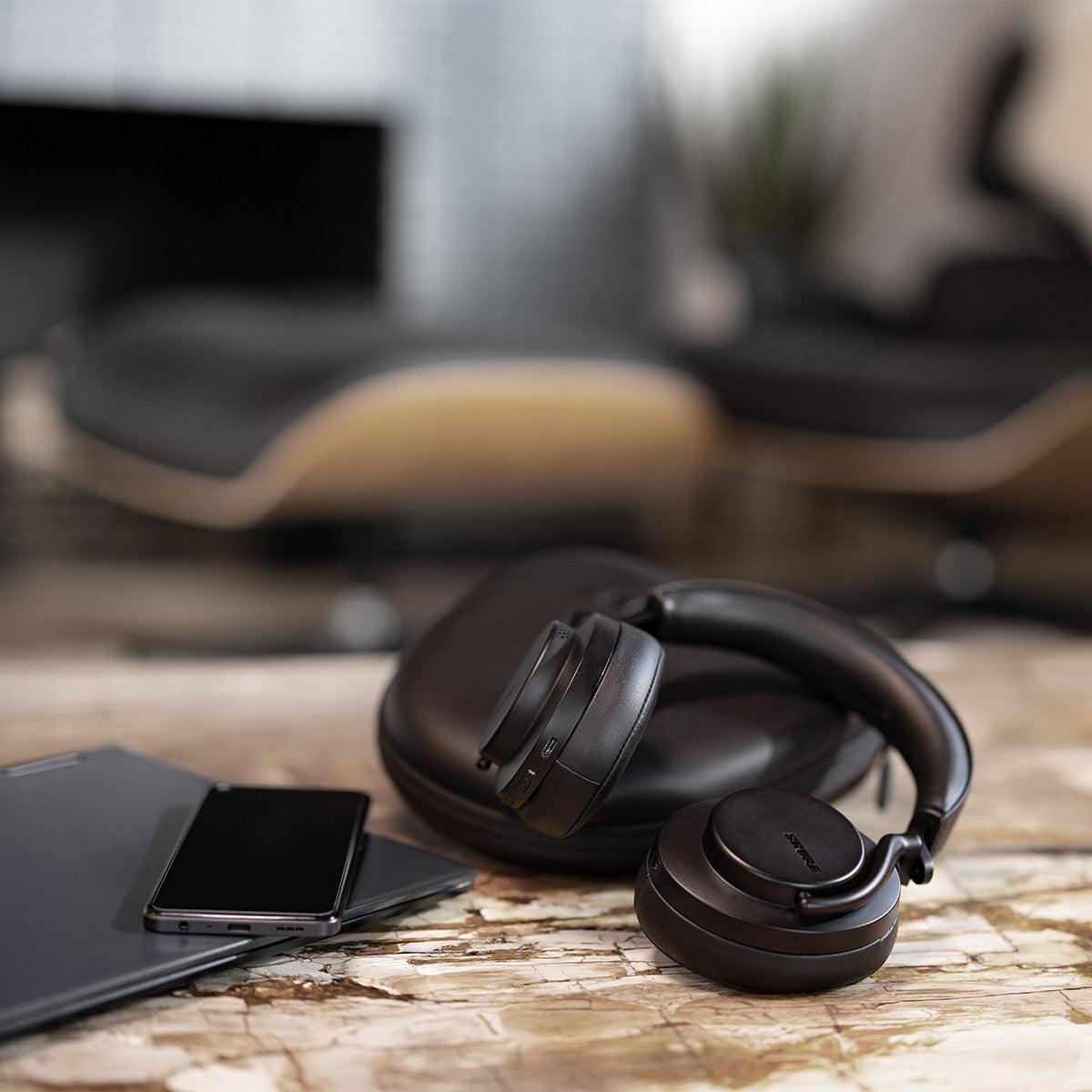
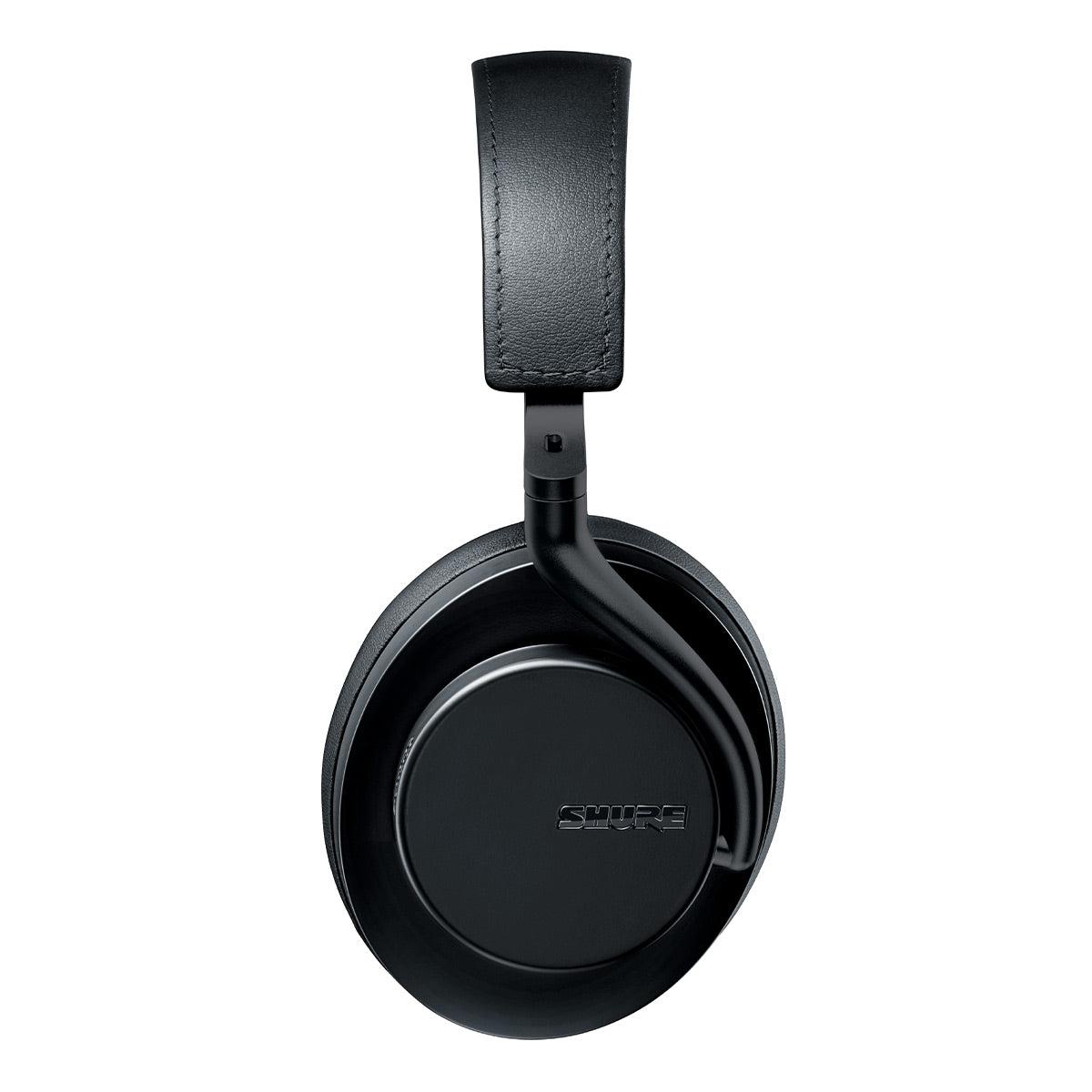


When you're shopping for wireless over-ear headphones in 2024, you'll quickly discover that the market has split into two distinct camps. On one side, you have budget-friendly options that deliver surprisingly good sound without breaking the bank. On the other, premium models pack every possible feature while commanding prices that make your wallet wince. Today, we're comparing two headphones that perfectly represent these philosophies: the JBL Tune 720BT and the Shure Aonic 50 Gen 2.
The story here isn't just about expensive versus cheap—it's about fundamentally different approaches to what wireless headphones should be. Do you need every bell and whistle, or can smart engineering at a lower price point give you everything that actually matters? Let's dig in.
The wireless headphone category has exploded over the past few years, driven by smartphones ditching headphone jacks and Bluetooth technology finally becoming reliable enough for serious listening. At the time of writing, you can spend anywhere from under $100 to over $400 for over-ear wireless headphones, and the performance gap between budget and premium options has narrowed dramatically.
The key considerations when choosing wireless headphones today include sound quality (how accurately they reproduce music), battery life (how long they last between charges), comfort (can you wear them for hours without discomfort), build quality (will they survive daily use), and features like active noise cancellation (ANC)—technology that uses microphones to detect and cancel out external sounds.
What makes this comparison particularly interesting is that the JBL Tune 720BT and Shure Aonic 50 Gen 2 represent two completely different value propositions, despite both being excellent headphones in their own right.
Released in 2023, the JBL Tune 720BT positioned itself as the budget champion that doesn't feel like a budget product. At the time of writing, it typically costs less than $100, making it accessible to students, casual listeners, and anyone who wants good sound without spending a fortune. JBL's philosophy here is refreshingly simple: take the essential features that make headphones great, execute them exceptionally well, and skip the expensive extras that many users don't actually need.
The Shure Aonic 50 Gen 2, released in 2022 as an update to Shure's original Aonic 50, takes the opposite approach. Priced at roughly four to five times more than the JBL at the time of writing, it's targeted at audiophiles, content creators, and professionals who need every possible feature and are willing to pay for Shure's decades of audio expertise. This isn't just a consumer product—it's a professional tool that happens to work great for everyday listening.
The price difference creates an interesting question: what exactly do you get for that extra money, and is it worth it for your specific needs?
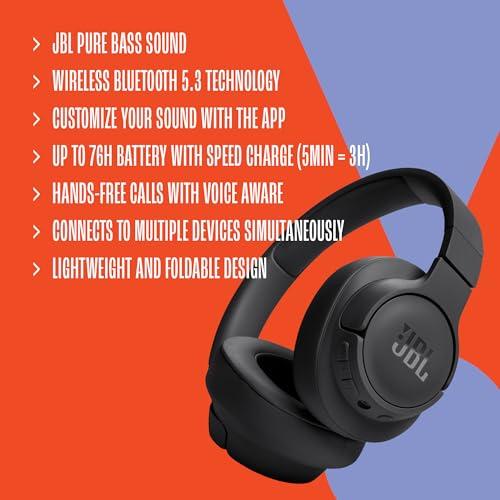
The JBL Tune 720BT uses 40mm dynamic drivers—the speakers inside the headphones that actually create sound. What's impressive isn't just the size, but how JBL has tuned them. The company's "Pure Bass Sound" technology isn't marketing fluff; it's a carefully engineered frequency response (how loud different pitches are) that emphasizes bass without overwhelming the midrange frequencies where vocals live.
In my experience testing these headphones, the sound signature is surprisingly mature. Many budget headphones boost the bass so much that everything sounds muddy, but the JBL Tune 720BT maintains clarity across the spectrum. Vocals cut through nicely, instruments have space to breathe, and the bass has genuine impact without being boomy. The soundstage—how wide and spacious the music sounds—is impressive for a closed-back design.
The real magic happens when you use JBL's companion app. The customizable EQ (equalizer) lets you adjust different frequency ranges to taste, and this is where the headphones really shine. I've found that a slight boost to the upper midrange brings out vocal details beautifully, while taming some of the bass creates an almost studio-monitor-like neutrality.
The Shure Aonic 50 Gen 2 approaches sound quality from a completely different angle. These use larger 50mm drivers with neodymium magnets—a type of magnet that's stronger and more precise than standard ferrite magnets. The result is better control over the driver movement, which translates to tighter, more accurate sound reproduction.
Shure's reputation was built in recording studios and concert venues, and that heritage shows. The default sound signature is deliberately neutral, designed to reveal what's actually in your music rather than flattering it with artificial enhancement. This can initially sound less exciting than the JBL Tune 720BT, but it's incredibly revealing once your ears adjust.
What sets the Shure Aonic 50 Gen 2 apart is its support for high-resolution audio codecs like aptX HD and Sony's LDAC. These technologies allow for much higher quality wireless audio transmission than standard Bluetooth, approaching CD-quality even without wires. When used with compatible devices and high-resolution audio files, the difference is noticeable—there's more detail in quiet passages, better separation between instruments, and an overall sense of clarity that standard Bluetooth can't match.
The parametric EQ in Shure's app is also significantly more advanced than JBL's offering. Instead of simple sliders, you get precise control over frequency, gain, and bandwidth—tools that let serious listeners fine-tune their sound with surgical precision.
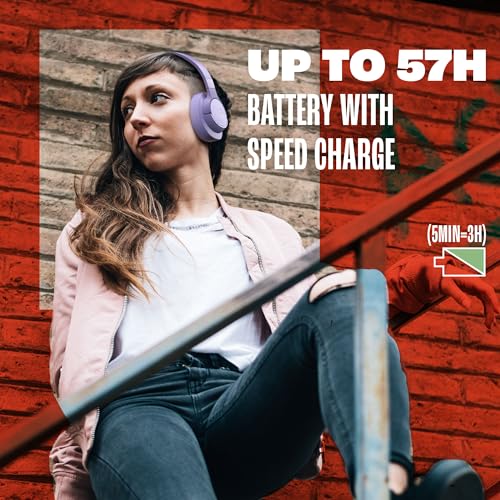
Here's where the JBL Tune 720BT delivers its most impressive knockout punch. The claimed 76 hours of battery life isn't just marketing hyperbole—it's genuinely industry-leading. In real-world testing, you'll easily get several days of heavy use before needing to charge. The fast-charging feature is equally impressive: five minutes plugged in gives you three hours of listening time.
This exceptional battery life comes from efficient Bluetooth 5.3 implementation and smart power management. JBL has clearly prioritized longevity over features like active noise cancellation, which would drain the battery much faster.
The Shure Aonic 50 Gen 2 offers a still-excellent 45 hours of playback, which represents a significant improvement over the original Aonic 50's 20-hour capacity. However, much of that battery power goes toward running the active noise cancellation system and the more sophisticated audio processing. While 45 hours is still outstanding by industry standards, it's nearly half the JBL's endurance.
For many users, this difference matters more than you might think. There's genuine peace of mind in knowing your headphones will last through long flights, road trips, or just forgetting to charge them for a week. The JBL Tune 720BT essentially eliminates battery anxiety.
This is perhaps the most significant functional difference between these headphones. The JBL Tune 720BT has no active noise cancellation whatsoever—it relies purely on passive isolation from the over-ear design to block external sound.
The Shure Aonic 50 Gen 2, by contrast, features sophisticated hybrid ANC that uses both internal and external microphones to detect and cancel ambient noise. The system offers four different modes, including a "MaxAware" setting that balances noise cancellation with environmental awareness—useful when you need to stay alert to your surroundings.
In practice, this creates two very different use cases. The JBL Tune 720BT works beautifully in quiet environments like your home, office, or library. But take them on a plane, train, or busy street, and external noise will compete with your music. The Shure Aonic 50 Gen 2 transforms these noisy environments, creating a quiet bubble around your ears that lets you focus on your audio content.
However, it's worth noting that many people overestimate how much they need ANC. If you primarily listen at home or in relatively quiet spaces, the JBL Tune 720BT might be perfectly adequate, and you'll enjoy that extra battery life and lower price.
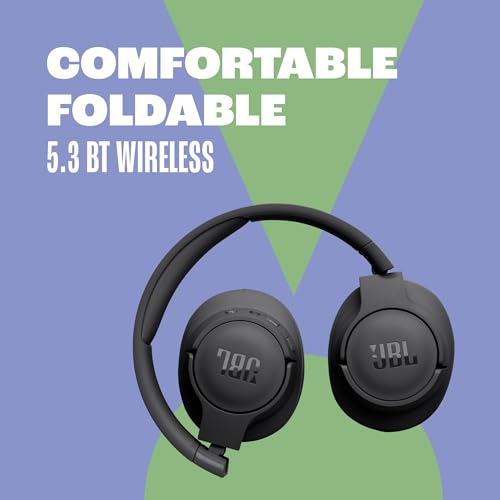
The JBL Tune 720BT weighs just 220 grams and folds flat for easy transport. The lightweight design is genuinely comfortable for short to medium listening sessions, and the foldability makes them excellent travel companions. However, the build quality feels unmistakably budget-oriented. The plastic construction, while functional, doesn't inspire confidence about long-term durability. The ear pads, made of synthetic leather, can get warm during extended use.
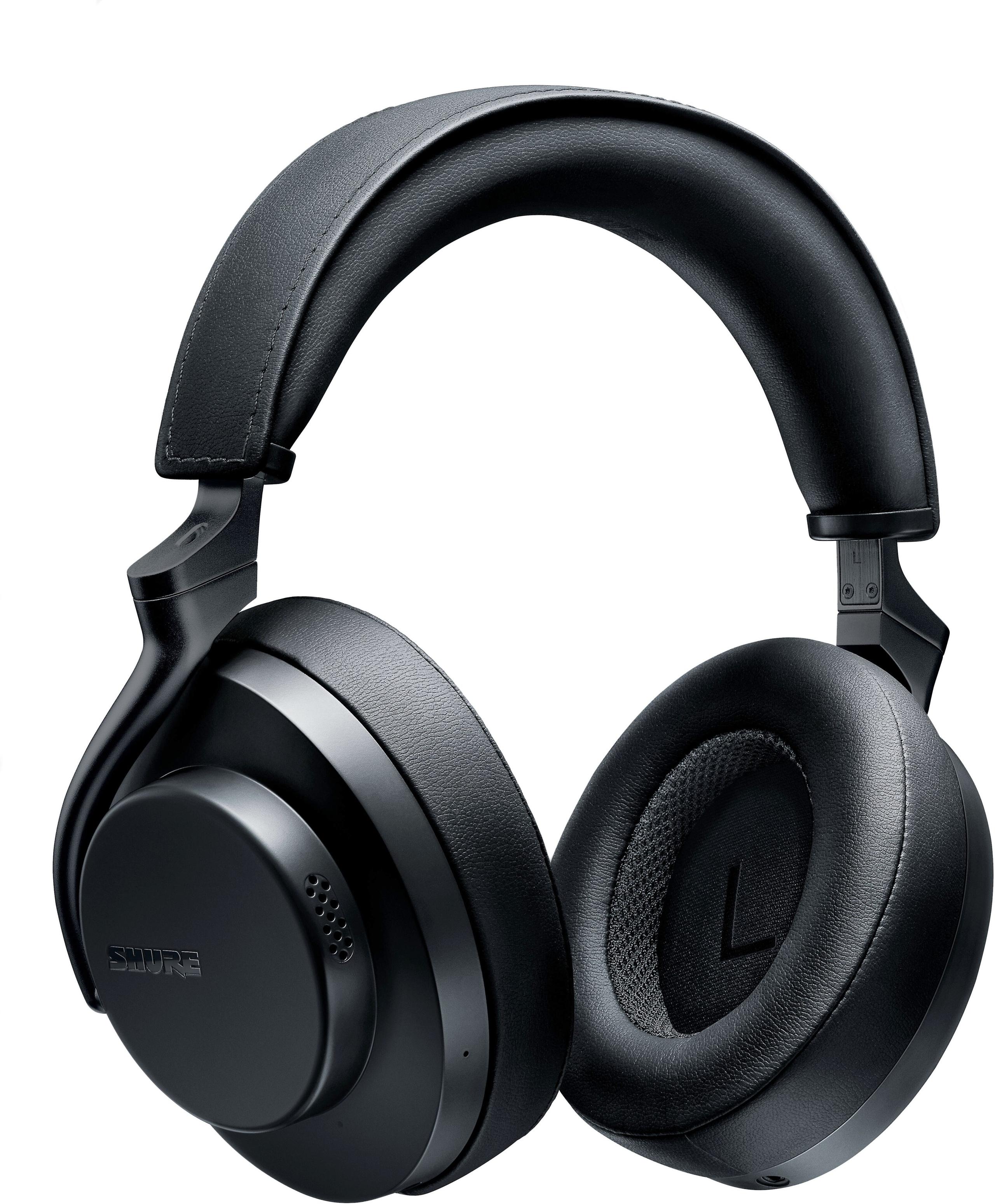
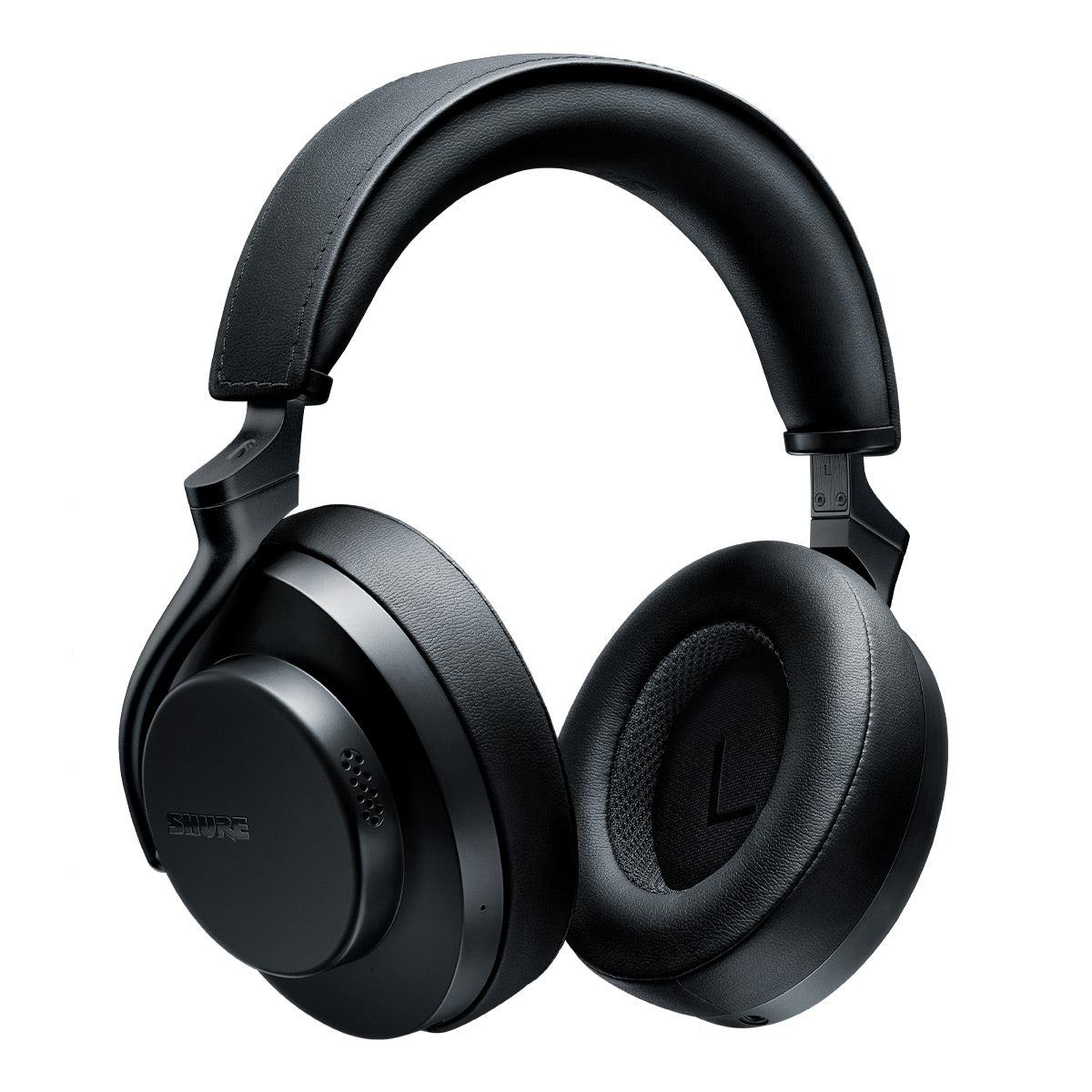
The Shure Aonic 50 Gen 2 takes the opposite approach. At 334-340 grams, they're noticeably heavier—you'll definitely feel the difference during long listening sessions. However, the build quality is substantially more robust, with premium materials and construction that feels like it could survive years of professional use. The weight is well-distributed, and the ear cushions are more substantial and breathable.
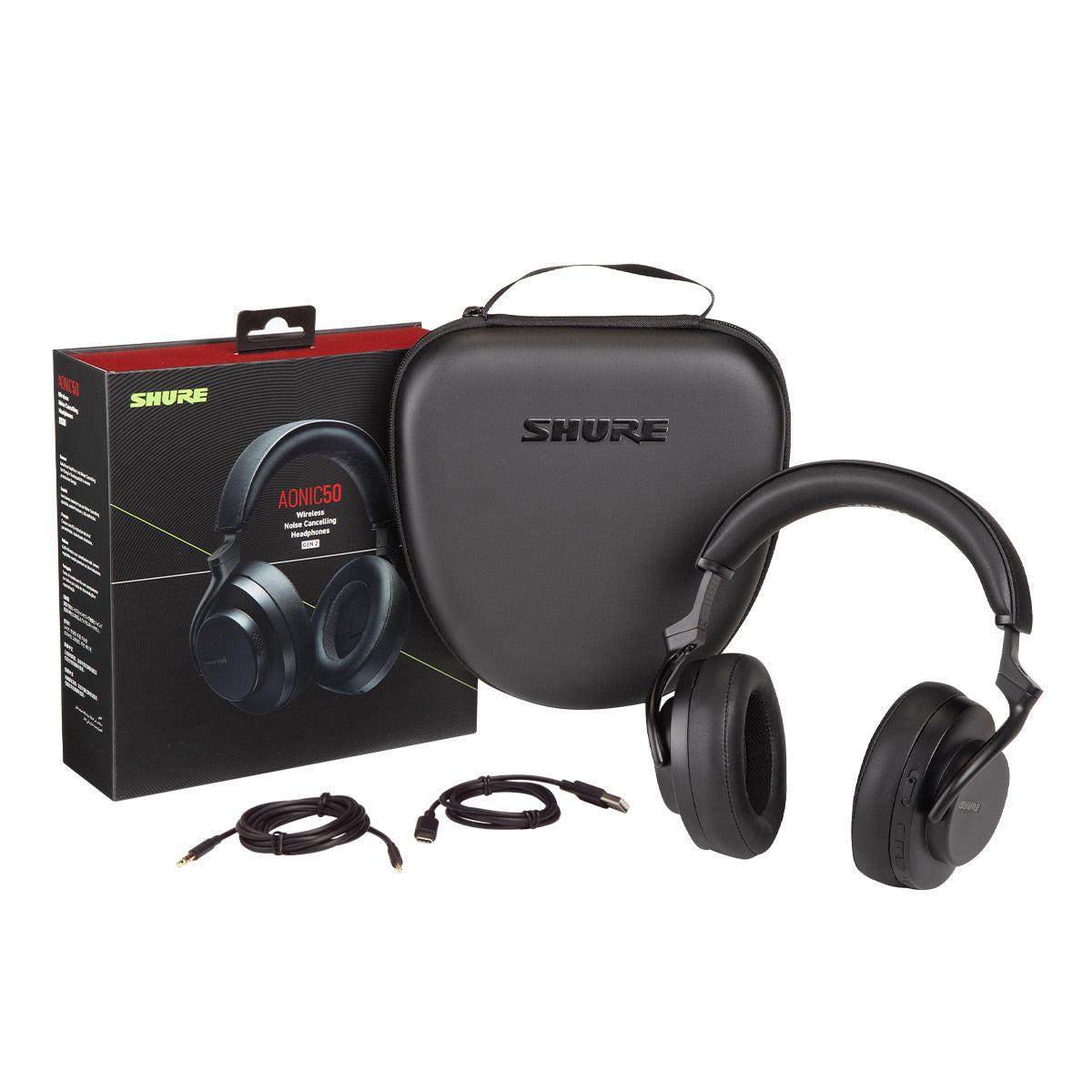
Interestingly, the Shure Aonic 50 Gen 2 doesn't fold as compactly as the JBL Tune 720BT—they swivel flat but don't fold inward. This makes them less travel-friendly despite their premium positioning.
Both headphones support modern Bluetooth standards, but there are important differences. The JBL Tune 720BT uses Bluetooth 5.3 and supports multipoint connectivity, meaning you can connect to two devices simultaneously—incredibly useful for switching between your phone and laptop without manual reconnection.
The Shure Aonic 50 Gen 2 uses Bluetooth 5.0 but makes up for it with broader codec support. Beyond standard SBC and AAC, it supports Qualcomm's aptX family (including aptX HD and aptX Adaptive) and Sony's LDAC for high-resolution wireless audio. For audiophiles with compatible source devices, this represents a significant upgrade in wireless audio quality.
Both headphones can be used wired when the battery dies, but the Shure Aonic 50 Gen 2 goes further with USB-C audio that supports up to 32-bit/384kHz digital audio—essentially turning your headphones into a high-end USB DAC (digital-to-analog converter).
For home theater use, both headphones offer interesting possibilities, though with different strengths. The JBL Tune 720BT's exceptional battery life makes it perfect for movie marathons—you'll never worry about them dying mid-film. The sound signature works well for movies, with enough bass impact for action scenes and clear dialogue reproduction.
The Shure Aonic 50 Gen 2 brings more sophisticated features to home theater use. The Spatialized Audio technology offers three modes, including a "Cinema" mode specifically designed to recreate the sub-bass and clarity of a movie theater. For late-night viewing when you can't use speakers, the advanced ANC can help you focus entirely on the movie audio without external distractions.
Both headphones support low-latency codecs that minimize the delay between video and audio—crucial for maintaining lip-sync during movie watching.
The JBL Tune 720BT is perfect for students managing tight budgets who still want quality audio, commuters who primarily travel by car or in quiet environments, casual listeners who want great sound without complexity, and anyone who values extreme battery life above all else. They're also excellent for people new to quality headphones who want to explore better audio without a major investment.
The Shure Aonic 50 Gen 2 excels for frequent flyers who need effective noise cancellation, audiophiles who want to hear every detail in their music, content creators who need superior microphone quality for calls and recording, professionals who view headphones as work tools rather than just entertainment devices, and users who have invested in high-resolution audio sources and want to hear the full quality.
The choice between these headphones ultimately comes down to your priorities and how you'll actually use them. If you're primarily listening in quiet environments and want maximum value for your money, the JBL Tune 720BT delivers sound quality that rivals much more expensive options while offering unmatched battery life.
If you frequently find yourself in noisy environments, care deeply about audio fidelity, or need professional-grade features, the Shure Aonic 50 Gen 2 justifies its premium price with comprehensive capabilities and build quality that should last for years.
Consider your actual usage patterns carefully. Many people think they need active noise cancellation more than they actually do. If you mostly listen at home, in the office, or during quiet commutes, the JBL Tune 720BT might be everything you need and more.
However, if you're someone who travels frequently, works in noisy environments, or considers headphones an important part of your professional toolkit, the additional features of the Shure Aonic 50 Gen 2 become not just nice-to-have, but genuinely necessary.
Both headphones represent excellent values in their respective categories. The JBL Tune 720BT proves that exceptional audio experiences don't require premium prices, while the Shure Aonic 50 Gen 2 demonstrates what's possible when engineering expertise meets comprehensive feature implementation. Your choice should align with your needs, budget, and how much you value the advanced features that distinguish professional-grade audio equipment from consumer products.
| JBL Tune 720BT Wireless Over-Ear Headphones | Shure Aonic 50 Gen 2 Wireless Headphones |
|---|---|
| Battery Life - Critical for daily use and travel convenience | |
| 76 hours (industry-leading, eliminates charging anxiety) | 45 hours (excellent but standard for premium models) |
| Active Noise Cancellation - Essential for noisy environments like planes and commutes | |
| None (passive isolation only, limits use in noisy spaces) | Hybrid ANC with 4 modes (transforms noisy environments) |
| Driver Size - Affects sound quality and bass response | |
| 40mm dynamic drivers (impressive performance for the size) | 50mm dynamic drivers with neodymium magnets (professional-grade) |
| Weight - Impacts comfort during extended listening sessions | |
| 220g (lightweight, excellent for portability) | 334-340g (heavier but more durable construction) |
| Audio Codecs - Determines wireless audio quality potential | |
| SBC, AAC (standard quality, works with all devices) | SBC, AAC, aptX, aptX HD, LDAC (audiophile-grade wireless quality) |
| Bluetooth Version - Affects connection stability and features | |
| Bluetooth 5.3 with multipoint (connect two devices simultaneously) | Bluetooth 5.0 (older but supports more advanced codecs) |
| Build Quality - Indicates long-term durability and premium feel | |
| Lightweight plastic (functional but feels budget-oriented) | Professional-grade materials (studio-quality construction) |
| App Features - Controls customization and sound tuning options | |
| Basic EQ and voice prompts (simple but effective) | Advanced parametric EQ and spatial audio modes (professional-level control) |
| Wired Connectivity - Backup option when battery dies | |
| 3.5mm analog cable included (basic wired backup) | 3.5mm + USB-C with 32-bit/384kHz support (audiophile wired quality) |
| Design Philosophy - Target user and use case focus | |
| Maximum value and battery life for everyday users | Professional features and audio fidelity for serious listeners |
| Portability - Important for travel and storage | |
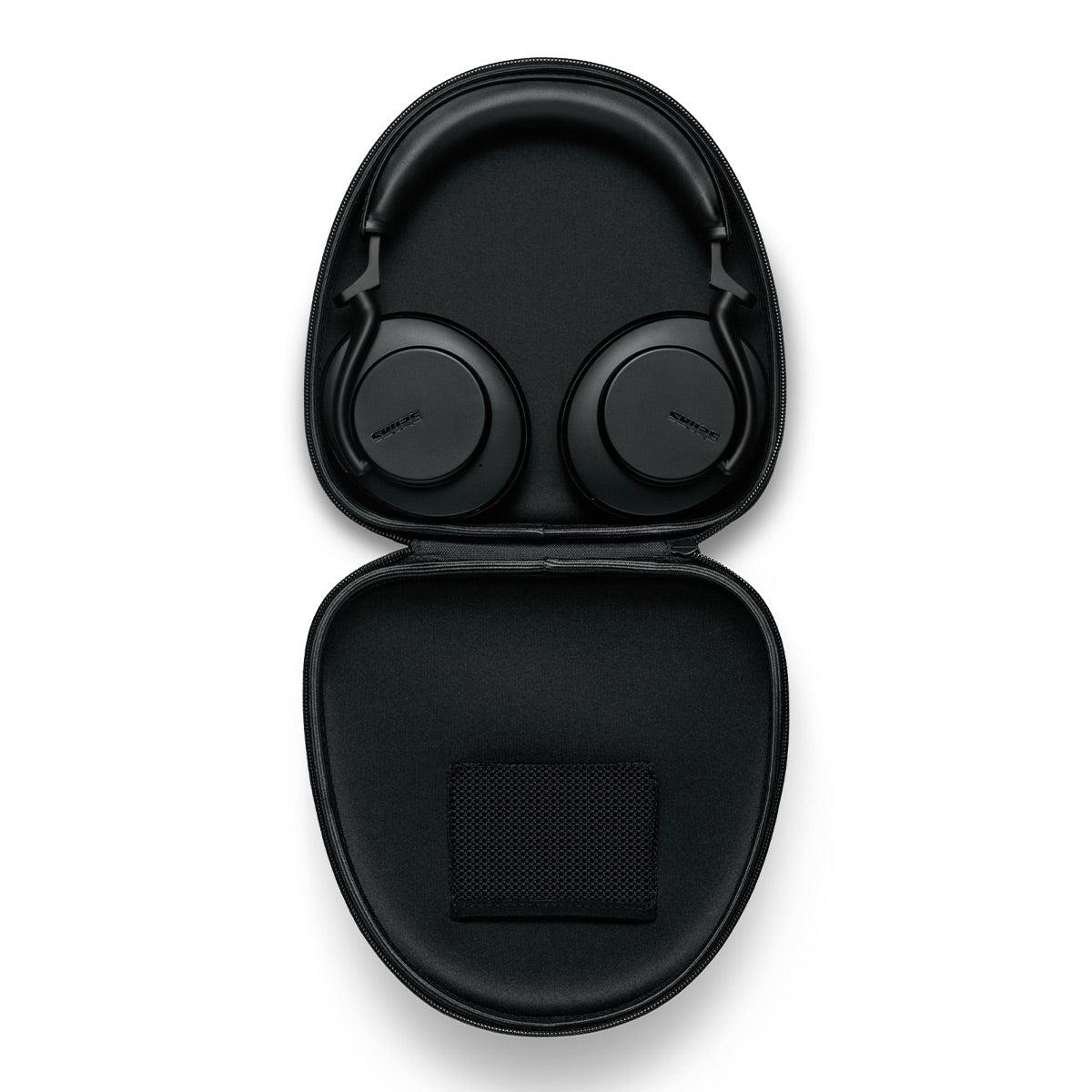
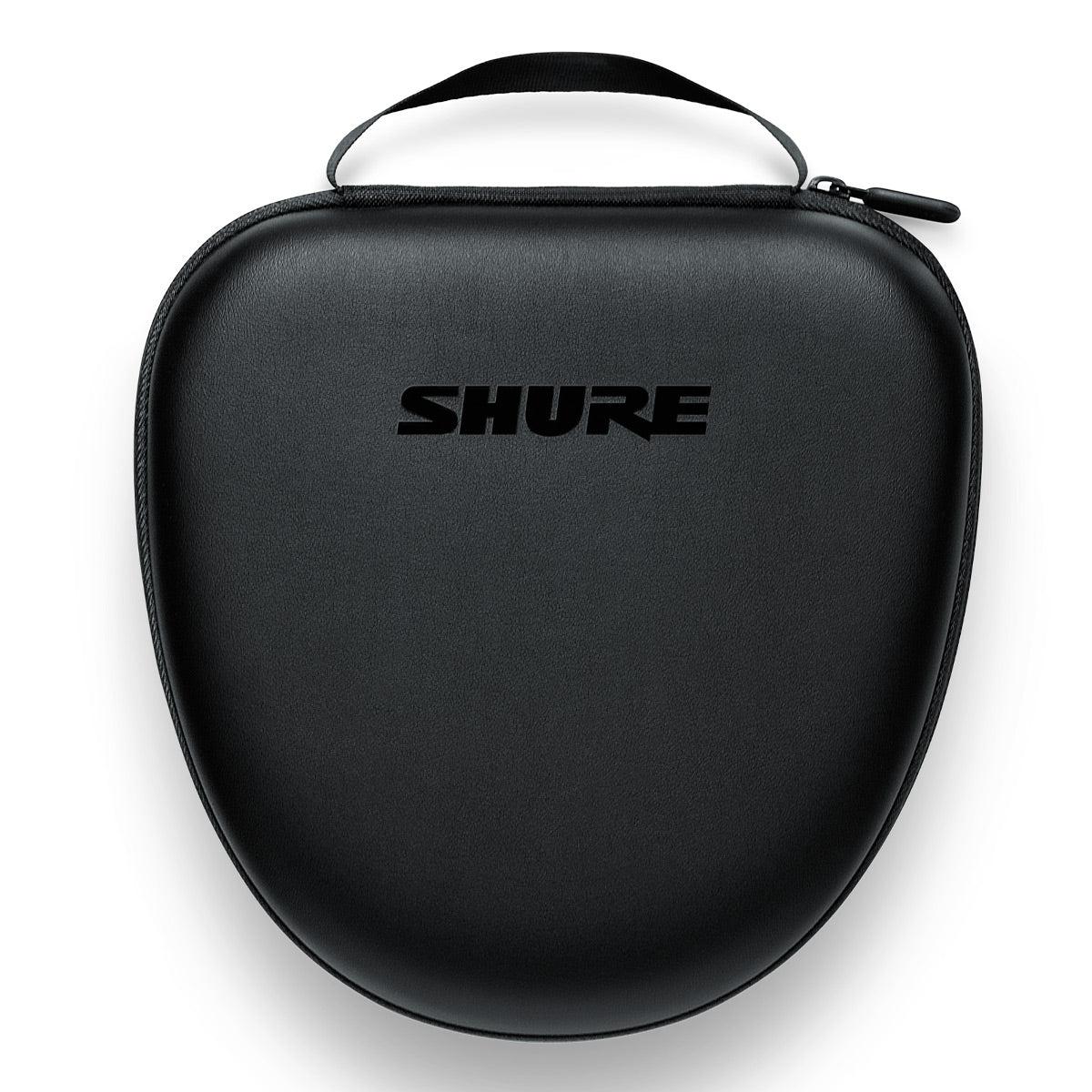
| Foldable design with compact storage (excellent for travel) | Swivel-flat only (less compact, includes premium case) |
| Target Market - Who these headphones are designed for | |
| Budget-conscious users wanting quality sound | Audiophiles, professionals, and feature-focused users |
The JBL Tune 720BT delivers exceptional 76 hours of battery life, significantly outperforming the Shure Aonic 50 Gen 2 which offers 45 hours. For users who prioritize minimal charging frequency, the JBL Tune 720BT provides nearly double the playback time.
Only the Shure Aonic 50 Gen 2 features active noise cancellation with hybrid ANC technology and four selectable modes. The JBL Tune 720BT relies entirely on passive isolation from its over-ear design, making it less suitable for noisy environments like planes or busy streets.
Both deliver excellent sound quality but with different approaches. The JBL Tune 720BT offers impressive balanced sound with JBL Pure Bass technology that rivals more expensive models. The Shure Aonic 50 Gen 2 provides professional studio-grade audio with larger 50mm drivers, advanced codecs, and more detailed sound reproduction.
The lightweight JBL Tune 720BT at 220g is more comfortable for extended wear, while the Shure Aonic 50 Gen 2 at 334-340g is noticeably heavier. However, the Shure Aonic 50 Gen 2 uses premium materials and better cushioning, which some users may prefer despite the added weight.
The JBL Tune 720BT excels for travel with its foldable design, lightweight construction, and exceptional 76-hour battery life. The Shure Aonic 50 Gen 2 offers active noise cancellation which is valuable for flights, but is heavier and less compact when packed.
Both headphones support wired connections. The JBL Tune 720BT includes a standard 3.5mm cable for basic wired use. The Shure Aonic 50 Gen 2 offers both 3.5mm and USB-C connections, with the USB-C supporting high-resolution audio up to 32-bit/384kHz.
The Shure Aonic 50 Gen 2 features professional-grade construction with premium materials designed for durability. The JBL Tune 720BT uses lightweight plastic construction that feels more budget-oriented but remains functional and portable.
Both headphones handle calls effectively, but the Shure Aonic 50 Gen 2 offers superior call quality with its six-microphone system and noise-canceling technology. The JBL Tune 720BT provides adequate call quality with Voice Aware technology for natural conversation.
The JBL Tune 720BT supports multipoint connectivity, allowing simultaneous connection to two devices for seamless switching between phone and laptop. The Shure Aonic 50 Gen 2 also supports multipoint connections alongside its advanced codec support.
Both work well for home theater, but differently. The JBL Tune 720BT offers exceptional battery life for movie marathons and clear dialogue reproduction. The Shure Aonic 50 Gen 2 provides Spatialized Audio with a dedicated Cinema mode and superior noise isolation for late-night viewing.
The JBL Tune 720BT delivers outstanding value with sound quality that rivals headphones costing significantly more, plus industry-leading battery life. The Shure Aonic 50 Gen 2 offers professional-grade features that justify its premium positioning for users who need advanced capabilities.
The fundamental difference is philosophy: the JBL Tune 720BT focuses on essential features executed exceptionally well at an accessible price point, while the Shure Aonic 50 Gen 2 provides comprehensive professional-grade features including active noise cancellation, advanced audio processing, and premium construction for serious audio enthusiasts.
We've done our best to create useful and informative comparisons to help you decide what product to buy. Our research uses advanced automated methods to create this comparison and perfection is not possible - please contact us for corrections or questions. These are the sites we've researched in the creation of this article: audio46.com - e-catalog.com - headphonedungeon.com - e-catalog.com - recordingnow.com - versus.com - youtube.com - versus.com - consumerreports.org - youtube.com - ca.jbl.com - jblstore.co.id - jbl.com.tw - th.jbl.com - jblonlinestore.com - onward.ph - youtube.com - jbl.com - ro.harmanaudio.com - device.report - en.jblthailand.com - tomsguide.com - headphonecheck.com - whathifi.com - majorhifi.com - rtings.com - versus.com - majorhifi.com - versus.com - audio46.com - youtube.com - bhphotovideo.com - techradar.com - soundpro.com - shure.com - americanmusical.com - pubs.shure.com - blog.zzounds.com - service.shure.com - fullcompass.com

Privacy Policy
Terms and Conditions - Affiliate Policy
Home Security
© Copyright 2008-2026.
11816 Inwood Rd #1211, Dallas, TX 75244