

Choosing the right wireless headphones can feel overwhelming with so many options available. Today, I'm comparing two very different approaches to wireless audio: the Beats Solo3 Wireless and the Bose QuietComfort Ultra. These headphones represent completely different philosophies in design and user experience, making this comparison particularly interesting for understanding what matters most in your daily listening habits.
The wireless headphone market has exploded over the past decade, driven by the removal of headphone jacks from smartphones and major improvements in Bluetooth technology. When shopping for wireless headphones, you're essentially choosing between several key priorities that rarely align perfectly in a single product.
The most important considerations include audio quality (how your music actually sounds), comfort during extended use, battery life for all-day listening, noise management for different environments, and overall value for your specific needs. Some headphones excel at blocking out the world around you, while others prioritize portability or maximum battery life. Understanding these trade-offs helps you make a decision you'll be happy with long-term.
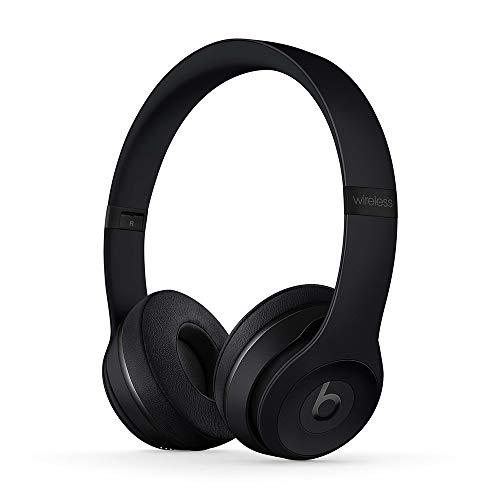
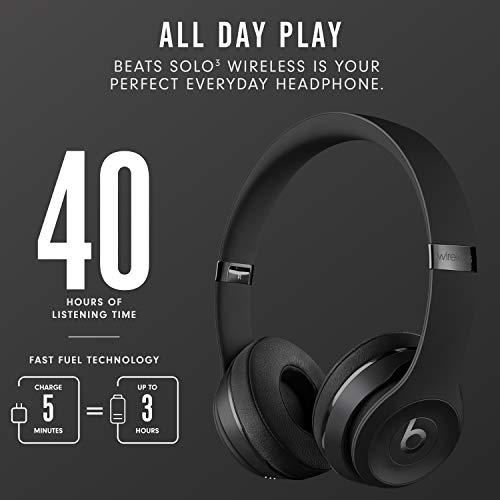
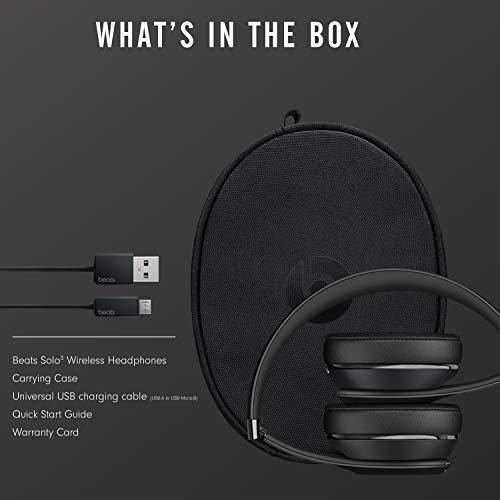
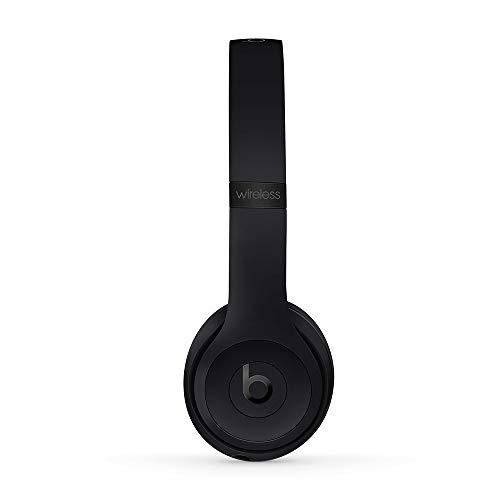
The Beats Solo3 Wireless, released in 2018, represents what I call the "portable powerhouse" approach. These on-ear headphones sit directly on your ears rather than around them, making them more compact and travel-friendly. They were designed during the height of Beats' bass-heavy reputation, emphasizing punchy low frequencies and exceptional battery life above all else.
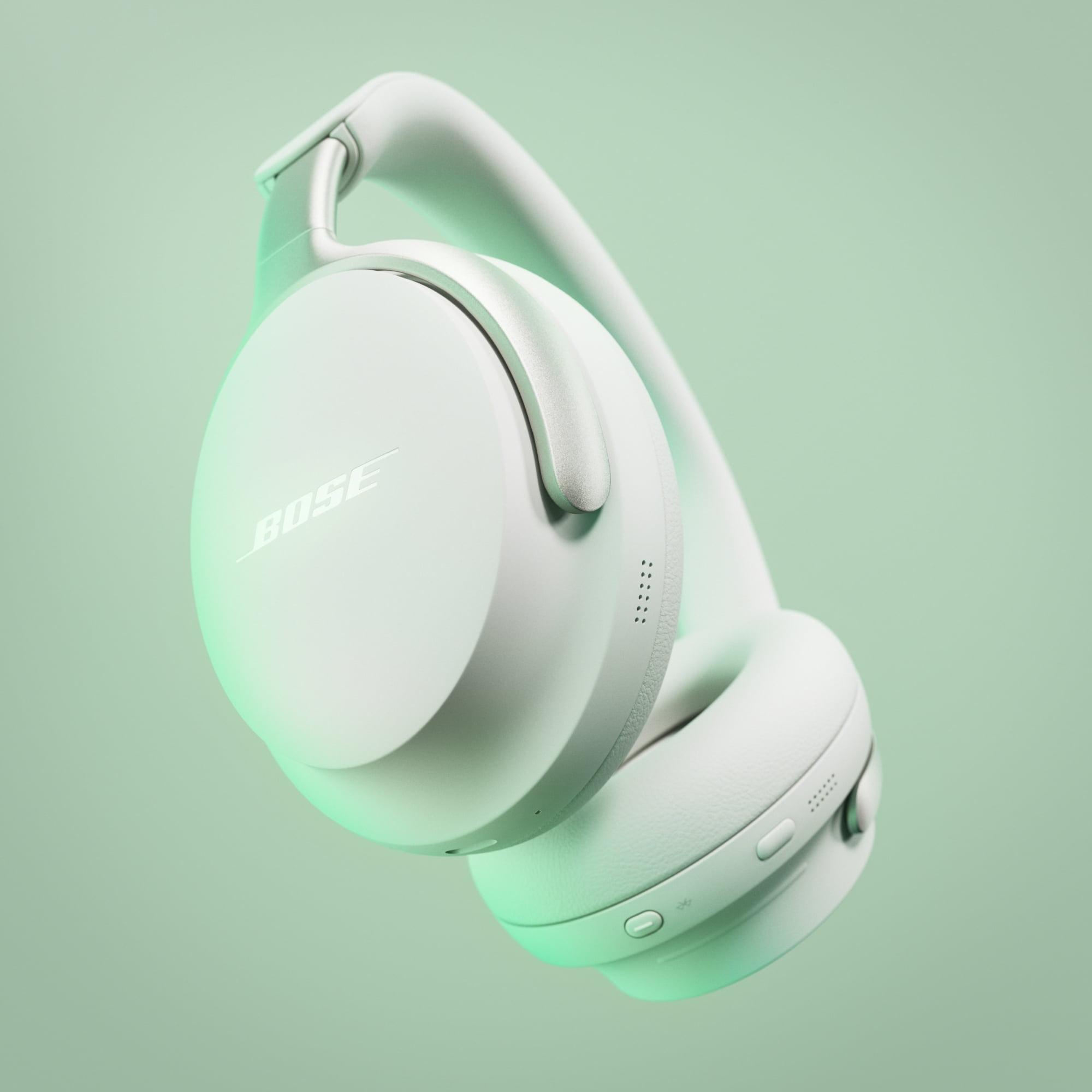
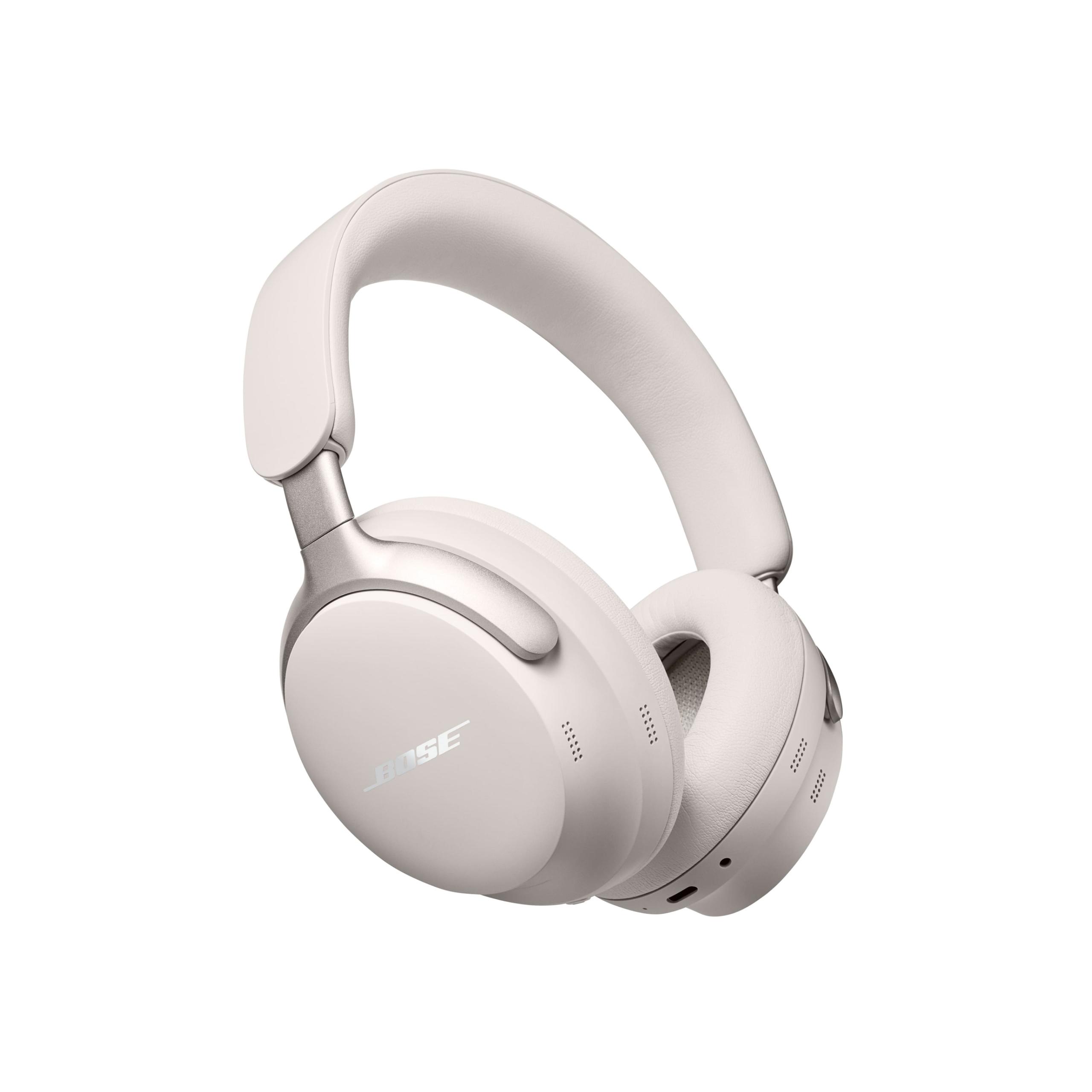
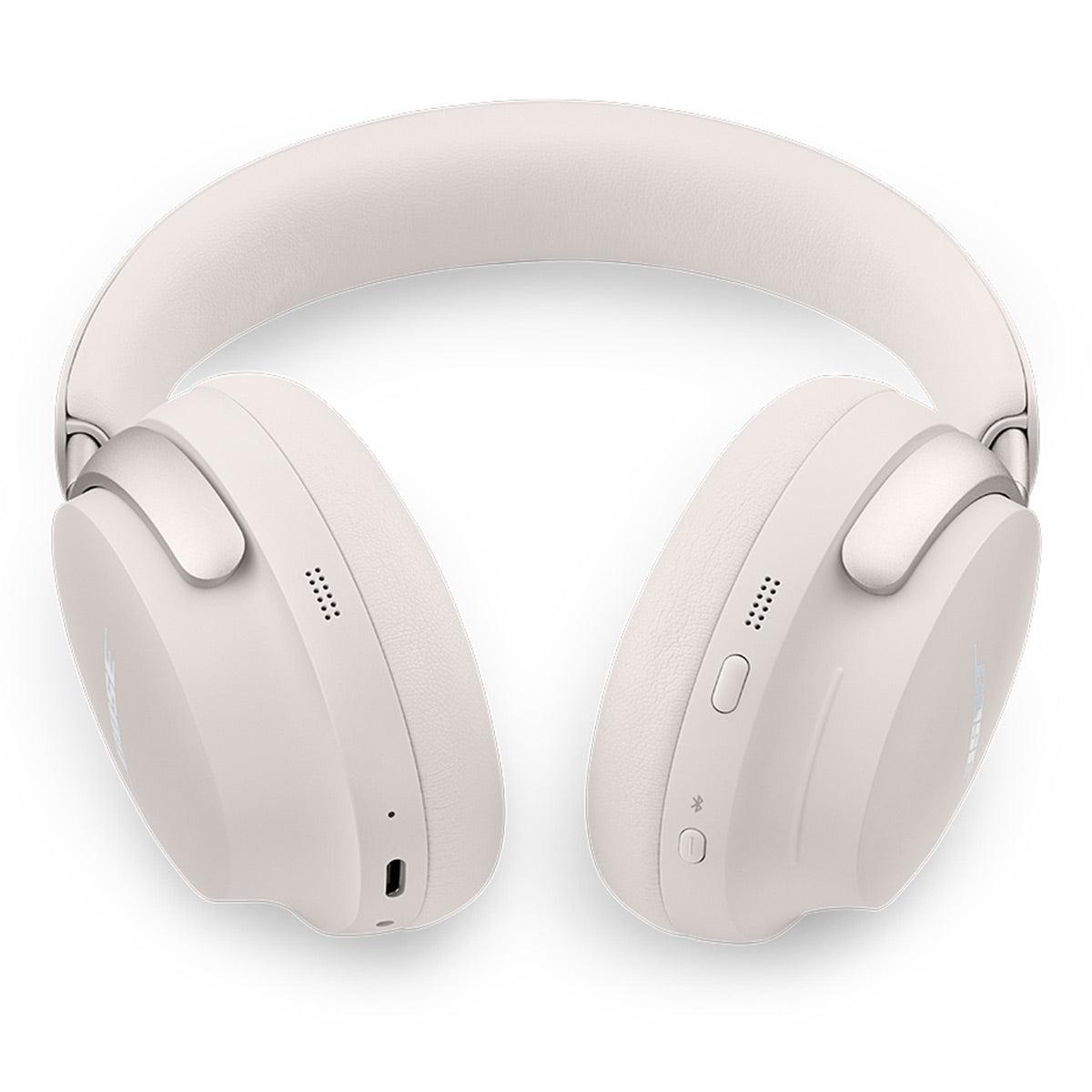
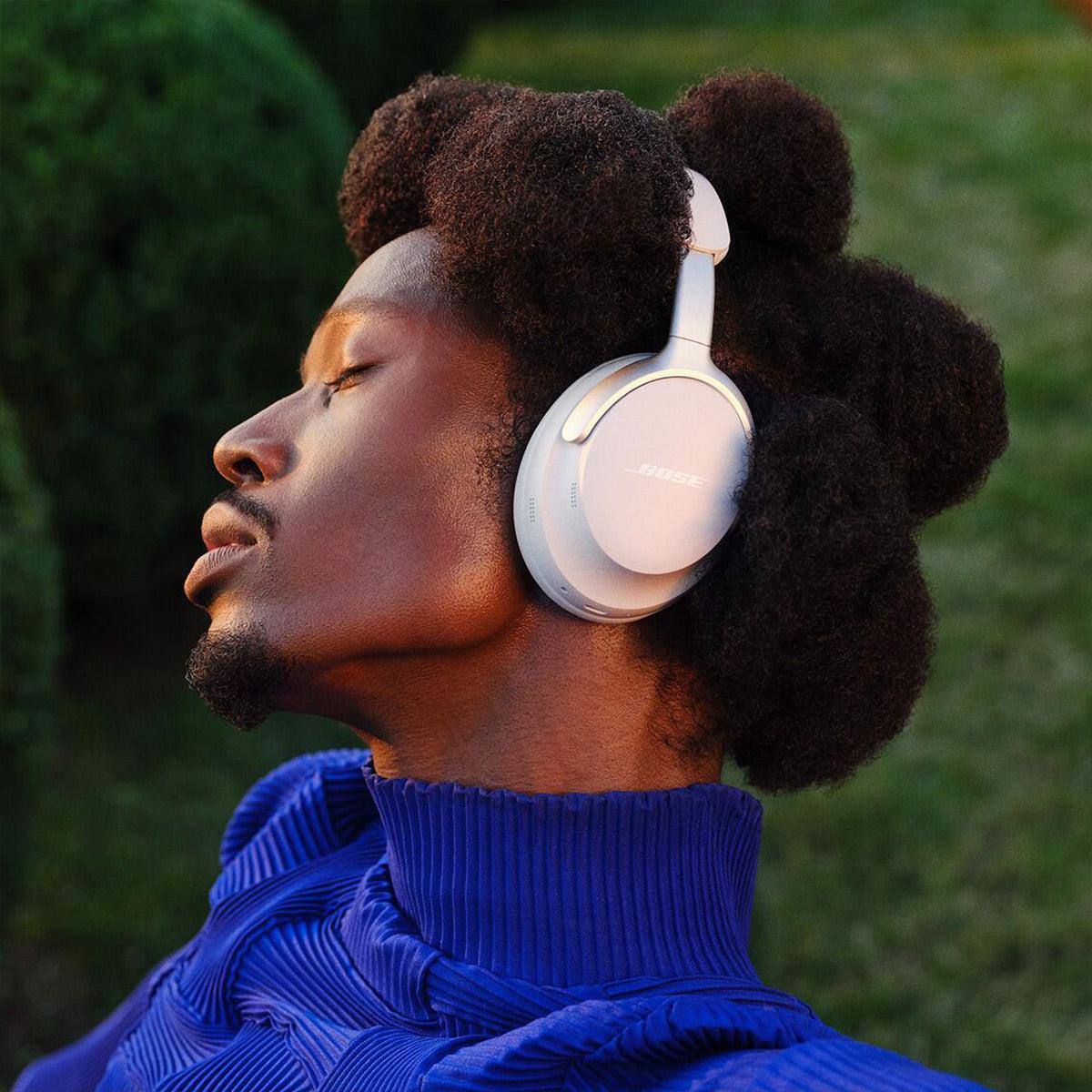
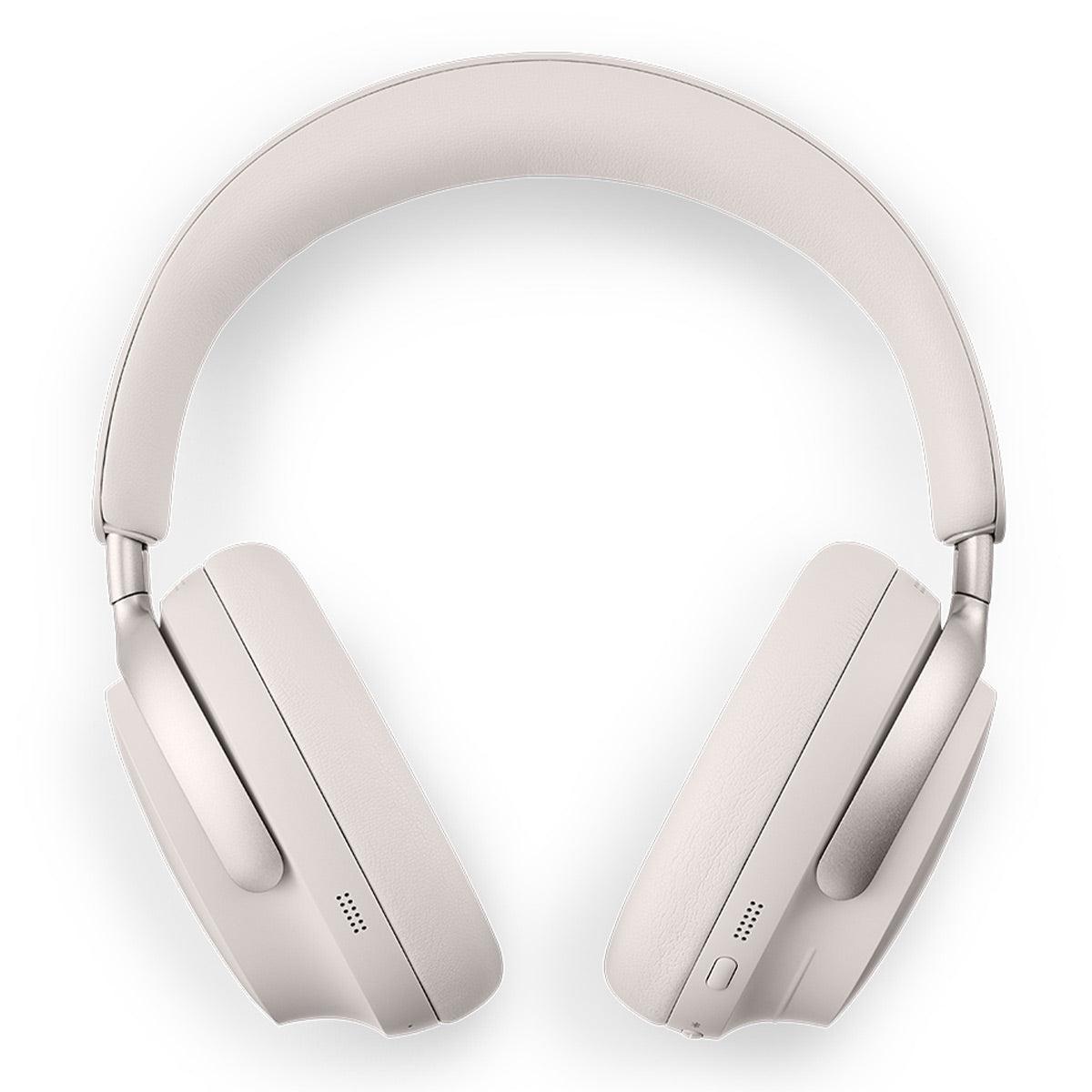
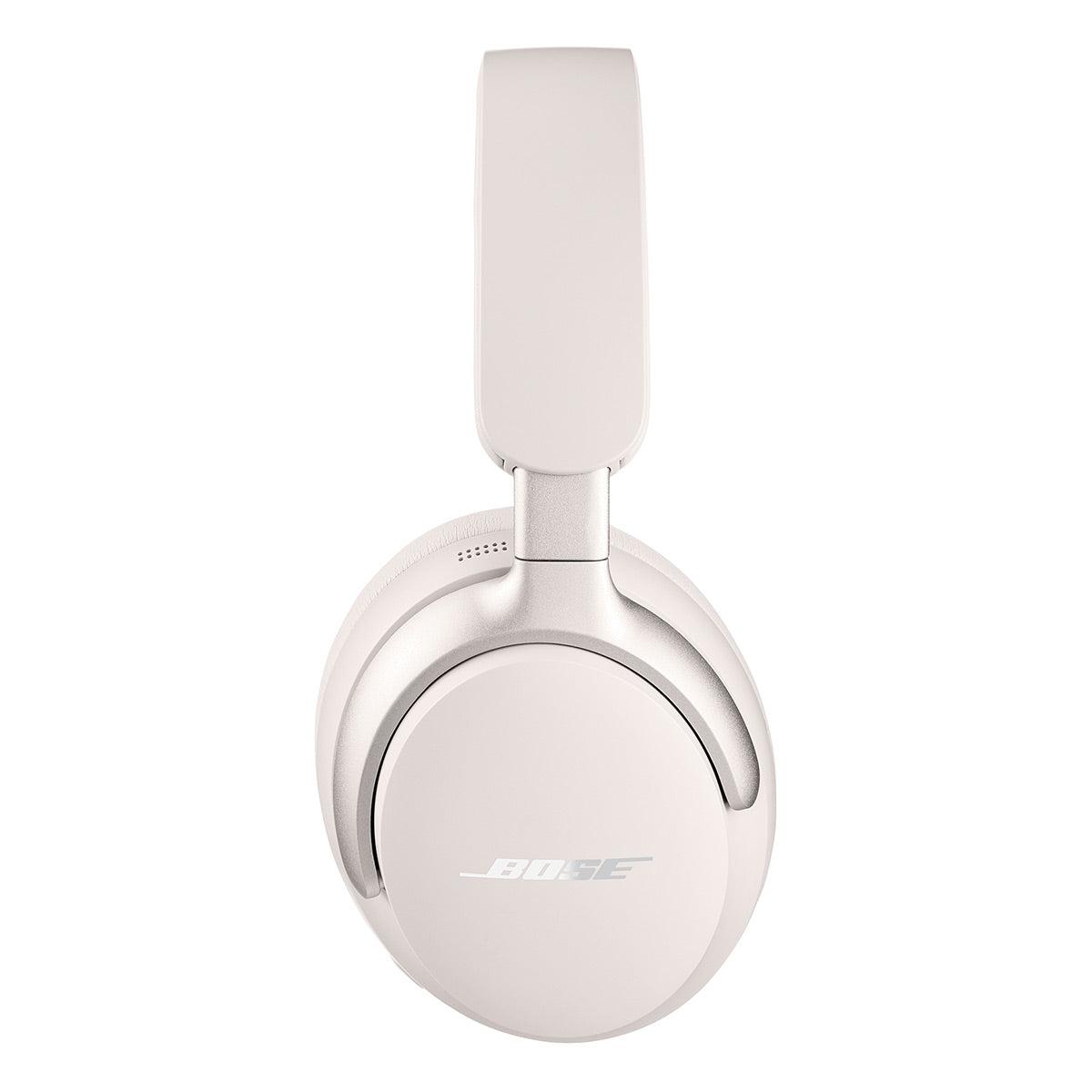
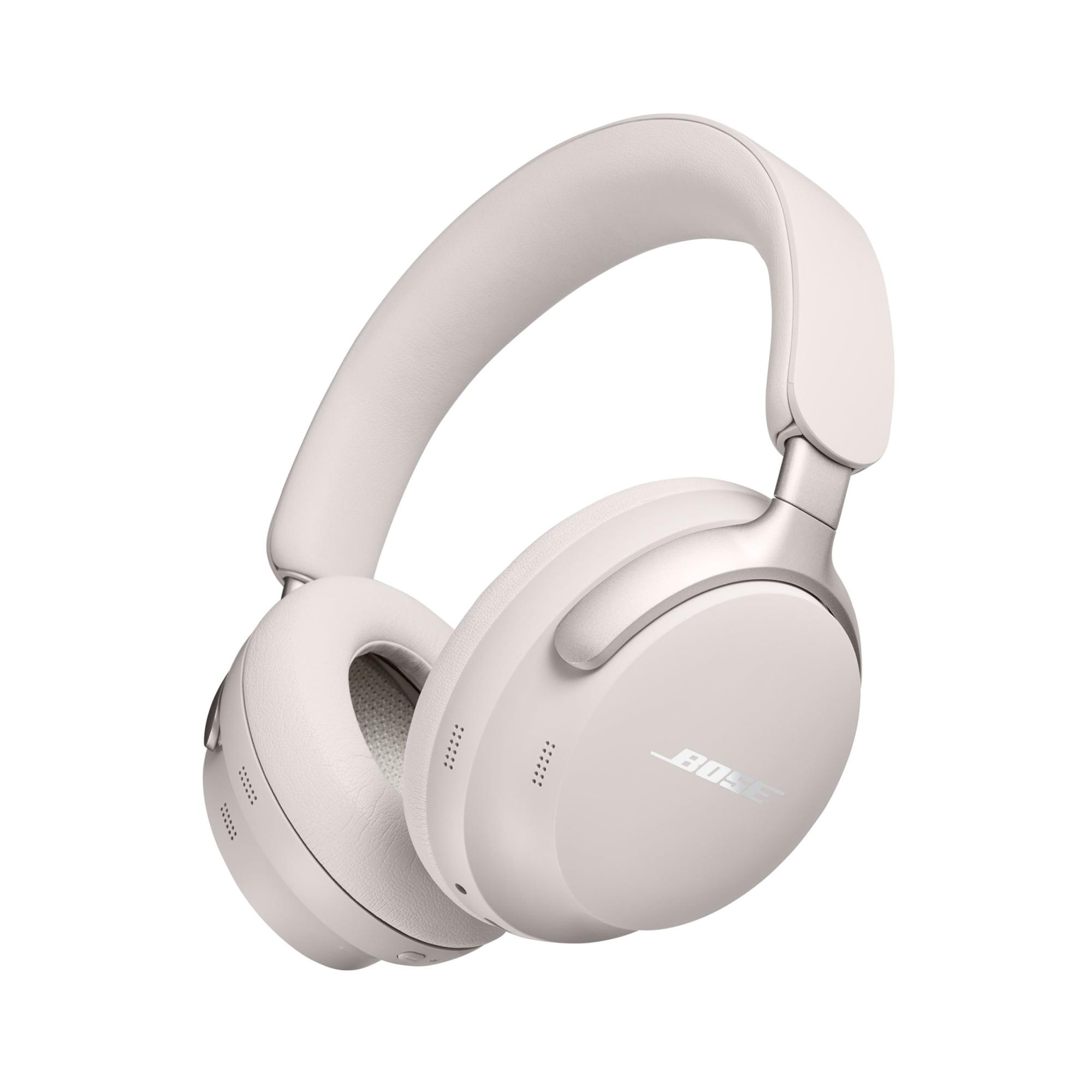
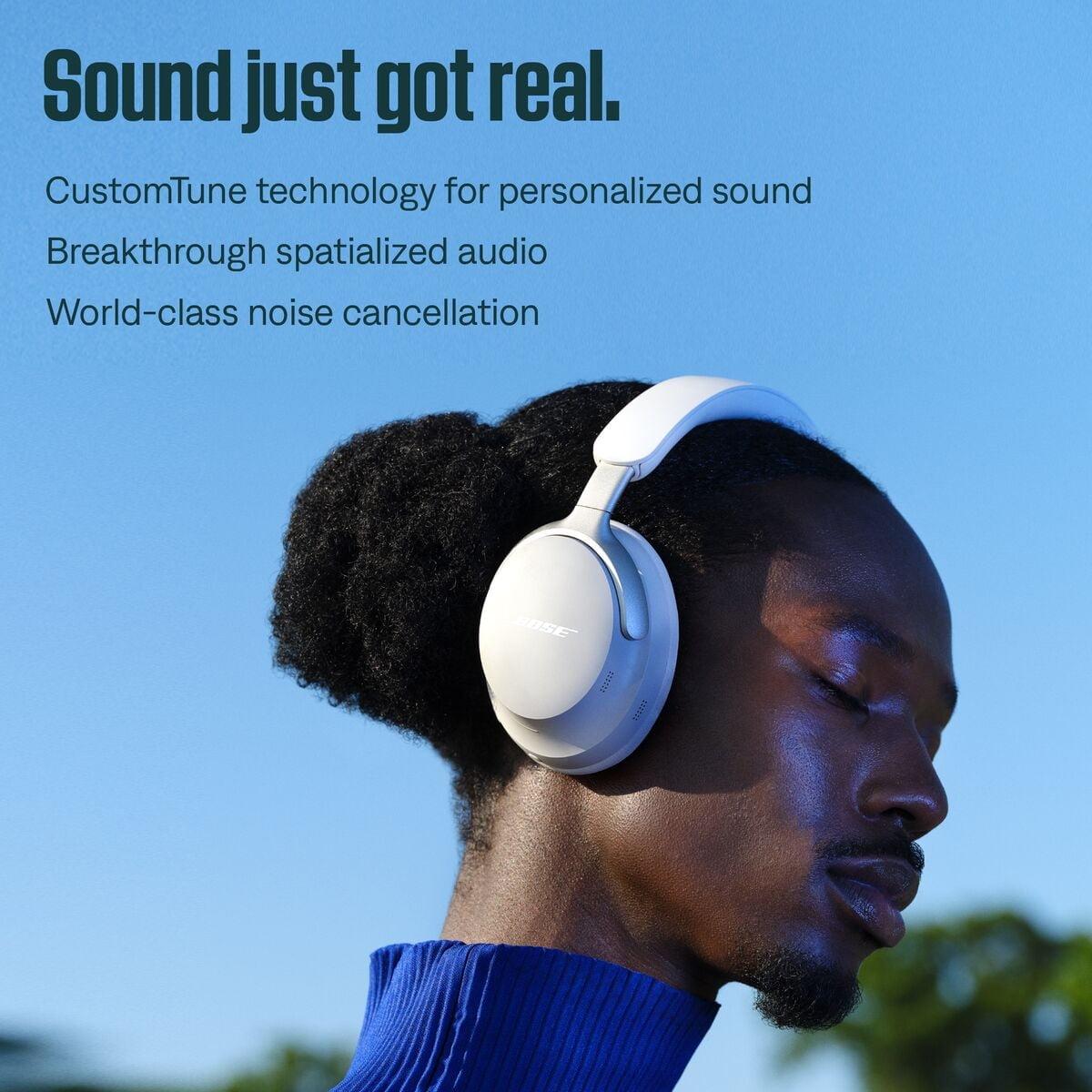
The Bose QuietComfort Ultra, released in 2023, takes the "premium sanctuary" approach. These over-ear headphones completely encompass your ears, creating a sealed environment that works with advanced active noise cancellation (ANC) technology to block external sounds. The five-year technology gap between these models means they incorporate very different approaches to wireless audio.
When I put on the Beats Solo3, the first thing that hits me is the bass response. These headphones were tuned during Beats' era of "feel the music" philosophy, meaning the low frequencies are significantly boosted. If you love hip-hop, EDM, pop, or any genre where you want to feel the kick drum in your chest, the Solo3 delivers that experience beautifully. The bass is punchy and present without completely drowning out vocals, though it can overwhelm more delicate instruments in acoustic or classical music.
The Bose QuietComfort Ultra takes a more balanced approach. The bass is still present and satisfying – actually deeper and more controlled than the Beats in many ways – but it doesn't dominate the sound signature. This means vocals shine through clearly, instruments have proper separation, and you can hear subtle details in recordings that might get lost in the Solo3's more aggressive tuning. The QuietComfort Ultra also includes customizable EQ settings through the Bose Music app, letting you adjust the sound to your preferences.
The technical differences between these headphones become apparent when you listen to complex music. Soundstage refers to how wide and spacious music sounds – whether instruments seem to come from specific locations around you or if everything feels cramped "inside your head." The Beats Solo3, being on-ear and closed-back, creates a more intimate soundstage that works well for energetic music but can feel limiting with orchestral pieces or live recordings.
The Bose QuietComfort Ultra offers a wider, more natural soundstage thanks to its over-ear design and advanced audio processing. When listening to a well-recorded jazz album, I can actually pinpoint where the piano, bass, and drums are positioned relative to each other. This spatial awareness makes music feel more lifelike and engaging during longer listening sessions.
Both headphones support modern Bluetooth codecs (the compression methods that send audio wirelessly), but the QuietComfort Ultra includes aptX Adaptive support, which provides higher quality audio with lower latency – particularly important if you watch videos where audio sync matters.
This is where these headphones differ most dramatically. The Beats Solo3 relies entirely on passive isolation, meaning they only block noise through the physical seal created by the ear cups pressing against your ears. Unfortunately, on-ear designs inherently provide poor noise isolation compared to over-ear alternatives. In a coffee shop or on public transportation, you'll still hear most ambient noise clearly.
The Bose QuietComfort Ultra features what many consider the best active noise cancellation available today. ANC works by using microphones to detect external sounds and then generating "anti-noise" – sound waves that cancel out unwanted ambient noise. The difference is remarkable: airplane engines become whispers, air conditioning disappears entirely, and even loud conversations become manageable background murmur.
Bose's implementation is particularly sophisticated, offering multiple modes through their app. Quiet Mode provides maximum noise cancellation, while Aware Mode lets you hear your surroundings when needed – perfect for airport announcements or quick conversations without removing your headphones. The QuietComfort Ultra even includes ActiveSense technology, which automatically activates noise cancellation only when sudden loud noises occur, protecting your hearing while maintaining awareness.
The fundamental design difference between on-ear and over-ear headphones significantly impacts long-term comfort. The Beats Solo3 sits directly on your ears with moderate clamping pressure. For the first hour or two, they feel fine and secure. However, during longer listening sessions, that constant pressure on your ears can become uncomfortable, especially if you wear glasses or have sensitive ears.
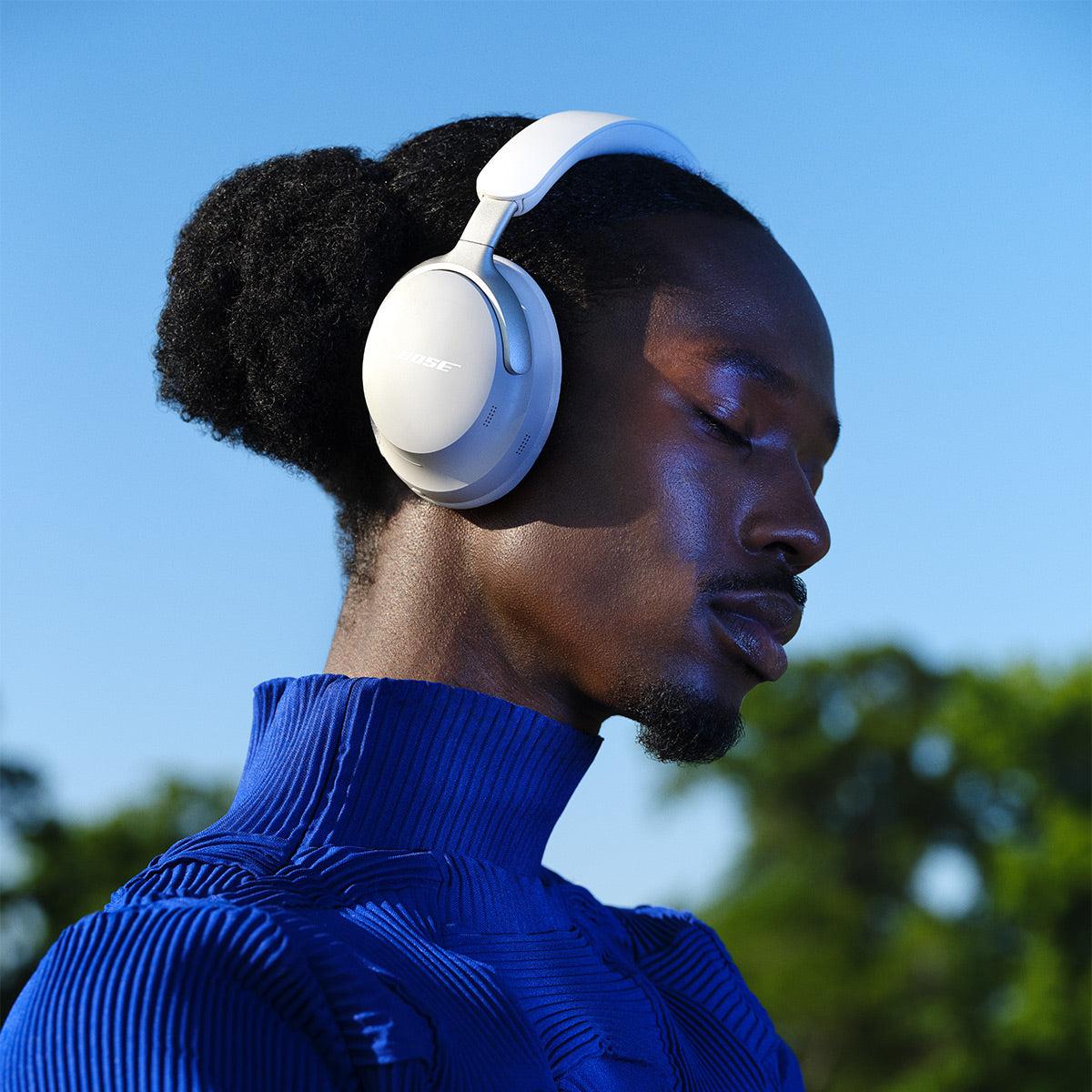
The Bose QuietComfort Ultra distributes weight around your ears rather than pressing on them. The plush protein leather ear cushions create a gentle seal without pressure points, and the headband uses memory foam to spread weight evenly across your head. After wearing both headphones for extended periods, the comfort difference becomes obvious – I can wear the QuietComfort Ultra for entire workdays without discomfort, while the Solo3 requires breaks every few hours.
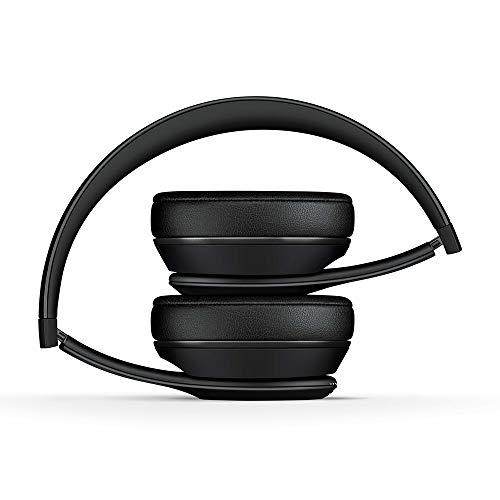
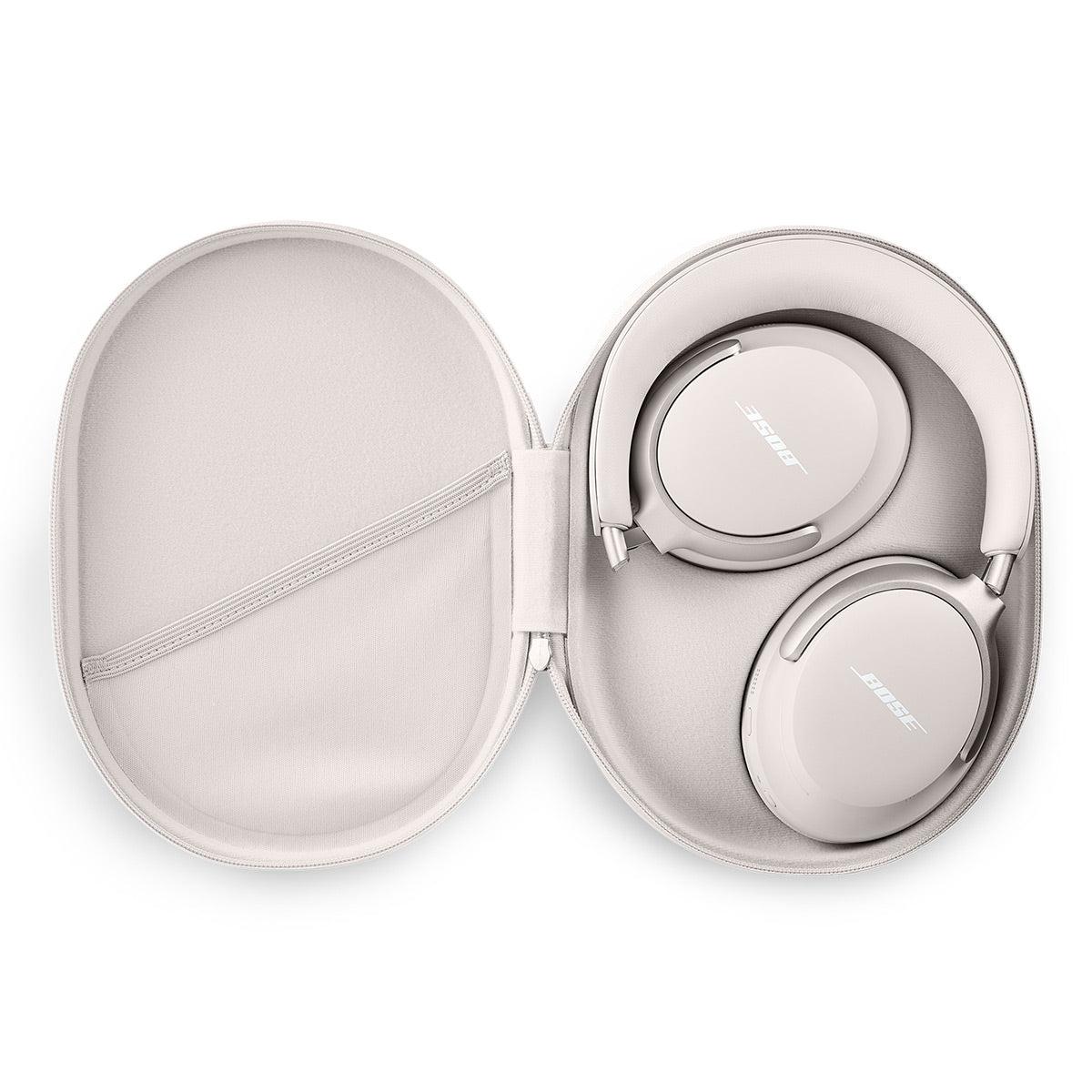
Build quality reflects their different price points and target markets. The Beats Solo3 uses quality plastic construction with a foldable design that's genuinely portable. They feel solid enough for daily use, though not particularly premium. The Bose QuietComfort Ultra incorporates metal components, higher-grade plastics, and more refined materials throughout, creating a noticeably more premium feel that justifies its higher price point.
Here's where the Beats Solo3 truly shines. With up to 40 hours of playback time, these headphones offer some of the best battery life available in any wireless headphone category. The Fast Fuel technology provides 3 hours of playback from just 5 minutes of charging – incredibly useful when you're rushing out the door with dead headphones.
The Bose QuietComfort Ultra offers respectable 24-hour battery life, which drops to 18 hours with spatial audio features enabled. While this is sufficient for most users, it represents nearly half the longevity of the Beats. The power-hungry nature of active noise cancellation and advanced audio processing explains this difference, but it means more frequent charging if you're a heavy user.
Both headphones charge reasonably quickly, though the QuietComfort Ultra uses modern USB-C while the Solo3 still relies on the older micro-USB standard – a reminder of their different release years.
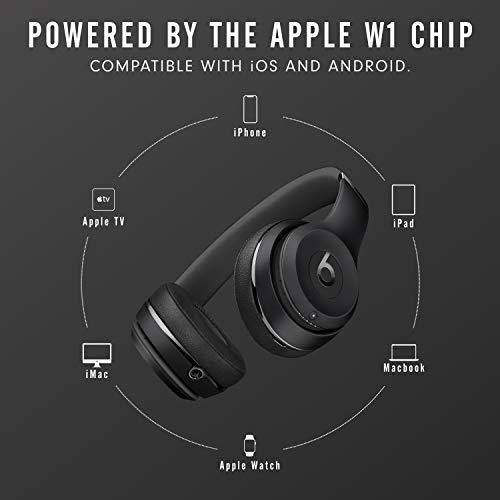
The technology gap between these models becomes most apparent in connectivity features. The Beats Solo3 includes Apple's W1 chip, which provides seamless pairing and switching between Apple devices. If you're deep in Apple's ecosystem, this integration feels almost magical – your headphones remember all your devices and switch between them intelligently.
The Bose QuietComfort Ultra uses modern Bluetooth 5.3 with multipoint connectivity, meaning it can connect to two devices simultaneously regardless of brand. You could have them connected to both your laptop and phone, automatically switching between music and calls as needed. The Bose Music app provides extensive customization options, including EQ adjustments, noise cancellation modes, and firmware updates.
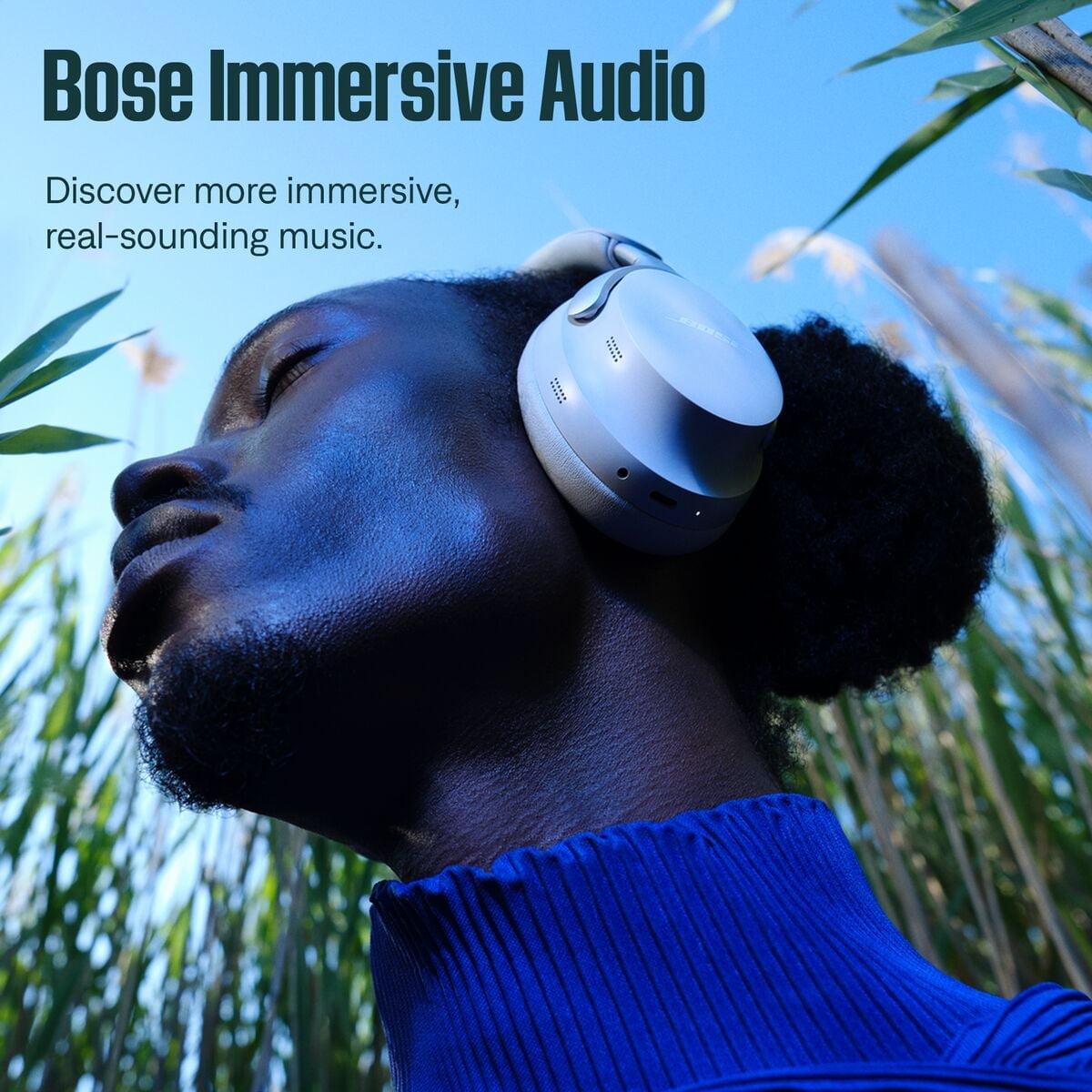
The QuietComfort Ultra also includes Bose's proprietary spatial audio technology called Immersive Audio, which attempts to create a more three-dimensional listening experience. While not as refined as Apple's spatial audio implementation, it adds an interesting dimension to compatible content.
The five-year gap between these headphones' releases represents significant technological advancement in wireless audio. When the Beats Solo3 launched in 2018, wireless headphones were still establishing themselves as iPhone headphone jack removals drove adoption. The W1 chip was cutting-edge technology that solved many early Bluetooth connectivity issues.
By 2023, when the Bose QuietComfort Ultra arrived, wireless audio had matured considerably. Advanced noise cancellation algorithms, spatial audio processing, and sophisticated app ecosystems had become standard expectations for premium headphones. The QuietComfort Ultra incorporates these modern features while building on Bose's decades of acoustic engineering expertise.
While neither headphone is specifically designed for home theater use, their different characteristics affect this application significantly. The Beats Solo3 lacks the soundstage width and neutral frequency response that make movies and TV shows engaging. Their bass-heavy tuning can make dialogue less clear and reduce the impact of well-mixed surround sound content.
The Bose QuietComfort Ultra performs much better for home theater applications. The balanced sound signature ensures dialogue clarity while maintaining impactful effects. The spatial audio processing can enhance the cinematic experience, though it's not as sophisticated as dedicated home theater solutions. The comfort advantage becomes crucial during movie marathons or binge-watching sessions.
For serious home theater enthusiasts, neither headphone replaces a proper surround sound system, but the QuietComfort Ultra provides a much more satisfying compromise when private listening is necessary.
At the time of writing, these headphones occupy very different price segments, which significantly impacts their value proposition. The Beats Solo3 has become significantly more affordable since its 2018 launch, often available at budget-friendly prices that make its exceptional battery life and Apple integration incredibly attractive.
The Bose QuietComfort Ultra commands premium pricing that reflects its flagship positioning and advanced feature set. When evaluating value, consider the cost per hour of comfortable use – if you frequently need noise cancellation or plan extended listening sessions, the higher upfront investment may prove worthwhile over time.
Choose the Beats Solo3 Wireless if you prioritize exceptional battery life above all else, need maximum portability for daily commuting, primarily listen to bass-heavy genres, are deeply integrated into Apple's ecosystem, have a limited budget but still want reliable wireless audio, or rarely encounter noisy environments where noise cancellation would matter.
The Solo3 excels as a no-fuss wireless headphone that just works. If you're a student looking for headphones that last through long study sessions, a commuter who needs something compact, or someone who simply wants great battery life without breaking the bank, these remain compelling despite their age.
Choose the Bose QuietComfort Ultra if you need effective noise cancellation for travel or work, prioritize comfort for extended listening sessions, want balanced sound quality suitable for all music genres, work in noisy environments, value modern features like spatial audio and app customization, or can justify premium pricing for significantly better performance and comfort.
The QuietComfort Ultra represents what wireless headphones can achieve when comfort, technology, and audio quality are prioritized over cost considerations. If you're a frequent traveler, work in open offices, or simply want the best possible wireless audio experience, the investment makes sense.
These headphones solve different problems for different users, which makes direct comparison challenging but ultimately illuminating. The Beats Solo3 proves that older technology can still provide excellent value when core strengths like battery life and portability matter most. The Bose QuietComfort Ultra demonstrates why premium pricing can be justified through superior comfort, advanced features, and exceptional noise cancellation.
Your choice should primarily depend on your specific use cases and priorities. If you need silence and all-day comfort, the QuietComfort Ultra is worth the investment. If maximum battery life and portability at an attractive price point are your priorities, the Solo3 remains a solid choice even years after its release. Both headphones excel in their respective roles – you just need to decide which role better matches your listening habits and lifestyle needs.
| Beats Solo3 Wireless On-Ear Headphones | Bose QuietComfort Ultra Wireless Headphones |
|---|---|
| Design Type - Fundamentally affects comfort and portability | |
| On-ear, foldable (more portable but less comfortable long-term) | Over-ear, circumaural (superior comfort for extended use) |
| Weight - Important for all-day wear comfort | |
| 215g (lighter, better for portability) | 253g (heavier but weight distributed around ears) |
| Active Noise Cancellation - Critical for noisy environments | |
| None (passive isolation only, poor noise blocking) | Class-leading ANC with multiple modes (excellent noise blocking) |
| Battery Life - Key for heavy users and travelers | |
| Up to 40 hours (exceptional, among the best available) | Up to 24 hours (18 hours with spatial audio enabled) |
| Sound Signature - Affects music genre compatibility | |
| Bass-heavy, energetic (great for hip-hop/EDM, less ideal for classical) | Balanced, warm (versatile across all genres, customizable EQ) |
| Bluetooth Technology - Impacts connection quality and features | |
| Bluetooth 4.0 with Apple W1 chip (seamless Apple integration) | Bluetooth 5.3 with multipoint (connects two devices simultaneously) |
| Charging Port - Affects convenience and future-proofing | |
| Micro-USB (outdated standard) | USB-C (modern, reversible connector) |
| Quick Charge Feature - Useful for last-minute power needs | |
| Fast Fuel: 5 minutes = 3 hours playback | 15 minutes = 2.5 hours playback |
| Codec Support - Determines wireless audio quality | |
| SBC, AAC (good quality, optimized for Apple devices) | SBC, AAC, aptX Adaptive (higher quality, lower latency) |
| Special Features - Value-added technologies | |
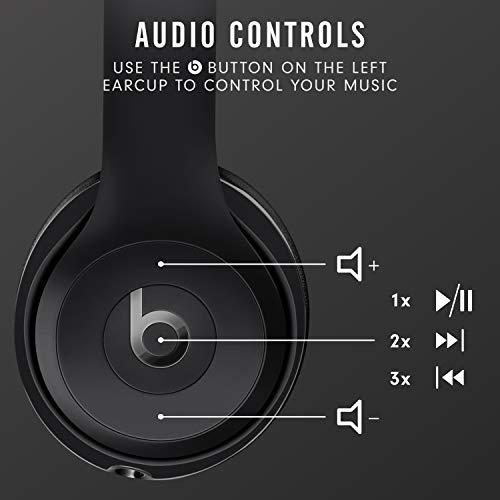
| Apple ecosystem integration, foldable design | Spatial audio, CustomTune ear analysis, advanced touch controls |
| Release Year - Indicates technology generation | |
| 2018 (mature but aging technology) | 2023 (current flagship with latest features) |
| Best Use Cases - Who should consider each model | |
| Casual listening, Apple users, budget-conscious, maximum portability | Frequent travelers, office workers, audiophiles, noise-sensitive users |
The Bose QuietComfort Ultra offers superior overall sound quality with a balanced, detailed audio signature that works well across all music genres. The Beats Solo3 Wireless delivers a bass-heavy sound that's exciting for hip-hop and EDM but may overwhelm vocals in other genres. The QuietComfort Ultra also includes customizable EQ settings for personalized tuning.
Only the Bose QuietComfort Ultra features active noise cancellation (ANC), which is considered among the best in the industry. The Beats Solo3 has no active noise cancellation and relies solely on passive isolation, which is quite poor due to the on-ear design. For noisy environments like flights or offices, the Bose QuietComfort Ultra is essential.
The Bose QuietComfort Ultra is significantly more comfortable for extended wear due to its over-ear design that surrounds your ears rather than pressing on them. The Beats Solo3 can cause ear fatigue after 1-2 hours due to the on-ear pressure. For all-day comfort, the QuietComfort Ultra is the clear winner.
The Beats Solo3 Wireless offers exceptional 40-hour battery life, which is among the best available in wireless headphones. The Bose QuietComfort Ultra provides 24 hours of playback (18 hours with spatial audio enabled). While both offer all-day use, the Solo3 requires charging much less frequently.
The Bose QuietComfort Ultra is superior for travel due to its excellent active noise cancellation that blocks airplane engines and crowd noise. While the Beats Solo3 is more compact and portable, the lack of noise cancellation makes them less suitable for noisy travel environments. The QuietComfort Ultra is worth the extra bulk for frequent travelers.
Both headphones handle phone calls adequately, but the Bose QuietComfort Ultra has a slight edge with better microphone quality and noise reduction during calls. The Beats Solo3 provides clear voice transmission for basic calls. Neither is exceptional for calls compared to dedicated headsets, but both work fine for occasional use.
The Beats Solo3 Wireless has superior iPhone integration thanks to Apple's W1 chip, enabling seamless pairing, device switching, and battery status display. The Bose QuietComfort Ultra works well with iPhones but lacks these specialized Apple features. iPhone users who prioritize ecosystem integration may prefer the Solo3.
Neither headphone is ideal for intense workouts. The Beats Solo3 is more suitable due to its lighter weight and more secure on-ear fit, though neither has water resistance ratings. The Bose QuietComfort Ultra is too bulky and expensive for gym use. Both are better suited for casual wear than athletic activities.
The Beats Solo3 Wireless delivers more prominent, punchy bass that's perfect for hip-hop, EDM, and pop music. The Bose QuietComfort Ultra has well-controlled bass that's present but doesn't dominate other frequencies. Bass lovers who want that "feel the beat" experience will prefer the Solo3.
Yes, both headphones support wired connections. The Beats Solo3 includes a 3.5mm RemoteTalk cable for wired use when the battery dies. The Bose QuietComfort Ultra comes with a 3.5mm to 2.5mm cable, though it must remain powered on even when wired. Both maintain functionality in wired mode.
This depends on your priorities. The Beats Solo3 Wireless typically offers exceptional value due to its outstanding battery life and lower price point, especially for casual listeners. The Bose QuietComfort Ultra justifies its premium price with superior comfort, noise cancellation, and audio quality for serious listeners who need these features.
The Bose QuietComfort Ultra is much better for home theater use due to its balanced sound signature, comfortable fit for movie-length sessions, and spatial audio features that enhance the cinematic experience. The Beats Solo3 bass-heavy tuning can muddy dialogue and the on-ear design becomes uncomfortable during long films. The QuietComfort Ultra is the clear choice for home entertainment.
We've done our best to create useful and informative comparisons to help you decide what product to buy. Our research uses advanced automated methods to create this comparison and perfection is not possible - please contact us for corrections or questions. These are the sites we've researched in the creation of this article: soundguys.com - cornellstore.com - imore.com - bestbuy.com - headphonecheck.com - soundguys.com - recordingnow.com - corporategift.com - ifixit.com - rtings.com - youtube.com - mobileciti.com.au - beatsbydre.com - discussions.apple.com - target.com - bestbuy.com - jalc.ecampus.com - beats.fandom.com - support.apple.com - electronics.woot.com - techradar.com - whathifi.com - whathifi.com - whathifi.com - tomsguide.com - youtube.com - stereoguide.com - youtube.com - soundguys.com - soundguys.com - bose.com - headphonecheck.com - bose.com - cnet.com - bhphotovideo.com - boselatam.com - rtings.com - bestbuy.com - assets.bose.com - bose.com - bose.com.au - bose.com - boseapac.com

Privacy Policy
Terms and Conditions - Affiliate Policy
Home Security
© Copyright 2008-2026.
11816 Inwood Rd #1211, Dallas, TX 75244