

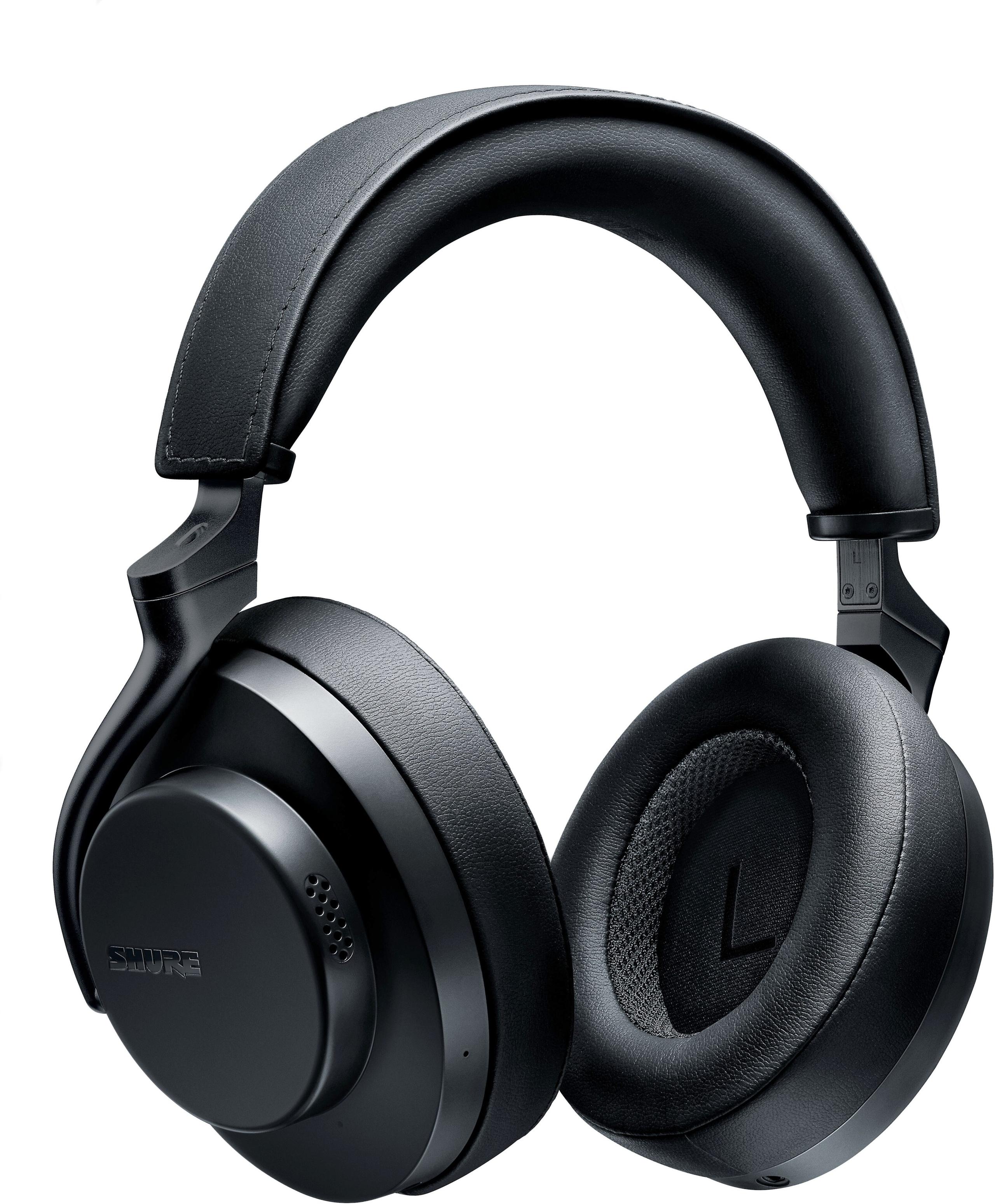
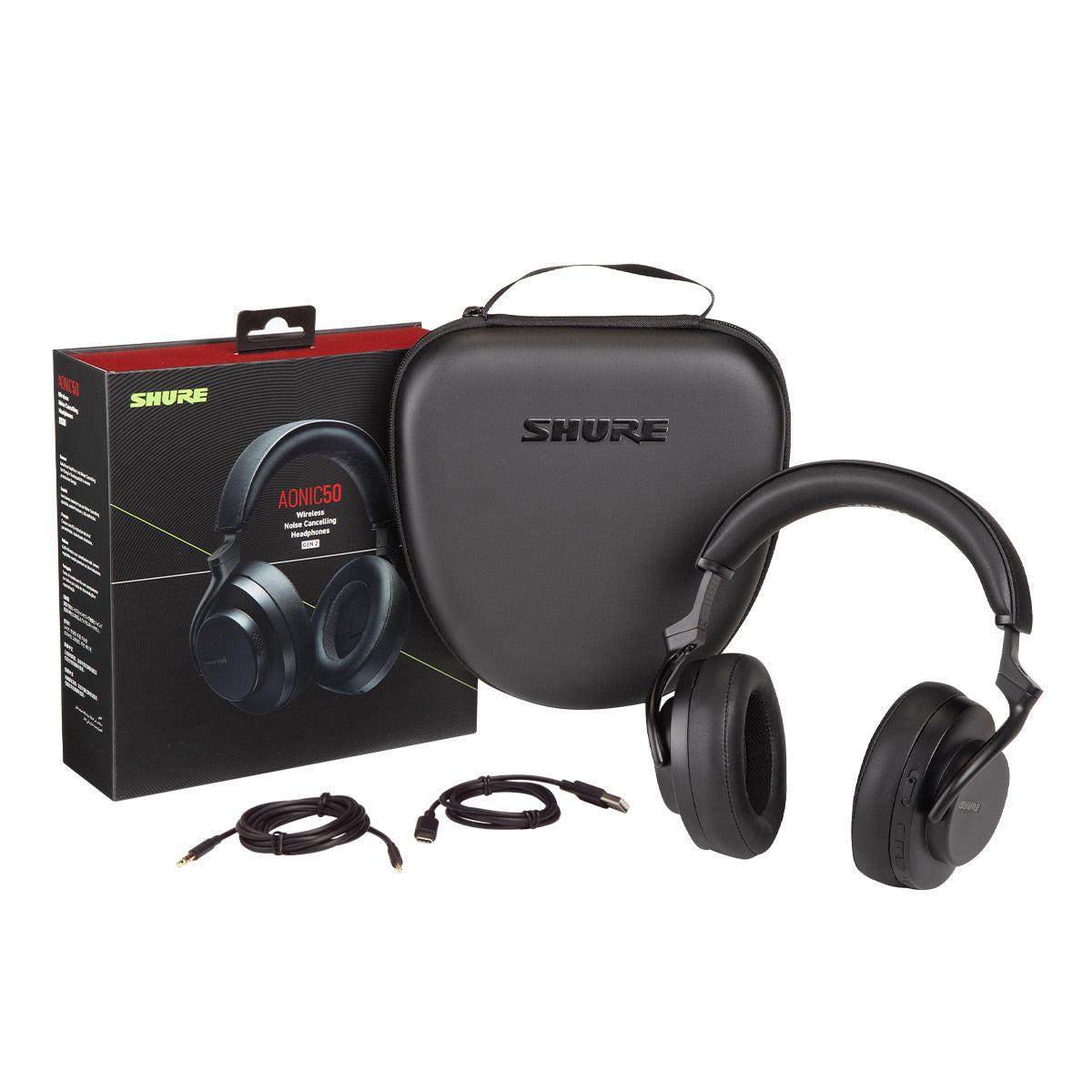
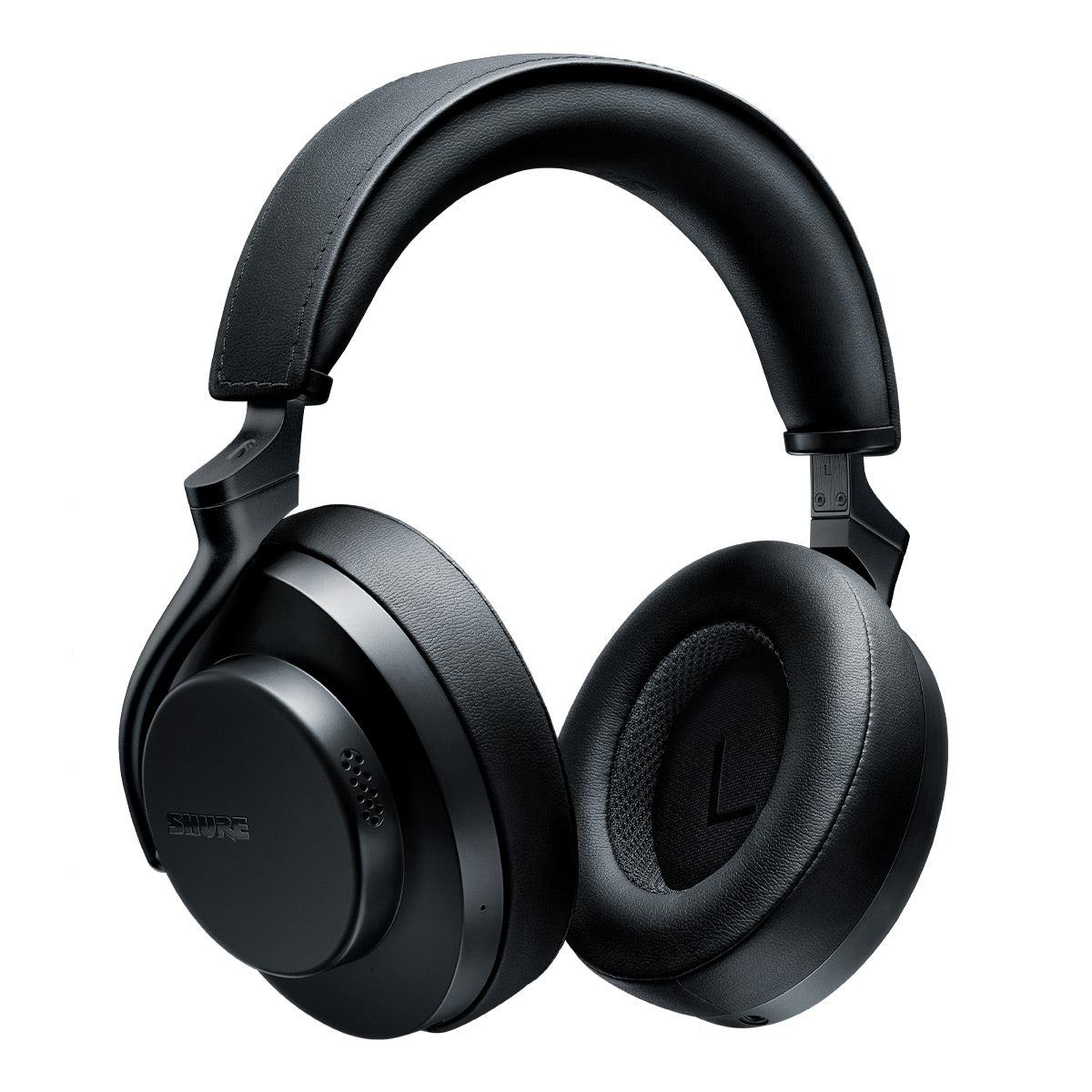

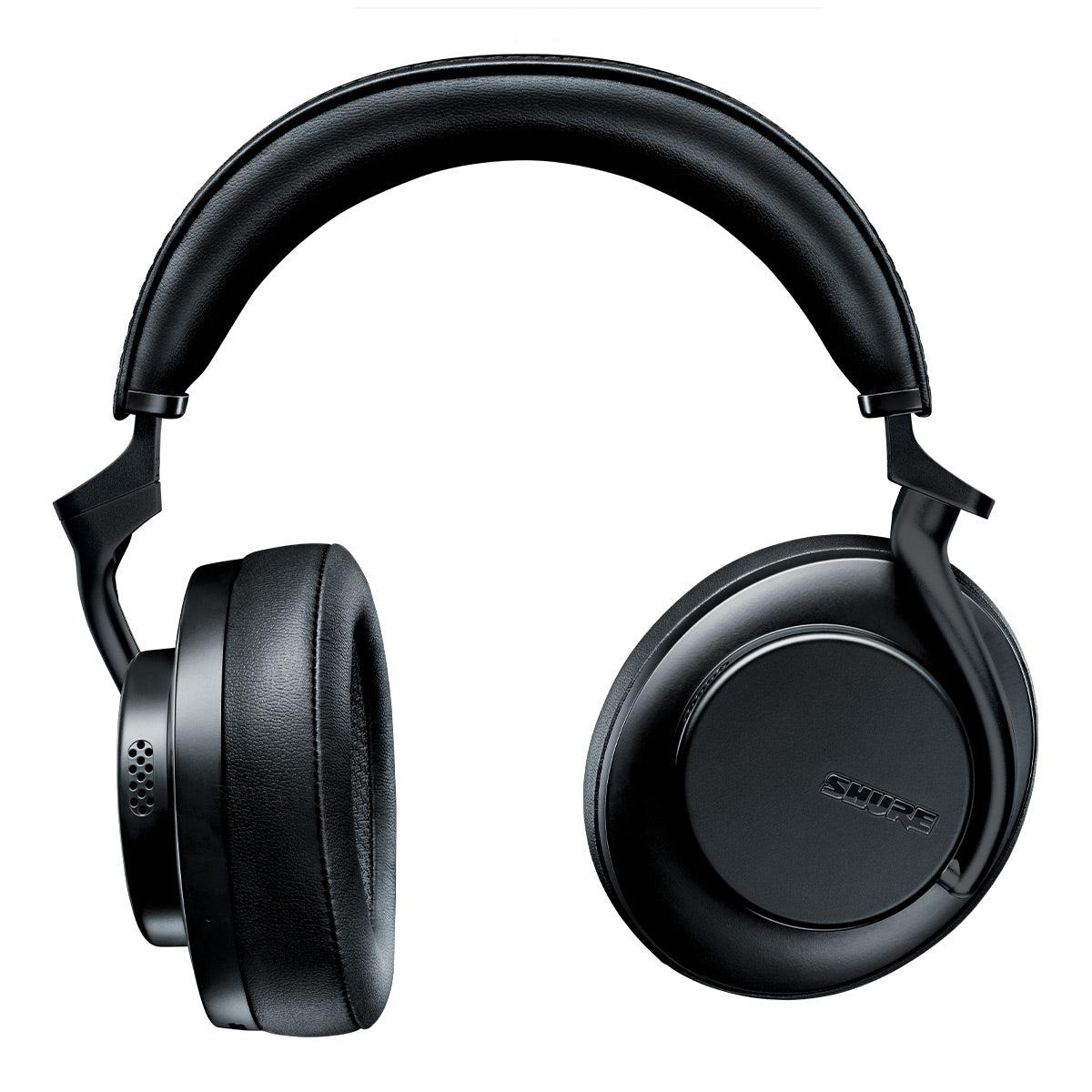
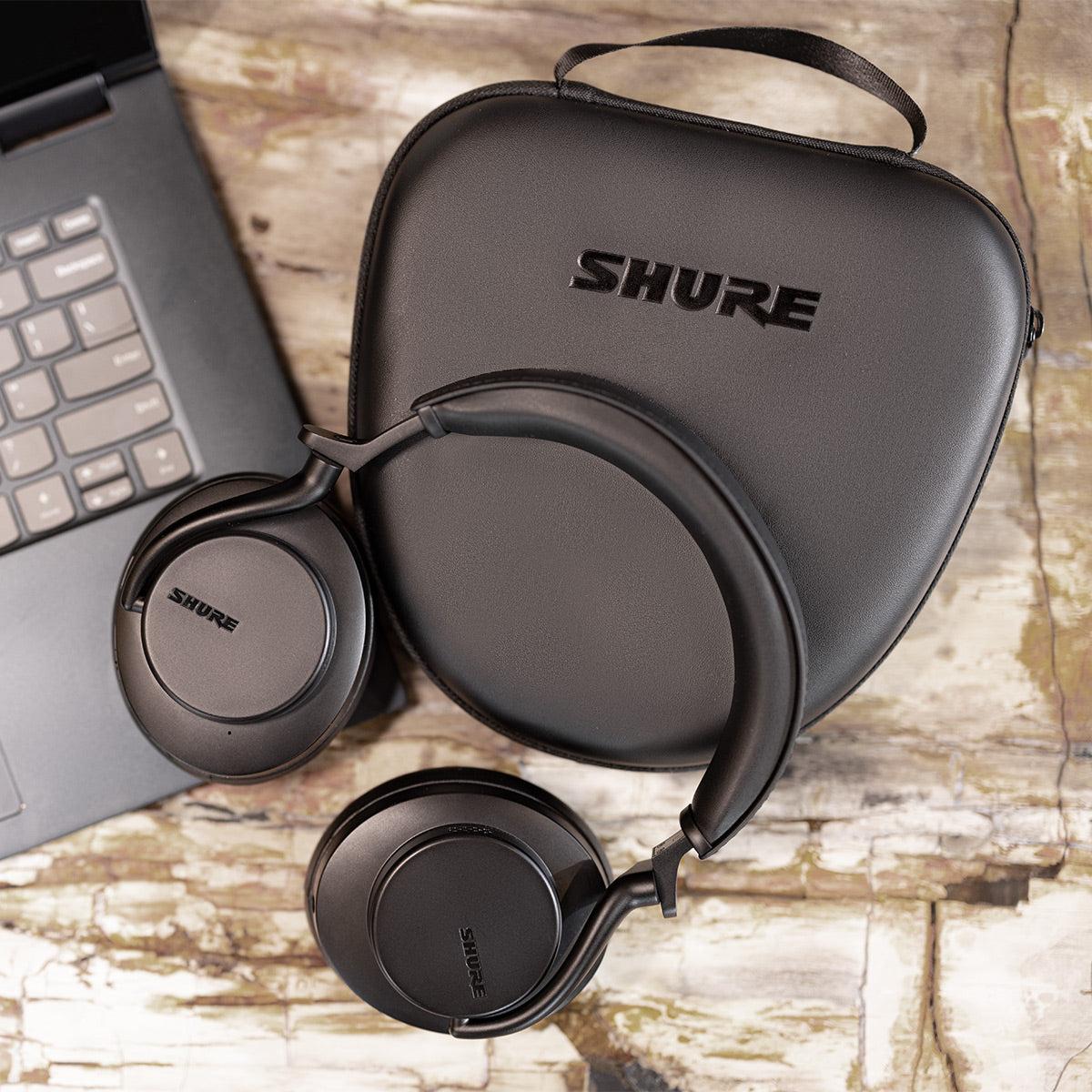

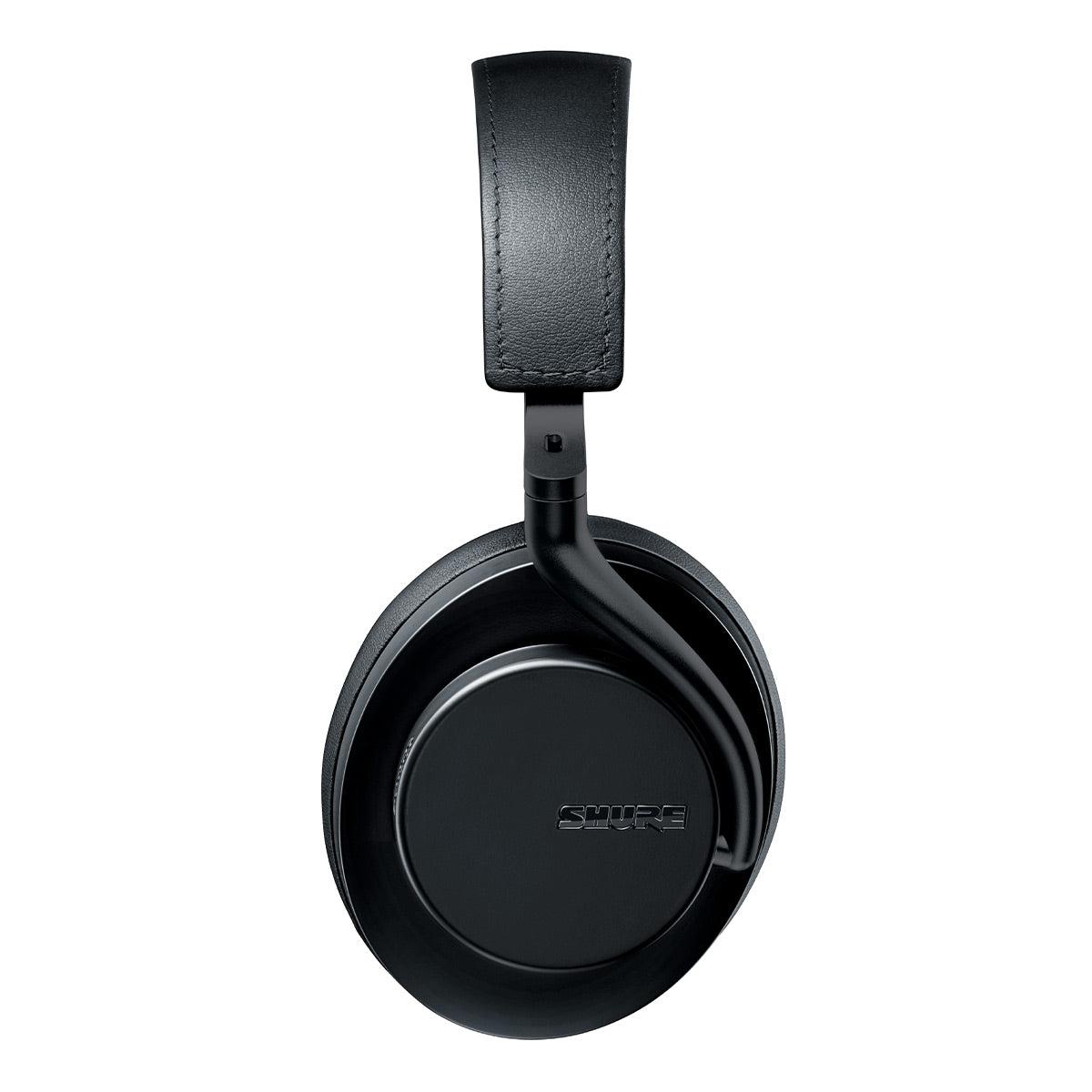



When you're ready to upgrade from basic headphones, the choice between a dedicated gaming headset and audiophile-focused wireless headphones can feel overwhelming. I've spent considerable time with both the SteelSeries Arctis Nova Pro Wireless (~$300) and the Shure Aonic 50 Gen 2 Wireless (~$370), and they represent two completely different philosophies in premium audio. One is built for gamers who need versatility and communication features, while the other targets music lovers who prioritize pure sound quality above all else.
These products sit in related but distinct categories. The Shure Aonic 50 Gen 2 is what we call an audiophile headphone – designed primarily for critical music listening with features that appeal to sound engineers and music enthusiasts. Released as the second generation of Shure's consumer wireless line, it builds on the company's decades of professional audio experience, from the microphones you see on concert stages to the in-ear monitors that performers rely on.
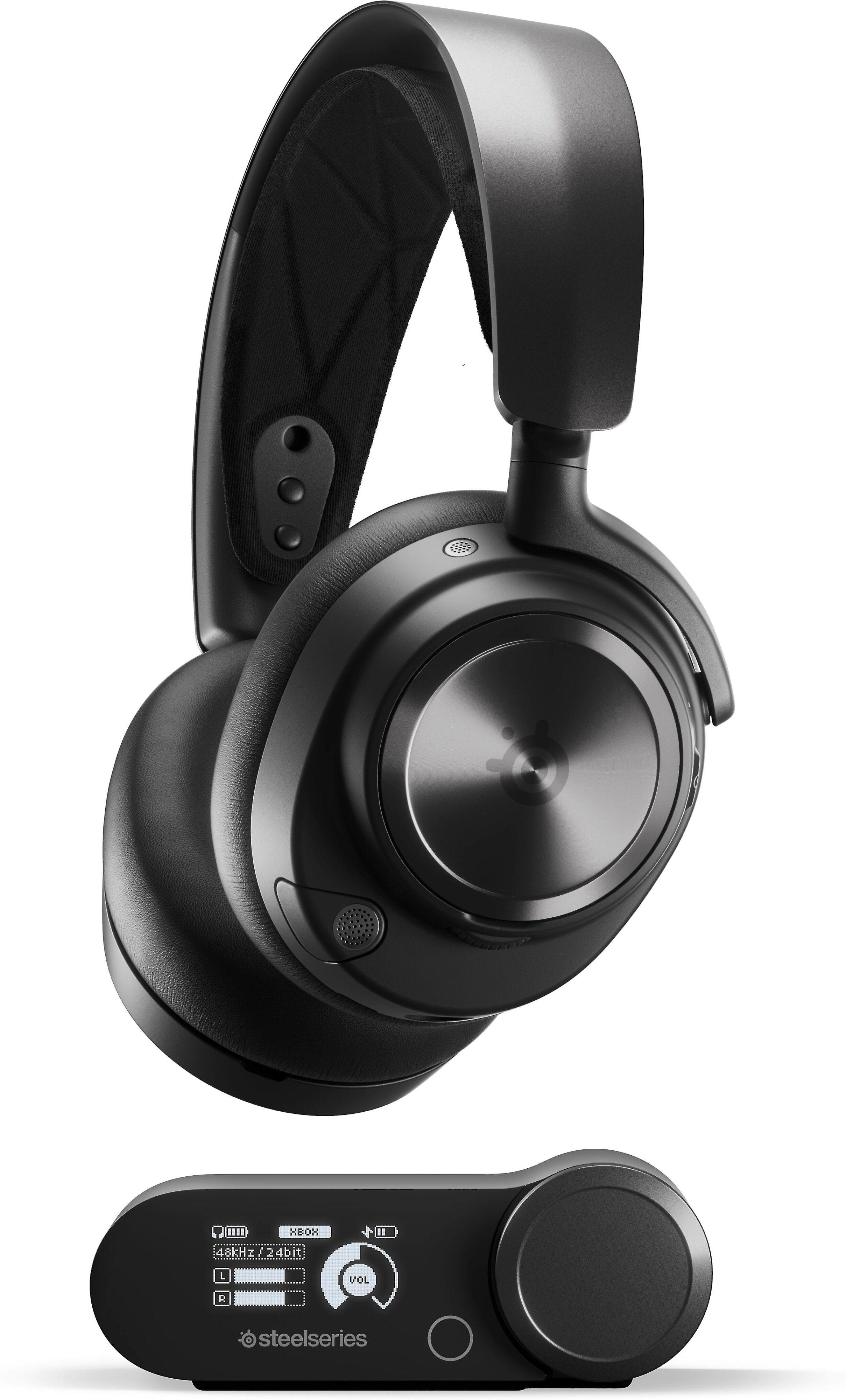
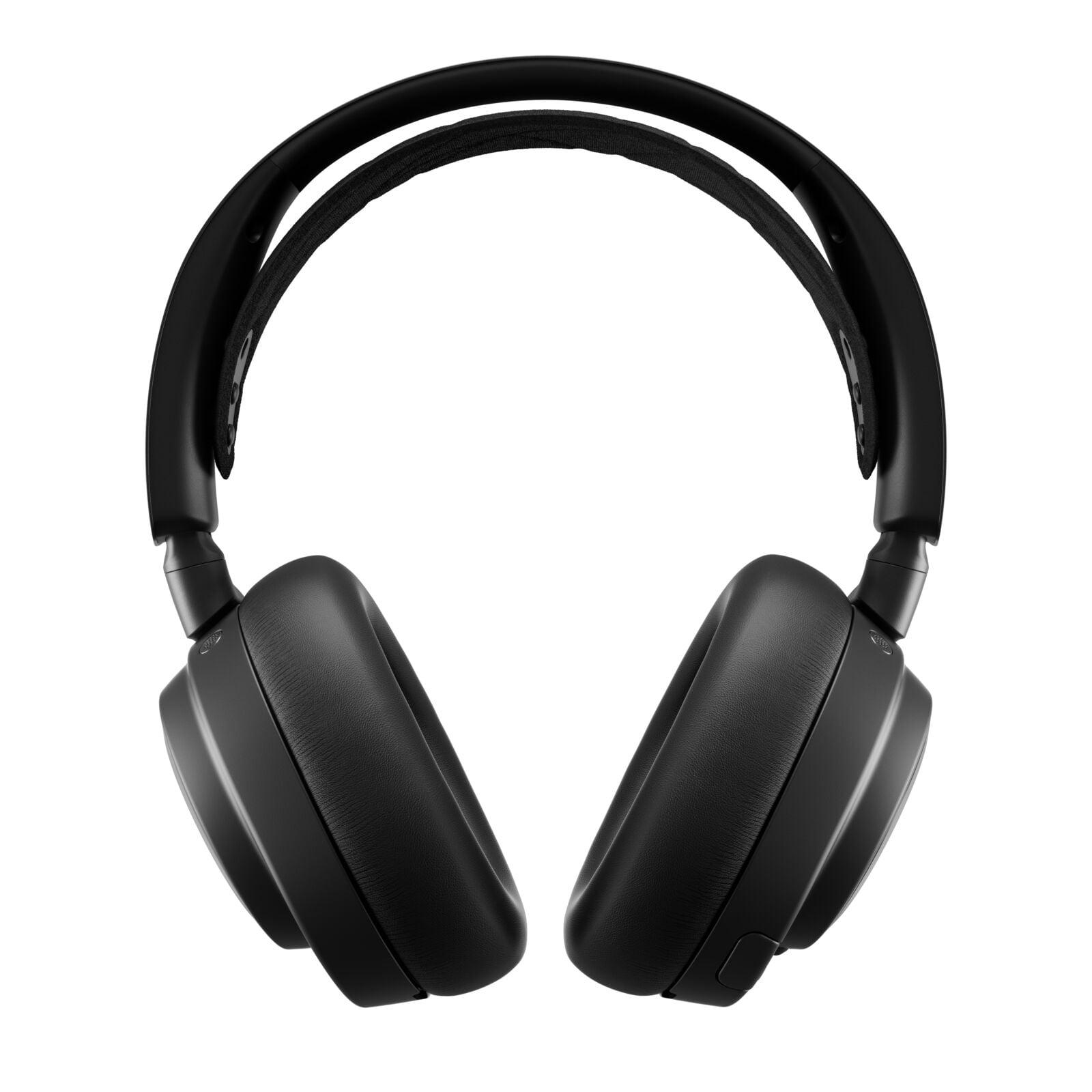
The SteelSeries Arctis Nova Pro Wireless, launched in 2022, represents the opposite approach. It's a gaming-first headset that happens to sound good for music, rather than the other way around. SteelSeries designed it specifically for people who game across multiple platforms and need features like instant platform switching and crystal-clear voice chat.
Think of it this way: if you walked into a recording studio, you'd likely see headphones similar to the Shure. If you toured a professional esports facility, you'd find setups built around headsets like the SteelSeries. Both approaches have merit, but they solve different problems.
The Shure Aonic 50 Gen 2 uses custom-engineered 50mm dynamic drivers – the speakers inside the headphones that actually create sound. These aren't off-the-shelf components; Shure developed them specifically for these headphones using knowledge gained from their professional audio division. The frequency response (the range of sounds they can reproduce) spans 20Hz to 22kHz, covering everything from the deepest bass notes to the highest cymbal crashes that human ears can detect.
What sets the Shure apart is its neutral sound signature. Instead of boosting certain frequencies to make music sound more exciting, it aims for accuracy. This means you hear music closer to how the artist and sound engineer intended it. Vocals sit exactly where they should in the mix, instruments have proper separation so you can pick out individual elements, and the soundstage – how wide and spacious the music feels – rivals much more expensive headphones.
I've found this accuracy particularly valuable when listening to complex recordings like orchestral pieces or jazz ensembles, where you want to hear every instrument clearly. However, this neutral approach can initially sound less impressive than headphones that artificially boost bass or treble to grab your attention.
The Shure also supports an impressive array of high-quality audio codecs (compression algorithms that determine how audio is transmitted wirelessly). These include aptX HD, aptX Adaptive, and Sony LDAC – technical terms that basically mean you can stream much higher quality audio than standard Bluetooth allows. The USB-DAC mode is particularly noteworthy, supporting audio up to 32-bit/384kHz when connected via cable, which far exceeds what most streaming services provide but future-proofs the headphones for high-resolution audio files.
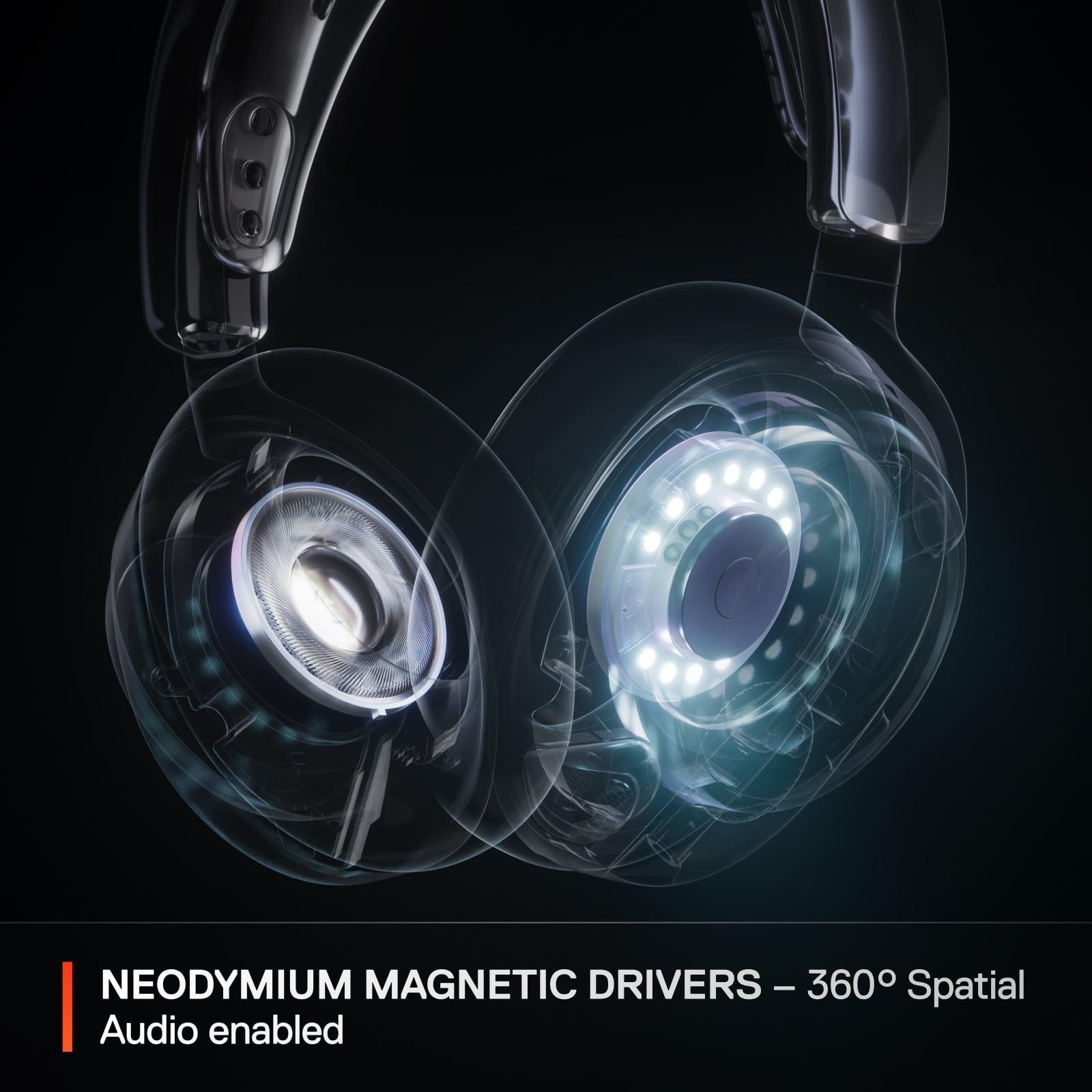
The SteelSeries Arctis Nova Pro takes a different route with its 40mm drivers and Nova Pro Acoustic System. While smaller than the Shure's drivers, they're specifically tuned for gaming scenarios. The frequency response actually extends lower and higher than the Shure when used wired (10Hz-40kHz), though this mostly matters for specialized content.
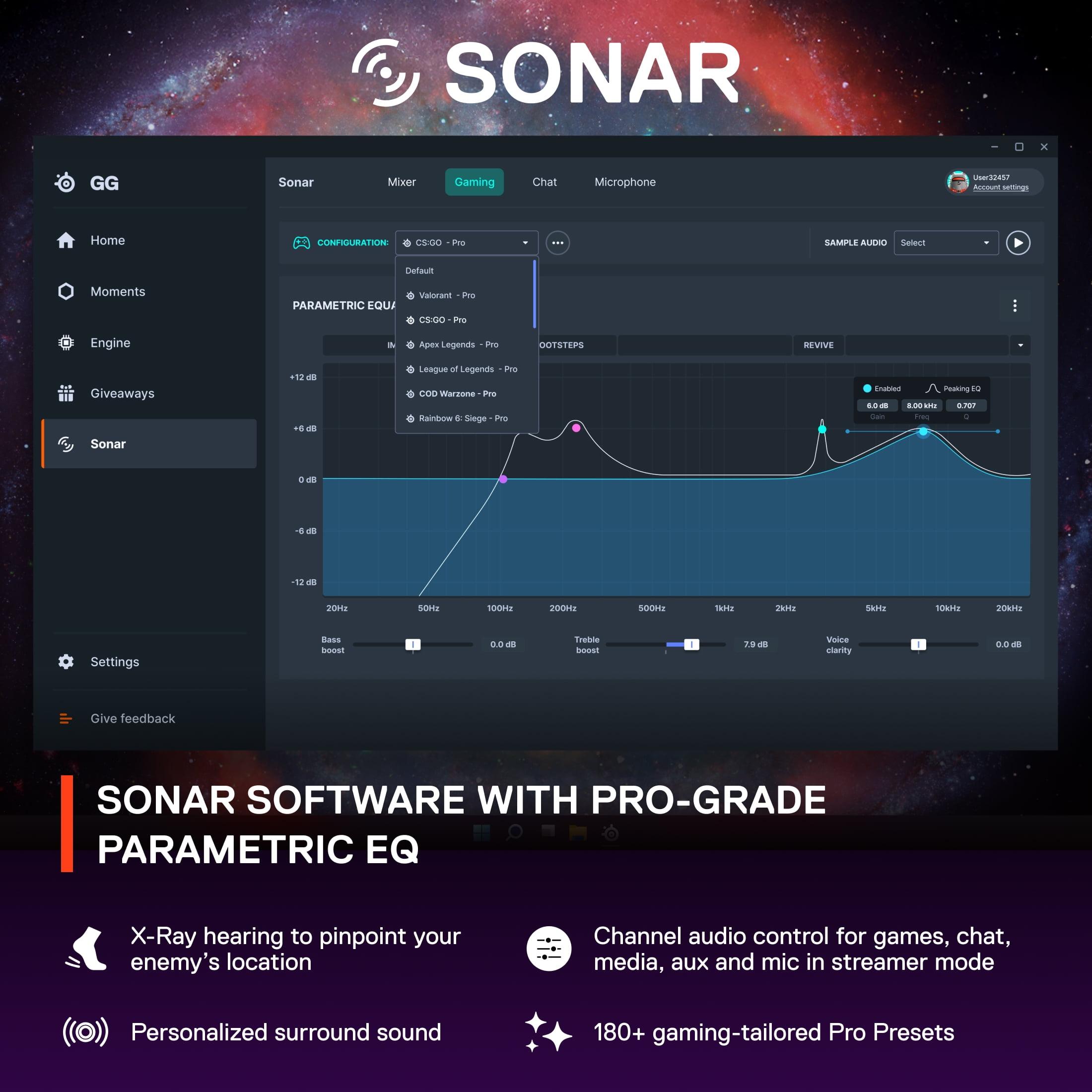
What makes the SteelSeries special for gaming is its spatial audio processing. The 360° Spatial Audio creates a virtual surround sound experience that helps you pinpoint enemy footsteps in competitive shooters or immerse yourself in the environment of adventure games. This processing works by manipulating timing and frequency information to trick your brain into perceiving sounds as coming from specific directions.
In my experience gaming with both headphones, the SteelSeries provides a more immediately impressive gaming experience. Explosions feel more impactful, and positional audio cues are more obvious. However, when I switch to music listening, the difference in refinement becomes apparent. The SteelSeries sounds good for music, but it lacks the nuanced detail retrieval and accuracy that makes the Shure special for critical listening.
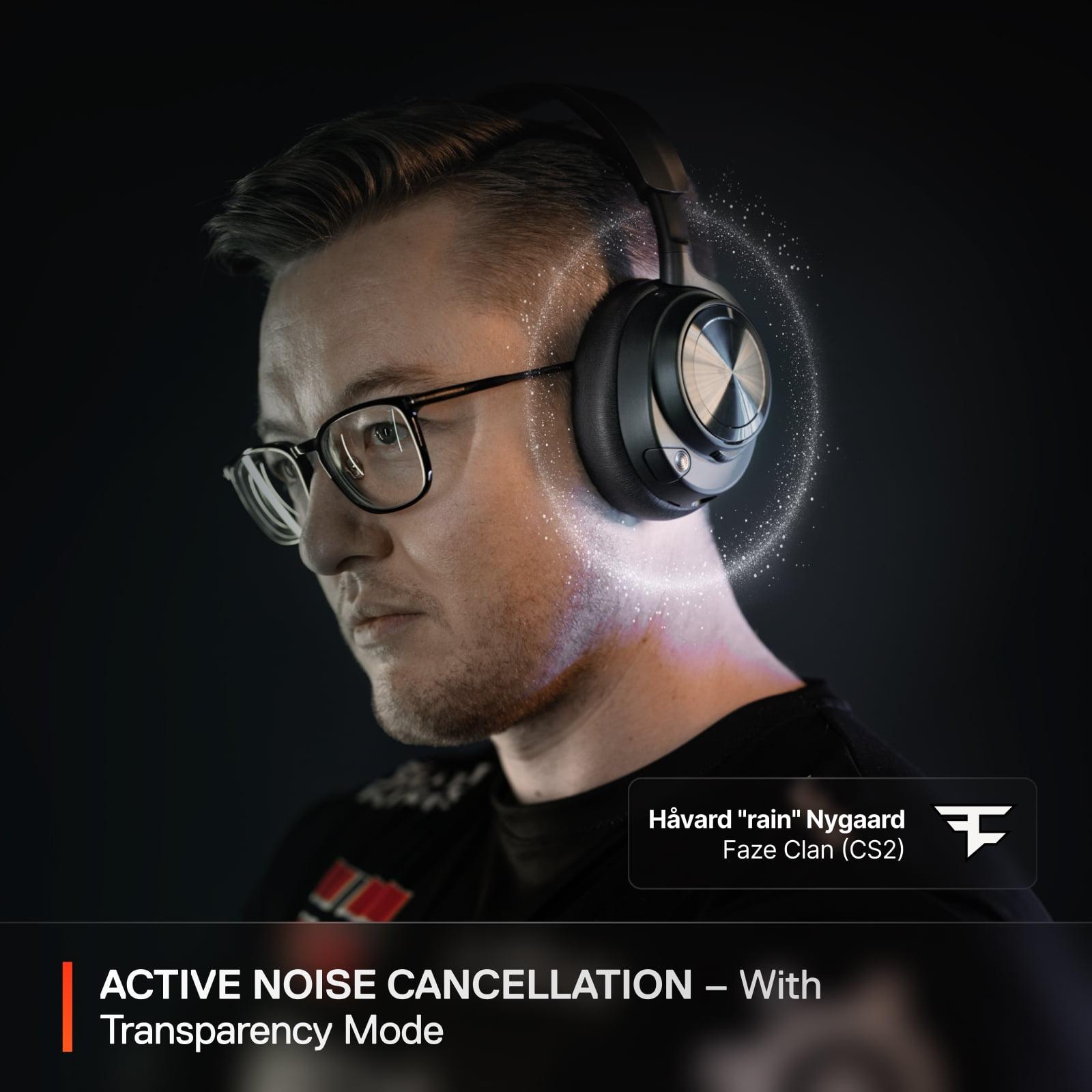
Both headphones feature active noise cancellation (ANC), but their implementations tell different stories. ANC works by using external microphones to detect ambient noise, then producing opposite sound waves through the drivers to cancel it out – like noise-canceling waves meeting and neutralizing each other.
The Shure Aonic 50 Gen 2 uses a hybrid digital ANC system with four selectable modes, including a unique MaxAware mode that balances noise cancellation with environmental awareness. On paper, this sounds excellent, and in controlled environments, it works well. However, I've encountered a significant issue with buffeting – uncomfortable pressure sensations when there are changes in ambient air pressure, like walking past opening doors or in windy conditions. This makes the ANC difficult to use in real-world mobile scenarios, which is disappointing given the premium price point.
The SteelSeries implements a four-microphone hybrid ANC system that's more focused on desktop gaming environments. It's designed to reduce constant background noise like computer fans or air conditioning rather than the variable noise you encounter while commuting. In practice, I've found it more reliable for its intended use case, though it's not as sophisticated as dedicated travel headphones from Sony or Bose.
Here's where both products showcase interesting approaches to a common problem. The Shure Aonic 50 Gen 2 takes the straightforward route with an impressive 45-hour battery life – genuinely all-day use for over a week for most people. The 15-minute quick charge providing 5 hours of playback means you're rarely caught with dead headphones.
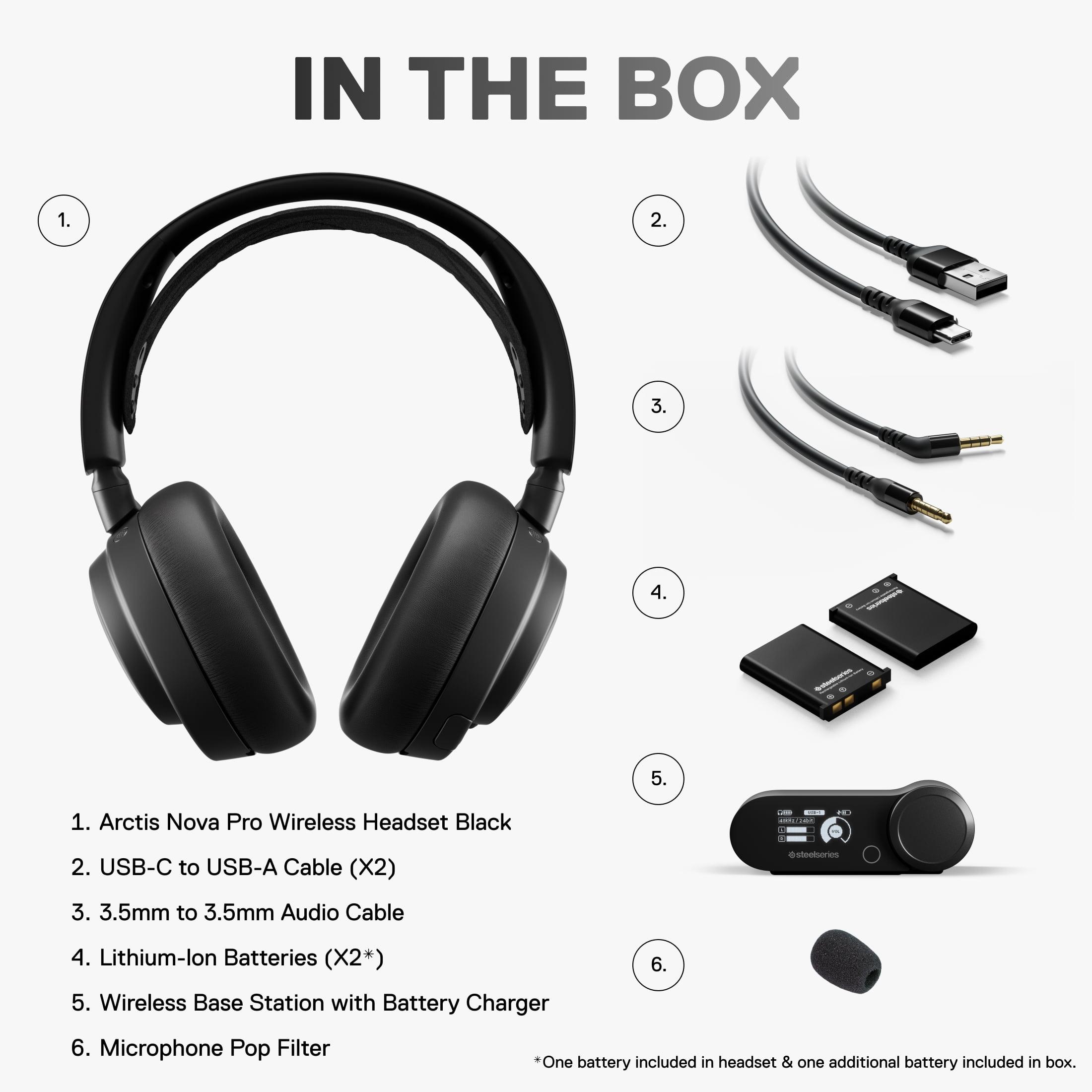
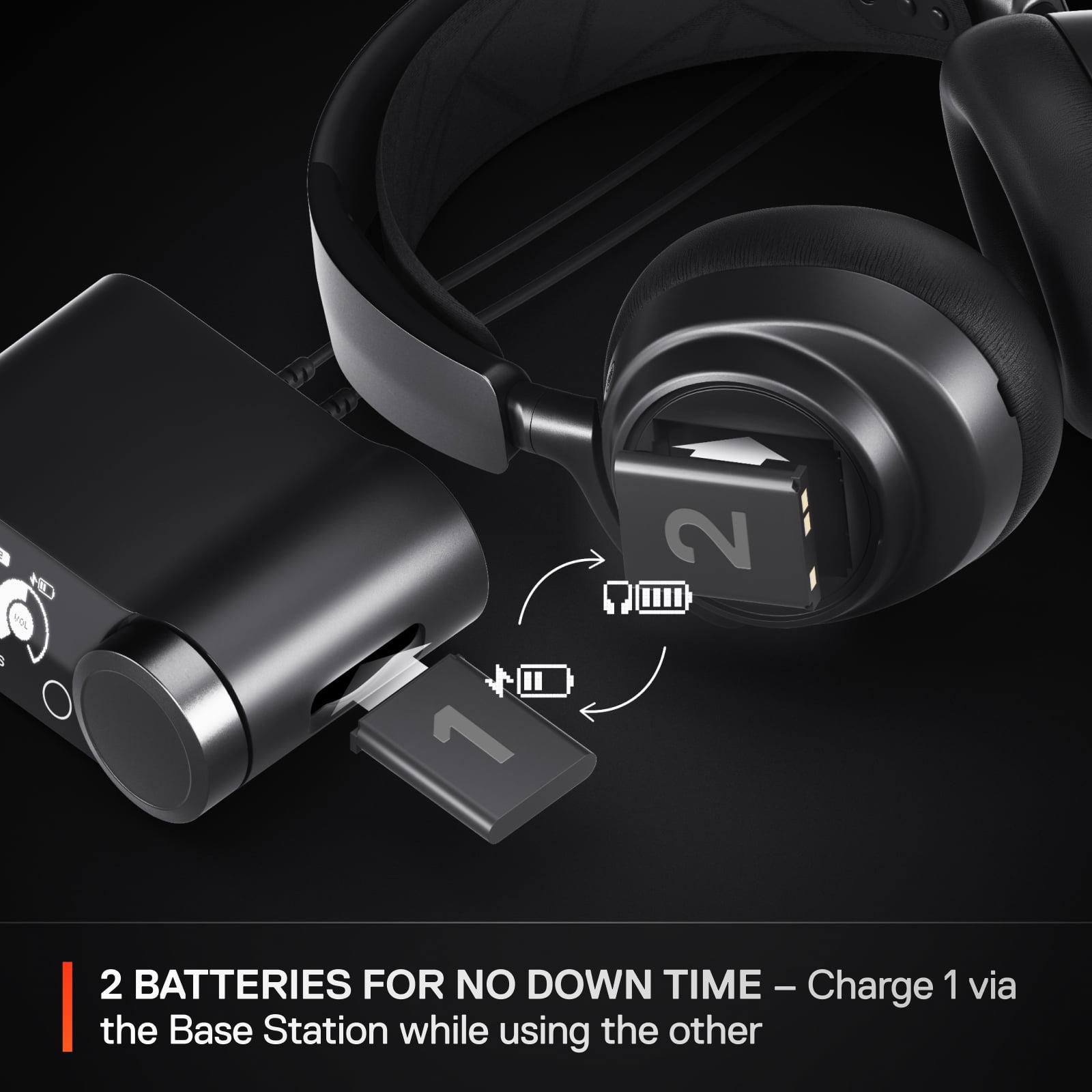
The SteelSeries Arctis Nova Pro solves the battery problem differently with its hot-swappable dual battery system. Each battery provides roughly 22 hours of use, and the wireless base station charges the spare battery while you use the other. When your current battery runs low, you simply swap it out – no cables, no waiting, no interruption to your gaming session. It's genuinely clever engineering that addresses one of wireless audio's biggest pain points.
For home theater use, both approaches work well, though the hot-swap system gives the SteelSeries an edge for marathon gaming or movie sessions. The base station also serves as a charging dock, keeping everything organized on your entertainment center.
This is where the fundamental difference between these products becomes most apparent. The Shure Aonic 50 Gen 2 offers standard Bluetooth 5.0 with multipoint pairing, meaning you can connect to two devices simultaneously – perhaps your phone and laptop. It's straightforward and works reliably, but it's not particularly innovative.
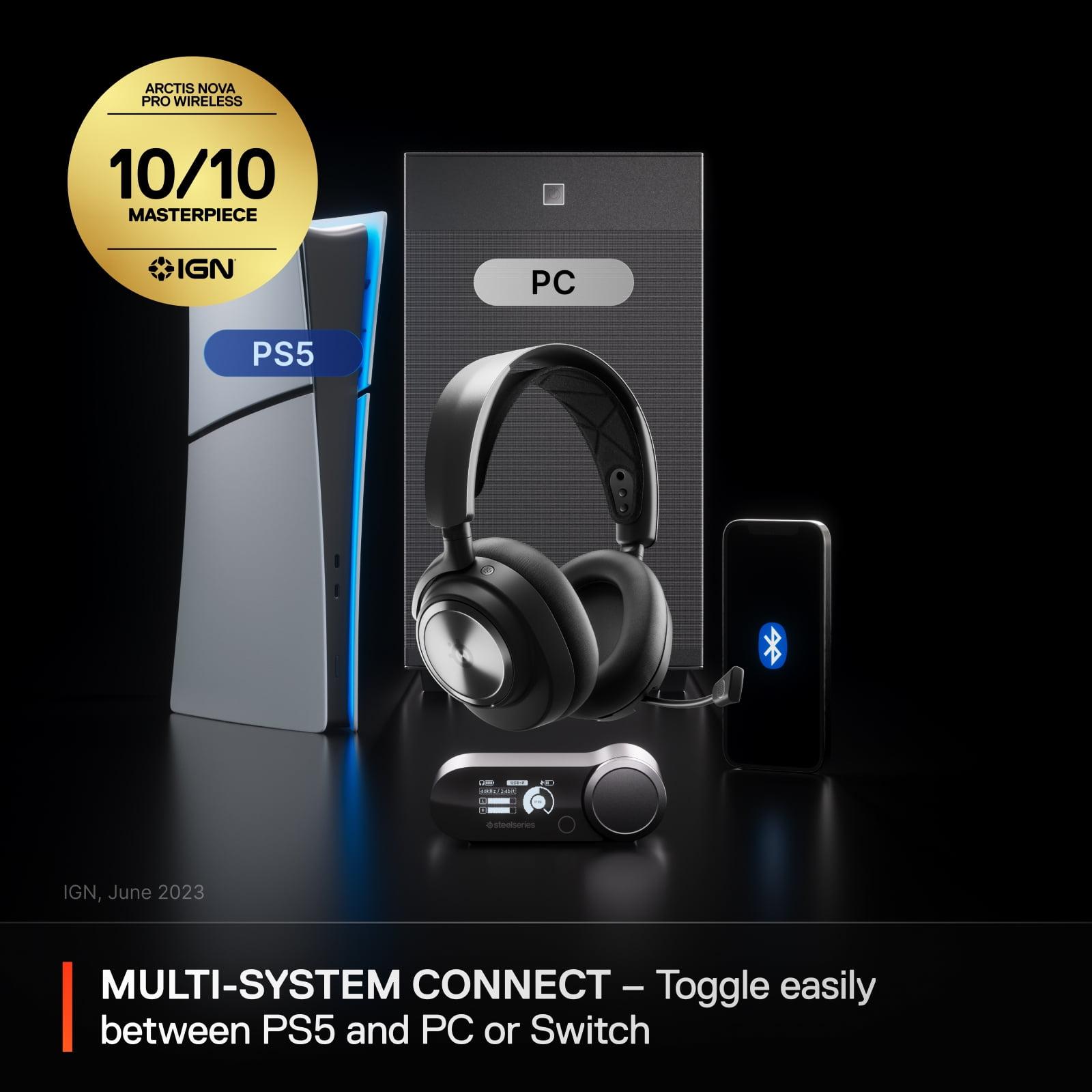
The SteelSeries Arctis Nova Pro represents a completely different approach with its dual wireless connectivity. It maintains simultaneous connections via both 2.4GHz Quantum 2.0 Wireless (for low-latency gaming) and Bluetooth 5.0 (for mobile devices). This means you can hear game audio from your PlayStation while simultaneously taking a phone call or listening to Spotify from your phone. The audio mixing happens seamlessly in real-time.
The wireless base station adds another layer of functionality with dual USB-C connections supporting instant switching between two systems. You might have your gaming PC connected to one port and your PlayStation 5 to the other, switching between them with a simple button press. For someone with a complex entertainment setup, this level of connectivity is genuinely useful.
In a home theater context, the SteelSeries excels if you're switching between gaming consoles, streaming devices, and other sources. However, if you're primarily using one high-quality source for music and movie listening, the Shure's superior audio quality and codec support becomes more valuable.
The microphone situation clearly favors the SteelSeries Arctis Nova Pro, which features a retractable bidirectional noise-canceling boom microphone. When you need to communicate – whether for gaming, video calls, or content creation – this dedicated microphone provides clear, professional-sounding voice capture. The retractable design maintains a clean aesthetic when you're just listening to music.
The Shure Aonic 50 Gen 2 relies on a six-microphone array primarily designed for phone calls. While adequate for occasional calls, it lacks the clarity and background noise rejection that the dedicated boom mic provides. If voice communication is important to your use case, this limitation is significant.
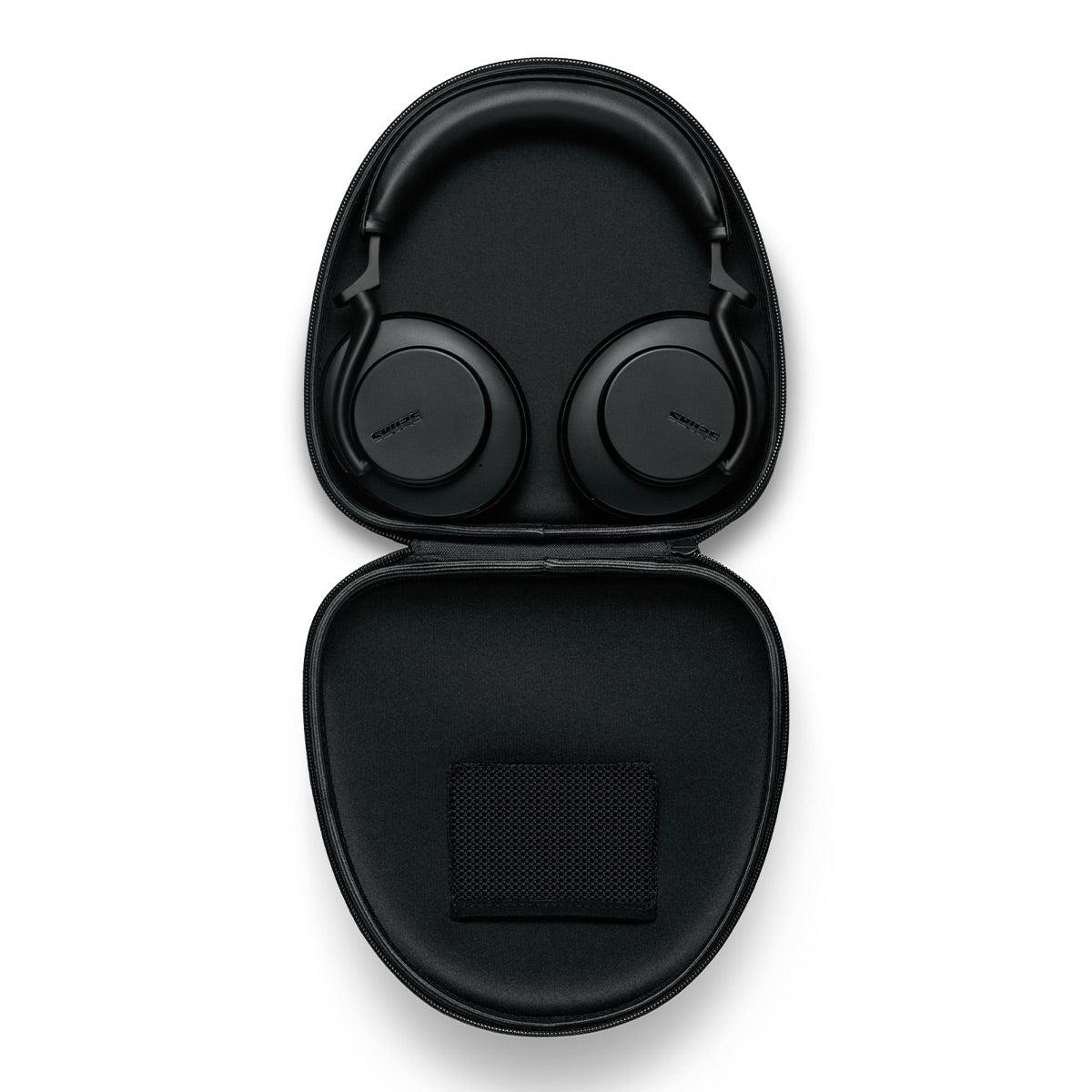
Both headphones prioritize long-term comfort, though they achieve it differently. The Shure Aonic 50 Gen 2 weighs about 337-340 grams and uses premium materials throughout. The ear cushions are particularly well-padded, and the fold-flat design makes them practical for travel. Build quality feels appropriate for the premium price, with replaceable cables and robust construction.
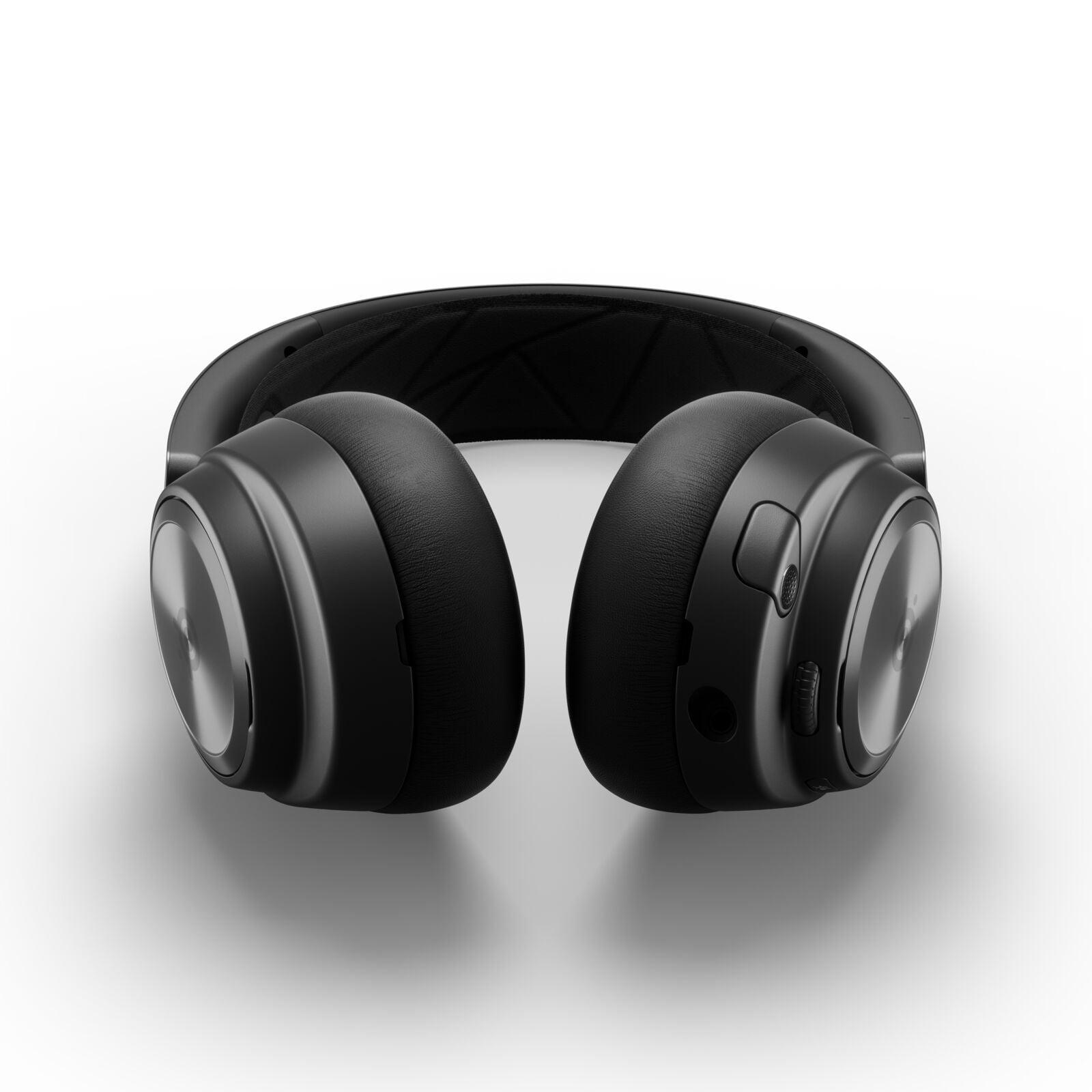
The SteelSeries Arctis Nova Pro weighs similarly (336-339 grams) but distributes weight differently with its ski-goggle-inspired headband design. Some users report that the ear cups are somewhat shallow, which can cause comfort issues during extended sessions. However, the steel headband construction feels durable, and the modular design (hot-swappable batteries, retractable mic) adds to the premium feel.
For home theater use, both are comfortable enough for movie marathons, though I'd give a slight edge to the Shure for pure comfort during extended listening sessions.
Since the SteelSeries Arctis Nova Pro launched in 2022, it has remained competitive through firmware updates and software improvements. The gaming headset market moves quickly, but the core features – dual wireless connectivity, hot-swap batteries, and multi-platform support – remain unique advantages.
The Shure Aonic 50 Gen 2 represents an evolution of Shure's consumer audio approach, incorporating lessons learned from the original Aonic 50 while adding features like spatialized audio and improved battery life. The extensive codec support helps future-proof the headphones as streaming services adopt higher-quality formats.
Both products remain current and competitive in their respective categories, though they serve increasingly specialized use cases as the market has evolved.
Choose the Shure Aonic 50 Gen 2 if you're primarily interested in music listening and want the most accurate, detailed sound reproduction possible. The 45-hour battery life, extensive codec support, and professional-grade drivers justify the ~$370 price for serious music enthusiasts. However, be aware of the ANC buffeting issues if you plan to use them while commuting or in variable environments.
The SteelSeries Arctis Nova Pro at ~$300 makes more sense if gaming is your primary use case, especially if you game across multiple platforms or need seamless device switching. The hot-swap battery system, excellent microphone, and dual wireless connectivity provide functionality that gaming-focused users will actually use. It's also the better choice for home theater setups with multiple sources.
For the hybrid user who splits time between gaming and music, I'd lean toward the SteelSeries for its superior versatility, despite some compromises in pure audio quality. The $70 price difference and additional functionality make it the better value for most mixed-use scenarios.
Ultimately, both represent excellent execution of their respective design philosophies. Your choice should align with whether you prioritize absolute audio quality or practical versatility in your daily use.
| Shure Aonic 50 Gen 2 Wireless Headphones | SteelSeries Arctis Nova Pro Wireless Gaming Headset |
|---|---|
| Price - Premium audio vs gaming value proposition | |
| ~$370 (audiophile market premium) | ~$300 (flagship gaming headset) |
| Primary Use Case - Determines which features matter most | |
| Critical music listening and audiophile applications | Multi-platform gaming with voice communication |
| Driver Size - Larger drivers typically produce better bass and detail | |
| 50mm custom neodymium dynamic drivers | 40mm neodymium drivers with Nova Pro Acoustic System |
| Sound Signature - How music and games will actually sound | |
| Neutral, studio-accurate with excellent detail retrieval | Gaming-tuned with enhanced positional audio and punchy bass |
| Audio Codecs - Higher quality wireless streaming capabilities | |
| Extensive: aptX HD, aptX Adaptive, LDAC, AAC, SBC plus USB-DAC mode | Standard gaming codecs with 360° Spatial Audio processing |
| Battery Life - How long you can use them without charging | |
| 45 hours continuous (industry-leading single battery) | 44 hours total via hot-swappable dual battery system |
| Connectivity - Device switching and multi-tasking capabilities | |
| Bluetooth 5.0 with multipoint pairing | Dual wireless: 2.4GHz + Bluetooth 5.0 simultaneous connections |
| Platform Support - Which devices work seamlessly | |
| Universal Bluetooth compatibility | PC, PlayStation, Xbox, Switch, VR, mobile with base station switching |
| Microphone Quality - Critical for calls and gaming communication | |
| 6-mic array for calls only (adequate but limited) | Retractable boom mic with noise cancellation (excellent for gaming/streaming) |
| Active Noise Cancellation - Blocking background distractions | |
| Hybrid ANC with 4 modes but suffers buffeting issues | 4-mic hybrid ANC optimized for gaming environments |
| Weight - Comfort during extended use sessions | |
| 337-340g with premium materials and excellent comfort | 336-339g with steel construction, some report shallow ear cups |
| Unique Features - What sets each apart from competitors | |
| Spatialized audio modes, parametric EQ, USB-DAC hi-res support | Hot-swap batteries, wireless base station, simultaneous audio mixing |
| Best For - Who should choose this product | |
| Music enthusiasts wanting studio-grade accuracy and long battery life | Gamers needing platform flexibility and communication features |
The SteelSeries Arctis Nova Pro Wireless is specifically designed for gaming with features like low-latency 2.4GHz wireless connectivity, spatial audio for positional awareness, and a retractable noise-canceling microphone. While the Shure Aonic 50 Gen 2 can be used for gaming, it lacks a dedicated microphone and gaming-optimized features that make the SteelSeries the clear winner for gamers.
The Shure Aonic 50 Gen 2 delivers superior music quality with its custom 50mm drivers, neutral sound signature, and support for high-resolution audio codecs like LDAC and aptX HD. The SteelSeries Arctis Nova Pro sounds good for music but is tuned primarily for gaming scenarios, making the Shure the better choice for serious music listening.
The Shure Aonic 50 Gen 2 offers up to 45 hours of continuous playback on a single charge. The SteelSeries Arctis Nova Pro provides up to 44 hours total through its innovative hot-swappable dual battery system, allowing you to swap batteries without interrupting use. Both offer excellent battery life, but the SteelSeries system prevents downtime entirely.
Both headphones prioritize comfort, but the Shure Aonic 50 Gen 2 generally provides better long-term comfort with its premium ear cushions and well-balanced weight distribution. The SteelSeries Arctis Nova Pro features a ski-goggle headband design that works well for most users, though some find the ear cups slightly shallow during extended gaming sessions.
The SteelSeries Arctis Nova Pro excels at multi-device connectivity with simultaneous 2.4GHz and Bluetooth connections, plus a base station that switches between two USB-connected systems. The Shure Aonic 50 Gen 2 offers standard Bluetooth multipoint pairing for two devices. For complex multi-platform setups, the SteelSeries is significantly more versatile.
The SteelSeries Arctis Nova Pro has a dedicated retractable boom microphone that provides much clearer voice quality for calls and video meetings. The Shure Aonic 50 Gen 2 uses a 6-microphone array that's adequate for occasional calls but lacks the clarity and noise rejection of the SteelSeries dedicated microphone.
Both headphones offer active noise cancellation, but with different strengths. The Shure Aonic 50 Gen 2 has more sophisticated ANC modes but suffers from uncomfortable buffeting in windy conditions. The SteelSeries Arctis Nova Pro provides more reliable ANC optimized for gaming environments. Neither matches dedicated travel headphones, but the SteelSeries is more consistent.
At ~$300, the SteelSeries Arctis Nova Pro offers more features per dollar, including the base station, hot-swap batteries, and multi-platform connectivity. The Shure Aonic 50 Gen 2 at ~$370 commands a premium for its audiophile-grade drivers and sound quality. The SteelSeries provides better overall value for mixed-use scenarios.
Both headphones work well for home theater use via Bluetooth or wired connections. The SteelSeries Arctis Nova Pro offers advantages with its base station for easy source switching between gaming consoles and streaming devices. The Shure Aonic 50 Gen 2 provides superior audio quality for movies and music. Choose SteelSeries for multi-source flexibility or Shure for pure audio quality.
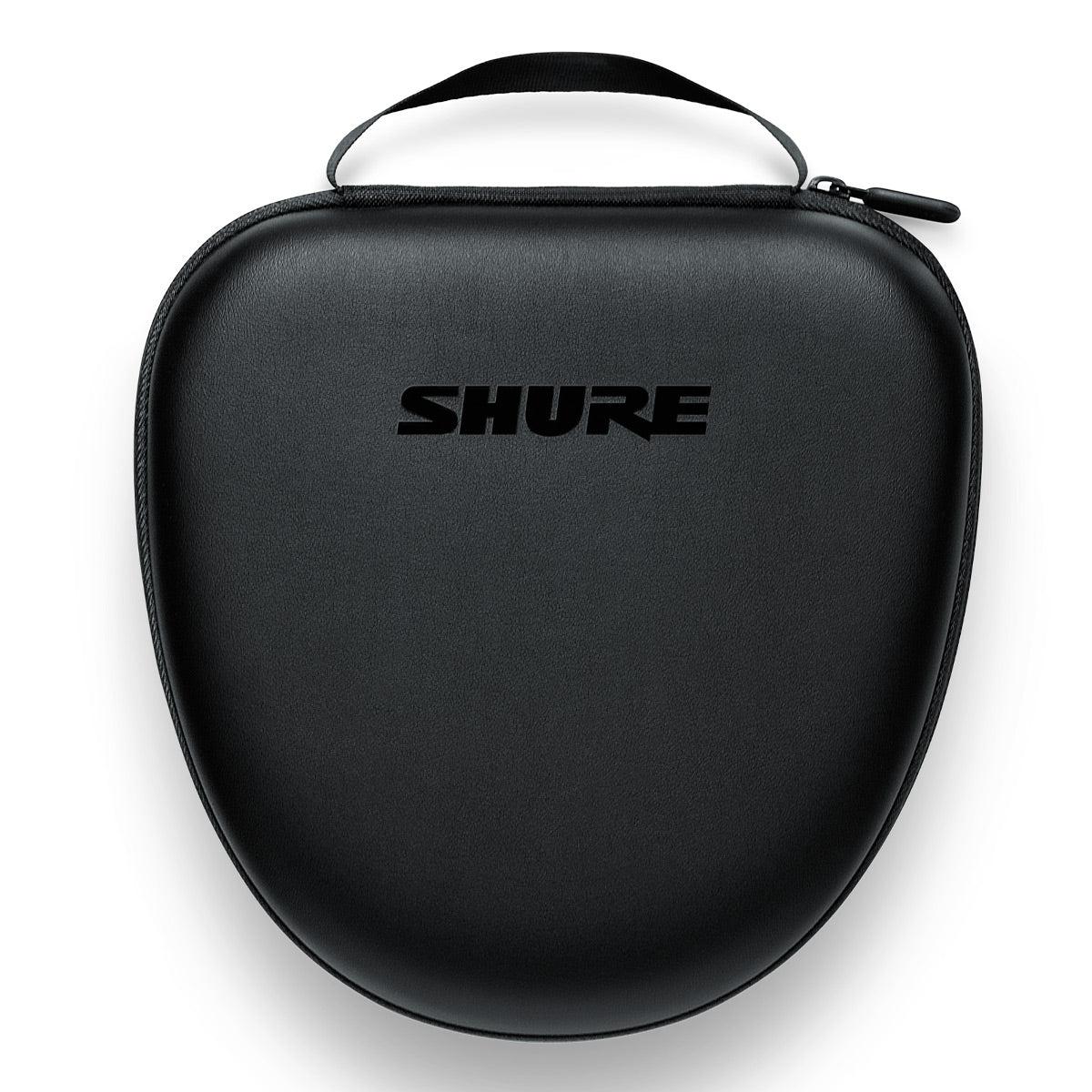
The Shure Aonic 50 Gen 2 is more travel-friendly with its fold-flat design, included carrying case, and 45-hour battery life that eliminates charging concerns. The SteelSeries Arctis Nova Pro includes a base station and dual batteries, making it less portable but more suited for stationary gaming setups.
The SteelSeries Arctis Nova Pro offers superior wireless connectivity with simultaneous 2.4GHz gaming wireless and Bluetooth, plus the ability to mix audio from both sources. The Shure Aonic 50 Gen 2 uses standard Bluetooth 5.0 with extensive codec support for high-quality audio streaming. The SteelSeries wins for gaming; Shure wins for audio quality.
Choose the Shure Aonic 50 Gen 2 if you prioritize music listening, want the best possible audio quality, and need exceptional battery life. Choose the SteelSeries Arctis Nova Pro if you primarily game, need a quality microphone, want multi-platform flexibility, or prefer more features for your money. The SteelSeries offers better versatility while the Shure delivers superior audio fidelity.
We've done our best to create useful and informative comparisons to help you decide what product to buy. Our research uses advanced automated methods to create this comparison and perfection is not possible - please contact us for corrections or questions. These are the sites we've researched in the creation of this article: tomsguide.com - headphonecheck.com - whathifi.com - majorhifi.com - rtings.com - versus.com - majorhifi.com - versus.com - audio46.com - youtube.com - bhphotovideo.com - techradar.com - soundpro.com - shure.com - americanmusical.com - pubs.shure.com - blog.zzounds.com - service.shure.com - fullcompass.com - soundguys.com - youtube.com - youtube.com - youtube.com - gamerant.com - youtube.com - head-fi.org - youtube.com - rtings.com - rtings.com - tomshardware.com - youtube.com - techpowerup.com - bestbuy.com - shi.com - steelseries.com - bestbuy.com

Privacy Policy
Terms and Conditions - Affiliate Policy
Home Security
© Copyright 2008-2026.
11816 Inwood Rd #1211, Dallas, TX 75244