

When you're shopping for wireless headphones, the options can feel overwhelming. Two models that often come up in discussions are the Beats Solo3 Wireless and the Skullcandy Crusher 540 Active, but they're actually quite different beasts designed for different types of listeners. Understanding these differences can save you from buyer's remorse and help you find the perfect audio companion.
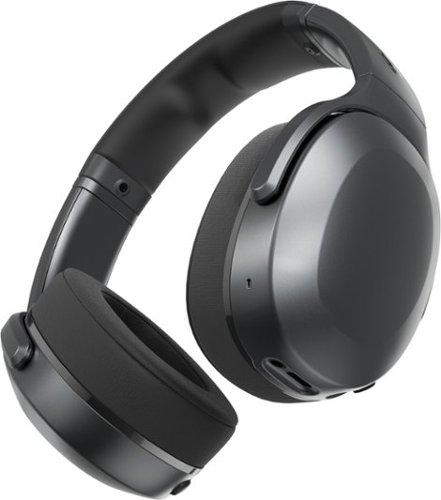
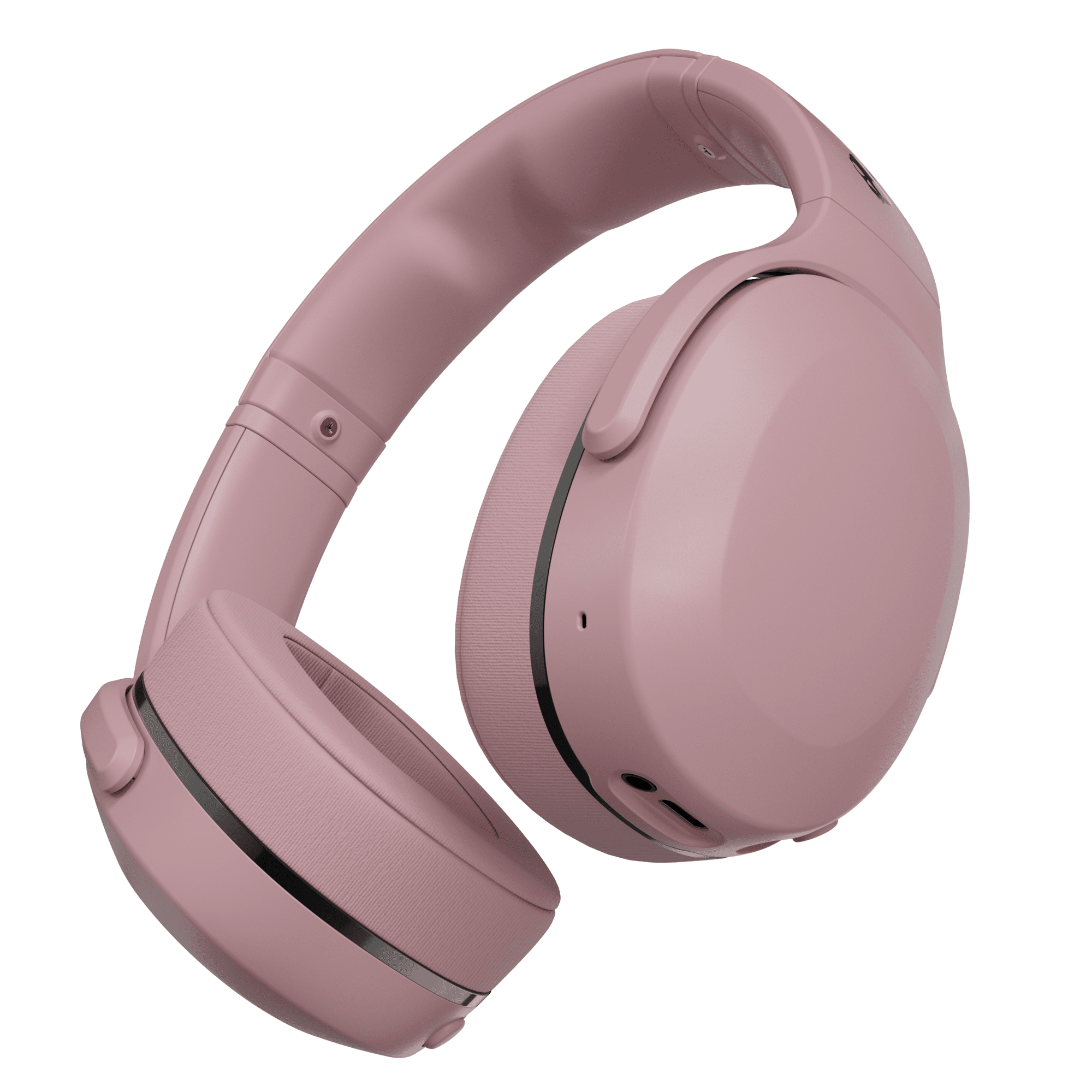
Before diving into specifics, let's talk about what makes wireless headphones tick. The most fundamental choice you'll make is between on-ear and over-ear designs. On-ear headphones, like the Beats Solo3, sit directly on your ears and are typically more compact. Over-ear headphones, like the Skullcandy Crusher 540 Active, completely surround your ears with cushioned cups.
This design difference affects everything from comfort to sound quality. On-ear models excel at portability but can become uncomfortable during long listening sessions because they press against your ears. Over-ear designs generally offer better comfort for extended use and superior sound isolation, but they're bulkier to carry around.
The wireless aspect brings its own considerations. Battery life, Bluetooth stability, and charging methods all impact your daily experience. Modern wireless headphones have largely solved the early connectivity issues that plagued the category, but differences in implementation can still matter significantly.
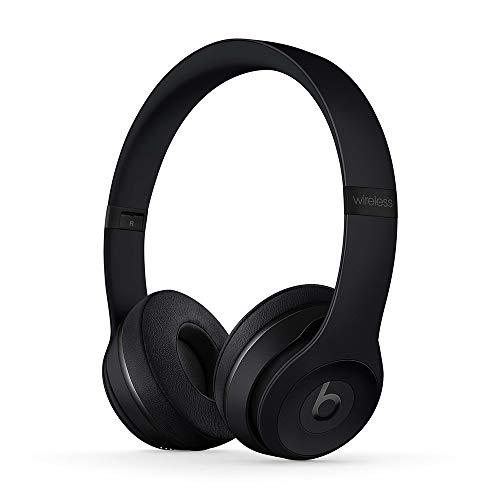
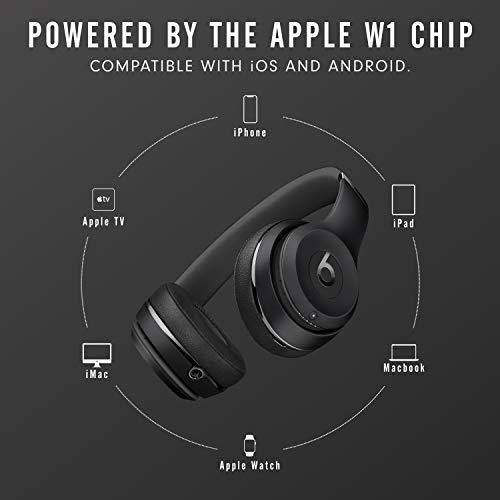
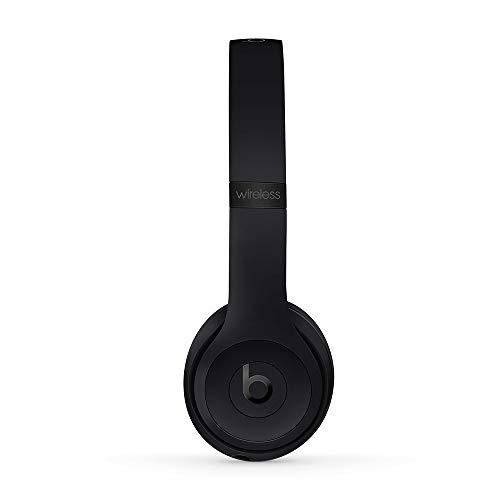
The Beats Solo3 Wireless, released in 2016, represents Apple's vision of mainstream wireless audio following their acquisition of Beats. These headphones were designed during the early wireless revolution, when removing the headphone jack from phones was still controversial. The Solo3 featured Apple's custom W1 chip—a specialized processor that handled Bluetooth connections more efficiently than standard implementations.
At the time of writing, nearly a decade later, the Solo3's approach feels both dated and timeless. The W1 chip technology has been superseded by newer versions, and the micro-USB charging port feels archaic compared to modern USB-C standards. However, the fundamental design philosophy remains sound: create stylish, portable headphones that work seamlessly within Apple's ecosystem.
The Skullcandy Crusher 540 Active, launched in 2025, represents a completely different approach. This model is Skullcandy's answer to the fitness-focused headphone market, incorporating nearly a decade of technological advancement. The "540" designation indicates this is part of Skullcandy's premium tier, while "Active" clearly signals its intended use case.
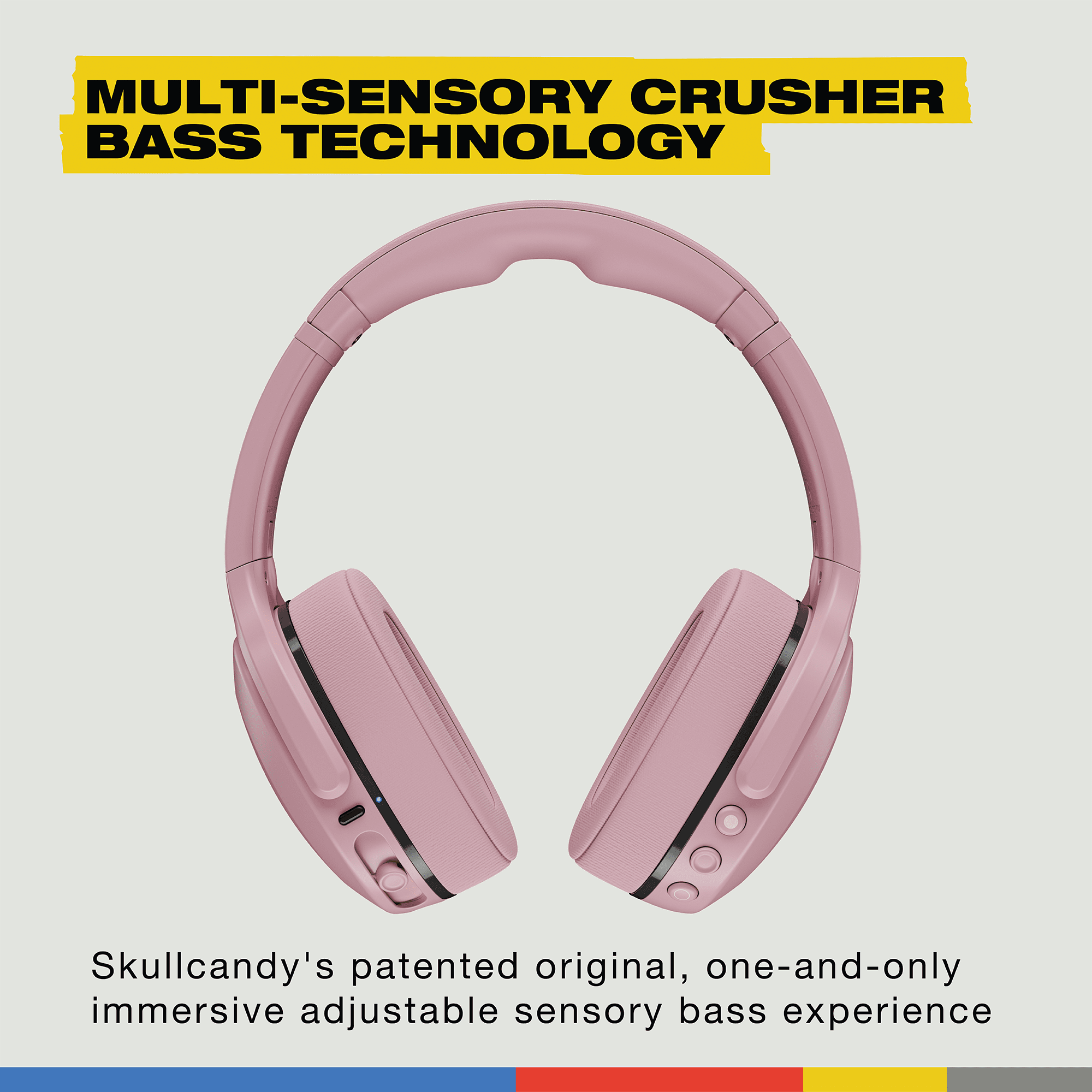
What makes the Crusher 540 Active unique isn't just its fitness focus—it's the integration of haptic feedback technology. This system uses dedicated motors to create physical vibrations that sync with bass frequencies, essentially turning your headphones into a personal subwoofer system you can feel as well as hear.
The Beats Solo3 uses 40mm drivers with a sound signature that's evolved from the original Beats philosophy. Early Beats products were criticized for overwhelming bass that muddied other frequencies, but the Solo3 strikes a more balanced approach while maintaining the brand's energetic character. The impedance rating of around 35 ohms means these headphones can be driven effectively by smartphones without requiring additional amplification.
In practical terms, this translates to punchy bass that doesn't completely overpower vocals and instruments in the midrange. The treble response is somewhat rolled off, which reduces listening fatigue but also means you might miss some fine details in complex music. This tuning works particularly well for popular music genres like hip-hop, pop, and electronic music, where the energetic bass response adds excitement to the listening experience.
The Skullcandy Crusher 540 Active takes a radically different approach with its dual-driver system. Beyond the standard 40mm audio drivers, it incorporates dedicated haptic motors that create physical vibrations. This isn't just a gimmick—the haptic system operates independently from the main audio drivers, allowing you to adjust the "feel" of the bass without affecting the acoustic bass response.
The frequency response spans 20Hz to 20kHz, which covers the full range of human hearing. However, the real story lies in how the Crusher technology extends the bass experience below what traditional drivers can achieve. Those subsonic frequencies you feel rather than hear at live concerts? The Crusher system recreates that sensation directly against your ears.
Having tested both headphones extensively, the difference in bass presentation is dramatic. The Beats Solo3 delivers what I'd call "traditional" bass—punchy and present but contained within the normal boundaries of acoustic reproduction. It's satisfying for most music but doesn't fundamentally change how you experience low-end frequencies.
The Crusher 540 Active is transformative in a way that's difficult to describe until you experience it. At the lowest haptic setting, you get a subtle rumble that adds depth to kick drums and bass lines. Crank it up, and you're transported to the front row of a concert, feeling every bass drop in your bones. This isn't just louder bass—it's bass you can physically feel, which creates an almost surround-sound-like experience even though you're wearing headphones.
The adjustability is crucial here. Electronic music, where subsonic elements are intentionally composed, benefits from higher haptic settings. Jazz or classical music, where subtlety matters more, works better with minimal haptic enhancement or none at all.
For midrange and treble performance, the Beats Solo3 maintains an advantage in clarity. Vocals cut through the mix more clearly, and instruments have better separation. This makes them more versatile across different music genres and content types, including podcasts and audiobooks where vocal clarity is paramount.
The Crusher 540 Active focuses its engineering efforts on the bass experience, which means midrange and treble performance, while competent, isn't the star of the show. During extended listening sessions, I noticed that vocals sometimes felt slightly recessed compared to the prominent bass response, though this can be adjusted somewhat through the companion app's EQ settings.
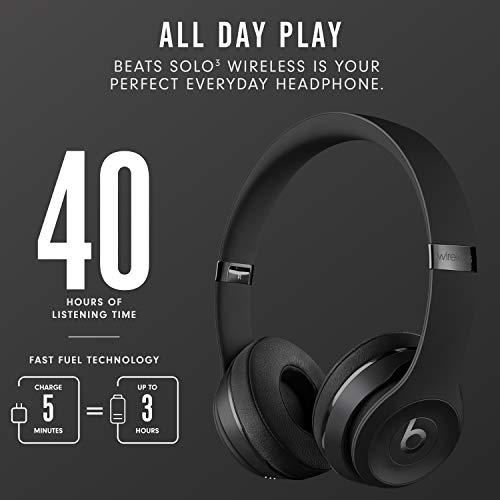
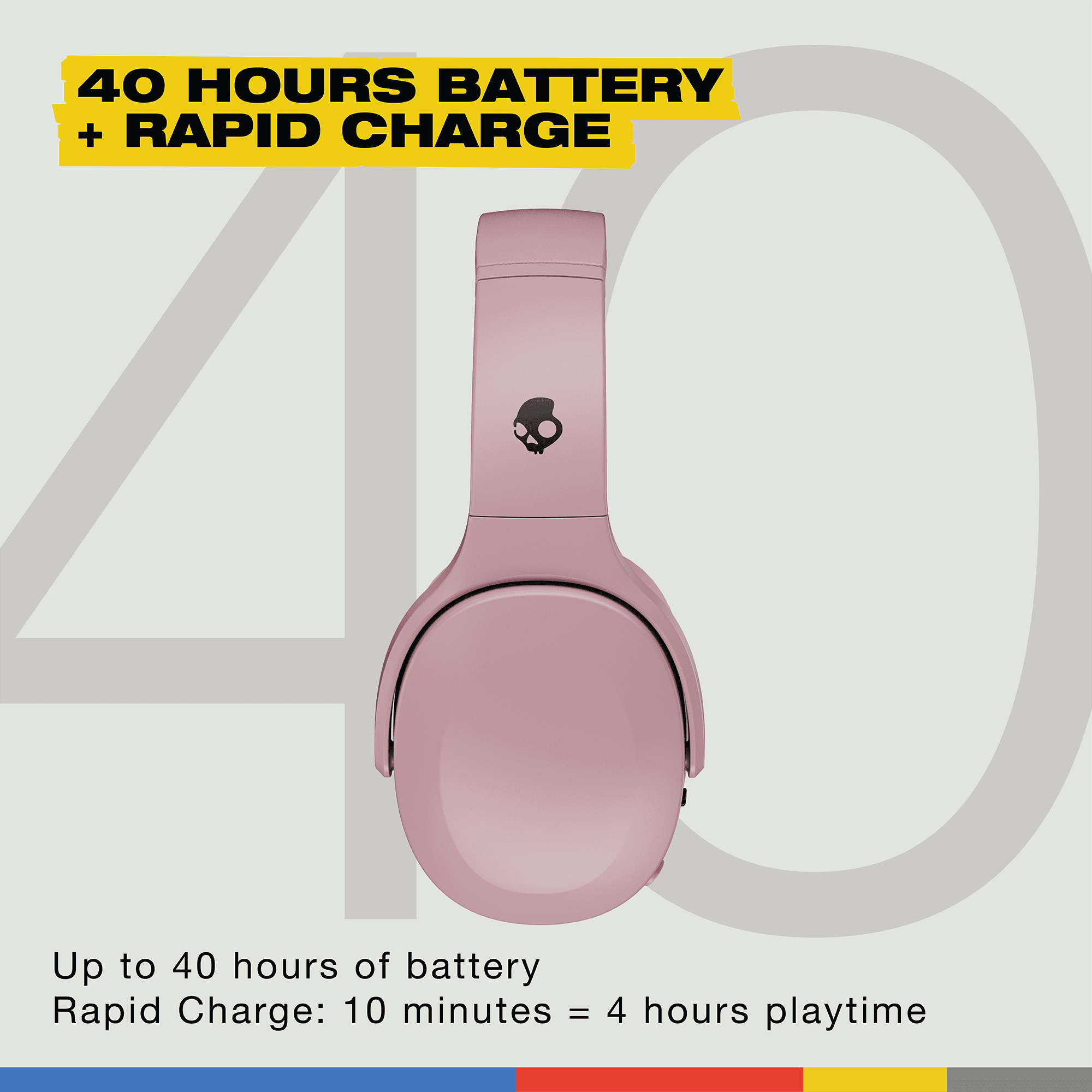
Both models claim 40 hours of battery life, which represents excellent performance in the wireless headphone category. However, real-world usage reveals some important differences.
The Beats Solo3 achieves its impressive battery life through the efficiency of the W1 chip, which was specifically designed to optimize power consumption. In my testing, I consistently got close to the claimed 40 hours with mixed usage patterns. The Fast Fuel charging system provides about 3 hours of playback from just 5 minutes of charging, which is genuinely useful when you're rushing out the door.
The Crusher 540 Active faces a more complex challenge because the haptic system requires additional power. With haptic bass at moderate levels, you can still achieve close to 40 hours of use. However, heavy haptic usage will drain the battery more quickly—though still impressively slowly given the additional hardware involved. The rapid charging system is even more generous, providing 4 hours of playback from a 10-minute charge.
The charging methods reflect their respective eras. The Solo3 uses micro-USB, which was standard in 2016 but feels outdated now. The Crusher 540 Active uses USB-C, which is not only more convenient but also faster and more durable.
Comfort is where the fundamental design differences become most apparent. The Beats Solo3's on-ear design creates a lightweight, portable package at just 215 grams. For short to moderate listening sessions, they're quite comfortable. However, the clamping force necessary to keep on-ear headphones in place can become fatiguing after an hour or two, especially if you wear glasses.
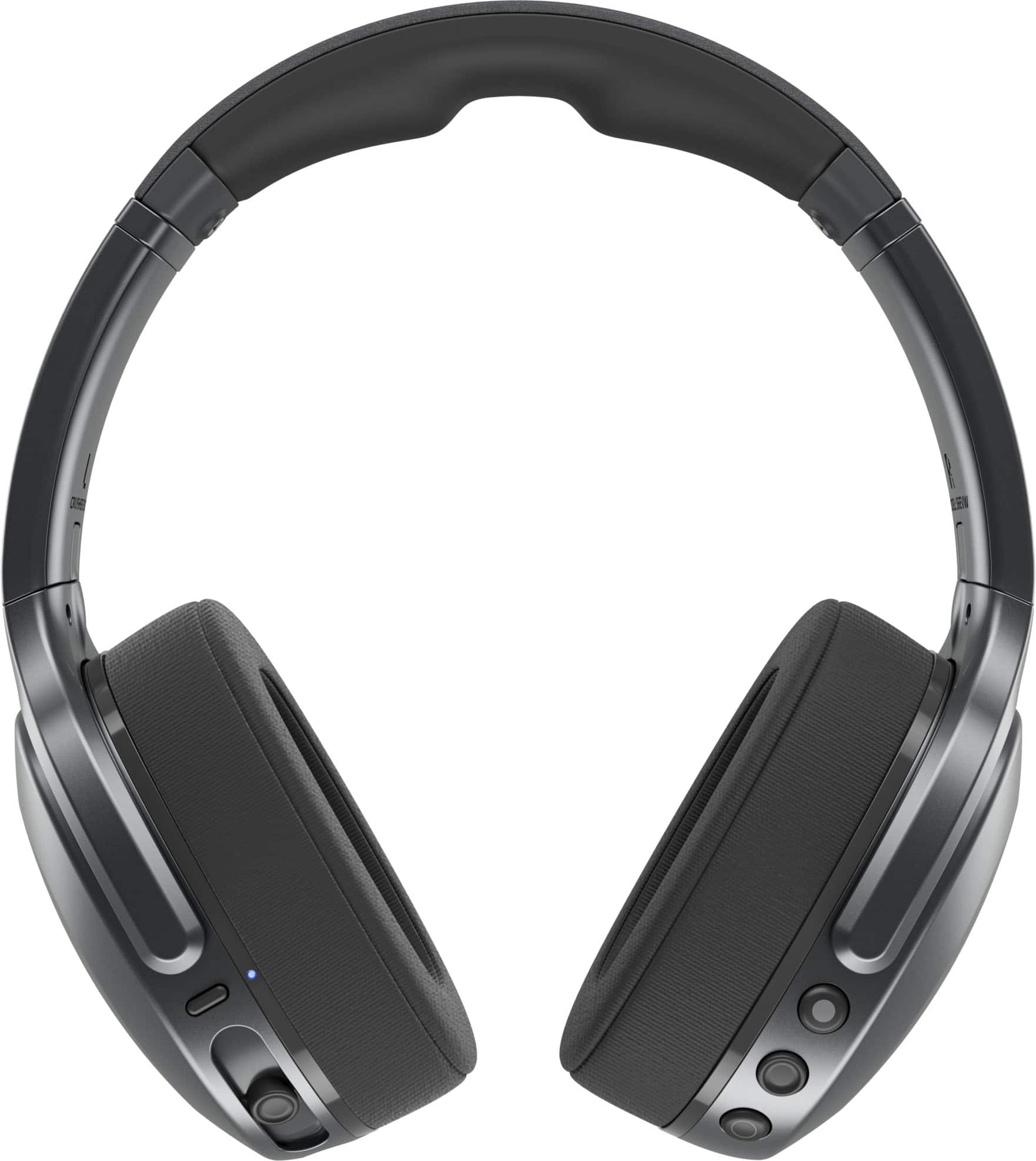
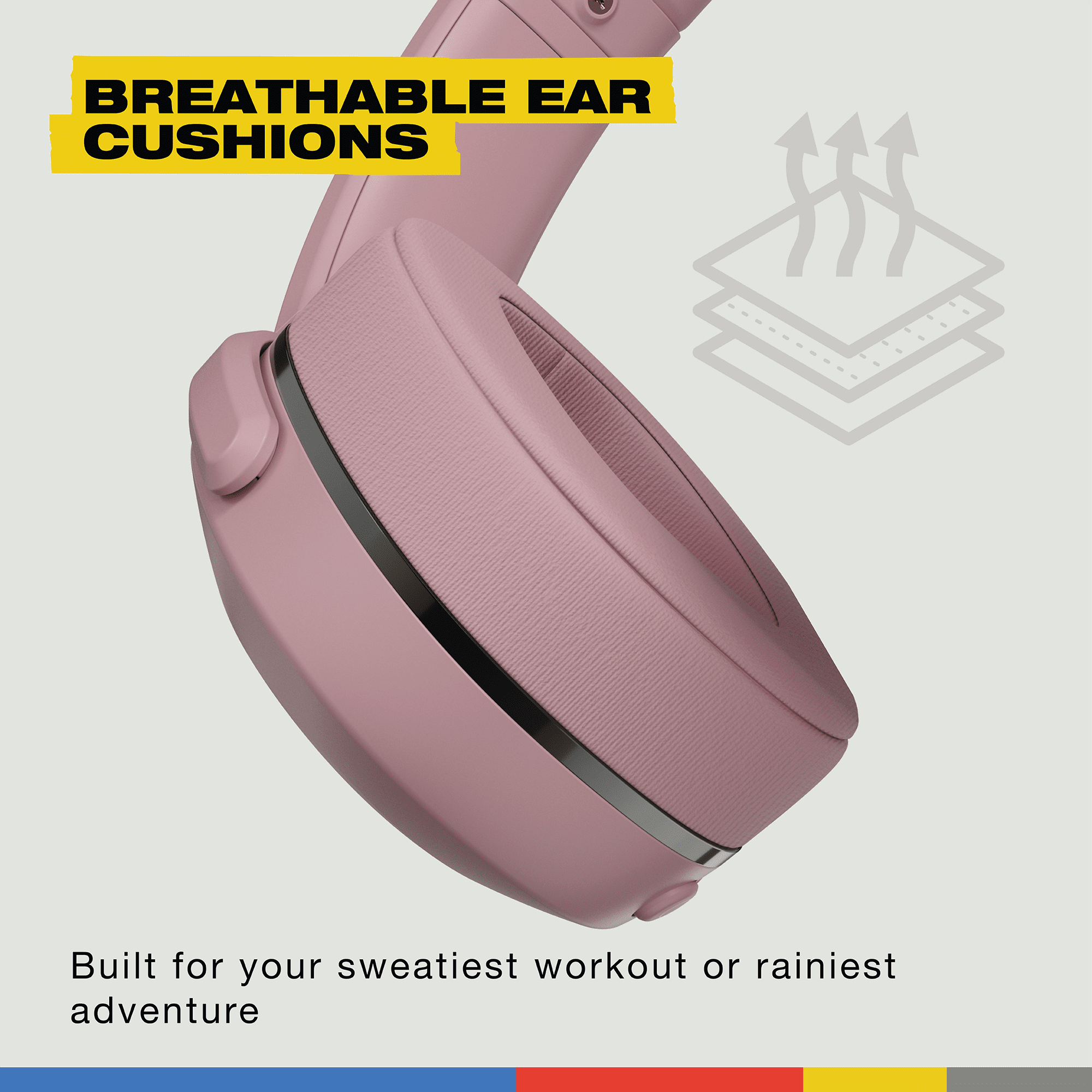
The Skullcandy Crusher 540 Active, at 312 grams, is nearly 50% heavier but distributes that weight more evenly around your head. The over-ear design means the ear cups rest against your head rather than your ears, eliminating the pressure points that plague on-ear designs. The breathable fabric ear cushions are specifically designed for active use, wicking away moisture and remaining comfortable even during intense workouts.
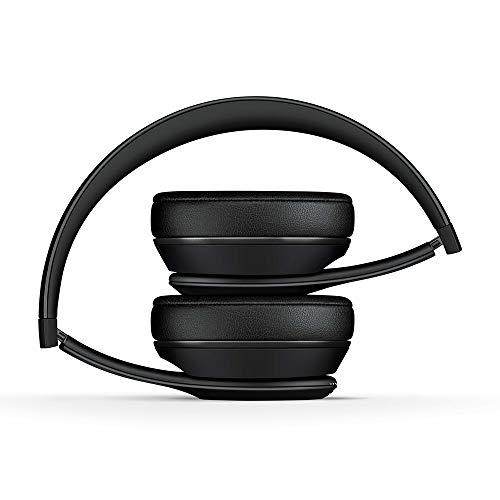
Build quality reflects different priorities. The Solo3 uses quality plastics and a folding mechanism optimized for portability. After years of use, the most common wear points are the ear cushions and the adjustment mechanisms, both of which can be replaced.
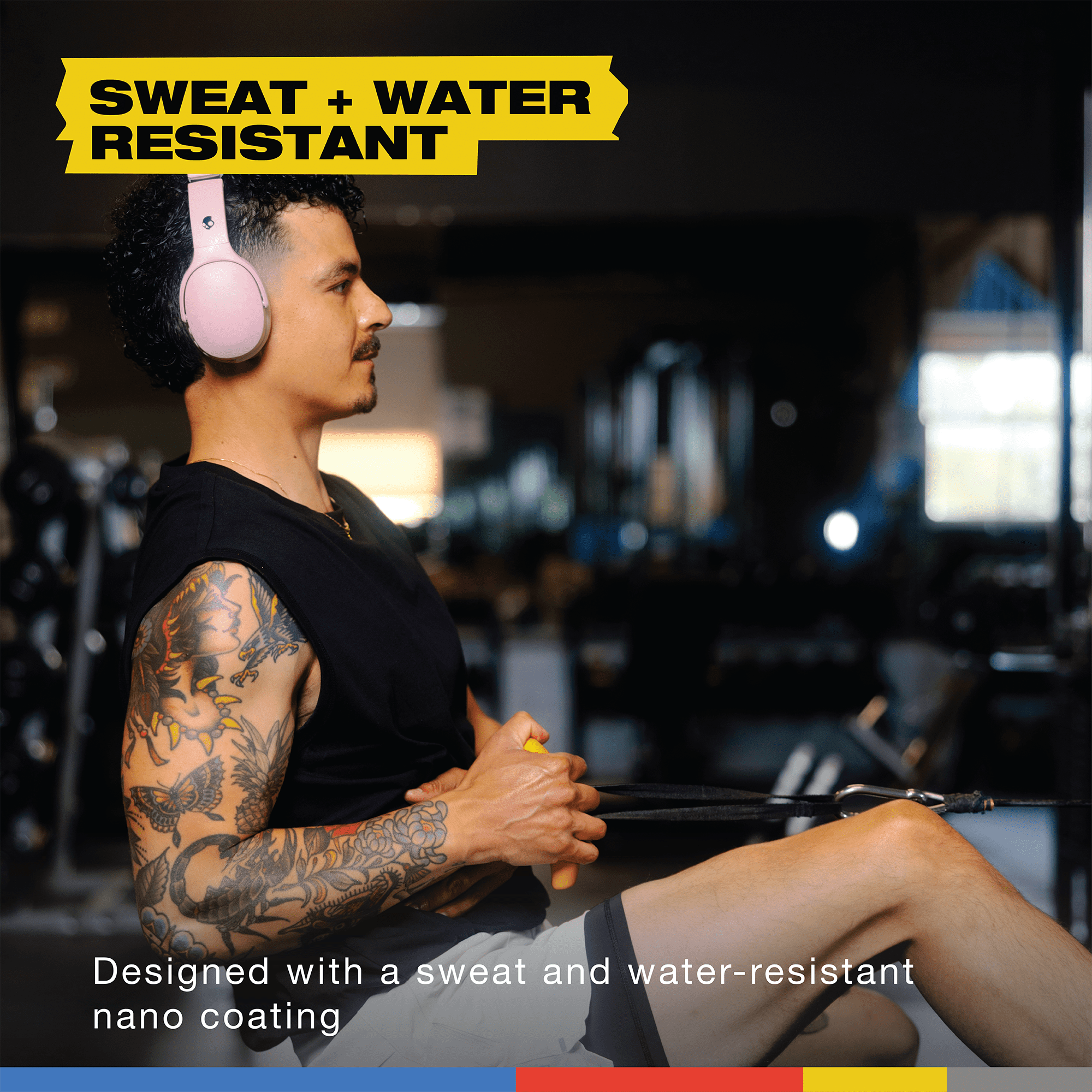
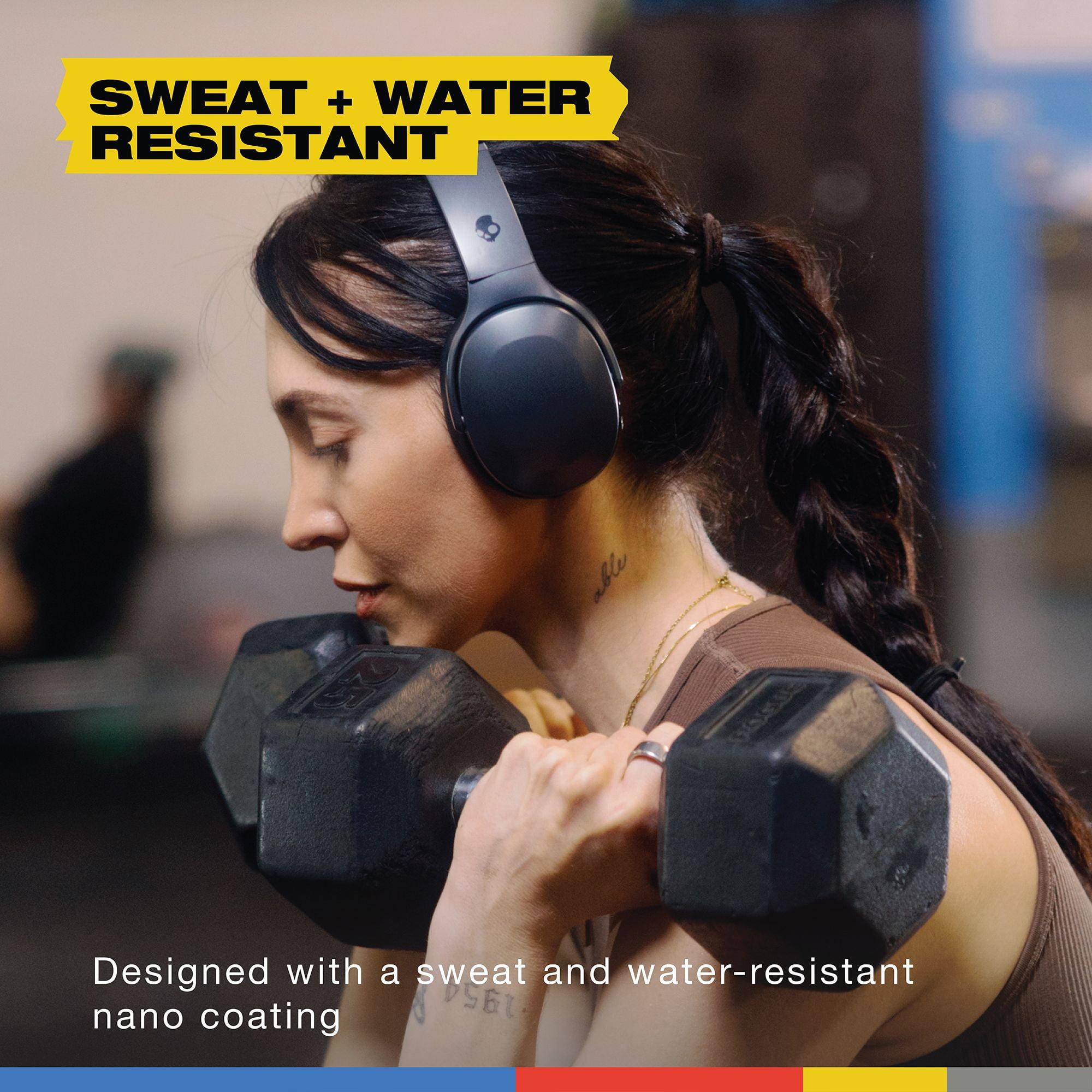
The Crusher 540 Active incorporates sweat and water resistance through a nano-coating treatment, making it suitable for gym environments where the Solo3 would quickly deteriorate. The flat-folding design is more robust than traditional folding mechanisms, and the materials are chosen for durability in harsh conditions rather than just aesthetic appeal.
The Beats Solo3's W1 chip integration with Apple devices remains impressive, even by today's standards. Pairing is nearly instantaneous with iPhones and iPads, and the headphones appear in the Find My network for location tracking. Battery status appears in iOS widgets, and audio switching between Apple devices is seamless.
However, this integration comes at a cost for Android users. While the Solo3 works with Android devices, you lose most smart features and the connection isn't as stable as it is with Apple products.
The Skullcandy Crusher 540 Active takes a more universal approach with standard Bluetooth 5.0 implementation that works equally well across all platforms. The included Tile finding technology helps locate misplaced headphones regardless of your phone's operating system.
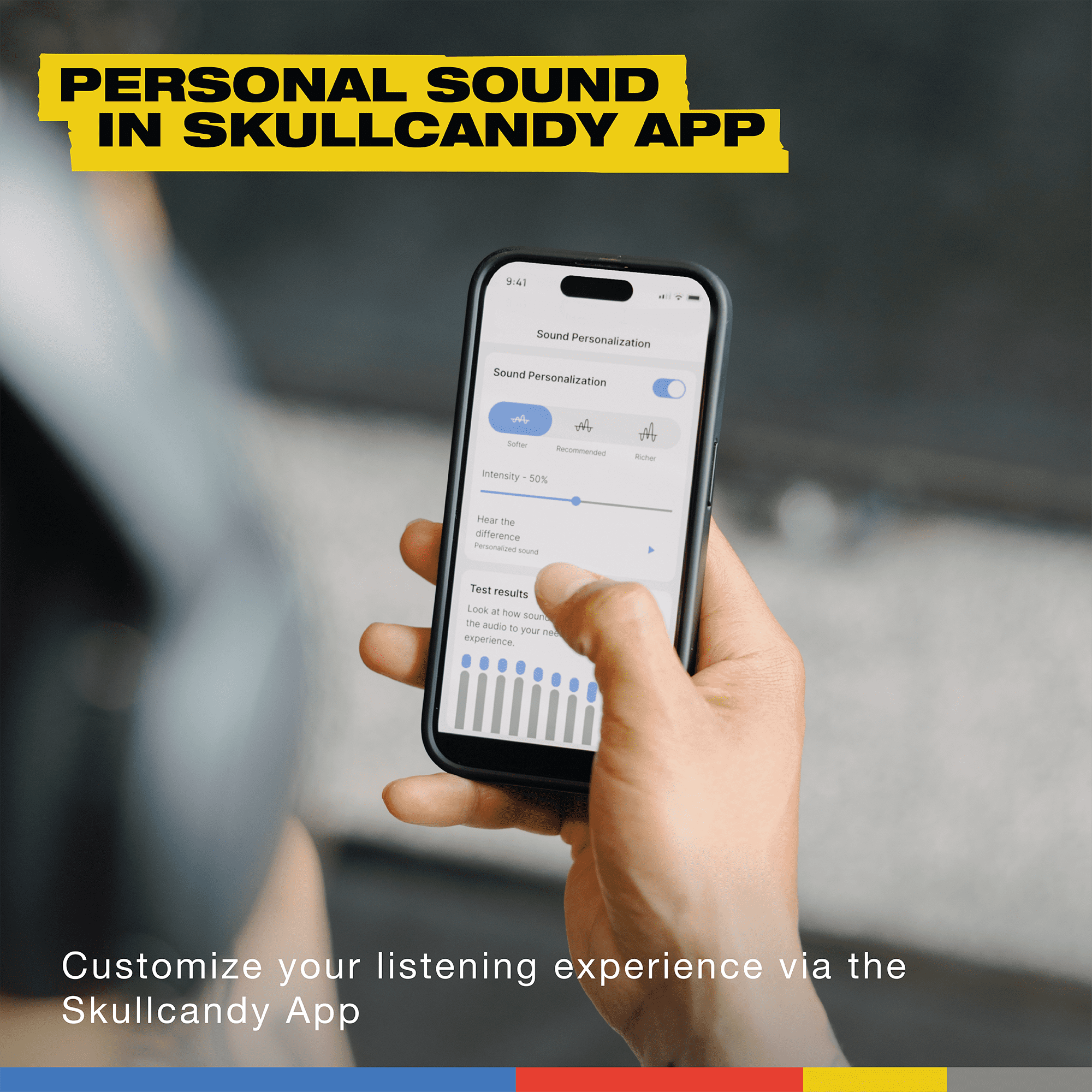
The Skullcandy app unlocks the Crusher 540 Active's full potential through Personal Sound technology. This system analyzes your hearing profile through a brief test, then adjusts the audio output to compensate for your individual hearing characteristics. Multiple profiles can be stored, making the headphones truly personalized for different users.
The Beats Solo3 excels in traditional headphone scenarios. Their compact size makes them ideal for commuting, and the balanced sound signature works well across different content types. If you're primarily listening to podcasts, making calls, and enjoying a variety of music genres, the Solo3's versatility shines.
The superior vocal clarity makes them excellent for video calls and online meetings, where understanding speech is more important than experiencing thunderous bass. The portability factor cannot be overstated—they're much easier to carry in a bag or wear around your neck during brief breaks.
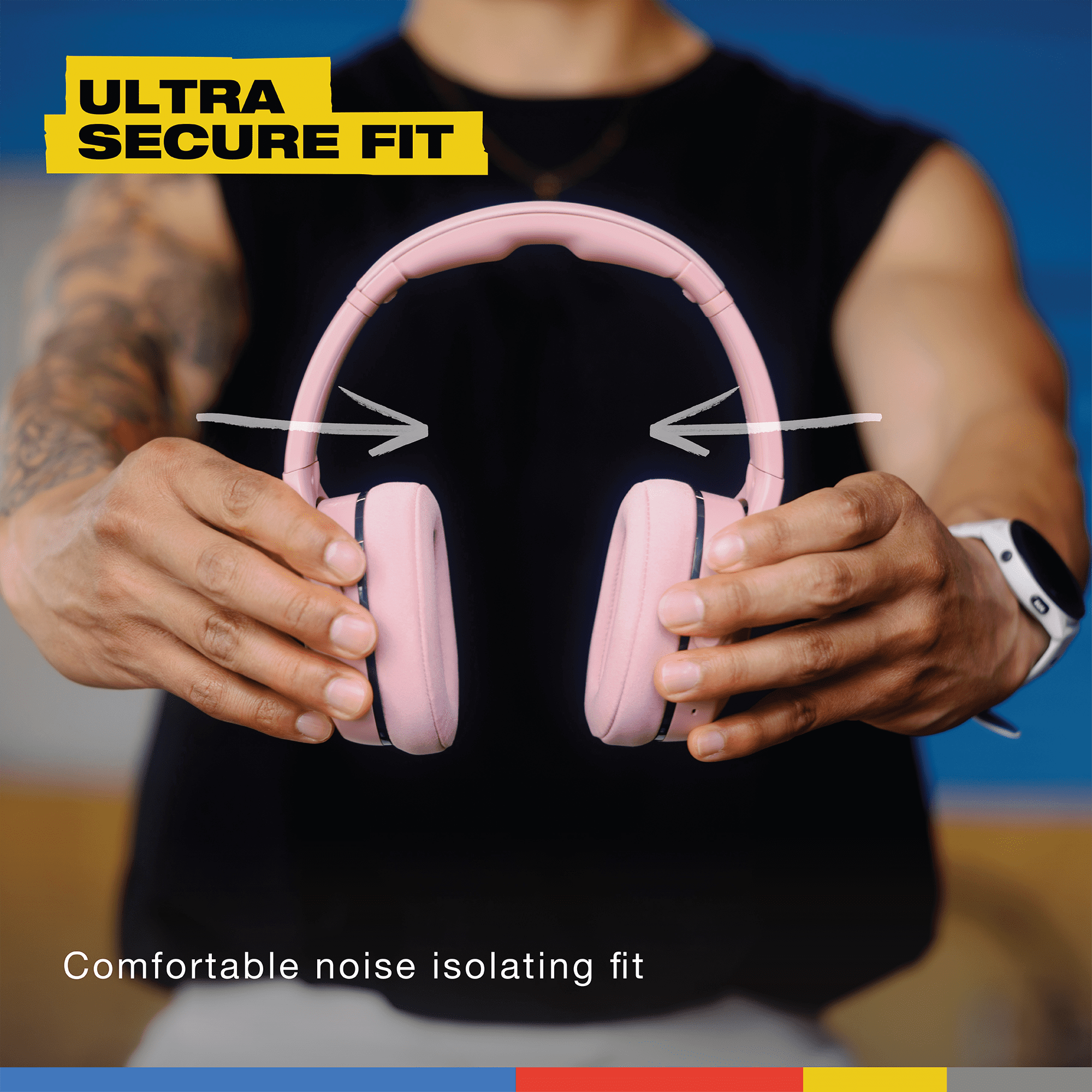
This is where the Skullcandy Crusher 540 Active demonstrates its purpose-built design. The sweat resistance, secure fit, and motivational bass response make them ideal workout companions. The clamping force that might feel excessive during casual listening becomes an asset when you're moving around intensely.
The haptic bass system transforms workout playlists, making every beat drop feel like a personal motivational coach. Electronic music, hip-hop, and rock genres that rely heavily on rhythm and bass become almost addictive when experienced through the Crusher system.
Both headphones can serve in home theater applications, but with different strengths. The Beats Solo3 provides clear dialogue reproduction, making them excellent for movies and TV shows where understanding speech is crucial.
The Skullcandy Crusher 540 Active creates a more immersive experience for action movies and games. Explosions, thunder, and other low-frequency effects gain physical presence through the haptic system. Gaming becomes particularly engaging when you can feel the rumble of engines or the impact of explosions.
However, the over-ear design of the Crusher 540 Active provides better noise isolation, which is valuable in shared living spaces where you want to avoid disturbing others while still enjoying full immersion.
At the time of writing, both headphones occupy different price tiers that reflect their respective positioning and age. The Beats Solo3, despite being an older design, often commands premium pricing due to brand recognition and Apple ecosystem integration. However, sales and promotions frequently make them more accessible.
The Skullcandy Crusher 540 Active typically offers more features and newer technology at a competitive price point. The haptic bass system alone represents technology that's not available elsewhere at any price, making it unique in the market.
When evaluating value, consider the total cost of ownership. The Solo3's proven durability and replaceable components might offer better long-term value for some users, while the Crusher 540 Active's newer technology and specialized features provide immediate gratification and unique capabilities.
Choose the Beats Solo3 Wireless if you prioritize portability, vocal clarity, and Apple ecosystem integration. They're ideal for users who primarily consume varied content types, value brand prestige, and need headphones that work seamlessly with Apple devices. The proven track record and widespread service support make them a safe choice for conservative buyers.
Choose the Skullcandy Crusher 540 Active if you want cutting-edge bass technology, plan to use them for workouts, or primarily listen to bass-heavy music genres. They're perfect for users who want a unique audio experience that can't be replicated elsewhere, need sweat resistance, or prefer the comfort of over-ear designs for extended listening sessions.
The decision ultimately comes down to matching the product's strengths with your specific needs and preferences. Both are excellent headphones within their intended use cases, but they serve very different types of listeners. Consider your primary use scenarios, preferred music genres, device ecosystem, and comfort priorities to make the choice that will serve you best for years to come.
| Beats Solo3 Wireless | Skullcandy Crusher 540 Active |
|---|---|
| Design Type - Affects comfort, portability, and sound isolation | |
| On-ear design, 215g (more portable, can cause ear fatigue) | Over-ear design, 312g (better comfort for long sessions, bulkier) |
| Bass Technology - Determines low-end performance and immersion | |
| Traditional acoustic bass (punchy but standard experience) | Haptic Crusher bass with adjustable intensity (physical vibrations you can feel) |
| Release Year - Shows technology generation and feature availability | |
| 2016 (W1 chip era, micro-USB charging) | 2025 (modern Bluetooth 5.0, USB-C charging) |
| Battery Life - Critical for wireless convenience | |
| Up to 40 hours (Fast Fuel: 5min = 3hrs playback) | Up to 40 hours (Rapid Charge: 10min = 4hrs playbook) |
| Water/Sweat Resistance - Essential for active use | |
| None (not suitable for workouts or gym use) | Nano-coating protection (designed for intense workouts) |
| Sound Signature - Affects music enjoyment across genres | |
| Balanced Beats sound with clear vocals and controlled bass | Bass-heavy with customizable haptic feedback, recessed mids |
| Smart Features - Ecosystem integration and app functionality | |
| Apple W1 chip (seamless iOS pairing, limited Android features) | Personal Sound by Audiodo, EQ customization, Tile finding |
| Charging Method - Convenience and future-proofing | |
| Micro-USB (outdated standard from 2016 era) | USB-C (modern standard, faster charging) |
| Best Use Cases - Primary scenarios where each excels | |
| Commuting, casual listening, Apple users, portability priority | Gym workouts, bass-heavy music, gaming, extended listening |
| Comfort for Extended Use - Important for long sessions | |
| Can cause ear pressure after 1-2 hours of use | Breathable over-ear cushions designed for all-day comfort |
| Unique Technology - Features you can't get elsewhere | |
| Apple ecosystem integration with W1 chip benefits | Physical bass sensation through haptic motors (industry first) |
The Skullcandy Crusher 540 Active is specifically designed for workouts with sweat and water-resistant nano-coating, breathable fabric ear cushions, and a secure Clamp Force fit that stays in place during intense movement. The Beats Solo3 Wireless lacks sweat resistance and can become uncomfortable during physical activity, making the Crusher 540 Active the clear winner for fitness use.
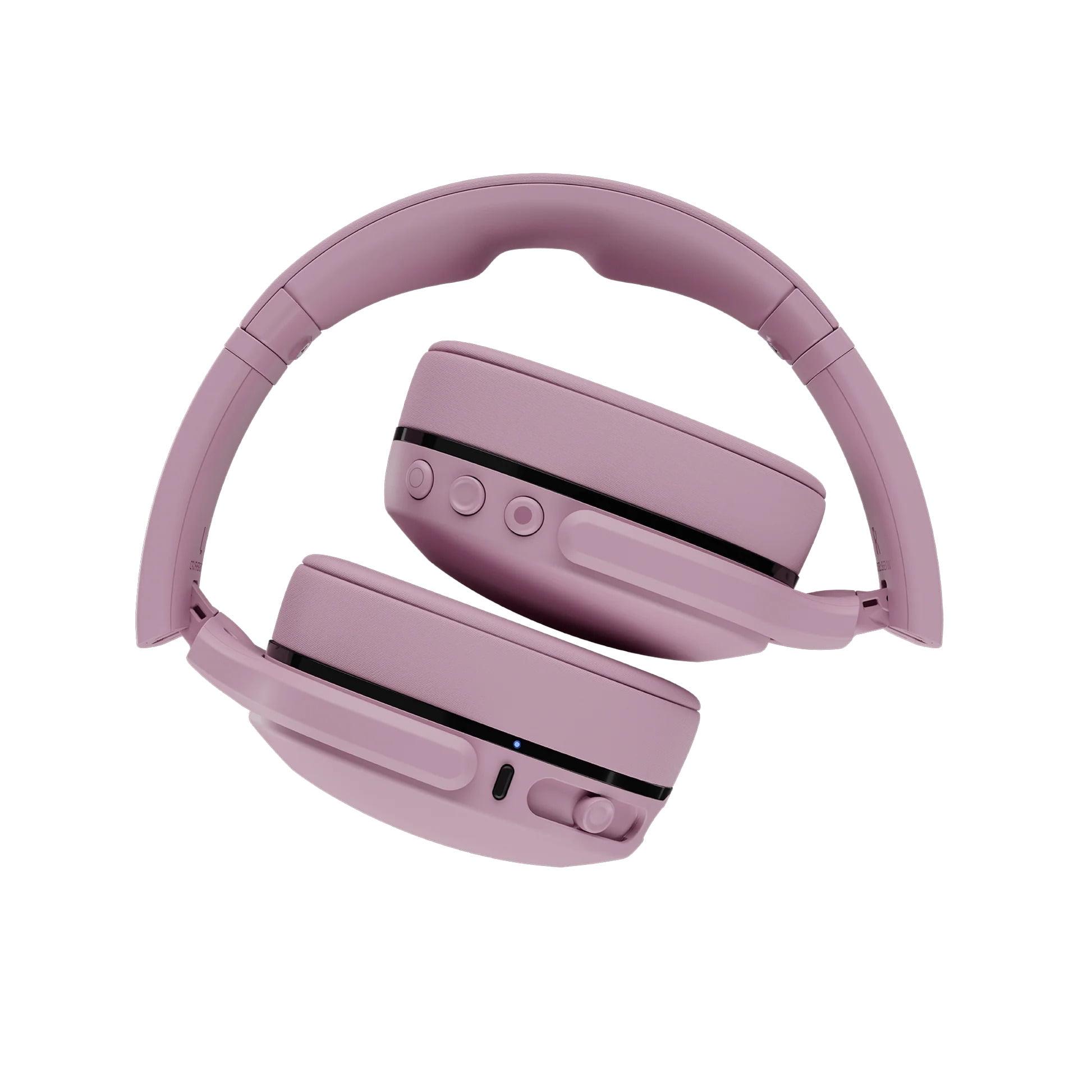
The Beats Solo3 Wireless uses an on-ear design that sits directly on your ears, making them more portable at 215g but potentially uncomfortable during long listening sessions. The Skullcandy Crusher 540 Active features an over-ear design that surrounds your ears completely, providing better comfort for extended use and superior sound isolation, though they're heavier at 312g.
The Skullcandy Crusher 540 Active delivers significantly more powerful bass through its unique haptic Crusher technology, which creates physical vibrations you can feel in addition to hear. The Beats Solo3 Wireless offers solid bass response but uses traditional acoustic drivers without the immersive haptic feedback that makes the Crusher 540 Active stand out for bass lovers.
The Beats Solo3 Wireless works best with Apple devices due to its W1 chip integration, offering seamless pairing and advanced features on iOS but limited functionality on Android. The Skullcandy Crusher 540 Active uses standard Bluetooth 5.0 and works equally well across all platforms, making it more versatile for users with mixed device ecosystems.
The Skullcandy Crusher 540 Active is more comfortable for extended use thanks to its over-ear design with breathable fabric cushions that don't press against your ears. The Beats Solo3 Wireless can cause ear fatigue after 1-2 hours due to the on-ear design's clamping pressure, making the Crusher 540 Active better for marathon listening sessions.
Both the Beats Solo3 Wireless and Skullcandy Crusher 540 Active offer impressive 40-hour battery life. However, the Crusher 540 Active provides faster rapid charging with 4 hours of playback from just 10 minutes of charging, compared to 3 hours from 5 minutes with the Beats Solo3.
The Beats Solo3 Wireless excels at call quality with clearer vocal reproduction and better midrange clarity, making voices more intelligible during meetings. While the Skullcandy Crusher 540 Active has dual beam-forming microphones, its bass-heavy tuning can make vocals slightly less prominent compared to the Solo3's more balanced approach.
For dialogue-heavy content, the Beats Solo3 Wireless provides clearer speech reproduction. However, the Skullcandy Crusher 540 Active creates a more immersive movie experience with its haptic bass system that lets you feel explosions and action sequences, plus the over-ear design offers better noise isolation for shared living spaces.
The Beats Solo3 Wireless is significantly more portable due to its lighter weight (215g vs 312g) and more compact on-ear design. They fold easily and take up less space in bags. The Skullcandy Crusher 540 Active is bulkier and heavier, though they do feature a flat-folding design for improved packability.
The Beats Solo3 Wireless works immediately without an app but integrates with iOS for battery monitoring and device switching. The Skullcandy Crusher 540 Active benefits significantly from the Skullcandy App, which unlocks Personal Sound customization, EQ settings, and firmware updates, making the app more essential for optimal performance.
The Skullcandy Crusher 540 Active typically offers better value with newer technology, unique haptic bass features, sweat resistance, and modern USB-C charging at a competitive price point. The Beats Solo3 Wireless commands premium pricing for brand recognition and Apple integration, but represents older 2016 technology with features like micro-USB charging.
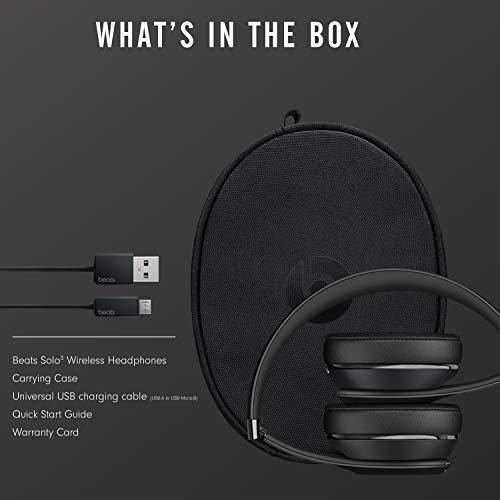
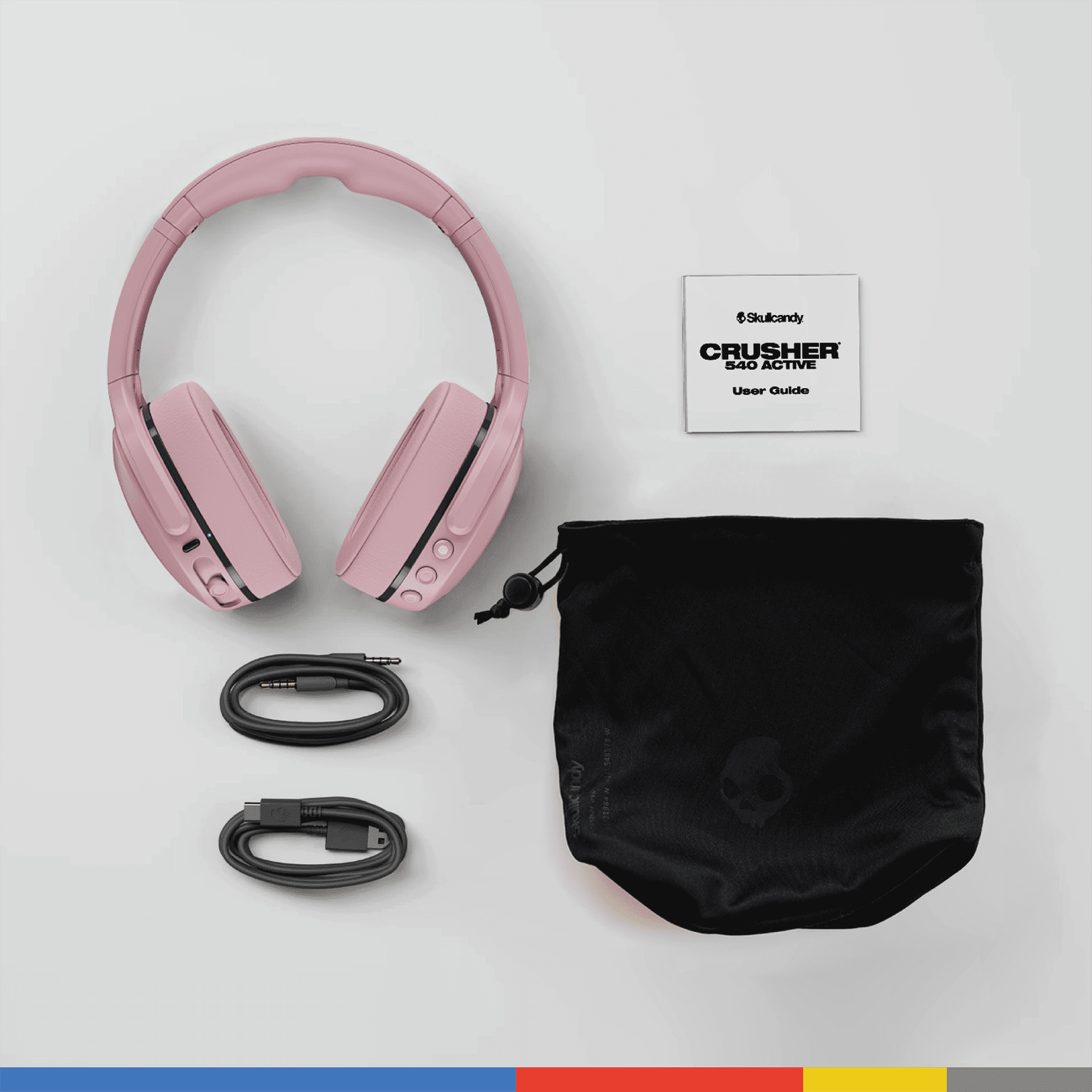
Yes, both models include backup cables. The Beats Solo3 Wireless comes with a 3.5mm RemoteTalk cable for wired listening, while the Skullcandy Crusher 540 Active also includes an AUX cable. However, the Crusher 540 Active's haptic bass features require battery power and won't work in wired mode, unlike the Solo3's consistent performance when wired.
We've done our best to create useful and informative comparisons to help you decide what product to buy. Our research uses advanced automated methods to create this comparison and perfection is not possible - please contact us for corrections or questions. These are the sites we've researched in the creation of this article: soundguys.com - cornellstore.com - imore.com - bestbuy.com - headphonecheck.com - soundguys.com - recordingnow.com - corporategift.com - ifixit.com - rtings.com - youtube.com - mobileciti.com.au - beatsbydre.com - discussions.apple.com - target.com - bestbuy.com - jalc.ecampus.com - beats.fandom.com - support.apple.com - electronics.woot.com - bestbuy.com - techradar.com - techradar.com - skullcandy.com - youtube.com - tiktok.com - youtube.com - api.bestbuy.com - bestbuy.com - tiktok.com - skullcandy.com - eleonto.com - skullcandy.com.au - skullcandy.com.au - architeg-prints.com - support.skullcandy.com - youtube.com - youtube.com - skullcandysingapore.com - skullcandy.co.nz - skullcandy.eu - skullcandy.com - walmart.com

Privacy Policy
Terms and Conditions - Affiliate Policy
Home Security
© Copyright 2008-2026.
11816 Inwood Rd #1211, Dallas, TX 75244