

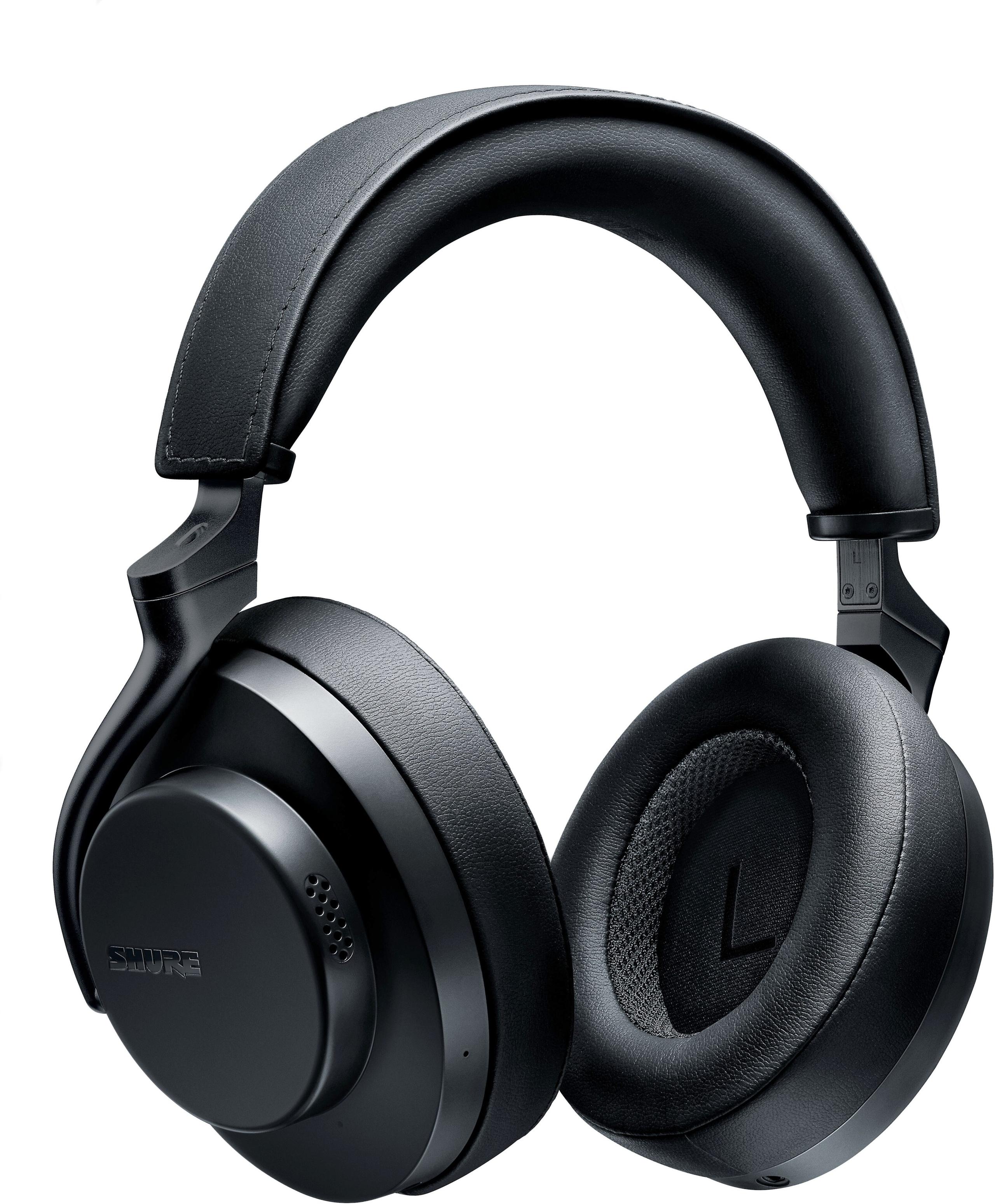
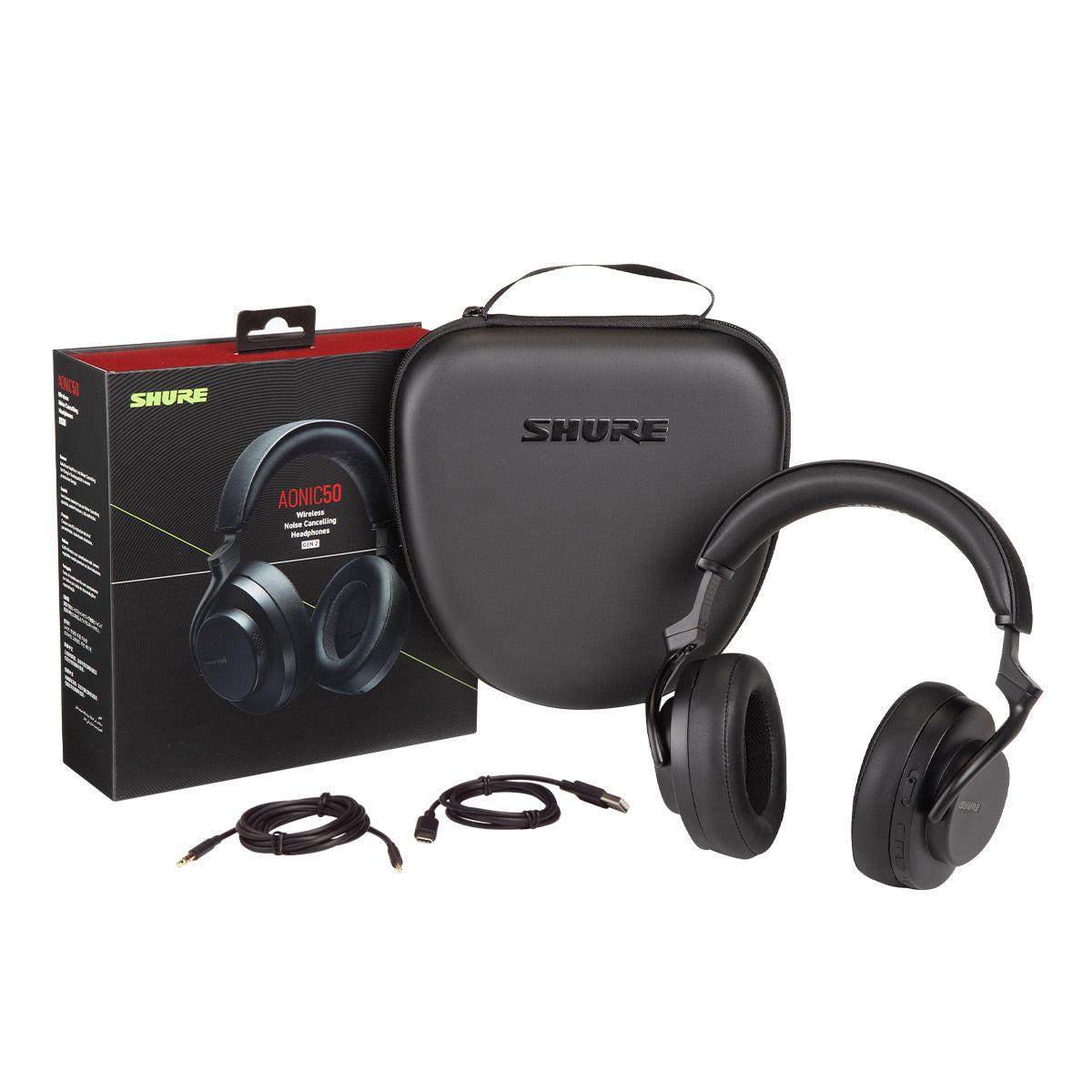
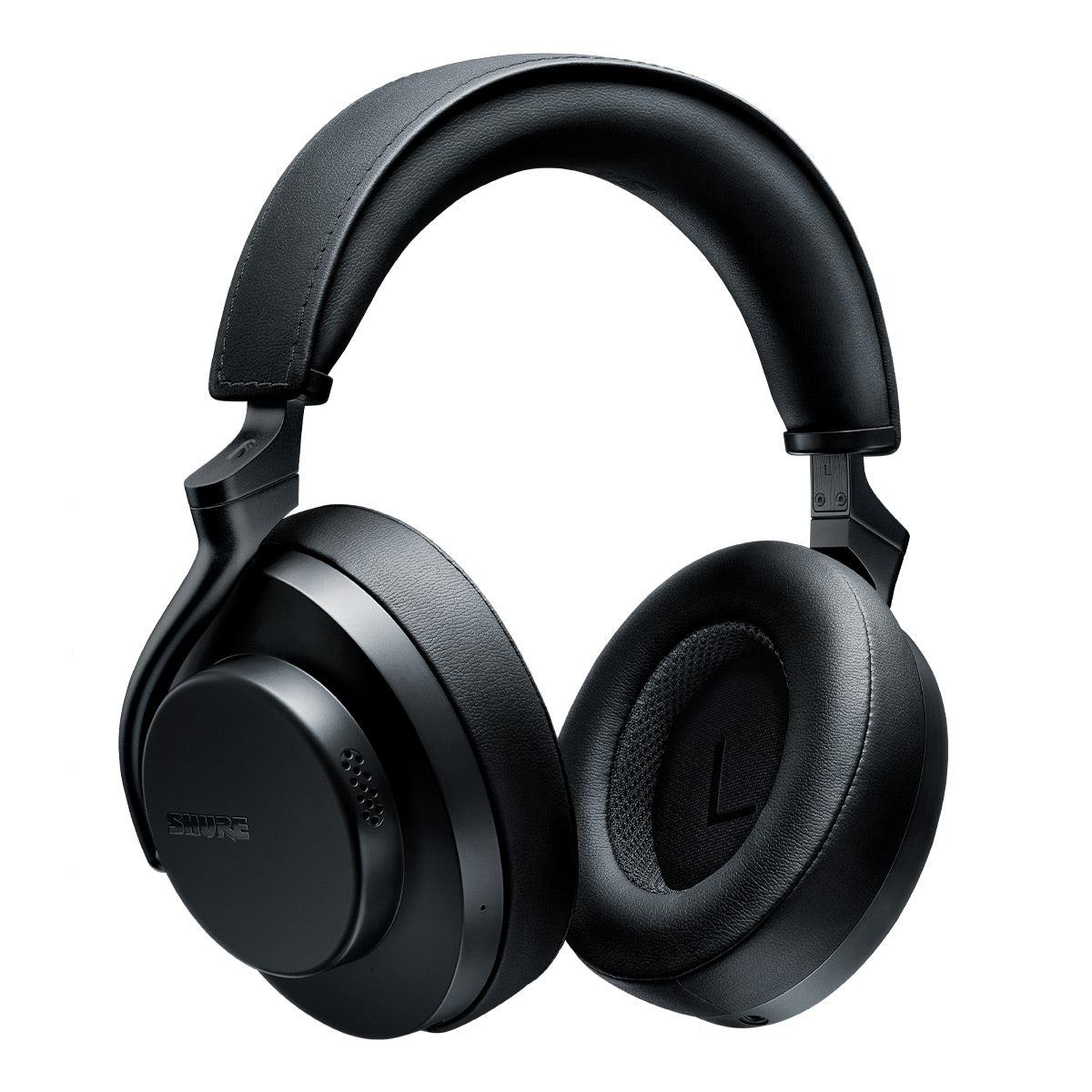

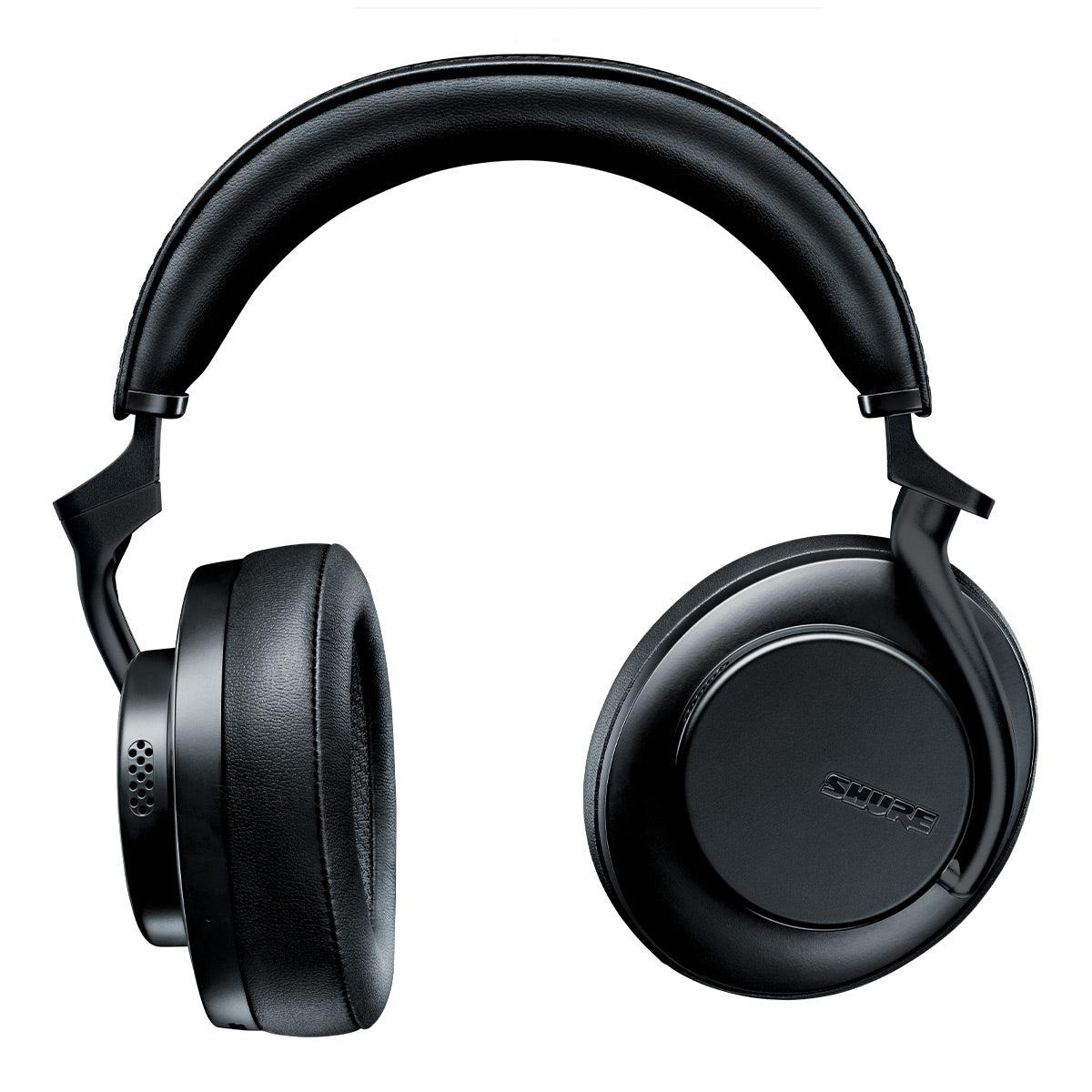


The world of premium wireless headphones has become incredibly competitive, with manufacturers pushing the boundaries of what's possible in portable audio. Today, we're comparing two exceptional models that represent different philosophies in high-end wireless sound: the Shure Aonic 50 Gen 2 and the Bowers & Wilkins Px7 S3. While both aim to deliver exceptional audio experiences, they take distinctly different approaches to achieving that goal.
Before diving into the comparison, it's worth understanding what makes a headphone "premium" in today's market. These aren't just wireless headphones with noise cancellation slapped on—they're sophisticated audio systems that combine multiple technologies to deliver experiences that rival high-end wired headphones from just a few years ago.
The key technologies at play include Active Noise Cancellation (ANC), which uses microphones to detect external sounds and creates inverse sound waves to cancel them out, and advanced wireless codecs like aptX and LDAC that compress audio much more efficiently than standard Bluetooth. Modern premium headphones also feature digital signal processing (DSP), which is essentially a computer chip dedicated to processing and enhancing audio signals in real-time.
When evaluating headphones in this category, the most important performance metrics are sound quality (how accurately they reproduce music), noise cancellation effectiveness, comfort for long listening sessions, battery life, and the quality of wireless connectivity. Build quality and materials also matter significantly since these are products you'll likely use daily for years.
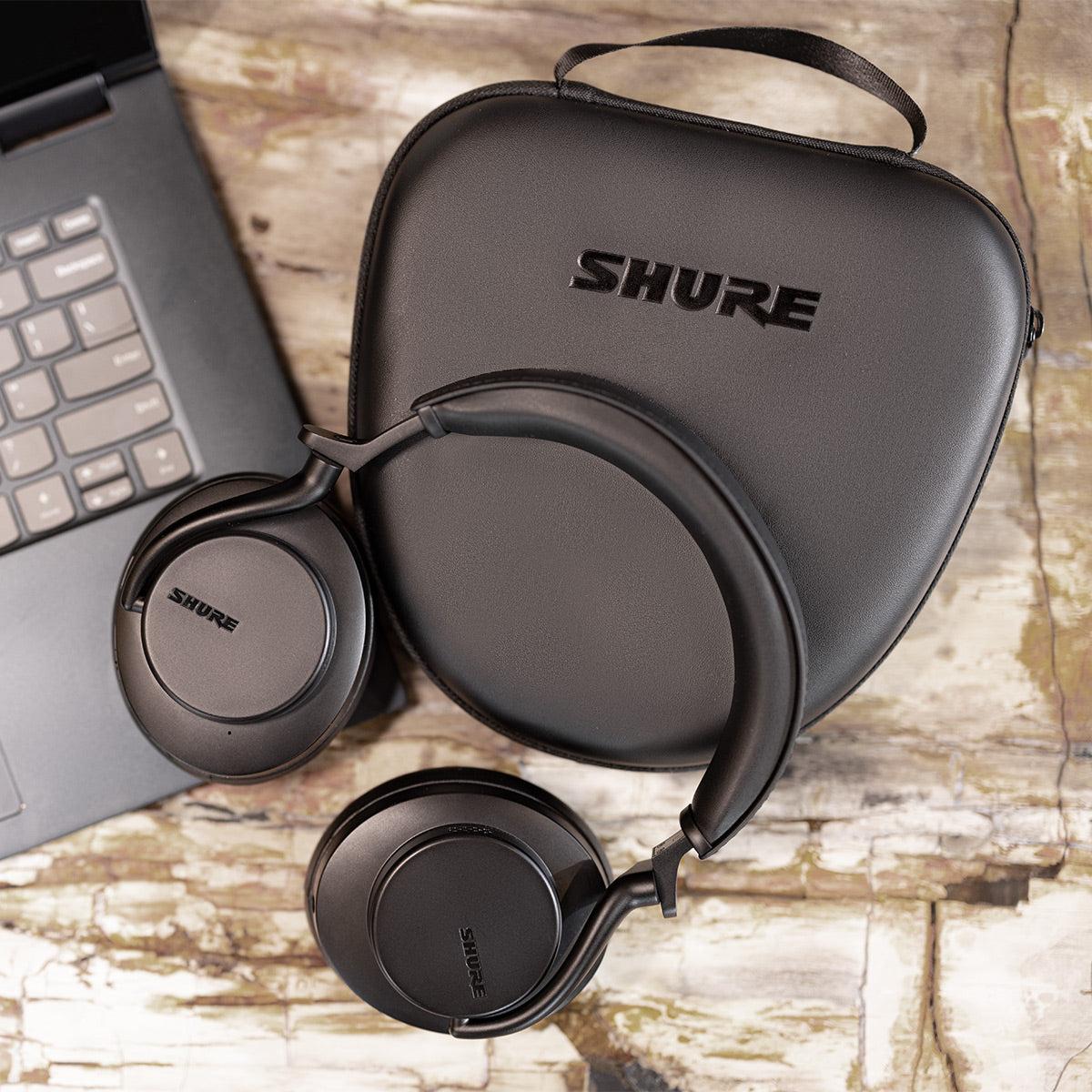
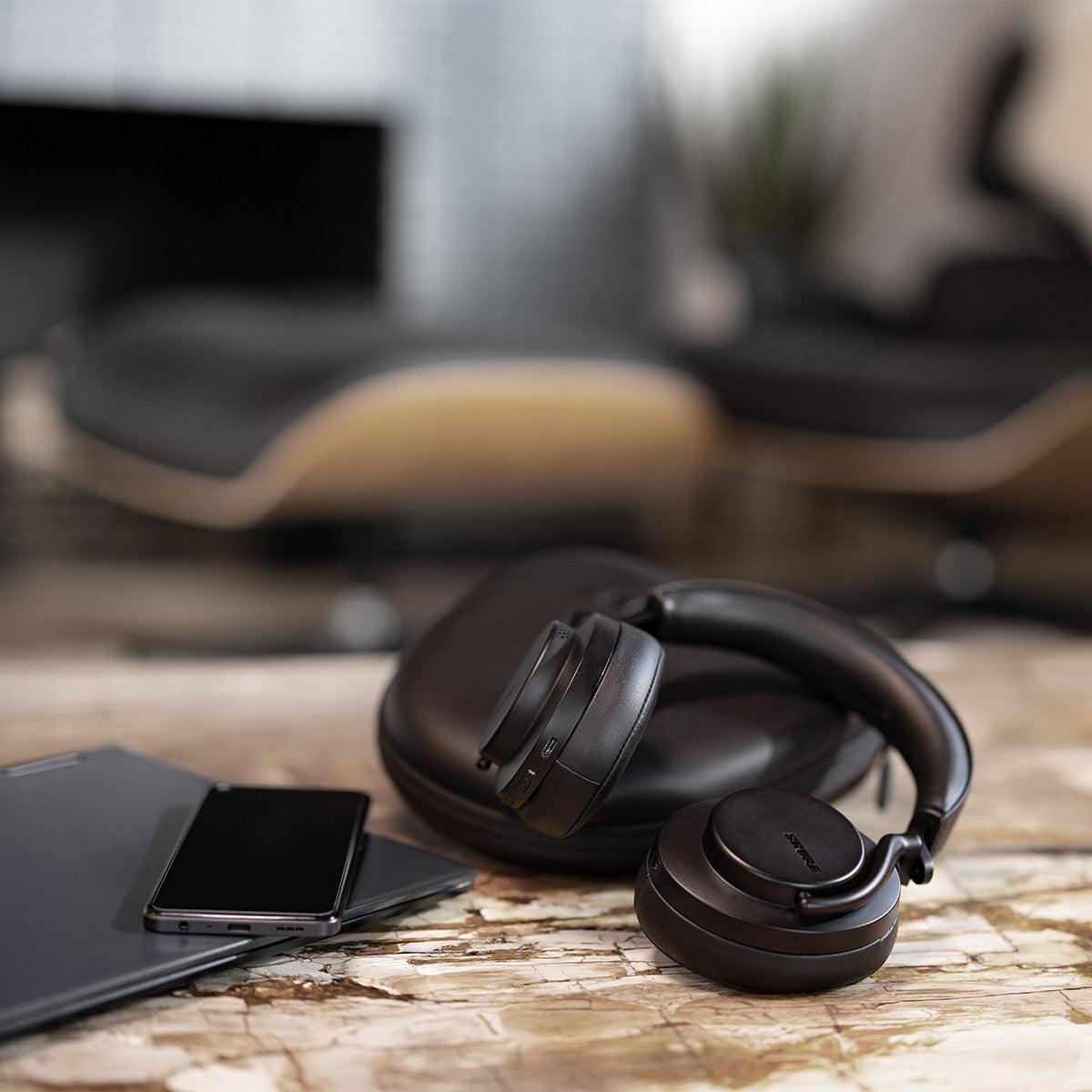
Released in 2023, the Shure Aonic 50 Gen 2 represents Shure's second attempt at cracking the premium wireless market. The original Aonic 50 was well-regarded but had some limitations, particularly around battery life and feature completeness. The Gen 2 model addresses virtually every criticism of its predecessor while adding several innovative features.
What makes Shure's approach interesting is their professional audio background. For decades, Shure has been the go-to brand for musicians, sound engineers, and broadcasters. This heritage shows in the Aonic 50 Gen 2's approach to sound—it's designed to be revealing and accurate rather than immediately impressive.
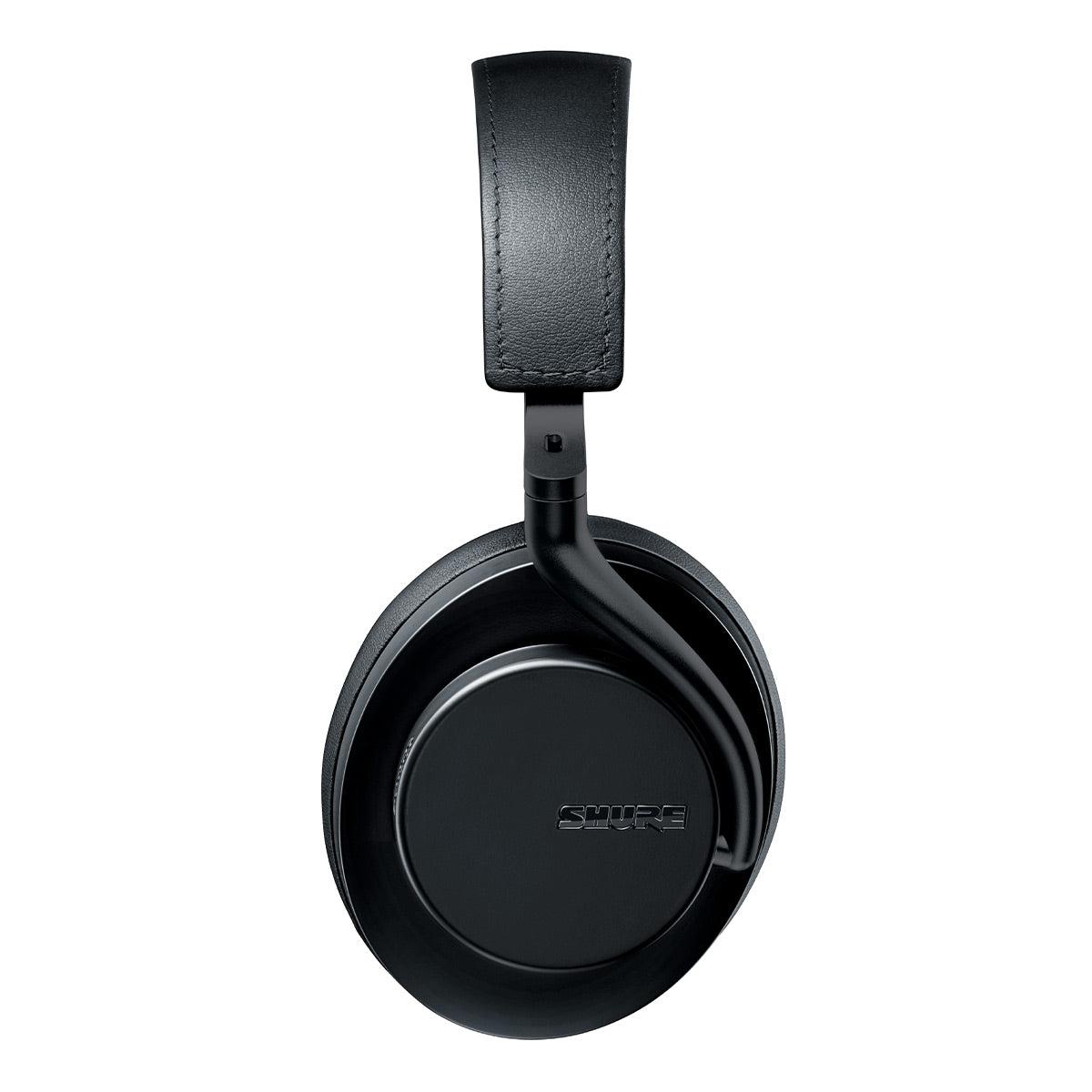
The headphones feature 50mm dynamic drivers with neodymium magnets, which are relatively large for this category. Larger drivers typically mean better bass response and overall dynamics, though they also add weight. The Aonic 50 Gen 2 weighs in at around 340 grams, which is noticeable but not uncomfortable for most users.
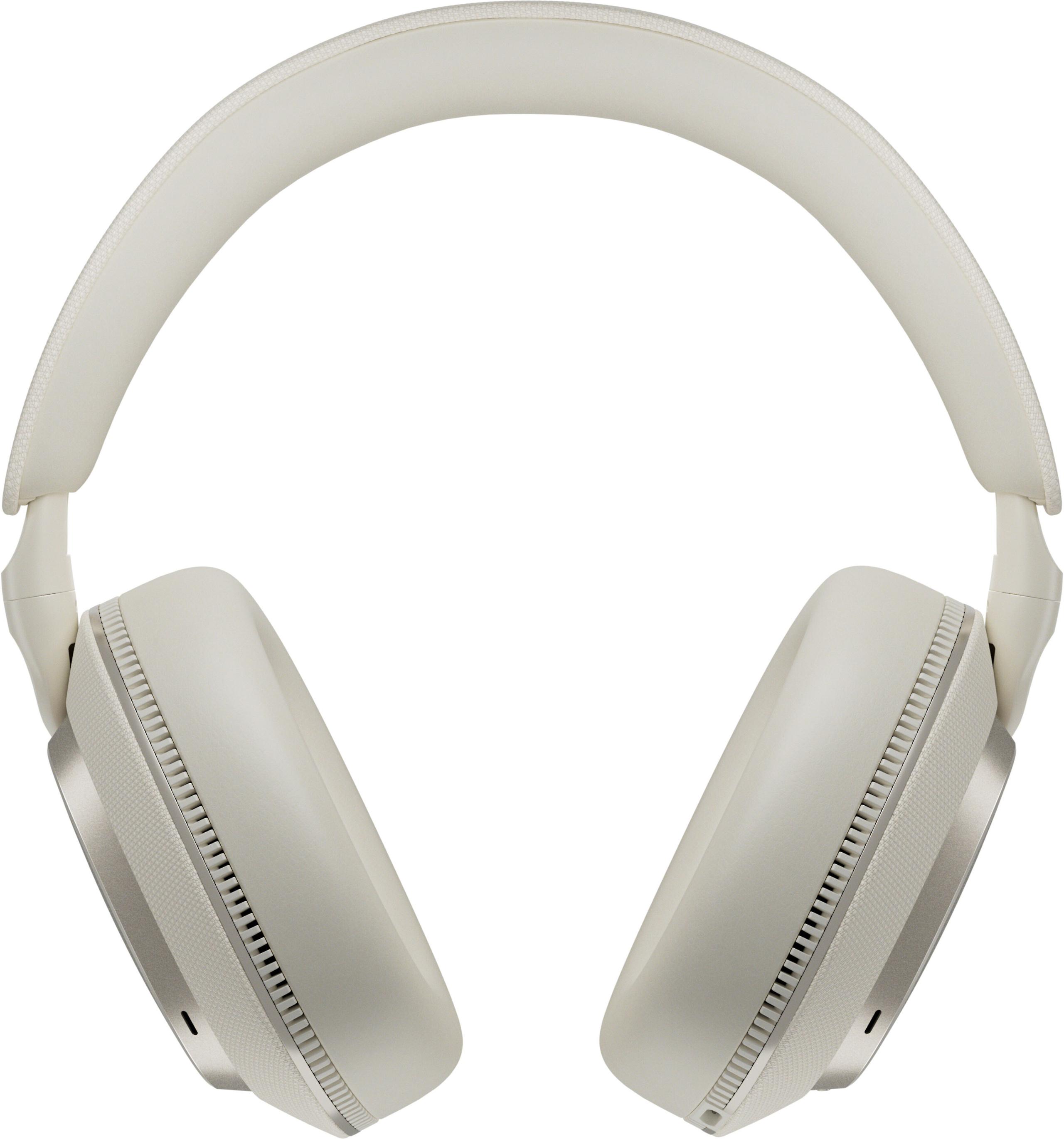
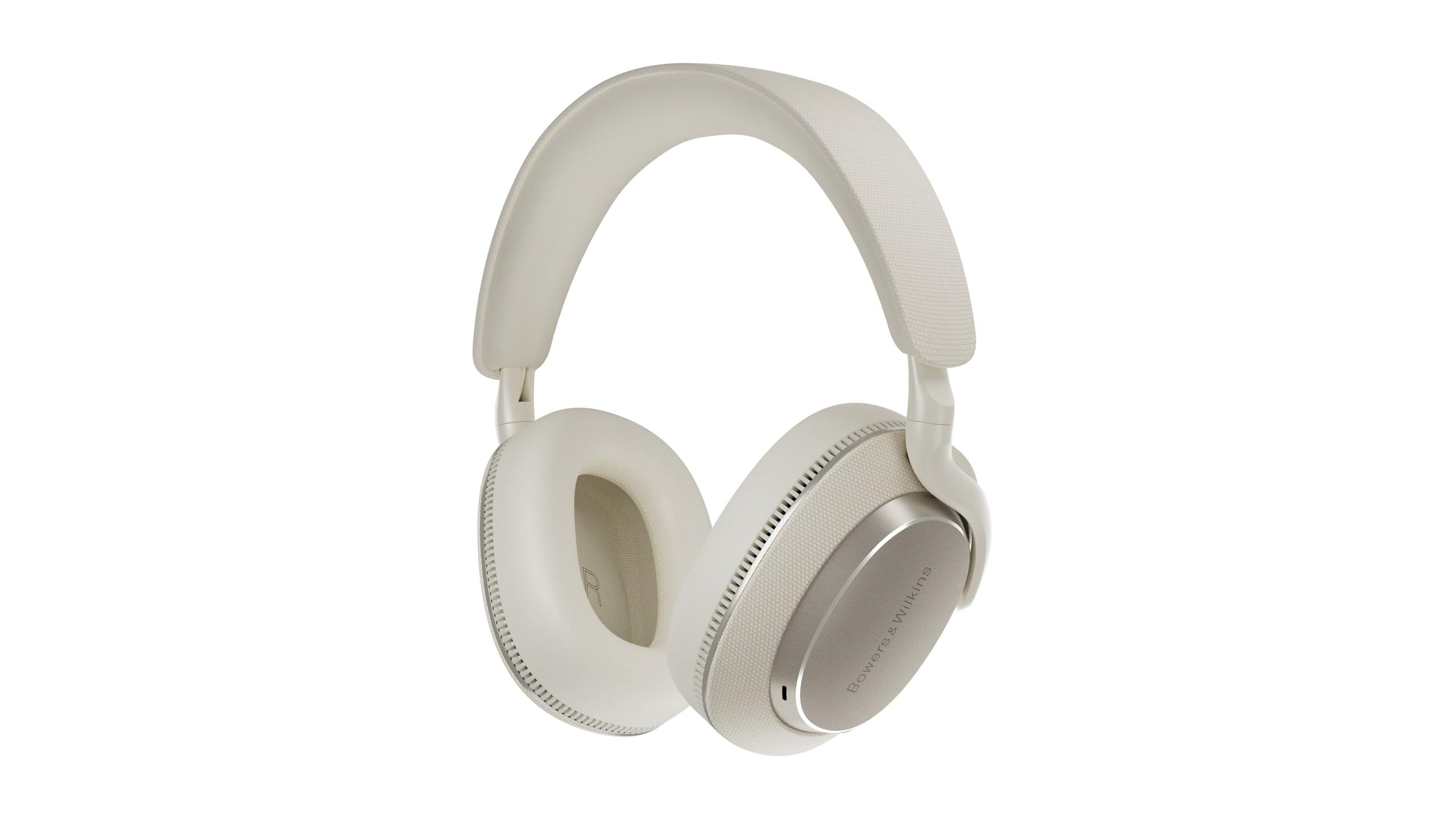
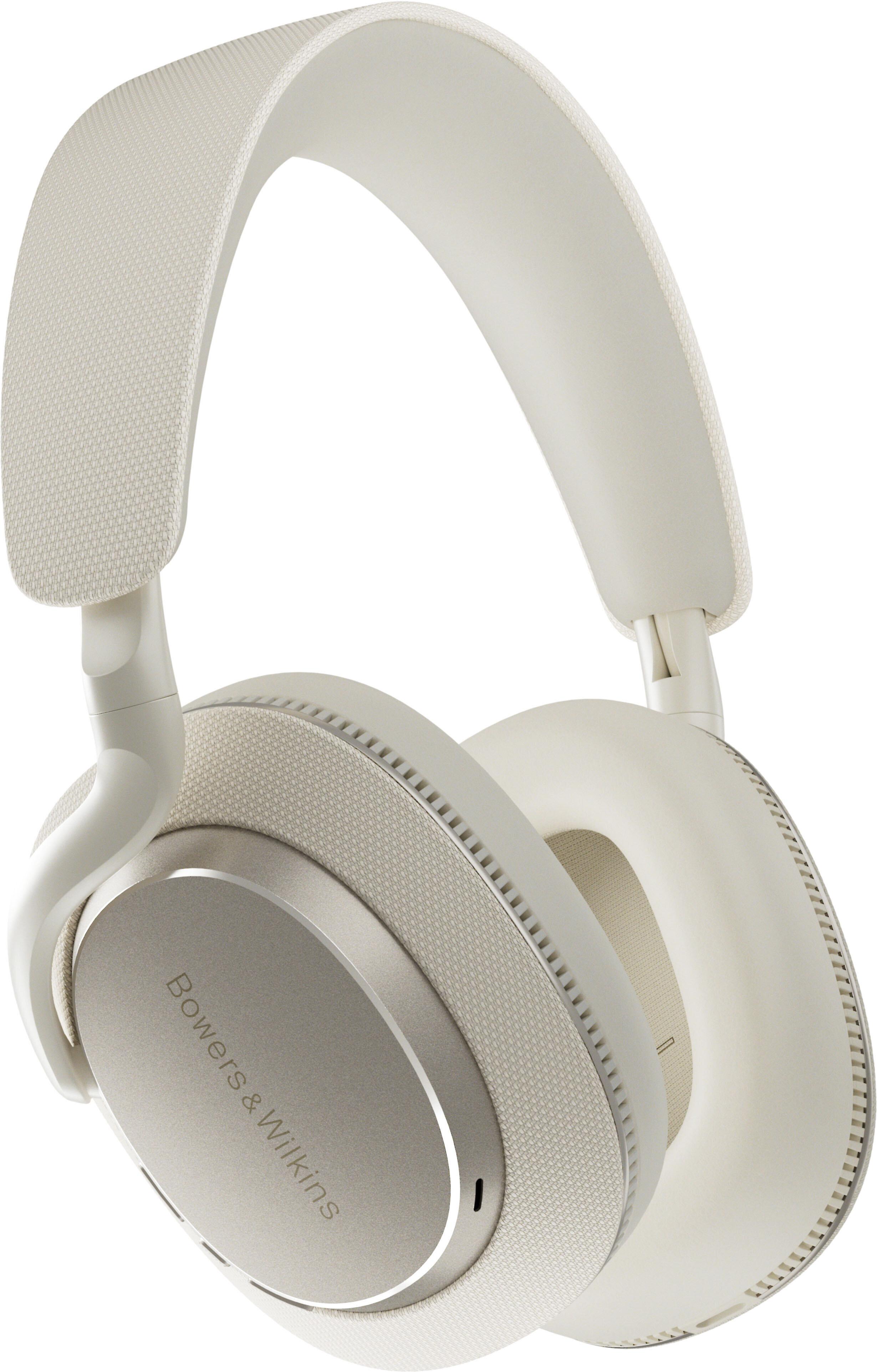
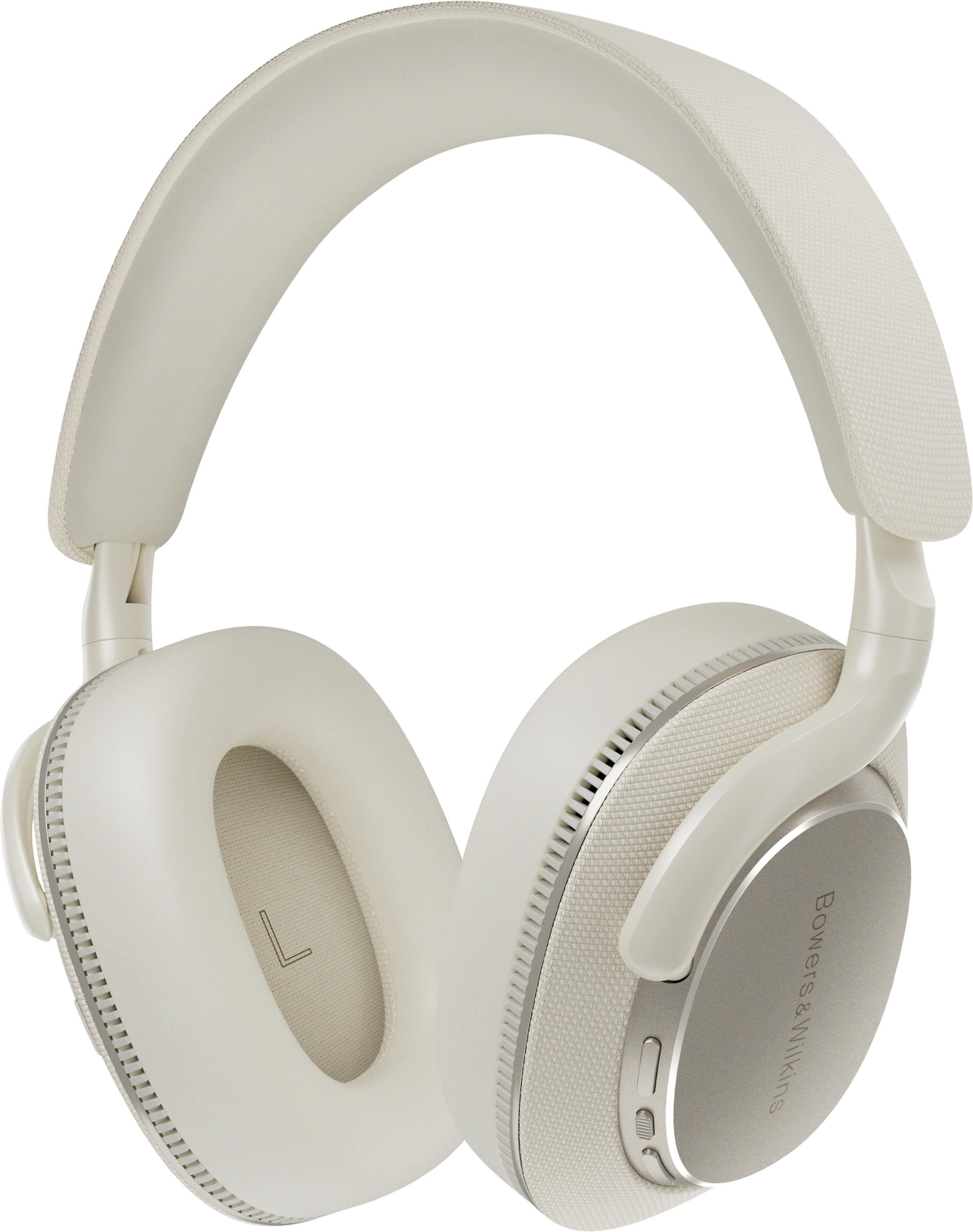
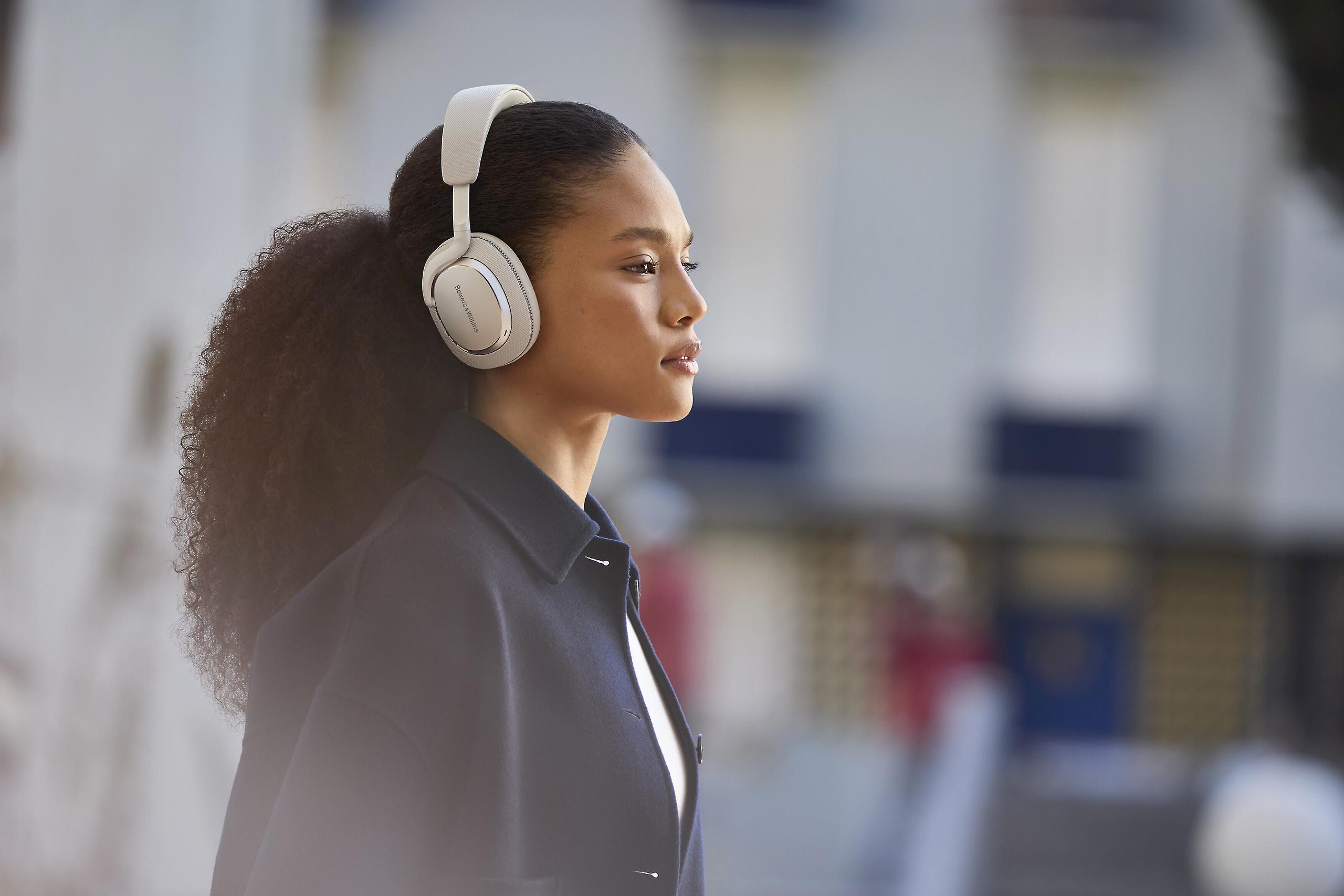
The Bowers & Wilkins Px7 S3, released in 2025, represents the latest evolution of B&W's flagship wireless headphones. Bowers & Wilkins has nearly six decades of experience in high-end audio, and they're particularly famous for their speakers, which have been used in Abbey Road Studios where The Beatles recorded many of their albums.
The Px7 S3 takes a more focused approach than its competitor. Rather than packing in every possible feature, B&W concentrated on getting the fundamentals absolutely right: sound quality, build quality, and user experience. The result is a headphone that feels more refined and purposeful.
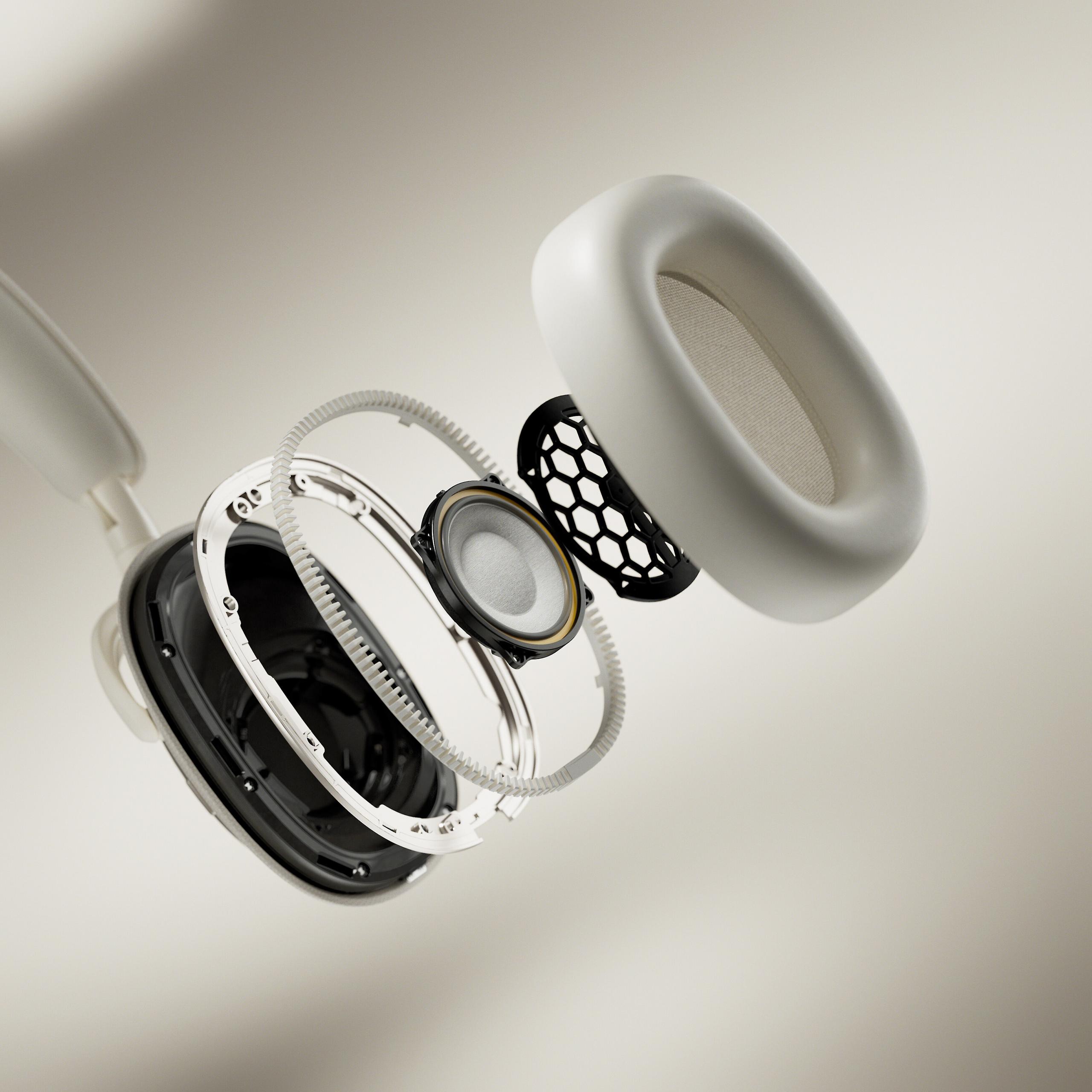
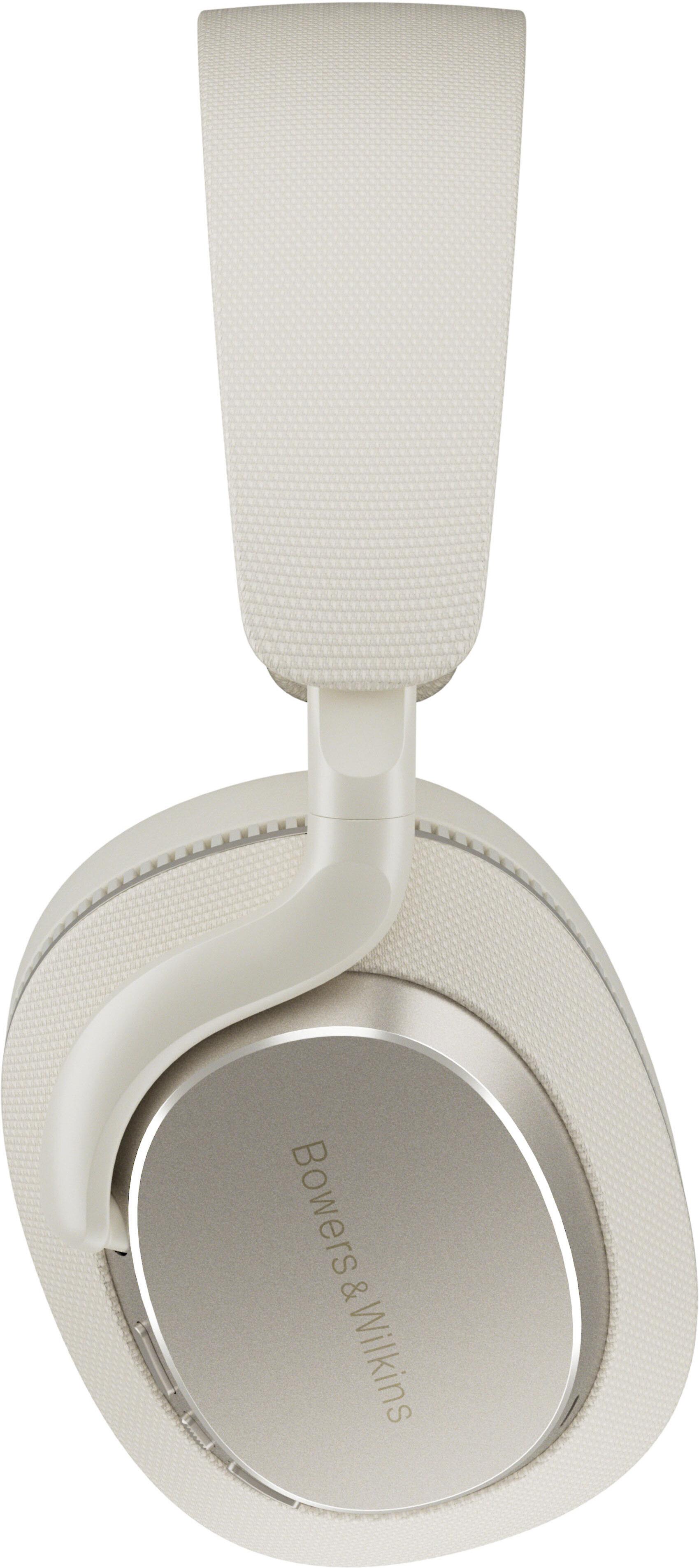
At 298 grams, the Px7 S3 is notably lighter than the Shure model, which becomes important during long listening sessions. The 40mm bio-cellulose drivers are smaller than Shure's, but B&W has compensated with advanced acoustic engineering and dedicated amplification.
This is where the differences between these headphones become most apparent, and it's worth spending time understanding what makes each special.
The Shure Aonic 50 Gen 2 delivers what I'd call "studio monitor" sound—it's designed to show you exactly what's in your music, warts and all. The frequency response is relatively flat, meaning it doesn't artificially boost bass or treble to make music sound more exciting initially.
This approach has pros and cons. On the positive side, you hear music as the artist and engineer intended. Subtle details in recordings become apparent, and you develop a better understanding of how your favorite albums were actually mixed and mastered. The soundstage—how spread out instruments sound in the stereo field—is particularly impressive, with excellent separation between different elements.
However, this neutral approach can sound a bit restrained or "boring" compared to headphones that artificially enhance certain frequencies. Some listeners find they need to adjust the equalizer to get the excitement level they want from their music.
The Aonic 50 Gen 2 shines with its Spatialized Audio technology, which uses digital signal processing to create three different listening modes. Music mode simulates listening in a well-treated room with high-end speakers, Cinema mode recreates the sub-bass and clarity of a movie theater, and Podcast mode focuses on vocal clarity. These aren't gimmicks—they genuinely enhance different types of content in meaningful ways.
The Bowers & Wilkins Px7 S3 takes a different philosophical approach. While still accurate, it's tuned to be immediately engaging and musical. Professional reviewers consistently describe its sound as "open," "spacious," and having a "slight warmth" that makes long listening sessions enjoyable.
The bio-cellulose drivers deserve special mention. Bio-cellulose is a material grown by bacteria that's incredibly light and rigid—ideal properties for speaker cones. It allows the drivers to move quickly and accurately, reducing distortion and improving detail retrieval. Combined with B&W's decades of acoustic engineering experience, the result is sound that many reviewers describe as being in a different league from typical wireless headphones.
What impresses me most about the Px7 S3 is how it manages to be both detailed and smooth simultaneously. Many headphones that excel at detail retrieval can sound harsh or fatiguing, but the B&W model maintains musicality even during critical listening sessions.
For home theater use, both headphones perform well, but they offer different experiences. The Aonic 50 Gen 2's Cinema mode specifically optimizes for movie content, enhancing dialogue clarity while maintaining impactful bass for action sequences. The Px7 S3 doesn't have specific movie modes, but its natural soundstage and excellent imaging make it superb for film soundtracks and immersive content.
Active Noise Cancellation has become a make-or-break feature for premium wireless headphones, and there's a clear winner here.
The Aonic 50 Gen 2 offers four different ANC modes (Light, Moderate, Max, and MaxAware), which sounds impressive on paper. However, in practice, the noise cancellation performance is consistently described by reviewers as "average" for this price category.
The MaxAware mode is interesting—it's designed to maintain some environmental awareness for safety while still providing noise reduction. This is useful for commuting or office environments where you need to remain alert to your surroundings.
One area where the Aonic 50 Gen 2 excels is its Environmental Mode, which offers 11 levels of ambient sound pass-through. This granular control lets you dial in exactly how much outside sound you want to hear, which is more flexible than most competitors offer.
The Px7 S3 represents a major step forward for Bowers & Wilkins in noise cancellation technology. Previous B&W wireless headphones were often criticized for weak ANC, but the Px7 S3 addresses this completely.
The eight-microphone system (six dedicated to noise cancellation, two for voice pickup) works together with adaptive algorithms that continuously analyze your environment. Professional testing shows the Px7 S3 now matches the performance of established leaders like Sony's WH-1000XM series.
What's particularly impressive is how the improved ANC doesn't negatively impact sound quality—a common issue with aggressive noise cancellation systems. The Px7 S3 maintains its excellent audio performance even with ANC engaged.
Comfort becomes crucial when you're wearing headphones for hours at a time, whether you're working, traveling, or enjoying a movie marathon.
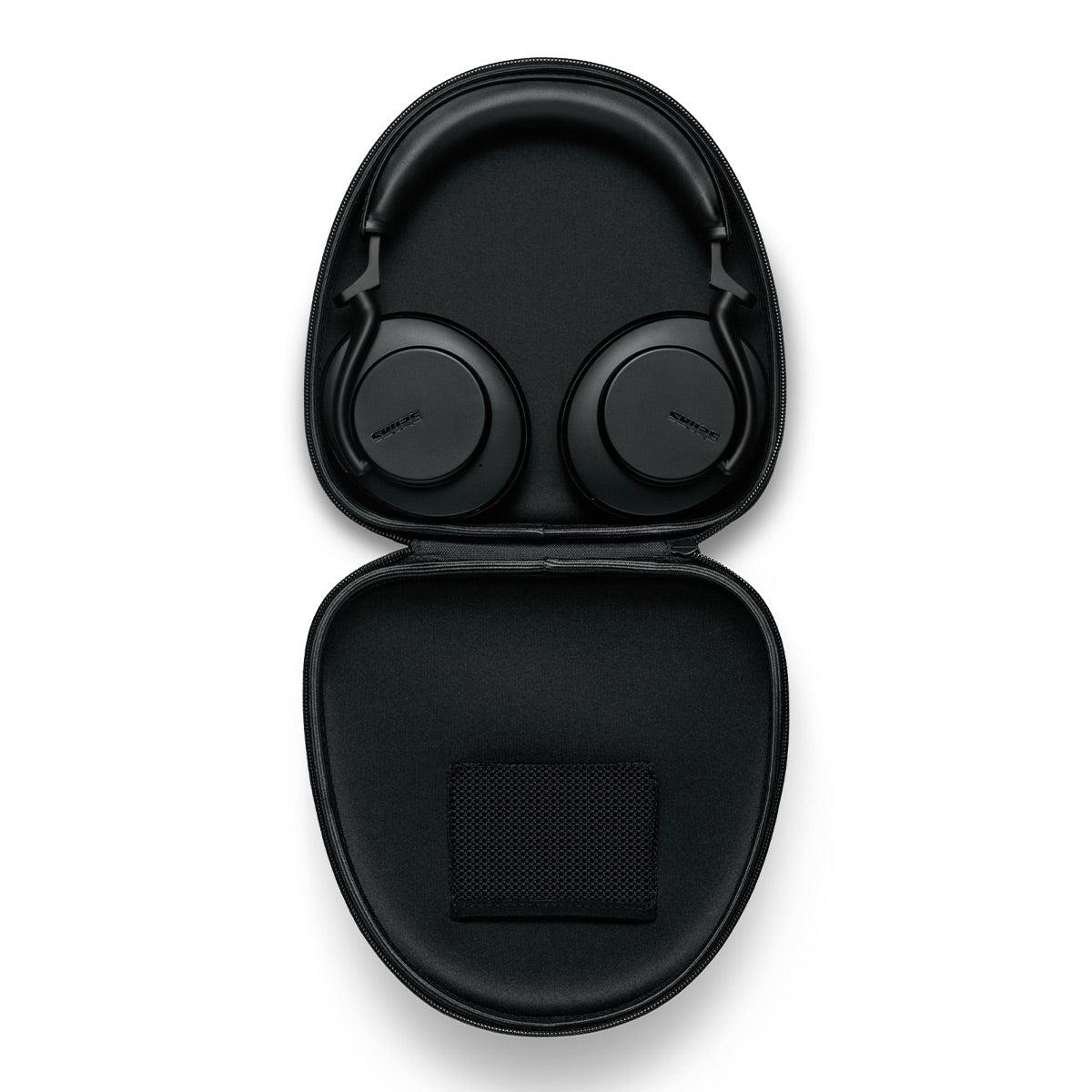
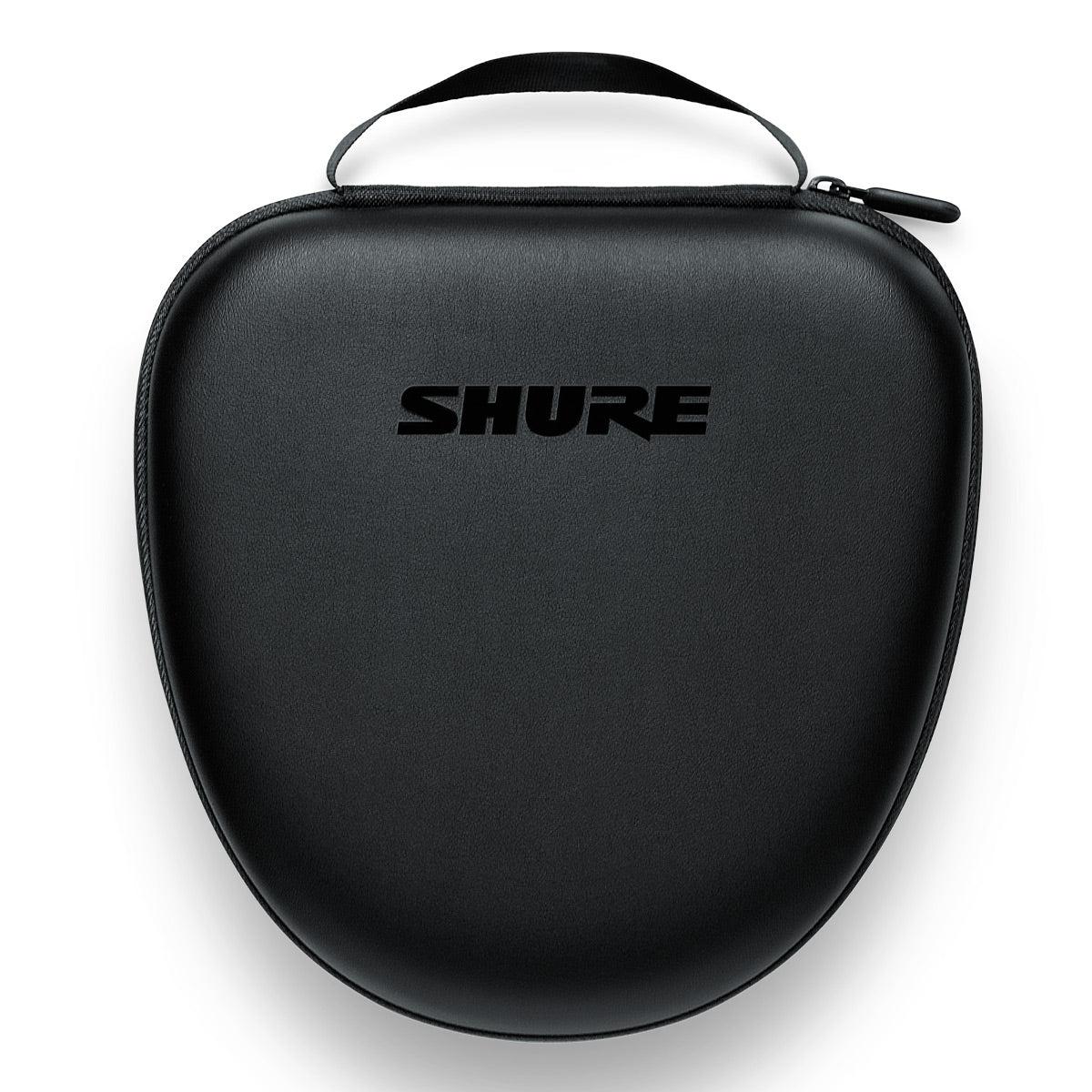
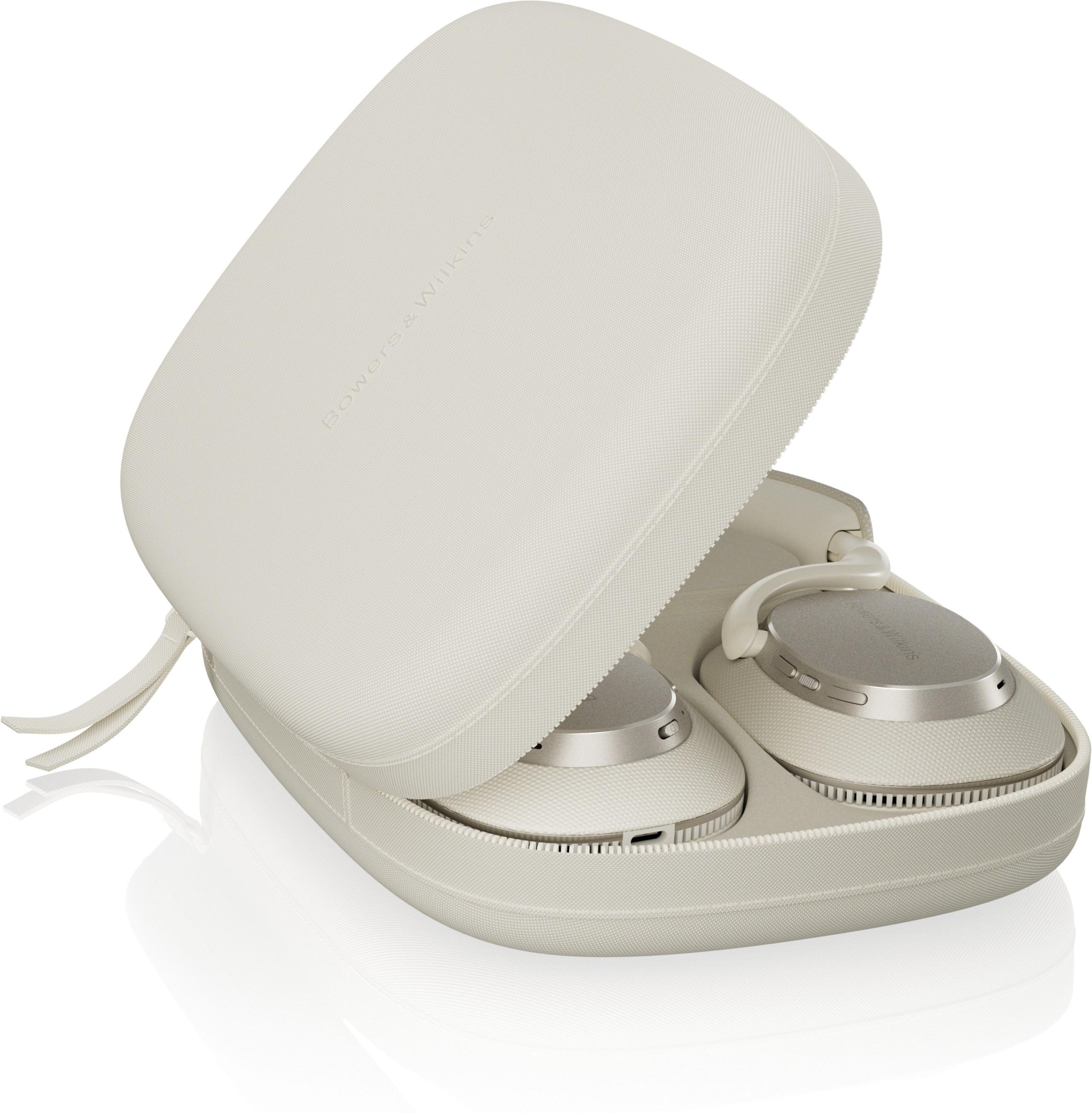
The Shure Aonic 50 Gen 2 feels substantial and well-built, which you'd expect from a company with Shure's professional pedigree. The materials are high-quality, and the fold-flat design makes them reasonably portable.
However, at 340 grams, they're noticeably heavier than many competitors. The clamping force—how tightly they grip your head—is also quite strong, which some users with larger heads find uncomfortable during extended sessions. The trade-off is excellent isolation and secure fit, but it's worth considering if you plan on wearing them for many hours at a time.
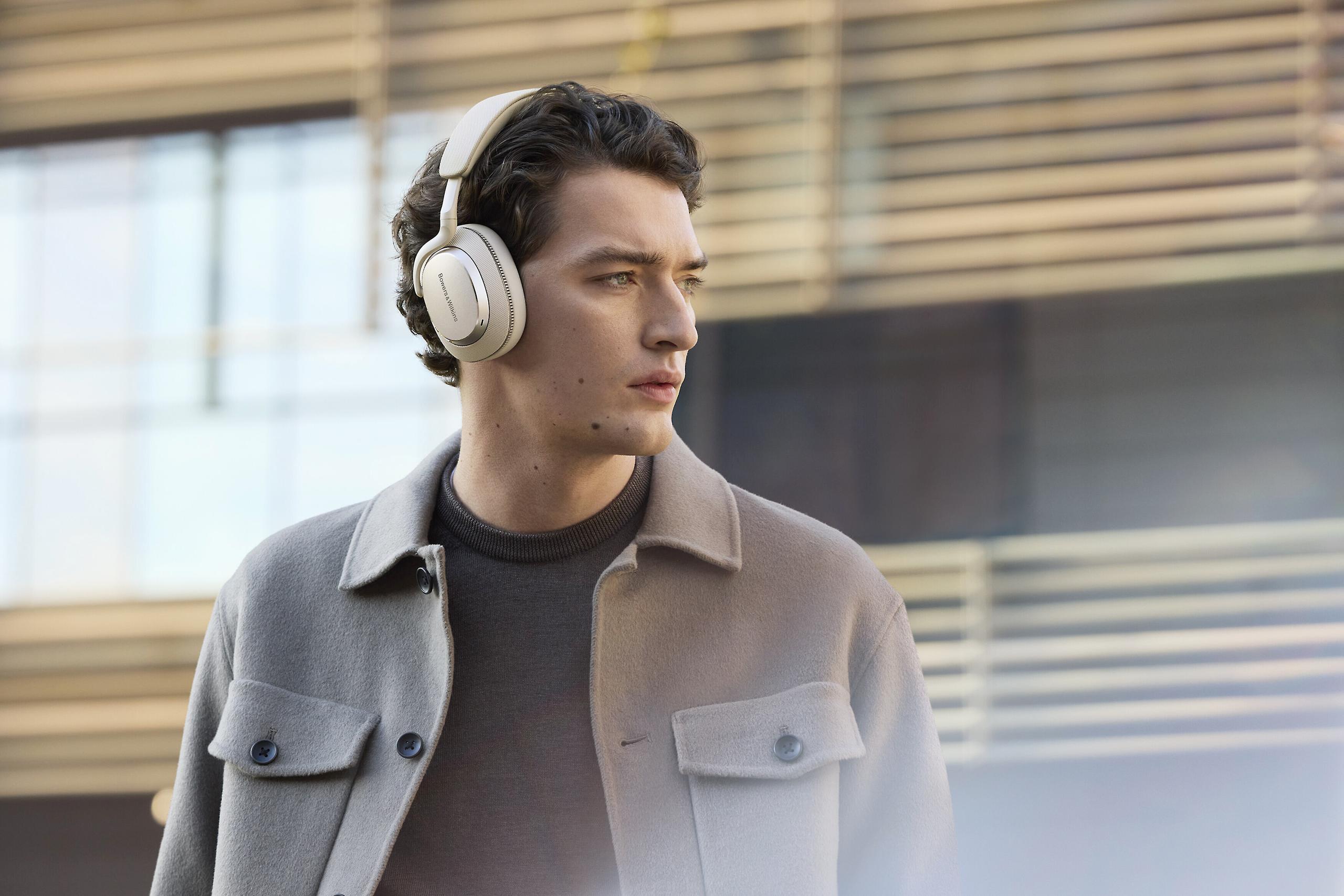
The Px7 S3 represents a significant improvement in comfort over previous B&W models. The redesigned earcups are slimmer and lighter, while the memory foam padding adapts well to different head shapes. At 298 grams, the weight difference compared to the Shure model becomes noticeable during long sessions.
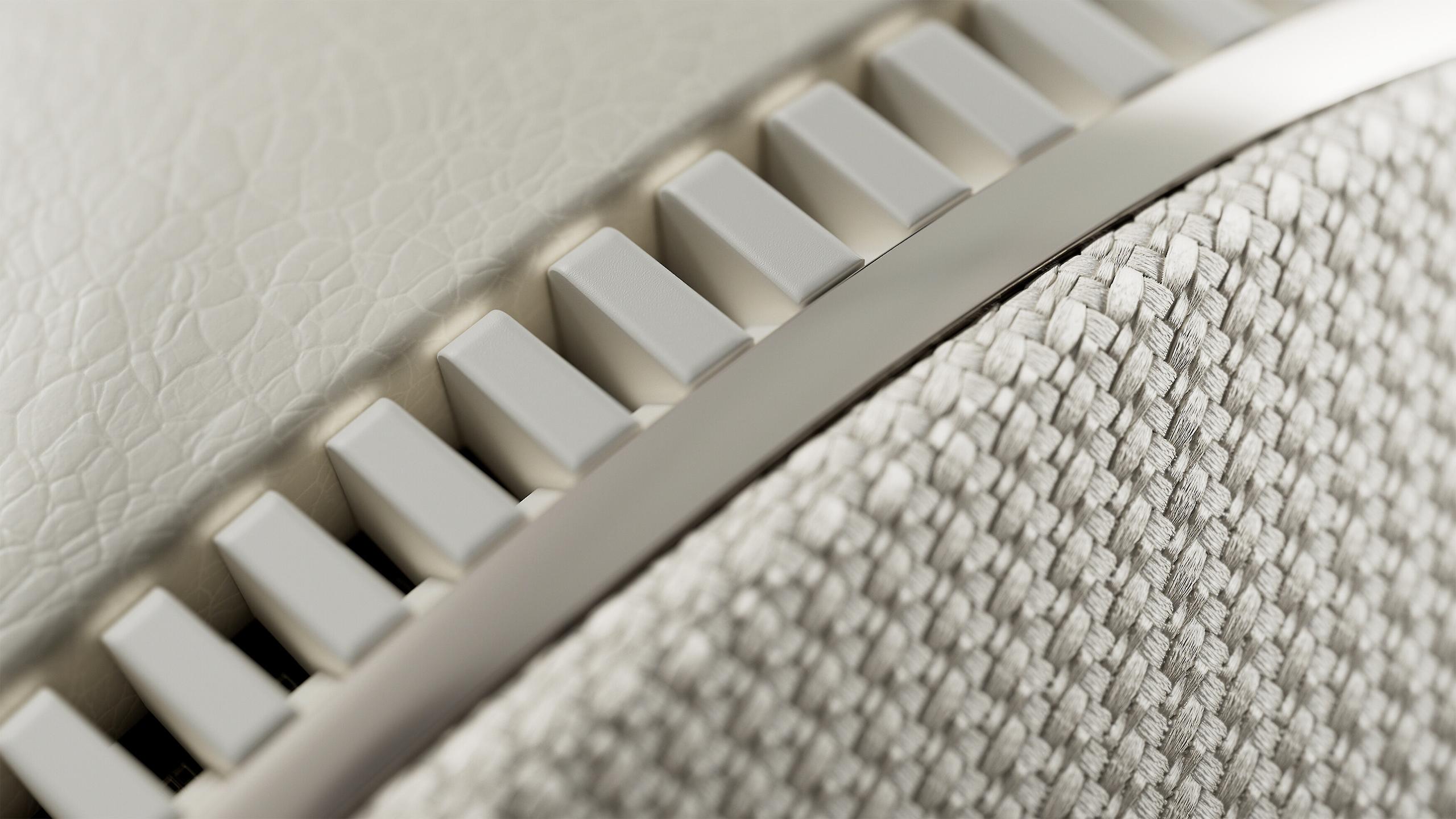
The materials feel premium throughout—leather on the cushions, metal construction on the earcups, and fabric finishes that resist wear. Professional reviewers consistently rate the Px7 S3 higher for comfort, with ratings around 4.5 out of 5.
This is one area where there's a clear and significant difference between these headphones.
The Shure Aonic 50 Gen 2 offers an impressive 45 hours of playback time—more than double its predecessor and significantly more than most competitors. This isn't just a nice-to-have feature; it's genuinely liberating. You can use these headphones for weeks without thinking about charging, making them ideal for frequent travelers or anyone who dislikes the anxiety of low battery warnings.
The Bowers & Wilkins Px7 S3 provides a more typical 30 hours of battery life, which is still excellent by industry standards and plenty for most users. The quick-charge feature gives you seven hours of playback from a 15-minute charge, which is more generous than Shure's five hours from the same charging time.
For most users, both headphones offer sufficient battery life, but the Aonic 50 Gen 2's extreme longevity is a genuine competitive advantage.
Modern premium headphones are as much about software and connectivity as they are about drivers and acoustics.
The Aonic 50 Gen 2 excels in connectivity options. It supports virtually every high-quality Bluetooth codec available, including aptX HD, aptX Adaptive, aptX Low Latency, and Sony's LDAC. This means you'll get the best possible wireless audio quality regardless of your source device.
For wired connections, the headphones support up to 32-bit/384kHz audio via USB-C, which is exceptional resolution—far beyond what most music streaming services provide, but useful for audiophile-grade local files.
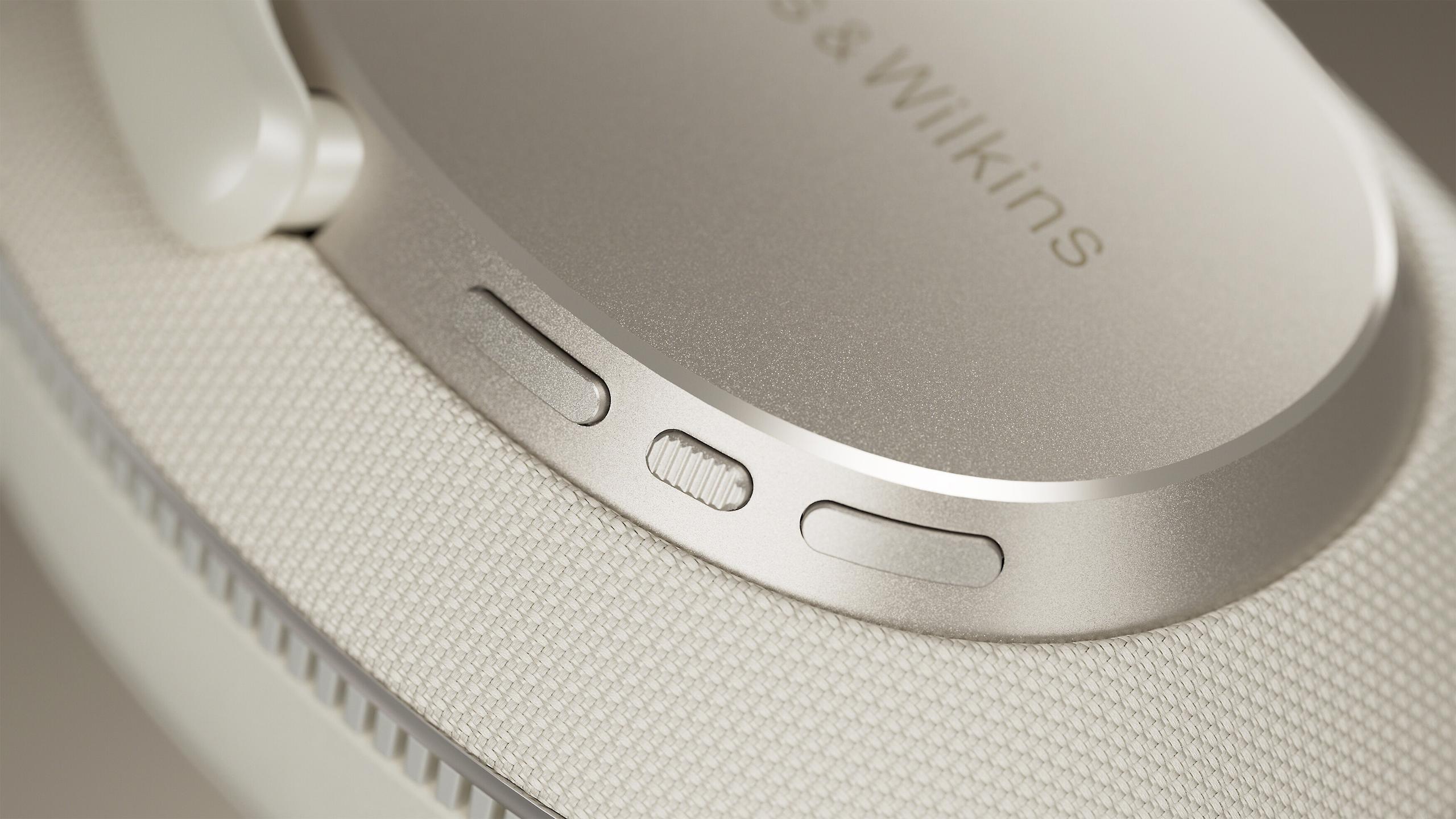
The ShurePlus PLAY app offers extensive customization options, including a 4-band parametric equalizer that lets you make precise adjustments to the frequency response. The spatial audio modes can be toggled easily, and you can customize button controls to match your preferences.
The Bowers & Wilkins Px7 S3 supports the latest Bluetooth 5.3 standard with aptX Lossless, aptX Adaptive, and other high-quality codecs. The inclusion of aptX Lossless is particularly noteworthy—this relatively new codec can deliver truly lossless audio over Bluetooth when paired with compatible devices.
The B&W Music app takes a more streamlined approach, offering 5-band EQ adjustment and integration with streaming services. While less flexible than Shure's parametric EQ, it's simpler to use and covers most users' needs.
The Px7 S3 also functions as a high-quality DAC (digital-to-analog converter) when connected via USB-C, supporting up to 24-bit/96kHz audio with ANC still functional—a nice technical achievement.
With remote work becoming more common, call quality has become increasingly important for premium headphones.
The Shure Aonic 50 Gen 2 uses a six-microphone array, but call quality receives mixed reviews. Voice reproduction sounds natural but lacks some depth, and background noise handling is adequate but not exceptional.
The Bowers & Wilkins Px7 S3 uses all eight microphones for call processing, combined with ADI Pure Voice technology that specifically targets wind and background noise suppression. Professional testing consistently rates the Px7 S3 higher for call quality, making it the better choice if you frequently take calls while wearing headphones.
At the time of writing, these headphones occupy different price points, with the Shure Aonic 50 Gen 2 positioned as the more affordable option while the Bowers & Wilkins Px7 S3 commands a premium.
The Aonic 50 Gen 2 offers exceptional value for users who prioritize versatility and battery life. The combination of professional-grade features, extensive customization options, and industry-leading 45-hour battery life provides significant functionality per dollar spent.
The Px7 S3 justifies its premium pricing through superior sound quality, refined build materials, effective noise cancellation, and excellent comfort. Professional audio testing consistently ranks it among the best-sounding wireless headphones available at any price.
Your choice between these excellent headphones should depend on your priorities and usage patterns.
Choose the Shure Aonic 50 Gen 2 if you want maximum versatility and battery life. These headphones excel for users who travel frequently, work long hours, or enjoy customizing their audio experience. The spatial audio modes make them particularly appealing for mixed-use scenarios where you'll listen to music, watch movies, and take calls throughout the day.
The comprehensive codec support and high-resolution wired audio capability also make them attractive to tech enthusiasts who want future-proof connectivity options.
Choose the Bowers & Wilkins Px7 S3 if sound quality is your top priority. These headphones offer a more refined, audiophile-focused experience that justifies the premium pricing. The superior comfort, effective noise cancellation, and excellent call quality make them ideal for professional use or serious music listening.
The Px7 S3 is also the better choice for users who prefer a more streamlined, elegant approach rather than extensive customization options.
Both headphones represent excellent engineering and will serve their owners well for years. The choice ultimately comes down to whether you value maximum features and battery life, or prefer to pay more for superior acoustic performance and build refinement. Either way, you'll be getting a headphone that demonstrates just how far wireless audio technology has advanced in recent years.
| Shure Aonic 50 Gen 2 | Bowers & Wilkins Px7 S3 |
|---|---|
| Driver Size - Larger drivers typically provide better bass response and dynamics | |
| 50mm dynamic drivers with neodymium magnets | 40mm bio-cellulose drivers with dedicated amplification |
| Weight - Critical for long listening sessions and daily comfort | |
| 340g (heavier but sturdy construction) | 298g (lighter weight reduces fatigue) |
| Battery Life - Key differentiator for travel and all-day use | |
| 45 hours (industry-leading, can go weeks between charges) | 30 hours (excellent but more typical for premium headphones) |
| Active Noise Cancellation - Essential for commuting and focus | |
| Average performance with 4 selectable modes | Significantly improved with 8-microphone hybrid system |
| Sound Signature - Determines out-of-the-box listening experience | |
| Neutral studio monitor sound (may need EQ adjustment) | Engaging audiophile tuning with natural warmth |
| Customization Options - Important for personalizing your sound | |
| 4-band parametric EQ with spatial audio modes | 5-band EQ with streamlined controls |
| Bluetooth Codecs - Affects wireless audio quality | |
| Comprehensive: aptX HD, Adaptive, LDAC, Low Latency | aptX Lossless, aptX Adaptive, aptX HD (latest standards) |
| Wired Audio Support - Maximum quality for critical listening | |
| Up to 32-bit/384kHz via USB-C (exceptional resolution) | Up to 24-bit/96kHz with internal DAC functionality |
| Call Quality - Important for work-from-home scenarios | |
| 6-microphone array with adequate performance | 8-microphone system with ADI Pure Voice technology |
| Build Materials - Affects durability and premium feel | |
| Professional-grade construction with fold-flat design | Premium leather, metal, and fabric with refined ergonomics |
| Comfort Rating - Based on professional reviews and user feedback | |
| Good but strong clamping force (may not suit larger heads) | Excellent 4.5/5 rating with memory foam padding |
| Environmental Awareness - Useful for safety and situational awareness | |
| 11-stage adjustable Environmental Mode (highly granular) | 3-mode transparency system (simpler but effective) |
| Quick Charge Performance - Minimizes downtime when battery is low | |
| 15 minutes = 5 hours playback | 15 minutes = 7 hours playback |
The Bowers & Wilkins Px7 S3 delivers superior out-of-the-box sound quality with its bio-cellulose drivers and refined acoustic engineering. Professional reviewers consistently rate it as having class-leading audio performance with engaging, detailed sound. The Shure Aonic 50 Gen 2 offers more neutral, studio-monitor sound that's highly customizable but may require EQ adjustments to reach its full potential.
The Shure Aonic 50 Gen 2 offers exceptional 45-hour battery life, making it ideal for frequent travelers and heavy users who don't want to worry about charging. The Bowers & Wilkins Px7 S3 provides 30 hours of playback, which is still excellent for most users but significantly shorter than the Shure model.
The Bowers & Wilkins Px7 S3 is notably more comfortable, weighing 298g compared to the Shure Aonic 50 Gen 2's 340g. The Px7 S3 features refined ergonomics with memory foam padding and receives higher comfort ratings from professional reviewers. The Shure model has stronger clamping force that some users with larger heads find uncomfortable.
The Bowers & Wilkins Px7 S3 has significantly better active noise cancellation with its 8-microphone hybrid system, now matching performance of leading competitors like Sony. The Shure Aonic 50 Gen 2 offers four ANC modes but is consistently rated as having only average noise cancellation performance for this price category.
The Shure Aonic 50 Gen 2 typically offers better value with its lower price point, exceptional 45-hour battery life, comprehensive features, and extensive customization options. The Bowers & Wilkins Px7 S3 costs more but justifies the premium through superior sound quality, build materials, comfort, and noise cancellation performance.
Both headphones excel for home theater use in different ways. The Shure Aonic 50 Gen 2 features a dedicated Cinema mode that optimizes for movie content with enhanced dialogue clarity and impactful bass. The Bowers & Wilkins Px7 S3 offers excellent natural soundstage and imaging that makes film soundtracks immersive without artificial processing.
The Bowers & Wilkins Px7 S3 provides superior call quality with its 8-microphone array and ADI Pure Voice technology that effectively suppresses background noise. The Shure Aonic 50 Gen 2 has adequate call quality with its 6-microphone system, but voice reproduction lacks some depth and background noise handling is less effective.
The Shure Aonic 50 Gen 2 offers more comprehensive codec support including aptX HD, aptX Adaptive, aptX Low Latency, and LDAC for maximum device compatibility. The Bowers & Wilkins Px7 S3 supports the latest Bluetooth 5.3 with aptX Lossless and other modern codecs, focusing on the most current standards rather than broad compatibility.
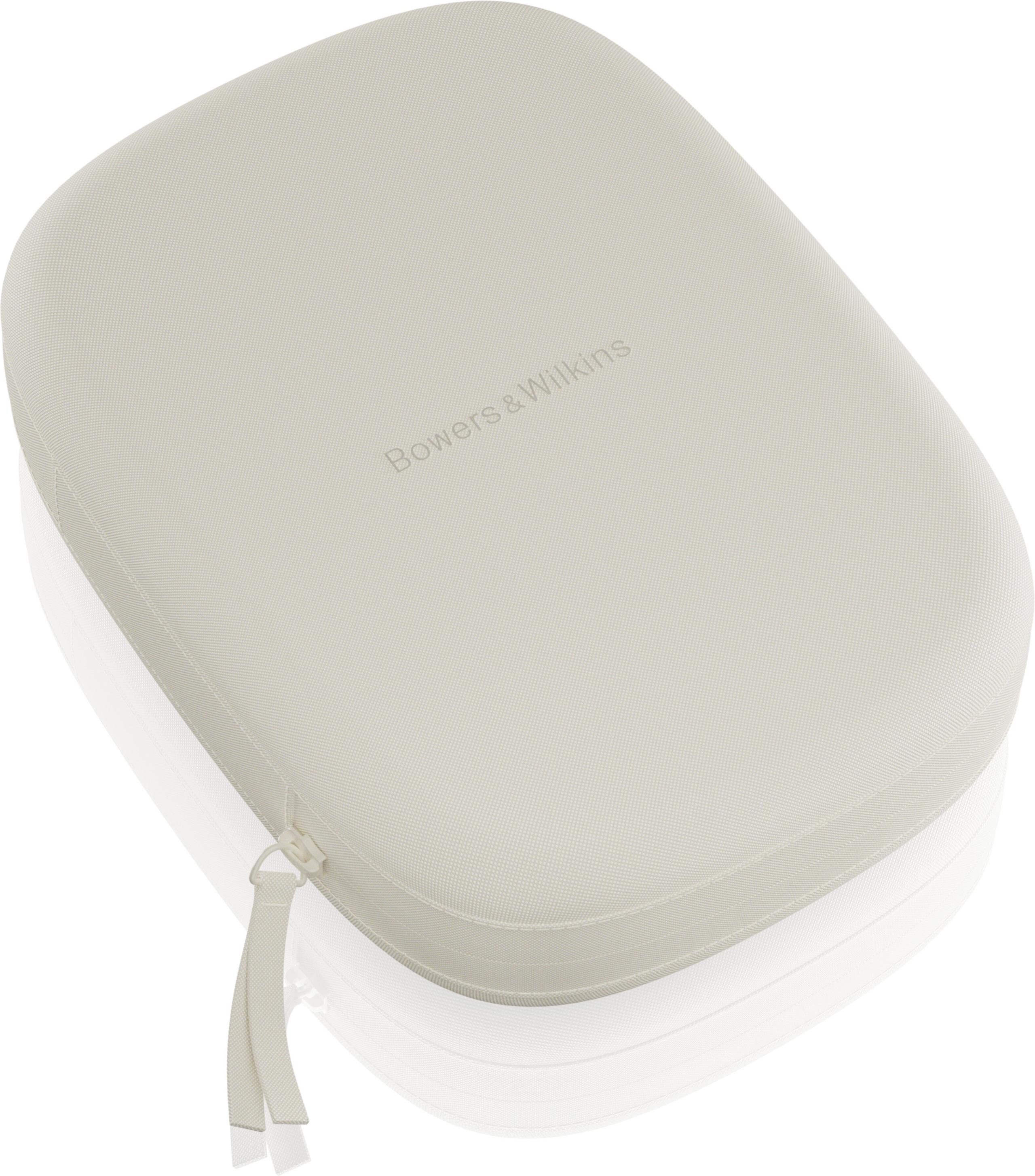
The Bowers & Wilkins Px7 S3 is more travel-friendly due to its lighter weight, more compact design, and superior noise cancellation for blocking airplane and traffic noise. The Shure Aonic 50 Gen 2 offers a fold-flat design and exceptional battery life that reduces charging anxiety during long trips, but it's heavier and bulkier.
The Shure Aonic 50 Gen 2 offers more extensive customization with 4-band parametric EQ, spatial audio modes (Music, Cinema, Podcast), and detailed app controls. The Bowers & Wilkins Px7 S3 provides 5-band EQ adjustment through its app, which is simpler but less flexible than Shure's parametric options.
The Bowers & Wilkins Px7 S3 features more premium materials including leather cushions, metal construction, and fabric finishes with refined ergonomics. The Shure Aonic 50 Gen 2 offers professional-grade construction that's sturdy and durable but uses less premium materials overall compared to the B&W model.
The Shure Aonic 50 Gen 2 is better for gaming with its aptX Low Latency codec support and Snapdragon Sound technology that reduces audio delay. The Bowers & Wilkins Px7 S3 offers excellent audio quality for gaming but lacks specific low-latency features, making the Shure model the better choice for competitive gaming or video content creation.
We've done our best to create useful and informative comparisons to help you decide what product to buy. Our research uses advanced automated methods to create this comparison and perfection is not possible - please contact us for corrections or questions. These are the sites we've researched in the creation of this article: tomsguide.com - headphonecheck.com - whathifi.com - majorhifi.com - rtings.com - versus.com - majorhifi.com - versus.com - audio46.com - youtube.com - bhphotovideo.com - techradar.com - soundpro.com - shure.com - americanmusical.com - pubs.shure.com - blog.zzounds.com - service.shure.com - fullcompass.com - techradar.com - recordingnow.com - tomsguide.com - tomsguide.com - loudersound.com - whathifi.com - headphonecheck.com - loudnwireless.com - recordingnow.com - techradar.com - bowerswilkins.com - bhphotovideo.com - audio46.com - bowerswilkins.com - smarthomesounds.co.uk - audioadvisor.com - audiograde.uk - bowerswilkins.com - my.tcacoustic.asia - whathifi.com

Privacy Policy
Terms and Conditions - Affiliate Policy
Home Security
© Copyright 2008-2026.
11816 Inwood Rd #1211, Dallas, TX 75244