

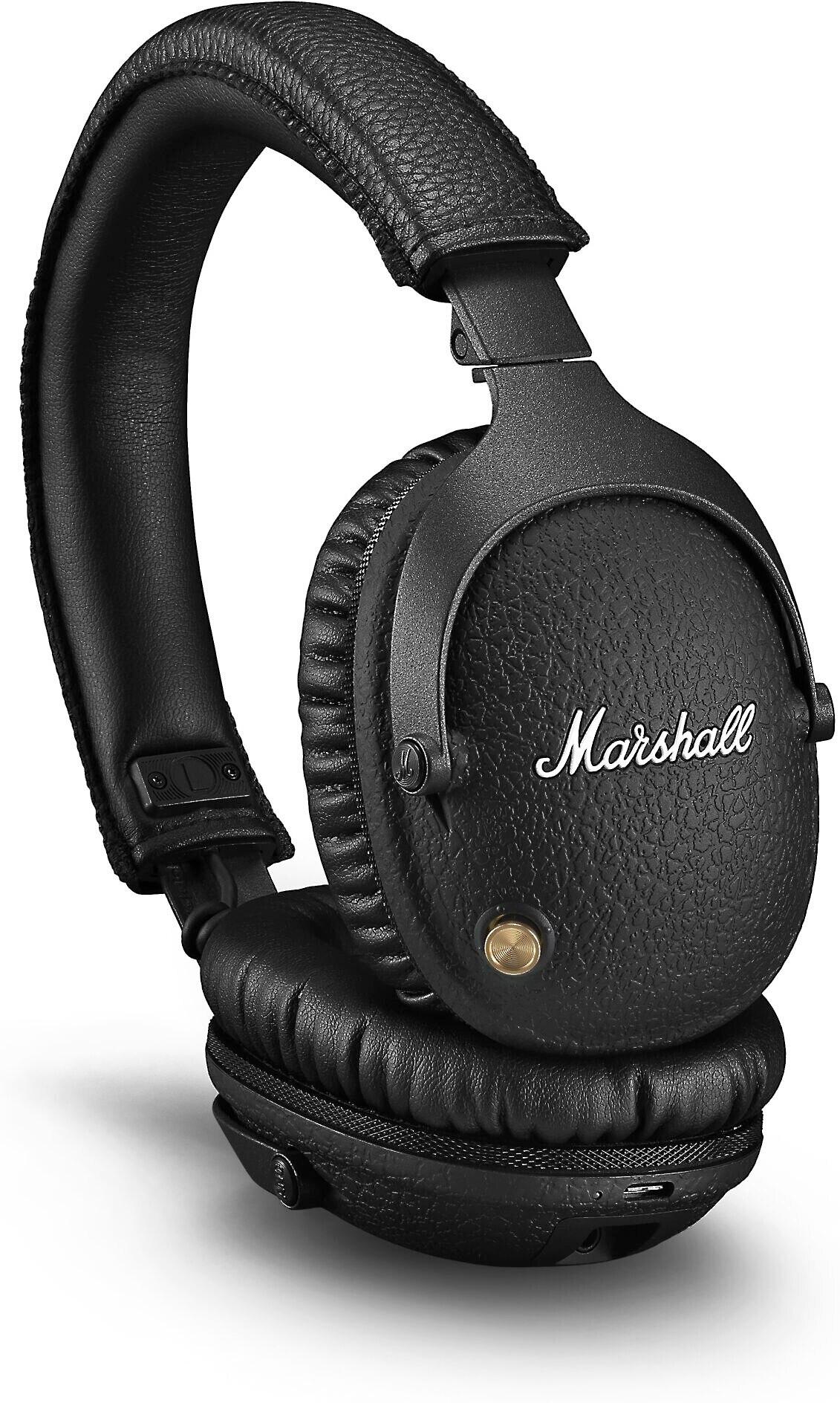
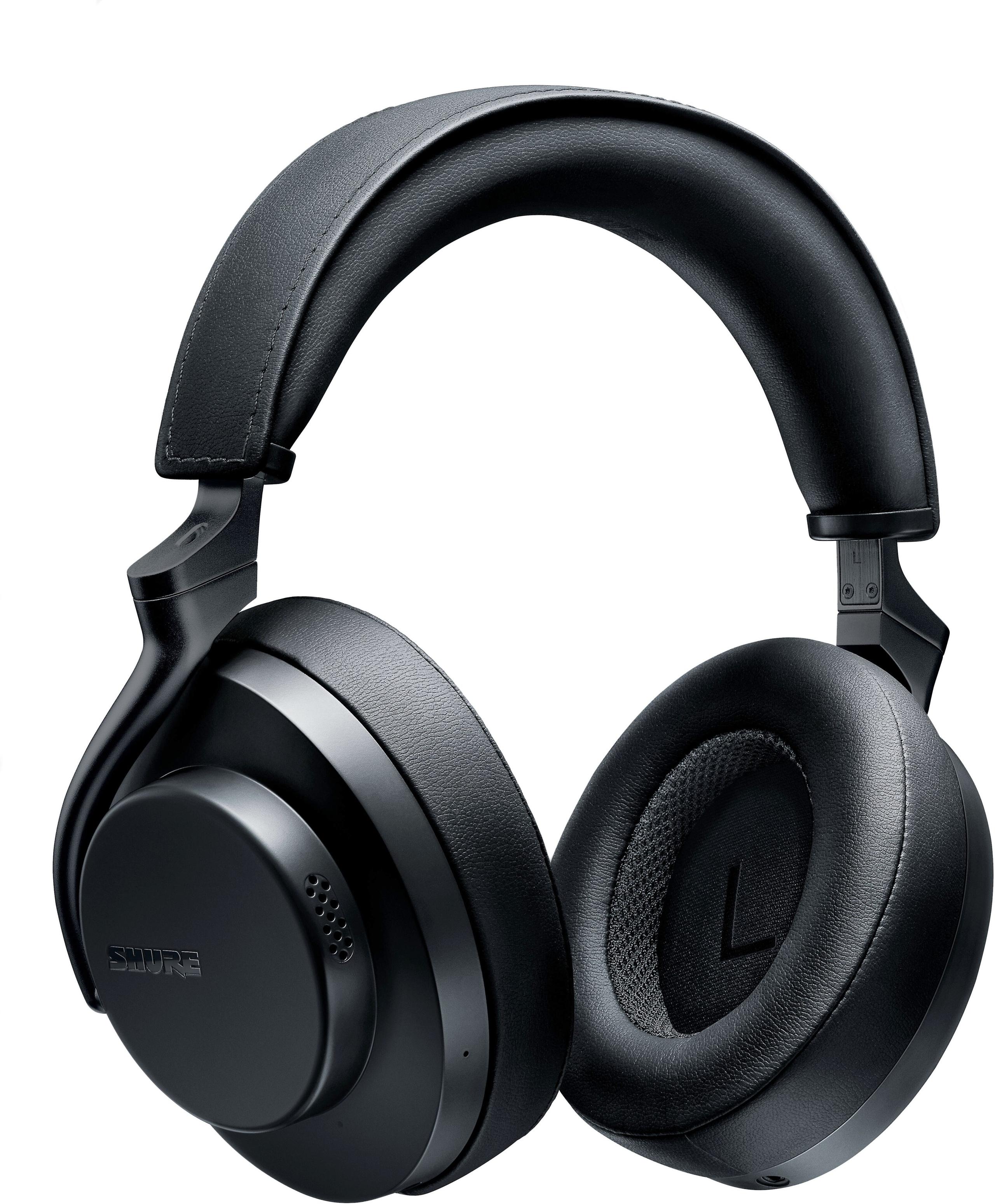
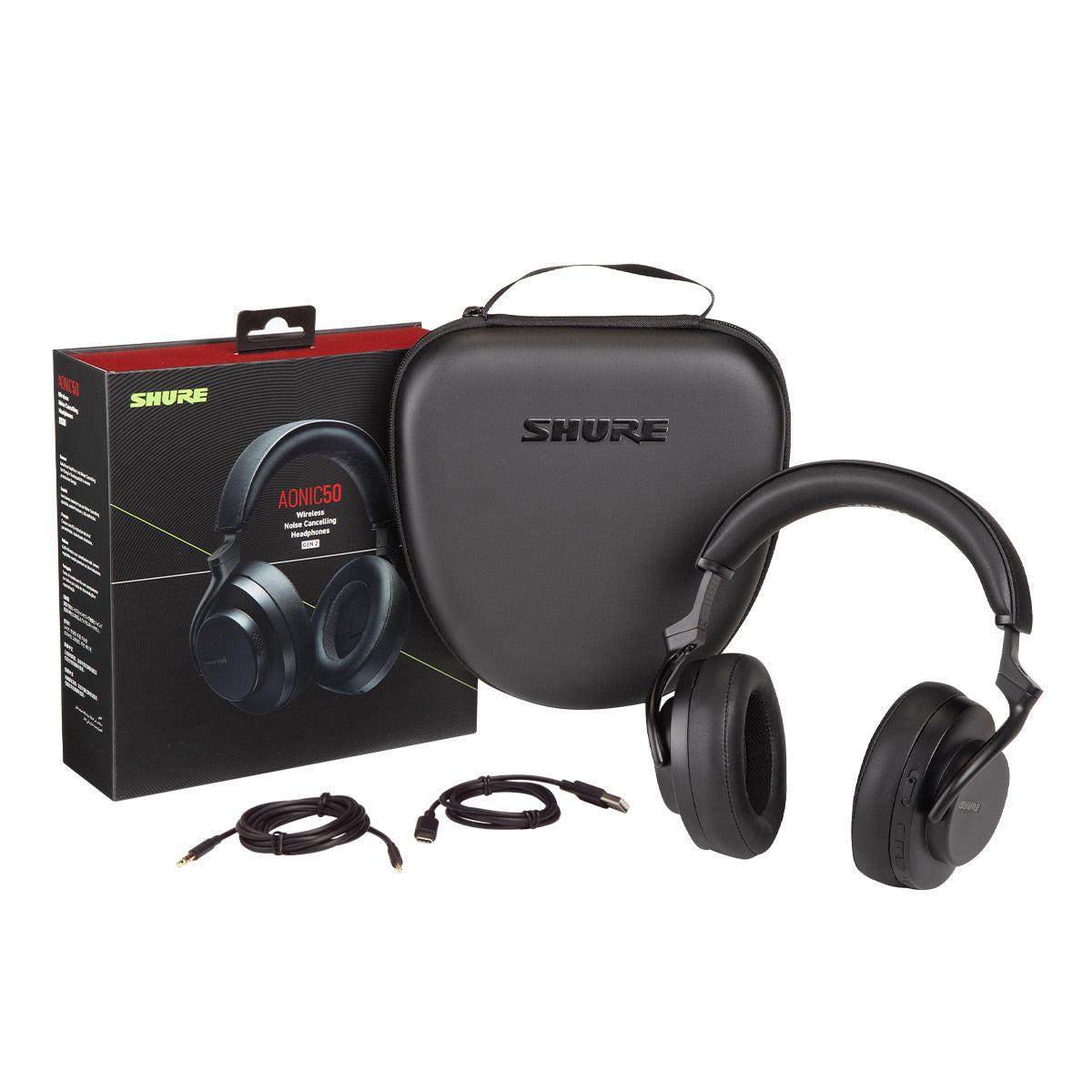

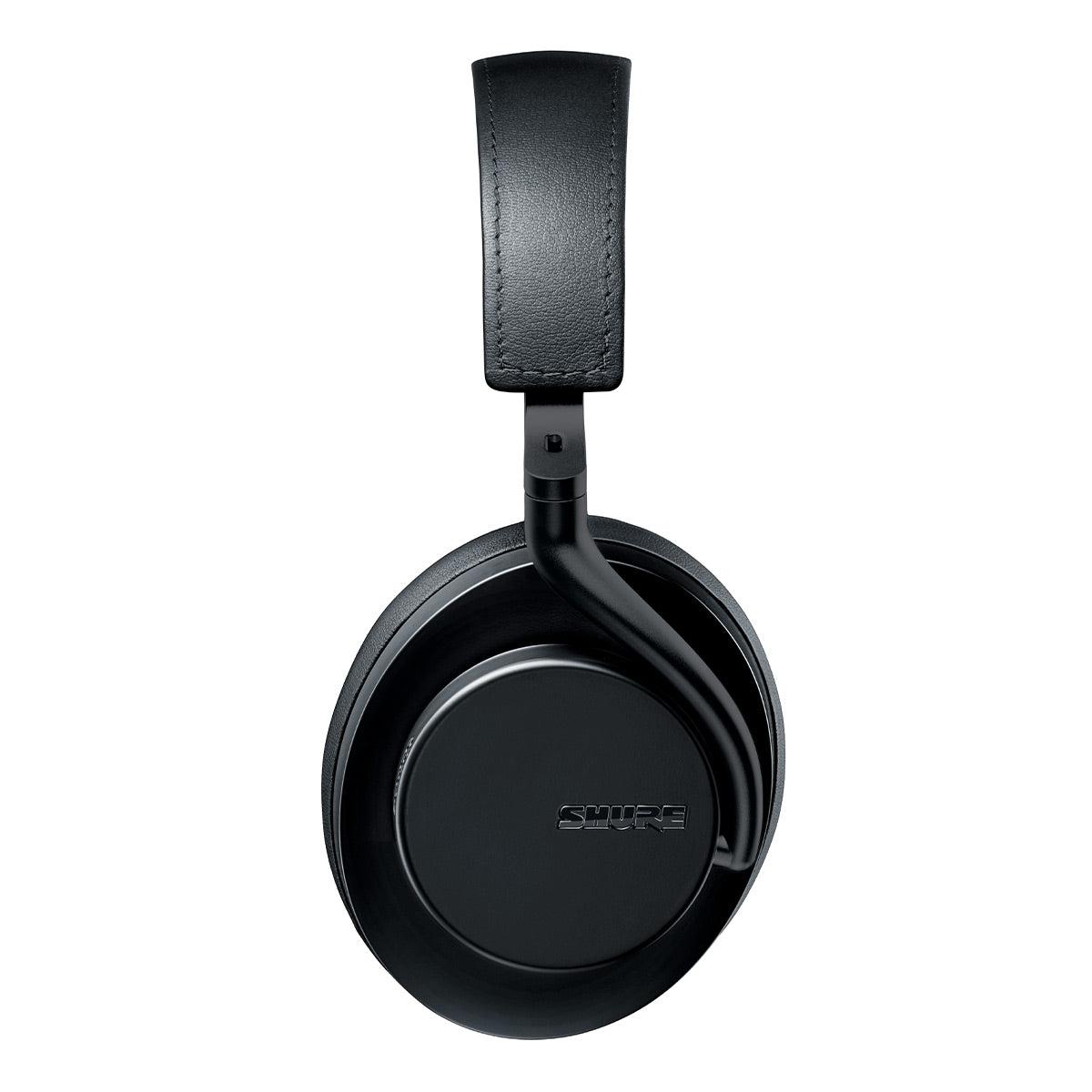


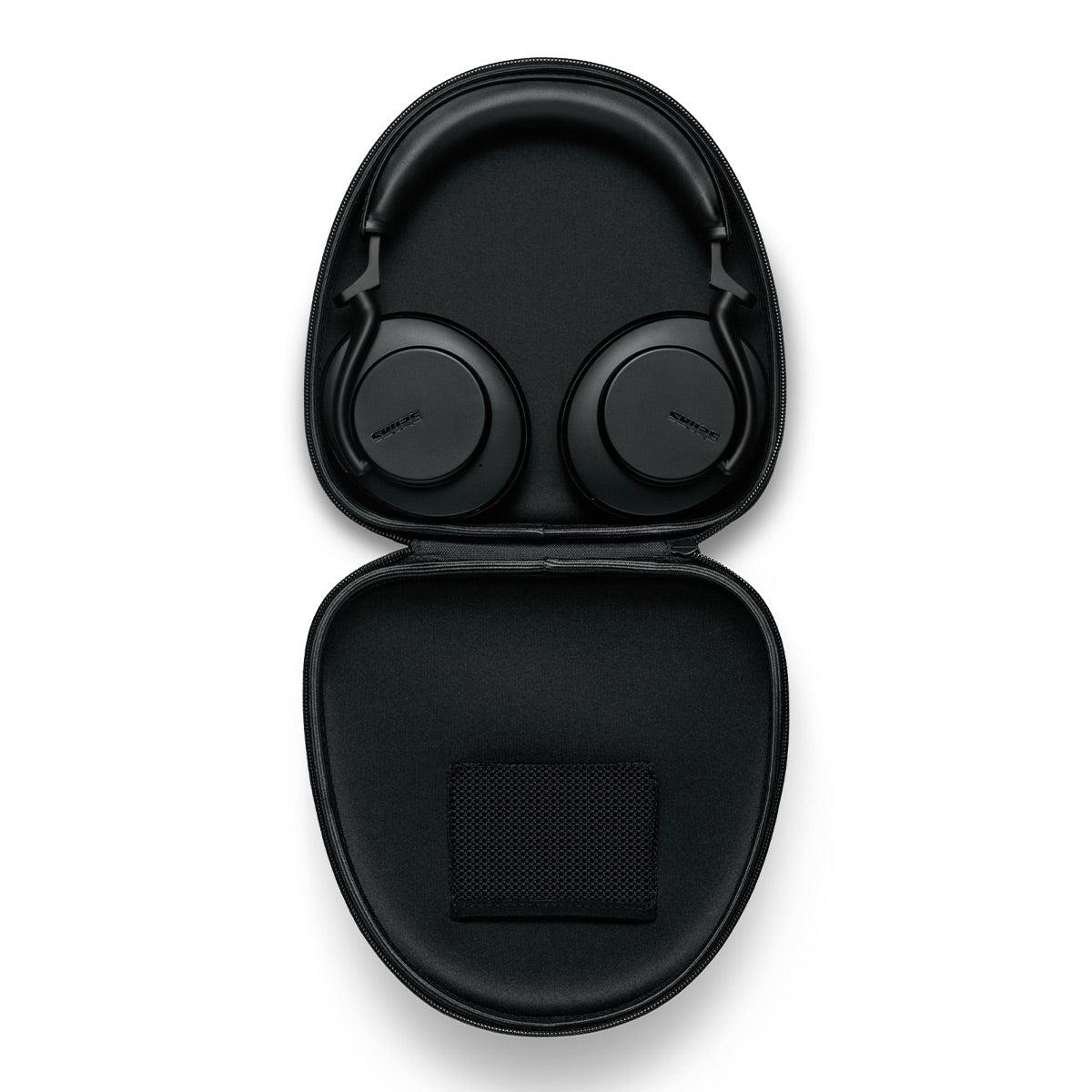
When you're shopping for premium wireless headphones, the decision often comes down to what matters most in your daily listening routine. Two standout options that frequently appear on audiophile wish lists are the Marshall Monitor II ANC and the Shure Aonic 50 Gen 2. Both represent different philosophies in headphone design, and understanding their strengths will help you make the right choice for your needs.
Premium wireless headphones occupy a special place in the audio world. At the time of writing, these products typically cost between $300-400, positioning them well above basic Bluetooth headphones but below high-end audiophile gear. They're designed for people who take their audio seriously but still need the convenience of wireless connectivity and active noise cancellation.
The key challenge these headphones must solve is balancing multiple demanding requirements. You need excellent sound quality that rivals wired headphones, active noise cancellation (ANC) that actually works in real-world environments, comfort for hours of wear, reliable wireless connectivity that doesn't drop out, and battery life that lasts through long days or international flights. It's a tall order, and different manufacturers approach these challenges in distinctly different ways.
What makes this category particularly interesting is that it serves such diverse users. You might be a music producer who needs accurate sound reproduction for mixing, a frequent traveler seeking peace during long flights, a student studying in noisy coffee shops, or simply someone who appreciates high-quality audio during daily commutes. Each use case demands slightly different priorities.
The Marshall Monitor II ANC and Shure Aonic 50 Gen 2 represent fundamentally different design philosophies, even though they compete in the same price range. Released in 2020, the Marshall headphones embody the company's rock-and-roll heritage while incorporating modern wireless technology. The Shure model, launched as a 2022 update to the original Aonic 50, takes a distinctly professional approach rooted in decades of studio and stage audio experience.
Marshall built their reputation on guitar amplifiers that defined rock music's sound for generations. This heritage shows in the Monitor II ANC, which weighs just 320 grams and features the company's iconic textured black vinyl finish with brass accents. The design screams rock star, but underneath that stylish exterior lies serious audio engineering.
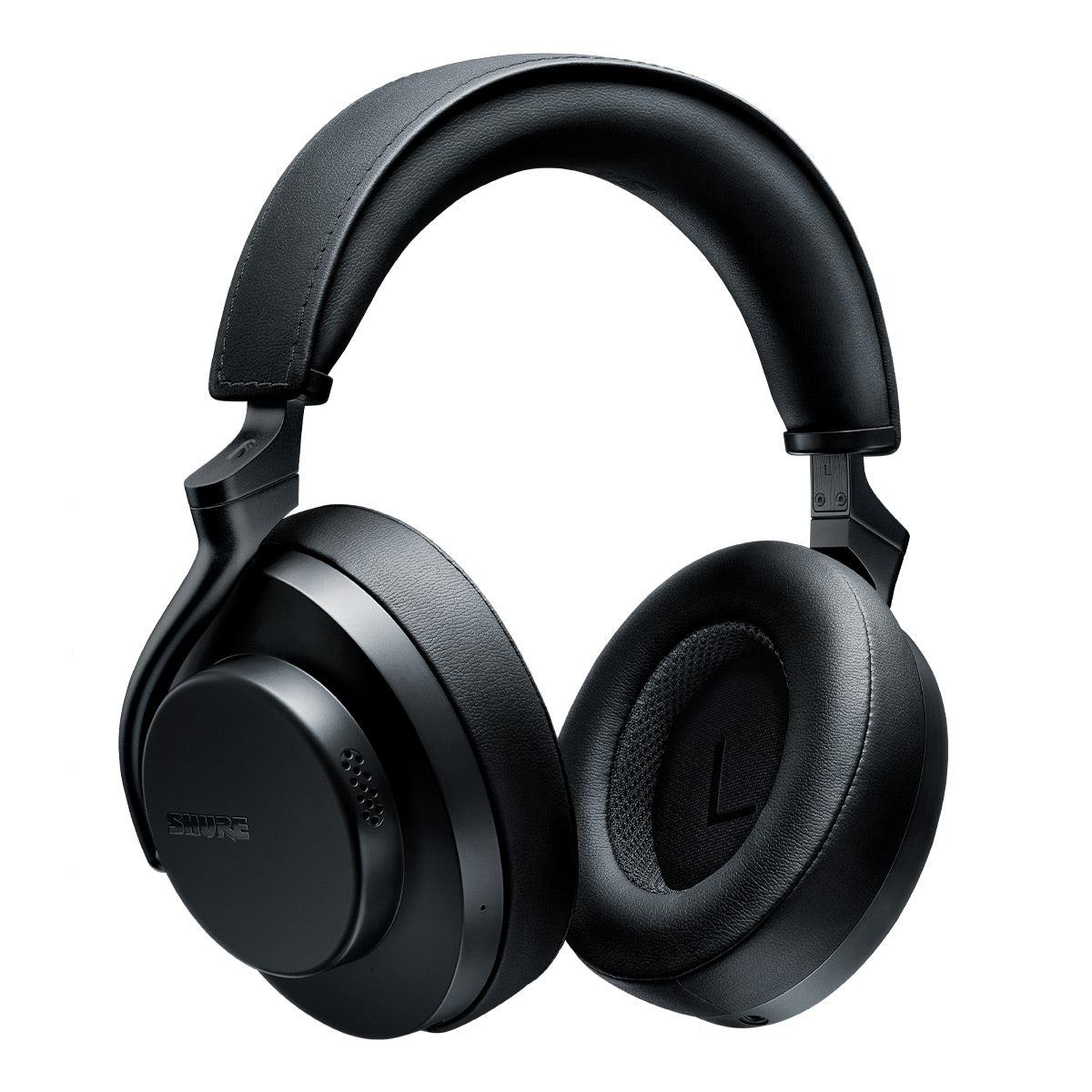
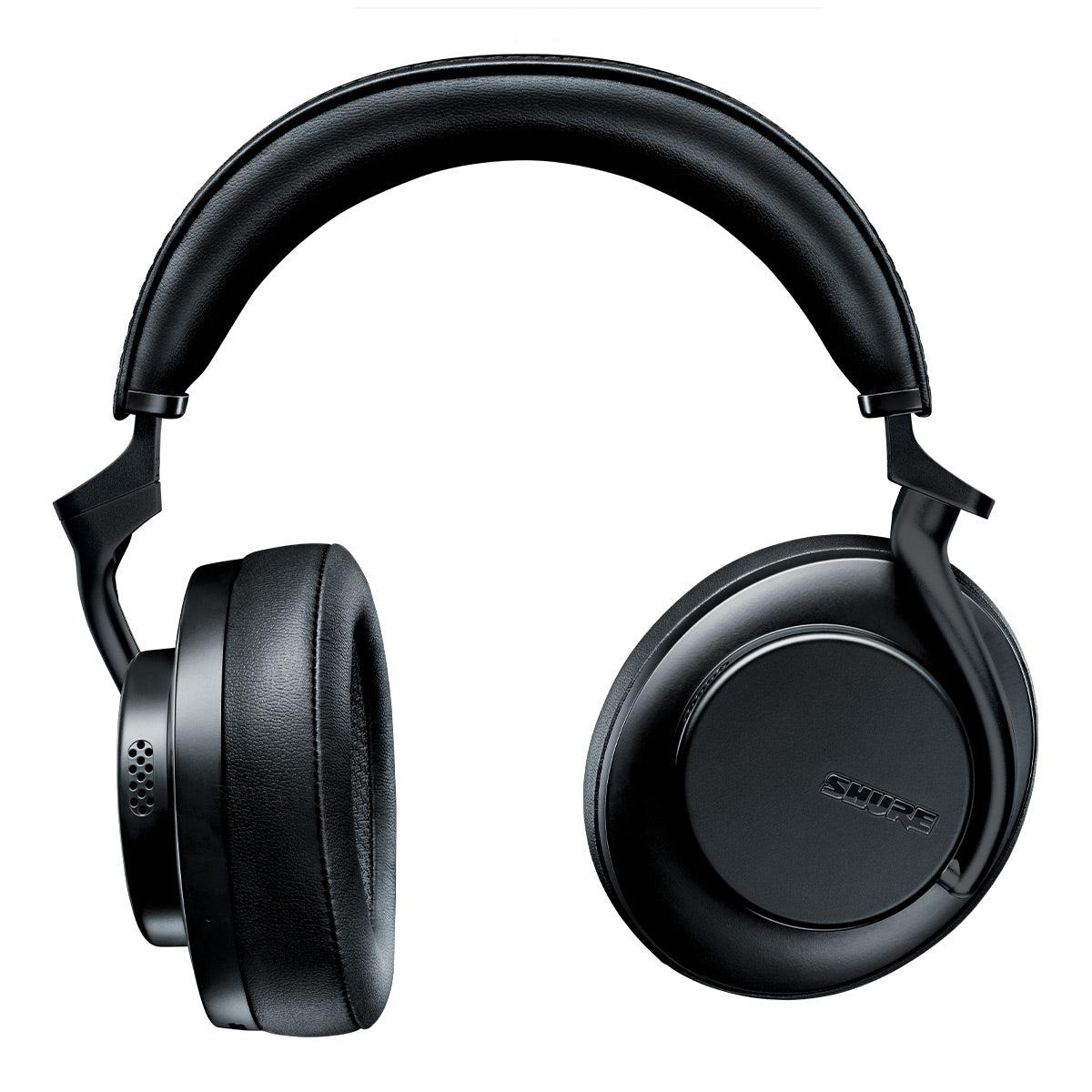
Shure, on the other hand, has spent nearly a century perfecting microphones and professional audio equipment used in recording studios worldwide. The Aonic 50 Gen 2 reflects this professional DNA, weighing slightly more at 334 grams but housing larger 50mm drivers compared to Marshall's 40mm units. Where Marshall emphasizes style and immediate appeal, Shure focuses on technical precision and extensive customization options.
The most important difference between these headphones lies in their sound signatures – essentially, how they color or present music to your ears. This is where the companies' different backgrounds really show.
The Marshall Monitor II ANC delivers what you'd expect from the amp company: a warm, engaging sound that makes rock, blues, and guitar-driven music come alive. The 40mm dynamic drivers produce punchy mids that bring vocals forward and clear bass that adds weight without becoming muddy. The frequency response spans 20Hz to 20,000Hz, covering the full range of human hearing. What's particularly impressive is how well-balanced these headphones sound right out of the box – you can start listening immediately without feeling the need to adjust settings.
Marshall achieves this pleasing sound through careful driver tuning and acoustic design. The headphones emphasize the frequencies where guitars and vocals live, making them particularly engaging for rock, pop, and acoustic music. However, this tuning works well across genres because it doesn't go overboard with any particular frequency range.
The Shure Aonic 50 Gen 2 takes a completely different approach with its larger 50mm neodymium drivers. These headphones extend their frequency response slightly higher to 22,000Hz and aim for what audio engineers call a "reference" sound signature. This means they try to reproduce music as accurately as possible, without adding coloration or emphasis to particular frequencies.
For many listeners, this neutral approach initially sounds less exciting than Marshall's warmer tuning. Subtle details in recordings become clearly audible, and the soundstage – the sense of space and instrument placement – opens up impressively. However, some users find the default tuning a bit restrained and prefer to customize it using Shure's advanced equalizer options.
What's fascinating is how the different driver sizes affect performance. The Shure's larger 50mm drivers move more air and provide better dynamic range – the difference between quiet and loud sounds. This makes them particularly good for orchestral music, jazz, and other genres with wide dynamic swings. The Marshall's smaller 40mm drivers are more nimble and precise, excelling with faster, rhythm-heavy music.
Both headphones deliver impressive imaging – the ability to place instruments and voices precisely in the stereo field. This characteristic is crucial for both music enjoyment and video content, as it creates a more immersive experience whether you're watching movies or listening to live recordings.
Active noise cancellation works by using microphones to detect ambient sound, then generating inverse sound waves to cancel out that noise. It's particularly effective against consistent, low-frequency sounds like airplane engines, air conditioners, or traffic rumble.
The Marshall Monitor II ANC implements what I'd call practical ANC. It offers 10 adjustable levels of noise cancellation through the companion app, plus a dedicated button that cycles between ANC on, monitoring mode (which lets ambient sound in for safety), and ANC off. In real-world testing, Marshall's ANC effectively handles most daily scenarios – it significantly reduces the drone of city buses, quiets open offices, and makes airplane cabins much more pleasant.
What impressed me most about Marshall's implementation is its consistency. The ANC doesn't create pressure sensations or introduce weird artifacts into the sound. It simply reduces unwanted noise without calling attention to itself, which is exactly what you want from this technology.
The Shure Aonic 50 Gen 2 offers more sophisticated ANC control with four distinct modes, including an interesting "MaxAware" setting that balances noise cancellation with environmental awareness. The environmental mode provides 11 different adjustment levels, giving you incredibly precise control over how much outside sound you want to hear.
However, professional reviews consistently note that Shure's ANC, while improved significantly from the original model, doesn't quite match the effectiveness of category leaders like Sony or Bose. It's adequate for most situations but may leave you wanting more isolation in particularly noisy environments like busy airports or construction zones.
Both headphones provide excellent passive isolation simply from their closed-back, over-ear design. This physical noise blocking works across all frequencies and doesn't require power, making it an important complement to active cancellation.
Battery life often determines whether premium headphones become daily companions or occasional treats. Both models excel here, but in different ways.
The Marshall Monitor II ANC achieves remarkable efficiency with its smaller drivers and optimized electronics. With ANC enabled – the most demanding operating mode – these headphones deliver 30 hours of playback. Turn off ANC, and that number jumps to an astounding 45 hours. This performance is particularly impressive given the headphones' relatively compact size and weight.
Marshall also includes quick charging that provides 5 hours of playback from just 15 minutes connected to power. This feature has saved me multiple times when I've forgotten to charge overnight before a long flight.
The Shure Aonic 50 Gen 2 takes a different approach, prioritizing total capacity over ANC-specific efficiency. These headphones deliver up to 45 hours of total playbook time, which represents a massive improvement over the original model's 20-hour limitation. However, specific ANC battery performance isn't separately specified, suggesting the larger drivers and more complex processing require more power overall.
For most users, both headphones provide more than enough battery life for daily use. The Marshall's ANC efficiency makes it particularly attractive for frequent travelers, while the Shure's total capacity appeals to users who might go days between charging opportunities.
Modern wireless headphones must handle various audio sources and quality levels, from compressed streaming audio to high-resolution files. This is where the biggest technical gap between these models appears.
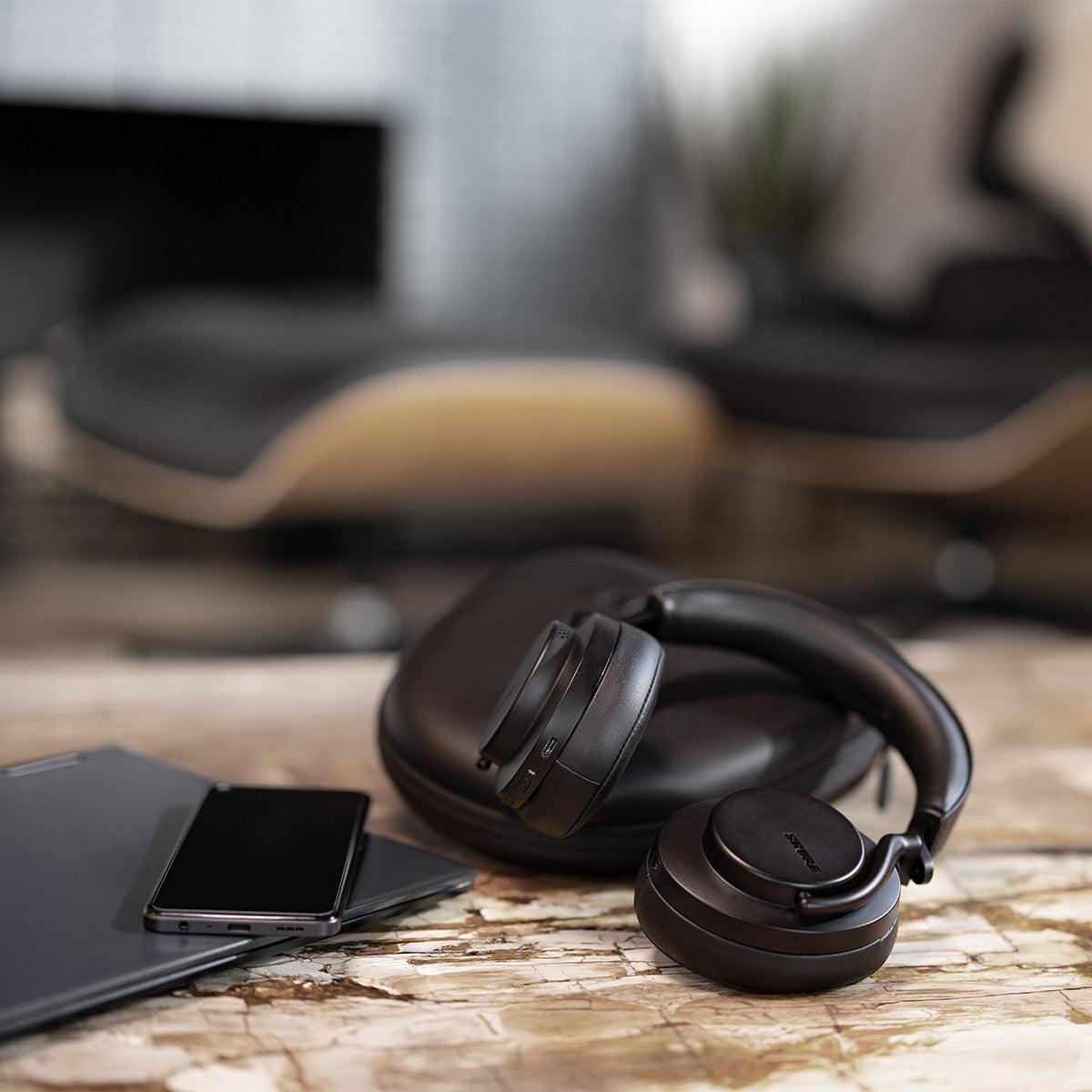
The Marshall Monitor II ANC keeps connectivity relatively simple with Bluetooth 5.0 and standard SBC codec support. It also includes a 3.5mm wired connection for backup use when the battery dies or when connecting to devices without Bluetooth. The 30-foot wireless range provides reliable connectivity around homes and offices.
However, Marshall's decision not to include advanced audio codecs like aptX or LDAC means these headphones can't take full advantage of higher-quality wireless audio sources. For most streaming services and general use, this limitation isn't noticeable, but audiophiles might feel restricted.
The Shure Aonic 50 Gen 2 goes all-out on connectivity options. Beyond standard Bluetooth 5.0, these headphones support an impressive array of high-quality audio codecs: SBC, AAC, aptX, aptX HD, aptX Adaptive, aptX Low Latency, and Sony's LDAC. This comprehensive support means the headphones can automatically select the best available audio quality for any source device.
Even more impressively, the Shure headphones include USB-C digital audio input that supports up to 32-bit/384kHz resolution – well beyond CD quality. This USB-DAC mode (digital-to-analog converter) essentially turns the headphones into a high-end audio interface, perfect for connecting to computers for critical listening or audio production work.
The Shure model also supports connecting to two Bluetooth devices simultaneously, allowing you to seamlessly switch between your phone and laptop without manual reconnection.
Both headphones prioritize long-term comfort, but achieve it through different approaches.
The Marshall Monitor II ANC emphasizes portability and style. The foldable design with swiveling ear cups makes them genuinely compact for travel, while the metal hinges feel robust enough for daily folding and unfolding. The artificial leather ear cushions and plush headband distribute the modest 320-gram weight evenly, making them comfortable for multi-hour listening sessions.
Marshall's build quality impresses with details like the textured vinyl exterior that resists fingerprints and the satisfying mechanical feel of all controls. These headphones look and feel like premium products while remaining practical for everyday use.
The Shure Aonic 50 Gen 2 takes a more utilitarian approach to comfort. The slightly heavier 334-gram weight includes larger, more substantial ear cups that completely encompass most ears. The weight distribution is excellent, and the padding quality feels more luxurious than Marshall's offering.
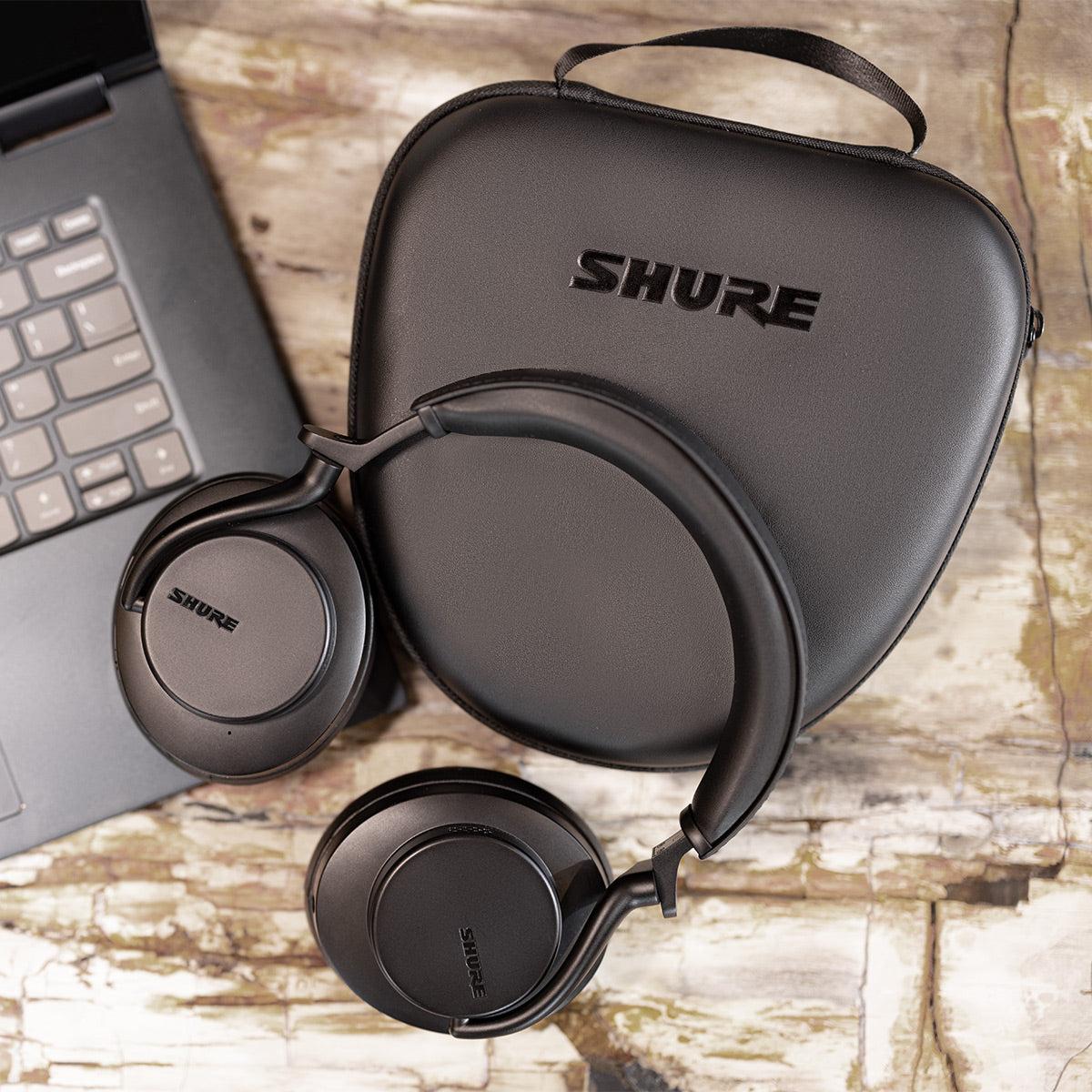
However, the Shure's design prioritizes audio performance over portability. The ear cups fold flat for storage but don't fold inward like the Marshall model, making the overall package bulkier for travel. Some users also report a quirky issue where strong impacts or vibrations can cause momentary sound distortion – noticeable when walking over rough surfaces or riding in bouncy vehicles, though not during normal stationary use.
Modern headphones live or die by their companion apps, which provide access to advanced features and personalization options.
The Marshall Bluetooth app keeps things straightforward and user-friendly. You can adjust ANC levels across 10 different settings, toggle between three EQ presets using the physical M-button on the headphones, and integrate voice assistants like Google Assistant. The interface is clean and intuitive, matching Marshall's philosophy of making great sound accessible to everyone.
The Shure Aonic 50 Gen 2 ships with the ShurePlus PLAY app, which professional reviewers consistently praise as one of the best headphone apps available. This app provides a full parametric equalizer – meaning you can adjust specific frequency ranges with precision rather than just selecting preset sound signatures.
The app also includes Shure's "Spatialized Audio" technology, which offers three distinct modes: Music mode simulates listening in an acoustically treated room with high-end speakers, Cinema mode recreates movie theater sound with enhanced sub-bass, and Podcast mode focuses on vocal clarity and intimacy. These aren't gimmicky effects but sophisticated digital signal processing that genuinely enhances different content types.
Additionally, the Shure app provides detailed control over the environmental awareness features, button customization, and even sidetone adjustment for phone calls – the amount of your own voice you hear during conversations.
While both headphones excel with music, their performance with movies and gaming deserves special consideration.
The Marshall Monitor II ANC handles movie soundtracks and gaming audio with engaging dynamics. The warm sound signature adds weight to action scenes and makes dialogue clear and present. The effective ANC helps maintain immersion by blocking out household distractions. However, the lack of low-latency audio codecs means there might be slight lip-sync delays when watching video content wirelessly.
The Shure Aonic 50 Gen 2 offers superior home theater capabilities through multiple connection options. The USB-C input provides zero-latency digital audio, perfect for connecting directly to gaming consoles, computers, or audio interfaces. The spatial audio modes genuinely enhance movie watching, with Cinema mode adding the kind of sub-bass impact you'd expect from a good home theater system.
The wider soundstage and superior imaging of the Shure headphones also benefit gaming, making it easier to locate enemies or environmental audio cues in competitive games.
Choosing between these excellent headphones ultimately comes down to your priorities and how you plan to use them.
The Marshall Monitor II ANC excels as a lifestyle product that delivers immediate satisfaction. If you want headphones that sound great right out of the box, offer industry-leading battery life with ANC enabled, fold up neatly for travel, and don't require app tweaking to enjoy, Marshall has created an outstanding option. These headphones particularly suit people who listen to a lot of rock, pop, and guitar-based music, appreciate distinctive styling, and prioritize convenience over maximum customization.
The Shure Aonic 50 Gen 2 targets serious listeners who want professional-grade performance and extensive control over their audio experience. If you're willing to spend time optimizing settings, appreciate reference-quality sound reproduction, need extensive codec support for high-quality wireless audio, or plan to use headphones for audio production work, the Shure model justifies its complexity and slightly higher price.
At the time of writing, both headphones occupy similar price points in the premium wireless category, with the Shure commanding a modest premium over the Marshall. This price difference reflects the more extensive feature set and larger drivers, but both offer excellent value within their respective design philosophies.
Your choice should align with how you actually listen to music and use headphones in daily life. The Marshall rewards people who want excellent sound without complexity, while the Shure satisfies those who enjoy optimizing and customizing their audio experience. Both approaches have merit – it's simply a matter of which philosophy matches your preferences and lifestyle.
| Marshall Monitor II ANC | Shure Aonic 50 Gen 2 |
|---|---|
| Driver Size - Larger drivers typically provide better dynamics and soundstage | |
| 40mm dynamic drivers | 50mm dynamic drivers with neodymium magnets |
| Sound Signature - Determines how music will sound out of the box | |
| Warm, engaging Marshall signature sound with punchy mids | Neutral, reference-quality sound that may need EQ adjustment |
| Active Noise Cancellation - Critical for travel and noisy environments | |
| Effective ANC with 10 adjustable levels, consistent performance | Hybrid ANC with 4 modes, improved but still average vs competitors |
| Battery Life with ANC - Most important metric for daily use | |
| 30 hours (excellent for travel) | 45 hours total (ANC-specific performance not specified) |
| Weight - Affects comfort during extended listening | |
| 320g (lighter, more portable) | 334g (slightly heavier but well-distributed) |
| Bluetooth Codecs - Determines wireless audio quality | |
| SBC only (basic quality, works with all devices) | SBC, AAC, aptX, aptX HD, aptX Adaptive, LDAC (audiophile-grade) |
| Wired Connections - Important for backup and high-quality sources | |
| 3.5mm analog only | 3.5mm analog + USB-C digital (up to 32-bit/384kHz) |
| Foldability - Critical for travel and storage | |
| Full folding design with swivel cups (very portable) | Fold-flat only (less compact for travel) |
| App Features - Customization options for sound and settings | |
| Basic EQ presets and ANC control | Professional parametric EQ, spatial audio modes, extensive customization |
| Build Quality Concerns - Long-term reliability considerations | |
| Robust build with metal hinges | Some vibration distortion reported during impacts/bumps |
| Quick Charging - Convenience for last-minute use | |
| 15 minutes = 5 hours playback | 15 minutes = 5 hours playback |
| Target User - Who each product serves best | |
| Music lovers wanting great sound immediately | Audiophiles and professionals needing extensive control |
The Shure Aonic 50 Gen 2 offers more technically accurate sound with larger 50mm drivers and extended frequency response up to 22kHz, making them ideal for audiophiles. However, the Marshall Monitor II ANC delivers more immediately enjoyable sound with its warm, engaging signature that makes rock and pop music shine. If you prefer music that sounds great right away, choose Marshall. If you want reference-quality sound you can customize extensively, go with Shure.
The Marshall Monitor II ANC provides more consistent and reliable noise cancellation with 10 adjustable levels and simple toggle controls. The Shure Aonic 50 Gen 2 offers more sophisticated ANC options with 4 modes and 11-stage environmental control, but reviews indicate it's less effective overall than the Marshall's implementation. For better noise blocking in noisy environments, the Marshall is the stronger choice.
For active noise canceling use, the Marshall Monitor II ANC leads with 30 hours of ANC-enabled playback, making it exceptional for long flights and travel. The Shure Aonic 50 Gen 2 offers up to 45 hours total battery life but doesn't specify ANC-only performance. If you prioritize maximum battery life with noise canceling active, the Marshall wins decisively.
Both headphones work well for home entertainment, but the Shure Aonic 50 Gen 2 has advantages for movie watching. Its USB-C digital connection eliminates audio delay issues, and the Cinema spatial audio mode enhances movie soundtracks with better sub-bass. The Marshall Monitor II ANC handles movie audio well with engaging dynamics, but may have slight lip-sync delays when using Bluetooth.
Both models offer excellent comfort, but with different strengths. The Marshall Monitor II ANC weighs less at 320g and folds completely for easy storage. The Shure Aonic 50 Gen 2 weighs 334g but has more luxurious padding and better weight distribution. Both work well for extended use, with the Marshall being better for portability and the Shure for premium comfort.
The Marshall Monitor II ANC provides clear call quality with environmental noise cancellation for your voice. The Shure Aonic 50 Gen 2 includes a more advanced 6-microphone system and sidetone control through its app, offering better call customization. Both handle calls adequately, but neither is primarily designed for business use compared to dedicated office headphones.
The Shure Aonic 50 Gen 2 significantly outperforms with support for premium codecs including aptX HD, aptX Adaptive, and Sony LDAC for near-lossless wireless audio. The Marshall Monitor II ANC only supports basic SBC codec, which works with all devices but limits audio quality. If you stream high-quality music or use Android devices with advanced codec support, the Shure is clearly superior.
The Shure Aonic 50 Gen 2 includes the highly-regarded ShurePlus PLAY app with professional parametric EQ, spatial audio modes, and extensive controls. The Marshall Monitor II ANC offers a simpler app focused on basic EQ presets and ANC adjustment. If you enjoy tweaking sound settings and want maximum control, choose the Shure. For straightforward use without complexity, the Marshall app is more user-friendly.
The Marshall Monitor II ANC excels for travel with its fully foldable design, lighter weight, superior ANC battery life (30 hours), and consistent noise cancellation performance. The Shure Aonic 50 Gen 2 only folds flat and is bulkier for packing. For frequent travelers and daily commuters, the Marshall offers better portability and longer ANC runtime.
The Shure Aonic 50 Gen 2 works better for gaming thanks to its zero-latency USB-C connection, wider soundstage for better positional audio, and superior imaging for locating game sounds. The Marshall Monitor II ANC handles gaming adequately but may have slight audio delays over Bluetooth. Serious gamers should choose the Shure for competitive advantages.
Both headphones provide excellent value in different ways. The Marshall Monitor II ANC offers outstanding convenience features like industry-leading ANC battery life, immediate musical satisfaction, and hassle-free operation at a slightly lower cost. The Shure Aonic 50 Gen 2 justifies its premium with larger drivers, extensive customization, professional connectivity options, and superior codec support. Choose Marshall for simplicity and reliability, or Shure for maximum performance and features.
Yes, both models support wired operation. The Marshall Monitor II ANC includes a 3.5mm analog cable for basic wired use with any device. The Shure Aonic 50 Gen 2 offers both 3.5mm analog and USB-C digital connections, with the USB-C option supporting high-resolution audio up to 32-bit/384kHz. The Shure provides more versatile wired options, especially for connecting to computers and professional audio equipment.
We've done our best to create useful and informative comparisons to help you decide what product to buy. Our research uses advanced automated methods to create this comparison and perfection is not possible - please contact us for corrections or questions. These are the sites we've researched in the creation of this article: soundguys.com - androidcentral.com - headphonereview.com - thestyleinspiration.com - headphonecheck.com - versus.com - blog.son-video.com - bhphotovideo.com - bestbuy.com - versus.com - bhphotovideo.com - stereoguide.com - marshall.com - api.bestbuy.com - soundstagesolo.com - marshall.com - youtube.com - youtube.com - electronicexpress.com - tomsguide.com - headphonecheck.com - whathifi.com - majorhifi.com - rtings.com - versus.com - majorhifi.com - versus.com - audio46.com - youtube.com - bhphotovideo.com - techradar.com - soundpro.com - shure.com - americanmusical.com - pubs.shure.com - blog.zzounds.com - service.shure.com - fullcompass.com

Privacy Policy
Terms and Conditions - Affiliate Policy
Home Security
© Copyright 2008-2026.
11816 Inwood Rd #1211, Dallas, TX 75244