

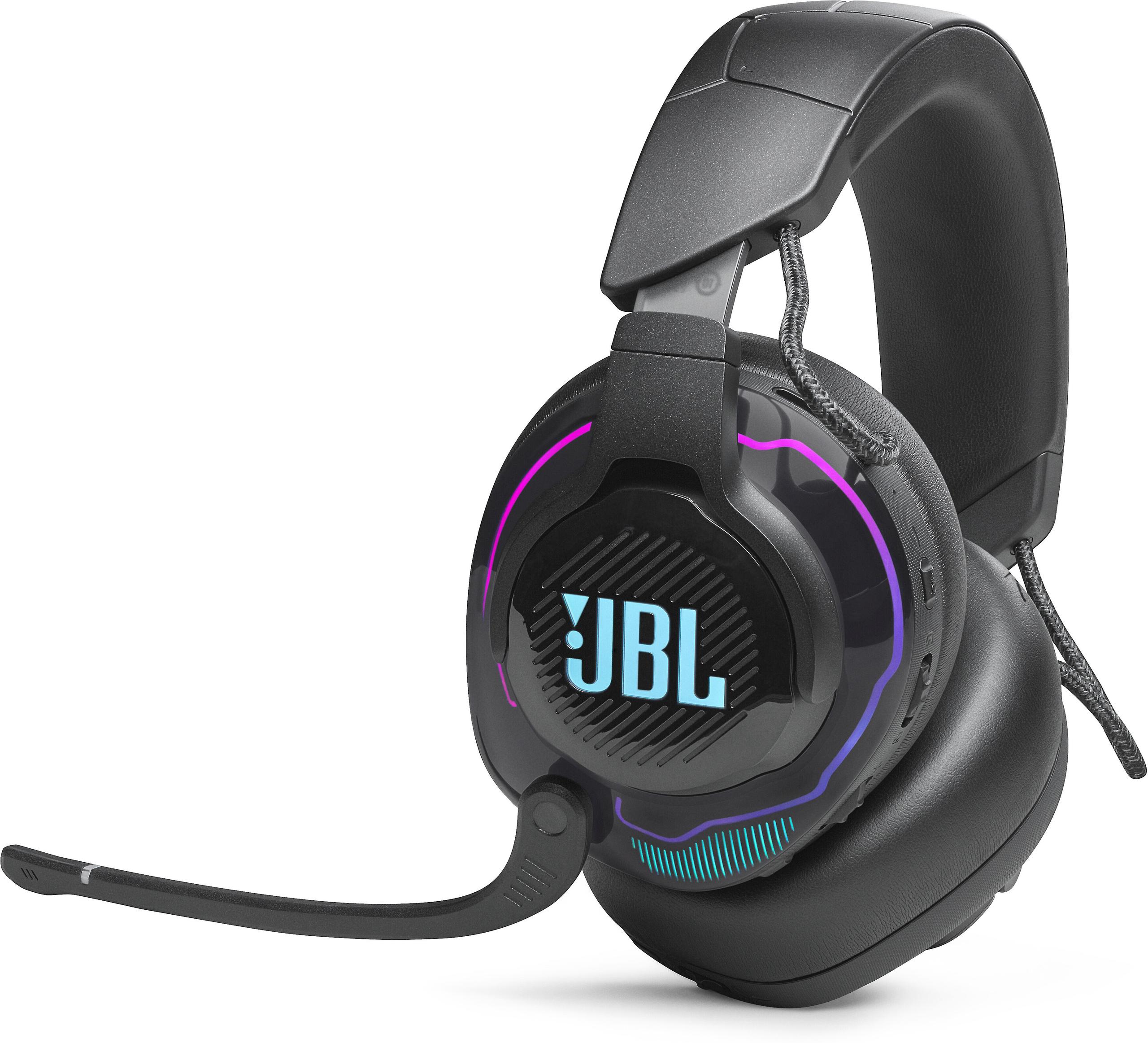
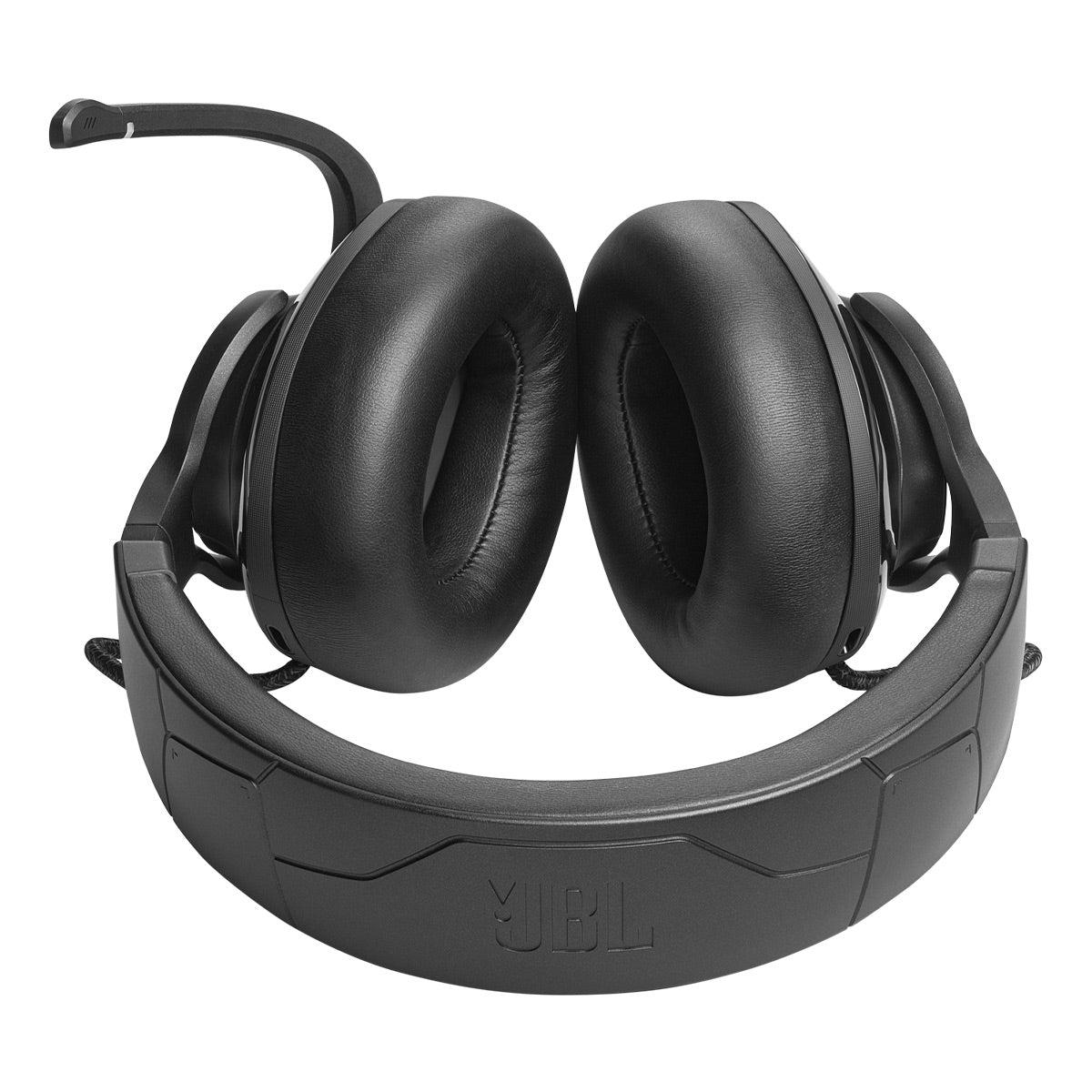
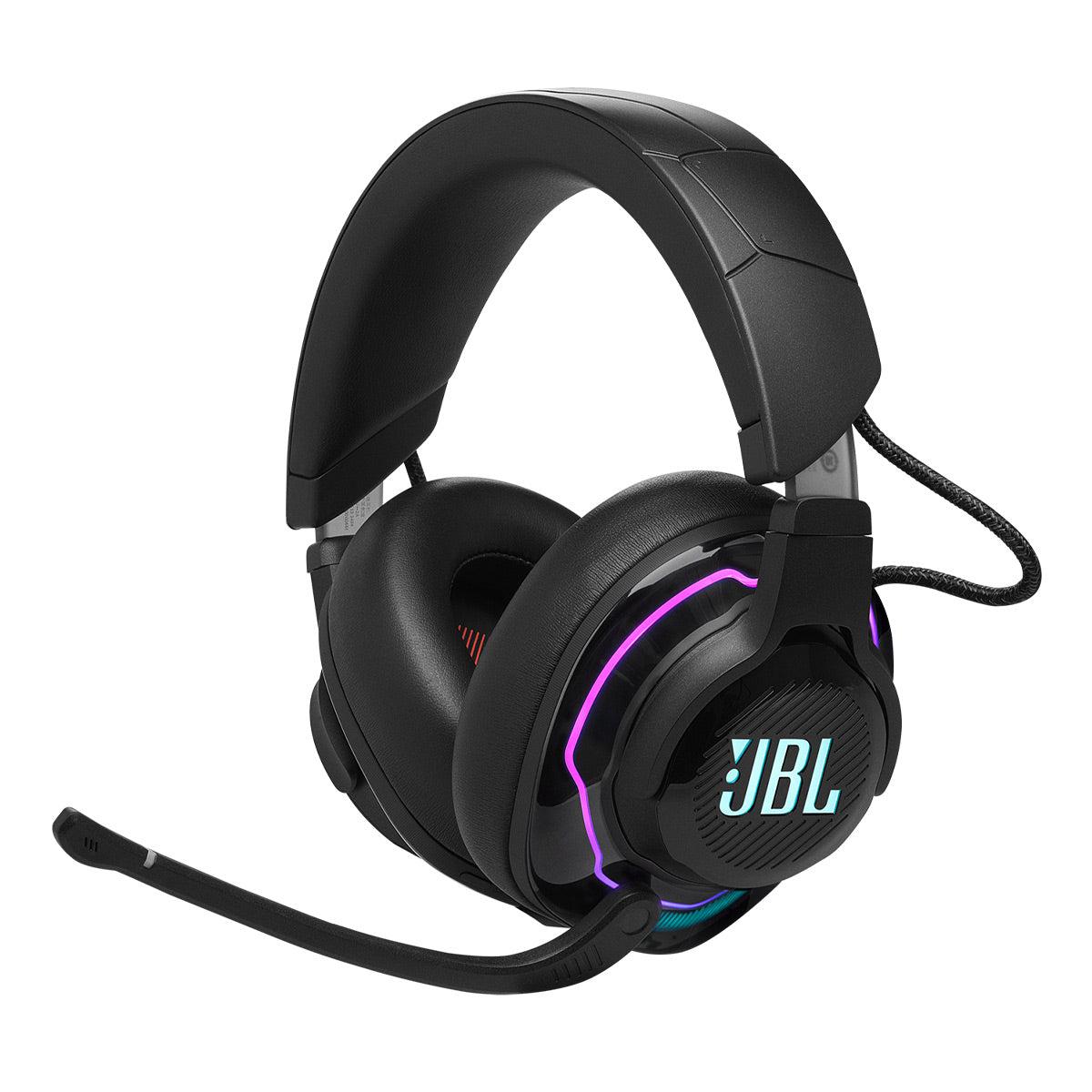


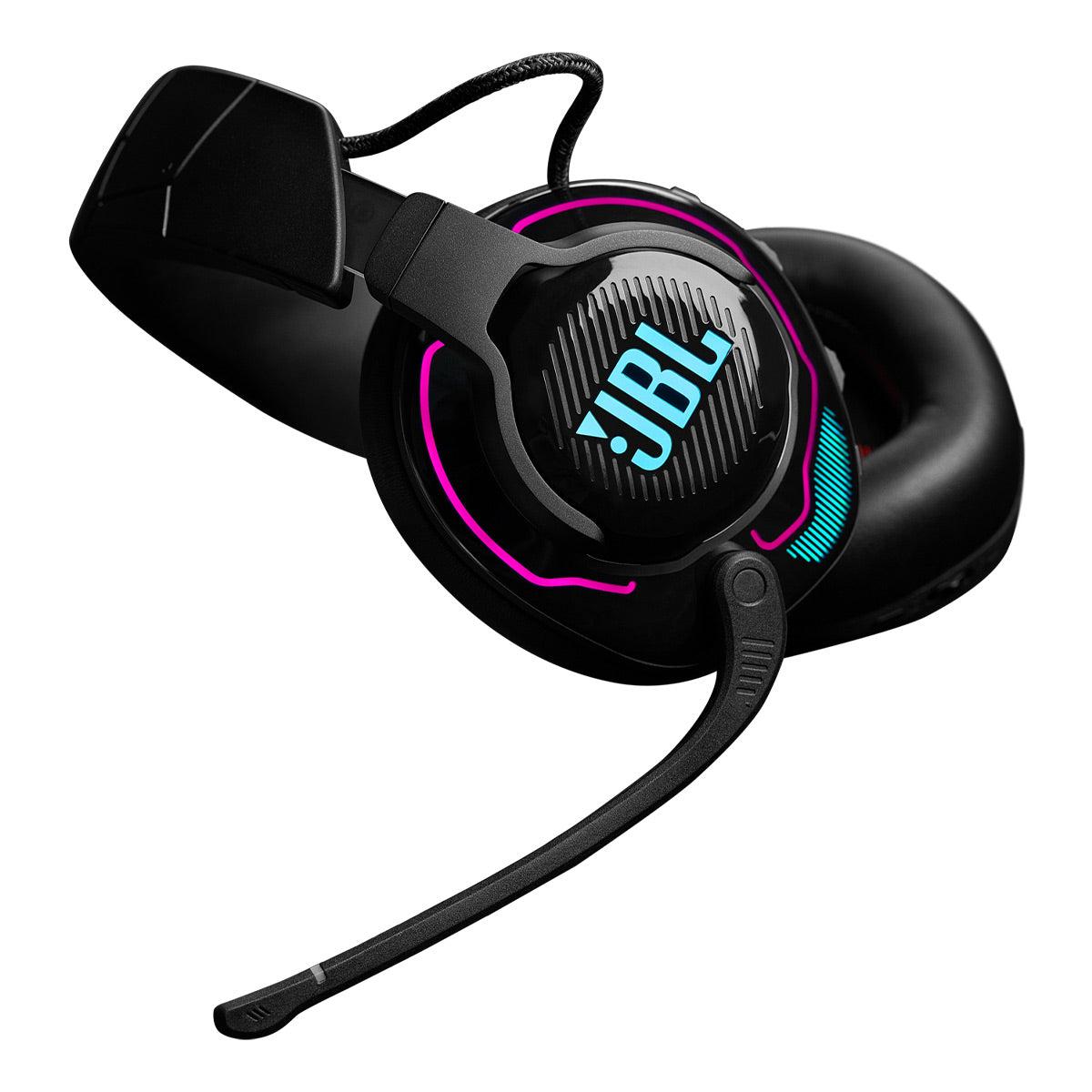
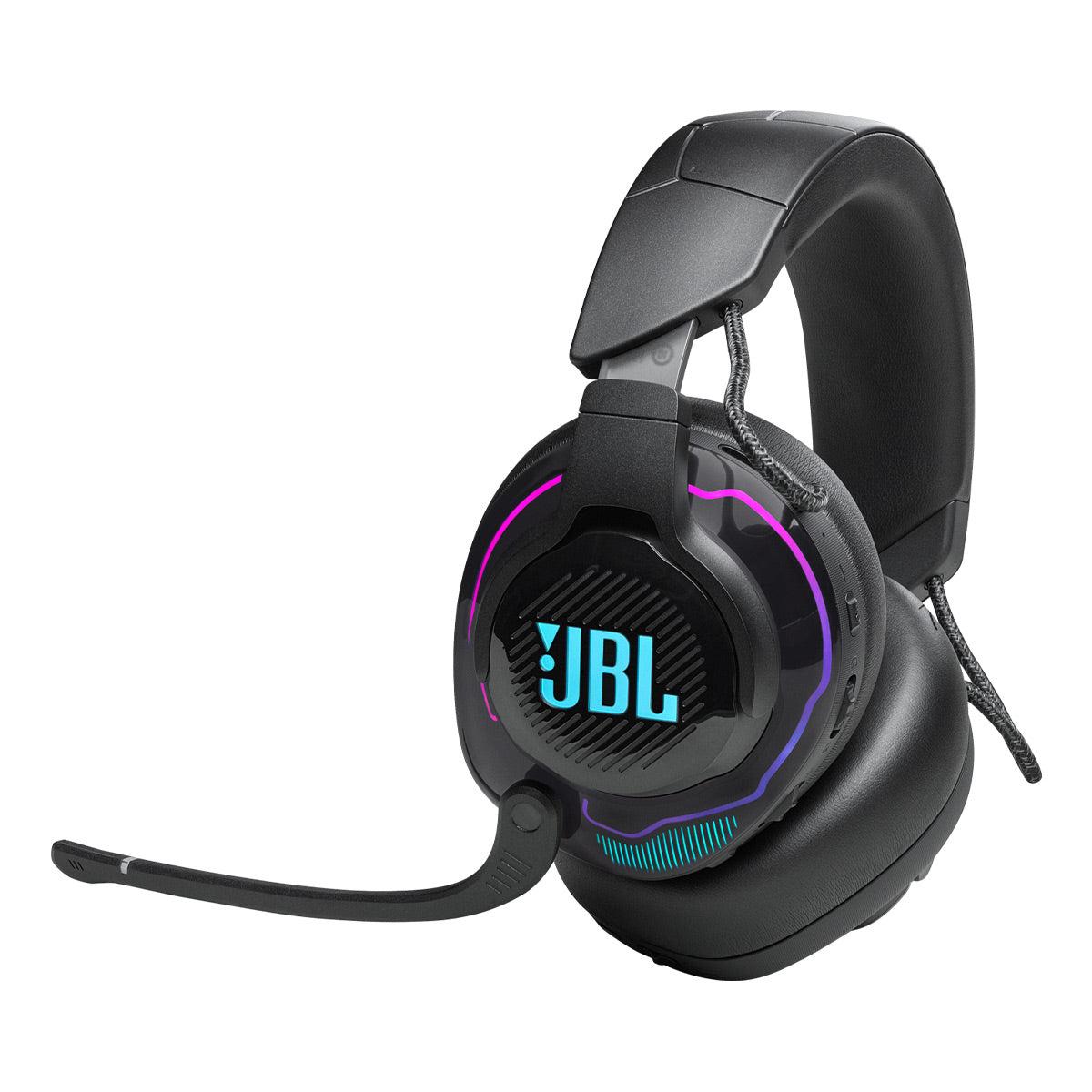
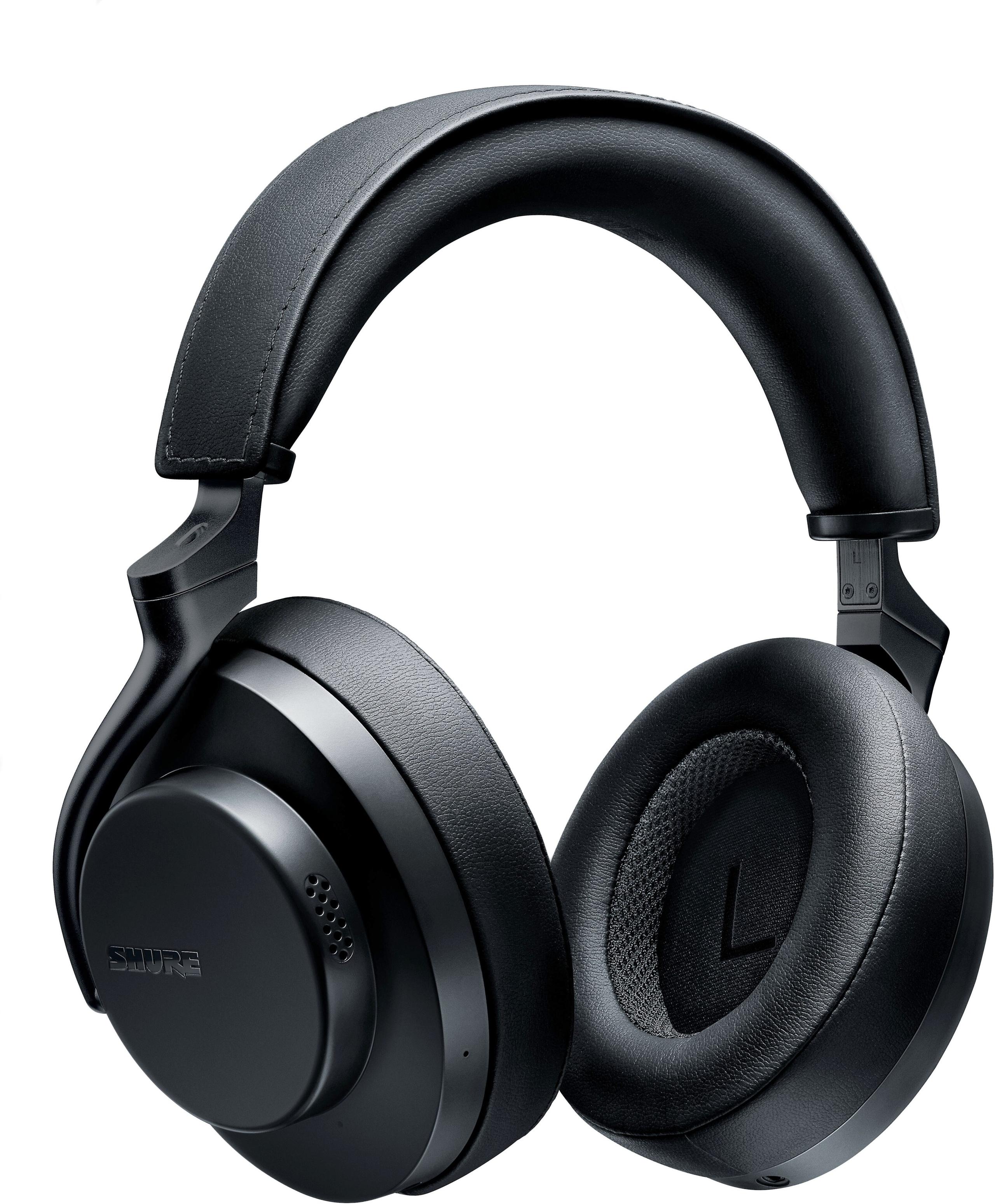
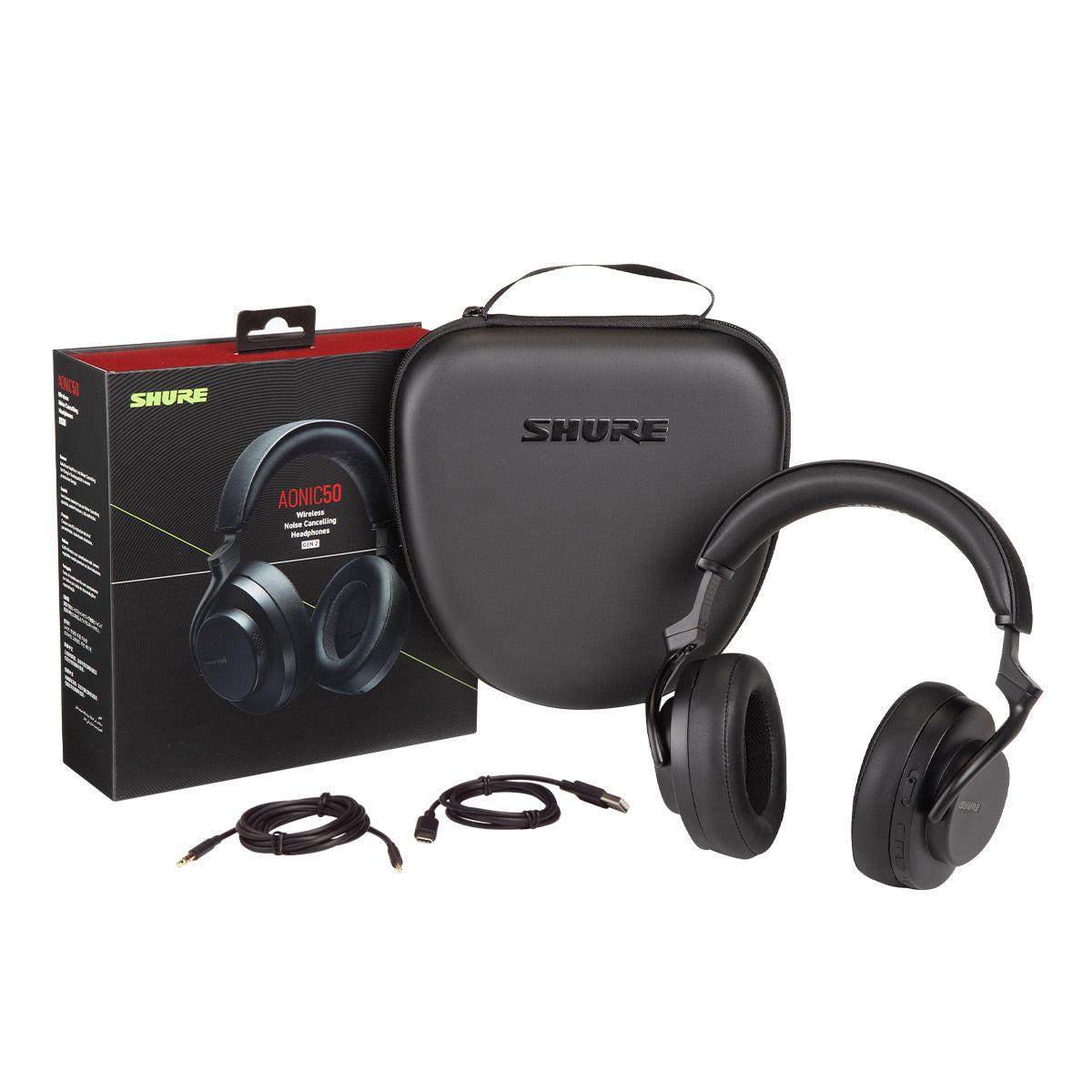
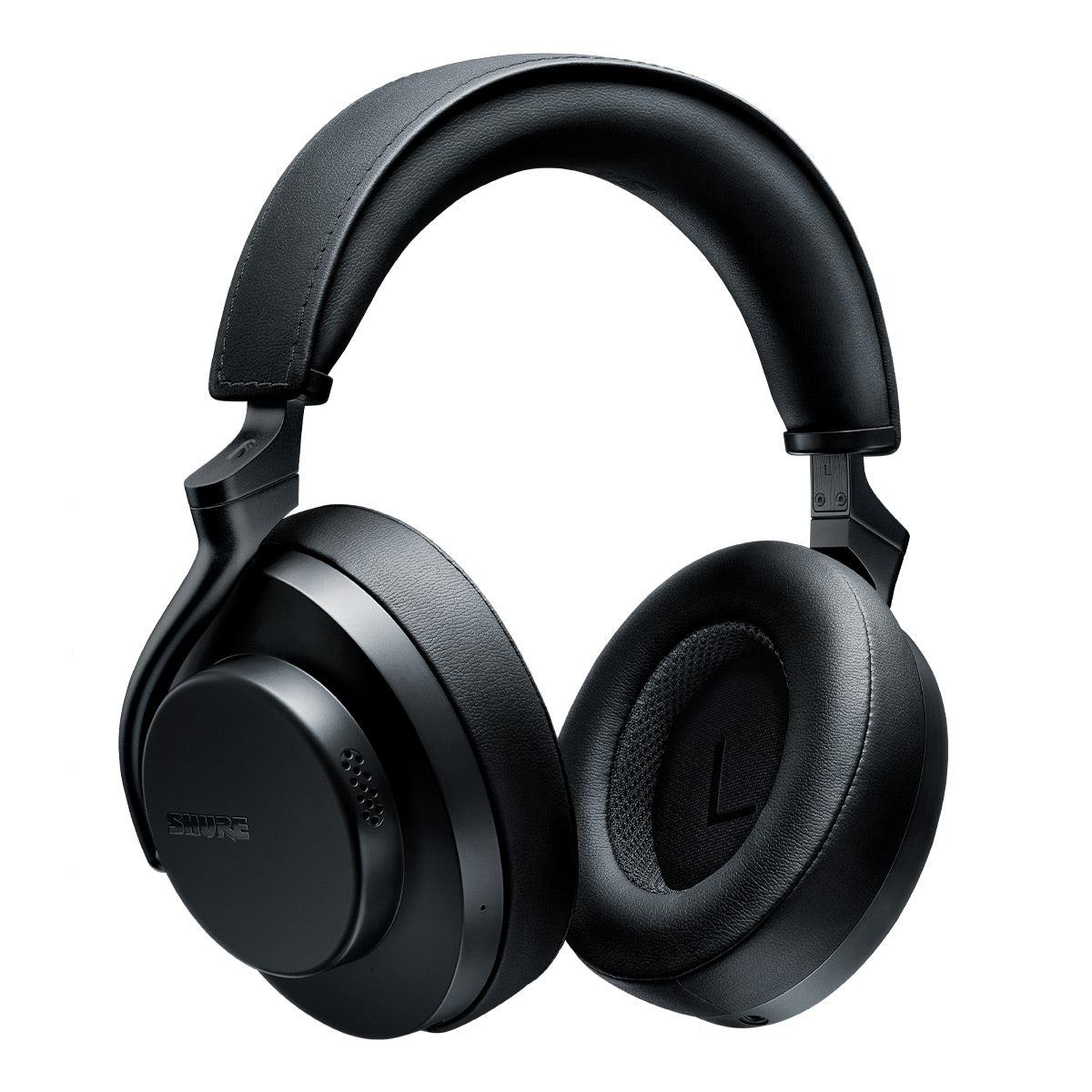

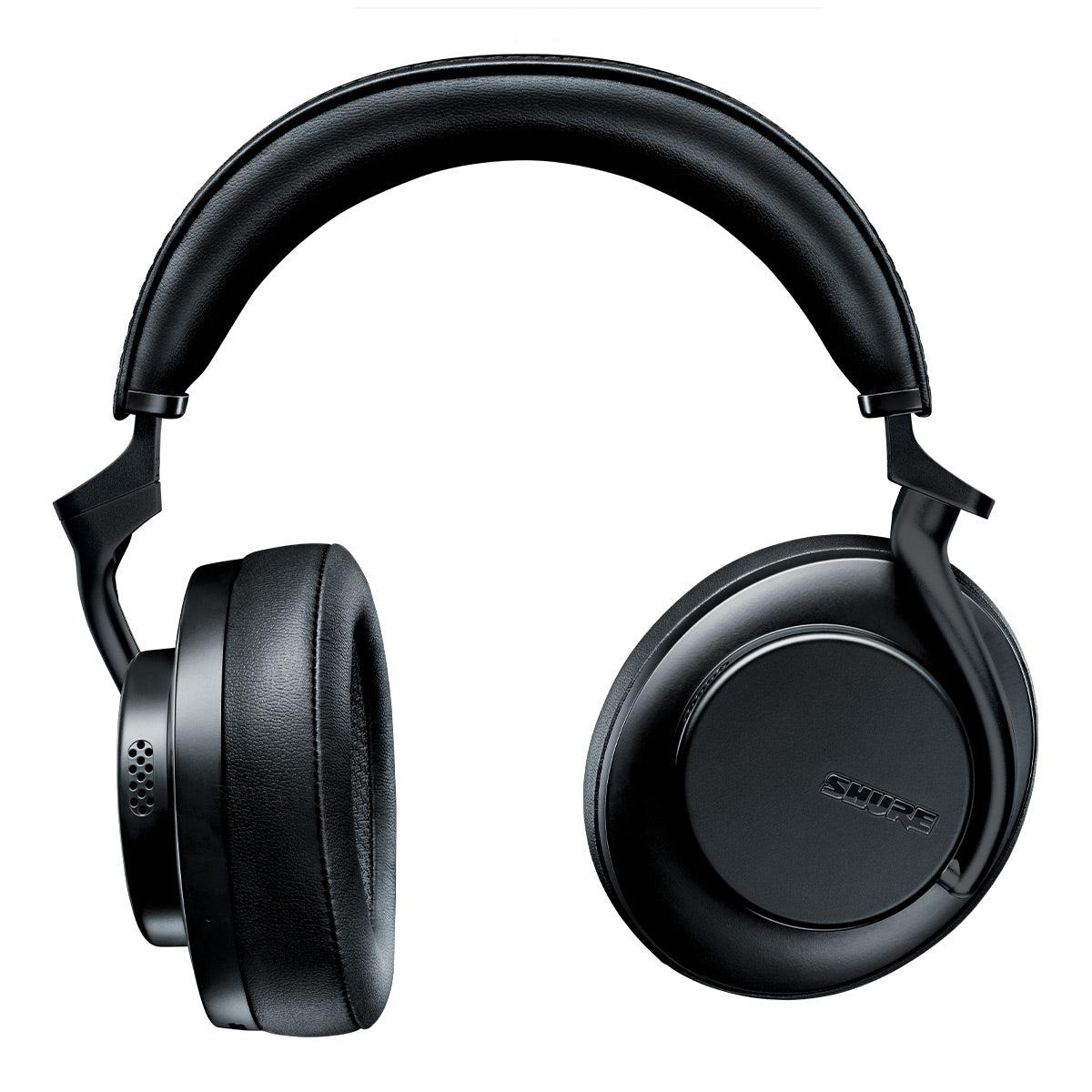
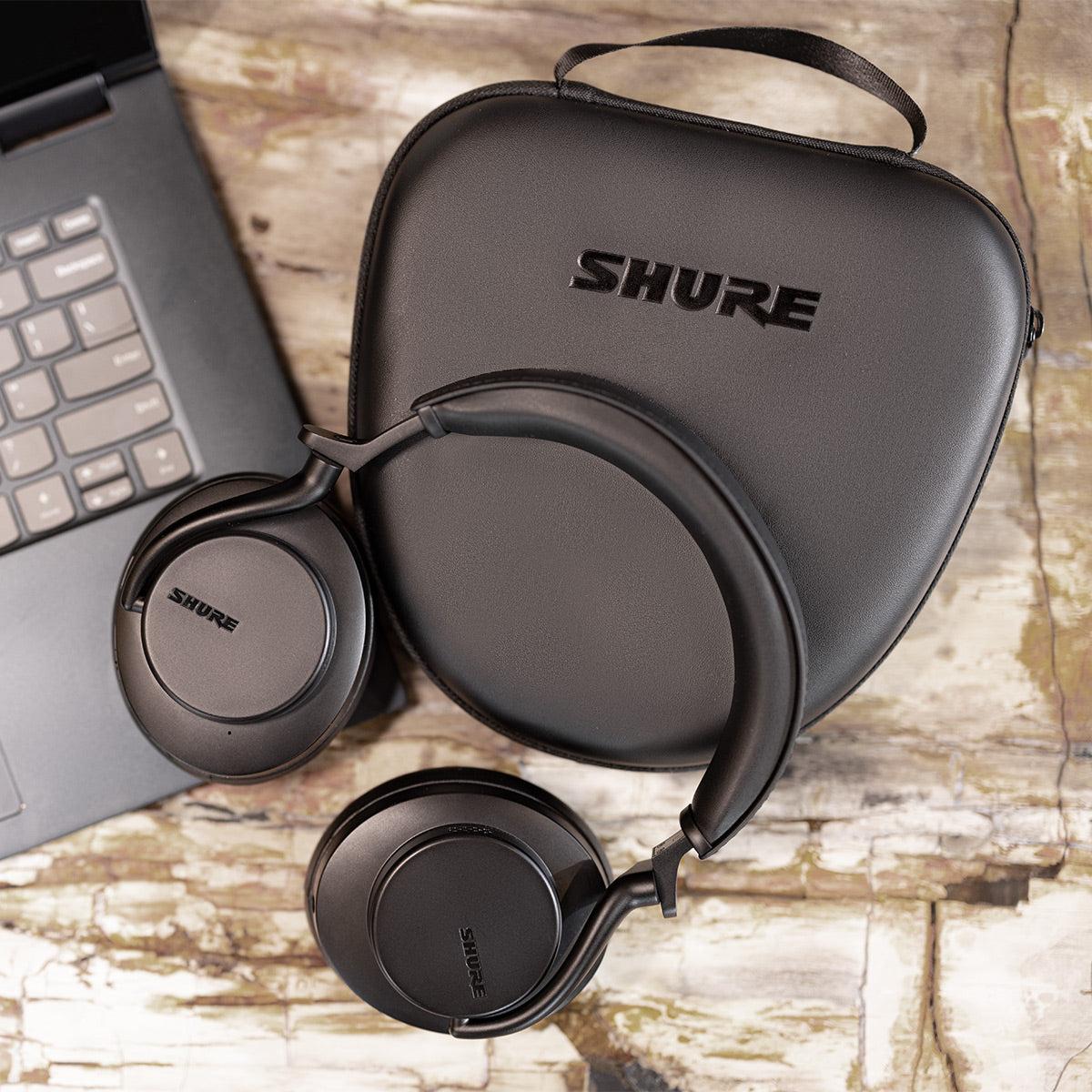
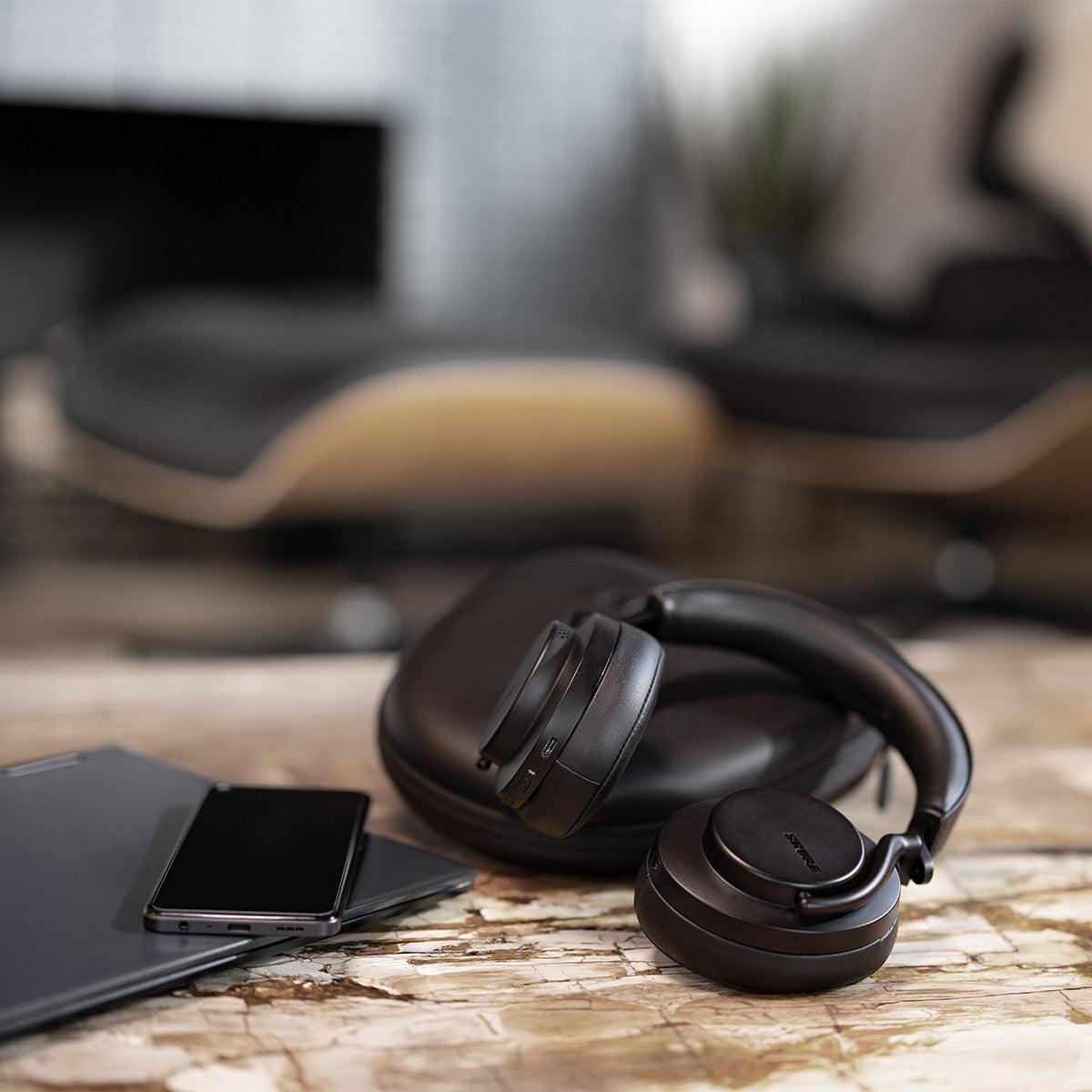
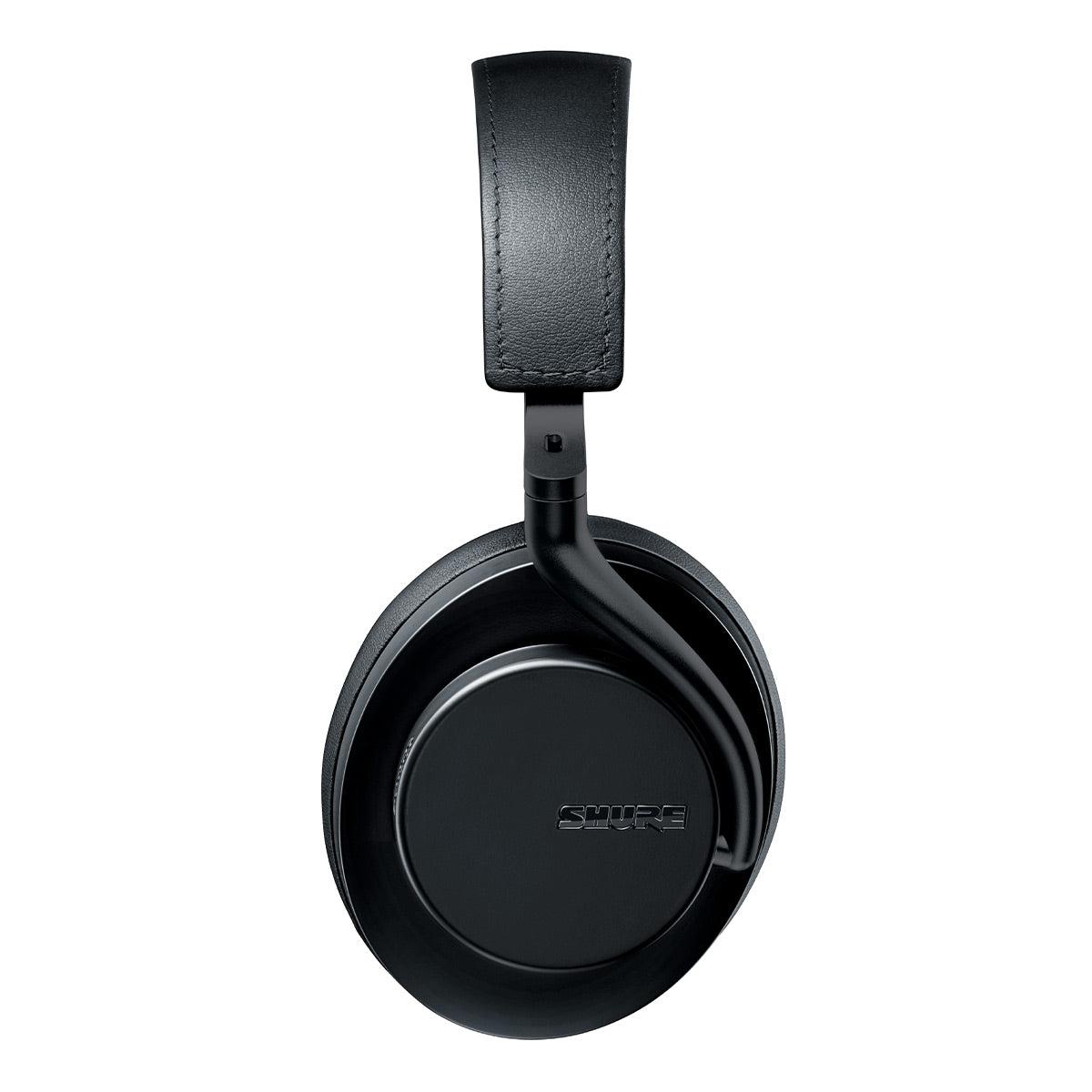


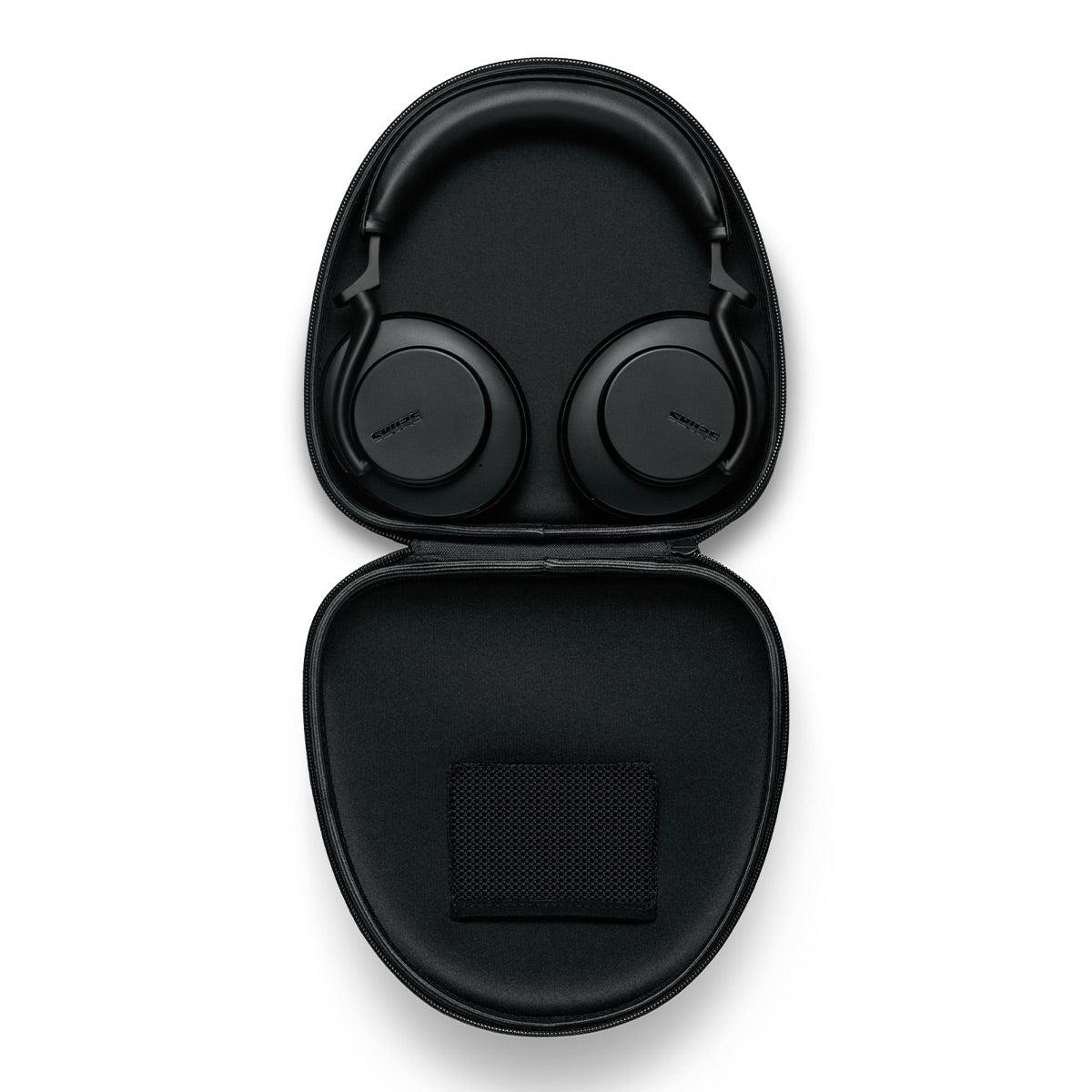
When you're shopping for premium wireless headphones, you'll quickly discover that not all $300+ headphones are created equal. The JBL Quantum 910 Wireless gaming headset and Shure Aonic 50 Gen 2 wireless headphones represent two completely different philosophies in audio design, despite sharing similar price points at the time of writing. Understanding these differences is crucial to making the right choice for your needs.
Gaming headsets like the JBL Quantum 910 prioritize features that give competitive players an edge: ultra-low latency wireless connections (meaning virtually no delay between game audio and what you hear), precise spatial positioning (knowing exactly where sounds come from), and crystal-clear voice communication. Audiophile headphones like the Shure Aonic 50 Gen 2 focus on accurate sound reproduction, supporting high-resolution audio formats, and providing the kind of neutral, detailed sound that audio professionals use for critical listening.
The key insight here is that these products solve different problems entirely. One excels at gaming performance, while the other delivers superior music listening quality. Let's dive deep into what makes each special and who should choose which.
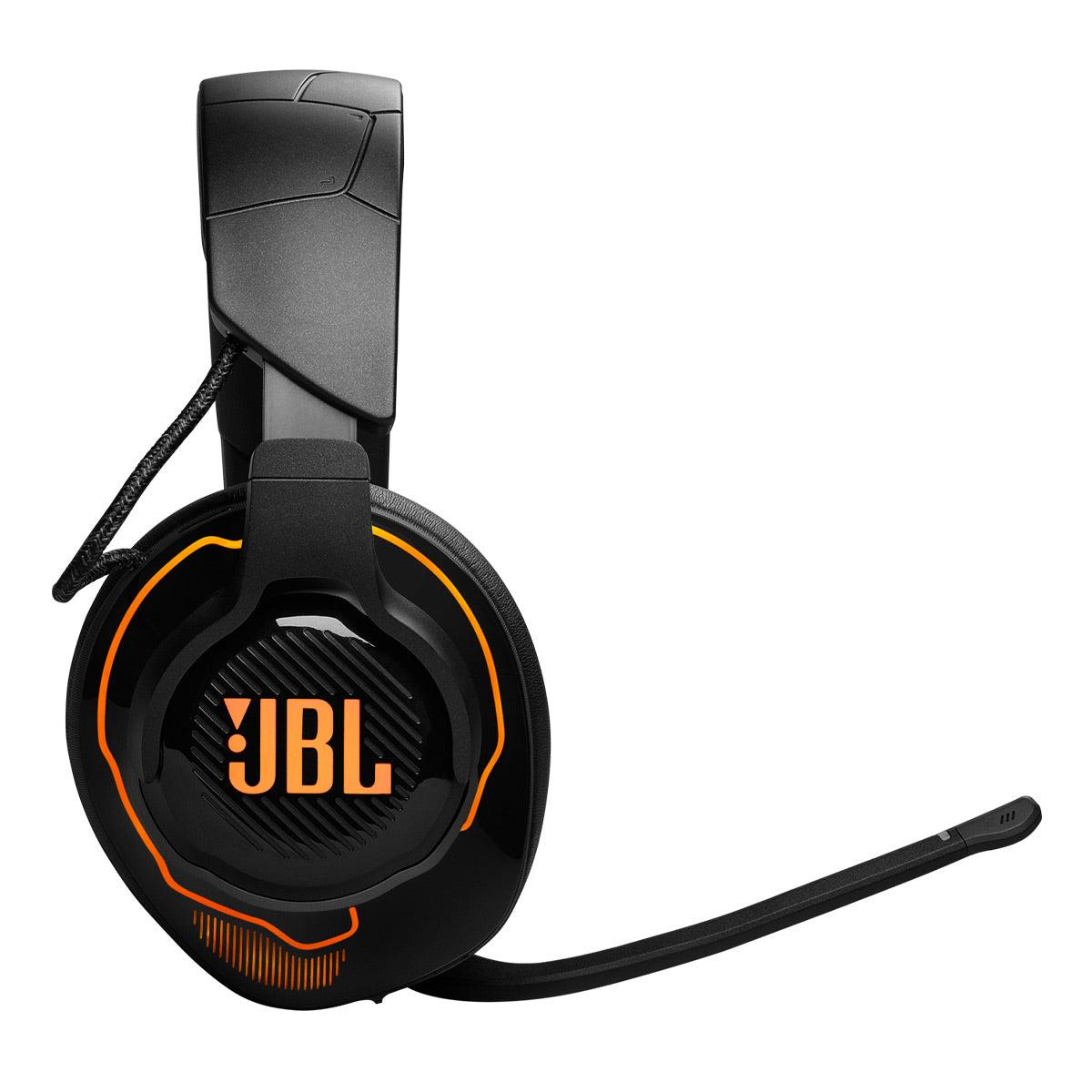
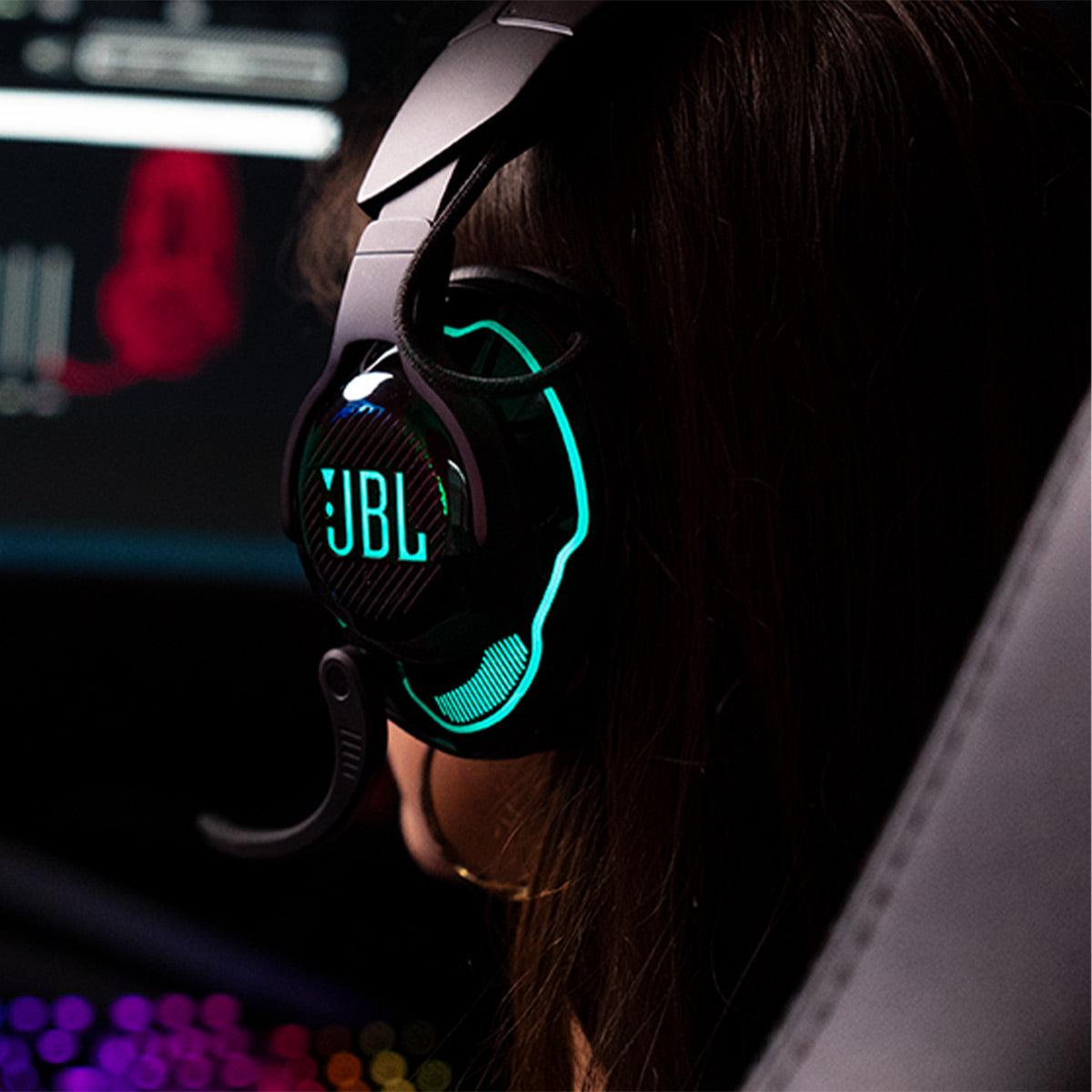
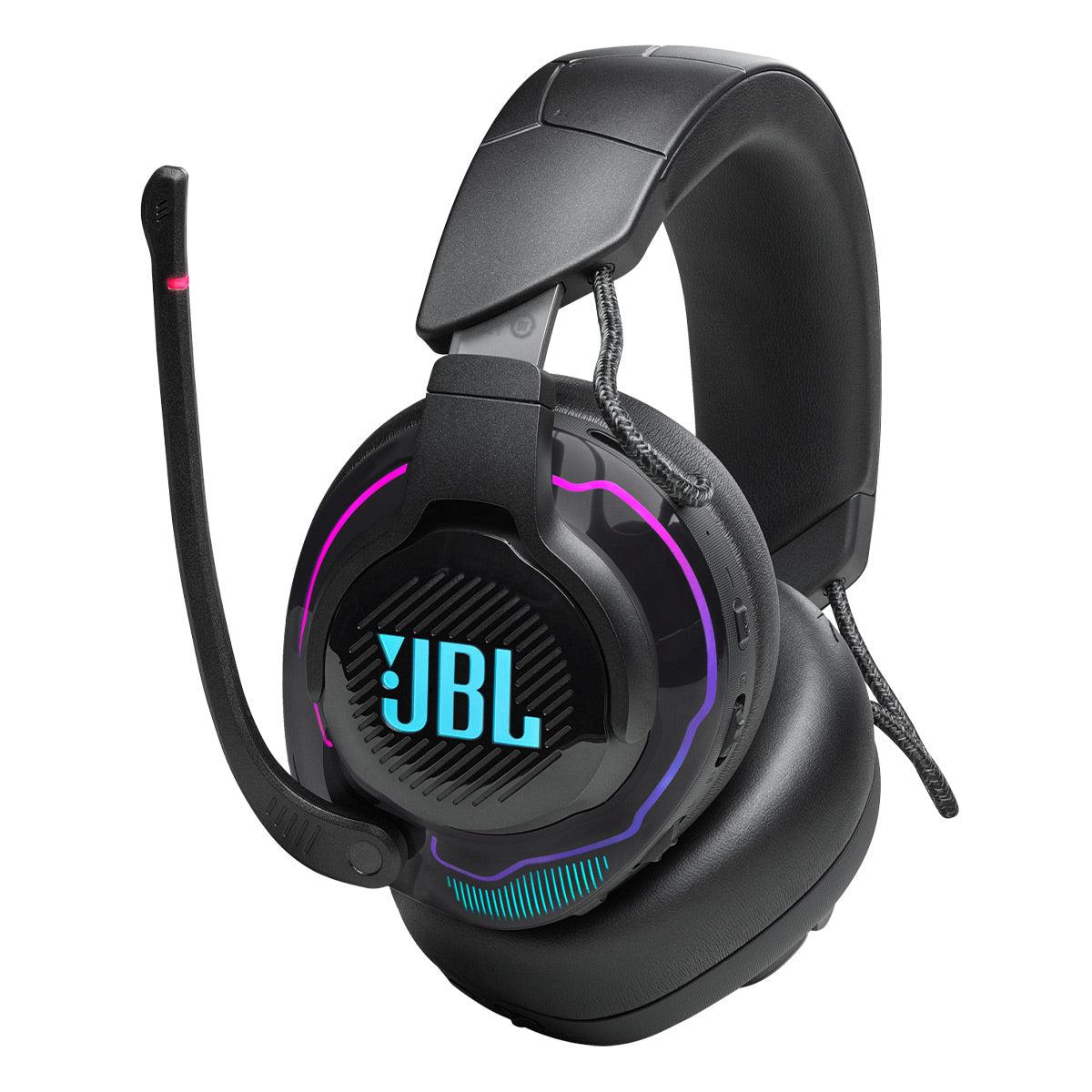
Released in 2022, the JBL Quantum 910 Wireless represents JBL's flagship gaming technology. What sets it apart isn't just marketing hype—it's genuine technological innovation that addresses real gaming challenges.
The most impressive feature is the JBL QuantumSPHERE 360 system with real-time head tracking. This isn't gimmicky motion sensing; it's a sophisticated positioning system that uses an integrated sensor in the headset. When you turn your head while gaming, the audio environment stays fixed in virtual space rather than moving with you. Imagine you're playing a first-person shooter and hear footsteps to your left. Normally, if you turn your head right, those footsteps would seem to move with you. With head tracking, they stay positioned where they actually are in the game world, giving you a significant competitive advantage.
The system includes a calibration microphone that you place in front of you during setup. This creates a personalized audio profile based on your exact head size and ear shape, ensuring the spatial positioning works optimally for your anatomy. It's remarkably sophisticated technology that wasn't available in consumer gaming headsets just a few years ago.
But the JBL Quantum 910 doesn't stop there. It features a dual wireless system that's genuinely useful in practice. The 2.4GHz wireless connection provides zero-lag gaming audio through a USB dongle, while Bluetooth 5.2 simultaneously handles your phone calls or music. This means you can stay connected to Discord on your phone while gaming on PC, or take a call without interrupting your game session. Most gaming headsets force you to choose one connection at a time.
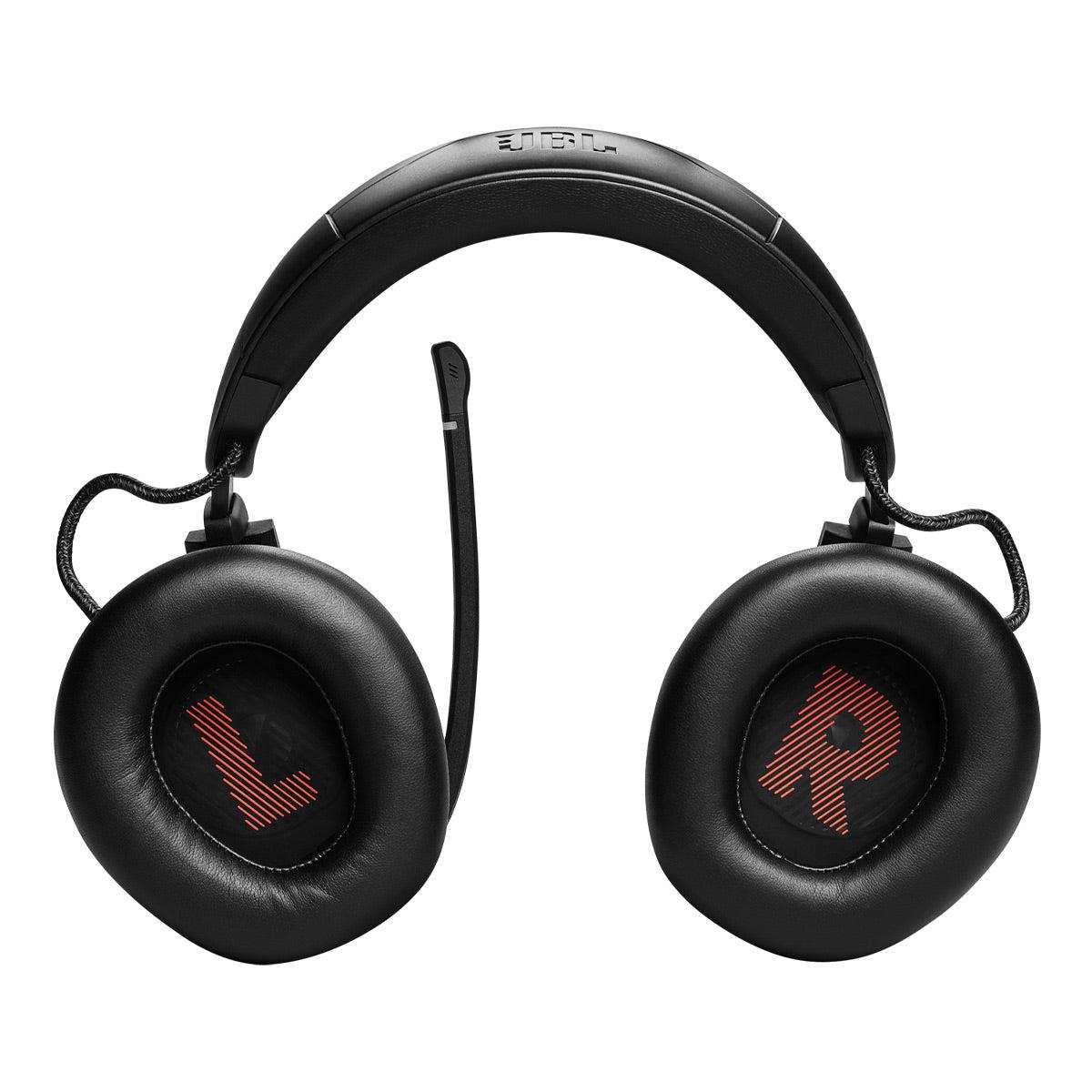
The microphone deserves special attention too. It's a flip-up-to-mute boom mic with echo and noise suppression, but the real innovation is the Discord-certified chat dial. This physical control lets you adjust the balance between game audio and voice chat in real-time without touching any software. When your teammates are talking strategy during a crucial moment, you can instantly lower game volume to hear them clearly, then dial it back up for gameplay—all without taking your hands off the controls.
The Shure Aonic 50 Gen 2, released in 2023, takes an entirely different approach. Shure brings decades of professional audio experience to consumer headphones, and it shows in every technical detail.
The most significant improvement over the original Aonic 50 is the battery life, which jumped from 20 hours to an impressive 45 hours. This wasn't just a bigger battery—Shure redesigned the power management system to be dramatically more efficient. The fast charging is equally impressive: 15 minutes of charging provides 5 hours of playback, which means you're never really stuck with dead headphones.
The driver technology represents genuine engineering excellence. The 50mm dynamic drivers use neodymium magnets and are tuned for what Shure calls "studio-accurate" reproduction. This means they don't emphasize bass or treble to make music sound more exciting. Instead, they reveal exactly what's in the recording, including flaws. It's the difference between headphones that make everything sound good and headphones that show you the truth of your music.
The Shure Aonic 50 Gen 2 supports an impressive array of high-resolution audio codecs: aptX, aptX HD, aptX Adaptive, and Sony LDAC. These codecs compress audio less than standard Bluetooth, preserving more detail in wireless transmission. LDAC, in particular, can transmit nearly three times more data than standard Bluetooth, approaching CD-quality over wireless connections.
The Spatialized Audio technology deserves explanation because it's different from gaming spatial audio. Rather than positioning sounds in virtual space, it widens the soundstage—making music feel like it's coming from speakers in a room rather than drivers next to your ears. The three modes (Music, Cinema, Podcast) use different algorithms optimized for different content types, and the effect is surprisingly natural compared to many "3D audio" implementations that sound artificial.
The fundamental difference in sound signature tells the whole story. The JBL Quantum 910 uses what's called a "V-shaped" frequency response—enhanced bass and treble with a slight midrange dip. This makes explosions more impactful, footsteps more prominent, and voice chat clearer in noisy game environments. It's exciting and engaging for gaming but can sound artificial with music that wasn't mixed for this tuning.
The Shure Aonic 50 Gen 2 aims for what audio engineers call a "flat" response—reproducing all frequencies as evenly as possible. This reveals incredible detail in well-recorded music but can initially sound "boring" if you're used to bass-heavy consumer headphones. The midrange clarity is exceptional, making vocals sound natural and present. String instruments have realistic texture, and you can hear the room acoustics in live recordings.
For home theater use, both have merits but for different reasons. The JBL Quantum 910 makes action movies feel more immersive with its enhanced low-end and spatial positioning. The Shure Aonic 50 Gen 2 provides more accurate dialogue reproduction and better reveals the subtleties in movie soundtracks, though it may lack the visceral impact some prefer for action content.
This is where the products diverge most dramatically. The JBL Quantum 910's 2.4GHz wireless system provides sub-20ms latency, which is essentially imperceptible. For comparison, standard Bluetooth typically has 150-300ms of delay—noticeable and problematic for gaming. The difference feels dramatic when you experience it: audio and video stay perfectly synchronized, and there's no disconnect between your actions and the audio feedback.
The Shure Aonic 50 Gen 2 uses high-quality Bluetooth but can't match gaming-specific latency requirements. However, it excels in audio quality over wireless. The LDAC codec can transmit up to 990 kbps of data—nearly three times standard Bluetooth's ~330 kbps. With high-resolution music files, this difference is audible as better detail retention and less compression artifacts.
The Shure Aonic 50 Gen 2's 45-hour battery life fundamentally changes how you use wireless headphones. You stop thinking about charging—it becomes a weekly rather than daily concern. The JBL Quantum 910's 39-hour rating is also excellent, but the RGB lighting can reduce this significantly if enabled.
More importantly, the JBL Quantum 910 supports play-and-charge functionality, meaning you can continue gaming while plugged in. For marathon gaming sessions, this eliminates battery anxiety entirely.
Both headphones include ANC, but with different goals. The JBL Quantum 910 uses gaming-optimized noise cancellation that reduces ambient noise while preserving important audio cues. It won't completely silence your environment—you'll still hear a smoke alarm or someone calling your name—but it dramatically reduces distracting background noise.
The Shure Aonic 50 Gen 2's ANC is more traditional, designed to create a quiet environment for music listening. The 11-stage ambient mode is particularly sophisticated, letting you dial in exactly how much environmental sound you want to hear. This is perfect for commuting or office use where you need situational awareness.
The JBL Quantum 910 represents cutting-edge gaming audio technology. The head-tracking system uses the same principles as VR headsets but optimized for traditional gaming. As game engines increasingly support 3D audio (like in newer titles using advanced spatial audio), this headset will become more valuable over time.
The Shure Aonic 50 Gen 2 focuses on established audio technologies executed at a high level. The USB-DAC mode supporting 32-bit/384kHz audio is essentially future-proof for any consumer audio format. Most music today is 16-bit/44.1kHz (CD quality), so this headset can handle formats that don't even exist yet in mainstream music.
At the time of writing, both products command premium prices that reflect their technological sophistication. The JBL Quantum 910 offers specialized gaming technology that simply doesn't exist in cheaper alternatives. Features like real-time head tracking, dual wireless systems, and Discord-certified chat mixing require significant R&D investment.
The Shure Aonic 50 Gen 2 justifies its pricing through audio engineering excellence and professional-grade components. The driver technology, amplification circuitry, and codec support represent genuine technical advancement over budget options.
Neither product is overpriced for what it delivers, but they serve completely different markets. The gaming features in the JBL Quantum 910 provide no benefit for music listening, while the audiophile components in the Shure Aonic 50 Gen 2 offer no advantage for gaming performance.
For Competitive Gaming: The JBL Quantum 910 is transformative. In games like Counter-Strike or Valorant, the ability to precisely locate enemy positions through audio provides a genuine competitive advantage. The head tracking prevents disorientation during intense gameplay, and the low-latency wireless ensures perfect audio-visual synchronization.
For Music Discovery: The Shure Aonic 50 Gen 2 reveals details in familiar music that you've never noticed. Well-mastered albums sound spacious and natural, while poorly mastered ones become obviously compressed and artificial. It's educational and sometimes sobering—you'll discover that some of your favorite songs don't actually sound very good.
For Content Creation: The JBL Quantum 910's superior microphone and real-time audio mixing make it ideal for streamers and content creators. The Shure Aonic 50 Gen 2 excels for audio editing and mixing where accurate monitoring is crucial.
Choose the JBL Quantum 910 Wireless if gaming is your primary activity and you want every possible competitive advantage. The head tracking, low-latency wireless, and communication features justify the investment for serious gamers. It's also the better choice for streaming or content creation where gaming aesthetics and professional communication matter.
Choose the Shure Aonic 50 Gen 2 Wireless if music quality is your priority and you want headphones that reveal everything in your recordings. The exceptional battery life, build quality, and audio accuracy make it ideal for critical listening, commuting, or professional audio work.
The key insight is that trying to find a compromise between these approaches typically results in mediocre performance in both areas. The JBL Quantum 910 isn't trying to be the best music headphones, and the Shure Aonic 50 Gen 2 isn't trying to be the best gaming headset. Each excels precisely because it's optimized for its intended purpose rather than attempting to please everyone.
Your decision should be based on how you'll primarily use the headphones, not on which has more features or sounds better in isolation. Both products represent the current state of the art in their respective categories, and both will likely serve their intended users exceptionally well for years to come.
| JBL Quantum 910 Wireless Gaming Headset | Shure Aonic 50 Gen 2 Wireless Headphones |
|---|---|
| Primary Use Case - Determines which features matter most | |
| Competitive gaming with spatial audio and communication | Critical music listening and audiophile applications |
| Driver Size & Audio Tuning - Foundation of sound quality | |
| 50mm neodymium drivers, gaming-tuned V-shaped signature | 50mm dynamic drivers, studio-accurate flat response |
| Wireless Connectivity - Critical for intended use performance | |
| Dual system: 2.4GHz ultra-low latency + Bluetooth 5.2 | Bluetooth 5.0 with premium codecs (aptX HD, LDAC) |
| Spatial Audio Technology - Different approaches to 3D sound | |
| Real-time head tracking with QuantumSPHERE 360 | Algorithm-based spatialization (Music/Cinema/Podcast modes) |
| Battery Life - Affects daily usability | |
| 39 hours (RGB off), play-and-charge supported | 45 hours with 15-min fast charge for 5 hours |
| Microphone System - Essential for gaming vs optional for music | |
| Dedicated flip-up boom mic with Discord-certified chat dial | Built-in 6-mic array for phone calls only |
| Active Noise Cancellation - Optimized for different environments | |
| Gaming-tuned ANC preserving audio cues | Traditional ANC with 11-stage ambient control |
| Platform Compatibility - Determines where you can use full features | |
| PC (full features), PlayStation 5/4, Nintendo Switch, mobile | Universal Bluetooth, USB-C DAC mode, 3.5mm wired |
| Weight & Comfort Design - Important for extended use | |
| 420g with leather-wrapped memory foam, RGB lighting | 337g professional build, fold-flat design with case |
| Advanced Audio Features - Premium capabilities that justify cost | |
| Head tracking calibration, simultaneous dual wireless | Hi-Res certification, 32-bit/384kHz USB-DAC support |
The JBL Quantum 910 Wireless Gaming Headset is significantly better for gaming. It features ultra-low latency 2.4GHz wireless connectivity, real-time head tracking for precise spatial audio, and a dedicated boom microphone with Discord-certified chat controls. The Shure Aonic 50 Gen 2 uses standard Bluetooth which has noticeable audio delay for gaming and lacks gaming-specific features like voice communication.
The Shure Aonic 50 Gen 2 Wireless Headphones deliver superior music quality with studio-accurate sound reproduction, Hi-Res audio certification, and support for premium wireless codecs like LDAC and aptX HD. The JBL Quantum 910 uses gaming-tuned audio with enhanced bass and treble that can sound artificial with music, though it's perfectly optimized for gaming audio.
The Shure Aonic 50 Gen 2 offers 45 hours of battery life with fast charging (15 minutes for 5 hours of playback), while the JBL Quantum 910 Wireless Gaming Headset provides 39 hours with RGB lighting disabled. Both offer excellent battery performance, but the Shure model has a slight edge in longevity and charging speed.
Yes, but with different capabilities. The JBL Quantum 910 has a professional flip-up boom microphone designed for clear gaming communication and can handle calls excellently. The Shure Aonic 50 Gen 2 uses built-in microphones that provide adequate call quality but aren't optimized for extended voice communication like gaming or streaming.
For home theater use, the choice depends on your priorities. The JBL Quantum 910 Wireless Gaming Headset provides more immersive action movie experiences with enhanced bass and spatial positioning that makes explosions feel impactful. The Shure Aonic 50 Gen 2 offers more accurate dialogue reproduction and reveals subtle soundtrack details, making it better for dramatic films and audiophile movie watching.
Yes, both feature active noise cancellation but with different approaches. The JBL Quantum 910 uses gaming-optimized ANC that reduces distractions while preserving important audio cues for situational awareness. The Shure Aonic 50 Gen 2 Wireless Headphones offers traditional ANC with 11 adjustable ambient modes for precise environmental control, making it better for commuting and focused listening.
Both prioritize comfort but serve different use cases. The JBL Quantum 910 Wireless Gaming Headset features leather-wrapped memory foam specifically designed for marathon gaming sessions, though it's slightly heavier at 420g. The Shure Aonic 50 Gen 2 weighs less at 337g with professional-grade padding optimized for extended music listening and travel use.
The JBL Quantum 910 offers superior multi-device connectivity with simultaneous 2.4GHz gaming audio and Bluetooth connections, letting you take calls while gaming. The Shure Aonic 50 Gen 2 Wireless Headphones supports standard Bluetooth multipoint pairing but cannot maintain simultaneous connections like the JBL's dual wireless system.
The Shure Aonic 50 Gen 2 features professional-grade construction with premium materials and Shure's reputation for studio equipment durability. The JBL Quantum 910 Wireless Gaming Headset offers solid gaming-focused build quality with RGB lighting and practical features, but the Shure model generally provides more refined construction and materials.
Both justify their premium positioning through advanced technology. The JBL Quantum 910 offers gaming features like head tracking and dual wireless systems unavailable in budget gaming headsets. The Shure Aonic 50 Gen 2 Wireless Headphones provides audiophile-grade drivers, premium codec support, and professional tuning that significantly outperforms cheaper music headphones.
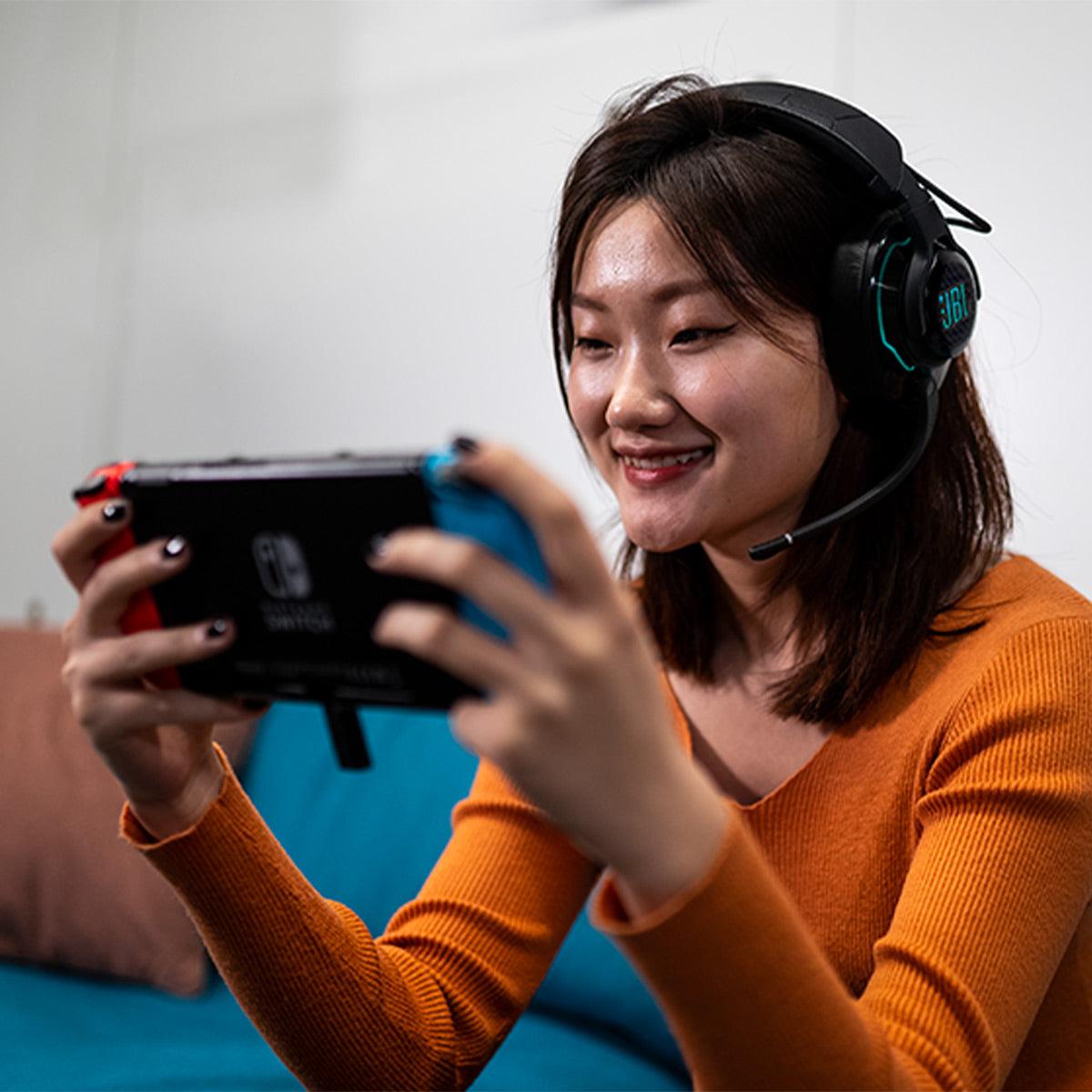
The JBL Quantum 910 Wireless Gaming Headset offers broader gaming platform support with native wireless compatibility for PC, PlayStation 5/4, and Nintendo Switch (docked), plus wired support for Xbox and other devices. The Shure Aonic 50 Gen 2 works universally via Bluetooth and wired connections but lacks the low-latency wireless needed for optimal gaming performance.
Choose the JBL Quantum 910 if gaming is your primary activity and you want competitive advantages like spatial positioning and voice communication. Select the Shure Aonic 50 Gen 2 Wireless Headphones if music quality is your priority and you want accurate sound reproduction for critical listening. Neither excels at both purposes, so base your decision on your main use case rather than seeking a compromise.
We've done our best to create useful and informative comparisons to help you decide what product to buy. Our research uses advanced automated methods to create this comparison and perfection is not possible - please contact us for corrections or questions. These are the sites we've researched in the creation of this article: techradar.com - stereoguide.com - ausdroid.net - majorhifi.com - ign.com - youtube.com - soundguys.com - versus.com - impulsegamer.com - versus.com - jbl.com - jbl.com.tw - crutchfield.com - th.jbl.com - harmanaudio.com - jbl.com - jbl.com - youtube.com - bestbuy.com - harmanaudio.com - jbl.com - th.jbl.com - bhphotovideo.com - tomsguide.com - headphonecheck.com - whathifi.com - majorhifi.com - rtings.com - versus.com - majorhifi.com - versus.com - audio46.com - youtube.com - bhphotovideo.com - techradar.com - soundpro.com - shure.com - americanmusical.com - pubs.shure.com - blog.zzounds.com - service.shure.com - fullcompass.com

Privacy Policy
Terms and Conditions - Affiliate Policy
Home Security
© Copyright 2008-2026.
11816 Inwood Rd #1211, Dallas, TX 75244