

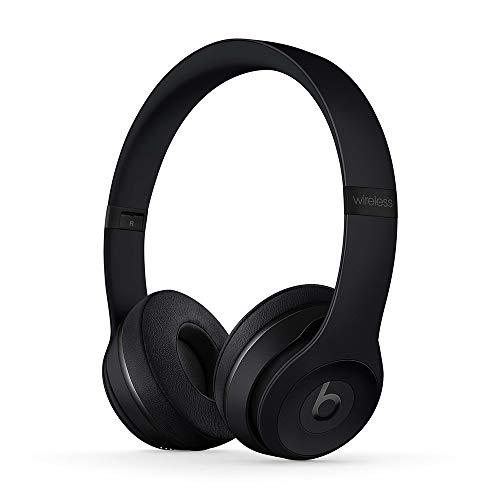
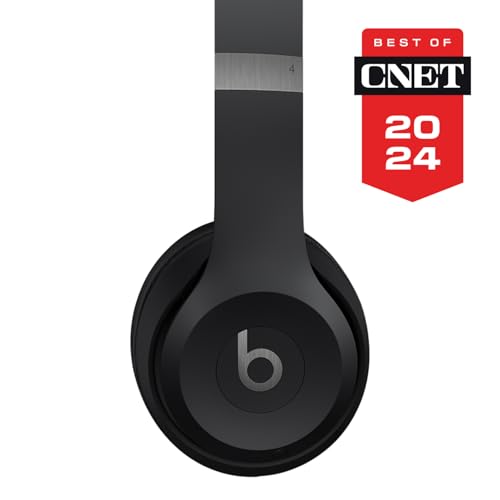
When Apple acquired Beats back in 2014, many wondered what would happen to the brand's signature bass-heavy sound. The answer came gradually through product updates, and nowhere is this evolution more clear than comparing the Beats Solo3 Wireless from 2016 with the recently released Beats Solo 4 from 2024. These eight years represent a complete transformation in wireless audio technology, and choosing between them isn't just about budget—it's about understanding what matters most for your listening habits.
Before diving into specifics, let's talk about what on-ear headphones actually are and why you might choose them over other options. Unlike over-ear headphones that completely surround your ears with large cushions, on-ear models sit directly on your ears with smaller pads. This design makes them more portable and less bulky, but it comes with trade-offs in comfort and noise isolation.
The sweet spot for on-ear headphones lies in their balance of portability and performance. They're significantly more compact than over-ear models when folded, making them perfect for commuting or travel. However, they can't match the extended comfort of over-ear designs, and they don't naturally block outside noise as effectively since they don't create a complete seal around your ears.
When evaluating any on-ear wireless headphones, the most critical factors are battery life (since you can't easily swap batteries), sound quality, comfort during typical 1-2 hour listening sessions, connectivity stability, and overall build quality. The Beats Solo3 and Solo 4 approach these priorities differently, reflecting the eight-year gap in their development.
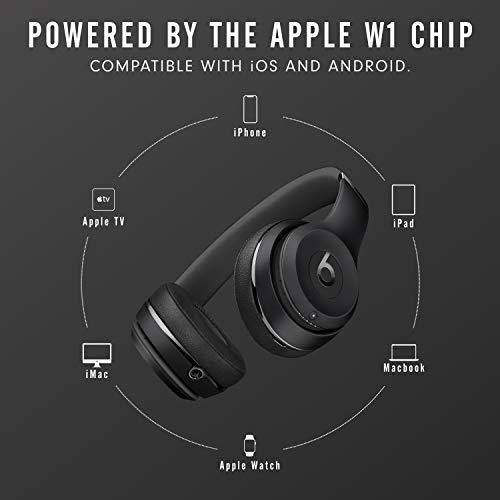
The Beats Solo3 Wireless launched in 2016 during the early days of mainstream wireless headphones. Back then, most wireless headphones struggled with battery life, connection dropouts, and mediocre sound quality compared to wired alternatives. Apple's solution was the W1 chip—a custom processor designed specifically for audio devices that dramatically improved battery efficiency and connection stability with Apple devices.
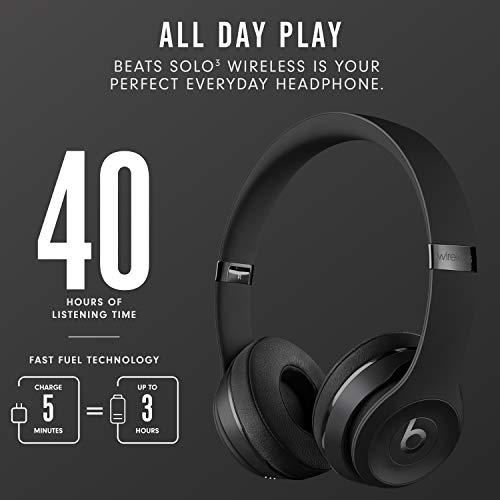
The W1 chip was genuinely revolutionary at the time. It enabled the Solo3 to achieve 40 hours of battery life when most competitors managed only 15-20 hours. The chip also allowed for seamless pairing with iPhones and other Apple devices—just turn on the headphones near your phone, and they'd automatically connect without diving into Bluetooth settings.
Fast forward to 2024, and the wireless audio landscape has completely changed. Bluetooth technology has evolved from version 4.2 to 5.3, bringing improved stability, lower power consumption, and better audio quality. USB-C has largely replaced micro-USB for charging, and lossless audio streaming has become more important as music services offer higher-quality tracks.
The Beats Solo 4 reflects these technological advances while maintaining the same basic design philosophy. Rather than using Apple's newer H1 or H2 chips found in AirPods, Beats developed their own custom processor optimized for these specific headphones. This approach allowed them to push battery life even further while adding features like Spatial Audio with head tracking.
Here's where the eight-year gap becomes most apparent, and it's honestly the most important reason to consider upgrading. The Beats Solo3 represents the "old Beats sound"—heavily bass-emphasized with a warm, sometimes muddy character that could make vocals sound distant and instruments blend together.
This wasn't necessarily bad; many people loved that signature Beats sound for hip-hop, electronic music, and pop. The strong bass made tracks feel energetic and fun. However, the sound lacked the clarity and balance that audiophiles prefer, and it could become fatiguing during longer listening sessions.
The Beats Solo 4 takes a completely different approach. Beats has retuned these headphones to sound much more neutral and balanced, similar to what you'd expect from studio monitors. The bass is still present and impactful, but it's cleaner and doesn't overwhelm the other frequencies. Vocals sound clearer and more forward, while instruments have better separation—meaning you can more easily distinguish between different parts of a song.
This change reflects broader trends in the audio industry. As streaming services began offering higher-quality audio and consumers became more discerning about sound quality, manufacturers moved away from heavily colored sound signatures toward more neutral presentations that work well with all music genres.
In practical terms, if you're upgrading from the Solo3 to the Solo 4, the difference is immediately noticeable. The Solo 4 sounds cleaner, more detailed, and less fatiguing during extended listening. However, if you specifically loved the Solo3's bass-heavy sound, you might initially find the Solo 4 less exciting until you adjust to its more balanced presentation.
Battery life has always been a Beats strength, and both the Solo3 and Solo 4 deliver exceptional endurance compared to most competitors. The Solo3's 40-hour rating was remarkable in 2016 and remains competitive today. In real-world use, you can expect around 35-38 hours of continuous playback at moderate volume levels, which translates to roughly 2-3 weeks of typical daily use before needing a charge.
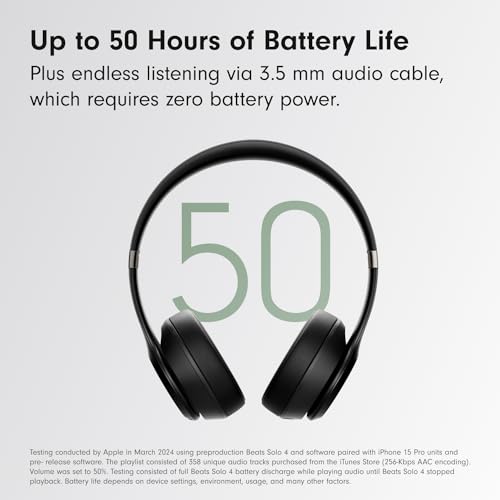
The Solo 4 pushes this even further with a rated 50-hour battery life, though independent testing suggests it often exceeds this rating significantly—some reviewers have achieved over 80 hours of continuous playback. This means you could potentially go a month or more between charges with normal use.
Both models include "Fast Fuel" quick charging, but the Solo 4 improves on this feature. The Solo3 provides 3 hours of playback from a 5-minute charge, while the Solo 4 delivers 5 hours from a 10-minute charge. While the charging time is longer, you get more playback time, making it more practical for quick top-ups before leaving the house.
The technology behind these impressive battery lives involves sophisticated power management. The Solo3's W1 chip was designed specifically for efficiency, turning off unnecessary radio functions and optimizing the Bluetooth connection to use minimal power. The Solo 4 builds on this foundation with newer, more efficient components and improved algorithms that further reduce power consumption.
This is where the eight-year gap becomes most obvious in daily use. The Beats Solo3 uses Bluetooth 4.2, which was adequate in 2016 but feels dated now. Connection stability is generally good, especially with Apple devices thanks to the W1 chip, but you might occasionally experience dropouts in areas with heavy wireless interference.
The Solo 4 features Bluetooth 5.3, the latest standard that offers several improvements. The connection is more stable, especially in crowded wireless environments like airports or busy offices. The newer Bluetooth version also supports more efficient data transmission, contributing to the improved battery life.
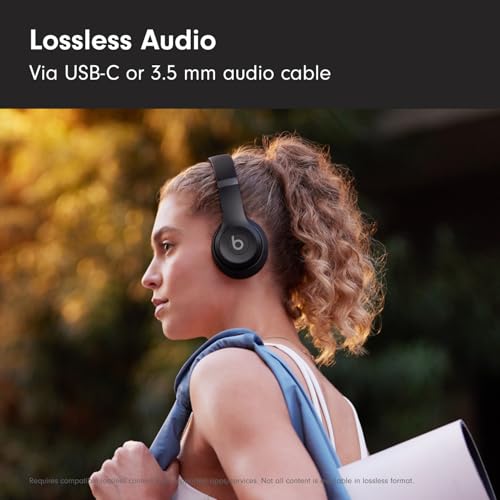
More importantly, the Solo 4 includes USB-C connectivity for both charging and audio. This means you can connect the headphones to your laptop, phone, or other USB-C devices for lossless digital audio transmission. The built-in digital-to-analog converter (DAC) processes the digital signal and converts it to analog audio, potentially offering better sound quality than Bluetooth transmission.
The Solo3 still relies on micro-USB for charging, which feels increasingly outdated as most devices have moved to USB-C. For wired audio, you're limited to the traditional 3.5mm headphone jack, which works fine but doesn't offer the lossless digital transmission capability of USB-C.
Beyond basic audio playback, the Beats Solo 4 includes several advanced features that the Solo3 simply can't match due to hardware limitations.
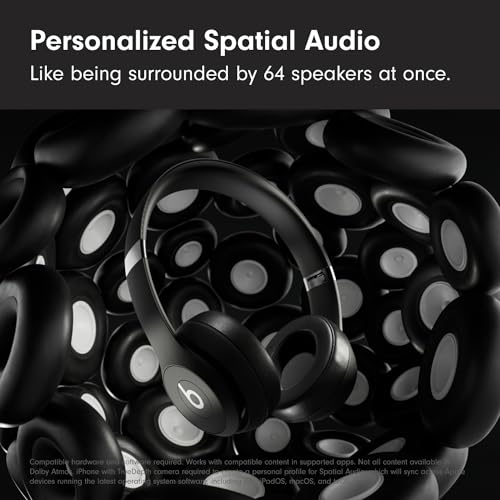
Spatial Audio with dynamic head tracking is perhaps the most impressive addition. Using built-in gyroscopes and accelerometers, the headphones can detect when you move your head and adjust the audio accordingly to maintain the illusion that sound sources remain in fixed positions around you. It's like having a virtual surround sound system that moves with you, creating a more immersive experience for movies, games, and specially mixed music.
The Solo 4's microphone system has also been completely redesigned. Instead of the simple analog microphones in the Solo3, the newer model uses multiple digital beamforming microphones with advanced noise reduction algorithms. This means much clearer voice calls and better performance with voice assistants, especially in noisy environments.
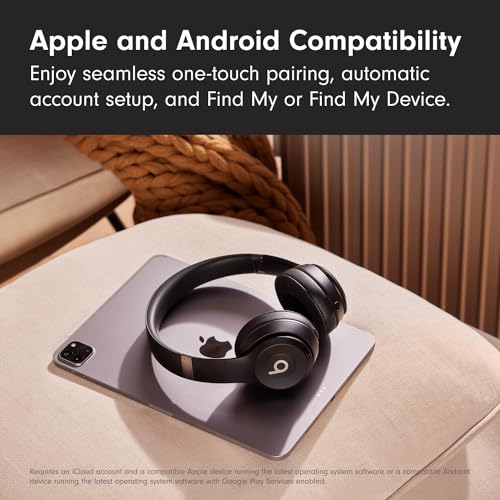
Find My device support is another practical upgrade. If you misplace your Solo 4, you can use your phone's Find My app (on iOS) or Find My Device (on Android) to locate them, even playing a sound to help pinpoint their location.
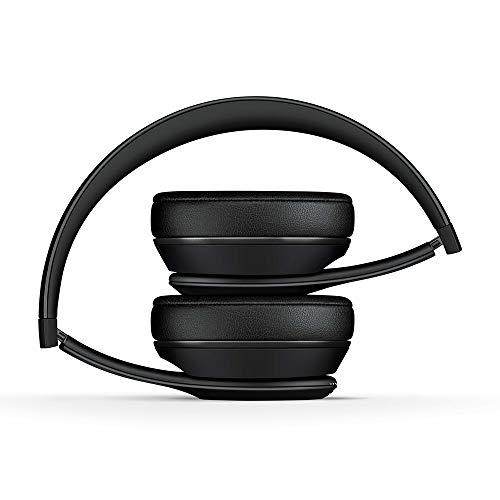
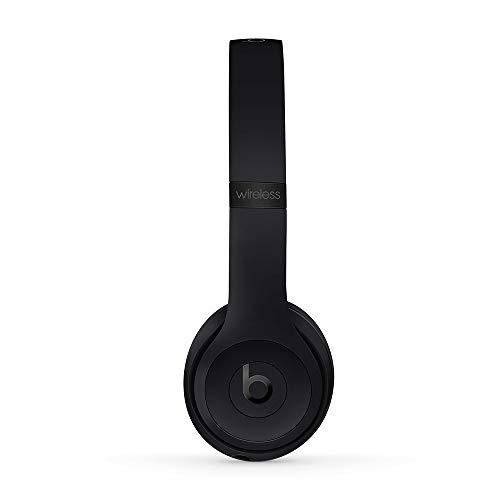
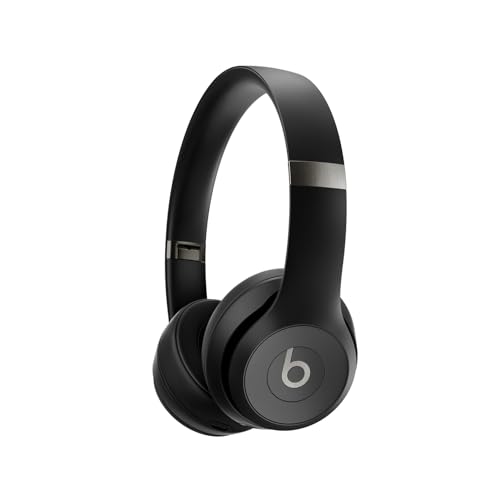
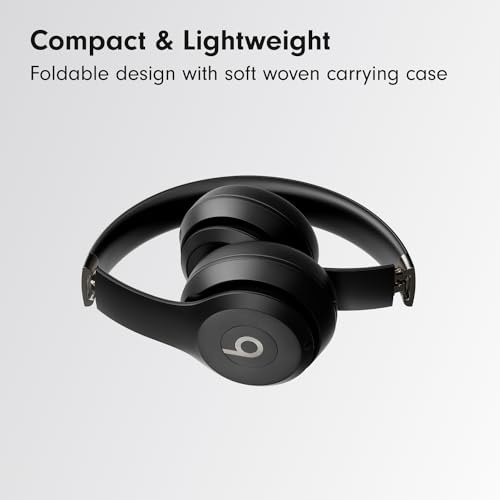
Both headphones share remarkably similar physical designs, which makes sense since the Solo3's form factor was already well-refined. They weigh nearly the same (around 7.6-7.7 ounces) and fold in identical ways for portability.
The Solo 4 does include some comfort improvements, particularly with its "UltraPlush" ear cushions that use memory foam for better pressure distribution. The headband padding has also been refined, though these are incremental rather than revolutionary changes.
However, it's important to manage expectations about on-ear comfort in general. Both models will become uncomfortable after 2-3 hours of continuous wear for most people. This isn't a design flaw—it's an inherent limitation of the on-ear form factor. If you regularly listen for longer periods, you'd be better served by over-ear headphones like the Beats Studio Pro or Sony WH-1000XM5.
For typical use cases—commuting, working out, casual listening at home—both the Solo3 and Solo 4 are comfortable enough. The key is taking breaks during extended sessions and adjusting the headband position periodically.
One significant limitation affects both models: neither the Solo3 nor Solo 4 includes active noise cancellation (ANC). This technology uses microphones to detect outside noise and generates "anti-noise" to cancel it out, dramatically reducing ambient sound.
ANC has become increasingly common in wireless headphones, especially at the Solo 4's price point. Competitors like the Sony ULT Wear and JBL Live 670NC offer effective noise cancellation, making them better choices for commuting, air travel, or working in noisy environments.
The absence of ANC means both Beats models rely solely on passive isolation—the physical barrier created by the ear cups. Since on-ear designs don't create a complete seal around your ears, this isolation is limited. You'll still hear conversations, traffic noise, and other ambient sounds at reduced but noticeable levels.
This omission is particularly noticeable with the Solo 4, where you might reasonably expect ANC given its premium positioning and 2024 release date. It suggests Beats prioritized other features like extended battery life and audio quality improvements over noise cancellation.
While neither the Solo3 nor Solo 4 is specifically designed for home theater use, they can work well for personal movie watching, especially late at night when you need to avoid disturbing others.
The Solo 4's Spatial Audio feature provides a significant advantage here. When watching compatible content on Apple devices or other supported platforms, the head tracking creates a more immersive movie experience that simulates surround sound positioning. This works particularly well for action movies and content with complex soundscapes.
Both models support low-latency audio codecs that minimize the delay between video and audio, preventing the lip-sync issues that can plague some wireless headphones during movie watching. The Solo 4's USB-C connection can also provide zero-latency wired connection to compatible devices.
However, for dedicated home theater use, you'd probably want over-ear headphones with larger drivers and more spacious soundstages. The on-ear design of both Solo models creates a more intimate, "inside your head" listening experience that works better for music than cinematic content.
At the time of writing, the Beats Solo3 typically costs about $30-50 less than the Solo 4, though prices fluctuate frequently with sales and promotions. This price difference is relatively small considering the technological improvements in the newer model.
Choose the Solo3 if you're budget-conscious and primarily use Apple devices. The W1 chip integration still works excellently for seamless pairing and device switching within the Apple ecosystem. The 40-hour battery life remains competitive, and the classic Beats sound signature might appeal if you prefer bass-heavy music genres.
However, the Solo 4 is the better choice for most people. The improved sound quality alone justifies the modest price increase, and features like USB-C connectivity, Spatial Audio, and superior call quality add significant value. The extended battery life means you'll charge less frequently, and the modern Bluetooth implementation provides better stability across all devices.
The Solo 4 also represents better long-term value. Its modern connectivity and features will remain relevant longer than the Solo3's aging technology. If you plan to keep your headphones for several years, the Solo 4's future-proofing makes it the smarter investment.
The evolution from Beats Solo3 to Solo 4 reflects eight years of advancement in wireless audio technology. While both headphones share the same fundamental design philosophy and excel at portability and battery life, the Solo 4's improvements in sound quality, connectivity, and advanced features make it the clear winner for most users.
Unless budget is your primary concern or you can find the Solo3 at a significant discount, the Solo 4 offers better value despite its higher upfront cost. The cleaner sound, modern connectivity, and additional features like Spatial Audio and improved call quality create a noticeably better user experience that justifies the investment.
Just remember that both models share the inherent limitations of on-ear designs: limited noise isolation, eventual ear fatigue, and less immersive soundstages than over-ear alternatives. If these factors are deal-breakers for your use case, you might want to consider over-ear options instead, even if it means sacrificing some portability.
| Beats Solo3 Wireless | Beats Solo 4 |
|---|---|
| Battery Life - Critical for daily use without frequent charging | |
| 40 hours playback, 5-min charge = 3 hours | 50+ hours playback, 10-min charge = 5 hours |
| Sound Quality - Most noticeable difference in listening experience | |
| Bass-heavy "old Beats" sound, can be muddy | Balanced, cleaner sound with better clarity |
| Connectivity - Affects compatibility and future-proofing | |
| Bluetooth 4.2, micro-USB charging | Bluetooth 5.3, USB-C charging + lossless audio |
| Advanced Features - Additional capabilities beyond basic playback | |
| W1 chip for Apple device pairing | Spatial Audio with head tracking, beamforming mics |
| Call Quality - Important for work and communication | |
| Basic analog microphones | Digital beamforming mics with noise reduction |
| Release Year - Indicates how current the technology is | |
| 2016 (8-year-old technology) | 2024 (latest generation) |
| Wired Audio Options - Flexibility when battery dies or for best quality | |
| 3.5mm analog only | 3.5mm analog + USB-C lossless digital |
| Device Compatibility - How well it works across different platforms | |
| Optimized for Apple devices (W1 chip) | Universal compatibility with enhanced Apple features |
| Comfort Design - Affects extended listening sessions | |
| Standard foam ear cushions | UltraPlush memory foam cushions |
| Typical Price Range - Value consideration at time of writing | |
| Usually $30-50 less than Solo 4 | Premium pricing but includes modern features |
The Beats Solo 4 has significantly better sound quality than the Beats Solo3 Wireless. The Solo 4 features a more balanced, cleaner sound with improved clarity across all frequencies, while the Solo3 has the older bass-heavy "Beats sound" that can sound muddy. The Solo 4 uses custom 40mm drivers with upgraded acoustics that minimize distortion and provide better instrument separation.
The Beats Solo 4 offers up to 50+ hours of battery life, significantly longer than the Beats Solo3 Wireless which provides 40 hours. In real-world testing, the Solo 4 often exceeds its rating and can last over 80 hours. Both models include fast charging, but the Solo 4 gives you 5 hours of playback from a 10-minute charge compared to the Solo3's 3 hours from 5 minutes.
The Beats Solo 4 uses modern Bluetooth 5.3 and USB-C for charging and lossless audio, while the Beats Solo3 Wireless has older Bluetooth 4.2 and micro-USB charging. The Solo 4's USB-C port allows for lossless digital audio transmission, whereas the Solo3 only supports analog audio through its 3.5mm jack.
Both the Beats Solo3 Wireless and Beats Solo 4 have similar comfort levels since they share the same basic on-ear design. The Solo 4 has slightly improved UltraPlush memory foam cushions, but both models can become uncomfortable after 2-3 hours due to the inherent limitations of on-ear headphones. Neither is ideal for extended listening compared to over-ear alternatives.
Neither the Beats Solo3 Wireless nor the Beats Solo 4 includes active noise cancellation (ANC). Both rely only on passive noise isolation from their ear cups, which provides limited noise blocking since they sit on your ears rather than around them. This is a notable omission, especially for the Solo 4 given its premium positioning.
The Beats Solo 4 is significantly better for phone calls thanks to its multiple digital beamforming microphones with advanced noise reduction algorithms. The Beats Solo3 Wireless uses basic analog microphones that provide adequate but not exceptional call quality. The Solo 4 offers much clearer voice transmission and better background noise suppression.
Neither the Beats Solo3 Wireless nor Beats Solo 4 is ideal for intense workouts. Both lack water resistance or sweat protection, and their on-ear design can become uncomfortable when you're active and sweating. For fitness use, you'd be better served by dedicated workout earbuds or sports-oriented headphones with proper sweat resistance.
The Beats Solo 4 offers better overall value despite being more expensive than the Beats Solo3 Wireless. The Solo 4's improved sound quality, longer battery life, modern connectivity, and additional features like Spatial Audio justify the price difference. The Solo3 only makes sense if budget is your primary concern or you find it heavily discounted.
The Beats Solo 4 works well with both iOS and Android devices, offering universal compatibility with enhanced features on Apple devices. The Beats Solo3 Wireless is optimized for Apple devices through its W1 chip but has more limited functionality on Android. Both models support standard Bluetooth connectivity across all devices, but the Solo 4 provides a more consistent experience regardless of your phone or computer.
The Beats Solo 4 includes Spatial Audio with dynamic head tracking, Find My device support, and superior call quality through beamforming microphones. The Beats Solo3 Wireless features the Apple W1 chip for seamless pairing with Apple devices and excellent battery optimization. The Solo 4 has significantly more advanced features overall.
Neither the Beats Solo3 Wireless nor Beats Solo 4 is ideal for professional music production, but the Solo 4 is much better suited for critical listening. The Solo 4 has a more neutral, balanced sound signature that's closer to studio monitor quality, while the Solo3's bass-heavy tuning can mask important details in a mix. For serious production work, dedicated studio headphones would be more appropriate.
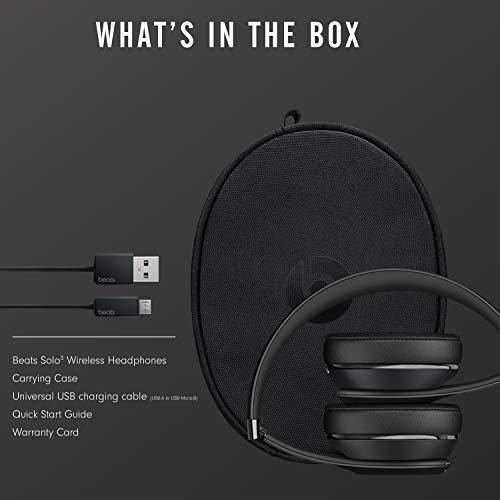
Both the Beats Solo3 Wireless and Beats Solo 4 are equally portable, featuring identical foldable designs and similar weights around 7.6-7.7 ounces. Both come with carrying cases and are designed for travel. The main travel advantage goes to the Solo 4 due to its longer battery life, meaning fewer charging stops during extended trips, and its USB-C port which matches most modern devices and chargers.
We've done our best to create useful and informative comparisons to help you decide what product to buy. Our research uses advanced automated methods to create this comparison and perfection is not possible - please contact us for corrections or questions. These are the sites we've researched in the creation of this article: soundguys.com - cornellstore.com - imore.com - bestbuy.com - headphonecheck.com - soundguys.com - recordingnow.com - corporategift.com - ifixit.com - rtings.com - youtube.com - mobileciti.com.au - beatsbydre.com - discussions.apple.com - target.com - bestbuy.com - jalc.ecampus.com - beats.fandom.com - support.apple.com - electronics.woot.com - bestbuy.com - soundguys.com - rtings.com - cnet.com - youtube.com - rtings.com - therunningchannel.com - youtube.com - soundguys.com - rtings.com - beatsbydre.com - kubookstore.com - apple.com - panthertech.fiu.edu - beatsbydre.com - cnet.com - techwelike.com - beatsbydre.com - beatsbydre.com

Privacy Policy
Terms and Conditions - Affiliate Policy
Home Security
© Copyright 2008-2026.
11816 Inwood Rd #1211, Dallas, TX 75244