

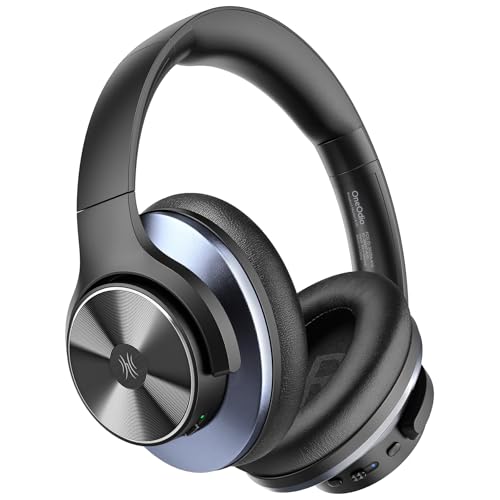

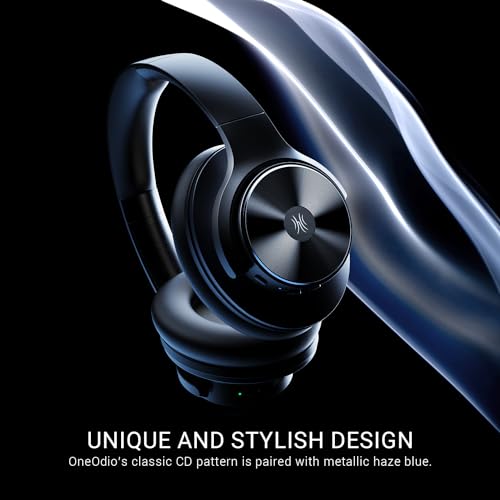
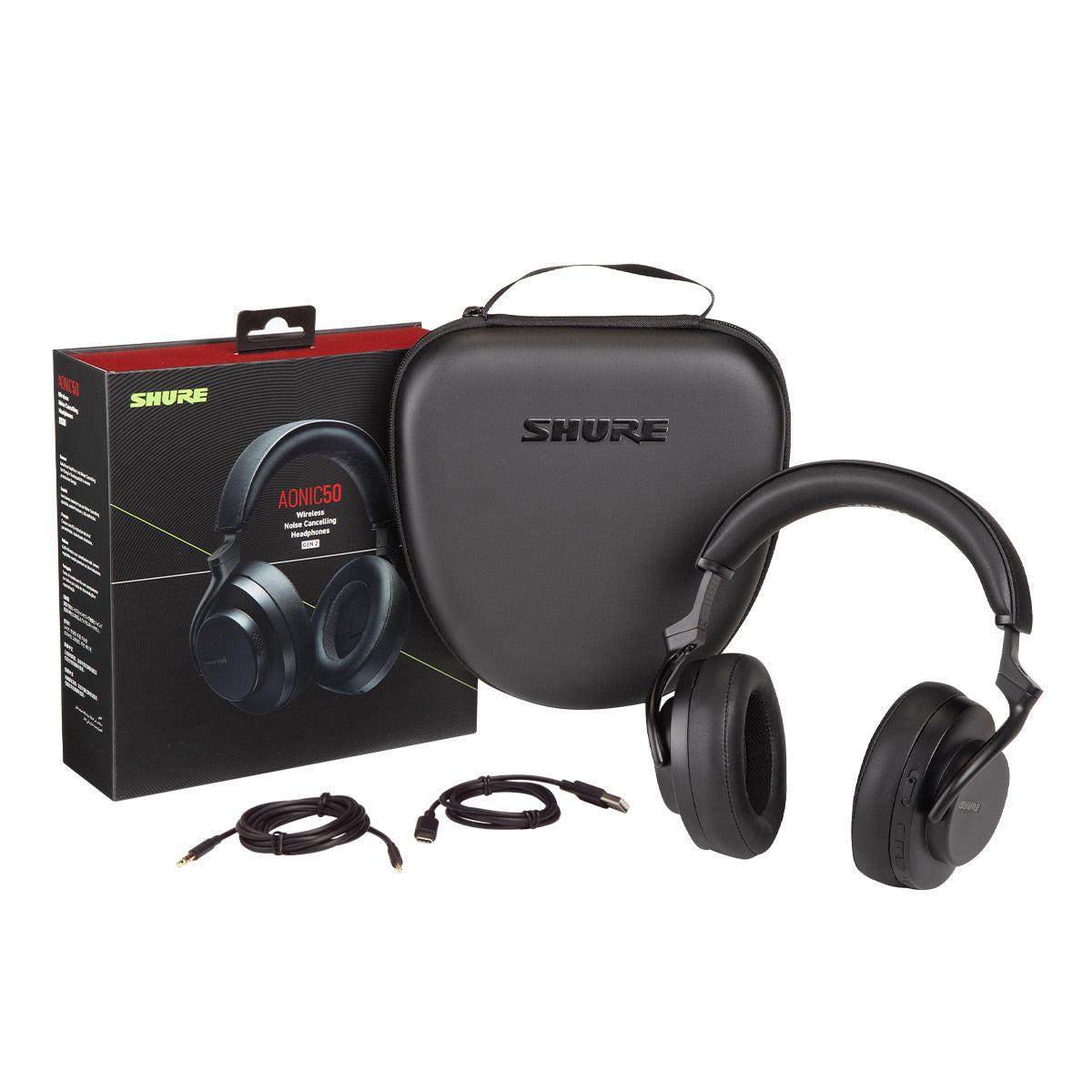
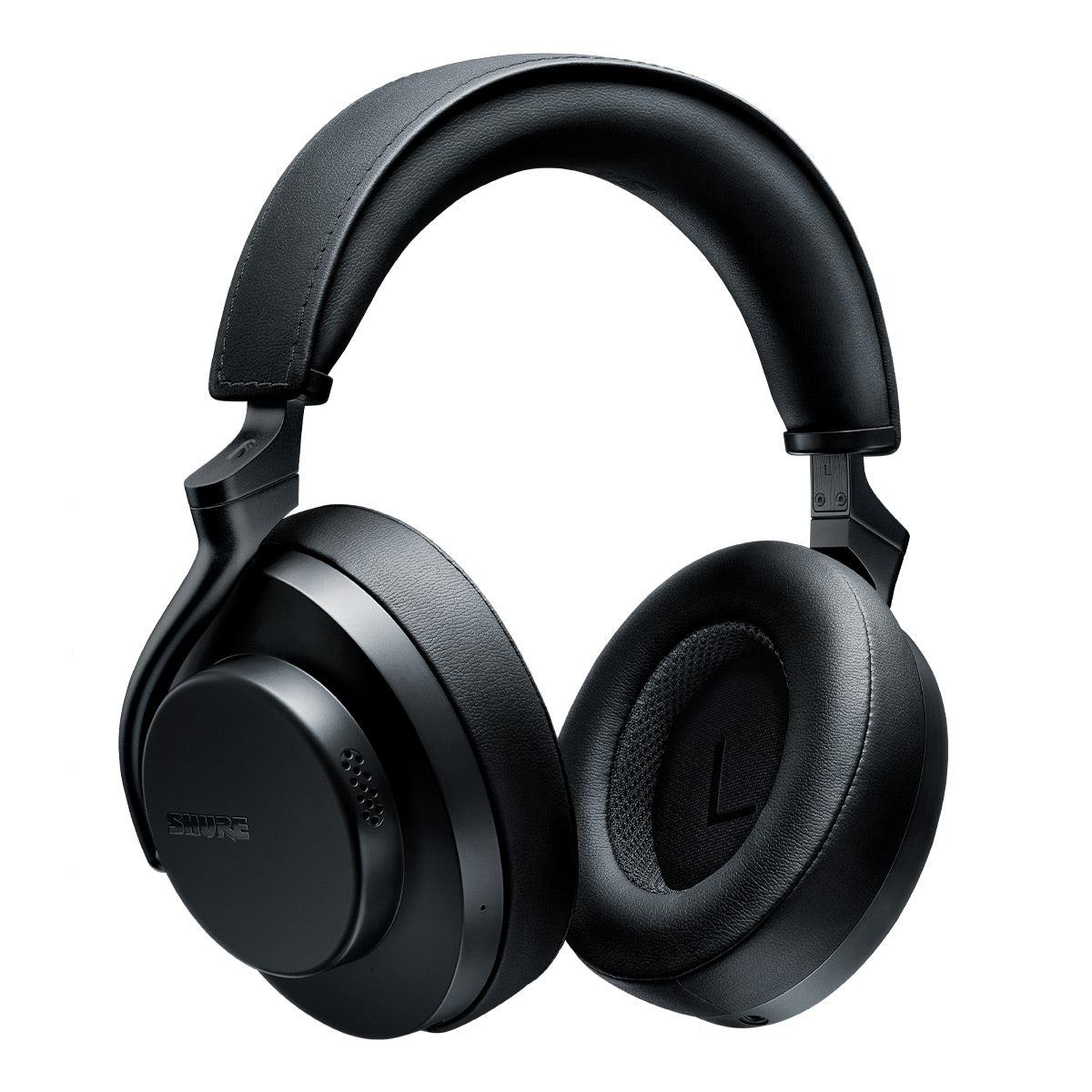

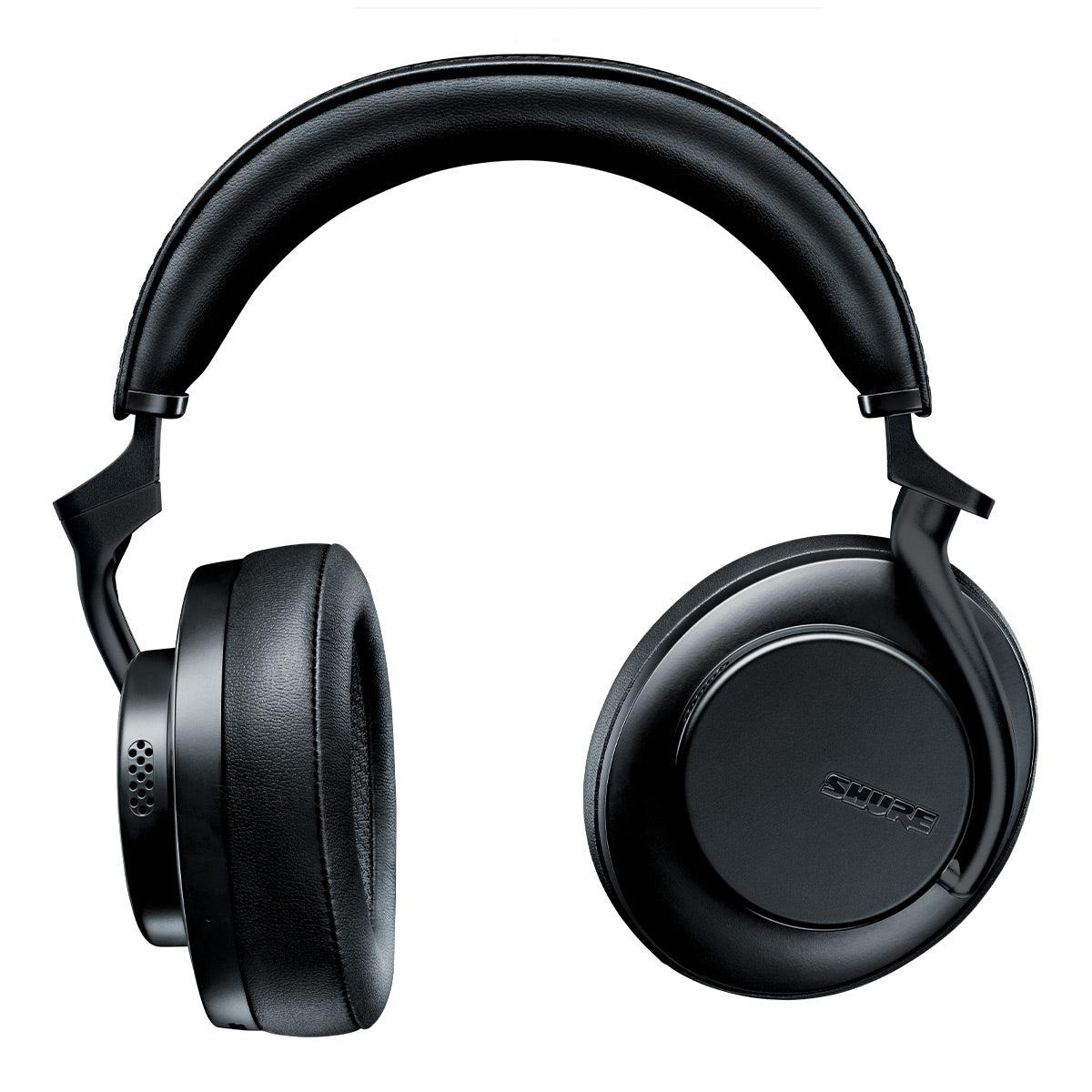
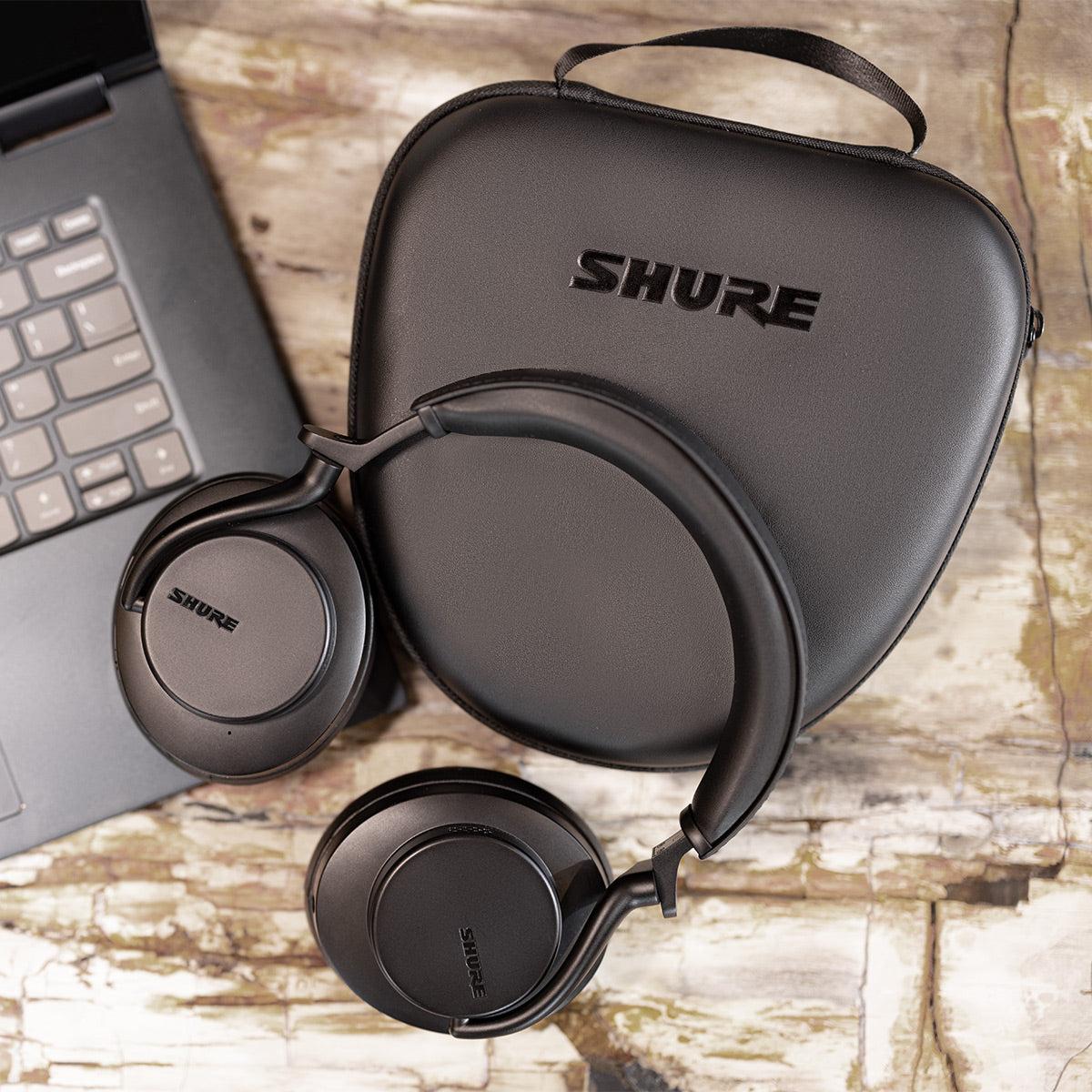
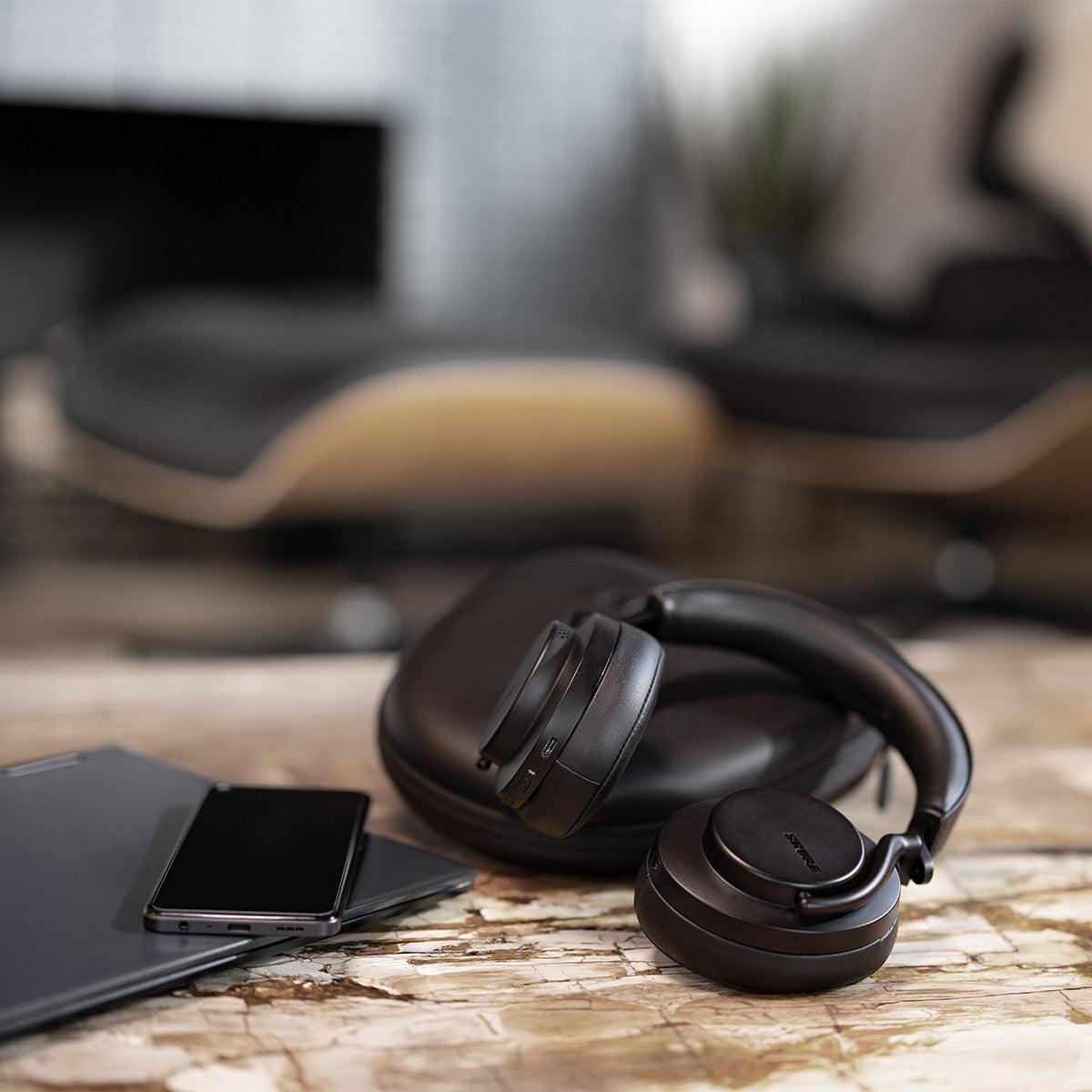


When you're shopping for wireless headphones with noise cancellation, you'll quickly discover there's a massive range of options—from budget-friendly models under $100 to premium offerings that cost several hundred dollars. Today, we're comparing two headphones that represent completely different approaches to this market: the OneOdio A10 and the Shure Aonic 50 Gen 2.
At the time of writing, these headphones sit in vastly different price categories, with the OneOdio A10 typically available for under $100 (often on sale for even less), while the Shure Aonic 50 Gen 2 commands a premium price that's roughly five times higher. This isn't just about sticker shock—it reflects fundamentally different engineering philosophies and target audiences.
Before diving into the specifics, let's establish what really matters when choosing over-ear wireless headphones with Active Noise Cancelling (ANC). The technology behind these headphones is fascinating: ANC uses microphones to detect external sounds, then generates "anti-noise"—sound waves that are exactly opposite to the incoming noise—effectively canceling it out. It's like having a personal bubble of quiet around your ears.
The most important factors to consider are sound quality (how accurately and pleasantly they reproduce music), noise cancellation effectiveness (how well they block distractions), comfort for extended wear, battery life, and the overall feature set. What's interesting is that more expensive doesn't always mean better in every category—sometimes budget options excel in unexpected areas.
The OneOdio A10 represents the newer wave of budget headphone manufacturers who've learned to deliver impressive specs at accessible prices. Released in 2023, these headphones arrived during a period when wireless audio technology had matured enough that even budget manufacturers could incorporate features that were once exclusive to premium brands.
The Shure Aonic 50 Gen 2, launched in 2022, comes from a completely different heritage. Shure has been in the professional audio business since 1925, and their headphones reflect nearly a century of experience in studios, concert halls, and broadcast facilities. The "Gen 2" designation indicates this is their refined second-generation approach to consumer wireless headphones, building on lessons learned from the original Aonic 50.
When it comes to audio performance, the differences between these headphones tell a fascinating story about target audiences and design priorities.
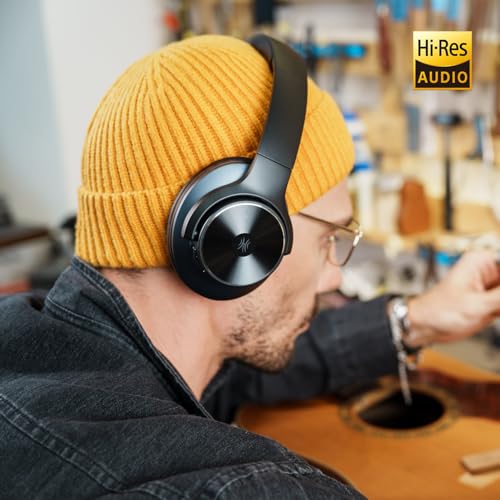
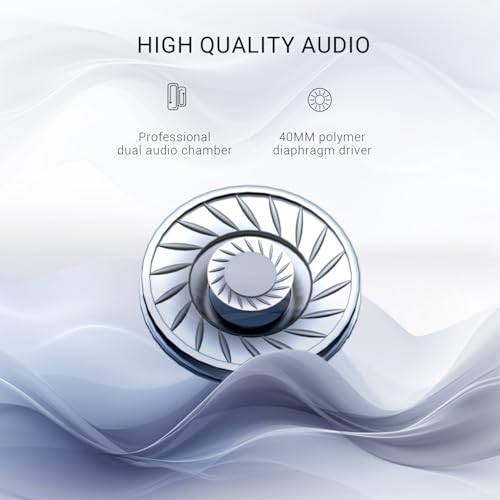
The OneOdio A10 uses 40mm dynamic drivers—the speakers inside the headphones—and achieves Hi-Res Audio certification, which means it can reproduce frequencies up to 40,000Hz (well beyond human hearing). But here's what's really happening: OneOdio has tuned these headphones with what's called a "V-shaped" sound signature. This means they emphasize both the bass (low frequencies) and treble (high frequencies) while slightly reducing the midrange where most vocals sit.
This tuning choice makes music sound exciting and energetic. Bass lines thump with authority, cymbals sparkle, and there's an immediate "wow factor" when you first put them on. However, this can sometimes make vocals sound slightly recessed or hollow, and the overall presentation might lack the subtlety that audiophiles prefer for critical listening.
In contrast, the Shure Aonic 50 Gen 2 employs larger 50mm drivers with neodymium magnets (a type of powerful permanent magnet that allows for more precise driver control). More importantly, Shure has tuned these with a much more neutral sound signature—closer to what you'd hear in a professional recording studio.
What this means in practical terms is remarkable detail retrieval. When I listen to complex orchestral pieces, individual instruments remain distinct and properly positioned in the stereo field (the left-to-right placement of sounds). Vocals sound natural and present, while bass remains controlled and accurate rather than artificially boosted.
The Shure Aonic 50 Gen 2 also includes a sophisticated 4-band parametric equalizer through their companion app. This isn't just basic bass and treble sliders—it's the kind of precise frequency shaping tool that recording engineers use. You can identify specific frequency ranges that bother you and adjust them with surgical precision.
For home theater use, this difference becomes even more pronounced. The OneOdio A10 will make action movies sound exciting with their enhanced bass, but dialogue might occasionally get lost in the mix. The Shure Aonic 50 Gen 2 excels at maintaining clear dialogue separation while still delivering impactful sound effects—crucial for following complex plot lines in today's dense audio mixes.
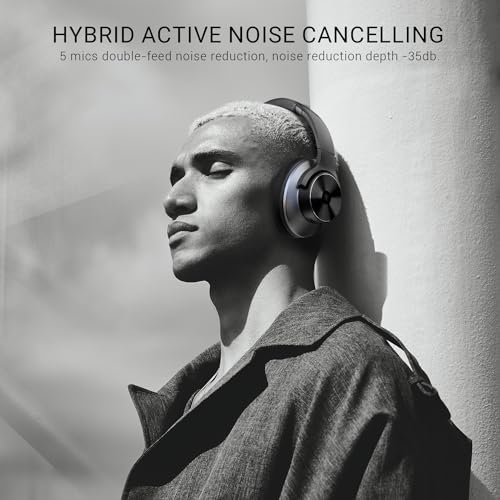
Both headphones use what's called "hybrid" ANC, but the implementation reveals their different priorities.
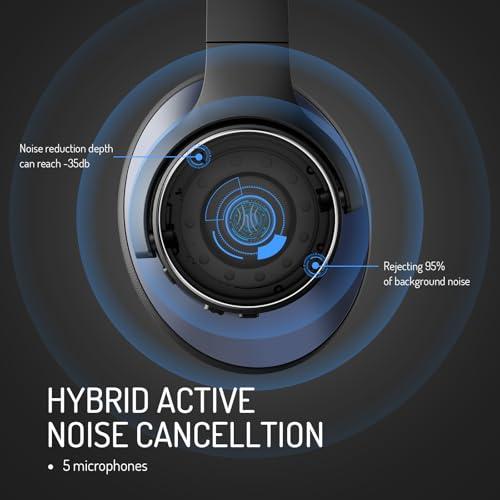
The OneOdio A10 employs four microphones—two facing outward to detect external noise, and two facing inward to monitor what's actually reaching your ears. The system claims up to 35 decibels of noise reduction, which is impressive on paper. In real-world use, it effectively handles consistent low-frequency sounds like airplane engines, air conditioning hum, and traffic noise.
What's particularly useful is the transparency mode, which uses those same microphones to amplify external sounds when you need situational awareness. This is perfect for hearing airport announcements or having brief conversations without removing your headphones.
The Shure Aonic 50 Gen 2 takes a more sophisticated approach with six microphones total, offering four different ANC modes plus an adjustable environmental mode with eleven different stages of transparency. The "MaxAware" mode is particularly clever—it balances noise cancellation with environmental awareness, reducing distracting background noise while still allowing important sounds through.
Interestingly, despite the price difference and more complex system, the actual noise cancellation performance between these headphones is surprisingly similar. Neither matches the absolute best performers from Sony or Bose, but both are entirely adequate for most situations. The Shure offers more control and customization, while the OneOdio delivers straightforward, effective noise reduction.
Here's where the OneOdio A10 delivers one of the most impressive specifications in the entire headphone market. With up to 62 hours of listening time when using only ANC, or 50 hours with Bluetooth audio playback, these headphones outlast nearly everything else available, regardless of price.
This kind of battery life transforms how you use headphones. Instead of anxiety about charging schedules, you can easily go weeks between charges with typical use. The quick-charge feature adds to this convenience—just five minutes of charging provides two hours of listening time.
The Shure Aonic 50 Gen 2 offers a more typical 45 hours of battery life, which is still excellent but not quite as exceptional. However, they do offer faster quick-charging, with 15 minutes providing five hours of playback.
Both headphones can operate in wired mode when the battery dies, but there's an important distinction: the OneOdio A10 requires power for ANC and transparency modes, while basic audio playback works completely passively. The Shure can also function as a USB DAC (Digital-to-Analog Converter) when connected to a computer, supporting high-resolution audio up to 32-bit/384kHz—far beyond what most people need but appreciated by serious audio enthusiasts.
Physical comfort becomes crucial during long listening sessions, and both headphones approach this differently.
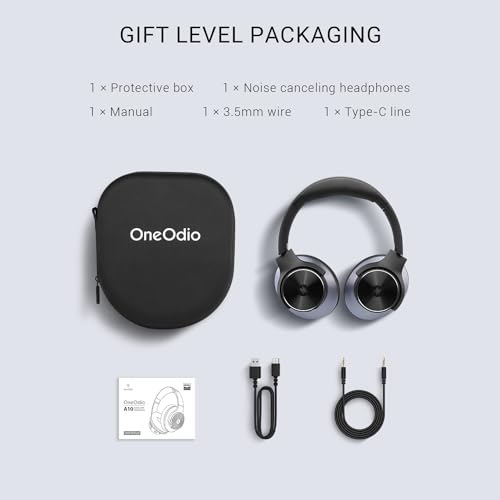
The OneOdio A10 weighs approximately 295 grams and uses ultra-soft protein memory foam ear pads. Despite the lower price point, the build quality exceeds expectations with a sturdy construction that doesn't feel cheap. The ear cups rotate and fold flat for storage, making them reasonably portable.
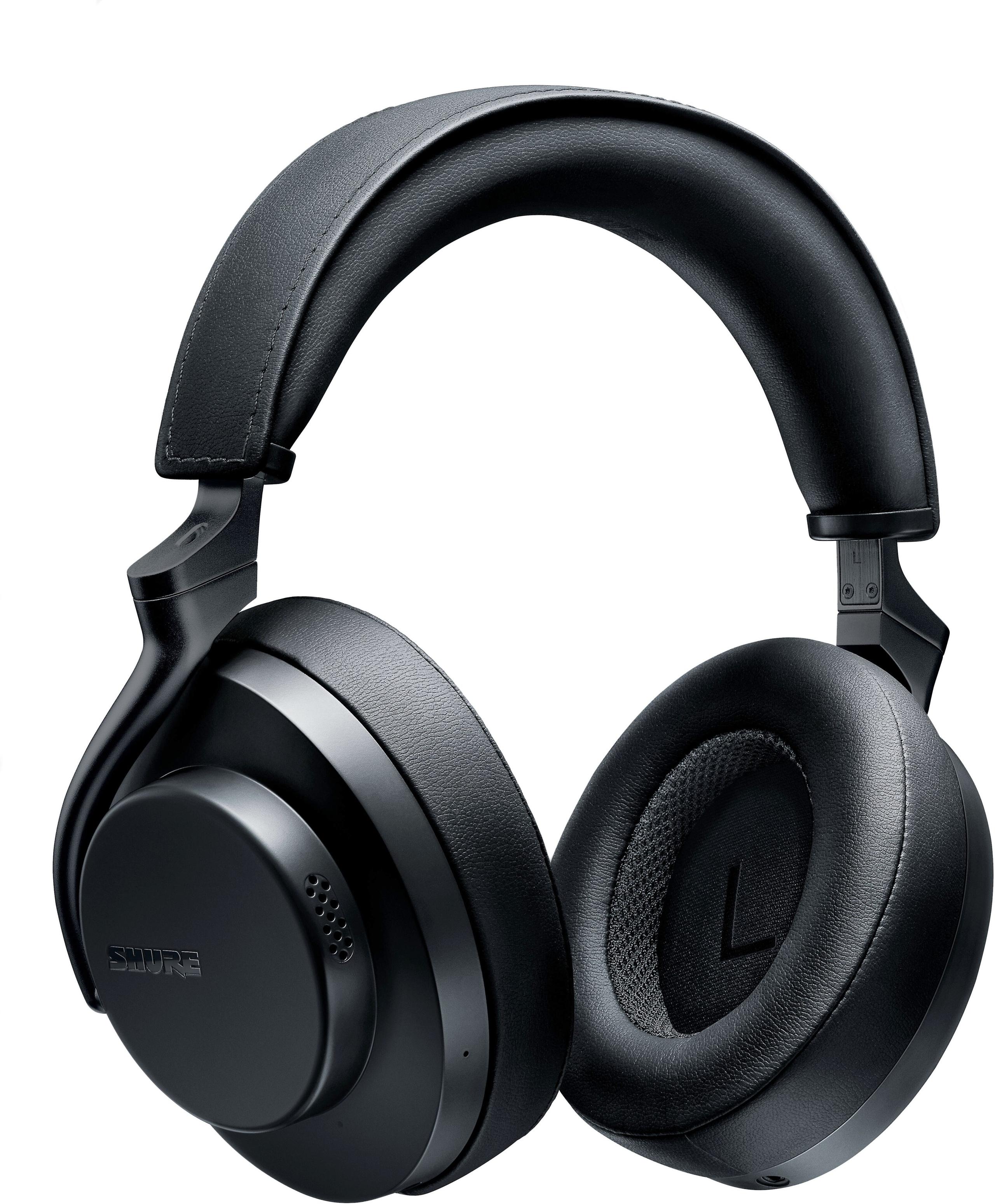
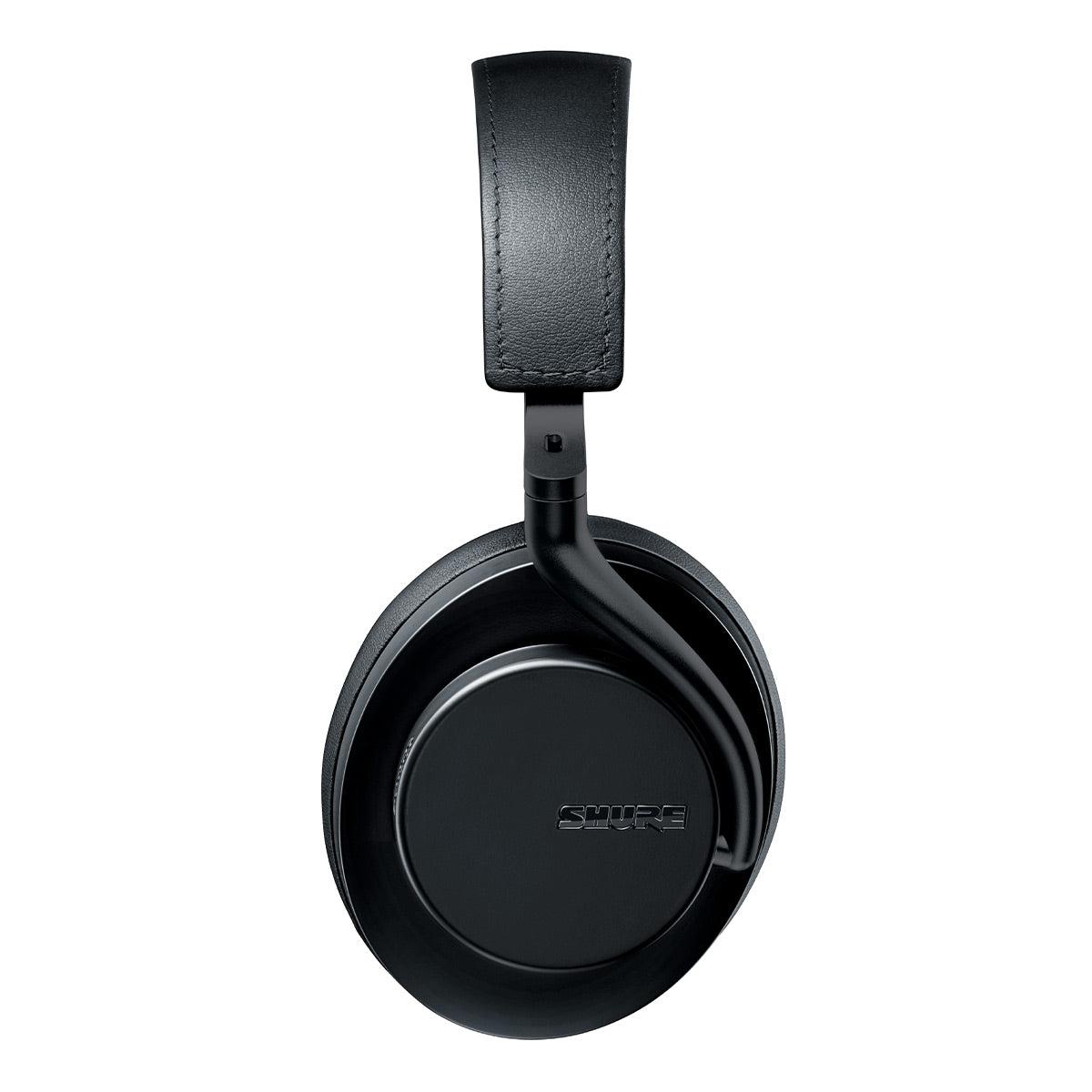
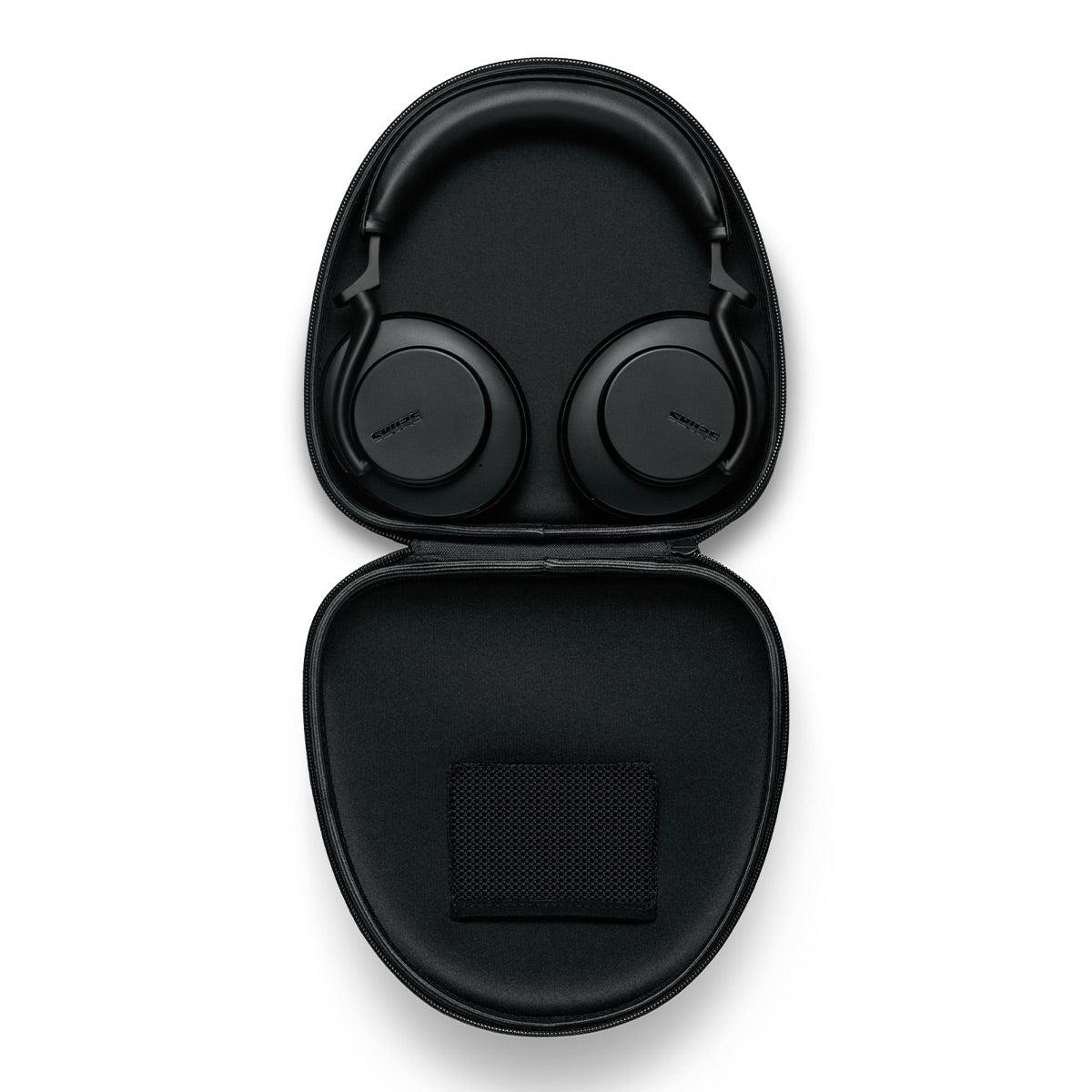
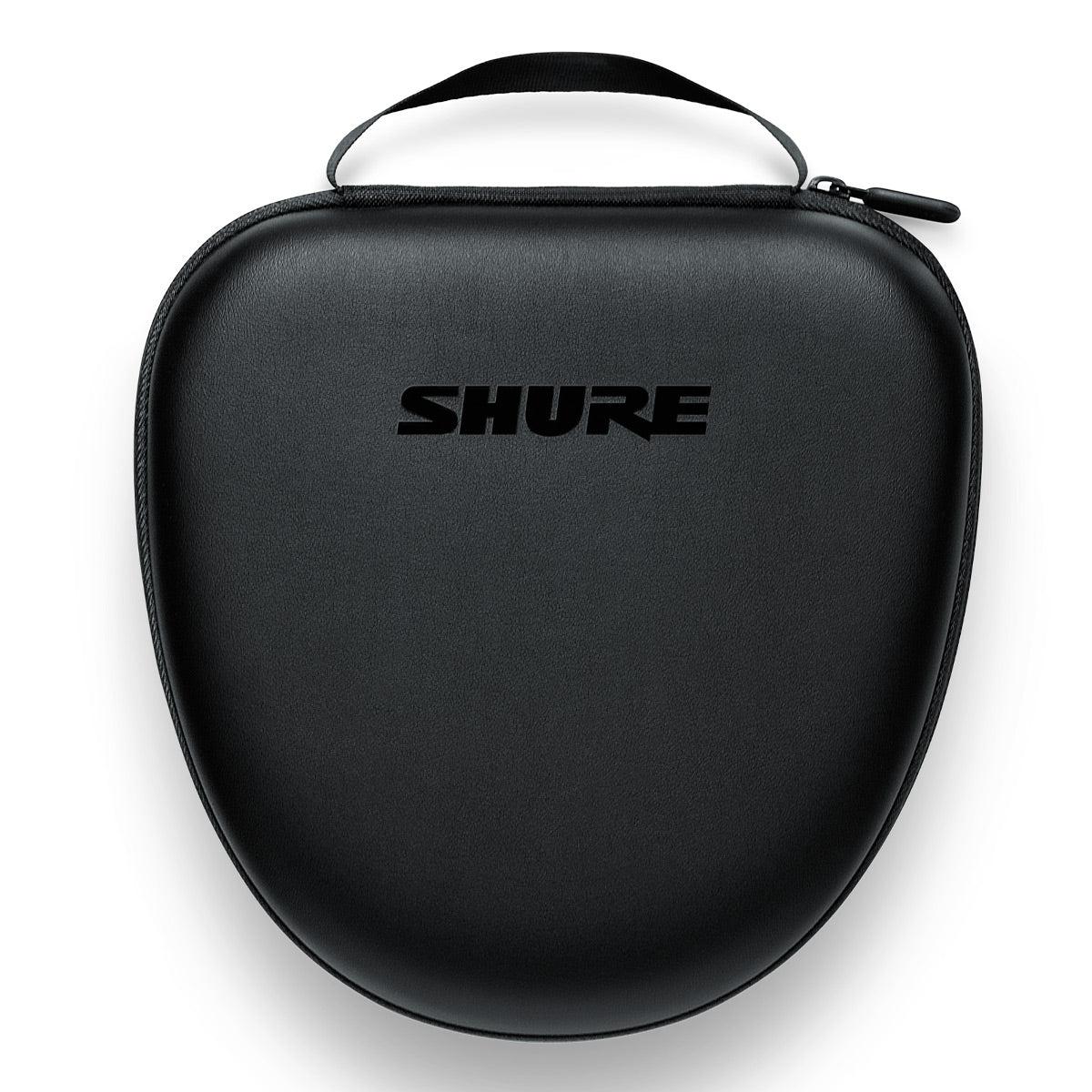
The Shure Aonic 50 Gen 2 is noticeably heavier at around 337 grams, but uses premium materials throughout. The ear pads are exceptionally plush, and the weight distribution is engineered to minimize pressure points. While they don't fold as compactly as the OneOdio, they include a premium carrying case that reflects their higher positioning.
In extended listening sessions, both remain comfortable, though some users might prefer the lighter weight of the OneOdio A10 for very long periods. The Shure feels more substantial and luxurious, but that extra weight is noticeable.
This category reveals the most significant differences between budget and premium approaches.
The OneOdio A10 covers the basics very well: Bluetooth 5.0 connectivity with SBC and AAC codec support (the audio compression formats used for wireless transmission), multipoint connectivity to connect two devices simultaneously, and traditional 3.5mm wired connectivity. The physical controls are straightforward and reliable, though there's no companion app for customization.
The Shure Aonic 50 Gen 2 operates in a completely different league for connectivity options. Beyond standard Bluetooth, it supports an impressive array of high-quality codecs: aptX, aptX HD, aptX Adaptive, and Sony's LDAC. These advanced codecs can transmit much more audio data wirelessly, approaching wired quality for compatible source devices.
More impressive is the USB-C digital audio connection, which bypasses Bluetooth entirely for true lossless audio. When connected to a computer or compatible mobile device, the Shure functions as a high-end USB DAC, supporting resolutions that exceed CD quality by significant margins.
The ShurePlus PLAY app adds extensive customization through that parametric EQ, but also includes "Spatialized Audio" technology. This creates three different listening modes: Music mode simulates listening in an acoustically treated room, Cinema mode recreates theater-like spatial effects, and Podcast mode optimizes for voice clarity. While these effects are subtle, they can genuinely enhance the listening experience for appropriate content.
For home theater use, both headphones offer compelling advantages, though for different reasons.
The OneOdio A10 excels at making movie soundtracks feel exciting and immersive. The V-shaped tuning emphasizes the bass effects and treble details that make action sequences thrilling. However, dialogue clarity can sometimes suffer, particularly in scenes with complex audio mixes where multiple elements compete for attention.
The Shure Aonic 50 Gen 2 approaches home theater with studio monitor precision. Dialogue remains clear and present even during chaotic action sequences, while sound effects maintain proper perspective and positioning. The Spatialized Audio Cinema mode can add an extra sense of space and immersion that works particularly well for movies.
For late-night viewing when you need to keep volume down, both offer excellent isolation, but the Shure's superior detail resolution means you can hear subtle audio cues and whispered dialogue more clearly at lower volumes.
The decision between these headphones ultimately comes down to priorities and budget constraints.
Choose the OneOdio A10 if you want maximum value and aren't willing to spend premium prices for incremental improvements. These headphones deliver genuinely impressive performance that punches well above their price class. The exceptional battery life alone makes them compelling for travelers or anyone who dislikes frequent charging. They're perfect for casual listening, commuting, studying, and general entertainment use.
The sound quality, while not audiophile-grade, is engaging and enjoyable for most music genres and entertainment content. The ANC effectively handles common distractions, and the comfort level supports extended use. Most importantly, they prove that excellent wireless headphones don't require massive financial investment.
Choose the Shure Aonic 50 Gen 2 if audio quality is your primary concern and budget allows for premium investment. These headphones reveal details in familiar music that you might never have noticed. The extensive customization options mean you can fine-tune the sound to your exact preferences, while the professional-grade build quality suggests they'll provide reliable service for years.
They're ideal for audio professionals, serious music enthusiasts, home theater aficionados who prioritize dialogue clarity, and anyone who appreciates the difference that high-quality engineering makes in daily use.
The reality is that both headphones succeed brilliantly at their intended purposes. The OneOdio A10 proves that budget doesn't have to mean compromise in most areas that matter to typical users. The Shure Aonic 50 Gen 2 demonstrates why some people gladly pay premium prices for superior audio reproduction and advanced features.
Your choice should align with how you actually use headphones, what you prioritize most, and whether the incremental improvements in premium models justify their significantly higher cost for your specific needs and preferences.
| OneOdio A10 Hybrid Active Noise Cancelling Headphones | Shure Aonic 50 Gen 2 Wireless Headphones |
|---|---|
| Driver Size - Larger drivers typically produce better bass response and overall dynamics | |
| 40mm dynamic drivers | 50mm dynamic drivers with neodymium magnets |
| Sound Signature - Determines how music will sound out of the box | |
| V-shaped (enhanced bass and treble, exciting but less natural) | Neutral/studio reference (accurate, customizable via app EQ) |
| Active Noise Cancellation - Critical for blocking distractions in noisy environments | |
| Hybrid ANC with 4 mics, up to 35dB reduction (good for low frequencies) | Hybrid digital ANC with 6 mics, 4 modes including MaxAware (more control options) |
| Battery Life - Determines how often you need to charge | |
| 62 hours (ANC only), 50 hours (Bluetooth), 40-45 hours (combined) | 45 hours total playback time |
| Weight - Affects long-term comfort during extended use | |
| 295g (lighter, better for long sessions) | 334-337g (heavier but premium materials) |
| Bluetooth Codecs - Higher quality codecs mean better wireless audio | |
| SBC, AAC (basic but compatible with all devices) | SBC, AAC, aptX, aptX HD, aptX Adaptive, LDAC (audiophile-grade options) |
| Wired Connectivity - Important for zero-latency gaming and high-res audio | |
| 3.5mm analog only (works when battery dead) | 3.5mm analog + USB-C digital (up to 32-bit/384kHz) |
| App Features - Determines customization and advanced features | |
| No companion app (simple plug-and-play experience) | ShurePlus PLAY app with 4-band parametric EQ and spatial audio modes |
| Multipoint Connection - Ability to connect to multiple devices simultaneously | |
| Yes (connect to phone and laptop at once) | Yes (seamless device switching) |
| Quick Charge - How fast you can get back to listening | |
| 5 minutes = 2 hours playback | 15 minutes = 5 hours playback |
| Build Quality - Indicates durability and premium feel | |
| Solid construction that exceeds price expectations | Professional-grade materials with sweat resistance |
| Carrying Case - Important for travel protection | |
| Basic softshell zippered case included | Premium hard carrying case included |
The Shure Aonic 50 Gen 2 delivers superior sound quality with its 50mm drivers and neutral, studio-reference tuning that reveals fine details in music. The OneOdio A10 offers an exciting V-shaped sound with enhanced bass and treble that's great for casual listening, but the Shure Aonic 50 Gen 2 provides more accurate and customizable audio reproduction through its companion app's parametric EQ.
Both the OneOdio A10 and Shure Aonic 50 Gen 2 use hybrid active noise cancellation, but with different approaches. The OneOdio A10 uses 4 microphones and blocks up to 35dB of noise, effectively handling low-frequency sounds like engine hum. The Shure Aonic 50 Gen 2 features 6 microphones with 4 selectable ANC modes and 11-stage environmental control, offering more customization but similar overall effectiveness.
The OneOdio A10 significantly outperforms the Shure Aonic 50 Gen 2 in battery life, offering up to 62 hours with ANC only or 50 hours with Bluetooth playback. The Shure Aonic 50 Gen 2 provides 45 hours of total playback time, which is still excellent but notably less than the exceptional endurance of the OneOdio A10.
Both headphones prioritize comfort but in different ways. The OneOdio A10 weighs 295g and uses ultra-soft protein memory foam ear pads, making them lighter and suitable for extended wear. The Shure Aonic 50 Gen 2 is heavier at 337g but uses premium materials with excellent weight distribution and plush padding that many users find more luxurious for long sessions.
The OneOdio A10 provides exceptional value, delivering premium features like hybrid ANC, Hi-Res Audio certification, and outstanding battery life at a budget-friendly price point. While the Shure Aonic 50 Gen 2 costs significantly more, it justifies the premium with superior audio quality, extensive customization options, and professional-grade build quality for serious audio enthusiasts.
Both headphones handle calls adequately, with the OneOdio A10 offering clear voice pickup through its dual microphones and reliable performance for basic calling needs. The Shure Aonic 50 Gen 2 features a more advanced 6-microphone system with better noise handling during calls, making it more suitable for professional video conferencing and frequent call use.
Yes, both the OneOdio A10 and Shure Aonic 50 Gen 2 support wired operation when the battery is depleted. The OneOdio A10 works through its 3.5mm connection for basic audio playback, though ANC requires power. The Shure Aonic 50 Gen 2 offers both 3.5mm analog and USB-C digital connections, with the USB-C mode supporting high-resolution audio up to 32-bit/384kHz.
For movie watching, the OneOdio A10 delivers exciting, immersive sound with enhanced bass that makes action sequences thrilling, though dialogue can sometimes get overshadowed. The Shure Aonic 50 Gen 2 excels at maintaining clear dialogue separation while providing accurate sound effects positioning, plus its Cinema mode in the spatial audio feature enhances the home theater experience.
The OneOdio A10 offers solid Bluetooth 5.0 connectivity with SBC and AAC codec support, plus multipoint connection for two devices simultaneously. The Shure Aonic 50 Gen 2 provides more advanced Bluetooth 5.2 with extensive high-quality codec support including aptX HD and LDAC, offering superior wireless audio quality for compatible devices and more comprehensive connectivity options.
The OneOdio A10 operates without a companion app, providing a simple plug-and-play experience with physical controls for all functions. The Shure Aonic 50 Gen 2 includes the comprehensive ShurePlus PLAY app, offering 4-band parametric EQ, spatial audio modes (Music, Cinema, Podcast), detailed ANC control, and extensive customization options for advanced users.
The OneOdio A10 is more travel-friendly due to its lighter weight, foldable design with rotating ear cups, and exceptional 50+ hour battery life that eliminates charging anxiety during long trips. The Shure Aonic 50 Gen 2 includes a premium hard carrying case and swivel ear cups that lay flat, but is heavier and bulkier, making the OneOdio A10 the better choice for frequent travelers.
Both the OneOdio A10 and Shure Aonic 50 Gen 2 support multipoint Bluetooth connectivity, allowing simultaneous connection to two devices like a smartphone and laptop. This feature works reliably on both models, letting you seamlessly switch between devices for calls, music, and other audio without manually reconnecting each time you want to change sources.
We've done our best to create useful and informative comparisons to help you decide what product to buy. Our research uses advanced automated methods to create this comparison and perfection is not possible - please contact us for corrections or questions. These are the sites we've researched in the creation of this article: techbuzzireland.com - creativebloq.com - head-fi.org - homestudiobasics.com - versus.com - androidguys.com - thegadgetflow.com - oneodio.com - mbreviews.com - the-gadgeteer.com - newegg.com - howtogeek.com - youtube.com - newegg.com - manuals.plus - majorhifi.com - soundphilereview.com - youtube.com - howtogeek.com - oneodio.com - youtube.com - youtube.com - youtube.com - walmart.com - tomsguide.com - headphonecheck.com - whathifi.com - majorhifi.com - rtings.com - versus.com - majorhifi.com - versus.com - audio46.com - youtube.com - bhphotovideo.com - techradar.com - soundpro.com - shure.com - americanmusical.com - pubs.shure.com - blog.zzounds.com - service.shure.com - fullcompass.com

Privacy Policy
Terms and Conditions - Affiliate Policy
Home Security
© Copyright 2008-2026.
11816 Inwood Rd #1211, Dallas, TX 75244