

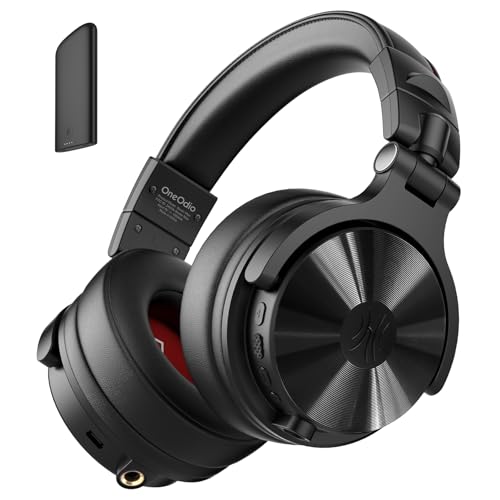
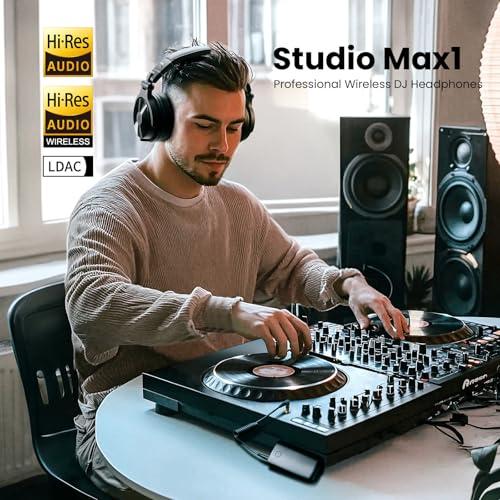



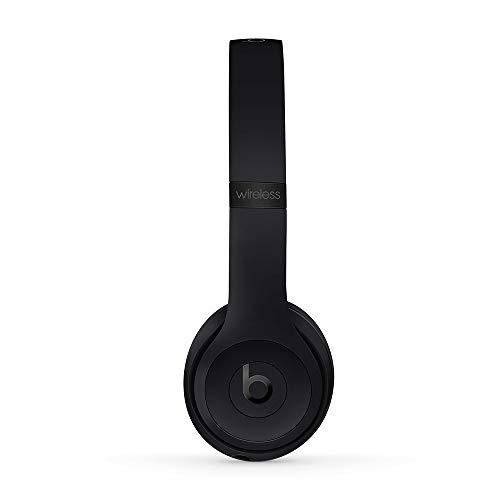
When shopping for wireless headphones, you'll quickly discover that not all models are created equal. The OneOdio Studio Max 1 and Beats Solo3 Wireless represent two completely different approaches to wireless audio, despite both being Bluetooth headphones. Understanding these differences is crucial for making the right choice.
The wireless headphone market has exploded over the past decade, but it's essentially split into two camps: professional-grade equipment designed for audio work, and consumer headphones built for everyday listening. The OneOdio Studio Max 1 falls squarely into the professional category, targeting DJs and audio professionals who need specialized features for live performance. Meanwhile, the Beats Solo3 represents the consumer mainstream, emphasizing brand appeal, style, and integration with popular devices.
This distinction matters more than you might think. Professional headphones prioritize accuracy, low latency (the tiny delay between audio being sent and heard), and connectivity options that work with mixing boards and audio equipment. Consumer headphones focus on making popular music sound exciting, easy wireless pairing, and comfort for casual listening. Neither approach is inherently better—it depends entirely on what you need.
The Beats Solo3 launched in 2016, making it nearly a decade old at the time of writing. While Beats has released newer models since then, the Solo3 remains popular due to its lower price point and Apple ecosystem integration. However, this age shows in its technology: it uses Bluetooth 4.0 instead of the more efficient Bluetooth 5.0+ standards, and charges via the outdated micro-USB connector rather than the now-standard USB-C.
The OneOdio Studio Max 1, launching in 2025, benefits from nearly a decade of wireless technology improvements. It features Bluetooth 5.3, which offers better range, more stable connections, and improved power efficiency. More importantly, it introduces OneOdio's proprietary Rapid WILL+ technology, which achieves something that seemed impossible just a few years ago: truly professional-grade wireless latency.
This technological gap is significant. When the Beats Solo3 was released, wireless audio still meant compromising on timing precision. Today's OneOdio Studio Max 1 eliminates that compromise entirely, representing how far wireless audio technology has advanced.
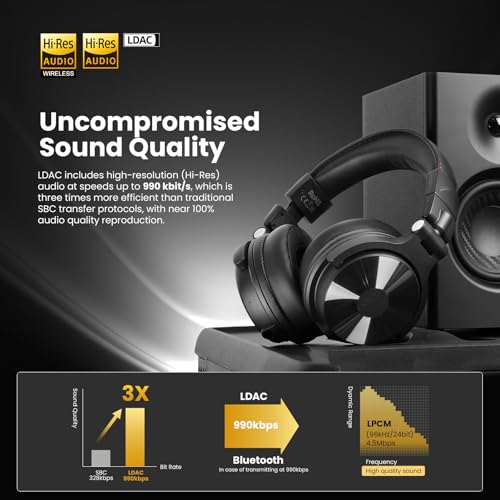
The fundamental difference between these headphones becomes clear the moment you put them on. The OneOdio Studio Max 1 uses 50mm neodymium drivers—large magnetic speakers that can reproduce frequencies from 20Hz to 40kHz, well beyond human hearing range. This extended frequency response, combined with Hi-Res Audio certification and LDAC codec support, means the headphones can handle high-quality audio files with minimal compression.
LDAC is Sony's high-quality Bluetooth codec that transmits roughly three times more data than standard Bluetooth audio. Think of it like the difference between watching a movie in high definition versus standard definition—the same content, but with much more detail preserved. The OneOdio Studio Max 1 supporting LDAC means it can deliver near-CD quality audio wirelessly, something the older Beats Solo3 simply cannot match.
However, the Beats Solo3 wasn't designed for clinical accuracy—it was tuned to make music sound exciting. The signature Beats sound emphasizes powerful bass and forward mids (the frequency range where vocals sit), creating an energetic presentation that many people find immediately appealing. This tuning works particularly well with hip-hop, pop, and electronic music, where the enhanced bass adds impact and excitement.
The OneOdio Studio Max 1 takes a more professional approach. Co-tuned with DJ Arianna, an Italian DJ who spent six months testing them during live performances, these headphones prioritize accuracy and detail. While they still have pronounced bass suitable for DJ monitoring, the overall balance is designed to help professionals make mixing decisions rather than simply enjoy music.
For home theater use, this difference becomes important. The OneOdio Studio Max 1's extended frequency response and lower distortion make it better suited for movie soundtracks, where accurate reproduction of sound effects and dialogue matters. The Beats Solo3's bass emphasis might make explosions more exciting, but could also muddy dialogue or overwhelm subtle audio details.
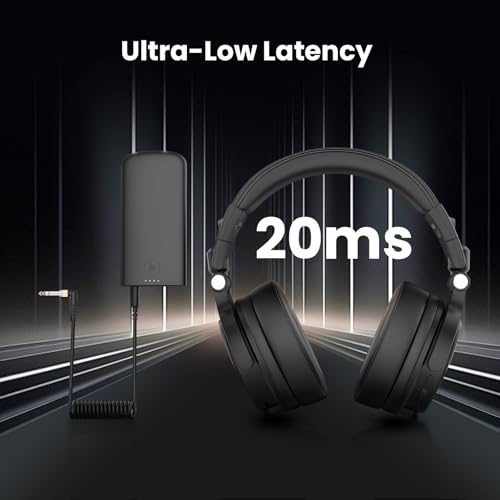
This is where the OneOdio Studio Max 1 truly separates itself from consumer competition. Standard Bluetooth audio, including what the Beats Solo3 uses, typically has 100-200 milliseconds of latency. That might sound tiny, but it's enough to notice when watching videos (audio slightly behind the action) and completely unacceptable for live performance, where even 50 milliseconds can throw off timing.
The OneOdio Studio Max 1 solves this with two innovations. First, its Bluetooth 5.3 implementation is more efficient and stable than the Beats Solo3's Bluetooth 4.0. More dramatically, the included M1 transmitter enables OneOdio's Rapid WILL+ technology, reducing latency to just 20 milliseconds—essentially eliminating the delay entirely.
This ultra-low latency transforms how the headphones can be used. DJs can cue tracks, scratch, and beatmatch in real-time without the wireless connection interfering with their timing. Gamers get audio that perfectly syncs with visual action. Even movie watching becomes more immersive when audio and video are perfectly aligned.
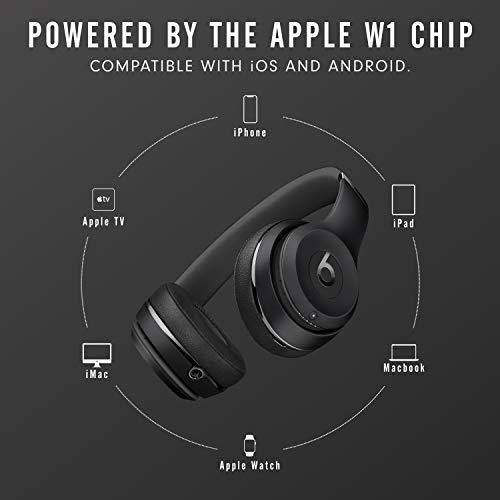
The Beats Solo3 compensates with the Apple W1 chip, which provides exceptionally smooth pairing and connection stability with Apple devices. While it can't match the OneOdio Studio Max 1's low latency, the W1 chip does make everyday use more convenient for iPhone and iPad users, automatically connecting as soon as you turn the headphones on.
Battery technology has improved dramatically since 2016, and the OneOdio Studio Max 1 showcases this advancement with an almost ridiculous 120 hours of playback time. To put this in perspective, you could listen for eight hours every day for more than two weeks without charging. Even with the M1 transmitter active for ultra-low latency, you still get 50 hours—more than most headphones achieve in their standard mode.
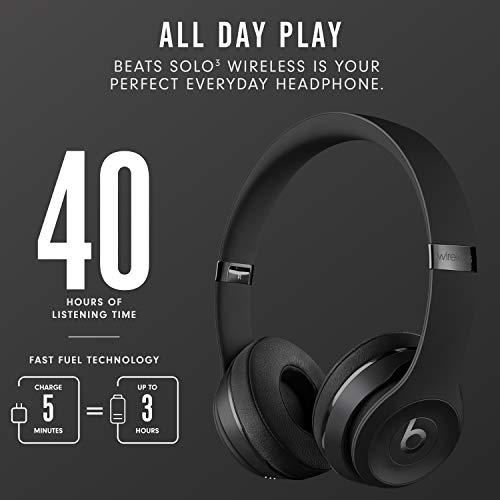
The Beats Solo3 was actually impressive for its time, delivering 40 hours of playback when most wireless headphones managed only 20-30 hours. However, nearly a decade later, this feels more ordinary. Both headphones offer quick charging (the OneOdio Studio Max 1 gives you an hour of playback from five minutes of charging), but the sheer endurance of the newer model changes how you think about battery management.
For professional use, this difference is transformative. DJs working multi-day festivals or sound engineers on long recording sessions can rely on the OneOdio Studio Max 1 without battery anxiety. The Beats Solo3's 40-hour life is perfectly adequate for consumer use, but professionals often need that extra reliability margin.
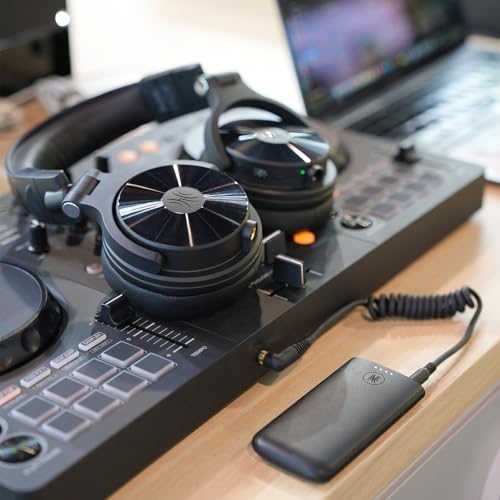
The design philosophy differences become apparent when you examine how each headphone approaches physical connectivity and comfort. The OneOdio Studio Max 1 takes a utilitarian approach, with multiple connection ports, detachable cables, and rotating earcups designed for professional workflows. The earcups swivel 90 degrees, allowing DJs to monitor with one ear while keeping the other free—a standard technique in live performance.
This professional focus means the OneOdio Studio Max 1 is larger and heavier at around 330 grams, compared to the Beats Solo3's more portable 215 grams. The weight difference matters for extended wear, though the OneOdio Studio Max 1's over-ear design distributes weight more comfortably than the Beats Solo3's on-ear approach.
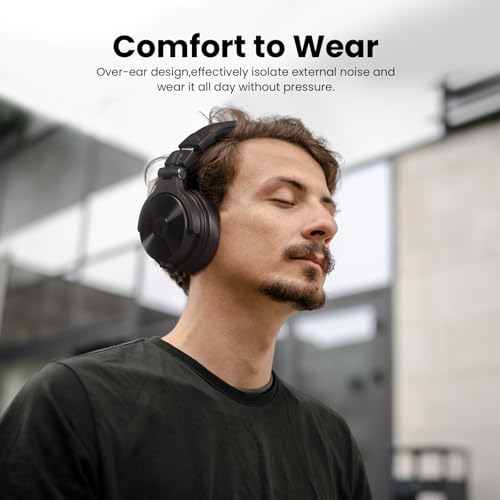
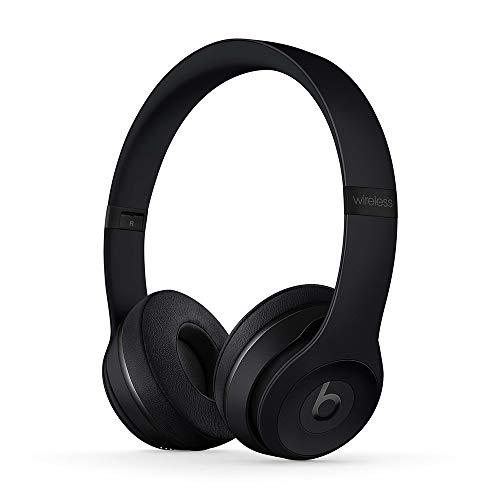
On-ear versus over-ear represents a fundamental comfort trade-off. The Beats Solo3 sits on your ears rather than around them, making them more compact and portable, but potentially less comfortable for long sessions as they can create pressure points. Over-ear designs like the OneOdio Studio Max 1 envelope your ears completely, typically providing better comfort for extended use and superior passive noise isolation.
For home theater applications, this comfort difference becomes significant during long movie sessions. The OneOdio Studio Max 1's over-ear design also provides better bass response and soundstage—the sense of space in audio—making movie soundtracks feel more immersive.
Perhaps no area better illustrates the philosophical differences between these headphones than their approach to connectivity. The OneOdio Studio Max 1 offers what they call "4-in-1" connectivity: standard Bluetooth, their proprietary low-latency wireless via the M1 transmitter, traditional 3.5mm analog connection, and professional 6.35mm (quarter-inch) connections for audio equipment.
This versatility means the OneOdio Studio Max 1 can connect to virtually any audio source, from smartphones to professional mixing consoles to vintage hi-fi equipment. The detachable cables and multiple connection points make it adaptable to different scenarios—something crucial for professional work where you might need to quickly switch between devices.
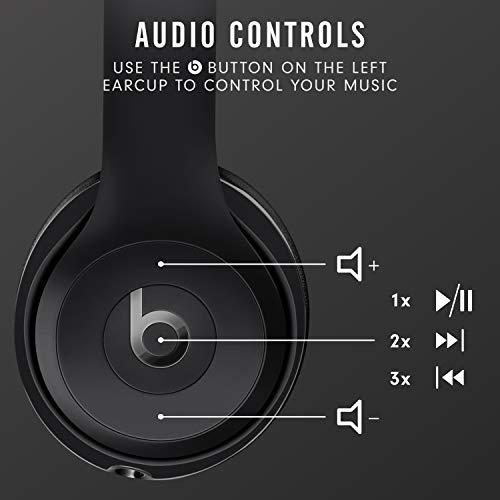
The Beats Solo3 keeps things simple with Bluetooth wireless and an optional 3.5mm wired connection. This simplicity is actually a feature for consumer use, where additional options might create confusion rather than value. The Apple W1 chip integration means iPhone users get automatic connection and battery status display, plus the ability to switch between Apple devices seamlessly.
For home theater use, the OneOdio Studio Max 1's flexibility shines. You can connect directly to TV audio outputs, gaming consoles, or home theater receivers using the appropriate cable, while the wireless options let you move around freely without disturbing others.
At the time of writing, these headphones represent dramatically different value propositions. The OneOdio Studio Max 1 typically costs less than the Beats Solo3 while offering substantially more features, newer technology, and professional-grade capabilities. This makes it an exceptional value for anyone who can benefit from its advanced features.
The Beats Solo3 commands a price premium based largely on brand recognition and Apple ecosystem integration. While the underlying technology is dated, it still delivers reliable performance and the distinctive Beats sound signature that many users prefer. The premium you pay gets you into the Apple ecosystem with seamless device switching and status integration.
However, pure feature comparison favors the OneOdio Studio Max 1 dramatically. You get newer Bluetooth technology, revolutionary low-latency wireless, three times the battery life, Hi-Res Audio support, and professional connectivity options, all for less money. Unless you specifically need the Beats brand or Apple integration, the OneOdio represents better value.
The choice between these headphones ultimately comes down to understanding your priorities and use cases. The OneOdio Studio Max 1 is the clear winner for anyone with professional audio needs, whether you're a DJ, musician, podcast producer, or serious audiophile. Its ultra-low latency, extensive connectivity, and professional features provide capabilities you simply can't get elsewhere at this price point.
The massive battery life alone makes the OneOdio Studio Max 1 appealing for power users who want to minimize charging interruptions. Combined with its superior wireless technology and audio capabilities, it represents a significant technological advancement over older designs like the Beats Solo3.
However, the Beats Solo3 still has its place for users deeply invested in the Apple ecosystem who prioritize seamless integration over technical specifications. The lighter weight and more compact design also appeal to users who need maximum portability, though this comes with comfort trade-offs for extended listening.
For home theater use specifically, the OneOdio Studio Max 1 offers advantages in connectivity flexibility, audio accuracy, and comfort for long viewing sessions. The ability to connect directly to various audio sources while maintaining wireless freedom makes it more versatile for home entertainment setups.
The technological gap between these products reflects nearly a decade of wireless audio advancement. While the Beats Solo3 was impressive for 2016, the OneOdio Studio Max 1 showcases what's possible with modern wireless technology, offering professional-grade performance that would have been impossible when the Beats model launched.
Unless you have specific needs for Apple integration or strongly prefer the Beats aesthetic and sound signature, the OneOdio Studio Max 1 provides dramatically better value, more advanced technology, and greater versatility for both professional and consumer applications.
| OneOdio Studio Max 1 Wireless DJ Headphones | Beats Solo3 Wireless On-Ear Headphones |
|---|---|
| Design Type - Affects comfort and sound isolation | |
| Over-ear circumaural, closed-back (better comfort for long sessions) | On-ear, closed-back (more portable but can cause ear fatigue) |
| Weight - Important for extended wear | |
| 330-350g (heavier but weight distributed over larger area) | 215g (lighter and more portable for daily carry) |
| Wireless Latency - Critical for gaming, video, and professional use | |
| 20ms ultra-low latency with Rapid WILL+ technology (professional grade) | ~100-200ms standard Bluetooth latency (fine for music, noticeable in video) |
| Battery Life - How often you'll need to charge | |
| 120 hours Bluetooth / 50 hours with transmitter (exceptional endurance) | 40 hours (very good for consumer headphones) |
| Bluetooth Technology - Affects connection quality and efficiency | |
| Bluetooth 5.3 with LDAC/AAC/SBC codecs (modern, efficient) | Bluetooth 4.0 with AAC codec (older standard, Apple W1 chip integration) |
| Audio Drivers - Core sound reproduction capability | |
| 50mm neodymium drivers, 20Hz-40kHz, Hi-Res Audio certified | Standard drivers, consumer-tuned Beats sound signature |
| Connectivity Options - Flexibility for different devices | |
| 4-in-1: Bluetooth, proprietary wireless, 3.5mm, 6.35mm professional | Bluetooth wireless plus 3.5mm wired backup |
| Professional Features - Value for audio work | |
| DJ-focused: single-ear monitoring, detachable cables, multiple ports | Consumer-focused: simple controls, Apple ecosystem integration |
| Charging Port - Future-proofing and convenience | |
| USB-C (modern standard, faster charging) | Micro-USB (outdated connector, slower charging) |
| Quick Charge - Emergency power boost capability | |
| 5 minutes = 1 hour playback | 5 minutes = 3 hours playback (Fast Fuel technology) |
| Noise Isolation - Blocking external sounds | |
| Good passive isolation (over-ear design) | Poor isolation (on-ear design, no ANC) |
| Target Audience - Who gets the most value | |
| DJs, audio professionals, power users wanting advanced features | Apple users, casual listeners, brand-conscious buyers |
The OneOdio Studio Max 1 Wireless DJ Headphones are specifically designed for professional DJ work, featuring 20ms ultra-low latency wireless technology, single-ear monitoring capability, and multiple professional connectivity options including 6.35mm jacks. The Beats Solo3 Wireless On-Ear Headphones lack these professional features and have much higher latency, making the OneOdio Studio Max 1 the clear choice for DJs and audio professionals.
The OneOdio Studio Max 1 Wireless DJ Headphones offers exceptional 120 hours of battery life in Bluetooth mode, while the Beats Solo3 Wireless On-Ear Headphones provides 40 hours. This means the OneOdio Studio Max 1 lasts three times longer between charges, making it ideal for extended professional sessions or users who want to minimize charging frequency.
The OneOdio Studio Max 1 Wireless DJ Headphones uses an over-ear design that surrounds your ears completely, distributing weight better and providing superior comfort for extended wear. The Beats Solo3 Wireless On-Ear Headphones sits directly on your ears, which can cause pressure and fatigue during long sessions, making the OneOdio Studio Max 1 better for marathon listening.
The Beats Solo3 Wireless On-Ear Headphones features Apple's W1 chip for seamless pairing, automatic connection, and battery status display on iOS devices. While the OneOdio Studio Max 1 Wireless DJ Headphones works with Apple devices via standard Bluetooth, it doesn't offer the same level of ecosystem integration as the Beats Solo3.
The OneOdio Studio Max 1 Wireless DJ Headphones offers Hi-Res Audio certification, LDAC codec support, and 50mm drivers with extended frequency response, providing more detailed and accurate sound reproduction. The Beats Solo3 Wireless On-Ear Headphones delivers the signature Beats sound with emphasized bass that many find enjoyable, but the OneOdio Studio Max 1 offers superior technical audio performance.
The OneOdio Studio Max 1 Wireless DJ Headphones excels for movie watching due to its ultra-low 20ms latency that eliminates audio-video sync issues, over-ear comfort for long viewing sessions, and accurate sound reproduction for dialogue clarity. The Beats Solo3 Wireless On-Ear Headphones may have noticeable audio delay during video playback, making the OneOdio Studio Max 1 better for home entertainment.
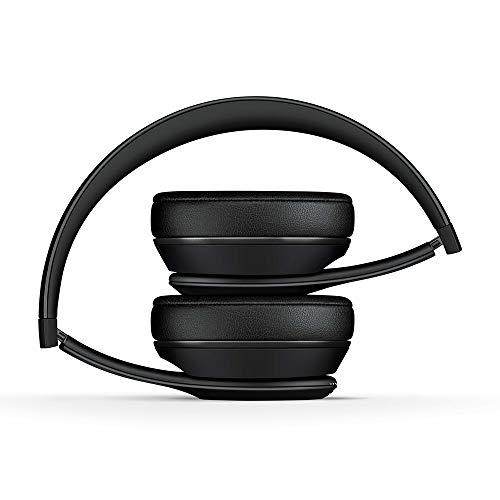
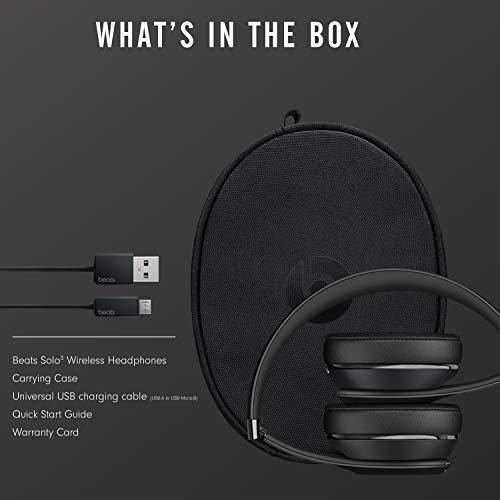
The Beats Solo3 Wireless On-Ear Headphones is more portable at 215g with a compact on-ear design that folds for easy carrying. The OneOdio Studio Max 1 Wireless DJ Headphones weighs 330-350g with a larger over-ear design, making the Beats Solo3 the better choice for daily commuting and travel where portability matters most.
The OneOdio Studio Max 1 Wireless DJ Headphones provides extensive connectivity with Bluetooth 5.3, proprietary low-latency wireless, 3.5mm, and 6.35mm professional connections, plus detachable cables. The Beats Solo3 Wireless On-Ear Headphones offers Bluetooth wireless and basic 3.5mm wired connection, making the OneOdio Studio Max 1 far more versatile for different audio equipment.
The OneOdio Studio Max 1 Wireless DJ Headphones is superior for gaming due to its 20ms ultra-low latency that ensures audio perfectly syncs with visual action, crucial for competitive gaming. The Beats Solo3 Wireless On-Ear Headphones has standard Bluetooth latency that can create noticeable audio delays, making the OneOdio Studio Max 1 the better gaming choice.
The OneOdio Studio Max 1 Wireless DJ Headphones uses modern USB-C charging with fast charging capabilities (5 minutes for 1 hour playback). The Beats Solo3 Wireless On-Ear Headphones still uses the outdated micro-USB connector but offers faster emergency charging with 5 minutes providing 3 hours of playback through Fast Fuel technology.
The OneOdio Studio Max 1 Wireless DJ Headphones typically costs less while offering significantly more features including newer Bluetooth technology, professional connectivity, ultra-low latency, longer battery life, and Hi-Res Audio support. The Beats Solo3 Wireless On-Ear Headphones carries a brand premium but offers fewer technical features, making the OneOdio Studio Max 1 the better value proposition.
The OneOdio Studio Max 1 Wireless DJ Headphones is designed specifically for professional use with features like ultra-low latency, professional cable connections, single-ear monitoring, and accurate sound reproduction co-tuned by professional DJ Arianna. The Beats Solo3 Wireless On-Ear Headphones is consumer-focused without professional features, making the OneOdio Studio Max 1 essential for serious audio work.
We've done our best to create useful and informative comparisons to help you decide what product to buy. Our research uses advanced automated methods to create this comparison and perfection is not possible - please contact us for corrections or questions. These are the sites we've researched in the creation of this article: techradar.com - youtube.com - oneodio.com - androidguys.com - audioxpress.com - versus.com - audioreviews.org - youtube.com - oneodio.com - youtube.com - thomannmusic.com - teqclub.com - youtube.com - homestudiobasics.com - youtube.com - youtube.com - homedjstudio.com - oneodio.com - enostech.com - oneodio.com - yourrightscount.com - soundguys.com - cornellstore.com - imore.com - bestbuy.com - headphonecheck.com - soundguys.com - recordingnow.com - corporategift.com - ifixit.com - rtings.com - youtube.com - mobileciti.com.au - beatsbydre.com - discussions.apple.com - target.com - bestbuy.com - jalc.ecampus.com - beats.fandom.com - support.apple.com - electronics.woot.com

Privacy Policy
Terms and Conditions - Affiliate Policy
Home Security
© Copyright 2008-2026.
11816 Inwood Rd #1211, Dallas, TX 75244