

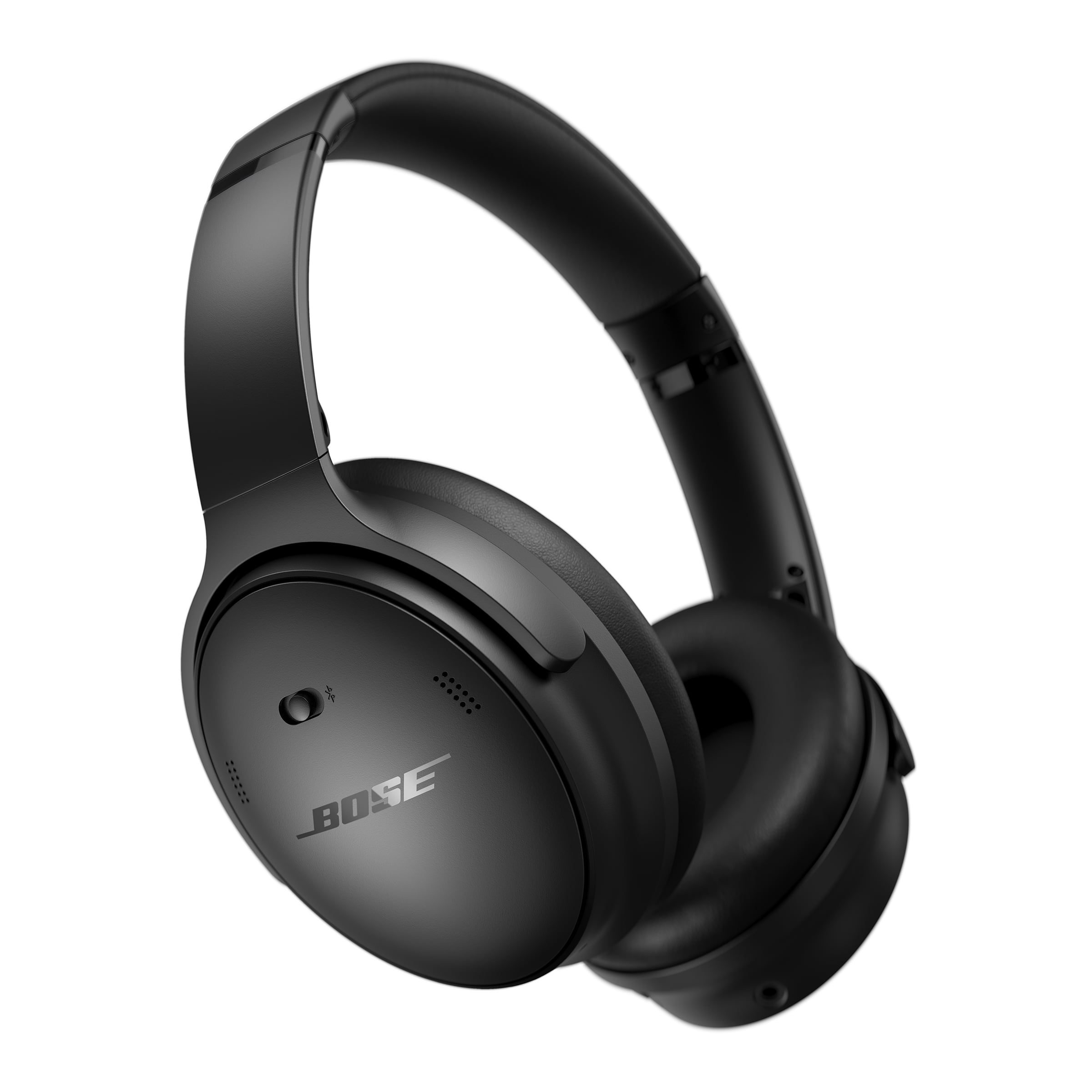
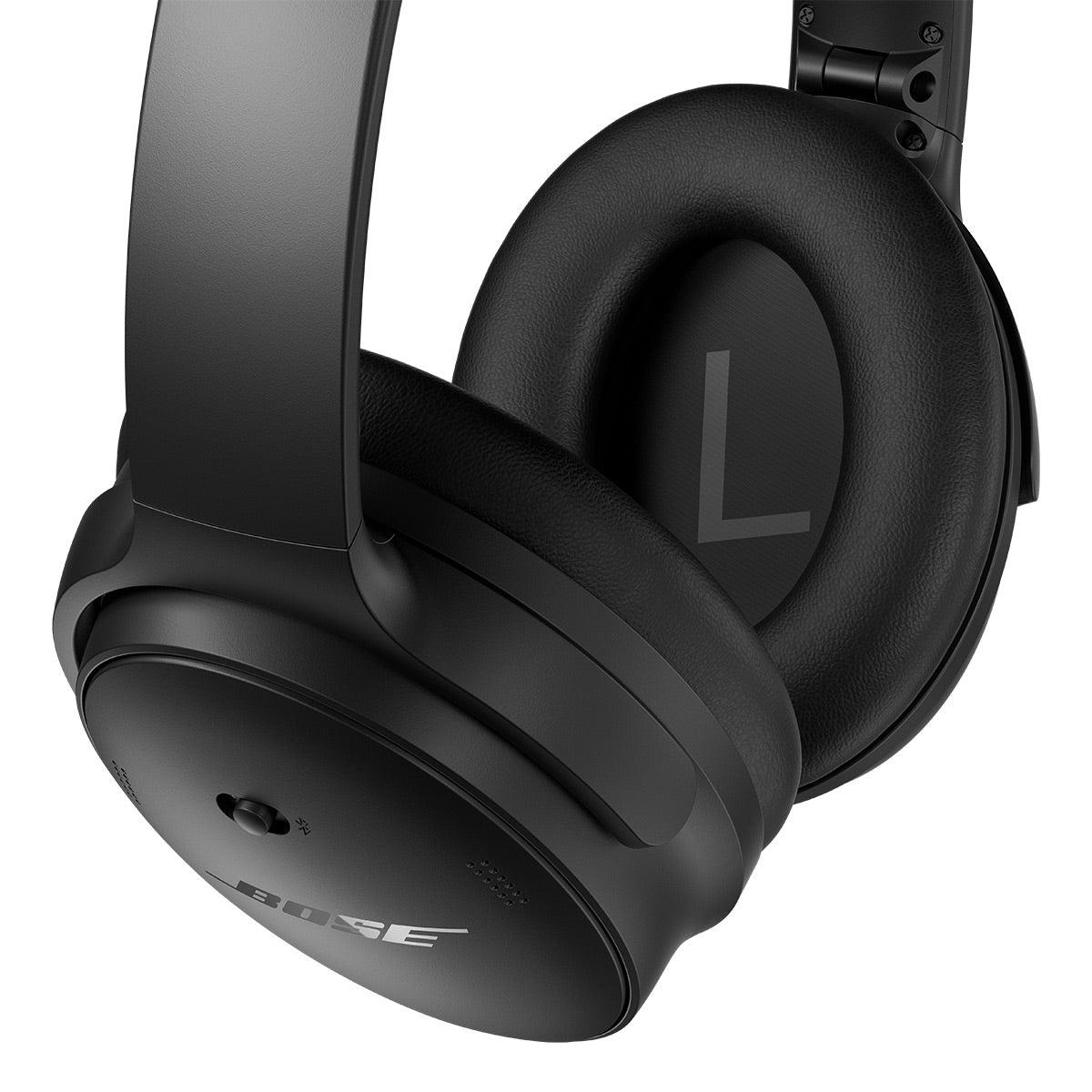
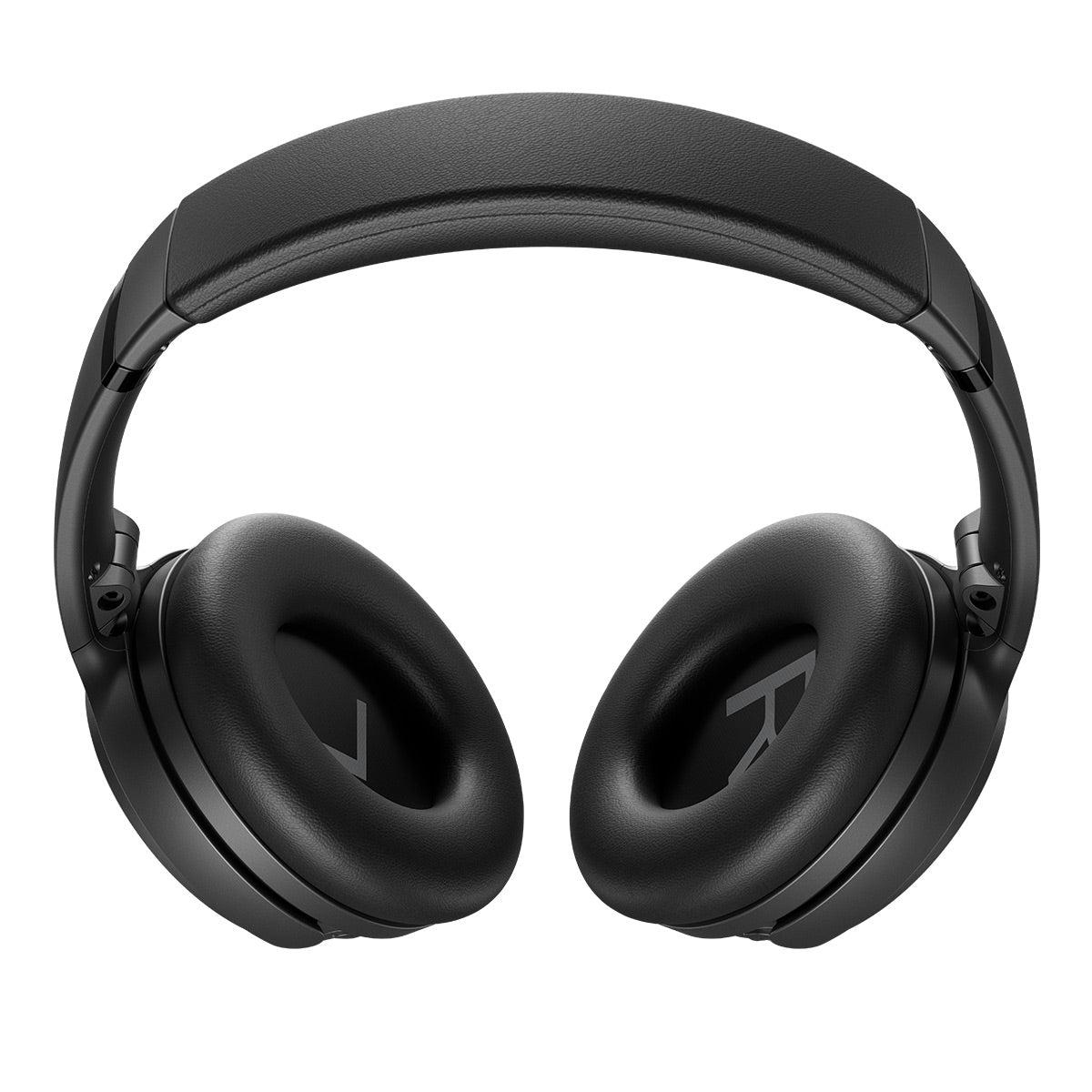

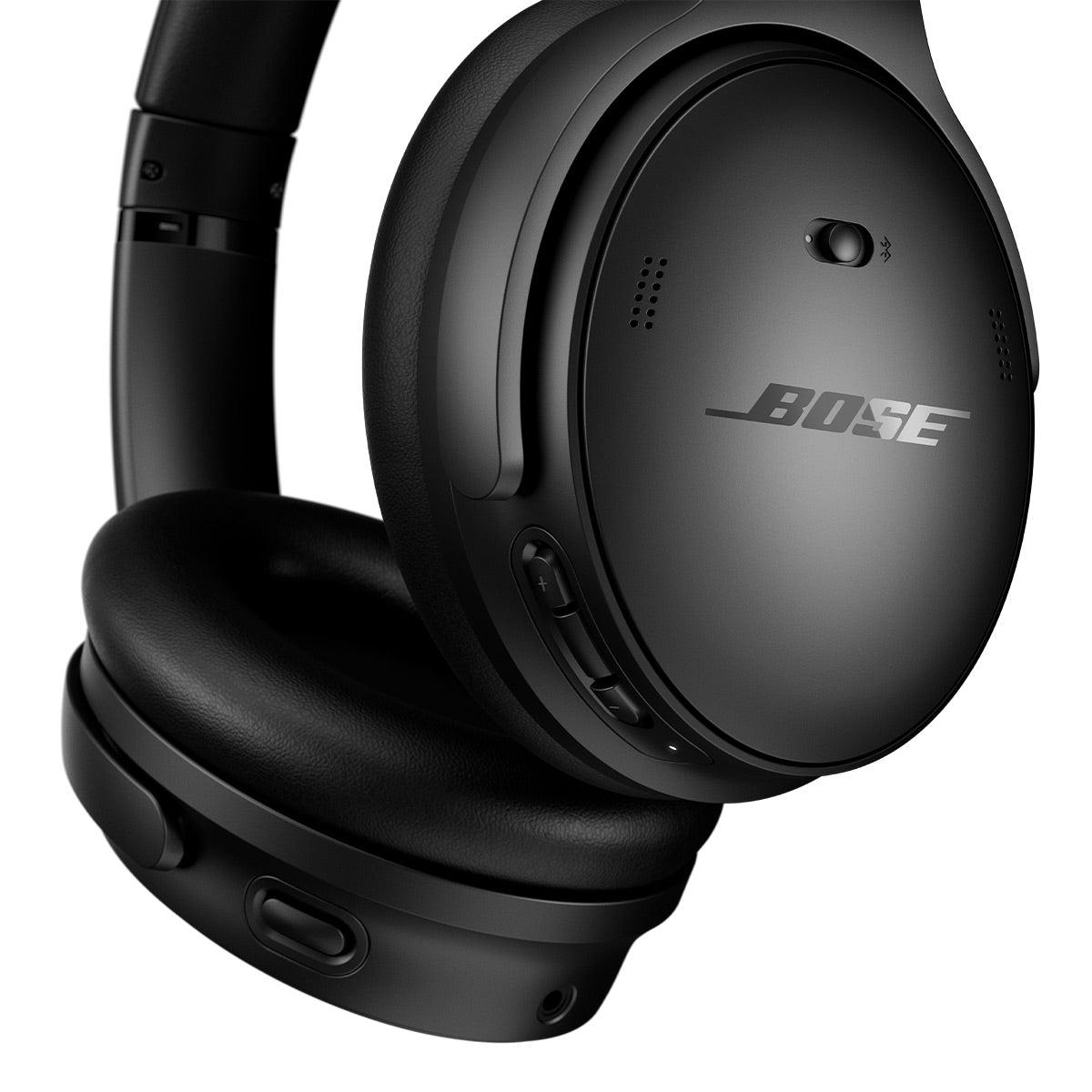

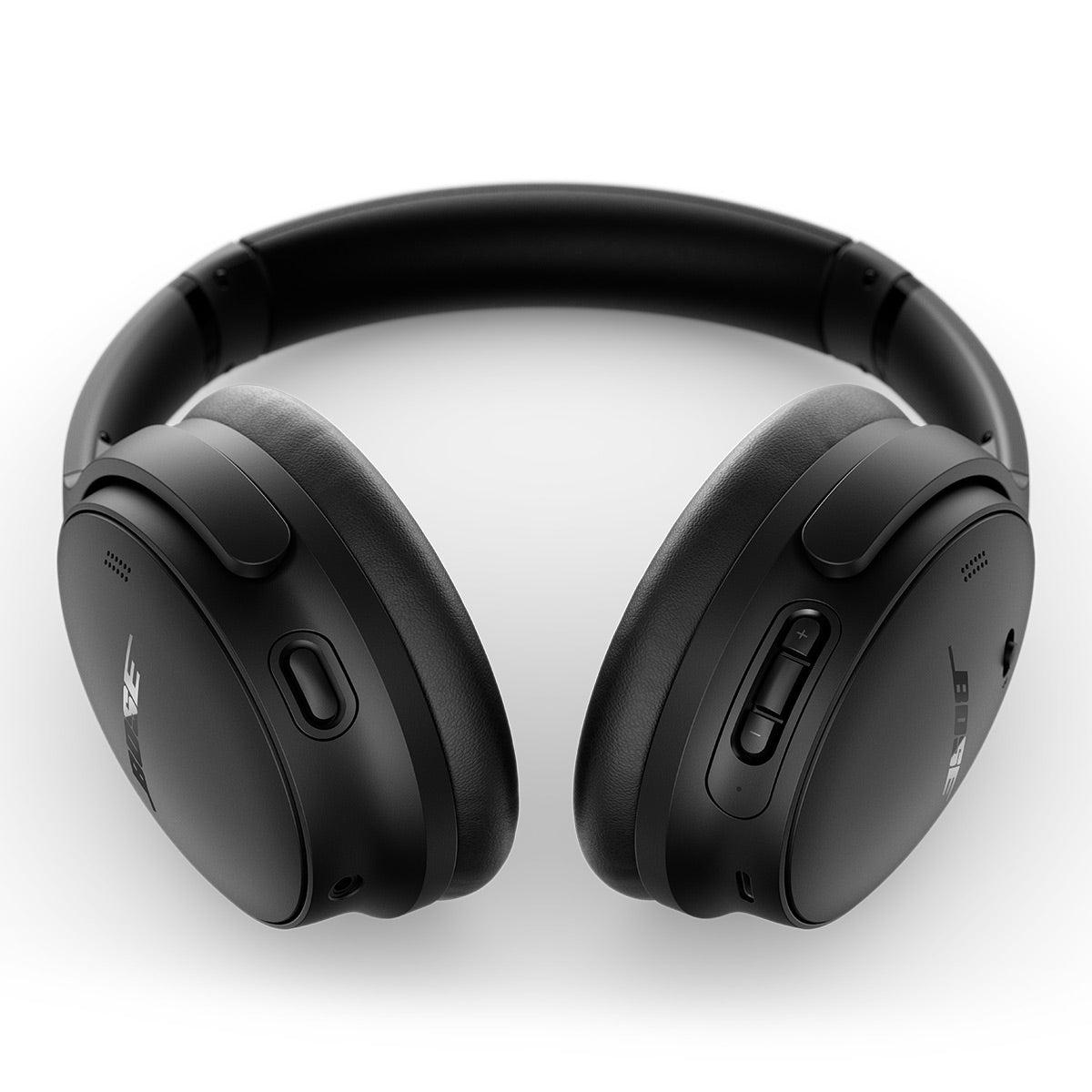

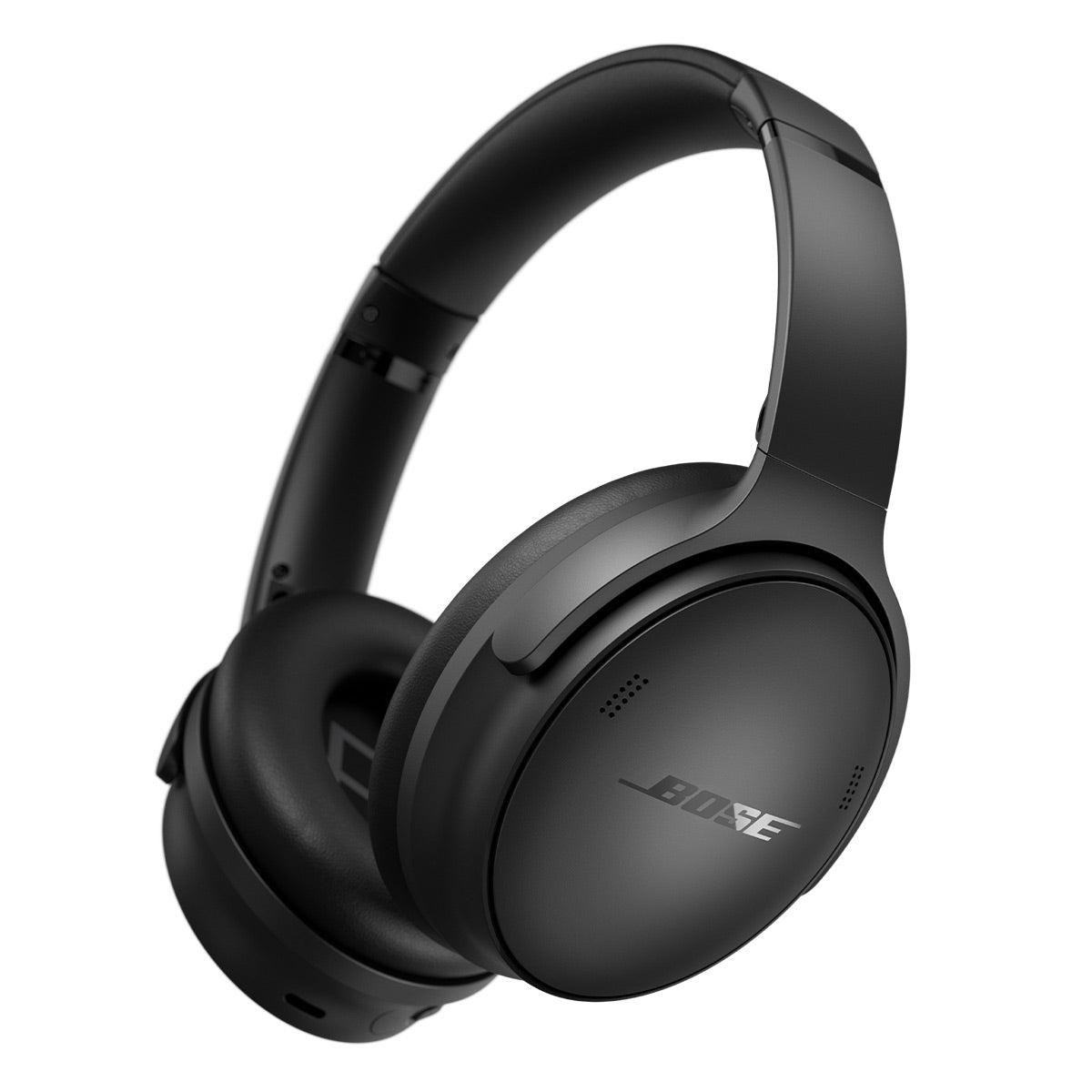
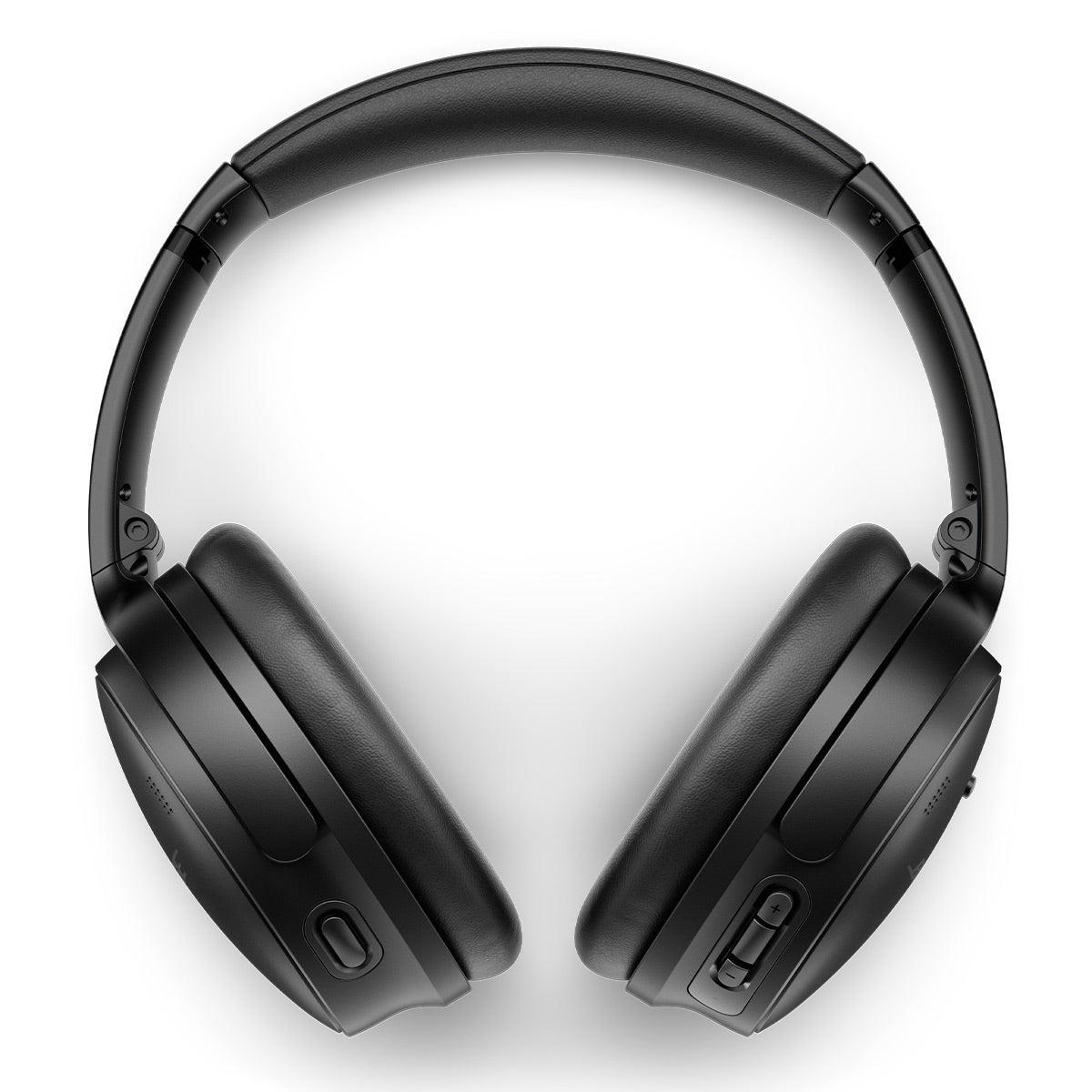
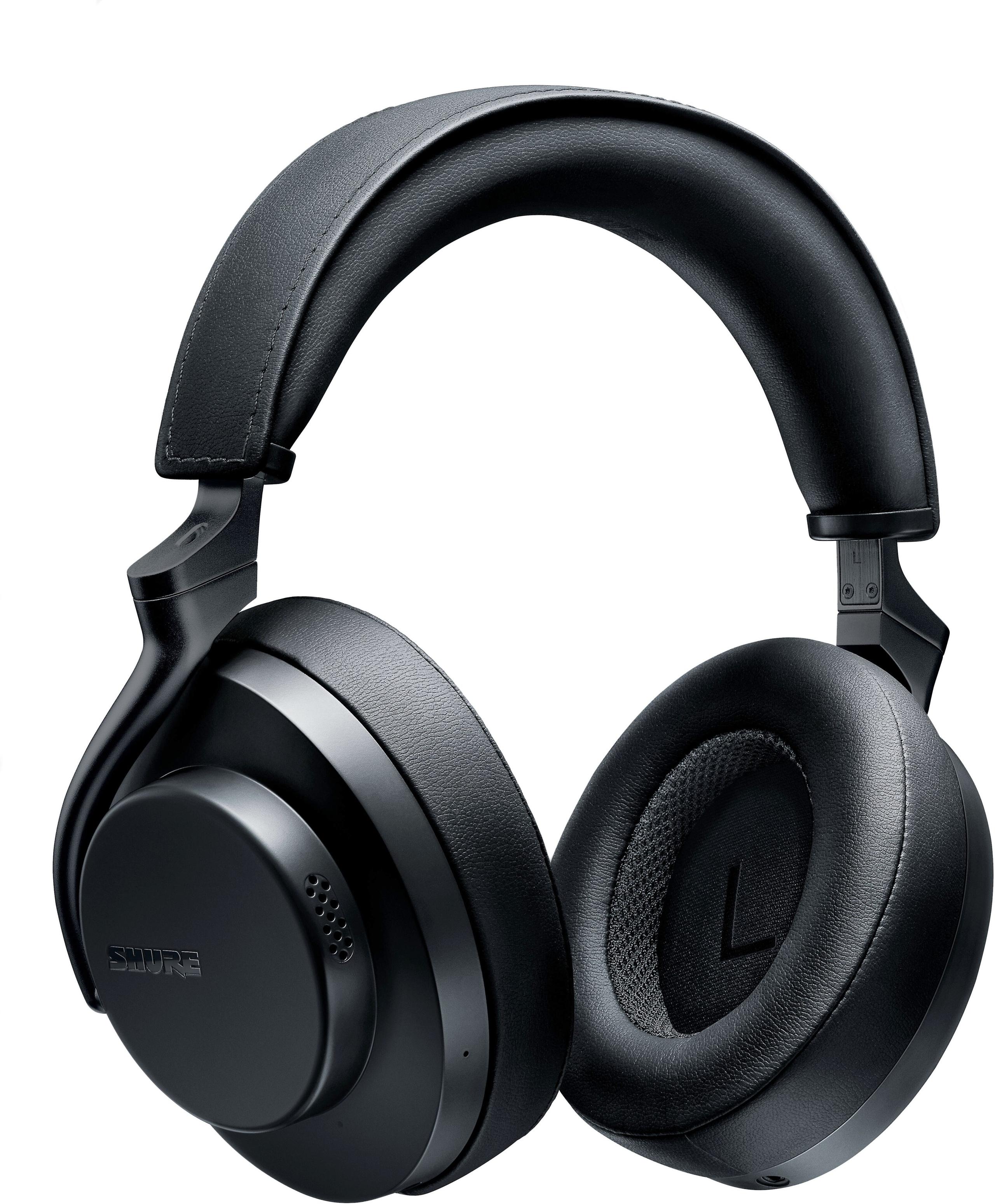
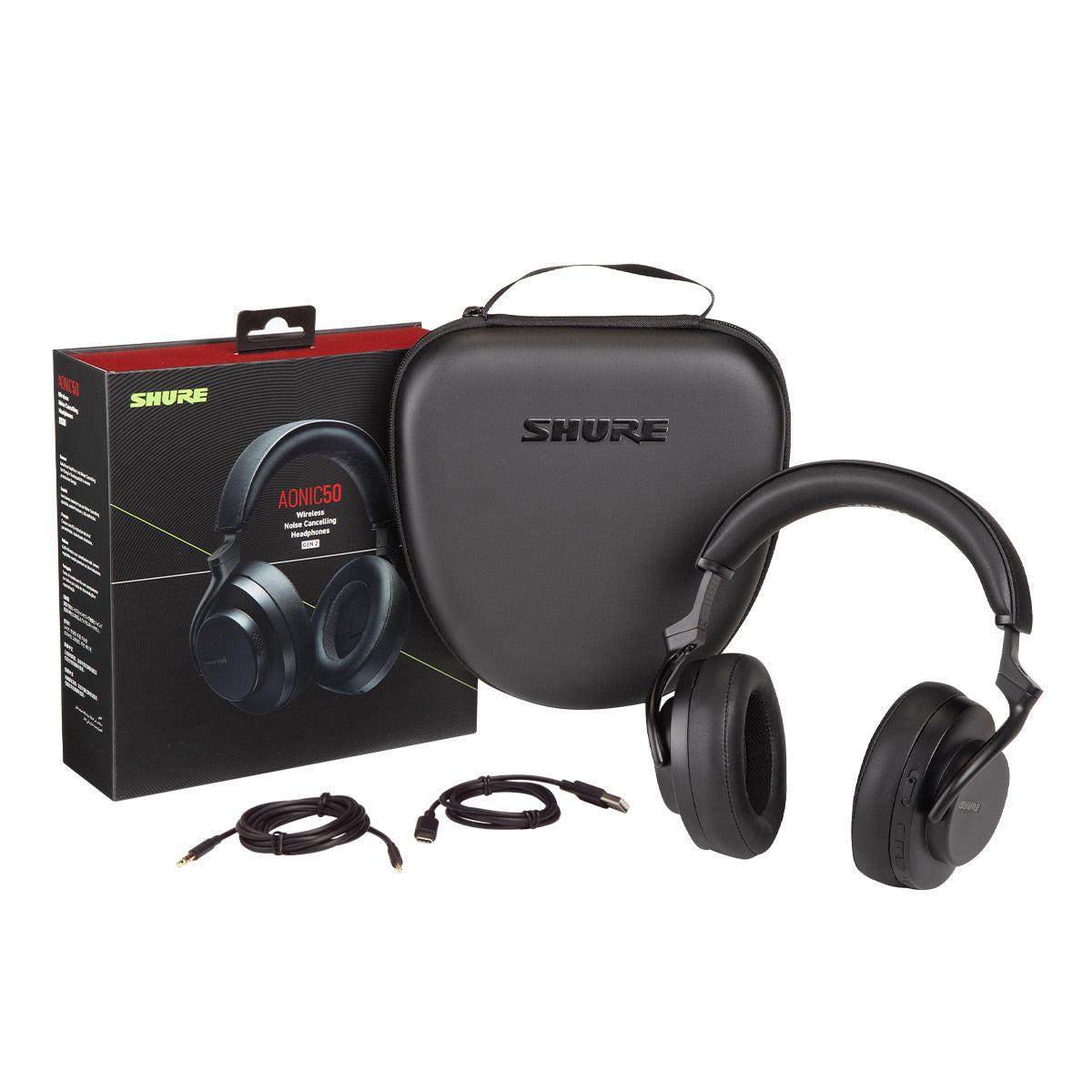
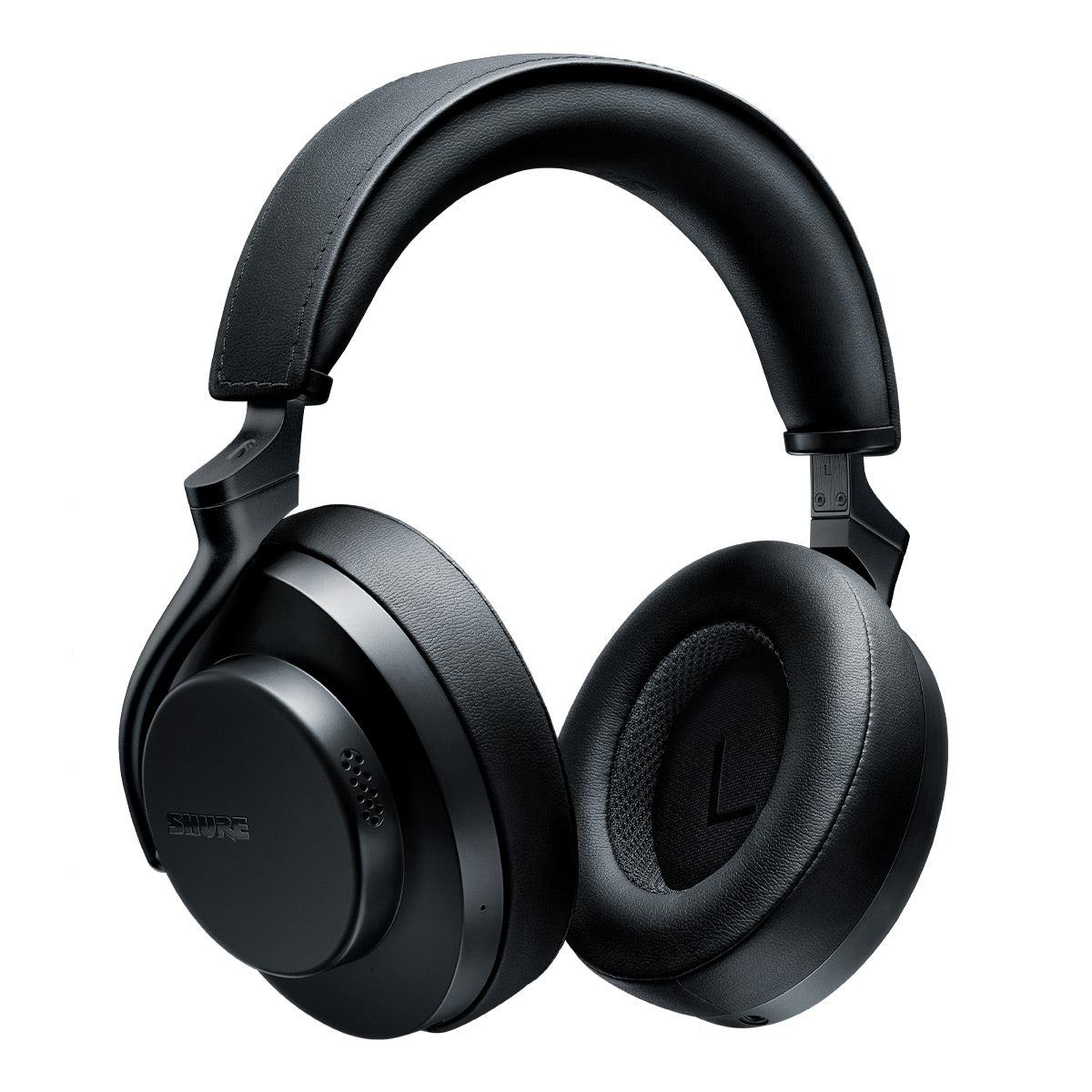

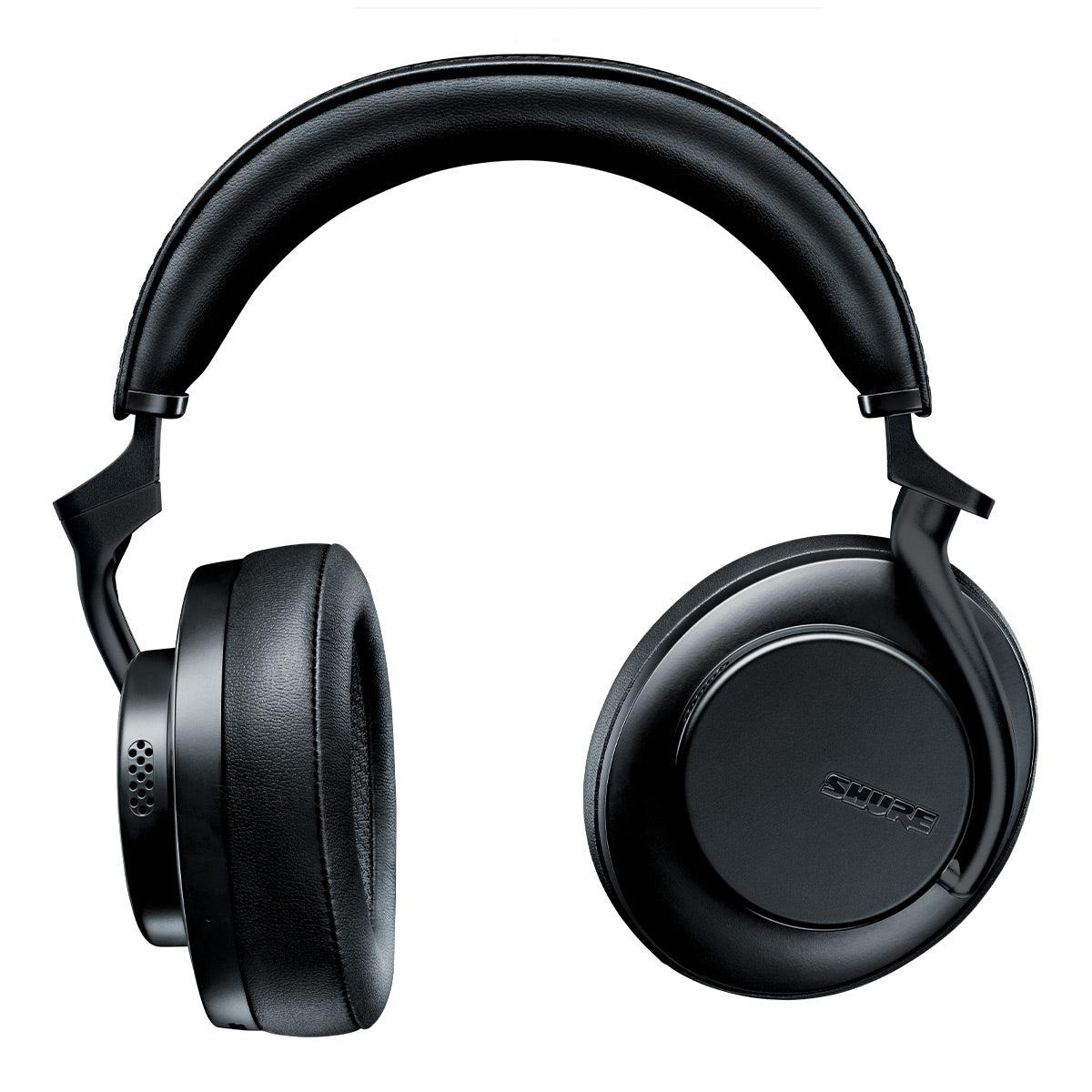


When you're ready to invest in premium wireless headphones, the choice can feel overwhelming. Two standout options that represent very different philosophies are the Bose QuietComfort Wireless Headphones and the Shure Aonic 50 Gen 2. After spending time with both, I've found they excel in different areas – and understanding these differences will help you pick the right pair for your needs.
Premium wireless headphones have become sophisticated audio devices that do much more than just play music wirelessly. They're designed to be your daily audio companion, whether you're working from home, commuting, or enjoying entertainment. The key technologies that define this category include active noise cancellation (ANC), which uses microphones and processing to cancel out unwanted sounds, and advanced wireless connectivity that maintains high-quality audio while juggling multiple devices.
The main considerations when choosing premium headphones center around five core areas: how well they block noise, how good they sound, how comfortable they are for long sessions, how long the battery lasts, and whether the features justify the price. These aren't just nice-to-have features anymore – they're essential for anyone spending $300+ on headphones.
The Bose QuietComfort and Shure Aonic 50 Gen 2 represent fundamentally different design philosophies, even though they're both premium wireless headphones. Bose has built their reputation on making headphones that work brilliantly right out of the box. Their approach focuses on what most people want: incredible noise cancellation, comfortable fit, and sound that's immediately enjoyable without any tweaking.
Shure, on the other hand, comes from the professional audio world. They've been making microphones and in-ear monitors for musicians and audio engineers for decades. Their headphone approach reflects this heritage – they prioritize accuracy, customization, and features that audio professionals need. This means the Shure Aonic 50 Gen 2 might not sound as immediately impressive as the Bose, but it offers much more potential for users willing to dig into settings.
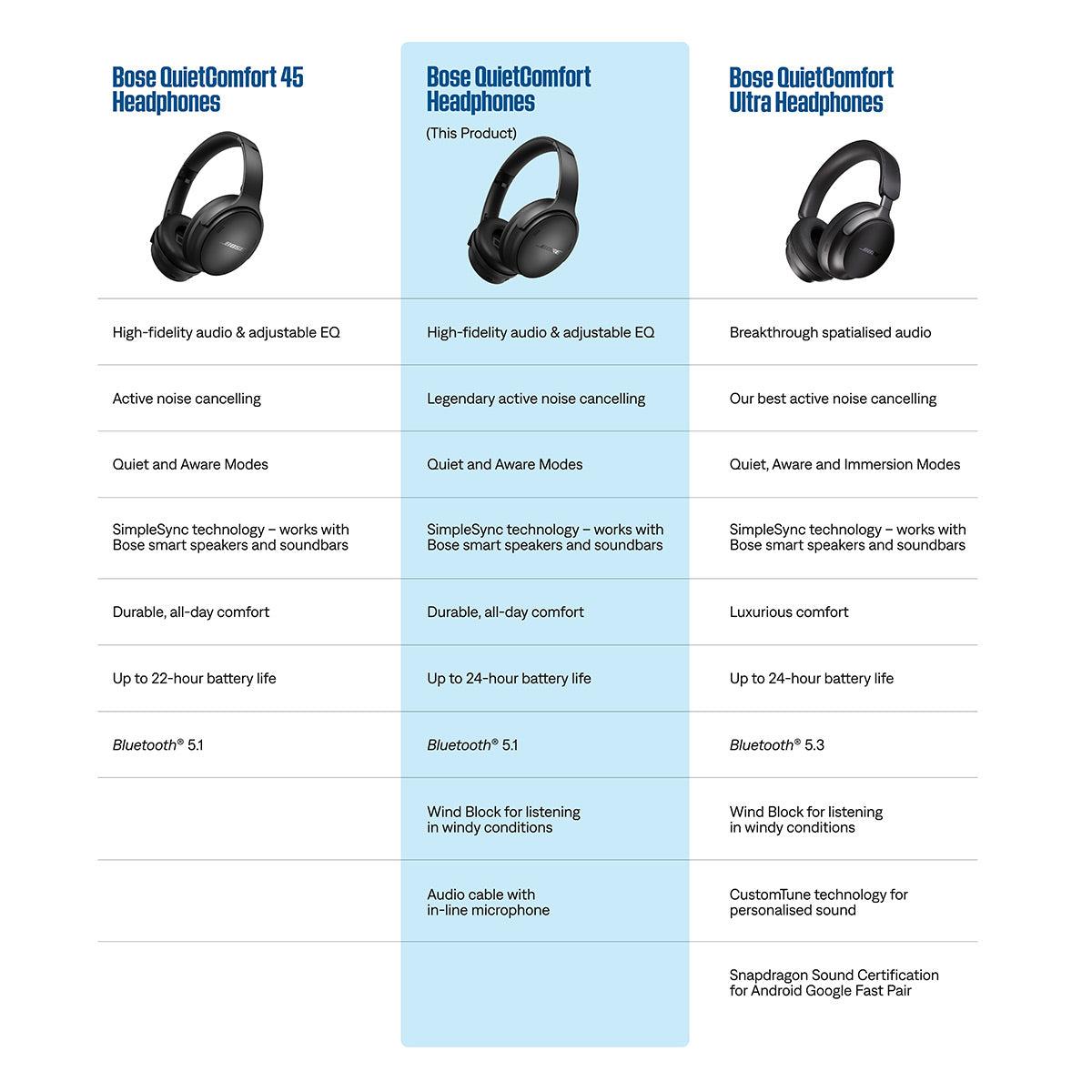
The Bose QuietComfort Wireless Headphones launched in September 2023, replacing the popular QuietComfort 45 model. This wasn't just a minor update – Bose addressed the biggest complaint about their previous headphones, which was underwhelming sound quality relative to the price. The 2023 model introduced their TriPort Acoustic Structure, a clever engineering solution that creates more acoustic volume inside the earcups without making them physically larger. This allows for better bass response and overall dynamics.
The Shure Aonic 50 Gen 2 represents the second generation of Shure's flagship wireless headphones. The most dramatic improvement was battery life – jumping from 20 hours to an impressive 45 hours. They also enhanced the sound quality with better headroom and dynamic range, making the headphones more engaging than the somewhat sterile first generation. The addition of Spatialized Audio technology was another major upgrade, giving users three different spatial processing modes.
This is where the biggest performance gap exists between these headphones. The Bose QuietComfort delivers what many consider the best noise cancellation available today. The system uses microphones both inside and outside the earcups to continuously monitor ambient noise and generate opposing sound waves in real-time. This isn't just marketing speak – in practical use, the difference is dramatic.
I've tested the Bose on flights, in coffee shops, and in open offices, and the noise cancellation consistently impresses. It's particularly effective at eliminating constant, droning sounds like airplane engines, air conditioning, and traffic noise. The system can reduce ambient noise by up to 45 decibels, which means a loud office environment becomes whisper-quiet.
The Shure Aonic 50 Gen 2 includes hybrid active noise cancellation, but it's simply not in the same league. While it's adequate for general use, it struggles with consistency and doesn't provide the same level of isolation. Where Shure does offer something unique is their MaxAware mode, which intelligently balances noise cancellation with environmental awareness. This is useful for situations where you need some noise reduction but can't be completely isolated from your surroundings.
For anyone who regularly works in noisy environments or travels frequently, this difference alone might determine your choice. The Bose QuietComfort transforms your acoustic environment in a way the Shure simply can't match.
Here's where things get interesting, and where your personal preferences really matter. The Bose QuietComfort features what's called consumer-tuned sound – it's designed to sound immediately impressive and enjoyable to most listeners. Bose achieves this with a bass-emphasized profile that can boost sub-bass frequencies by up to 14 decibels below 60Hz. This makes electronic music, hip-hop, and movie soundtracks sound powerful and engaging.
The improvement over previous Bose models is significant. Earlier QuietComfort headphones were often criticized for sounding muddy or veiled, but the 2023 model is much clearer and more detailed. The TriPort Acoustic Structure allows the drivers to move more air, creating better dynamics and punch. While the bass emphasis might seem excessive on paper, in practice it creates an exciting, immersive listening experience that works well for most popular music genres.
The Shure Aonic 50 Gen 2 takes the opposite approach. These headphones aim for accuracy and neutrality, reflecting Shure's professional audio heritage. The 50mm dynamic drivers with neodymium magnets are designed to reproduce audio as faithfully as possible to the original recording. This means they don't artificially enhance any frequency range – what you hear is closer to what the artist and engineer intended.
This neutral approach has both advantages and drawbacks. On the positive side, the Shure excels at revealing subtle details in recordings. The soundstage – the sense of space and positioning of instruments – is notably wider than the Bose. Vocals are precisely positioned, and you can clearly distinguish between different instruments in complex arrangements. However, this accuracy can make some music sound less exciting or engaging, especially if you're used to more consumer-oriented tuning.
The real strength of the Shure lies in its customization options. The ShurePlus PLAY app includes a 4-band parametric equalizer, which is much more sophisticated than typical headphone apps. Instead of simple bass and treble sliders, you can adjust specific frequency ranges with precision. This means you can tailor the sound exactly to your preferences – boost the bass for electronic music, enhance midrange clarity for podcasts, or create completely custom profiles for different content types.
The Shure Aonic 50 Gen 2 significantly outperforms the Bose in wireless audio quality and flexibility. While both support standard Bluetooth codecs like SBC and AAC, the Shure adds support for high-resolution codecs including aptX HD, aptX Adaptive, and Sony's LDAC. These codecs can transmit much more audio data wirelessly, preserving details that would be lost with basic Bluetooth compression.
For users with compatible devices, this makes a noticeable difference in sound quality. LDAC, in particular, can transmit up to three times more data than standard Bluetooth, approaching CD-quality wireless transmission. The Shure also supports Snapdragon Sound, which ensures low-latency, high-quality audio for gaming and video content.
An standout feature of the Shure is its USB-DAC functionality. Connect via USB-C, and the headphones can process digital audio up to 32-bit/384kHz resolution – far beyond what Bluetooth can handle. This makes them genuinely useful for critical listening with high-resolution audio files or professional audio work.
The Shure also introduces Spatialized Audio technology with three distinct modes. Music mode simulates listening in an acoustically treated room with high-end speakers, creating a wider soundstage without sounding artificial. Cinema mode enhances the sub-bass and creates the sense of theater-like sound. Podcast mode focuses on vocal clarity and intimacy, as if the speaker were right in front of you. While these spatial processing effects won't appeal to purists, they can enhance certain types of content.
Comfort becomes crucial when you're wearing headphones for hours at a time, and this is another area where the Bose QuietComfort excels. At just 240 grams, they're significantly lighter than the 337-gram Shure Aonic 50 Gen 2. The difference is immediately noticeable – the Bose feels almost weightless, while the Shure has a more substantial presence on your head.
Bose has engineered the QuietComfort specifically for extended wear. The protein leather ear cushions are soft and breathable, and the headband applies minimal clamping force. The ear cups also rotate to ensure an even seal around your ears. I've worn these for 6-8 hour work sessions without discomfort, which isn't something I can say about many headphones.
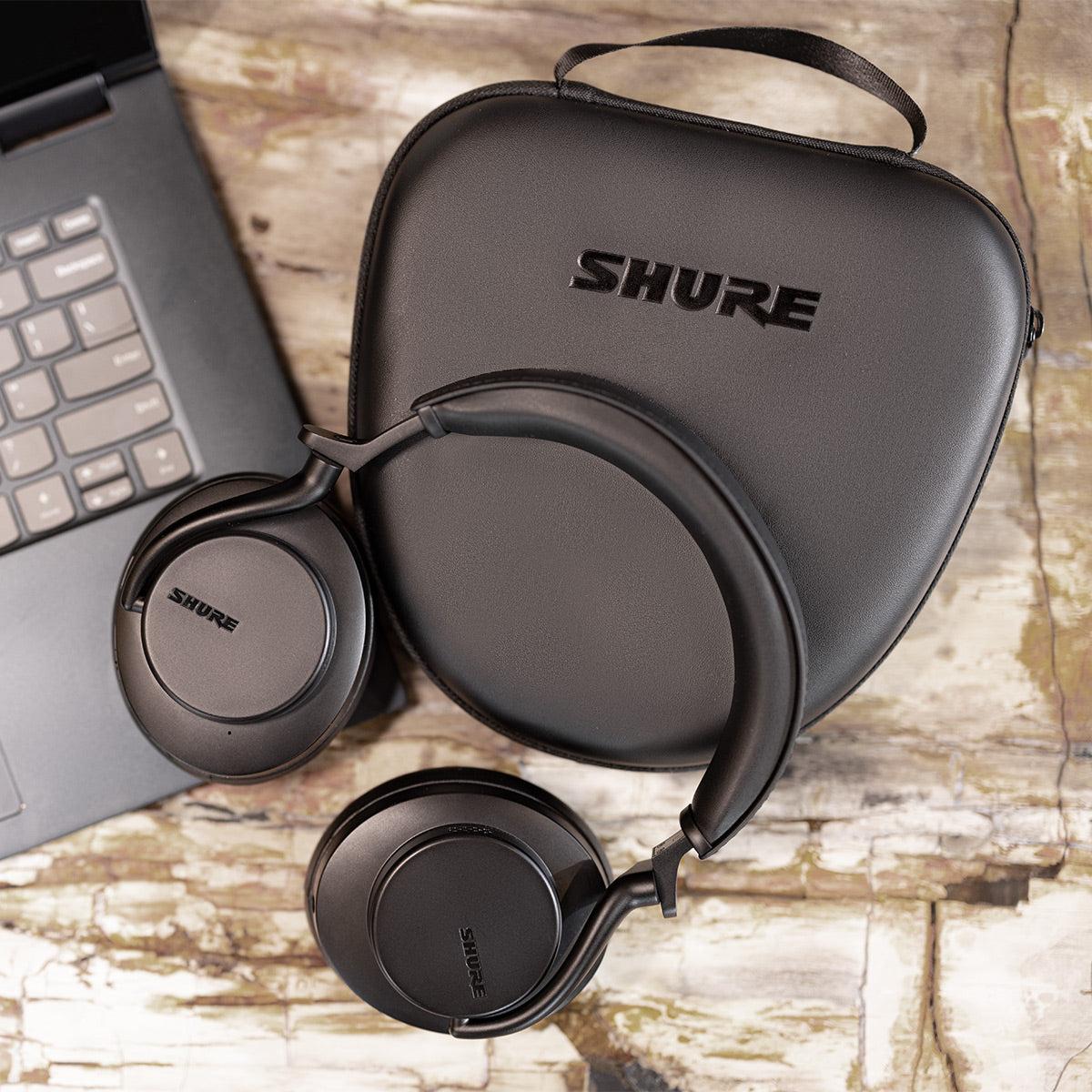
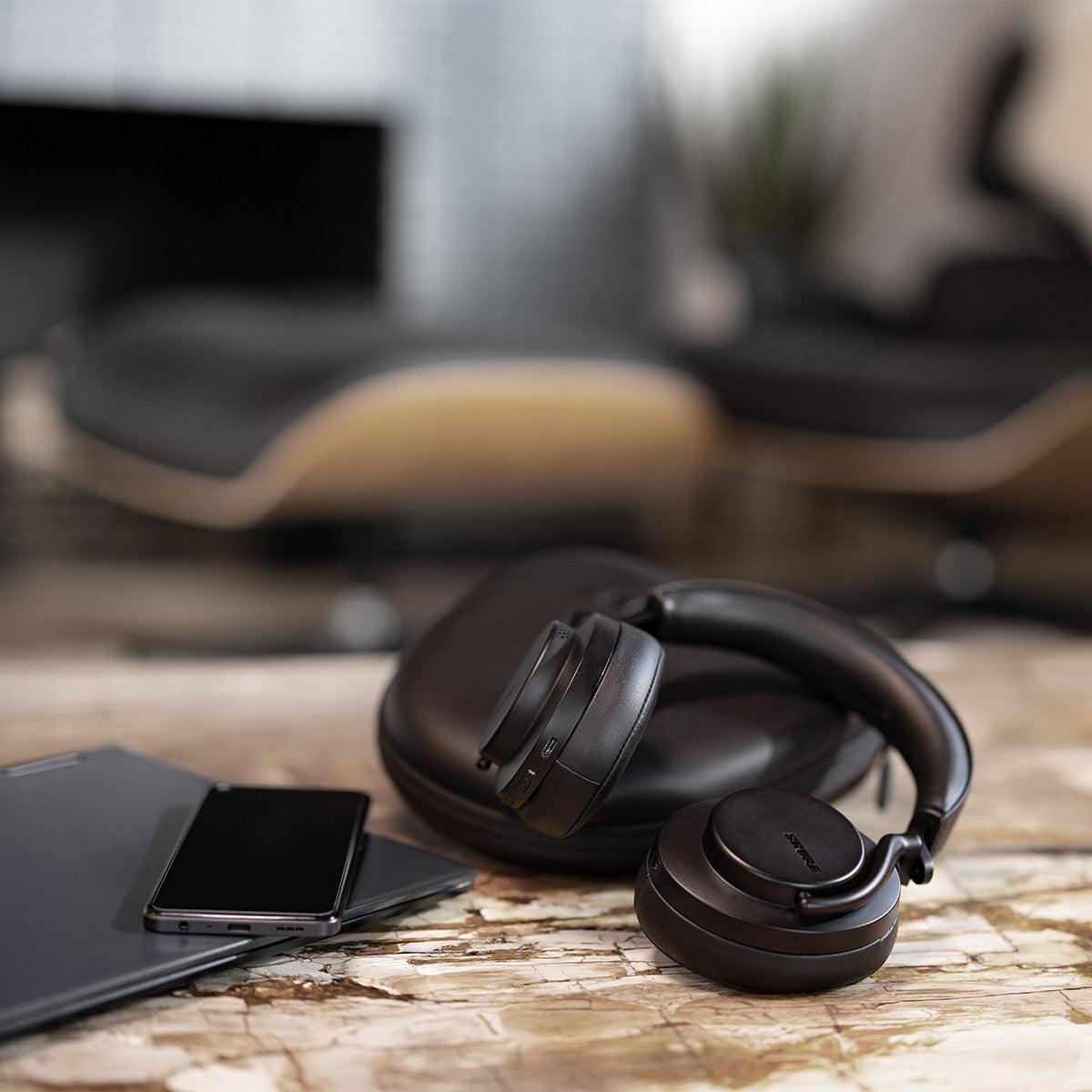
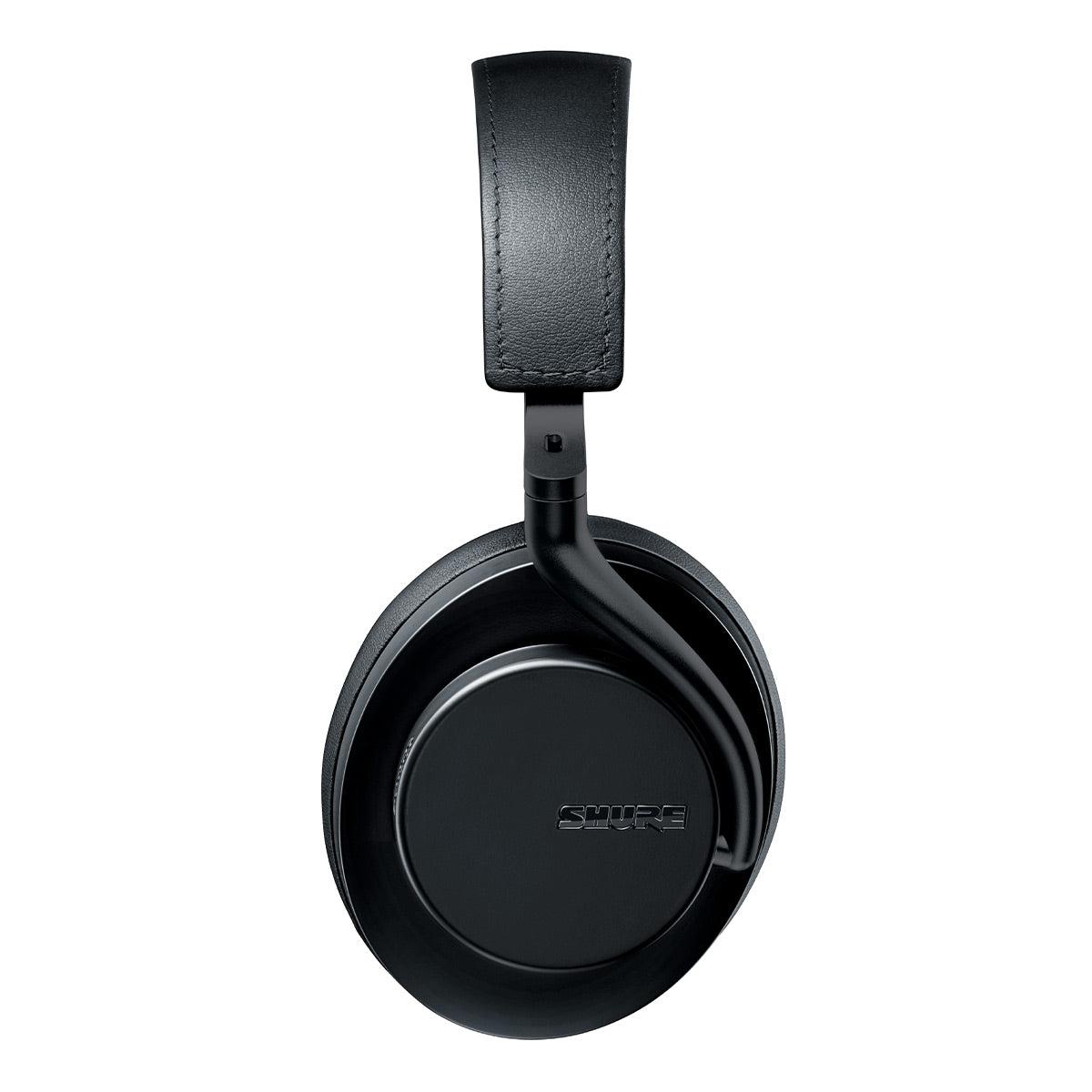
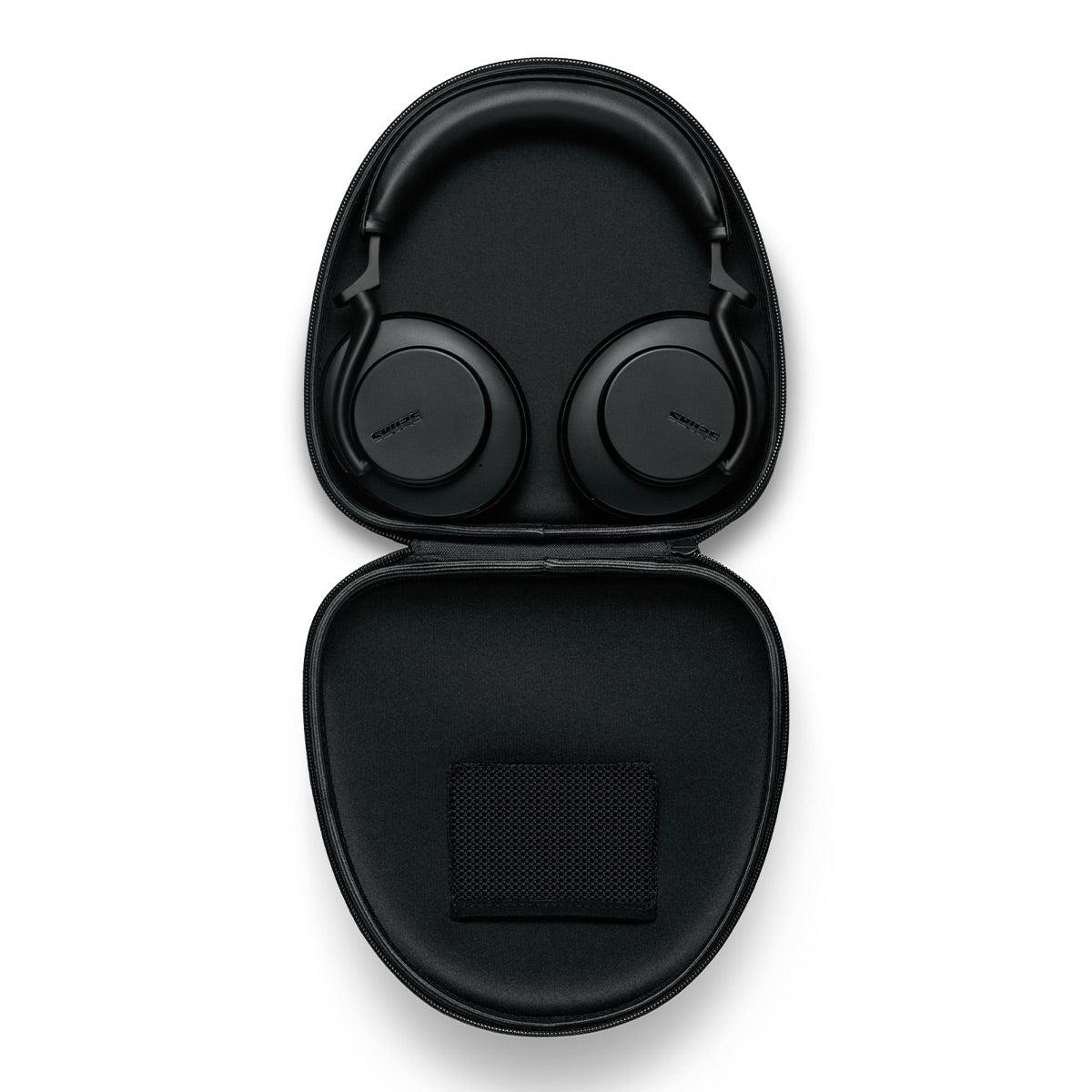
The Shure Aonic 50 Gen 2 is heavier but well-built. The construction feels more robust and professional, with high-quality materials throughout. The ear pads are plush and comfortable, but the extra weight becomes noticeable during longer sessions. The fold-flat design is practical for storage, though they don't fold as compactly as the Bose.
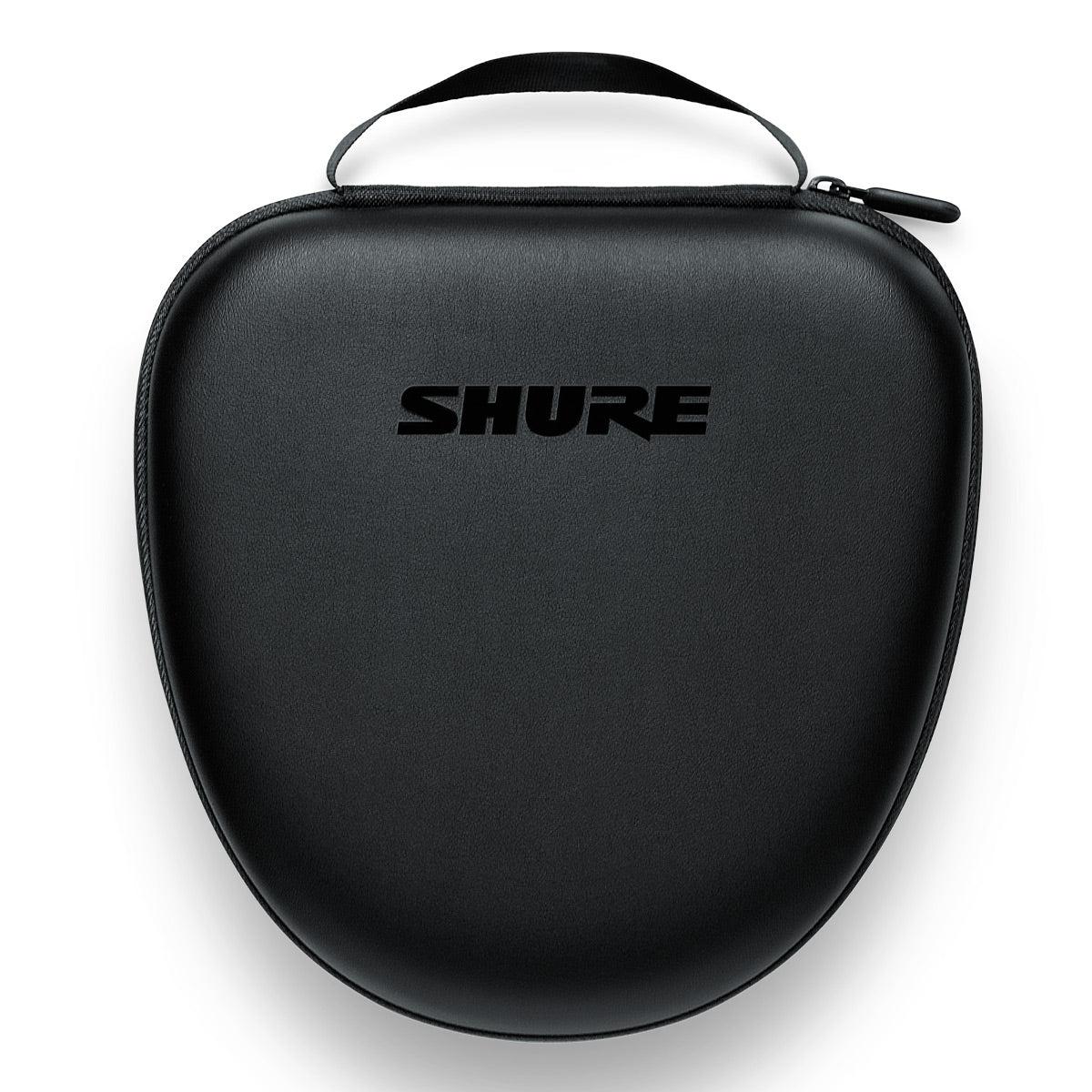
Both headphones include carrying cases, but they reflect their different target audiences. The Bose comes with a soft case that prioritizes portability and everyday use. The Shure includes a more substantial zippered case that offers better protection – the kind of case you'd expect with professional equipment.
Battery life is where the Shure Aonic 50 Gen 2 truly shines. The 45-hour playback time is exceptional – nearly double the Bose QuietComfort's 24 hours. In real-world testing, I've found the Shure easily handles a full work week with moderate use, while the Bose needs charging every 2-3 days with similar usage.
Both headphones support fast charging via USB-C. The Bose provides up to 4 hours of playback from a 15-minute charge, while the Shure offers 5 hours. For most users, 24 hours is still plenty of battery life, but the Shure's extended endurance is genuinely useful for travel or situations where charging isn't convenient.
Call quality is adequate on both headphones but neither excels. The Bose has a reliable adaptive microphone system that works well for phone calls and voice assistants. The Shure includes a six-microphone array with automatic noise adjustment, but voice quality can sound thin, and background noise rejection is mediocre. If call quality is important, consider that neither of these headphones prioritizes this feature.
For home theater use, both headphones offer distinct advantages. The Bose QuietComfort creates an immersive experience through its bass-emphasized tuning, making action movies and TV shows feel more dramatic. The noise cancellation also helps you focus on content without distractions from household sounds.
The Shure Aonic 50 Gen 2 brings a different approach to home theater. The wider soundstage and accurate imaging make it easier to pinpoint sound effects and dialogue. The Spatialized Audio's Cinema mode is specifically designed for movie content, enhancing sub-bass and creating a more theater-like experience. For viewers who prioritize dialogue clarity and sound detail over pure excitement, the Shure offers superior performance.
The Shure's low-latency codec support also reduces the audio delay that can sometimes occur with wireless headphones, ensuring better sync between video and audio – particularly important for gaming or critical viewing.
At their respective price points, both headphones offer good value, but in different ways. The Bose QuietComfort at $349-359 provides exceptional noise cancellation, comfort, and user-friendly operation. When found on sale around $250, they become an outstanding value – offering flagship performance at a mid-tier price.
The Shure Aonic 50 Gen 2 commands a premium price but justifies it through professional features, extensive customization, and superior battery life. For users who will take advantage of the advanced EQ, high-resolution codec support, and USB-DAC functionality, the investment makes sense.
Choose the Bose QuietComfort if noise cancellation is your priority, you want immediate satisfaction without tweaking, or you value lightweight comfort above all else. They're perfect for travelers, office workers in noisy environments, and anyone who wants premium headphones that work brilliantly right out of the box.
Choose the Shure Aonic 50 Gen 2 if you're an audio enthusiast who enjoys customization, you need maximum battery life, or you want high-resolution audio capability. They're ideal for critical listening, content creation, and users who view headphones as tools rather than just entertainment devices.
Both represent excellent examples of their respective approaches to premium wireless headphones. Your choice ultimately depends on whether you prioritize immediate usability and best-in-class noise cancellation (Bose), or accuracy, customization, and professional features (Shure).
| Bose QuietComfort Wireless Headphones | Shure Aonic 50 Gen 2 Wireless Headphones |
|---|---|
| Price - Starting cost and typical street pricing | |
| $349-359 MSRP, often $250 on sale | Higher premium pricing reflecting pro-audio features |
| Active Noise Cancellation - Critical for travel and noisy environments | |
| World-class ANC with 45dB reduction, industry-leading performance | Average ANC performance, adequate but not competitive with leaders |
| Sound Signature - How music sounds out of the box | |
| Consumer-tuned with bass emphasis (14dB boost), immediately enjoyable | Neutral, studio-accurate requiring EQ adjustment for excitement |
| Weight and Comfort - Essential for extended wear | |
| 240g lightweight design, protein leather cushions, minimal clamping | 337g heavier but well-distributed, plush pads, professional build |
| Battery Life - Daily usage and travel convenience | |
| 24 hours with ANC (solid for most users) | 45 hours exceptional endurance (nearly double) |
| Wireless Audio Quality - Codec support affects sound over Bluetooth | |
| Standard SBC/AAC codecs, reliable but basic | Premium codecs: aptX HD, LDAC, Snapdragon Sound for hi-res wireless |
| Customization Options - Sound tuning and personalization | |
| Basic EQ in Bose app, simple and effective | 4-band parametric EQ, extensive sound customization in ShurePlus app |
| Build and Portability - Travel and daily carry considerations | |
| Foldable design, soft carry case, optimized for portability | Fold-flat (not inward), premium zippered case, less compact |
| Wired Audio Capability - High-resolution and lossless listening | |
| 3.5mm analog connection only | USB-DAC mode supporting 32-bit/384kHz, plus 3.5mm analog |
| Special Features - Unique technologies and modes | |
| TriPort Acoustic Structure, Wind Block, multiple ANC modes | Spatialized Audio (3 modes), MaxAware environmental balance |
| Target User - Best suited for specific needs | |
| Travelers, office workers, ease-of-use priority | Audiophiles, content creators, customization enthusiasts |
The Bose QuietComfort Wireless Headphones have significantly superior noise cancellation compared to the Shure Aonic 50 Gen 2. Bose offers world-class ANC that can reduce ambient noise by up to 45 decibels, making them ideal for travel and noisy environments. The Shure Aonic 50 Gen 2 has only average noise cancellation that's adequate for basic use but can't compete with Bose's industry-leading performance.
The Bose QuietComfort retail for $349-359 but are frequently available on sale for around $250, offering excellent value at the discounted price. The Shure Aonic 50 Gen 2 command a higher premium price point reflecting their professional audio features and extensive customization options.
The Bose QuietComfort sound immediately impressive with their bass-emphasized, consumer-friendly tuning that makes music exciting and engaging without any adjustments. The Shure Aonic 50 Gen 2 have a neutral, studio-accurate sound that may seem less exciting initially but offers greater accuracy and detail for critical listening.
The Shure Aonic 50 Gen 2 offer exceptional 45-hour battery life, nearly double the Bose QuietComfort's 24-hour performance. While both provide adequate daily use, the Shure excel for extended travel or situations where charging isn't convenient.
The Bose QuietComfort are significantly more comfortable for extended wear, weighing just 240 grams compared to the Shure's 337 grams. The Bose feature lightweight design with protein leather cushions and minimal clamping force, making them ideal for all-day use in office or travel situations.
The Shure Aonic 50 Gen 2 excel at high-resolution audio with support for premium codecs like aptX HD and LDAC, plus USB-DAC functionality for 32-bit/384kHz playback. The Bose QuietComfort support only basic Bluetooth codecs, making the Shure the clear choice for audiophiles seeking maximum audio quality.
The Shure Aonic 50 Gen 2 provide extensive sound customization through their ShurePlus PLAY app with 4-band parametric EQ and multiple listening modes. The Bose QuietComfort offer basic EQ adjustment through the Bose app, prioritizing simplicity over advanced customization options.
Both the Bose QuietComfort and Shure Aonic 50 Gen 2 offer adequate call quality but neither excels in this area. The Bose provide reliable performance for basic calls, while the Shure include a six-microphone system but struggle with background noise rejection in challenging environments.
The Bose QuietComfort are superior for travel due to their lightweight design, compact folding mechanism, world-class noise cancellation, and soft carrying case. The Shure Aonic 50 Gen 2 offer longer battery life but are heavier and less portable, making the Bose the better travel companion.
Yes, both headphones support wired operation. The Bose QuietComfort include a 3.5mm analog cable for basic wired listening. The Shure Aonic 50 Gen 2 offer both 3.5mm analog and USB-C connections, with the USB-C providing superior audio quality and the ability to use the headphones while charging.
For home theater use, the Bose QuietComfort create an immersive experience with their bass-emphasized tuning that makes action movies feel more dramatic. The Shure Aonic 50 Gen 2 offer superior dialogue clarity and wider soundstage, plus a dedicated Cinema mode in their Spatialized Audio feature. The Shure also provide low-latency codec support for better video sync.
Choose the Bose QuietComfort if you prioritize noise cancellation, comfort, ease of use, and want headphones that sound great immediately. They're perfect for travelers and general consumers. Choose the Shure Aonic 50 Gen 2 if you're an audio enthusiast who values sound accuracy, extensive customization, maximum battery life, and high-resolution audio support.
We've done our best to create useful and informative comparisons to help you decide what product to buy. Our research uses advanced automated methods to create this comparison and perfection is not possible - please contact us for corrections or questions. These are the sites we've researched in the creation of this article: techradar.com - whathifi.com - bose.com - rtings.com - recordingnow.com - bose.com - ottorinobruni.com - whathifi.com - costco.com - recordingnow.com - youtube.com - bose.com - bestbuy.com - global.bose.com - boselatam.com - projectorscreen.com - bose.com - bose.com - bose.com - tomsguide.com - headphonecheck.com - whathifi.com - majorhifi.com - rtings.com - versus.com - majorhifi.com - versus.com - audio46.com - youtube.com - bhphotovideo.com - techradar.com - soundpro.com - shure.com - americanmusical.com - pubs.shure.com - blog.zzounds.com - service.shure.com - fullcompass.com

Privacy Policy
Terms and Conditions - Affiliate Policy
Home Security
© Copyright 2008-2026.
11816 Inwood Rd #1211, Dallas, TX 75244