


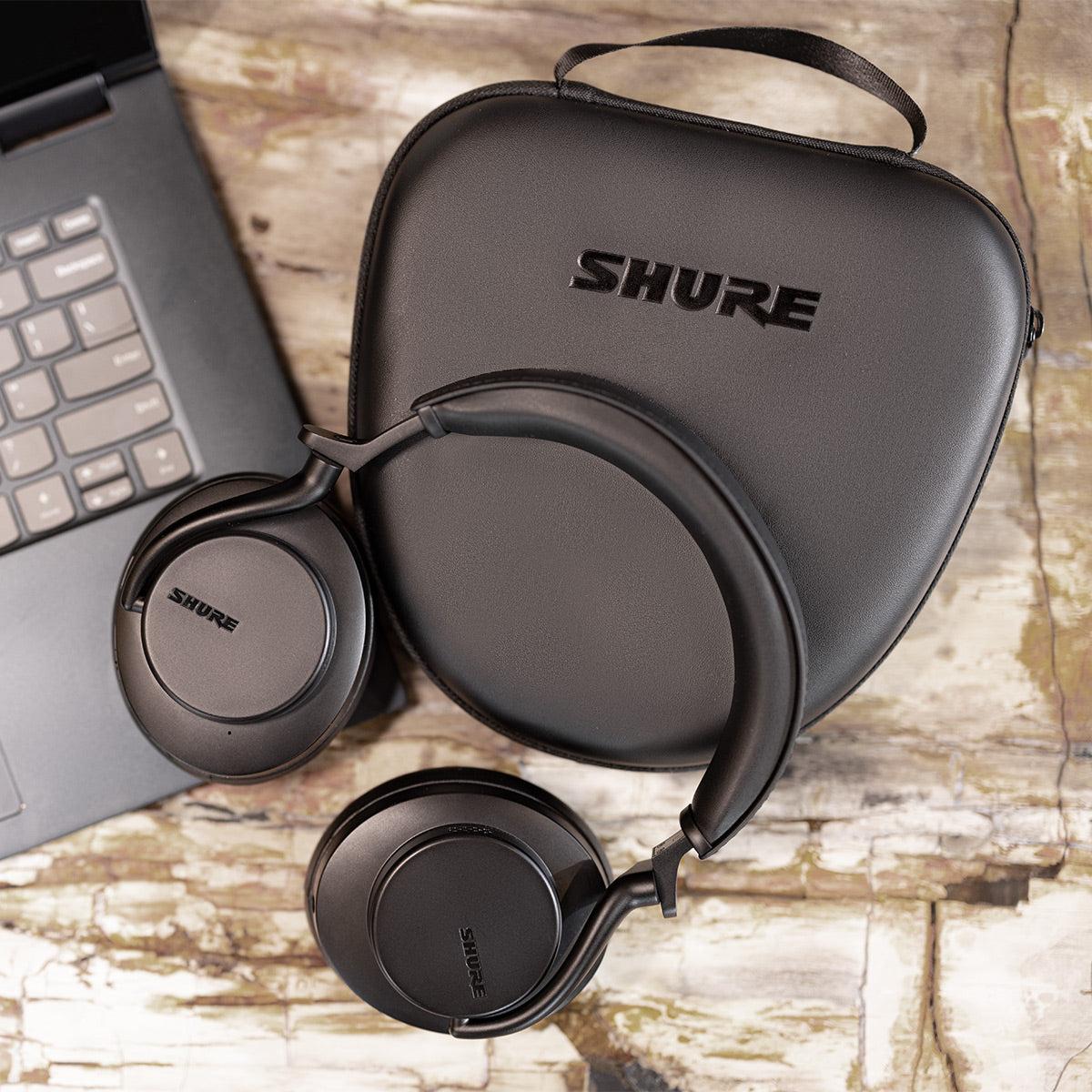
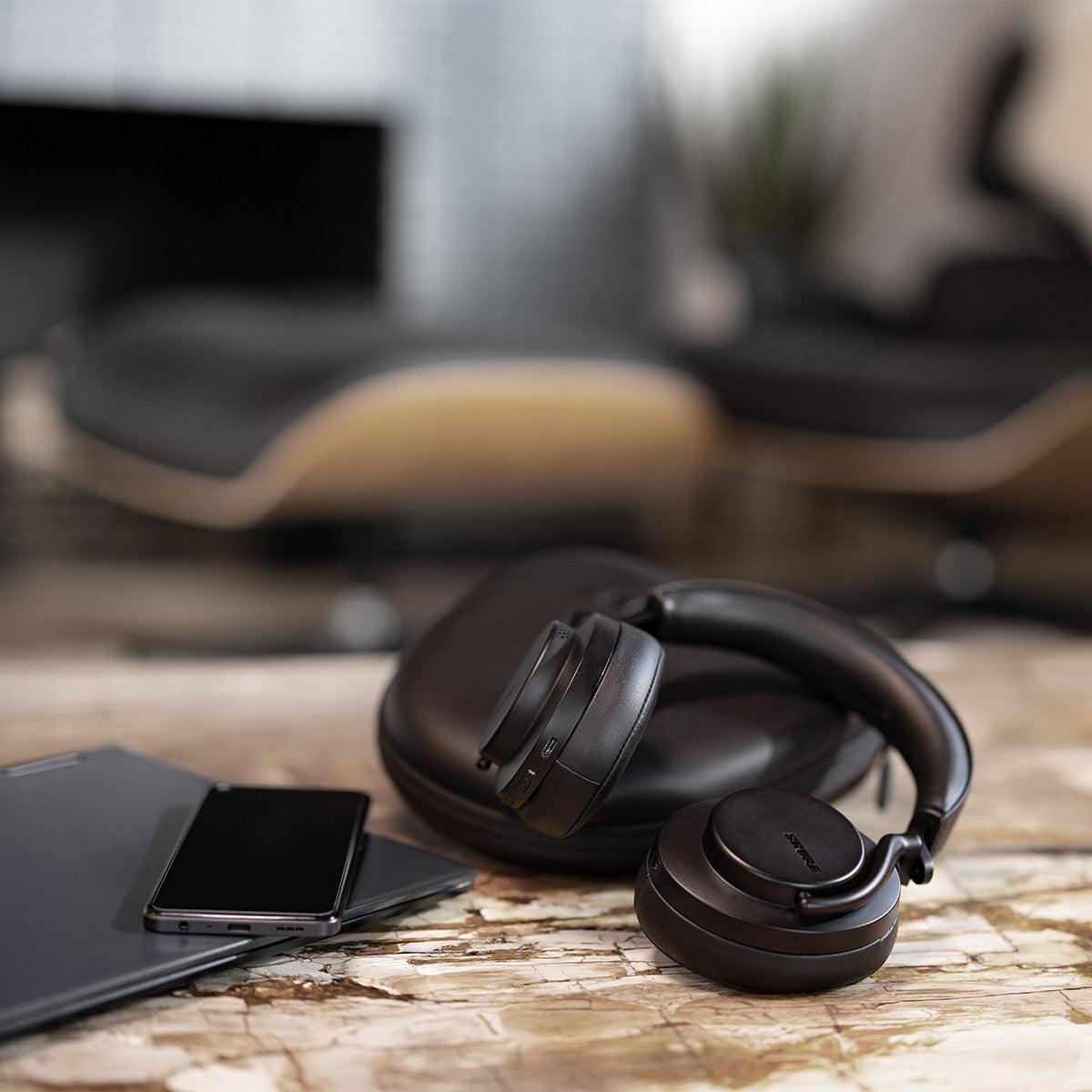
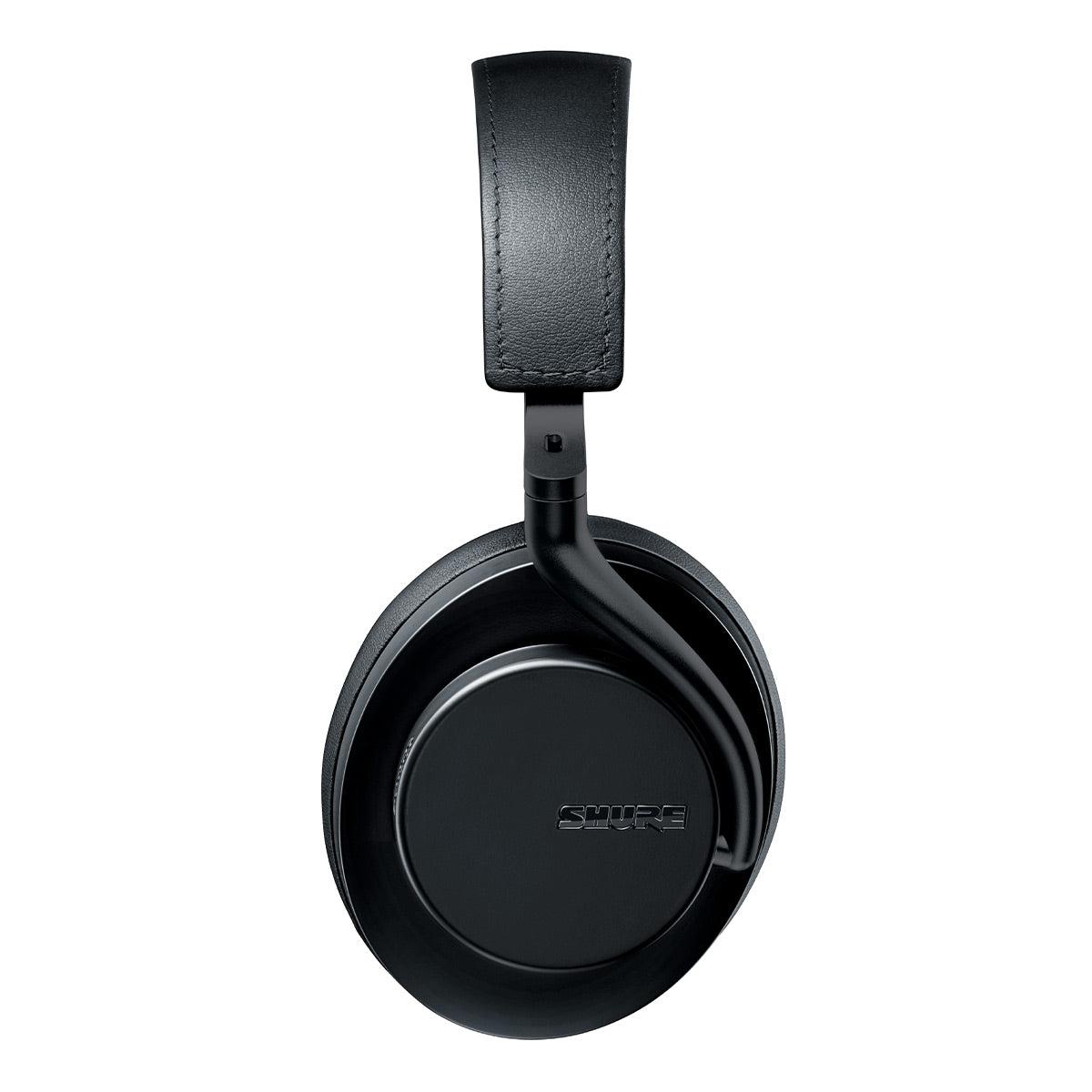


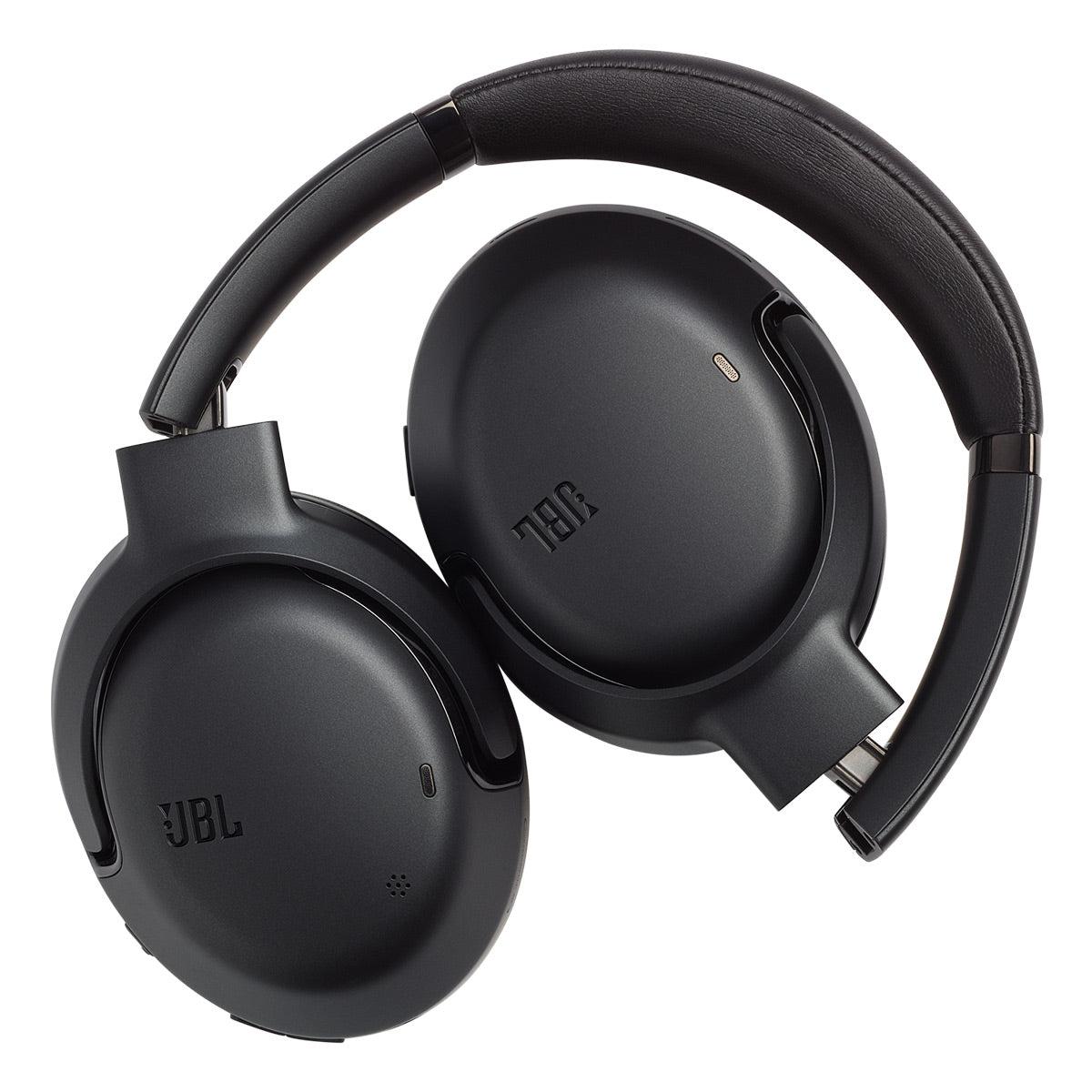
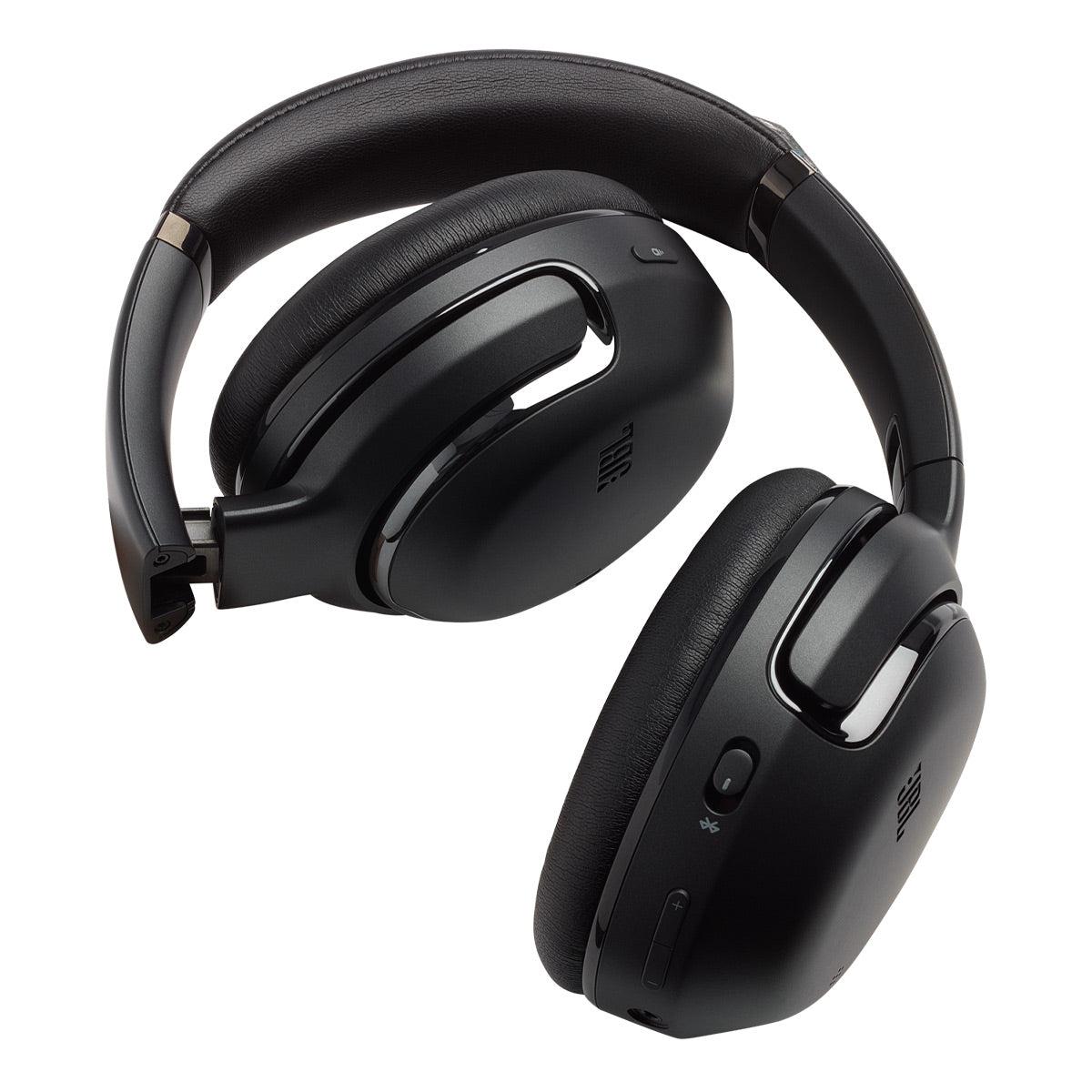


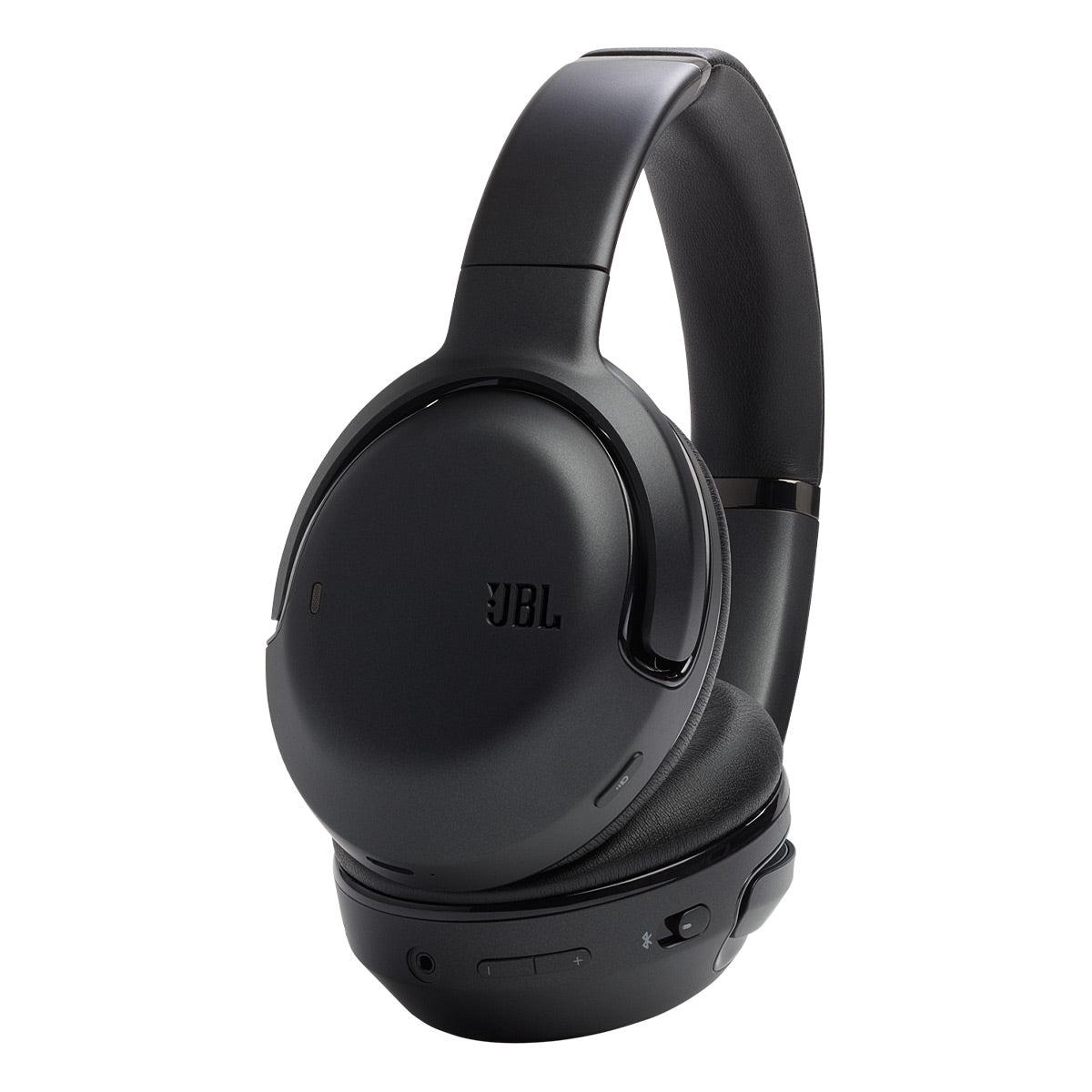

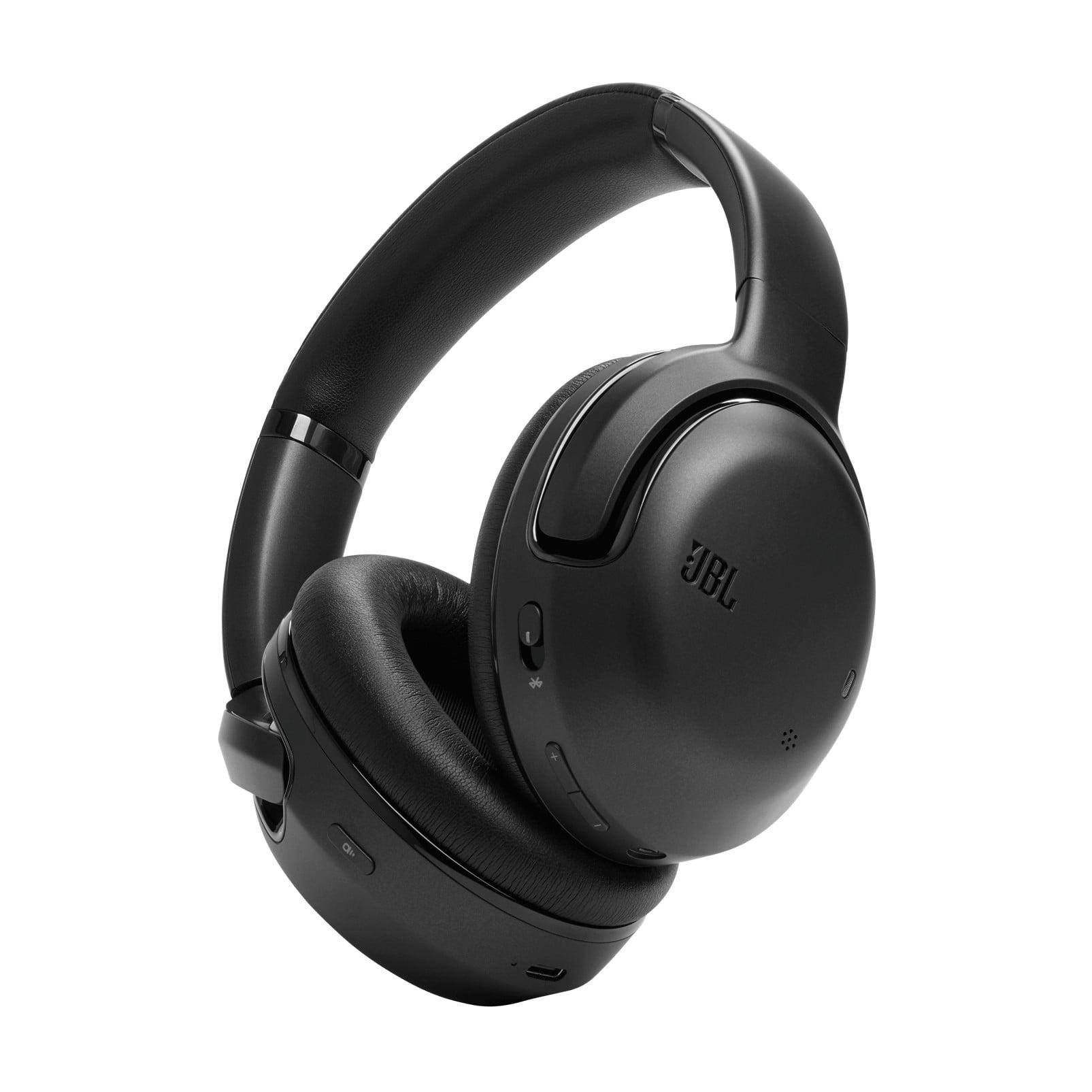

When you're shopping for premium wireless headphones, the sheer number of options can feel overwhelming. Two models that often come up in discussions are the Shure Aonic 50 Gen 2 and the JBL Tour One M2. While both are excellent over-ear wireless headphones, they take very different approaches to delivering great sound and user experience.
I've spent considerable time with both models, and the choice between them really comes down to what you value most: studio-quality audio accuracy or modern convenience features. Let me walk you through what makes each special and help you figure out which one might be right for your needs.
Premium wireless headphones represent the sweet spot where cutting-edge technology meets serious audio performance. Unlike budget models that might sacrifice sound quality for features, or ultra-premium models that cost as much as a laptop, these headphones typically range from $200-$500 and aim to deliver professional-grade audio with the convenience modern users expect.
The key things to consider when choosing premium headphones include audio quality (how accurately they reproduce music), active noise cancellation (how well they block out distractions), comfort for long listening sessions, battery life, and smart features like app integration and multi-device connectivity. Both the Shure Aonic 50 Gen 2 and JBL Tour One M2 excel in different areas, making the choice more about matching features to your priorities than finding a clear winner.
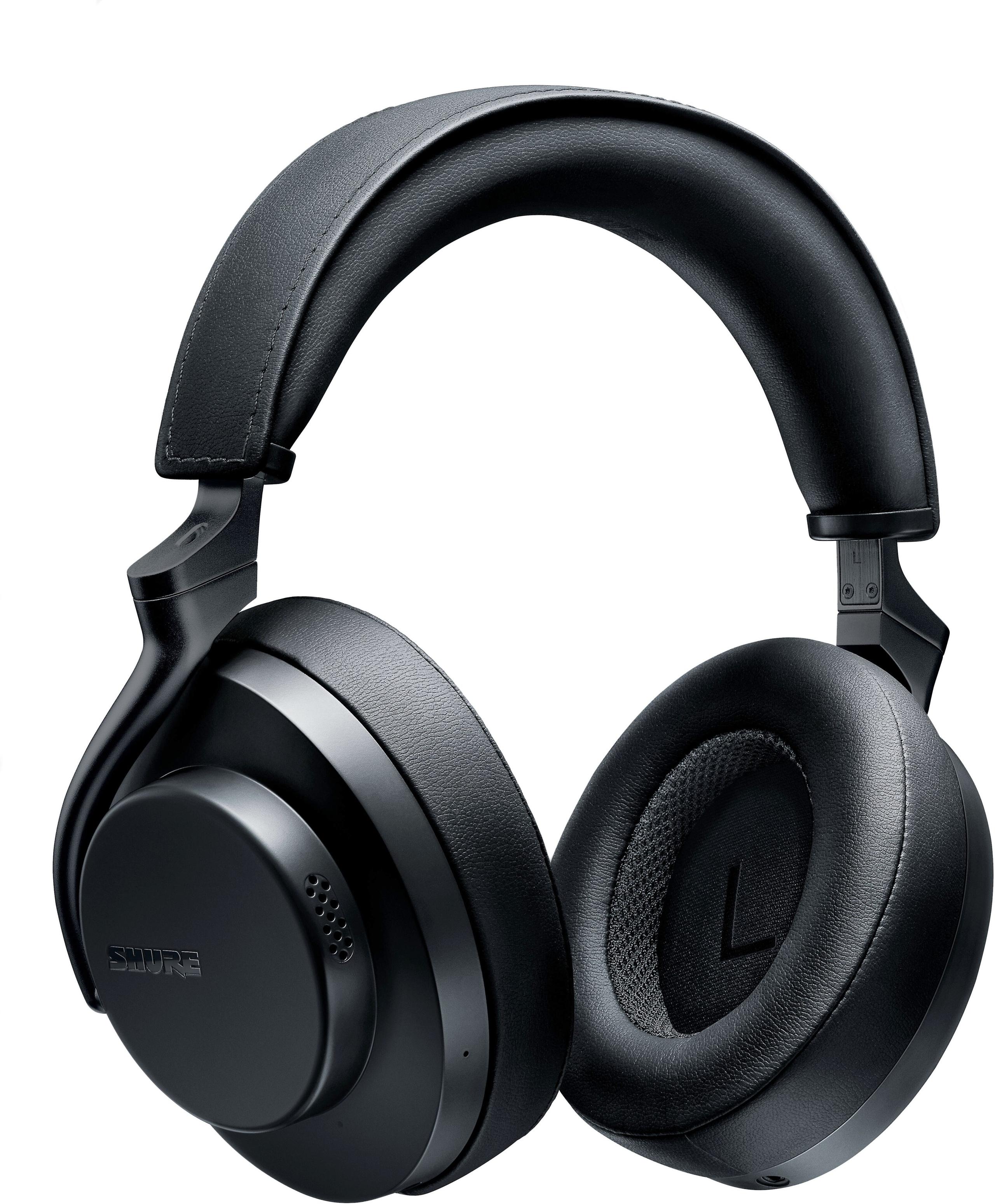
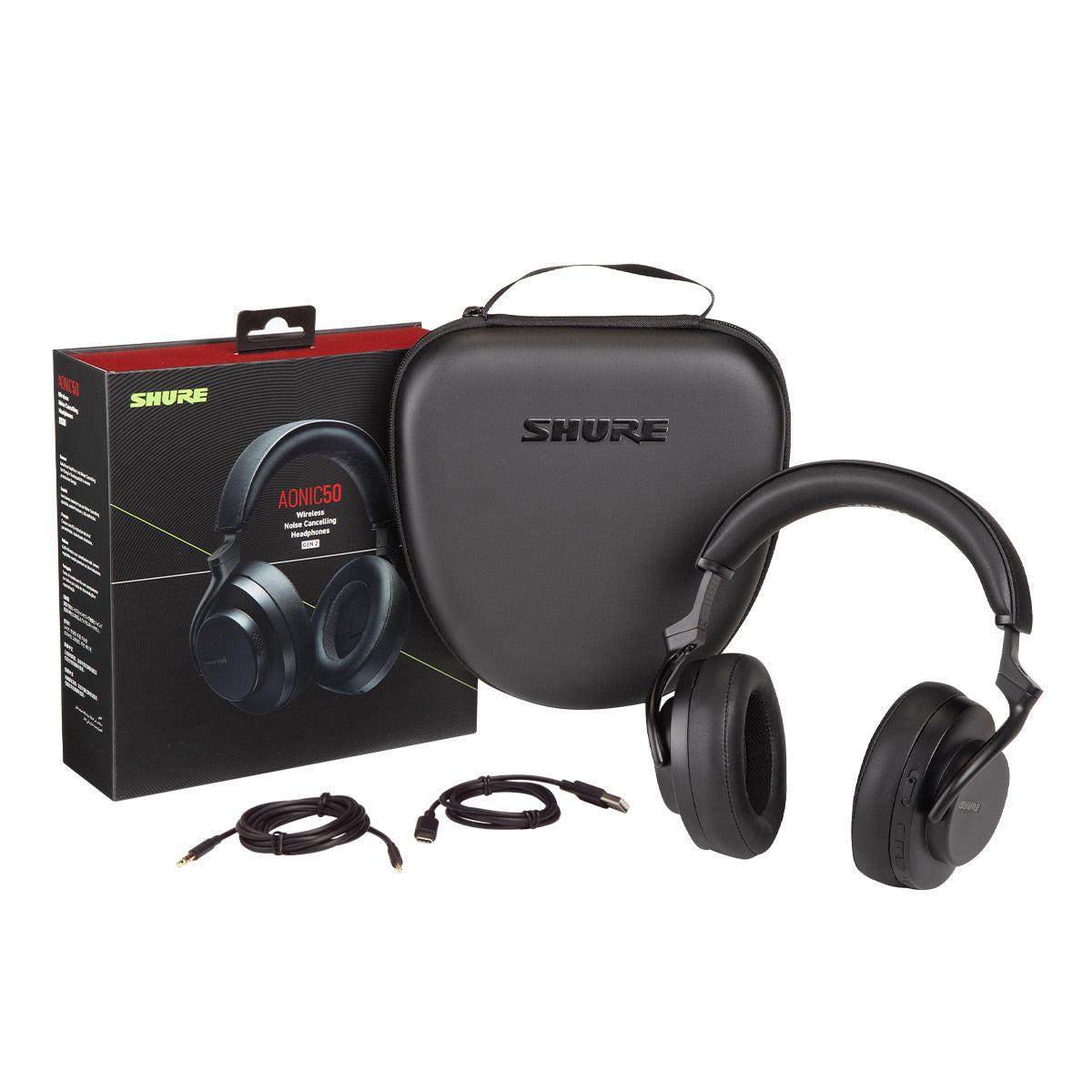
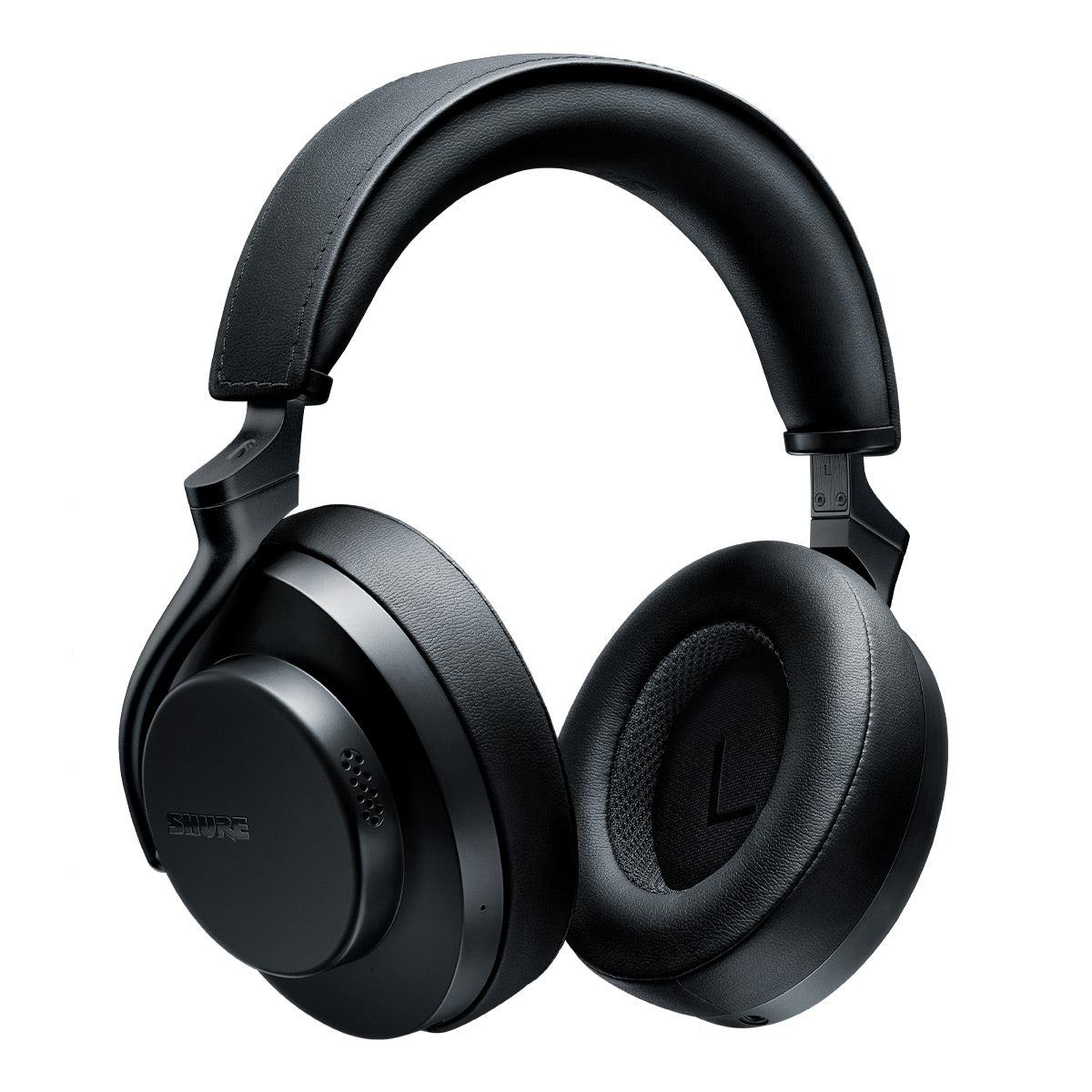
The Shure Aonic 50 Gen 2, released in 2023 as an update to the original 2020 model, uses 50mm dynamic drivers – these are the circular components that actually move air to create sound waves. Larger drivers generally have an easier time producing deep bass and handling complex musical passages without distortion.
What sets Shure apart is their approach to sound tuning. Coming from decades of professional audio equipment manufacturing, they've tuned these headphones for accuracy rather than excitement. The frequency response (the range of sounds they can reproduce) spans 20Hz to 22kHz, which covers the full range of human hearing with a focus on reproducing music exactly as the artist intended.
When I first put on the Shure Aonic 50 Gen 2, the most striking thing was how much detail I could hear in familiar songs. Subtle guitar picks, breath sounds from vocalists, and the natural decay of piano notes all came through with impressive clarity. However, this accuracy comes with a trade-off – the sound can feel somewhat restrained or "polite" compared to more consumer-oriented headphones that boost bass and treble to sound more exciting.
The good news is that Shure includes extensive customization through their ShurePlus PLAY app. The 4-band parametric EQ (equalizer) lets you adjust not just how much bass or treble you want, but exactly which frequencies get boosted or cut. This level of control is rare in consumer headphones and really shows Shure's professional audio roots.
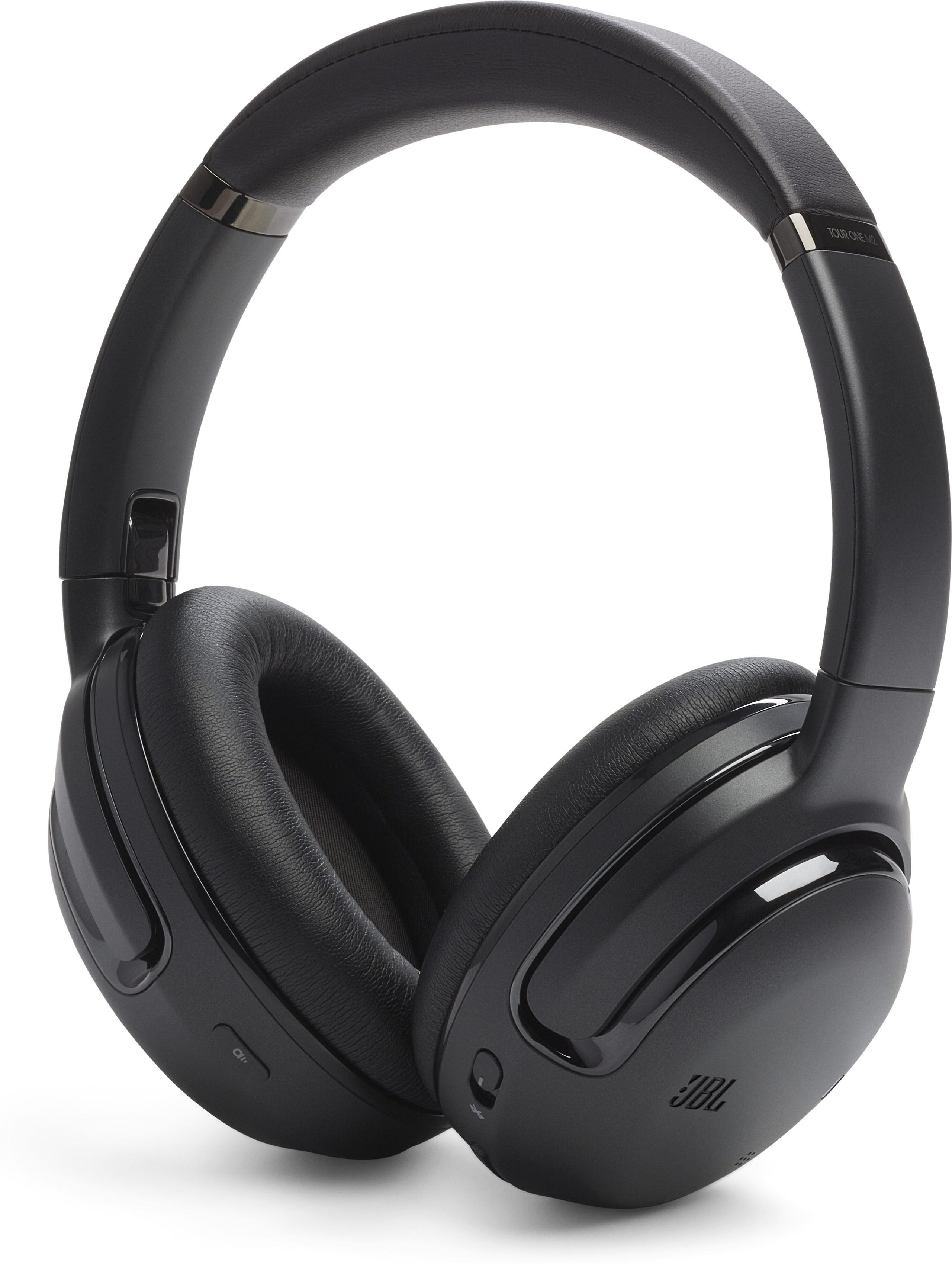
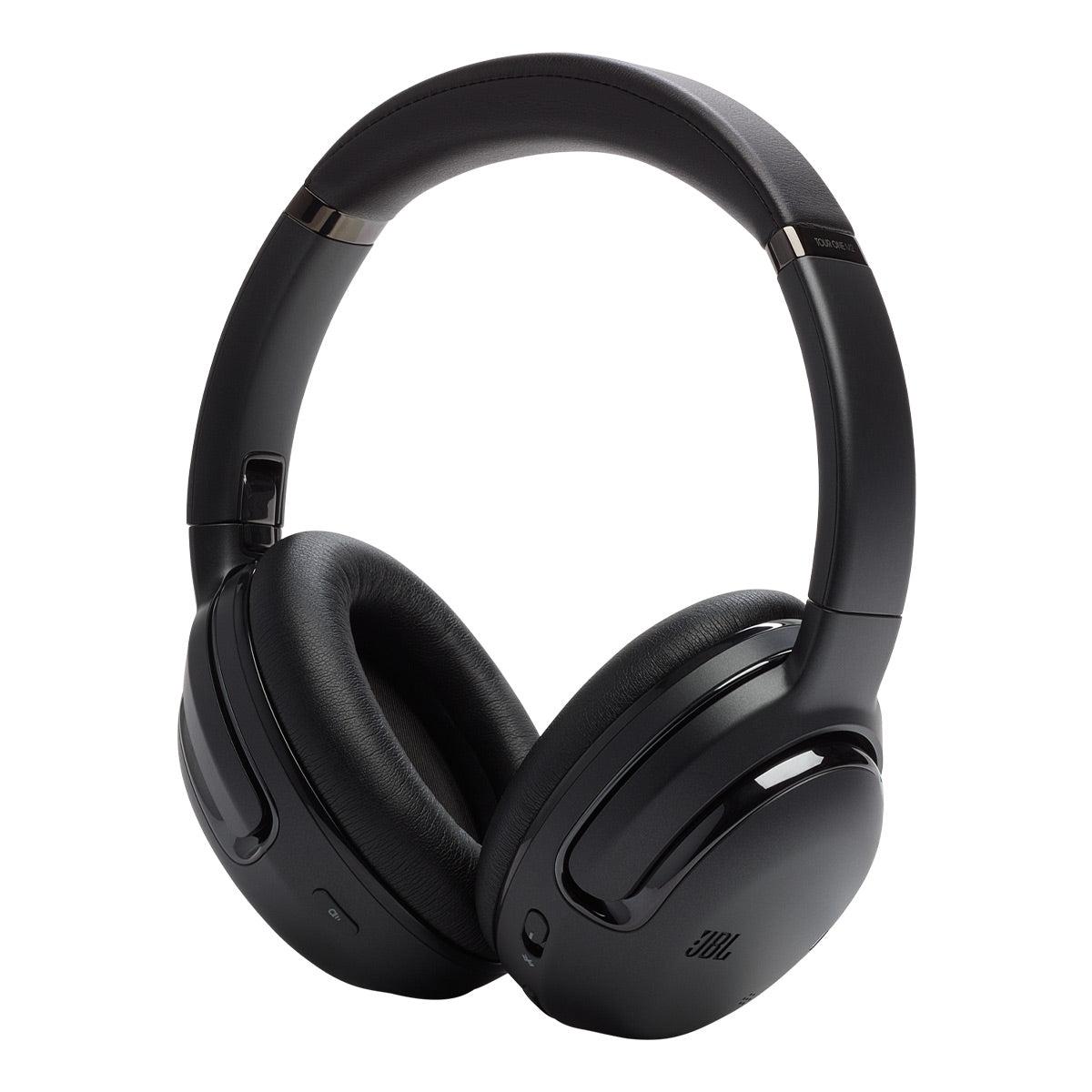
The JBL Tour One M2, launched in 2024, takes a different approach with 40mm drivers – smaller than Shure's, but with some interesting technical advantages. Despite the smaller size, JBL achieves a much wider frequency response of 10Hz to 40kHz. That ultra-low 10Hz response means deeper bass extension, while the 40kHz high-end (well beyond human hearing) suggests the drivers can handle high-frequency content without the distortion that can make music sound harsh.
JBL has tuned these headphones for broader consumer appeal. The sound signature emphasizes "deep, punchy bass" and a "full midrange" that makes vocals pop. This more engaging sound works particularly well for modern music genres like hip-hop, electronic, and pop, where that extra bass punch really brings tracks to life.
What impressed me most about the JBL Tour One M2 was the Personi-Fi 2.0 feature. This runs you through a hearing test right in the app, playing tones at different frequencies and volumes to create a personalized sound profile. It's similar to how hearing aids are calibrated, but applied to music listening. The result is sound that's specifically tuned to compensate for your individual hearing characteristics.
Here's where things get technical, but it's worth understanding. When your phone sends music to wireless headphones, it has to compress the audio data to fit through the Bluetooth connection. Different compression methods (called codecs) preserve different amounts of audio quality.
The Shure Aonic 50 Gen 2 supports premium codecs including aptX HD, aptX Adaptive, and Sony LDAC. These can transmit near CD-quality audio wirelessly, making them ideal for high-resolution music files. The headphones also support wired USB-C connectivity for completely lossless playback up to 32-bit/384kHz – that's studio master tape quality.
The JBL Tour One M2 only supports AAC and SBC codecs. While AAC works great with iPhones and delivers solid quality, the lack of high-resolution wireless options might disappoint serious audiophiles. However, for most people listening to Spotify, Apple Music, or YouTube, AAC provides perfectly adequate quality.
Active Noise Cancellation (ANC) uses microphones to listen to ambient noise, then generates "anti-noise" to cancel it out. It's particularly effective against consistent sounds like airplane engines, air conditioning, or traffic hum.
Unfortunately, noise cancellation is where the Shure Aonic 50 Gen 2 shows its weaknesses. Multiple reviews describe the ANC as "reasonably effective" but not competitive with category leaders. The system can feel inconsistent, working well in some environments but struggling in others.
Shure does offer some interesting features like MaxAware mode, which balances noise cancellation with environmental awareness for safety, and an 11-stage Environmental Mode that lets you dial in exactly how much outside sound you want to hear. These controls are more granular than most competitors offer.
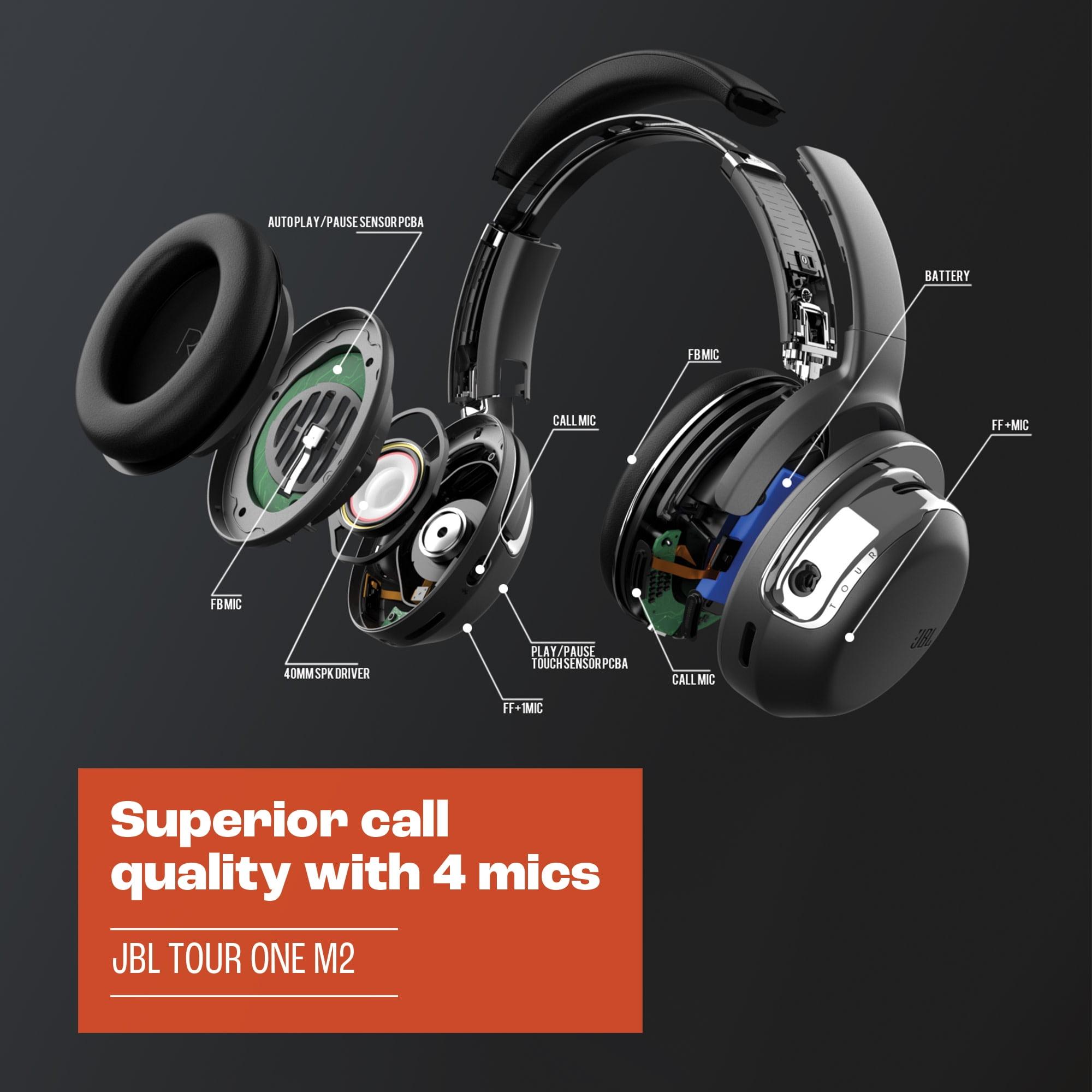
The JBL Tour One M2 uses what they call True Adaptive Noise Cancelling, with four microphones that continuously monitor your environment and adjust the cancellation in real-time. This automatic adaptation means you don't have to manually switch modes when moving from a quiet room to a busy street.
I found the Smart Talk feature particularly clever – the headphones recognize when you start speaking and automatically pause your music while activating transparency mode. It makes quick conversations possible without removing the headphones or fumbling with controls.
The Shure Aonic 50 Gen 2 weighs 334-340 grams, which is on the heavier side for wireless headphones. That extra weight comes from premium materials including metal construction that provides excellent durability. The build quality feels truly premium – everything from the hinge mechanisms to the cable connections exudes quality.
However, that weight becomes noticeable during long listening sessions. If you're planning to wear these for 3-4 hour work sessions or long flights, the JBL Tour One M2 at 272 grams might be more comfortable. The 60+ gram difference might not sound like much, but it's significant when that weight is sitting on your head for hours.
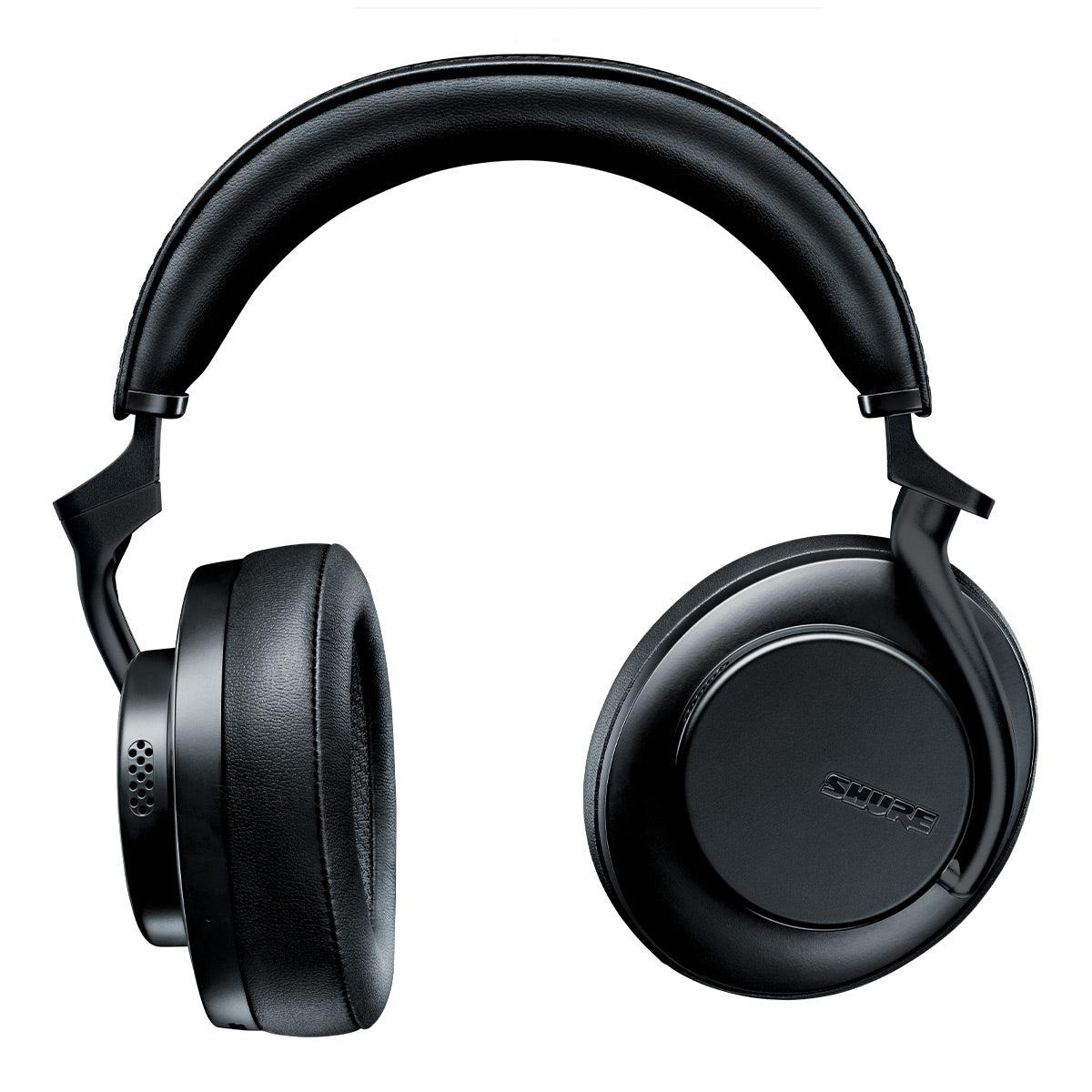
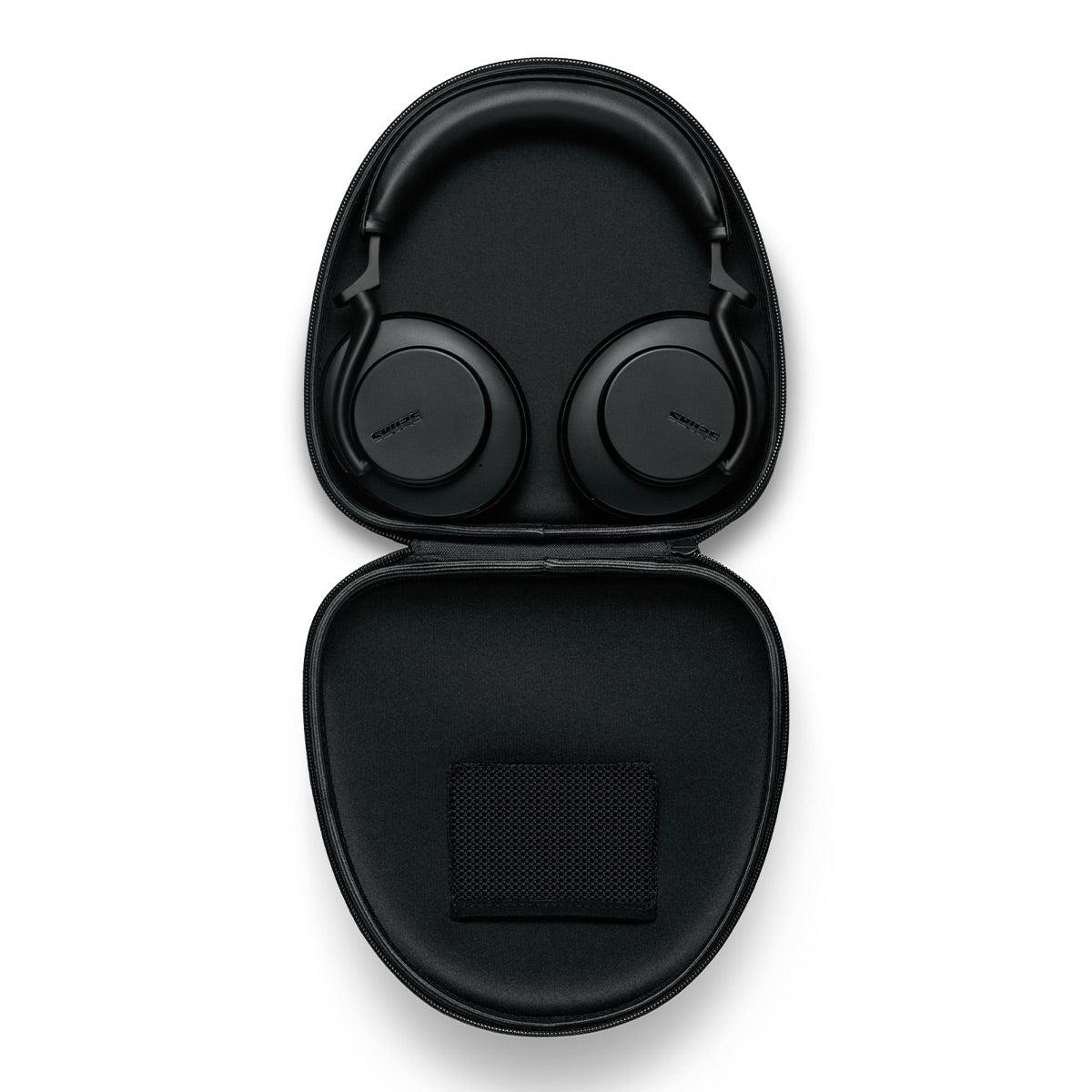
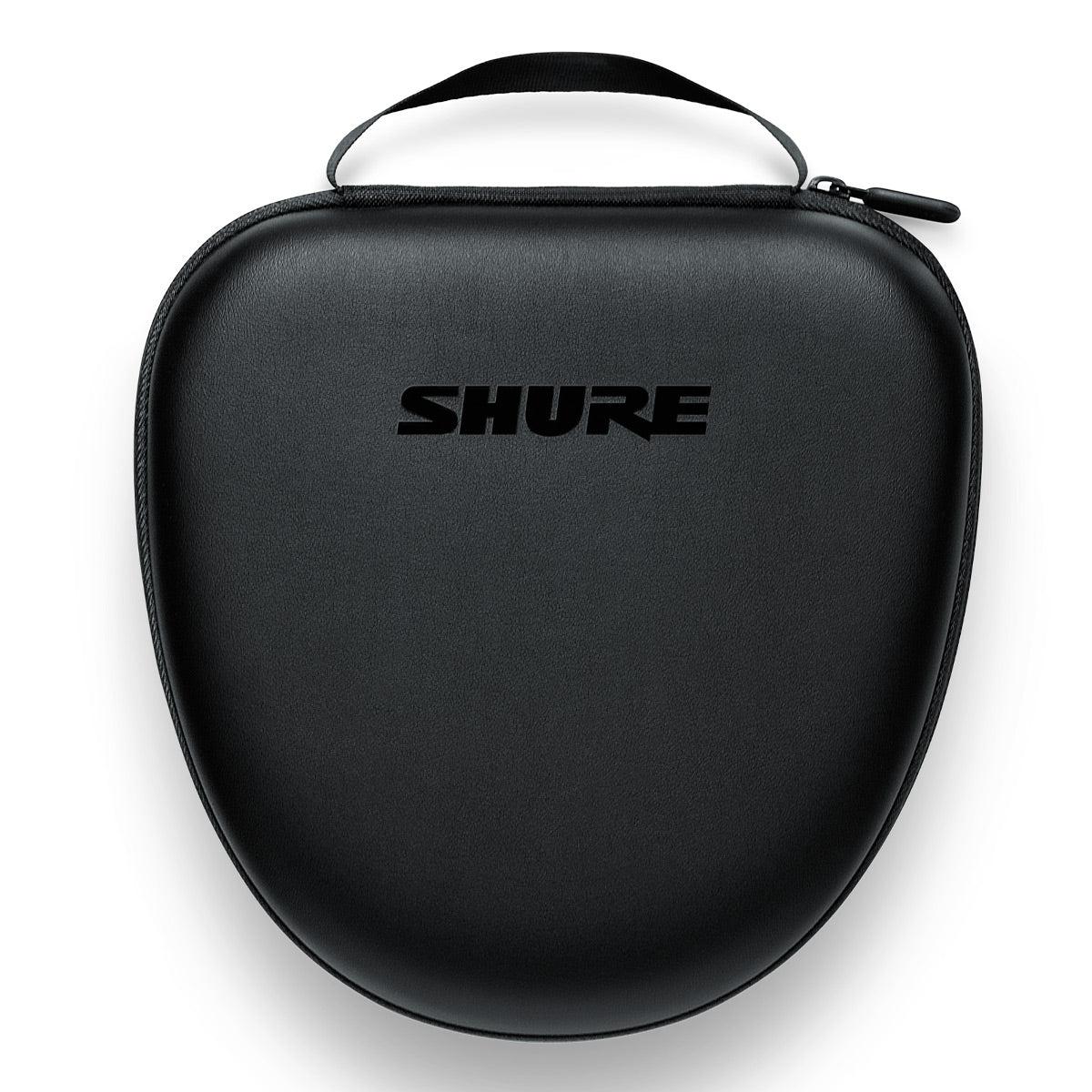
Both headphones fold for travel, but in different ways. The Shure Aonic 50 Gen 2 folds flat but doesn't fold inward, making the carrying case larger than some competitors. The lack of any water resistance rating also means you need to be careful about using them outdoors or in the gym.
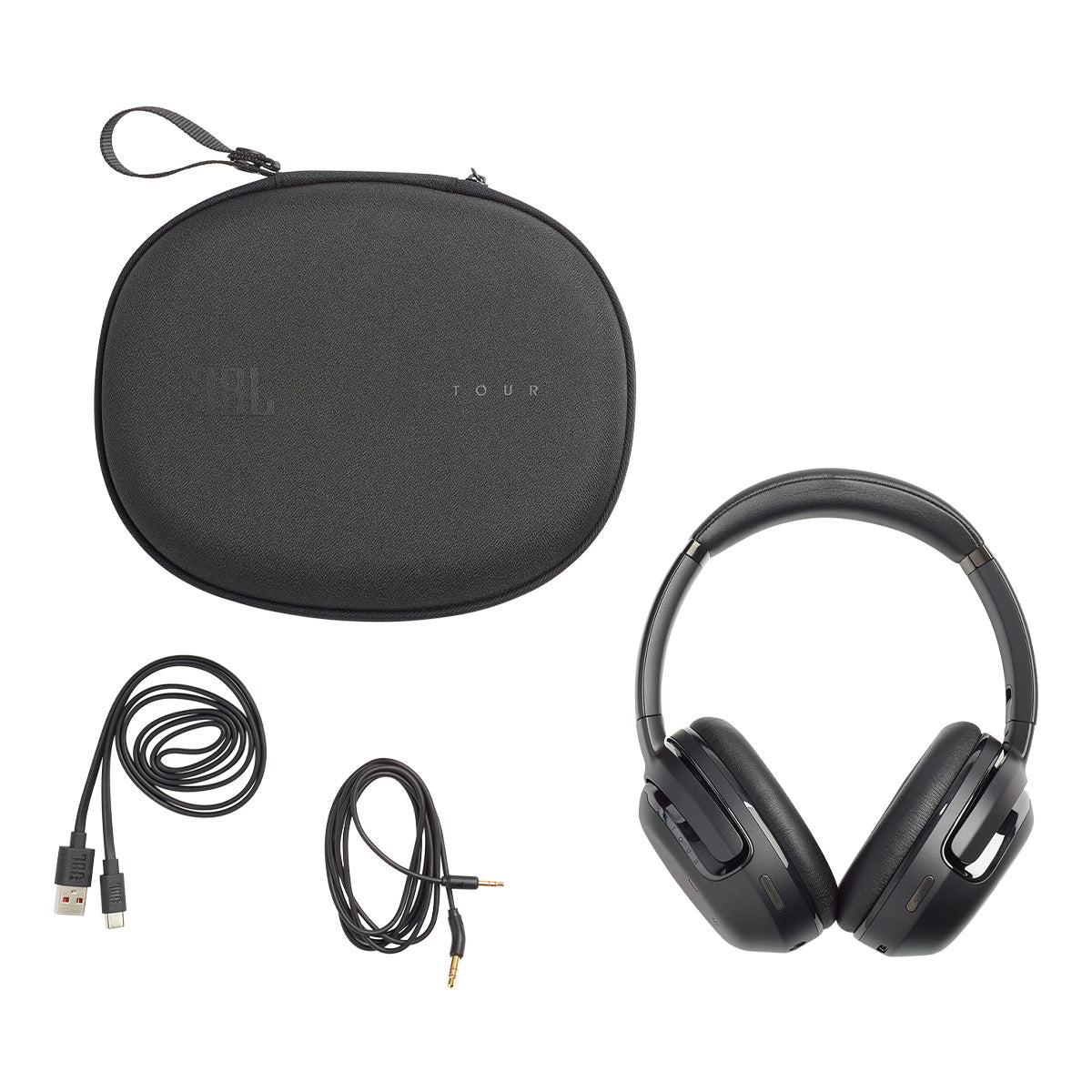
The JBL Tour One M2 folds more compactly and includes a more travel-friendly design overall. While neither headphone is specifically designed for sports use, the JBL's lighter weight makes it less problematic if you get caught in light rain.
Battery performance is where both headphones really shine compared to older wireless models. The Shure Aonic 50 Gen 2 delivers up to 45 hours of playback, which Shure notes is "more than doubled since the last generation." That's nearly two full weeks of typical daily listening.
The JBL Tour One M2 edges slightly ahead with 50 hours maximum (30 hours with ANC active), powered by a substantial 920mAh battery. Both headphones support quick charging – 15 minutes gets you about 5 hours of playback on either model.
These battery numbers represent a huge improvement over early wireless headphones that might last 8-12 hours. The extended battery life essentially eliminates "charging anxiety" and makes these suitable for long trips without bringing charging cables.
Here's where the generational difference between these headphones really shows. The JBL Tour One M2 supports multipoint Bluetooth connectivity, meaning it can stay connected to two devices simultaneously. You might have it connected to both your phone and laptop, automatically switching audio between them as needed. It also includes Google Fast Pair and Microsoft Swift Pair for instant device connection.
The Shure Aonic 50 Gen 2 uses older Bluetooth 5.0 and lacks multipoint connectivity. In our increasingly multi-device world, this feels like a significant limitation. If you regularly switch between your phone, laptop, and tablet, the constant manual reconnecting becomes frustrating.
Both headphones offer comprehensive smartphone apps, but with different strengths. Shure's ShurePlus PLAY app provides professional-level audio customization including that parametric EQ and a unique Spatialized Audio feature with three modes (Music, Cinema, Podcast) that can make stereo recordings feel more immersive.
JBL's app focuses more on user-friendly features like the Personi-Fi hearing test and simple EQ presets, though it also offers detailed customization for those who want it. The interface feels more modern and intuitive, while Shure's app can feel somewhat technical and intimidating for casual users.
For home theater use, both headphones offer interesting advantages depending on your setup. The Shure Aonic 50 Gen 2 really shines here thanks to its wired USB-C connection capability. You can connect directly to a computer, gaming console, or audio interface for zero-latency, lossless audio. The Spatialized Audio Cinema mode also enhances movie soundtracks with wider perceived soundstage.
The JBL Tour One M2 brings JBL Spatial Sound technology that can create an immersive theater-like experience from any audio source. While not as technically sophisticated as Dolby Atmos processing, it does add depth and dimensionality to movie soundtracks and can make dialogue clearer and more present.
For gaming, the Shure's lower latency (especially when wired) gives it an edge for competitive gaming where audio timing matters. The JBL's Smart Ambient features might actually be preferable for casual gaming when you want to stay aware of your surroundings.
The Shure Aonic 50 Gen 2 typically retails around $369, positioning it as a premium audiophile product. You're paying for studio-quality sound reproduction, extensive customization options, premium build materials, and Shure's professional audio expertise. However, you're not getting cutting-edge wireless features or best-in-class noise cancellation.
The JBL Tour One M2 usually sells for a similar price point but offers better value for most users. You get modern connectivity features, longer battery life, lighter weight, and more user-friendly smart features. The audio quality, while different from Shure's approach, is engaging and customizable enough for most listeners.
The original Shure Aonic 50 launched in 2020 as Shure's first serious entry into consumer wireless headphones. The Shure Aonic 50 Gen 2 arrived in 2023 with significantly improved battery life, enhanced drivers, and the new Spatialized Audio feature, but kept the same fundamental design and approach.
The JBL Tour One M2 launched in 2024 as a more comprehensive update to JBL's flagship wireless headphones, incorporating lessons learned from the competitive wireless headphone market that exploded during the pandemic years. It reflects more recent trends toward smart features, adaptive technologies, and user personalization.
Choose the Shure Aonic 50 Gen 2 if you're serious about audio quality and want headphones that reveal every detail in your music. They're ideal for critical listening, high-resolution audio files, and situations where you want studio-monitor accuracy. The extensive customization options and professional build quality justify the premium price for audio enthusiasts.
Choose the JBL Tour One M2 if you want modern convenience features without sacrificing sound quality. The lighter weight, multipoint connectivity, smart ambient features, and longer battery life make them better for daily use, travel, and multi-device lifestyles. The personalized sound tuning and engaging audio signature appeal to a broader range of listeners.
For most people, the JBL Tour One M2 represents better overall value. The convenience features and user-friendly approach make them more enjoyable to live with day-to-day. However, if you're building a serious home audio system or work in audio production, the Shure Aonic 50 Gen 2 offers the accuracy and customization that professional applications demand.
Both represent excellent choices in the premium wireless headphone category – the decision ultimately comes down to whether you prioritize technical audio performance or modern user experience.
| Shure Aonic 50 Gen 2 | JBL Tour One M2 |
|---|---|
| Driver Size - Larger drivers typically produce better bass and dynamics | |
| 50mm dynamic drivers (excellent for detail and soundstage) | 40mm dynamic drivers (smaller but more efficient) |
| Frequency Response - Wider range captures more musical detail | |
| 20 Hz – 22 kHz (covers full human hearing accurately) | 10 Hz – 40 kHz (extended range for deeper bass and air) |
| Weight - Critical for comfort during long listening sessions | |
| 334-340g (premium materials but noticeably heavy) | 272g (significantly lighter for all-day comfort) |
| Battery Life - Determines how often you need to charge | |
| Up to 45 hours (doubles previous generation performance) | Up to 50 hours (30 hours with ANC on - class leading) |
| Bluetooth Version - Newer versions offer better connection stability | |
| Bluetooth 5.0 (solid but lacks newest features) | Bluetooth 5.3 (latest standard with improved efficiency) |
| Codec Support - Determines wireless audio quality from your devices | |
| aptX HD, aptX Adaptive, LDAC, AAC, SBC (audiophile-grade wireless) | AAC, SBC only (good for most users but limited high-res) |
| Multipoint Connection - Connect to multiple devices simultaneously | |
| No (must manually switch between devices) | Yes, 2 devices (seamlessly switch between phone and laptop) |
| Active Noise Cancellation - Blocks outside noise for focus | |
| Average performance, inconsistent across environments | True Adaptive ANC with 4-mic array (automatically adjusts) |
| Wired Connection Options - Bypass Bluetooth for best quality | |
| USB-C (up to 32-bit/384kHz) + 3.5mm analog | 3.5mm analog + flight adapter included |
| Smart Features - Modern conveniences that enhance daily use | |
| Spatialized Audio modes, advanced EQ customization | Smart Talk (auto-pause when speaking), Personi-Fi hearing test |
| Build Quality - Affects durability and premium feel | |
| Premium metal construction, folds flat (excellent but bulky) | Sturdy plastic construction, compact folding (travel-friendly) |
| App Customization - Control over sound and features | |
| ShurePlus PLAY with parametric EQ (professional-level control) | JBL Headphones app with personalized sound profiles (user-friendly) |
| Price Range - Value proposition for the feature set | |
| Around $369 (premium pricing for audiophile features) | Similar pricing but better value for mainstream users |
The Shure Aonic 50 Gen 2 offers more accurate, studio-quality sound with exceptional detail retrieval, making it ideal for audiophiles and critical listening. The JBL Tour One M2 delivers a more engaging, consumer-friendly sound with punchy bass and personalized audio profiles through its Personi-Fi feature. Choose Shure for accuracy, JBL for excitement.
Both work excellently for home theater use. The Shure Aonic 50 Gen 2 excels with its Cinema mode in the Spatialized Audio feature and USB-C wired connection for zero-latency gaming and movies. The JBL Tour One M2 offers JBL Spatial Sound technology that enhances movie soundtracks and makes dialogue clearer. Both provide immersive experiences for home entertainment.
The JBL Tour One M2 has superior noise cancellation with its True Adaptive ANC system that uses four microphones to automatically adjust based on your environment. The Shure Aonic 50 Gen 2 has only average ANC performance that's considered inconsistent compared to top competitors, though it offers detailed manual controls.
The JBL Tour One M2 offers up to 50 hours of playback (30 hours with ANC on), slightly beating the Shure Aonic 50 Gen 2 which provides up to 45 hours. Both offer excellent battery life that eliminates daily charging concerns and include quick charging for 5 hours of playback in 15 minutes.
The JBL Tour One M2 is significantly more comfortable at 272g compared to the Shure Aonic 50 Gen 2 at 334-340g. The weight difference becomes noticeable during extended use, making the JBL better for all-day wear, travel, and marathon listening sessions.
Only the JBL Tour One M2 supports multipoint Bluetooth connectivity, allowing connection to two devices simultaneously (like your phone and laptop). The Shure Aonic 50 Gen 2 lacks this modern feature, requiring manual switching between devices, which can be frustrating in our multi-device world.
The JBL Tour One M2 generally offers better value for most users, providing modern features like multipoint connectivity, lighter weight, superior ANC, and longer battery life at a similar price point. The Shure Aonic 50 Gen 2 justifies its premium pricing primarily for serious audiophiles who prioritize sound accuracy and extensive customization options.
The Shure Aonic 50 Gen 2 excels here with support for premium codecs including aptX HD, aptX Adaptive, and Sony LDAC for near CD-quality wireless audio. The JBL Tour One M2 only supports AAC and SBC codecs, which work fine for most streaming services but lack high-resolution wireless capabilities.
Both offer excellent apps with different strengths. The Shure Aonic 50 Gen 2 provides professional-level control with parametric EQ and Spatialized Audio modes. The JBL Tour One M2 offers more user-friendly features like the Personi-Fi hearing test, Smart Talk auto-pause, and intuitive controls that appeal to mainstream users.
The JBL Tour One M2 performs better for calls with its 4-microphone array and Smart Talk feature that automatically manages conversations. The Shure Aonic 50 Gen 2 provides adequate call quality but focuses more on music reproduction than communication features.
The JBL Tour One M2 is superior for travel due to its lighter weight, more compact folding design, and longer battery life. The Shure Aonic 50 Gen 2 is heavier and bulkier when folded, though it includes a premium carrying case. Neither offers water resistance for outdoor use.
Serious audiophiles should choose the Shure Aonic 50 Gen 2 for its studio-quality sound reproduction, extensive customization options, high-resolution codec support, and wired USB-C connectivity for lossless playback. The JBL Tour One M2 appeals more to mainstream users who want engaging sound with modern convenience features rather than analytical accuracy.
We've done our best to create useful and informative comparisons to help you decide what product to buy. Our research uses advanced automated methods to create this comparison and perfection is not possible - please contact us for corrections or questions. These are the sites we've researched in the creation of this article: tomsguide.com - headphonecheck.com - whathifi.com - majorhifi.com - rtings.com - versus.com - majorhifi.com - versus.com - audio46.com - youtube.com - bhphotovideo.com - techradar.com - soundpro.com - shure.com - americanmusical.com - pubs.shure.com - blog.zzounds.com - service.shure.com - fullcompass.com - tomsguide.com - majorhifi.com - audio46.com - synced.sg - majorhifi.com - versus.com - youtube.com - youtube.com - peterfalkingham.com - youtube.com - jbl.com - manuals.plus - bhphotovideo.com - device.report - jblonlinestore.com - bhphotovideo.com - jbl.com.my - en.jblthailand.com - harmanhouse.com - versus.com - consumerreports.org - bestbuy.com - th.jbl.com - jbl.com - theindianaudiophileforum.com

Privacy Policy
Terms and Conditions - Affiliate Policy
Home Security
© Copyright 2008-2026.
11816 Inwood Rd #1211, Dallas, TX 75244