

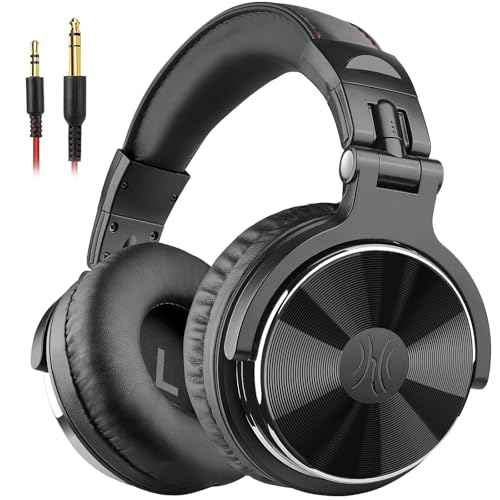



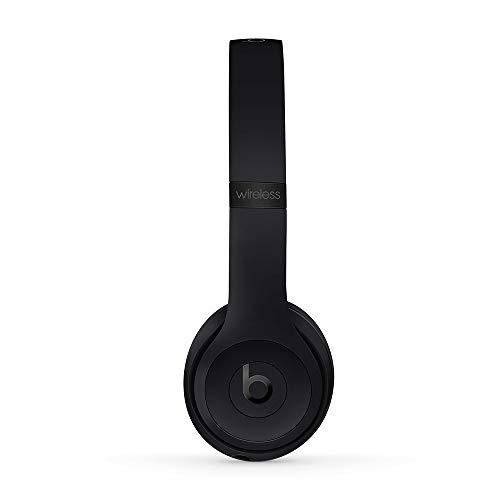
When shopping for headphones, you'll quickly discover that not all headphones are created equal. The market divides into several distinct categories, each serving different needs and priorities. Today we're comparing two popular options that take completely different approaches to delivering great audio: the OneOdio Pro-10 over-ear wired headphones and the Beats Solo3 Wireless on-ear headphones.
Understanding these differences is crucial because the "best" headphone depends entirely on how you plan to use them. Are you a budding audio enthusiast looking for professional features without breaking the bank? Or do you prioritize wireless convenience and seamless integration with your Apple devices? Let's dive deep into what makes each of these headphones special and help you make the right choice.
The headphone world generally splits into two camps: professional and consumer-focused designs. Professional headphones prioritize accuracy, durability, and functionality for audio work. Consumer headphones focus on convenience, style, and sound tuning that makes popular music sound exciting and engaging.
The OneOdio Pro-10, released around 2019, represents the professional approach at an entry-level price point. It includes features typically found on headphones costing much more, like multiple connector types and the ability to chain multiple headphones together. The Beats Solo3 Wireless, launched in 2016, takes the consumer approach with wireless technology and sound tuning designed to make your favorite songs sound punchy and exciting.
Since these products launched, the headphone market has evolved significantly. Wireless technology has improved with better battery life and more stable connections, while budget professional headphones have become increasingly sophisticated. This evolution makes our comparison particularly interesting – we're looking at a newer budget professional model against an established wireless consumer favorite.
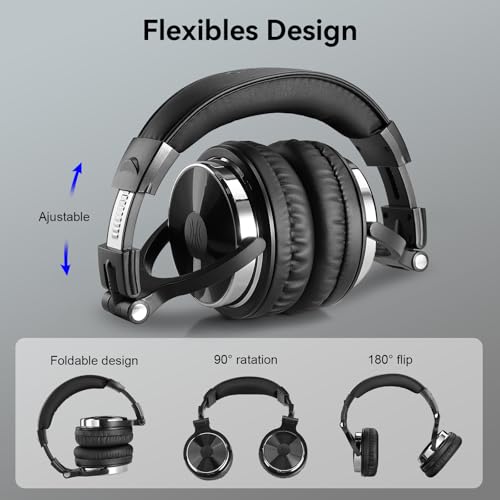
One of the most fundamental differences between these headphones is their basic design approach. The OneOdio Pro-10 uses an over-ear design, where the ear cups completely surround your ears. This creates a seal that provides better noise isolation – essentially blocking out more outside noise naturally. It's like the difference between closing a door to block sound versus just putting up a curtain.
The over-ear design also distributes weight across your head rather than pressing directly on your ears. During long listening sessions, this makes a significant difference in comfort. I've spent hours wearing over-ear headphones while editing audio, and the reduced pressure is noticeable compared to on-ear designs.
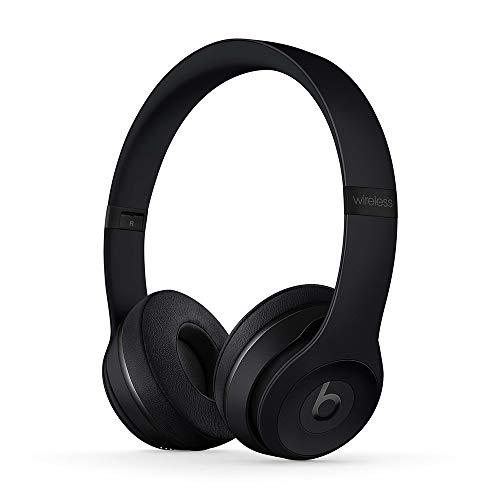
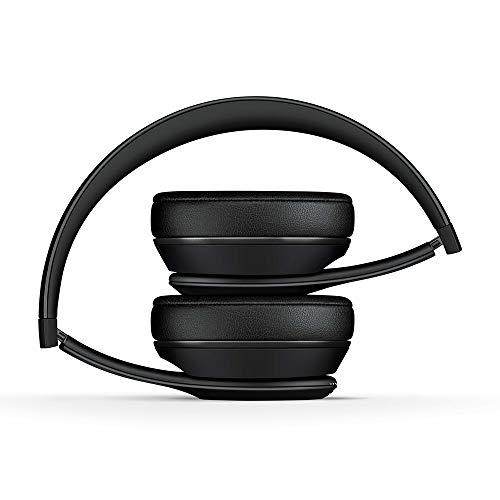
The Beats Solo3 Wireless uses an on-ear design, where smaller ear cups sit directly on your ears rather than around them. This makes the headphones more compact and portable – they fold up smaller and weigh less for travel. However, they rely on clamping force to stay in place, which can cause fatigue during extended use. The trade-off is portability versus long-term comfort.
For home theater use, the over-ear design of the OneOdio Pro-10 provides a clear advantage. When you're watching movies late at night and don't want to disturb others, the better noise isolation works both ways – it keeps sound from leaking out to others while blocking distracting household noises from reaching your ears.
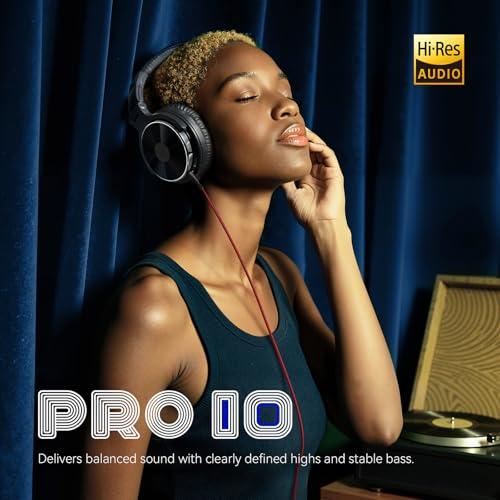
Sound quality represents perhaps the most significant philosophical difference between these headphones. The OneOdio Pro-10 aims for what audio professionals call a "reference" sound signature – relatively neutral and balanced across all frequencies. This means bass, midrange, and treble frequencies are presented without dramatic emphasis in any particular area.
The Pro-10 achieves this through its 50mm neodymium drivers – large speakers inside the headphones that convert electrical signals into sound waves. Neodymium is a type of magnet material that's both powerful and lightweight, allowing for precise control over the driver movement. The larger 50mm size means more air can be moved, typically resulting in better bass response and overall dynamics.
In practical terms, this neutral tuning means that a wide variety of music sounds good through the OneOdio Pro-10. Jazz recordings sound warm and natural, rock music has appropriate punch without overwhelming bass, and acoustic instruments maintain their realistic timbre (the characteristic quality that makes a guitar sound different from a piano, even when playing the same note).
The Beats Solo3 Wireless takes a different approach with what's called a "V-shaped" sound signature. This means bass and treble frequencies are emphasized while midrange frequencies are slightly recessed. It's named "V-shaped" because if you drew the frequency response on a graph, it would roughly resemble the letter V.
This tuning philosophy makes certain types of music sound more exciting and engaging. Electronic music benefits from the enhanced bass, while the boosted treble adds sparkle to vocals and instruments. However, this same tuning can make some acoustic music sound less natural, and it can become fatiguing during very long listening sessions.
For home theater applications, these different approaches have distinct advantages. The OneOdio Pro-10's neutral tuning preserves the filmmaker's intended sound balance. Dialog remains clear and natural, while sound effects and music maintain their proper relationships. The Beats Solo3's enhanced low-end can make action scenes more thrilling, but might make dialog slightly less clear due to the recessed midrange.
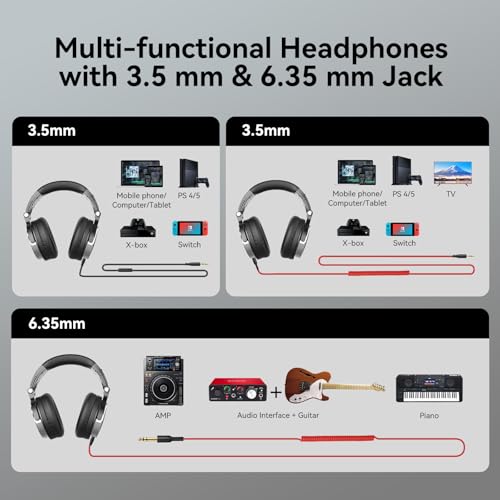
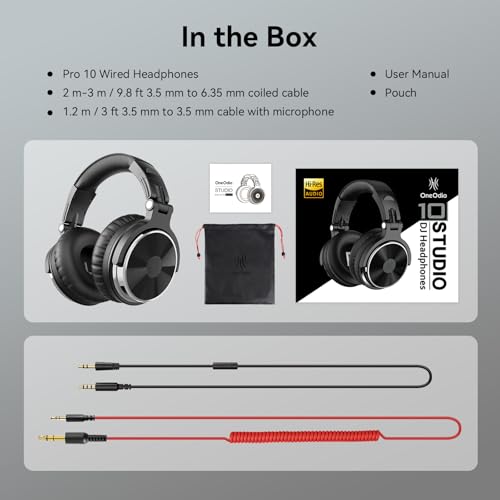
Here's where these headphones really diverge in their target markets. The OneOdio Pro-10 includes something rarely seen in budget headphones: dual audio ports. One port accepts standard 3.5mm plugs (like you'd find on smartphones), while the other accepts 6.35mm plugs (common on professional audio equipment). This eliminates the need for adapters when connecting to different devices.
Even more interesting is the SharePort feature – you can plug another pair of headphones directly into the Pro-10, creating a daisy chain that lets two people listen to the same audio source without a splitter. This is incredibly useful for collaborative work, teaching, or sharing music with friends.
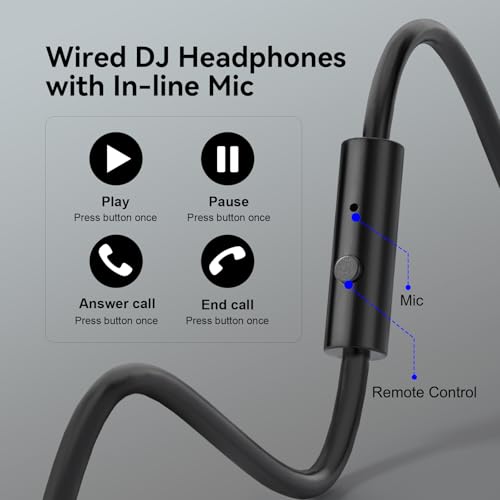
The included cables further demonstrate the professional focus. You get a coiled cable that stretches from about 3 feet to nearly 10 feet – perfect for studio work where you might need to move around while staying connected. There's also a straight cable with an inline microphone for smartphone use and calls.
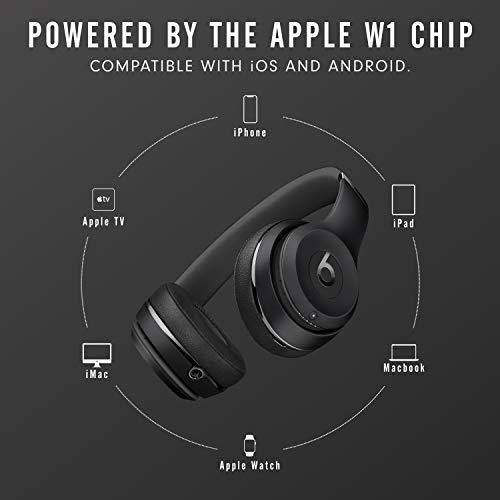
The Beats Solo3 Wireless prioritizes convenience through its wireless design. The Apple W1 chip (which was cutting-edge technology when these headphones launched in 2016) enables several useful features. Pairing with Apple devices happens almost instantly – you just turn on the headphones near your iPhone and they connect automatically.
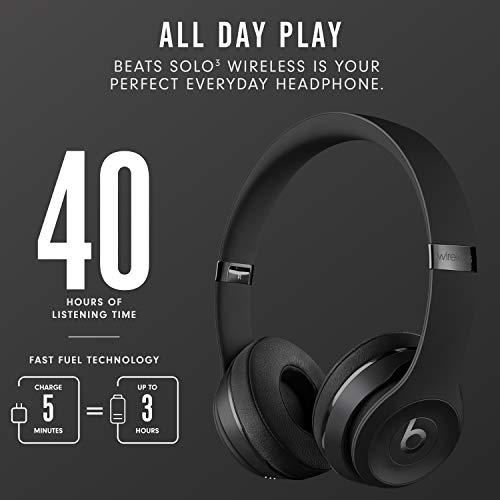
The W1 chip also enables impressive battery management, delivering over 40 hours of wireless playback on a single charge. That's genuinely remarkable – most wireless headphones from 2016 offered 15-20 hours at best. The "Fast Fuel" feature provides about 3 hours of listening from just a 5-minute charge, which has saved me countless times when I've forgotten to charge them overnight.
For home theater use, both approaches have merits. The OneOdio Pro-10's wired connection ensures zero latency – no delay between video and audio that can sometimes plague wireless headphones. However, the Beats Solo3's wireless freedom means no cables to trip over in a dark room, and the long battery life means you're unlikely to run out of power mid-movie.
The OneOdio Pro-10 uses a predominantly plastic construction, but it's engineered plastic designed for regular use. The headband adjustment mechanism feels solid, and the 90-degree swiveling ear cups (which allow for single-ear monitoring – useful for DJs who need to hear both their mix and the room) seem built to handle repeated movement.
The detachable cables are a significant durability advantage. Cable failure is one of the most common ways headphones die, and being able to replace just the cable rather than the entire headphone saves money and reduces electronic waste.
The Beats Solo3 Wireless uses higher-grade plastics with a more premium feel and finish. The build quality feels more refined, though this partly reflects the higher price point. The folding mechanism is well-engineered and feels like it will withstand regular travel use. However, the non-removable battery means the headphones will eventually need replacement when the battery degrades, typically after 3-5 years of regular use.
For critical listening and audio work, the OneOdio Pro-10 excels due to its neutral tuning and professional features. When I'm editing podcasts or mixing music, I need to hear exactly what's been recorded without artificial enhancement. The Pro-10's balanced sound signature reveals details that might be masked by more colorful tuning.
The SharePort feature proves surprisingly useful in collaborative scenarios. I've used it when teaching audio editing, allowing students to hear exactly what I'm hearing without the complexity of setting up multiple headphone amplifiers.
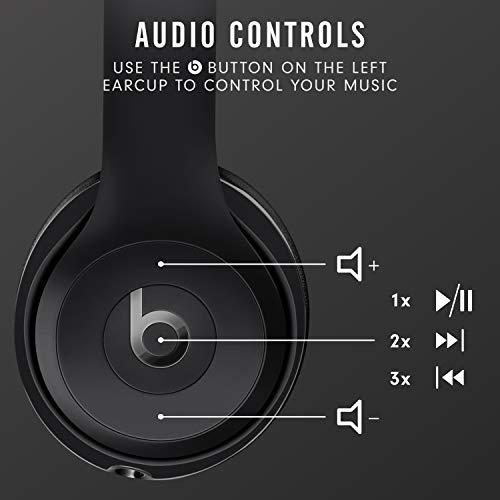
For casual listening and daily use, the Beats Solo3 Wireless offers undeniable convenience. The wireless freedom changes how you interact with your music – no more getting tangled in cables or having to stay tethered to your device. The enhanced bass response makes genres like hip-hop, electronic, and pop music sound engaging and fun.
The Apple ecosystem integration really shines if you use multiple Apple devices. The headphones remember your devices and switch between them intelligently. Start listening on your iPhone, then move to your MacBook, and the transition happens seamlessly.
When evaluating headphones, several technical specifications provide insight into performance potential. Impedance, measured in ohms, indicates how much power the headphones need to reach proper volume levels. The OneOdio Pro-10's 32-ohm impedance means they're easy to drive from smartphones and laptops while still sounding good with professional audio interfaces.
Sensitivity, measured in decibels per milliwatt (dB/mW), indicates how loud the headphones get with a given amount of power. The Pro-10's 110dB sensitivity is quite efficient, meaning they'll get plenty loud even from low-powered sources.
Frequency response tells us the range of sounds the headphones can reproduce. Both headphones cover the standard 20Hz to 20kHz range that encompasses human hearing, but the shape of their response curves differs significantly based on their tuning philosophy.
The Beats Solo3's Bluetooth implementation deserves special mention. While Bluetooth 4.2 was standard in 2016, newer headphones now use Bluetooth 5.0 or later for better range and stability. However, the W1 chip's custom implementation provides stability that rivals newer standards.
For home theater use, several factors become particularly important. Comfort during long viewing sessions favors the OneOdio Pro-10 due to its over-ear design. Movie marathons become much more enjoyable when your ears aren't being compressed for three hours straight.
Sound leakage is another consideration if you're trying not to disturb others. The Pro-10's closed-back, over-ear design contains sound much better than the Beats Solo3's on-ear approach. This makes late-night movie watching more considerate to family members or roommates.
However, the wireless convenience of the Beats Solo3 eliminates the risk of cable noise transmitting to the headphones – you know that rustling sound when cables rub against clothing or furniture. For active viewing where you might be eating snacks or adjusting position frequently, wireless can be more practical.
At the time of writing, these headphones occupy very different price tiers, with the OneOdio Pro-10 positioned as a budget option while the Beats Solo3 Wireless commands a premium price. This price difference significantly impacts the value equation.
The OneOdio Pro-10 delivers an exceptional feature set for its price point. The dual connectivity options, SharePort feature, and balanced sound signature would typically cost significantly more from established audio brands. It represents genuine value for users who prioritize functionality over brand recognition.
The Beats Solo3 Wireless carries a premium that reflects both brand positioning and the convenience of wireless technology. While more expensive, the seamless Apple integration and exceptional battery life justify the cost for users deeply embedded in the Apple ecosystem who prioritize convenience.
Your choice between the OneOdio Pro-10 and Beats Solo3 Wireless should be based primarily on your priorities and use cases.
Choose the OneOdio Pro-10 if you value accuracy, professional features, and exceptional value for money. They're ideal for anyone doing audio work, whether that's mixing music, editing podcasts, or just wanting to hear music exactly as the artist intended. The wired design ensures compatibility with any audio source, and the professional connectivity options provide flexibility you won't find elsewhere at this price point.
The over-ear design makes them excellent for long listening sessions and home theater use. If you're building a home studio on a budget or want professional-grade headphones without professional prices, the Pro-10 delivers impressive capability.
Choose the Beats Solo3 Wireless if convenience and integration with Apple devices are your top priorities. They excel for commuting, working out (though they're not specifically sports headphones), and general daily use where wireless freedom enhances the experience. The enhanced bass response makes popular music genres sound exciting and engaging.
The premium build quality and brand recognition also factor into the equation if those matter to you. Despite being several years old, the exceptional battery life remains competitive with modern wireless headphones.
For home theater use specifically, I'd lean toward the OneOdio Pro-10 for most users. The superior comfort, better noise isolation, and neutral tuning create a more immersive and sustainable movie-watching experience. However, if cable management in your entertainment setup is problematic, the wireless convenience of the Beats Solo3 might outweigh these advantages.
Ultimately, both headphones succeed within their intended markets. The OneOdio Pro-10 proves that professional features don't require professional budgets, while the Beats Solo3 Wireless demonstrates that wireless convenience and long battery life can justify premium pricing. Your choice should align with whether you prioritize functionality and value or convenience and ecosystem integration.
The headphone market continues evolving rapidly, but these fundamental approaches – professional accuracy versus consumer enhancement, wired reliability versus wireless convenience – remain relevant considerations for any headphone purchase. Understanding these trade-offs helps ensure you choose headphones that match your actual needs rather than just the latest marketing trends.
| OneOdio Pro-10 Over Ear Wired Headphones | Beats Solo3 Wireless On-Ear Headphones |
|---|---|
| Design Type - Affects comfort and noise isolation | |
| Over-ear, closed-back (better isolation, more comfortable for long sessions) | On-ear, closed-back (more portable, can cause ear fatigue) |
| Connectivity - Determines compatibility and convenience | |
| Wired only with dual ports (3.5mm + 6.35mm, works with any device instantly) | Wireless Bluetooth with Apple W1 chip (seamless Apple integration, 40+ hour battery) |
| Driver Size - Impacts sound quality and bass response | |
| 50mm neodymium drivers (larger drivers typically provide better bass and dynamics) | Standard consumer drivers (size not specified, optimized for wireless transmission) |
| Sound Signature - How music will sound to your ears | |
| Balanced/neutral with slight V-shape (accurate for monitoring, good for all genres) | Bass-heavy V-shaped (exciting for pop/hip-hop, may fatigue over time) |
| Professional Features - Value for audio work | |
| SharePort daisy-chaining, 90° swivel cups, dual cables included | Basic consumer controls, optimized for casual listening |
| Impedance - How much power needed to drive them | |
| 32 ohms (easy to drive from phones/laptops, also works with pro equipment) | ~35 ohms (optimized for mobile devices and wireless efficiency) |
| Weight and Portability | |
| Heavier over-ear design, folds flat, includes carrying bag | Lightweight on-ear design, compact folding, premium carrying case |
| Cable Management | |
| Detachable cables (replaceable when they break, reduces e-waste) | Wireless primary with 3.5mm backup option available |
| Target User | |
| Budget-conscious audiophiles, content creators, DJ beginners | Apple ecosystem users, commuters, style-conscious listeners |
| Best Use Cases | |
| Home studios, long listening sessions, professional monitoring, home theater | Daily commuting, gym, casual listening, Apple device integration |
The OneOdio Pro-10 are significantly better for extended use due to their over-ear design that surrounds your ears rather than pressing on them. The Beats Solo3 Wireless sit directly on your ears, which can cause discomfort and fatigue after 1-2 hours of continuous use.
Choose the OneOdio Pro-10 wired headphones if you prioritize audio quality, work with professional equipment, or want guaranteed compatibility with any device. Choose the Beats Solo3 Wireless if you value convenience, use Apple devices, or need freedom of movement during workouts and commuting.
The OneOdio Pro-10 offer more accurate, balanced sound that's better for critical listening and various music genres. The Beats Solo3 Wireless have a bass-heavy sound signature that makes pop and hip-hop more exciting but may sound less natural with acoustic music.
The OneOdio Pro-10 are excellent for home theater due to their over-ear comfort, better noise isolation, and wired connection that eliminates audio delay. The Beats Solo3 Wireless can work for movies but may have slight audio lag and less comfort during long viewing sessions.
Both headphones are well-built, but the OneOdio Pro-10 have replaceable cables which extends their lifespan significantly since cable failure is the most common headphone problem. The Beats Solo3 Wireless have premium build quality but the battery will eventually degrade and cannot be easily replaced.
The OneOdio Pro-10 excel with professional gear thanks to dual audio ports (3.5mm and 6.35mm) and SharePort features for connecting multiple headphones. The Beats Solo3 Wireless are designed for consumer use and would need adapters for most professional equipment.
The Beats Solo3 Wireless offer exceptional battery life with 40+ hours of playback and Fast Fuel charging that provides 3 hours of use from a 5-minute charge. The OneOdio Pro-10 don't require batteries since they're wired, meaning they'll never run out of power.
The Beats Solo3 Wireless are superior for calls with dual beam-forming microphones and hands-free controls. While the OneOdio Pro-10 include a cable with an inline microphone, they're primarily designed for music listening rather than communication.
The Beats Solo3 Wireless are specifically optimized for Apple devices with the W1 chip enabling instant pairing and seamless device switching. The OneOdio Pro-10 work perfectly with iPhones through the headphone adapter or Lightning port, but without the advanced integration features.
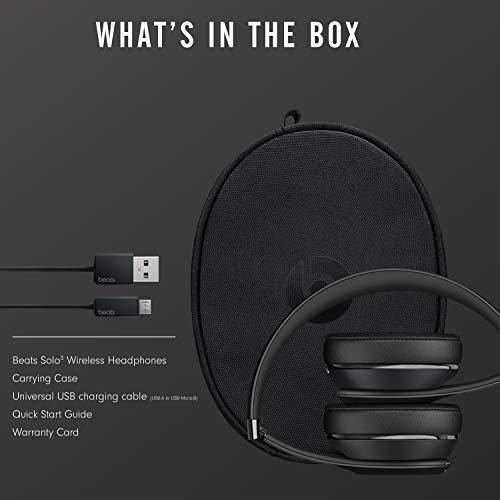
The Beats Solo3 Wireless are more travel-friendly due to their compact on-ear design, wireless convenience, and premium folding mechanism. The OneOdio Pro-10 are bulkier over-ear headphones but do fold flat and include a carrying bag.
The OneOdio Pro-10 feature a unique SharePort that lets you plug another pair of headphones directly into them for shared listening without splitters. The Beats Solo3 Wireless don't offer audio sharing capabilities and would require separate Bluetooth pairing for multiple users.
The OneOdio Pro-10 provide exceptional value with professional features, quality drivers, and versatile connectivity at a budget-friendly price point. The Beats Solo3 Wireless cost significantly more but justify the premium with wireless convenience, premium build quality, and Apple ecosystem integration.
We've done our best to create useful and informative comparisons to help you decide what product to buy. Our research uses advanced automated methods to create this comparison and perfection is not possible - please contact us for corrections or questions. These are the sites we've researched in the creation of this article: audioreviews.org - youtube.com - attackmagazine.com - versus.com - head-fi.org - versus.com - youtube.com - oneodio.com - youtube.com - youtube.com - walmart.com - teqclub.com - head-fi.org - manuals.plus - terrycartermusicstore.com - oneodio.com - matzotech.com - oneodio.com - target.com - techbuzzireland.com - youtube.com - soundguys.com - cornellstore.com - imore.com - bestbuy.com - headphonecheck.com - soundguys.com - recordingnow.com - corporategift.com - ifixit.com - rtings.com - youtube.com - mobileciti.com.au - beatsbydre.com - discussions.apple.com - target.com - bestbuy.com - jalc.ecampus.com - beats.fandom.com - support.apple.com - electronics.woot.com

Privacy Policy
Terms and Conditions - Affiliate Policy
Home Security
© Copyright 2008-2026.
11816 Inwood Rd #1211, Dallas, TX 75244