





When I first heard about open-ear headphones that could deliver private audio without covering your ears, I was skeptical. How could something that leaves your ears completely exposed provide good sound quality without annoying everyone around you? After spending time with both the innovative nwm ONE Wireless Open-Ear Headphones and the audiophile-focused Shure Aonic 50 Gen 2 Wireless Headphones, I've learned that the choice between these two represents more than just picking headphones—it's about choosing between two completely different philosophies of how we should experience audio.
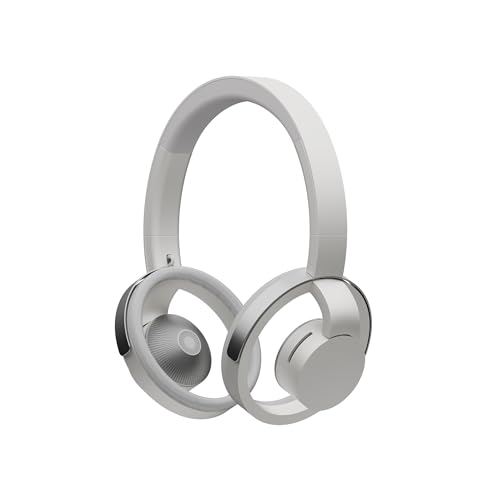
The headphone world has traditionally been divided into categories like over-ear, on-ear, and in-ear, but the emergence of open-ear designs creates an entirely new category. The nwm ONE, released in 2024, pioneers what's called "Personalized Sound Zone" technology—essentially creating an invisible bubble of sound around your ears without physically blocking them. Meanwhile, the Shure Aonic 50 Gen 2, launched in 2023 as an evolution of Shure's professional audio heritage, perfects the traditional closed-back approach with advanced noise cancellation.
Think of it this way: closed-back headphones like the Shure Aonic 50 Gen 2 work like noise-canceling earmuffs with speakers inside, while the nwm ONE functions more like having invisible speakers floating near your ears. Both approaches have merit, but they serve fundamentally different needs.
At the time of writing, the nwm ONE typically costs about $50 less than the Shure Aonic 50 Gen 2, making it not only the more innovative option but also the more affordable one. However, price alone doesn't tell the whole story—you're paying for completely different technologies and experiences.
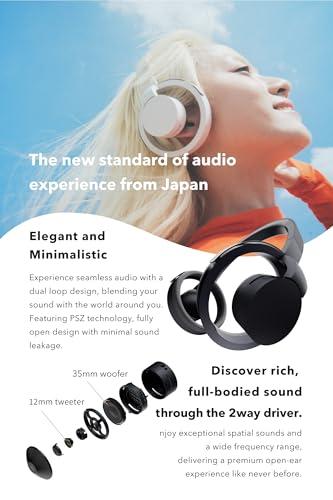
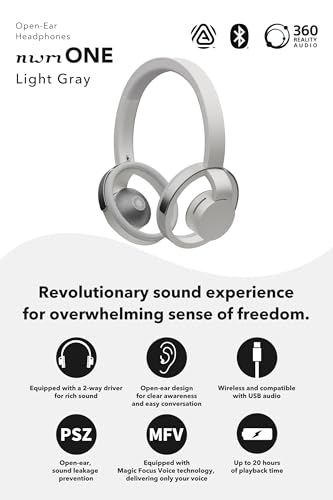
The nwm ONE represents a breakthrough in what's called "sound leakage management." Traditional open-ear headphones suffer from a major problem: if the sound is loud enough for you to hear clearly, everyone around you hears it too. NTT sonority, the Japanese company behind the nwm ONE, solved this using Personalized Sound Zone (PSZ) technology.
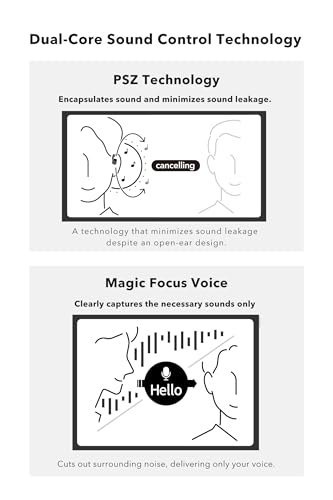
PSZ works by generating "inverse phase waves"—essentially creating sound waves that cancel out the audio escaping from the headphones. Think of it like noise cancellation in reverse: instead of canceling external noise reaching your ears, it cancels the internal audio reaching other people's ears. This allows the nwm ONE to deliver surprisingly private listening despite leaving your ears completely open.
The audio delivery system uses a dual-driver configuration that's quite sophisticated for such a lightweight device. A 35mm woofer handles bass frequencies while a dedicated 12mm tweeter manages mids and highs. Each driver gets its own amplifier, which is unusual even in expensive headphones. This setup allows the nwm ONE to achieve a frequency response from 40 Hz to 20,000 Hz—impressive for any headphone, remarkable for an open-ear design.
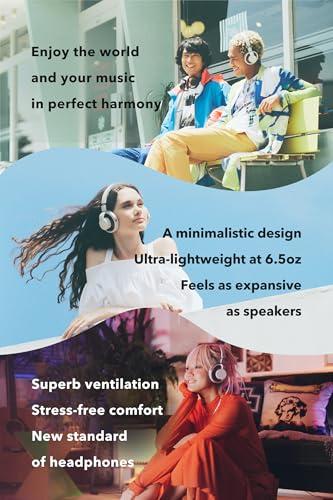
What struck me most during testing was how the nwm ONE creates what engineers call a "soundstage"—the sense of space and positioning in audio. Because your ears aren't sealed off from the environment, music feels like it's happening in the room around you rather than inside your head. It's an almost speaker-like experience that traditional headphones simply can't replicate.
The Shure Aonic 50 Gen 2 takes the opposite approach, building on decades of professional studio experience. Shure has been making microphones and audio equipment for recording studios since the 1920s, and that expertise shows in every aspect of these headphones.
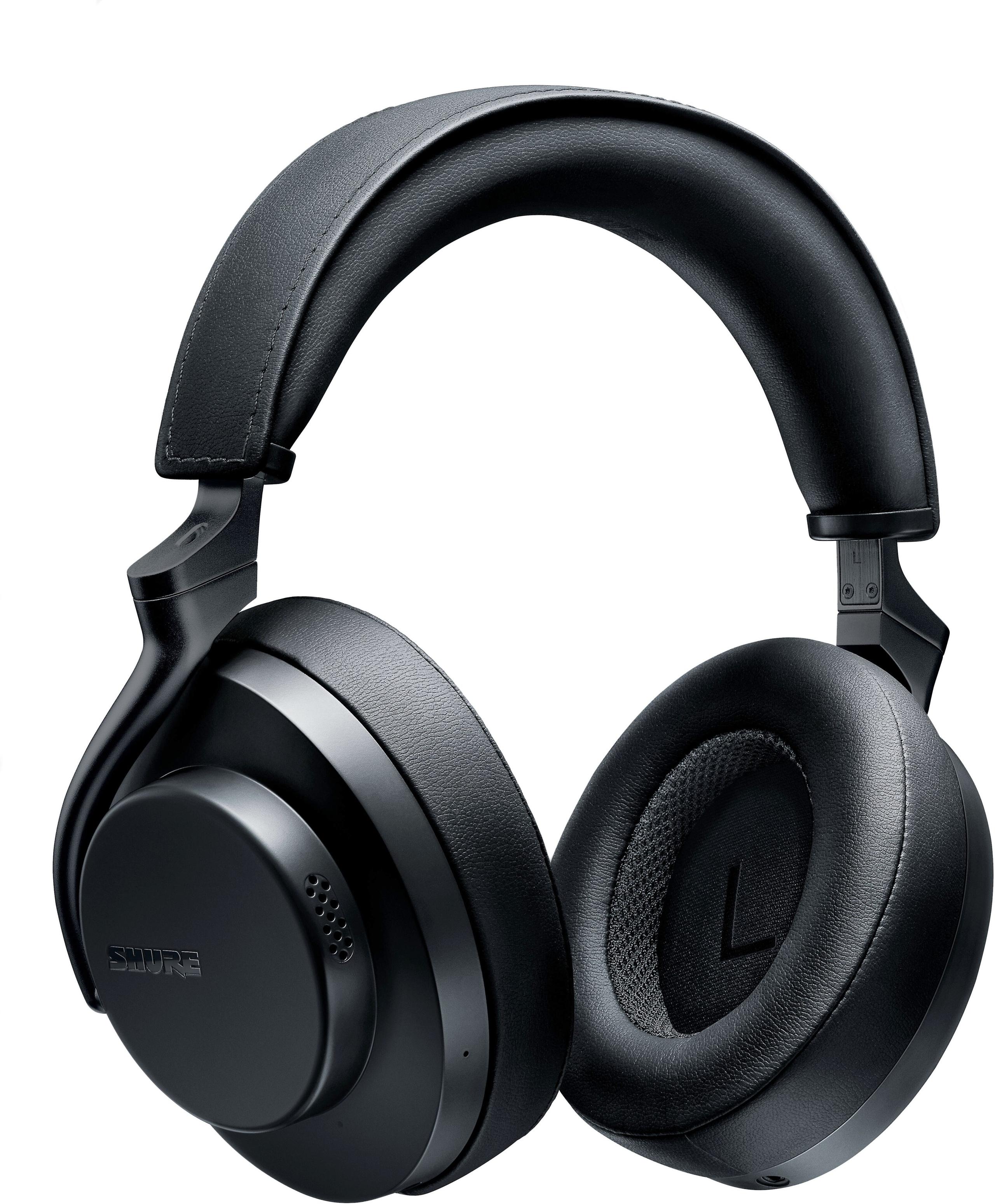
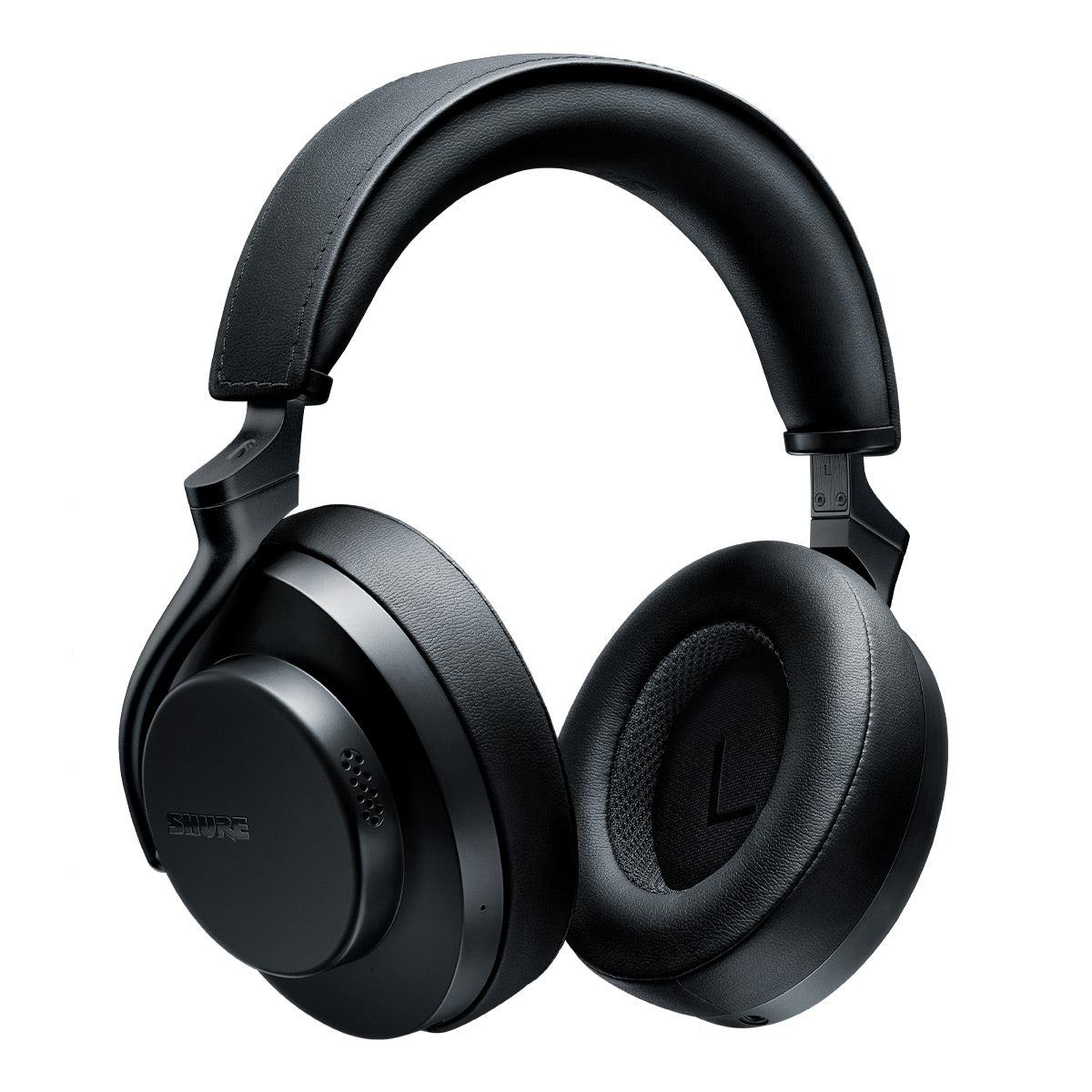
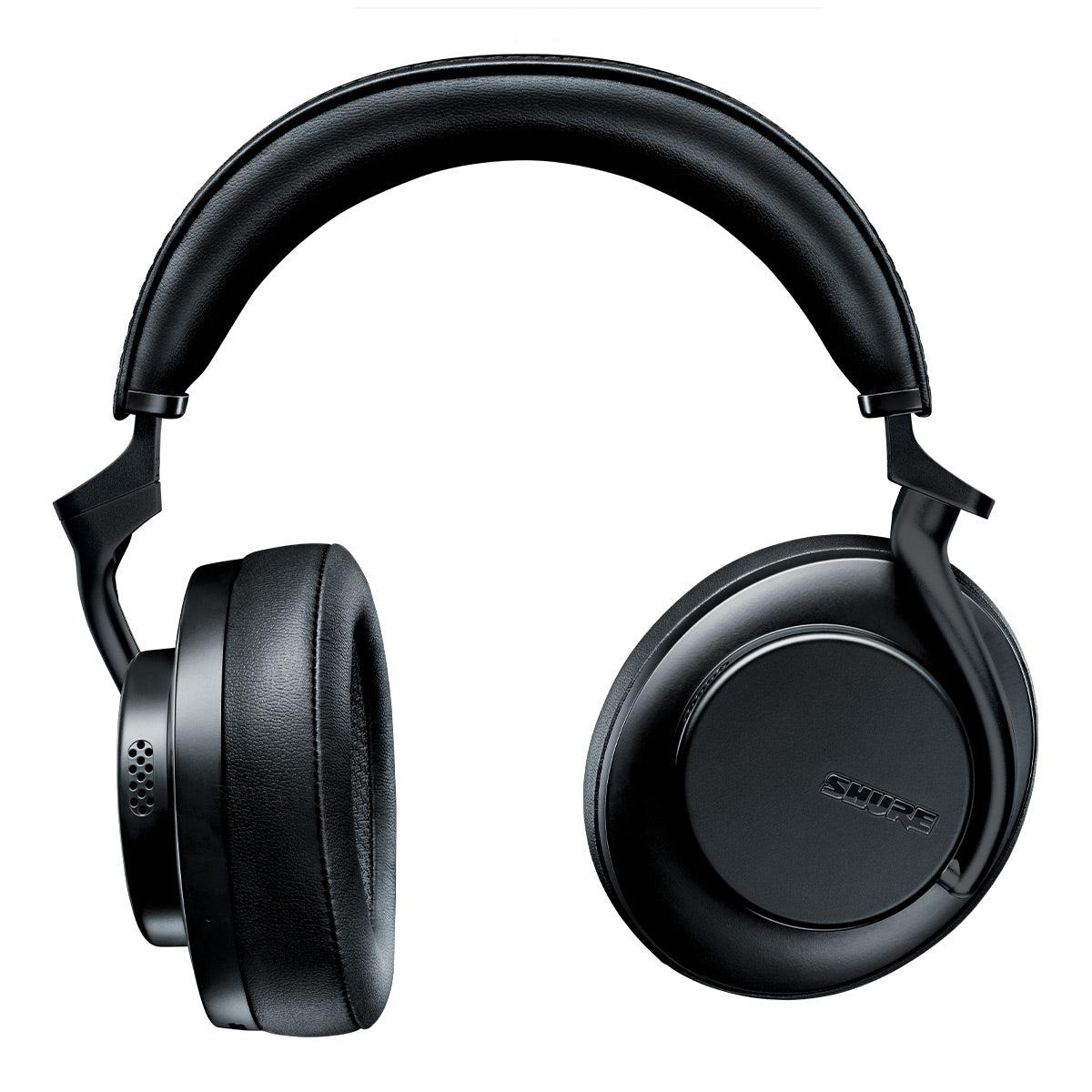
The heart of the Shure Aonic 50 Gen 2 lies in its custom-engineered 50mm dynamic drivers. These are larger than typical consumer headphone drivers, allowing for better bass response and overall dynamics. The drivers use neodymium magnets, which are stronger than traditional magnets, enabling more precise control over the driver movement and resulting in clearer, more detailed sound.
But the real innovation in the Shure Aonic 50 Gen 2 is its Hybrid Active Noise Canceling system. Unlike basic noise cancellation that just blocks sound, hybrid ANC uses microphones both inside and outside the ear cups to create a more sophisticated cancellation field. The system offers four different modes, including something called "MaxAware" that balances noise cancellation with environmental awareness—useful when you need to hear announcements or have conversations.
The Gen 2 improvements over the original 2020 model are substantial. Battery life more than doubled from 20 to 45 hours, and Shure added what they call "Spatialized Audio" technology. This creates three different virtual acoustic environments: Music mode simulates listening in a high-end acoustically treated room, Cinema mode recreates movie theater acoustics, and Podcast mode focuses on vocal clarity and intimacy.
When evaluating audio quality, it's important to understand that the nwm ONE and Shure Aonic 50 Gen 2 are optimized for completely different listening experiences.
The nwm ONE prioritizes what I'd call "ambient integration"—sound that complements rather than dominates your environment. During my testing, I found myself wearing them for entire workdays without fatigue, something I've never achieved with traditional headphones. The dual-driver system delivers surprisingly rich bass considering the open design, though it can't match the deep, rumbling lows you'd get from sealed headphones.
Where the nwm ONE truly excels is in creating an immersive yet non-isolating experience. Music feels expansive and natural, with instruments positioned in a wide soundstage around you. The PSZ technology works remarkably well—I could listen at comfortable volumes in quiet offices without disturbing colleagues sitting nearby.
The Shure Aonic 50 Gen 2, by contrast, is engineered for critical listening. These headphones reveal details in recordings that you might miss with other headphones. The frequency response is relatively neutral, meaning it doesn't artificially boost bass or treble but presents music as the artists and engineers intended. This can initially sound less exciting than more consumer-oriented headphones, but it's incredibly revealing once you adjust.
Bass response on the Shure Aonic 50 Gen 2 is controlled and accurate rather than boomy. The closed-back design allows for proper low-frequency extension down to 20 Hz, delivering the kind of deep bass that makes movie soundtracks and electronic music truly impactful. The midrange, where vocals live, is detailed and present without being harsh.
Comfort becomes crucial when you're wearing headphones for hours at a time, and this is where the fundamental design differences really matter.
The nwm ONE weighs just 185 grams—about the same as a typical smartphone. More importantly, because they don't seal around your ears, there's no pressure buildup, heat accumulation, or the "ear fatigue" that comes from prolonged isolation. The dual-loop design distributes weight evenly, and I found I could wear them for 8-10 hour workdays without discomfort.
The open design also means no issues with glasses, earrings, or hearing aids—common problems with traditional headphones. Air circulation remains normal around your ears, preventing the sweaty, uncomfortable feeling that sealed headphones often create during long sessions.
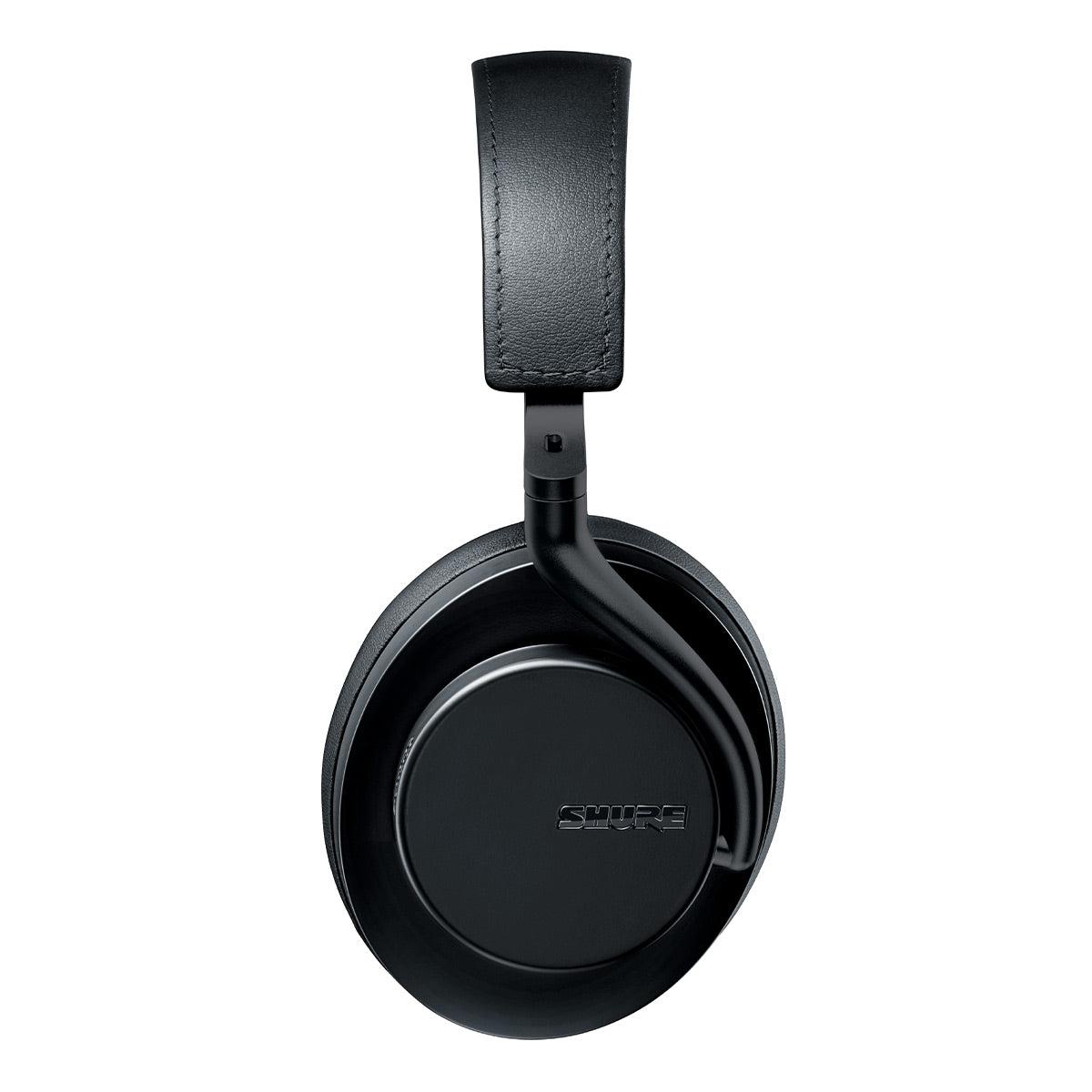
The Shure Aonic 50 Gen 2 weighs significantly more at around 340 grams, but the weight is well-distributed across a comfortable headband and plush ear cushions. The ear cups are generously sized to fit around rather than on your ears, reducing pressure points. However, like all closed-back headphones, they do trap heat and can become uncomfortable during extended use, especially in warm environments.
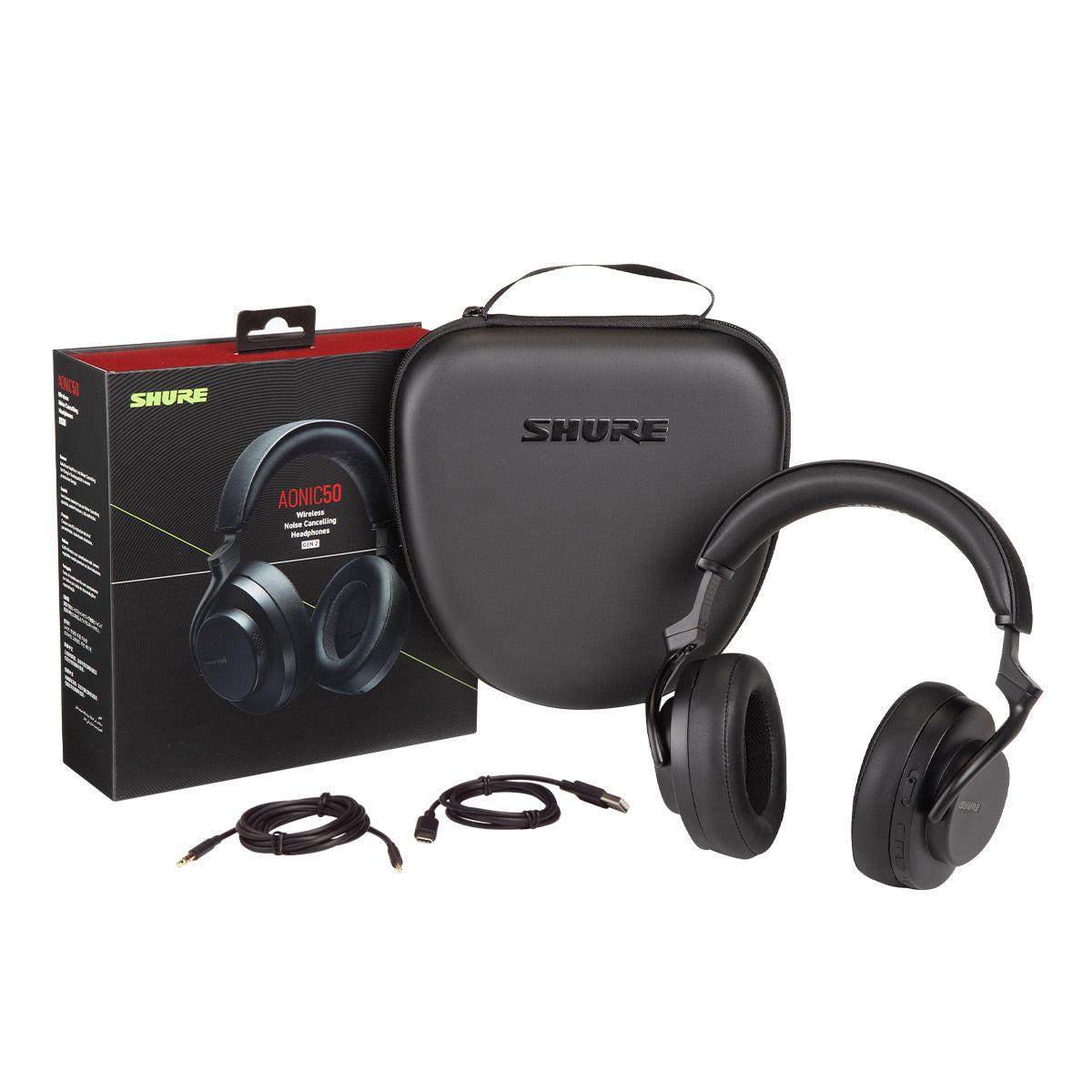
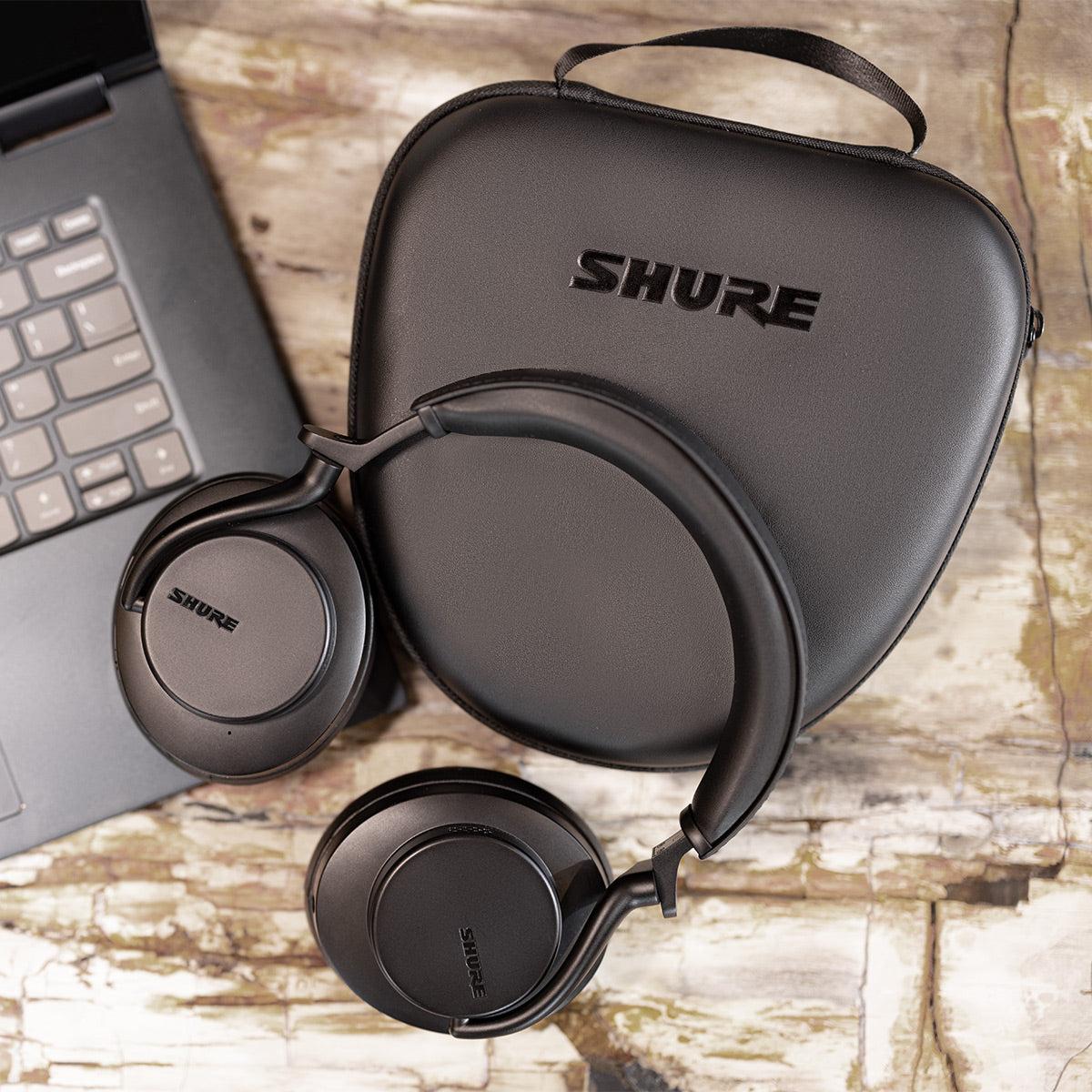
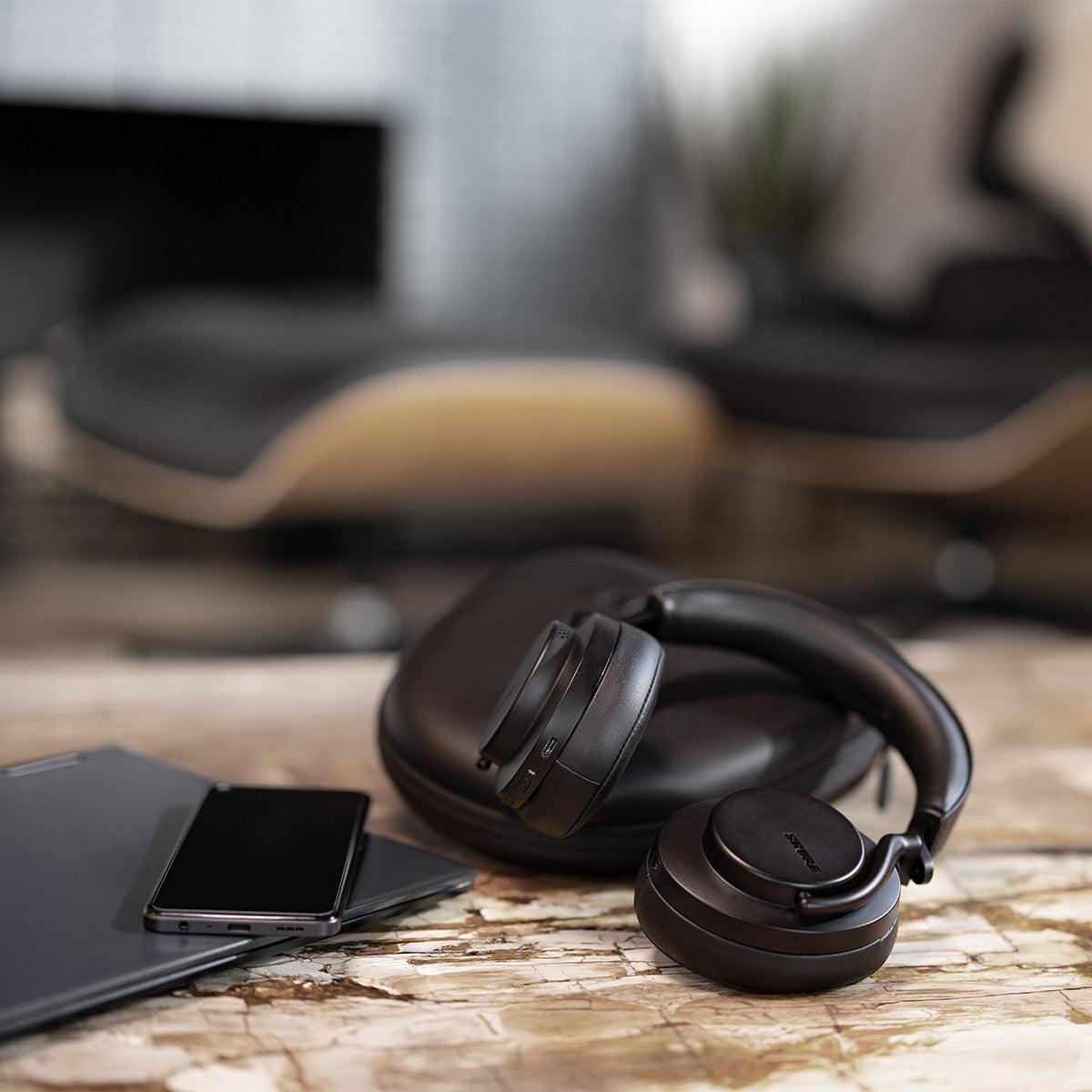
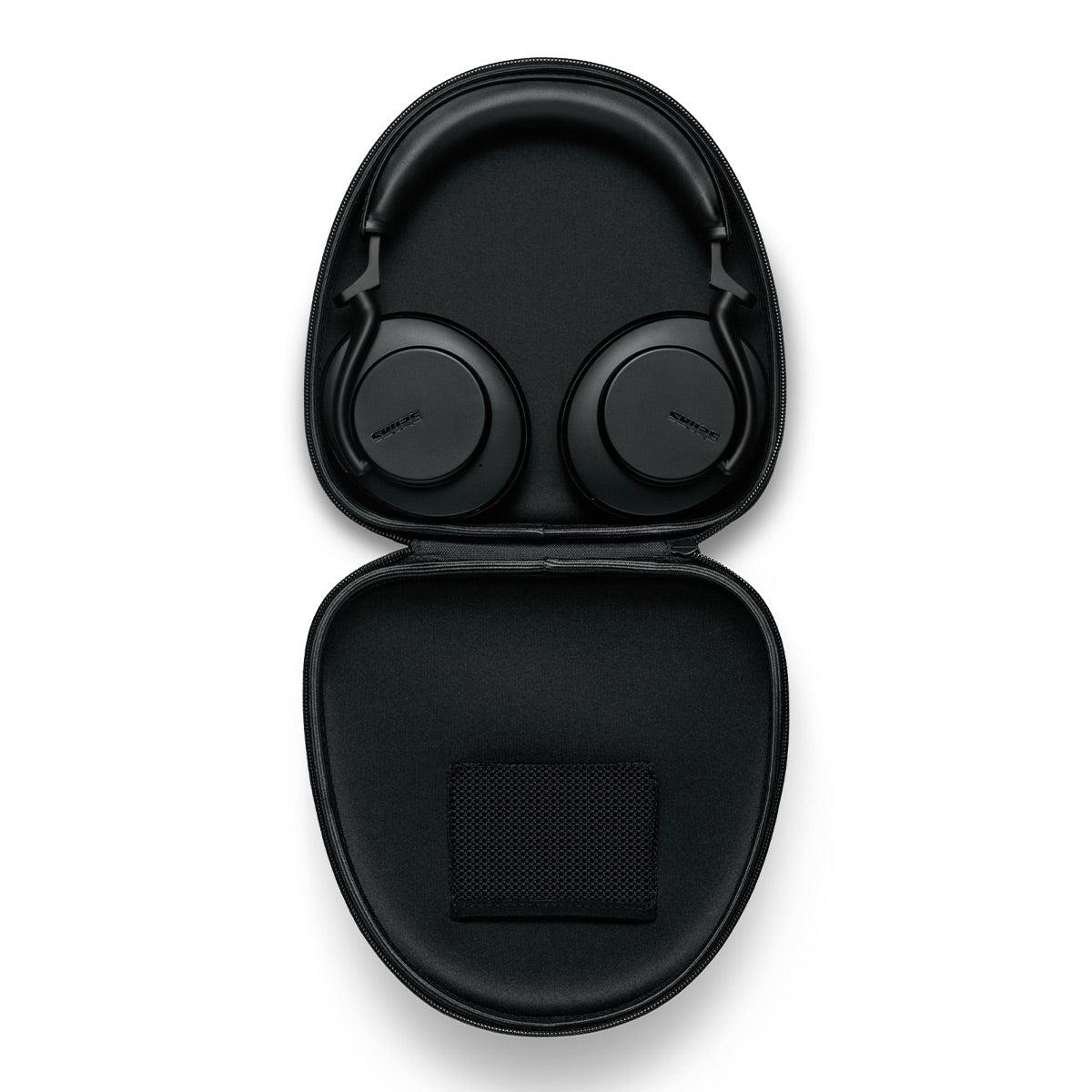
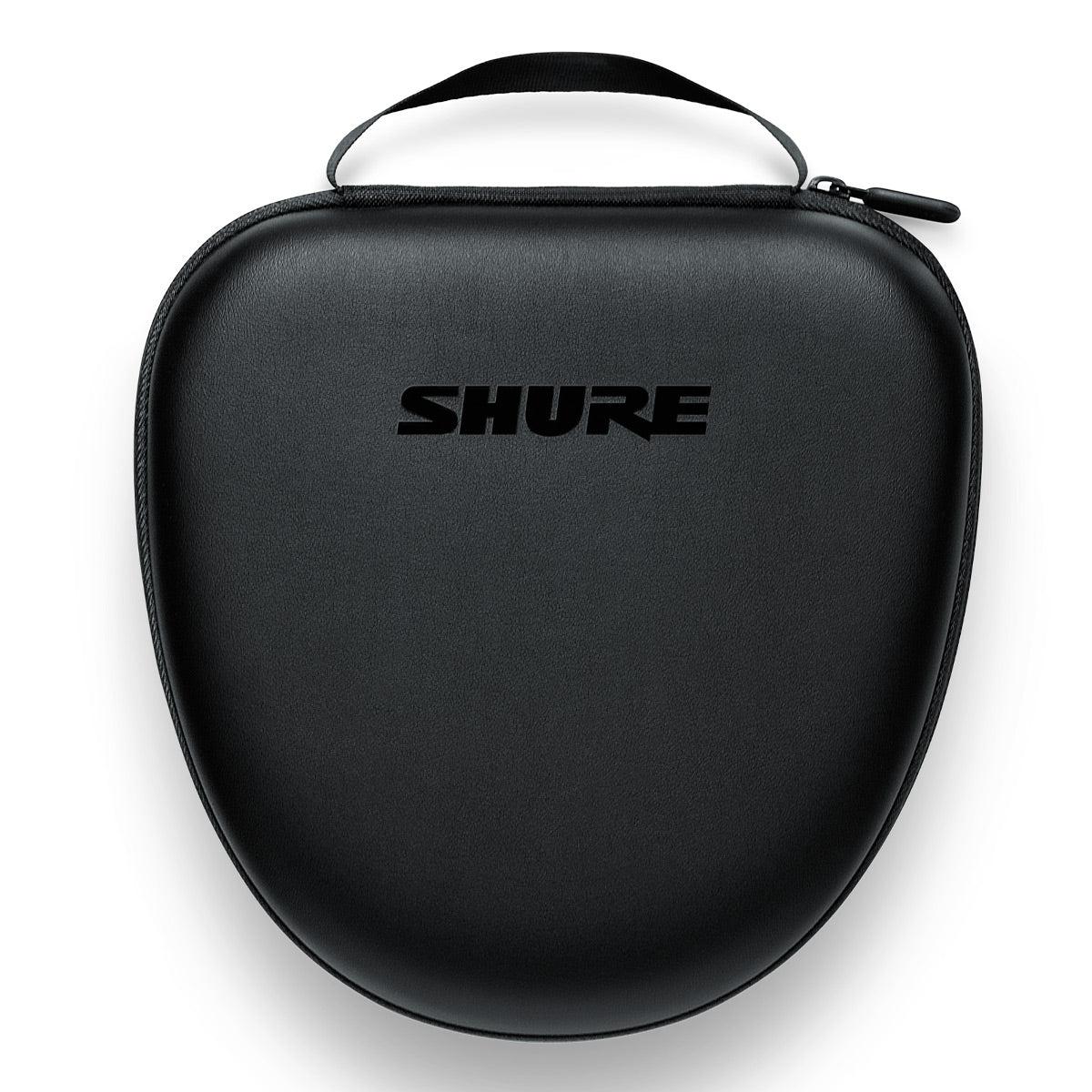
One advantage of the Shure Aonic 50 Gen 2 is the fold-flat design, which makes them more portable despite their size. The included carrying case is well-designed and protective, something the nwm ONE lacks.
Battery performance tells an interesting story about each product's intended use. The Shure Aonic 50 Gen 2 offers an impressive 45 hours of playback—more than double the previous generation and enough for several long flights or weeks of commuting. This suggests Shure designed these for intensive, session-based listening where you want to put them on and lose yourself in audio for hours.
The nwm ONE provides 20 hours of battery life, which initially seems less impressive until you consider the use case. These are designed for all-day ambient listening rather than intensive sessions. Twenty hours easily covers a full workday, and the rapid 5-minute quick charge for an hour of playback makes them practical for constant use.
Connectivity reveals more about each product's philosophy. The nwm ONE uses the latest Bluetooth 5.3 with advanced multipoint connectivity, allowing simultaneous connection to up to eight devices. This makes perfect sense for an open-ear design intended for seamless integration into your digital life—you can be connected to your laptop for work calls, your phone for personal calls, and your tablet for entertainment without constantly reconnecting.
The Shure Aonic 50 Gen 2 focuses on audio quality over convenience, supporting premium codecs like aptX HD and Sony's LDAC for high-resolution wireless audio. The USB-C connection can function as a digital audio converter (DAC), supporting up to 32-bit/384 kHz audio—specifications that matter to serious listeners but are overkill for casual use.
Both headphones handle calls well, but through different technologies. The nwm ONE uses something called "Magic Focus Voice" technology, which combines beamforming (directing the microphone's sensitivity toward your mouth) with spectral filtering (removing background frequencies that aren't voice). Because your ears remain open, you can hear your own voice naturally, making conversations feel more natural.
The Shure Aonic 50 Gen 2 employs a six-microphone system with traditional noise canceling for calls. While effective, the sealed design means you can't hear your own voice clearly, sometimes leading to speaking too loudly or softly. However, the noise cancellation is more effective at blocking background noise during calls.
The nwm ONE excels in scenarios where traditional headphones simply aren't viable. For parents, being able to hear children while enjoying music or podcasts is invaluable. I've found them particularly useful during video calls—you can hear household sounds that might require attention while still getting clear audio from your meeting.
For cyclists, runners, or anyone exercising outdoors, the safety benefits are obvious. You can enjoy motivating music while remaining aware of traffic, other pedestrians, or potential hazards. The lightweight design and lack of ear pressure also make them comfortable during physical activity.
In office environments, the nwm ONE strikes an ideal balance. You can listen to music or take calls without being completely cut off from colleagues. The PSZ technology means you're not disturbing others, but you remain approachable and aware of your surroundings.
The Shure Aonic 50 Gen 2 shines in environments where isolation and audio quality are paramount. For serious music listening, the closed-back design provides the isolation necessary to hear subtle details and the full dynamic range of recordings.
Air travel is where the Shure Aonic 50 Gen 2 really proves its worth. The active noise canceling effectively reduces the constant drone of aircraft engines, making long flights much more pleasant. The 45-hour battery life means you'll never run out of power during extended travel.
For home theater use, the Shure Aonic 50 Gen 2 offers a more immersive experience. The Spatialized Audio modes can enhance movie watching, particularly Cinema mode, which recreates the acoustic environment of a movie theater. The ability to use them wired via USB-C means you can connect directly to modern TVs or streaming devices for lag-free audio during video content.
Students or anyone needing to concentrate in noisy environments will appreciate the isolation the Shure Aonic 50 Gen 2 provides. The ability to block out distractions while maintaining excellent audio quality makes them ideal for studying with background music or lectures.
The 2024 release of the nwm ONE represents more than just a new product—it's potentially the beginning of a fundamental shift in how we think about personal audio. The PSZ technology could evolve to become even more sophisticated, potentially offering different sound zones for different ears or adaptive leakage control based on environment.
The Shure Aonic 50 Gen 2, released in 2023, shows how traditional headphone design can still evolve meaningfully. The dramatic battery life improvement and addition of spatial audio features prove that closed-back headphones aren't a mature, stagnant category.
Both approaches will likely influence future headphone design. We might see traditional headphones incorporating better awareness modes, while open-ear designs could develop more sophisticated audio processing to rival closed-back sound quality.
The decision between the nwm ONE and Shure Aonic 50 Gen 2 ultimately comes down to your primary use cases and priorities.
Choose the nwm ONE if your lifestyle requires awareness and integration. If you need to monitor your environment while listening, want all-day comfort without compromise, or value innovative technology that solves real-world problems, the open-ear approach offers benefits that traditional headphones simply cannot match. They're particularly compelling for remote workers, parents, outdoor enthusiasts, and anyone who wants audio as a background enhancement rather than a foreground focus.
The Shure Aonic 50 Gen 2 is the better choice when audio quality and isolation are your primary concerns. If you're an audiophile, frequent traveler, or someone who uses headphones for focused listening sessions, the traditional approach still delivers superior performance where it matters most. The professional pedigree and advanced features make them worthwhile for serious listeners who want the best possible audio reproduction.
Both products excel in their intended domains. The nwm ONE succeeds by reimagining what headphones can be, while the Shure Aonic 50 Gen 2 succeeds by perfecting what headphones have always been. Your choice depends entirely on which philosophy better matches your lifestyle and listening priorities.
| nwm ONE Wireless Open-Ear Headphones | Shure Aonic 50 Gen 2 Wireless Headphones |
|---|---|
| Design Philosophy - Fundamentally different approaches to personal audio | |
| Open-ear design with complete ambient awareness | Closed-back over-ear with active noise isolation |
| Weight - Critical for all-day comfort and wearability | |
| 185g (ultra-lightweight, forget you're wearing them) | 340g (substantial but well-distributed weight) |
| Battery Life - How long you can listen before recharging | |
| 20 hours (perfect for full workdays) | 45 hours (exceptional for travel and extended use) |
| Audio Drivers - The technology that creates sound | |
| Dual-driver: 35mm woofer + 12mm tweeter with individual amplifiers | Single 50mm dynamic drivers with neodymium magnets |
| Environmental Awareness - Your connection to surroundings while listening | |
| Complete awareness by design (hear everything around you) | Adjustable via 4 ANC modes and 11-stage ambient control |
| Sound Leakage - Whether others can hear your audio | |
| Minimal leakage thanks to PSZ (Personalized Sound Zone) technology | None (sealed design prevents any audio escape) |
| Connectivity - How they connect and to how many devices | |
| Bluetooth 5.3 with multipoint up to 8 devices simultaneously | Bluetooth 5.0 plus USB-C DAC and 3.5mm analog options |
| Audio Codecs - Quality of wireless audio transmission | |
| SBC, AAC, LC3, CVSD, mSBC (modern but standard quality) | SBC, AAC, aptX, aptX HD, aptX Adaptive, LDAC (audiophile-grade) |
| Call Quality Technology - How well they handle voice calls | |
| Magic Focus Voice with beamforming and spectral filtering | Six-microphone system with noise canceling |
| Customization Options - How much you can personalize the experience | |
| Basic EQ via nwm Connect app | Advanced parametric EQ and spatial audio modes via ShurePlus PLAY |
| Ideal Use Cases - Who should choose each product | |
| Office workers, parents, cyclists, anyone needing ambient awareness | Audiophiles, travelers, students, critical listeners needing isolation |
| Unique Technologies - Standout innovations that differentiate them | |
| PSZ sound containment and Magic Focus Voice | Hybrid ANC with MaxAware mode and Spatialized Audio |
The nwm ONE Wireless Open-Ear Headphones are generally better for working from home because they allow you to hear family members, delivery notifications, and phone calls while listening to music or taking video meetings. The open-ear design means you stay connected to your environment, which is crucial for home workers who need to multitask and remain available.
The nwm ONE Wireless Open-Ear Headphones deliver surprisingly good sound quality for an open-ear design, with dual drivers and wide soundstage, but the Shure Aonic 50 Gen 2 Wireless Headphones offer superior audio fidelity for critical listening. Traditional closed-back headphones like the Shure Aonic 50 Gen 2 provide better bass response, isolation, and detail retrieval for serious music enjoyment.
The nwm ONE Wireless Open-Ear Headphones are significantly more comfortable for extended wear due to their ultra-lightweight 185g design and lack of ear pressure. The open design prevents heat buildup and ear fatigue that commonly occurs with traditional headphones during long sessions.
The nwm ONE Wireless Open-Ear Headphones use advanced PSZ (Personalized Sound Zone) technology to minimize sound leakage, making them surprisingly private despite the open design. However, the Shure Aonic 50 Gen 2 Wireless Headphones provide complete privacy due to their sealed, closed-back design.
The Shure Aonic 50 Gen 2 Wireless Headphones are better for travel thanks to their active noise canceling, 45-hour battery life, and fold-flat design with carrying case. The nwm ONE open-ear design isn't ideal for noisy transportation environments where you need isolation from engine noise and crowds.
The nwm ONE Wireless Open-Ear Headphones excel for exercise and outdoor activities because they allow you to hear traffic, other people, and environmental sounds for safety. Their lightweight design and lack of ear seal also prevent discomfort during physical activity and sweating.
The Shure Aonic 50 Gen 2 Wireless Headphones offer exceptional 45-hour battery life, more than double the 20-hour capacity of the nwm ONE Wireless Open-Ear Headphones. However, 20 hours is still sufficient for most daily use cases and full workdays.
Both headphones handle calls well, but differently. The nwm ONE Wireless Open-Ear Headphones use Magic Focus Voice technology and allow you to hear your own voice naturally, while the Shure Aonic 50 Gen 2 provide better background noise blocking during calls but can make you sound muffled to yourself.
The Shure Aonic 50 Gen 2 Wireless Headphones are better for home theater use, offering immersive Spatialized Audio modes including Cinema mode, better bass response for movie soundtracks, and isolation that won't disturb others. The nwm ONE open design means you might miss dialogue during action scenes.
The nwm ONE Wireless Open-Ear Headphones are specifically designed to work perfectly with glasses and hearing aids since they don't put pressure on your ears or interfere with other devices. Traditional over-ear headphones like the Shure Aonic 50 Gen 2 can create pressure points and interference with glasses.
The nwm ONE Wireless Open-Ear Headphones typically cost less while offering innovative technology that solves real-world problems for many users. The Shure Aonic 50 Gen 2 Wireless Headphones cost more but provide professional-grade audio quality and features that justify the price for serious listeners and frequent travelers.
The nwm ONE Wireless Open-Ear Headphones are much safer for driving and cycling because they maintain full environmental awareness, allowing you to hear traffic, sirens, and other important sounds. The Shure Aonic 50 Gen 2 with active noise canceling can be dangerous in these situations as they block external sounds.
We've done our best to create useful and informative comparisons to help you decide what product to buy. Our research uses advanced automated methods to create this comparison and perfection is not possible - please contact us for corrections or questions. These are the sites we've researched in the creation of this article: gamerant.com - besttechradar.com - gamerant.com - tomsguide.com - newegg.com - youtube.com - head-fi.org - mumas.in - forum.headphones.com - soundguys.com - youtube.com - shop.imgacademy.com - us.nwm.global - us.nwm.global - thegadgetflow.com - seeyoutmrw.com - shop.imgacademy.com - tomsguide.com - headphonecheck.com - whathifi.com - majorhifi.com - rtings.com - versus.com - majorhifi.com - versus.com - audio46.com - youtube.com - bhphotovideo.com - techradar.com - soundpro.com - shure.com - americanmusical.com - pubs.shure.com - blog.zzounds.com - service.shure.com - fullcompass.com

Privacy Policy
Terms and Conditions - Affiliate Policy
Home Security
© Copyright 2008-2026.
11816 Inwood Rd #1211, Dallas, TX 75244