



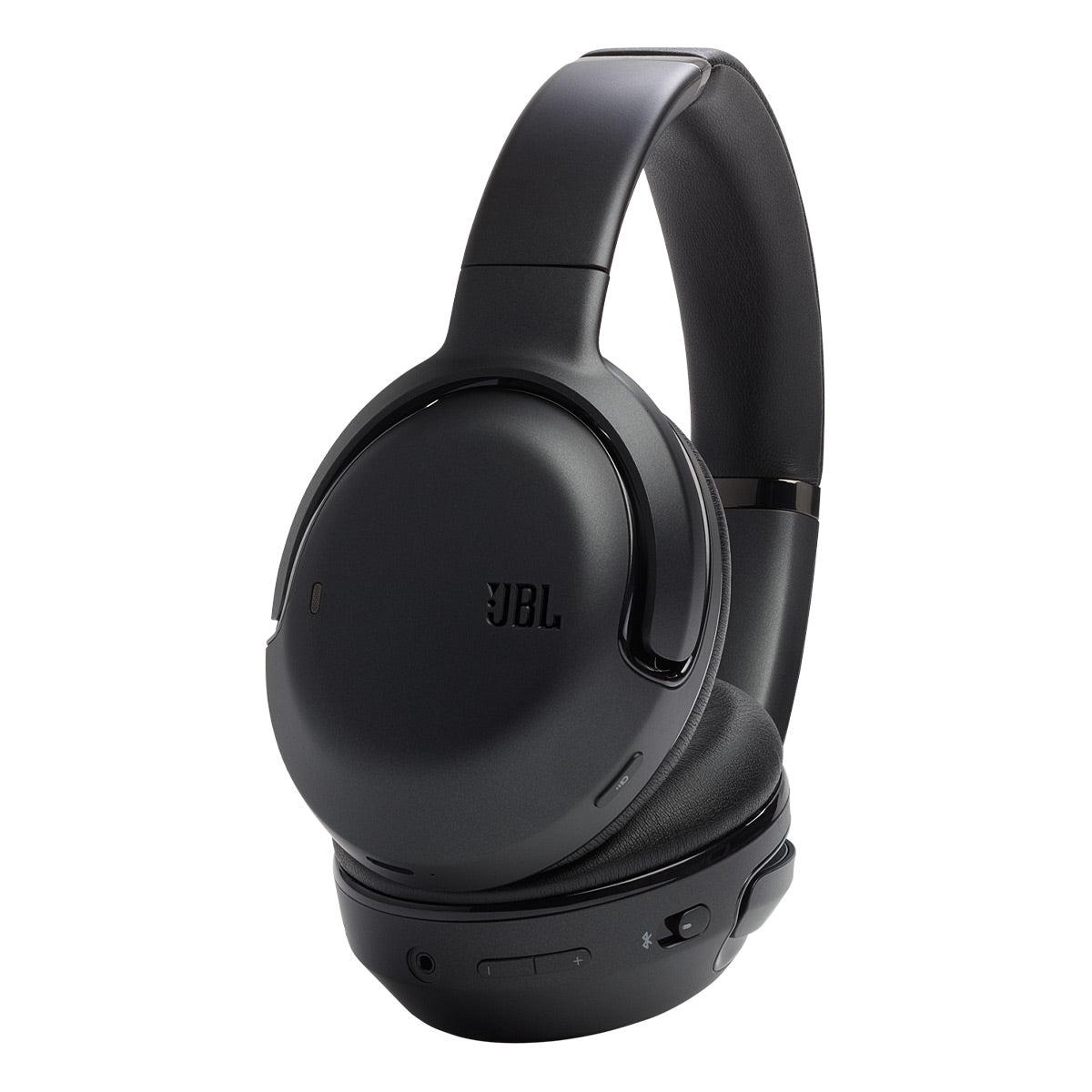

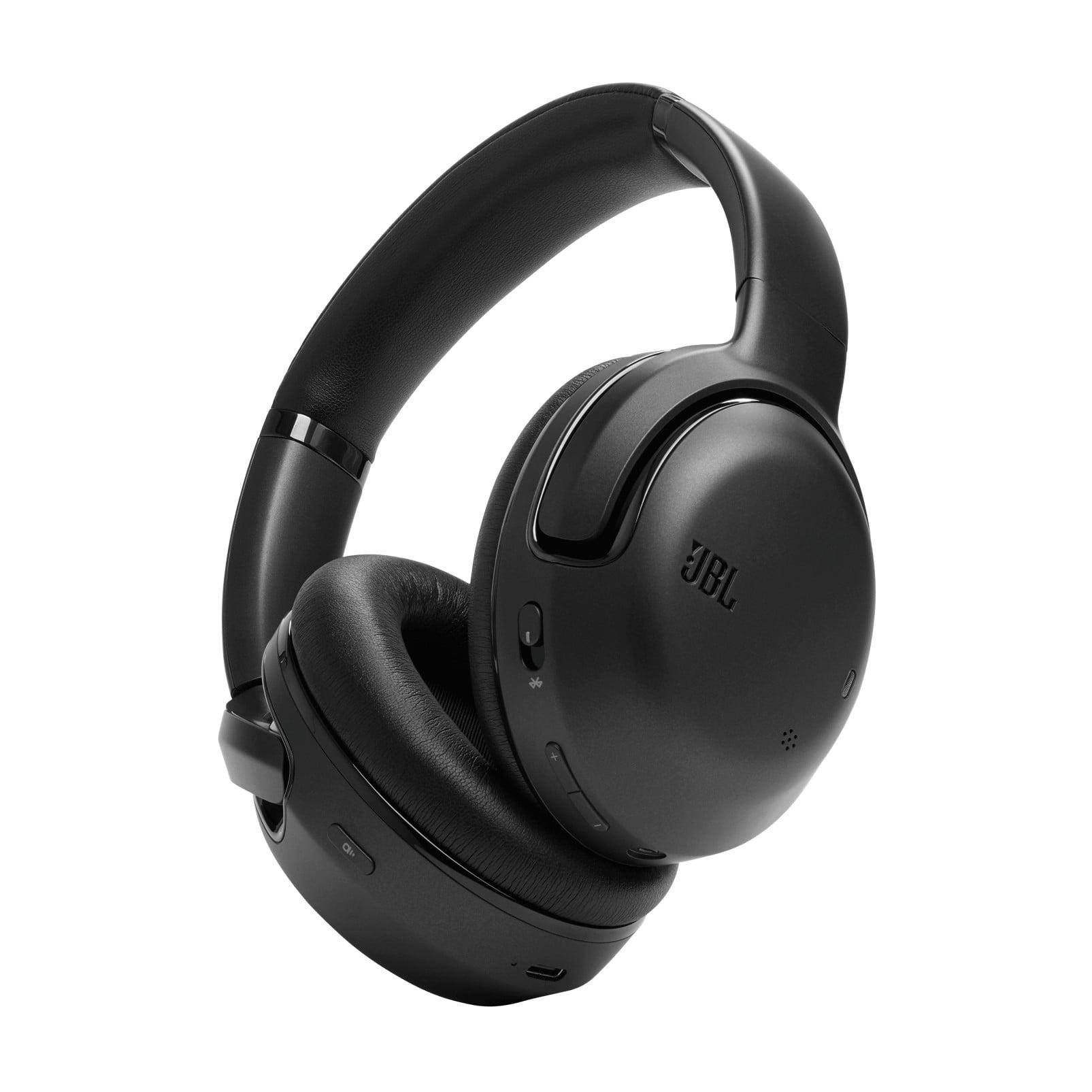

When shopping for wireless headphones, you're essentially choosing between two different philosophies: compact portability or premium features. The Beats Solo3 Wireless and JBL Tour One M2 perfectly illustrate this divide, each targeting different priorities and lifestyles.
Released in 2016, the Beats Solo3 Wireless was groundbreaking for its time, introducing Apple's W1 chip technology that made pairing with iPhones as simple as opening a case near your device. The JBL Tour One M2, arriving much more recently in 2022, represents the current generation of premium wireless headphones with active noise cancellation (ANC) and Hi-Res Audio certification.
Understanding these headphones means understanding what matters most to you: seamless Apple integration and portability, or cutting-edge audio technology and noise cancellation. Let me walk you through everything you need to know to make the right choice.
Before diving into specifics, it's worth understanding what separates good wireless headphones from great ones. The most important factors include driver quality (the tiny speakers inside each ear cup), battery management, Bluetooth connectivity strength, and how well they isolate you from outside noise.
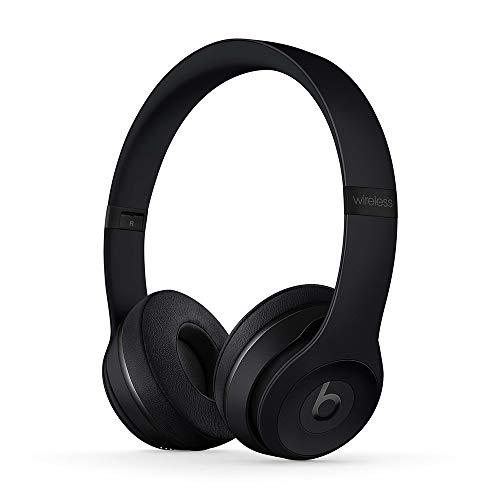
The fundamental design choice between on-ear and over-ear construction affects everything else about the listening experience. On-ear headphones like the Beats Solo3 rest directly on your ears, making them more compact but potentially less comfortable during long sessions. Over-ear designs like the JBL Tour One M2 completely surround your ears, typically providing better sound isolation and comfort but requiring more space in your bag.
Modern wireless headphones also compete on "smart" features – things like automatic pausing when you remove them, voice assistant integration, and the ability to seamlessly switch between devices. These conveniences have become increasingly important as we use headphones across multiple devices throughout the day.
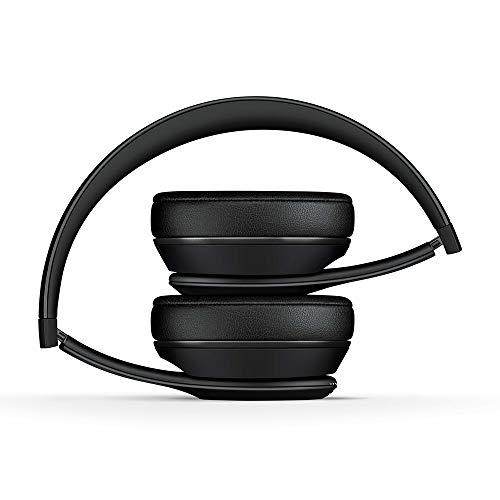
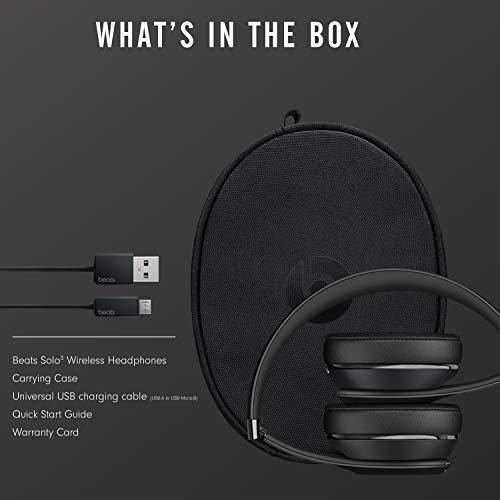
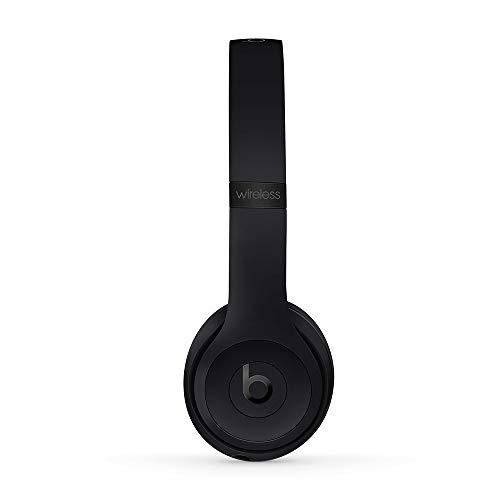
The Beats Solo3 Wireless embodies the "less is more" philosophy. At just 215 grams, they fold into a compact carrying case that easily fits in most bags. The build uses a combination of plastic and metal that feels sturdy without being heavy. I've personally used a pair through countless gym sessions and flights, and they've held up remarkably well to that abuse.
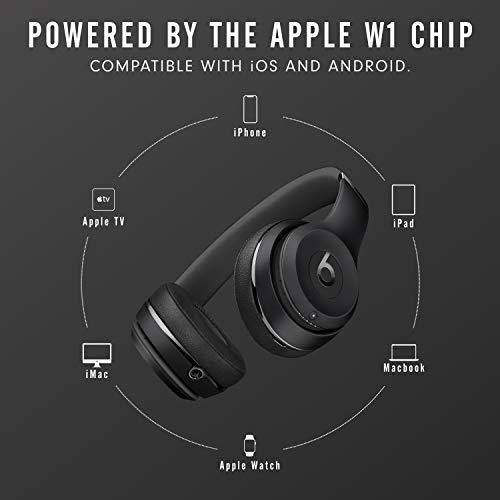
What makes the Beats Solo3 special isn't just the compact size – it's how Apple's W1 chip transforms the user experience for iPhone users. This custom processor, which predates Apple's current H1 chip found in AirPods, creates an almost magical pairing experience where headphones appear instantly in your Bluetooth settings with battery level and everything.
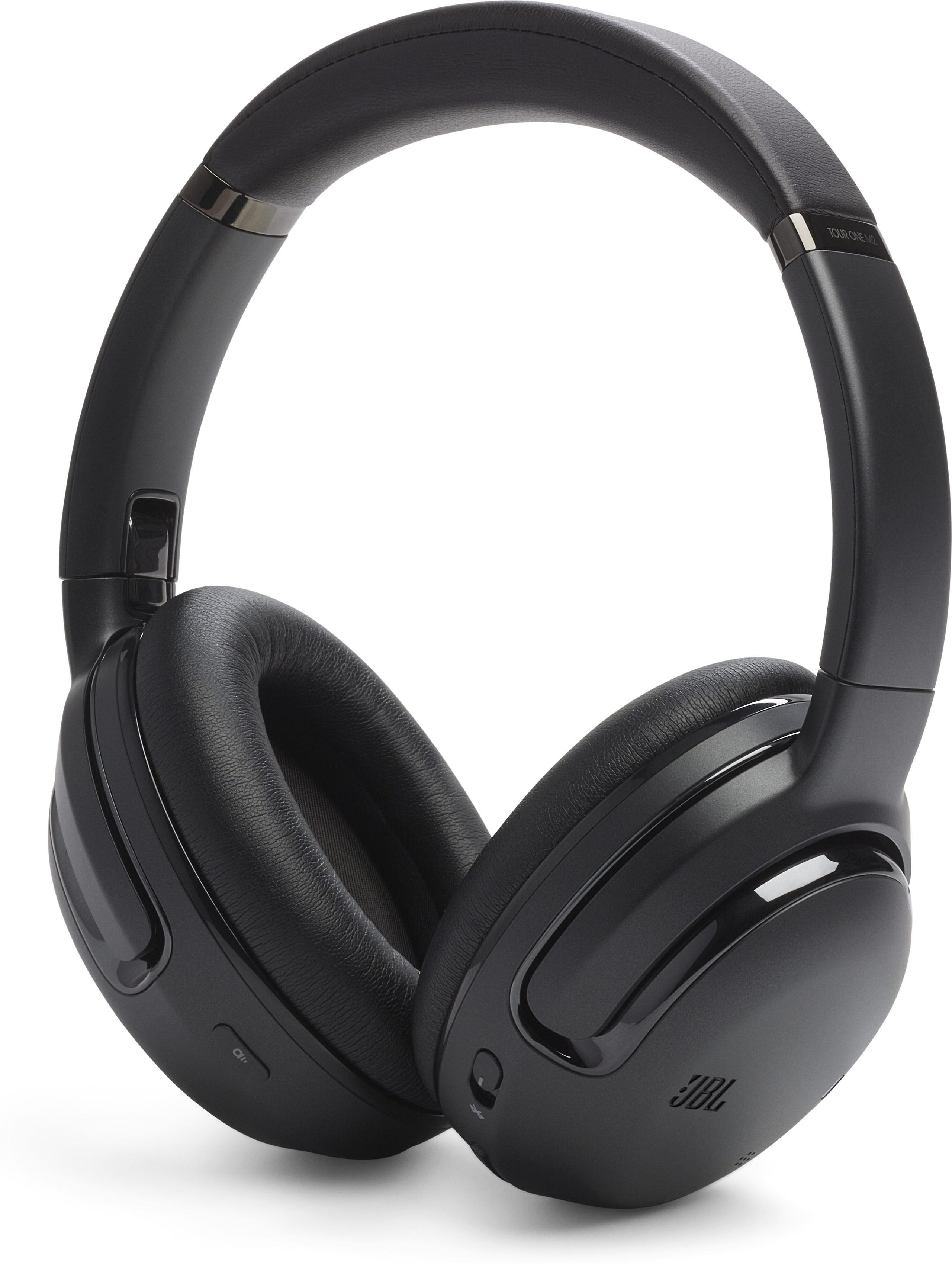
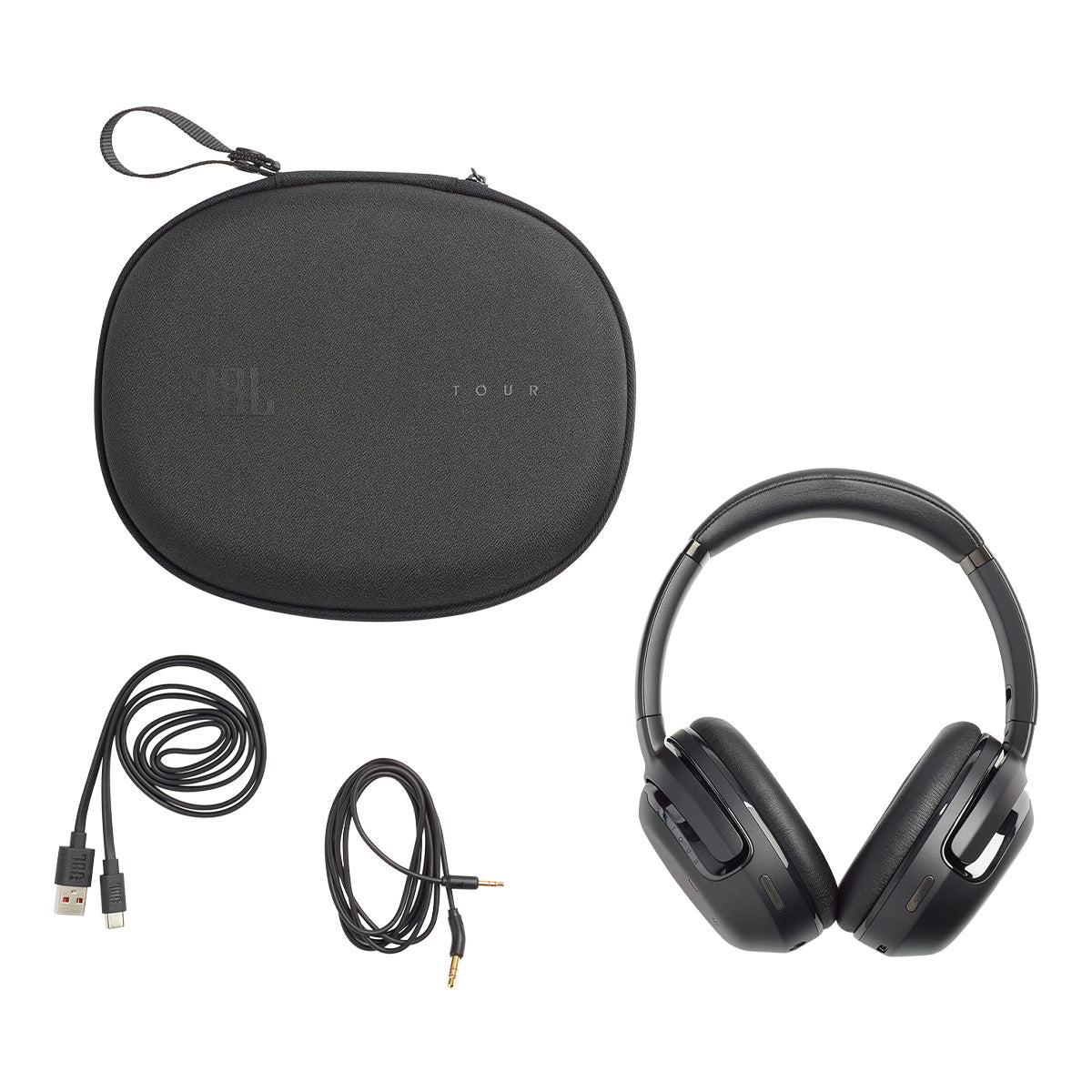
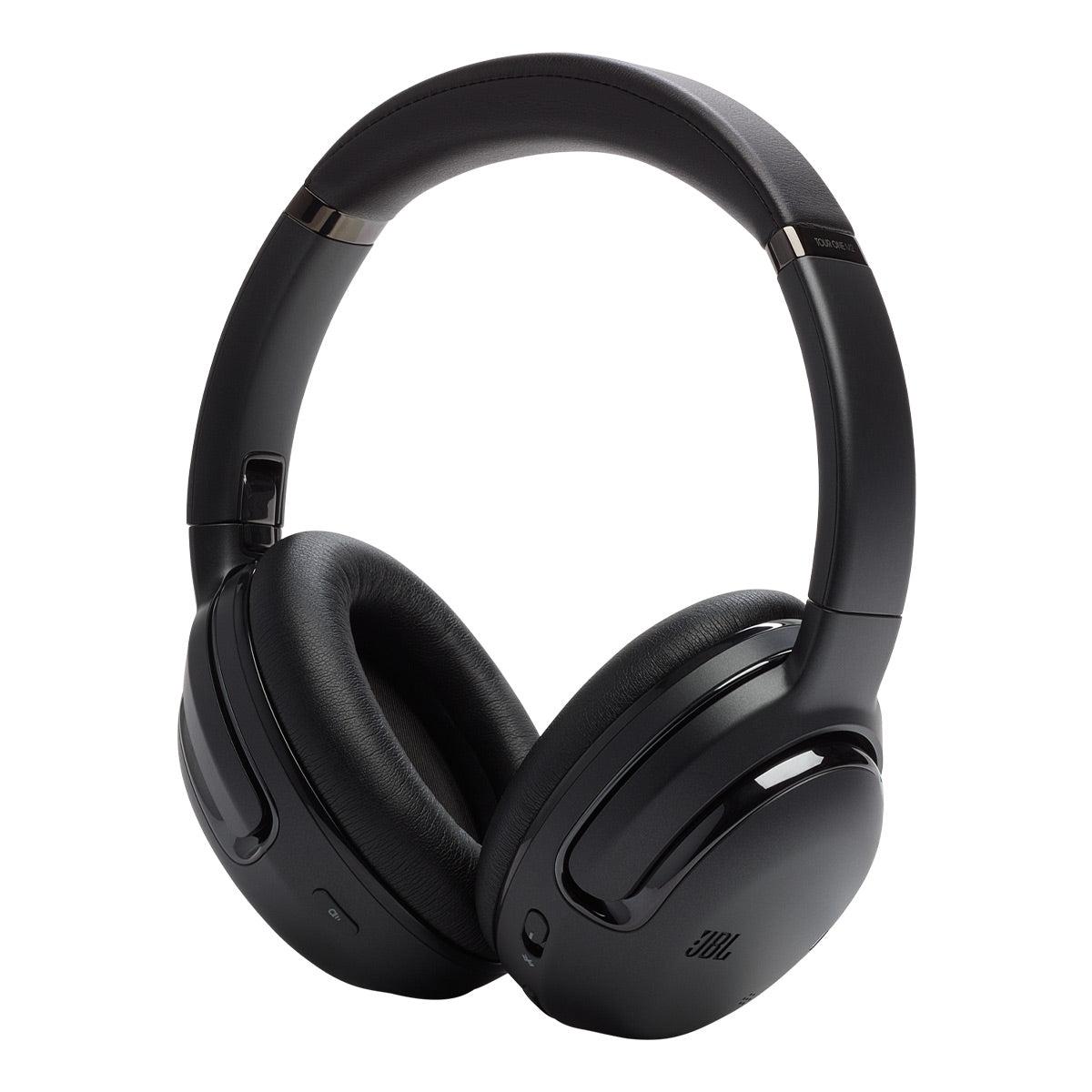
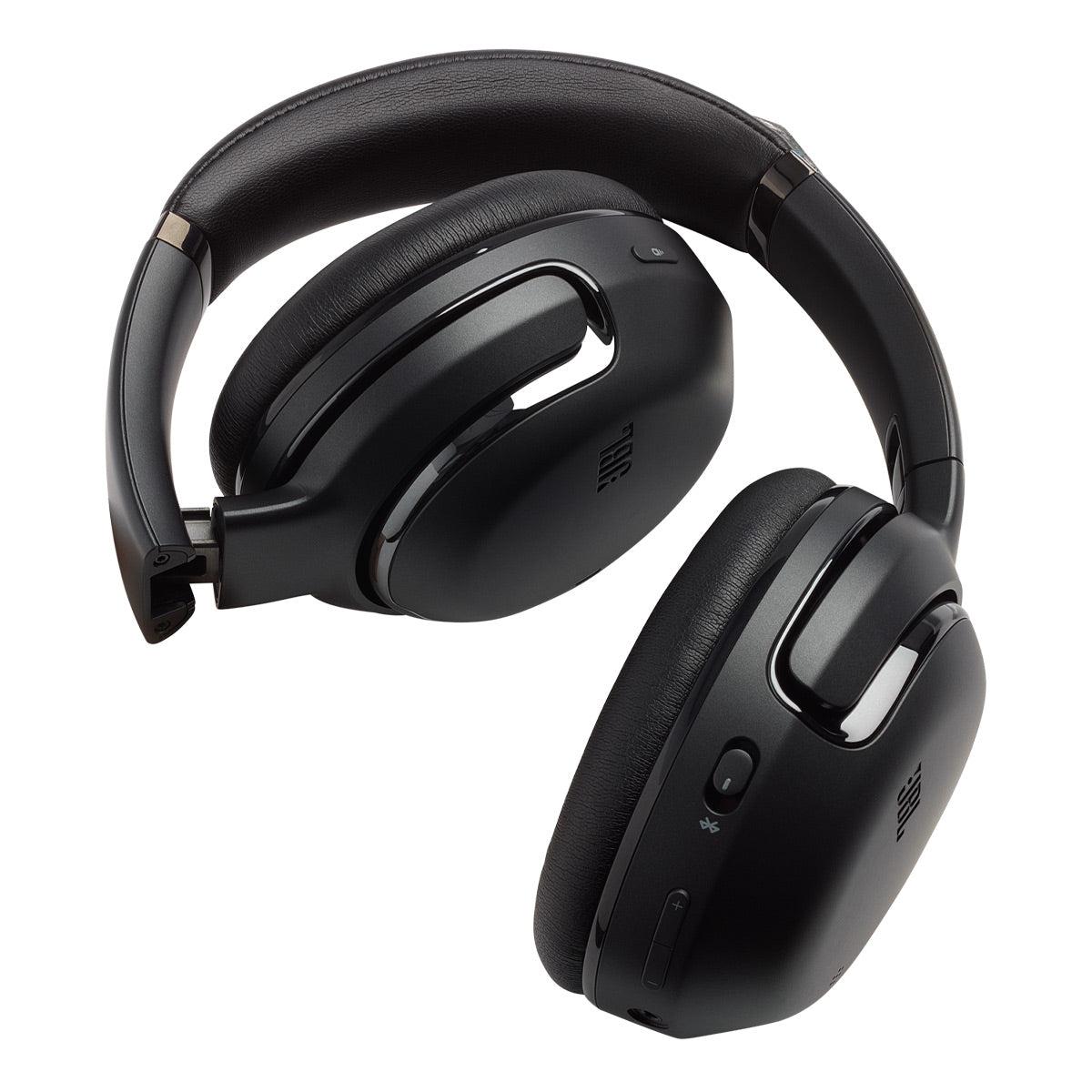
The JBL Tour One M2, meanwhile, takes the "give me everything" approach. At 272 grams, they're noticeably heavier but distribute that weight across a larger surface area thanks to the over-ear design. The build quality feels premium throughout, with memory foam padding that creates a comfortable seal around your ears.
JBL designed these headphones for users who want flagship features without compromise. The larger ear cups house the electronics needed for active noise cancellation, while the over-ear design provides natural passive isolation even with ANC turned off.
Here's where things get interesting from a technical standpoint. Both headphones use 40mm drivers – the actual speakers that create sound – but they're tuned completely differently.
The Beats Solo3 Wireless delivers what's become known as the "Beats sound signature." This means enhanced bass response and forward-positioned vocals that make hip-hop, pop, and electronic music sound punchy and engaging. The frequency response (how well headphones reproduce different pitches) emphasizes the low-end frequencies where drums and bass guitars live, while slightly rolling off the highest treble frequencies to avoid harshness.
This tuning philosophy works brilliantly for mainstream music. When I listen to artists like Kendrick Lamar or The Weeknd on the Beats Solo3, the bass lines feel powerful without overwhelming the vocals. However, classical music or jazz can sound somewhat muddy because the emphasis on bass frequencies can mask subtle details in the midrange.
The JBL Tour One M2 takes a more neutral approach, earning Hi-Res Audio certification by reproducing frequencies up to 40,000 Hz in wired mode (compared to the standard 20,000 Hz limit). This extended frequency response means you can hear subtle details like the decay of cymbals or the breath sounds between vocal phrases that get lost on other headphones.
More importantly, the JBL Tour One M2 includes a sophisticated equalizer (EQ) in its companion app, allowing you to customize the sound signature to your preferences. The Personi-Fi 2.0 feature even runs a hearing test to create a personalized sound profile based on your specific hearing characteristics – something I found genuinely useful for optimizing dialogue clarity in movies.
This is perhaps the biggest functional difference between these headphones. The Beats Solo3 Wireless relies entirely on passive isolation – the physical blocking of sound by the ear cups pressing against your ears. For an on-ear design, this provides modest isolation that's fine for quiet offices or home listening but struggles in noisy environments like airplanes or busy cafes.
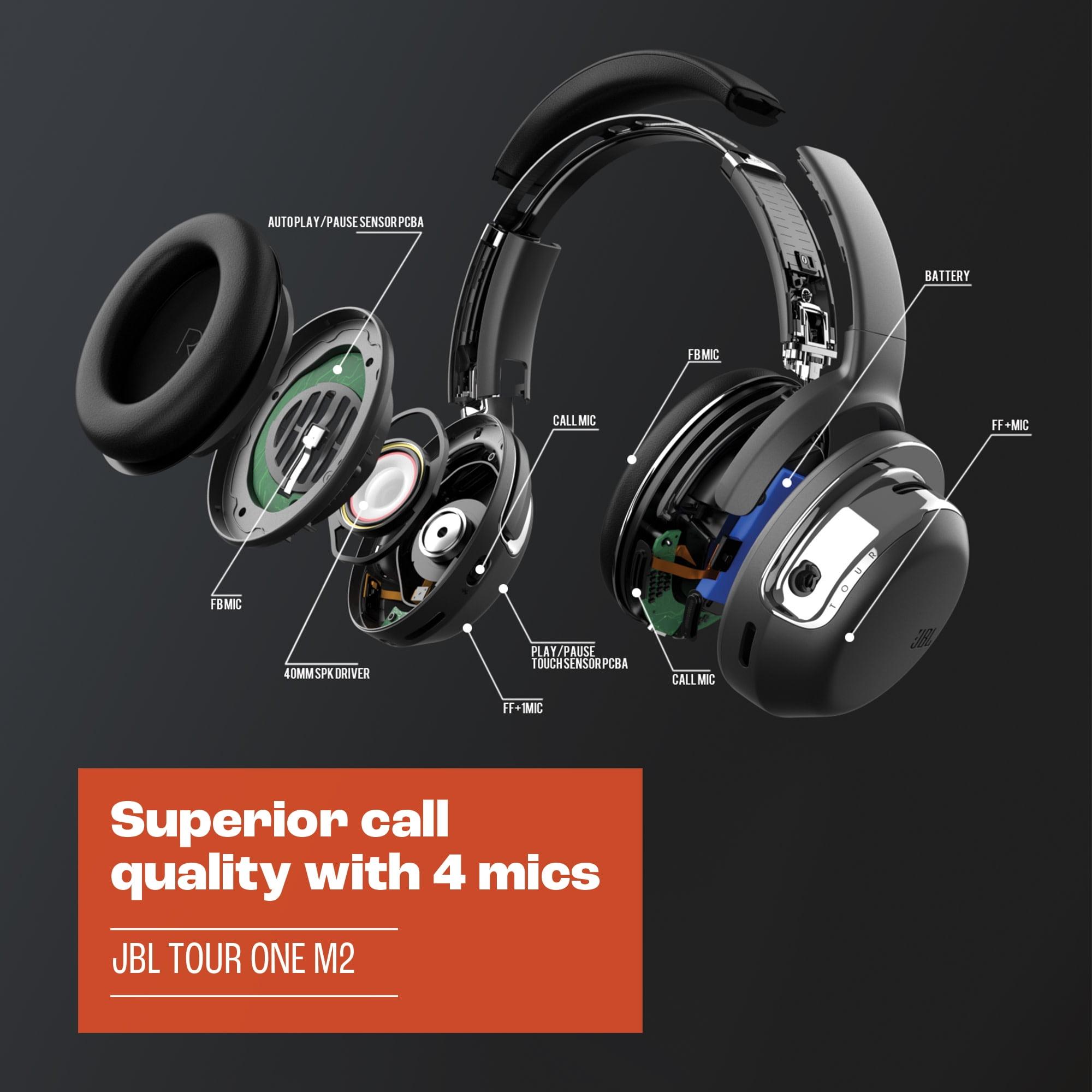
The JBL Tour One M2 includes True Adaptive Noise Cancelling, which uses four microphones to detect ambient noise and generate opposite sound waves to cancel it out. This technology is particularly effective against consistent, low-frequency sounds like airplane engines, air conditioning, or traffic noise.
What impressed me about JBL's implementation is how it adapts automatically to your environment. Walk from a quiet room onto a busy street, and you can feel the noise cancellation intensify within seconds. The Smart Ambient feature lets you dial in exactly how much outside sound you want to hear without removing the headphones – perfect for staying aware of announcements while traveling.
For home theater use, this difference becomes crucial. The JBL Tour One M2 can create an isolated listening experience even in a house with kids playing or neighbors mowing lawns. The Beats Solo3, while perfectly capable for movie watching, won't block out household distractions as effectively.
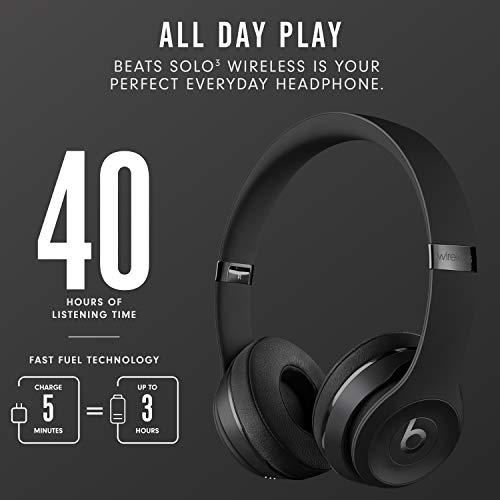
Both headphones deliver impressive battery performance, but through different approaches. The Beats Solo3 Wireless achieves up to 40 hours of playback – a genuinely impressive figure that was industry-leading when they launched in 2016. This longevity comes partly from the efficient W1 chip and partly from not having to power noise cancellation electronics.
The Fast Fuel charging feature provides three hours of playback from just five minutes of charging, which has saved me countless times when heading out with dead headphones. However, the Beats Solo3 still uses micro-USB charging, which feels dated in 2024 when most devices have moved to USB-C.
The JBL Tour One M2 offers 50 hours with noise cancellation off or 30 hours with it enabled – both excellent figures. The USB-C charging feels more future-proof, and the quick charge feature (5 hours of playback from 10 minutes) provides similar convenience to the Beats system.
From a practical standpoint, both headphones provide more than enough battery life for most users. The Beats Solo3 might edge ahead for ultra-long trips where you can't charge for days, while the JBL Tour One M2 offers more realistic all-day performance with modern charging convenience.
This is where Apple's ecosystem advantage becomes most apparent. The Beats Solo3 Wireless paired with an iPhone creates an almost seamless experience. Switch from iPhone to iPad to MacBook, and the headphones automatically appear as an audio option on each device. The W1 chip also provides extended Bluetooth range – I can walk much further from my phone before losing connection compared to standard Bluetooth headphones.
However, this integration comes with trade-offs. Android users miss out on many of these conveniences, and the Beats Solo3 only supports basic audio codecs (AAC and SBC), which limits audio quality potential compared to higher-resolution options like LDAC or aptX.
The JBL Tour One M2 takes a more universal approach with Bluetooth 5.3 and multi-point connectivity, meaning you can connect to two devices simultaneously. Answer a call on your phone while watching Netflix on your laptop without manually switching connections. The JBL Headphones app provides extensive customization regardless of whether you use Android or iPhone.
For home theater applications, this connectivity flexibility matters. The JBL Tour One M2 can easily switch between your TV's Bluetooth, your phone for calls, and your computer for gaming without the manual reconnection dance that plagues many wireless headphones.
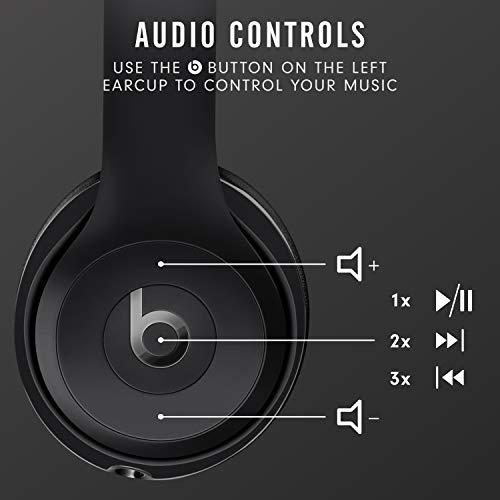
Both headphones offer voice assistant integration, but they approach it differently. The Beats Solo3 Wireless provides simple Siri activation through the multifunction button, which works well within Apple's ecosystem but doesn't extend to other platforms effectively.
The JBL Tour One M2 supports multiple voice assistants (Google Assistant, Alexa, Siri) and includes more sophisticated features like Smart Talk, which automatically pauses music and activates ambient sound when you start speaking. This voice recognition technology means you can have conversations without manually switching modes – genuinely helpful during air travel or when someone needs your attention.
The Personal Sound Amplification feature on the JBL Tour One M2 can boost surrounding voices by 15-20 dB, making it easier to hear conversations or announcements without removing the headphones. While this might sound gimmicky, I've found it surprisingly useful in situations where you need to stay alert to your environment while maintaining audio privacy.
Comfort becomes crucial for extended listening sessions, and the different designs create distinct experiences. The Beats Solo3 Wireless distributes their modest weight directly on your ears, which some people find comfortable while others experience pressure fatigue after an hour or two. The synthetic leather padding feels premium and doesn't cause excessive heat buildup during exercise.
The over-ear design of the JBL Tour One M2 eliminates direct ear pressure by resting on the area around your ears instead. The memory foam padding creates a comfortable seal that works well for multi-hour listening sessions. However, the larger ear cups can trap more heat, making them less ideal for active use.
For home theater applications where you might wear headphones for entire movies, the JBL Tour One M2 provides superior comfort. The Beats Solo3 works better for shorter sessions or when you need to frequently put them on and take them off.
At the time of writing, these headphones occupy different price tiers, reflecting their different feature sets and target markets. The Beats Solo3 Wireless typically costs significantly less than the JBL Tour One M2, making them an attractive entry point into premium wireless audio, especially for Apple users.
The value equation for the Beats Solo3 centers on simplicity and ecosystem integration. You're paying for the convenience of seamless Apple device pairing, excellent battery life, and the cultural cachet of the Beats brand. The sound quality, while not audiophile-grade, satisfies most casual listeners who prioritize convenience over technical perfection.
The JBL Tour One M2 commands a premium price but delivers flagship features that justify the cost for users who need noise cancellation, advanced connectivity, and superior audio quality. The Hi-Res Audio certification, spatial audio processing, and extensive app customization provide value for serious listeners willing to pay for cutting-edge technology.
Choose the Beats Solo3 Wireless if you're deeply embedded in Apple's ecosystem and prioritize portability above all else. They excel for commuting, exercise, and casual listening where seamless device switching and long battery life matter more than absolute audio fidelity. The compact design makes them perfect travel companions, and the distinctive styling appeals to users who want headphones that make a fashion statement.
The JBL Tour One M2 makes sense if you need noise cancellation for focus work, frequent flying, or living in noisy environments. The superior comfort during long sessions, combined with Hi-Res Audio support and extensive customization options, appeals to users who want the best possible listening experience regardless of source device.
For home theater use specifically, the JBL Tour One M2 provides clear advantages through better noise isolation, more comfortable extended wear, and superior dialogue clarity through customizable EQ settings. The Beats Solo3 can certainly handle movie watching but won't create the same immersive, distraction-free experience.
Both headphones represent solid values within their respective market segments, just optimized for different priorities and use cases. The Beats Solo3 Wireless delivers maximum convenience and portability, while the JBL Tour One M2 provides maximum features and audio performance. Your choice ultimately depends on which set of compromises aligns better with how you actually use headphones day-to-day.
| Beats Solo3 Wireless | JBL Tour One M2 |
|---|---|
| Design Type - Affects comfort, portability, and sound isolation | |
| On-ear, 215g, foldable for travel | Over-ear, 272g, better for extended wear |
| Active Noise Cancellation - Essential for noisy environments like planes or offices | |
| None (passive isolation only) | True Adaptive ANC with 4-mic array |
| Battery Life - Critical for travel and daily use without charging | |
| 40 hours (no ANC to drain battery) | 50 hours (ANC off) / 30 hours (ANC on) |
| Audio Quality - Determines listening experience and versatility | |
| Bass-heavy "Beats sound," good for mainstream music | Hi-Res Audio certified, balanced sound with customizable EQ |
| Apple Integration - Major convenience factor for iPhone/Mac users | |
| W1 chip enables seamless pairing and device switching | Standard Bluetooth 5.3, works well but no special Apple features |
| Connectivity Features - Important for multi-device users | |
| Single device connection, extended Bluetooth range | Multi-point (connect 2 devices), Google Fast Pair, Microsoft Swift Pair |
| Charging Technology - Affects daily convenience | |
| Micro-USB, Fast Fuel (5 min = 3 hours playback) | USB-C, 10 min quick charge = 5 hours playback |
| Smart Features - Modern conveniences for hands-free use | |
| Basic voice assistant support, simple controls | Smart Talk voice recognition, Personal Sound Amplification, spatial audio |
| Codec Support - Affects wireless audio quality potential | |
| AAC, SBC (limited high-res options) | AAC, SBC (no LDAC/aptX but Hi-Res via wired) |
| Best Use Cases - Who should choose each option | |
| Apple users wanting portability, gym/active use, travel | Serious listeners needing ANC, long listening sessions, cross-platform use |
For daily use, it depends on your priorities. The Beats Solo3 Wireless excels for active lifestyles, commuting, and frequent travel due to their lightweight design and 40-hour battery life. The JBL Tour One M2 is better for office work, studying, or long listening sessions thanks to active noise cancellation and superior comfort during extended wear.
If you frequently work in noisy environments, use public transportation, or live in a loud area, the JBL Tour One M2 with active noise cancellation is essential. The Beats Solo3 Wireless only offers passive isolation, making them suitable for quieter environments but less effective against consistent background noise like airplane engines or air conditioning.
The JBL Tour One M2 offers superior technical audio quality with Hi-Res Audio certification, balanced sound signature, and customizable EQ settings. The Beats Solo3 Wireless delivers a bass-heavy sound that many users love for pop, hip-hop, and electronic music, but lacks the detail and customization options of the JBL model.
The JBL Tour One M2 is significantly more comfortable for extended use due to its over-ear design that doesn't press directly on your ears. The Beats Solo3 Wireless can cause ear fatigue after 1-2 hours since the on-ear design applies pressure directly to your ears, though this varies by individual.
The Beats Solo3 Wireless offers superior iPhone integration thanks to Apple's W1 chip, enabling instant pairing, automatic device switching, and extended Bluetooth range. The JBL Tour One M2 works well with iPhones but doesn't offer the same seamless ecosystem integration, though it provides more advanced features through its companion app.
The Beats Solo3 Wireless provides up to 40 hours of continuous playback, while the JBL Tour One M2 offers 50 hours with noise cancellation off or 30 hours with it enabled. Both include quick-charge features, with the Beats offering 3 hours from a 5-minute charge and the JBL providing 5 hours from a 10-minute charge.
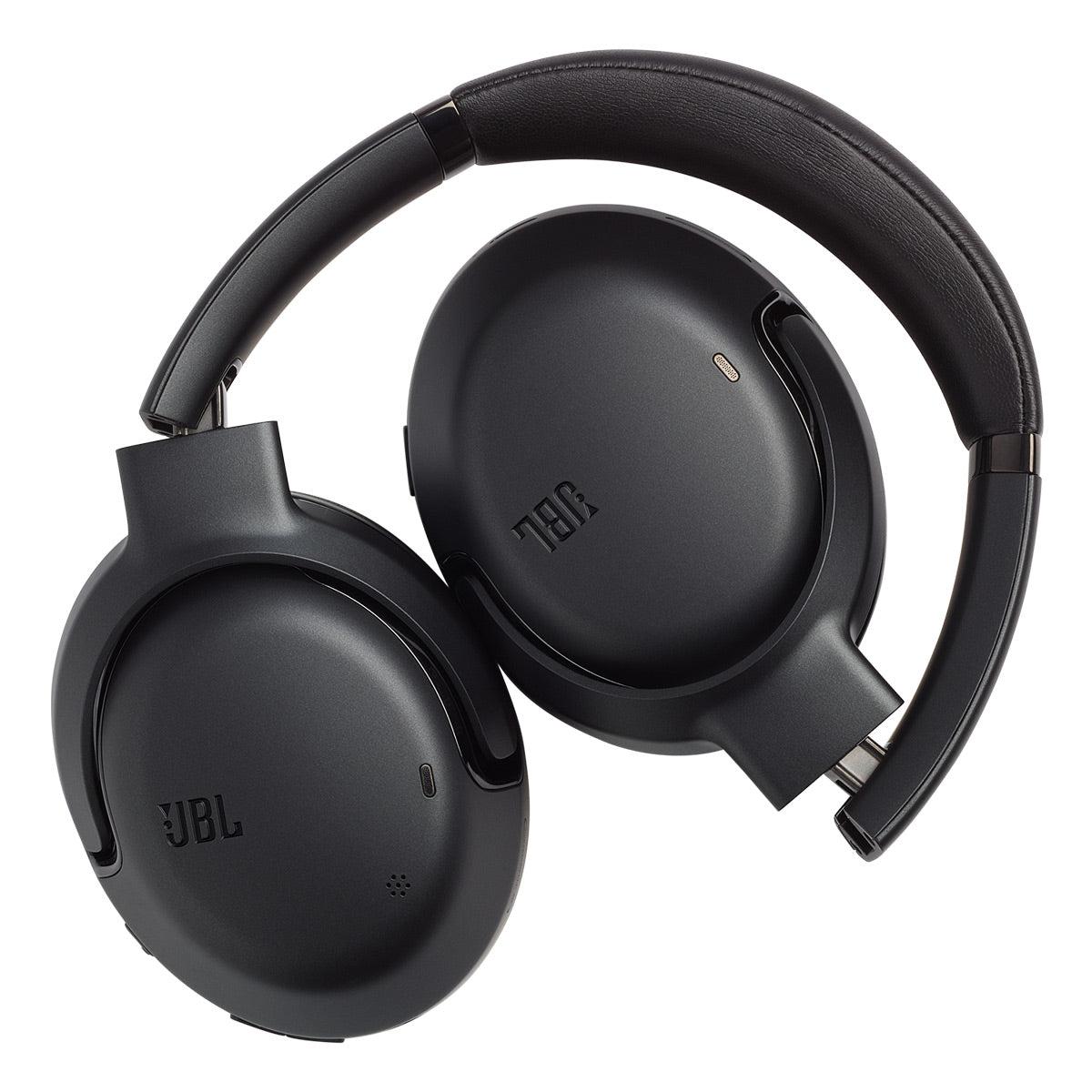
The Beats Solo3 Wireless is significantly more portable, weighing just 215g with a compact foldable design that fits easily in carry-on bags. The JBL Tour One M2 weighs 272g with a larger over-ear form factor, making them less ideal for frequent travelers but still manageable with the included carrying case.
Both headphones handle phone calls well, but the JBL Tour One M2 has a slight edge with its 4-microphone array and advanced noise cancellation that filters out background noise during calls. The Beats Solo3 Wireless provides clear call quality but may struggle in very noisy environments due to the lack of active noise cancellation.
The Beats Solo3 Wireless is much better for exercise and active use due to their secure on-ear fit, lightweight design, and sweat-resistant build quality. The JBL Tour One M2 is not ideal for workouts as the over-ear design can trap heat and moisture, and they're heavier and bulkier for active movement.
The JBL Tour One M2 works excellently with Android devices, offering full app functionality, Google Fast Pair, and multi-device connectivity. The Beats Solo3 Wireless works with Android but you'll miss out on many convenience features that are exclusive to Apple devices, making the JBL a better choice for Android users.
The Beats Solo3 Wireless typically offers better value if you're an Apple user who prioritizes portability and long battery life over advanced features. The JBL Tour One M2 provides better value for users who need noise cancellation, superior audio quality, and modern features, justifying its higher price point with flagship-level capabilities.
The JBL Tour One M2 is significantly better for home movie watching due to active noise cancellation that blocks household distractions, superior comfort for long viewing sessions, and customizable EQ for optimizing dialogue clarity. The Beats Solo3 Wireless can handle movies but won't provide the same immersive, distraction-free experience for extended viewing.
We've done our best to create useful and informative comparisons to help you decide what product to buy. Our research uses advanced automated methods to create this comparison and perfection is not possible - please contact us for corrections or questions. These are the sites we've researched in the creation of this article: soundguys.com - cornellstore.com - imore.com - bestbuy.com - headphonecheck.com - soundguys.com - recordingnow.com - corporategift.com - ifixit.com - rtings.com - youtube.com - mobileciti.com.au - beatsbydre.com - discussions.apple.com - target.com - bestbuy.com - jalc.ecampus.com - beats.fandom.com - support.apple.com - electronics.woot.com - tomsguide.com - majorhifi.com - audio46.com - synced.sg - majorhifi.com - versus.com - youtube.com - youtube.com - peterfalkingham.com - youtube.com - jbl.com - manuals.plus - bhphotovideo.com - device.report - jblonlinestore.com - bhphotovideo.com - jbl.com.my - en.jblthailand.com - harmanhouse.com - versus.com - consumerreports.org - bestbuy.com - th.jbl.com - jbl.com - theindianaudiophileforum.com

Privacy Policy
Terms and Conditions - Affiliate Policy
Home Security
© Copyright 2008-2026.
11816 Inwood Rd #1211, Dallas, TX 75244