

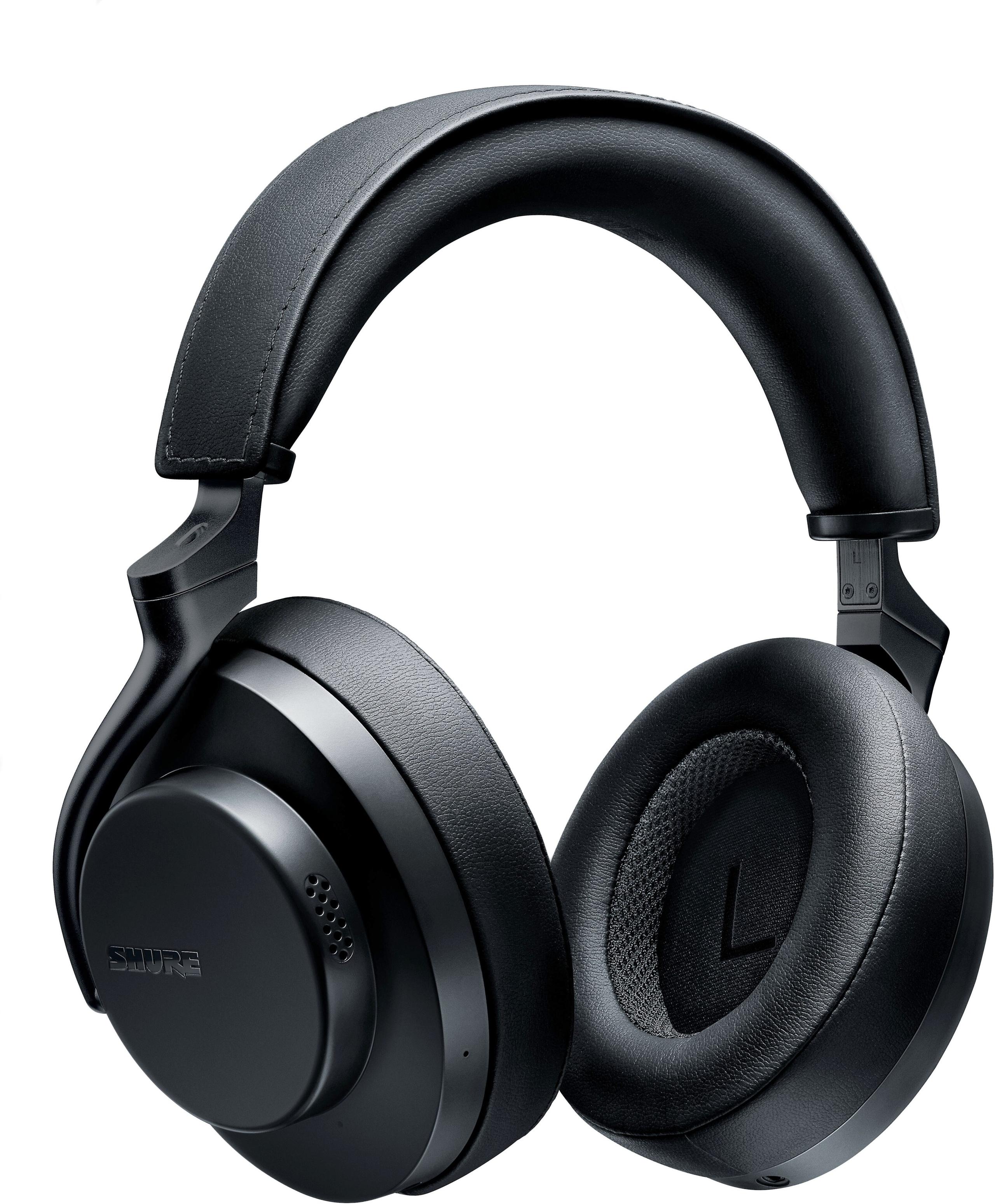
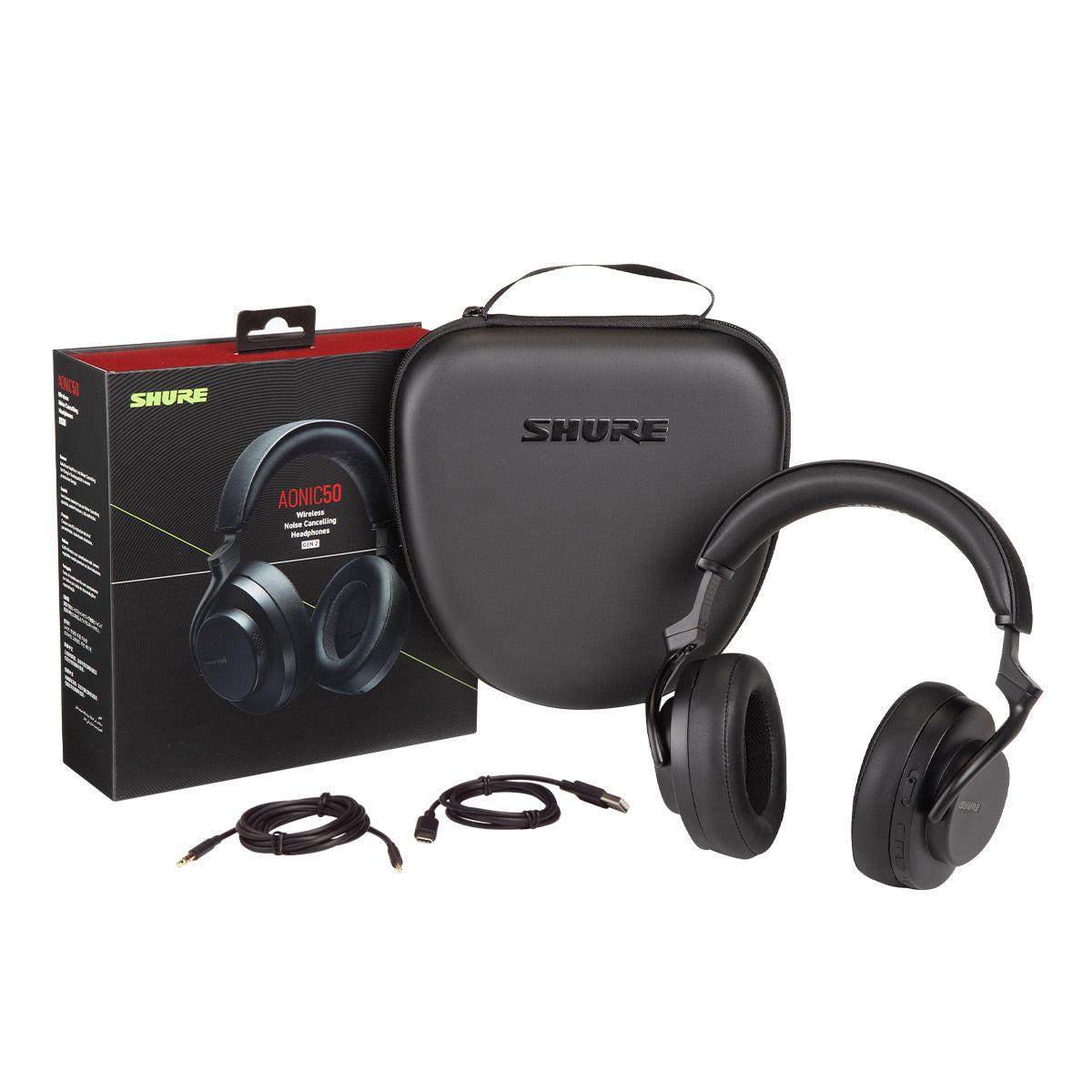
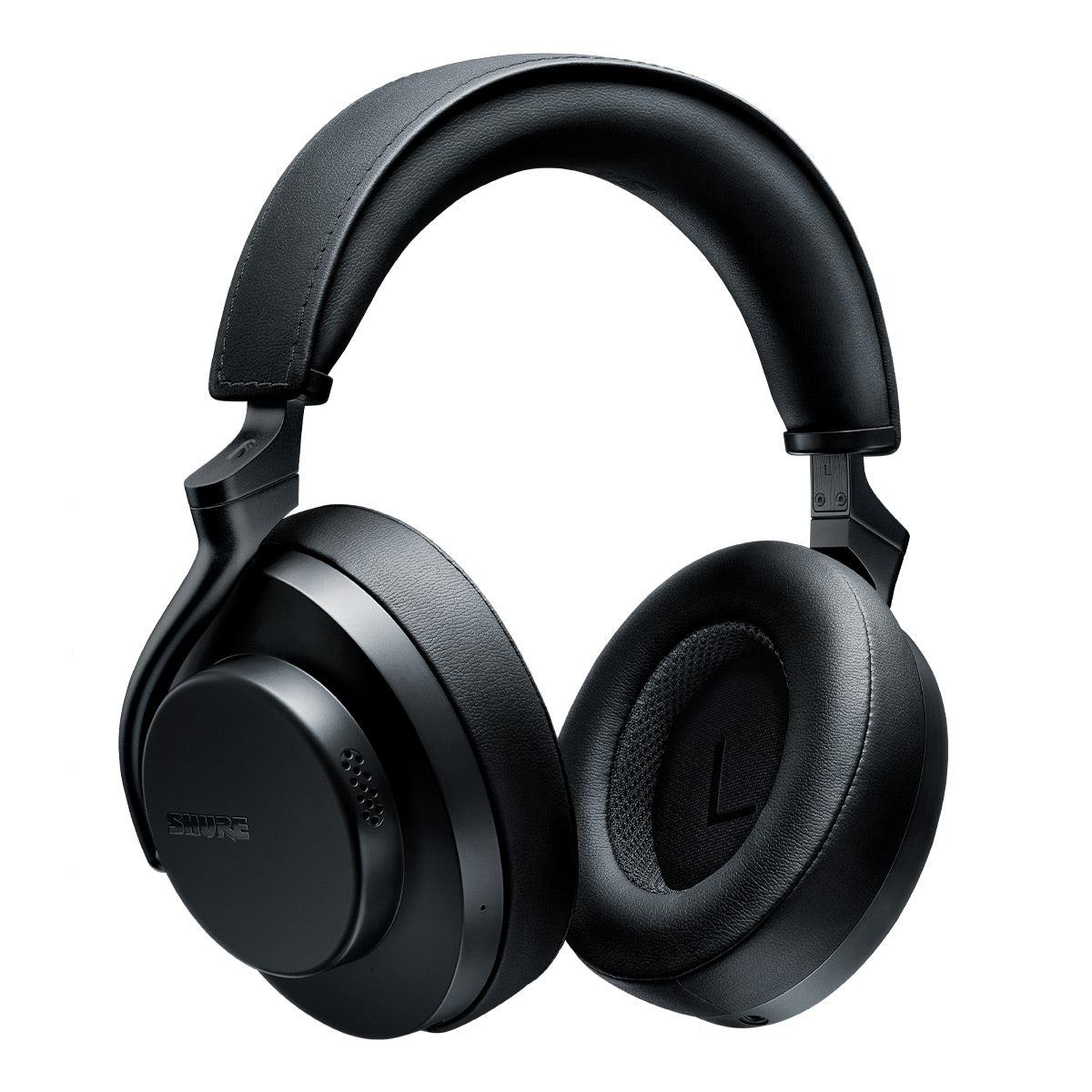

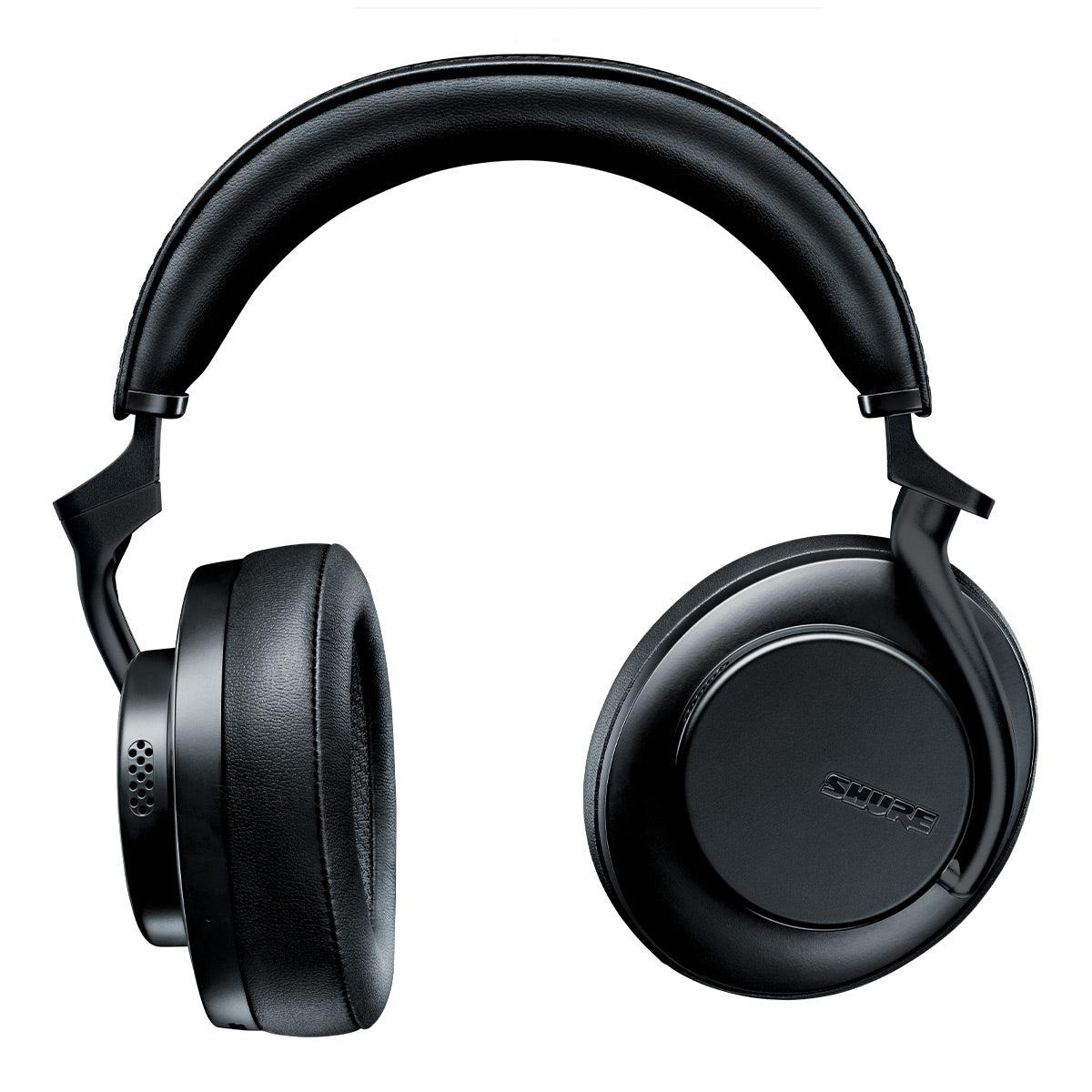
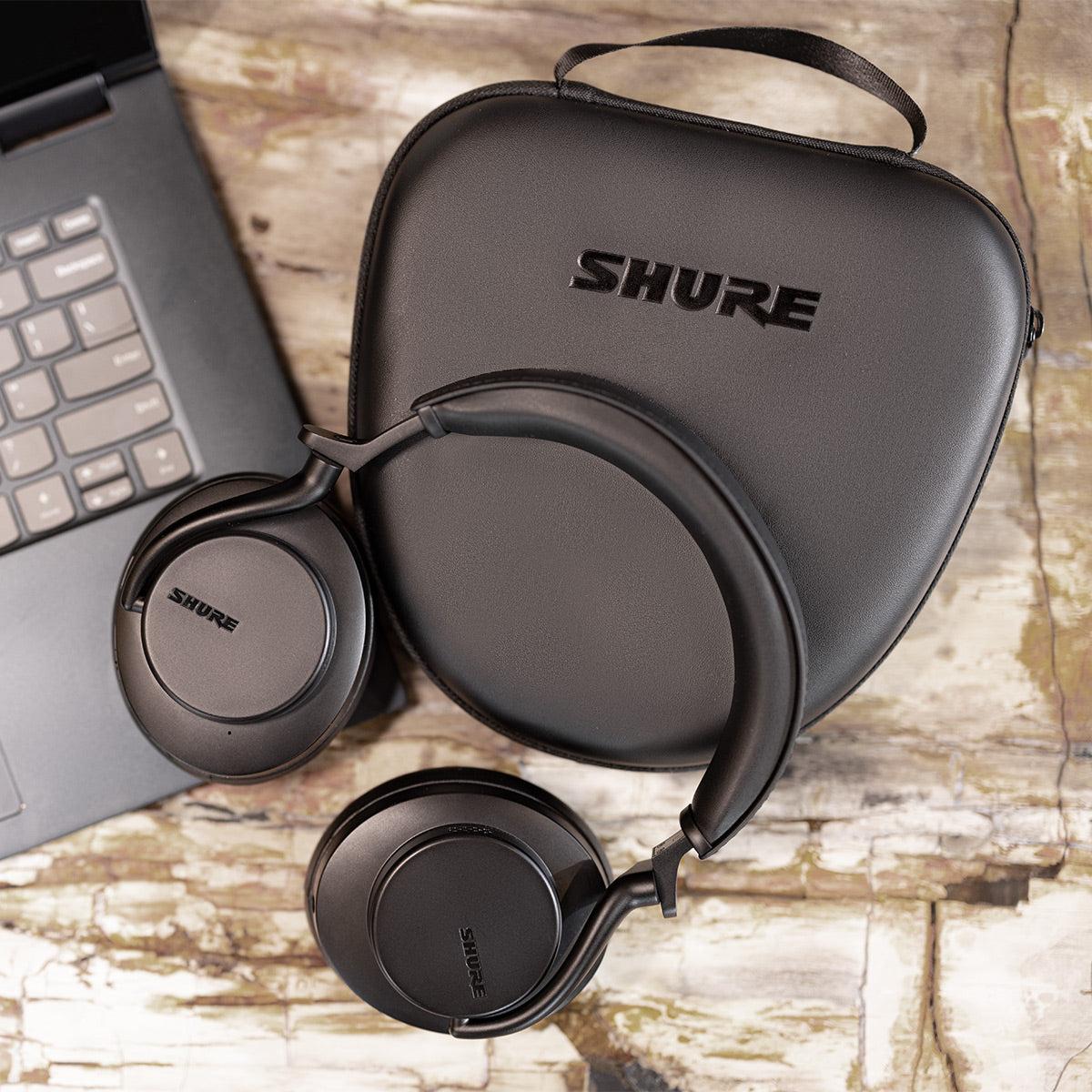
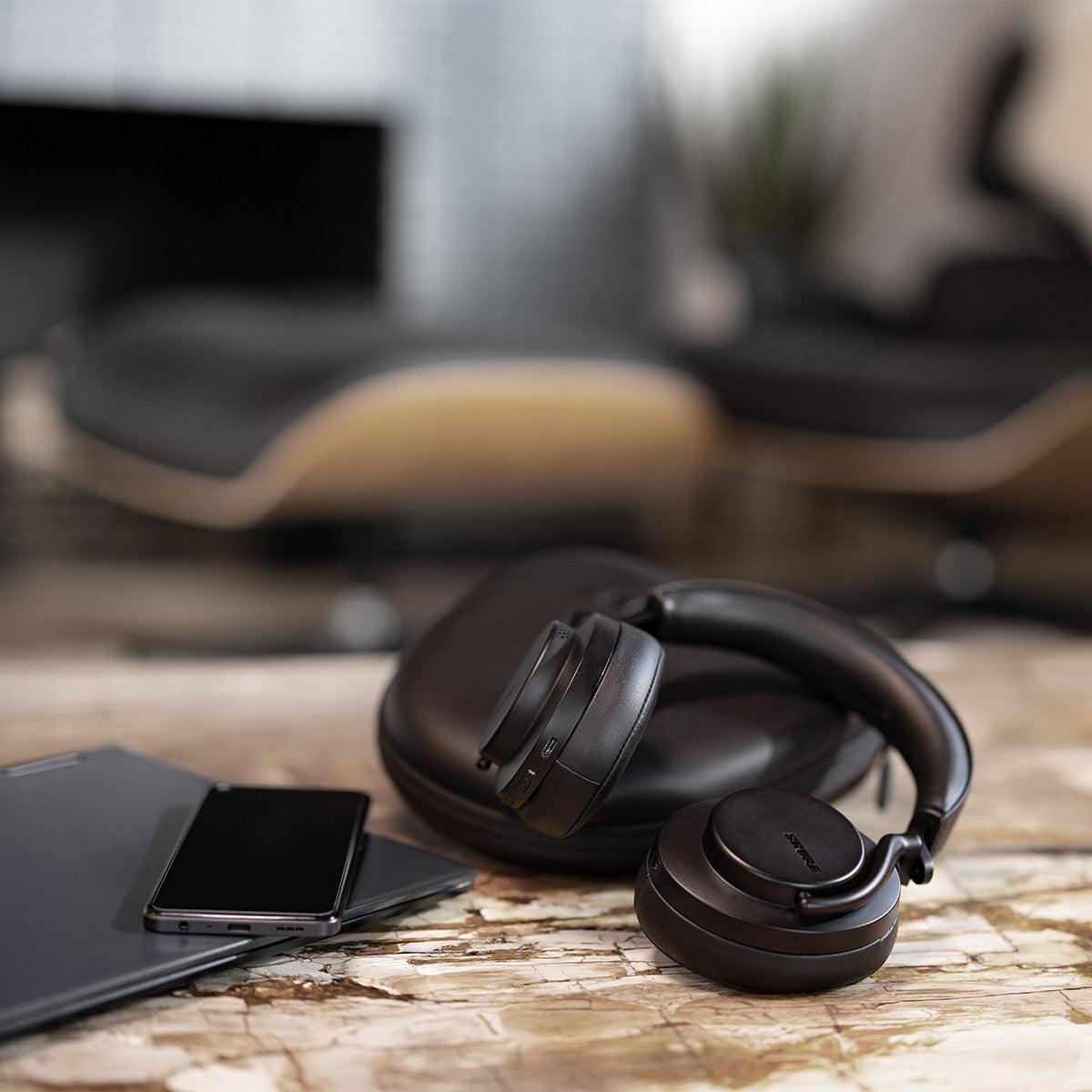
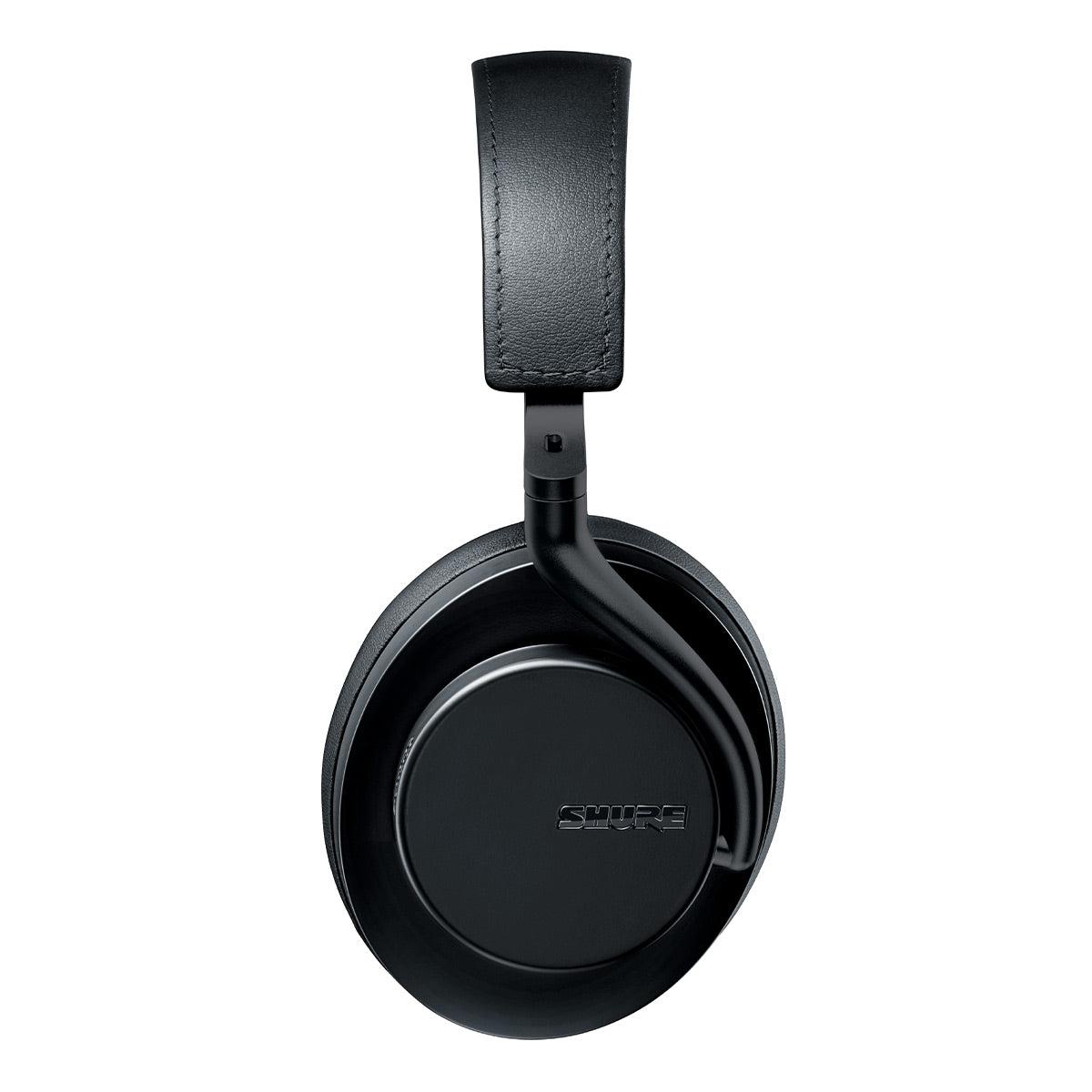


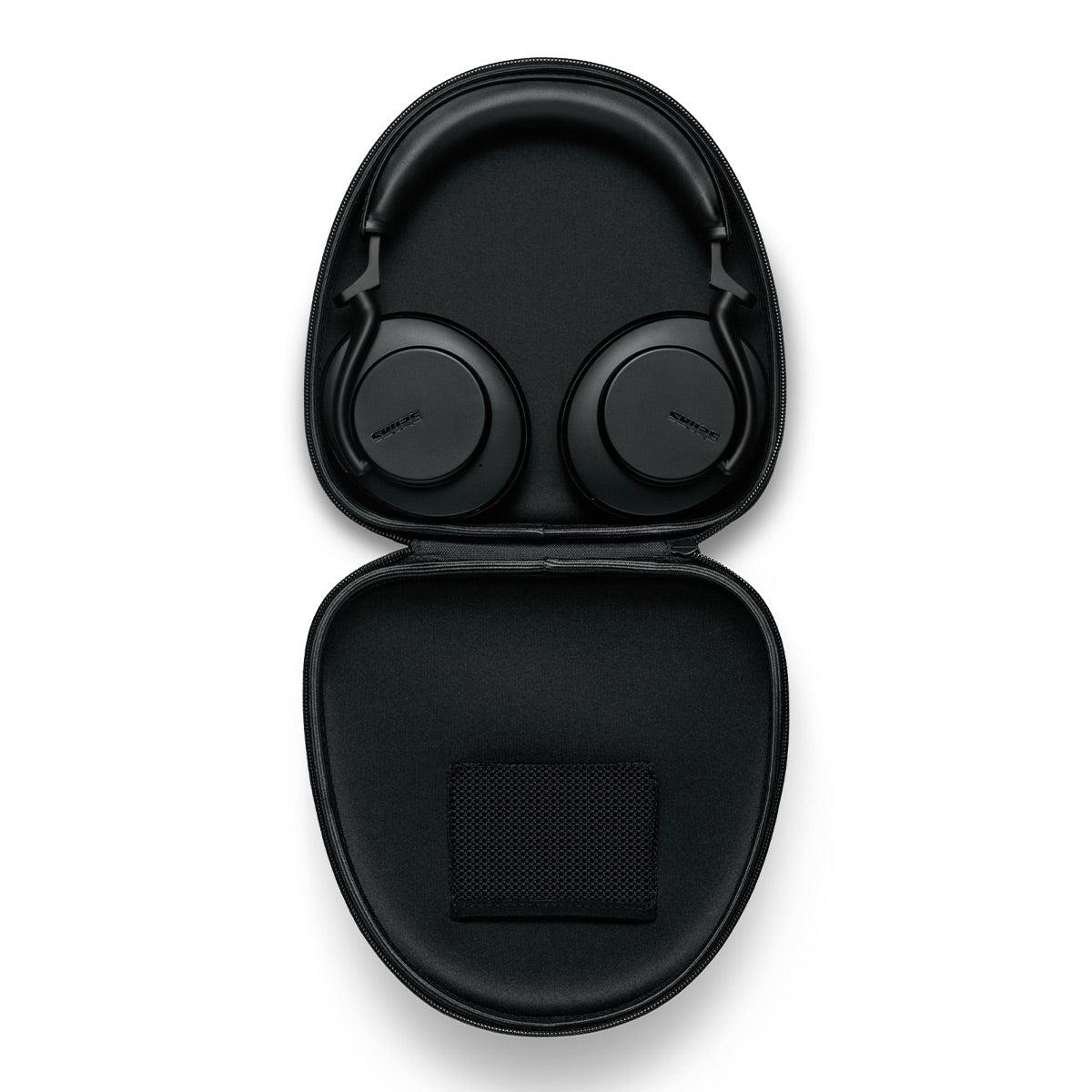
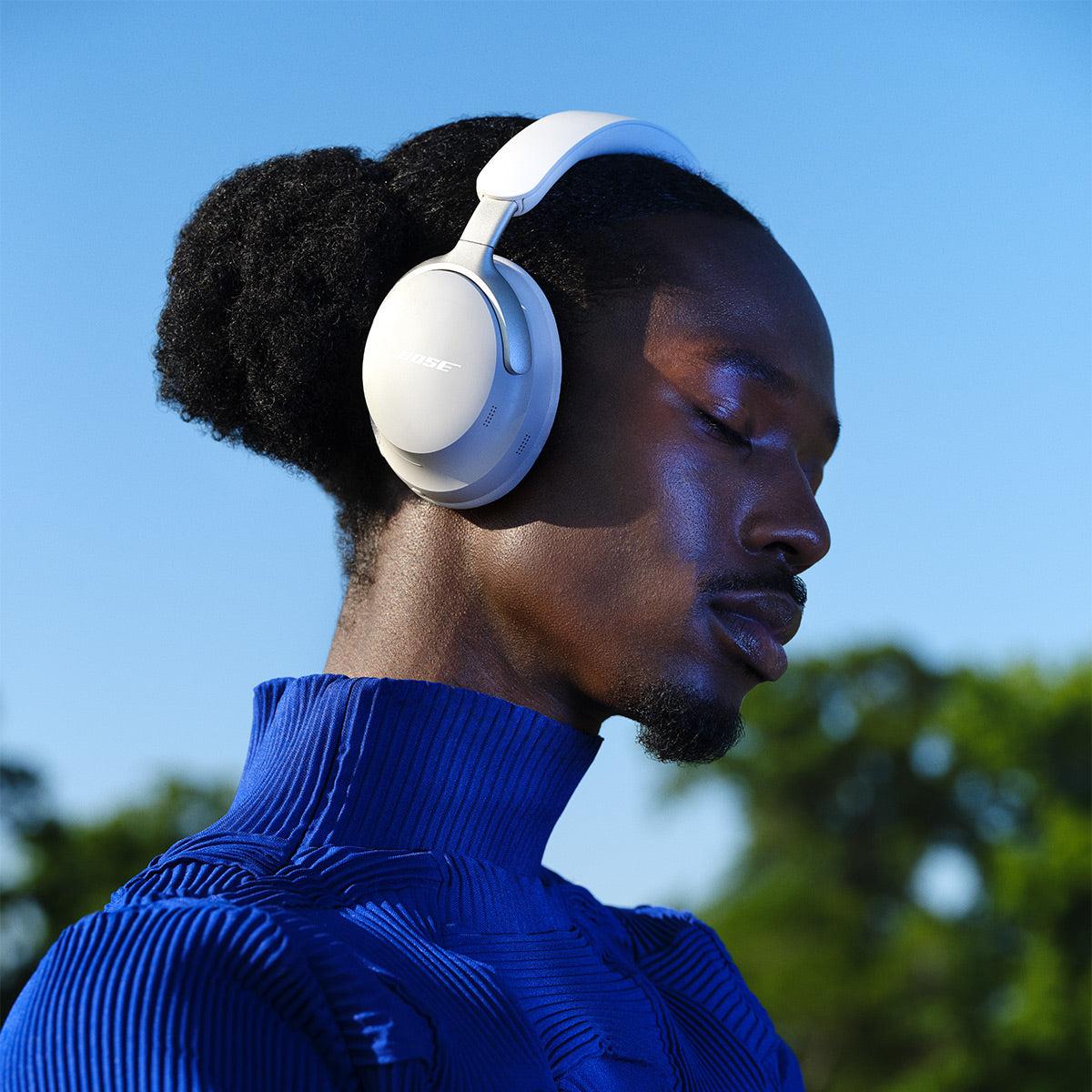
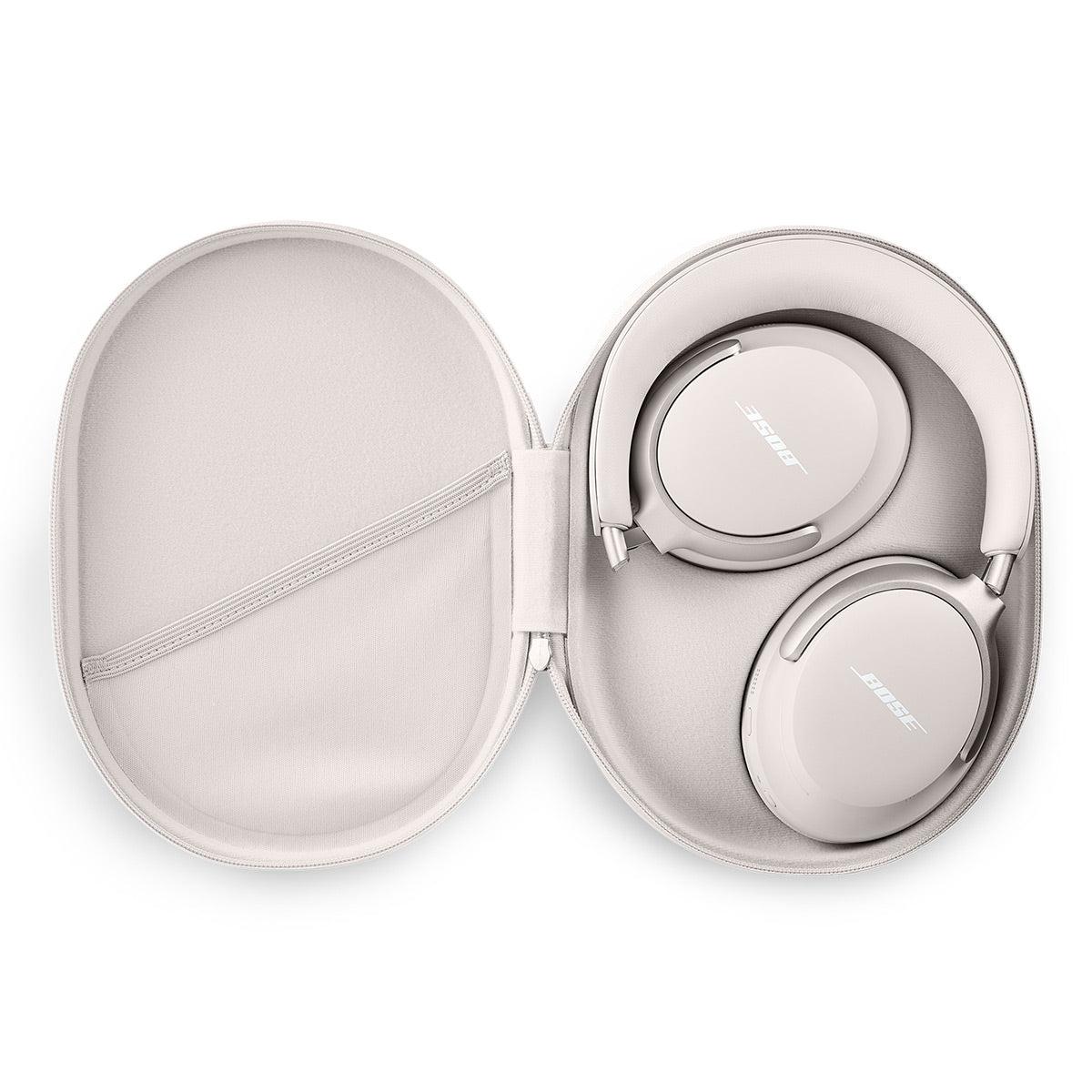

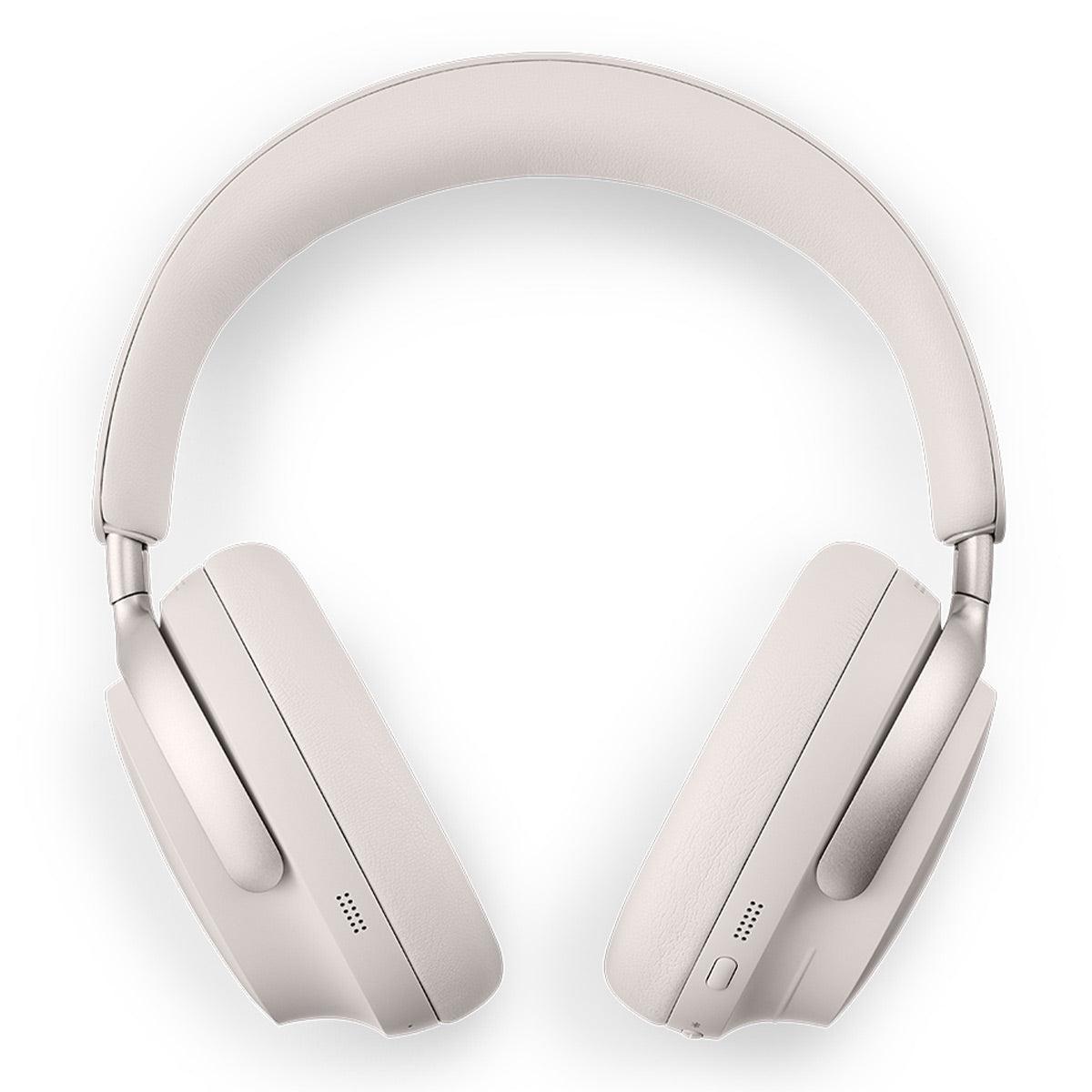
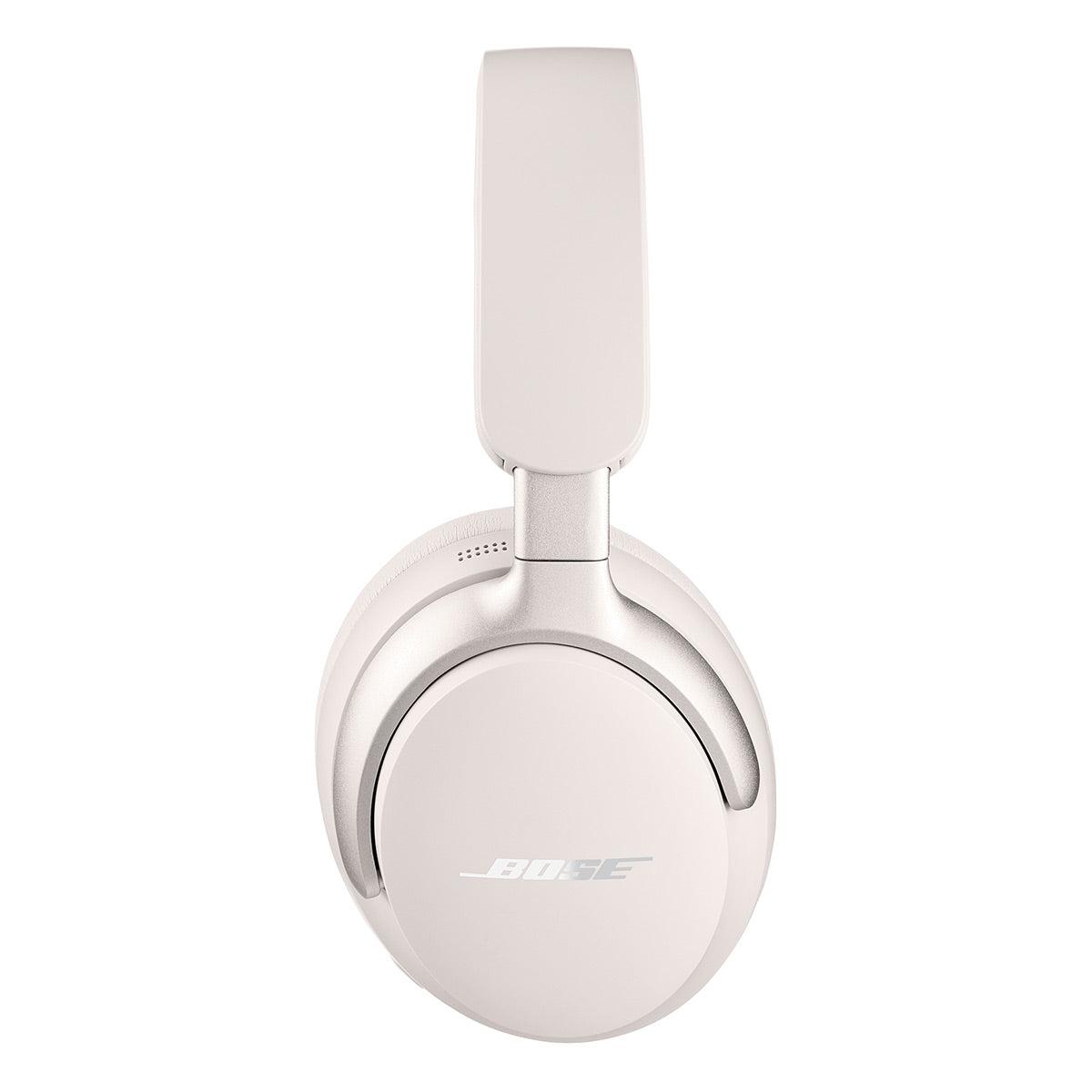
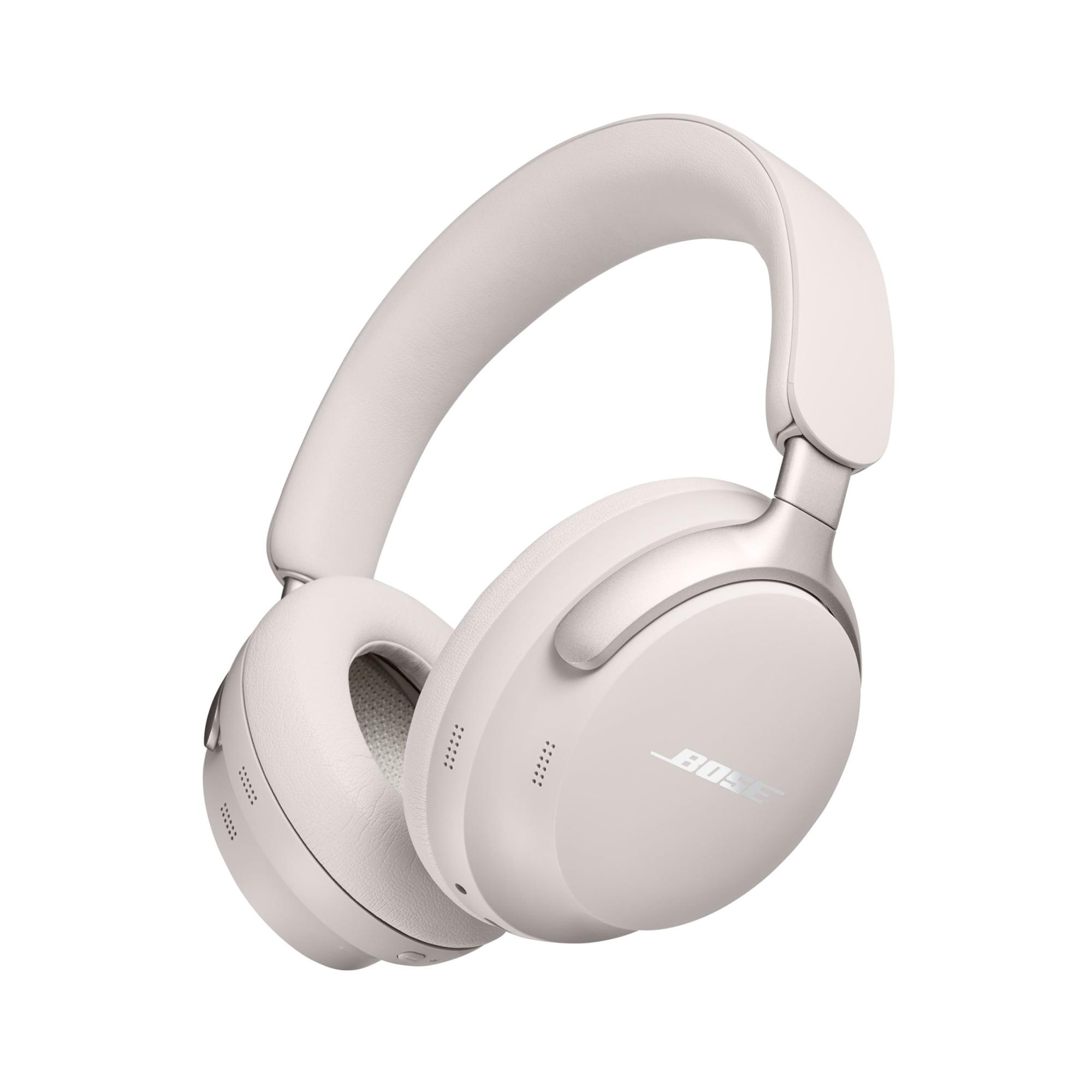

When you're shopping for premium wireless headphones in the $350-400 range, you'll quickly discover that not all expensive headphones are created equal. The Shure Aonic 50 Gen 2 and Bose QuietComfort Ultra represent two fundamentally different approaches to what makes a great pair of headphones. At the time of writing, these models are priced within about $10 of each other, making your choice less about budget and more about understanding which philosophy matches your needs.
Released in 2023, both headphones showcase the latest thinking from their respective manufacturers. The Shure Aonic 50 Gen 2 builds on Shure's nearly century-long heritage in professional audio equipment, while the Bose QuietComfort Ultra represents the culmination of Bose's pioneering work in active noise cancellation technology that began in the 1980s with aviation headsets.
Before diving into specifics, it's worth understanding what separates premium wireless headphones from their cheaper counterparts. These products typically feature larger, more sophisticated drivers (the tiny speakers inside each ear cup), advanced digital signal processing (computer chips that modify the audio signal), multiple wireless codecs (different methods of transmitting audio data over Bluetooth), and active noise cancellation systems that use microphones and processing to cancel out external sounds.
The premium category has evolved significantly since the early days of wireless audio. Where early Bluetooth headphones suffered from poor sound quality and constant connection drops, today's models can deliver audio that rivals wired connections while adding features impossible with traditional cables.
The Shure Aonic 50 Gen 2 approaches wireless headphones from the perspective of a company that has spent decades making microphones and monitoring equipment for recording studios and concert stages. When you see musicians on stage wearing in-ear monitors or recording engineers using studio headphones, there's a good chance they're using Shure equipment.
This professional audio heritage shows immediately in the sound signature. Unlike many consumer headphones that boost bass and treble to create an impressive first impression, the Shure Aonic 50 Gen 2 aims for accuracy. The sound is what audio engineers call "reference quality" – meaning it reveals exactly what the recording artist and producer intended, without artificial enhancement.
The technical specifications support this approach. The headphones use 50mm dynamic drivers with neodymium magnets, which is larger than what you'll find in most wireless headphones. Larger drivers can move more air, creating better bass response and overall dynamics. The frequency response extends from 20 Hz to 22 kHz, covering the full range of human hearing with headroom on both ends.
What sets the Shure Aonic 50 Gen 2 apart technically is its support for high-resolution audio codecs. While basic Bluetooth uses lossy compression (throwing away audio data to fit through the wireless connection), the Shure supports aptX Adaptive, aptX HD, and Sony's LDAC codec. These advanced codecs can transmit much more audio data, preserving detail that gets lost with standard SBC or AAC compression.
Even more impressive is the USB-C digital audio input, which bypasses Bluetooth entirely. When connected via USB-C to a compatible device, the Shure Aonic 50 Gen 2 can handle audio up to 32-bit/384kHz resolution – far beyond what CDs provide and approaching studio master quality. This makes them genuinely useful for home theater applications where you want to hear every detail in a movie soundtrack or the subtle ambient sounds in a complex mix.
The Shure Aonic 50 Gen 2 includes what they call "Spatialized Audio" with three distinct modes. Unlike some spatial audio systems that simply add artificial reverb, Shure's implementation uses sophisticated digital signal processing to simulate different acoustic environments. The Music mode simulates listening in an acoustically treated room with high-end speakers, while Cinema mode recreates the sub-bass and spatial characteristics of a movie theater. The Podcast mode focuses on vocal clarity, as if you're sitting across from the speaker in a studio.
In my experience testing these modes, the effect is subtle but meaningful. The Music mode particularly shines with acoustic recordings, where instruments seem to occupy distinct positions in space rather than appearing to come from inside your head – a common limitation of traditional headphones.
The Bose QuietComfort Ultra takes a completely different approach. Bose essentially invented consumer active noise cancellation in the 1980s, and they've been refining the technology ever since. Their philosophy is simple: create a perfect bubble of silence first, then deliver great sound within that bubble.
Active noise cancellation works by using external microphones to capture ambient sound, then generating an opposite sound wave through the headphone drivers to cancel it out. It's most effective against consistent, low-frequency sounds like airplane engines, air conditioning, or traffic noise. The Bose QuietComfort Ultra uses what they call "hybrid" noise cancellation, with microphones both inside and outside the ear cups for maximum effectiveness.
What makes Bose's implementation special is their decades of experience in psychoacoustics – the science of how humans perceive sound. Their noise cancellation doesn't just reduce volume; it selectively targets the frequencies that are most distracting to human hearing while preserving important sounds like voices and safety alerts.
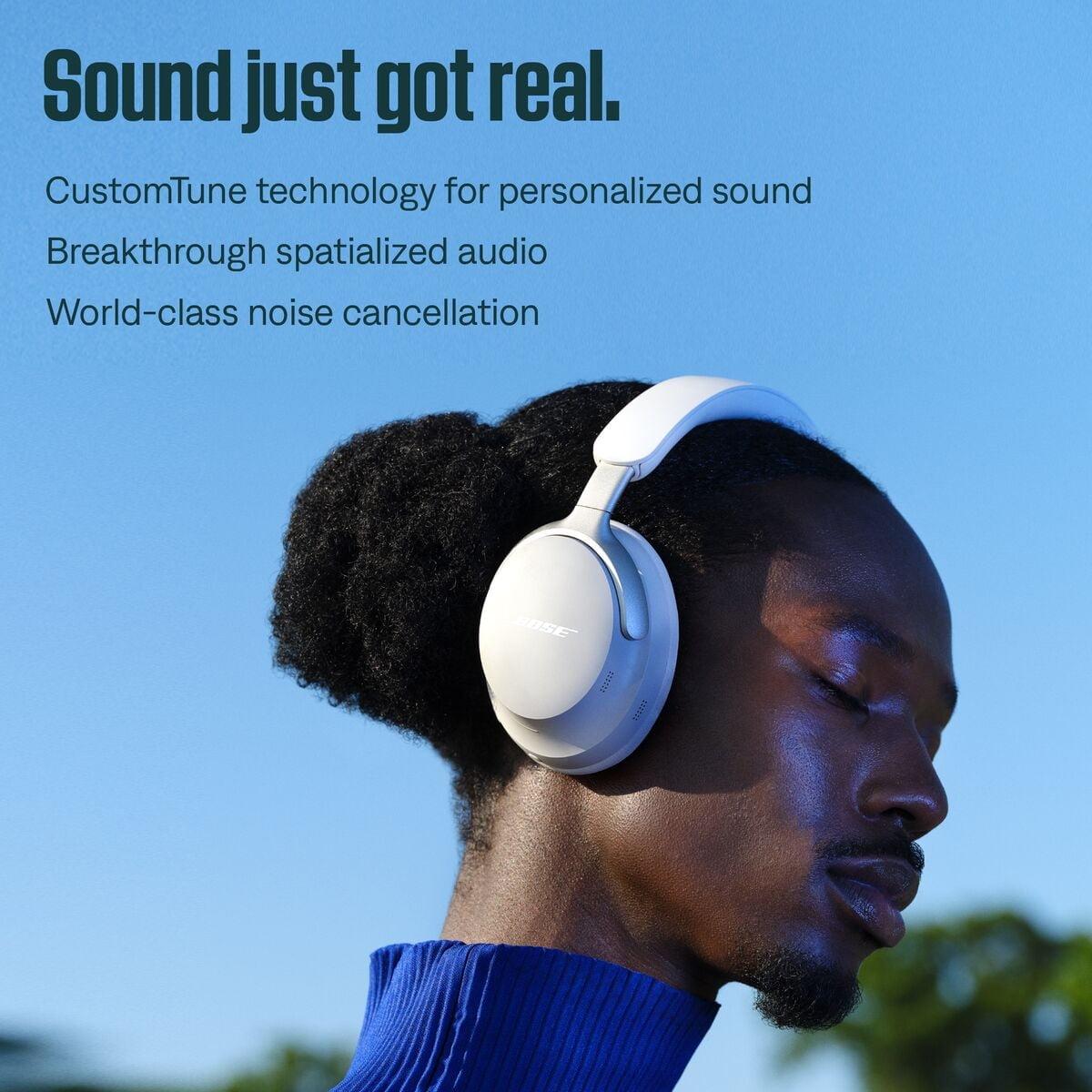
The Bose QuietComfort Ultra introduces CustomTune technology, which analyzes your individual ear shape every time you put the headphones on. Using tiny microphones inside the ear cups, the system measures how sound reflects within your ear canal and automatically adjusts both the audio performance and noise cancellation to optimize for your unique anatomy. This personalization happens in real-time and requires no user intervention.
Bose's Immersive Audio represents their entry into spatial audio, but with a focus on head tracking. Unlike the Shure's room simulation approach, Bose's system uses motion sensors to track your head movement and adjust the soundstage accordingly. When you turn your head left, sounds that were coming from your right ear shift to maintain their apparent position in space.
The effect works best with content specifically mixed for spatial audio, but the system can also process regular stereo content. In testing, I found it most convincing with acoustic music and movie soundtracks, where the sense of space and dimensionality becomes genuinely immersive. However, the feature does reduce battery life, and not everyone finds the effect pleasant – some users report feeling slightly disoriented.
The audio quality differences between these headphones reveal the fundamental divide in their design philosophy. The Shure Aonic 50 Gen 2 delivers what audiophiles call a "revealing" sound signature. Details that get buried in other headphones emerge clearly: the subtle reverb tail on a snare drum, the breath sounds between vocal phrases, or the room tone in a live recording.
This technical excellence comes with trade-offs. The neutral tuning can sound somewhat clinical compared to headphones that boost certain frequencies for immediate impact. Music that relies on deep bass impact – hip-hop, electronic dance music, or action movie soundtracks – might sound less exciting than on headphones with more aggressive bass tuning.
The Bose QuietComfort Ultra takes the opposite approach, optimizing for what sounds immediately appealing. The bass response is fuller and more prominent, vocals sit forward in the mix, and the overall presentation is warm and engaging. This tuning works particularly well for popular music genres and makes long listening sessions enjoyable without fatigue.
For home theater use, the differences become more apparent. The Shure Aonic 50 Gen 2 excels at revealing the subtle details in complex movie soundtracks – the rustle of clothing, distant ambient sounds, or the precise positioning of effects in action sequences. The wide soundstage creates a sense of space that approaches what you'd get from a good surround sound system.
The Bose QuietComfort Ultra takes a different approach to movies, emphasizing impact and immersion over accuracy. Explosions feel powerful, dialogue cuts through clearly, and the overall experience is cinematically engaging. The spatial audio processing can enhance the sense of being "in" the movie, though purists might prefer the more accurate presentation of the Shure.
This is where the two headphones diverge most dramatically. The Bose QuietComfort Ultra delivers what many consider the best active noise cancellation available in consumer headphones. The system is so effective that it can create an almost unsettling sense of isolation, reducing airplane cabin noise to barely audible levels and making busy coffee shops feel library-quiet.
The Shure Aonic 50 Gen 2 includes active noise cancellation, but it's clearly a secondary consideration in their design. The system works adequately in mild noise environments but struggles with the kind of consistent, loud noise you encounter on airplanes or trains. More problematically, the ANC system can create uncomfortable pressure sensations and is prone to wind buffeting – that annoying whooshing sound that some noise cancellation systems produce in response to air movement.
For daily commuting or travel, this difference is decisive. The Bose QuietComfort Ultra can transform a noisy subway ride into a peaceful listening session, while the Shure Aonic 50 Gen 2 will leave you struggling to hear your music over background noise.
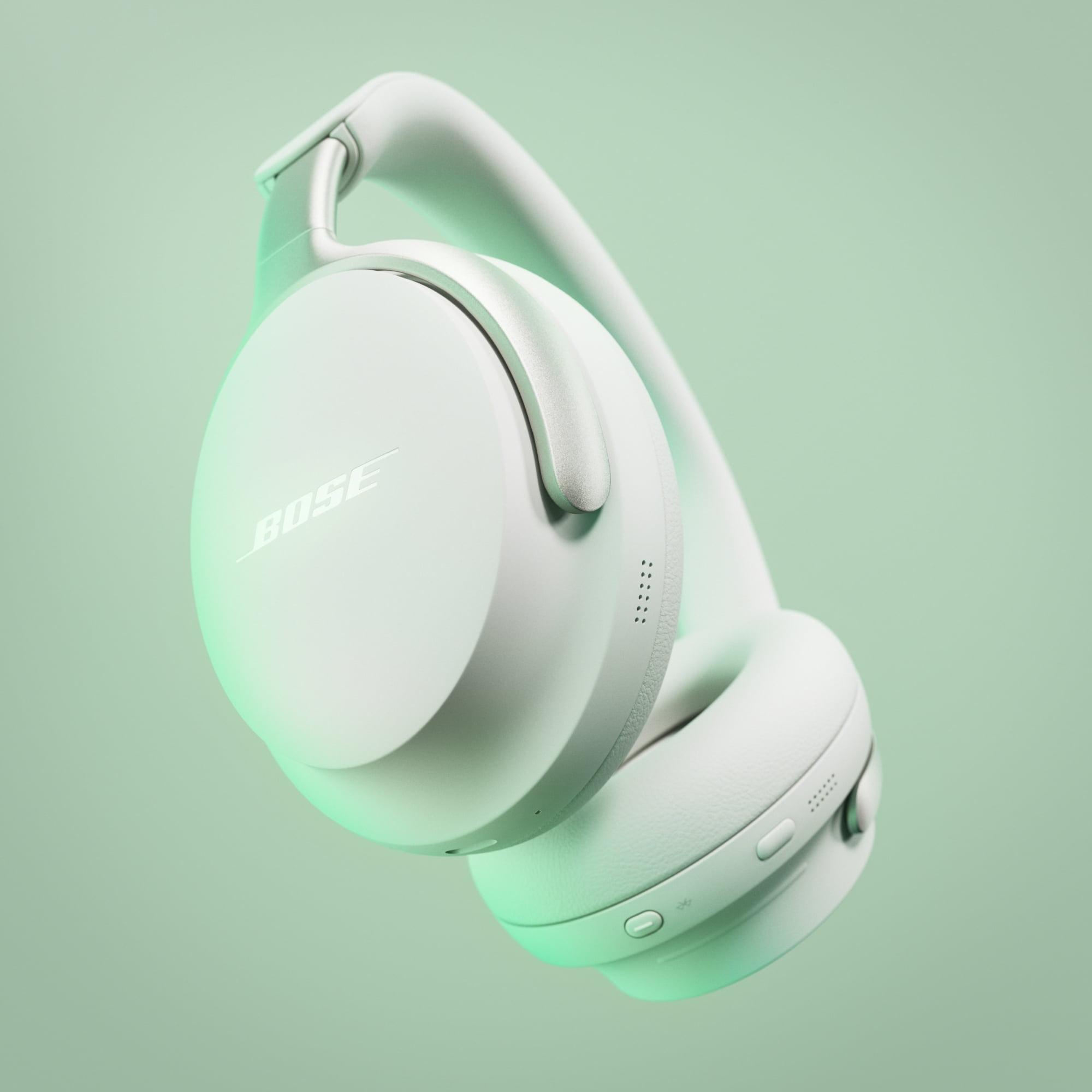
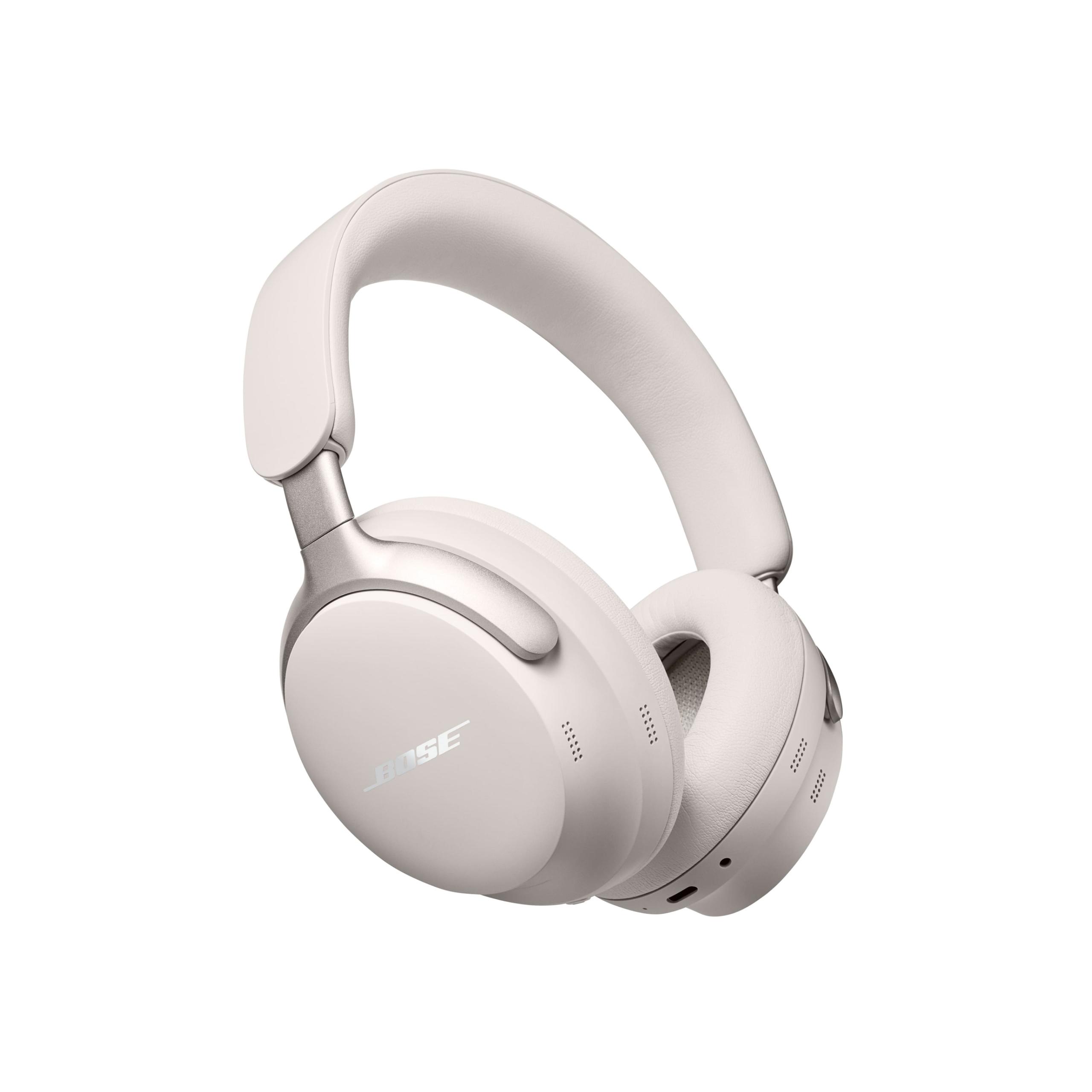
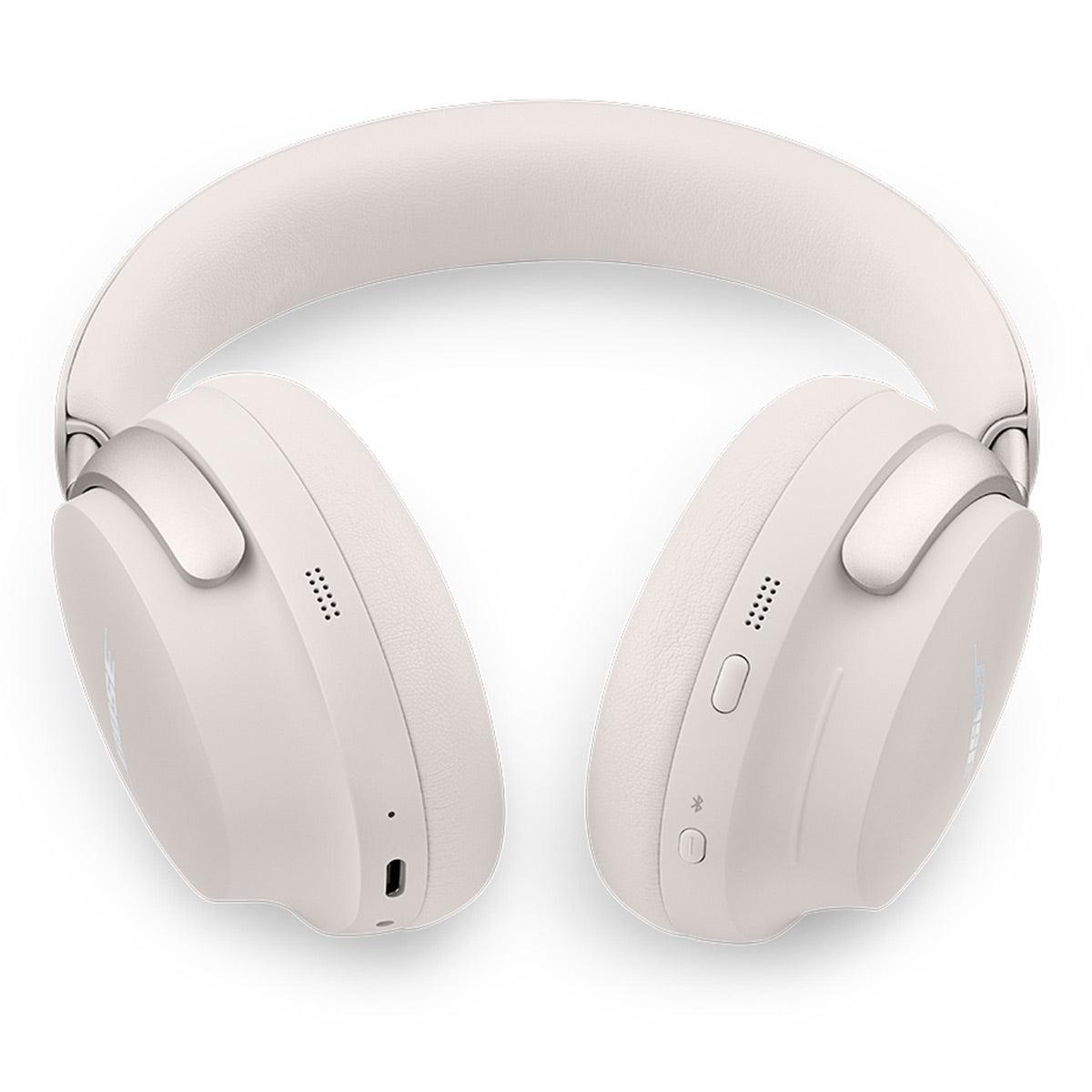
Physical comfort becomes crucial when you're spending $350+ on headphones you might wear for hours at a time. The Bose QuietComfort Ultra weighs just 254 grams compared to the Shure's 334 grams – a difference you'll definitely notice during extended listening sessions. The Bose also distributes weight more evenly, with softer ear cushions and a more ergonomic headband design.
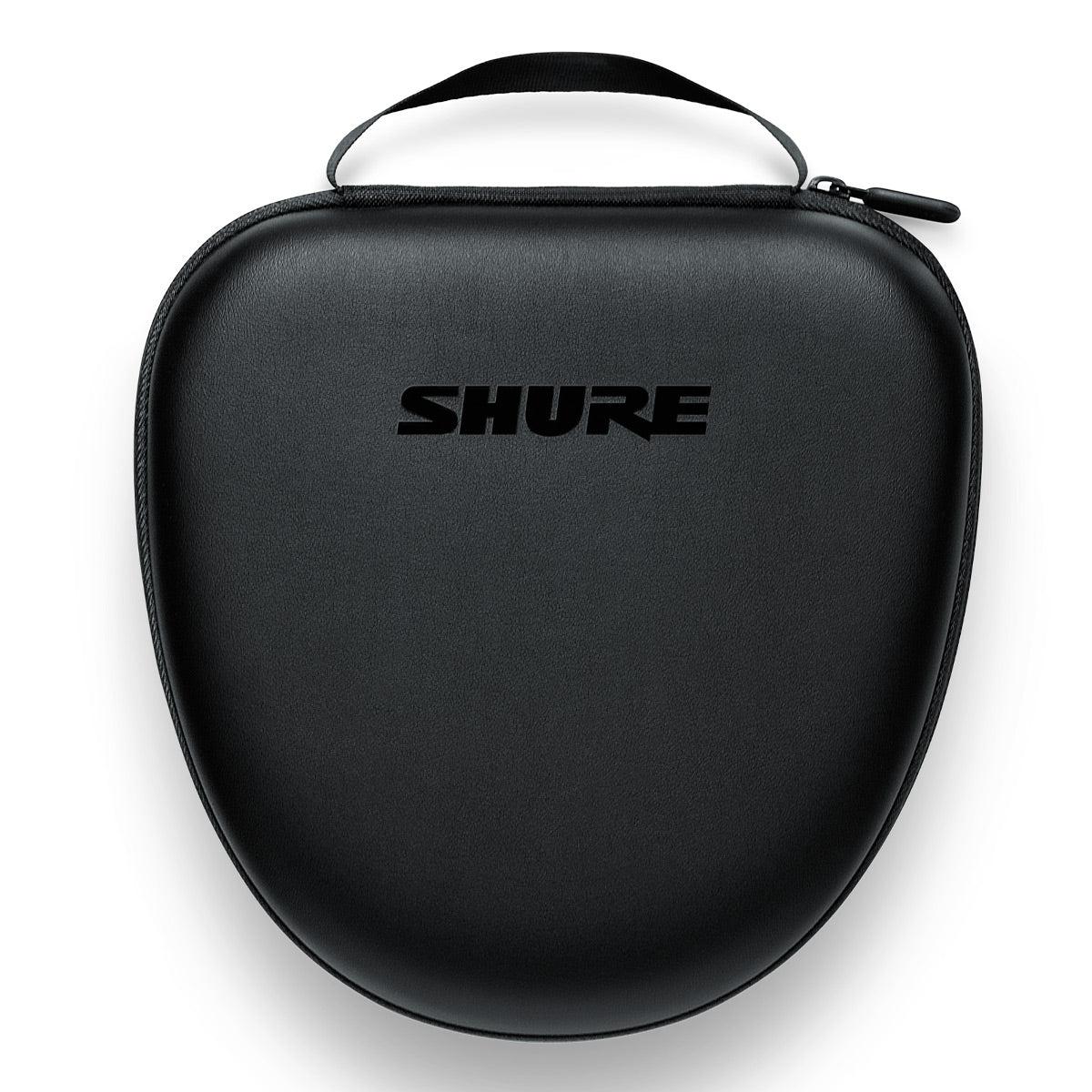
The Shure Aonic 50 Gen 2 compensates for its extra weight with more substantial construction. The metal headband and robust hinges suggest these headphones will survive years of heavy use. However, the non-folding design makes them less portable than the Bose QuietComfort Ultra, which folds flat for travel.
Both headphones use protein leather ear cushions, but the Bose's are notably softer and create a better seal around your ears. This difference affects both comfort and noise isolation – the better seal helps the Bose's active noise cancellation work more effectively.
Battery life represents one of the Shure Aonic 50 Gen 2's major advantages. With 45 hours of playback time, these headphones can literally last for days of heavy use without needing a charge. This makes them ideal for long trips or users who frequently forget to charge their devices.
The Bose QuietComfort Ultra provides 24 hours of battery life with noise cancellation active, dropping to 18 hours with spatial audio enabled. While this is respectable by industry standards, it's significantly shorter than the Shure's marathon endurance.
Both headphones support fast charging, but the practical impact differs. The Shure's longer battery life means you'll need to charge less frequently, while the Bose requires more regular attention to keep it powered.
The Shure Aonic 50 Gen 2 shines in connectivity options. Beyond standard Bluetooth, it supports multiple high-quality wireless codecs and offers USB-C digital audio input. This flexibility means you can optimize audio quality based on your source device and listening situation.
The Bose QuietComfort Ultra supports only basic SBC and AAC Bluetooth codecs. While AAC provides good quality with iPhones and some Android devices, the lack of aptX or LDAC support limits audio quality potential with compatible devices.
For home theater use, the Shure's USB-C digital input is particularly valuable. You can connect directly to a computer, gaming console, or streaming device and receive bit-perfect audio without any Bluetooth compression artifacts.
The choice between these headphones ultimately depends on your priorities and primary use cases.
Choose the Shure Aonic 50 Gen 2 if you're primarily listening in quiet environments and want the absolute best audio quality possible. These headphones excel for home listening, studio work, or any situation where you can appreciate their technical excellence without being overwhelmed by background noise. The 45-hour battery life makes them ideal for travelers who prioritize not having to think about charging, and the extensive codec support future-proofs your investment.
The Bose QuietComfort Ultra makes more sense if you need effective noise cancellation for commuting, travel, or noisy work environments. The superior comfort and lighter weight make them better for all-day wear, while the spatial audio features add a modern entertainment dimension that many users find appealing.
At the time of writing, both headphones command similar prices, making this decision purely about functionality rather than value. The Shure Aonic 50 Gen 2 offers better technical performance and battery life but fails at noise cancellation and portability. The Bose QuietComfort Ultra provides superior noise cancellation and comfort but limits audiophile potential through codec restrictions and shorter battery life.
Consider where you'll use these headphones most often. If that's primarily at home, in quiet offices, or during focused listening sessions, the Shure's superior audio quality and marathon battery life will serve you better. If you're battling airplane noise, subway rumble, or open office distractions, the Bose's industry-leading noise cancellation and superior comfort make it the obvious choice.
Both represent excellent examples of their respective approaches to premium wireless audio. Your choice should reflect which philosophy – audio fidelity first or noise cancellation first – better matches your listening priorities and environment.
| Shure Aonic 50 Gen 2 Wireless Headphones | Bose QuietComfort Ultra Wireless Headphones |
|---|---|
| Weight - Critical for all-day comfort and extended listening sessions | |
| 334g (heavier, may cause fatigue during long use) | 254g (80g lighter, superior for extended wear) |
| Driver Size - Affects bass response and overall dynamics | |
| 50mm dynamic drivers (larger for better bass and detail) | 35mm drivers (smaller but optimized for efficiency) |
| Battery Life - How long you can listen before needing to recharge | |
| 45 hours (exceptional, ideal for travel and heavy users) | 24 hours (18 with spatial audio, good but requires more frequent charging) |
| Active Noise Cancellation - Essential for commuting and noisy environments | |
| Adequate but inconsistent (struggles in moderate noise) | Industry-leading (excellent across all frequencies and environments) |
| Audio Codec Support - Determines wireless audio quality potential | |
| aptX Adaptive, aptX HD, LDAC, AAC, SBC (comprehensive hi-res support) | AAC, SBC only (limited to basic quality codecs) |
| Wired Audio Input - For lossless audio and gaming applications | |
| USB-C digital (up to 32-bit/384kHz) + 3.5mm analog | 3.5mm analog only (no digital input option) |
| Portability - Important for travel and storage | |
| Non-folding design (less portable, larger carrying case needed) | Foldable design (compact for travel, includes premium case) |
| Water Resistance - Protection against moisture and light rain | |
| None (vulnerable to moisture damage) | IPX4 (splash-resistant, suitable for light rain and exercise) |
| Spatial Audio Features - Enhanced immersion for movies and music | |
| Spatialized Audio with 3 modes (Music, Cinema, Podcast) | Immersive Audio with head tracking (dynamic spatial positioning) |
| Build Materials - Affects durability and premium feel | |
| Metal headband construction (more durable but heavier) | Premium plastic and aluminum (lighter but still robust) |
| Quick Charging - How fast you can get back to listening | |
| 15 minutes = 5 hours playback | 15 minutes = 2.5 hours playback |
| Sound Signature - The overall tonal balance and listening experience | |
| Neutral, studio-reference (accurate but may need EQ adjustment) | Warm, consumer-friendly (immediately engaging, no EQ needed) |
The Shure Aonic 50 Gen 2 delivers superior sound quality with a neutral, studio-reference tuning that reveals every detail in your music. These headphones use larger 50mm drivers and support high-resolution audio codecs like aptX HD and LDAC. The Bose QuietComfort Ultra offers a warmer, more consumer-friendly sound that's immediately engaging but may not satisfy audiophiles seeking technical accuracy.
The Bose QuietComfort Ultra has significantly better active noise cancellation, considered among the best in the industry. It excels at blocking airplane noise, traffic, and office chatter. The Shure Aonic 50 Gen 2 has adequate noise cancellation but struggles in moderately noisy environments and can create uncomfortable pressure sensations.
The Bose QuietComfort Ultra is much more comfortable for extended wear, weighing 254g compared to the Shure Aonic 50 Gen 2's 334g. The Bose features softer ear cushions, better weight distribution, and an ergonomic design that makes all-day listening pleasant. The heavier Shure headphones can cause fatigue during long sessions.
The Shure Aonic 50 Gen 2 offers exceptional 45-hour battery life, nearly double most competitors and ideal for extended travel. The Bose QuietComfort Ultra provides 24 hours of playback (18 hours with spatial audio enabled), which is good but requires more frequent charging than the Shure.
The Bose QuietComfort Ultra is superior for travel due to its industry-leading noise cancellation, lighter weight, and foldable design. It effectively blocks airplane and train noise while remaining comfortable during long journeys. The Shure Aonic 50 Gen 2 offers longer battery life but lacks effective noise cancellation and doesn't fold for compact storage.
The Shure Aonic 50 Gen 2 is better for gaming and home theater use thanks to its USB-C digital audio input, which provides lossless audio up to 32-bit/384kHz resolution. It offers superior detail retrieval for movie soundtracks and spatial positioning. The Bose QuietComfort Ultra works well for entertainment but lacks high-resolution wired connectivity options.
The Shure Aonic 50 Gen 2 supports comprehensive high-resolution Bluetooth codecs including aptX Adaptive, aptX HD, and LDAC for superior wireless audio quality. The Bose QuietComfort Ultra only supports basic AAC and SBC codecs, limiting its wireless audio quality potential compared to the Shure.
The Bose QuietComfort Ultra provides better call quality with superior background noise reduction and clearer voice transmission. The Shure Aonic 50 Gen 2 offers adequate call quality but the microphone performance is less impressive than the Bose's advanced call processing technology.
Both headphones offer spatial audio but with different approaches. The Bose QuietComfort Ultra features Immersive Audio with head tracking that dynamically adjusts sound positioning as you move. The Shure Aonic 50 Gen 2 offers Spatialized Audio with three preset modes (Music, Cinema, Podcast) that simulate different acoustic environments without head tracking.
The Shure Aonic 50 Gen 2 features more robust construction with metal headband components and professional-grade build quality designed for studio use. The Bose QuietComfort Ultra uses premium plastic and aluminum construction that's lighter but still durable, plus includes IPX4 water resistance that the Shure lacks.
Value depends on your priorities. The Shure Aonic 50 Gen 2 offers better value for audiophiles seeking superior sound quality, extensive codec support, and marathon battery life. The Bose QuietComfort Ultra provides better value for users prioritizing noise cancellation, comfort, and ease of use in noisy environments.
The Shure Aonic 50 Gen 2 offers more extensive customization with a 4-band parametric EQ and multiple spatial audio modes through the ShurePlus app. The Bose QuietComfort Ultra provides basic EQ adjustments and CustomTune technology that automatically optimizes sound for your ear shape, but with less manual control than the Shure.
We've done our best to create useful and informative comparisons to help you decide what product to buy. Our research uses advanced automated methods to create this comparison and perfection is not possible - please contact us for corrections or questions. These are the sites we've researched in the creation of this article: tomsguide.com - headphonecheck.com - whathifi.com - majorhifi.com - rtings.com - versus.com - majorhifi.com - versus.com - audio46.com - youtube.com - bhphotovideo.com - techradar.com - soundpro.com - shure.com - americanmusical.com - pubs.shure.com - blog.zzounds.com - service.shure.com - fullcompass.com - techradar.com - whathifi.com - whathifi.com - whathifi.com - tomsguide.com - youtube.com - stereoguide.com - youtube.com - soundguys.com - soundguys.com - bose.com - headphonecheck.com - bose.com - cnet.com - bhphotovideo.com - boselatam.com - rtings.com - bestbuy.com - assets.bose.com - bose.com - bose.com.au - bose.com - boseapac.com

Privacy Policy
Terms and Conditions - Affiliate Policy
Home Security
© Copyright 2008-2026.
11816 Inwood Rd #1211, Dallas, TX 75244