

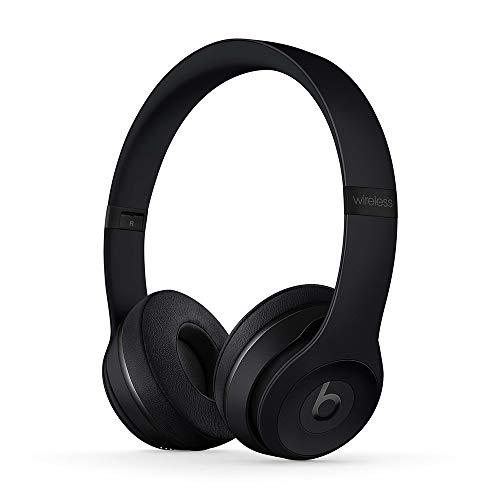
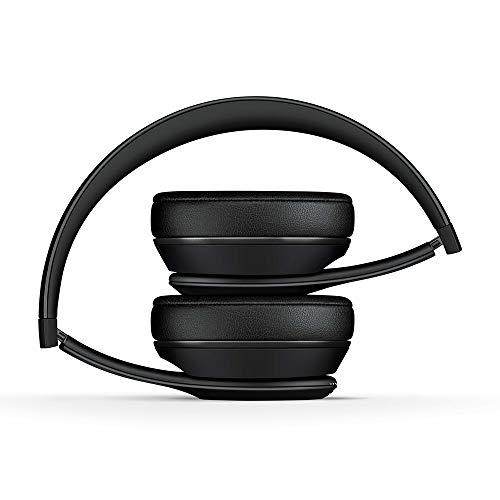
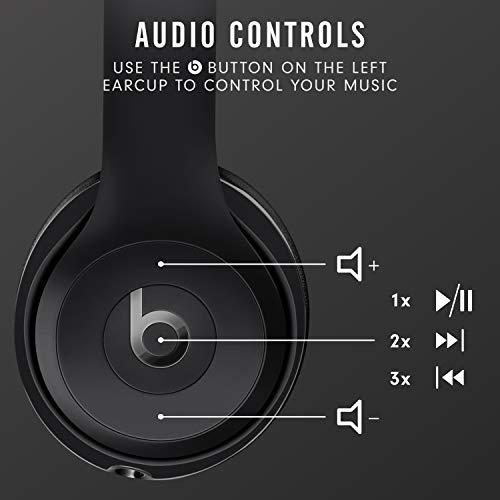
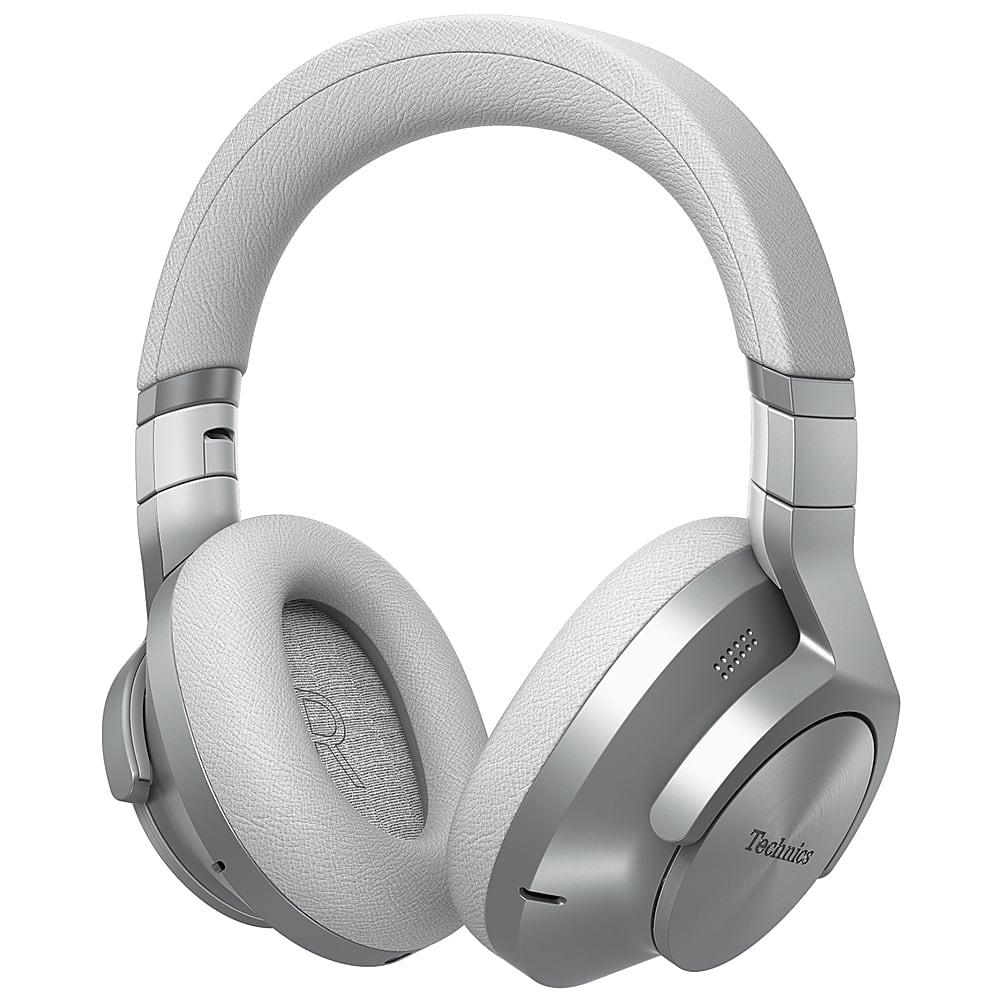
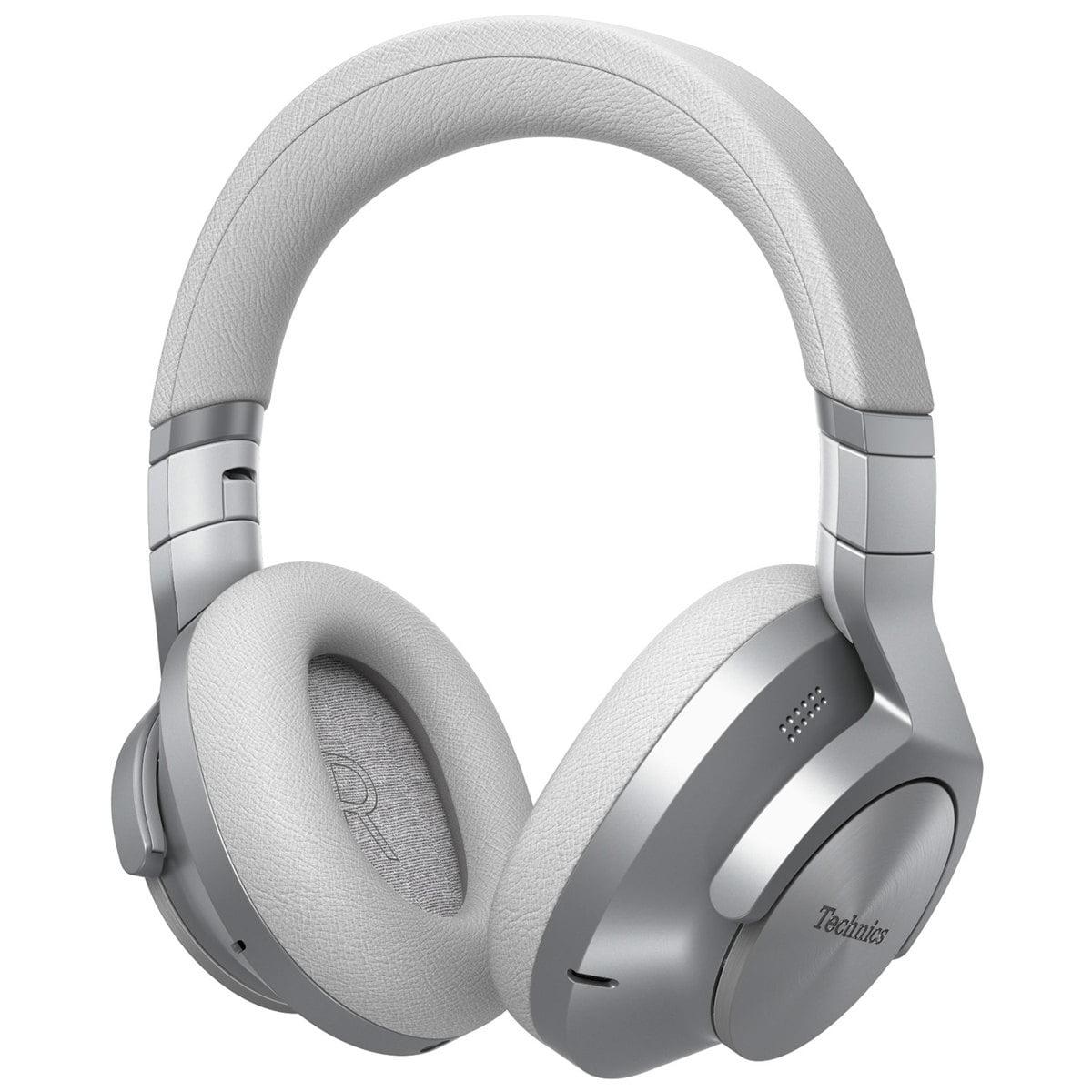
When you're shopping for wireless headphones, you'll quickly discover that not all models are created equal. Today we're comparing two very different approaches to wireless audio: the Beats Solo3 Wireless and the Technics EAH-A800. These headphones represent fundamentally different philosophies in design and performance, making your choice between them particularly important for getting the right fit for your needs.
Before diving into specifics, it's crucial to understand the two main categories these headphones represent. The wireless headphone market has evolved dramatically since the mid-2010s, when manufacturers began seriously investing in cutting the cord from our devices.
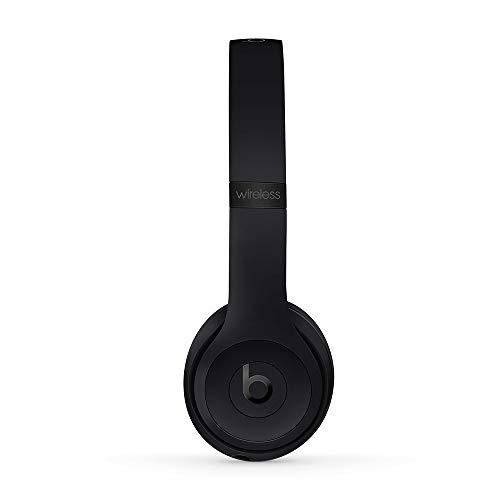
On-ear headphones like the Beats Solo3 Wireless sit directly on your ears rather than around them. This design prioritizes portability and style, making them popular for commuting and casual listening. However, this compact approach comes with trade-offs in comfort during extended use and natural sound isolation.
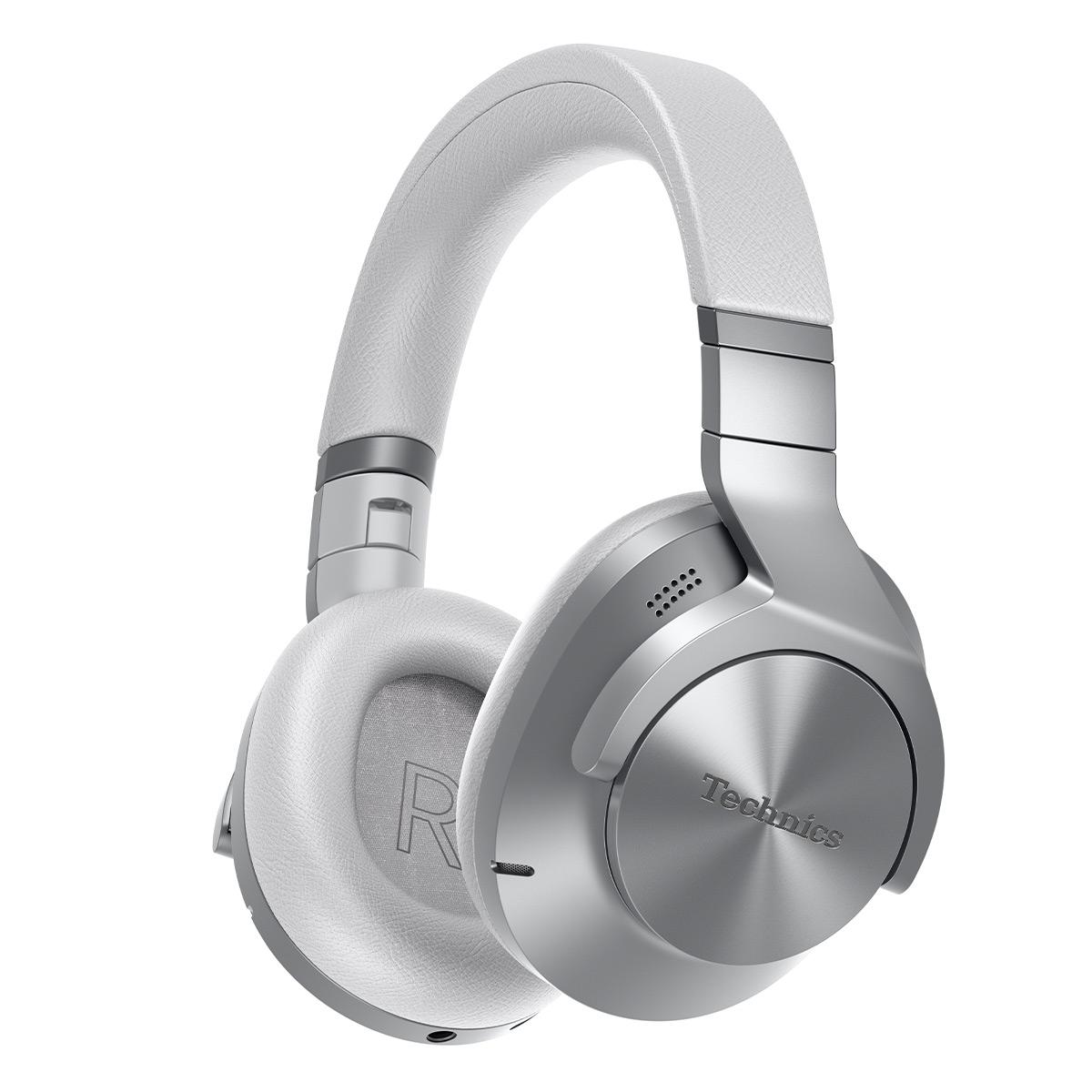
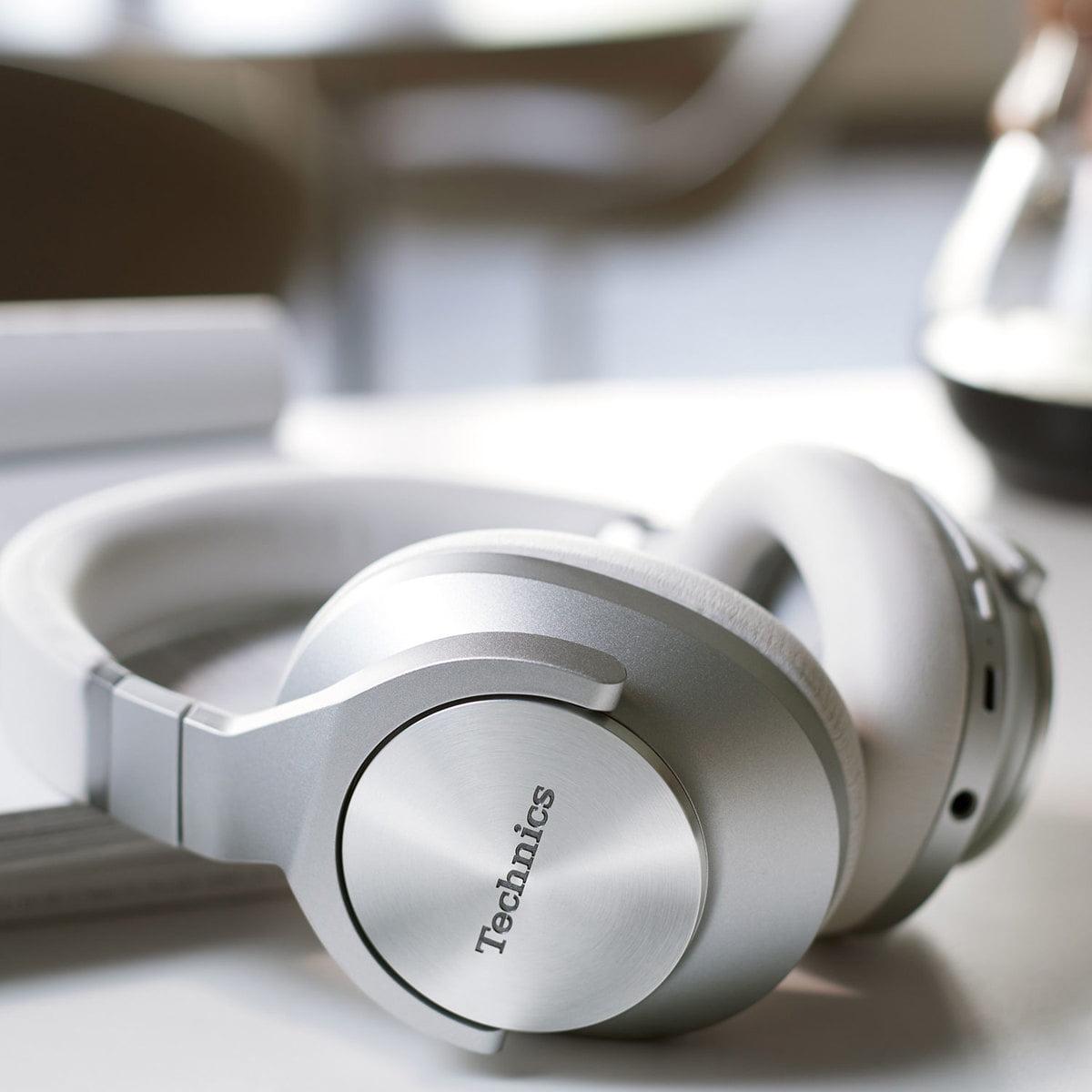
Over-ear headphones like the Technics EAH-A800 completely encompass your ears within their ear cups. This larger form factor allows for bigger drivers (the tiny speakers inside), better passive noise blocking, and often more advanced features like active noise cancellation. The trade-off? They're bulkier and heavier to carry around.
Both categories have their place, but understanding which suits your lifestyle is the first step toward making the right choice.
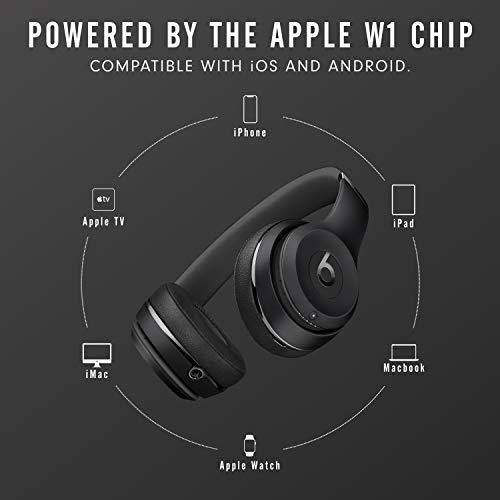
The Beats Solo3 Wireless, released in 2016, represented Apple's push into wireless audio following their acquisition of Beats. At the time of writing, these headphones typically sell for significantly less than their original launch price, making them an attractive entry point into premium wireless audio. They feature Apple's W1 chip – a specialized processor that handles wireless connectivity more efficiently than standard Bluetooth chips.
The Technics EAH-A800, launched in 2021, comes from Panasonic's audiophile-focused Technics brand. These headphones arrived during the "ANC wars" when manufacturers were competing to create the most effective active noise cancellation. At the time of writing, they're priced competitively within the premium noise-cancelling headphone market, often undercutting flagship models from Sony and Bose while delivering comparable performance.
When evaluating headphones, audio quality should be your primary concern – after all, that's what you're buying them for. However, "good sound" means different things to different people, and these two models couldn't be more different in their approaches.
The Beats Solo3 Wireless delivers what's called a "V-shaped" frequency response. Think of this as turning up the bass and treble knobs on an old stereo while leaving the midrange (where most vocals live) relatively flat. This creates an exciting, punchy sound that makes electronic music, hip-hop, and pop feel energetic and engaging.
The bass response is particularly impressive for such a compact design. When listening to tracks with deep sub-bass – think the opening of Hans Zimmer's "Time" from the Inception soundtrack – the Solo3 delivers surprising impact. However, this emphasis can sometimes make the bass feel "muddy" or unclear with complex music that has multiple instruments playing simultaneously.
The treble (high frequencies) gets a boost too, which makes cymbals and guitar strings sound crisp and present. However, Beats has rolled off the very highest frequencies, which actually reduces listening fatigue – that tired feeling you get after listening to bright headphones for too long. The trade-off is that some fine details in recordings might not come through as clearly.
The Technics EAH-A800 takes a more balanced, what audiophiles call "reference" approach to sound. Instead of emphasizing particular frequency ranges, these headphones aim to reproduce music as the artist and mixing engineer intended it to sound.
The bass response is tight and controlled – when a bass guitar plucks a string, you hear the attack of the pick and the full body of the note without it bleeding into other frequencies. This precision makes them excellent for acoustic music, jazz, and classical recordings where instrument separation is crucial.
The midrange, where most vocals and many instruments live, is detailed and expressive. However, some reviewers note that it can feel slightly "congested" compared to the very best headphones in this price range. This means that in busy musical passages with lots of instruments, individual elements might not stand out as distinctly as they could.
The treble extends much higher than the Beats Solo3 – all the way up to 40,000 Hz, well beyond human hearing. While you can't hear these frequencies, their presence can contribute to a sense of "air" and spaciousness in recordings.
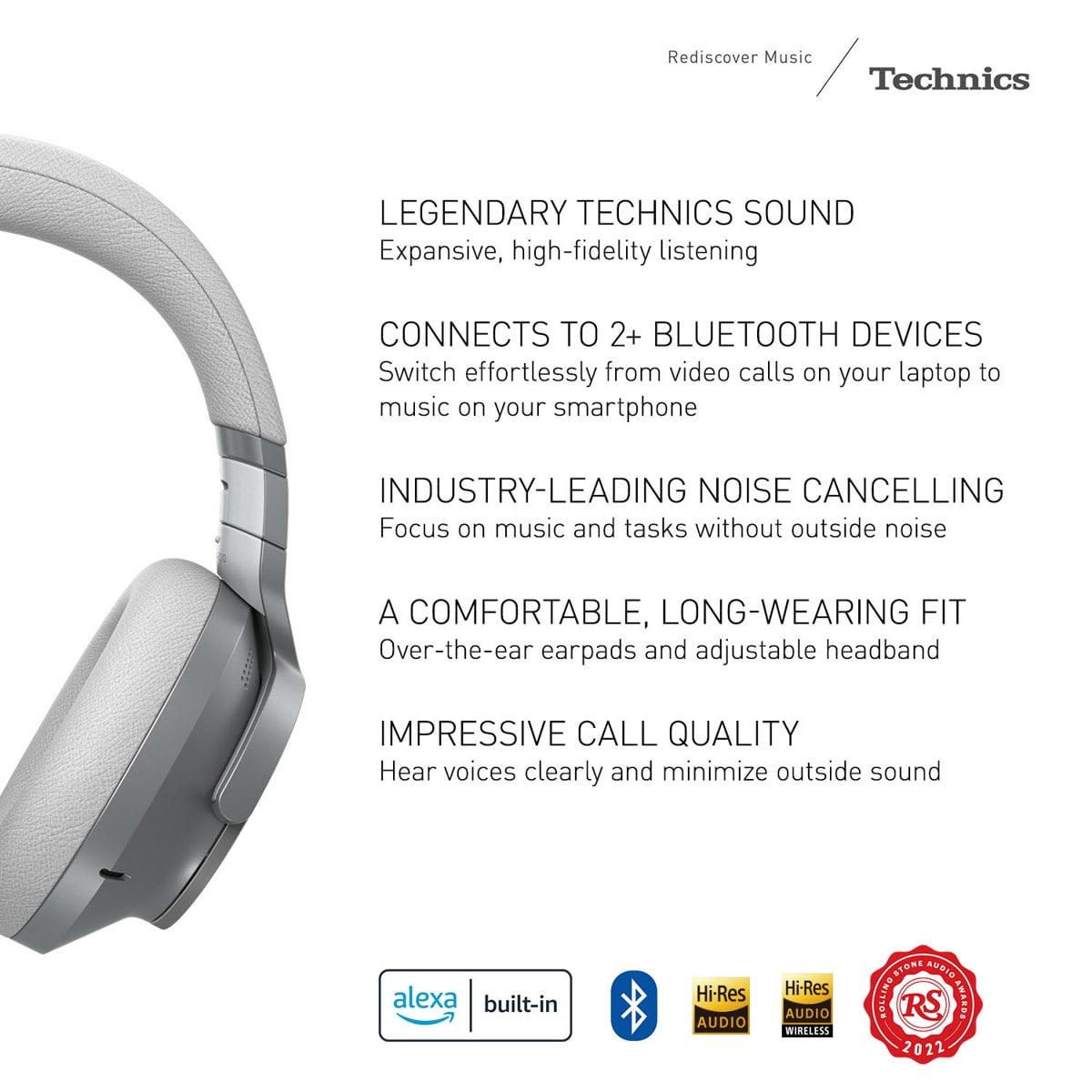
The Technics EAH-A800 supports Hi-Res Audio, which means it can reproduce audio files with higher quality than standard CDs. Specifically, it supports LDAC – a wireless codec (compression standard) developed by Sony that can transmit much more audio data than standard Bluetooth. When paired with compatible devices and high-quality audio files, this can result in noticeably better sound quality.
The Beats Solo3 is limited to standard Bluetooth codecs, though its W1 chip does optimize the connection for Apple devices, reducing dropouts and improving battery efficiency.
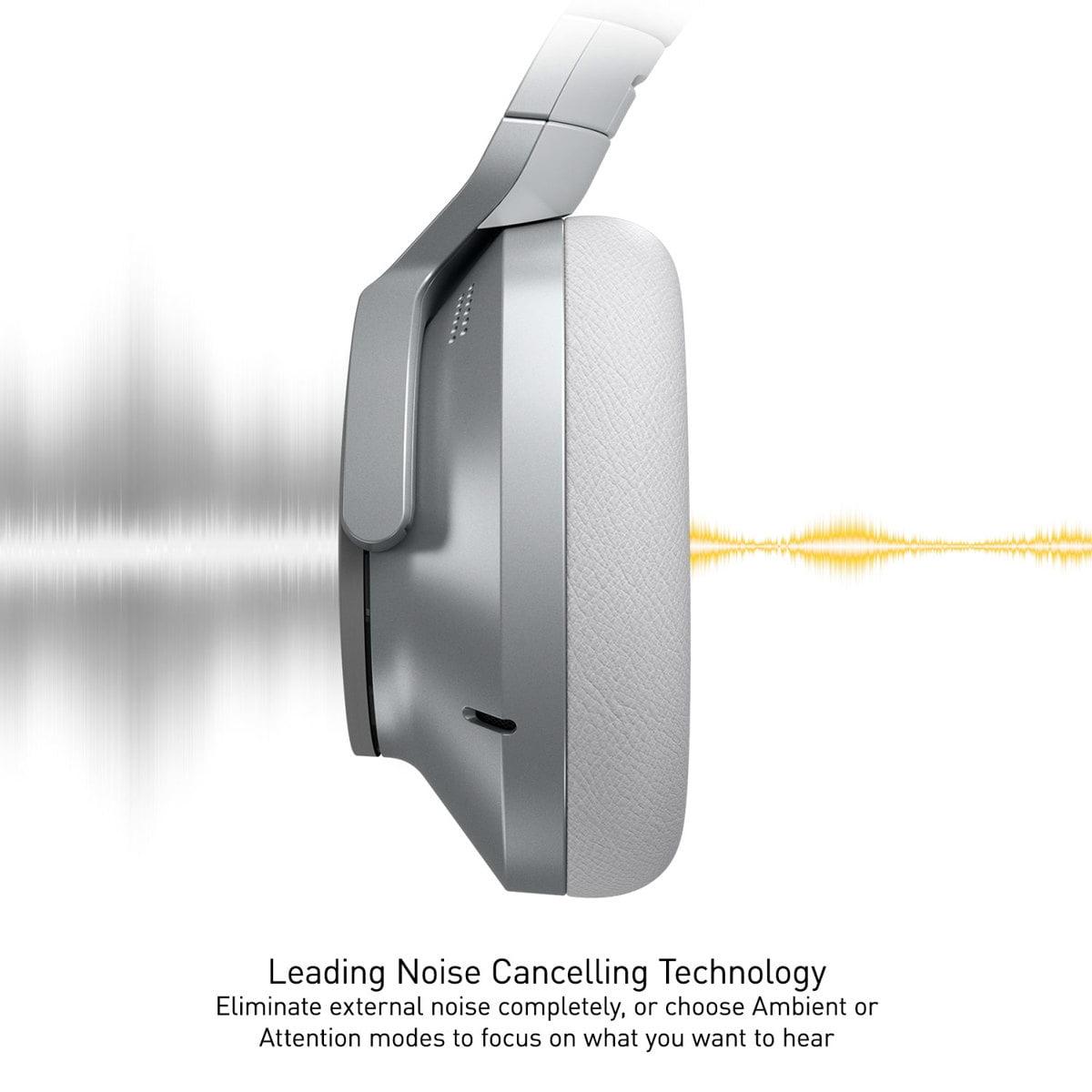
This is where these headphones differ most dramatically. The Technics EAH-A800 features active noise cancellation (ANC), while the Beats Solo3 Wireless relies solely on passive isolation.
ANC works by using microphones to detect outside noise, then generating "anti-noise" – sound waves that are perfectly opposite to the incoming noise, canceling it out. The Technics EAH-A800 uses what's called "dual hybrid" ANC, combining two different approaches for maximum effectiveness.
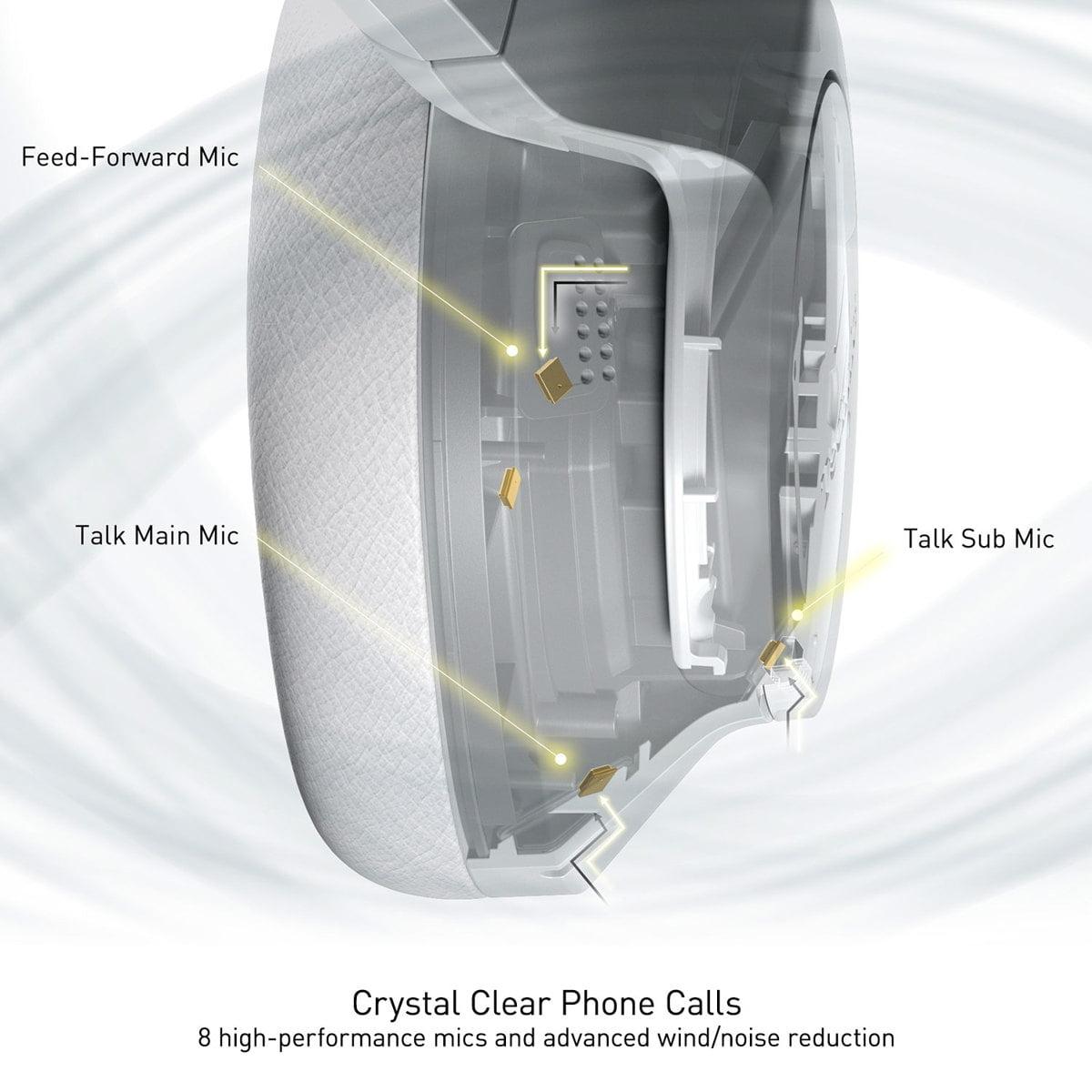
The system uses eight microphones total – some facing outward to catch noise before it reaches your ears (feedforward), and others inside the ear cups to catch any noise that gets through (feedback). This dual approach is particularly effective at canceling consistent, low-frequency sounds like airplane engines, air conditioning, or traffic rumble.
In practice, when you put on the EAH-A800 and activate ANC, it's like someone suddenly turned down the volume knob on the world. That constant background hum you didn't even realize was there just... disappears. This makes them transformative for air travel, open offices, or even just focusing while studying at home.
The Beats Solo3 Wireless relies entirely on their physical design to block noise. Since they sit on your ears rather than around them, they create a less complete seal, allowing more outside noise to leak in. While this isn't necessarily bad for casual listening at home, it becomes a significant limitation in noisy environments.
However, this design does have one advantage: you maintain better awareness of your surroundings, which can be safer when walking or cycling in urban environments.
Comfort might seem secondary to sound quality, but it becomes the deciding factor if you plan to wear these headphones for extended periods. The fundamental design differences between these models create very different comfort experiences.
The Beats Solo3 Wireless weighs just 215 grams – about the same as a smartphone – making them feel almost weightless when you first put them on. Their compact size means they'll easily fit in most bags, and the foldable design makes them even more portable.
However, the on-ear design creates pressure points where the ear pads press against your ears. Most users find this becomes uncomfortable after about two hours of continuous wear. Your ears might feel sore, or you might get a headache from the clamping pressure needed to keep the headphones secure.
This isn't necessarily a deal-breaker if you typically listen for shorter sessions – commuting, working out, or casual listening around the house. But if you're a student who needs to wear headphones for hours while studying, or someone who enjoys long gaming sessions, this limitation becomes significant.
The Technics EAH-A800 weighs 298 grams – about 40% heavier than the Beats – but distributes this weight more evenly across your head. The over-ear design means the ear pads rest on your head around your ears, not on them, eliminating pressure points.
The ear pads are made from soft, breathable materials that remain comfortable even during extended wear. Users regularly report wearing them for 4-6 hours without discomfort, making them ideal for long flights, all-day work sessions, or extended entertainment binges.
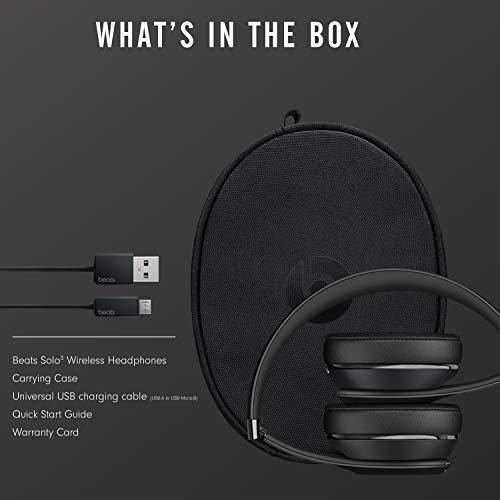
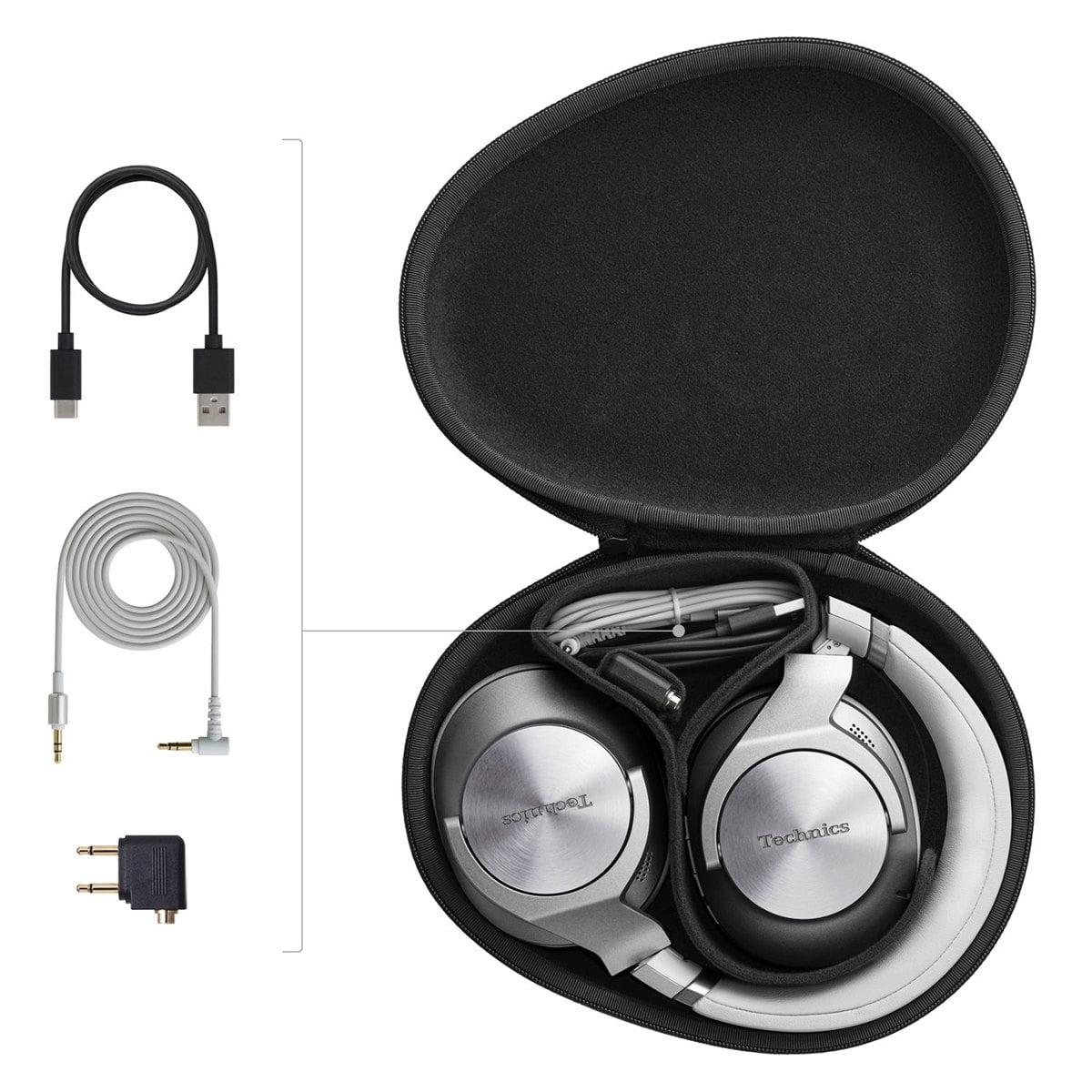
The larger size does mean they're less portable, and you'll need to plan for the included hard-shell carrying case when traveling.
Both headphones excel in battery life, but their approaches to wireless connectivity differ significantly.
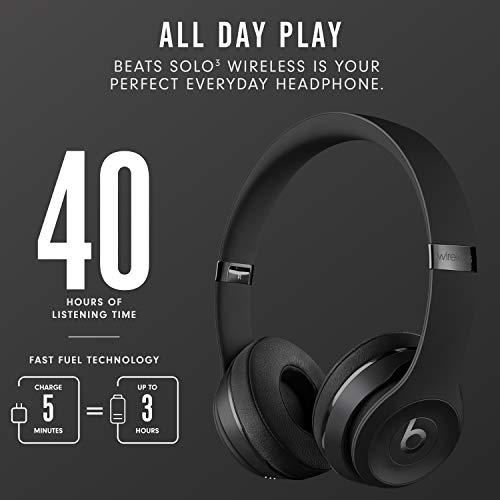
The Beats Solo3 Wireless delivers up to 40 hours of playback on a single charge – an impressive figure that was industry-leading when these headphones launched in 2016. Even more impressive is the "Fast Fuel" feature: just five minutes of charging provides three hours of playback, perfect for those "oh no, my headphones are dead" moments before a long commute.
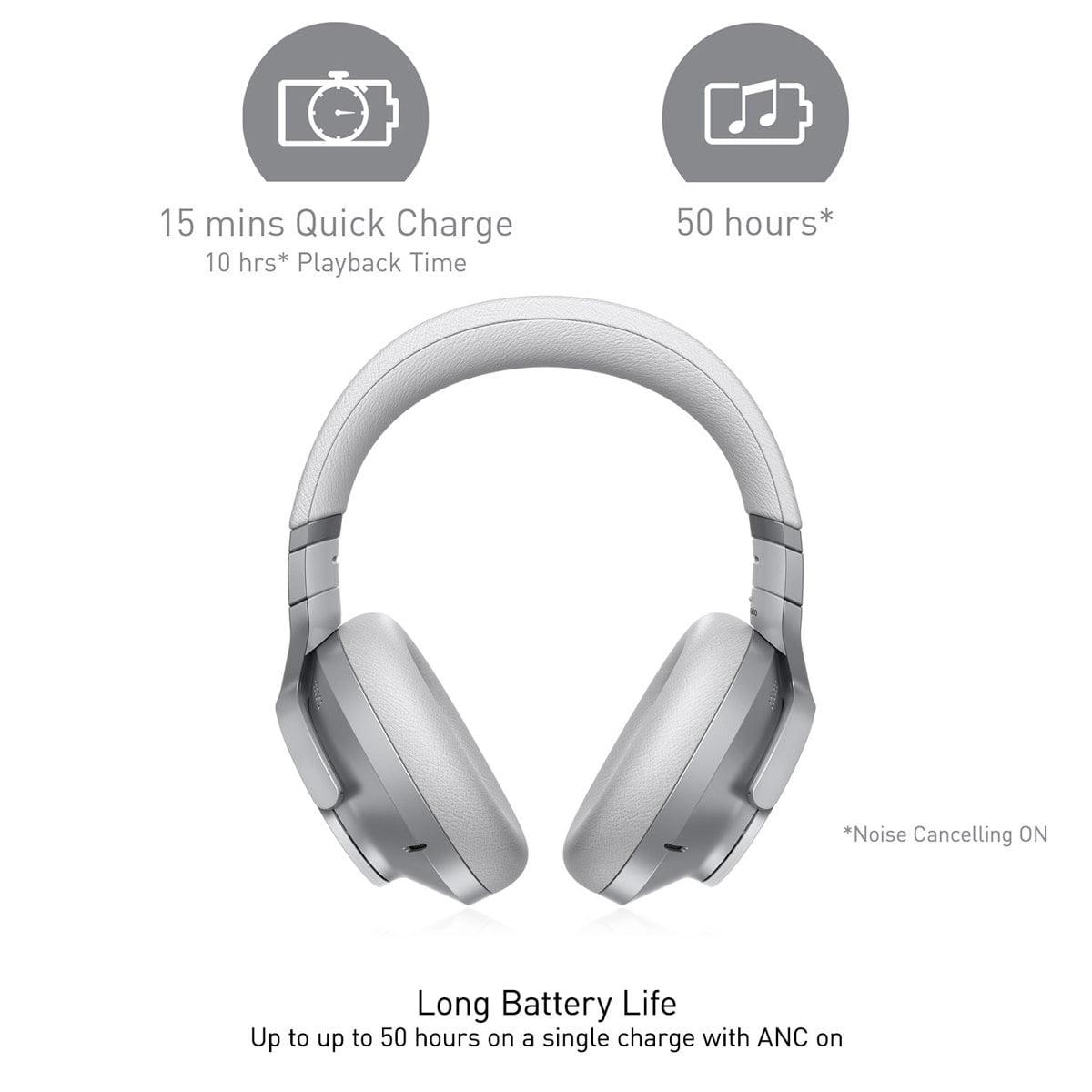
The Technics EAH-A800 pushes this even further, offering 50 hours with ANC enabled, or 60 hours with it disabled. A 15-minute quick charge provides 10 hours of playback. These numbers put both headphones well ahead of most competitors and mean you'll likely charge them weekly rather than daily.
The Beats Solo3 uses Apple's W1 chip, which was revolutionary when introduced. This specialized processor handles Bluetooth connectivity more efficiently than standard chips, resulting in better battery life, more stable connections, and instant pairing with Apple devices. When you open the case near an iPhone, they automatically appear in your device's Bluetooth menu.
However, the W1 chip is based on Bluetooth 4.2, which is now considered outdated. This limits audio quality and features compared to newer standards.
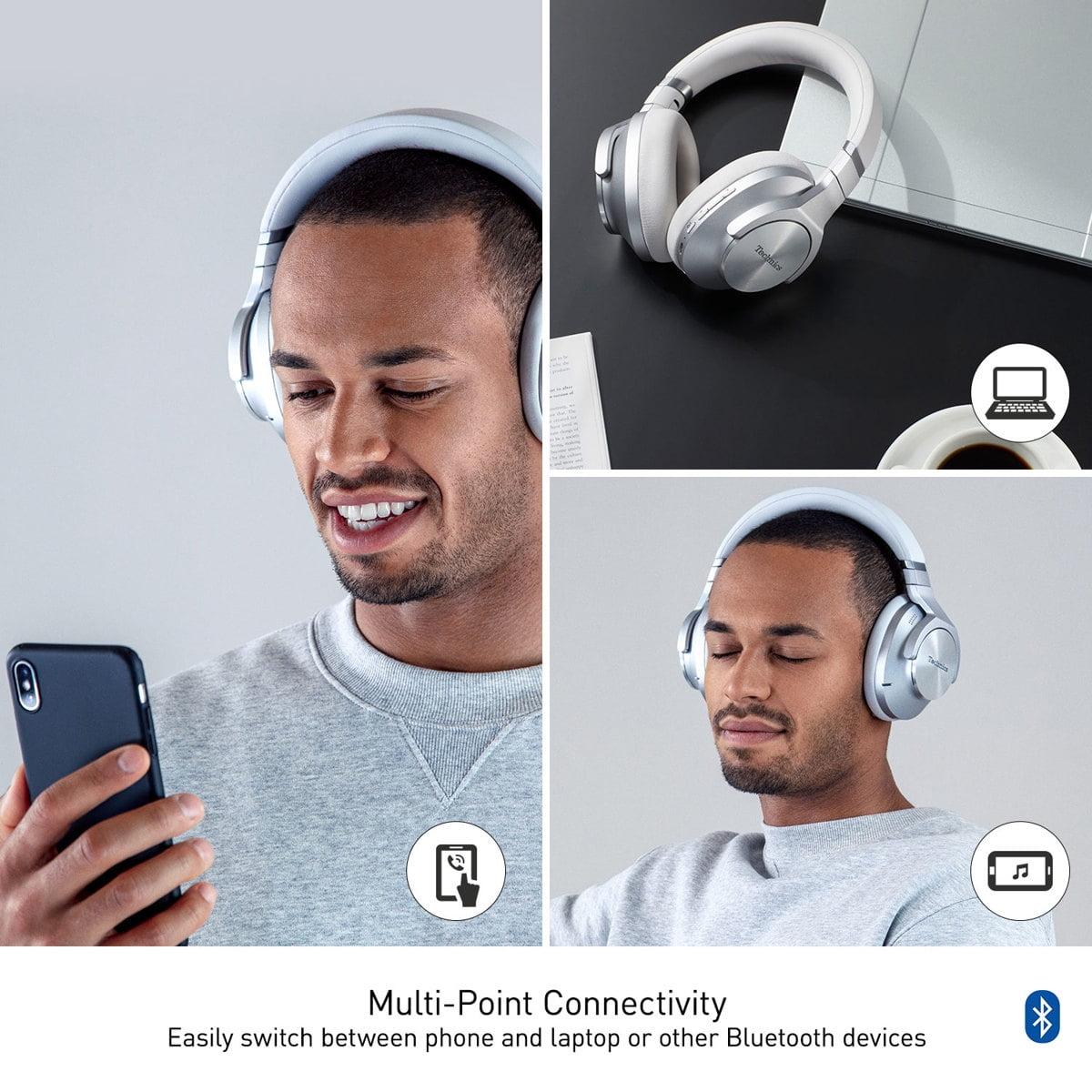
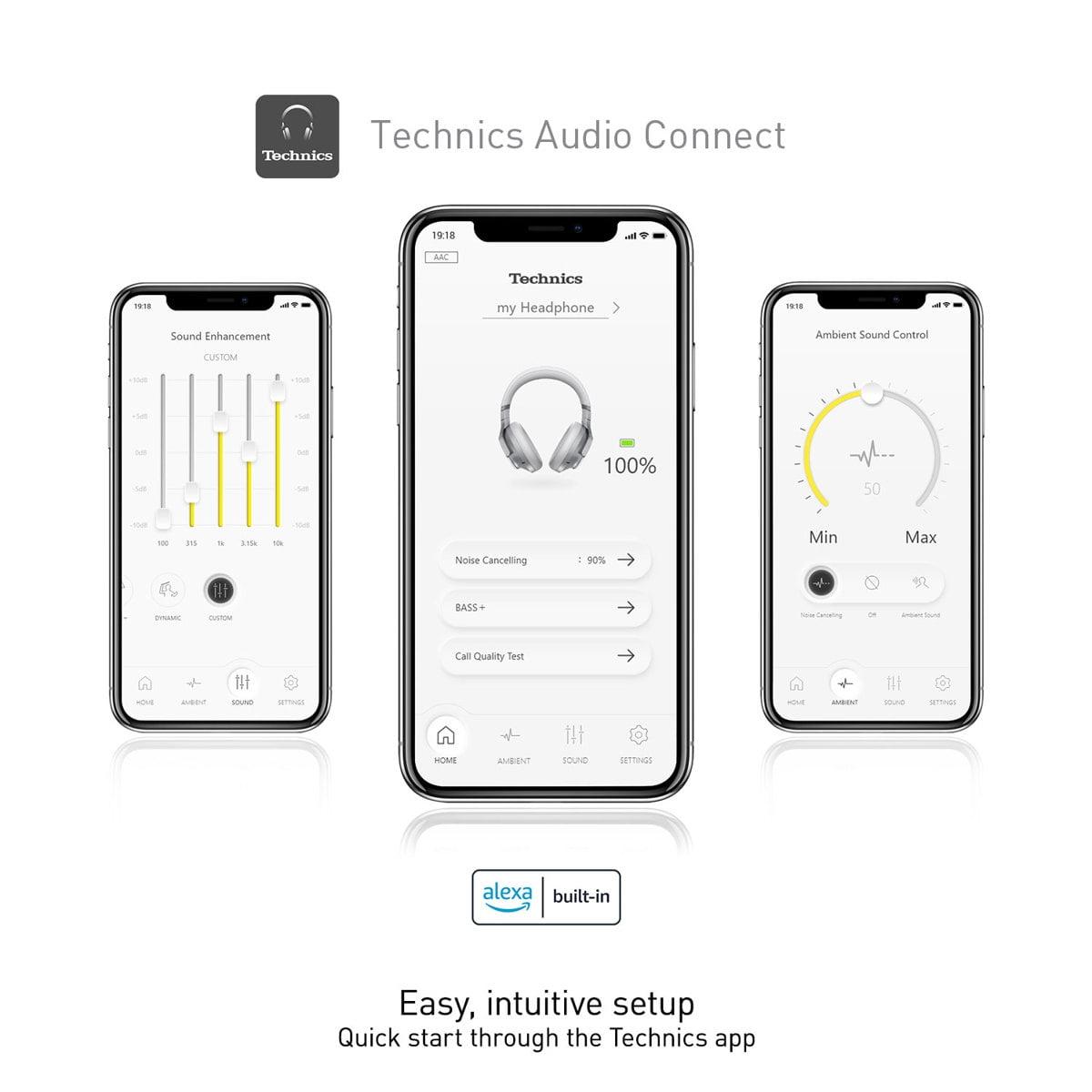
The Technics EAH-A800 uses modern Bluetooth 5.2, which offers several advantages: more stable connections, lower power consumption, and support for advanced audio codecs. The multipoint pairing feature lets you connect to two devices simultaneously – incredibly useful if you need to switch between your phone and computer throughout the day.
Long-term satisfaction often comes down to how well your headphones hold up over time, and there's a notable difference between these models in build quality reports.
The Beats Solo3 Wireless prioritizes lightweight portability, using primarily plastic construction. While this keeps weight down, multiple user reports highlight durability issues, particularly with the hinges and headband joints. The folding mechanism, while convenient, appears to be a weak point that can fail with regular use.
The ear pads are also a common replacement item, as they tend to compress and wear out faster than over-ear designs due to the constant pressure against your ears.
The Technics EAH-A800 uses higher-quality materials throughout, with a more robust over-ear construction that experiences less stress during normal use. The included hard-shell carrying case also provides better protection when traveling.
The larger design allows for more durable internal components, and the over-ear pads typically last longer since they're not under constant compression against your ears.
Understanding how you'll actually use your headphones is crucial for making the right choice.
If you're frequently on the move, work out regularly, or prioritize ultimate portability, the Beats Solo3 Wireless makes a compelling case. Their lightweight design and secure fit make them excellent workout companions – they stay put during exercise without the bulk of over-ear designs.
The quick Apple device pairing is genuinely convenient if you're in the iOS ecosystem, and the recognizable Beats styling has become a fashion statement for many users. For commuting, casual listening, and active use, their limitations become less important.
If you value audio quality, work in noisy environments, or regularly listen for extended periods, the Technics EAH-A800 delivers significantly better performance. The active noise cancellation transforms them for air travel, open offices, or anywhere you need to focus.
For home theater use, while neither headphone is specifically designed for this application, the Technics EAH-A800 would be the clear choice. Their balanced sound signature won't color movie soundtracks, the comfort allows for movie-length wear, and the ANC can block household noise during dramatic scenes.
Students, remote workers, and anyone who spends hours wearing headphones will appreciate the comfort advantage, while the superior audio quality becomes more apparent during longer listening sessions.
It's worth considering how these products fit into the broader technology landscape. The Beats Solo3, released in 2016, was groundbreaking at the time but now shows its age in connectivity standards and features. However, this maturity also means you're buying proven technology at significantly reduced prices.
The Technics EAH-A800, being newer (2021), includes modern Bluetooth standards and features that should remain relevant longer. The Hi-Res Audio support and advanced codecs provide headroom for future improvements in streaming quality and source devices.
At the time of writing, the price gap between these headphones has narrowed considerably, making the decision less about budget and more about matching features to your needs.
Choose the Beats Solo3 Wireless if you prioritize portability above all else, primarily use Apple devices, prefer bass-heavy music, and typically listen for shorter sessions. They're particularly good for active users, commuters, and anyone who values style and brand recognition.
Choose the Technics EAH-A800 if you value audio accuracy, need noise cancellation, listen for extended periods, or want the most feature-complete headphones for the money. They're ideal for office workers, frequent travelers, audiophiles, and anyone who sees headphones as a long-term investment in their daily quality of life.
The roughly $50-100 price difference (at the time of writing) between these models is easily justified by the Technics' superior noise cancellation, comfort, battery life, and audio fidelity. However, if you rarely use these advanced features, the Beats Solo3 offers excellent value for more casual listening needs.
Ultimately, both headphones excel in their intended roles. The question isn't which is better overall, but which better matches how you actually listen to music, take calls, and live your daily life. Consider your typical listening duration, environment, and priorities – the right choice will become clear.
| Beats Solo3 Wireless | Technics EAH-A800 |
|---|---|
| Design Type - Fundamentally affects comfort and portability | |
| On-ear, 215g - Ultra-portable but pressure on ears | Over-ear, 298g - Bulkier but surrounds ears for comfort |
| Active Noise Cancellation - Essential for noisy environments | |
| None - Passive isolation only, limited effectiveness | Dual Hybrid ANC with 8 mics - Industry-leading noise blocking |
| Battery Life - Determines how often you'll need to charge | |
| 40 hours playback, 5min = 3hr quick charge | 50-60 hours playback, 15min = 10hr quick charge |
| Sound Signature - Dramatically affects music enjoyment | |
| V-shaped with heavy bass emphasis - Fun but colored | Balanced audiophile tuning - Accurate but less exciting |
| Bluetooth Technology - Impacts connection quality and features | |
| Bluetooth 4.2 with Apple W1 chip - Great for iOS, dated standard | Bluetooth 5.2 with multipoint - Modern standard, connect 2 devices |
| Comfort Duration - Critical for extended listening sessions | |
| ~2 hours before ear fatigue sets in | All-day comfort, 6+ hours typical |
| Audio Codecs - Determines wireless sound quality ceiling | |
| SBC, AAC - Standard quality only | SBC, AAC, LDAC - Hi-Res Audio support |
| Frequency Response - Shows audio reproduction range | |
| Not specified - Likely standard range | 4Hz-40kHz - Extended range for Hi-Res Audio |
| Portability - Affects daily carry convenience | |
| Foldable, fits in small bags easily | Requires large hard case, less travel-friendly |
| Build Quality - Impacts long-term durability | |
| Plastic construction, reported hinge issues | Premium materials, more robust over-ear design |
| Call Quality - Important for work and communication | |
| Dual beamforming mics, good clarity | 8-mic array with JustMyVoice tech, excellent clarity |
| Price Category - Value positioning at time of writing | |
| Budget-friendly, often on sale | Mid-premium, competitive with flagship models |
The Technics EAH-A800 delivers superior sound quality with its balanced, audiophile-tuned frequency response and Hi-Res Audio support. The Beats Solo3 Wireless offers a fun, bass-heavy sound that's great for pop and hip-hop but less accurate overall. If you prioritize audio fidelity, the Technics EAH-A800 is the clear winner.
Active noise cancellation makes a significant difference in noisy environments like offices, airplanes, or busy streets. The Technics EAH-A800 features industry-leading ANC that blocks low-frequency noise effectively, while the Beats Solo3 Wireless only offers passive isolation. If you frequently listen in noisy places, the ANC on the Technics EAH-A800 is worth the investment.
The Technics EAH-A800 is significantly more comfortable for extended wear, with over-ear design that distributes weight evenly and doesn't press on your ears. The Beats Solo3 Wireless typically becomes uncomfortable after about 2 hours due to on-ear pressure. For all-day comfort, choose the Technics EAH-A800.
The Beats Solo3 Wireless is better for workouts due to its lightweight 215g design and secure on-ear fit that stays put during movement. The Technics EAH-A800 is heavier and bulkier, making it less suitable for active use. For gym sessions and exercise, the Beats Solo3 Wireless is the practical choice.
Both offer excellent battery life, but the Technics EAH-A800 edges ahead with 50-60 hours of playback compared to 40 hours on the Beats Solo3 Wireless. However, both provide more than enough power for daily use. The Technics EAH-A800 also offers faster quick charging with 10 hours from a 15-minute charge.
The Beats Solo3 Wireless works seamlessly with Apple devices thanks to the W1 chip, offering instant pairing and better integration. The Technics EAH-A800 works equally well with both iPhone and Android devices using standard Bluetooth 5.2. Android users should prefer the Technics EAH-A800, while iPhone users benefit from either choice.
The Beats Solo3 Wireless is much more portable, folding compact and weighing just 215g. The Technics EAH-A800 requires a large carrying case and weighs 298g. However, for air travel specifically, the Technics EAH-A800's noise cancellation makes flights much more pleasant despite the larger size.
Both handle calls well, but the Technics EAH-A800 excels with its 8-microphone array and JustMyVoice technology for superior voice clarity in noisy environments. The Beats Solo3 Wireless offers good call quality with dual beamforming mics. For professional use, the Technics EAH-A800 provides better call performance.
Value depends on your needs. The Beats Solo3 Wireless offers excellent value for casual listeners who prioritize portability and Apple integration. The Technics EAH-A800 provides better overall value with superior sound quality, comfort, and features. The Technics EAH-A800 justifies its higher cost with significantly more capabilities.
Yes, both headphones include 3.5mm audio cables for wired use. The Beats Solo3 Wireless comes with a RemoteTalk cable, while the Technics EAH-A800 includes a standard audio cable. This ensures you can continue listening even when the battery is completely drained on either the Beats Solo3 Wireless or Technics EAH-A800.
The Technics EAH-A800 is superior for gaming and home theater with its balanced sound signature, comfortable over-ear design for long sessions, and excellent noise isolation. The Beats Solo3 Wireless's bass-heavy sound can muddy dialogue and gaming audio cues. For serious gaming or movie watching, the Technics EAH-A800 delivers better performance.
The Technics EAH-A800 appears more durable with premium materials and robust over-ear construction, plus includes a protective hard case. The Beats Solo3 Wireless has reported durability issues with hinges and joints due to its lightweight plastic construction. For long-term reliability, the Technics EAH-A800 seems like the safer investment.
We've done our best to create useful and informative comparisons to help you decide what product to buy. Our research uses advanced automated methods to create this comparison and perfection is not possible - please contact us for corrections or questions. These are the sites we've researched in the creation of this article: soundguys.com - cornellstore.com - imore.com - bestbuy.com - headphonecheck.com - soundguys.com - recordingnow.com - corporategift.com - ifixit.com - rtings.com - youtube.com - mobileciti.com.au - beatsbydre.com - discussions.apple.com - target.com - bestbuy.com - jalc.ecampus.com - beats.fandom.com - support.apple.com - electronics.woot.com - blog.son-video.com - expertreviews.co.uk - youtube.com - whathifi.com - youtube.com - bhphotovideo.com - futureaudiophile.com - versus.com - versus.com - soundphilereview.com - help.na.panasonic.com - technics.com - retailspecs.com - headphonecheck.com - us.technics.com - help.na.panasonic.com - bhphotovideo.com - technics.com - technics.com - valueelectronics.com - us.technics.com - us.technics.com - youtube.com - hometheaterhifi.com

Privacy Policy
Terms and Conditions - Affiliate Policy
Home Security
© Copyright 2008-2026.
11816 Inwood Rd #1211, Dallas, TX 75244