

Choosing the right pair of wireless headphones can feel overwhelming with so many options available today. Two popular models that often come up in discussions are the Beats Solo3 Wireless and the Marshall Monitor II ANC. While both deliver great wireless audio, they represent completely different approaches to headphone design – and understanding these differences is crucial to making the right choice for your needs.
The wireless headphone market has exploded since Apple removed the headphone jack from iPhones in 2016. Today's buyers face several key decisions that will dramatically impact their listening experience. The most fundamental choice is between on-ear and over-ear designs, which affects everything from comfort to sound quality to portability.
When evaluating wireless headphones, the main considerations include form factor and portability, sound signature and audio quality, noise management capabilities, battery performance, device integration, comfort for extended wear, and overall value for money. Some people prioritize having headphones they can easily throw in a backpack, while others want the best possible sound quality for long listening sessions at home.
The technology has also evolved significantly. Early Bluetooth headphones suffered from poor audio quality, frequent disconnections, and terrible battery life. Modern models like the Beats Solo3 (released in 2016) and Marshall Monitor II ANC (released in 2019) showcase how far we've come, though they take very different approaches to solving common headphone challenges.
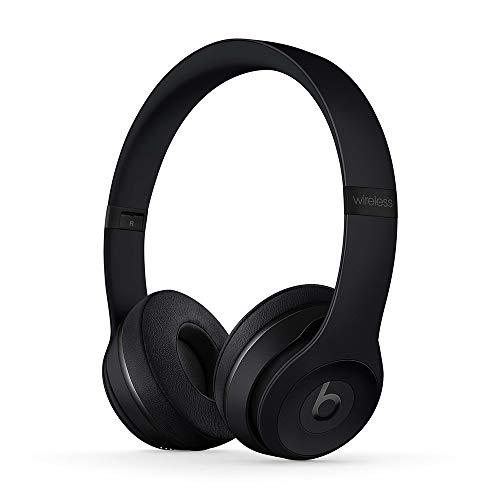
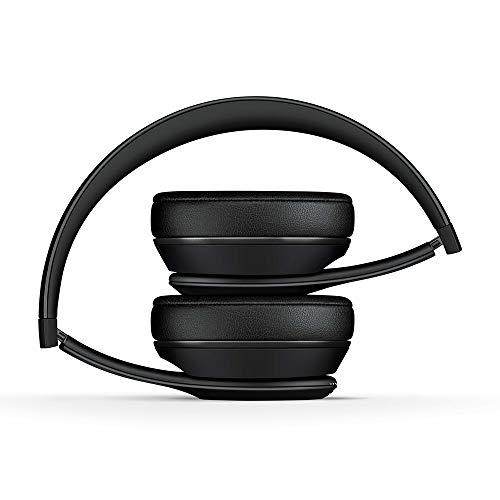
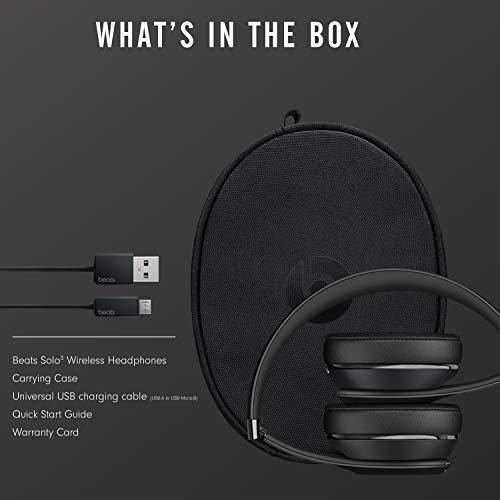
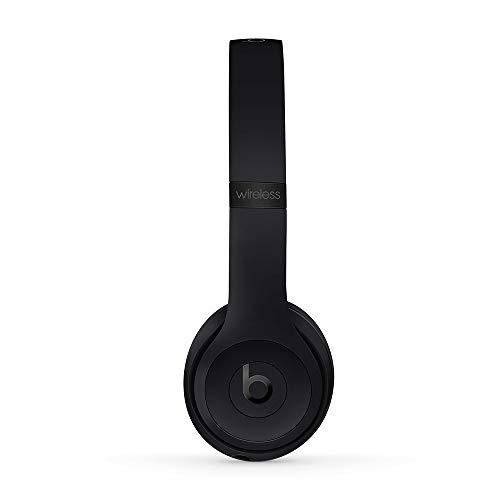
The most obvious difference between these headphones is their physical design, which reveals their intended use cases. The Beats Solo3 Wireless uses an on-ear design, meaning the ear cups sit directly on your ears rather than around them. At just 215 grams, they're incredibly lightweight and fold up compactly for travel. This makes them perfect for throwing in a gym bag or backpack without adding bulk.
However, this portability comes with trade-offs. On-ear headphones naturally create more pressure on your ears, which can become uncomfortable during long listening sessions. The clamping force – how tightly the headphones grip your head – needs to be strong enough to keep them secure, but this can cause fatigue after an hour or two of wear.
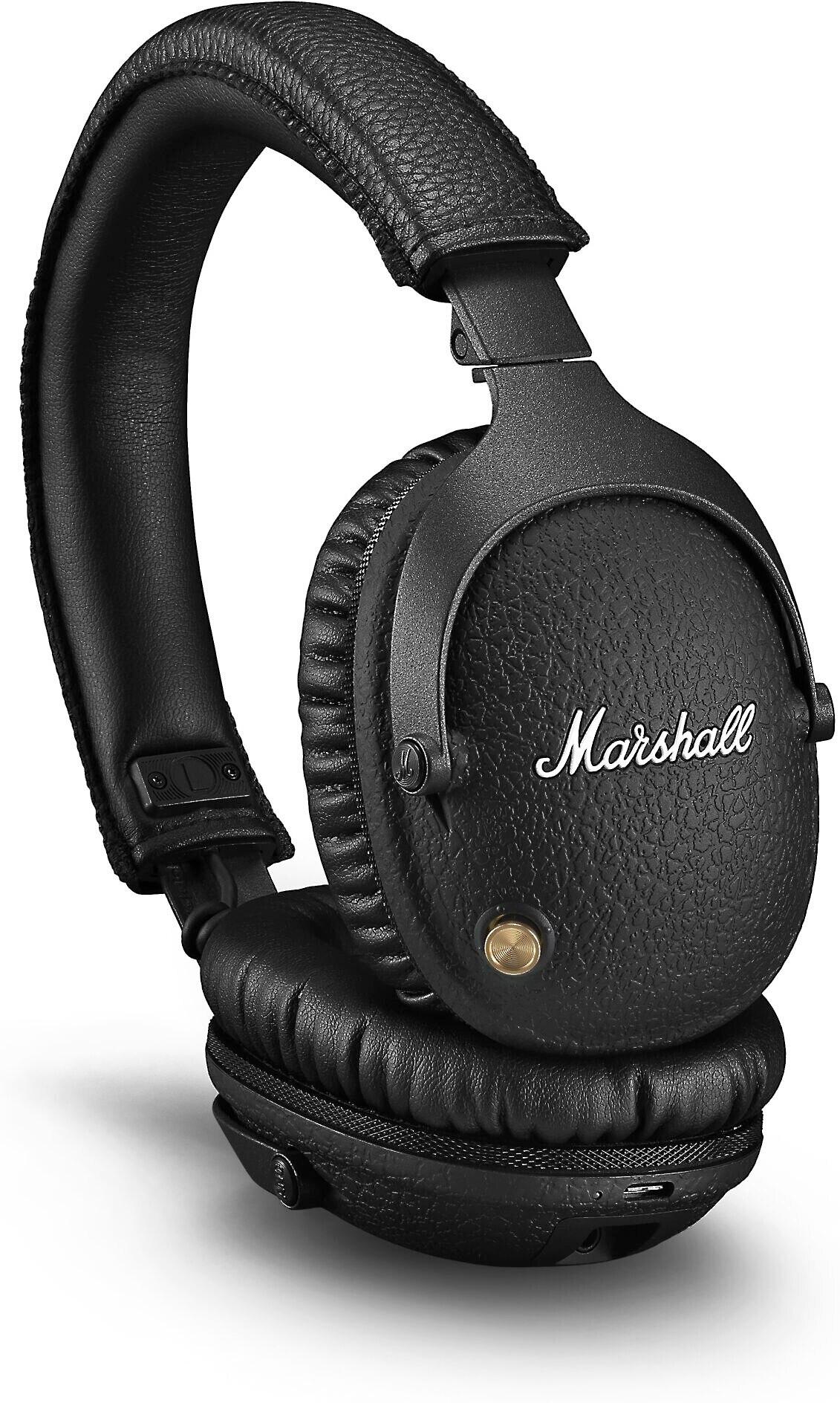
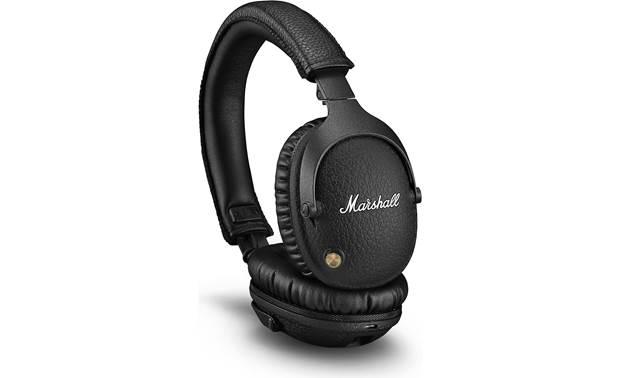
The Marshall Monitor II ANC, on the other hand, takes a comfort-first approach with its over-ear design. Weighing 320 grams, these headphones are notably heavier but distribute that weight more evenly around your head. The ear cups completely encompass your ears, creating a seal that not only improves comfort but also enhances sound quality and noise isolation.
The Marshall headphones feature premium materials including metal swivel hinges that adapt to different head shapes, artificial leather ear cushions, and a plush headband. While they do fold for storage, they're clearly designed more for stationary listening than constant portability. The classic Marshall aesthetic – with its textured black vinyl and brass accents – makes a strong style statement that some users love.
Sound quality represents the most significant performance difference between these headphones, and it's where personal preference plays the biggest role. Both use 40mm dynamic drivers – the speakers inside the headphones – but they're tuned very differently.
The Beats Solo3 Wireless delivers what's often called a "fun" sound signature. This means boosted bass frequencies that make hip-hop, pop, and electronic music feel more energetic and engaging. The low-end response is powerful enough that you can feel the bass kick in your chest, which many casual listeners prefer. The midrange frequencies, where vocals live, are pushed forward in the mix, making singers sound more prominent and "in your face."
However, this tuning philosophy comes at the cost of accuracy and detail. The treble frequencies – the highest notes that add sparkle and detail to music – are deliberately rolled off. This reduces listening fatigue since harsh treble can become tiresome, but it also means you're missing some of the subtle details in recordings. If you listen to jazz, classical, or acoustic music where instrument separation and natural timbre matter, the Solo3 might sound muddy or closed-in compared to more neutral headphones.
The Marshall Monitor II ANC takes the opposite approach with a much more balanced sound signature. The custom-tuned 40mm drivers aim for accuracy across all frequency ranges, delivering bright and crisp highs, punchy but controlled mids, and deep bass that doesn't overpower other frequencies. This neutral tuning reveals more detail in recordings and provides better instrument separation – you can more easily pick out individual instruments in a complex mix.
What makes the Marshall headphones particularly appealing is their customization options. Through the Marshall Bluetooth app, you can choose between three different EQ presets or create your own custom sound profile. This flexibility means you can have a neutral setting for critical listening and a more bass-heavy profile for workout music.
The soundstage – how spacious and three-dimensional the music sounds – is also notably better on the Monitor II ANC due to its over-ear design. Music doesn't feel like it's playing directly inside your head, which can make listening more enjoyable for longer periods.
This is where the biggest functional difference emerges between these headphones. The Marshall Monitor II ANC features active noise cancellation (ANC), a technology that uses microphones to detect ambient noise and creates inverse sound waves to cancel it out. This is particularly effective against constant, low-frequency noises like airplane engines, air conditioners, or traffic.
The ANC system in the Marshall headphones is quite sophisticated, offering 10 different levels of noise cancellation that you can adjust through the app. There's also a transparency mode – sometimes called "monitor mode" – that allows ambient sound through when you need to hear announcements or have a conversation without removing your headphones.
The Beats Solo3 Wireless, meanwhile, relies entirely on passive noise isolation. This simply means that the physical headphones block some sound by covering your ears, similar to how earplugs work. Unfortunately, the on-ear design means there's no complete seal around your ears, so the passive isolation is quite limited. You'll still hear most environmental noise, making these headphones less suitable for noisy commutes or open offices.
For home theater use, this difference becomes particularly important. If you live in an apartment or want to watch movies late at night without disturbing others, the Marshall's ANC allows you to hear dialogue clearly even at lower volumes by eliminating background noise. The Solo3 would require higher volumes to overcome ambient noise, which might not be practical in shared living spaces.
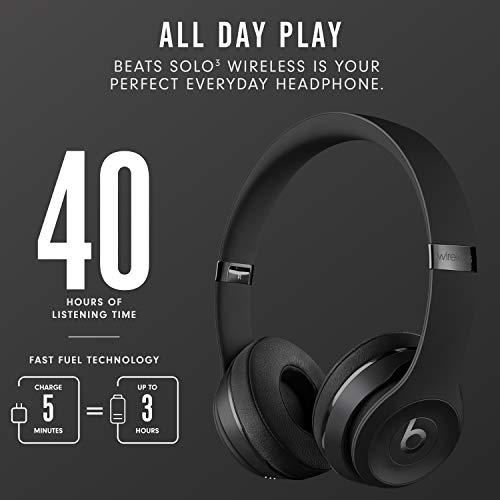
Battery life is where the Beats Solo3 Wireless truly shines. Thanks to Apple's W1 chip – a custom processor designed specifically for audio applications – these headphones deliver an impressive 40 hours of continuous playback. This was industry-leading when they launched in 2016 and remains competitive today.
The W1 chip also enables "Fast Fuel" charging technology. Just five minutes of charging provides three hours of playback, which can be a lifesaver when you're rushing out the door with dead headphones. The efficient power management of the W1 chip is a significant technological achievement that helps explain why these headphones have remained popular years after their release.
The Marshall Monitor II ANC offers different but respectable battery performance: 30 hours with active noise cancellation enabled, or up to 45 hours with ANC turned off. The quick charge feature provides five hours of playback from 15 minutes of charging, which is actually better than the Solo3's fast charging ratio.
One practical advantage of the Marshall headphones is their USB-C charging port, which matches most modern smartphones and laptops. The Solo3 still uses the older micro-USB standard, which means carrying an extra cable if you've already transitioned to USB-C devices.
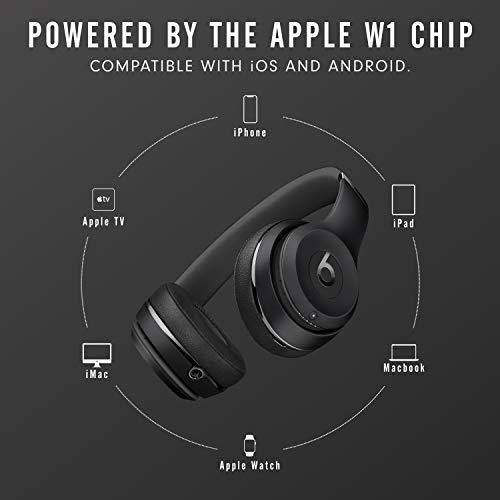
The Beats Solo3 Wireless was designed primarily for Apple users, featuring the W1 chip that enables seamless integration with iOS devices. Pairing is almost instant – you simply turn on the headphones near an iPhone and they automatically connect. The W1 chip also provides better streaming quality with less compression compared to standard Bluetooth, and enables features like battery level widgets on your iPhone's home screen.
The chip supports Class 1 Bluetooth, which provides extended wireless range and more stable connections. You can walk further from your device before experiencing dropouts, and the connection quality remains more consistent in environments with lots of wireless interference.
However, Android users don't get these same benefits. While the Solo3 will work with Android phones, you lose the advanced pairing features, battery widgets, and optimized streaming quality that make these headphones special.
The Marshall Monitor II ANC takes a platform-agnostic approach with standard Bluetooth 5.0 connectivity. This works equally well with any device – iPhone, Android, Windows laptop, or gaming console. The headphones support Google Assistant integration and work seamlessly with the Marshall Bluetooth app on both iOS and Android.
For extended listening sessions, comfort becomes increasingly important, and this is where the design philosophies really matter. The Marshall Monitor II ANC clearly wins for long-term comfort thanks to its over-ear design, generous padding, and better weight distribution. The memory foam ear cushions create a comfortable seal without excessive clamping pressure.
The Beats Solo3, while impressive for an on-ear design, simply can't match this level of comfort. The lightweight construction helps, but the pressure directly on your ears becomes noticeable after an hour or two. Some users develop soreness or fatigue during extended listening sessions, though this varies significantly based on head shape and personal sensitivity.
Build quality differs between the models as well. The Marshall headphones feel more premium with their metal hinges, substantial construction, and quality materials. The Solo3 uses primarily plastic construction that feels adequate but not luxurious. However, both models have proven reasonably durable in long-term use, though the Marshall's replaceable ear pads give it an advantage for long-term maintenance.
Both headphones offer comprehensive control options, but with different approaches. The Marshall Monitor II ANC features a unique multi-directional control knob that lets you play, pause, skip tracks, adjust volume, and answer calls with intuitive gestures. There's also a dedicated ANC button and a customizable "M" button that can trigger your voice assistant or cycle through EQ presets.
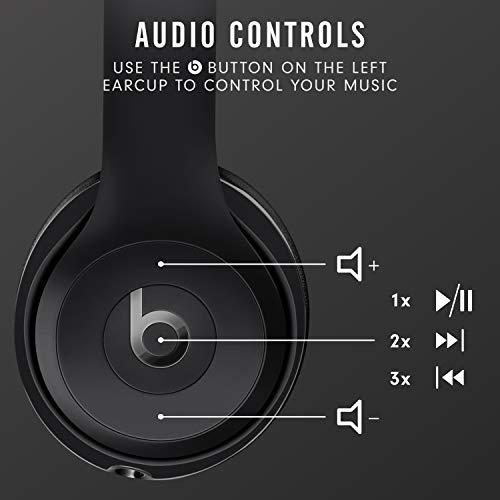
The Beats Solo3 uses more traditional button controls integrated into the ear cups. These work well for basic functions but don't offer the same tactile feedback or comprehensive control options as the Marshall's knob system.
At the time of writing, both headphones occupy similar price ranges in the mid-tier wireless market, though their original retail prices were quite different. The Marshall Monitor II ANC has seen significant price reductions since its launch, making it competitive with the Solo3 despite offering more advanced features like active noise cancellation.
When evaluating value, consider what you're getting for your money. The Solo3 delivers exceptional battery life, Apple ecosystem integration, and a fun sound signature that many casual listeners prefer. The Marshall provides active noise cancellation, superior comfort, more balanced sound quality, and comprehensive customization options.
For home theater use, the Marshall Monitor II ANC has several advantages. The active noise cancellation allows you to hear dialogue clearly even in noisy environments, while the balanced sound signature provides better representation of movie soundtracks. The over-ear design also reduces sound leakage, so you're less likely to disturb others in your household during late-night viewing sessions.
The superior comfort of the Marshall headphones makes them more suitable for binge-watching sessions, while the wired connectivity option ensures you won't run out of battery during a long movie marathon. The Solo3 can certainly work for home theater use, but the lack of noise cancellation and potential comfort issues make them less ideal for this application.
Your choice between the Beats Solo3 Wireless and Marshall Monitor II ANC should depend on your specific needs and usage patterns.
Choose the Beats Solo3 if you prioritize maximum portability and are heavily invested in the Apple ecosystem. The 40-hour battery life is genuinely impressive, and the lightweight design makes them perfect for travel, commuting, or active lifestyles. If you prefer bass-heavy music and don't mind the on-ear pressure, the fun sound signature can be quite engaging. The seamless iOS integration and reliable connectivity make them particularly appealing for iPhone users who want a grab-and-go solution.
Choose the Marshall Monitor II ANC if you prioritize audio quality, comfort, and noise cancellation. These headphones excel in home or office environments where you might wear them for several hours at a time. The balanced sound signature works well with all music genres, while the active noise cancellation makes them suitable for noisy environments or focused work. The comprehensive app integration and platform-agnostic design make them a better choice for users with multiple device types.
The bottom line is that both headphones serve their intended purposes well, but they're designed for different users and use cases. The Solo3 prioritizes convenience and Apple integration, while the Monitor II ANC focuses on audio quality and comfort. Understanding these fundamental differences – and honestly assessing your own priorities – will lead you to the right choice for your needs.
| Beats Solo3 Wireless | Marshall Monitor II ANC |
|---|---|
| Design Type - Fundamental comfort and portability difference | |
| On-ear, 215g (highly portable but less comfortable for long sessions) | Over-ear, 320g (superior comfort but bulkier for travel) |
| Active Noise Cancellation - Critical for noisy environments | |
| None (passive isolation only, poor for commuting/travel) | Yes, 10 adjustable levels plus transparency mode |
| Battery Life - Key factor for daily use | |
| 40 hours continuous (industry-leading endurance) | 30 hours with ANC, 45 hours without ANC |
| Sound Signature - Determines musical enjoyment | |
| Bass-heavy, fun sound (great for pop/hip-hop, less detail) | Balanced, neutral sound (accurate across all genres) |
| Connectivity - Device compatibility matters | |
| Apple W1 chip (seamless iOS integration, limited Android features) | Bluetooth 5.0 (universal compatibility, platform-agnostic) |
| Charging Port - Convenience factor | |
| Micro-USB (outdated standard) | USB-C (modern standard, matches most devices) |
| Quick Charge - Emergency power capability | |
| 5 minutes = 3 hours playback (Fast Fuel technology) | 15 minutes = 5 hours playback |
| App Integration - Customization options | |
| Basic controls only | Comprehensive Marshall app with EQ, ANC adjustment |
| Controls - Daily usability | |
| Standard on-ear buttons | Multi-directional control knob plus dedicated ANC/M buttons |
| Comfort Rating - Extended listening capability | |
| Good for short sessions, pressure fatigue after 1-2 hours | Excellent for all-day wear, minimal fatigue |
| Noise Isolation - Background sound blocking | |
| Poor (on-ear design limits seal) | Excellent (ANC plus over-ear passive isolation) |
| Best Use Cases - Primary scenarios | |
| Travel, gym, Apple users, casual listening | Home/office, commuting, audiophiles, long sessions |
The Marshall Monitor II ANC are significantly better for extended listening due to their over-ear design and plush padding. The Beats Solo3 Wireless can cause ear fatigue after 1-2 hours since they sit directly on your ears, while the Marshall headphones distribute weight evenly and can be worn comfortably for hours without discomfort.
No, only the Marshall Monitor II ANC features active noise cancellation with 10 adjustable levels. The Beats Solo3 Wireless relies solely on passive noise isolation, which is limited due to their on-ear design. For noisy environments like planes or offices, the Marshall headphones are much more effective at blocking unwanted sounds.
The Beats Solo3 Wireless offer superior battery life with 40 hours of continuous playback, thanks to Apple's efficient W1 chip. The Marshall Monitor II ANC provide 30 hours with noise cancellation enabled or 45 hours without ANC. Both offer quick charging, but the Solo3 edge out with longer overall runtime.
The Beats Solo3 Wireless are much better for exercise due to their lightweight 215g design and secure on-ear fit that won't slip during movement. The Marshall Monitor II ANC are heavier at 320g and designed more for stationary listening, making them less practical for gym use or active lifestyles.
The Beats Solo3 Wireless are specifically optimized for Apple devices with the W1 chip, offering instant pairing, seamless device switching, and battery widgets on iOS. The Marshall Monitor II ANC work fine with iPhones but don't have special Apple integration features, making the Beats headphones the clear choice for iPhone users.
The Marshall Monitor II ANC deliver more balanced, accurate sound suitable for all music genres with customizable EQ settings. The Beats Solo3 Wireless have a bass-heavy, energetic sound signature that's great for pop and hip-hop but may sound muddy with classical or jazz music. The Marshall headphones offer superior detail and instrument separation.
The Beats Solo3 Wireless are much more travel-friendly, weighing just 215g and folding into a compact size. The Marshall Monitor II ANC are bulkier at 320g, though they do fold for storage. For frequent travelers or commuters, the Solo3 are the obvious choice for portability.
Both headphones handle phone calls well, but the Marshall Monitor II ANC have dual beam-forming microphones and better noise isolation for clearer call quality in noisy environments. The Beats Solo3 Wireless work fine for calls but don't block background noise as effectively, making the Marshall headphones better for business calls.
The Marshall Monitor II ANC are superior for home theater use due to their active noise cancellation, balanced sound signature, and superior comfort for long viewing sessions. The ANC helps you hear dialogue clearly even at lower volumes, while the Solo3 lack noise cancellation and may become uncomfortable during movie marathons.
The Marshall Monitor II ANC work equally well with Android devices and include full app support for customization. The Beats Solo3 Wireless work with Android but lose many features like instant pairing and battery widgets that only function with Apple devices, making the Marshall headphones better for Android users.
Both offer quick charging, but with different ratios. The Beats Solo3 Wireless provide 3 hours of playback from a 5-minute charge, while the Marshall Monitor II ANC offer 5 hours from a 15-minute charge. The Marshall headphones have better charging efficiency and use modern USB-C instead of the outdated micro-USB on the Solo3.
Choose the Beats Solo3 Wireless if you prioritize maximum portability, exceptional battery life, and seamless Apple device integration. Choose the Marshall Monitor II ANC if you want superior comfort, active noise cancellation, balanced sound quality, and plan to use them for extended listening sessions at home or work.
We've done our best to create useful and informative comparisons to help you decide what product to buy. Our research uses advanced automated methods to create this comparison and perfection is not possible - please contact us for corrections or questions. These are the sites we've researched in the creation of this article: soundguys.com - cornellstore.com - imore.com - bestbuy.com - headphonecheck.com - soundguys.com - recordingnow.com - corporategift.com - ifixit.com - rtings.com - youtube.com - mobileciti.com.au - beatsbydre.com - discussions.apple.com - target.com - bestbuy.com - jalc.ecampus.com - beats.fandom.com - support.apple.com - electronics.woot.com - soundguys.com - androidcentral.com - headphonereview.com - thestyleinspiration.com - headphonecheck.com - versus.com - blog.son-video.com - bhphotovideo.com - bestbuy.com - versus.com - bhphotovideo.com - stereoguide.com - marshall.com - api.bestbuy.com - soundstagesolo.com - marshall.com - youtube.com - youtube.com - electronicexpress.com

Privacy Policy
Terms and Conditions - Affiliate Policy
Home Security
© Copyright 2008-2026.
11816 Inwood Rd #1211, Dallas, TX 75244