

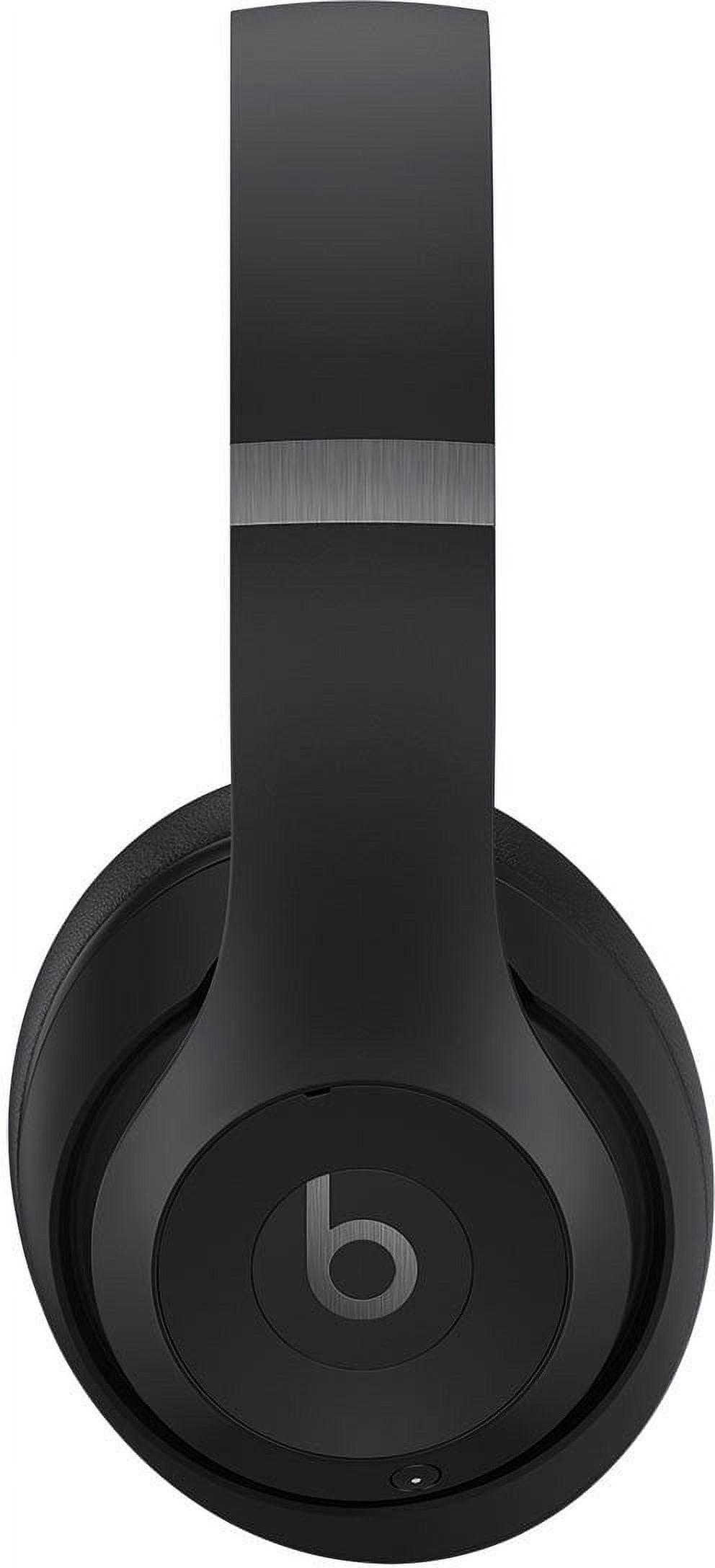
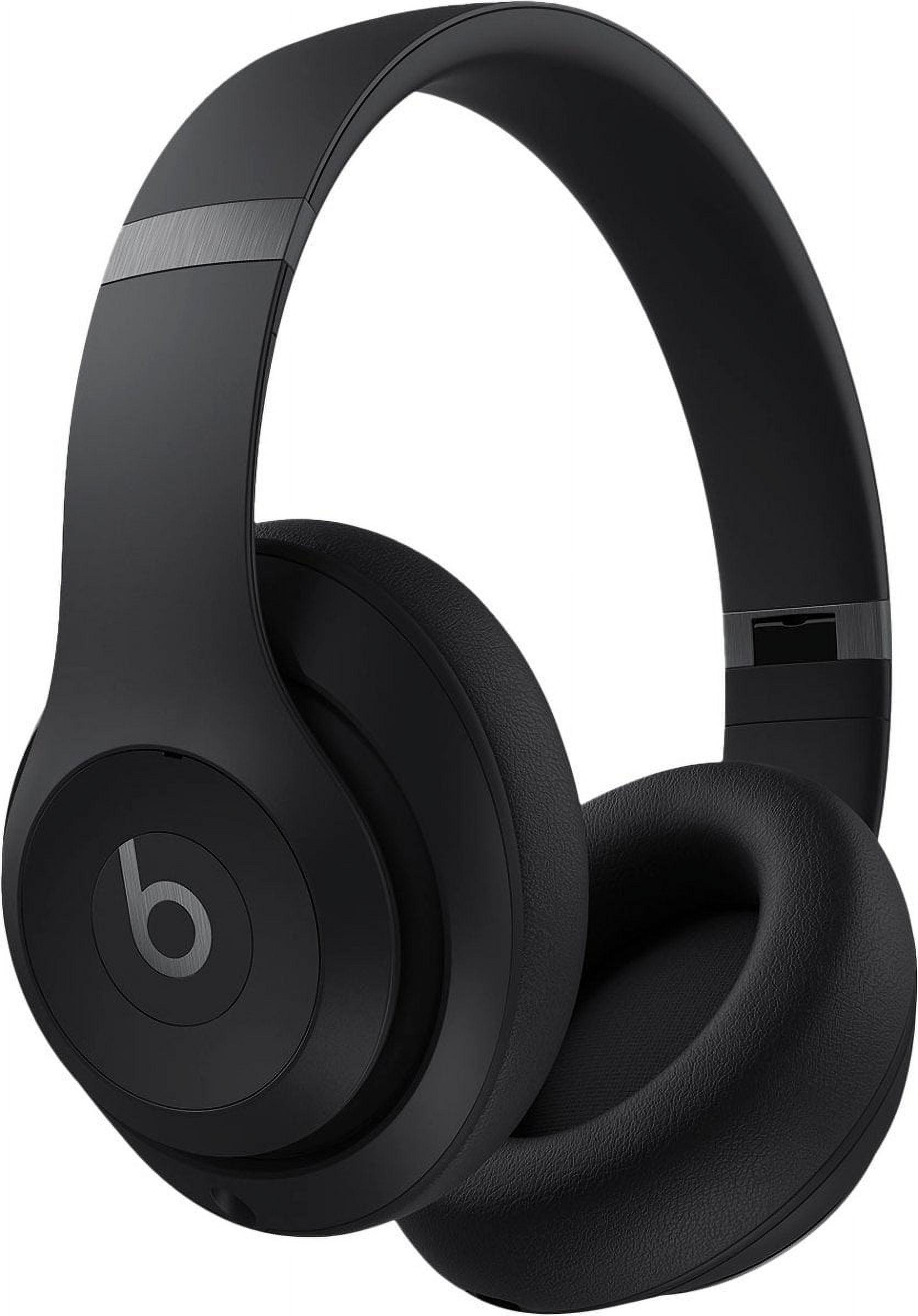
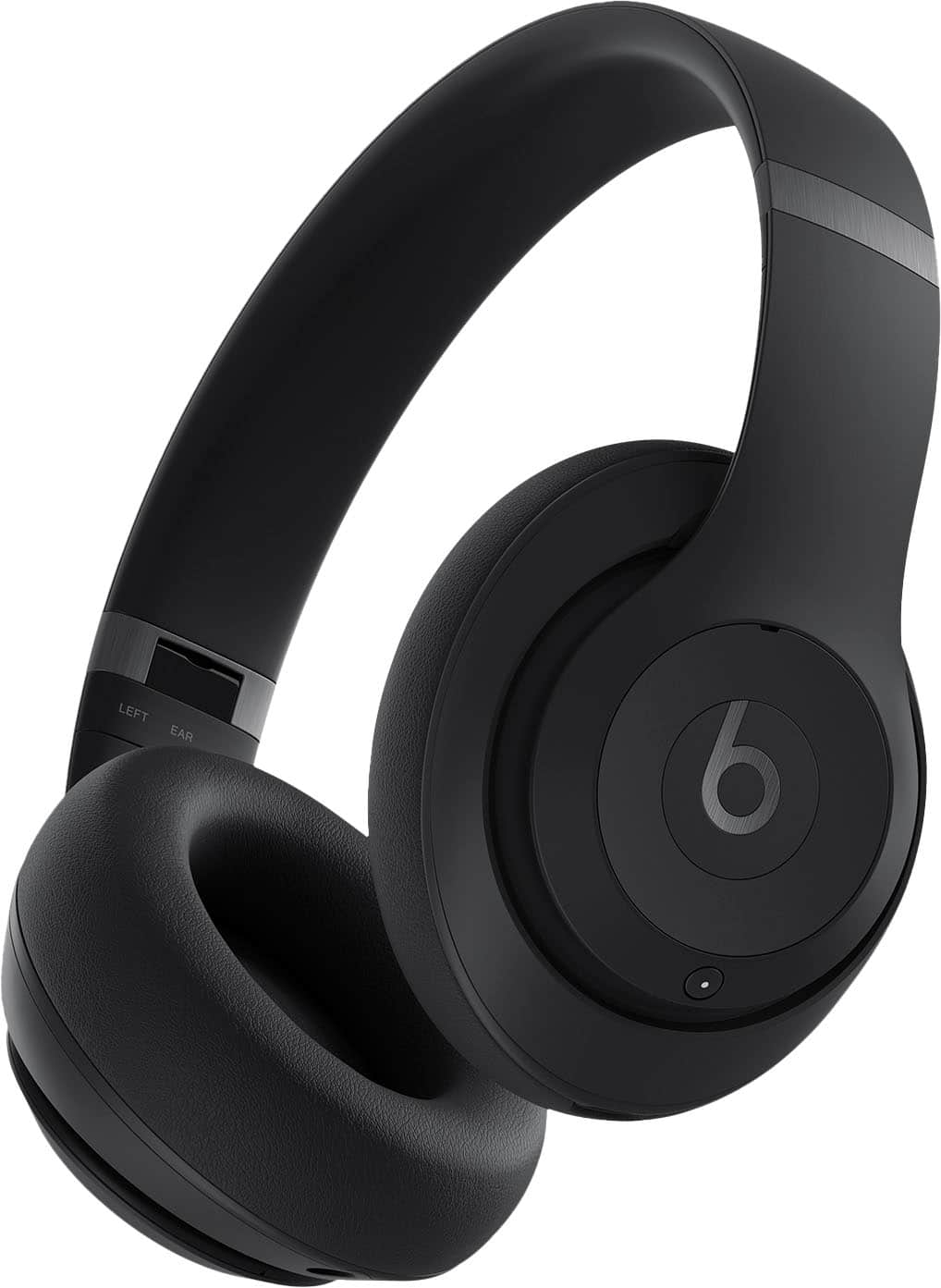
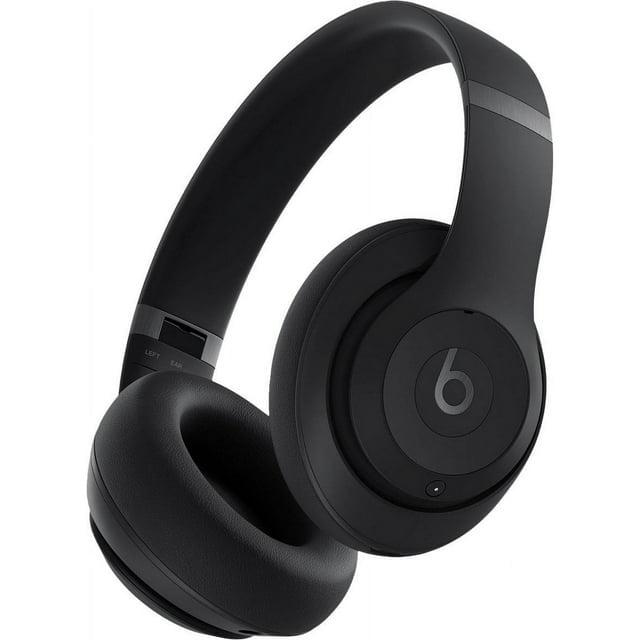
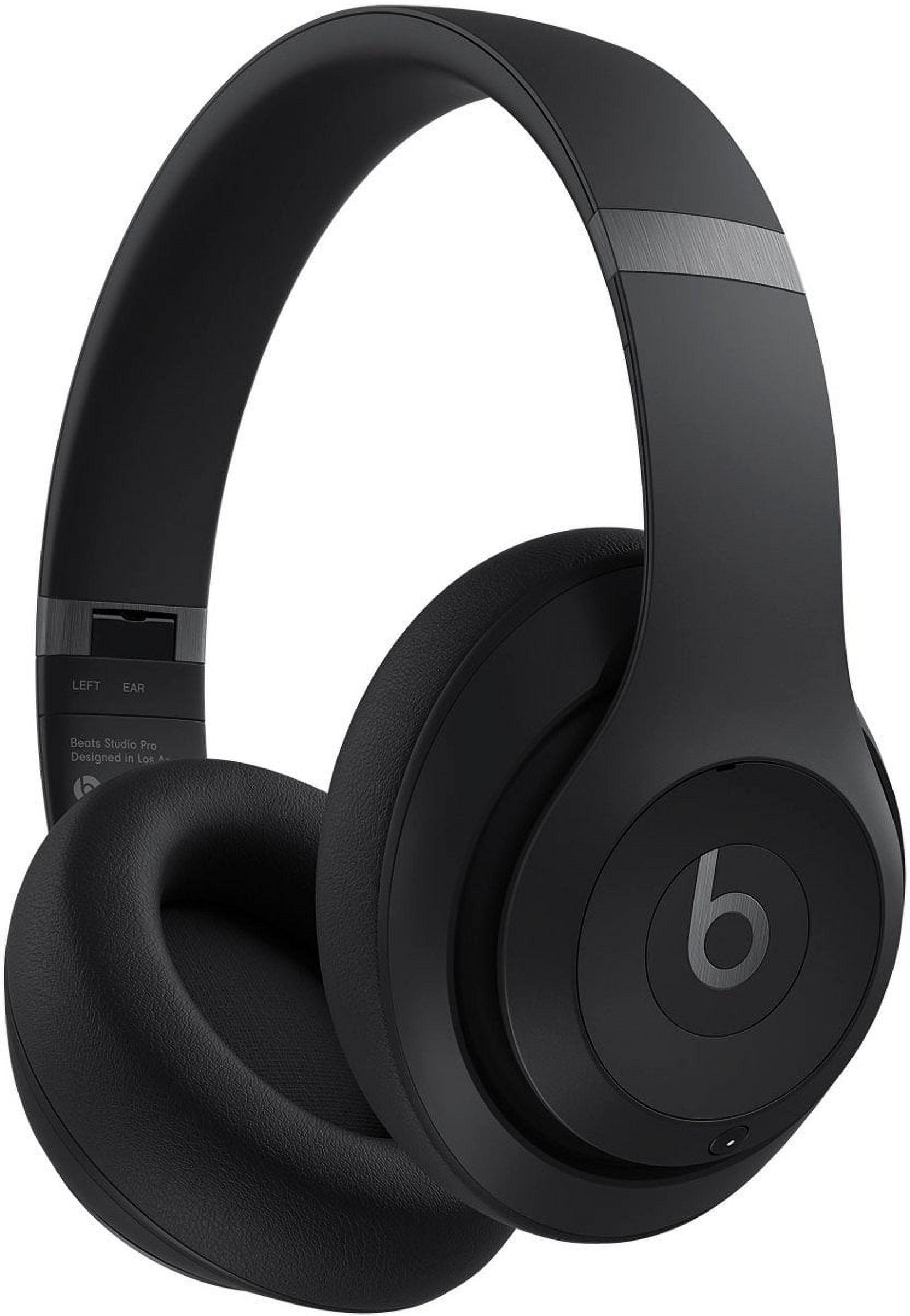
When Apple acquired Beats back in 2014, many wondered what would happen to the brand's signature bass-heavy sound. Fast forward to today, and we have two compelling options that showcase different eras of Beats engineering: the Beats Solo3 Wireless from 2016 and the Beats Studio Pro from 2023. While both carry the Beats name, they represent fundamentally different approaches to wireless audio—and the seven-year gap between them tells a fascinating story about how headphone technology has evolved.
Before diving into these specific models, it's worth understanding what separates great wireless headphones from merely adequate ones. The shift from wired to wireless audio introduced new challenges: maintaining sound quality over Bluetooth, managing battery life, and dealing with connection stability. Modern wireless headphones also need to handle multiple devices, provide intuitive controls, and increasingly, offer features like noise cancellation.
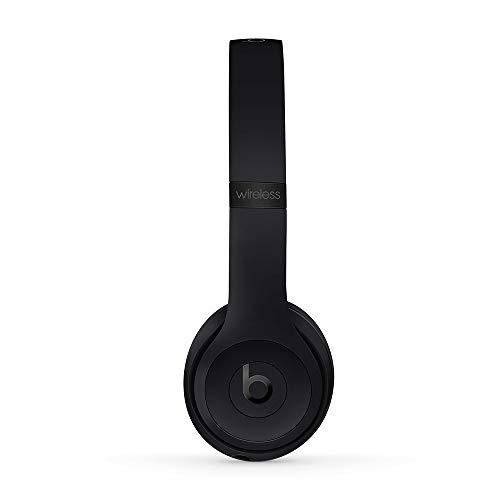
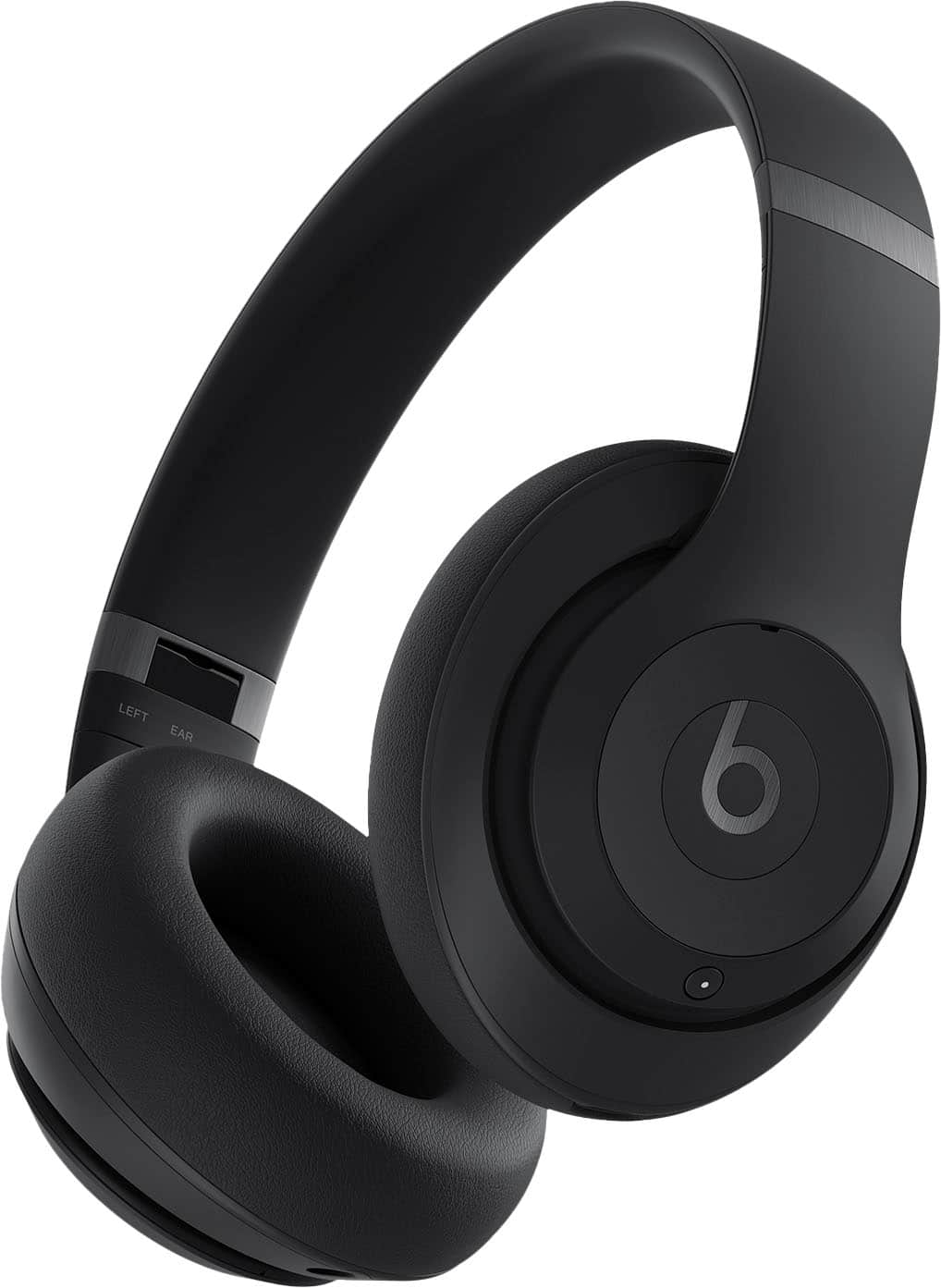
The headphone category itself splits into several form factors. On-ear headphones like the Solo3 sit directly on your ears with cushioned pads, making them more portable but potentially less comfortable for extended sessions. Over-ear headphones like the Studio Pro completely encompass your ears, generally offering better comfort and sound isolation but taking up more space in your bag.
Another crucial distinction involves active noise cancellation (ANC)—a technology that uses microphones to detect ambient sound and generates opposing sound waves to cancel it out. This feature has become increasingly important as people use headphones in noisy environments like airplanes, coffee shops, and open offices.
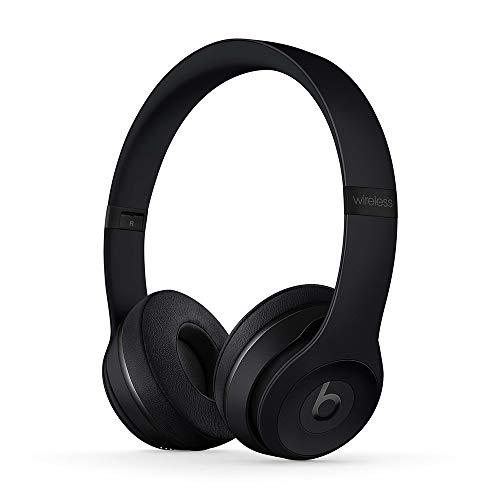
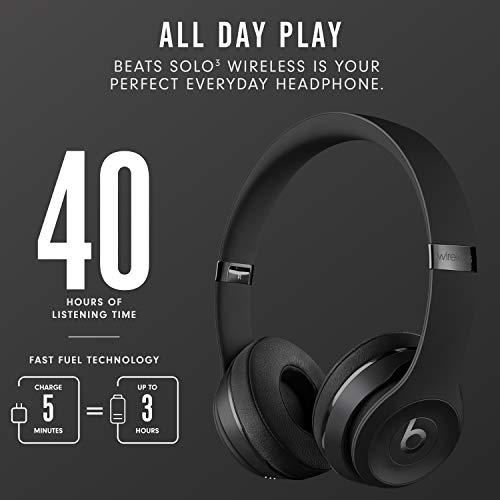
The Beats Solo3 Wireless launched in 2016 alongside Apple's controversial decision to remove the headphone jack from the iPhone 7. These headphones were Apple's answer to the wireless audio revolution, featuring the then-new W1 chip that promised seamless pairing and exceptional battery life. At the time, 40-hour battery life seemed almost magical—most wireless headphones barely managed 20 hours.
Seven years later, the Beats Studio Pro arrived in 2023 to a completely different market. By then, noise cancellation had become table stakes for premium headphones, spatial audio was reshaping how we think about immersive sound, and users expected their headphones to work equally well across different operating systems. The Studio Pro represents Beats' response to this matured market.
Here's where things get really interesting. The Solo3 embodies classic Beats DNA with its bass-forward signature that prioritizes low-end punch over balanced reproduction. This tuning works well for hip-hop, EDM, and pop music where that extra bass slam adds excitement. However, the frequency response shows some muddiness in the 100-250Hz range—the area where bass instruments and lower male vocals live. This can make complex music sound congested, especially when multiple instruments are playing in that frequency range.
The treble response on the Solo3 is deliberately rolled off, meaning higher frequencies are reduced. While this prevents listening fatigue during long sessions, it also means you'll miss some detail in cymbals, acoustic guitar strings, and vocal sibilants (those sharp "s" sounds). The soundstage—how wide and spacious music sounds—is limited by the on-ear, closed-back design. Music tends to feel "in your head" rather than surrounding you.
In contrast, the Studio Pro benefits from nearly a decade of audio engineering improvements. Beats claims up to 80% less distortion compared to previous Studio models, and this translates into noticeably cleaner sound reproduction. The 40mm custom drivers use a dual-layer design that helps control unwanted vibrations, resulting in tighter bass and clearer midrange.
The Studio Pro's frequency response is more balanced, with better sub-bass extension (those really deep rumbles you feel more than hear) and a brighter, more detailed treble presentation. This makes them more versatile across different music genres. Classical music reveals more spatial information, jazz recordings sound more natural, and even heavily produced pop tracks benefit from the increased clarity.
However, this improved tuning comes with trade-offs. Some listeners find the Studio Pro slightly artificial-sounding, with mids that can seem recessed compared to the prominent bass and treble. It's a more "exciting" sound signature than neutral studio monitors, but it's also more fatiguing during very long listening sessions.
Physical comfort becomes crucial when you're wearing headphones for hours at a time. The Solo3's on-ear design creates an interesting paradox: they're incredibly portable and lightweight at just 215 grams, but that low weight comes at the cost of clamping force. To maintain a good seal and prevent the drivers from rattling against your ears, on-ear headphones need to press firmly against your head. This works fine for 30-60 minute sessions, but extended wear can cause discomfort around the ears and pressure points where the headband contacts your head.
The Studio Pro takes a completely different approach with its over-ear design. At 260 grams, they're heavier than the Solo3, but the weight is distributed more evenly around your head. The UltraPlush engineered leather cushions create a seal around your ears rather than pressing on them, which most people find more comfortable for extended listening. The larger ear cups also provide better passive noise isolation—the natural sound-blocking that occurs from physically covering your ears.
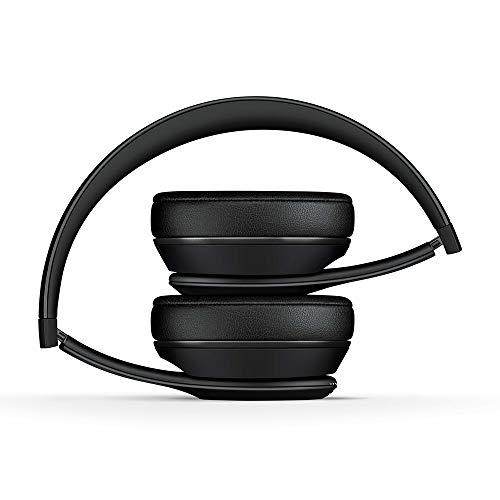
Build quality varies between the models as well. The Solo3 uses primarily plastic construction that feels solid but not premium. The folding mechanism is sturdy, and the headband adjustment clicks into place reliably. However, some users report long-term durability issues with the ear pads, which can compress over time and reduce comfort.
The Studio Pro feels more substantial in your hands, with a mix of materials that suggests higher build quality. The headband padding is more generous, and the ear cup rotation mechanism feels precise. However, some users note that the clamping force can still be an issue during very long sessions, though less so than with the Solo3.
This is where the Solo3 Wireless truly shines. That 40+ hour battery life isn't marketing hyperbole—independent testing consistently shows these headphones delivering exceptional longevity. The Apple W1 chip deserves much of the credit here, as it manages power consumption incredibly efficiently while maintaining a stable Bluetooth connection.
The Fast Fuel charging feature provides three hours of playback from just five minutes of charging, which can be a lifesaver when you're rushing out the door. However, the Solo3 still uses micro-USB charging, which feels dated in 2024 when most devices have moved to USB-C.
The Studio Pro offers respectable but not exceptional battery life: 40 hours with noise cancellation turned off, dropping to 24 hours with ANC active. This is typical for over-ear headphones with noise cancellation, as the ANC system requires additional power to operate the microphones and processing. The Fast Fuel feature provides four hours of playback from a 10-minute charge, and the modern USB-C charging means you can use the same cable for your phone, laptop, and headphones.
The difference in noise control capabilities between these models is dramatic. The Solo3 Wireless relies entirely on passive noise isolation—the physical blocking that occurs when something covers your ears. While the tight-fitting ear pads can block up to 40dB of high-frequency noise (like conversations and keyboard clicking), they struggle with low-frequency sounds like airplane engines, air conditioning hums, and traffic noise.
The Studio Pro combines passive isolation with active noise cancellation, creating a much more comprehensive noise control system. The ANC uses external microphones to detect ambient noise, then generates precisely timed sound waves that are 180 degrees out of phase—essentially creating "anti-noise" that cancels out unwanted sounds.
The Studio Pro's ANC is particularly effective at filtering low-frequency noise, managing around 25dB of reduction at 100Hz. Combined with the passive isolation from the over-ear design, you can achieve up to 50dB of total noise reduction for high-pitched sounds. This makes a dramatic difference in noisy environments like airplanes, where the constant low-frequency drone of engines becomes nearly inaudible.
The Studio Pro also includes a Transparency mode that allows external sounds to blend with your music. This feature uses the same external microphones as the ANC system but instead of canceling outside noise, it amplifies and mixes it with your audio. This lets you have conversations or stay aware of announcements without removing your headphones.
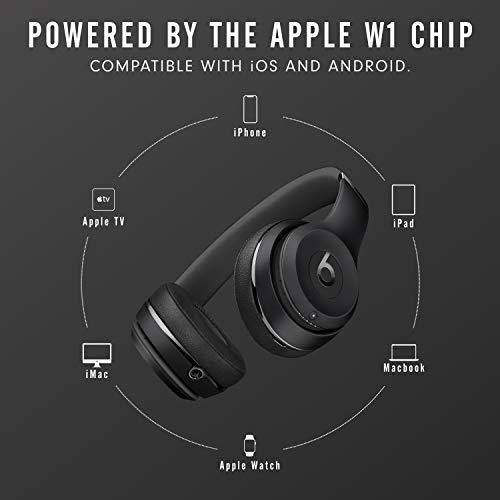
The technology gap between 2016 and 2023 becomes most apparent in connectivity features. The Solo3 Wireless was revolutionary for its time with the Apple W1 chip, which enabled one-touch pairing with iOS devices and automatic connection switching between your Apple devices. The Class 1 Bluetooth provides extended range, and the AAC codec ensures good audio quality when streaming from iPhones and iPads.
However, the Solo3 uses Bluetooth 4.2, which is now considered outdated. While it works fine for basic audio streaming, it lacks the efficiency improvements and advanced features of newer Bluetooth versions. Android users get basic functionality but miss out on the seamless integration features.
The Studio Pro embraces modern connectivity with Bluetooth 5.3, which offers better power efficiency, improved connection stability, and support for advanced audio features. The wireless range extends up to 300 feet in ideal conditions—significantly better than most competitors. More importantly, the Studio Pro works well across platforms, offering Google Fast Pair for Android users and maintaining full feature compatibility regardless of your phone's operating system.
When connected via USB-C, the Studio Pro unlocks additional capabilities including lossless digital audio and three distinct EQ presets: Signature (balanced for music), Entertainment (enhanced for movies), and Conversation (optimized for voice clarity). This wired connection bypasses Bluetooth entirely, potentially offering better audio quality for critical listening.
The Studio Pro also supports Personalized Spatial Audio with dynamic head tracking when paired with compatible Apple devices. This technology uses accelerometers and gyroscopes to track your head movement, adjusting the sound field to maintain the illusion that audio is coming from fixed points in space around you. It's particularly effective for movies and specially mixed music, creating a more immersive experience than traditional stereo.
For daily commuting, the Solo3 Wireless excels due to its portable design and exceptional battery life. You can fold them flat, toss them in a bag, and trust they'll have power for weeks of use. They're also less conspicuous than large over-ear headphones, making them more appropriate for professional environments where you want to maintain a lower profile.
However, for air travel or working in noisy environments, the Studio Pro becomes the clear choice. The active noise cancellation transforms the experience of flying, turning the constant drone of jet engines into barely noticeable background whisper. The over-ear design also provides better sound isolation during phone calls, making your voice clearer to the person on the other end.
For home theater use, both headphones offer different advantages. The Solo3 might be more comfortable for casual TV watching due to their lighter weight, but they lack the immersive capabilities that make movie watching special. The Studio Pro's Spatial Audio support, when paired with compatible Apple devices, can simulate a surround sound experience that's genuinely impressive for movies and shows mixed in Dolby Atmos. The wider soundstage also makes dialogue clearer and effects more engaging.
Gaming presents an interesting use case. Neither headphone is specifically designed for gaming, but the Studio Pro's lower latency Bluetooth connection and better spatial imaging make it more suitable for casual gaming. The USB-C connection can provide even lower latency for competitive gaming where every millisecond matters.
At the time of writing, the Solo3 Wireless represents exceptional value for users who prioritize battery life and portability over cutting-edge features. The significant price reductions since its launch make it one of the most affordable ways to get reliable wireless headphones with excellent Apple ecosystem integration.
The Studio Pro, while more expensive, justifies its premium with modern features that weren't available when the Solo3 launched. Active noise cancellation, spatial audio, modern Bluetooth connectivity, and superior comfort all contribute to a more complete package for users willing to invest in current-generation technology.
Choose the Beats Solo3 Wireless if you're a student, commuter, or casual listener who values incredible battery life and portability above all else. They're perfect for people who primarily listen to bass-heavy genres, want something that works seamlessly with Apple devices, and don't want to worry about charging their headphones constantly. The on-ear design makes them less suitable for all-day wear, but for most people's listening patterns, they're perfectly adequate.
The Beats Studio Pro is the better choice for frequent travelers, remote workers, or anyone who spends significant time in noisy environments. The active noise cancellation alone transforms the experience of using headphones in challenging acoustic environments. If you watch movies on your devices, the spatial audio features provide a genuinely enhanced viewing experience that the Solo3 simply can't match.
For home theater enthusiasts specifically, the Studio Pro offers features that make it worthwhile despite the higher cost. The combination of spatial audio, better passive isolation, and more balanced sound signature creates a more engaging experience for movies and TV shows.
Ultimately, both headphones serve their intended audiences well. The Solo3 proves that older technology can still be relevant when it excels in specific areas like battery life and value. The Studio Pro showcases how modern features like ANC and spatial audio can justify premium pricing when implemented effectively. Your choice depends on whether you prioritize the Solo3's incredible longevity and portability or the Studio Pro's comprehensive feature set and superior comfort for extended use.
| Beats Solo3 Wireless | Beats Studio Pro |
|---|---|
| Form Factor - Affects comfort and portability | |
| On-ear design, 215g weight, highly portable | Over-ear design, 260g weight, better for extended wear |
| Battery Life - Critical for daily use without charging anxiety | |
| 40+ hours (exceptional longevity, industry-leading) | 40 hours (ANC off), 24 hours (ANC on) - good but not exceptional |
| Active Noise Cancellation - Essential for travel and noisy environments | |
| None (passive isolation only, struggles with low frequencies) | Full adaptive ANC with real-time adjustment, highly effective |
| Audio Quality - Determines overall listening experience | |
| Bass-heavy signature, muddy mids, rolled-off treble | More balanced, 80% less distortion, clearer across all frequencies |
| Connectivity - Affects device compatibility and audio quality | |
| Bluetooth 4.2, Apple W1 chip, micro-USB charging | Bluetooth 5.3, USB-C lossless audio, cross-platform optimized |
| Fast Charging - Important for quick power top-ups | |
| Fast Fuel: 5 minutes = 3 hours playback | Fast Fuel: 10 minutes = 4 hours playback |
| Advanced Audio Features - Enhances immersive listening | |
| Basic stereo audio, no spatial features | Personalized Spatial Audio with head tracking, Dolby Atmos support |
| Comfort for Extended Use - Critical for long listening sessions | |
| Can cause ear fatigue due to clamping force | UltraPlush cushions, better weight distribution for all-day wear |
| Release Year & Technology Generation - Indicates feature modernization | |
| 2016 technology (outdated but proven reliable) | 2023 technology (current-generation features and connectivity) |
| Best Use Cases - Who should buy each product | |
| Commuters, students, casual listeners prioritizing battery life | Travelers, professionals, users needing ANC and modern features |
The Beats Studio Pro delivers significantly better sound quality with up to 80% less distortion than older Beats models. While the Beats Solo3 Wireless has a bass-heavy signature that can sound muddy in the midrange, the Studio Pro offers more balanced audio with clearer highs and better detail across all frequencies.
If you frequently travel, work in noisy environments, or commute on public transportation, the Beats Studio Pro's active noise cancellation is invaluable. The Beats Solo3 Wireless lacks ANC entirely, relying only on passive isolation, which makes it less suitable for noisy environments but perfectly adequate for quiet home or office use.
The Beats Studio Pro is significantly more comfortable for extended wear due to its over-ear design and UltraPlush cushions that sit around your ears rather than pressing on them. The Beats Solo3 Wireless can cause ear fatigue after 1-2 hours due to the clamping force required for their on-ear design.
The Beats Solo3 Wireless excels with exceptional 40+ hour battery life that's industry-leading. The Beats Studio Pro offers 40 hours with ANC off or 24 hours with ANC on, which is good but not exceptional. If maximum battery life is your priority, the Solo3 is the clear winner.
The Beats Studio Pro justifies its higher price with modern features like active noise cancellation, spatial audio, USB-C connectivity, and superior comfort. However, the Beats Solo3 Wireless offers exceptional value if you prioritize portability and battery life over advanced features.
While both work with Android and Windows devices, the Beats Studio Pro offers better cross-platform compatibility with Google Fast Pair and consistent features regardless of your device. The Beats Solo3 Wireless is optimized primarily for Apple devices and has limited functionality on Android.
Both headphones handle calls well, but the Beats Studio Pro offers superior call quality with upgraded voice-targeting microphones that filter background noise more effectively. The active noise cancellation also helps reduce distracting ambient noise during important calls.
The Beats Studio Pro is the clear choice for travel due to its active noise cancellation that effectively blocks airplane engines and other travel noise. While the Beats Solo3 Wireless is more compact and portable, it lacks the noise control needed for comfortable travel in noisy environments.
For home theater use, the Beats Studio Pro provides a superior experience with Personalized Spatial Audio and Dolby Atmos support that creates immersive surround sound effects. The Solo3 offers basic stereo audio that works fine for casual viewing but lacks the cinematic features of the Studio Pro.
The Beats Solo3 Wireless wins for portability with its compact folding design and lightweight 215g construction that easily fits in bags. The Beats Studio Pro is bulkier due to its over-ear design, making it less convenient for daily carrying despite offering better overall features.
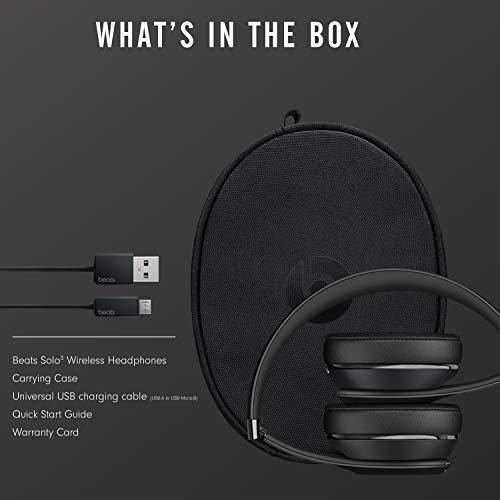
Yes, both support wired connections, but the Beats Studio Pro offers more advanced options with USB-C lossless audio and multiple EQ presets when wired. The Beats Solo3 Wireless includes a standard 3.5mm cable but uses outdated micro-USB for charging, while the Studio Pro uses modern USB-C for both charging and high-quality audio.
Choose the Beats Solo3 Wireless if you prioritize exceptional battery life, portability, and value for casual listening. Select the Beats Studio Pro if you want modern features like active noise cancellation, superior comfort, spatial audio, and better sound quality for a more premium experience.
We've done our best to create useful and informative comparisons to help you decide what product to buy. Our research uses advanced automated methods to create this comparison and perfection is not possible - please contact us for corrections or questions. These are the sites we've researched in the creation of this article: soundguys.com - cornellstore.com - imore.com - bestbuy.com - headphonecheck.com - soundguys.com - recordingnow.com - corporategift.com - ifixit.com - rtings.com - youtube.com - mobileciti.com.au - beatsbydre.com - discussions.apple.com - target.com - bestbuy.com - jalc.ecampus.com - beats.fandom.com - support.apple.com - electronics.woot.com - whathifi.com - markellisreviews.com - recordingnow.com - soundguys.com - cnet.com - recordingnow.com - bestbuy.com - youtube.com - soundguys.com - recordingnow.com - uclastore.com - beatsbydre.com - shop.missouristatebookstore.com - apple.com - beatsbydre.com - audiosciencereview.com - beatsbydre.com - beatsbydre.com - cornellstore.com - forums.appleinsider.com

Privacy Policy
Terms and Conditions - Affiliate Policy
Home Security
© Copyright 2008-2026.
11816 Inwood Rd #1211, Dallas, TX 75244