

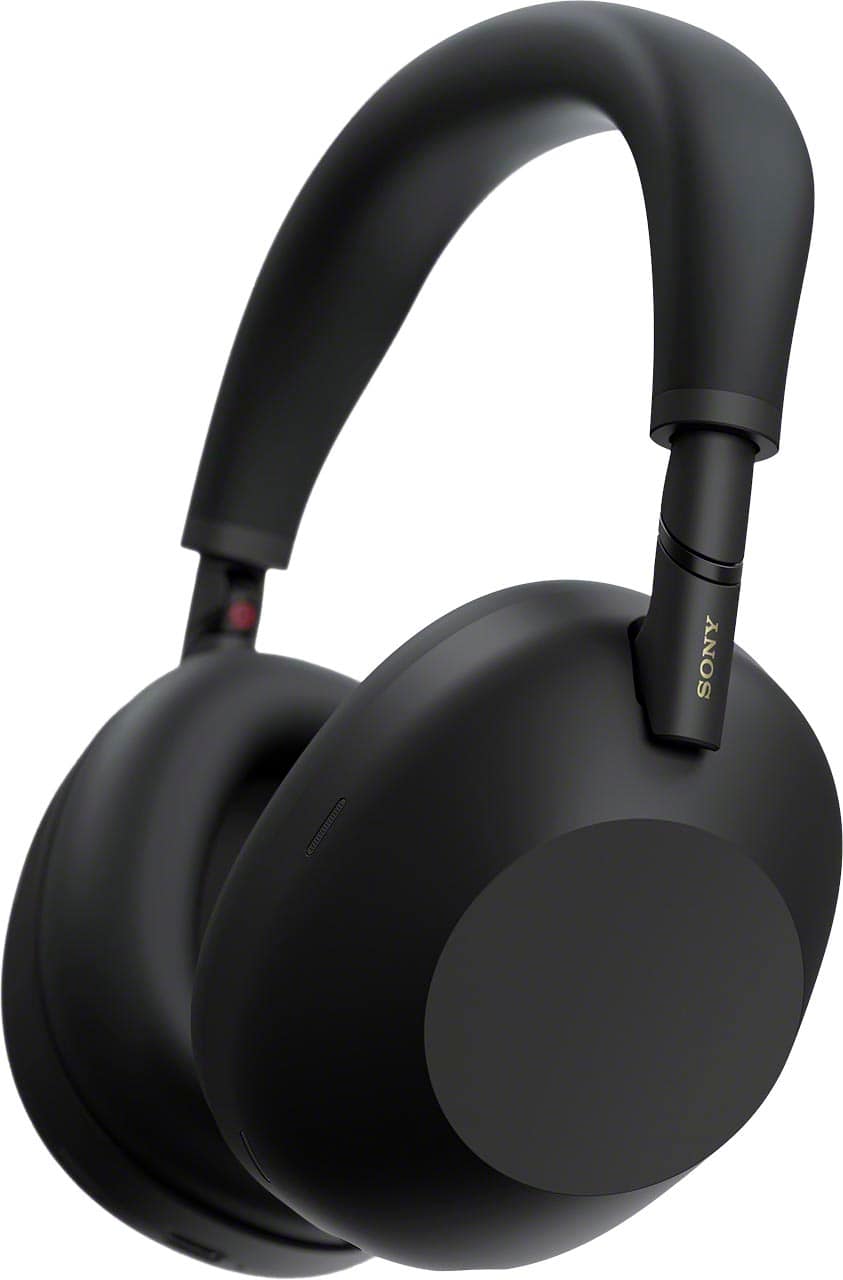

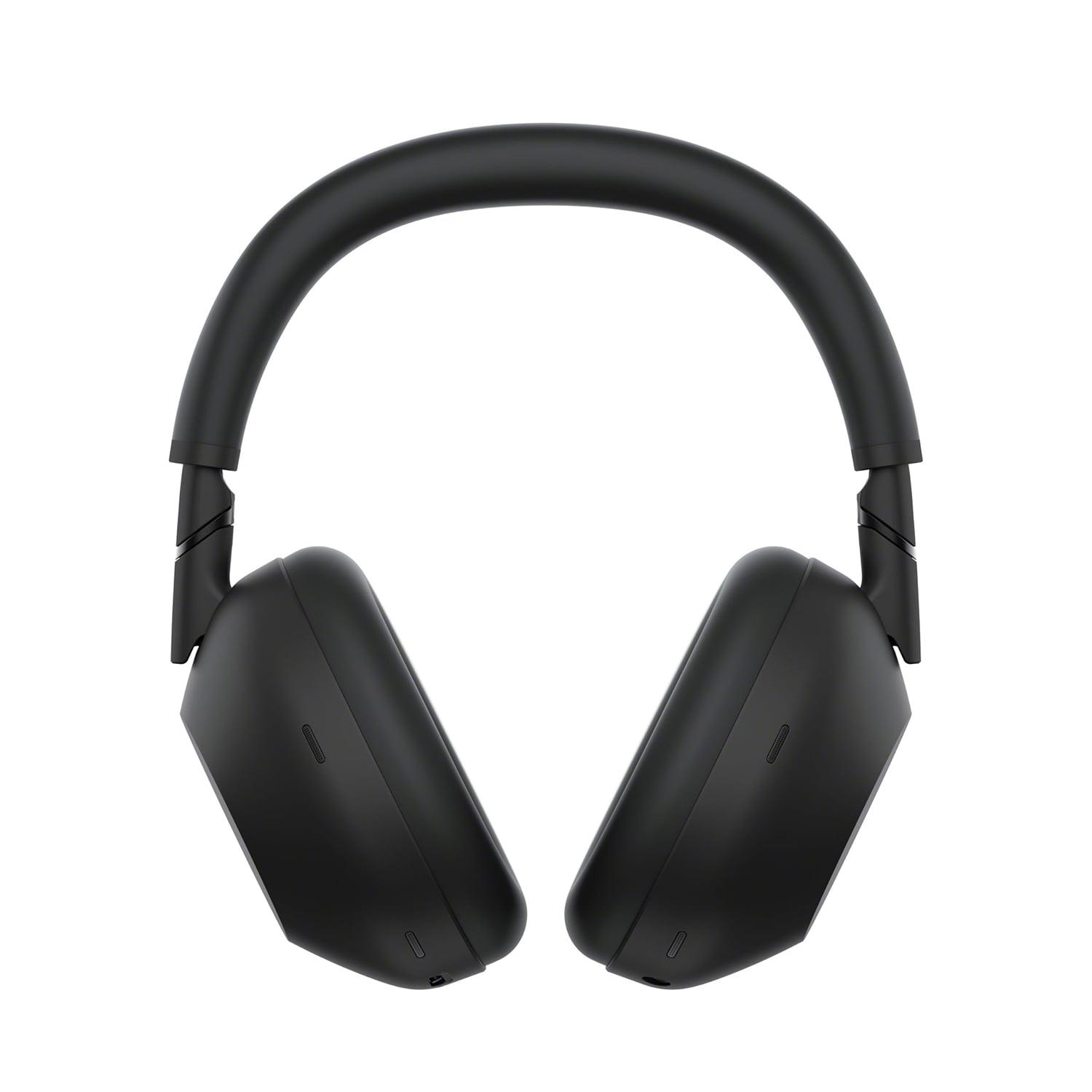



Choosing wireless headphones can feel overwhelming with so many options available today. Two models that often come up in discussions are the Beats Solo3 Wireless and the Sony WH-1000XM6 – but they're actually quite different beasts designed for different users. Understanding these differences will help you make the right choice for your needs and budget.
Before diving into these specific models, let's talk about what matters most in wireless headphones. The main considerations fall into several key areas that directly impact your daily experience.
Form factor – whether headphones sit on your ears (on-ear) or completely surround them (over-ear) – affects everything from portability to comfort during long listening sessions. Active Noise Cancellation (ANC) uses microphones to detect outside noise and creates opposite sound waves to cancel it out, making a huge difference in noisy environments like airplanes or busy offices.
Sound quality encompasses how accurately headphones reproduce music, including the balance between bass, mids, and treble frequencies. Battery life determines how long you can listen before needing to charge, while connectivity features like multi-device pairing and advanced Bluetooth codecs (protocols that compress and decompress audio data) affect how seamlessly they work with your devices.
The ecosystem integration – how well headphones work with your phone, tablet, and other devices – can make or break the user experience. Finally, build quality impacts both durability and comfort over time.
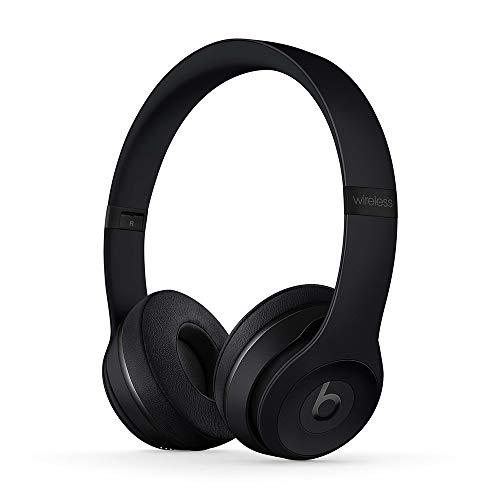
The Beats Solo3 Wireless, originally launched in 2016 with updates through 2019, represents a fundamentally different approach from the Sony WH-1000XM6, which arrived in 2025. This eight-year gap tells an important story about how headphone technology has evolved.
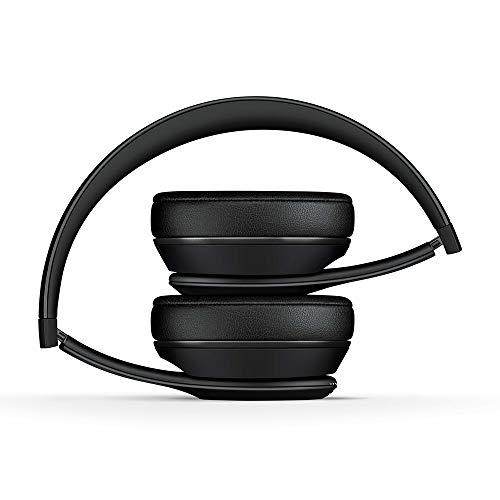
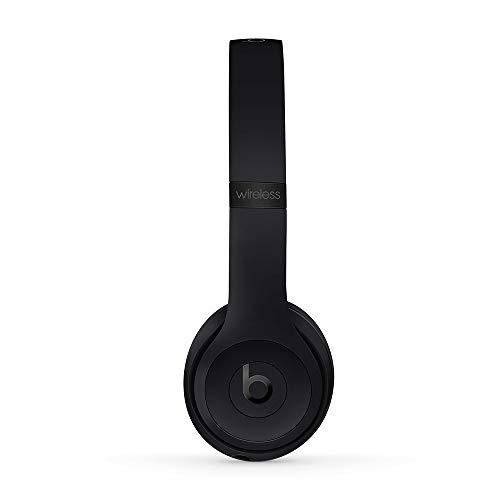
The Beats Solo3 weighs just 215 grams and features an on-ear design where the ear cups sit directly on your ears rather than around them. This makes them incredibly portable – they fold up neatly and take minimal space in a bag. However, this compact design comes with trade-offs that become apparent during extended use.
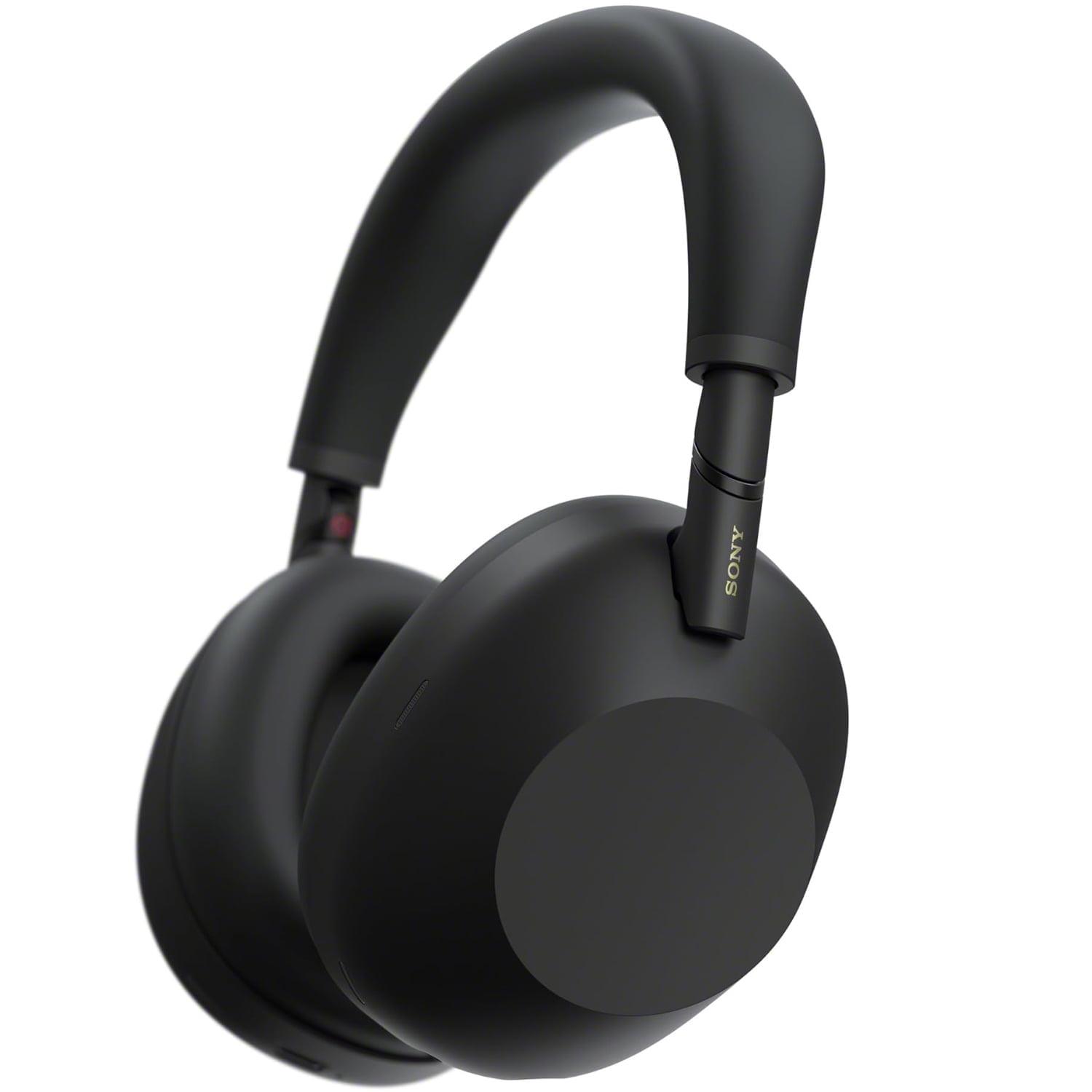
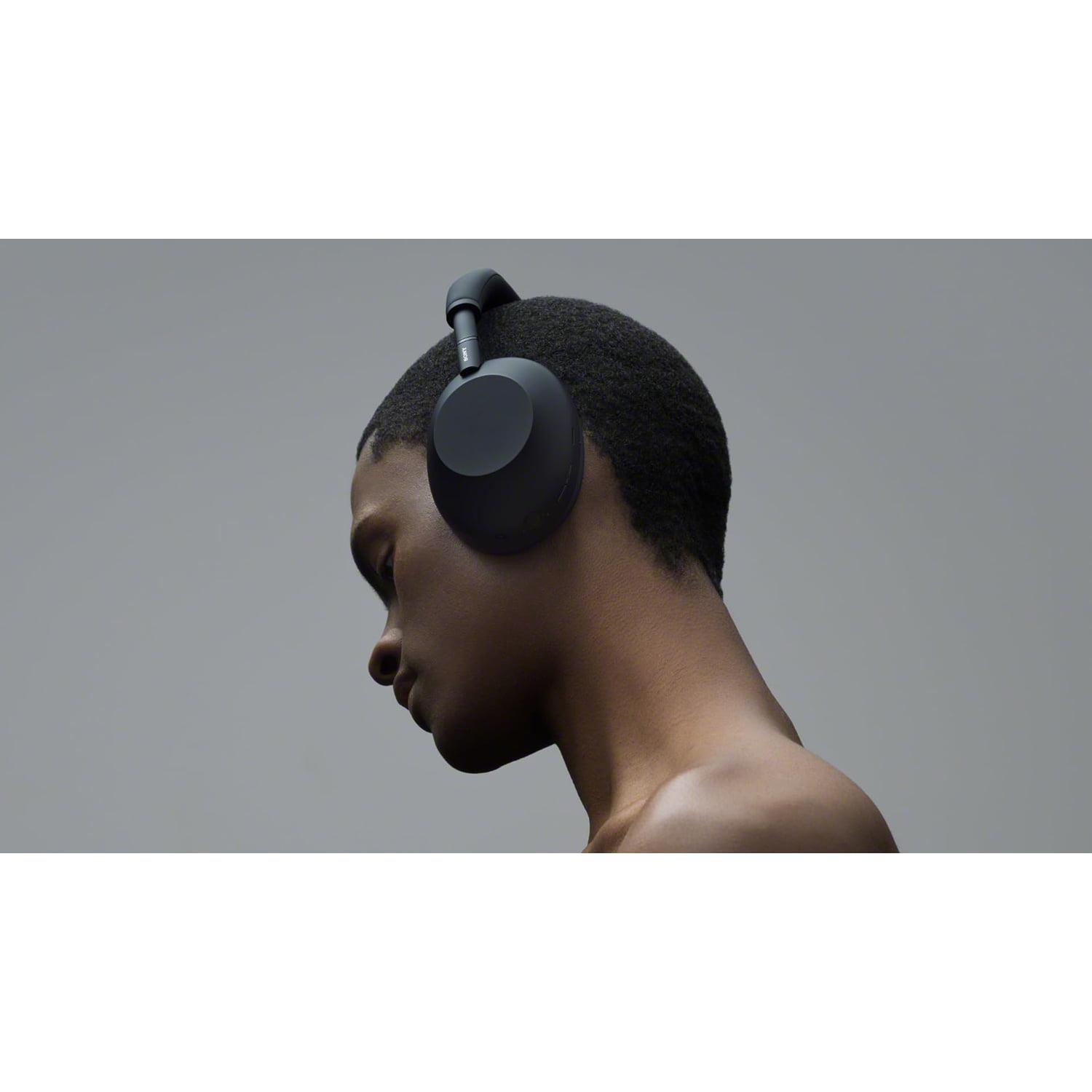
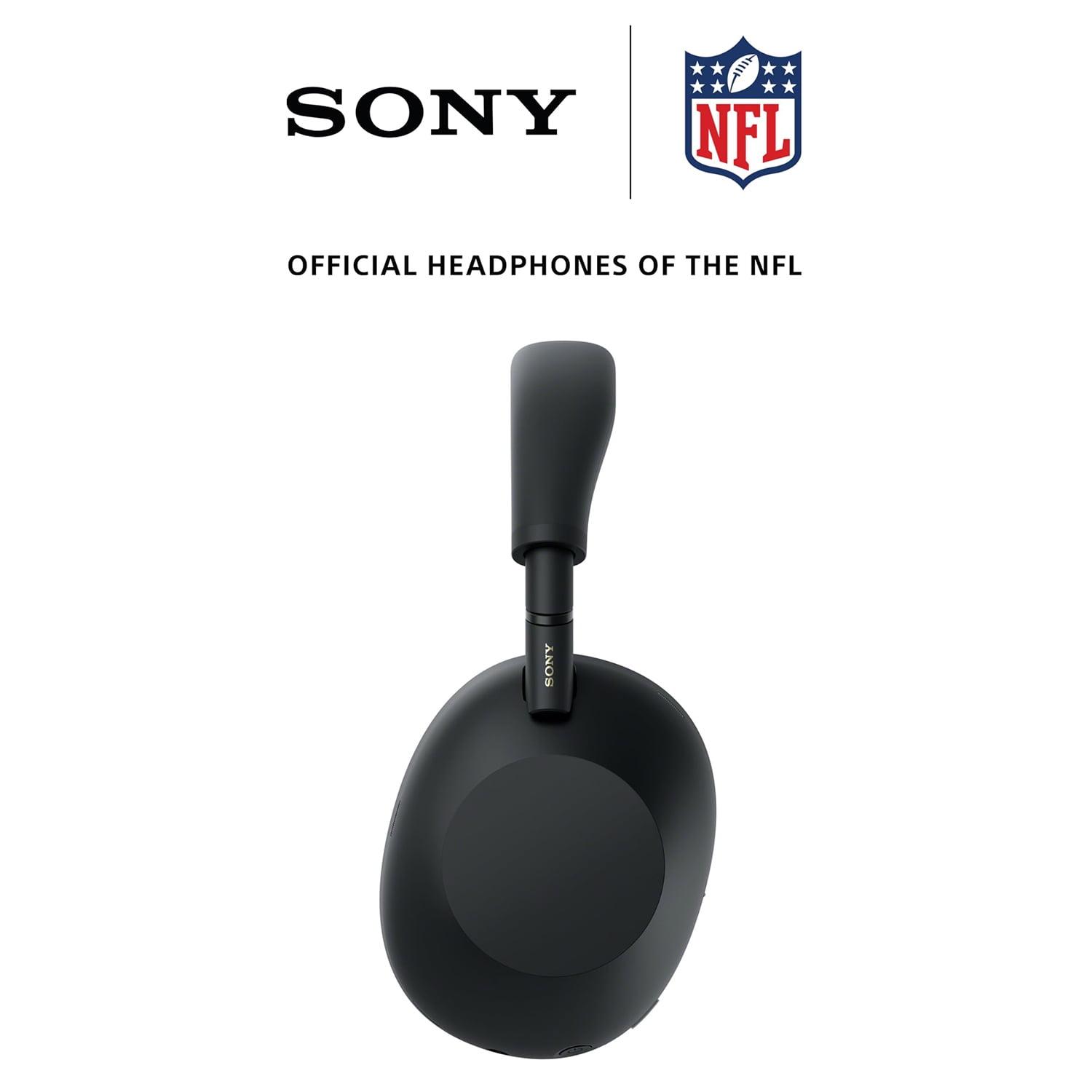
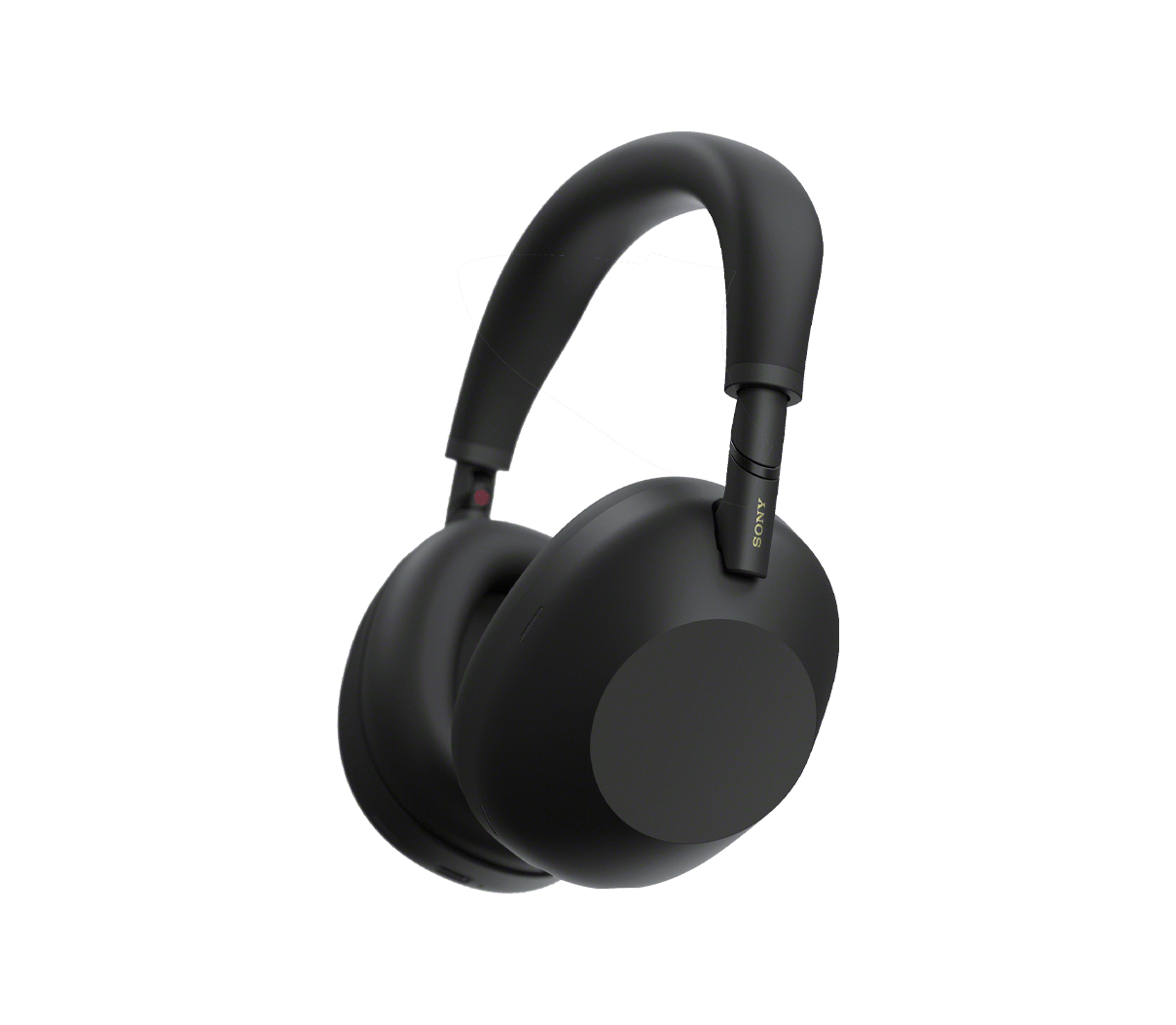
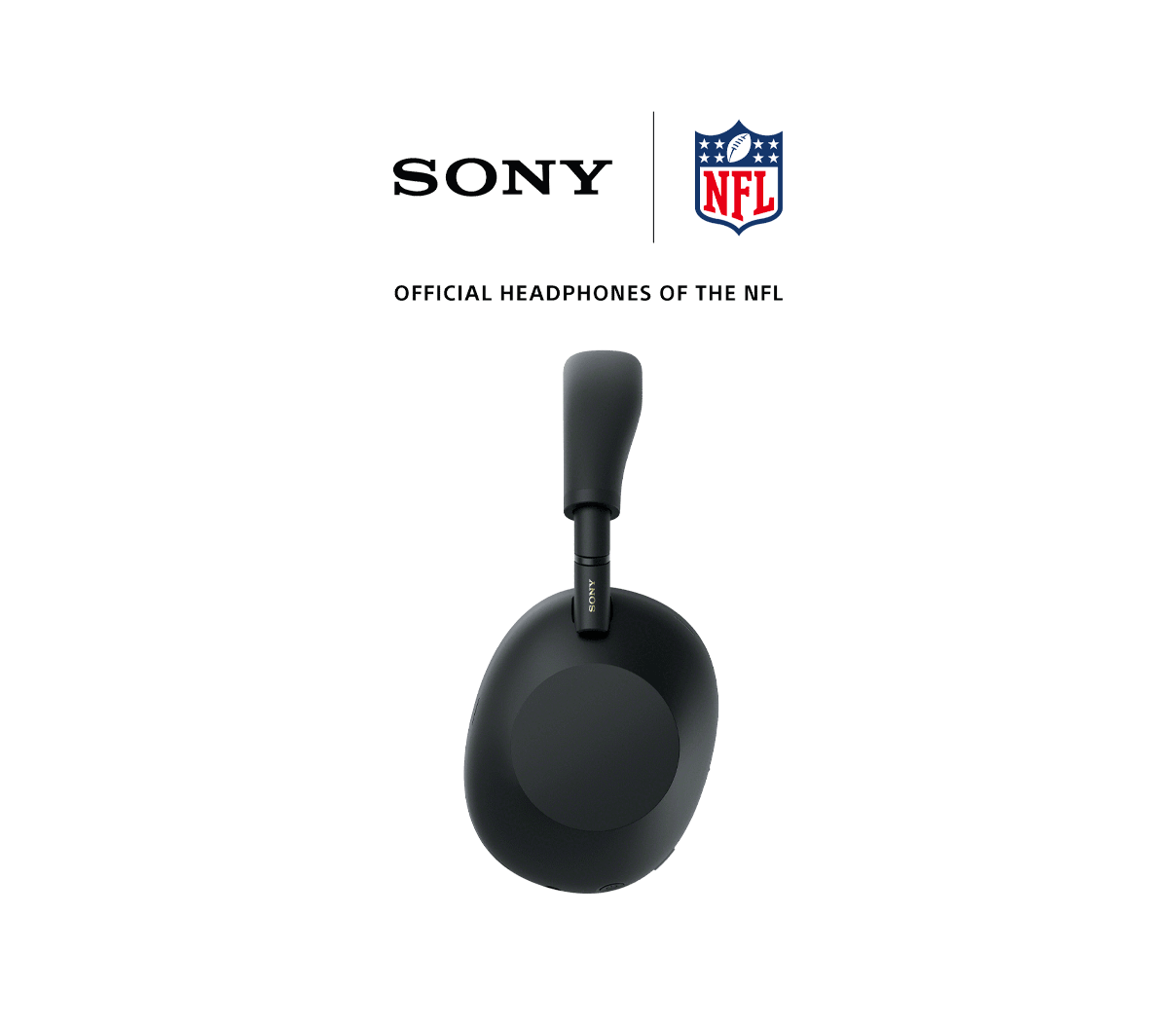
The Sony WH-1000XM6, at 255 grams, uses an over-ear design that completely encompasses your ears. While slightly heavier and larger, this design choice enables features that simply aren't possible with on-ear headphones, particularly advanced noise cancellation and better passive sound isolation.
From a build quality perspective, the Beats Solo3 relies heavily on plastic construction with metal hinges, giving them a lightweight feel that some find less premium. User reports over the years have highlighted durability concerns, particularly with hinges weakening and headbands developing stress points after regular use.
The Sony WH-1000XM6 represents nearly a decade of advancement in materials and construction techniques, with more premium materials throughout and engineering refinements that reflect lessons learned across multiple product generations.
Here's where these headphones diverge most dramatically. The Beats Solo3 Wireless includes no active noise cancellation whatsoever. They rely entirely on passive isolation – the physical barrier created by the ear cups pressing against your ears. While this works reasonably well for blocking some mid and high-frequency sounds, it's largely ineffective against low-frequency noise like airplane engines, air conditioners, or traffic rumble.
The Sony WH-1000XM6, by contrast, features what many consider the most advanced noise cancellation system available at the time of writing. It uses a sophisticated setup with 12 microphones strategically placed around both ear cups, working in conjunction with Sony's QN3 processor – which is seven times faster than previous generations.
This system actively measures ambient sound thousands of times per second and generates precisely timed inverse sound waves to cancel out unwanted noise. In laboratory testing, the WH-1000XM6 achieves 87% average noise reduction, making it exceptionally effective for travel and work in noisy environments.
The adaptive nature of the system is particularly impressive. It automatically adjusts based on your environment, air pressure changes (useful when flying), and even how the headphones sit on your head. The transparency mode allows you to hear important sounds like announcements while still enjoying your music, and the "Quick Attention" feature lets you temporarily lower the volume and increase ambient sound by simply placing your hand over the right ear cup.
For someone who frequently travels or works in noisy environments, this difference alone often justifies the price premium of the Sony headphones.
Sound quality represents another significant difference, though both headphones aim to deliver enjoyable listening experiences through different approaches.
The Beats Solo3 Wireless follows the classic Beats sound signature that made the brand famous. This means a mid-forward presentation where vocals sit prominently in the mix, powerful bass response that adds excitement to genres like hip-hop and pop, and intentionally rolled-off treble frequencies that reduce listening fatigue but sacrifice some high-end detail.
This tuning creates what many describe as a "fun" sound that makes music feel energetic and engaging, though purists might find it less accurate to the original recording. The on-ear design also limits soundstage – the sense of space and instrument separation – making music feel more "in your head" rather than surrounding you.
The Sony WH-1000XM6 takes a more sophisticated approach. While it includes some bass emphasis out of the box, the overall tuning is more balanced and neutral. The over-ear design creates better passive isolation and allows for a wider soundstage where instruments feel more separated and positioned in space.
More importantly, the Sony headphones include comprehensive customization options through the Sony Sound app. The 10-band equalizer allows detailed adjustments to the frequency response, while features like DSEE Extreme use artificial intelligence to upscale compressed music files, restoring detail lost during digital compression.
The WH-1000XM6 also supports advanced audio codecs including LDAC, which can transmit up to three times more data than standard Bluetooth codecs, preserving more detail from high-resolution audio files. The LC3 codec provides improved efficiency and quality for newer devices supporting Bluetooth LE Audio.
In terms of technical performance, the Sony headphones achieve superior detail retrieval, stereo imaging (how precisely instruments are positioned), and overall frequency response accuracy. However, the Beats Solo3 might appeal more to listeners who prefer a colored, energetic sound signature over clinical accuracy.
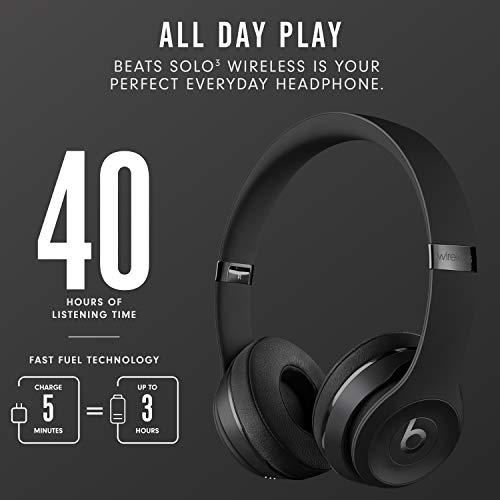
Battery performance represents one area where the older Beats Solo3 holds its ground remarkably well. Despite being nearly a decade old, they deliver approximately 40 hours of playback time – exceptional by any standard. The "Fast Fuel" feature provides 3 hours of listening from just 5 minutes of charging, though they use the now-outdated micro-USB charging standard.
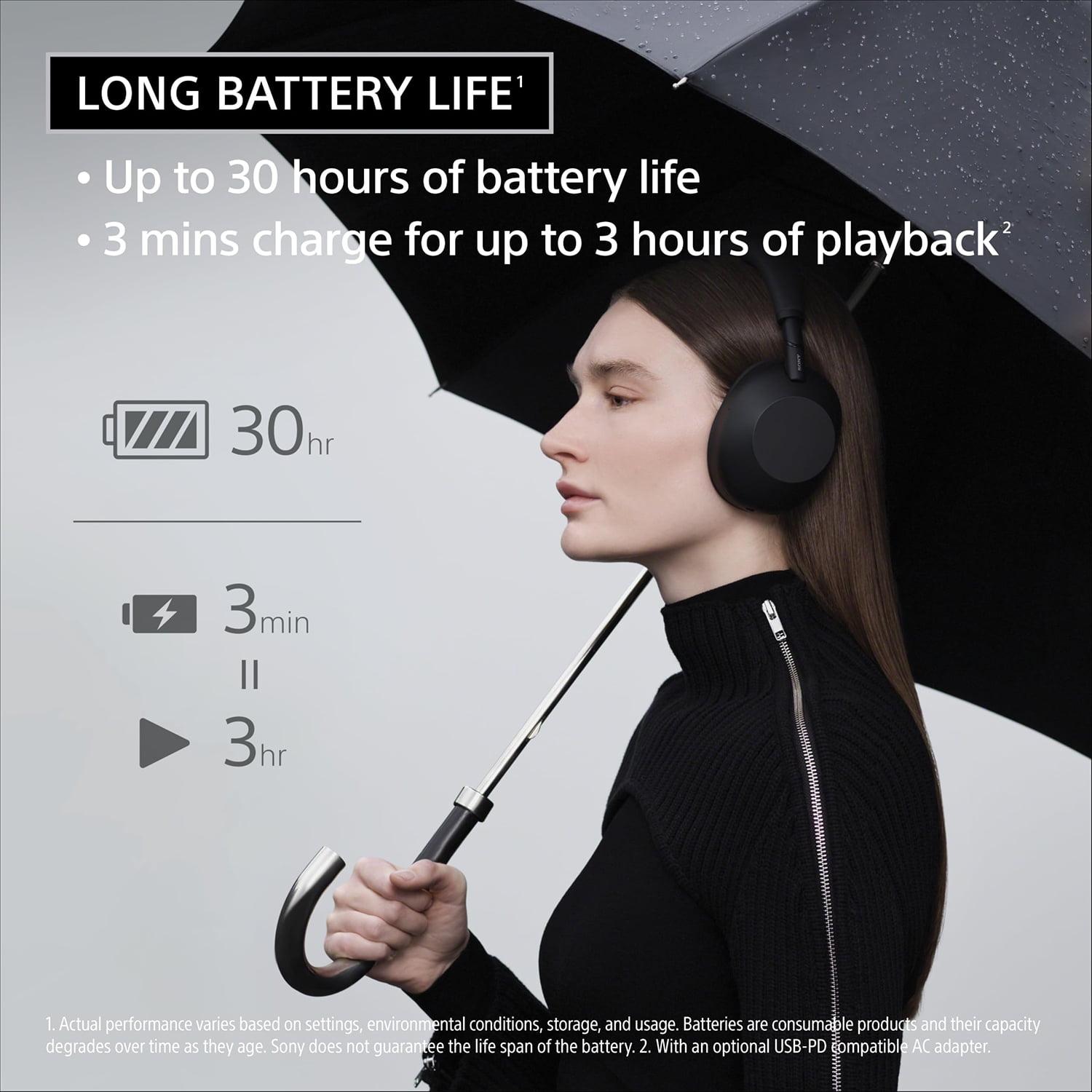
The Sony WH-1000XM6 offers 37+ hours with noise cancellation enabled and over 40 hours with it disabled. While slightly less than the Beats in raw numbers, this is still excellent performance, especially considering the power requirements of advanced ANC processing. The fast charging provides similar quick-boost capability, and the modern USB-C standard is more convenient and future-proof. Uniquely, the Sony headphones allow listening while charging – something the Beats Solo3 cannot do.
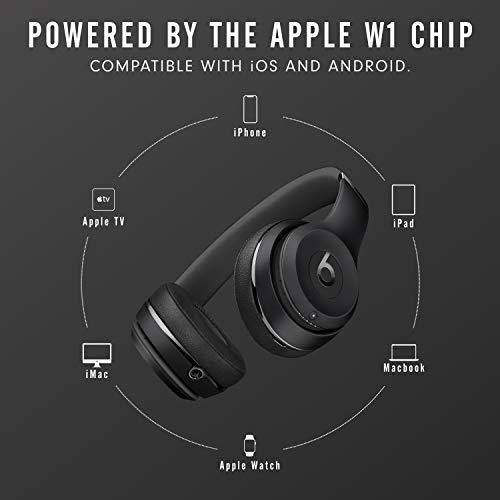
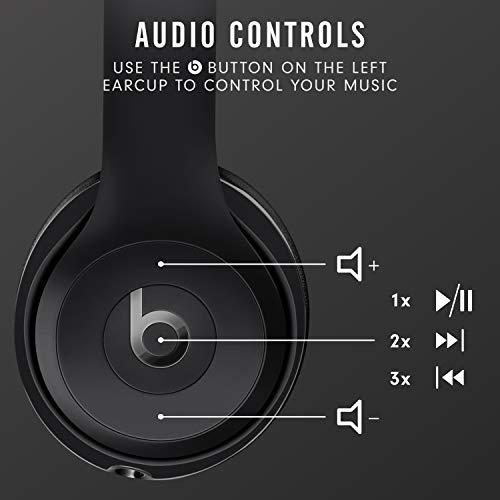
Connectivity represents a more significant gap. The Beats Solo3 uses Bluetooth 4.2 technology, which was standard in 2016 but now feels dated. The Apple W1 chip provides seamless integration with iOS devices, including features like automatic pairing, battery status widgets, and easy switching between Apple devices. However, Android users get a more basic experience with limited app functionality.
The Sony WH-1000XM6 features Bluetooth 5.3 with support for modern features like multi-device pairing (connecting to two devices simultaneously), Bluetooth LE Audio for improved efficiency, and Auracast for shared audio experiences. The comprehensive Sony Sound app works equally well on iOS and Android, providing extensive customization options regardless of your smartphone choice.
Comfort becomes crucial during extended listening sessions, and here the design differences create notably different experiences. The Beats Solo3 sits directly on your ears with moderate clamping force. While this creates a secure fit that works well for movement and exercise, many users report discomfort after about two hours of continuous use. The pressure points created by the on-ear design can cause fatigue and soreness, particularly for people who wear glasses.
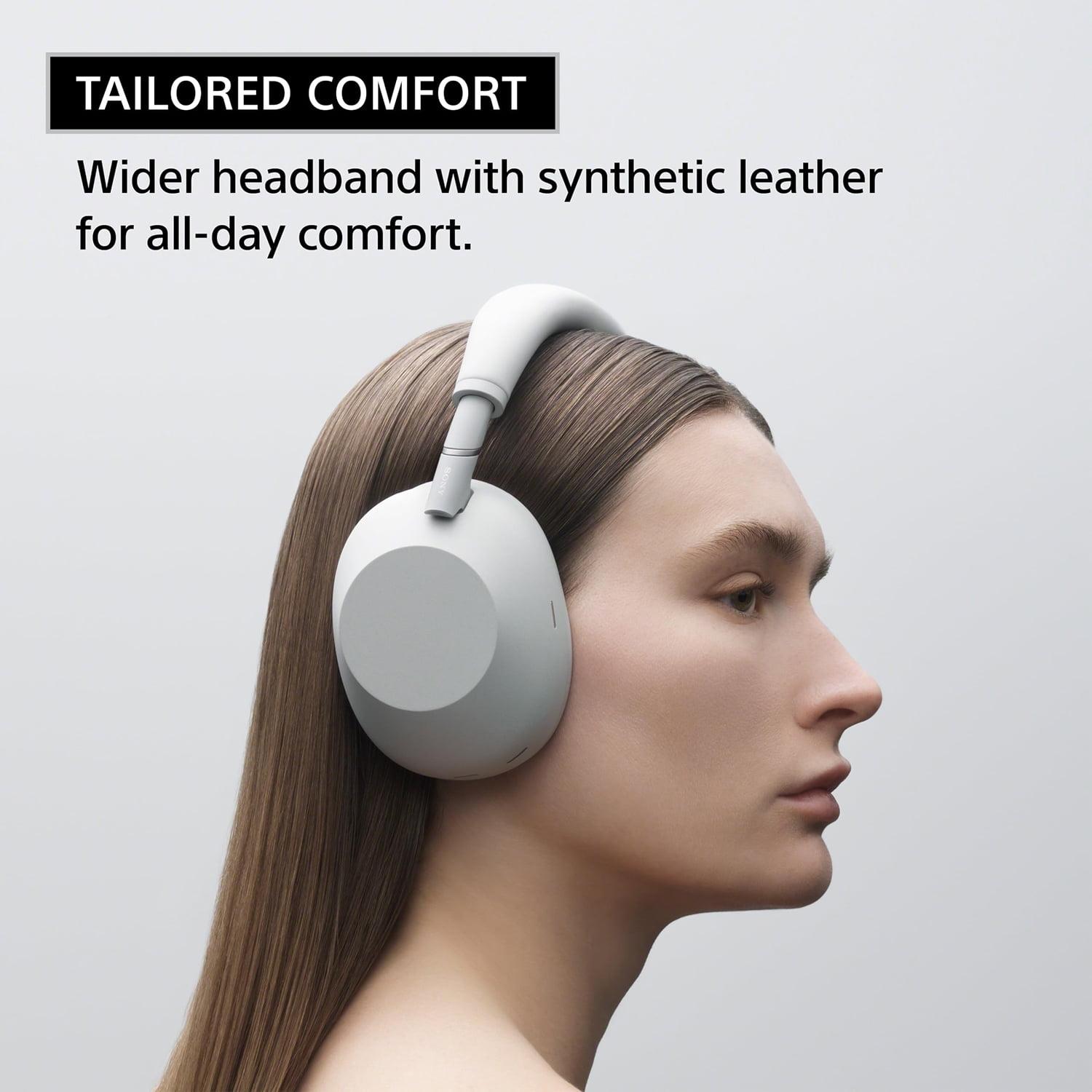
The Sony WH-1000XM6 distributes weight more evenly around your ears rather than pressing on them. The larger ear cups and memory foam padding generally provide better comfort for long listening sessions, making them more suitable for all-day wear at the office or during long flights.
However, comfort is highly individual, and some people prefer the lighter, more portable feel of on-ear designs. The Beats Solo3 stays more securely in place during physical activity, while the larger Sony headphones might shift during exercise or feel too warm in hot weather.
For home theater applications, the differences become even more pronounced. The Sony WH-1000XM6 supports spatial audio technologies like 360 Reality Audio, which can create a more immersive experience when watching movies or playing games. The head tracking feature adjusts the sound field as you move your head, creating a more natural sense of space.
The comprehensive EQ options allow you to tune the sound specifically for dialogue clarity or explosive action sequences. The transparency mode can be useful when you need to hear family members or roommates while still enjoying your content.
The Beats Solo3 provides a more basic experience for home entertainment. While they work fine for casual viewing, they lack the advanced features and customization options that enhance the home theater experience. The on-ear design can also become uncomfortable during movie marathons or extended gaming sessions.
At the time of writing, these headphones occupy different price segments, with the Beats Solo3 generally available at lower prices as an older model, while the Sony WH-1000XM6 commands premium pricing as a flagship current model.
The Beats Solo3 makes most sense for users who prioritize Apple ecosystem integration, maximum portability, and don't need noise cancellation. They're ideal for casual listeners who primarily use headphones in quiet environments and value the seamless iOS experience. The exceptional battery life and compact form factor make them great travel companions, though only for the journey itself rather than noisy transportation environments.
The Sony WH-1000XM6 justifies its higher price through significantly advanced technology. The industry-leading noise cancellation alone provides substantial value for frequent travelers, remote workers, or anyone who needs to focus in noisy environments. The superior sound quality, extensive customization options, and modern connectivity features make them suitable for both casual listening and more serious audio applications.
Choose the Beats Solo3 Wireless if you're deeply integrated into the Apple ecosystem and value that seamless experience above all else. They're perfect if you prioritize portability, don't mind the comfort limitations for shorter sessions, and primarily listen in quiet environments where noise cancellation isn't necessary. The exceptional battery life makes them reliable for travel, even if they can't help with airplane noise.
Choose the Sony WH-1000XM6 if you need serious noise cancellation for travel, work, or focus. They're worth the investment if you value sound quality customization, plan to use them for extended periods, or want modern features like multi-device connectivity. The superior comfort and advanced technology make them more versatile for different use cases, from professional applications to home entertainment.
The eight-year technology gap between these models is significant. While the Beats Solo3 remains functional for basic wireless listening, the Sony WH-1000XM6 represents what's possible with modern headphone technology. Your choice ultimately depends on your specific needs, budget, and how much you value the advanced features that justify the premium pricing of current-generation flagships.
Both headphones serve their intended audiences well, but they're designed for fundamentally different use cases. Understanding these differences ensures you'll choose the model that best matches your priorities and listening habits.
| Beats Solo3 Wireless | Sony WH-1000XM6 |
|---|---|
| Design Type - Affects comfort and portability | |
| On-ear, 215g, foldable (more portable, less comfortable for long sessions) | Over-ear, 255g, foldable (better comfort, larger carrying size) |
| Active Noise Cancellation - Essential for noisy environments | |
| None (passive isolation only, poor for travel/commuting) | Advanced ANC with 87% noise reduction (industry-leading performance) |
| Sound Quality Approach - Different listening philosophies | |
| Bass-heavy, mid-forward "fun" sound, no EQ options | Balanced tuning with comprehensive 10-band EQ customization |
| Battery Life - Critical for all-day use | |
| Up to 40 hours (exceptional longevity, micro-USB charging) | 30-40 hours depending on ANC usage (modern USB-C charging) |
| Bluetooth Technology - Affects connection quality and features | |
| Bluetooth 4.2 with Apple W1 chip (seamless iOS integration, limited Android features) | Bluetooth 5.3 with multi-device pairing (advanced features across all platforms) |
| Audio Codecs - Impact sound quality over wireless | |
| AAC support (basic but works well with Apple devices) | LDAC, LC3, AAC support (high-resolution wireless audio capability) |
| App Features - Customization and control options | |
| No dedicated app, basic iOS integration | Comprehensive Sony Sound app with extensive customization |
| Comfort for Extended Use - Important for long listening sessions | |
| Comfortable for 1-2 hours, pressure points develop with longer use | Suitable for all-day wear with memory foam padding |
| Release Generation - Technology advancement level | |
| 2016-2019 technology (older but proven, typically lower cost) | 2025 flagship model (cutting-edge features, premium pricing) |
| Best Use Cases - Who each product serves best | |
| Apple users wanting portable, simple wireless headphones for quiet environments | Travelers, remote workers, audiophiles needing ANC and sound customization |
The Sony WH-1000XM6 is significantly better for travel due to its industry-leading active noise cancellation that blocks 87% of ambient noise, making flights and commutes much more comfortable. The Beats Solo3 lacks any noise cancellation and only provides basic passive isolation, making them unsuitable for noisy transportation environments.
The Sony WH-1000XM6 offers superior sound quality with a more balanced frequency response, better detail retrieval, and comprehensive EQ customization through the Sony app. The Beats Solo3 has a fun, bass-heavy sound signature but lacks customization options and has a more limited soundstage due to its on-ear design.
The Sony WH-1000XM6 is much more comfortable for extended use thanks to its over-ear design that surrounds your ears rather than pressing on them. The Beats Solo3 can become uncomfortable after 2 hours of use due to pressure points created by the on-ear design.
Both headphones offer excellent battery life. The Beats Solo3 provides up to 40 hours of playback, while the Sony WH-1000XM6 offers 30-40 hours depending on whether noise cancellation is enabled. Both feature fast charging for quick power boosts when needed.
The Beats Solo3 integrates seamlessly with iPhones through the Apple W1 chip, offering automatic pairing and easy device switching within the Apple ecosystem. However, the Sony WH-1000XM6 works excellently with iPhones too and provides more advanced features through the Sony app, making it the better choice for users who prioritize performance over ecosystem integration.
The Beats Solo3 is more portable due to its compact on-ear design and lighter weight (215g vs 255g). They fold smaller and take up less space in bags. However, the Sony WH-1000XM6 is still reasonably portable and offers much better performance during actual travel thanks to its noise cancellation capabilities.
Yes, the Sony WH-1000XM6 is excellent for home theater use, supporting spatial audio technologies like 360 Reality Audio and featuring head tracking for a more immersive experience. The comprehensive EQ allows you to optimize sound for dialogue clarity or action sequences. The Beats Solo3 works for basic movie watching but lacks these advanced entertainment features.
The Sony WH-1000XM6 has superior call quality with six beamforming microphones and AI noise reduction that isolates your voice from background noise. The Beats Solo3 has basic call functionality but doesn't match the professional-grade call quality of the Sony headphones.
The Sony WH-1000XM6 is much better for Android users, offering full app functionality and advanced features regardless of your smartphone brand. The Beats Solo3 provides a more limited experience on Android devices, lacking many of the features available to iPhone users.
The Beats Solo3 typically offers better value for budget-conscious buyers who don't need noise cancellation and primarily use headphones in quiet environments. The Sony WH-1000XM6 provides better value for users who need advanced features like noise cancellation, sound customization, and modern connectivity, justifying its premium pricing.
The Beats Solo3 stays more securely in place during physical activity due to its on-ear design and lighter weight. The Sony WH-1000XM6 can work for light exercise but may shift during vigorous movement and could feel too warm due to the over-ear design that completely covers your ears.
The Sony WH-1000XM6 is superior for gaming and entertainment, featuring a dedicated gaming EQ, spatial audio support, and the ability to connect to multiple devices simultaneously. The over-ear design also provides better immersion for gaming. The Beats Solo3 works for basic gaming but lacks the advanced features that enhance the gaming experience.
We've done our best to create useful and informative comparisons to help you decide what product to buy. Our research uses advanced automated methods to create this comparison and perfection is not possible - please contact us for corrections or questions. These are the sites we've researched in the creation of this article: soundguys.com - cornellstore.com - imore.com - bestbuy.com - headphonecheck.com - soundguys.com - recordingnow.com - corporategift.com - ifixit.com - rtings.com - youtube.com - mobileciti.com.au - beatsbydre.com - discussions.apple.com - target.com - bestbuy.com - jalc.ecampus.com - beats.fandom.com - support.apple.com - electronics.woot.com - moon-audio.com - soundguys.com - electronics.sony.com - recordingnow.com - tomsguide.com - electronics.sony.com - rtings.com - recordingnow.com - youtube.com - soundguys.com - whathifi.com - bhphotovideo.com - sony.com - sony.com - bestbuy.com - youtube.com - sony.eu - soundguys.com - audio46.com - electronics.sony.com

Privacy Policy
Terms and Conditions - Affiliate Policy
Home Security
© Copyright 2008-2026.
11816 Inwood Rd #1211, Dallas, TX 75244