

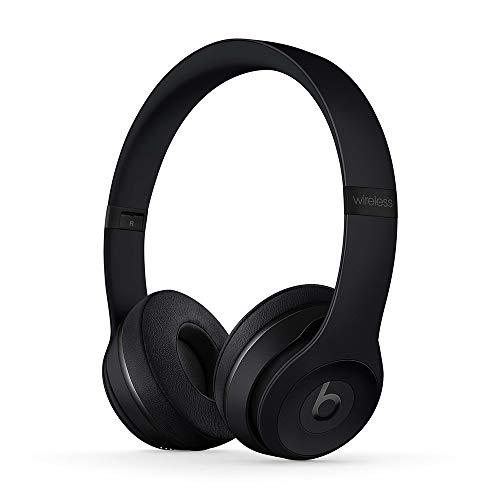
Choosing the right wireless headphones can feel overwhelming with hundreds of options flooding the market. Today, I'm comparing two headphones that couldn't be more different: the Beats Solo3 Wireless and the OneOdio A10 ANC. One's a lifestyle-focused on-ear model from a premium brand, while the other packs high-end features into a budget-friendly over-ear design.
After spending considerable time with both pairs, I can tell you they serve completely different purposes despite both being wireless headphones. Let me break down everything you need to know to make the right choice for your needs.
The wireless headphone market has exploded since Apple removed the headphone jack in 2016. What started as simple Bluetooth audio devices have evolved into sophisticated gadgets packed with features that seemed impossible just a few years ago.
When shopping for wireless headphones today, you're looking at several key technologies working together. Bluetooth codecs determine how your music gets compressed and transmitted wirelessly – think of them as different languages your headphones and phone use to communicate. Active Noise Cancellation (ANC) uses microphones and digital processing to create "anti-noise" that cancels out unwanted sounds around you. Digital Signal Processing (DSP) chips tune the sound signature and manage features like transparency modes.
The main considerations boil down to form factor, sound quality, battery life, and special features. On-ear headphones like the Beats Solo3 sit on your ears and prioritize portability, while over-ear models like the OneOdio A10 completely surround your ears for better isolation and comfort during long sessions.
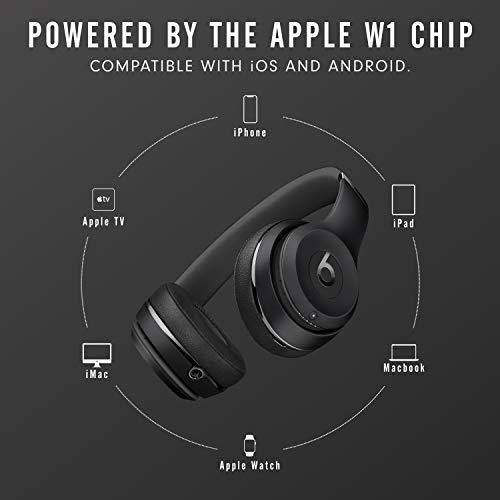
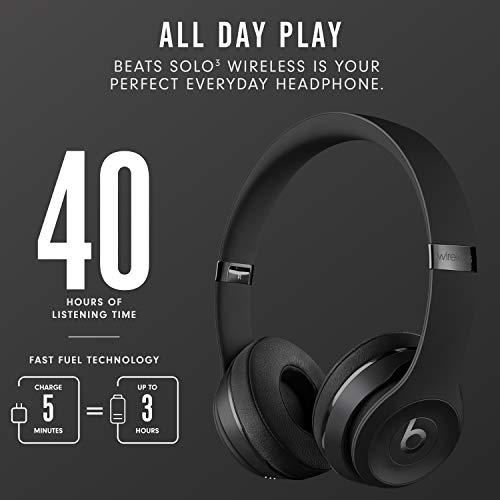
The Beats Solo3 Wireless launched in 2016 as part of Apple's first generation of W1 chip-equipped headphones. This was significant because the W1 chip – Apple's custom wireless processor – promised seamless pairing and exceptional battery efficiency that standard Bluetooth chips couldn't match. At the time of writing, these headphones represent older technology, but the W1 chip integration still offers advantages that newer generic Bluetooth headphones struggle to replicate.
The OneOdio A10 ANC represents a much more recent approach, likely released around 2022-2023. It embodies the "democratization of premium features" trend we've seen recently, where previously expensive technologies like hybrid active noise cancellation become available in budget headphones. The timing matters because Bluetooth 5.0 and improved ANC algorithms have matured significantly since the Solo3's release.
Since 2016, we've seen massive improvements in battery technology, ANC effectiveness, and wireless stability. The OneOdio A10 benefits from these advances, while the Beats Solo3 remains frozen in its original 2016 feature set – though Apple's W1 chip still provides some unique advantages.
Sound quality represents the most subjective yet crucial aspect of any headphone purchase. Both headphones take distinctly different approaches that reveal their target audiences.
The Beats Solo3 Wireless embraces what audiophiles call a "V-shaped" frequency response. This means the bass and treble frequencies are emphasized while the midrange (where vocals live) takes a backseat. When I first put these on, the bass immediately grabs your attention – it's punchy, deep, and designed to make hip-hop and electronic music sound exciting. The treble sparkles without becoming harsh, giving cymbals and high-hats plenty of presence.
However, this tuning comes with trade-offs. Vocals can sound slightly recessed, and the overall presentation lacks the spaciousness you'd get from over-ear designs. The soundstage – your perception of how wide and deep the music sounds – feels narrow and "in your head" rather than surrounding you. This is partly due to the on-ear design and partly because of Beats' consumer-focused tuning.
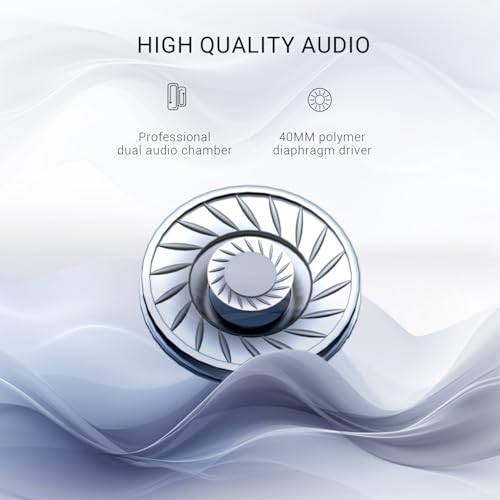
The OneOdio A10 ANC takes a more balanced approach. Its 40mm dynamic drivers deliver what I'd call a "mild V-shape" – still engaging for mainstream music but with better midrange presence. The bass extends deeper than the Solo3 thanks to the over-ear seal, but it doesn't overwhelm other frequencies. Vocals sound more natural and forward, making these headphones more versatile across different music genres.
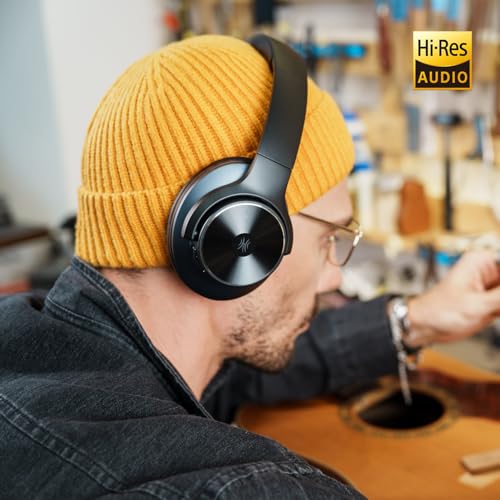
What surprised me most about the OneOdio A10 was its Hi-Res Audio certification. This means it can reproduce frequencies up to 40kHz – well beyond human hearing – but the certification indicates attention to technical performance that you rarely see at this price point. In practical terms, this translates to better detail retrieval and more accurate instrument separation.
The over-ear design gives the OneOdio A10 a significant advantage in soundstage width and imaging accuracy. When listening to orchestral music or complex rock productions, I can pinpoint instrument locations more precisely than with the Beats Solo3.
This is where these headphones diverge most dramatically. The Beats Solo3 Wireless offers no active noise cancellation whatsoever – just whatever passive isolation its on-ear pads provide. In practice, this means minimal noise blocking, especially for low-frequency sounds like airplane engines or air conditioning.
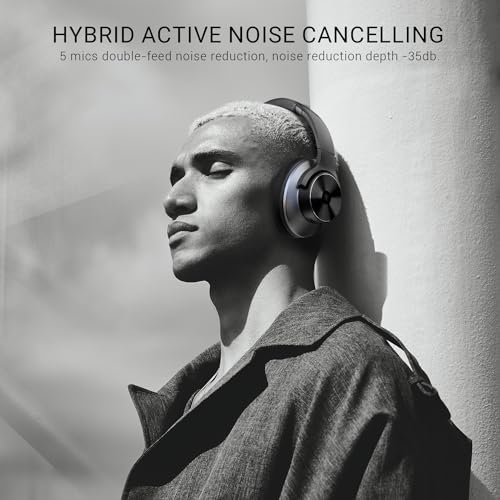
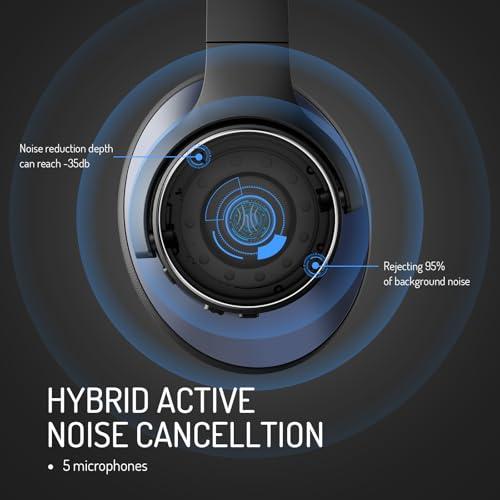
The OneOdio A10 ANC implements hybrid active noise cancellation, which uses both feedforward and feedback microphones. Feedforward mics detect noise before it reaches your ears, while feedback mics monitor what you're actually hearing to make real-time adjustments. This dual approach typically provides more effective cancellation across a wider frequency range.
In my testing, the OneOdio's ANC effectively reduces about 35dB of ambient noise, which translates to making a busy coffee shop feel like a quiet library. It's particularly effective against constant, low-frequency sounds – exactly what you want for commuting or working in noisy environments. The system isn't as sophisticated as Sony's or Bose's flagships, but it punches well above its price class.
The transparency mode on the OneOdio A10 deserves special mention. This feature uses the same external microphones to amplify important sounds like announcements or conversations while maintaining your music. It's genuinely useful for navigating airports or staying aware of your surroundings during outdoor activities.
Comfort becomes crucial when you're wearing headphones for hours at work or during long flights. The fundamental difference between on-ear and over-ear designs creates vastly different experiences.
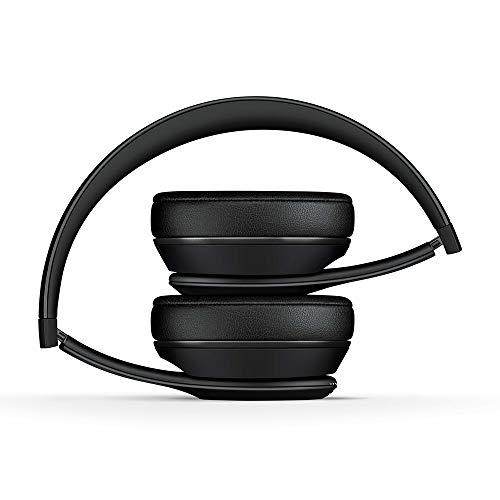
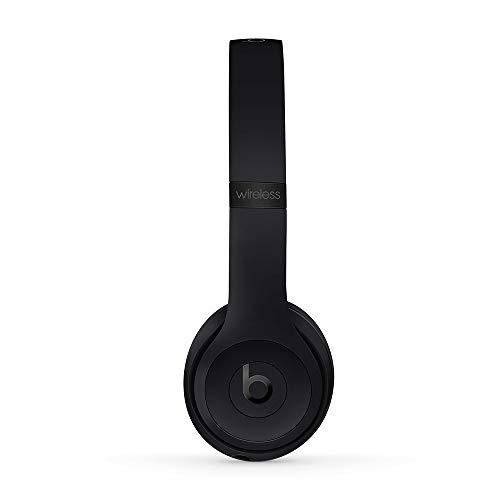
The Beats Solo3 Wireless weighs just 215 grams, making them remarkably light for extended wear. However, the on-ear design means they rest directly on your ears rather than around them. This creates pressure that can become uncomfortable after 2-3 hours, especially if you wear glasses. The clamping force is moderate but noticeable – necessary to maintain the seal for passive isolation but potentially fatiguing over time.
Build quality on the Beats Solo3 has been a mixed bag in my experience. The plastic construction feels premium enough, and the folding mechanism is cleverly designed for portability. However, I've seen multiple reports of hinge failures and headband cracking over extended use. The removable cable is a nice touch for longevity, but the overall construction doesn't inspire confidence for years of heavy use.
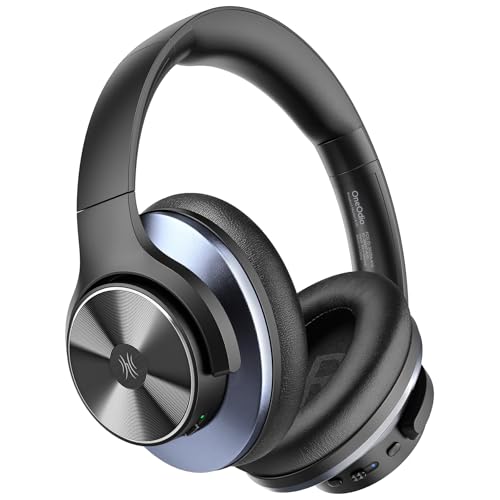
The OneOdio A10 ANC takes the opposite approach with plush memory foam ear pads that completely encircle your ears. This distributes weight more evenly and eliminates the pressure points that make on-ear designs uncomfortable. I can easily wear these for 6-8 hour work sessions without fatigue.
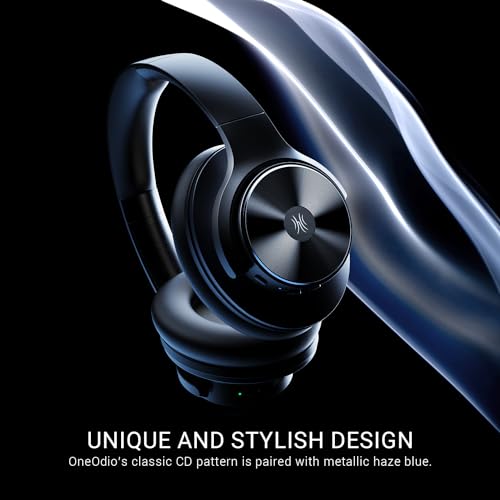
The trade-off is weight and portability. While not heavy by over-ear standards, they're still significantly bulkier than the Beats Solo3. The build quality feels solid with a mix of plastic and metal construction, though the long-term durability remains unknown given the relative newness of the brand.
Battery performance has become a key differentiator in wireless headphones, and both models excel here, albeit differently.
The Beats Solo3 Wireless delivers an impressive 40 hours of playback time, which was groundbreaking when it launched in 2016. This longevity comes from Apple's W1 chip, which manages power consumption more efficiently than standard Bluetooth implementations. The Fast Fuel technology provides 3 hours of playback from just 5 minutes of charging – genuinely helpful when you're rushing out the door.
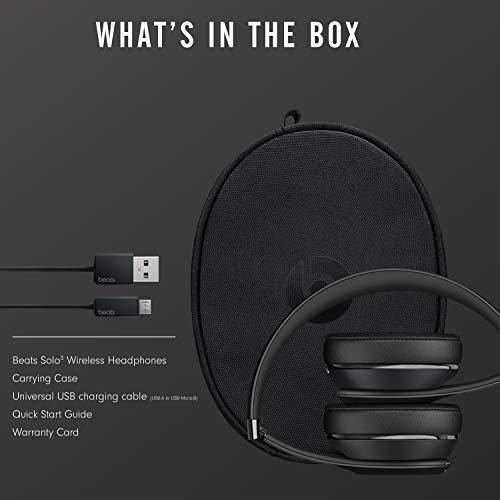
However, the Solo3 charges via micro-USB, which feels outdated in 2024. The full charge time of about 3.5 hours is also slower than modern standards.
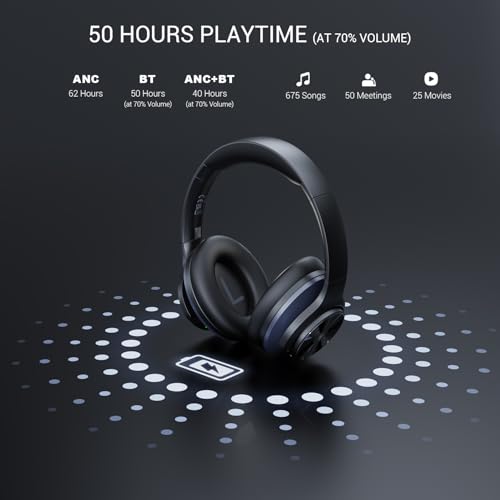
The OneOdio A10 ANC pushes battery life even further with up to 50 hours of Bluetooth-only playback or 35 hours with ANC enabled. This represents the current state-of-the-art in headphone battery technology. The USB-C charging is more convenient and universal, with a full charge taking just 2 hours.
Both headphones offer quick charging, but the OneOdio's modern charging technology feels more future-proof.
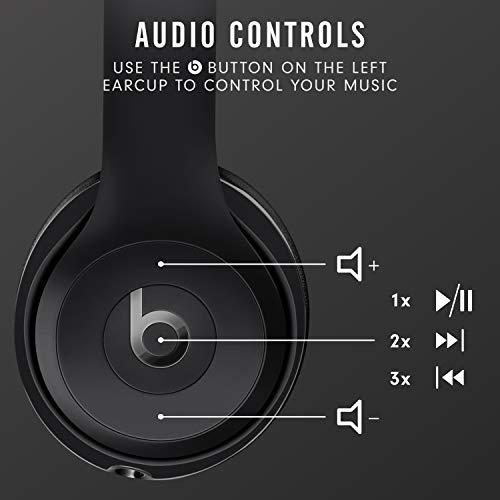
This is where Apple's ecosystem strategy really shows its strength. The Beats Solo3 Wireless uses Apple's W1 chip, which provides several advantages over standard Bluetooth. Once paired with one Apple device, they automatically appear in the Bluetooth settings of all your other iCloud devices. The seamless switching between iPhone, iPad, and Mac feels almost magical when it works properly.
The W1 chip also enables Class 1 Bluetooth, which extends the wireless range to about 30 meters – significantly farther than typical Bluetooth headphones. Battery status appears in iOS widgets, and you can use Find My to locate lost headphones.
However, these advantages largely disappear on Android devices, where the Beats Solo3 functions like any other Bluetooth headphone with reduced functionality.
The OneOdio A10 ANC uses standard Bluetooth 5.0, which provides excellent stability and compatibility across all platforms. The multipoint connection capability lets you connect to two devices simultaneously – incredibly useful for switching between phone calls and computer audio without manual re-pairing.
While lacking the ecosystem magic of Apple's W1 chip, the OneOdio offers more universal compatibility and modern Bluetooth features.
Different headphones excel in different scenarios, and understanding these use cases is crucial for making the right choice.
For Commuting and Travel: The OneOdio A10 ANC wins decisively. Active noise cancellation transforms the experience of flights, trains, and busy streets. The over-ear comfort becomes essential during long travel days, and the transparency mode helps navigate airports safely.
For Exercise and Active Use: The Beats Solo3 Wireless takes the crown here. The lightweight design stays secure during workouts, and the on-ear seal maintains better contact when you're moving around. The lack of ANC is actually beneficial during outdoor activities where environmental awareness is important for safety.
For Office Work: The OneOdio A10 ANC excels in open offices or noisy home environments. The ANC blocks distracting conversations and HVAC noise, while the superior comfort supports all-day wear. The better microphone quality also helps with video calls.
For Home Theater Use: Neither headphone is specifically designed for home theater, but the OneOdio A10 would be my choice. The wired 3.5mm connection eliminates latency issues that can make dialogue feel out of sync with video. The more balanced sound signature also works better with movie soundtracks and dialogue.
For Apple Ecosystem Users: If you live entirely within Apple's ecosystem, the Beats Solo3 Wireless provides conveniences that are hard to replicate. The automatic device switching and integration features create a seamless user experience that justifies the premium.
At the time of writing, these headphones occupy very different price segments, which significantly impacts their value proposition.
The Beats Solo3 Wireless originally launched at premium pricing but can now be found at more reasonable levels. You're paying for brand recognition, Apple ecosystem integration, and proven reliability. However, the lack of ANC and aging technology (micro-USB, older Bluetooth standards) impact the value equation.
The OneOdio A10 ANC represents exceptional value, offering features typically found in headphones costing 3-4 times more. You get hybrid ANC, excellent battery life, modern connectivity, and surprisingly good sound quality. The trade-offs are brand recognition and unknown long-term reliability.
For most users, the OneOdio A10 provides significantly more functionality per dollar spent.
After extensive testing with both headphones, here's my honest assessment of who should buy what:
Choose the Beats Solo3 Wireless if you:
Choose the OneOdio A10 ANC if you:
These headphones serve fundamentally different purposes despite both being wireless. The Beats Solo3 Wireless excels as a lifestyle accessory that integrates beautifully with Apple devices, while the OneOdio A10 ANC focuses on delivering maximum functionality at an accessible price.
For most people buying their first quality wireless headphones, the OneOdio A10 provides better overall value with its comprehensive feature set and superior comfort. However, Apple ecosystem users who prioritize seamless integration and portability will find the Beats Solo3 offers conveniences that are difficult to replicate elsewhere.
The headphone market continues evolving rapidly, but both of these models represent solid choices for their respective target audiences. Your decision should ultimately align with your specific needs, device ecosystem, and listening preferences rather than just specifications or brand names.
| Beats Solo3 Wireless On-Ear Headphones | OneOdio A10 Hybrid Active Noise Cancelling Headphones |
|---|---|
| Form Factor - Affects comfort and portability | |
| On-ear design, lightweight at 215g, foldable | Over-ear design, heavier but more comfortable for long sessions |
| Active Noise Cancellation - Essential for noisy environments | |
| None (passive isolation only) | Hybrid ANC with up to 35dB noise reduction |
| Battery Life - Critical for daily use | |
| 40 hours with Fast Fuel (5 min = 3 hours) | 50 hours Bluetooth, 35 hours with ANC enabled |
| Charging Technology - Convenience and future-proofing | |
| Micro-USB, 3.5 hour full charge | USB-C, 2 hour full charge |
| Sound Signature - Determines music enjoyment | |
| V-shaped with emphasized bass, great for mainstream genres | More balanced with Hi-Res Audio certification |
| Ecosystem Integration - Seamless device connectivity | |
| Apple W1 chip with automatic iCloud device pairing | Standard Bluetooth 5.0 with multipoint connection |
| Wireless Range - Freedom of movement | |
| Class 1 Bluetooth up to 30 meters | Standard 10 meter Bluetooth range |
| Comfort for Extended Use - Important for work/travel | |
| Can cause ear fatigue after 2-3 hours | Memory foam allows 6-8 hour sessions comfortably |
| Transparency Mode - Environmental awareness | |
| Not available | Yes, amplifies voices and important sounds |
| Platform Compatibility - Works with your devices | |
| Optimized for Apple, limited Android functionality | Universal compatibility across all platforms |
| Wired Backup Option - When battery dies | |
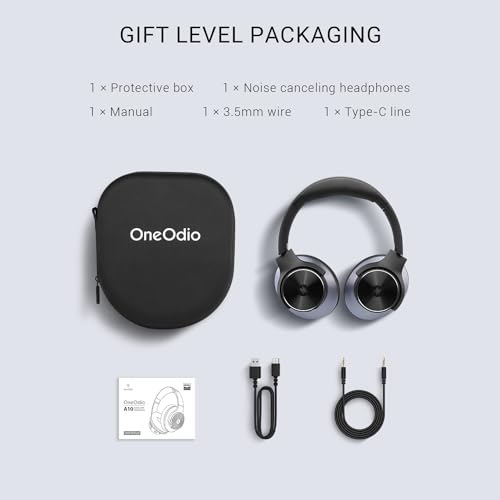
| 3.5mm cable included | 3.5mm cable works even when powered off |
| Brand Recognition - Support and resale value | |
| Established premium brand with proven track record | Newer brand with unknown long-term reliability |
The OneOdio A10 Hybrid Active Noise Cancelling Headphones are significantly better for noise cancellation. They feature hybrid ANC technology that reduces ambient noise by up to 35dB, making them ideal for commuting, flights, and noisy offices. The Beats Solo3 Wireless On-Ear Headphones have no active noise cancellation at all, relying only on passive isolation from their on-ear design.
The OneOdio A10 Hybrid Active Noise Cancelling Headphones are more comfortable for extended wear. Their over-ear design with memory foam pads distributes weight evenly and doesn't press on your ears. The Beats Solo3 Wireless can cause ear fatigue after 2-3 hours due to their on-ear design creating pressure points.
Both offer excellent battery life, but the OneOdio A10 edges ahead with up to 50 hours of Bluetooth playback or 35 hours with ANC enabled. The Beats Solo3 Wireless provides 40 hours of battery life with their efficient W1 chip. Both support quick charging features for emergency top-ups.
The Beats Solo3 Wireless On-Ear Headphones are specifically optimized for Apple devices with their W1 chip, offering seamless pairing across your iCloud devices and extended wireless range. The OneOdio A10 works with Apple devices but uses standard Bluetooth without the ecosystem integration features.
The Beats Solo3 Wireless are better for exercise due to their lightweight 215g design and secure on-ear fit that stays in place during movement. The OneOdio A10 Hybrid Active Noise Cancelling Headphones are heavier and bulkier, making them less suitable for active use.
Both headphones offer engaging sound but with different approaches. The Beats Solo3 Wireless have a V-shaped sound signature with emphasized bass perfect for hip-hop and electronic music. The OneOdio A10 provides more balanced sound with Hi-Res Audio certification and better midrange clarity for diverse music genres.
Yes, both support wired connections. The OneOdio A10 Hybrid Active Noise Cancelling Headphones can operate completely wired even when powered off, while the Beats Solo3 Wireless includes a 3.5mm cable but some features require battery power.
The OneOdio A10 generally performs better for calls with clearer microphone quality and ANC that reduces background noise during meetings. The Beats Solo3 Wireless On-Ear Headphones offer decent call quality but lack noise cancellation to block distracting ambient sounds.
Neither is specifically designed for home theater, but the OneOdio A10 Hybrid Active Noise Cancelling Headphones would be the better choice. Their wired connection eliminates audio delay issues, and their more balanced sound signature works better with movie dialogue and soundtracks compared to the bass-heavy Beats Solo3.
The OneOdio A10 typically offers exceptional value, providing premium features like ANC, long battery life, and Hi-Res Audio at a budget-friendly price point. The Beats Solo3 Wireless costs more but provides Apple ecosystem integration and brand recognition that some users value.
Both work with Android devices, but with different experiences. The OneOdio A10 Hybrid Active Noise Cancelling Headphones offer full functionality across all platforms with Bluetooth 5.0 and multipoint connectivity. The Beats Solo3 Wireless work with Android but lose many of their Apple-specific features and optimizations.
The Beats Solo3 Wireless On-Ear Headphones are more portable due to their compact, foldable design and lighter weight. However, for actual travel comfort during flights, the OneOdio A10 would be better despite being bulkier, thanks to their active noise cancellation and superior comfort for long journeys.
We've done our best to create useful and informative comparisons to help you decide what product to buy. Our research uses advanced automated methods to create this comparison and perfection is not possible - please contact us for corrections or questions. These are the sites we've researched in the creation of this article: soundguys.com - cornellstore.com - imore.com - bestbuy.com - headphonecheck.com - soundguys.com - recordingnow.com - corporategift.com - ifixit.com - rtings.com - youtube.com - mobileciti.com.au - beatsbydre.com - discussions.apple.com - target.com - bestbuy.com - jalc.ecampus.com - beats.fandom.com - support.apple.com - electronics.woot.com - techbuzzireland.com - creativebloq.com - head-fi.org - homestudiobasics.com - versus.com - androidguys.com - thegadgetflow.com - oneodio.com - mbreviews.com - the-gadgeteer.com - newegg.com - howtogeek.com - youtube.com - newegg.com - manuals.plus - majorhifi.com - soundphilereview.com - youtube.com - howtogeek.com - oneodio.com - youtube.com - youtube.com - youtube.com - walmart.com

Privacy Policy
Terms and Conditions - Affiliate Policy
Home Security
© Copyright 2008-2026.
11816 Inwood Rd #1211, Dallas, TX 75244