

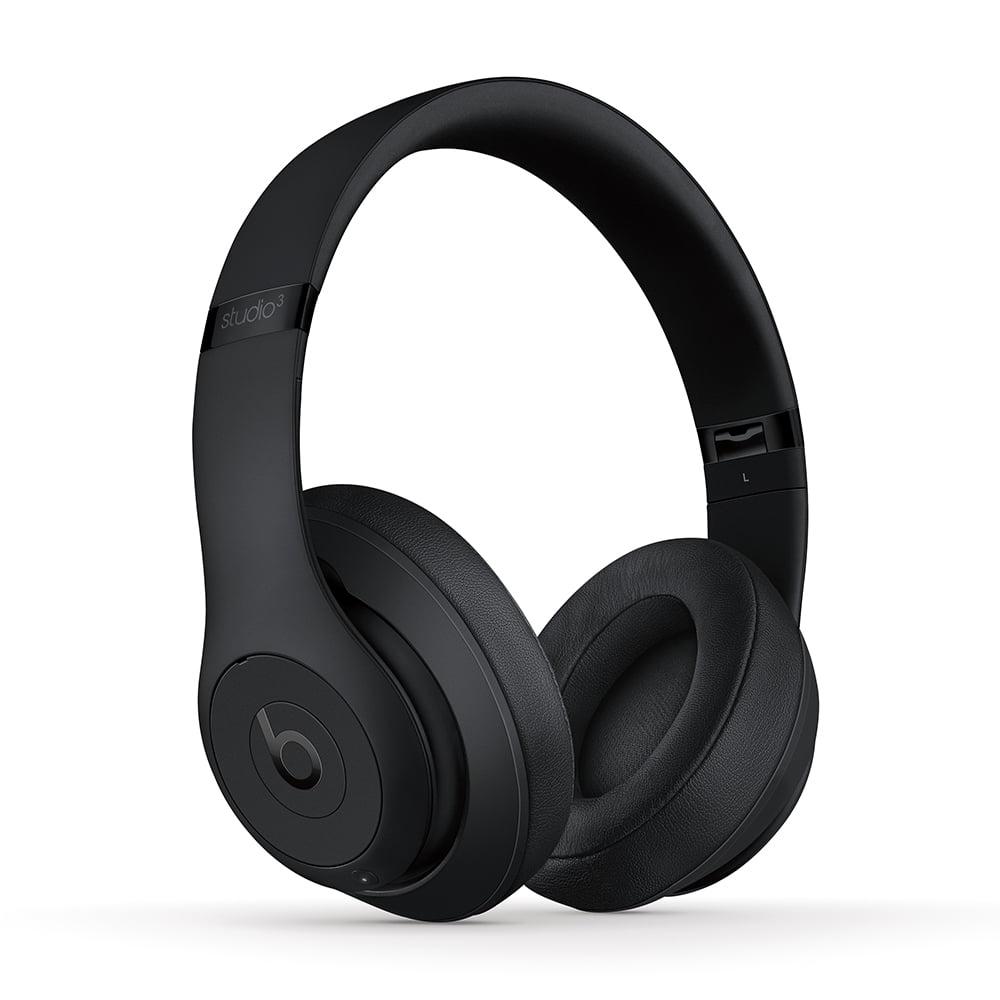
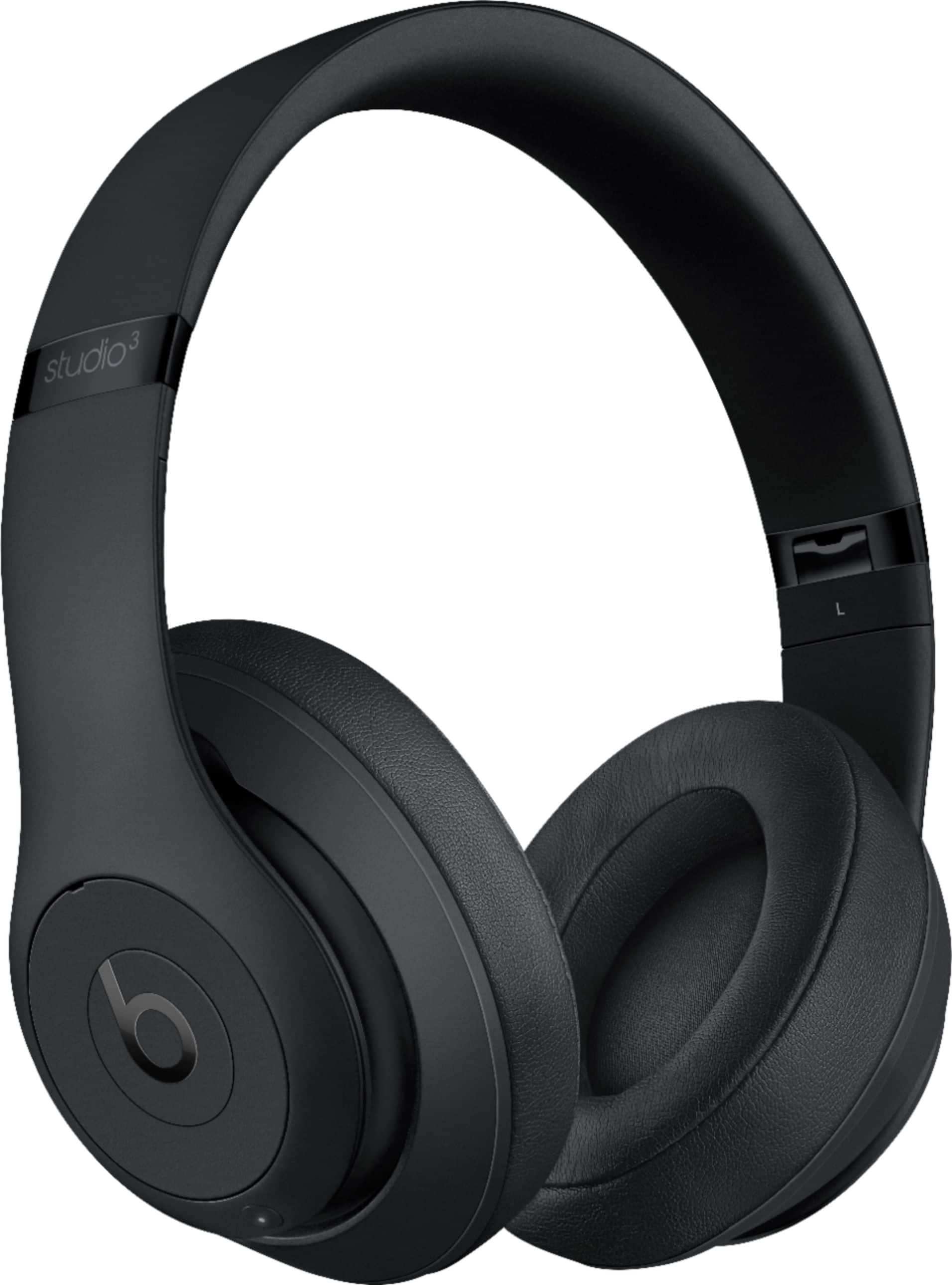

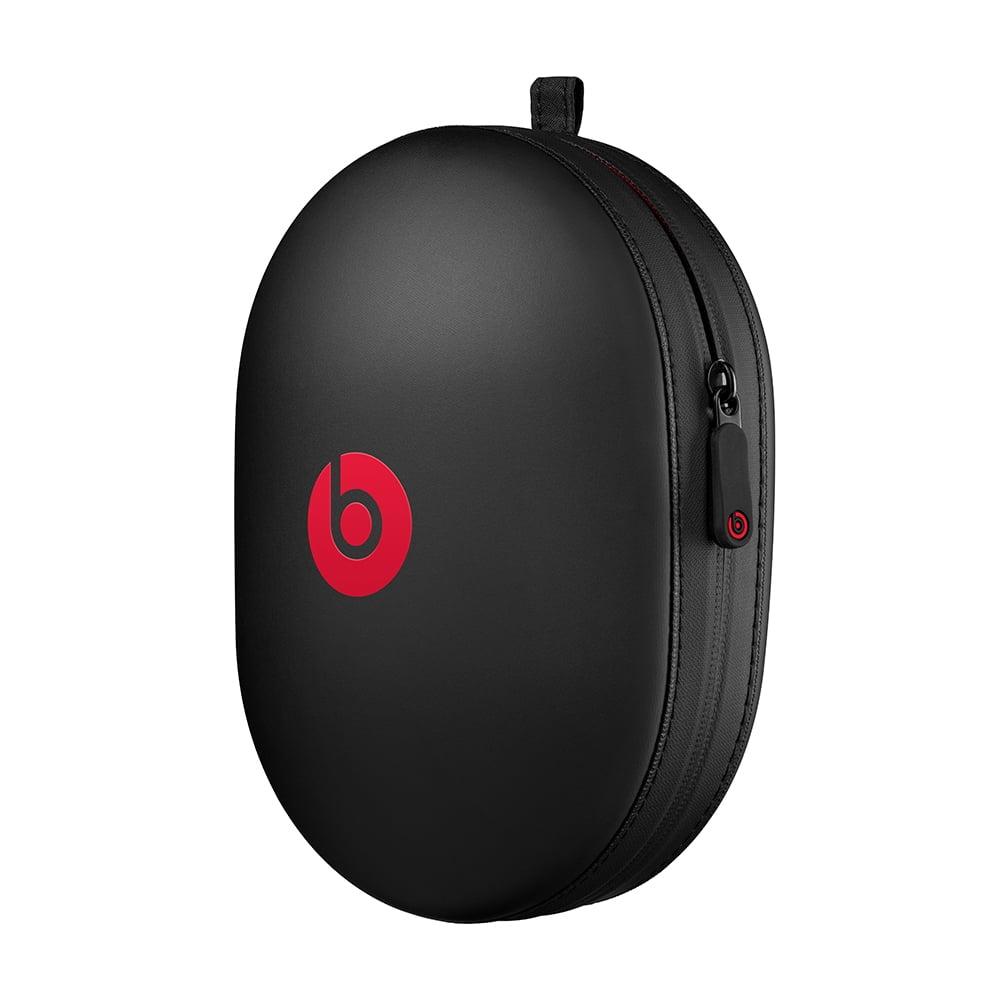
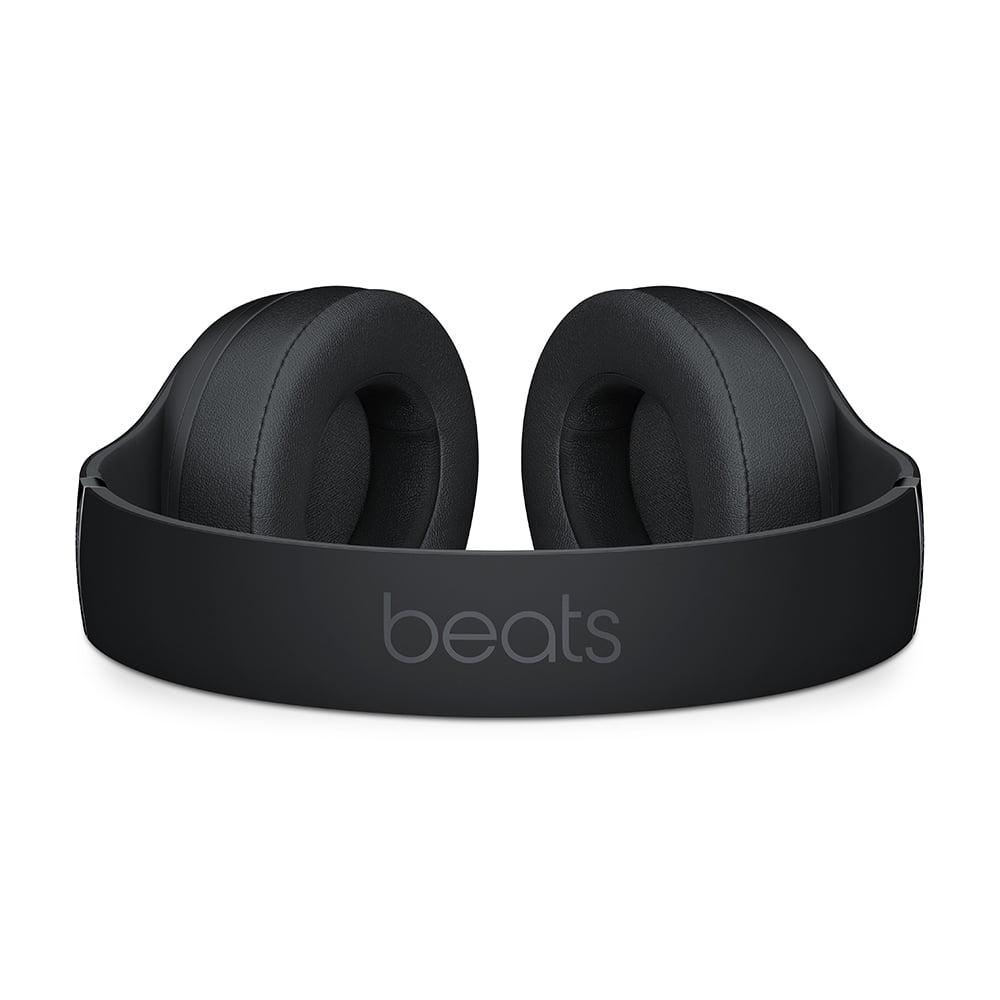
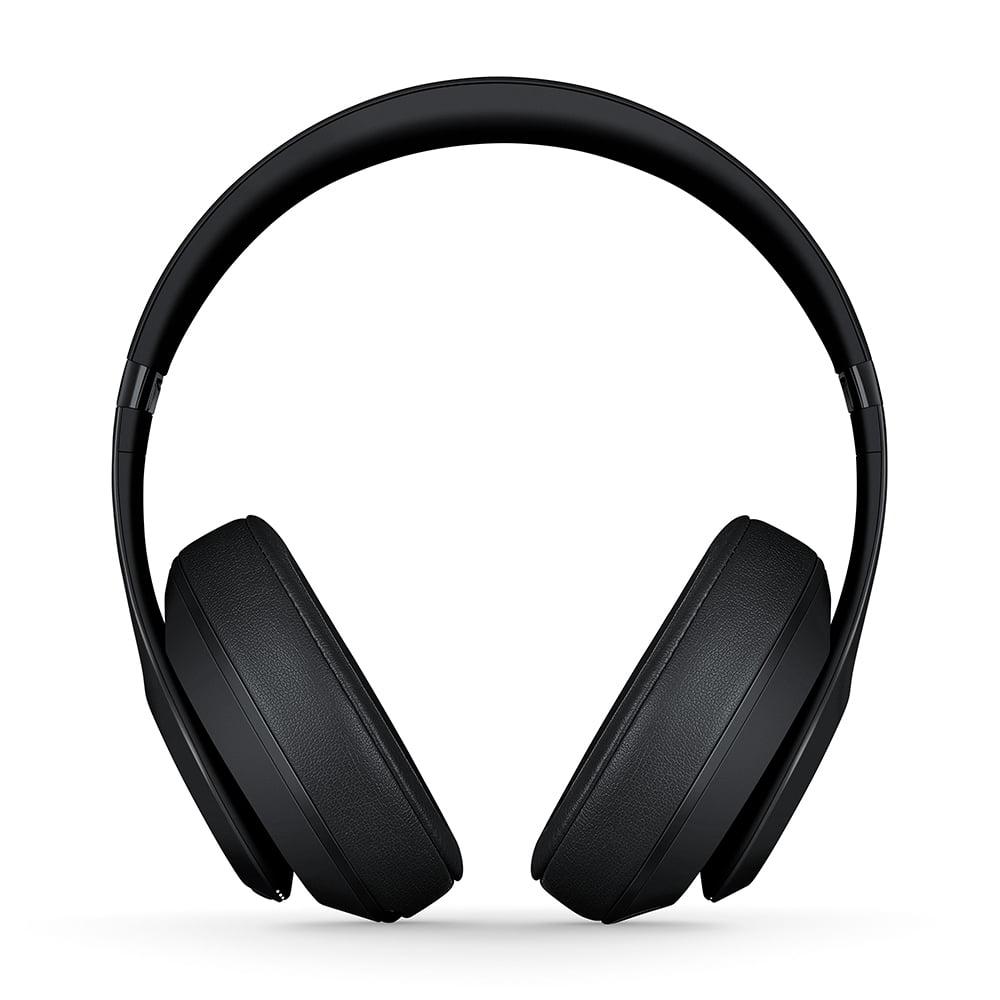

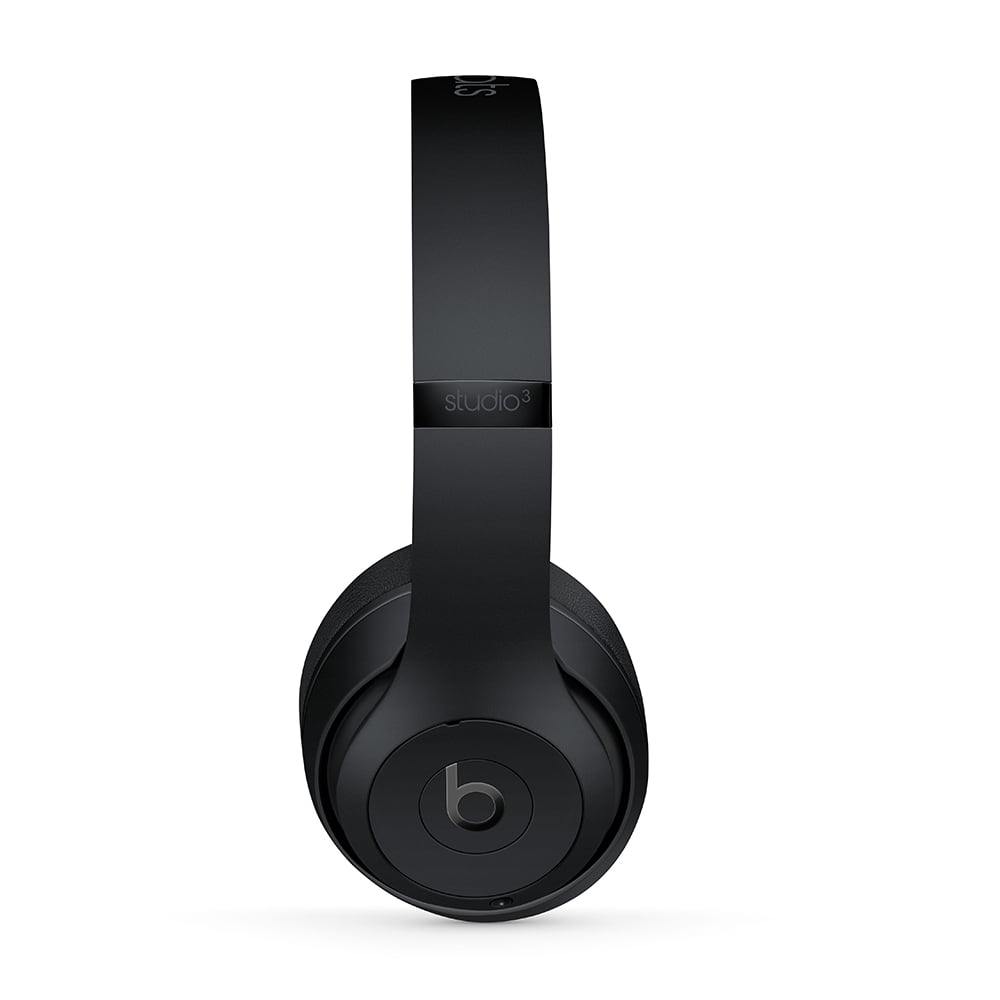
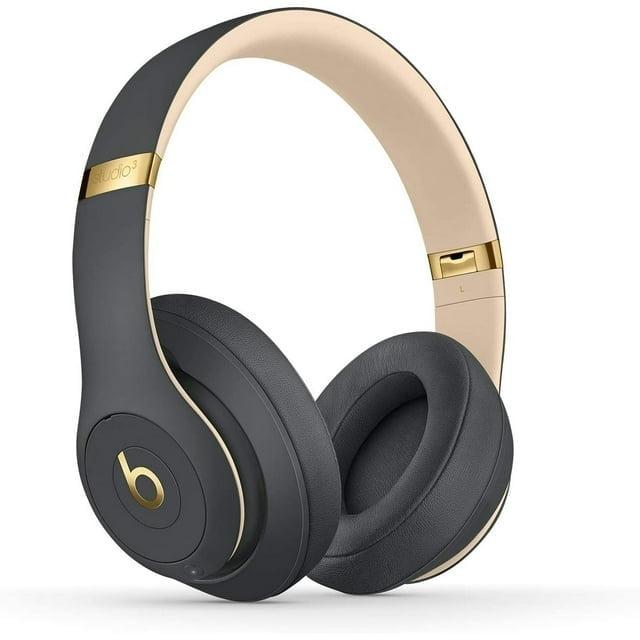
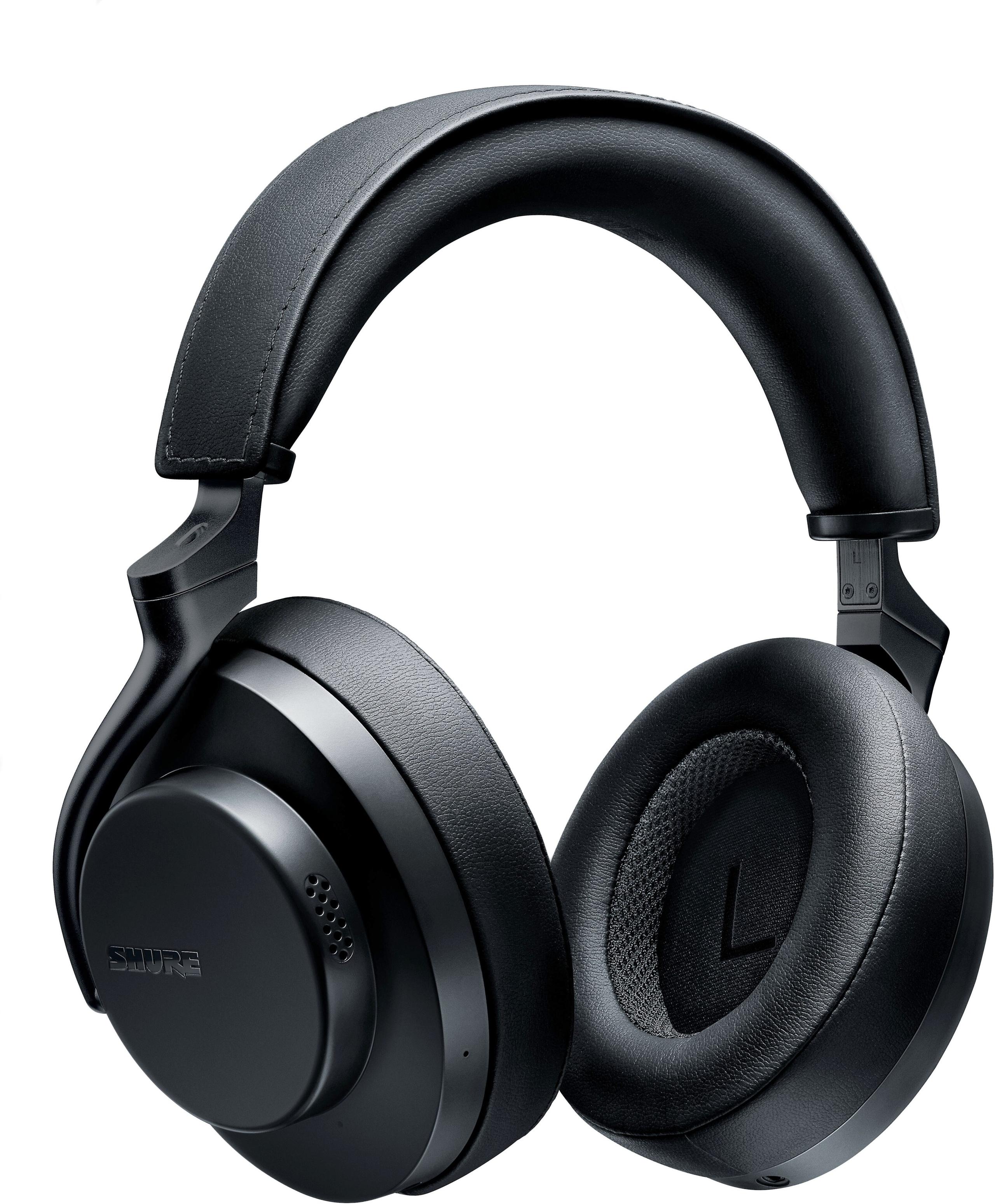
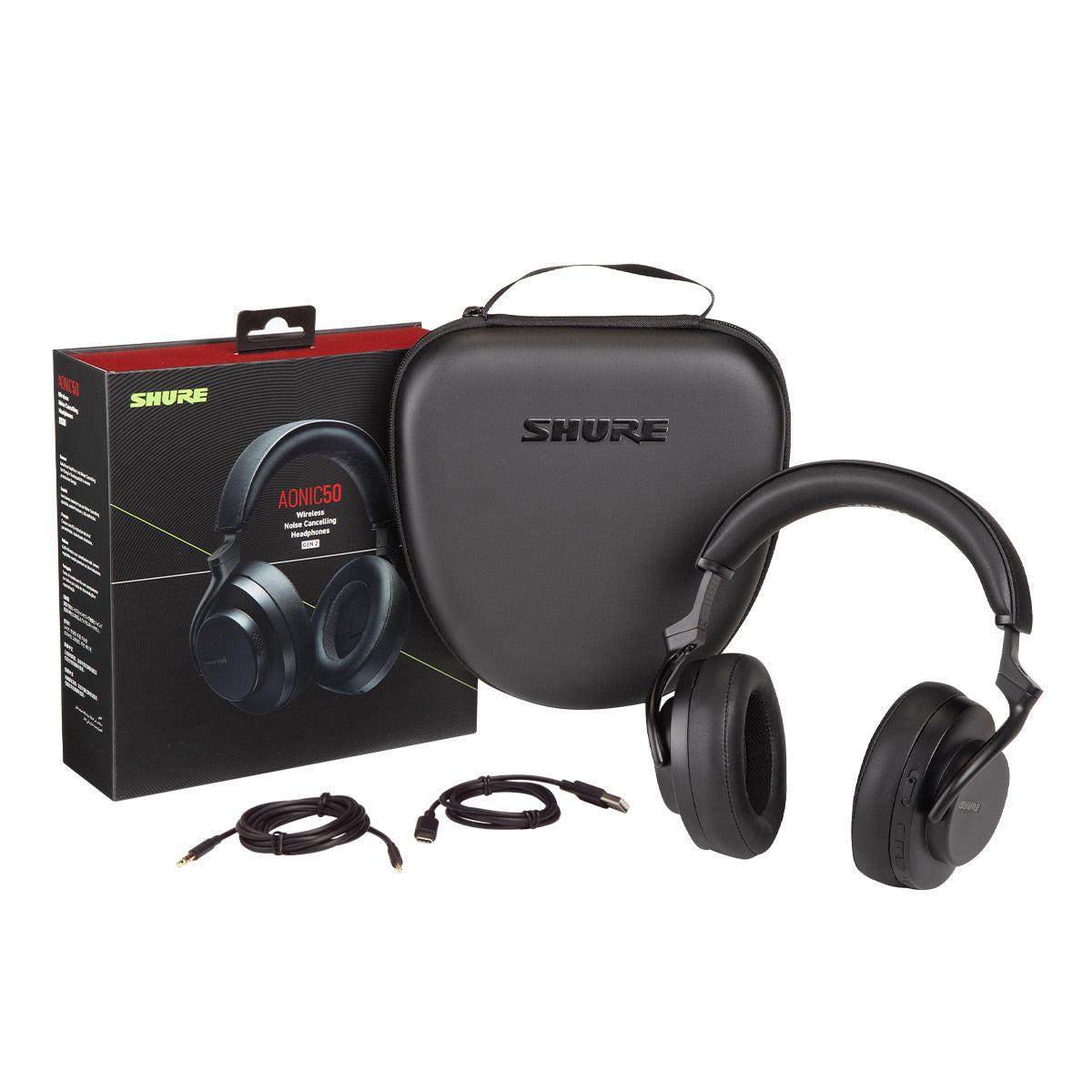
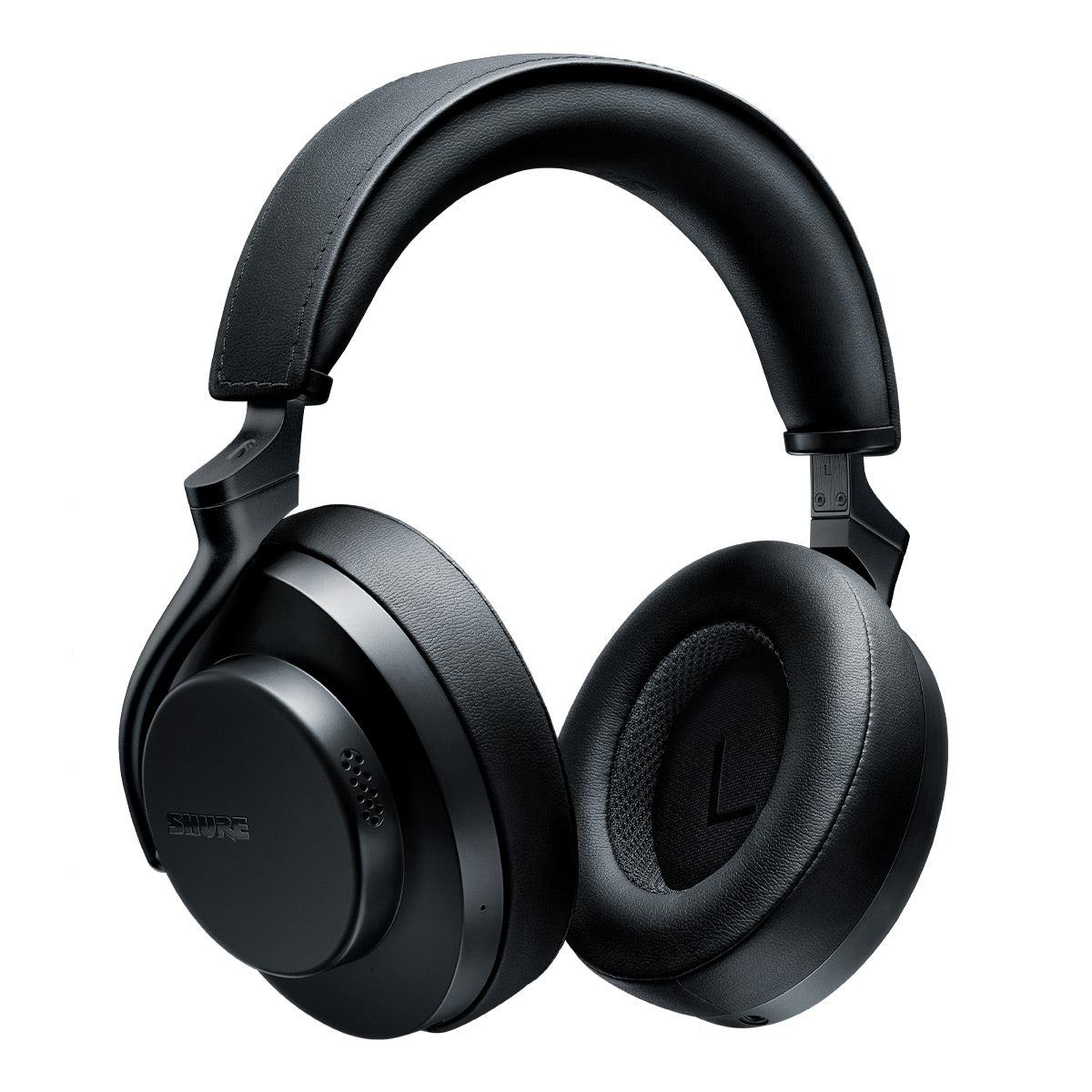

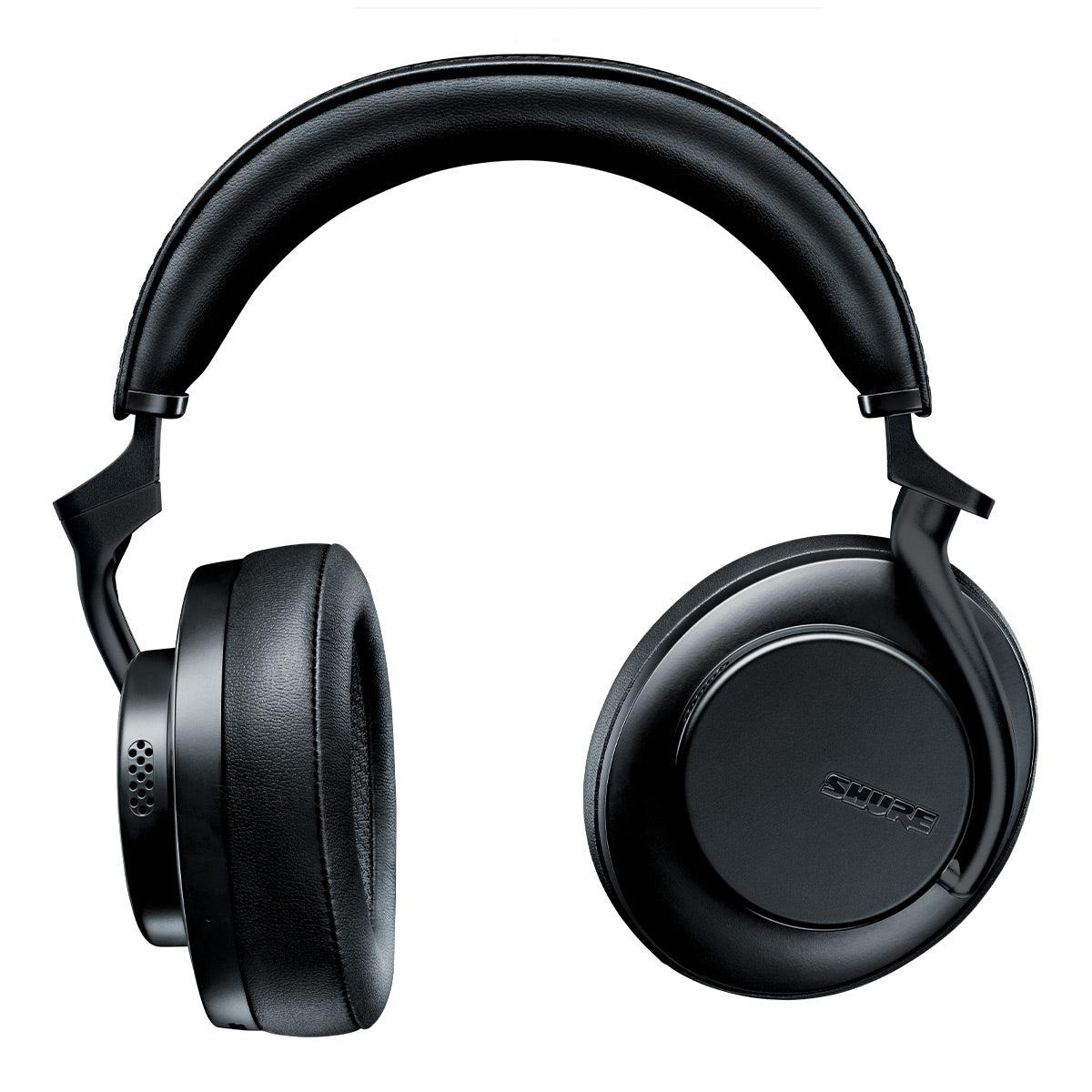
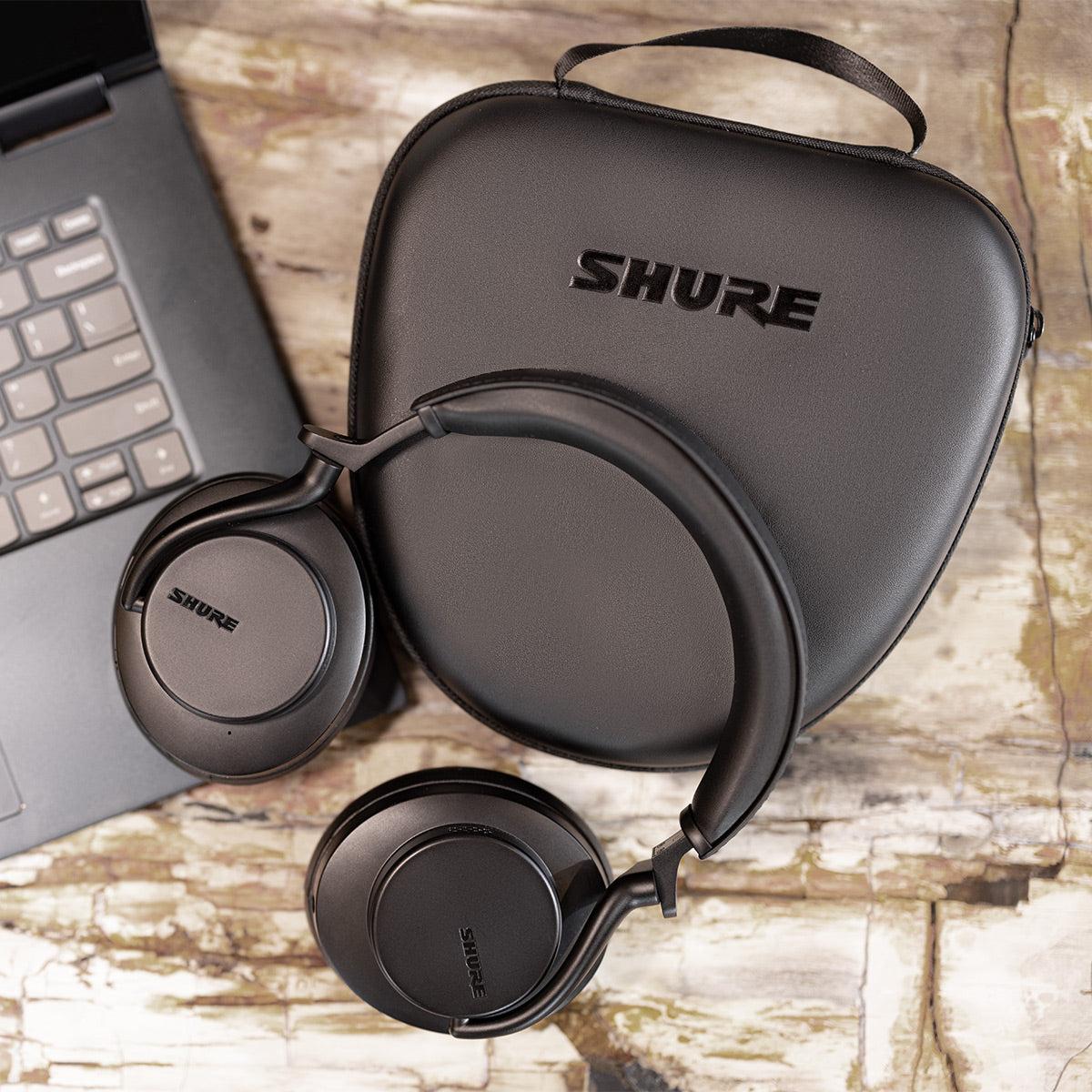
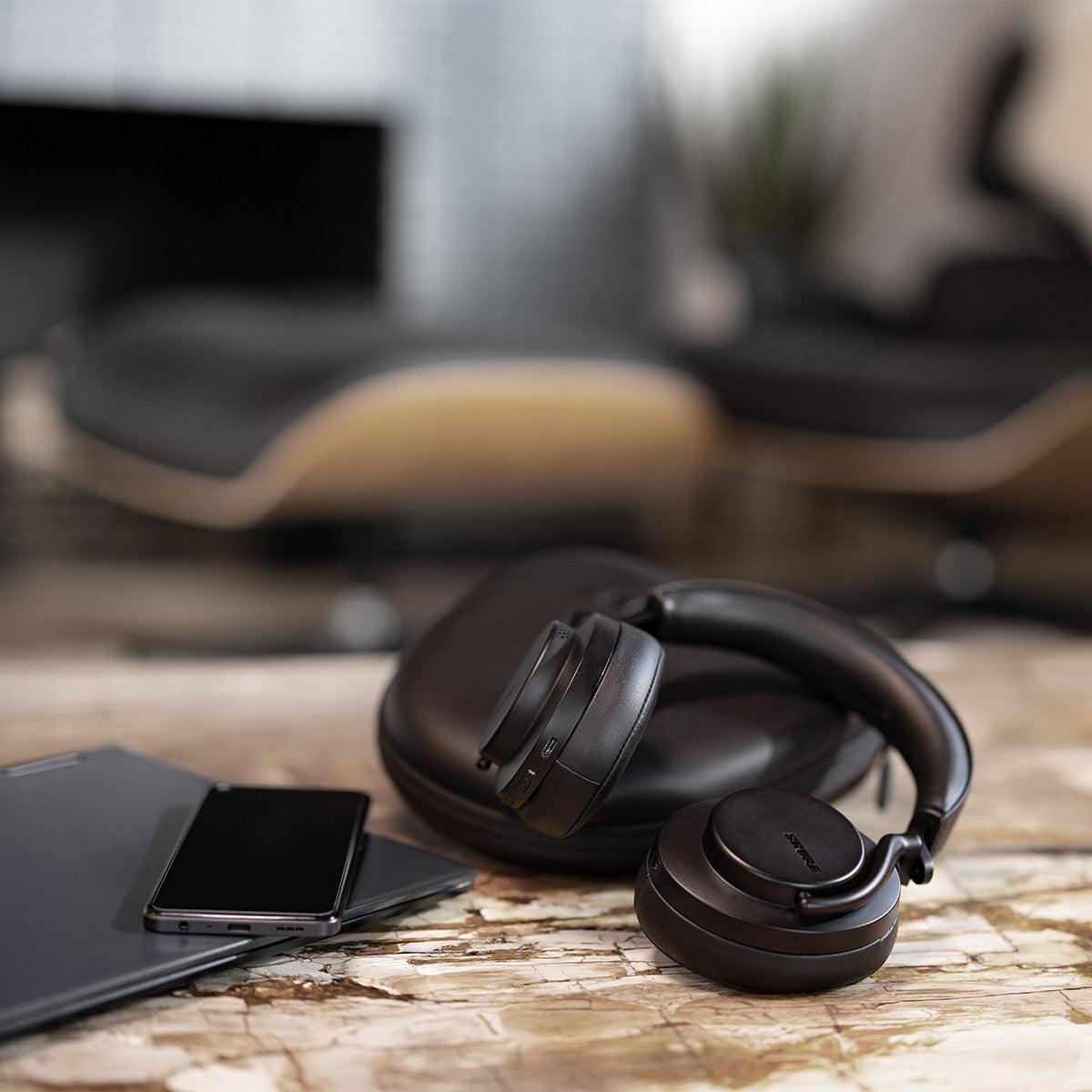


When you're ready to invest in premium wireless headphones, the choice can feel overwhelming. Two standout options that represent different philosophies in audio design are the Beats Studio3 Wireless ($349.95) and the Shure Aonic 50 Gen 2 ($369.55). While both deliver wireless convenience and active noise cancellation, they take distinctly different approaches to achieve their goals.
Premium wireless headphones have evolved far beyond just cutting the cord. Today's top models combine advanced driver technology (the tiny speakers inside each ear cup), sophisticated noise cancellation algorithms, and high-quality wireless codecs that determine how audio data travels from your device to your ears. The best models balance multiple priorities: exceptional sound quality, effective noise cancellation, all-day comfort, and reliable connectivity.
The key considerations when evaluating premium headphones include audio fidelity (how accurately they reproduce music), active noise cancellation effectiveness, battery endurance, wireless codec support (which affects audio quality over Bluetooth), and physical comfort during extended use. Different manufacturers prioritize these elements differently, leading to distinct product personalities.
The Beats Studio3 Wireless launched in 2017 as part of Apple's push to establish Beats as a premium lifestyle brand following their acquisition. These headphones represented a significant step up from earlier Beats models, incorporating Apple's W1 chip technology and more refined tuning compared to the bass-heavy reputation of previous generations.
Since the Studio3's release, the headphone landscape has evolved considerably. Apple has introduced the AirPods Max, Sony has refined their industry-leading WH-1000X series through multiple generations, and Bose has continued advancing their QuietComfort line. This means the Studio3 Wireless now competes in a much more crowded field, though it maintains relevance through frequent sales and solid fundamental performance.
The Shure Aonic 50 Gen 2 represents a more recent entry, building on Shure's century-plus heritage in professional audio. Shure has long dominated stages and studios worldwide with their microphones and in-ear monitors, but their foray into consumer headphones is relatively new. The Gen 2 model specifically addresses criticisms of the original Aonic 50, delivering dramatically improved battery life (jumping from 20 to 45 hours) and enhanced audio processing.
The fundamental difference between these headphones starts with their drivers. The Beats Studio3 uses 40mm drivers tuned for mainstream appeal, while the Shure Aonic 50 Gen 2 employs larger 50mm drivers designed with professional audio principles.
Driver size isn't everything, but it often correlates with better bass response and dynamic range. The Shure's larger drivers can move more air, potentially creating more impactful low-end reproduction. However, tuning matters more than size, and this is where the philosophical differences become clear.
The Studio3 Wireless delivers what Beats calls a "warm" sound signature. This means boosted bass and upper bass frequencies that make hip-hop, pop, and electronic music sound punchy and energetic. However, this emphasis can cause problems. Male vocals often sound muddy because that boosted bass bleeds into the midrange frequencies where voices live. The treble (high frequencies) is somewhat recessed, making cymbals and vocal details sound veiled or distant.
In contrast, the Aonic 50 Gen 2 starts with a more neutral foundation, closer to what audio engineers call a "reference" sound. This means instruments and voices appear more naturally balanced, allowing you to hear subtle details that might get lost in the Beats' warmer presentation. The Shure's wide soundstage creates a more spacious listening experience, with better instrument separation and positioning.
Here's where the Shure Aonic 50 Gen 2 pulls significantly ahead. The ShurePlus Play app provides a parametric EQ, which is far more sophisticated than the simple bass/treble adjustments found in most consumer apps. Parametric EQ lets you adjust specific frequency bands with precise control over how wide or narrow those adjustments affect surrounding frequencies.
The Shure also introduces "Spatialized Audio" technology, which uses digital signal processing (DSP) to create different acoustic environments. The Music mode simulates listening in a treated studio room, Cinema mode recreates theater acoustics with enhanced sub-bass, and Podcast mode focuses on vocal clarity. While some purists might prefer unprocessed audio, these modes can genuinely enhance certain content types.
The Beats Studio3 takes a more automated approach with real-time audio calibration. This system continuously monitors how the headphones fit on your head and adjusts the sound accordingly. It's clever technology, but it doesn't offer the granular control that serious listeners often want.
Both headphones feature active noise cancellation (ANC), but they implement it differently. ANC works by using external microphones to detect ambient noise, then generating "anti-noise" signals to cancel it out. The effectiveness depends on microphone placement, processing algorithms, and how well the system adapts to different environments.
The Studio3 Wireless uses Beats' "Pure Adaptive Noise Cancelling" system, which continuously adjusts based on your environment and fit. This real-time adaptation helps maintain consistent performance even when you move your head or if the seal around your ears changes due to glasses or hair. Users consistently report that the ANC effectively handles passenger chatter, air conditioning hum, and similar mid-frequency noise. However, it's less effective against low-frequency rumbles like airplane engines or subway noise.
The Shure Aonic 50 Gen 2 offers a hybrid ANC system with four different modes, giving you more control but requiring more user intervention. The system includes external and internal microphones for better noise detection, but reviews suggest its performance is merely average compared to class leaders like Sony's WH-1000XM5 or Bose's QuietComfort series.
Where the Shure excels is in its environmental awareness features. The 11-stage ambient mode lets you dial in exactly how much outside sound you want to hear, which is incredibly useful for office work or when you need situational awareness.
Battery performance tells an interesting story about each company's priorities. The Studio3 Wireless offers 22 hours with ANC enabled or 40 hours with it disabled. The Fast Fuel feature provides three hours of playback from just 10 minutes of charging, which is genuinely helpful for travel situations.
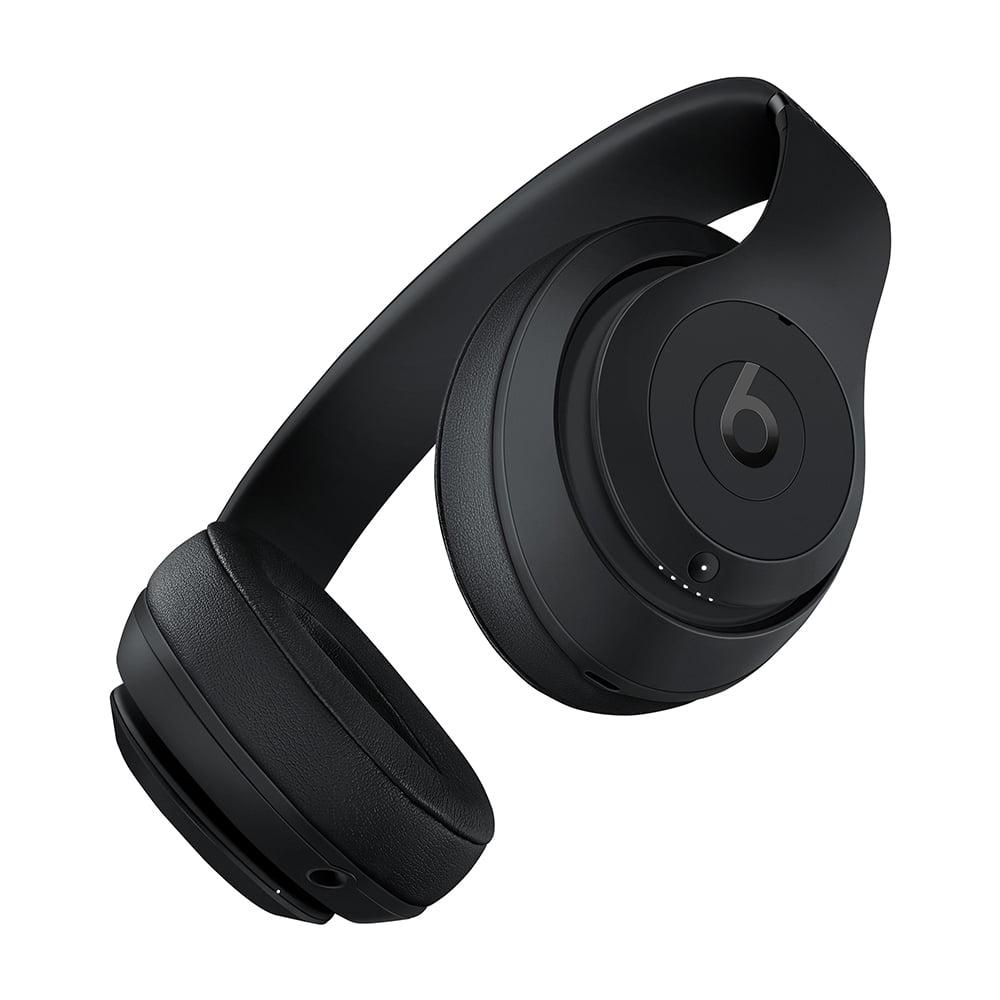
However, the Studio3 still uses Micro-USB charging, which feels dated in 2024. Most premium devices have moved to USB-C for faster charging and universal compatibility.
The Shure Aonic 50 Gen 2 delivers 45 hours of battery life, which is exceptional even by today's standards. The 15-minute quick charge provides five hours of playback, and the USB-C port supports both charging and high-resolution wired audio playback.
This is where the differences become stark. The Studio3 Wireless supports only basic Bluetooth codecs: SBC (the universal baseline) and AAC (Apple's preferred codec). While AAC sounds good with Apple devices, the lack of advanced codec support limits audio quality, especially with Android devices or high-resolution audio sources.
The Shure Aonic 50 Gen 2 supports an impressive array of codecs: aptX, aptX HD, aptX Adaptive, aptX Low Latency, and Sony's LDAC. These advanced codecs can transmit much more audio data over Bluetooth, preserving more detail and dynamic range. LDAC, in particular, can handle high-resolution audio files with minimal compression.
For practical purposes, this means the Shure can deliver noticeably better wireless audio quality when paired with compatible devices, especially for lossless music files or high-quality streaming services.
Comfort becomes crucial during long listening sessions, and these headphones take different approaches. The Studio3 Wireless weighs just 260 grams, making it noticeably lighter than most over-ear competitors. The ear cushions are soft and comfortable, though the headband lacks substantial padding. Some users report that the plastic construction can feel sticky against hair during warm weather.
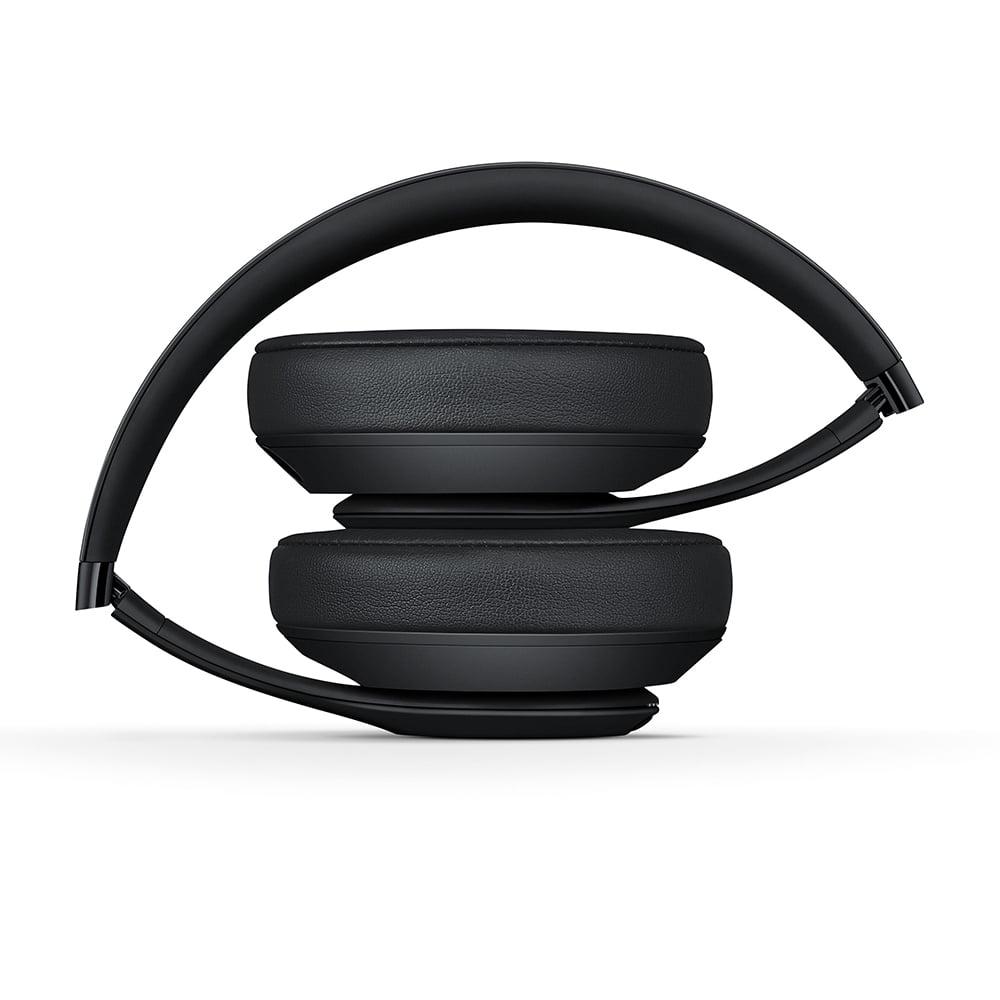
The build quality has raised some concerns among users. The headband is relatively rigid and doesn't flex much, which could lead to stress fractures over time. However, the folding design makes them genuinely portable for travel.
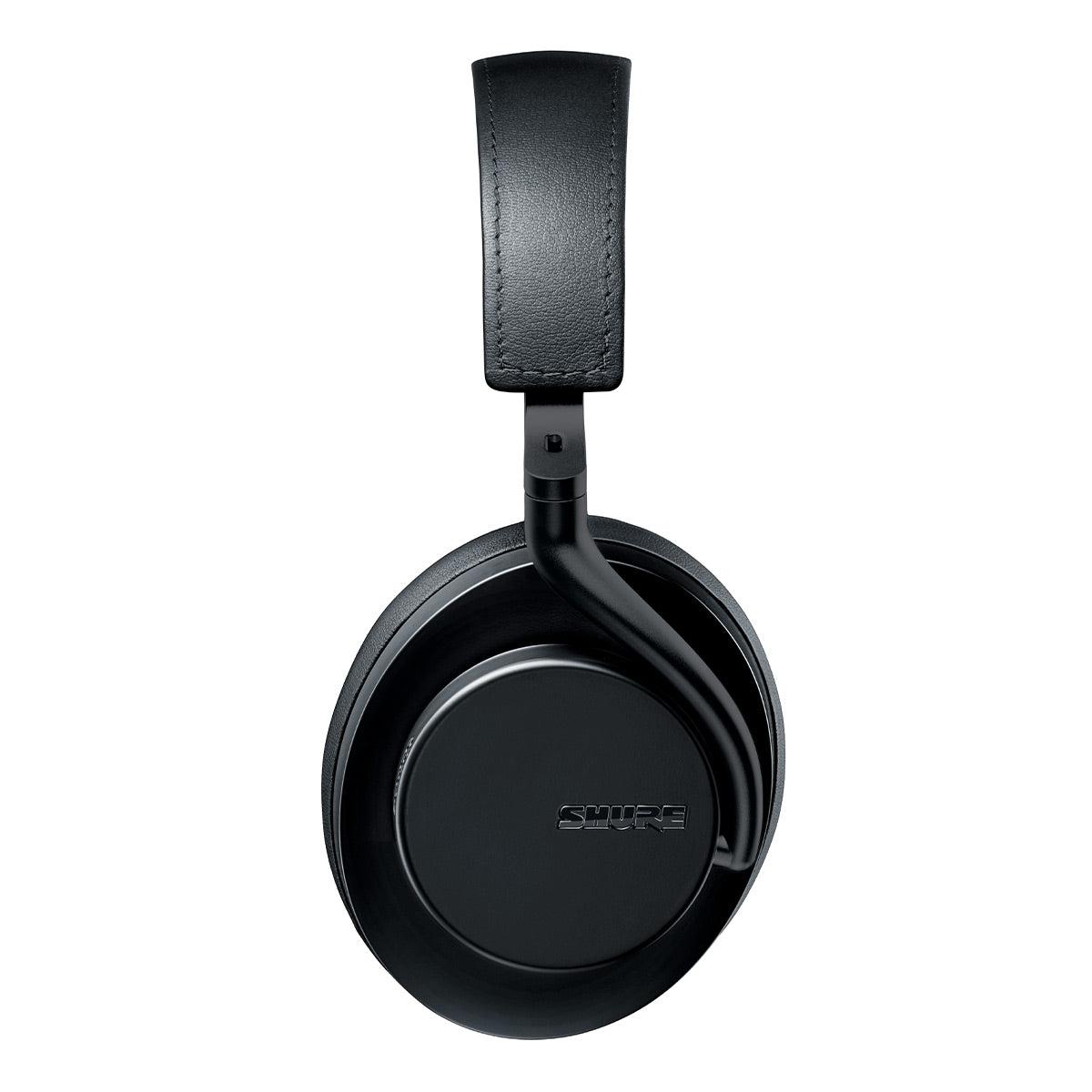
The Shure Aonic 50 Gen 2 is significantly heavier at 337 grams, but the weight is well-distributed across a more substantial frame. The plush ear pads and better headband design actually make them more comfortable for extended wear despite the extra weight. The build quality feels more robust, befitting Shure's professional audio heritage.
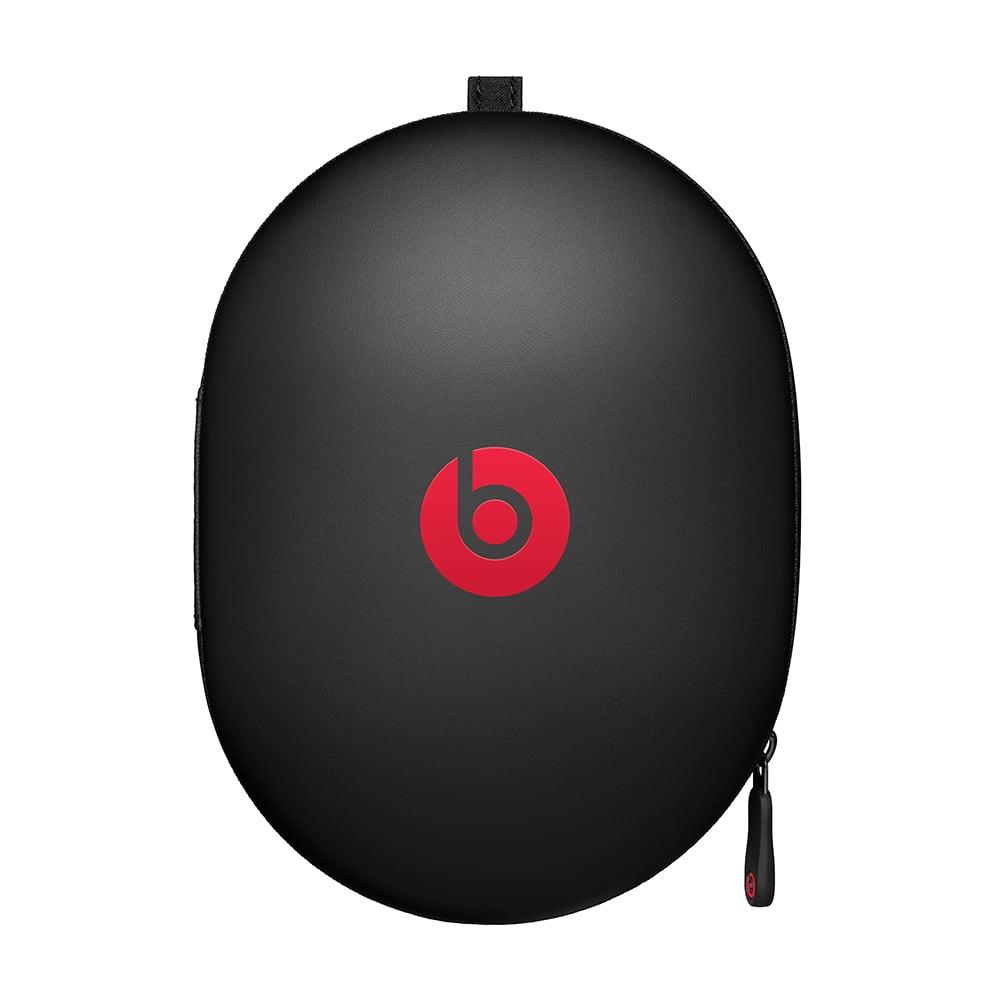
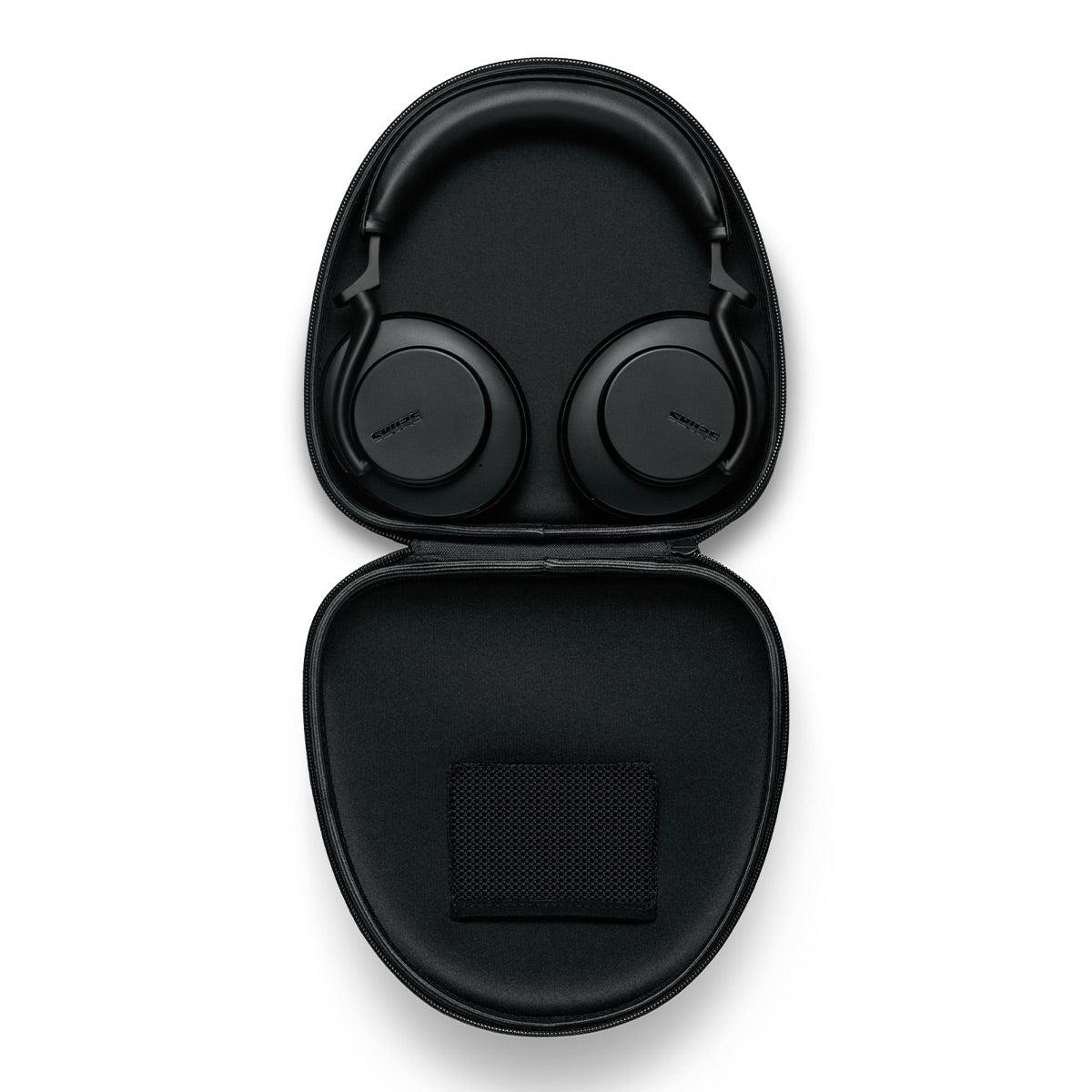
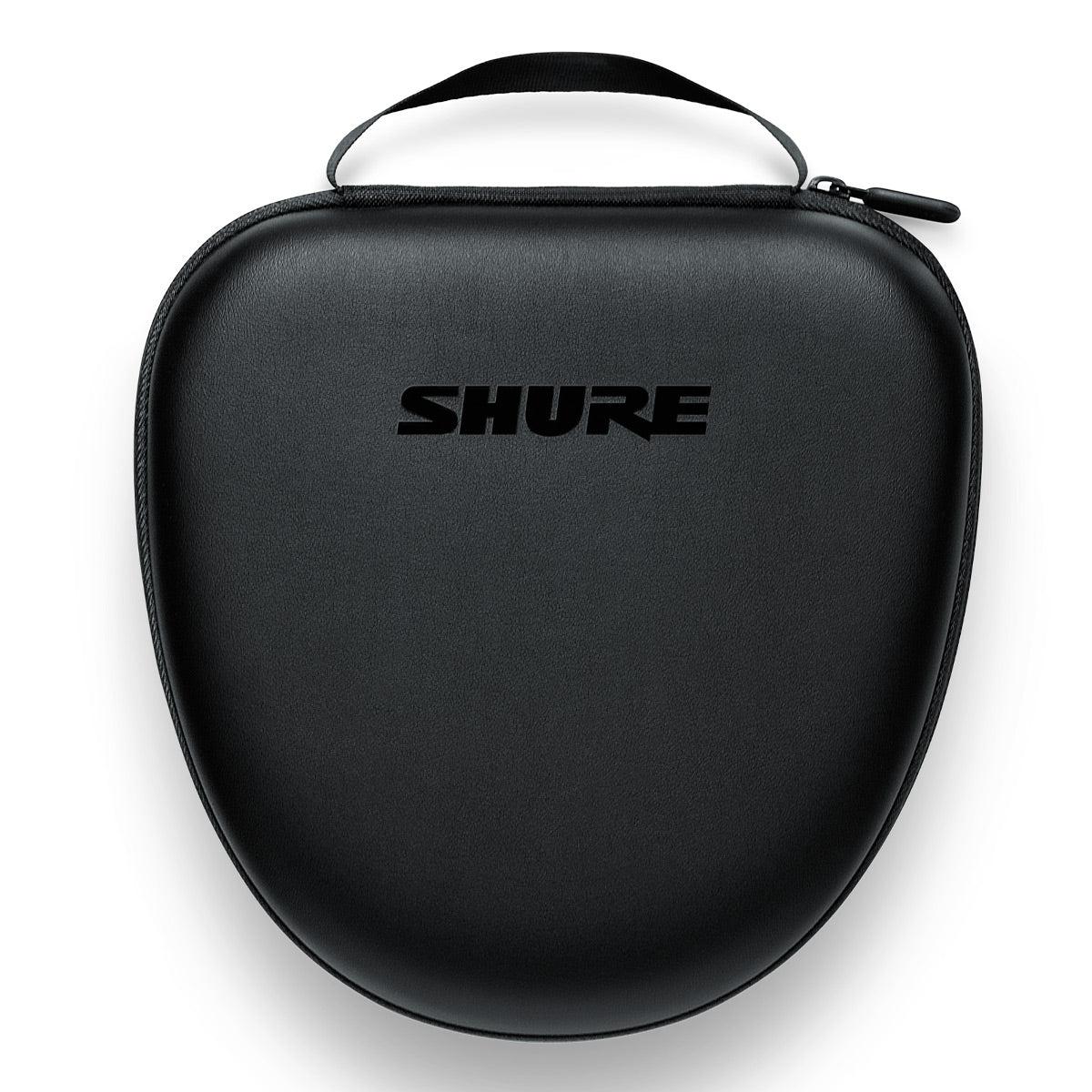
The Shure's ear cups swivel to lie flat but don't fold inward like the Beats, making them less compact for travel. However, the included premium carrying case partially compensates for this limitation.
For home theater applications, both headphones offer distinct advantages. The Studio3 Wireless excels with Apple TV thanks to the W1 chip integration, providing seamless pairing and automatic device switching within the Apple ecosystem. The warm sound signature can actually benefit movie soundtracks, adding weight to explosions and musical scores.
The Shure Aonic 50 Gen 2 brings more flexibility to home theater setups. The USB-C connection can carry digital audio directly from compatible devices, bypassing Bluetooth entirely for zero-latency playback. The Cinema mode in the Spatialized Audio feature specifically targets movie content, enhancing the sense of space and sub-bass impact.
The Shure's multipoint Bluetooth pairing lets you connect to two devices simultaneously, so you can watch TV while staying connected to your phone for calls. The Studio3 can only connect to one device at a time, requiring manual switching.
With only a $20 price difference, value comes down to feature priorities rather than budget constraints. The Studio3 Wireless at $349.95 offers excellent value for Apple ecosystem users who prioritize simplicity and portability. The seamless device integration and lighter weight provide real daily-use benefits that justify the cost for many users.
However, the Shure Aonic 50 Gen 2 at $369.55 delivers significantly more advanced features for just slightly more money. The superior codec support, longer battery life, extensive customization options, and higher build quality represent better technical value for the small price premium.
Both headphones frequently go on sale, with the Studio3 often dropping to $200-250 range, where it becomes much more compelling value proposition. The Shure typically sees smaller discounts due to its more recent release.
In daily use, these differences translate to distinct experiences. For commuting, the Studio3's lighter weight and effective ANC make it comfortable for subway rides or flights, though the limited codec support means your music won't sound as detailed as it could.
For home listening, the Shure Aonic 50 Gen 2's superior drivers and customization options really shine. The ability to fine-tune the sound signature means you can optimize performance for different genres or even specific albums. The longer battery life means you're less likely to be interrupted by charging needs during long listening sessions.
For gaming, the Shure's low-latency codec support and optional wired connection provide advantages, while the Beats' integration with Apple devices makes it seamless for iOS gaming.
Choose the Beats Studio3 Wireless if you value simplicity, Apple ecosystem integration, and portability above all else. They're ideal for users who want excellent performance without tweaking settings, and the lighter weight makes them perfect for travel. The frequent sales make them an especially attractive option at discounted prices.
Opt for the Shure Aonic 50 Gen 2 if you're serious about audio quality and want maximum flexibility. The advanced features, superior connectivity options, and extensive customization make them worth the small price premium for dedicated listeners. They're particularly appealing if you use multiple devices or high-resolution audio sources.
Both represent solid choices in the premium wireless headphone category, but they serve different user priorities. The Beats prioritizes user experience and ecosystem integration, while the Shure focuses on technical performance and customization. Understanding which philosophy aligns with your needs will guide you to the right choice.
| Beats Studio3 Wireless ($349.95) | Shure Aonic 50 Gen 2 ($369.55) |
|---|---|
| Price - Only $20 difference makes this about features, not budget | |
| $349.95 (frequently on sale for $200-250) | $369.55 (occasional minor discounts) |
| Weight - Major factor for comfort during long sessions | |
| 260g (noticeably lighter, better for travel) | 337g (heavier but well-distributed) |
| Battery Life - Determines how often you'll need to charge | |
| 22 hours (ANC on) / 40 hours (ANC off) | 45 hours (exceptional longevity) |
| Driver Size - Affects bass response and overall sound quality | |
| 40mm drivers (adequate for consumer use) | 50mm drivers (better bass and dynamic range) |
| Sound Signature - Determines what music genres sound best | |
| Warm, bass-boosted (great for pop/hip-hop, muddy vocals) | Neutral, detailed (accurate but may need EQ for excitement) |
| Active Noise Cancellation - Critical for travel and noisy environments | |
| Pure ANC with real-time adaptation (good for chatter, weak on low-freq) | Hybrid ANC with 4 modes (average performance, good customization) |
| Bluetooth Codecs - Affects wireless audio quality significantly | |
| SBC, AAC only (limits audio quality, especially on Android) | SBC, AAC, aptX HD, LDAC, aptX Adaptive (excellent quality) |
| Charging Port - Affects convenience and future compatibility | |
| Micro-USB (outdated standard) | USB-C (modern, also supports wired audio) |
| Customization Features - Important for tailoring sound to your preferences | |
| Real-time audio calibration only | Parametric EQ, spatial audio modes, extensive app control |
| Apple Integration - Seamless connectivity matters for iPhone users | |
| W1 chip (instant pairing, device switching with Apple products) | Standard Bluetooth (works well but no special Apple features) |
| Build Quality - Affects long-term durability | |
| Lightweight plastic (portability focused, some durability concerns) | Professional-grade materials (robust but less portable) |
| Multipoint Connection - Useful for switching between devices | |
| Single device connection (manual switching required) | Dual device pairing (stay connected to phone and computer) |
The Shure Aonic 50 Gen 2 ($369.55) delivers superior sound quality with larger 50mm drivers, neutral tuning, and extensive EQ customization. The Beats Studio3 Wireless ($349.95) offers a warmer, bass-heavy sound that's enjoyable for pop and hip-hop but can sound muddy with vocals. Audio enthusiasts will prefer the detailed, accurate reproduction of the Shure Aonic 50 Gen 2.
The Beats Studio3 Wireless is significantly lighter at 260g compared to the 337g Shure Aonic 50 Gen 2, making it more comfortable for extended wear and travel. However, the Shure has better padding and weight distribution, so comfort preference depends on whether you prioritize lighter weight or superior cushioning.
The Beats Studio3 Wireless ($349.95) excels with Apple devices thanks to the W1 chip, offering instant pairing and seamless device switching across your Apple ecosystem. The Shure Aonic 50 Gen 2 ($369.55) works fine with iPhones but lacks special Apple integration features, requiring standard Bluetooth pairing.
The Shure Aonic 50 Gen 2 wins decisively with 45 hours of playback compared to the Beats Studio3 Wireless which offers 22 hours with ANC on or 40 hours with ANC off. Both support fast charging, but the Shure's exceptional battery life means less frequent charging interruptions.
Both headphones offer decent active noise cancellation, but neither matches industry leaders like Sony or Bose. The Beats Studio3 Wireless provides effective ANC against chatter and mid-frequency noise with real-time adaptation. The Shure Aonic 50 Gen 2 offers more customizable ANC with four modes but average overall performance.
The Shure Aonic 50 Gen 2 ($369.55) is significantly better for Android devices due to advanced codec support including aptX HD and LDAC, which deliver superior wireless audio quality. The Beats Studio3 Wireless ($349.95) only supports basic codecs, limiting sound quality when paired with Android phones.
Neither headphone is specifically designed for workouts. The Beats Studio3 Wireless is lighter and more portable, but lacks water resistance. The Shure Aonic 50 Gen 2 offers some sweat resistance but is heavier. For serious exercise, both companies make better-suited models designed for active use.
At similar prices, the Shure Aonic 50 Gen 2 offers better technical value with superior drivers, longer battery life, advanced codec support, and extensive customization. However, the Beats Studio3 Wireless frequently goes on sale for $200-250, where it becomes excellent value, especially for Apple users.
The Shure Aonic 50 Gen 2 supports both USB-C and 3.5mm wired connections, allowing full functionality even with a dead battery. The Beats Studio3 Wireless includes a 3.5mm cable for passive wired playback, but you lose active features like noise cancellation when the battery is depleted.
The Shure Aonic 50 Gen 2 ($369.55) is better for home theater with its Cinema spatial audio mode, USB-C connection for zero-latency playback, and multipoint pairing for simultaneous TV and phone connections. The Beats Studio3 Wireless ($349.95) works well with Apple TV but lacks advanced home theater features.
The Shure Aonic 50 Gen 2 is far superior for professional audio work, offering neutral tuning, parametric EQ, and Shure's professional audio heritage. The Beats Studio3 Wireless has a colored, consumer-oriented sound signature that's not suitable for critical audio work or mixing applications.
The Shure Aonic 50 Gen 2 features more modern technology including USB-C charging, advanced Bluetooth codecs, spatial audio processing, and sophisticated app-based customization. The Beats Studio3 Wireless uses older Micro-USB charging and basic codec support, though the W1 chip integration remains a standout feature for Apple users.
We've done our best to create useful and informative comparisons to help you decide what product to buy. Our research uses advanced automated methods to create this comparison and perfection is not possible - please contact us for corrections or questions. These are the sites we've researched in the creation of this article: techradar.com - recordingnow.com - rtings.com - soundguys.com - recordingnow.com - recordingnow.com - soundguys.com - soundguys.com - youtube.com - rtings.com - gsmarena.com - bhphotovideo.com - headphonecheck.com - themasterswitch.com - walmart.com - rentacenter.com - discussions.apple.com - beatsbydre.com - bestbuy.com - walmart.com - youtube.com - youtube.com - tomsguide.com - headphonecheck.com - whathifi.com - majorhifi.com - rtings.com - versus.com - majorhifi.com - versus.com - audio46.com - youtube.com - bhphotovideo.com - techradar.com - soundpro.com - shure.com - americanmusical.com - pubs.shure.com - blog.zzounds.com - service.shure.com - fullcompass.com

Privacy Policy
Terms and Conditions - Affiliate Policy
Home Security
© Copyright 2008-2026.
11816 Inwood Rd #1211, Dallas, TX 75244