







The world of premium wireless headphones has exploded with options over the past few years, and choosing the right pair can feel overwhelming. Two standout models that have caught attention are the Nothing Headphone (1) and the Shure Aonic 50 Gen 2. While both aim for the premium market, they take distinctly different approaches to achieving audio excellence.
At the time of writing, both headphones fall into the $250-$400 range that defines the premium wireless headphone category. This price point represents a sweet spot where you get flagship features without the absolute top-tier pricing of models like Apple's AirPods Max. But with so many choices available, understanding what makes each model unique becomes crucial for making the right purchase decision.
Before diving into specifics, it's worth understanding what separates premium wireless headphones from their budget counterparts. These aren't just regular headphones with Bluetooth thrown in—they're sophisticated audio devices packed with advanced features that would have seemed impossible just a decade ago.
Premium wireless headphones typically include active noise cancellation (ANC), which uses microphones to detect outside noise and creates inverse sound waves to cancel it out. They also support high-quality audio codecs—think of these as different languages for transmitting audio wirelessly, with some preserving more detail than others. Features like spatial audio, which creates a three-dimensional sound experience, and extensive customization through smartphone apps have become standard expectations.
The target audience for these headphones is diverse. Daily commuters rely on them for noise isolation during subway rides. Audiophiles—people passionate about high-quality sound reproduction—use them for critical music listening. Remote workers depend on them for clear conference calls. Travelers need comfort for long flights. The best premium headphones excel across multiple use cases rather than specializing in just one area.
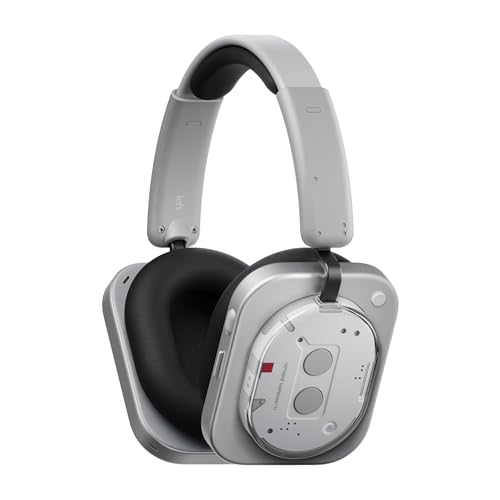
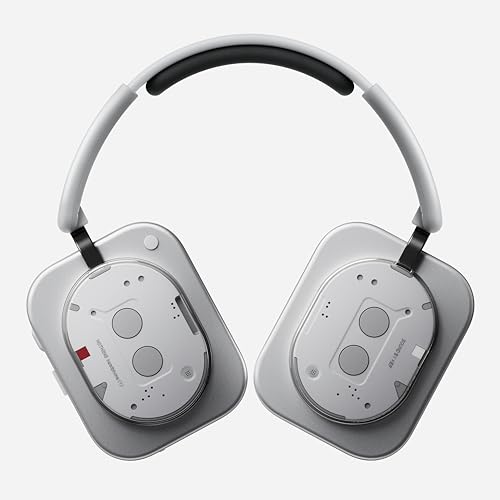
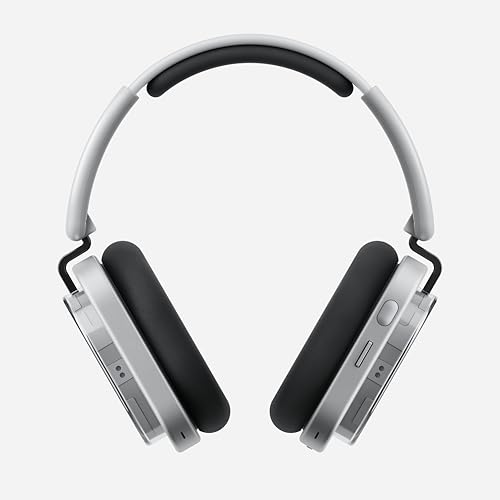
The Nothing Headphone (1) arrived in 2024 as the company's bold entry into the over-ear headphone market. Nothing, founded by former OnePlus co-founder Carl Pei, has built its reputation on transparent design aesthetics and disrupting established product categories with fresh approaches. Their first over-ear headphones continue this philosophy, featuring distinctive transparent "squircle" (a combination of square and circle) ear cups that reveal internal components.
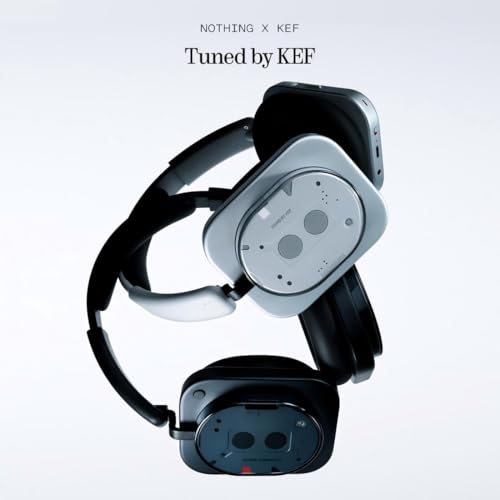
Developed in collaboration with KEF, a respected British audio company known for their high-end speakers, the Nothing Headphone (1) aims to deliver flagship performance while maintaining the company's design-first philosophy. The collaboration brings KEF's decades of acoustic engineering expertise to Nothing's modern, tech-forward approach.
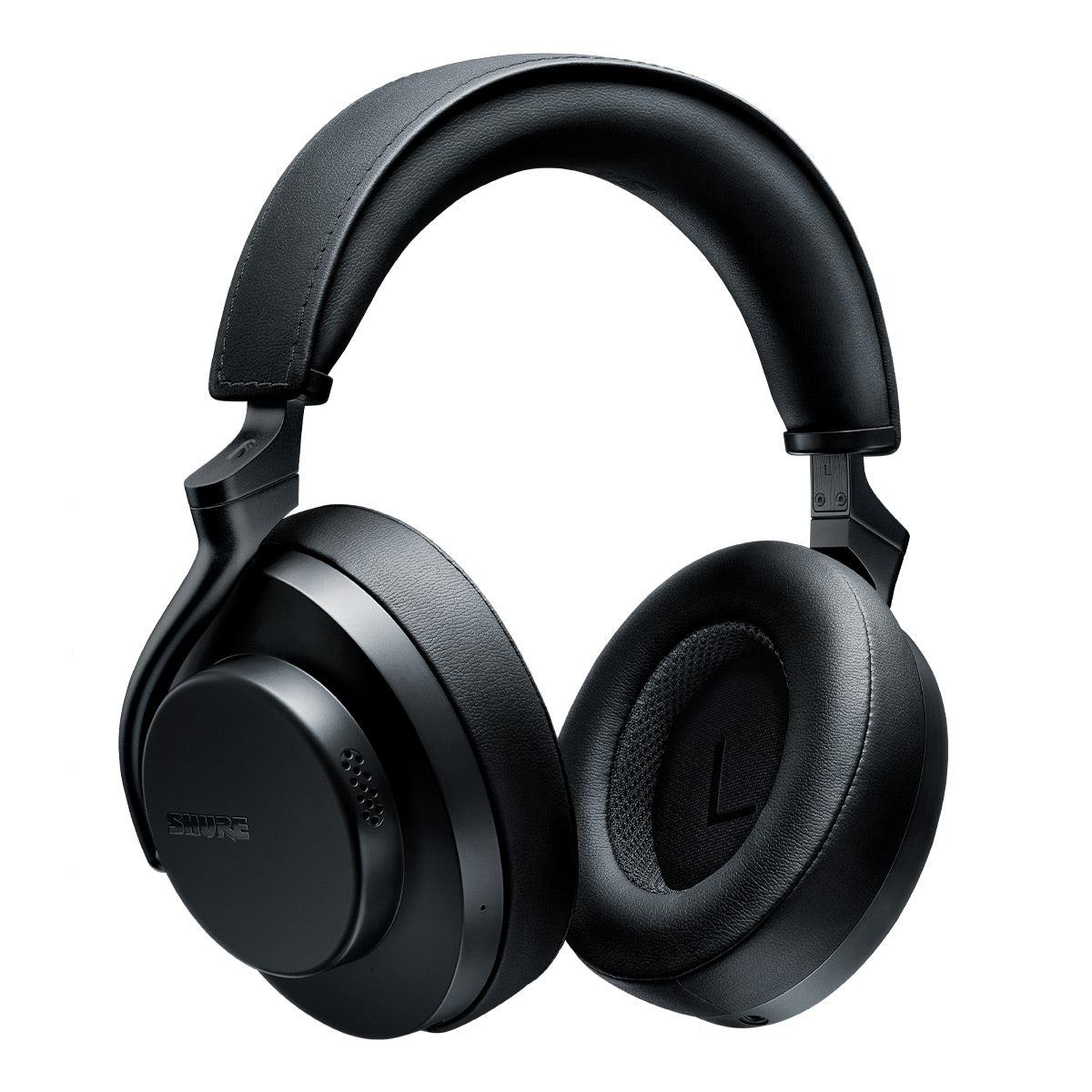
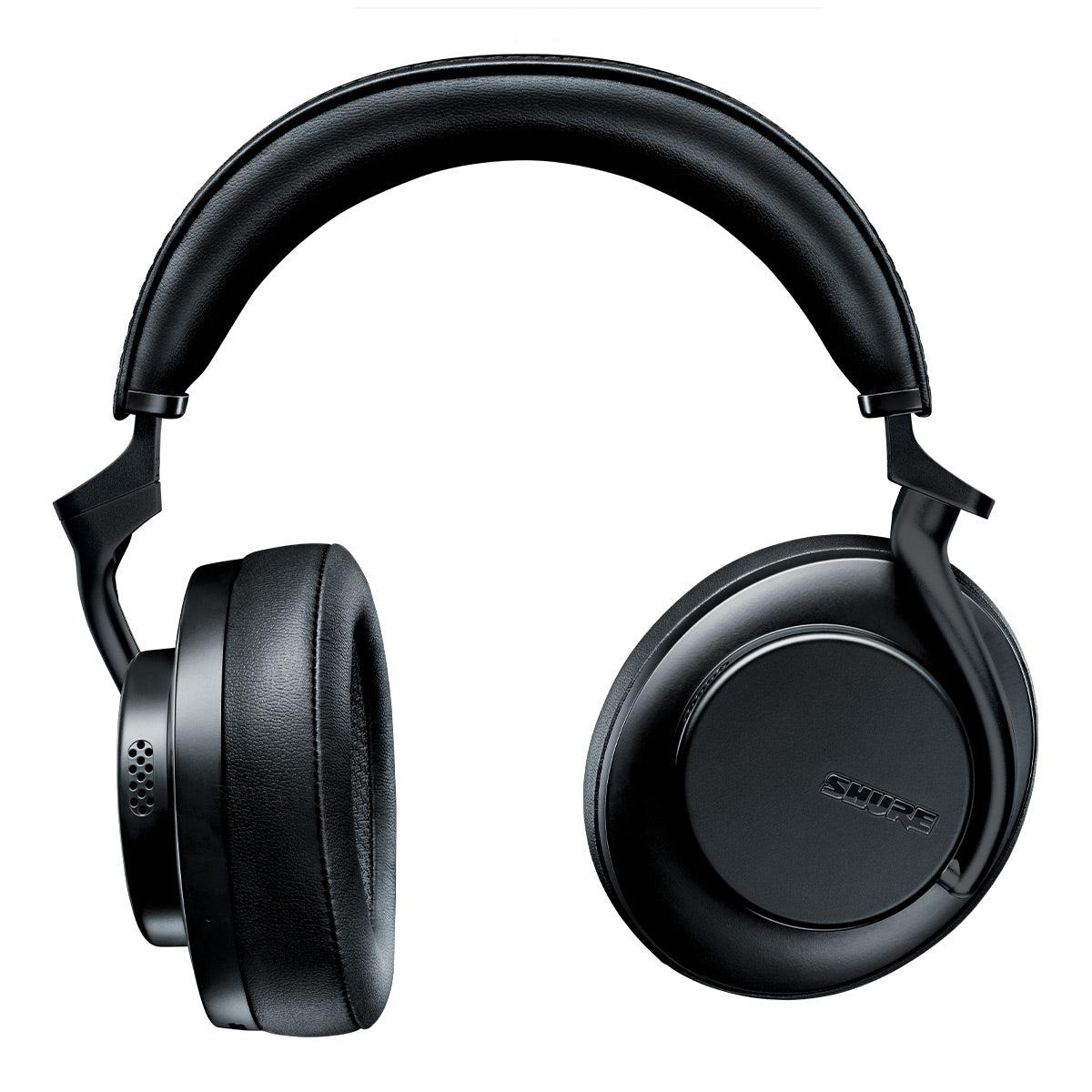
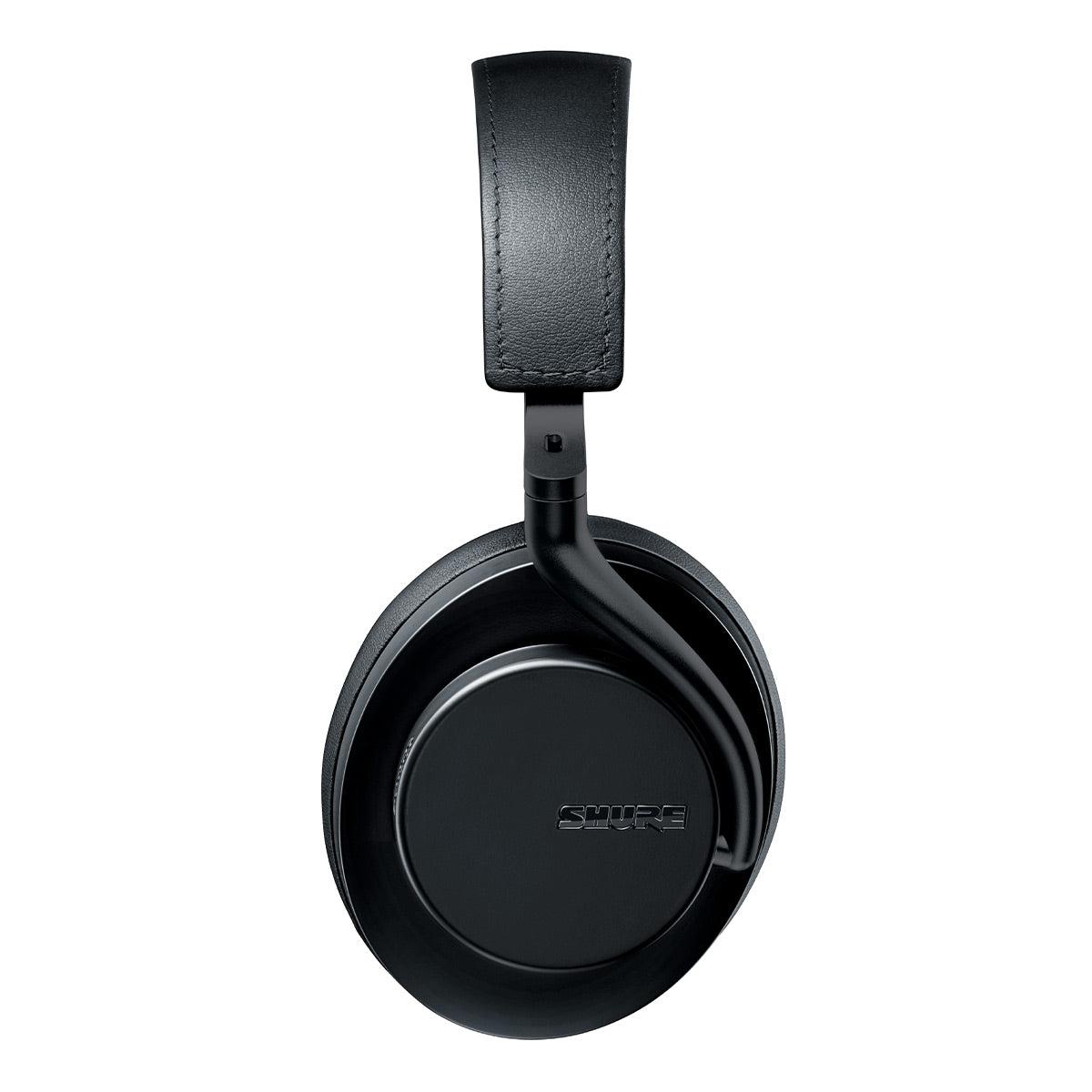
The Shure Aonic 50 Gen 2, released in 2023, represents a different philosophy entirely. Shure has been creating professional audio equipment since 1925, with their microphones and earphones used by musicians, sound engineers, and broadcasters worldwide. When Shure enters the consumer headphone market, they bring nearly a century of audio expertise focused on accuracy and professional-grade performance.
The Gen 2 designation is important here—Shure learned from their first-generation Aonic 50 headphones and made significant improvements. The most notable upgrade is battery life, which more than doubled from the original's 20 hours to an impressive 45 hours. This kind of generational improvement shows how rapidly the wireless headphone market evolves.
Sound quality remains the most crucial factor for any headphone, but measuring it isn't straightforward. Unlike battery life, which can be quantified in hours, sound quality involves subjective preferences, technical measurements, and real-world performance across different music types.
The Nothing Headphone (1) uses custom 40mm dynamic drivers—the components that convert electrical signals into sound waves—with a nickel-coated polyurethane diaphragm. This might sound technical, but the nickel coating provides rigidity for accurate sound reproduction while the polyurethane remains flexible enough to move quickly for detailed audio. KEF's tuning influence shows in the balanced sound signature that avoids the overly bass-heavy approach common in consumer headphones.
What makes the Nothing Headphone (1) particularly interesting is its frequency response extending to 40kHz, well beyond human hearing range (typically 20Hz to 20kHz). While you can't actually hear frequencies above 20kHz, this extended range often indicates superior driver design and can contribute to more natural sound reproduction in the audible range.
The Shure Aonic 50 Gen 2 takes a different approach with larger 50mm dynamic drivers featuring neodymium magnets. Neodymium is a rare earth metal that creates stronger magnetic fields in smaller packages, allowing for more precise driver movement. The larger driver size typically enables better bass response and overall dynamics—the difference between quiet and loud sounds.
Shure's professional background shows in their sound tuning philosophy. Where many consumer headphones emphasize exciting, immediately impressive sound, the Shure Aonic 50 Gen 2 prioritizes accuracy and detail retrieval. This means they might sound more reserved initially but reveal subtle musical details that colored headphones mask.
Both headphones offer extensive customization through their respective smartphone apps, but with different approaches. The Nothing Headphone (1) provides an 8-band equalizer with adjustable Q factor—this controls how wide or narrow each frequency adjustment affects neighboring frequencies. It's like having surgical precision when tuning your sound preferences.
The Shure Aonic 50 Gen 2 includes a 4-band parametric equalizer, which offers fewer bands but more precise control over each adjustment. Shure also includes their proprietary Spatialized Audio feature with three distinct modes: Music mode simulates listening in an acoustically treated room, Cinema mode recreates theater-like bass response, and Podcast mode emphasizes vocal clarity for spoken content.
Active noise cancellation has become essential for premium headphones, but implementation quality varies dramatically between models. The technology works by using external microphones to detect ambient noise, then generating inverse sound waves through the headphone drivers to cancel unwanted sounds. It's most effective against consistent, low-frequency noise like airplane engines or air conditioning.
The Nothing Headphone (1) employs a four-microphone array with adaptive ANC that can reduce noise by up to 42 decibels. The "adaptive" aspect is crucial—the headphones continuously monitor your environment and adjust noise cancellation accordingly. This prevents the uncomfortable pressure sensation some people experience with aggressive ANC and optimizes cancellation for different noise types.
Nothing includes multiple ANC modes: low, medium, high, and adaptive. This flexibility allows users to balance noise cancellation with battery life or comfort preferences. The transparency mode, which deliberately lets outside sound in for situational awareness, receives particular praise for sounding natural rather than artificially processed.
The Shure Aonic 50 Gen 2 uses hybrid digital ANC with four selectable modes, including a unique MaxAware mode that balances noise cancellation with environmental awareness for safety in situations like crossing streets. Their Environmental Mode offers eleven adjustment stages, providing granular control over how much ambient sound enters.
However, reviews consistently note that Shure's ANC performance, while competent, doesn't match category leaders like Sony or Bose. This reflects Shure's priority on sound quality over maximum noise isolation. For some users, moderate but consistent ANC paired with superior audio quality represents a worthwhile trade-off.
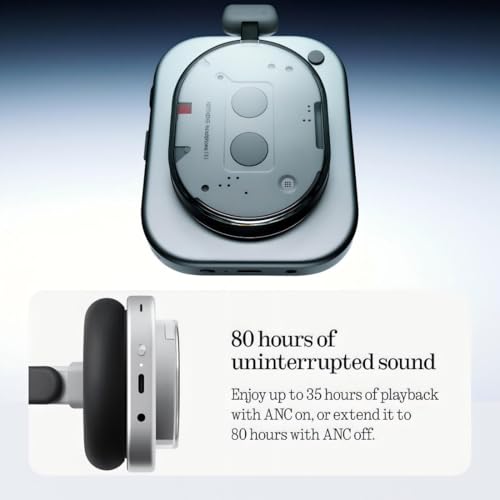
Battery performance has become increasingly important as people rely on wireless headphones throughout long workdays and extended travel. Both models excel here, but the Nothing Headphone (1) sets a new standard with up to 80 hours of playback with ANC disabled—nearly double most competitors.
Even with ANC enabled, the Nothing Headphone (1) delivers 35 hours of listening time, powered by a substantial 1,040mAh battery. The fast charging capability provides five hours of playback from just five minutes of charging, making it practically impossible to be caught with dead headphones.
The Shure Aonic 50 Gen 2 offers 45 hours of playback, representing a significant improvement over the original model's 20 hours. While not matching Nothing's exceptional endurance, 45 hours still exceeds most competitors and provides ample power for extended use. Shure's 15-minute quick charge delivers five hours of playback, matching Nothing's convenience.
These battery improvements reflect advances in Bluetooth chipset efficiency and power management. Modern wireless headphones achieve longer battery life while adding features that would have drained earlier generations quickly.
Understanding audio codecs becomes important when evaluating wireless headphones because they determine how much audio information transmits from your source device to your headphones. Think of codecs as different sized pipes—larger pipes carry more information but require compatible devices on both ends.
The Nothing Headphone (1) supports Bluetooth 5.3 with multipoint connectivity, allowing simultaneous connection to two devices. This proves invaluable for people who switch between phone calls and computer audio throughout the day. Codec support includes AAC (preferred by Apple devices), SBC (universal baseline), and LDAC (Sony's high-resolution codec that can transmit up to three times more data than standard Bluetooth audio).
The Shure Aonic 50 Gen 2 provides more extensive codec support, including Qualcomm's aptX family (aptX, aptX HD, aptX Adaptive) alongside AAC, SBC, and LDAC. The aptX Adaptive codec dynamically adjusts quality and latency based on your environment and content, optimizing for either highest quality or lowest delay as needed.
Both headphones offer wired connections through USB-C and 3.5mm analog inputs. The Shure Aonic 50 Gen 2 supports exceptionally high-resolution wired audio up to 32-bit/384kHz through USB-C, exceeding most people's needs but providing futureproofing for high-resolution audio enthusiasts.
Premium headphones must balance durability, comfort, and portability—a challenging engineering problem when you consider the electronics, drivers, and battery packed inside.
The Nothing Headphone (1)'s transparent design isn't just aesthetic; it represents a confident approach to build quality where internal components become visual features rather than hidden elements. The combination of metal and plastic construction achieves structural integrity while managing weight at 329 grams. The IP52 water resistance rating provides protection against dust and light water exposure, unusual for over-ear headphones and helpful for outdoor use.
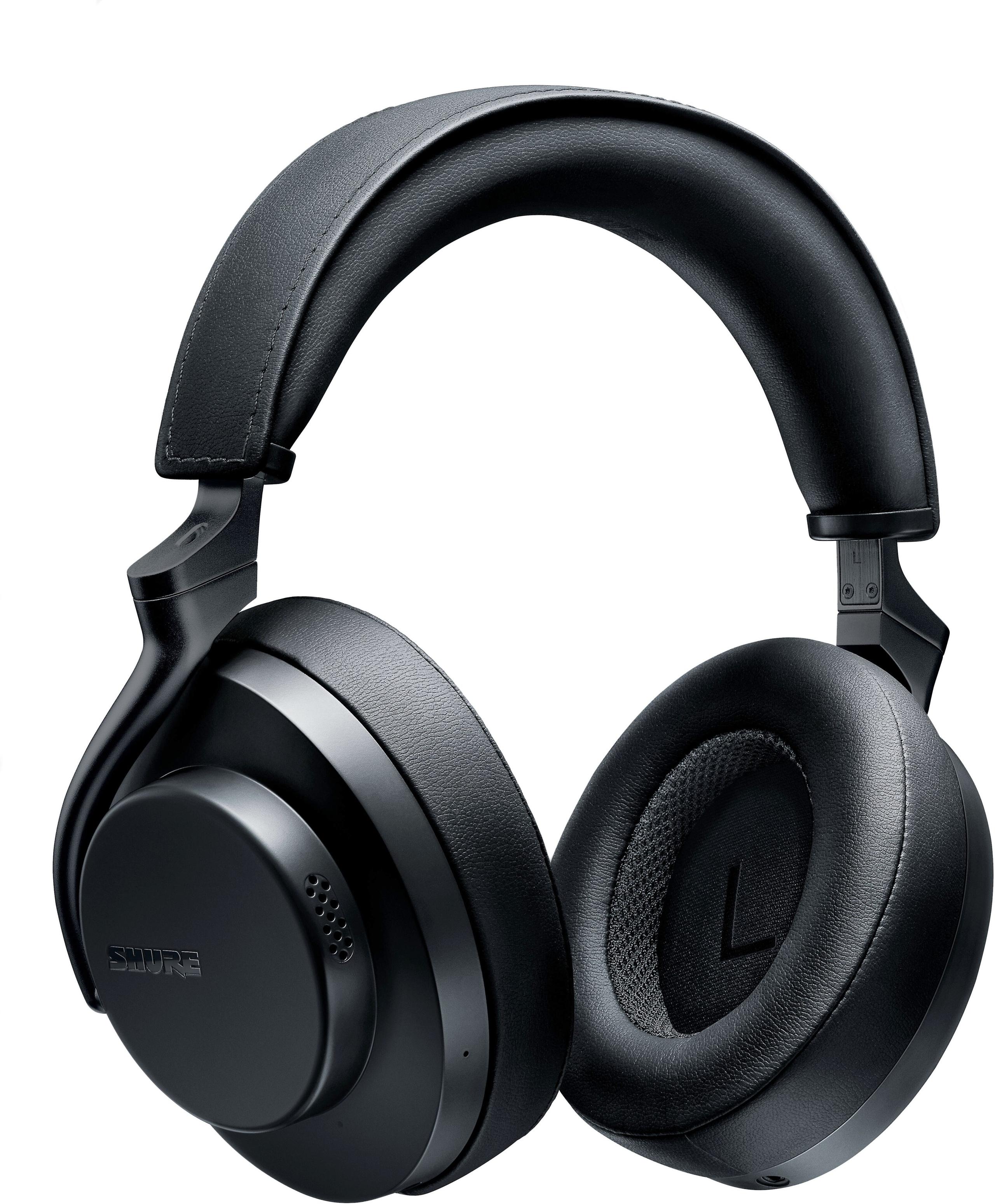
The Shure Aonic 50 Gen 2 weighs slightly more at 337 grams but distributes weight effectively across a well-padded headband. Shure's professional audio background shows in the robust construction designed to withstand regular transport and use. However, the lack of any water resistance rating limits outdoor versatility compared to the Nothing Headphone (1).
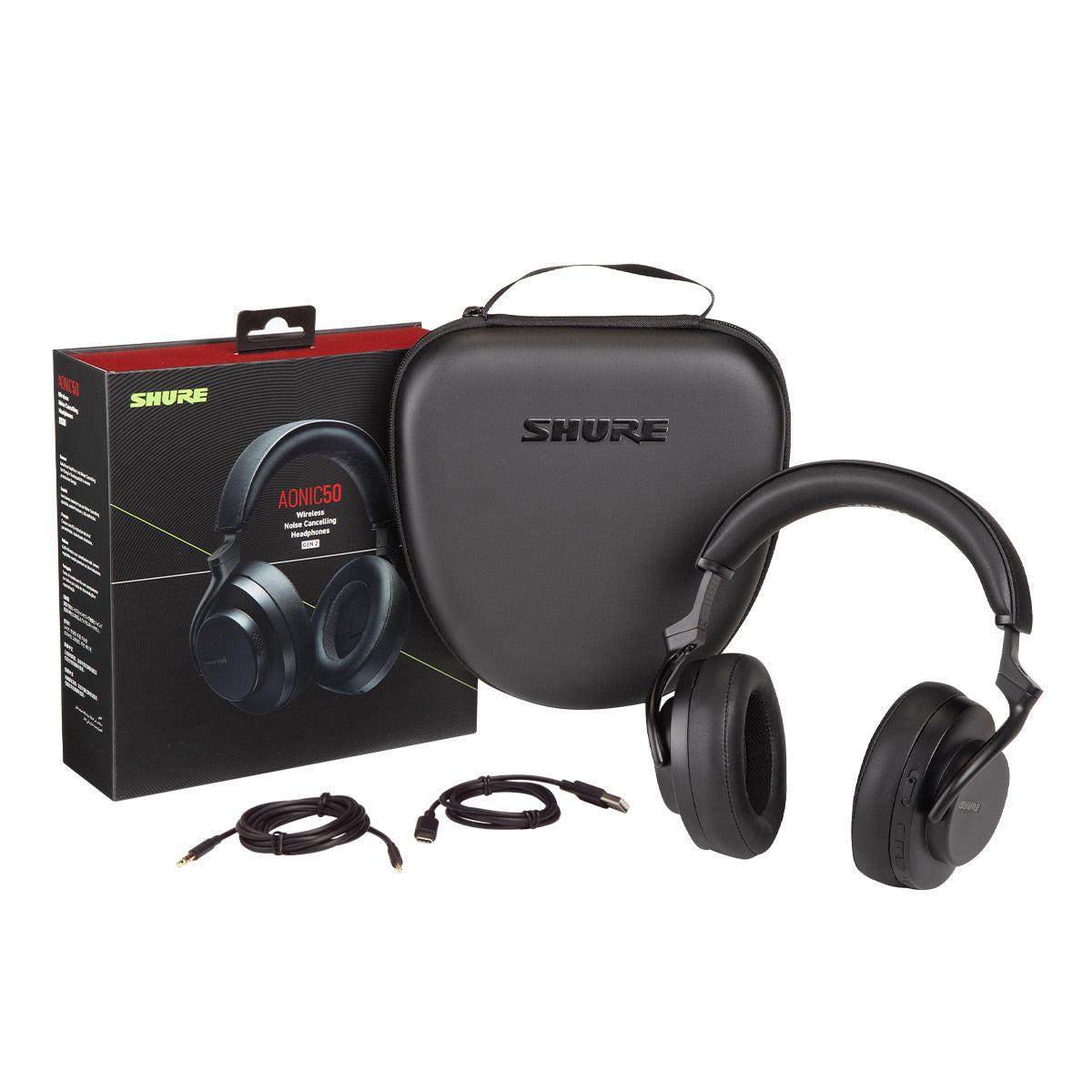
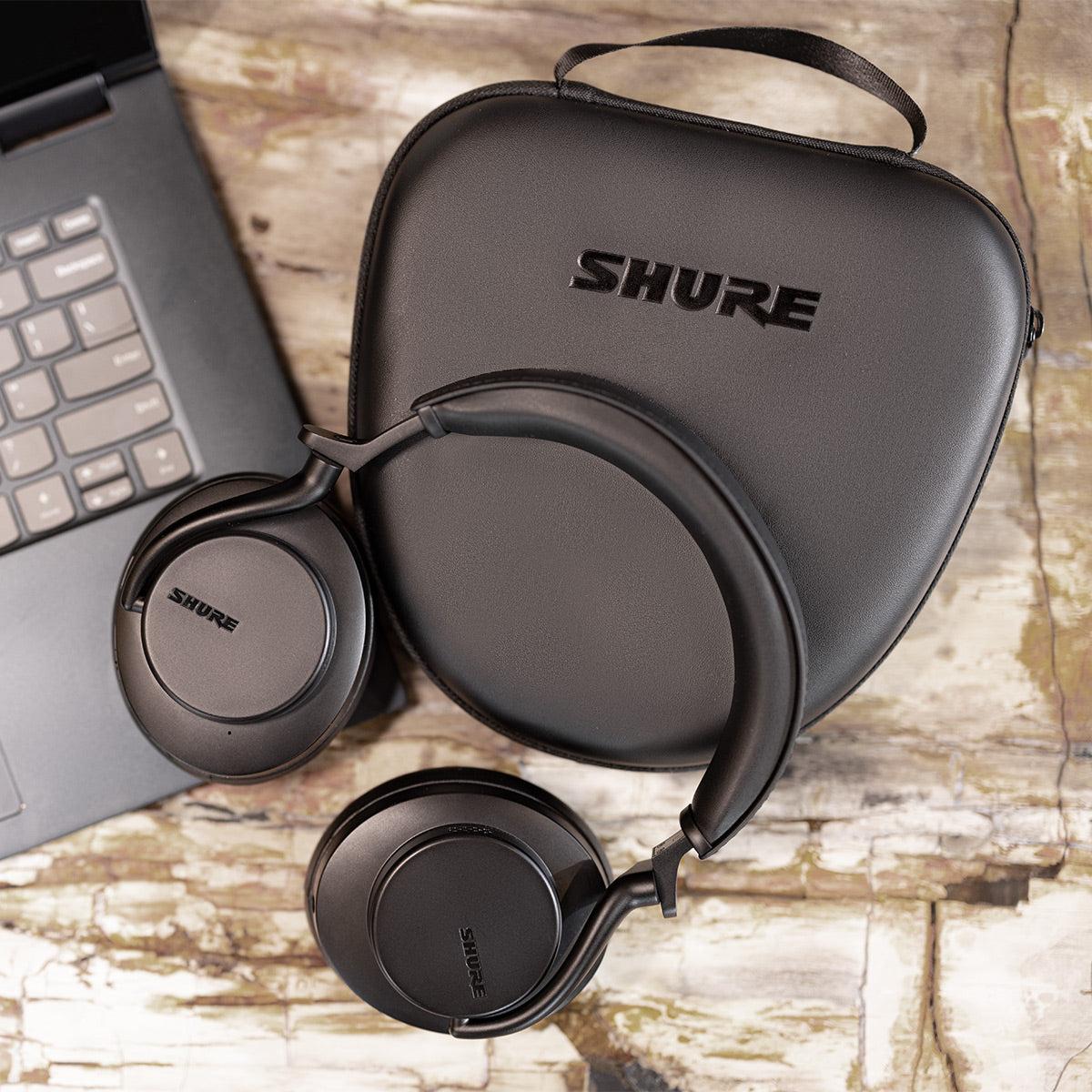
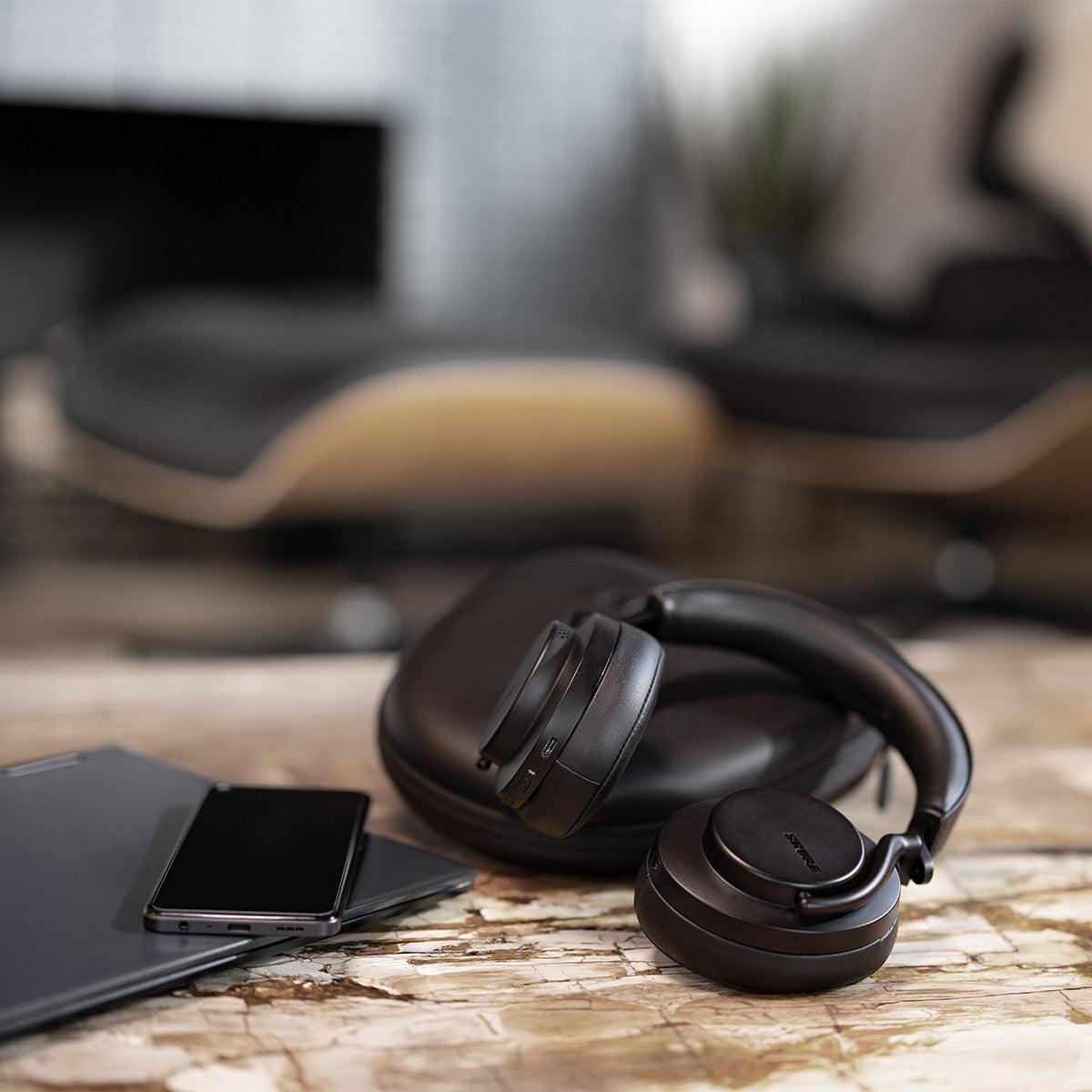
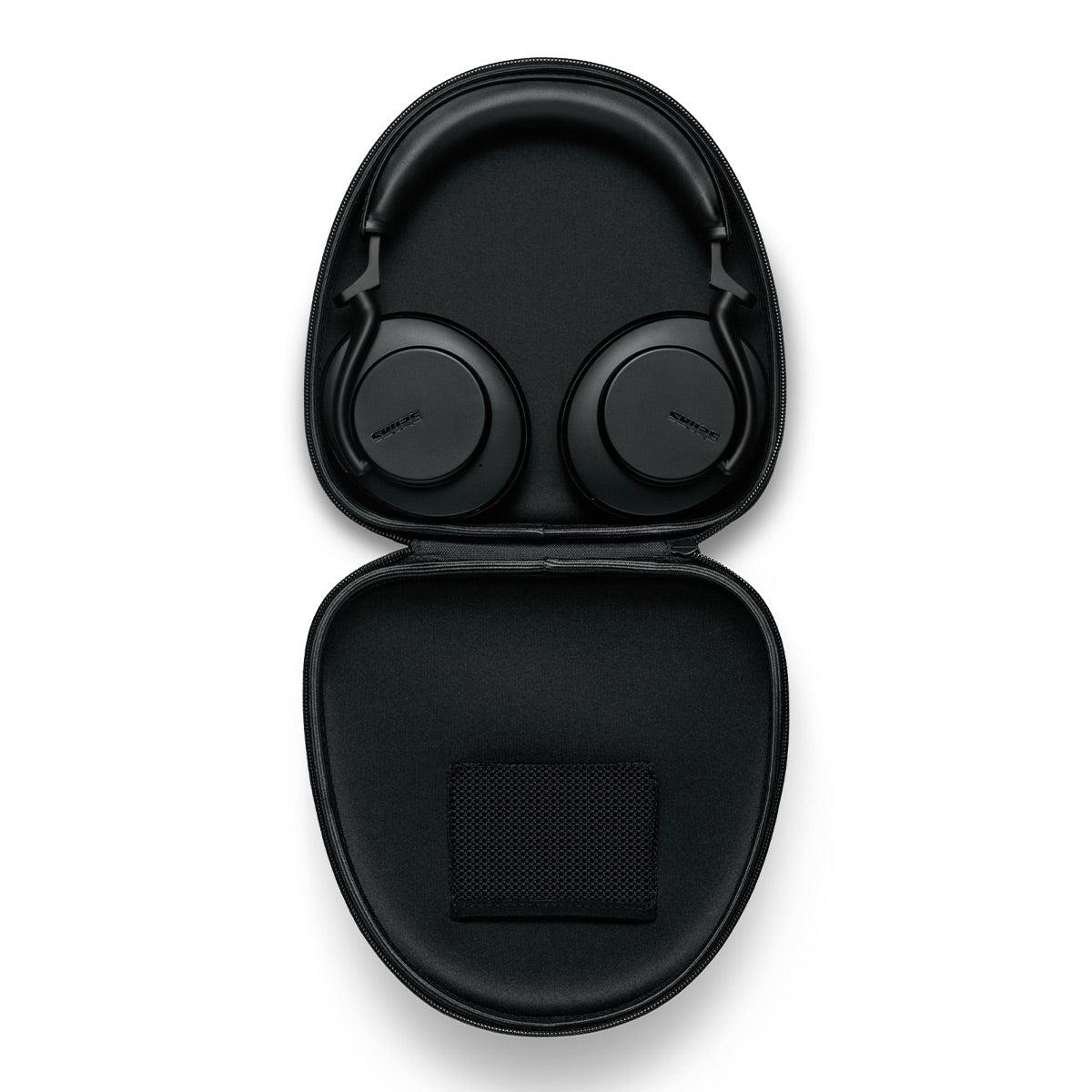
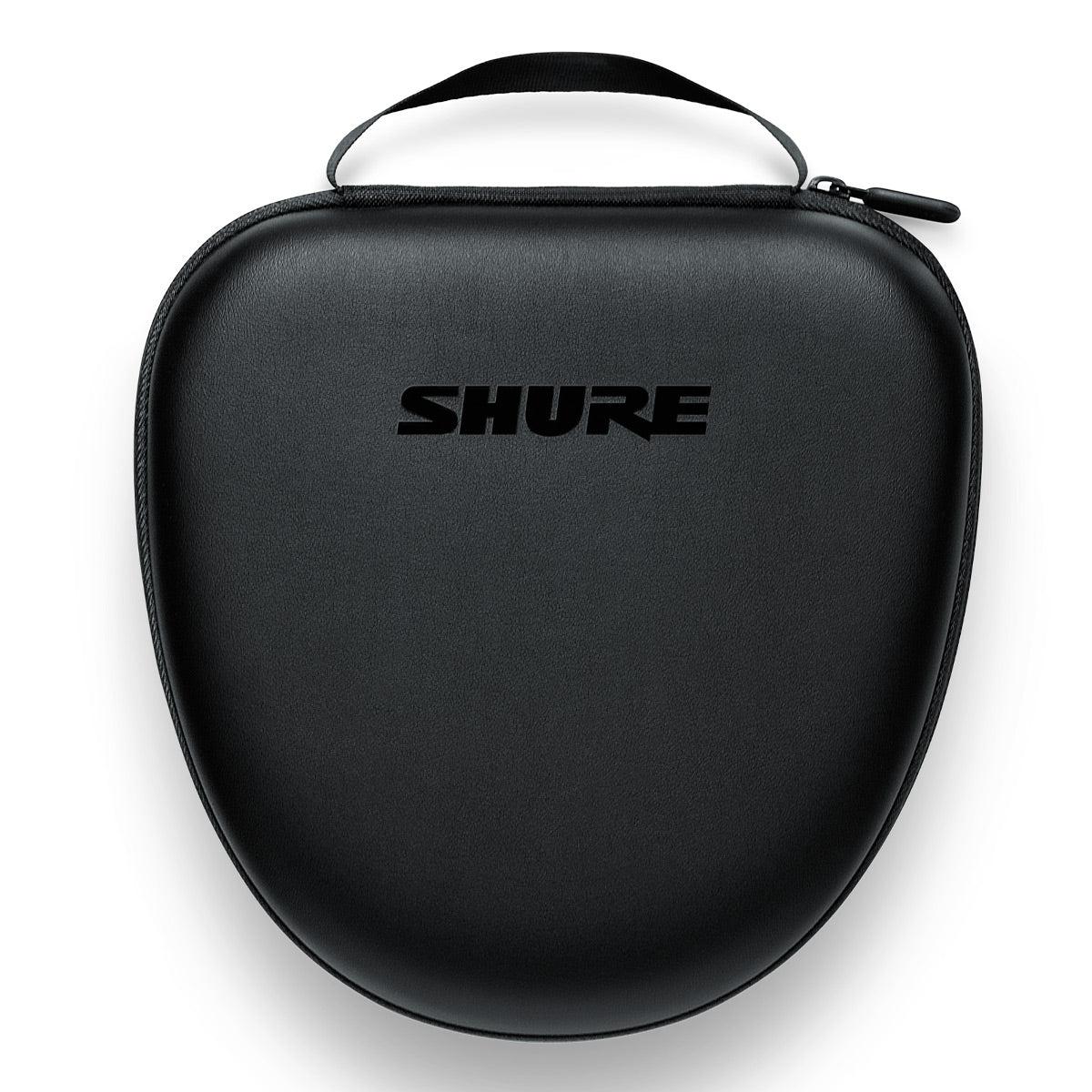
Both models fold flat for transport but neither folds inward like some competitors, affecting portability. The included carrying cases partially mitigate this—Nothing provides a hard case while Shure includes a premium soft case.
User interface design significantly impacts daily headphone use, and both models choose physical controls over touch surfaces. This decision reflects user feedback about touch controls' tendency to register accidental inputs and malfunction in wet conditions.
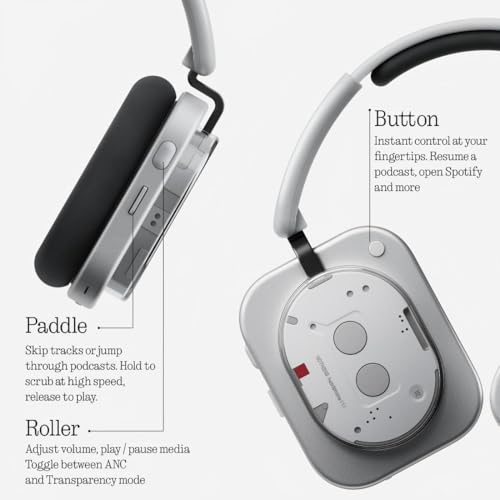
The Nothing Headphone (1) features an innovative control scheme with a roller for volume, paddle for track navigation, and customizable push button. The physical feedback eliminates guesswork about control activation. On-ear detection automatically pauses music when you remove the headphones and resumes when you put them back on—a convenience feature that becomes essential once you experience it.
The Shure Aonic 50 Gen 2 uses traditional button controls that prioritize reliability over innovation. While less elegant than Nothing's approach, the controls prove intuitive for users familiar with conventional headphone interfaces.
Both models offer comprehensive smartphone apps for customization. Nothing's app focuses on accessibility with straightforward EQ controls and feature toggles. Shure's ShurePlus PLAY app provides more granular control but requires greater user investment to fully utilize its capabilities.
For home theater use, both headphones offer distinct advantages. The Nothing Headphone (1)'s spatial audio with head tracking creates an immersive experience for movies and gaming, where sound positioning enhances the entertainment value. The long battery life means never worrying about charge during extended viewing sessions.
The Shure Aonic 50 Gen 2's Spatialized Audio Cinema mode specifically targets movie watching, expanding the soundstage to simulate theater acoustics. The accurate sound reproduction ensures you hear soundtracks and dialogue as intended by audio engineers, though this analytical approach might feel less immediately exciting than consumer-tuned alternatives.
Audio professionals and serious music enthusiasts will gravitate toward the Shure Aonic 50 Gen 2. The neutral sound signature reveals mix details and instrumental nuances that colored headphones might mask. The extensive codec support ensures optimal audio quality from professional sources, while the parametric EQ allows precise adjustments for different monitoring tasks.
The Nothing Headphone (1) serves critical listening well after EQ adjustment but prioritizes broader appeal over analytical accuracy. The KEF tuning provides excellent musicality for casual listening while remaining detailed enough for more serious use.
Long-distance travel favors the Nothing Headphone (1)'s exceptional battery life and more effective noise cancellation. The IP52 rating provides peace of mind for outdoor use, while the hard carrying case offers superior protection during transport.
The Shure Aonic 50 Gen 2 remains travel-friendly with solid battery life and comfortable fit, but the lack of water resistance and slightly less effective ANC make it less ideal for challenging travel conditions.
Choosing between these excellent headphones ultimately depends on your priorities and use patterns. Neither represents a wrong choice—both deliver premium performance with different strengths.
Consider the Nothing Headphone (1) if you value modern convenience features, distinctive design, and maximum battery life. The more effective noise cancellation serves commuters well, while the balanced sound signature works across diverse music genres. At the time of writing, Nothing offers competitive pricing that undercuts established premium models while delivering comparable features.
The Shure Aonic 50 Gen 2 appeals to users prioritizing sound accuracy and extensive customization options. The professional heritage shows in build quality and audio performance that rewards careful setup and adjustment. While priced higher than the Nothing model, it competes favorably against other premium options when considering its unique strengths.
Both headphones represent significant value compared to flagship models from Sony, Bose, or Apple, offering 80-90% of the performance at noticeably lower prices. The choice between them reflects your personal preferences: cutting-edge features and convenience versus professional accuracy and customization depth.
The wireless headphone market continues evolving rapidly, with both companies likely to release updated models incorporating new technologies and addressing current limitations. However, both current models provide enough performance and features to remain relevant for years, making either a sound investment in your audio experience.
| Nothing Headphone (1) | Shure Aonic 50 Gen 2 |
|---|---|
| Battery Life - Critical for travel and daily use without charging anxiety | |
| 80 hours (ANC off), 35 hours (ANC on) - Industry-leading endurance | 45 hours - Excellent but standard for premium models |
| Driver Size & Audio Focus - Affects bass response and overall sound character | |
| 40mm drivers tuned by KEF for balanced consumer appeal | 50mm drivers with professional studio heritage for accuracy |
| Active Noise Cancellation - Essential for commuting and noisy environments | |
| Up to 42dB adaptive ANC with 4-microphone array - Very effective | Hybrid digital ANC with inconsistent performance - Adequate but not class-leading |
| Audio Codecs - Determines wireless sound quality from different devices | |
| AAC, SBC, LDAC - Good coverage for most users | AAC, SBC, LDAC, aptX, aptX HD, aptX Adaptive - Comprehensive audiophile support |
| Customization & EQ - Important for personalizing sound to your preferences | |
| 8-band EQ with adjustable Q factor via Nothing X app | 4-band parametric EQ plus Spatialized Audio modes via ShurePlus PLAY app |
| Water Resistance - Affects durability for outdoor and gym use | |
| IP52 rating protects against dust and light water exposure | No IP rating - Indoor use only |
| Weight & Comfort - Critical for extended listening sessions | |
| 329g with balanced weight distribution and on-ear detection | 337g with plush ear cushions but no wear sensors |
| Connectivity Features - Modern conveniences that enhance daily use | |
| Bluetooth 5.3, multipoint pairing, Google Fast Pair, wear detection | Bluetooth 5.2, traditional pairing, no automatic wear detection |
| Wired Audio Capability - Important for audiophiles and low-latency needs | |
| USB-C and 3.5mm with standard resolution support | USB-C supports up to 32-bit/384kHz hi-res audio plus 3.5mm |
| Design Philosophy - Reflects brand identity and user appeal | |
| Transparent "squircle" design showcases internal components | Traditional professional black design prioritizes function |
| Included Accessories - Affects portability and value | |
| Hard shell carrying case, USB-C cable, 3.5mm cable | Soft premium carrying case, USB-C cable, 3.5mm cable |
The Shure Aonic 50 Gen 2 delivers more accurate, studio-quality sound with larger 50mm drivers and professional tuning, making them ideal for critical listening. The Nothing Headphone (1) offers more engaging, consumer-friendly sound tuned by KEF that's immediately enjoyable but can be customized extensively through its 8-band EQ. Both provide excellent audio quality, but Shure prioritizes accuracy while Nothing focuses on musicality.
The Nothing Headphone (1) offers exceptional battery life with up to 80 hours of playback (ANC off) and 35 hours with noise cancellation enabled. The Shure Aonic 50 Gen 2 provides 45 hours of playback, which is still excellent but significantly less than Nothing's industry-leading endurance. Both headphones support fast charging for convenient top-ups.
The Nothing Headphone (1) provides more effective active noise cancellation with up to 42dB reduction and adaptive technology that adjusts to your environment automatically. The Shure Aonic 50 Gen 2 offers adequate but inconsistent ANC performance that doesn't match premium competitors. For commuting and noisy environments, Nothing's superior noise cancellation makes the bigger difference.
Both models offer good comfort for extended wear. The Nothing Headphone (1) weighs 329g with balanced weight distribution and includes automatic pause/play when removed. The Shure Aonic 50 Gen 2 weighs slightly more at 337g but features plush ear cushions designed for professional use. Neither model causes significant fatigue during multi-hour sessions.
The Shure Aonic 50 Gen 2 supports more audio codecs including aptX, aptX HD, and aptX Adaptive for superior Android device compatibility, plus high-resolution wired audio up to 32-bit/384kHz. The Nothing Headphone (1) offers Bluetooth 5.3 with multipoint connectivity for simultaneous device pairing and modern conveniences like Google Fast Pair. Both support LDAC for high-quality wireless audio.
Both headphones handle calls well, though with different strengths. The Nothing Headphone (1) features a four-microphone array with AI-powered Clear Voice Technology for effective background noise suppression. The Shure Aonic 50 Gen 2 includes six microphones for call quality but focuses more on music reproduction than communication features.
The Nothing Headphone (1) includes IP52 water resistance protection against dust and light water exposure, making them more suitable for outdoor use and light exercise. The Shure Aonic 50 Gen 2 offers no water resistance rating and is designed primarily for indoor use. Both feature robust construction with premium materials.
The Nothing Headphone (1) uses the Nothing X app with an intuitive 8-band EQ, spatial audio controls, and device management features. The Shure Aonic 50 Gen 2 includes the more advanced ShurePlus PLAY app with parametric EQ, Spatialized Audio modes (Music, Cinema, Podcast), and professional-grade audio controls. Shure's app offers more depth but requires more technical knowledge.
Both excel for entertainment but in different ways. The Nothing Headphone (1) offers spatial audio with head-tracking for immersive movie experiences and exceptional battery life for binge-watching sessions. The Shure Aonic 50 Gen 2 includes dedicated Cinema mode in its Spatialized Audio feature that simulates theater acoustics, plus more accurate dialogue reproduction for clear speech.
The Nothing Headphone (1) typically offers superior value with flagship features, exceptional battery life, and effective noise cancellation at a competitive price point. The Shure Aonic 50 Gen 2 costs more but provides professional audio quality, extensive codec support, and advanced customization that justifies the premium for serious listeners.
The Nothing Headphone (1) features innovative physical controls including a volume roller, navigation paddle, and customizable button, plus automatic wear detection for seamless use. The Shure Aonic 50 Gen 2 uses traditional button controls that prioritize reliability over innovation, without automatic pause/play functionality but with proven professional-grade operation.
Choose the Nothing Headphone (1) if you prioritize maximum battery life, better noise cancellation, modern convenience features, and distinctive design at competitive pricing. Select the Shure Aonic 50 Gen 2 if you want professional audio accuracy, extensive codec support, advanced sound customization, and don't mind paying more for studio-quality performance.
We've done our best to create useful and informative comparisons to help you decide what product to buy. Our research uses advanced automated methods to create this comparison and perfection is not possible - please contact us for corrections or questions. These are the sites we've researched in the creation of this article: recordingnow.com - loudnwireless.com - markellisreviews.com - tomsguide.com - tomsguide.com - youtube.com - cnet.com - soundguys.com - 9to5google.com - youtube.com - notebookcheck.net - techradar.com - us.kef.com - soundguys.com - alexreviewstech.com - walmart.com - us.nothing.tech - youtube.com - youtube.com - tomsguide.com - headphonecheck.com - whathifi.com - majorhifi.com - rtings.com - versus.com - majorhifi.com - versus.com - audio46.com - youtube.com - bhphotovideo.com - techradar.com - soundpro.com - shure.com - americanmusical.com - pubs.shure.com - blog.zzounds.com - service.shure.com - fullcompass.com

Privacy Policy
Terms and Conditions - Affiliate Policy
Home Security
© Copyright 2008-2026.
11816 Inwood Rd #1211, Dallas, TX 75244