

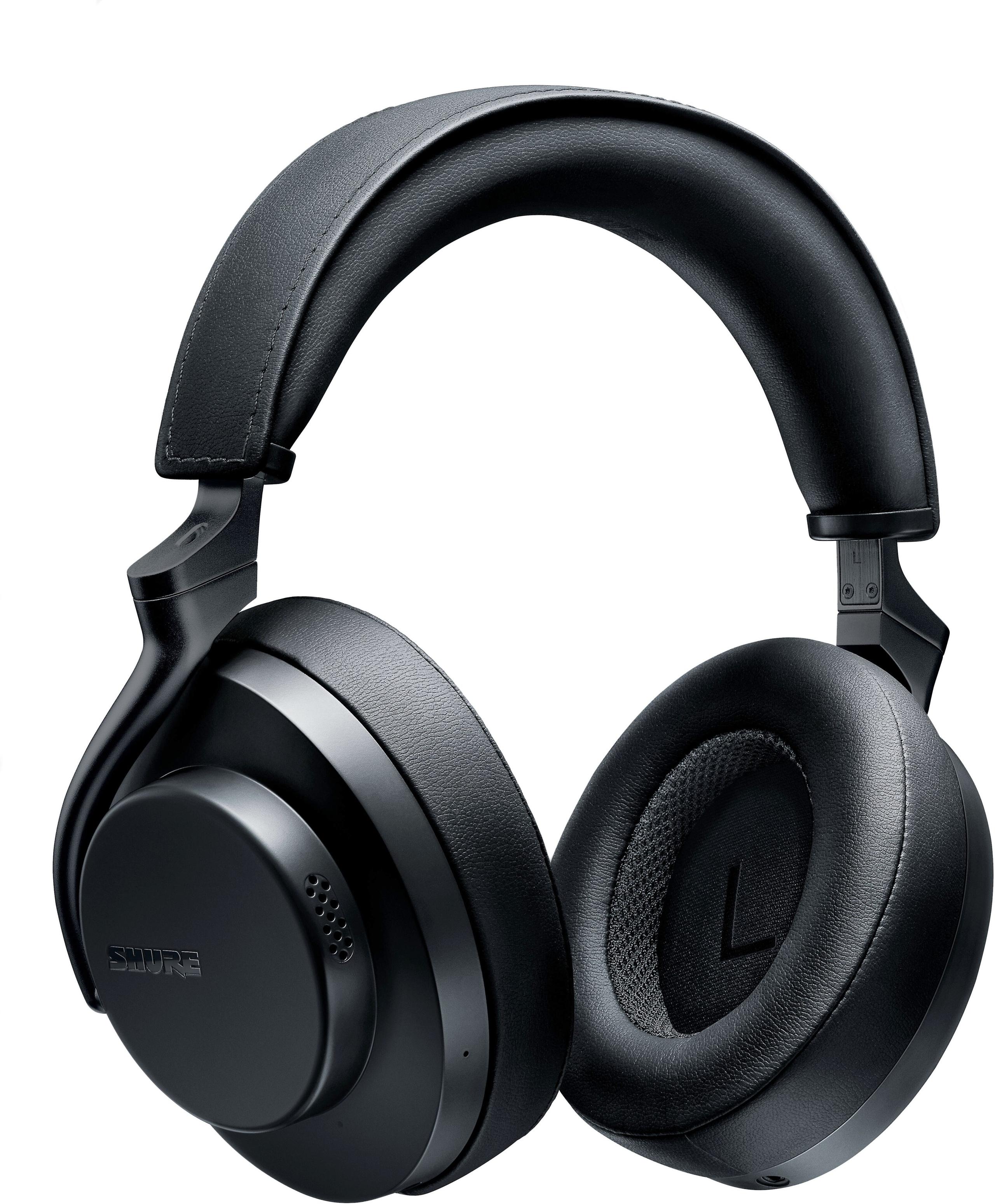
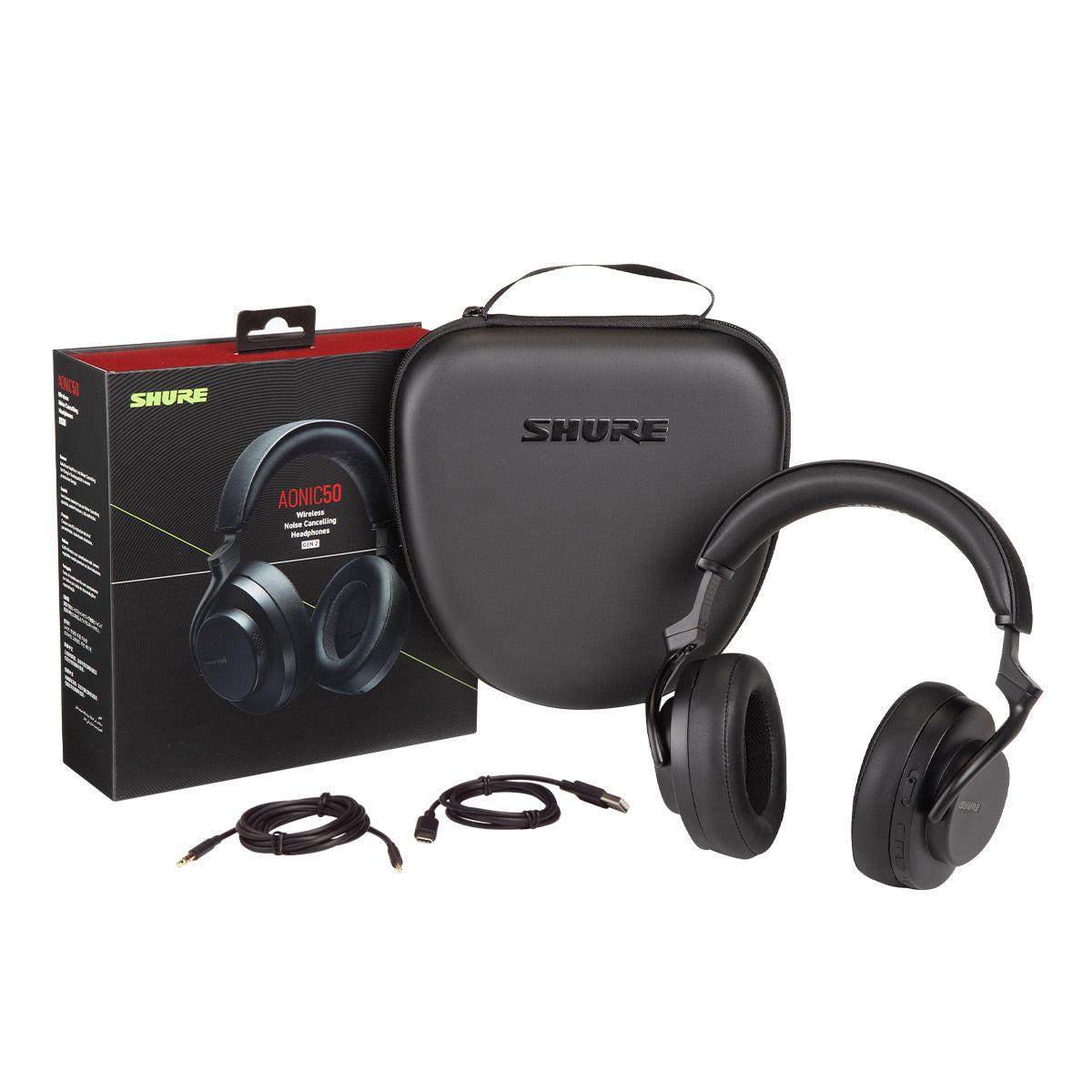
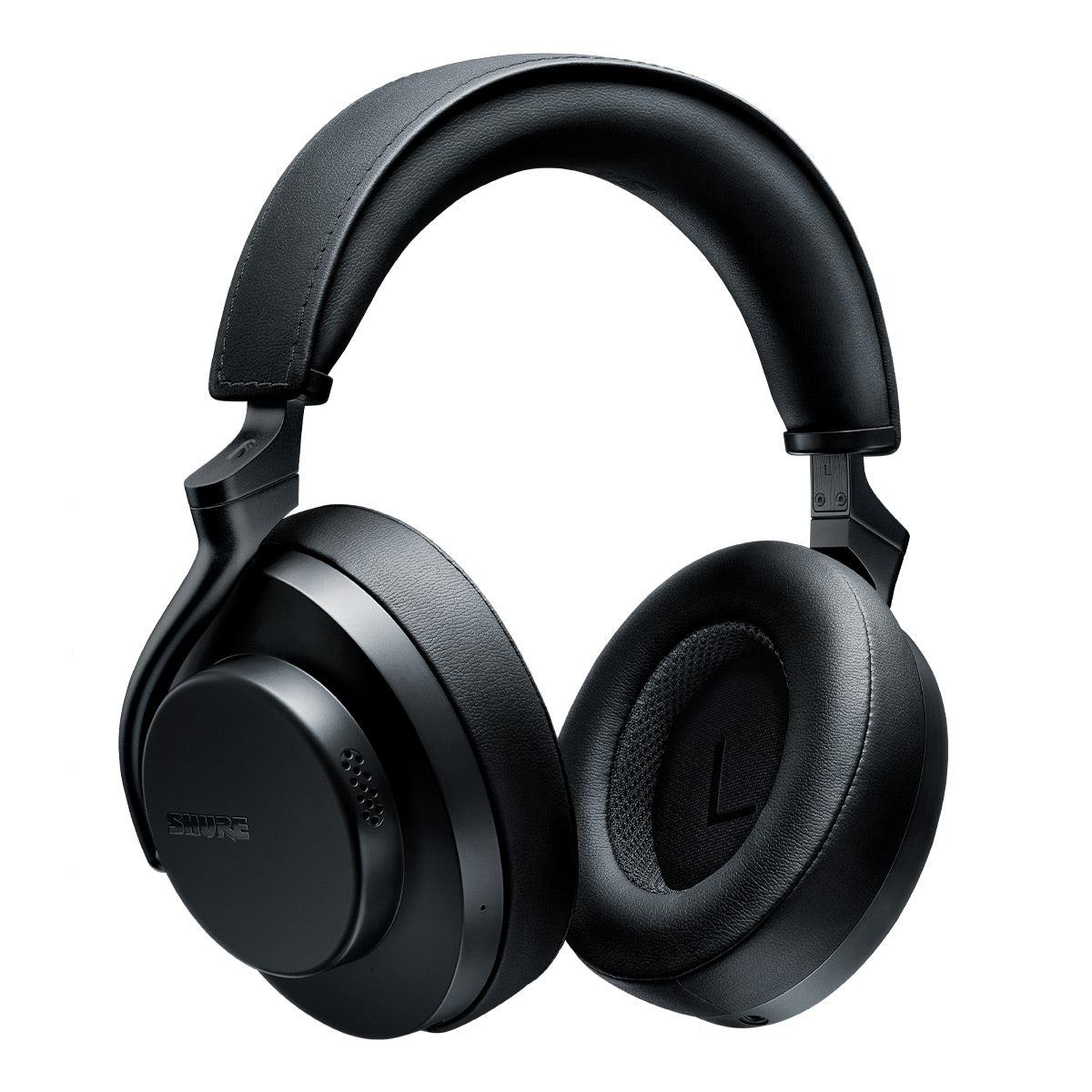

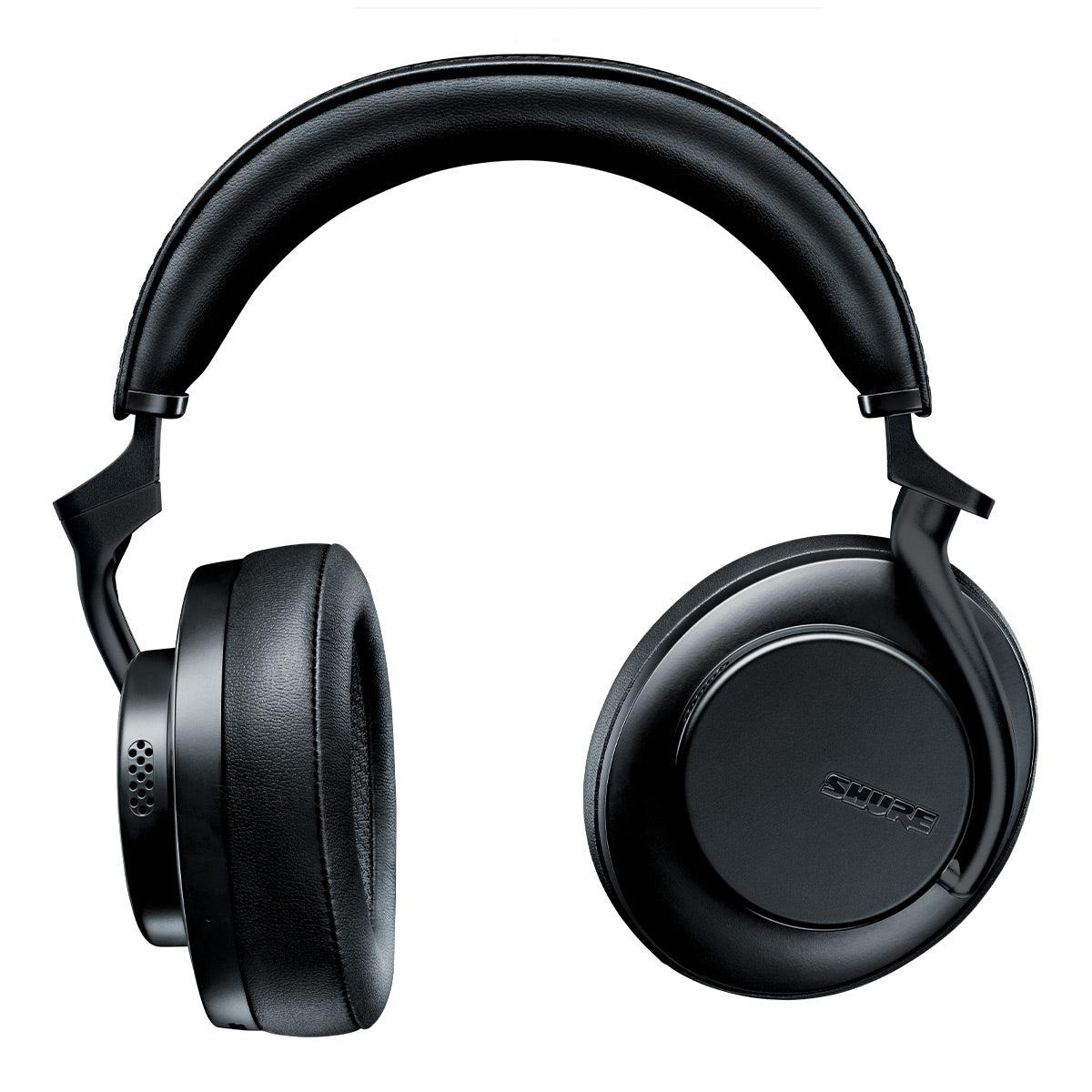
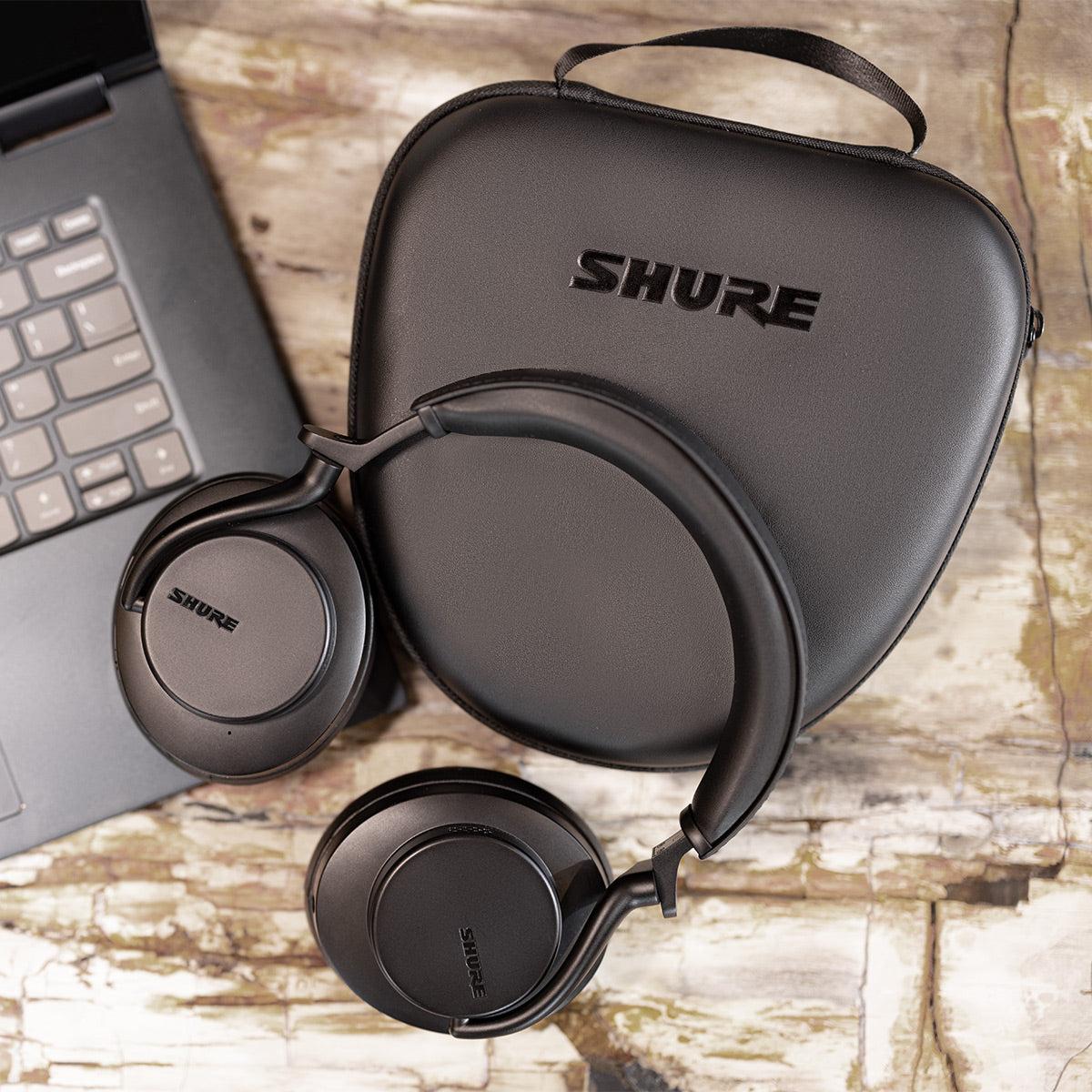

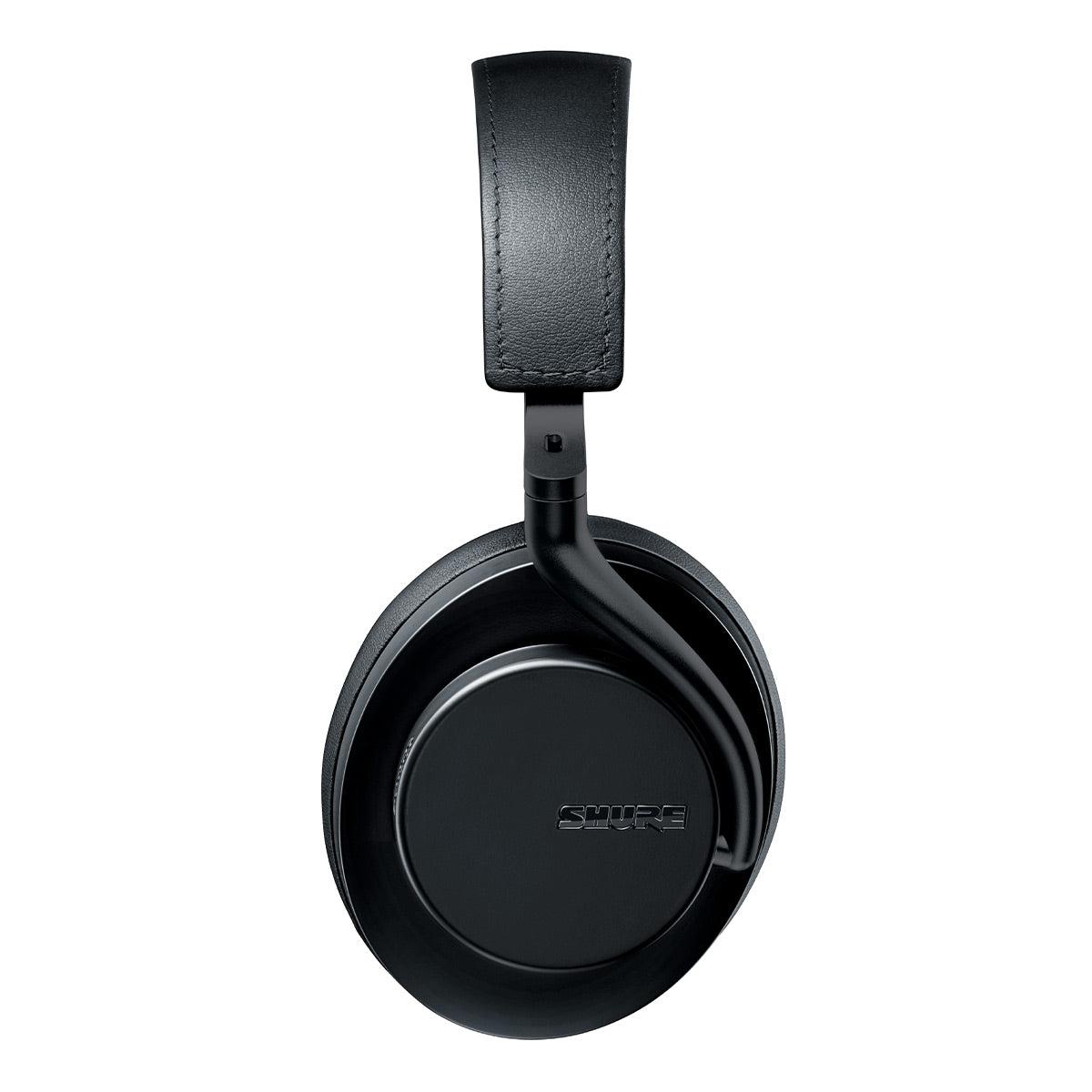


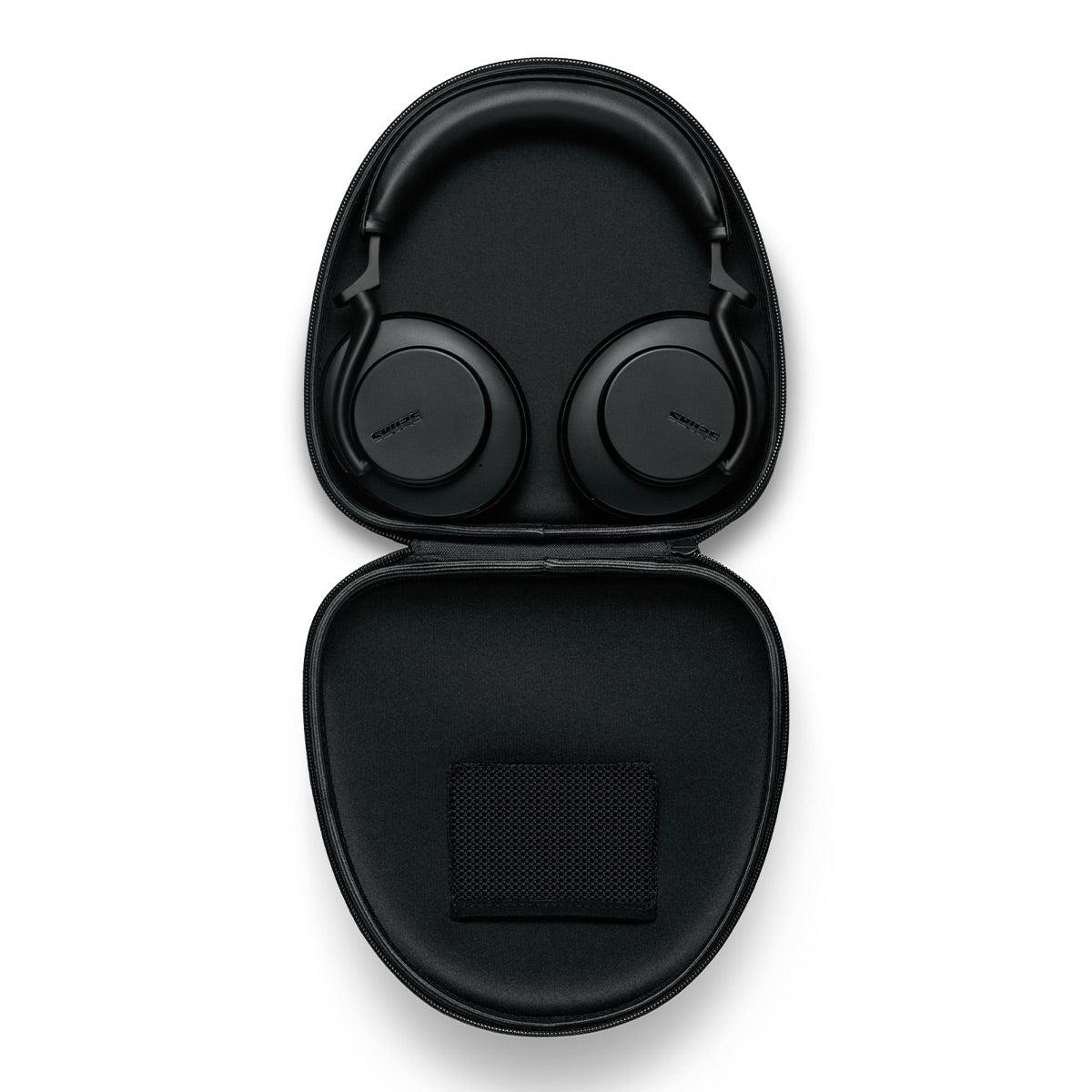
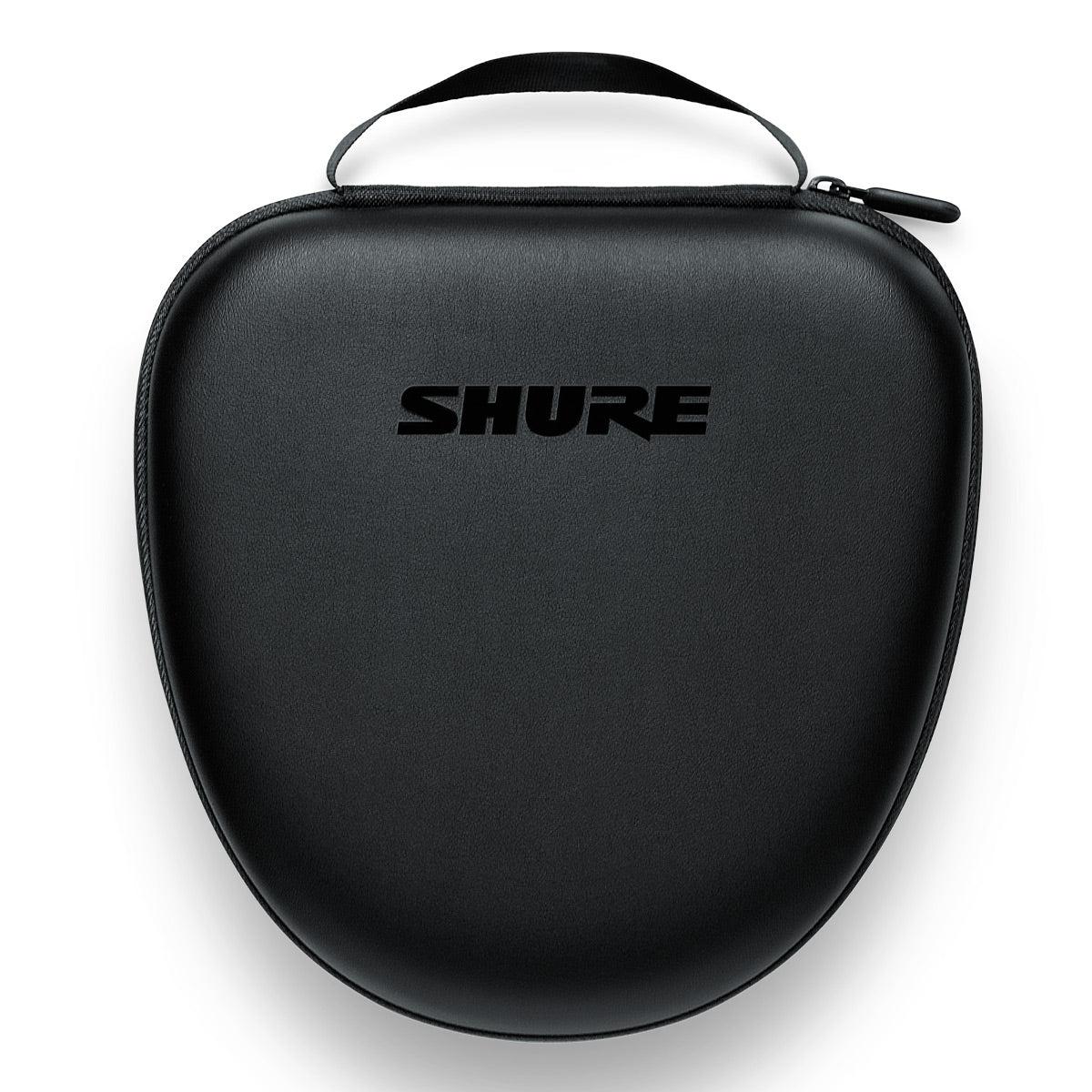

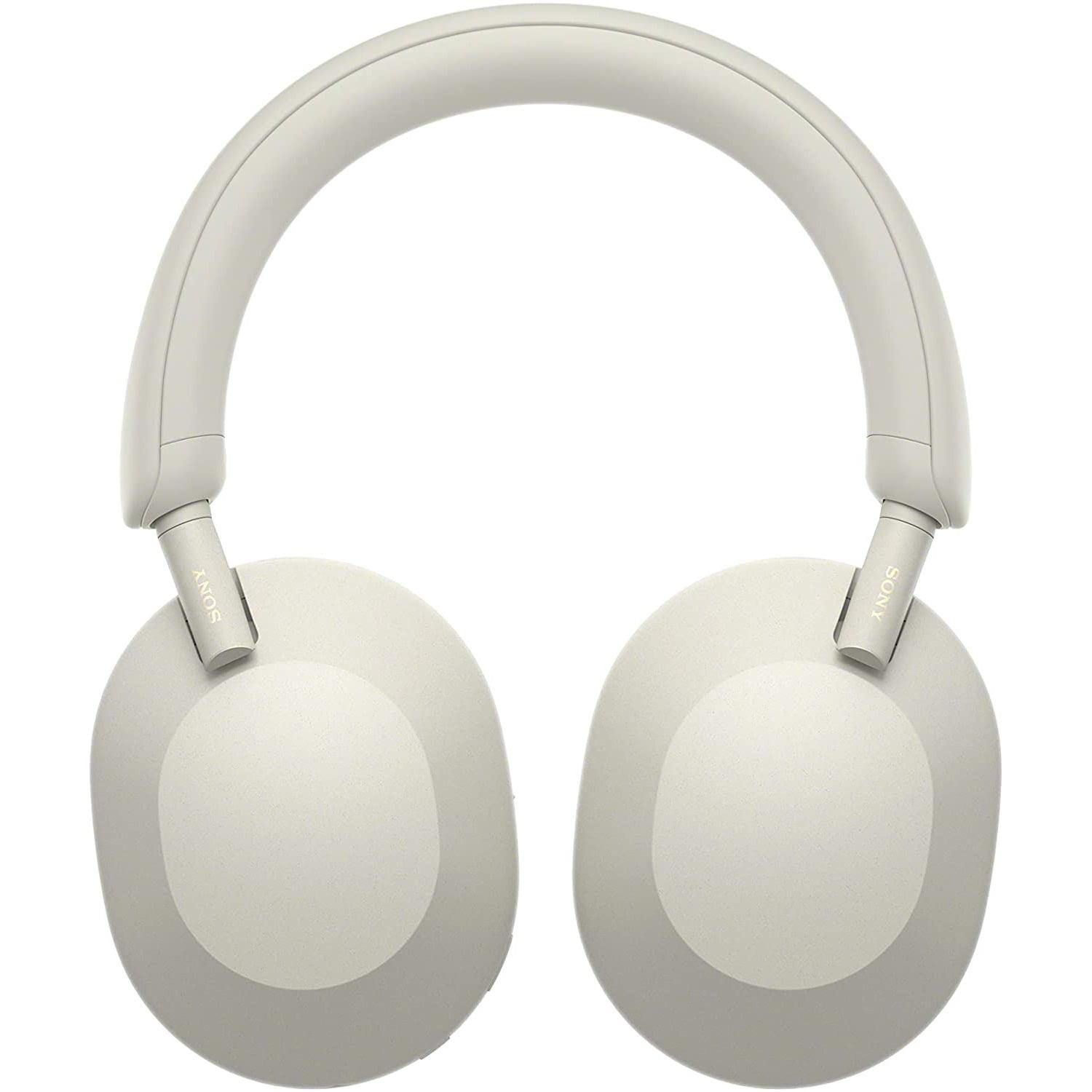
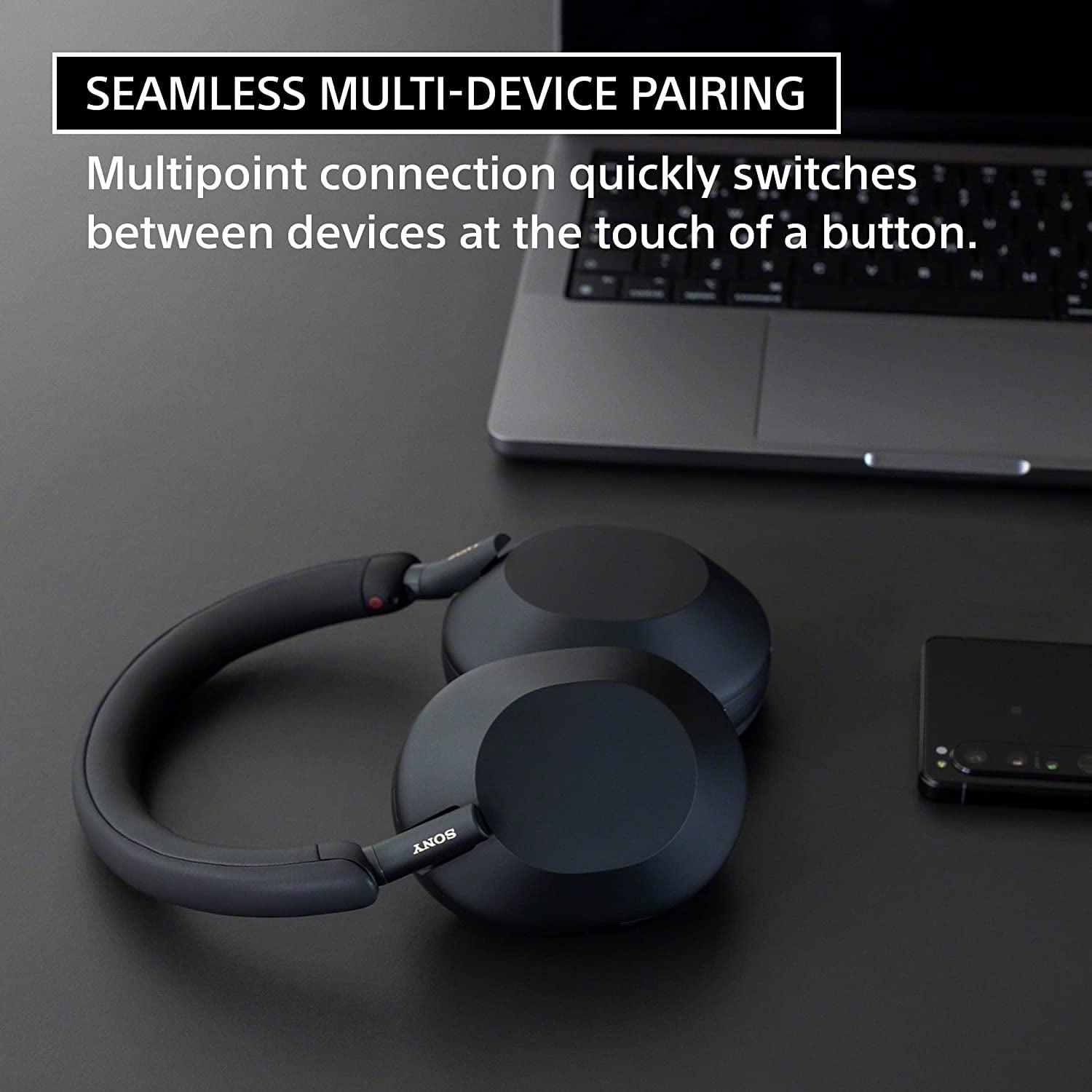
When you're ready to invest in premium wireless headphones, the decision often comes down to what matters most in your daily listening experience. Two standout options that represent different philosophies in high-end audio are the Shure Aonic 50 Gen 2 and the Sony WH-1000XM5. While both compete in the same premium price bracket—generally ranging from $350-400 at the time of writing—they take distinctly different approaches to delivering exceptional audio experiences.
Premium wireless over-ear headphones have evolved dramatically over the past few years. These aren't just regular headphones with Bluetooth slapped on—they're sophisticated audio devices that pack multiple processors, advanced noise cancellation algorithms, and high-quality digital-to-analog converters (DACs) that transform digital audio files into the analog sound waves your ears actually hear.
The key areas where these headphones compete include sound quality, active noise cancellation (ANC), comfort during long listening sessions, battery life, and the overall user experience. Active noise cancellation deserves special mention here—it's the technology that uses microphones to detect outside noise and then generates inverse sound waves to cancel it out, creating an almost magical bubble of quiet around your ears.
What makes this comparison particularly interesting is that the Shure Aonic 50 Gen 2 and Sony WH-1000XM5 represent two distinct design philosophies. Shure brings their decades of professional audio expertise to create headphones that prioritize accuracy and detail, while Sony leverages their consumer electronics mastery to deliver maximum convenience and mainstream appeal.
Released in 2023, the Shure Aonic 50 Gen 2 represents a significant evolution from the original model that launched in 2019. The first generation suffered from volume output issues that made them difficult to drive to comfortable listening levels. Shure addressed this completely in the second generation, bringing the volume capability in line with competitors while maintaining their signature sound quality focus.
The heart of the Shure Aonic 50 Gen 2 lies in its 50mm dynamic drivers—the physical components that convert electrical signals into sound waves. These larger drivers, combined with neodymium magnets (which are much stronger than typical ferrite magnets), create a sound signature that's remarkably neutral and revealing.
What does "neutral" mean in practical terms? Imagine listening to your favorite song and suddenly hearing subtle details you've never noticed before—maybe a quiet guitar part in the background or the way a vocalist's breath sounds between phrases. The Shure Aonic 50 Gen 2 excels at this kind of detail retrieval without artificially emphasizing any particular frequency range.
The soundstage—essentially how wide and spacious the music sounds—is exceptionally impressive. When listening to orchestral music or complex rock productions, instruments feel properly positioned in three-dimensional space rather than just coming from "somewhere near your ears." This imaging precision makes the Shure Aonic 50 Gen 2 particularly rewarding for critical listening sessions.
However, this accuracy comes with a trade-off. The default sound signature can feel somewhat restrained or clinical compared to headphones tuned for immediate excitement. Many users find that the included parametric EQ (equalizer) in Shure's PlayPlus app becomes essential for tailoring the sound to personal preferences. A parametric EQ is much more powerful than basic bass/treble controls—it lets you adjust specific frequency ranges with surgical precision, making it possible to fine-tune the sound exactly to your liking.
Perhaps the most impressive technical achievement of the Shure Aonic 50 Gen 2 is its 45-hour battery life. To put this in perspective, you could listen for nearly two full days straight without needing to charge. This massive improvement over the original's 20-hour battery life demonstrates significant advances in power management and efficiency.
The practical implications are substantial. For frequent travelers, this means never worrying about battery life during even the longest international flights. For daily commuters, it might mean charging once per month rather than once per week. The quick charge feature adds another layer of convenience—15 minutes of charging provides 5 hours of listening time, enough for most workdays even if you forget to charge overnight.
The Shure Aonic 50 Gen 2 includes several features that reflect its professional audio heritage. The USB-C DAC mode is particularly noteworthy—it bypasses Bluetooth entirely and uses the headphones' internal DAC to process high-resolution audio files up to 32-bit/384kHz. For context, CD-quality audio is 16-bit/44.1kHz, so this represents dramatically higher resolution that can preserve more musical detail.
The headphones also support an impressive array of Bluetooth codecs, including Sony's LDAC, Qualcomm's aptX HD and aptX Adaptive, and standard AAC and SBC. These codecs are essentially compression algorithms that determine how much musical information gets transmitted wirelessly. LDAC, for instance, can transmit nearly three times more data than standard Bluetooth audio, approaching wired quality over wireless connections.
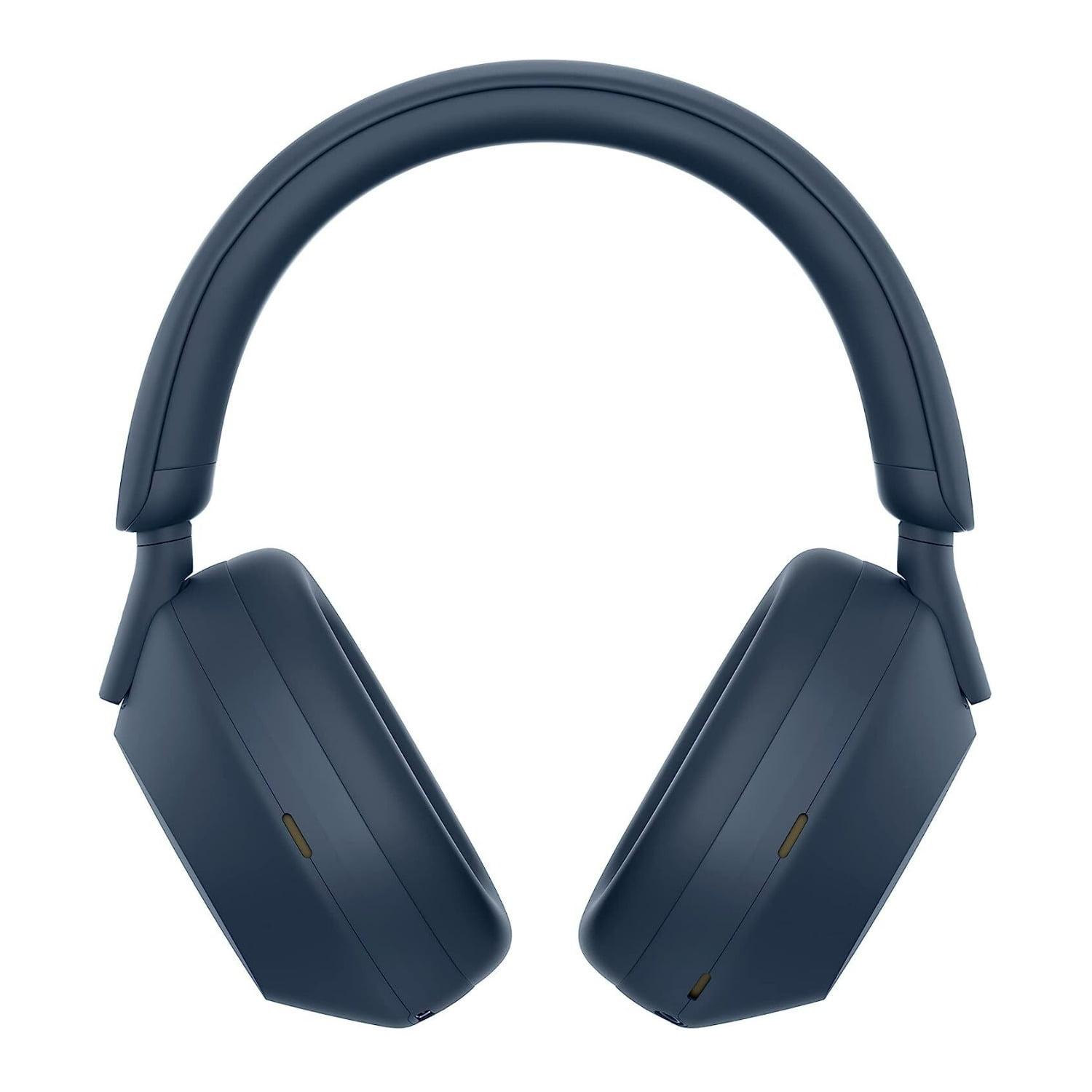
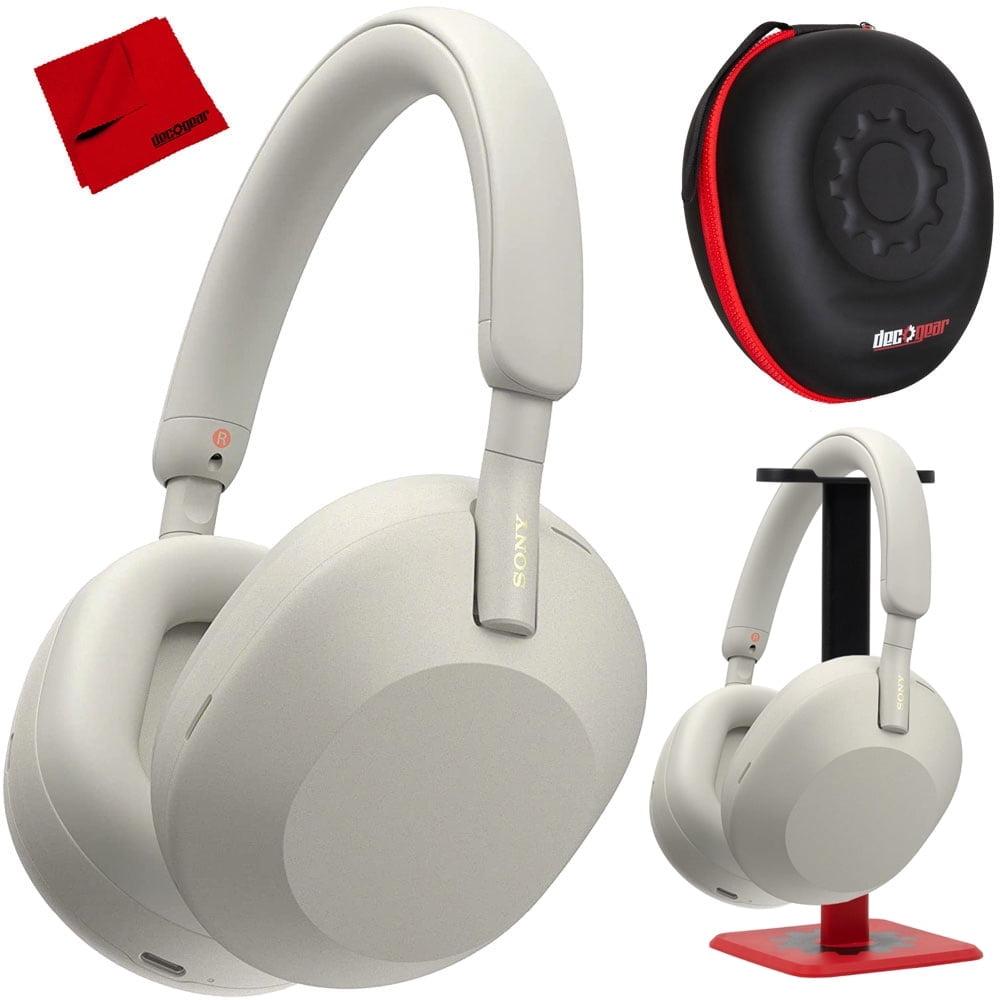
The Sony WH-1000XM5, released in 2022, represents the latest evolution in Sony's flagship 1000X series that began in 2016. Each generation has refined the noise cancellation technology and user experience, with the XM5 introducing a completely redesigned driver system and enhanced processing power.
Where the Sony WH-1000XM5 truly shines is in active noise cancellation. Sony employs a dual-processor system—the Integrated Processor V1 working alongside the HD Noise Cancelling Processor QN1—to control an array of eight microphones. This might sound like overkill, but the results speak for themselves.
The system excels at eliminating low-frequency sounds like airplane engines, air conditioning systems, and traffic noise. But more impressively, it also effectively reduces mid-frequency sounds such as human conversation and keyboard typing. The Auto NC Optimizer continuously analyzes your environment and adjusts the cancellation algorithms accordingly, even accounting for changes in atmospheric pressure during flights.
In practical use, the difference is immediately noticeable. Put on the Sony WH-1000XM5 in a noisy coffee shop, and the background chatter almost completely disappears. On an airplane, engine noise becomes barely perceptible. This level of noise isolation transforms the listening experience, allowing you to hear musical details that would otherwise be masked by environmental noise.
The Sony WH-1000XM5 uses newly-engineered 30mm drivers, which might seem small compared to Shure's 50mm units. However, Sony's approach focuses on precision engineering rather than sheer size. The driver dome uses carbon fiber composite construction for rigidity, while soft TPU (thermoplastic polyurethane) edges help with noise isolation.
The default sound signature is distinctly consumer-friendly, with enhanced bass and treble that creates an immediately engaging listening experience. This V-shaped tuning (called that because of how the frequency response looks on a graph) makes music sound exciting and dynamic right out of the box. Pop, rock, and electronic music particularly benefit from this approach.
However, this tuning philosophy means the Sony WH-1000XM5 may initially sound less detailed than the Shure Aonic 50 Gen 2. The midrange—where most vocals and lead instruments live—can sound somewhat recessed. Fortunately, Sony's Headphones Connect app includes EQ options that can significantly improve the sound balance, though they're not as sophisticated as Shure's parametric controls.
The Sony WH-1000XM5 includes several smart features that enhance daily usability. DSEE Extreme uses AI processing to upscale compressed music files in real-time, attempting to restore high-frequency detail lost during compression. While it can't work miracles, it does provide noticeable improvements when listening to heavily compressed streaming music or older MP3 files.
The adaptive sound control feature automatically adjusts noise cancellation and ambient sound settings based on your activity and location. Walking down the street might trigger ambient sound mode for safety, while sitting in a cafe could activate full noise cancellation. These automatic adjustments work surprisingly well and reduce the need for manual tweaking.
The fundamental difference in sound philosophy becomes apparent within seconds of listening. The Shure Aonic 50 Gen 2 presents music as the recording engineer intended, with minimal coloration or artificial enhancement. This approach reveals incredible detail and creates a sense of being in the recording studio with the artists.
However, this accuracy isn't always immediately exciting. Some recordings that sound great on consumer-tuned headphones might expose harsh production choices or poor recording quality on the Shure Aonic 50 Gen 2. This is the price of accuracy—you hear everything, including flaws.
The Sony WH-1000XM5 takes the opposite approach, making almost everything sound engaging and enjoyable. The enhanced bass provides satisfying thump and impact, while the elevated treble adds sparkle and air to the presentation. This works exceptionally well for casual listening and makes the headphones immediately appealing to most users.
For home theater use, both headphones offer different advantages. The Shure Aonic 50 Gen 2 excels with movie soundtracks that benefit from accurate reproduction—you'll hear dialogue with exceptional clarity and musical scores with proper instrumental balance. The Sony WH-1000XM5 provides more cinematic impact with action scenes, delivering powerful bass for explosions and enhanced treble for dramatic effect.
There's no diplomatic way to say this—the Sony WH-1000XM5 completely dominates in noise cancellation performance. While the Shure Aonic 50 Gen 2 includes ANC functionality with four different modes, it simply cannot compete with Sony's eight-microphone, dual-processor system.
This difference matters most for travelers and commuters. In airplane cabins, coffee shops, or busy offices, the superior noise cancellation of the Sony WH-1000XM5 creates a dramatically quieter environment that enhances both music listening and concentration during calls or work sessions.
The comfort equation involves trade-offs between weight and build quality. At 250 grams, the Sony WH-1000XM5 is significantly lighter than the Shure Aonic 50 Gen 2's 334 grams. This 84-gram difference becomes noticeable during extended listening sessions, making the Sony more suitable for all-day wear.
However, the Shure Aonic 50 Gen 2 compensates with superior build quality. The materials feel more premium throughout, and the construction suggests better long-term durability. The weight is well-distributed, and the plush ear pads provide excellent comfort despite the heavier frame.
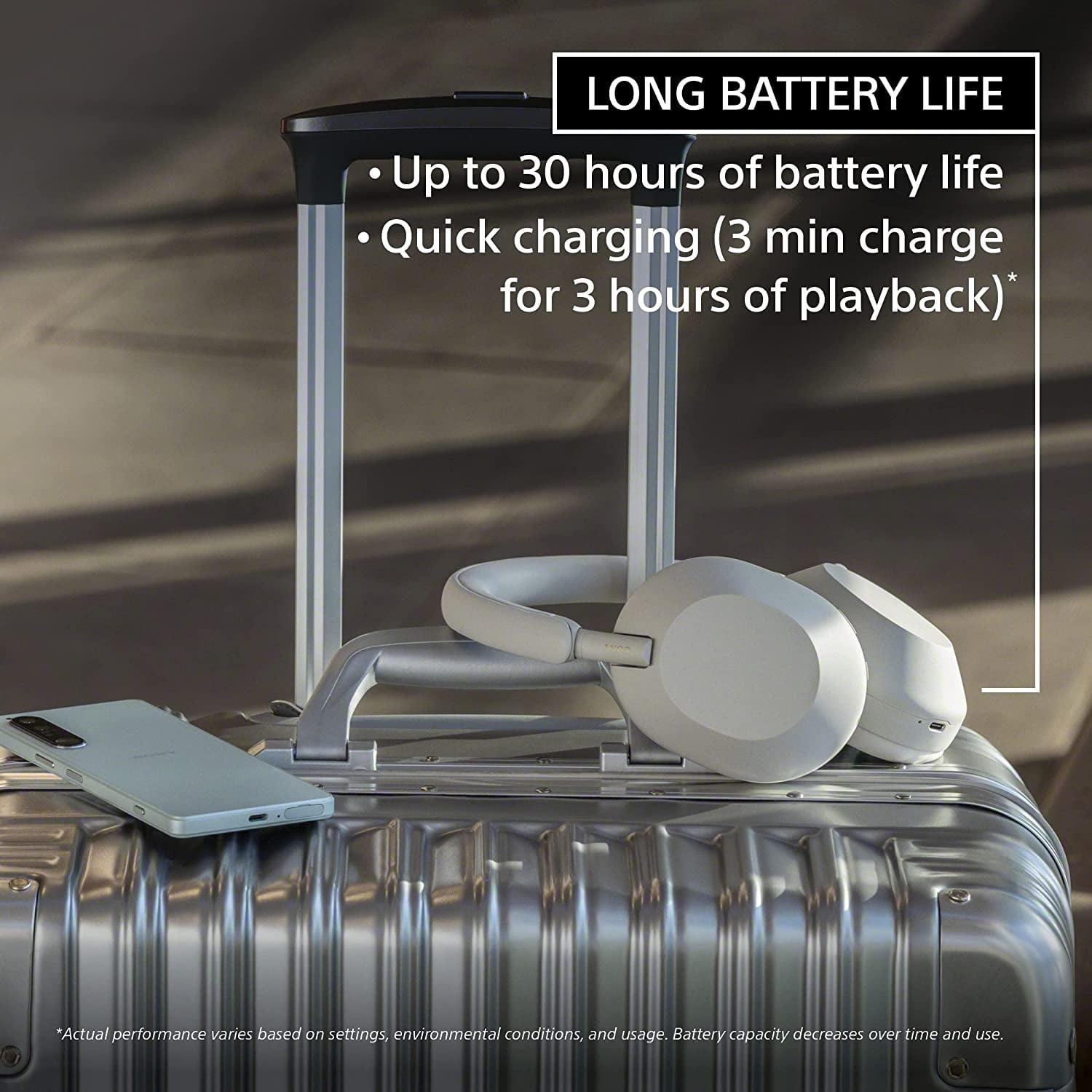
The Shure Aonic 50 Gen 2's 45-hour battery life is genuinely exceptional, providing nearly twice the endurance of the Sony WH-1000XM5's 30-hour rating (with ANC enabled). This difference transforms how you use the headphones—the Shure becomes a device you charge monthly rather than weekly.
Both headphones include fast charging, but with different approaches. The Sony WH-1000XM5 provides 3 hours of listening from a 3-minute charge using USB-PD compatible chargers, while the Shure Aonic 50 Gen 2 offers 5 hours from a 15-minute charge. The Sony's faster initial boost is convenient for urgent situations, while the Shure's longer quick-charge duration is more practical for daily use.
The Sony WH-1000XM5 emerges as the clear choice for most commuters. The superior noise cancellation makes subway rides and busy sidewalks more pleasant, while the lighter weight reduces fatigue during long commutes. The automatic sound adjustments based on location and activity eliminate the need for manual tweaking while moving between environments.
The Shure Aonic 50 Gen 2 excels in quiet environments where its sound quality advantages can shine. The USB DAC mode provides audiophile-grade wired listening for high-resolution music libraries, while the extensive EQ options allow precise tuning for different musical genres or personal preferences.
This scenario creates a genuine dilemma. The Sony WH-1000XM5's superior ANC is invaluable on airplanes and in hotels, while the Shure Aonic 50 Gen 2's exceptional battery life means never worrying about power during long trips. The decision often comes down to whether noise isolation or battery anxiety is the bigger concern.
At the time of writing, both headphones compete closely on price, typically falling within $25-50 of each other in the premium segment. This similarity makes the decision primarily about features and priorities rather than budget constraints.
The Shure Aonic 50 Gen 2 represents exceptional value for users prioritizing sound quality and battery life. The level of audio performance and customization typically requires significantly more expensive audiophile equipment, making it a compelling choice for serious listeners.
The Sony WH-1000XM5 justifies its premium through convenience features and superior ANC technology. For users who need headphones that work exceptionally well in noisy environments while maintaining broad appeal across different usage scenarios, the Sony delivers clear value.
The decision between these excellent headphones ultimately depends on your primary use cases and priorities. Choose the Shure Aonic 50 Gen 2 if sound quality ranks highest on your priority list, if you frequently listen in quiet environments where the detail retrieval can shine, or if exceptional battery life eliminates a major source of daily frustration.
Opt for the Sony WH-1000XM5 if you regularly find yourself in noisy environments, if you prioritize lightweight comfort for extended wear, or if you prefer headphones that sound immediately engaging without requiring extensive customization.
Both headphones represent the pinnacle of their respective design philosophies. The Shure Aonic 50 Gen 2 succeeds as a professional audio tool adapted for consumer use, while the Sony WH-1000XM5 excels as a mainstream product elevated to premium status. Your choice should align with which philosophy better matches your listening habits and environmental needs.
In the rapidly evolving world of premium wireless headphones, both options provide exceptional performance that will likely remain competitive for years to come. The decision comes down to whether you value the pure audio experience of the Shure or the comprehensive convenience package of the Sony.
| Shure Aonic 50 Gen 2 | Sony WH-1000XM5 |
|---|---|
| Driver Size - Larger drivers typically produce fuller sound | |
| 50mm dynamic drivers with neodymium magnets | 30mm carbon fiber composite drivers |
| Weight - Critical for all-day comfort | |
| 334-337g (heavier but well-distributed) | 250g (significantly lighter for extended wear) |
| Battery Life - How long between charges | |
| 45 hours (exceptional endurance, charge monthly) | 30 hours with ANC on, 40 hours ANC off (still excellent) |
| Quick Charge - Emergency power when needed | |
| 5 hours playback from 15 minutes charging | 3 hours playback from 3 minutes charging |
| Active Noise Cancellation - Blocks outside noise | |
| Hybrid ANC with 4 modes (average performance) | Industry-leading 8-microphone system (superior isolation) |
| Sound Signature - How music naturally sounds | |
| Studio-reference neutral (accurate but may need EQ) | Consumer V-shaped (immediately engaging, bass-heavy) |
| Frequency Response - Audio range coverage | |
| 20Hz - 22,000Hz (focused on audible range) | 4Hz - 40,000Hz (extends beyond human hearing) |
| EQ Customization - Sound tuning flexibility | |
| 4-band parametric EQ (professional-grade control) | Basic EQ presets (simpler but less precise) |
| Bluetooth Codec Support - Wireless audio quality | |
| SBC, AAC, aptX, aptX HD, aptX Adaptive, LDAC | SBC, AAC, LDAC (covers most high-quality options) |
| Wired Audio Options - Bypassing wireless compression | |
| USB-C DAC mode (32-bit/384kHz) + 3.5mm analog | 3.5mm analog only (no USB audio) |
| Build Quality - Long-term durability | |
| Premium materials, superior construction | Predominantly plastic, some durability concerns |
| Ambient Sound Control - Environmental awareness | |
| 11-stage environmental mode adjustment | Automatic adaptive sound control with location awareness |
| Folding Design - Portability for travel | |
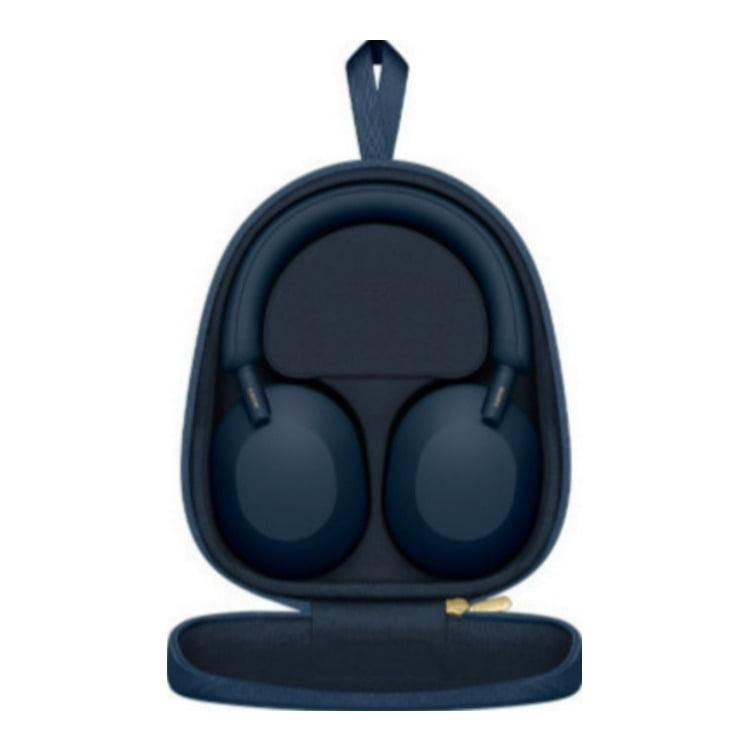
| Fold-flat design with carrying case | Non-folding but lighter overall |
| App Features - Software enhancement | |
| Shure PlayPlus with advanced controls | Sony Headphones Connect with AI upscaling (DSEE Extreme) |
The Shure Aonic 50 Gen 2 delivers superior sound quality for critical listening, with a studio-reference neutral sound signature that reveals exceptional detail and accuracy. The Sony WH-1000XM5 offers a more consumer-friendly V-shaped sound that's immediately engaging but less accurate. For audiophiles prioritizing sound fidelity, the Shure Aonic 50 Gen 2 is the clear winner.
The Sony WH-1000XM5 has industry-leading active noise cancellation with an 8-microphone system and dual processors, making it exceptional for travel and noisy environments. The Shure Aonic 50 Gen 2 includes ANC with 4 modes, but performance is only average compared to the Sony WH-1000XM5. For noise cancellation, Sony is significantly better.
The Shure Aonic 50 Gen 2 offers exceptional 45-hour battery life, nearly twice as long as competitors. The Sony WH-1000XM5 provides 30 hours with ANC enabled or 40 hours with ANC off. For maximum battery endurance, the Shure Aonic 50 Gen 2 is unmatched in its category.
The Sony WH-1000XM5 is significantly lighter at 250g versus the Shure Aonic 50 Gen 2's 334g, making it more comfortable for all-day wear. However, the Shure Aonic 50 Gen 2 has superior build quality with premium materials and well-distributed weight. The Sony WH-1000XM5 wins for lightweight comfort.
The Sony WH-1000XM5 is better for travel due to its superior noise cancellation, lighter weight, and automatic sound adjustments. The Shure Aonic 50 Gen 2 offers advantages with its exceptional 45-hour battery life that eliminates charging concerns during long trips. Most travelers prefer the Sony WH-1000XM5 for its ANC performance.
Both headphones handle calls well, but with different strengths. The Sony WH-1000XM5 features Precise Voice Pickup technology with beamforming microphones for clear calls in noisy environments. The Shure Aonic 50 Gen 2 has a 6-microphone system with natural voice reproduction. The Sony WH-1000XM5 performs better for calls in challenging acoustic environments.
The Shure Aonic 50 Gen 2 offers superior wired options with both USB-C DAC mode supporting up to 32-bit/384kHz high-resolution audio and standard 3.5mm analog connection. The Sony WH-1000XM5 only provides 3.5mm analog connectivity. For wired audiophile listening, the Shure Aonic 50 Gen 2 is much more versatile.
For home theater, the Shure Aonic 50 Gen 2 excels with movie soundtracks due to its accurate reproduction and wide soundstage, delivering exceptional dialogue clarity and proper instrumental balance. The Sony WH-1000XM5 provides more cinematic impact with enhanced bass for action scenes. The Shure Aonic 50 Gen 2 is better for critical home theater listening.
The Shure Aonic 50 Gen 2 uses the PlayPlus app with professional-grade 4-band parametric EQ for precise sound customization. The Sony WH-1000XM5 features the Headphones Connect app with user-friendly EQ presets, adaptive sound control, and AI upscaling. The Shure Aonic 50 Gen 2 offers more advanced customization options.
The Shure Aonic 50 Gen 2 has superior build quality with premium materials throughout and more robust construction designed for long-term durability. The Sony WH-1000XM5 uses predominantly plastic construction that feels less premium but contributes to its lighter weight. For build quality and longevity, the Shure Aonic 50 Gen 2 is clearly better.
Both headphones support high-quality codecs, but the Shure Aonic 50 Gen 2 offers more comprehensive support including LDAC, aptX HD, aptX Adaptive, and AAC. The Sony WH-1000XM5 supports LDAC, AAC, and SBC codecs. The Shure Aonic 50 Gen 2 provides broader codec compatibility for various devices and streaming services.
Value depends on priorities: the Shure Aonic 50 Gen 2 offers exceptional value for sound quality enthusiasts, providing audiophile-grade performance, 45-hour battery life, and premium build quality. The Sony WH-1000XM5 delivers better value for mainstream users needing superior noise cancellation and lightweight comfort. Choose the Shure Aonic 50 Gen 2 for audio quality or the Sony WH-1000XM5 for noise cancellation.
We've done our best to create useful and informative comparisons to help you decide what product to buy. Our research uses advanced automated methods to create this comparison and perfection is not possible - please contact us for corrections or questions. These are the sites we've researched in the creation of this article: tomsguide.com - headphonecheck.com - whathifi.com - majorhifi.com - rtings.com - versus.com - majorhifi.com - versus.com - audio46.com - youtube.com - bhphotovideo.com - techradar.com - soundpro.com - shure.com - americanmusical.com - pubs.shure.com - blog.zzounds.com - service.shure.com - fullcompass.com - rtings.com - audiosciencereview.com - techradar.com - audio46.com - recordingnow.com - electronics.sony.com - theabsolutesound.com - soundguys.com - soundguys.com - headphonesaddict.com - sony.com - sony.com - sony-mea.com - fullspecs.net - bhphotovideo.com - sony.com - helpguide.sony.net - headphones.com - androidpolice.com - sony.co.id - moon-audio.com - sony.com - bestbuy.com - sonylatvija.com

Privacy Policy
Terms and Conditions - Affiliate Policy
Home Security
© Copyright 2008-2026.
11816 Inwood Rd #1211, Dallas, TX 75244