

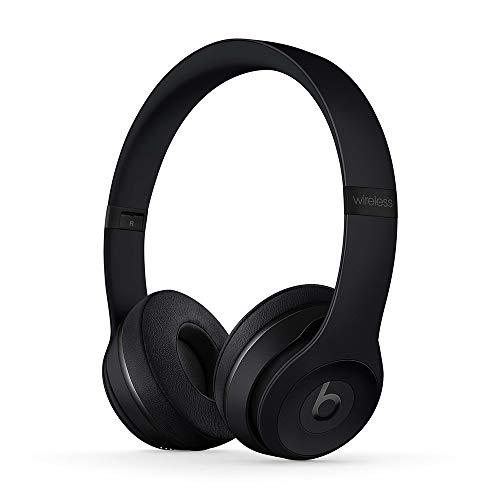
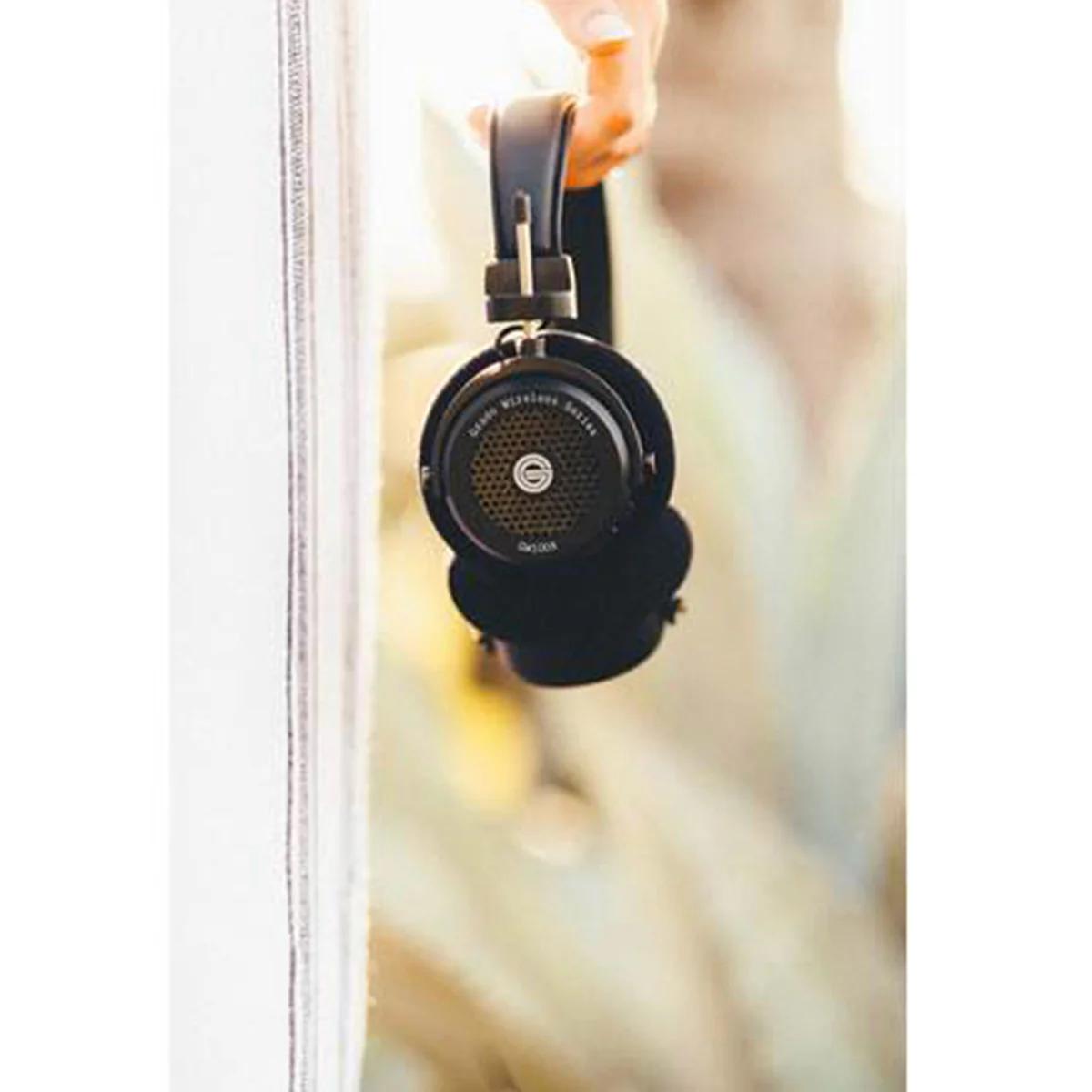
If you're in the market for wireless on-ear headphones, you've probably noticed there are dozens of options out there. But two models that consistently catch people's attention are the Beats Solo3 Wireless and the Grado GW100x. At first glance, they might seem similar – both are wireless, both sit on your ears rather than around them, and both fall into what we'd call the premium mid-range category. But dig a little deeper, and you'll find they're actually quite different beasts entirely.
Before we dive into comparing these two specific models, let's talk about what makes on-ear headphones special. Unlike earbuds that go inside your ears or over-ear headphones that completely surround them, on-ear headphones rest directly on your ears. This design creates a sweet spot between portability and sound quality – they're smaller and lighter than over-ear models but typically offer better audio performance than most earbuds.
When shopping for wireless on-ear headphones, there are several key factors you should consider. Sound quality obviously tops the list, but it's not just about "good" or "bad" sound. Different headphones are tuned for different preferences – some emphasize bass for hip-hop and electronic music, while others aim for a more neutral, balanced sound that works well with all genres.
Battery life has become increasingly important as we rely more on wireless devices. Nobody wants their headphones dying halfway through a long flight or study session. Comfort is another crucial factor, especially since on-ear designs can sometimes create pressure points during extended use. Finally, there's the question of versatility – will you mainly use these at home, or do you need something that works well in noisy coffee shops, on public transit, or at the gym?
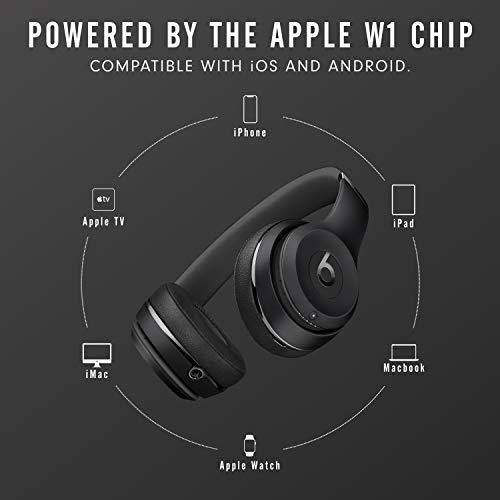
The Beats Solo3 Wireless launched in 2016 as part of Apple's strategy to integrate their newly acquired Beats brand with their ecosystem. The headline feature was Apple's W1 chip – a custom piece of silicon that revolutionized how wireless headphones connect to Apple devices. Instead of the usual Bluetooth pairing dance, the Solo3 could instantly connect and sync across all your Apple devices with just a tap.
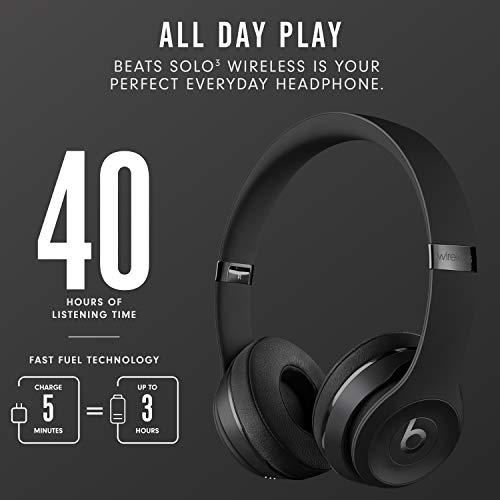
This seamless integration was a game-changer for iPhone and Mac users. Your headphones would automatically switch between devices, show battery levels in your iPhone's widget panel, and maintain rock-solid connections. The W1 chip also enabled impressive battery efficiency, delivering up to 40 hours of playback – a figure that was virtually unheard of when these headphones first launched.
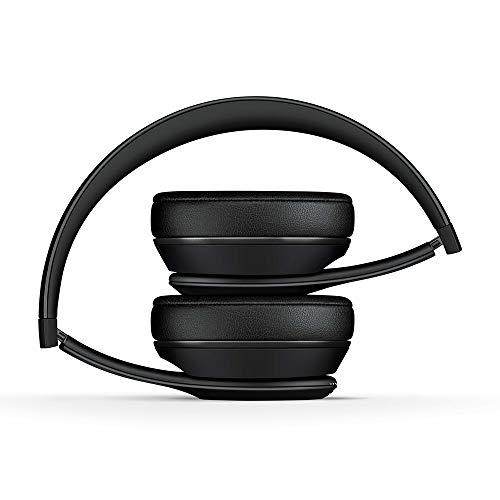
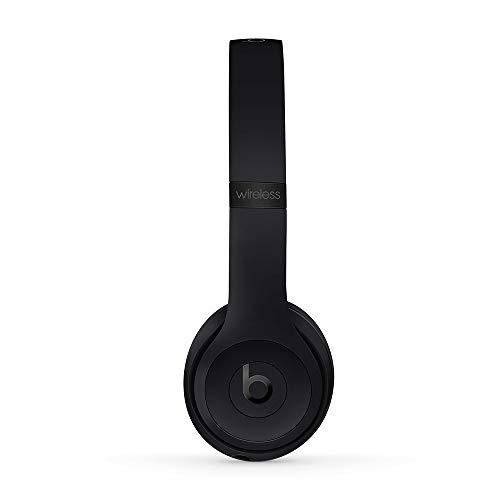
But the Beats Solo3 wasn't just about Apple integration. Beats built these headphones with an active lifestyle in mind. The closed-back design (meaning the outer part of the ear cups is solid, not open) provides decent noise isolation, making them suitable for commuting or working out. They fold flat for easy packing, and the build quality can handle being tossed in a gym bag without too much worry.
Sound-wise, the Solo3 delivers what Beats is known for – a fun, energetic signature with pronounced bass. The low end is punchy and present, vocals sit forward in the mix, and there's enough energy in the upper frequencies to make everything sound lively. It's not the most accurate or neutral sound, but it's tuned to make popular music genres like hip-hop, pop, and electronic music sound engaging and exciting.
The trade-offs? The on-ear design can become uncomfortable during long listening sessions due to clamping pressure. The sound signature, while fun, isn't ideal for critical listening or genres that benefit from a more balanced approach. And despite being part of the Apple family, these headphones still use the older micro-USB charging standard rather than the Lightning or USB-C connectors you'll find on modern Apple devices.
Grado took a completely different approach with the GW100x, which launched more recently as an evolution of their original wireless model. While the Beats Solo3 targets mainstream consumers, the GW100x is firmly aimed at audio enthusiasts who prioritize sound quality above all else.
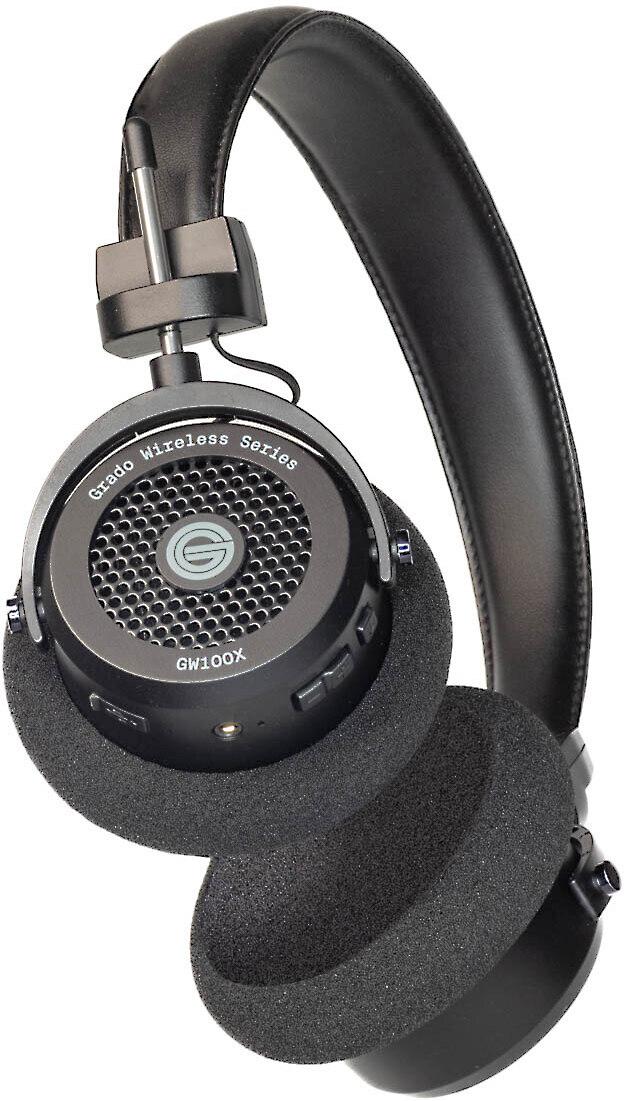
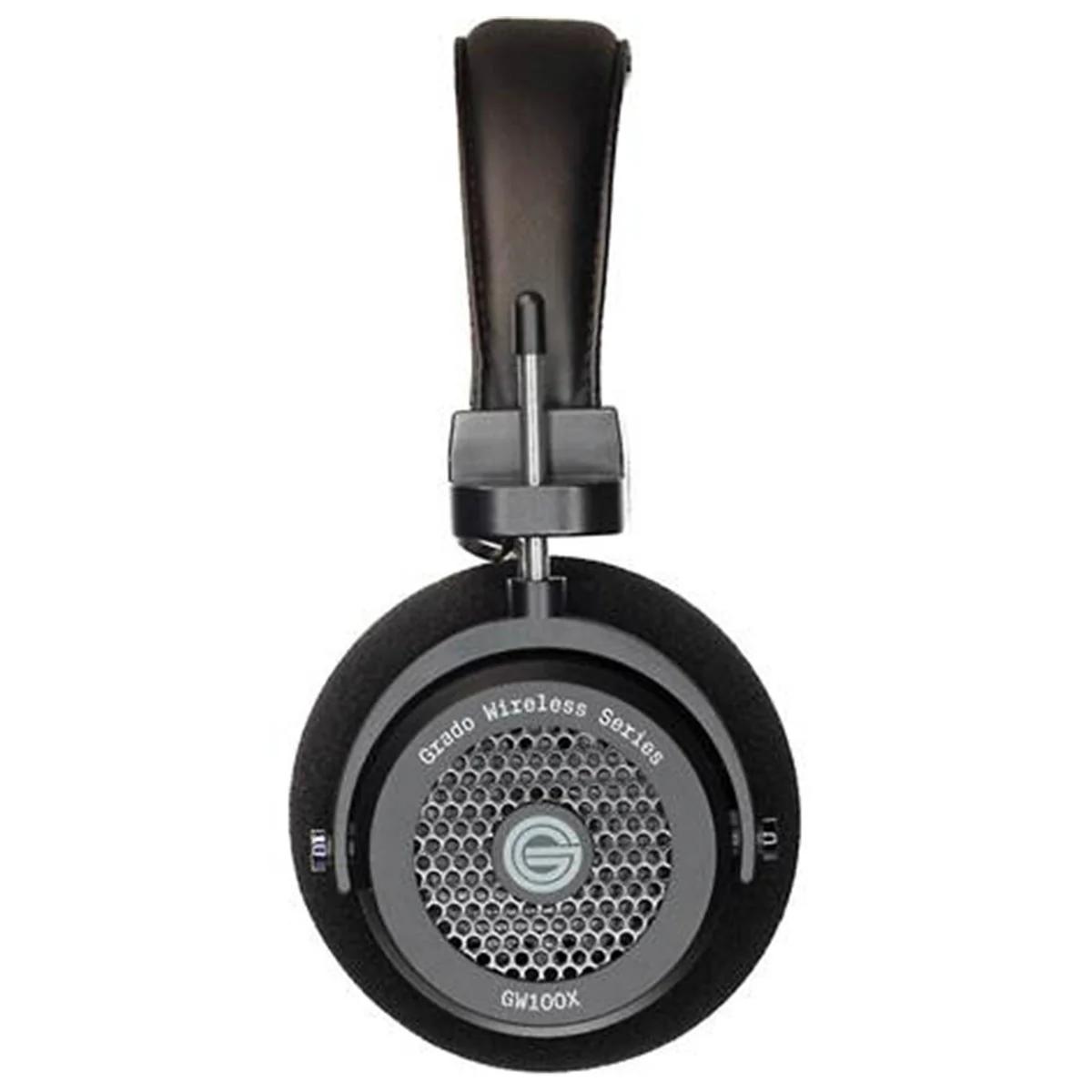
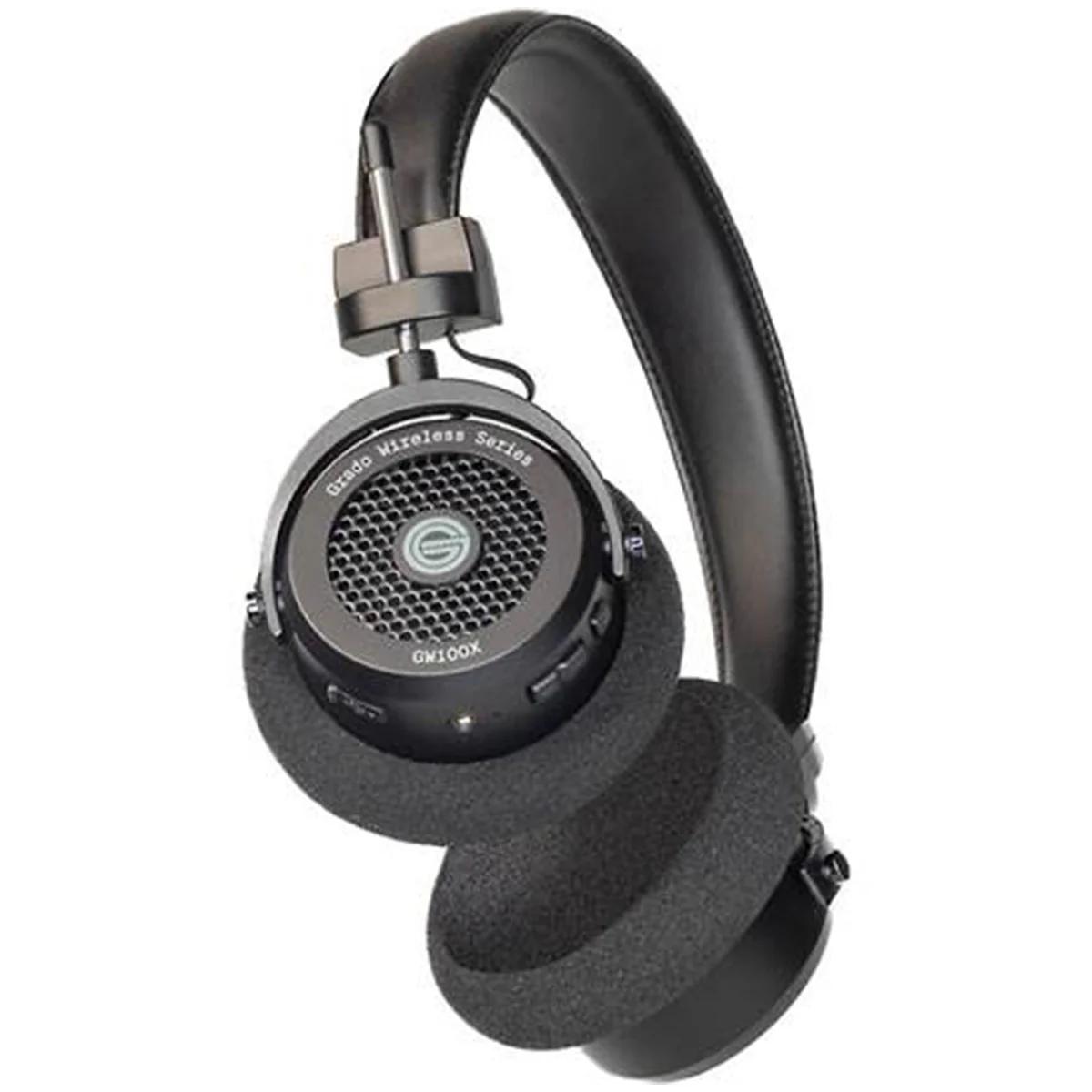
The most distinctive feature of the GW100x is its open-back design. Unlike closed-back headphones where the outer part of the ear cup is sealed, open-back headphones have grilles or perforations that allow sound to pass through freely. This creates several important effects: the soundstage (how wide and spacious the music sounds) becomes much more natural and room-like, instruments can be positioned more precisely in the stereo field, and the overall presentation feels less "inside your head" and more like listening to speakers in a well-designed room.
Grado equipped the GW100x with their fourth-generation X Series drivers – 44mm units that represent decades of acoustic engineering refinement. These drivers feature a more powerful magnetic system, lighter voice coils (the parts that actually move to create sound), and redesigned diaphragms (the thin membranes that push air to create sound waves). The result is improved efficiency, lower distortion, and better preservation of musical detail.
The GW100x also supports more advanced Bluetooth codecs than the Solo3. While Beats sticks with standard AAC encoding, Grado includes aptX Adaptive support. This codec can dynamically adjust its compression based on your listening conditions – using higher bitrates when you're in a quiet environment with a strong connection, and adapting to maintain stability when conditions are less ideal.
At just 6.6 ounces, the GW100x is notably lighter than the Beats Solo3, and the reduced clamping force makes them much more comfortable for extended listening sessions. The minimalist design philosophy means fewer features and buttons, but also less weight and bulk.
This is where the fundamental difference between these headphones becomes crystal clear. The Beats Solo3 and Grado GW100x are engineered for completely different listening philosophies.
The Solo3's closed-back design creates a more intimate, immediate sound. Bass response is emphasized – not just louder, but also more present and impactful. When you're listening to tracks with deep electronic bass or hip-hop beats, the Solo3 delivers that physical sensation that makes you want to move. The midrange, where vocals live, is pushed forward so singers sound close and personal. The treble is somewhat rolled off, which reduces listening fatigue but also means you might miss some of the subtle details in cymbals or acoustic guitar strings.
In contrast, the GW100x presents music in a much more spacious, natural way. The open-back design allows the drivers to breathe, creating a soundstage that extends well beyond the confines of your head. When listening to a jazz quartet, you can almost visualize where each musician is positioned. The bass is present and well-defined, but it doesn't overwhelm the mix – instead, you hear the texture and detail in bass lines that might get lost in more bass-heavy headphones.
The GW100x's midrange reproduction is exceptionally clear and uncolored, making it excellent for acoustic music, podcasts, and any content where vocal clarity matters. The treble extends further than the Solo3, revealing details like the decay of piano notes, the breath sounds in vocal performances, or the subtle percussion elements that add texture to recordings.
For critical listening – the kind where you want to hear exactly what the recording engineer intended – the GW100x is clearly superior. But for casual listening, especially with bass-heavy genres, the Solo3's more colored but engaging presentation might be more enjoyable.
The weight difference between these headphones becomes immediately apparent when you put them on. The GW100x feels almost impossibly light, and the reduced clamping force means you can wear them for hours without developing pressure points around your ears. The Solo3, while not heavy by any means, applies more pressure to create the seal necessary for its closed-back design.
However, comfort isn't just about weight and pressure. The Solo3's design makes them much more practical for everyday use. The closed-back construction provides passive noise isolation – not active noise canceling, but enough sound blocking to make them usable on planes, trains, or in busy offices. You can listen at reasonable volumes without disturbing others, and external noise won't interfere as much with your music.
The GW100x is the complete opposite. The open-back design means sound leaks both ways – people around you will hear your music (though Grado claims 60% less leakage than their previous models), and ambient noise will easily reach your ears. This makes them essentially unusable in any shared or noisy environment. They're designed for quiet, private listening spaces where sound quality can be fully appreciated without distractions or social considerations.
Both headphones offer excellent battery performance, though with different strengths. The Solo3 delivers around 40 hours of playback, but its killer feature is Fast Fuel charging – just five minutes plugged in gives you three hours of listening time. This is incredibly handy when you realize your headphones are dead right before a long commute or study session.
The GW100x goes even further with up to 46 hours of playback, and it uses the more modern USB-C charging standard. However, it doesn't offer the rapid charging convenience of the Solo3. The GW100x also includes a 3.5mm audio cable, so you can continue listening even if the battery dies completely.
Connectivity is where the philosophical differences really show. The Solo3's W1 chip creates an almost magical experience for Apple users – headphones that just work seamlessly across all your devices. But this integration comes at the cost of broader compatibility. Android users can still use these headphones, but they miss out on many of the convenience features and are limited to basic Bluetooth functionality.
The GW100x takes a more universal approach with standard Bluetooth 5.2 and support for multiple high-quality codecs. This means optimal performance regardless of whether you're using an iPhone, Android phone, Windows laptop, or any other Bluetooth-enabled device. The multipoint pairing feature lets you stay connected to two devices simultaneously, switching between them as needed.
At the time of writing, both headphones fall into the premium mid-range category, though the GW100x typically commands a higher price reflecting its audiophile positioning. The value equation depends entirely on what you prioritize.
The Solo3 offers tremendous value for Apple users who want a versatile, convenient wireless headphone. The ecosystem integration, long battery life, fast charging, and portable design create a package that's hard to beat for active lifestyles. If you primarily listen to modern popular music, work out regularly, commute on public transportation, or need headphones that work well in various environments, the Solo3 delivers excellent value.
The GW100x represents a different kind of value – one measured in pure audio performance rather than features or convenience. If sound quality is your primary concern, if you have a dedicated listening space at home, or if you primarily enjoy acoustic music, jazz, classical, or other genres that benefit from accurate reproduction, the additional cost becomes justified by the superior listening experience.
Neither of these headphones is specifically designed for home theater use, but they can certainly serve that purpose with some caveats. The Solo3's closed-back design and Apple ecosystem integration make them convenient for watching content on iPads, iPhones, or Apple TVs, though you'll want to consider whether the bass-heavy tuning works well with movie soundtracks and dialogue.
The GW100x could be excellent for home theater use thanks to its open, spacious soundstage and accurate reproduction. Movie soundtracks and dialogue would benefit from the natural presentation and clear midrange. However, the open-back design means you can't use them if others are around, limiting their practicality for many home theater setups.
For serious home theater use, you'd probably want to consider over-ear headphones with features like surround sound processing or dedicated gaming modes, but both of these models could serve as secondary options for late-night viewing or personal entertainment.
Choosing between the Beats Solo3 Wireless and Grado GW100x ultimately comes down to understanding your priorities and use cases.
Go with the Solo3 if you want headphones that fit seamlessly into an active, mobile lifestyle. They're perfect for Apple users who value convenience, need something that works in various environments, prefer energetic sound signatures, and want features like fast charging. They're also the better choice if you're price-conscious or need headphones that won't disturb others.
Choose the GW100x if audio quality trumps everything else in your decision-making process. They're ideal for dedicated listening sessions at home, for people who appreciate acoustic music and natural sound reproduction, and for anyone who finds traditional on-ear headphones uncomfortable during extended use.
The beauty of having options like these is that they serve different needs exceptionally well. The Solo3 makes wireless audio accessible and convenient for mainstream users, while the GW100x proves that wireless doesn't have to mean compromising on sound quality. Both represent thoughtful engineering approaches to the challenge of creating compelling wireless headphones – they just took very different paths to get there.
Consider your primary listening environment, musical preferences, device ecosystem, and whether you prioritize convenience or audio performance. Either choice will serve you well if it aligns with your specific needs and expectations.
| Beats Solo3 Wireless | Grado GW100x |
|---|---|
| Design Type - Determines where and how you can use them | |
| Closed-back (blocks outside noise, no sound leakage) | Open-back (spacious sound but leaks audio to others) |
| Weight - Critical for comfort during long listening sessions | |
| 215g (7.6 oz) - heavier with more clamping pressure | 187g (6.6 oz) - significantly lighter and more comfortable |
| Battery Life - How long you can listen before recharging | |
| 40 hours with Fast Fuel (5 min charge = 3 hours playback) | 46 hours (longer runtime but no rapid charging feature) |
| Bluetooth & Codecs - Audio quality and device compatibility | |
| W1 chip with AAC (seamless Apple integration, limited Android features) | Bluetooth 5.2 with aptX Adaptive (universal compatibility, higher quality wireless) |
| Sound Signature - Musical genres and listening preferences they suit best | |
| Bass-heavy, fun sound ideal for pop, hip-hop, electronic | Neutral, accurate sound perfect for jazz, classical, acoustic music |
| Soundstage - How spacious and immersive music feels | |
| Intimate, "in-your-head" presentation | Wide, natural soundstage like listening to speakers in a room |
| Noise Isolation - Ability to block external sounds | |
| Good passive isolation for commuting and public use | No isolation - ambient noise passes through freely |
| Portability - Suitability for travel and daily carrying | |
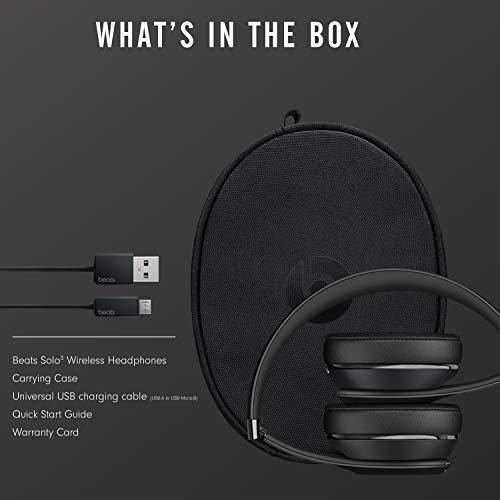
| Foldable design, includes carrying case | Non-foldable, less travel-friendly due to open design |
| Use Case Flexibility - Environments where they work well | |
| Versatile: home, office, gym, commuting, public spaces | Limited: quiet home listening only due to sound leakage |
| Apple Integration - Seamless connectivity with iOS devices | |
| Exceptional with W1 chip (auto-pairing, device switching, battery widgets) | Standard Bluetooth (works with all devices equally well) |
| Charging Port - Future-proofing and cable compatibility | |
| Micro-USB (outdated standard) | USB-C (modern standard, reversible connector) |
| Wired Backup Option - Ability to listen when battery dies | |
| 3.5mm cable available separately | 3.5mm cable included in box |
| Target Audience - Who these headphones are designed for | |
| Mainstream users wanting convenience and Apple ecosystem benefits | Audio enthusiasts prioritizing sound quality over features |
The Grado GW100x delivers superior sound quality with its open-back design, creating a spacious, natural soundstage and accurate audio reproduction. The Beats Solo3 Wireless offers a fun, bass-heavy sound that's great for pop and hip-hop but less accurate overall. For critical listening and acoustic music, the GW100x is clearly better, while the Solo3 excels at making mainstream music sound energetic and engaging.
Only the Beats Solo3 Wireless works well in public spaces due to its closed-back design that blocks external noise and prevents sound leakage. The Grado GW100x has an open-back design that leaks sound significantly, making them unsuitable for offices, commuting, or anywhere others might be disturbed by your music.
The Grado GW100x is much more comfortable at just 6.6 ounces with minimal clamping pressure, making them ideal for extended use. The Beats Solo3 Wireless weighs more and applies stronger pressure to your ears, which can become uncomfortable after 1-2 hours of continuous wear.
The Grado GW100x offers up to 46 hours of playback time, while the Beats Solo3 Wireless provides around 40 hours. However, the Solo3 features Fast Fuel charging that gives you 3 hours of playback from just 5 minutes of charging, which the GW100x doesn't offer.
The Beats Solo3 Wireless excels with Apple devices thanks to its W1 chip, providing seamless pairing, automatic device switching, and battery status integration. The Grado GW100x uses standard Bluetooth and works equally well with all devices but lacks the special Apple ecosystem features.
The Beats Solo3 Wireless is much better for workouts due to its closed design, secure fit, and sweat resistance. The Grado GW100x is not suitable for exercise - its open-back design would disturb others in a gym, and the lightweight construction isn't built for active use.
The Grado GW100x is specifically designed for home listening, offering superior sound quality and comfort in quiet environments. While the Beats Solo3 Wireless works fine at home, it doesn't match the GW100x's spacious soundstage and audio accuracy for dedicated listening sessions.
Both headphones handle calls well, but the Beats Solo3 Wireless is more practical for this purpose due to better noise isolation and no sound leakage. The Grado GW100x can make calls but isn't ideal for shared office spaces since others will hear both sides of your conversation.
The Beats Solo3 Wireless is far more travel-friendly with its foldable design, included carrying case, and closed-back construction that won't disturb fellow passengers. The Grado GW100x doesn't fold and would be inappropriate for use on planes, trains, or in hotels due to sound leakage.
Both offer solid construction, but with different priorities. The Beats Solo3 Wireless uses durable plastics designed to withstand active use and travel. The Grado GW100x focuses on lightweight materials and acoustic performance rather than ruggedness, making it better suited for careful home use.
Value depends on your priorities. The Beats Solo3 Wireless offers excellent value for versatile, everyday use with great Apple integration and convenience features. The Grado GW100x provides superior value for audio enthusiasts who prioritize sound quality over features and primarily listen in quiet environments.
Yes, both models support wired use. The Grado GW100x includes a 3.5mm cable in the box, while the Beats Solo3 Wireless requires purchasing a separate RemoteTalk cable. This backup option ensures you can keep listening even when the battery is completely drained.
We've done our best to create useful and informative comparisons to help you decide what product to buy. Our research uses advanced automated methods to create this comparison and perfection is not possible - please contact us for corrections or questions. These are the sites we've researched in the creation of this article: soundguys.com - cornellstore.com - imore.com - bestbuy.com - headphonecheck.com - soundguys.com - recordingnow.com - corporategift.com - ifixit.com - rtings.com - youtube.com - mobileciti.com.au - beatsbydre.com - discussions.apple.com - target.com - bestbuy.com - jalc.ecampus.com - beats.fandom.com - support.apple.com - electronics.woot.com - techradar.com - crutchfield.com - whathifi.com - moon-audio.com - majorhifi.com - rockonav.com - forums.stevehoffman.tv - newegg.com - audiosciencereview.com - gradolabs.com - decibelaudio.com - addictedtoaudio.com.au - s3.eu-west-1.amazonaws.com - audioadvice.com - analogmatters.com - nyczaj.audio - parts-express.com

Privacy Policy
Terms and Conditions - Affiliate Policy
Home Security
© Copyright 2008-2026.
11816 Inwood Rd #1211, Dallas, TX 75244