


Choosing the right wireless headphones can feel overwhelming with so many options available today. Two models that represent completely different approaches to wireless audio are the Beats Solo3 Wireless and the Bowers & Wilkins Px8 McLaren Edition. While both deliver music without wires, they target vastly different users and price points, making this an interesting comparison of mainstream convenience versus premium audio engineering.
The wireless headphone landscape has evolved dramatically since Bluetooth technology first appeared in consumer audio devices. Modern wireless headphones need to balance several key factors: sound quality, battery life, comfort, connectivity reliability, and features like noise cancellation. The challenge for manufacturers is deciding which of these elements to prioritize, and that's where products like the Beats Solo3 Wireless and Bowers & Wilkins Px8 McLaren Edition showcase two very different philosophies.
When evaluating wireless headphones, the most important considerations include audio quality (how accurately they reproduce your music), comfort for extended wear, battery performance, build quality, and the overall value proposition. Some listeners prioritize convenience and portability, while others focus on achieving the best possible sound reproduction. Understanding your own priorities is crucial before diving into specific models.
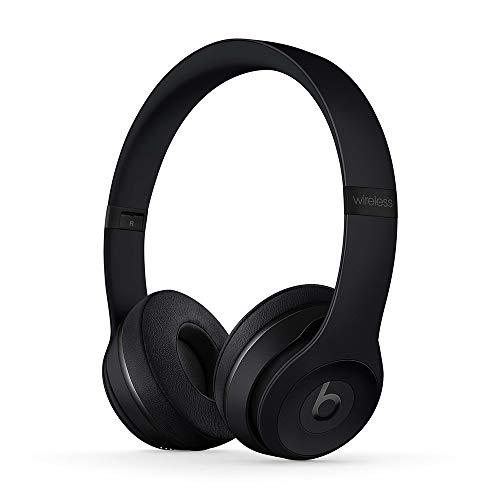
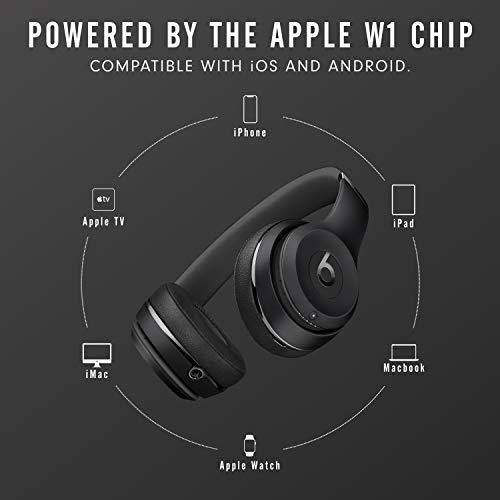
Released in 2016, the Beats Solo3 Wireless arrived during a pivotal moment in wireless audio. Apple had just acquired Beats and introduced the revolutionary W1 chip, which dramatically improved how headphones connected to Apple devices. This wasn't just a minor upgrade – the W1 chip solved many of the pairing headaches and connection drops that plagued early Bluetooth headphones.
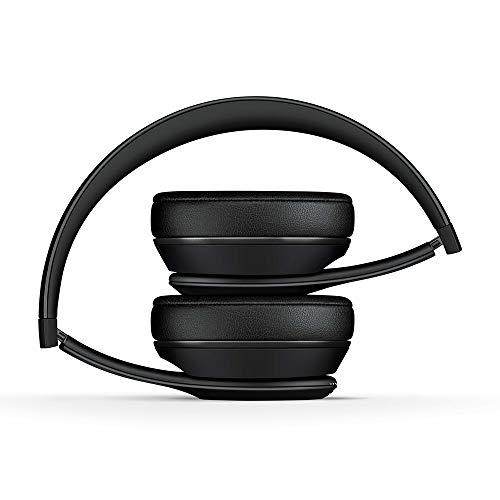
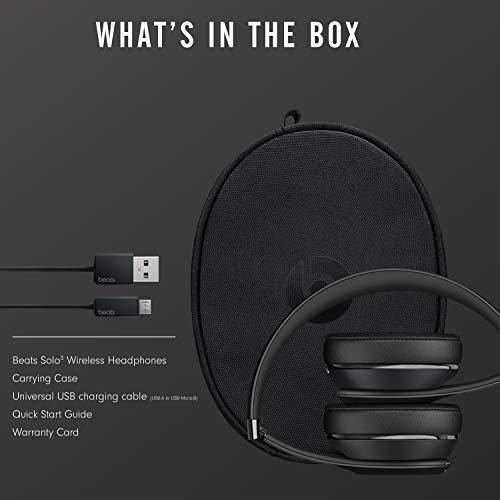
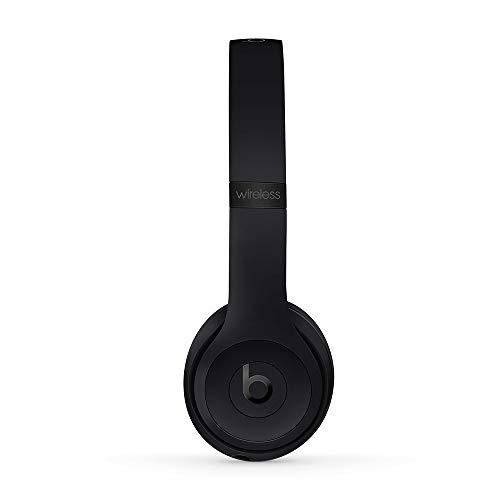
At 215 grams, these on-ear headphones prioritize portability above all else. The on-ear design means the ear cups sit directly on your ears rather than around them, making them more compact but potentially less comfortable for marathon listening sessions. The Solo3 features a foldable design that makes them incredibly travel-friendly, and they're built primarily from durable plastic materials that keep weight down.
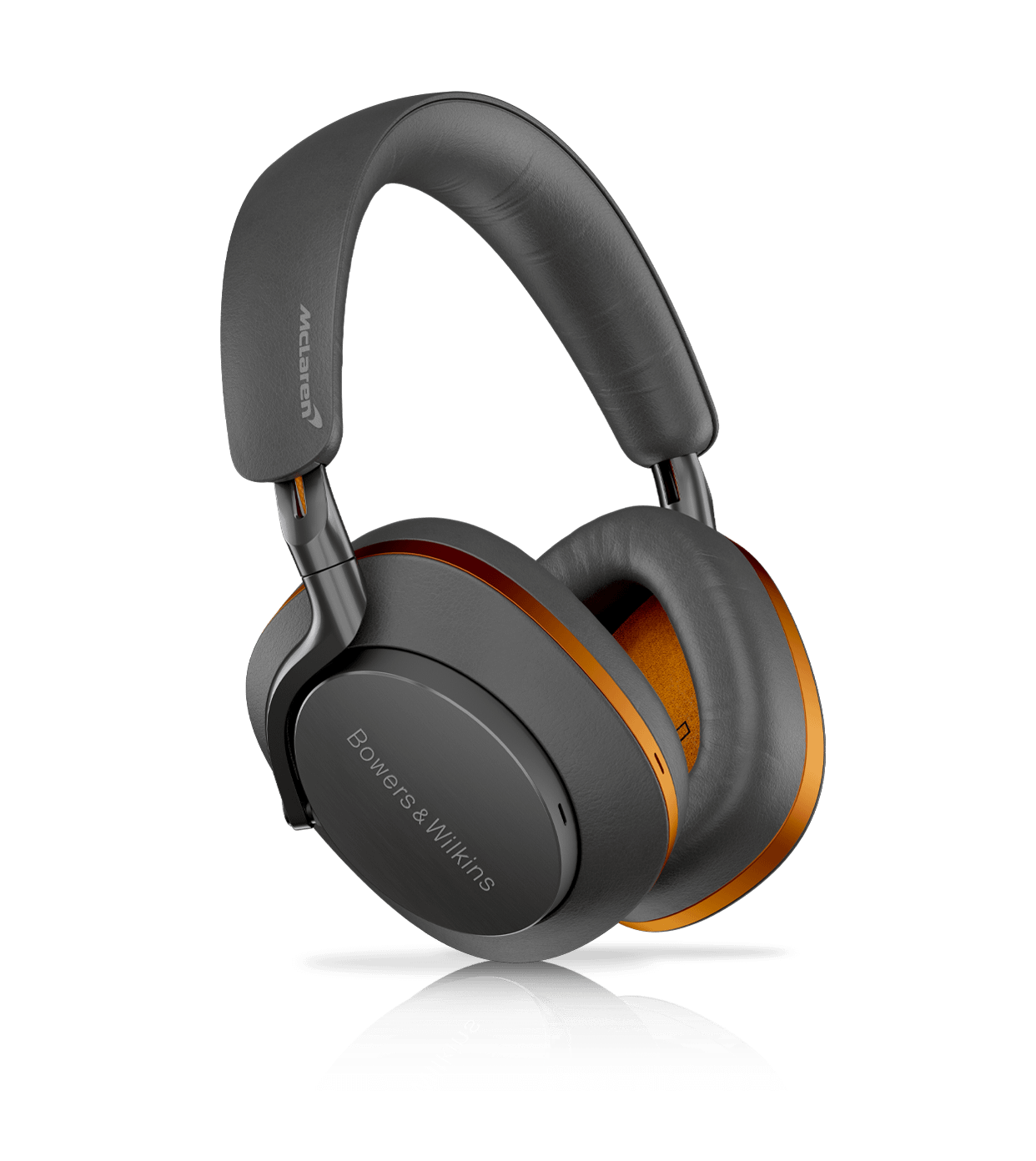
Fast-forward to 2022, and the Bowers & Wilkins Px8 McLaren Edition represents six years of advancement in wireless audio technology. This isn't just a headphone – it's a collaboration between the renowned British audio company Bowers & Wilkins and McLaren Automotive, celebrating their partnership since 2015. The result is a luxury product that costs significantly more than mainstream alternatives but promises a completely different experience.
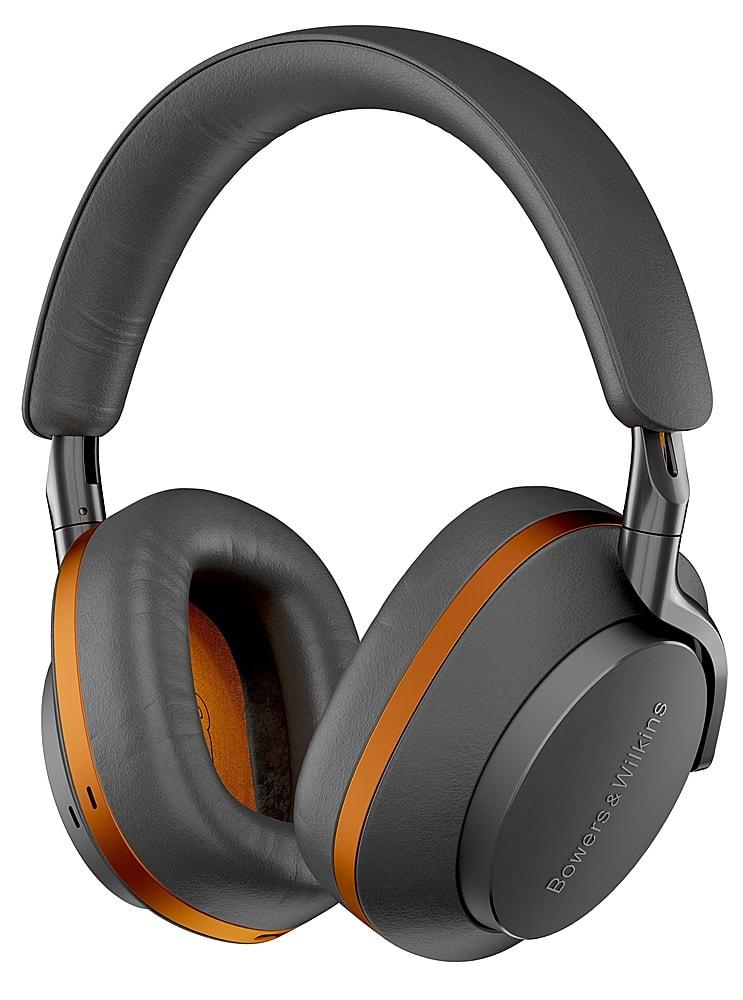
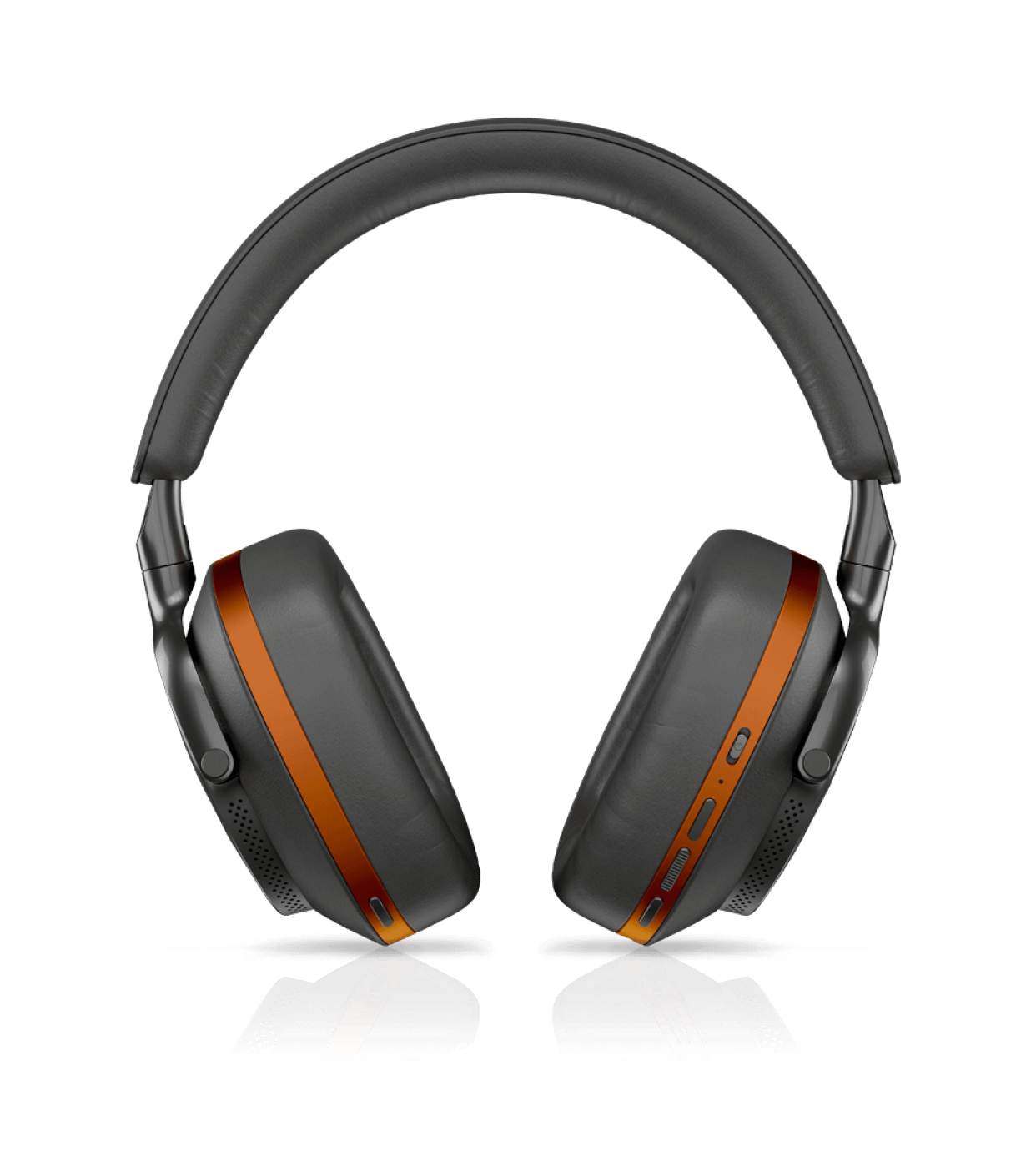
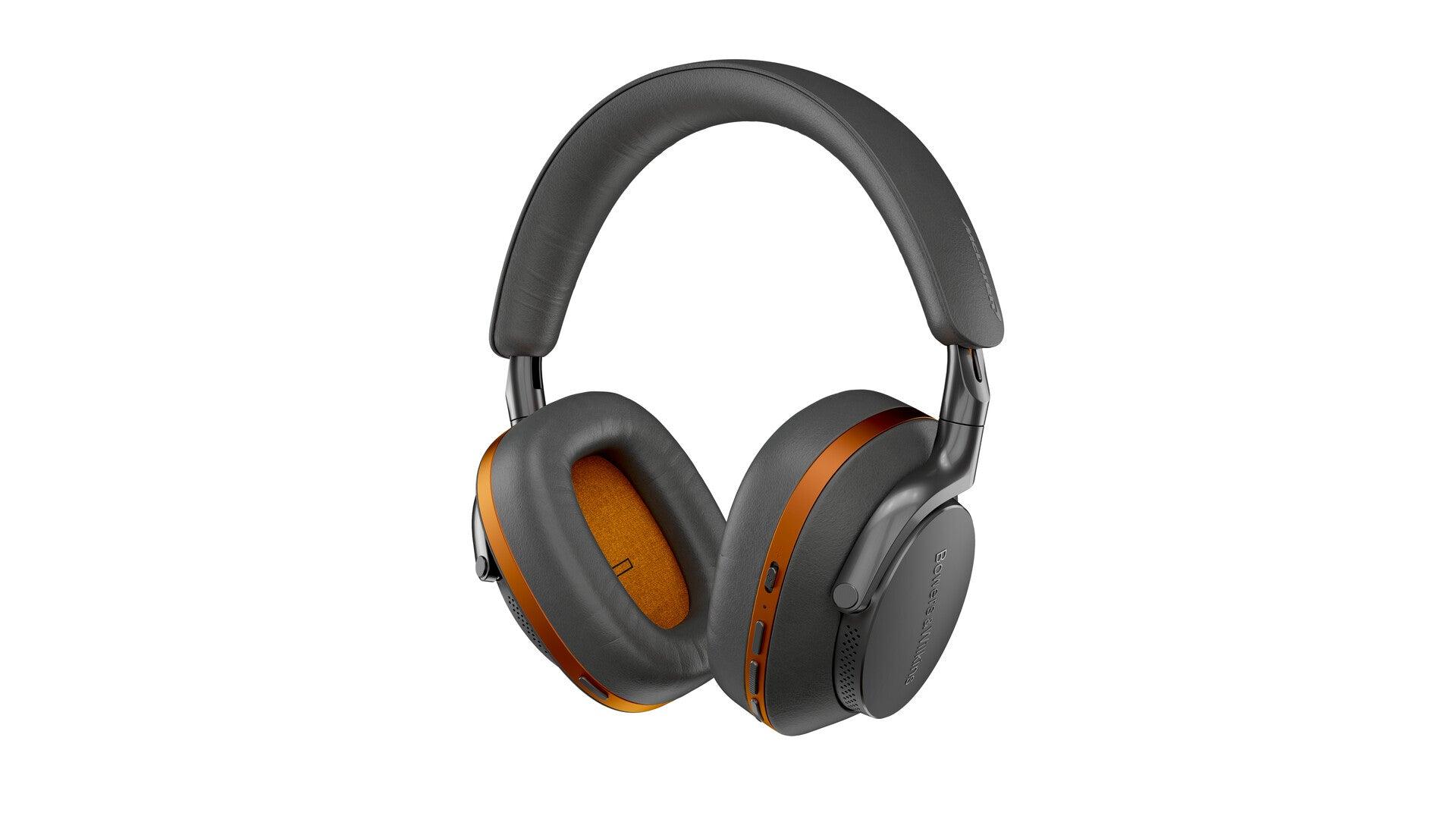
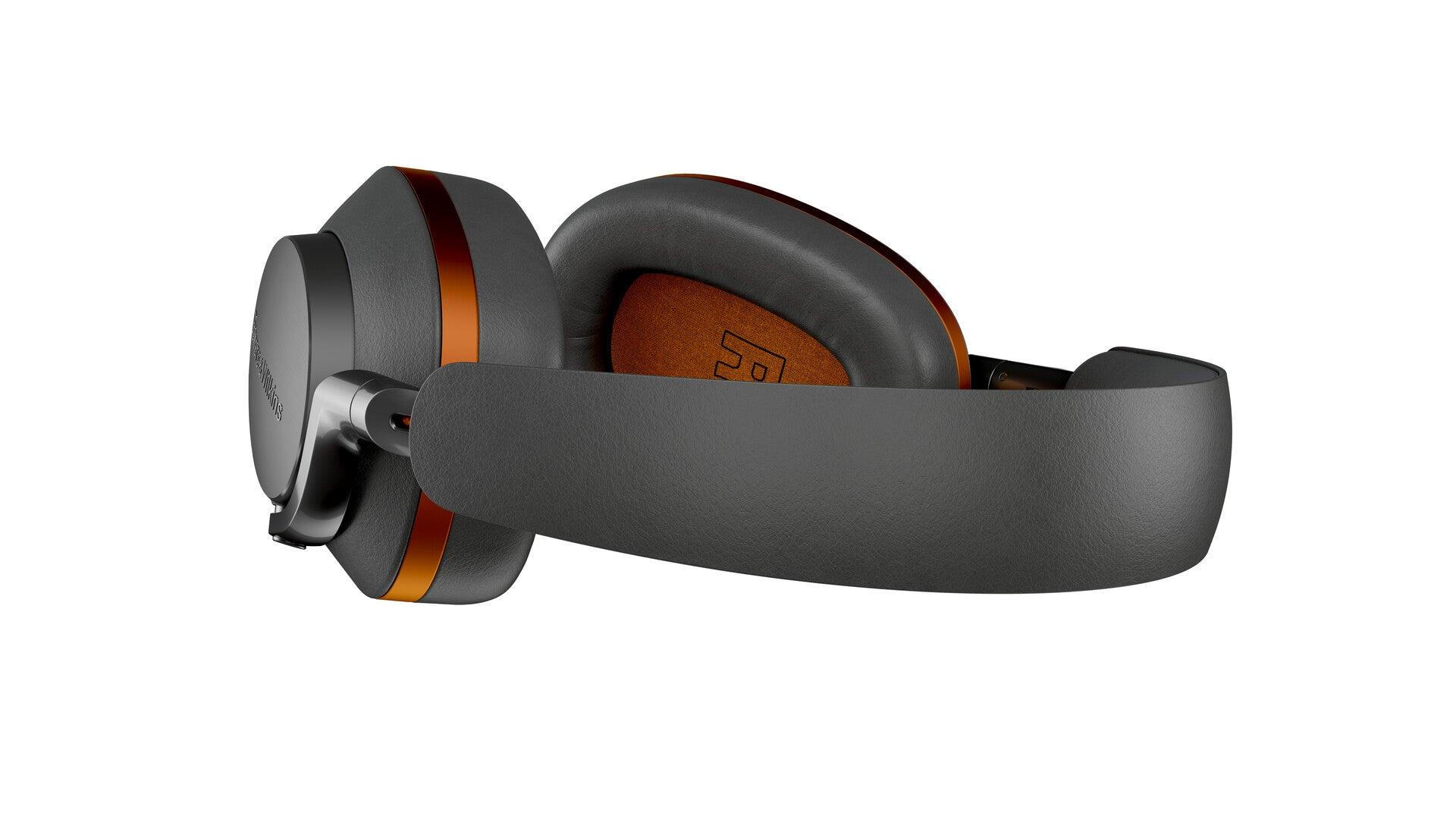
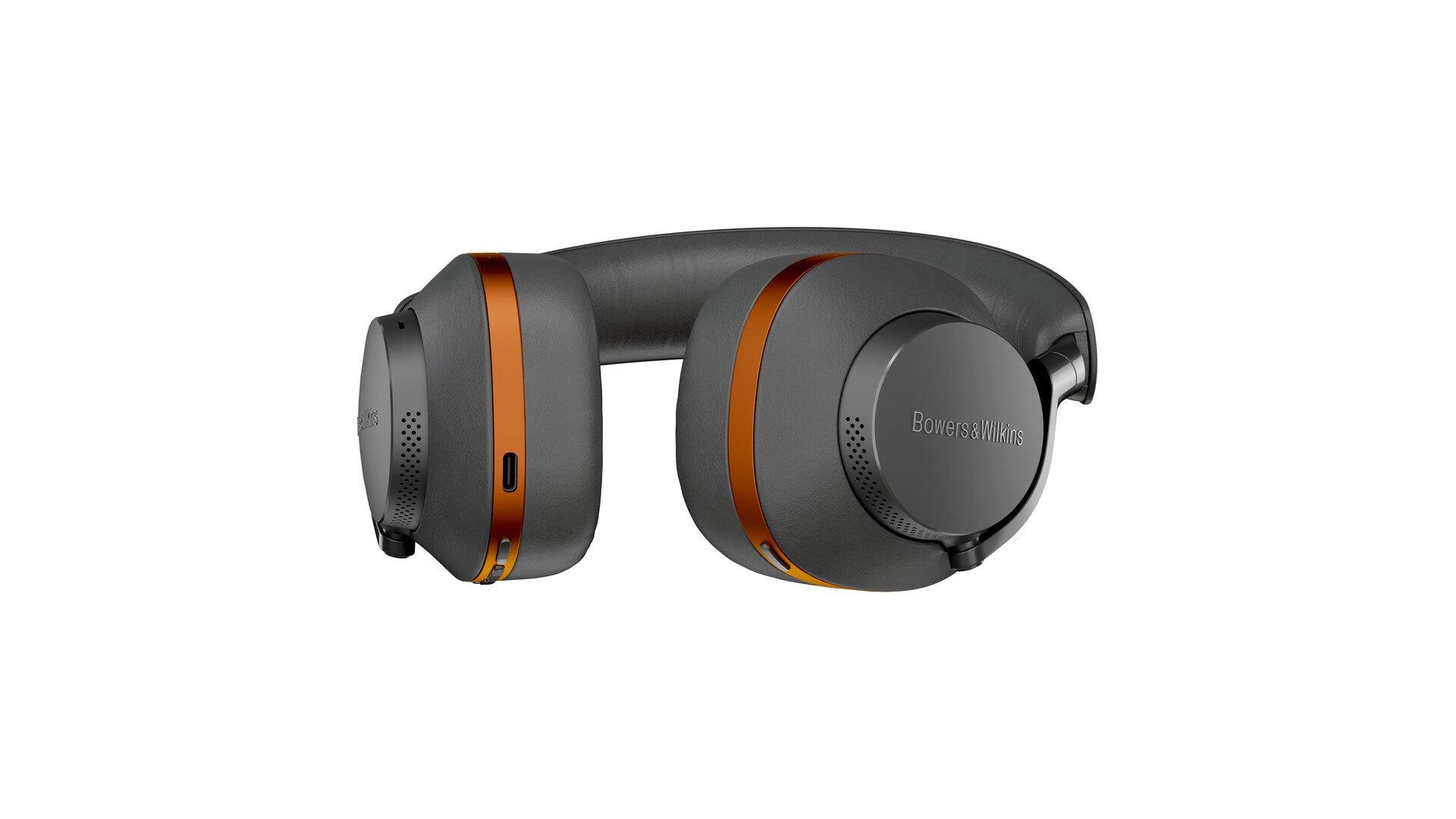
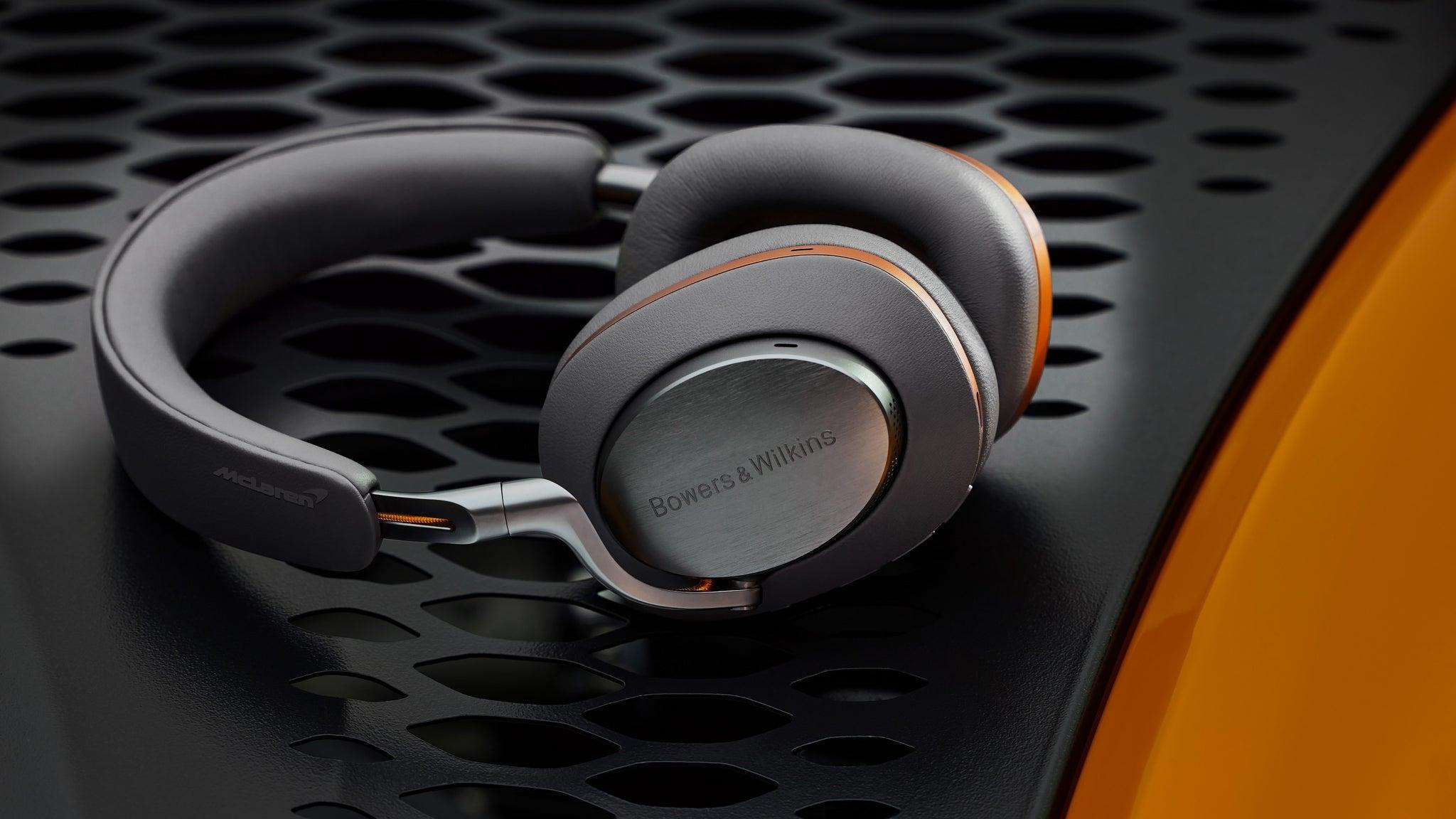
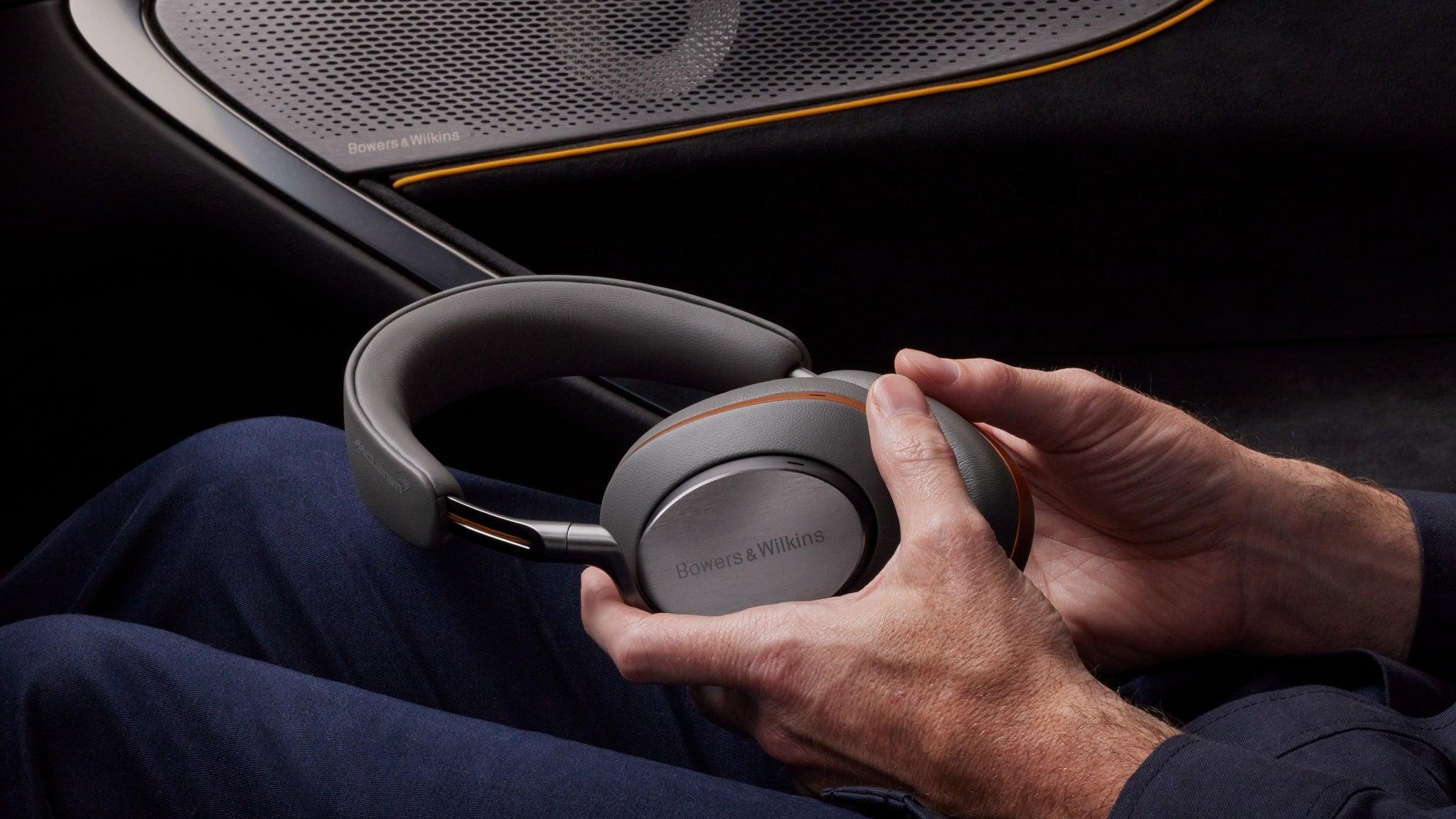
Weighing 320 grams, the Px8 McLaren Edition uses an over-ear design where the ear cups completely surround your ears. It's constructed from premium materials including genuine Nappa leather and lightweight aluminum, giving it a distinctly luxurious feel compared to the plastic construction of budget alternatives. The McLaren-inspired color scheme features Galvanic Grey with Papaya Orange accents, making it instantly recognizable.
The difference in audio approach between these headphones is perhaps most evident in their sound signatures – the way they emphasize different frequency ranges to create their distinctive sound character.
The Beats Solo3 Wireless employs 40mm conventional drivers and follows the classic Beats sound signature that made the brand famous. This means boosted bass frequencies that make drums and bass lines punch harder, forward midrange frequencies that bring vocals to the front of the mix, and slightly rolled-off treble that reduces harsh high frequencies.
This tuning works exceptionally well for popular music genres like hip-hop, pop, and electronic dance music, where the enhanced bass adds energy and excitement. However, this emphasis on bass can sometimes overwhelm more delicate details in classical music or acoustic recordings. The soundstage – the sense of space and instrument placement you hear – tends to feel more intimate and "in your head" rather than expansive.
For many listeners, especially those who primarily stream music from services like Spotify or Apple Music, this sound signature is immediately appealing and doesn't require adjustment. The Solo3 makes music sound fun and engaging right out of the box.
The Px8 McLaren Edition takes a completely different approach with its 40mm carbon cone drivers. Carbon fiber as a driver material offers several advantages: it's extremely rigid, which reduces distortion, and it's lightweight, which improves responsiveness to audio signals. The drivers are also angled within each ear cup, a design choice that helps create a more natural soundstage.
What makes the Px8 special is its 24-bit Digital Signal Processor (DSP). This is essentially a computer chip dedicated to processing audio signals with extremely high precision. Most wireless headphones process audio at 16-bit resolution, but the Px8's 24-bit processing means it can handle much more detailed audio information, resulting in clearer, more nuanced sound reproduction.
The sound signature aims for accuracy rather than excitement. Bass is present and well-controlled but not exaggerated. Midrange frequencies are clear and natural, making vocals sound realistic. The treble extends cleanly without harshness, revealing details in cymbals, strings, and ambient sounds that less capable headphones might miss.
This approach works beautifully with high-quality recordings and diverse music genres. Jazz recordings reveal subtle brush strokes on drums, classical pieces maintain proper instrument separation, and rock albums sound powerful without becoming muddy. However, listeners accustomed to bass-heavy headphones might initially find the Px8 less immediately exciting.
The fundamental design difference between on-ear and over-ear headphones affects everything from comfort to sound isolation, and it's worth understanding these trade-offs.
The Beats Solo3 Wireless sits directly on your ears with moderate clamping force to maintain a secure fit. This design keeps the headphones compact and lightweight, making them ideal for commuting, gym use, or casual listening. You can wear them around your neck when not in use without the bulk of larger headphones.
However, the on-ear design has limitations. After about an hour or two of continuous use, many people experience ear discomfort or fatigue from the pressure. The ear pads, while reasonably soft, press against your ears rather than sealing around them. This also means less effective passive noise isolation – you'll hear more ambient sound from your environment, which can be either a safety feature or an annoyance depending on the situation.
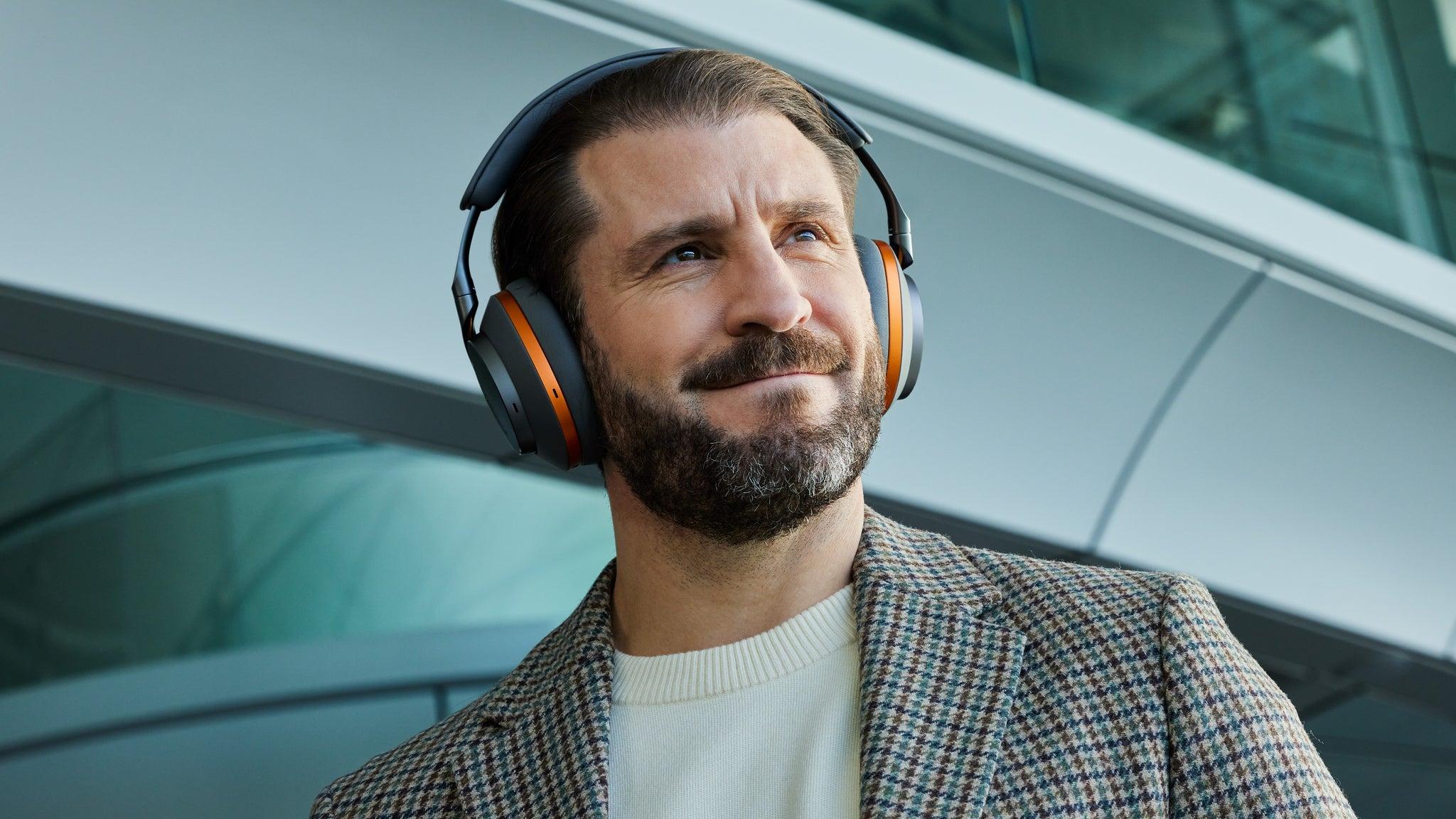
The Px8 McLaren Edition's over-ear design completely encompasses your ears within spacious, well-padded ear cups. The genuine leather ear pads and memory foam create a comfortable seal that distributes weight evenly around your ears rather than pressing on them directly. This design philosophy prioritizes comfort during extended listening sessions – many users can wear them for 4+ hours without significant fatigue.
The premium materials make a noticeable difference in daily use. The aluminum headband adjusts smoothly and feels solid, while the leather develops a pleasant patina over time. However, at 320 grams, they're definitely heavier than the Solo3, and the larger size means they're less convenient for travel, despite the included carrying case.
Battery performance and connectivity represent areas where these headphones showcase different engineering priorities and the evolution of wireless technology over six years.
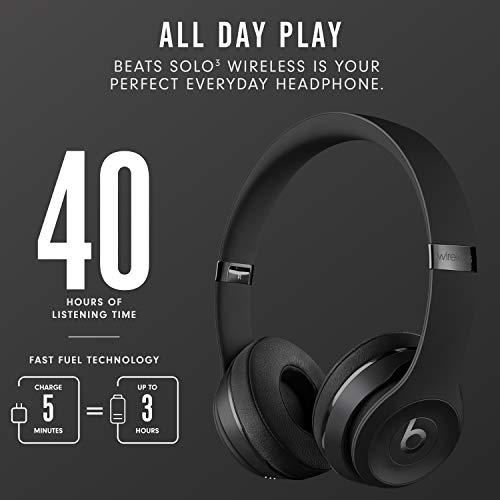
One area where the Beats Solo3 Wireless truly excels is battery life. The 40-hour playback time remains impressive even by today's standards, significantly outperforming most competitors. This exceptional endurance comes from the Apple W1 chip, which was specifically designed for power efficiency.
The Fast Fuel charging feature provides practical convenience – just five minutes of charging delivers three hours of playback. This means even if you forget to charge overnight, a quick charge during your morning routine gives you enough power for the day. However, the headphones use a micro-USB charging port, which feels dated compared to the USB-C standard most devices have adopted.
The W1 chip also enables seamless pairing with Apple devices through a feature called "one-tap setup." Hold the Solo3 near your iPhone, and they automatically pair and sync across all your Apple devices. Switching between your iPhone, iPad, and Mac happens effortlessly. For Android users, the experience is more traditional Bluetooth pairing, without these convenience features.
The Px8 McLaren Edition uses Bluetooth 5.2, a more recent standard that offers improved connection stability and power efficiency compared to older Bluetooth versions. More importantly, it supports a comprehensive range of audio codecs – the compression algorithms that determine how audio data travels wirelessly.
The codec support is particularly impressive: SBC and AAC work with virtually all devices, while aptX, aptX HD, and aptX Adaptive provide higher quality audio with compatible Android devices and some computers. aptX Adaptive is especially clever – it dynamically adjusts the audio quality based on your connection strength and the type of content you're listening to, optimizing for either audio quality or connection stability as needed.
The Px8 also supports multipoint connectivity, allowing you to connect to two devices simultaneously. You might have it connected to both your phone and laptop, automatically switching audio sources when you receive a call or start playing music on either device.
Battery life reaches 30 hours, which is excellent though not quite matching the Solo3's marathon performance. The 15-minute quick charge providing 7 hours of playback is convenient, and the modern USB-C charging port works with the same cables as most current smartphones and laptops.
This is where the six-year technology gap and price difference become most apparent, as the Px8 McLaren Edition includes several advanced features that simply didn't exist or weren't affordable when the Solo3 was designed.
The Px8 McLaren Edition includes adaptive hybrid active noise cancellation (ANC), while the Beats Solo3 Wireless relies solely on passive noise isolation. This difference significantly impacts the listening experience in noisy environments.
Active noise cancellation works by using microphones to detect ambient noise, then generating "anti-noise" – sound waves that are exactly opposite to the incoming noise, effectively canceling it out. The Px8 uses six microphones total: four dedicated to noise cancellation and two for phone calls. The system continuously adapts to your environment, automatically adjusting the cancellation strength.
In practical terms, this means the Px8 can dramatically reduce airplane engine noise, air conditioning hum, traffic sounds, and other consistent background noise. The ambient pass-through mode lets you hear your surroundings when needed without removing the headphones – useful for announcements or conversations.
The Solo3, by contrast, provides only passive isolation through the physical barrier of the ear cups and pads. While this blocks some external sound, it's far less effective than active cancellation, especially for low-frequency noise.
Both headphones support voice assistants, but with different capabilities. The Solo3 integrates well with Siri on Apple devices, allowing voice commands for music control, calls, and device functions. The Px8 supports both Siri and Google Assistant, though notably not Amazon's Alexa.
The Px8 includes wear detection sensors that automatically pause music when you remove the headphones and resume playback when you put them back on. While this might seem like a small feature, it becomes surprisingly useful in daily use, automatically pausing your podcast when someone wants to talk or you need to step away.
The construction quality difference between these headphones reflects their different price points and target markets, but also reveals important considerations for long-term ownership.
The Solo3 uses primarily plastic construction, which keeps weight down and costs reasonable. The build quality is adequate for the price point, and the headphones can withstand normal daily use reasonably well. However, there are some well-documented durability concerns that potential buyers should understand.
The most significant issue is a design flaw in the internal wiring. Many Solo3 units experience wire failure after 12-13 months of regular use, typically resulting in audio cutting out in one ear or complete failure. This appears to be related to the flexible 5-core wire that connects the ear cups, which can break from repeated folding and unfolding of the headphones.
Additionally, some users report charging port failures and ear pad deterioration, especially with heavy use in gym environments where sweat and frequent handling accelerate wear. While these issues don't affect every unit, they're common enough to be concerning for long-term reliability.
The Px8 McLaren Edition represents a completely different approach to construction. The aluminum frame provides structural integrity while remaining relatively lightweight. The genuine Nappa leather ear pads and headband padding are designed to age gracefully, developing character over time rather than simply wearing out.
More importantly, the overall design philosophy emphasizes serviceability and longevity. Bowers & Wilkins includes a comprehensive 2-year warranty and has a reputation for supporting their products long-term. The modular construction means ear pads and other wear items can be replaced when needed, rather than requiring complete headphone replacement.
The premium materials justify their cost through improved durability and user experience. The leather feels luxurious and breathes better than synthetic alternatives, while the aluminum construction provides confidence that the headphones will maintain their structural integrity over years of use.
Understanding how these headphones perform in various listening environments helps clarify their strengths and ideal use cases.
For home theater use, the Bowers & Wilkins Px8 McLaren Edition offers clear advantages. The over-ear design provides better isolation from household noise, while the accurate sound reproduction preserves the audio engineer's intent in movie soundtracks and television content. The wide soundstage helps create a more immersive experience, and the excellent comfort allows for movie-length listening sessions without fatigue.
The Beats Solo3 Wireless, while capable of delivering entertaining audio for casual movie watching, lacks the refinement and comfort needed for serious home theater applications. The bass-heavy signature can make dialogue less clear, and the on-ear design becomes uncomfortable during longer viewing sessions.
Here, the advantages flip somewhat. The Solo3's compact, lightweight design makes them ideal for daily commuting. They fold neatly into a bag, don't require a large carrying case, and the exceptional battery life means you won't be caught with dead headphones during long travel days.
However, the lack of active noise cancellation is a significant disadvantage in noisy transportation environments. Airplane engines, train noise, and traffic sounds will bleed through, forcing you to increase volume levels that could be damaging to hearing over time.
The Px8 McLaren Edition excels in noisy environments thanks to its ANC system, creating a peaceful listening bubble even on crowded flights or subway trains. The trade-off is increased bulk and weight, plus the need to manage battery life for both audio playback and noise cancellation.
The Beats Solo3 Wireless wins clearly for fitness applications. The lightweight design won't shift during workouts, the on-ear style allows some ambient awareness for safety, and the durable plastic construction handles sweat better than premium materials. The secure fit means they won't fall off during vigorous activity.
The Px8 McLaren Edition, with its leather construction and heavier weight, isn't designed for gym use. Sweat can damage the premium materials, and the bulkier design makes them impractical for most fitness activities.
The six-year gap between these headphones' release dates tells an interesting story about how wireless audio technology has evolved. When the Beats Solo3 Wireless launched in 2016, wireless headphones were still relatively new to mainstream consumers. The biggest challenges were connection reliability, battery life, and audio quality over Bluetooth. Apple's W1 chip addressed the first two issues brilliantly, creating a wireless experience that "just worked" in a way that previous Bluetooth headphones often didn't.
By 2022, when the Px8 McLaren Edition arrived, those basic connectivity problems had been largely solved across the industry. This allowed manufacturers like Bowers & Wilkins to focus on advanced features like adaptive noise cancellation, high-resolution audio codecs, and premium materials. The baseline expectation for wireless headphones had risen dramatically.
This evolution explains why comparing these products reveals such different priorities. The Solo3 was revolutionary for solving fundamental wireless audio problems at a reasonable price. The Px8 assumes those problems are solved and focuses instead on delivering audiophile-grade performance and luxury experiences.
At the time of writing, these headphones occupy very different price tiers, which fundamentally shapes their value propositions and ideal users.
The Solo3 offers exceptional value for users who prioritize convenience, battery life, and Apple ecosystem integration over absolute audio quality. They're ideal for students, commuters, and casual listeners who want reliable wireless audio without spending premium prices. The long battery life makes them perfect for people who frequently forget to charge their devices, while the compact design suits active lifestyles.
Despite the durability concerns, the Solo3 delivers impressive performance for its price point. When frequently available on sale, they represent one of the best values in wireless headphones for mainstream users.
The Px8 McLaren Edition targets a completely different user: audio enthusiasts who want the best possible wireless listening experience and are willing to pay accordingly. The combination of premium materials, advanced audio processing, effective noise cancellation, and luxury aesthetics creates a product that feels special to own and use.
For audiophiles upgrading from wired headphones, the Px8 proves that wireless doesn't mean compromising on audio quality. The McLaren collaboration adds collectible appeal for automotive enthusiasts, while the build quality suggests these headphones will provide years of service.
Choosing between the Beats Solo3 Wireless and Bowers & Wilkins Px8 McLaren Edition comes down to understanding your priorities, budget, and usage patterns.
Consider the Solo3 if you value portability above all else, need maximum battery life, are deeply integrated into Apple's ecosystem, or simply want capable wireless headphones without premium pricing. They excel for casual listening, commuting, and situations where convenience matters more than audio perfection.
Choose the Px8 McLaren Edition if you're serious about audio quality, appreciate premium materials and build quality, need effective noise cancellation, or want headphones that feel like a luxury purchase. They're ideal for critical listening, long listening sessions, and environments where audio quality and comfort matter most.
The reality is that both headphones succeed at what they're designed to do. The Solo3 democratizes good wireless audio with impressive battery life and Apple integration. The Px8 McLaren Edition shows what's possible when budget constraints are relaxed and audio quality becomes the primary goal. Your choice should reflect which approach better matches your needs, preferences, and budget.
| Beats Solo3 Wireless | Bowers & Wilkins Px8 McLaren Edition |
|---|---|
| Design Type - Affects comfort and portability | |
| On-ear, lightweight at 215g, foldable for travel | Over-ear, premium at 320g, luxury materials |
| Battery Life - Critical for daily use without charging anxiety | |
| Up to 40 hours (industry-leading endurance) | Up to 30 hours (excellent but 25% less than Solo3) |
| Fast Charging - Essential when you forget to charge overnight | |
| 5 minutes = 3 hours playback (Fast Fuel technology) | 15 minutes = 7 hours playback (solid quick charge) |
| Driver Technology - Determines sound quality and detail | |
| 40mm conventional drivers, bass-heavy signature | 40mm carbon cone drivers with 24-bit DSP processing |
| Active Noise Cancellation - Game-changer for noisy environments | |
| None (passive isolation only) | Yes, adaptive hybrid ANC with 6 microphones |
| Bluetooth & Codecs - Affects connection quality and audio fidelity | |
| W1 chip (older standard), basic SBC/AAC codecs | Bluetooth 5.2, comprehensive codec support including aptX Adaptive |
| Build Materials - Impact on durability and premium feel | |
| Plastic construction, known wire failure issues after 12-13 months | Aluminum frame, genuine Nappa leather, built for longevity |
| Comfort Duration - How long you can wear them without fatigue | |
| 1-2 hours before potential ear pressure discomfort | 4+ hours with memory foam and over-ear design |
| Apple Integration - Seamless pairing and device switching | |
| Exceptional with W1 chip, one-tap setup across Apple devices | Standard Bluetooth pairing, no special Apple features |
| Charging Port - Modern convenience factor | |
| Micro-USB (outdated standard) | USB-C (modern, universal standard) |
| Target User - Who gets the most value | |
| Casual listeners, Apple users, budget-conscious buyers | Audiophiles, luxury consumers, critical listeners |
The Bowers & Wilkins Px8 McLaren Edition delivers superior sound quality with its advanced 40mm carbon cone drivers and 24-bit DSP processing. These headphones provide more accurate, detailed audio reproduction with better instrument separation and a wider soundstage. The Beats Solo3 Wireless offers a more consumer-friendly, bass-heavy sound that's immediately appealing for pop and hip-hop music, but lacks the refinement and detail of the Px8 McLaren Edition.
The Beats Solo3 Wireless excels with up to 40 hours of battery life, significantly outperforming the Bowers & Wilkins Px8 McLaren Edition which offers 30 hours. However, both headphones provide excellent battery performance that exceeds most competitors. The Solo3 also features faster emergency charging with 5 minutes providing 3 hours of playback, while the Px8 requires 15 minutes for 7 hours of use.
The Bowers & Wilkins Px8 McLaren Edition is significantly more comfortable for extended use thanks to its over-ear design with genuine leather ear pads and memory foam cushioning. Users can typically wear them for 4+ hours without fatigue. The Beats Solo3 Wireless uses an on-ear design that can cause ear pressure and discomfort after 1-2 hours of continuous use, making them less suitable for marathon listening sessions.
Both headphones handle phone calls adequately, but the Bowers & Wilkins Px8 McLaren Edition provides superior call quality with its dual beam-forming microphones and advanced noise processing. The Beats Solo3 Wireless offers decent call quality and integrates seamlessly with Siri on Apple devices. For professional video meetings, the Px8 McLaren Edition is the better choice due to clearer voice pickup and better background noise reduction.
The Beats Solo3 Wireless offers exceptional Apple integration thanks to its W1 chip, enabling one-tap pairing and seamless switching between iPhone, iPad, and Mac devices. The Bowers & Wilkins Px8 McLaren Edition uses standard Bluetooth pairing without special Apple features, though it still works perfectly with iOS devices. For users deeply invested in the Apple ecosystem, the Solo3 provides a more convenient experience.
The Bowers & Wilkins Px8 McLaren Edition significantly outperforms the Beats Solo3 Wireless in noisy environments thanks to its adaptive active noise cancellation system with six microphones. This makes the Px8 ideal for airplane travel, busy offices, or commuting. The Solo3 relies only on passive noise isolation, which provides minimal protection against ambient noise and requires higher volume levels in loud environments.
The Beats Solo3 Wireless is more travel-friendly due to its lightweight 215g design, compact foldable structure, and exceptional 40-hour battery life that reduces charging anxiety during long trips. The Bowers & Wilkins Px8 McLaren Edition is bulkier at 320g and requires a larger carrying case, though it includes active noise cancellation that makes flights more pleasant. For frequent travelers prioritizing portability, the Solo3 is the better choice.
The Bowers & Wilkins Px8 McLaren Edition is excellent for home theater use, offering accurate sound reproduction that preserves movie soundtrack details, comfortable over-ear design for movie-length sessions, and effective noise isolation from household sounds. The Beats Solo3 Wireless can handle casual movie watching but lacks the comfort and audio accuracy needed for serious home theater applications, with its bass-heavy signature potentially making dialogue less clear.
The Bowers & Wilkins Px8 McLaren Edition provides superior build quality with its aluminum frame, genuine leather construction, and premium materials designed for longevity. The Beats Solo3 Wireless uses primarily plastic construction and has documented durability issues, particularly wire failures after 12-13 months of use. For long-term reliability, the Px8 McLaren Edition is the clear winner despite its higher cost.
The Bowers & Wilkins Px8 McLaren Edition offers more advanced connectivity with Bluetooth 5.2, comprehensive codec support including aptX Adaptive, and multipoint pairing for two devices simultaneously. The Beats Solo3 Wireless uses the older W1 chip with basic codec support but provides superior Apple device integration. For Android users or those wanting the latest Bluetooth features, the Px8 is more future-proof.
The Beats Solo3 Wireless is much better suited for fitness activities due to its lightweight design, secure on-ear fit that won't shift during workouts, sweat-resistant plastic construction, and compact size. The Bowers & Wilkins Px8 McLaren Edition with its leather materials, heavier weight, and premium construction is not designed for gym use and could be damaged by sweat and vigorous movement.
The value choice depends on your priorities and budget. The Beats Solo3 Wireless offers exceptional value for casual listeners wanting reliable wireless audio, outstanding battery life, and Apple integration without premium pricing. The Bowers & Wilkins Px8 McLaren Edition justifies its significantly higher cost through superior audio quality, premium materials, active noise cancellation, and luxury features for serious audiophiles. Most users will find better overall value with the Solo3, while audio enthusiasts will appreciate the premium experience of the Px8 McLaren Edition.
We've done our best to create useful and informative comparisons to help you decide what product to buy. Our research uses advanced automated methods to create this comparison and perfection is not possible - please contact us for corrections or questions. These are the sites we've researched in the creation of this article: soundguys.com - cornellstore.com - imore.com - bestbuy.com - headphonecheck.com - soundguys.com - recordingnow.com - corporategift.com - ifixit.com - rtings.com - youtube.com - mobileciti.com.au - beatsbydre.com - discussions.apple.com - target.com - bestbuy.com - jalc.ecampus.com - beats.fandom.com - support.apple.com - electronics.woot.com - whathifi.com - audiophile.no - head-fi.org - recordingnow.com - bestbuy.com - marius.ink - bestbuy.com - audio46.com - rtings.com - versus.com - crutchfield.com - cars.mclaren.press - bestbuy.com - tecnifi.com - bowerswilkins.com - cars.mclaren.com - bowerswilkins.com - shdigimedia.com - audio46.com - youtube.com - epicsystems.tech - cars.mclaren.press - fullspecs.net - bowerswilkins.com - bowerswilkins.com

Privacy Policy
Terms and Conditions - Affiliate Policy
Home Security
© Copyright 2008-2026.
11816 Inwood Rd #1211, Dallas, TX 75244