

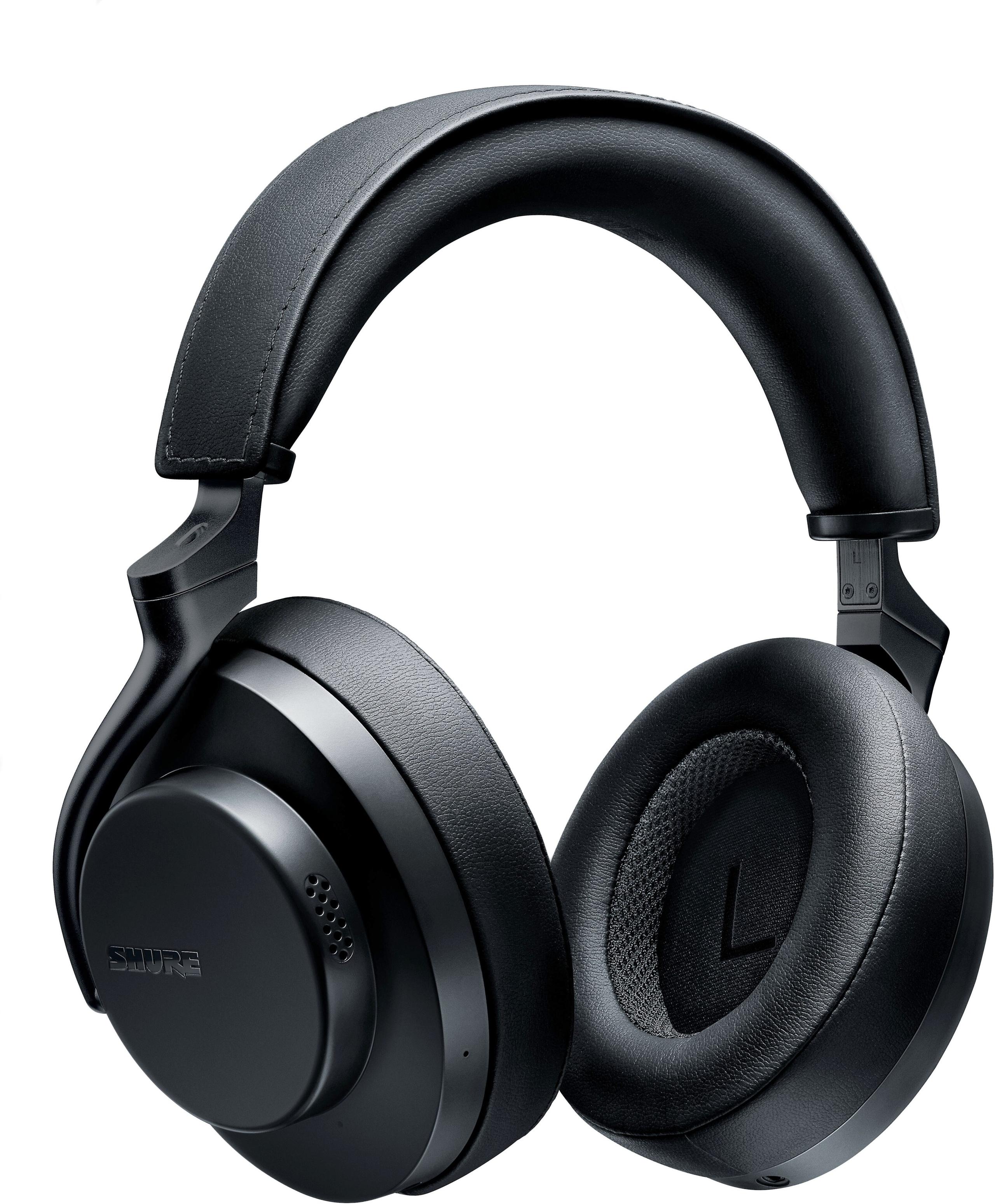
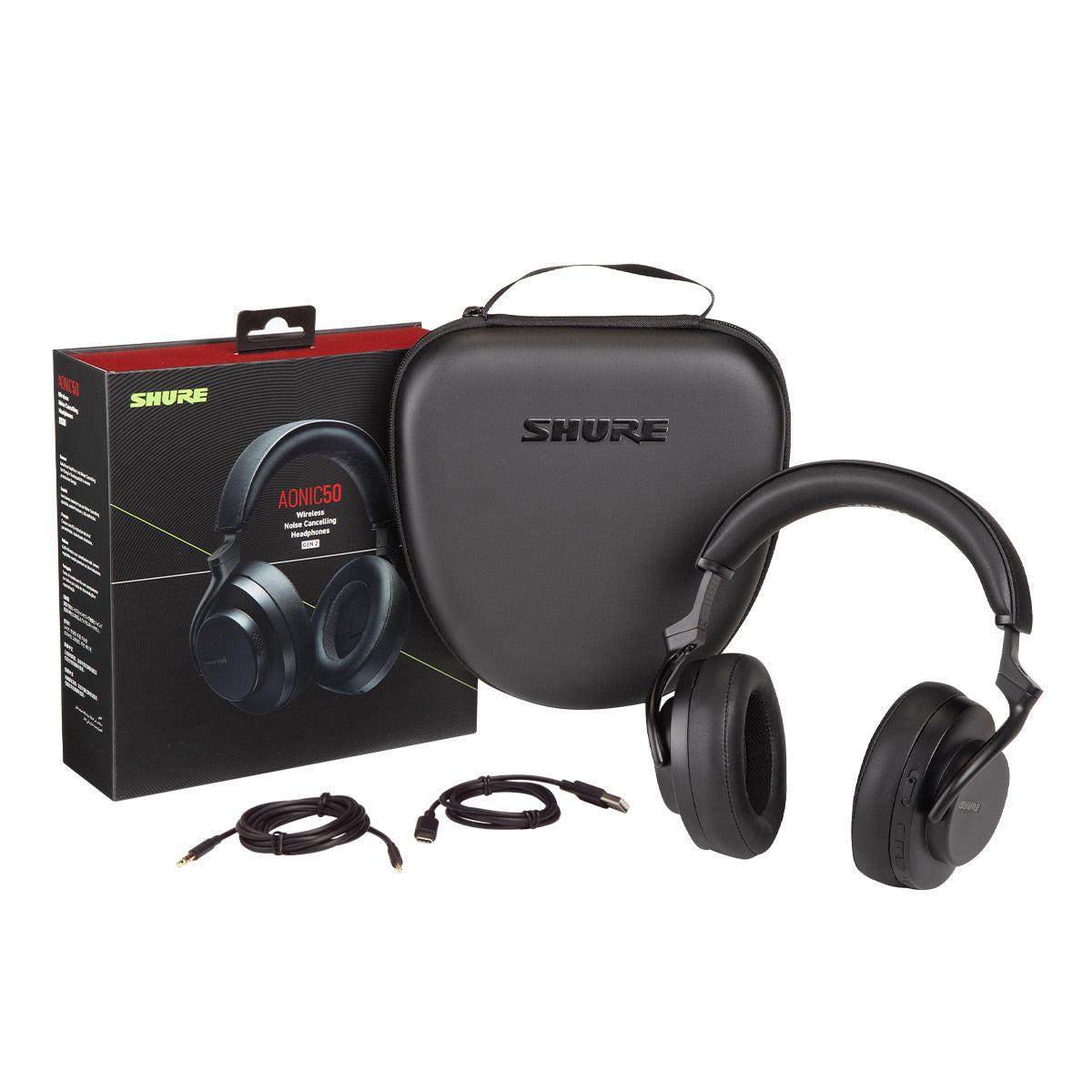
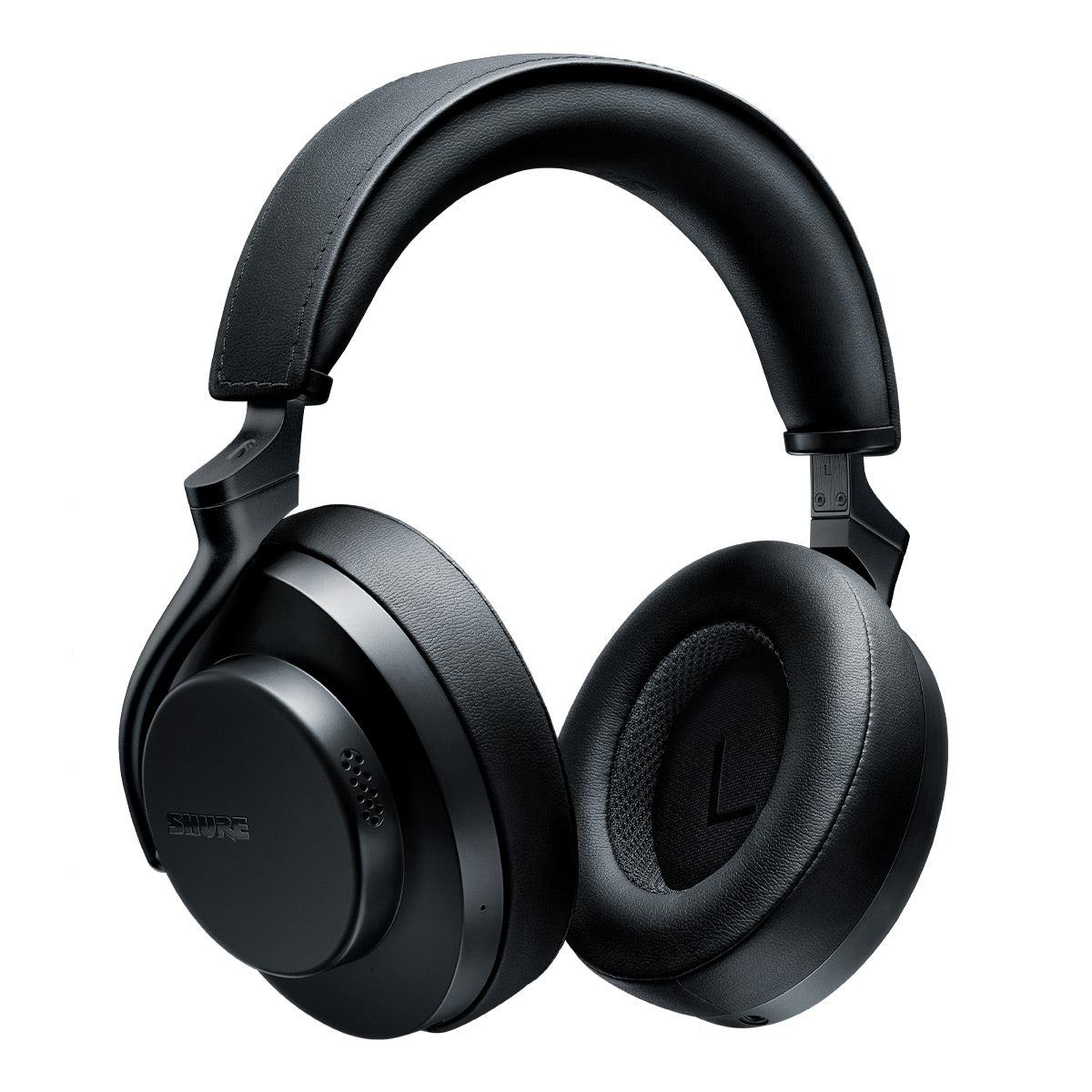

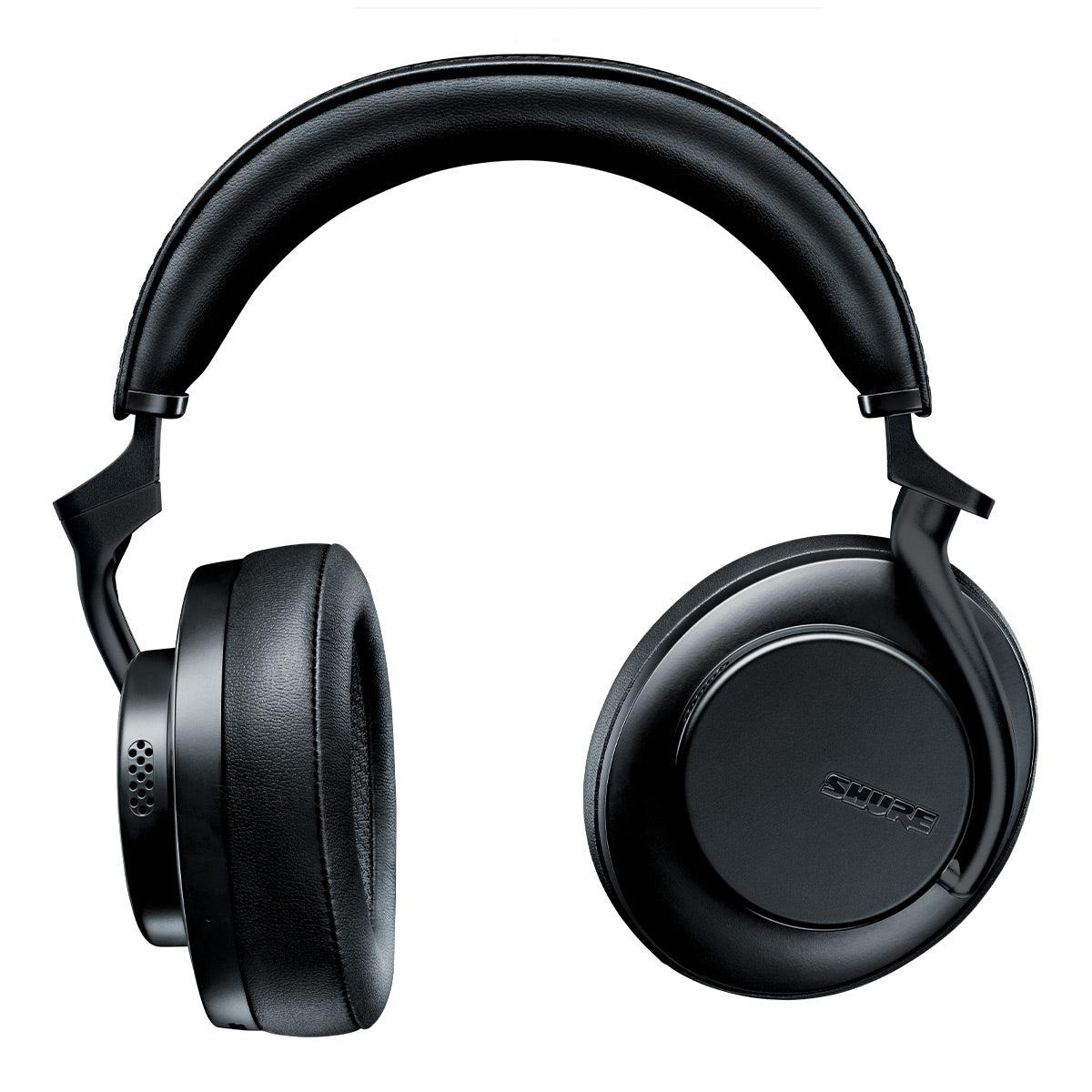
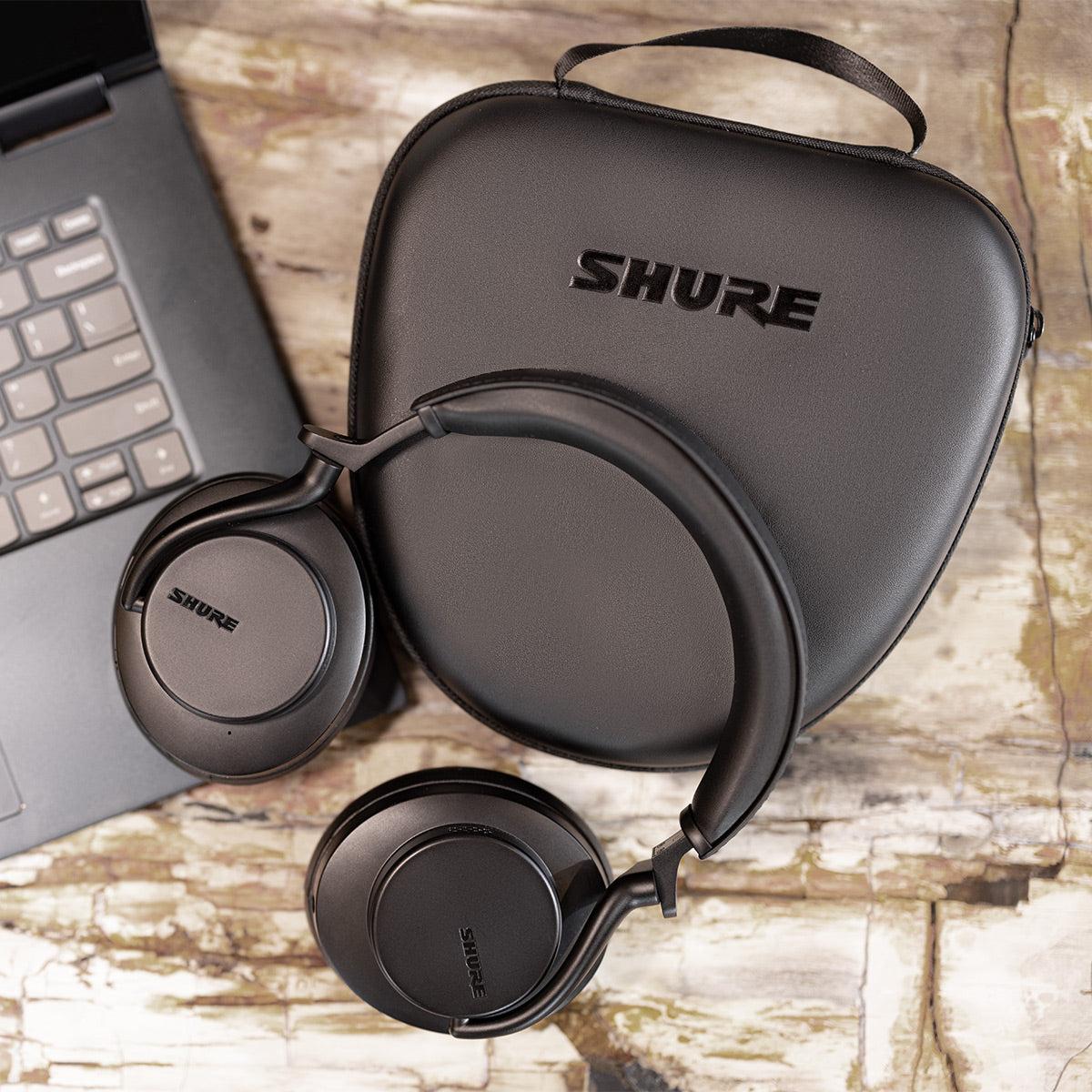
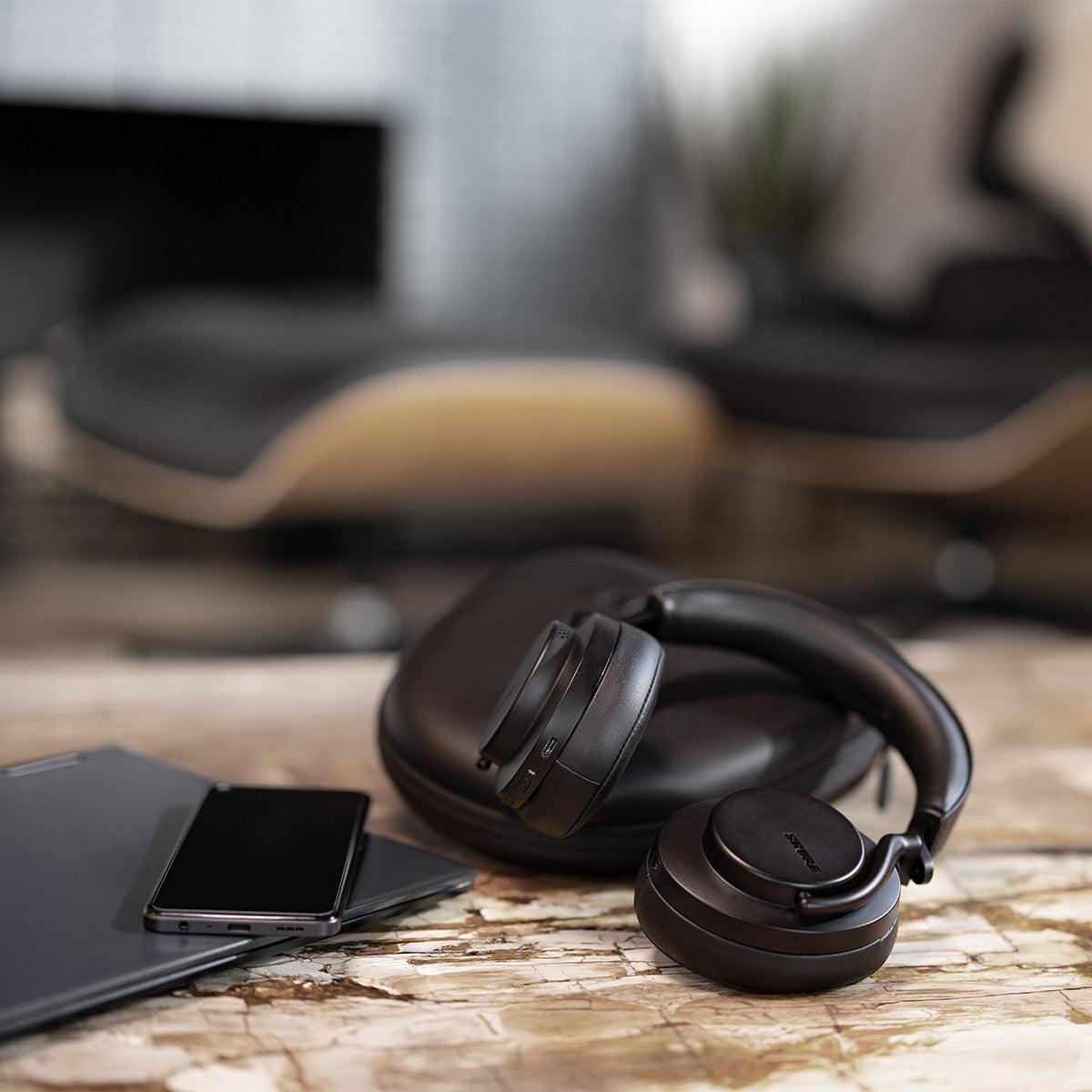
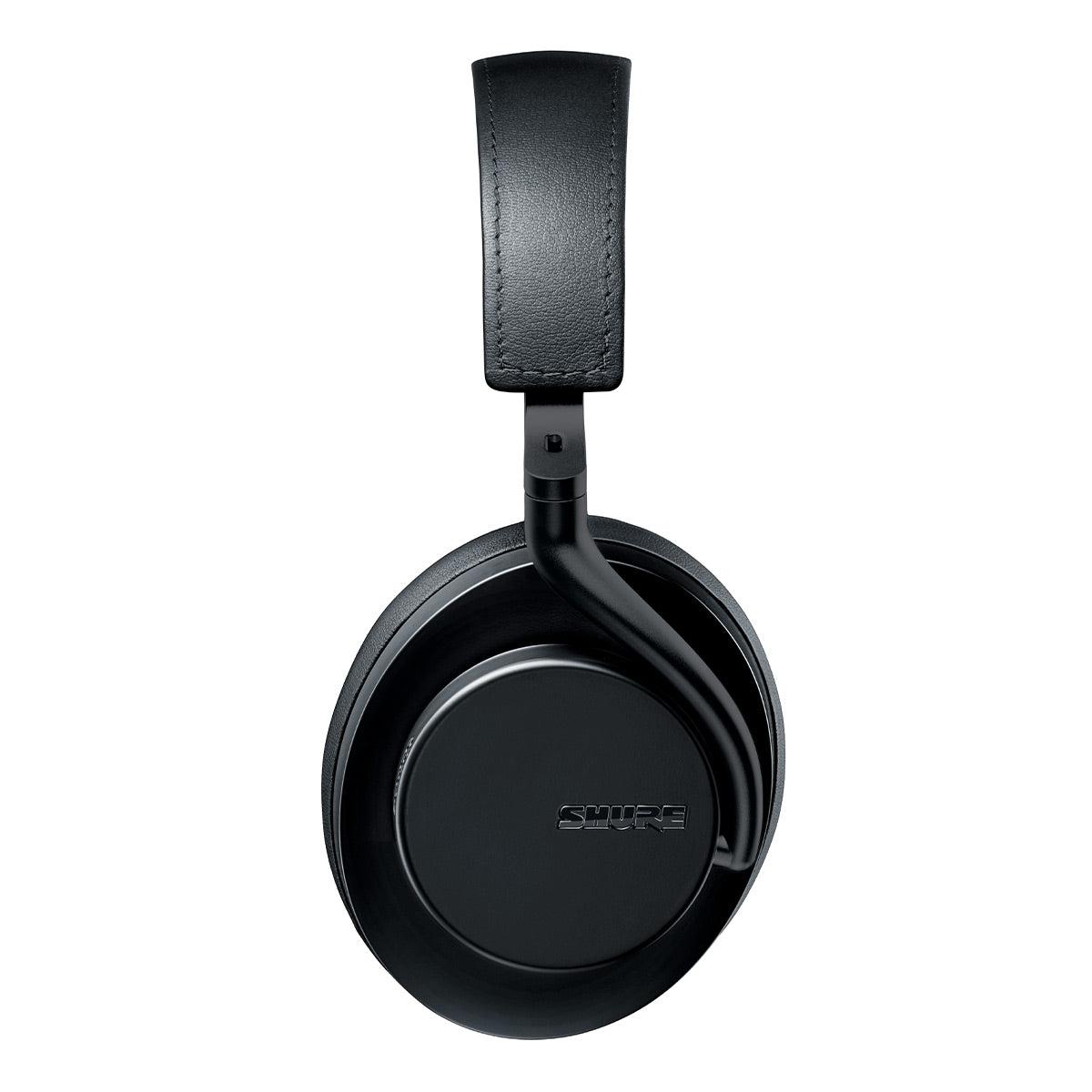


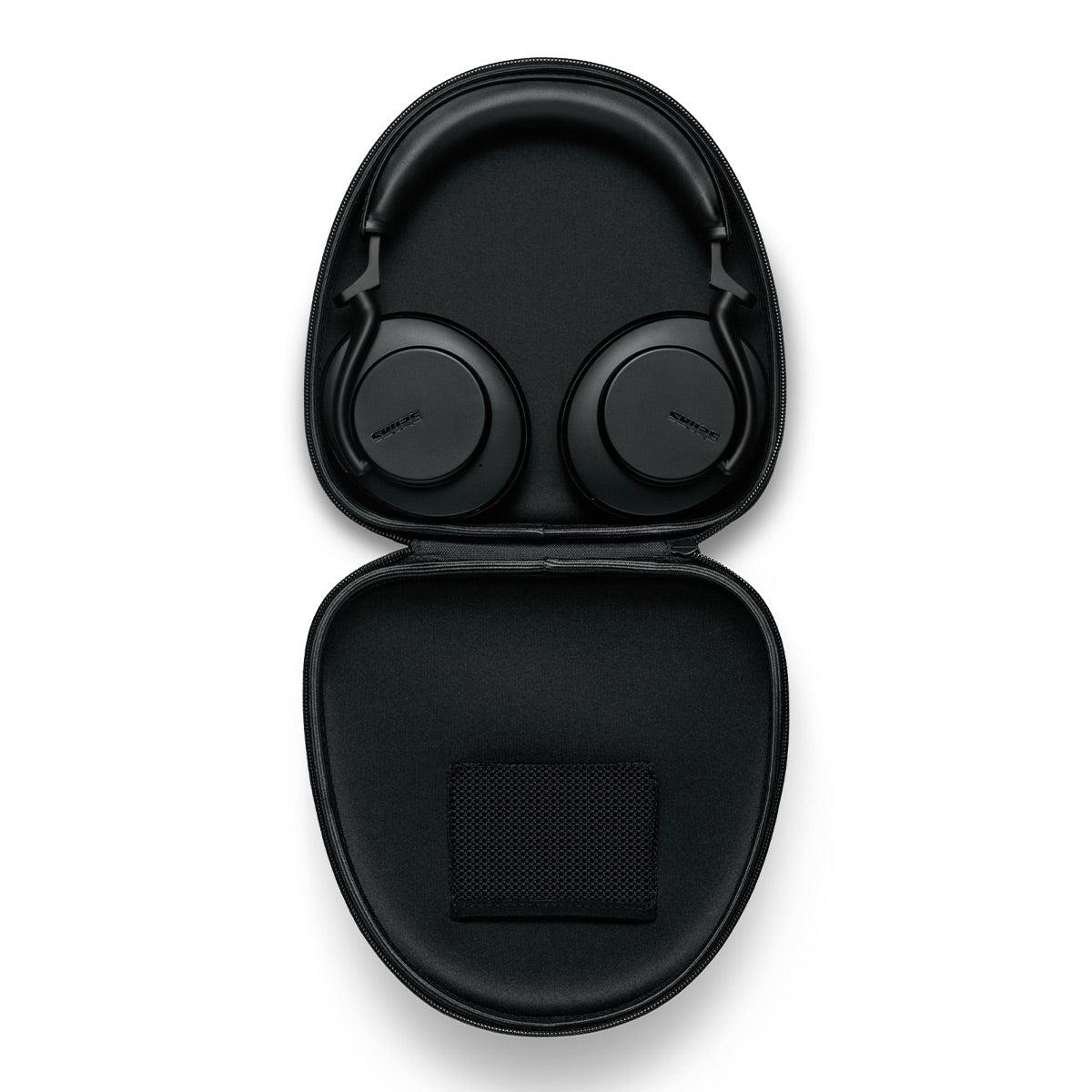
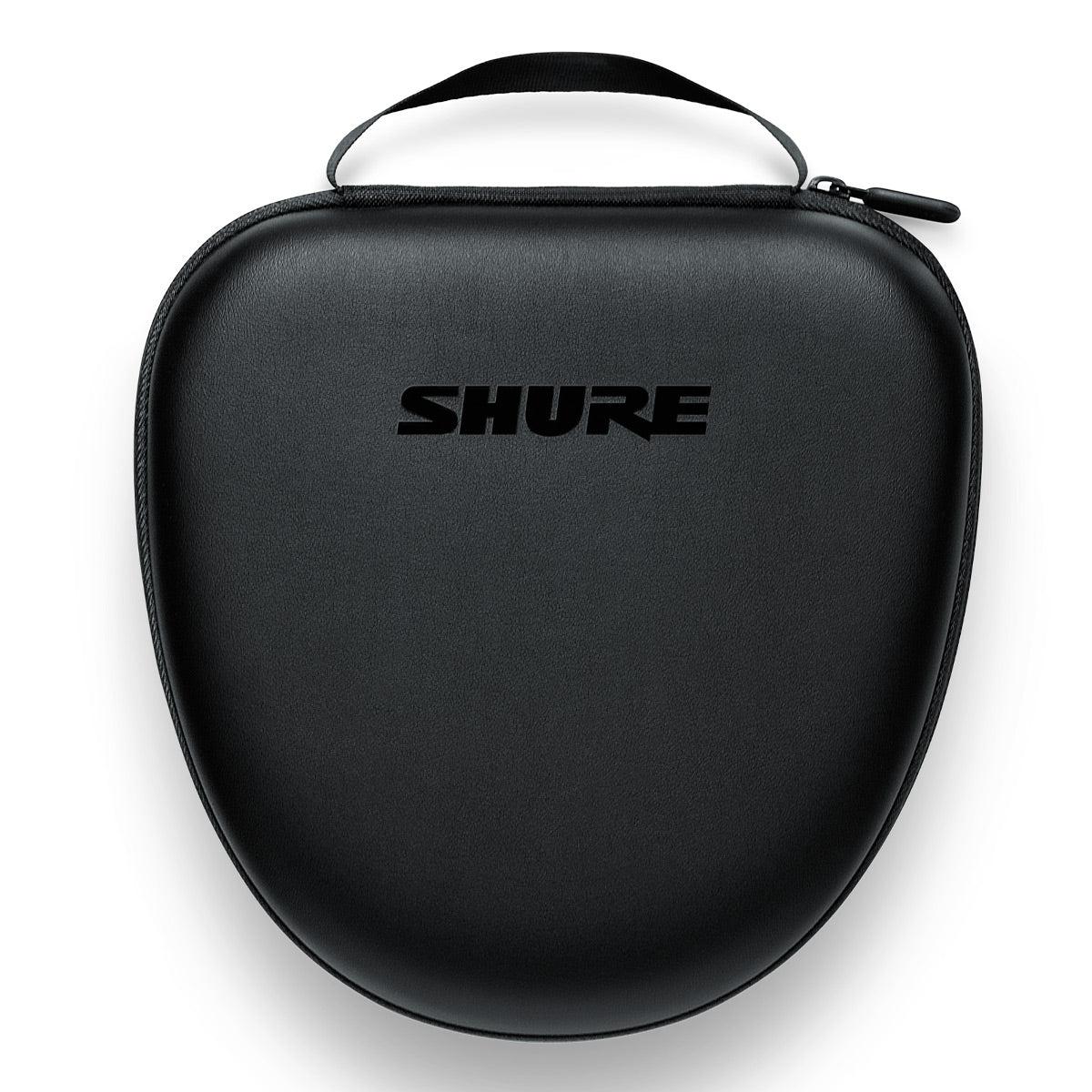
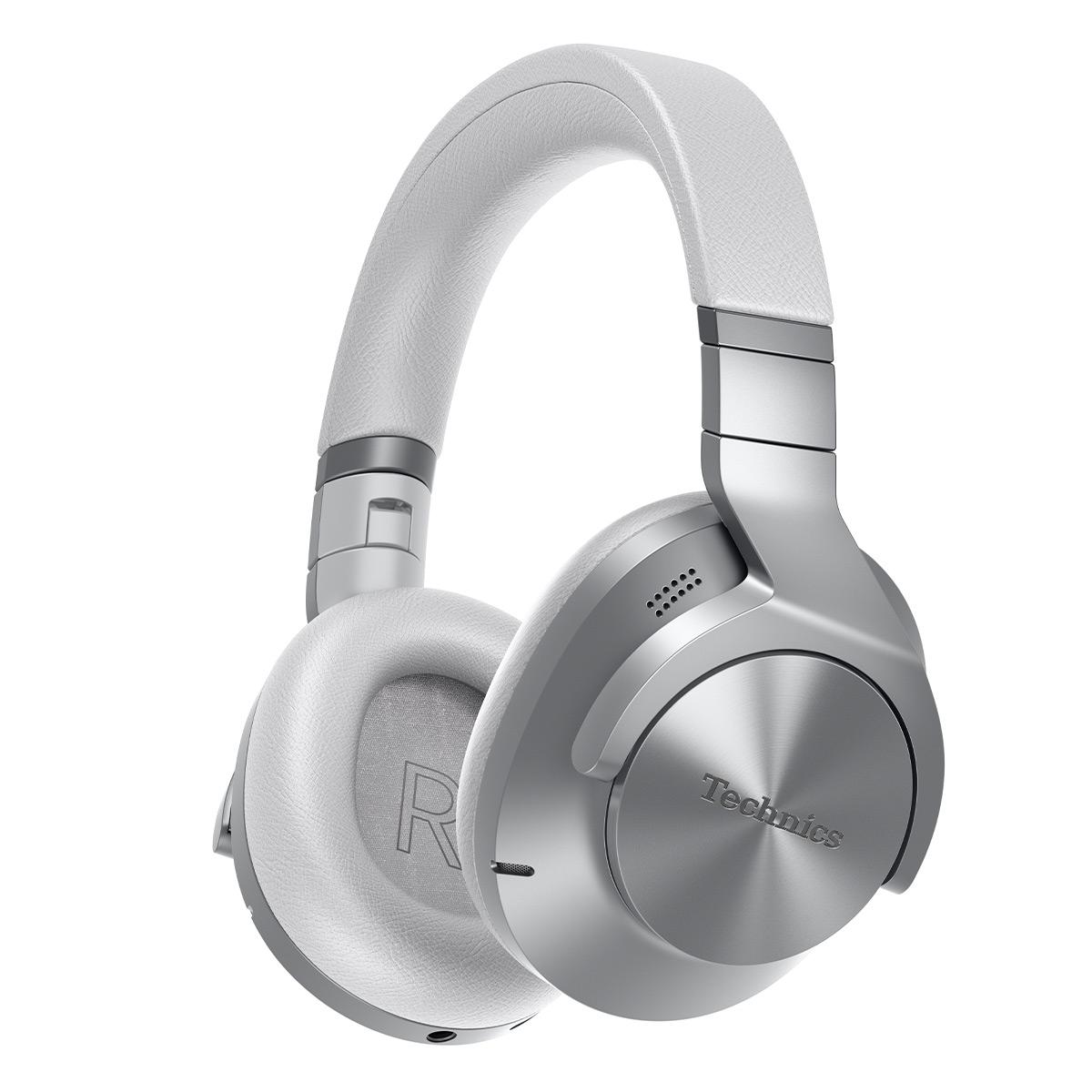
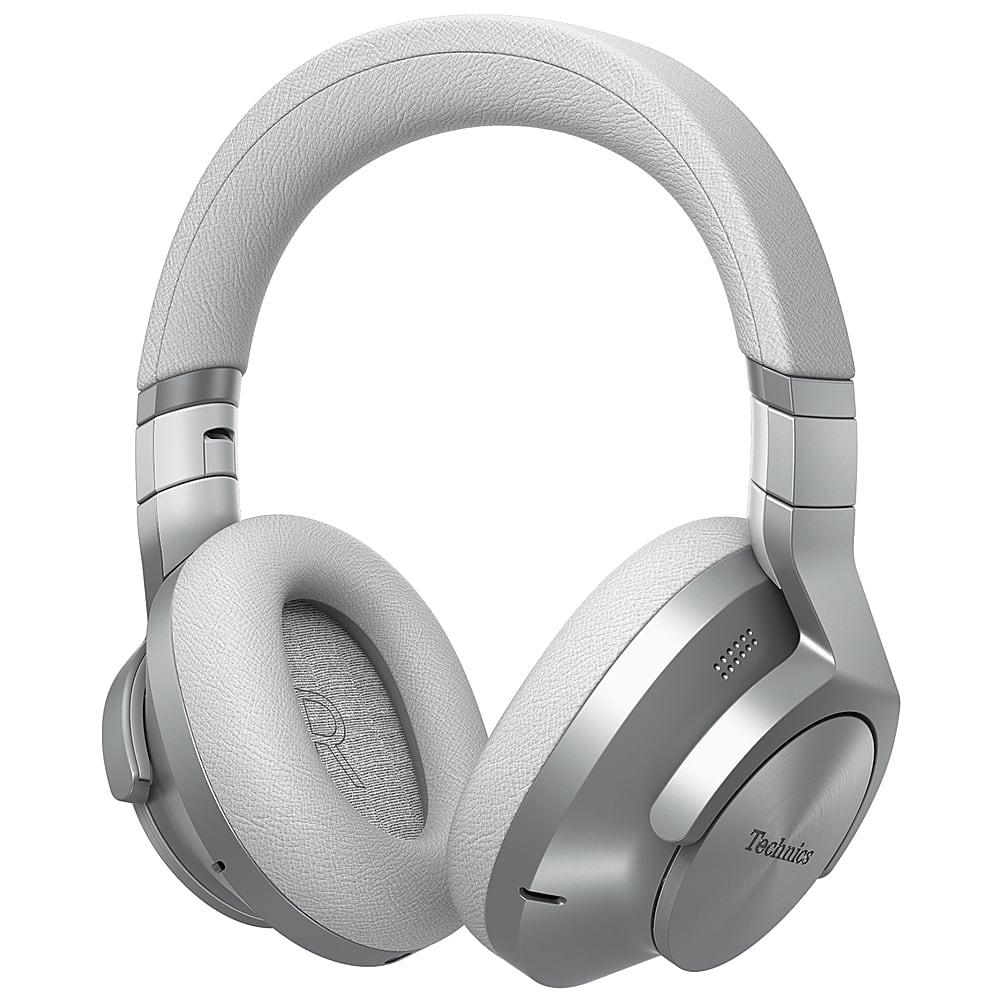
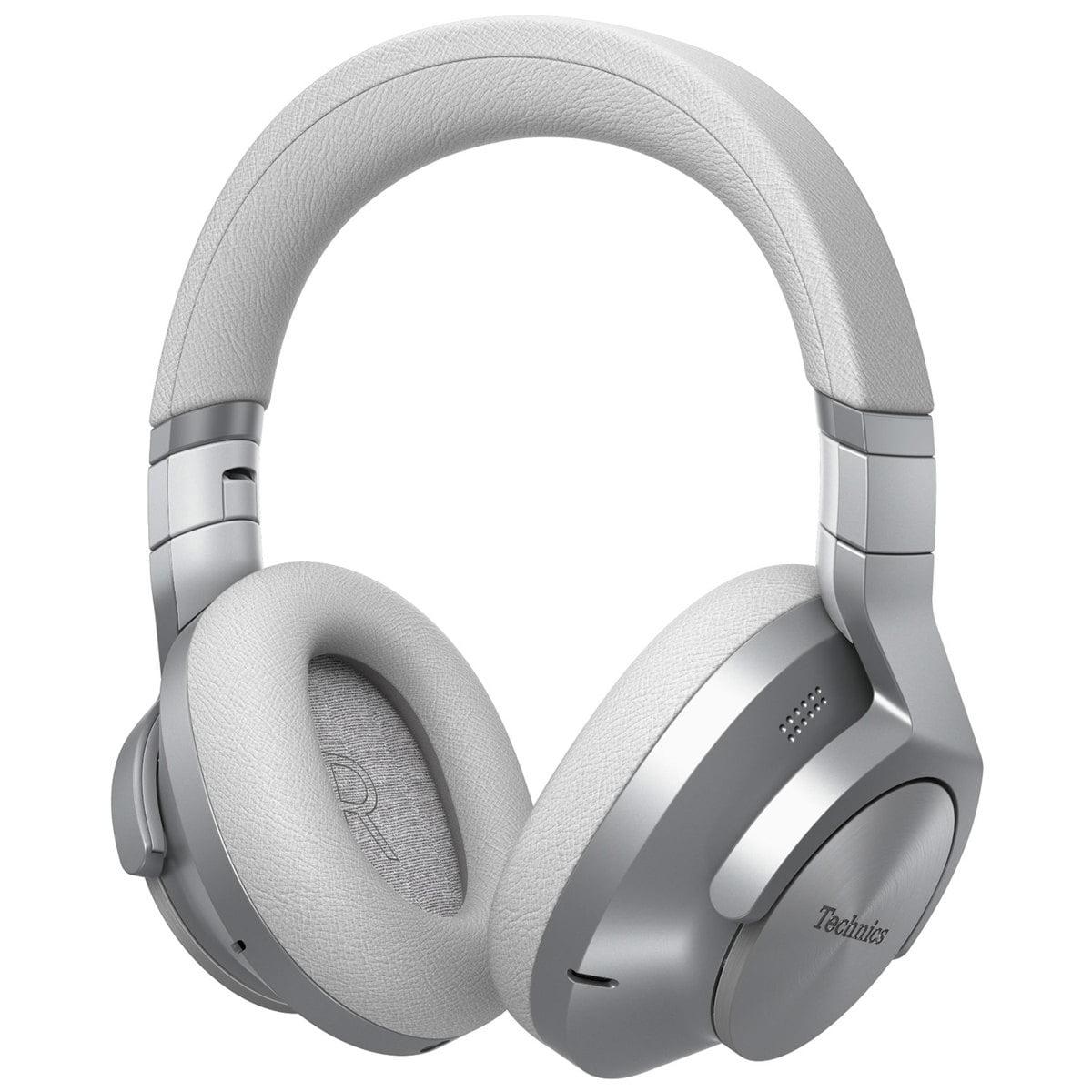
When you're ready to invest in premium wireless headphones, two models stand out for very different reasons. The Shure Aonic 50 Gen 2, released in 2023, brings decades of professional audio expertise to consumer headphones. Meanwhile, the Technics EAH-A800, also launched in 2023, delivers audiophile-quality performance at a more accessible price point. Both represent significant upgrades from their predecessors, but they take distinctly different approaches to achieving premium sound.
Premium wireless headphones have evolved dramatically over the past few years. What separates these models from budget options isn't just price—it's the combination of advanced driver technology, sophisticated noise cancellation, high-resolution audio support, and extensive customization options. These headphones target listeners who notice the difference between compressed and lossless audio, who spend hours wearing headphones daily, and who want their audio gear to enhance rather than color their music.
The key considerations when choosing premium wireless headphones center around several critical areas. Sound quality tops the list—this includes not just frequency response (how well the headphones reproduce different pitches), but also soundstage (how spacious and three-dimensional the audio feels), imaging (how precisely you can locate instruments in the mix), and dynamic range (the difference between the quietest and loudest sounds). Noise cancellation technology has become equally important, especially for travel and office use. Battery life, comfort during extended wear, wireless performance, and advanced features round out the essential criteria.
The Shure Aonic 50 Gen 2 represents Shure's transition from purely professional audio into the consumer market. At the time of writing, it commands a premium price that reflects its professional heritage and advanced feature set. This isn't just marketing—Shure has been making microphones and audio equipment for recording studios and live venues since the 1920s. That experience shows in how they've tuned these headphones.
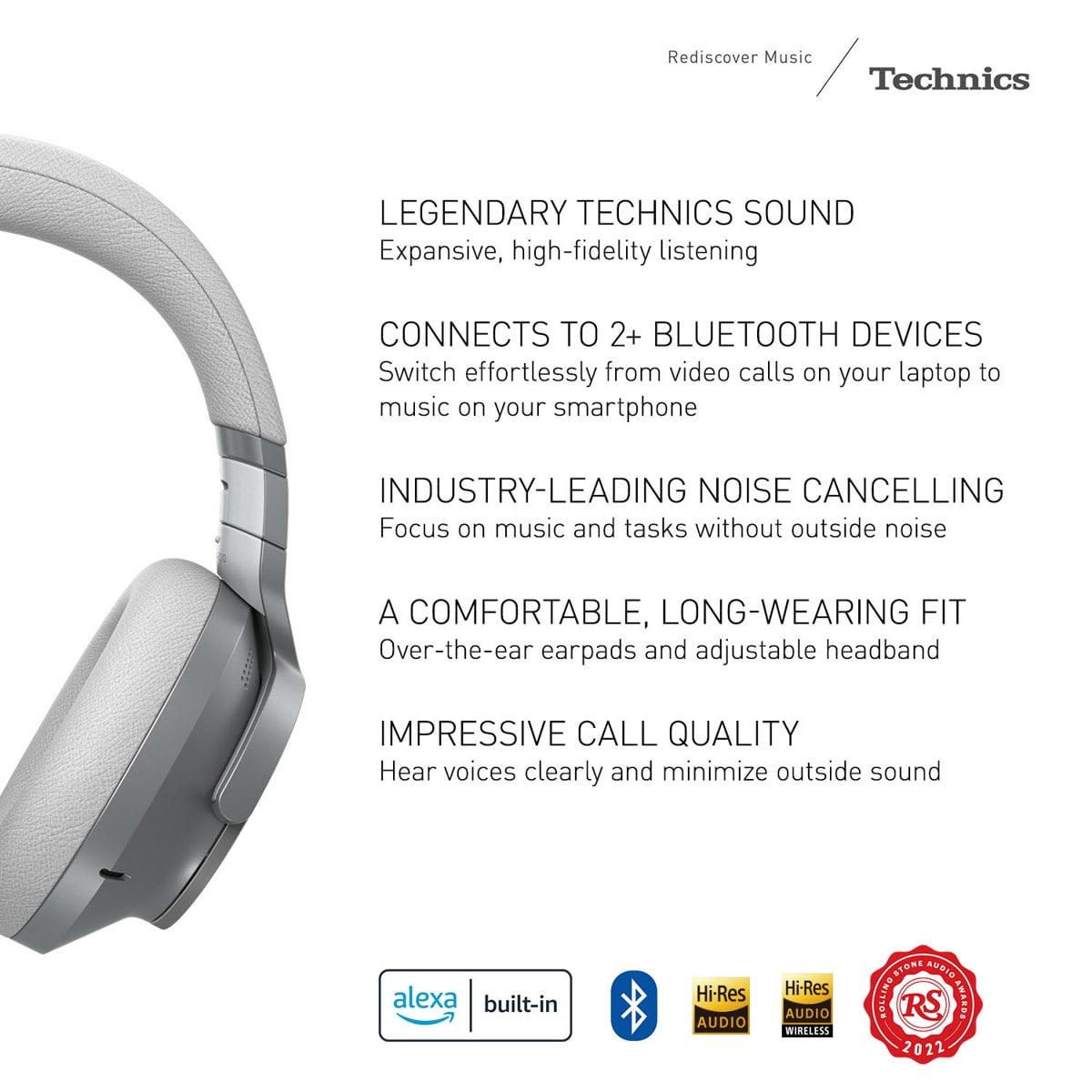
The Technics EAH-A800, meanwhile, comes from a brand with deep roots in high-fidelity audio reproduction. Technics built their reputation on turntables and hi-fi equipment, and this expertise translates into headphones that prioritize natural, engaging sound reproduction. At the time of writing, these headphones offer remarkable value in the premium segment, delivering features typically found in much more expensive models.
The audio performance differences between these headphones reflect their distinct design philosophies. The Shure Aonic 50 Gen 2 uses larger 50mm drivers—the components that actually create sound by moving air. Larger drivers generally move more air and can produce deeper bass and cleaner sound at higher volumes. Shure has tuned these drivers for what they call a "neutral" sound signature, meaning they try to reproduce audio exactly as it was recorded without adding their own coloration.
This neutral approach means the Shure Aonic 50 Gen 2 might sound less exciting initially compared to headphones with boosted bass or enhanced treble. However, this accuracy becomes valuable when you're editing audio, mixing music, or simply want to hear exactly what the artist intended. The soundstage—how spacious and three-dimensional music feels—is notably wide, and the imaging is precise enough that you can pinpoint exactly where each instrument sits in the mix.
The Technics EAH-A800 takes a different approach with smaller 40mm drivers but extends their frequency response much wider—from 4Hz all the way up to 40,000Hz. Most humans can only hear up to about 20,000Hz, but that extended range can affect the overall character of the sound. The bass extends deeper into sub-bass frequencies that you feel as much as hear, while the extended treble can add air and space to recordings.
What's particularly impressive about the Technics EAH-A800 is their sensitivity rating of 105 dB/mW compared to the Shure's 97.5 dB/mW. This technical specification means the Technics will play louder with the same amount of power from your phone or computer. In practical terms, you'll rarely need to turn the volume above 50% even with quiet recordings.
Both headphones support high-resolution audio codecs that preserve more detail than standard Bluetooth audio. However, the Shure Aonic 50 Gen 2 supports a much wider range of these advanced codecs, including aptX Adaptive, which automatically adjusts quality based on your wireless connection strength, and Snapdragon Sound, which minimizes delay between video and audio—crucial for gaming or watching movies.
One of the Shure Aonic 50 Gen 2's most distinctive features is its spatialized audio technology. This isn't just another surround sound gimmick—it's a sophisticated digital signal processing system that creates three distinct listening environments. Music mode simulates listening in a high-end acoustically treated room, Cinema mode recreates the expansive sound of a movie theater, and Podcast mode provides the intimate feeling of a professional recording studio.
I've found this feature particularly effective with certain types of content. Classical recordings and jazz albums benefit enormously from Music mode, which opens up the soundstage without making everything sound artificial or echo-y. Cinema mode transforms movie watching on a laptop or tablet, providing genuine surround-like immersion that makes dialogue clearer and effects more impactful.
The Shure Aonic 50 Gen 2 also includes USB-DAC functionality, which means you can connect them to your computer via USB-C and bypass your device's built-in audio processing entirely. This feature supports audio up to 32-bit/384kHz resolution—far beyond what most streaming services provide, but invaluable if you're working with high-resolution audio files or want the cleanest possible signal path.
For customization, the ShurePlus PLAY app provides a 4-band parametric equalizer that lets you adjust not just the level of different frequencies, but also the width and slope of those adjustments. Unlike simple bass and treble controls, parametric EQ gives you surgical precision over the sound signature. What's clever is that these EQ settings save directly to the headphones, so they work consistently across all your devices without needing the app running.
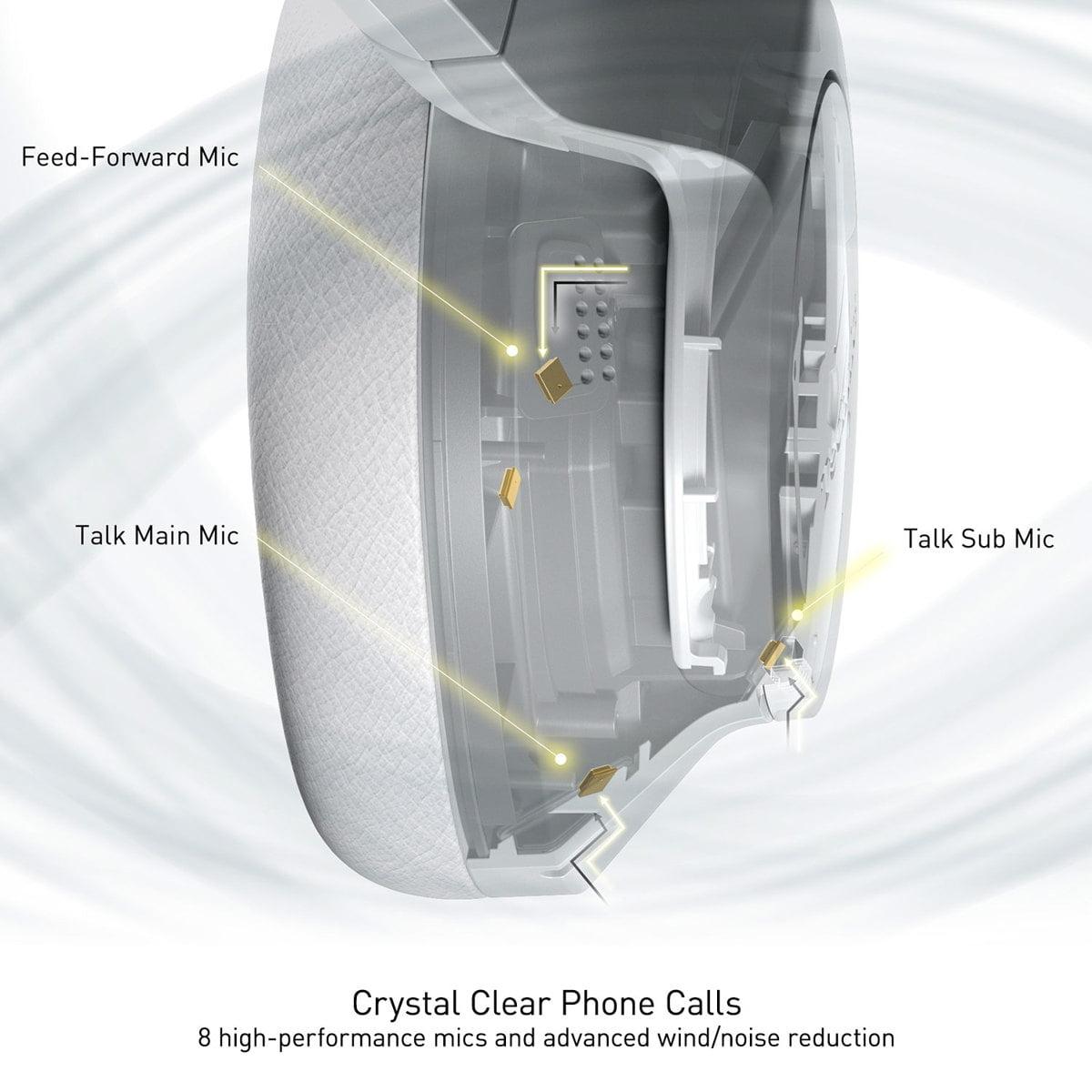
The Technics EAH-A800 focuses more on call quality and noise cancellation technology. Their eight-microphone array uses beamforming—a technique that focuses on your voice while rejecting background noise—combined with their JustMyVoice technology to deliver exceptionally clear calls even in noisy environments. If you spend significant time on video calls or phone conferences, this is a meaningful advantage.
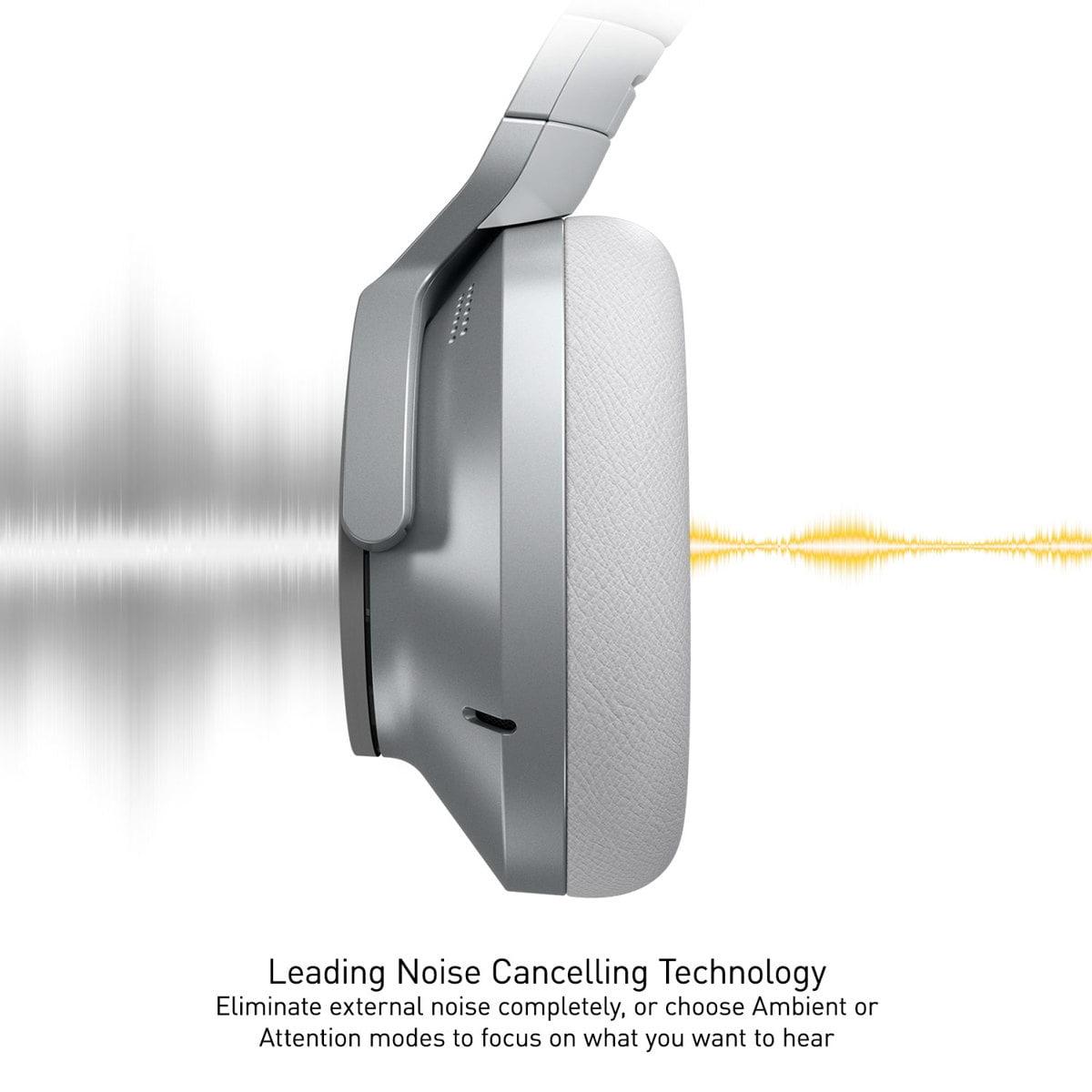
Noise cancellation technology has become increasingly sophisticated, and both headphones implement advanced systems, though with different strengths. The Technics EAH-A800 uses what they call Dual Hybrid noise cancelling, combining multiple approaches to achieve comprehensive noise reduction. They use both feedforward cancellation (microphones on the outside of the cups detect incoming noise) and feedback cancellation (microphones inside monitor what you're actually hearing) processed through both analog and digital circuits.
This sophisticated approach makes the Technics EAH-A800 particularly effective at cancelling low-frequency noise like airplane engines, air conditioning, or traffic rumble. In testing, they compete directly with industry leaders like Sony and Bose for low-frequency noise reduction, sometimes exceeding them. However, they're less effective with mid-range and higher-frequency sounds like voices or sudden sharp noises.
The Shure Aonic 50 Gen 2 takes a more customizable approach with four different ANC modes plus an 11-stage environmental mode that lets you dial in exactly how much outside sound you want to hear. This granular control is particularly useful in office environments where you might want to block out keyboard typing but still hear when someone calls your name.
What's interesting is that both headphones allow you to adjust these settings in real-time without using an app—the Shure Aonic 50 Gen 2 uses physical controls, while the Technics EAH-A800 combines physical buttons with touch-sensitive surfaces.
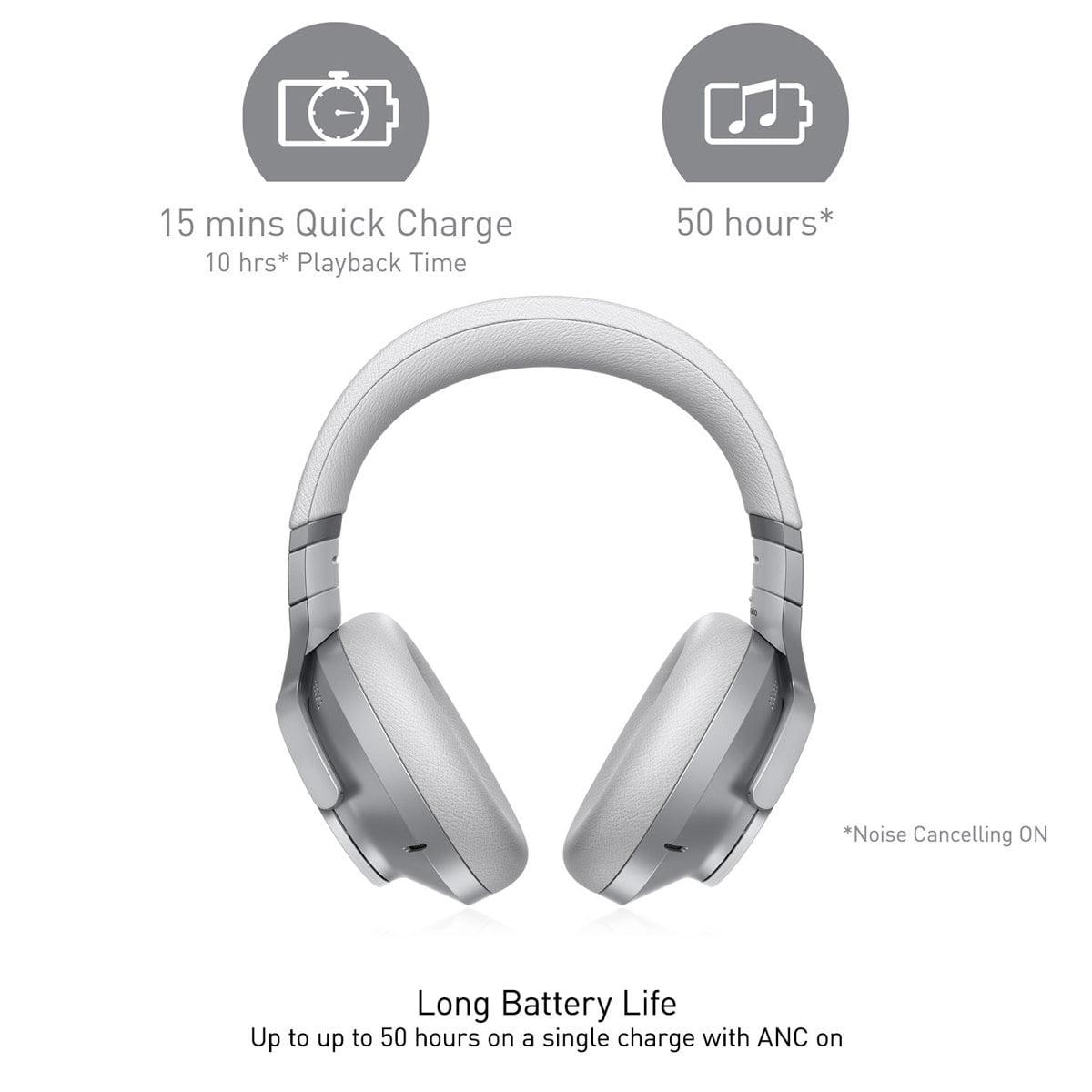
Battery performance has improved dramatically in recent premium headphones, and both models deliver exceptional endurance. The Technics EAH-A800 edges ahead with up to 50 hours of playback with noise cancelling enabled when using standard AAC codec, extending to 60 hours with ANC disabled. The Shure Aonic 50 Gen 2 provides up to 45 hours—still excellent, though using high-resolution LDAC codec reduces both models' battery life somewhat.
Both headphones support quick charging that provides hours of playback from just 15 minutes plugged in. The Technics EAH-A800 delivers 10 hours from a 15-minute charge, while the Shure Aonic 50 Gen 2 provides 5 hours. However, the Shure charges faster overall and can be used while charging—a practical advantage if you're tethered to a desk setup.
Weight becomes crucial during extended wear. The Technics EAH-A800 weighs 298 grams compared to the Shure Aonic 50 Gen 2's 334-340 grams. That 36-40 gram difference might not sound significant, but it becomes noticeable during long listening sessions. Both distribute weight well through padded headbands and spacious ear cups, but the Technics model feels less fatiguing over time.
While both headphones excel for music listening, they offer distinct advantages for home theater use. The Shure Aonic 50 Gen 2's spatialized audio modes transform movie and TV viewing. Cinema mode creates genuine surround-like immersion that makes dialogue clearer and effects more engaging. The wide soundstage helps separate different audio elements, so you're not missing subtle details in complex action sequences.
The low-latency codec support in the Shure Aonic 50 Gen 2 becomes crucial for gaming or watching video content. Audio delay—where sound doesn't match lip movement or game actions—can be distracting or even game-breaking in competitive scenarios. The aptX Low Latency and Snapdragon Sound support virtually eliminates this delay.
For late-night viewing when you can't disturb others, both headphones' noise cancellation works in reverse—it prevents your audio from leaking out while maintaining comfortable volume levels. The Technics EAH-A800's longer battery life becomes advantageous for marathon viewing sessions or gaming sessions that stretch into the early hours.
At the time of writing, the Shure Aonic 50 Gen 2 commands a premium that reflects its professional heritage and advanced feature set. You're paying for studio-quality tuning, extensive customization options, comprehensive codec support, and features like spatialized audio that genuinely enhance certain types of content. This pricing makes sense for audio professionals, serious music enthusiasts, gamers who benefit from low-latency performance, and users who appreciate having granular control over their audio experience.
The Technics EAH-A800 offers remarkable value in the premium segment, delivering about 80% of high-end performance at roughly 65% of the cost. You get excellent sound quality, superior noise cancellation for most scenarios, exceptional battery life, and outstanding comfort. The trade-offs are fewer advanced features and less extensive wireless codec support, but for most users, these compromises don't significantly impact daily use.
Choose the Shure Aonic 50 Gen 2 if you're a music producer, audio engineer, or serious enthusiast who values accuracy and customization above all else. If you game competitively, work with high-resolution audio files, or simply enjoy having extensive control over your audio experience, the premium is justified. The spatialized audio modes genuinely enhance certain content types, and the comprehensive codec support future-proofs your investment as streaming services adopt higher-quality formats.
The Technics EAH-A800 makes more sense for most premium headphone buyers. If you prioritize comfort during long wear, need exceptional noise cancellation for commuting or office work, value outstanding battery life, or want excellent sound quality without complexity, these deliver better overall value. The superior call quality also makes them ideal for remote work scenarios.
Both represent significant improvements over their predecessors and previous-generation competitors. The Shure Aonic 50 Gen 2 refined the original's comfort and doubled the battery life while adding spatialized audio and better wireless performance. The Technics EAH-A800 brought Technics' first serious entry into premium wireless headphones with technology that immediately competes with established leaders.
Ultimately, both headphones excel in their intended roles. The Shure Aonic 50 Gen 2 delivers professional-grade performance with advanced features for users who will appreciate and utilize them. The Technics EAH-A800 provides exceptional all-around performance that satisfies the vast majority of premium headphone requirements at a more accessible price point. Your choice should align with your specific needs, budget, and how you plan to use these headphones in your daily audio experience.
| Shure Aonic 50 Gen 2 | Technics EAH-A800 |
|---|---|
| Driver Size - Larger drivers typically produce fuller sound and better bass | |
| 50mm custom-engineered dynamic drivers | 40mm PEEK/Polyurethane 3-layer diaphragm |
| Frequency Response - Wider range captures more musical detail | |
| 20Hz - 22kHz (standard audiophile range) | 4Hz - 40kHz (exceptionally wide, extends into sub-bass) |
| Weight - Lighter headphones are more comfortable for long sessions | |
| 334-340g (heavier but well-distributed) | 298g (noticeably lighter for all-day wear) |
| Battery Life - Longer playback means fewer charging interruptions | |
| Up to 45 hours (excellent endurance) | Up to 50 hours with ANC on (class-leading) |
| Bluetooth Codecs - More codecs mean better wireless sound quality | |
| SBC, AAC, aptX, aptX HD, aptX Adaptive, aptX Low Latency, LDAC, Snapdragon Sound | SBC, AAC, LDAC (covers most high-quality needs) |
| Active Noise Cancellation - Better ANC blocks more distracting sounds | |
| Hybrid ANC with 4 modes + 11-stage ambient (customizable but average performance) | Dual Hybrid ANC with 8-mic array (industry-leading for low frequencies) |
| Sound Signature - Different tuning philosophies affect music enjoyment | |
| Studio-neutral, accurate reproduction (may need EQ for excitement) | Rich, balanced, immediately engaging (consumer-friendly tuning) |
| Advanced Features - Unique capabilities that justify premium pricing | |
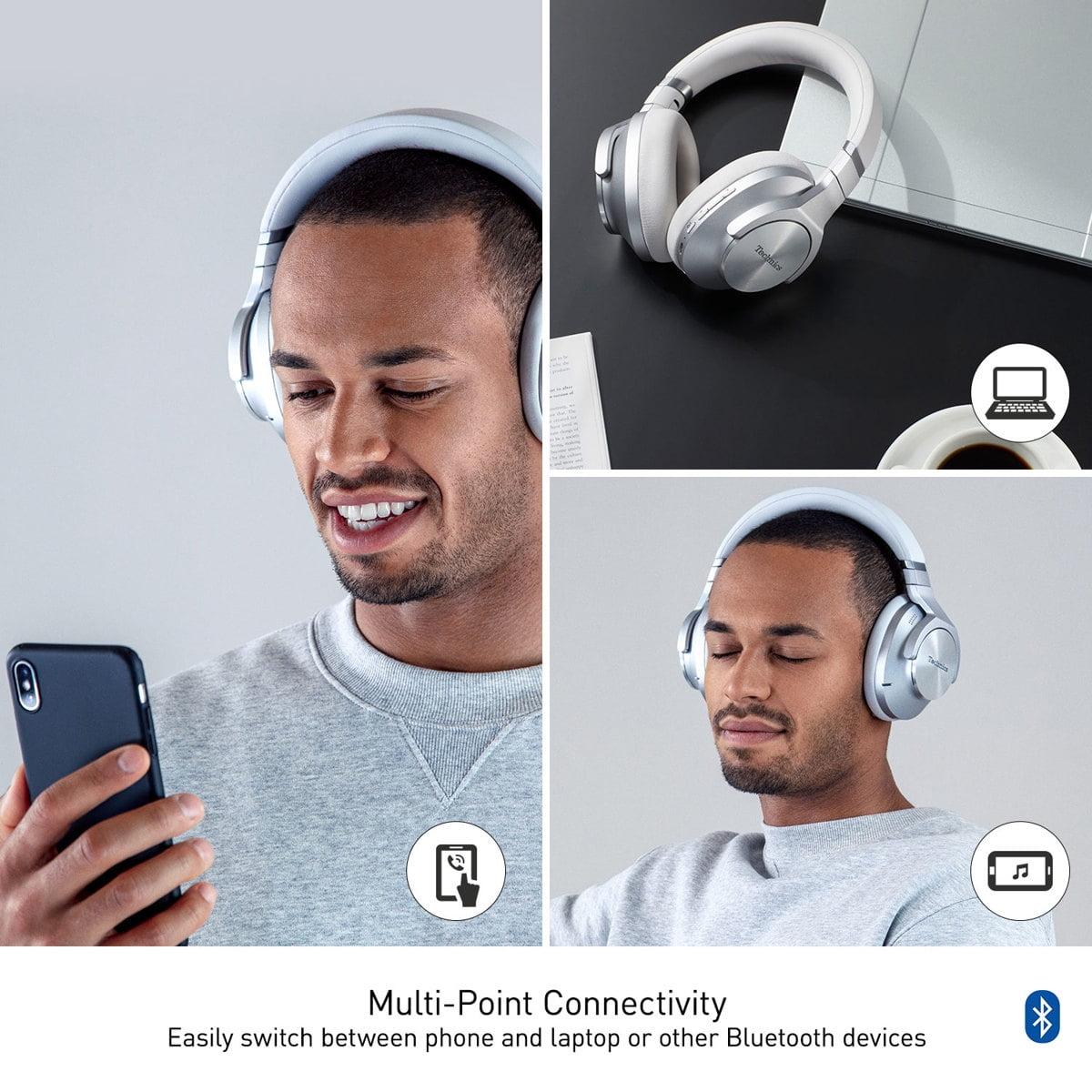
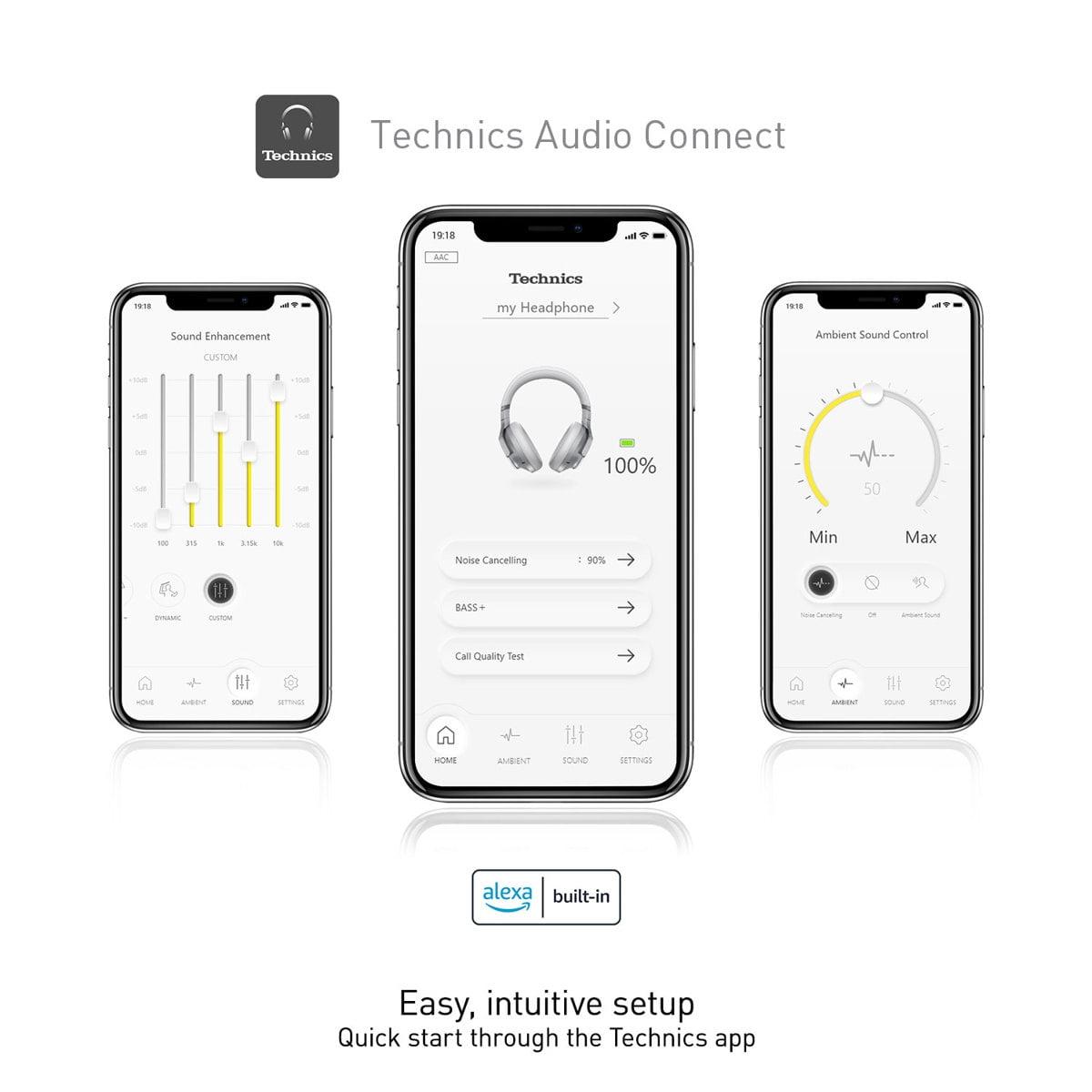
| Spatialized Audio (3 modes), USB-DAC mode (32-bit/384kHz), parametric EQ | JustMyVoice call technology, Hi-Res certification, Alexa built-in |
| Quick Charge Performance - Fast charging reduces downtime | |
| 15 minutes = 5 hours playback | 15 minutes = 10 hours playbook (superior quick charge) |
| Target User - Who benefits most from each model's strengths | |
| Audio professionals, gamers, customization enthusiasts | Commuters, office workers, value-conscious audiophiles |
Both the Shure Aonic 50 Gen 2 and Technics EAH-A800 deliver excellent sound quality but with different approaches. The Shure Aonic 50 Gen 2 offers studio-accurate sound reproduction with larger 50mm drivers and neutral tuning that reveals every detail in your music. The Technics EAH-A800 provides a more immediately engaging sound with wider frequency response (4Hz-40kHz) and consumer-friendly tuning that sounds rich and balanced out of the box.
The Technics EAH-A800 has superior noise cancellation overall, featuring Dual Hybrid ANC with an 8-microphone array that excels at blocking low-frequency sounds like airplane engines and traffic. While the Shure Aonic 50 Gen 2 offers customizable ANC with 4 modes and 11-stage ambient control, its noise cancellation performance is considered average compared to class leaders.
The Technics EAH-A800 offers longer battery life with up to 50 hours of playback with ANC enabled, extending to 60 hours with ANC off. The Shure Aonic 50 Gen 2 provides up to 45 hours of battery life, which is still excellent but slightly less than the Technics model.
The Technics EAH-A800 is more comfortable for extended wear due to its lighter weight (298g vs 334-340g) and excellent pressure distribution across the headband. Both models feature plush ear cushions and quality build, but the weight difference becomes noticeable during all-day use.
The Technics EAH-A800 excels at call quality with its 8-microphone array, beamforming technology, and JustMyVoice processing that isolates your voice while reducing background noise. The Shure Aonic 50 Gen 2 provides functional call quality but isn't specifically optimized for business communications.
The Shure Aonic 50 Gen 2 has superior wireless performance with extensive codec support including aptX, aptX HD, aptX Adaptive, aptX Low Latency, and Snapdragon Sound for gaming and high-resolution streaming. The Technics EAH-A800 supports fewer codecs (SBC, AAC, LDAC) but covers most users' needs with Bluetooth 5.2.
The Shure Aonic 50 Gen 2 is better for gaming due to its low-latency codec support (aptX Low Latency, Snapdragon Sound) that minimizes audio delay, plus spatialized audio modes that enhance gaming immersion. The Technics EAH-A800 can be used for gaming but lacks the specialized features that benefit competitive gaming.
The Shure Aonic 50 Gen 2 is superior for home theater use thanks to its Cinema mode in the spatialized audio feature, which creates a movie theater-like experience with enhanced surround sound simulation. The low-latency codecs also ensure perfect audio-video synchronization during movie watching.
The Shure Aonic 50 Gen 2 offers more extensive customization through the ShurePlus PLAY app with 4-band parametric EQ, spatialized audio controls, and settings that save directly to the headphones. The Technics EAH-A800 provides basic EQ and ANC adjustments through the Technics Audio Connect app but with less granular control.
Both models offer quick charging, but the Technics EAH-A800 provides better quick charge performance with 10 hours of playback from a 15-minute charge compared to 5 hours for the Shure Aonic 50 Gen 2. However, the Shure model can be used while charging, which adds flexibility.
The Shure Aonic 50 Gen 2 is specifically designed for professional use with studio-accurate tuning, USB-DAC mode supporting up to 32-bit/384kHz audio, and Shure's decades of professional audio heritage. The Technics EAH-A800 offers high-quality sound but is tuned more for consumer enjoyment than professional accuracy.
The Technics EAH-A800 provides better overall value by delivering approximately 80% of premium headphone performance at a more accessible price point. The Shure Aonic 50 Gen 2 justifies its premium pricing with professional-grade features, extensive customization, and advanced technologies that benefit specific use cases like gaming, professional audio work, and home theater applications.
We've done our best to create useful and informative comparisons to help you decide what product to buy. Our research uses advanced automated methods to create this comparison and perfection is not possible - please contact us for corrections or questions. These are the sites we've researched in the creation of this article: tomsguide.com - headphonecheck.com - whathifi.com - majorhifi.com - rtings.com - versus.com - majorhifi.com - versus.com - audio46.com - youtube.com - bhphotovideo.com - techradar.com - soundpro.com - shure.com - americanmusical.com - pubs.shure.com - blog.zzounds.com - service.shure.com - fullcompass.com - blog.son-video.com - expertreviews.co.uk - youtube.com - whathifi.com - youtube.com - bhphotovideo.com - futureaudiophile.com - versus.com - versus.com - soundphilereview.com - help.na.panasonic.com - technics.com - retailspecs.com - headphonecheck.com - us.technics.com - help.na.panasonic.com - bhphotovideo.com - technics.com - technics.com - valueelectronics.com - us.technics.com - us.technics.com - youtube.com - hometheaterhifi.com

Privacy Policy
Terms and Conditions - Affiliate Policy
Home Security
© Copyright 2008-2026.
11816 Inwood Rd #1211, Dallas, TX 75244